While shallow and medium-depth shale reservoirs are characterized by low reservoir pressure, high porosity, short development cycles, and low single-well production, deep shale resources represent the strategic successor domain for growth in shale gas production. However, during hydraulic fracturing, the considerable burial depth and elevated vertical stress levels pose substantial challenges to fracture initiation and propagation. Furthermore, fractures tend to propagate unidirectionally along the direction of maximum principal stress, which limits the natural development of complex fracture networks. Consequently, natural fractures are difficult to activate, ultimately resulting in poor stimulated reservoir volume performance. Rock mechanical parameters are fundamental factors controlling the effectiveness of hydraulic fracturing in deep shale formations. In current engineering practice, the Brittleness index (BI) is typically determined through uniaxial and triaxial compression tests, X-ray diffraction, and empirical formulas. However, traditional laboratory experimental methods are inherently time-consuming and costly. Moreover, empirical formula-based approaches, which are primarily developed from longitudinal and transverse wave velocities, face significant challenges in data acquisition, suffer from low predictive precision, and require a high level of professional expertise [
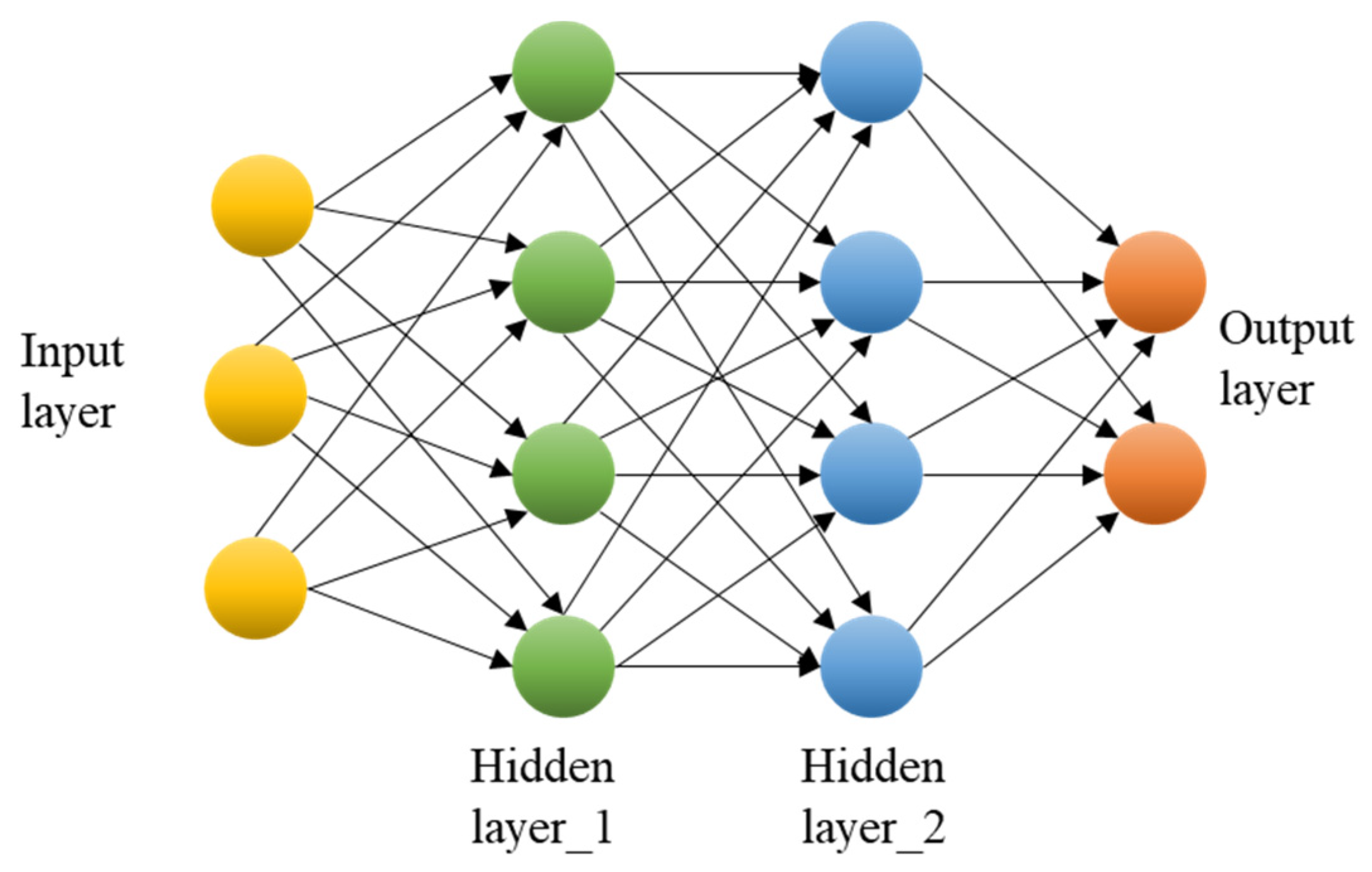
2]. In recent years, the rapid evolution of big data theory and technology has facilitated the widespread adoption of machine learning in petroleum engineering. Primarily, scholars have investigated various machine learning architectures and intelligent algorithms to enhance nonlinear mapping capabilities, thereby improving the precision of rock-mechanical parameter prediction. These methodologies encompass traditional feedforward neural networks, such as the Backpropagation (BP) model, as well as Long Short-Term Memory (LSTM) networks and emerging artificial intelligence algorithms, such as XGBoost. On the other hand, by incorporating a broad spectrum of geological and engineering feature parameters, including drilling, completion, seismic, well-logging, fracturing, and production data, these algorithms can effectively uncover latent patterns and inherent correlations embedded in the datasets. Brittleness evaluation is of great significance for assessing shale reservoir fracability, designing fracturing intervals, and improving fracturing stimulation effects. Cao et al. adopted digital rock physics experiments to calibrate the influence degree of different mineral components on the overall brittleness characteristics of rocks, quantitatively analyzed the variation relationship of rock elastic parameters with mineral component content, and used the brittleness index based on elastic parameters to establish the differential influence relationship of different mineral components on shale brittleness, thus proposing a brittleness evaluation method based on the adaptive change in the contribution degree of mineral components [
3]. He et al. adopted four ensemble learning algorithms to address the nonlinear interdependence between logging responses and mechanical brittleness. Comparative analysis indicates that the ensemble model achieved the highest test-set prediction accuracy. This provides a cost-effective alternative to laboratory methods and demonstrates the feasibility of data-driven approaches in brittleness evaluation. Yapei et al. introduced a novel Principal Component Analysis (PCA)-Back Propagation Neural Network BPNN method for predicting the brittleness index using five logging parameters, namely natural gamma (GR), formation density (DEN), P-wave sonic (DTC), neutron porosity (CNL), and spontaneous potential (SP) [
4]. Principal component analysis was applied to extract three principal components from these five logging datasets. The resulting PCA-BPNN prediction model, developed from these principal components, demonstrated superior predictive accuracy. Zhang et al. introduced a novel hybrid model, the Sparrow Search Algorithm-Extreme Learning Machine (SSA-ELM), to predict the shale brittleness index [
5]. To evaluate the model’s effectiveness, twelve alternative machine learning algorithms were selected as benchmarks for comparison. The superiority of the proposed framework was subsequently verified by integrating conventional logging data with X-ray diffraction-derived brittleness indices. Shi et al. proposed several practical data-driven methods for predicting the Brittleness index based on backpropagation artificial neural networks (BP-ANN), extreme learning machines (ELM), and linear regression [
6]. These models were developed by integrating conventional logging data with Brittleness index values calculated through laboratory mineral composition analysis. A comparative analysis revealed that artificial intelligence models achieved significantly better performance in predicting the Brittleness index than simple regression-based methods.
While previous studies have explored empirical formulas and conventional machine learning models for brittleness evaluation, these approaches exhibit specific limitations in highly heterogeneous deep shale gas reservoirs. First, traditional empirical approaches, primarily based on longitudinal and transverse wave velocities, face significant challenges in data acquisition and suffer from low predictive precision. Second, although conventional data-driven algorithms have been introduced to enhance non-linear mapping capabilities, their direct application often overlooks the inherent geological background [
7]. They serve as generic models that fail to dynamically decode complex stratigraphic signals. Specifically, as major fields enter mature development stages, traditional data-driven modeling approaches encounter a dual limitation: the insufficient scale and quality of samples fail to satisfy the stringent data-completeness requirements of deep learning, and under such data-sparse conditions, conventional algorithms struggle to capture the complex non-linear mappings between heterogeneous geological settings and geomechanical responses.
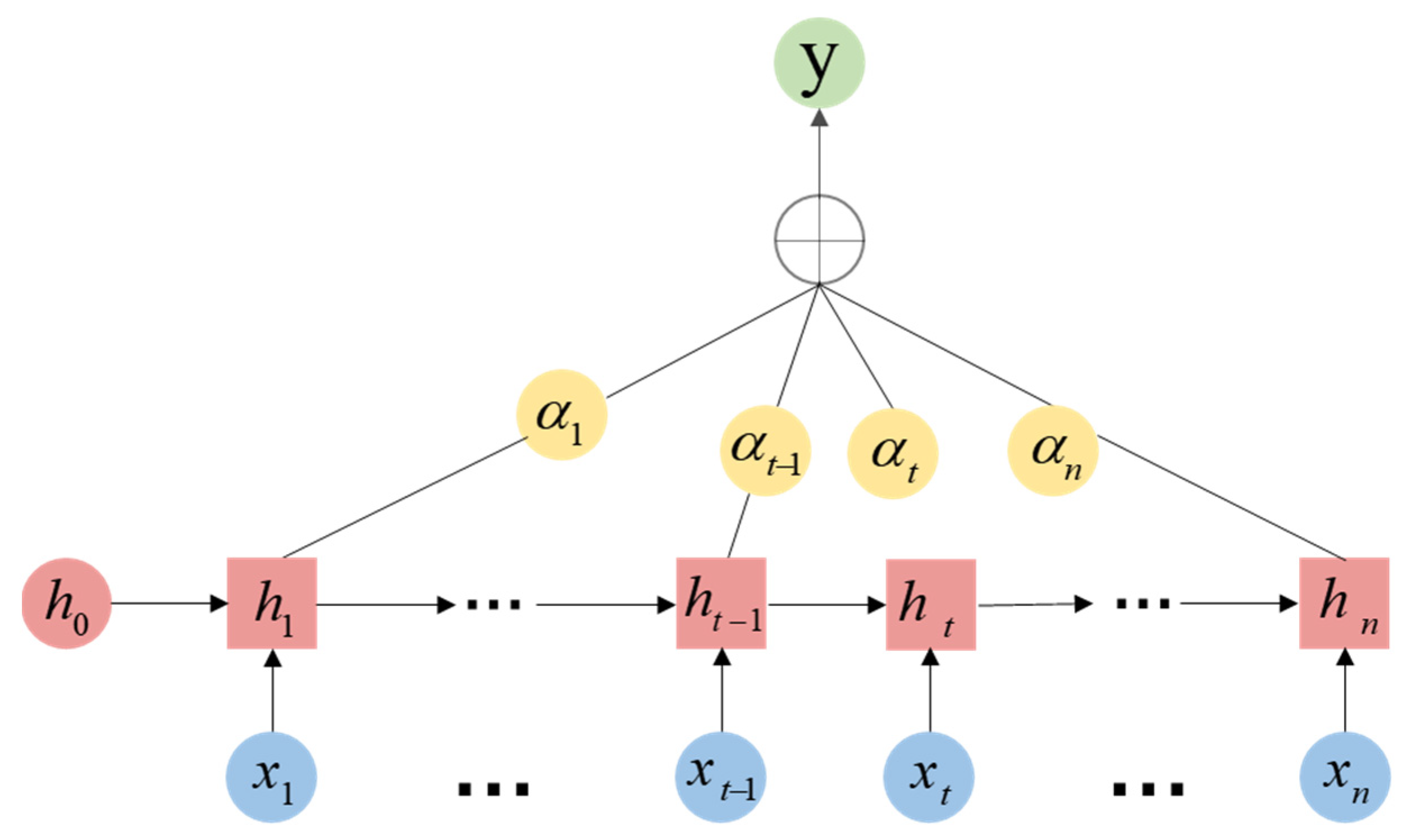
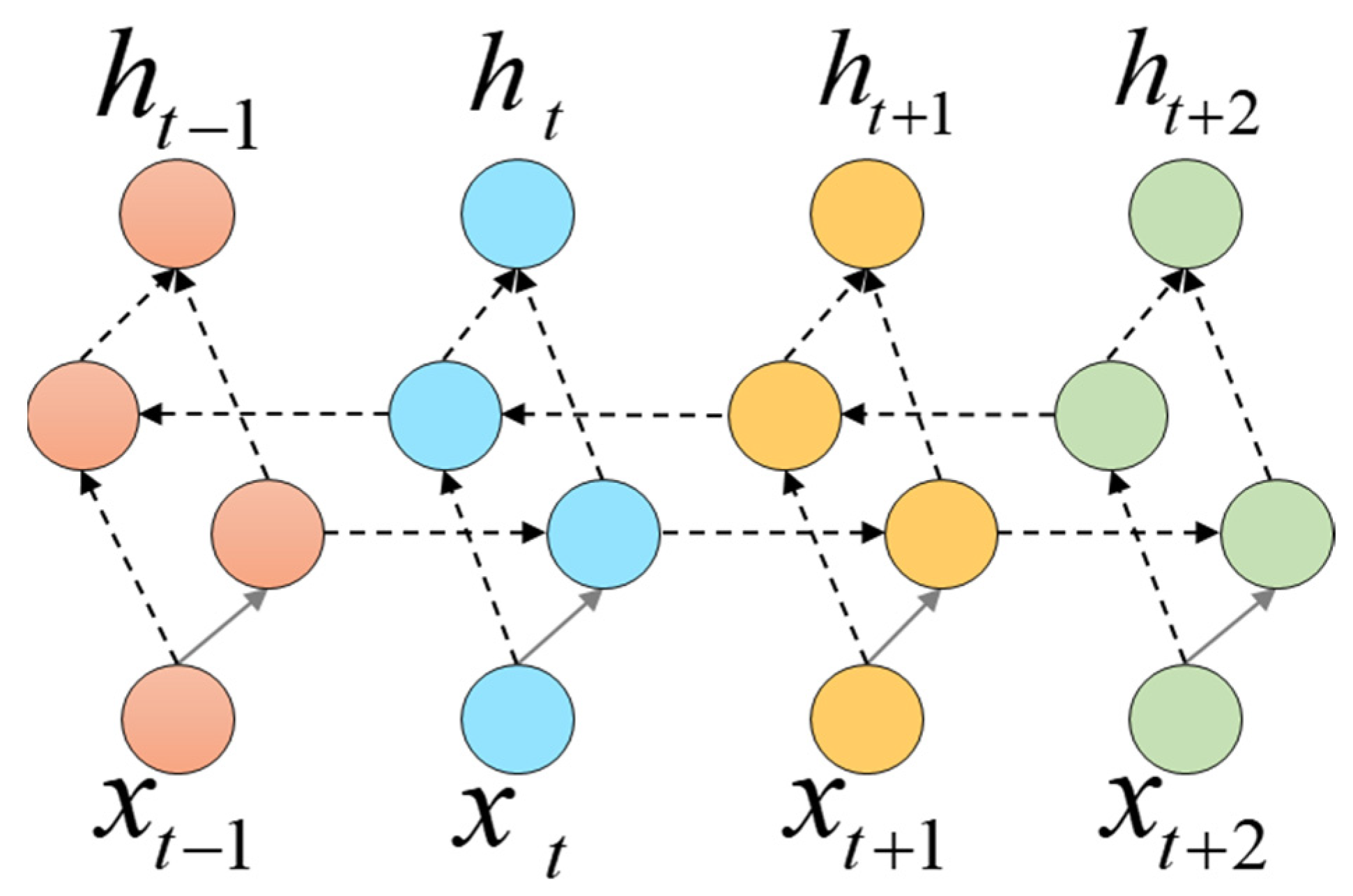
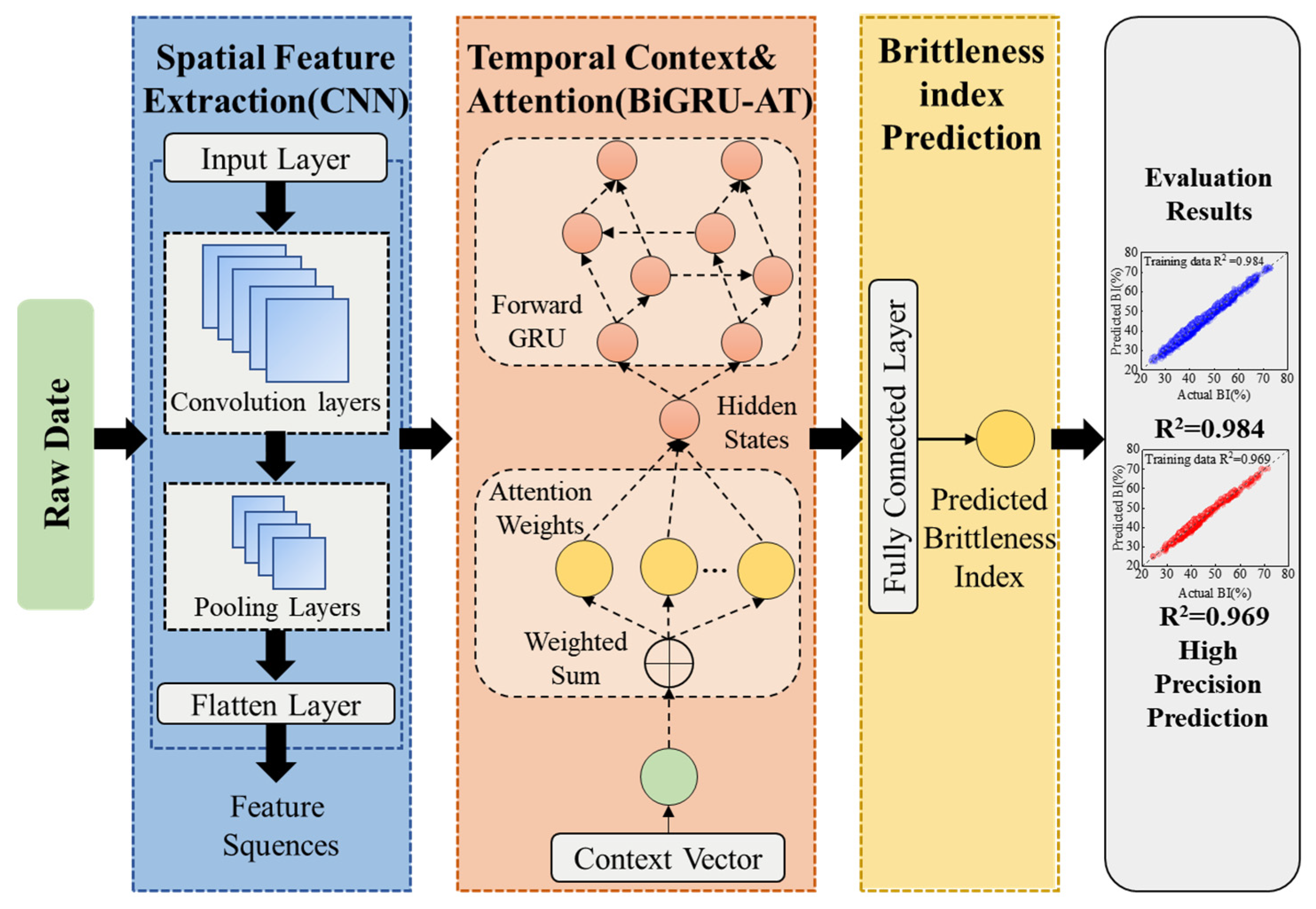
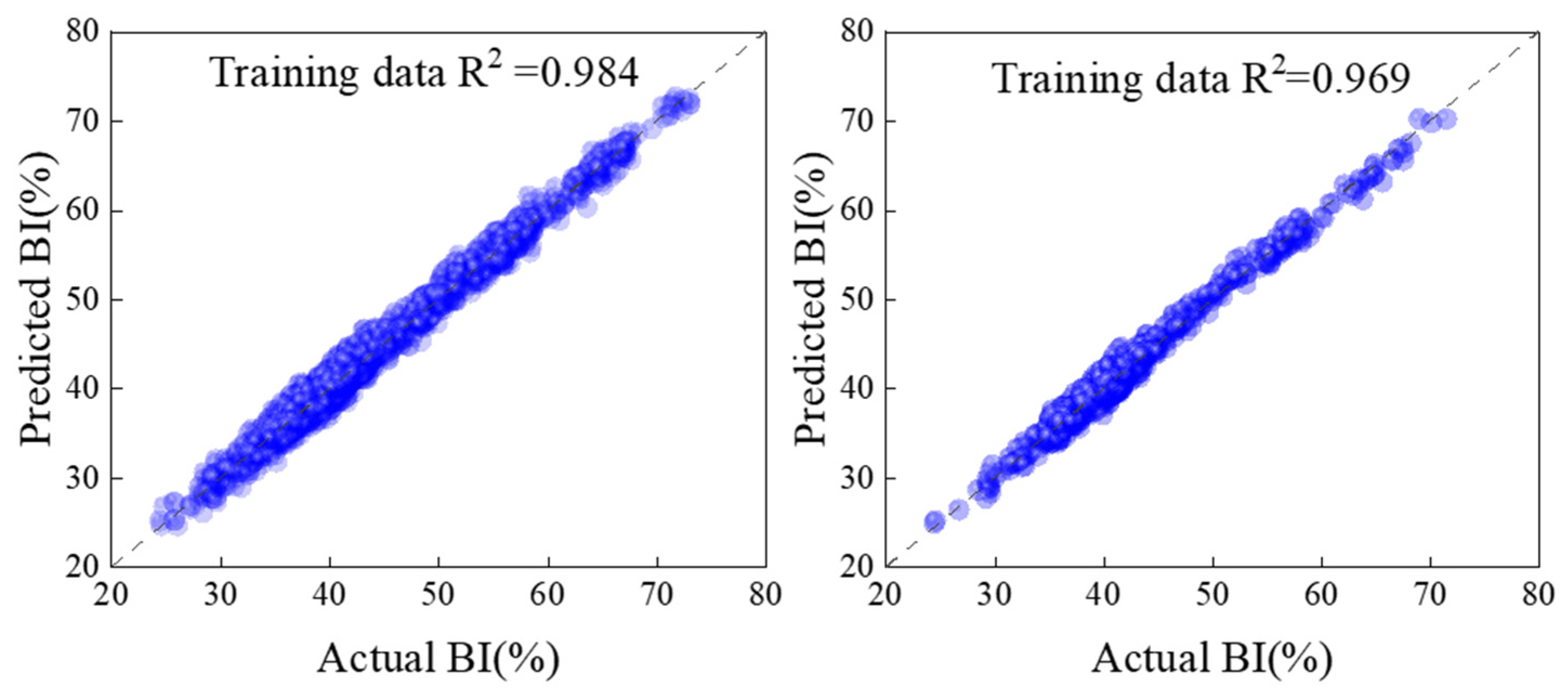
To comprehensively enhance the predictive accuracy of the BI in highly heterogeneous deep shale formations, this study develops a geologically guided CNN-BiGRU-AT framework grounded in multi-source data fusion. First, CNN is employed to capture ‘spatial-scale’ features; unlike standard regression, its convolutional kernels can identify abrupt lithological transitions and local sharp variations in logging curves, which are typical of deep shale heterogeneity. Second, while deep shale data often face ‘small-sample’ constraints in specific blocks, the BiGRU layers mitigate this by learning bidirectional depth-sequential dependencies. By processing information from both overlying and underlying strata, the model maximizes the extraction of trend information from limited data points, enhancing generalization. Finally, the AT is integrated to dynamically reweight the input geophysical features. This addresses the non-linear response of different logging parameters to rock brittleness, ensuring that the model prioritizes the most physically relevant signals under complex stratigraphic conditions. By coupling well-logging suites with rigorous laboratory experimental data, the proposed model leverages a hierarchical architecture to capture not only localized spatial anomalies in rock facies but also long-range, depth-sequential geomechanical trends.