


Abstract
Global agriculture faces the dual challenge of increasing productivity to meet the growing demand for food, feed, biofuels, and plant-based biomaterials while coping with soil degradation, climate change, and environmental pollution. Biostimulants have emerged as an innovative and sustainable strategy to enhance plant growth, nutrient uptake, and yield, as well as to mitigate the adverse impacts of abiotic and biotic stresses. Numerous studies show that biostimulant application can prevent 15–50% of potential yield losses caused by stressful environmental conditions. This review classifies major groups of biostimulants and examines mechanisms of their plant growth-promoting action at molecular, biochemical, physiological, and rhizospheric levels. Special emphasis is placed on their role in improving plant tolerance to drought, salinity, cold, heat, metal(loid) toxicity, and pest or pathogen attack. Limitations and challenges, including inconsistent results, variability in product efficiency, and the efforts on standardized formulations and application methods are also discussed. Finally, future research directions are highlighted, focusing on optimizing biostimulant performance to enhance crop resilience, productivity, and environmental sustainability.
1. Introduction
Currently, the world faces the challenge of intensifying agricultural production to meet the growing global demand for food, feed, biofuel, and other plant-based materials and bioproducts. Agricultural systems are further challenged by soil degradation, climate warming, and seasonal weather anomalies, as well as soil and water pollution and salinity. Such abiotic stresses are responsible for significant reductions in crop yields (estimated to be from 10 to even 70%) and quality [1,2,3]. Under field conditions, plants are continuously exposed not only to abiotic stresses, but also to harmful biotic factors. These include various groups of agrophages, such as pathogens, pests and weeds, whose occurrence and effects are often unpredictable and difficult to control. In order to mitigate these constraints, modern agriculture has relied heavily on synthetic fertilizers, herbicides and pesticides. However, although these inputs have significantly contributed to yield increases over recent decades, their long-term and excessive or inappropriate use has raised concerns regarding soil degradation, water contamination, biodiversity loss, and development of resistant pest populations [4,5,6]. This highlights the limitations of traditional input-intensive agricultural practices and the need for more sustainable approaches.
In this context, increasing attention has been directed toward environmentally friendly strategies that can enhance plant productivity while remaining economically viable and suitable for integration into current crop management systems. Among them, biostimulants have emerged as promising complementary tools to optimize crop performance and enhance plant resilience to both biotic and abiotic stresses, supporting a more sustainable and holistic approach to agriculture [7]. Numerous studies indicate that biostimulant application can substantially mitigate crop productivity losses under adverse environmental conditions [8,9], with specific experimental examples presented in subsequent sections.
A key advantage of biostimulants lies in their multilevel mode of action, affecting plant performance from early developmental stages to final yield and quality. Their application has been shown to improve germination, biomass accumulation, and crop quality through coordinated effects at the molecular, biochemical, and physiological levels. At the molecular level, biostimulants can modulate signaling pathways, gene expression and protein synthesis, leading to changes in primary and secondary metabolism [10,11,12]. These molecular adjustments translate into enhanced physiological processes, including photosynthesis, respiration, transpiration, and antioxidative defense responses [13,14]. Furthermore, biostimulants modulate phytohormonal balance and improve water and nutrient uptake, transport, and utilization efficiency, thereby contributing to improved plant growth and stress resilience [15,16]. Recent studies further demonstrate that these multilevel effects of biostimulants are strongly dependent on biological and environmental context, varying with crop species, developmental stage, environmental conditions, and the composition of the applied formulation, highlighting the need for precise and evidence-based application strategies.
Biostimulants can be applied in multiple ways, including foliar sprays, soil irrigation, fertigation, application as solid soil amendments, and seed priming prior to sowing [17]. In addition to their agronomic versatility, many biostimulant ingredients are derived from natural raw materials such as plant extracts, seaweed, microbial inoculants, and agricultural or industrial waste streams, thereby supporting circular economy principles and zero-waste policies, in line with the EU sustainability objectives [18,19].
The development and commercialization of biostimulant products have progressively evolved over the last decades. Early commercial formulations based on humic substances and seaweed extracts appeared on the agricultural market in the late 20th century, particularly through the application of humic acid-based products and marine-derived extracts in horticultural and crop production systems [20,21,22,23]. These initial applications were primarily empirical in nature but demonstrated consistent plant growth-promoting effects, which stimulated further interest. A significant expansion of both product diversity and research activity occurred from the early 2000s onwards, driven by advances in plant physiology, stress biology, and molecular understanding of plant–microbe and plant–biostimulant interactions [24,25,26,27]. During this period, biostimulants became increasingly recognized as a distinct category of agricultural inputs, and systematic research efforts contributed to the consolidation of their conceptual framework and modes of action. A major regulatory milestone was reached with the introduction of the EU Fertilising Products Regulation (EU 2019/1009) [28], which formally defined plant biostimulants as a distinct product category and facilitated their harmonized commercialization within the European market [14,28]. Despite this regulatory recognition and growing market presence, biostimulants remain a rapidly developing group of agricultural inputs, with ongoing refinement of their mechanisms of action, formulation strategies, and application efficiency [24,27].
In this context, this comprehensive review provides an overview of current knowledge on different groups of biostimulants derived from various sources, with a special emphasis on the mechanisms of their action, particularly under conditions of abiotic and biotic stress. It also highlights the opportunities for optimization of biostimulant application to improve crop stress resilience to support sustainable crop production. Specifically, this review aims to: (i) summarize current knowledge on the different groups of biostimulants and their sources; (ii) discuss mechanisms through which biostimulants enhance crop growth, yield, and stress resilience under abiotic and biotic stress conditions; and (iii) highlight context-dependent factors affecting biostimulant efficacy and provide insights into strategies for optimized application in sustainable agriculture.
2. Biostimulants—Definitions and Conceptual Framework
Biostimulants are gaining increasing importance in the agricultural sector due to rising environmental concerns and their growing economic value. The global biostimulant market is projected to reach USD 6.2 billion by 2027, while the European market is expected to account for EUR 2.34 million by 2029 [12,24,29]. In the European Union, the development of this sector has been further stimulated by regulatory initiatives, including the implementation of EU Regulation 2019/1009 [28], which introduced a legal framework for biostimulant products within the Fertilizing Products Regulation (FPR). These developments not only support innovation but also increase farmers’ confidence in the safety and reliability of biostimulant formulations.
The growing interest in biostimulants is also reflected in the increasing number of scientific reports published on this topic in recent years. According to the Scopus database (search performed on 23 April 2026), the number of records matching the keyword biostimulant* exceeds 7300, with a sharply increasing publication trend over the last 10 years. A similar pattern is observed in the Web of Science database. For example, 50 publications were issued in 2014, 101 in 2015, 439 in 2020, and as many as 1515 in 2025, while 570 articles have already been published in the first months of 2026, further confirming the rapidly growing interest in this field. Of all the documents, 74.4% are original articles, 10.7% are review papers, 6.8% are book chapters, 5.6% are conference papers, and the remaining 2% represent other document types. Approximately 5430 publications (44.7%) fall within the Agricultural and Biological Sciences subject areas, highlighting the importance of research providing both fundamental knowledge and practical insights into biostimulant applications. For this review, the literature was systematically surveyed using Scopus and Web of Science with the keyword “biostimulant”. Studies providing experimental evidence or mechanistic insights were prioritized, while relevant review articles were also considered to contextualize findings. The synthesis is qualitative rather than a formal meta-analysis, offering a transparent and reproducible overview of current knowledge.
Despite long-standing research and use, achieving consensus on a single universal definition of biostimulant remains challenging. For many years, researchers have referred to a definition proposed by du Jardin [30]: “A plant biostimulant is any substance or microorganism applied to plants with the aim to increase nutritional efficiency, resistance to abiotic stress, and/or crop quality traits, regardless of nutrient content.” Over time, this definition has been repeatedly expanded and refined [12,16,24,25,31,32]. Currently, the definition adopted by the European Parliament and the Council [28] is the most widely accepted. According to this regulation, a plant biostimulant is a product stimulating plant nutrition processes, independent of the content of nutrients in the product, whose sole purpose is to improve one or more of the following characteristics of the plant or the plant rhizosphere: (a) nutrient use efficiency; (b) tolerance to abiotic stress; (c) quality traits; and (d) availability of confined nutrients in the soil or rhizosphere. It is important to note that the beneficial effects of biostimulants are not limited to abiotic stress responses; they may also contribute to improved plant performance under biotic stress conditions, as reported in numerous studies.
Another contentious issue concerns the classification of biostimulants into categories. Historically, debates focused on whether classification should be based on the mode of action or the source of origin. Findings from numerous studies on these preparations further complicated the debate, showing that biostimulants have very broad, often non-specific effects that may overlap among products of different origins. Moreover, biostimulants can consist of single compounds or a combination of molecules, compounds or substances, whose modes of action are not fully recognized yet. Currently, classification based on origin is most commonly adopted, as it enables more accurate comparison among different preparations and their effects on plants [31].
Biostimulants may originate from diverse organic and inorganic sources [25]. They can be derived from microorganisms (bacteria, yeasts, fungi), algae, and higher plants (roots, leaves, seeds), including living and non-living organisms, their metabolites or extracts. They may also be of animal origin, e.g., derived from animal hides, feathers, blood, shells, or bees [33]. Finally, a rapidly expanding and particularly relevant group includes waste- and by-product-derived biostimulants, originating from agricultural, industrial, food, and municipal streams, thereby supporting circular economy principles [18,34,35]. Inorganic biostimulants comprise essential or beneficial elements and are primarily derived from inorganic salts [36]. A structured overview of biostimulant classification and their functional categories is presented in Section 3.
3. Classification of Biostimulants and Their Plant Growth Promotion Potential
The evolution of biostimulant classification has been discussed in several review articles [25,32]. Over the years, the number of proposed categories has varied widely, from four to seven or even up to 15 categories [17,25]. In the above-mentioned EU Regulation (2019/1009) [28], two main groups are distinguished: microbial and non-microbial plant biostimulants. However, within these two groups, several subgroups/categories can be identified.
Microbial biostimulants include: (i) plant growth promoting microorganisms (PGPM), encompassing plant growth-promoting rhizobacteria (PGPR) and plant growth-promoting fungi (PGPF), and (ii) arbuscular mycorrhizal fungi (AMF) [37]. However, a more appropriate classification approach is to distinguish between (i) plant growth-promoting rhizobacteria (PGPR) and (ii) plant growth-promoting fungi (PGPF, also referred to as beneficial fungi), with arbuscular mycorrhizal fungi included in the latter group together with other beneficial rhizosphere and endophytic fungi, such as Trichoderma spp. [14].
Non-microbial biostimulants encompass: (i) seaweed extracts; (ii) humic substances; (iii) protein hydrolysates and free amino acids; (iv) chitosan and other biopolimers; (v) botanical derivatives; and (vi) inorganic biostimulants including beneficial elements [30,37,38]. It should be mentioned that this list is not exhaustive, as new compounds with biostimulant activities are continuously being identified. This is particularly relevant for substances derived from various organic waste streams or industrial by-products, as well as those developed using advanced biotechnological approaches [35,39].
As the field continues to evolve, the classification system must remain flexible to accommodate increasing technological sophistication, hybrid formulations, and the growing functional complexity of biostimulant products. Recent classification concepts therefore propose a generational framework (Biostimulants 1.0–3.0), with Biostimulants 4.0 emerging after 2020, integrating omics-based approaches with AI-driven platforms and digital monitoring tools to support the development of formulations tailored to the molecular requirements of specific plant genotypes under diverse environmental conditions [32,40].
Extensive research has demonstrated that biostimulants exert beneficial effects on plant growth and development. Their modes of action are highly diverse. They can improve soil structure and enhance the activity and composition of soil microbial communities, thereby influencing water and mineral nutrient acquisition. Numerous studies conducted at the morphological, anatomical, physiological, metabolomic, proteomic, and transcriptomic levels have revealed that their positive effects on plant performance may result from modifications of cell structure, transport into and between cells and organs, primary and secondary metabolism, hormone balance, signaling pathways, and gene expression. The effects of biostimulants on plant-associated endophytic microorganisms should also not be underestimated, although this aspect is beyond the scope of the present review.
3.1. Microbial Biostimulants
Microbiological biostimulants are formulations containing non-toxic and non-pathogenic plant growth-promoting bacteria (PGPB) and plant growth-promoting fungi (PGPF). They may include a single microbial strain or a consortium of multiple organisms and can be applied through soil, foliar spraying, or seed coating [41,42,43].
Bacterial biostimulants include both rhizospheric and endophytic strains, commonly from the genera Rhizobium, Acetobacter, Azospirillum, Bacillus, or Pseudomonas [44,45,46]. Bacteria-based biostimulants enhance nutrient availability, primarily through the production of organic acids and enzymes that solubilize mineral compounds, such as phosphorus, into plant-accessible forms [44,47]. The most effective strains are often selected from endophytic bacteria belonging to Stenotrophomonas spp., Delftia spp., Brevundimonas spp., and Novosphingobium spp. based on high enzymatic and metabolic activity, ACC (1-aminocyclopropane-1-carboxylic acid) deaminase activity, and production of various metal-complexing compounds [48]. Strains of Burkholderia sp. and Phyllobacterium sp. are particularly promising due to their abilities to fix nitrogen, produce IAA (indole-3-acetic acid)-like compounds, synthesize extracellular polymers, and form biofilms [49].
Plants also assimilate bioactive metabolites produced by PGPR, such as cytokinins and auxins, which stimulate cell division and elongation [44]. Furthermore, microbial activity in soil improves its physicochemical properties, which is beneficial not only for plants but also for the broader soil biotic community. Indirect plant growth promotion effects may also arise from their antagonistic activity against plant pathogens and pests, especially through the production of antibiotics and siderophores [47].
Fungal biostimulants employed as plant growth-promoting agents in agriculture and horticulture primarily include arbuscular mycorrhizal fungi and species belonging to the genus Trichoderma [43,46]. AMF form symbiotic associations with up to 80% of terrestrial plants [50]. Their hyphal networks absorb and transport mineral nutrients, such as nitrogen and phosphorus, to plant roots, which are essential for both roots and root hairs. They also improve water conditions, thereby influencing nutrient uptake by plant roots. Studies also indicate that AMF modulate the expression of genes involved in nitrogen uptake and metabolism and also produce phytohormones, such as indole-3-acetic acid and gibberellins, which promote plant growth [47].
Trichoderma spp. strains provide multiple benefits to plants and soil and have been widely applied in biocontrol, soil bioremediation, and industrial applications due to their production of numerous enzymes [51,52]. They also exhibit plant growth-promoting activity. Studies have shown that cultivation with various Trichoderma spp. strains enhances the uptake of micro- and macroelements and induces plant resistance against phytopathogens. These fungi can also influence the expression of genes involved linked to photosynthesis and other key metabolic processes. Other fungi, including Aspergillus spp., Penicillium spp., Coprinus spp., Sterigmatomyces spp., Acremonium spp., and Paecilomyces spp., play roles in mycoremediation, producing extracellular polymeric substances (EPS) and facilitating the biosorption of heavy metals such as Pb, Cd, Hg, Cu, and Co [53].
When applying microbiological biostimulants, careful attention should be paid to the application strategy to prevent excessive dispersion and reductions in microbial viability, for example due to exposure to environmental stressors, as well as to soil characteristics. These factors have a significant impact on the performance of microbial biostimulants, which in turn affects their influence on plants. No microbial biostimulant can be applied universally across all crops or environmental contexts [54].
3.2. Non-Microbial Biostimulants
3.2.1. Seaweed Extracts
Seaweed extracts (SWEs) are among the most extensively studied and commercially available biostimulants [20,55]. Their beneficial effects on plants have been recognized since the Middle Ages. Seaweed extracts are highly organic, making them ideal for organic farming. They are also compatible with other production-enhancing practices, supporting an integrated, sustainability-oriented management approach. Most commercial products are derived from red algae (Rhodophyta, e.g., Lithothamnium calcareum, Kappaphycus alvarezii, Jania rubens, and Gracilaria edulis), green algae (Chlorophyta, e.g., Ulva lactuca), and brown algae (Phaeophyta, e.g., Ascophyllum nodosum, Ecklonia maxima, Durvillaea potatorum, and Laminaria digitata) [20]. These algae are harvested from marine environments and processed to obtain extracts using alkaline, neutral, or acidic extraction methods, often combined with cell disruption techniques, such as high-pressure treatment [31]. A dry powder of unprocessed algae was also reported to be an efficient biostimulant [56].
Due to the variability of their composition, affected by season, climate, and processing methods, product standardization and obtaining consistent, reproducible results with SWEs is challenging [57]. Nevertheless, some plant responses are consistently observed [26]. Early studies attributed the plant growth-promoting effects of SWEs to phytohormone-like effects (explained by the presence of phytohormones in some extracts), but other studies demonstrated that the levels of phytohormones in seaweeds (typically in the nanogram or picogram per mL range, or even undetectable) are generally too low to exert significant biostimulating effects [58,59,60]. Nevertheless, SWE application can alter the expression and localization of phytohormones within plants [31]. Seaweed extracts contain numerous active compounds, including polysaccharides, pigments (chlorophylls, carotenoids, and phycobiliproteins), phenolic compounds, proteins, betaines, lipids, phytohormones, sterols, and micro- and macroelements. These compounds trigger a cascade of metabolic responses and changes in plants, ultimately leading to increased crop yield. This complex chemical composition can explain the broad spectrum of biofunctionality associated with SWEs [57,61].
Each type of algae synthesizes specific compounds tailored to its cellular structure, ecological niche, and the stage of development [55]. Carbohydrates, however, consistently represent the predominant fraction. Among the bioactive polysaccharides, laminarin acts as a bioelicitor in plant defense responses against various pathogens, increasing intracellular Ca2+ concentrations, which mediate numerous cellular processes involved in plant growth and development. Carrageenan and oligo-carrageenan, abundant in red algae, also promote plant growth by modulating the activity of key enzymes involved in carbon and nitrogen metabolism. Oligo-carrageenans additionally influence cell division, photosynthesis, and direct or indirect regulation of phytohormones [61]. Some studies further indicate that SWEs can increase protein concentrations in plants, such as in soybean and spinach, likely due to enhanced root development and improved uptake of micro- and macronutrients [62,63].
Seaweed extracts also exert positive effects on soil. They supply elements that can be directly taken up by plants. Moreover, they can also interact with other soil constituents, modifying their solubility and thereby potentially enhancing nutrient availability [64]. Seaweed-derived biostimulants possess substantial potential, as they: (i) are effective at very low concentrations; (ii) can be produced through marine cultivation without competing for arable land used for food or feed production, and (iii) may enhance protein yields in protein-rich crops.
3.2.2. Humic Substances
Humic substances (HSs) are formed through aerobic decomposition of plant and animal residues, as well as through microbial metabolism [15,21]. They represent a major component of soil organic matter, accounting for up to 90% of total organic carbon in soils. They are involved in numerous environmental processes, including regulating the soil carbon and nitrogen cycles, influencing the transport of compounds of anthropogenic origin, and contributing to the stabilization of soil structure [21].
Based on their solubility in different pH conditions, HSs can be categorized into two groups: humic acids (HAs), which are soluble under alkaline pH but insoluble under acidic conditions, and fulvic acids (FAs), which remain soluble across both alkaline and acidic pH ranges. Structurally, HSs are supermolecular assemblies composed of smaller organic molecules linked through hydrogen bonds and hydrophobic interactions. Their hydrophobic components consist primarily of polymeric aromatic hydrocarbons derived from lignin, which form complex networks with organic acids, polyamines, amino acids, aliphatic hydrocarbons, and fatty acids. Evidence suggests that in terms of the effects of HSs on plants, it is not their chemical composition but rather their structural organization and molecular size that play a decisive role [15].
The benefits of HSs become partly evident in the short term (within months to a year); however, their full impact manifests only after several years of application [15]. The short-term effects primarily arise from improvements in soil fertility by improving its structure—promoting aeration via the formation of HS–soil aggregates, increasing water retention, and boosting cation exchange capacity—as well as through beneficial modifications of soil chemical, physical and biological properties [22,26]. Due to the abundance of oxygen-containing functional groups, HSs form stable complexes with micro- (e.g., manganese, copper, iron) and macronutrients (e.g., phosphorus, sulfur, calcium), thereby improving plant nutrition. Their relatively high nitrogen content (1–5% of total mass), makes them an important source of this element in the soil [15]. Enhanced nitrogen and phosphorus uptake has been linked to HS-mediated regulation of the expression of nitrate (e.g., NRT1.1 and NRT2.1) and phosphate (e.g., Pi) transporters [23]. HSs also trigger plant exudation of organic acids into the rhizosphere, which can modify the structure of HSs, thereby releasing bioactive molecules and increasing nutrient bioavailability. Over the long term, HSs additionally promote soil microbial biodiversity and activity, supporting organic matter decomposition and nutrient cycling, ultimately contributing to sustained plant growth [27,65].
In addition to these indirect effects of HSs on plant growth, HSs also exert direct effects, such as alterations in primary and secondary plant metabolism, including hormonal balance [66]. The most common manifestations of HS activity include enhanced root elongation and early differentiation of cells at the root tip and within the primary elongation zone. Depending on the molecular size of HSs, early differentiation patterns may occur either in the central cylinder or in the cortex. In the former case, HSs affect water and nutrient conductivity, whereas in the latter, they increase root diameter and nutrient storage capacity [67]. Humic substances can also stimulate lateral root formation, root hair development, and overall root elongation. These effects are attributed to auxins and other IAA-like molecules embodied within HSs. It has been suggested that nitric oxide (NO) signaling plays a role in this mechanism [23]. The effect of HSs on NO signaling is further associated with increased H+-ATPase activity in the root plasma membrane. HS components with IAA-like activity promote root growth by targeting cross-induction of the root plasma membrane, H+-ATPase and NO generation. In addition to the plasma membrane H+-ATPase, vacuolar H+-ATPases and H+-pyrophosphatases are also activated by HSs [23].
Most studies focusing on the effects of HSs on plants have used soil application of the biostimulant. However, De Hita et al. [65] examined the impact of foliar HS application on Cucumis sativus L. var. Ashle and reported a positive effect of such application method on plant growth. Shoot and root growth were enhanced, and cytokinin concentrations increased; however, no stimulation of lateral root formation was observed. Moreover, the activity of root plasma membrane H+-ATPase as well as the concentrations of abscisic acid (ABA) and nutrients were lower compared to the control, suggesting that plasma membrane H+-ATPase activity does not significantly affect cytokinin concentrations. HS effects on plant metabolism are reflected in altered activities of enzymes, such as nitrate reductase (NR), glutamate dehydrogenase (GDH), glutamine synthetase (GS), glucokinase, phosphoglucose isomerase, aldolase, and pyruvate kinase. These enzymatic changes lead to alterations in metabolite concentrations, triggering a cascade of events that ultimately result in increased biomass production and enhanced stress tolerance [21]. Furthermore, the improved stress tolerance can also be attributed to HS-stimulated synthesis of certain secondary metabolites, including flavonoids and phenolic acids, which strengthen the plant’s antioxidative defense system.
3.2.3. Protein Hydrolysates and Free Amino Acids
Protein hydrolysates (PHs) are mixtures of amino acids, polypeptides, and oligopeptides obtained through chemical, thermal, or enzymatic hydrolysis of proteins [68]. They are primarily produced from animal by-products, such as epithelium, feathers, horns, hooves, viscera, blood, bones, as well as from plant biomass, including legume seeds, husks, fruits, and cellulose. Most commercially available PHs are of animal origin and obtained through acid hydrolysis, while products derived from plants are typically obtained through enzymatic hydrolysis [68]. Proline and glycine dominate in collagen-based protein hydrolysates, whereas glutamic acid is most abundant in plant-derived products. Protein hydrolysates obtained from agricultural and industrial by-products are gaining popularity, as they offer sustainable and environmentally friendly solutions for valorizing wastes and contribute to a circular economy [69]. Application methods include seed treatment, soil drenching, or foliar spraying.
PHs have been shown to influence plant growth by modulating physiological and molecular processes, improving root architecture—in particular root length and total root area—and increasing shoot biomass and yield. Their direct effects on plants include regulation of nitrogen uptake, mediated by key enzymes involved in nitrogen fixation and metabolism, as well as regulation of carbon metabolism through the modulation of enzymes involved in the tricarboxylic acid cycle, including citrate synthase, isocitrate dehydrogenase, and malate dehydrogenase [26]. Although PHs are nitrogen-rich products (up to 8% N), their effects on plant growth cannot be solely attributed to nitrogen fertilization [26]. PHs also influence gene expression, including those related to photosynthesis, nitrate transport, cytoskeleton reorganization, and the antioxidant system [24]. Additionally, PHs have been shown to exhibit hormone-like activity and/or to stimulate auxin and gibberellin synthesis within the plant, promoting root elongation, and increasing the number and length of lateral roots and root hairs [70]. Enhanced root growth can also be attributed to the presence of signaling peptides that act as plant growth regulators. One such peptide is the root hair-promoting peptide [26,71]. Such root modifications promote nutrient uptake from the soil. Increased nutrient acquisition is further influenced by soil pH through indirect mechanisms, such as complexation of micro- and macroelements by peptides present in PHs, as well as stimulation of microbial activity when PHs were applied to the soil [68].
PHs also stimulate shoot growth, leaf area expansion and branching, promote earlier flowering, and improve both fruit production and quality. Although their full mode action is not fully understood, it likely involves stimulation of auxin- and gibberellin-like activities and modulation of ethylene (ET) levels via ACC, the immediate precursor of ethylene. PHs also increase the concentration of photosynthetic pigments, mainly chlorophyll, thereby enhancing the photosynthetic performance of crops [72].
Foliar application of PHs has been shown to promote the growth of epiphytic bacteria [73]. However, some studies reported phytotoxic effects and growth inhibition in plants treated with PHs, which may result from inappropriate concentrations of the preparation used and/or unsuitable agricultural practices [74].
Free amino acids (FAAs), similarly to protein hydrolysates, can be obtained, among others, through enzymatic hydrolysis of meat by-products and plant extracts. It should be emphasized, however, that the amino acid profile obtained is determined by the origin and composition of the recovered waste materials [29].
FAAs are rapidly absorbed into plant cells and, in addition to serving as protein building blocks, they may perform numerous functions supporting plant metabolism, such as enhancing photosynthetic efficiency or regulating enzyme activity, ultimately promoting improved growth. Moreover, FAAs can also chelate elements such as zinc, copper, and calcium, thereby facilitating their uptake [75]. Al-Karaki and Yahia [76] demonstrated that the effect of FAA application in lettuce depended on the plant cultivar. In contrast, Cerdán et al. [77] demonstrated that the source of FAAs is of critical importance. In their experiments, plant-derived FAAs significantly enhanced tomato seedling growth as well as iron and chlorophyll concentrations in the leaves, whereas animal-derived FAAs had no beneficial effects. Therefore, the selection of the product should be considered crucial, taking into account not only its origin and composition but also the plant cultivar.
3.2.4. Chitosan and Other Biopolymers
Numerous efforts to replace petroleum-derived products in material production have led to the development of biopolymers. Naturally occurring biopolymers, such as starch, collagen, cellulose, gelatin, alginate, chitosan, and chitin, as well as synthetic polymers, including polyethylene, polycaprolactone, polyvinyl alcohol, and acrylate-based polymers, have found various applications in agriculture due to their functional properties. However, synthetic polymers, which either do not degrade or degrade only very slowly, should be avoided because of the risk of soil contamination [78].
Among biopolymers, chitosan is particularly advantageous because of its non-toxicity, biodegradability, biocompatibility, high affinity for metals and proteins, and strong sorption capacity. It is produced by deacetylation of chitin, a widely occurring biopolymer found in crustaceans, insects, arthropod exoskeletons and mollusks. Chitosan consists of D-glucosamine and N-acetyl-D-glucosamine units linked by glycosidic bonds. Its main limitation is low solubility at neutral pH, which has prompted research into modified, more soluble forms [79].
Chitosan oligomers affect plant physiology by interacting with cellular components, such as DNA, the plasma membrane, and cell wall elements, as well as with receptors that activate defense-related genes. Chitosan can be applied foliarly, to the soil, or as a seed treatment. Foliar application in strawberry and berry cultivation increased fruit mass [80,81]. Seed treatment improved gas and water permeability and activated hydrolytic enzymes that break down storage compounds, thereby accelerating seed germination [79]. Moreover, this biopolymer enhanced nutrient uptake and was mentioned to serve as a carbon source, contributing to improved plant growth [82,83]. Plants treated with chitosan also exhibited higher chlorophyll concentrations and more efficient photosynthesis [84,85]. Indirectly, chitosan benefits plants through its antimicrobial activity, inhibiting microbial growth and compromising microbial membrane integrity [86].
3.2.5. Botanical Derivatives
The use of botanical derivatives (BDs) in medicine dates back to antiquity. Despite advances in modern medicine and genetic engineering, plant extracts continue to be investigated as potential therapeutic agents, including in cancer research [87]. In parallel, plant-derived extracts are also increasingly applied in agriculture. To date, extracts from roots (e.g., licorice), leaves (e.g., aloe and garlic), and industrial fruit residues have been used in crop and horticultural production [88].
BDs are composed primarily of naturally occurring compounds, including alkaloids, sterols, flavonoids, terpenoids, phenols, and saponins. Their effects on plants resemble those of seaweed extracts, although BDs remain considerably less studied [89]. The beneficial effects of BDs on nutrient uptake, phytochemical synthesis and accumulation are associated with stimulation of enzyme activities involved, among others, in the Krebs cycle, carbon and nitrogen metabolism, and phytohormone regulation. Additionally, BDs may indirectly promote plant growth by enhancing microbial activity in the rhizosphere, due to the richness of extract constituents [88]. Among BDs, extracts from Moringa oleifera Lam. leaves are the most extensively studied and have been shown to improve both quantitative and qualitative yield traits in vegetables, cereals, and aromatic plants [90,91]. This is further supported by a recent study demonstrating that moringa leaf extract markedly increased fresh biomass and essential oil yield of geranium (Pelargonium graveolens L.) by up to 59% and 89%, respectively, while also improving essential oil composition [92]. In the same study, seaweed extract and other plant-derived preparations, including extracts from invasive species such as Cyperus rotundus, also exhibited strong biostimulatory effects, highlighting the broader potential of plant-based extracts as sustainable bioresources. However, beneficial effects have also been reported for other plant-derived extracts. For example, extracts from Verbesina sphaerocephala A. Gray improved growth and fruit production of tomato (Solanum lycopersicum L.), cucumber (Cucumis sativus L.), and strawberry (Fragaria × ananassa (Duchesne ex Weston) Duchesne ex Rozier) [93]. Similarly, extracts from yucca (Yucca schidigera Roezl ex Ortgies) have been reported to promote seed germination and early plant growth of Arabidopsis thaliana (L.) Heynh., S. lycopersicum, and broccoli (Brassica oleracea var. italica L.), particularly under abiotic stress conditions such as salinity and drought, as well as serving as a natural fungicide [94]. A comprehensive and up-to-date overview of plant-derived biostimulants, including their diversity, modes of action at the molecular and physiological levels, and effectiveness under stress conditions across different plant species, has been recently provided by Hyder et al. [95], highlighting emerging trends and current challenges in this rapidly developing field.
3.2.6. Inorganic Biostimulants
Inorganic plant biostimulants include beneficial elements and certain salts of essential elements, such as phosphite salts. Beneficial elements are not essential to plant survival but can enhance growth, development, as well as confer additional advantages in specific plant species, particularly under challenging environmental conditions. So far, ten beneficial elements have been recognized that may act as inorganic biostimulants: aluminum (Al), cerium (Ce), cobalt (Co), iodine (I), lanthanum (La), sodium (Na), selenium (Se), silicon (Si), titanium (Ti), and vanadium (V) [96].
Silicon is the second most abundant element in the Earth’s crust. It has long been known that monocotyledons, particularly Poaceae species, respond positively to an enhanced supply of this element. However, its beneficial effects have also been observed in many dicotyledonous species, especially under abiotic or biotic stress conditions [97,98]. The positive effects of Si may result from its deposition in cell walls in the form of solid particles of polymerized SiO2 (known as phytoliths), which provide mechanical strength and stiffness to stems and leaves. Moreover, its influence on plant–water relations, the uptake and mobility of mineral nutrients, enzyme activity, antioxidant capacity, photosynthesis, hormone balance, and gene expression has also been reported [98].
Selenium has been found to stimulate both primary and secondary metabolism, including the enhancement of photosynthetic performance [99,100]. It may stabilize cell membranes, reduce lipid peroxidation, and stimulate the synthesis of enzymatic and non-enzymatic antioxidants, thereby improving tolerance to oxidative stress [101,102].
Sodium has emerged as a highly beneficial, and in some cases even essential, element for many C4, CAM, halophytic, and natrophilic species—the latter are defined as plants that accumulate high concentrations of sodium in their leaves [99,103,104]. Due to its chemical similarity to potassium, sodium can act as a substitute under potassium deficiency, acting as a cofactor for certain enzymes. It improves water-use efficiency, enhances chlorophyll biosynthesis, and supports photosynthesis, both photochemical reactions and, in particular, the CO2-concentrating mechanism in C4 plants.
Other beneficial elements stimulate plant growth through various mechanisms, including the enhancement of macro- and micronutrient acquisition (La, Ti), improvement of nitrogen uptake and metabolism (Ce, I), upregulation of antioxidative systems (Al, Ce, La), participation in signaling pathways (La), and stimulation of photosynthesis (Ce, I, La, Ti) [96,99]. This list may be further expanded to include elements such as silver (Ag), chromium (Cr), fluorine (F), tungsten (W), and various lanthanides, which may also exert beneficial effects on plant physiology, although they remain relatively understudied [96].
Phosphite (H2PO3− or HPO32−; Phi) is gaining importance as an inorganic biostimulant in agriculture. It enhanced growth, development, and the quality of various crop plants, as well as improving their performance under both abiotic stress conditions and pathogen infections [105]. Although phosphite is a structural analog of phosphate (H2PO4− or HPO42−; Pi), it does not serve as a source of phosphorus nutrition for higher plants. Instead, it promotes the uptake of phosphorus and other nutrients and enhances several metabolic processes, including photosynthesis, synthesis of chlorophyll and antioxidants such as ascorbic acid and anthocyanins) [106].
4. The Role of Biostimulants in Plant Responses to Stress
As sessile organisms, plants are constantly exposed to a multitude of abiotic and biotic stress factors that differ in intensity, duration and severity. Abiotic stressors, such as drought, salinity, heat and cold, waterlogging, nutrient deficiencies, heavy metals and other pollutants are major constraints on crop production, causing yield reductions up to 50% [61]. These threats are expected to intensify further due to climate change, including the increased frequency of extreme weather events, such as heatwaves and floods, as well as and the pressure of an ever-growing human population. Moreover, under unfavorable environmental conditions plants become more susceptible to biotic stresses, which further decrease their productivity [107]. Viruses, fungi, bacteria, weeds, insects, and other pests and pathogens constitute a major constraint to agricultural productivity and pose serious threats to both vegetable and grain crops. Global warming facilitates the expansion of areas inhabited by virus-carrying insects, while the globalization of agriculture and the exchange of propagation materials contribute to the spread of various infectious agents. In 2024, the global human population reached 8.2 billion, and the latest United Nations projections suggest continued growth until the mid-2080s, when it is expected to stabilize at around 10.3 billion [108]. This will not only accelerate urbanization, industrialization, and environment pollution, but will also pose a major challenge to agriculture in its efforts to meet the growing global demand for food.
In order to survive in challenging environments, plants have evolved diverse strategies and complex mechanisms that mitigate, compensate for or repair the detrimental effects of stress [69,109,110]. These responses operate at multiple levels of plant organization (cellular, organ, and the whole-plant level) as well as at the ecosystem level (e.g., through root exudation of metabolites or signal molecules). They encompass molecular, biochemical, physiological, anatomical, and morphological adaptations.
Numerous greenhouse and field experiments have examined the effect of biostimulants on the growth of plants subjected to various environmental stresses [12,14,16,35,38,69,111]. These studies consistently show that biostimulants activate different signaling pathways, modulate the expression of genes involved in plant primary and secondary metabolism, enhance key physiological processes, stimulate antioxidant defense systems, and mitigate the negative effects of both abiotic and biotic stresses on plant performance and crop yield.
In the following sections, we provide examples of the beneficial effects of different groups of biostimulants and their underlying mechanisms under various abiotic and biotic stresses. It should be noted, however, that this overview does not cover all types of stresses encountered by plants in natural or agricultural environments that could potentially be mitigated by biostimulant application—for instance, herbicide-induced stress [112,113], flooding [114], or nutrient deficiencies [16,115]. A comprehensive review of every possible stress was beyond the scope of the present work.
4.1. Abiotic Stress
Abiotic stress conditions, including salinity, drought, temperature extremes, and heavy metal toxicity, impose severe limitations on plant growth and productivity. The major signaling and regulatory networks underlying plant responses to these stresses, as well as their modulation by biostimulants, are summarized in Figure 1.
Figure 1.
Mechanistic overview of biostimulant-mediated regulation of plant responses to abiotic stress. Abiotic stress factors are perceived at the cellular level, triggering early signaling events, including reactive oxygen species (ROS) burst, Ca2+ influx, and activation of mitogen-activated protein kinase (MAPK) cascades. These signals are transduced through interconnected pathways involving calcium-dependent protein kinases (CDPKs), ROS signaling, and hormonal regulation, ultimately leading to transcriptional reprogramming mediated by stress-responsive transcription factors (TFs). The resulting changes in gene expression drive coordinated physiological and biochemical responses, resulting in plant acclimation to stressful conditions. Biostimulants modulate plant responses at multiple regulatory levels, as indicated by arrows (1–4): (1) enhancement of early signaling events, including ROS signaling, Ca2+ modulation, and induction of hormonal crosstalk (abscisic acid, ABA; jasmonic acid, JA; salicylic acid, SA; ethylene, ET); (2) activation of stress-responsive TFs (3) coordination of key physiological and metabolic processes; and (4) modulation of soil physicochemical properties and rhizosphere microbiome functions.
4.1.1. Saline Stress
Salt stress, caused by excessive accumulation of soluble salts in soil, is a major constraint to plant growth and productivity worldwide, particularly at early developmental stages [116]. Although salinity poses the greatest challenge in arid and semi-arid regions, it affects farmers around the world, as most plants are salt-sensitive glycophytes [117]. High salinity induces both ionic and osmotic stress (mainly due to excessive uptake of Na+ and Cl− ions), leading to nutrient imbalances, reduced water uptake, and impaired physiological processes such as photosynthesis, assimilate transport, and cell division and elongation. It also promotes overproduction of reactive oxygen species (ROS), decreases enzymatic activities, and disrupts photosynthetic pigments [118,119].
Numerous examples show that biostimulants enhance plant salinity tolerance through coordinated regulation of physiological and molecular responses. Plant growth-promoting rhizobacteria, particularly Bacillus spp., have been shown to improve growth and antioxidant capacity (up to 50%) in Arabidopsis thaliana [120] and tomato (Lycopersicon esculentum cv. Rio Grande) [121] under salt stress. These effects are associated with increased activities of antioxidant enzymes: ascorbate peroxidase (APX), catalase (CAT), peroxidase (POD), superoxide dismutase (SOD), and polyphenol oxidase (PPO), enhanced accumulation of osmolytes such as proline, and enhances level of photosynthetic pigments (chlorophyll a, b, and carotenoids). Additionally, the B. megaterium strain BMA12 affected the expression of several redox-regulatory genes (Trxf, Trxm2), indicating improved redox homeostasis, and altered phytohormone production, suggesting its involvement in hormone-mediated signal transduction [121]. Similarly, Rhizobium radiobacter (syn. Agrobacterium tumefaciens) enhanced biomass, chlorophyll, protein, and flavonoid content in salt-stressed lettuce [122]. Some PGPR promoted plant growth both under optimal and stress conditions [123], whereas others are effective only under stress [124].
Arbuscular mycorrhizal fungi have also been shown to improve salinity tolerance in crops such as rosemary, durum wheat, and various legumes by enhancing nutrient uptake (especially P and K), reducing Na+ accumulation, and improving photosynthetic efficiency (Fv/Fm) [125,126,127]. These physiological effects are accompanied by lower malondialdehyde (MDA) levels, increased antioxidant activity and proline accumulation. Transcriptomic analyses in durum wheat revealed that AMF influence the expression of genes involved in salinity response, oxidative stress, calcium signaling, and osmolyte biosynthesis, highlighting their role in coordinating complex stress-response networks [126].
Seaweed extracts, such as those derived from Ecklonia maxima, have been shown to enhance salinity tolerance in Cucurbita pepo, leading to increased yield, improved biomass, and better fruit quality. These effects are associated with improved ion homeostasis (higher K+/Na+ ratio), enhanced chlorophyll content, increased stomatal density, and improved gas exchange parameters [128]. Another study reported reduced accumulation of H2O2 and O2●– in plants exposed to both salt stress and algae extract, along with upregulation of stress-responsive genes, including signaling-related genes (e.g., WCK-1) and transcription factors such as TaWRKY10, indicating activation of stress-related regulatory pathways [129].
Another experiment evaluated the effects of four plant-derived protein hydrolysates (obtained from Malvaceae, Poaceae, and legumes) on the growth and salt tolerance of tomato and lettuce under greenhouse conditions [130]. Their application improved plant biomass, ion balance (K+/Na+ ratio), antioxidant enzyme activity, and osmolyte accumulation (proline). Notably, their effectiveness may vary depending on plant species and stress intensity, with more pronounced effects often observed in salt-sensitive crops such as lettuce.
Beneficial elements such as selenium, particularly in nano-form (nSe), mitigate salinity stress in several crops, including strawberry, rapeseed, tomato, and maize [131,132,133,134]. In strawberries, selenium enhanced antioxidant enzyme activities, and increased concentrations of phenolic compounds, such as catechins, caffeic acid, and salicylic acid, which is known to activate and modulate cellular defense mechanisms, including antioxidant system and stress-responsive gene expression [131]. In maize, selenium application increased antioxidant enzyme activities and enhanced the concentration of photosynthetic pigments, as well as upregulated several signaling-related genes, including ZmMPK5, ZmMPK7, and ZmCPK11 [134].
Humic substances (HSs) also enhance salinity tolerance, as demonstrated in sorghum [135] and quinoa [136]. In sorghum, HS-treated plants exhibited improved growth, increased chlorophyl content, and higher APX activity. In addition, HSs positively affected soil nutrient availability (e.g., N, P, K), representing an indirect mechanism that supports plant performance under salt stress.
Overall, PGPR, AMF, beneficial elements, seaweed extracts, protein hydrolysate and humic substances can mitigate salt stress through integrated regulation of antioxidant defense systems, osmotic adjustment, ion homeostasis, and gene expression, making them promising tools for sustainable crop production under increasingly saline conditions.
4.1.2. Drought Stress
Water deficit is one of the most severe environmental constraints affecting plant growth and productivity worldwide [137,138]. The most severe consequences of water deficit are impaired germination and reduced biomass production resulting from decreased cell turgor, impaired photosynthesis due to stomatal closure and limited CO2 assimilation, and decreased relative water content. It also induces oxidative stress through overproduction of reactive oxygen species (ROS), resulting in cellular damage and metabolic disruption [137,138,139]. Increasing water scarcity, driven by climate change and anthropogenic activities, further exacerbates these effects. It is estimated that from 2008 to 2018, drought was the leading cause of crop and livestock yield losses, accounting for over 34% of the total losses [140] and by 2050 drought will affect two-thirds of the population living in developing countries [141]. This challenge can be partially mitigated through the cultivation of drought-resistant genetically modified crops and the adoption of appropriate agricultural practices, including the use of biostimulants [142,143].
Numerous studies have demonstrated the beneficial effects of biostimulants on plants exposed to drought stress. Recent systematic analyses further confirm that biostimulant-mediated drought tolerance is primarily driven by coordinated modulation of phytohormonal signaling, antioxidant defense systems, and plant–microbe interactions [144,145,146]. For instance, Timothy grass (Phleum pratense L.) inoculated with Bacillus subtilis B26 exhibited improved agronomic traits, including increased shoot and root dry weight and higher stomatal conductance under water-deficit conditions compared with non-treated plants. These effects are associated with increased accumulation of drought-protective metabolites, such as amino acids (proline, valine, leucine, isoleucine, asparagine) and soluble sugars (sucrose, fructans, glucose), contributing to osmotic adjustment and cellular protection [123]. Similarly, application of Pseudomonas putida to chickpea plants under drought stress improved water status, membrane integrity, osmolyte accumulation, and ROS-scavenging capacity, while modulating stress-responsive gene expression [147]. Notably, treated plants also showed decreased expression of ethylene biosynthesis genes (ACS, ACO—encoding ACC synthase and ACC oxidase, respectively) and lower activity of the transcription factor MYC2, a key regulator in the jasmonic acid-dependent signaling pathway. This is consistent with recent findings highlighting the central role of phytohormonal crosstalk, particularly involving ABA, jasmonic acid, and salicylic acid pathways, in coordinating plant responses to drought stress [148]. Comparable effects were observed in wheat inoculated with the endophyte Pantoea alhagi LTYR-11ZT, where elevated concentrations of osmolytes, particularly soluble sugars and proline, supported improved plant performance under water-deficit conditions [149].
Arbuscular mycorrhizal fungi have also been shown to enhance drought tolerance. Inoculation of S. lycopersicum ‘MoneyMaker’ with Septoglomus deserticola BEG 73 or Septoglomus constrictum enhanced shoot and root dry weights, improved stomatal conductance, and increased maximum photochemical efficiency of photosystem II (Fv/Fm) as well as leaf water potential and relative water content [150]. At the molecular level, this AMF colonization modulated key drought-related genes, including downregulation of the ABA biosynthesis gene SINCED and the aquaporin-related gene SlPIP2.7, and upregulation of the JA biosynthesis gene SlLOXD, indicating coordinated regulation of hormonal signaling and water transport pathways.
Combined application of biochar and AMF—Claroideoglomus etunicatum (syn. Glomus etunicatum), Rhizophagus irregularis (syn. Glomus intraradices), and Funneliformis mosseae (syn. Glomus mosseae)—further improved drought tolerance in chickpea (Cicer arietinum L.) [151]. Treated plants exhibited enhanced morphological traits, higher contents of chlorophyll a, chlorophyll b, and carotenoids, as well as increased levels of nitrogen and phosphorus. In addition, they showed enhanced stomatal aperture, stomatal density, and photosynthetic rate. AMF and biochar application also increased nodule numbers, leghemoglobin content, and nitrate reductase activity, contributing to elevated nitrogen accumulation. Because nitrogen is essential for enzymes such as RuBisCO, and phosphorus is central to maintaining redox homeostasis, improved mineral acquisition appears to be a key mechanism underlying the observed enhanced drought tolerance.
Fulvic acids have been shown to enhance drought tolerance in Paeonia ostia by increasing leaf water content, enhancing antioxidant enzyme activities, improving photosynthetic efficiency, and reducing ROS accumulation [152]. Fulvic acid application in rapeseed enhanced drought resilience through activation of antioxidant enzymes (CAT, glutathione system), accumulation of proline, and reduction of lipid peroxidation [153]. Similarly, humic acids improved growth and antioxidant system and decreased ROS levels in rice grown under drought stress [154]. Consistent results were reported in soybean, where fulvic acids and Ascophyllum nodosum seaweed extract improved drought tolerance [155].
Seaweed-derived biostimulants such as Ascophyllum nodosum extract promoted osmotic adjustment and improved nutrient uptake while reducing oxidative stress markers in tobacco under drought conditions [156]. Similarly, treatment of drought-exposed sugarcane with seaweed (A. nodosum) extract increased soluble sugar accumulation and reduced lipid peroxidation [157]. This extract also significantly improved growth parameters in watermelon subjected to drought stress, whereas application of a silicon-based biostimulant had no effect on drought tolerance in this species [158]. Moringa oleifera seed extract improved drought tolerance by stimulating antioxidant defense systems (SOD, CAT, POX, APX), enhancing photosynthetic efficiency, and reducing ROS accumulation in Lessertia frutescens L. [159]. In addition, protein-rich extracts from Chondrus crispus modulated ABA-related signaling and promoted osmolyte accumulation and stress-responsive gene expression, contributing to improved drought tolerance in tomato [160]. In contrast, silicon application improved photosynthetic parameters, stomatal conductance, transpiration and assimilation rates in drought stressed wheat [161] and sorghum [162].
Overall, biostimulants mitigate drought stress through the integrated regulation of osmotic adjustment, antioxidant defense, hormonal signaling (ABA, ET, JA), aquaporin-mediated water transport, and stress-responsive gene expression.
4.1.3. Temperature Stress
In the context of ongoing climate change, the frequency and intensity of both low- and high-temperature extremes are increasing worldwide. Both low and high temperature stress can be divided into several categories. Cold stress refers to temperatures below the optimum range, including chilling (0–12 °C) and freezing stress (≤0 °C) [163,164]. Frost is particularly damaging, accounting for more than 30% of weather-related insured crop losses in temperate climates [165]. On the other hand, supraoptimal temperature conditions include heat stress (heat shock), heat wave, and long-term climate warming [111,166]. Heat stress is defined as short-term exposure to high temperatures up to 20 °C above the optimum. Heat wave occurs when plants experience temperatures 5–10 °C above the optimum for an extended period, usually several days, sometimes with repeated cycles of stress and recovery. Finally, climate warming refers to sustained increases in temperature of 2–6 °C over much longer durations, ranging from weeks to years.
Thermal stress adversely affects plant metabolism, physiology, morphology, and ultimately yield. The severity of these effects depends on the plant species and its origin, developmental stage, the organ exposed, the intensity and duration of the temperature stress, as well as accompanying environmental factors. Both cold and heat stress, in addition to directly affecting cellular structures and physiological and biochemical processes, are frequently associated with water deficit and the secondary effects previously described for drought. At the cellular level, temperature extremes disrupt membrane fluidity, protein stability, and enzyme kinetics, leading to impaired metabolic homeostasis and excessive ROS accumulation. Recent studies increasingly highlight that thermal stress responses are not only damage-driven but are tightly regulated signaling networks integrating ROS, Ca2+ fluxes, phytohormone signaling, and organelle-to-nucleus communication, which activate downstream transcriptional regulatory cascades controlling stress acclimation [163,164,165,166,167].
Alongside the development of stress-resistant crop varieties, the application of biostimulants that enhance plant tolerance represents a promising strategy to mitigate the detrimental consequences of thermal stress, acting through modulation of upstream stress signaling and priming of cellular defense pathways [111,162,167,168].
Inoculation of grapevine (Vitis vinifera L.) with the endophytic PGPR Burkholderia phytofirmans PsJN enhanced tolerance to cold stress and resistance to pathogen attack [169]. Treated plants exhibited elevated levels of proline and phenolic compounds, starch accumulation, and the development of a more extensive root system. However, inoculation of this bacterium did not significantly improve the frost (0 to −3 °C, three days) response of A. thaliana in terms of photosynthetic parameters (PSII activity, pigment contents, RuBisCO protein abundance) or the expression of several cold-responsive genes (RbcS, RbcL, CBF1, CBF2, CBF3, ICE1, COR15a, and COR78). Nevertheless, bacterial treatment prevented plasmalemma disruption under freezing stress [170].
Twelve Pseudomonas strains applied to wheat enhanced growth and metabolism at 10 ± 2 °C increasing root and shoot dry biomass, organ length and the accumulation of proline, phenols, starch, anthocyanins, and total chlorophyll, while lowering the Na/K ratio [171], indicating activation of stress-responsive metabolic and signaling networks associated with ionic homeostasis and osmotic adjustment. Tobacco cells treated with Ascophyllum nodosum seaweed extract prior to freezing displayed higher viability, less membrane damage and better-preserved nuclei than untreated cells. Moreover, reduced expression of the AP2 gene, considered a cold-responsive gene, indicated that the biostimulant-treated cells experienced lower level of stress [172]. The same A. nodosum extract improved freezing tolerance in A. thaliana, increasing chlorophyll concentrations 3-fold and altering the expression of chlorophyllase-encoding genes (AtCLH1 and AtCLH). The extract also influenced the expression of other stress-related genes: expression of CBF7 increased, leading to the induction of COR family genes involved in cold tolerance, including RD29A (a key regulator of drought, salinity and cold responses) and COR15A (encoding a chloroplast stroma protein with cryoprotective activity) [173], consistent with activation of CBF-dependent transcriptional cold acclimation signaling.
Also, the application of protein hydrolysates can mitigate the adverse effects of cold stress. In cucumber, a species highly sensitive to low temperature, protein hydrolysates enhanced the activities of antioxidant enzymes, reduced oxidative stress, and increased proline accumulation [174]. Moreover, they enhanced photosynthetic pigment content; activated the G6PD gene, thereby improving redox balance; stimulated nitrate reductase activity, suggesting improved nitrate assimilation; and increased phenylalanine ammonia-lyase (PAL) activity, further supporting strengthened plant defense responses [175]. This suggests involvement of redox-related signaling pathways linked to NADPH homeostasis and stress defense regulation. Similarly, cold-stressed maize plants treated with a protein hydrolysate-based preparation showed improved photosynthetic performance, including higher chlorophyll and carotenoid contents, increased maximum PSII quantum yield, and elevated electron transport rate (ETR) [72]. The amino acids present in protein hydrolysates possess antioxidant properties and provide precursors for proline biosynthesis, thereby modulating proline levels and ultimately reducing stress intensity in plants [176].
The application of humic acids to zucchini (Cucurbita pepo L.) under cold stress increased the concentrations of soluble sugars and proline and enhanced the activities of antioxidant enzymes. These changes enhanced membrane stability and elevated chlorophyll content, ultimately contributing to higher biomass production. Transcriptomic analysis further revealed alterations in the expression of numerous genes related to, for example, glutathione metabolism, peroxidase synthesis, and phytohormone signaling pathways [177].
Biostimulants can also alleviate the negative effects of supraoptimal temperatures [111,168]. For example, Pseudomonas sp. AKM-P6 enhanced heat tolerance in sorghum, improving morphological traits, increasing membrane stability, and raising concentrations of amino acids, particularly proline, and starch content [178]. Similarly, Pseudomonas putida AKMP7 improved heat tolerance in wheat by inducing higher levels of key metabolites, including chlorophyll, soluble sugars, starch, proline, and other amino acids, ultimately leading to a higher biomass production [179].
Application of nanoselenium particles in sorghum cultivation enhanced the activity of antioxidant enzymes. Plants treated with selenium foliar spray maintained better thylakoid membrane integrity and composition, as indicated by lower lipid peroxidation levels and higher phospholipid content. Selenium, however, did not influence photosynthetic parameters such as chlorophyll content, Fv/Fm ratio, or F0/Fm ratio, indicating a primary role in redox homeostasis and membrane-associated stress signaling rather than direct modulation of photosynthetic efficiency [180,181]. Enhanced thermotolerance has also been reported applying glycine betaine and Ascophyllum nodosum extract in raspberry (Rubus idaeus L.) [182], protein hydrolysates and amino acid derivatives in tomato [183], as well as nanochitosan and Spirulina platensis extract in tomato [184].
4.1.4. Heavy Metal Stress
Metal and metalloid pollution poses a serious environmental challenge, as these elements cannot be degraded and therefore accumulate across all levels of ecosystem organization. Particularly concerning is the pollution of agricultural soils, which diminishes plant performance and crop yields, thereby affecting global food demand and posing risk to food security, food quality, and thus human health. Recent assessments reveal that 14–17% of global croplands exceed health-based thresholds for metal pollution, with an estimated 0.9–1.4 billion people residing in affected regions [185]. Excessive metal concentrations disrupt key physiological processes in plants, including water and essential nutrient uptake and homeostasis, photosynthesis, cell division and expansion, partly through interference with ion transport systems and metal transporter activity, as well as activation of stress-responsive signaling networks [186,187]. They also disturb hormonal balance, cellular signaling, and gene expression. Moreover, soil metal pollution negatively affects soil microbiota and beneficial plant–microbe interactions, further reducing plant growth and crop quality [188]. Particularly vulnerable are metal-sensitive crops such as leafy vegetables, legumes, barley, and rice [189].
Biostimulant application has emerged as a promising strategy to mitigate the adverse effects of metal stress in plants with numerous examples supporting this concept [186,190,191]. Their beneficial effects are associated with modulation of stress-responsive signaling pathways, including redox- and phytohormone-mediated networks. Importantly, biostimulants may also directly or indirectly reduce metal bioavailability through chelation, stimulate antioxidant defense systems, regulate metal uptake and transport processes via modulation of membrane transporter activity, maintain nutrient homeostasis, and modulate plant–microbe interactions [16,187,191,192,193].
Inoculation with six bacterial isolates belonging to the genera Klebsiella, Stenotrophomonas, Bacillus, and Serratia increased biomass and reduced Cd accumulation in wheat and maize [194]. Comparable effects were reported for Cd-resistant Pseudomonas putida and Bacillus subtilis applied to wheat, where enhanced microbial activity in the rhizosphere promoted plant growth under Cd stress [195]. Pot experiments further demonstrated that inoculation of Solanum nigrum L. with two Cd- and Pb-resistant Bacillus strains enhanced plant dry weight and promoted Fe and P uptake by plants growing in Cd- and Pb-polluted soil compared to non-inoculated controls [196]. In another study, metal-resistant PGPR strains Mycolicibacterium sp. Pb113 and Chitinophaga sp. Zn19, originally isolated from the rhizosphere of Miscanthus × longiberbis (Hack.) Nakai (formely Miscanthus × giganteus), significantly promoted host plant growth in both control and Zn-polluted soil during 4-month pot experiment [197]. Similar beneficial effects have also been reported under copper stress conditions, as demonstrated in pot experiments with maize (Zea mays L.) [198]. Inoculation with Paenibacillus polymyxa and Bacillus circulans mitigated Cu toxicity by enhancing antioxidant enzyme activity, regulating osmolyte levels, and improving nutrient uptake (P, K), ultimately leading to improved plant growth and reduced Cu accumulation. These effects were likely induced via activation of redox-regulated stress signaling and ion transport homeostasis pathways.
Seaweed extracts derived from Fucus spiralis and Cystoseira ericoides enhanced biomass and Pb tolerance in tomato, whereas Ulva lactuca showed negligible effects. The high antioxidant capacity of F. spiralis extract partly explained its superior performance in promoting tolerance and modulating metal accumulation [199]. Comparable effects have been reported for beach-cast seaweed (wrack), a low-processed macroalgal residue, composed of Fucus spp., Ascophyllum nodosum, and Pelvetia canaliculata, which increased growth parameters and mitigated Cu-induced phytotoxicity in barley (Hordeum vulgare L.) by enhancing antioxidant capacity and reducing metal accumulation [200,201]. Furthermore, synergistic effects of combined biostimulant applications have also been demonstrated, as shown in pot experiments with hemp (Cannabis sativa L.), where the joint application of biochar, AMF, and seaweed extract significantly improved plant growth and antioxidant status while reducing Cu accumulation under Cu stress conditions [202].
Humic acids have also demonstrated protective effects under metal stress. In Cd-exposed strawberry, HA application lowered oxidative stress, membrane damage and proline accumulation, while improving key physiological and biochemical parameters [203]. Notably, application of humic substances under real field conditions on metal-polluted soils yielded similar benefits. HS treatment significantly increased shoot fresh weight in hemp and sorghum in the latter crop associated with improved CO2 assimilation rate, water use efficiency, and chlorophyll content [204] as well as accumulation of osmoprotective metabolites (proline and sugars) [205]. Similar experiments by Peroni et al. [206] also reported enhanced biomass production in these species following combined application of HSs and mycorrhizal fungi, whereas HSs alone did not elicit significant response. Additional evidence of HS effectiveness in metal-stressed conditions has been reported for other species, including Achillea millefolium L. [207] and rice (Oryza sativa L.) [208], confirming their potential as a broadly applicable tool for mitigating heavy metal toxicity.
4.2. Biotic Stress
Plants are continuously exposed to a wide range of biotic stressors, including herbivores, pathogenic fungi, bacteria, and viruses. These interactions represent a major constraint on agricultural productivity, leading to global yield losses estimated at 20–40% and substantial economic damage worldwide, and are expected to intensify under future climate change scenarios [209]. To alleviate these constraints, plants have evolved a range of defense systems at the structural, biochemical, and molecular levels.
In contrast to abiotic stress responses—which are largely associated with water relations, ion homeostasis, and antioxidant metabolism—plant responses to biotic stress are primarily governed by a multilayered immune system that enables recognition of invading organisms and activation of specific defense signaling networks. To support these induced immune responses, plants exhibit non-specific pre-infectious mechanisms of passive immunity, including mainly physical barriers such as the cell wall, cuticle, and wax layer, as well as constitutively produced metabolites, including saponins, alkaloids, or phenolic compounds [210].
4.2.1. Perception of Biotic Stress and Immune Activation
The schematic overview of the multilayer recognition–induction–transduction–response pattern induced by different biotic stressors is presented in Figure 2.
Figure 2.
Plant immune signaling and biostimulant-mediated priming under biotic stress. Biostimulants primarily enhance plant immunity through priming mechanisms (indicated by asterisks), modulating pattern-triggered immunity (PTI), enhancing effector-triggered immunity (ETI), and activating systemic acquired resistance (SAR), induced systemic resistance (ISR), and β-aminobutyric acid (BABA)-induced resistance (BABA-IR), rather than exerting direct antimicrobial activity. Recognition of molecular patterns (PAMPs, MAMPs, DAMPs) by pattern recognition receptors (PRRs) initiates signaling cascades involving ROS, Ca2+, and MAPKs, which interact with hormonal pathways (SA, JA, ET, ABA) and DELLA proteins, leading to defense responses such as production of PR proteins, antimicrobial peptides (AMPs), phytoalexins, lignin, and callose deposition. Abbreviations: PAMPs, pathogen-associated molecular patterns; MAMPs, microbe-associated molecular patterns; DAMPs, damage-associated molecular patterns; PRRs, pattern recognition receptors; ROS, reactive oxygen species; MAPKs, mitogen-activated protein kinases; HR, hypersensitive response; PCD, programmed cell death; ETI, effector-triggered immunity; PTI, pattern-triggered immunity; SA, salicylic acid; JA, jasmonic acid; ET, ethylene; ABA, abscisic acid; NPR1, non-expressor of pathogenesis-related genes 1; SAR, systemic acquired resistance; ISR, induced systemic resistance; BABA-IR, β-aminobutyric acid-induced resistance; PR proteins, pathogenesis-related (PR) proteins; AMPs, antimicrobial peptides.
Plants perceive biotic stress through pattern recognition receptors (PRRs), specialized cell-surface immune proteins (primarily receptor kinases or receptor-like proteins) that detect conserved molecular signatures associated with pathogens (PAMPs), beneficial microorganisms (MAMPs), and host-derived damage signals (DAMPs), including those generated by herbivore-induced wounding [211]. Recognition of these signals activates pattern-triggered immunity (PTI), which represents the first inducible layer of plant defense and is characterized by rapid transcriptional reprogramming and early signaling events. PTI provides a rapid, broad-spectrum response, including the production of ROS, reinforcement of cell walls, and activation of defense-related genes [212].
Pathogens may overcome PTI by secreting effector molecules that suppress host immunity [213]. In response, intracellular nucleotide-binding leucine-rich repeat (NLR) receptors detect these effectors and activate a second layer of defense, termed effector-triggered immunity (ETI). This response is rapid and robust and is designated to limit the spread of infection, often associated with hypersensitive response (HR) and localized programmed cell death.
Plant immune responses are tightly regulated by interconnected phytohormonal networks, primarily involving salicylic acid (SA), jasmonic acid (JA), and ethylene (ET), with additional contributions from abscisic acid (ABA), auxins, cytokinins, and gibberellins [214]. Extensive cross-talk between these signaling pathways enables fine-tuning of defense responses depending on the type of attacker. DELLA proteins act as key regulators of hormonal signaling, positively modulating JA and ET pathways while repressing gibberellin signaling [214,215].
SA-dependent signaling is mainly associated with resistance against biotrophic pathogens and is a key regulator of systemic acquired resistance (SAR), which induces long-lasting transcriptional reprogramming and systemic immunity in distal tissues. In contrast, JA- and ET-dependent pathways are primarily involved in defense against necrotrophic pathogens and herbivorous insects and are central to induced systemic resistance (ISR), particularly in interactions with beneficial rhizosphere microorganisms [216].
The NPR1 (non-expressor of pathogenesis-related genes 1) protein acts as a central regulatory hub integrating SA- and JA/ET-dependent signaling pathways. NPR1 interacts with transcription factors containing leucine zipper motifs and regulates SA-induced PR gene expression as well as JA/ET-mediated ISR responses [214]. In SAR, NPR1 accumulates in the nucleus, whereas in ISR it remains predominantly cytoplasmic, contributing to a primed defense state.
Additional forms of induced resistance, such as β-aminobutyric acid (BABA)-induced resistance (BABA-IR), further expand systemic immune regulation. BABA-IR represents a priming-based defense mechanism that enhances the plant’s capacity to respond to subsequent pathogen attack, being associated with limited direct activation of defense genes (e.g., PR-1) but promoting rapid cell wall reinforcement upon challenge and also being triggered in response to herbivory [217,218]. These responses may be mediated by various hormonal pathways (including ABA, SA, JA, ET) depending on the plant and the stress to resist [219,220].
4.2.2. Defense Responses and Immune Reprogramming
Activation of plant immunity leads to the induction of pathogenesis-related (PR) proteins, antimicrobial peptides (AMPs), and phytoalexins [221]. PR proteins, classified into multiple families, include chitinases, β-1,3-glucanases, and peroxidases [51,222,223]. AMPs include thionins, defensins, cyclotides, and hevein-like peptides [224,225], while phytoalexins represent structurally diverse secondary metabolites including terpenoids, phenolics, and alkaloids [210]. These responses are triggered by elicitors derived from pathogens (via PTI) or plant-derived cell wall fragments (via ETI), although some studies suggest that certain beneficial microbes can trigger both SAR and ISR pathways, leading to some AMP expression [221,222]. While SAR is the primary mechanism for direct production and systemic accumulation of antimicrobial proteins/peptides, ISR works largely by enhancing physical or chemical barriers (such as cell wall lignification or callose deposition) to inhibit pathogen invasion rather than solely relying on direct antimicrobial activity [226,227]. A hallmark of BABA-IR is the priming of plants to a hyper-responsive state, enabling accelerated deposition of callose-rich papillae at infection sites, which restricts pathogen entry into cells, while constitutive activation of defense genes such as PR-1 remains limited [219].
4.2.3. Biostimulant-Mediated Modulation of Plant Immunity
While traditionally used for abiotic stress mitigation, biostimulants are increasingly recognized as effective tools for enhancing plant resistance to biotic stress [228]. Their primary mode of action is strengthening a plant’s immune system through immune priming mechanisms, rather than direct pathogen elimination [228]. Priming refers to a physiological state in which plants respond more rapidly, more strongly, and in a more efficient manner to subsequent biotic attack, enabling faster activation of SAR-, ISR-, or BABA-IR-associated responses upon pathogen or pest challenge [229,230].
Colonization by PGPR has been widely reported to enhance plant resistance against both shoot- and root-feeding insect pests, resulting in reduced feeding activity, impaired larval development, and increased insect mortality [231]. Microbial biostimulants based on Bacillus, Pseudomonas, and Trichoderma spp. are well documented for their ability to induce ISR and enhance resistance against both pathogens and insect herbivores [216]. For instance, inoculation of Solanum lycopersicum roots with a growth-promoting strain of Bacillus subtilis induced systemic resistance and reduced the number of pupae of the phloem-feeding insect Bemisia tabaci [232]. Similarly, soil inoculation of tomato with Peribacillus frigoritolerans (CD_FICOS_02) and Pseudomonas canadensis (CD_FICOS_03) induced ISR against Botrytis cinerea, reduced oxidative stress markers, and promoted plant growth [169]. Bacillus subtilis and Pseudomonas fluorescens have also been shown to significantly reduce the incidence of Fusarium wilt in tomato, resulting in yield increases of up to 25% under greenhouse conditions [233]. Recent studies further extend these observations to diverse pathosystems, showing that biostimulant applications can markedly suppress disease development across both soil- and foliar-borne pathogens. For example, oligocarrageenan and oligochitosan treatments in cacao reduced black pod rot caused by Phytophthora palmivora while simultaneously improving yield parameters and seed production [234]. Similarly, microbial biostimulants such as Azotobacter chroococcum decreased disease severity and oxidative damage in lettuce challenged with Sclerotinia sclerotiorum, while enhancing photosynthetic performance [235]. Endophytic and PGPR-based formulations (e.g., Serratia sp. AR11) have been shown to significantly reduce Fusarium-associated disease in pea, accompanied by improved growth, biomass accumulation, and chlorophyll content [236].
Non-microbial biostimulants also contribute to plant immunity through both indirect immune priming and, in some cases, limited direct antimicrobial effects. It is especially seaweed extracts and chitosan that can function as elicitors of plant defense, triggering SAR and reinforcing cell integrity, thereby reducing pathogen penetration and colonization [234,237,238]. Fiorillo et al. [237] demonstrated that combined application of seaweed and yeast extracts enhanced tomato resistance to Pseudomonas syringae, leading to faster defense activation and reduced pathogen colonization. Treated plants exhibited a faster ROS burst (serving both defensive and signaling functions) and lower levels of oxidative stress markers (including lipid peroxidation products). Chitosan-based and other polymeric biostimulants can directly inhibit fungal growth by disrupting membrane integrity and interfering with nucleic acid function, while simultaneously inducing phenolic accumulation and defense-related protein expression [234,238]. Protein hydrolysates derived from whey exhibit direct toxicity toward Plasmopara viticola, reducing infectivity and zoospore release, while also promoting the accumulation of antimicrobial secondary metabolites [239]. In parallel, humic acid-based treatments in wheat under Fusarium pressure were associated with reduced mycotoxin accumulation and enhanced metabolic detoxification processes [240], highlighting their role in both defense activation and stress mitigation.
Moreover, several categories of biostimulants influence plant–microbe interactions in the rhizosphere and phyllosphere, promoting beneficial microbial communities that compete with pathogens for resources or suppress them through the production of antimicrobial compounds (e.g., antibiotics and lytic enzymes) [228]. Biostimulants can also modulate the production of secondary metabolites, which may directly affect insect herbivores through toxic, repellent, or anti-nutritional effects (e.g., protease inhibitors, lectins), and indirectly via volatile organic compounds (VOCs) that can repel herbivores or attract their natural enemies [221]. These effects highlight the ecological dimension of biostimulant activity, which is highly context-dependent and typically enhances plant resilience rather than conferring complete resistance.
A broader regulatory effect on plant immunity has been observed following application of hybrid formulations of organic biostimulants such as Alert D-Max and Resil EVO Q (seaweed and alfalfa extracts, enzymatic hydrolysates, and micronized zeolite), which modulate genes involved in pattern-triggered immunity, SAR, and oxidative stress defense in zucchini infected with zucchini yellow mosaic virus (ZYMV) [241]. These treatments significantly reduced symptom severity and improved flowering and fruit production.
Overall, numerous studies demonstrate the efficacy of biostimulants in enhancing plant resistance to pathogens and pests. Further integrative research is required to clarify how different classes of biostimulants interact with plant immune pathways and microbiome dynamics to confer durable resistance against biotic stressors.
An overview of the positive impacts of biostimulants on plants facing abiotic and biotic stresses discussed in this paper is presented in Table 1.
Table 1.
Examples of beneficial effects of biostimulants on crop performance and stress tolerance under various stress conditions. Detailed mechanisms and effects on yield and quality are discussed in the corresponding sections of the text.
5. Biostimulants—An Imperfect Tool: Limitations and Contextual Guidance
Numerous examples of the positive effects of biostimulants on cultivated plants, including those grown under stress conditions, have been documented, as highlighted above. However, it is important to emphasize that biostimulants are not flawless tools. Several studies report negligible or even negative effects on specific plant traits following biostimulant application [257,258,259]. Their effects are inherently variable, even within the same product category, due to differences in production methods, source materials, and composition. Although their mode of action relies primarily on stimulation of cellular processes, modulation of gene expression, or soil–plant interactions rather than direct nutrient supply, the specific composition of a biostimulant strongly influences its effectiveness. Therefore, standardized production and characterization methods are essential to improve reproducibility of scientific studies and practical application [260].
This variability also reflects the fundamentally heterogenous mechanisms underlying biostimulant activity. Depending on their nature, biostimulants may act through hormonal signaling modulation, enhancement of antioxidant capacity, changes in root architecture, or microbiome-mediated interactions. As a result, similar agronomic outcomes may arise from different physiological pathways, while identical products can induce divergent responses depending on plant genotype and environmental context. Thus, inconsistent performance is not only a methodological issue but an inherent feature of their multifactorial mode of action.
Biostimulant efficacy is further influenced by environmental and agronomic factors such as weather conditions, soil fertility, plant species, and the developmental stage at which the biostimulant is applied [261,262,263]. Biostimulants typically exert more pronounced effects under nutrient-poor soil conditions, whereas high soil fertility can diminish or counteract their effects [27,204,264].
For microbial biostimulants, which consist of living organisms, it is essential to consider the conditions required for their survival, establishment and activity. Neither the soil nor the plant are sterile; therefore, competition with native microbial communities can hinder colonization success or alter the diversity and functionality of indigenous bacterial and fungal communities [54,265].
Practical application should therefore be adapted to crop species, developmental stage, and environmental conditions, including optimization of dosage and timing. Such context-dependent application can help maximize potential benefits while minimizing ineffective or adverse outcomes. Moreover, integrated approaches combining biostimulants with other products or complementary agricultural practices are increasingly explored, with evidence of synergistic effects on nutrient use efficiency, plant growth, and stress tolerance [111,193]. Representative examples include the combined application of humic substances with microbial inoculants [266], biochar with PGP endophytes [267], protein hydrolysates with AMF [268], seaweed extracts with arbuscular mycorrhizal fungi [269], biochar with organic fertilizers [270], and seaweed extracts combined with appropriate cultivation methods [271]. However, these interactions are highly context-dependent and require further systematic validation.
Biostimulant application should also comply with existing regulations and guidelines. In the EU, the Fertilising Products Regulation (EU 2019/1009) [28] as amended by Commission Delegated Regulation (EU) 2024/2787 [272] provides a harmonized framework for definitions, quality requirements, and safety criteria. These efforts are complemented by ongoing technical standardization initiatives, including the European Committee for Standardization (CEN)/Technical Committee (TC) 455 specifications (CEN/TC 455) [273] and emerging international guidelines (iTeh Standards) [274], aimed at harmonizing methodologies for biostimulant production, testing, and usage, including efficacy evaluation and safety assessment [275]. To date, over 30 technical specifications (CEN/TS) for CE-marked plant biostimulants have been published [260], covering terminology, claims substantiation, sampling protocols, and analytical methods. Nevertheless, global regulatory heterogeneity highlights the need for harmonized standards outside the EU to ensure consistent product quality and application [24,32].
Recent methodological frameworks support stepwise development of biostimulants from active compound identification to validation under controlled and field conditions, offering practical guidance for context-specific application [276]. Furthermore, modern technologies such as precision agriculture tools and AI-driven decision systems offer promising opportunities to optimize product performance under variable environmental conditions [32].
6. Conclusions and Future Directions
Biostimulants represent a promising strategy to enhance plant growth and resilience under both abiotic and biotic stresses, contributing to sustainable agriculture by improving physiological, biochemical, and molecular responses, including antioxidant activity, osmolyte accumulation, photosynthetic efficiency, and regulation of defense-related genes. However, their effectiveness strongly depends on product composition, production method, application timing, soil conditions, and plant developmental stage.
Future research should move beyond descriptive studies toward mechanistic and technology-driven approaches. Key priorities include: (i) the integration of multi-omics platforms (genomics, transcriptomics, proteomics, and metabolomics) to elucidate molecular modes of action and identify biomarkers of biostimulant response; (ii) the use of high-throughput phenotyping and advanced imaging techniques to link physiological responses with molecular changes under controlled and field conditions; and (iii) the application of artificial intelligence and machine learning models to predict biostimulant efficacy based on environmental, soil, and crop-specific datasets.
A further important direction is the application of systems-level approaches integrating plant physiology, microbiome dynamics, and environmental variability, enabling a more holistic understanding of plant–biostimulant–soil interactions. These approaches should be combined with standardized experimental protocols and long-term field validation to ensure reproducibility and practical applicability under real agricultural conditions.
From an applied perspective, such advances will support the development of precision biostimulant strategies, optimizing input efficiency, reducing environmental impacts, and improving crop resilience under climate change. Importantly, these innovations should be aligned with harmonized regulatory and methodological frameworks to facilitate reliable product assessment and adoption in agricultural practice.
Author Contributions
Conceptualization: K.J.-T. and M.W.; writing—original draft preparation: K.J.-T., J.J.-Ś. and M.W.; writing—review and editing: J.J.-Ś., E.O., P.S., F.R., A.V., J.V. and M.W.; visualization: K.J.-T. and M.W.; supervision: M.W. All authors have read and agreed to the published version of the manuscript.
Funding
This work was carried out as part of the activities of IASIS project (www.iasis-soil.eu, accessed on 27 April 2026), funded by the European Union’s Horizon Europe Programme under Grant Agreement No 101157430. The project is supported by the Circular Bio-based Europe Joint Undertaking and its members. Views and opinions expressed are however those of the author(s) only and do not necessarily reflect those of the European Union or CBE JU. Neither the European Union nor the CBE JU can be held responsible for them.
Institutional Review Board Statement
Not applicable.
Informed Consent Statement
Not applicable.
Data Availability Statement
No new data were created.
Conflicts of Interest
The authors declare no conflicts of interest.
Abbreviations
The following abbreviations are used in this manuscript:
| ABA | Abscisic acid |
| ACC | 1-aminocyclopropane-1-carboxylate |
| AMF | Arbuscular Mycorrhizal Fungi |
| AMP | Antimicrobial peptide |
| APX | Ascorbate peroxidase |
| BABA-IR | β-aminobutyric acid (BABA)-induced resistance |
| BDs | Botanical derivatives |
| CAT | Catalase |
| DAMPs | Damage-associated molecular patterns |
| ET | Ethylene |
| ETI | Effector-triggered immunity |
| FAAs | Free amino acids |
| HAs | Humic acids |
| HS | Humic substance |
| IAA | Indole-3-acetic acid |
| ISR | Induced systemic resistance |
| JA | Jasmonic acid |
| MAMPs | Microbe-associated molecular patterns |
| MDA | Malondialdehyde |
| PAMPs | Pathogen-associated molecular patterns |
| PGPB | Plant Growth Promoting Bacteria |
| PGPF | Plant Growth Promoting Fungi |
| PGPM | Plant Growth Promoting Microorganisms |
| PGPR | Plant Growth Promoting Rhizobacteria |
| PHs | Protein hydrolysates |
| POD | Peroxidase |
| PR | Pathogenesis-related |
| PRRs | Pattern recognition receptors |
| PTI | Pattern-triggered immunity |
| ROS | Reactive oxygen species |
| SA | Salicylic acid |
| SAR | Systemic acquired resistance |
| SWEs | Seaweed extracts |
References
- FAO. Global Status of Salt-Affected Soils—Main Report; FAO: Rome, Italy, 2024. [Google Scholar] [CrossRef] [Scilit]
- FAO. The State of Food and Agriculture 2025—Addressing Land Degradation Across Landholding Scales; FAO: Rome, Italy, 2025. [Google Scholar] [CrossRef] [Scilit]
- OECD. Global Drought Outlook: Trends, Impacts and Policies to Adapt to a Drier World; OECD Publishing: Paris, France, 2025. [Google Scholar] [CrossRef] [Scilit]
- Gaytancıoğlu, O.; Yılmaz, F. Sustainable paddy farming in Edirne: Evaluating the impacts of excessive fertilizer and pesticide use. Sustainability 2024, 16, 7814. [Google Scholar] [CrossRef] [Scilit]
- Bo, P.; He, Q.; Lan, Y.; Li, J.; Liu, H.; Li, X.; Wang, H. Reducing mineral fertilizer can improve the soil quality and increase the wheat yield and nutrient utilization efficiency: The fertilizing effect of organic–inorganic compound fertilizers. Agriculture 2025, 15, 1294. [Google Scholar] [CrossRef] [Scilit]
- Yasir, M.; Hossain, A.; Pratap-Singh, A. Pesticide degradation: Impacts on soil fertility and nutrient cycling. Environments 2025, 12, 272. [Google Scholar] [CrossRef] [Scilit]
- Hawrylak-Nowak, B.; Hasanuzzaman, M.; Wójcik, M. Biostimulation and biofortification of crop plants—New challenges for modern agriculture. Acta Agrobot. 2019, 72, 1777. [Google Scholar] [CrossRef] [Scilit]
- Di Mola, I.; Ottaiano, L.; Cozzolino, E.; El-Nakhel, C.; Fiorentino, N.; Pelosi, M.E.; Rouphael, Y.; Mori, M. Impact of salinity and biostimulants on cherry tomato yield and quality. Horticulturae 2024, 10, 1239. [Google Scholar] [CrossRef] [Scilit]
- Vangenechten, B.; De Coninck, B.; Ceusters, J. How to improve the potential of microalgal biostimulants for abiotic stress mitigation in plants? Front. Plant Sci. 2025, 16, 1568423. [Google Scholar] [CrossRef] [Scilit]
- Marka, S.; Zografaki, M.-E.; Karavidas, I.; Ntanasi, T.; Kalloniati, C.; Ntzouvaras, A.; Skliros, D.; Tzovenis, I.; Ntatsi, G.; Moschopoulou, G.; et al. Metabolomic and physiological insights into the biostimulant activity of Chlorella vulgaris extract in hydroponic lettuce under salinity stress. Sci. Hortic. 2026, 355, 114560. [Google Scholar] [CrossRef] [Scilit]
- Monterisi, S.; Zhang, L.; Garcia-Perez, P.; Zuluaga, M.Y.A.; Ciriello, M.; El-Nakhel, C.; Buffagni, V.; Cardarelli, M.; Colla, G.; Rouphael, Y.; et al. Integrated multi-omic approach reveals the effect of a Graminaceae-derived biostimulant and its lighter fraction on salt-stressed lettuce plants. Sci. Rep. 2024, 14, 10710. [Google Scholar] [CrossRef] [Scilit]
- Khalid, F.; Rasheed, Y.; Asif, K.; Ashraf, H.; Maqsood, M.F.; Shahbaz, M.; Zulfiqar, U.; Sardar, R.; Haider, F.U. Plant biostimulants: Mechanisms and applications for enhancing plant resilience to abiotic stresses. J. Soil Sci. Plant Nutr. 2024, 24, 6641–6690. [Google Scholar] [CrossRef] [Scilit]
- Noel, R.; Schueller, M.J.; Ferrieri, R.A. Radiocarbon flux measurements provide insight into why a pyroligneous acid product stimulates plant growth. Int. J. Mol. Sci. 2024, 25, 4207. [Google Scholar] [CrossRef] [Scilit]
- Arinaitwe, U.; Yabwalo, D.N.; Hangamaisho, A. Unlocking the potential of biostimulants: A review of classification, mode of action, formulations, efficacy, mechanisms, and recommendations for sustainable intensification. Int. J. Plant Biol. 2025, 16, 122. [Google Scholar] [CrossRef] [Scilit]
- Maffia, A.; Oliva, M.; Marra, F.; Mallamaci, C.; Nardi, S.; Muscolo, A. Humic substances: Bridging ecology and agriculture for a greener future. Agronomy 2025, 15, 410. [Google Scholar] [CrossRef] [Scilit]
- Di Sario, L.; Boeri, P.; Matus, J.T.; Pizzio, G.A. Plant biostimulants to enhance abiotic stress resilience in crops. Int. J. Mol. Sci. 2025, 26, 1129. [Google Scholar] [CrossRef] [Scilit]
- López-Serrano, L.; Scalschi, L.; Simeón, R.; San Bautista, A.; González-Hernández, A.I. Harnessing the power of biostimulants: A comprehensive review of their role in enhancing agricultural productivity and sustainability. Appl. Sci. 2026, 16, 1924. [Google Scholar] [CrossRef] [Scilit]
- Zambela, A.; Dias, M.C.; Guilherme, R.; Lorenzo, P. Valorization of agri-food waste to promote sustainable strategies in agriculture and improve crop quality with emphasis on legume crop residues. Agronomy 2025, 15, 2254. [Google Scholar] [CrossRef] [Scilit]
- European Commission. Circular Economy Research and Innovation—Connecting Economic and Environmental Gains; European Commission: Brussels, Belgium, 2017; Available online: https://op.europa.eu/en/publication-detail/-/publication/9e143623-c92f-11e7-9b01-01aa75ed71a1/language-en (accessed on 4 May 2026).
- Ali, O.; Ramsubhag, A.; Jayaraman, J. Biostimulant properties of seaweed extracts in plants: Implications towards sustainable crop production. Plants 2021, 10, 531. [Google Scholar] [CrossRef] [Scilit]
- Canellas, L.P.; Olivares, F.L.; Aguiar, N.O.; Jones, D.L.; Nebbioso, A.; Mazzei, P.; Piccolo, A. Humic and fulvic acids as biostimulants in horticulture. Sci. Hortic. 2015, 196, 15–27. [Google Scholar] [CrossRef] [Scilit]
- Shah, Z.H.; Rehman, H.M.; Akhtar, T.; Alsamadany, H.; Hamooh, B.T.; Mujtaba, T.; Daur, I.; Al Zahrani, Y.; Alzahrani, H.A.S.; Ali, S.; et al. Humic substances: Determining potential molecular regulatory processes in plants. Front. Plant Sci. 2018, 9, 263. [Google Scholar] [CrossRef] [Scilit] [PubMed]
- Nardi, S.; Schiavon, M.; Francioso, O. Chemical structure and biological activity of humic substances define their role as plant growth promoters. Molecules 2021, 26, 2256. [Google Scholar] [CrossRef] [Scilit] [PubMed]
- Mannino, G. Plant-biostimulants interaction: Scientific trends, markets dynamics, and real-world implication. J. Plant Interact. 2025, 20, 2572668. [Google Scholar] [CrossRef] [Scilit]
- Yakhin, O.I.; Lubyanov, A.A.; Yakhin, I.A.; Brown, P.H. Biostimulants in plant science: A global perspective. Front. Plant Sci. 2017, 7, 2049. [Google Scholar] [CrossRef] [Scilit]
- Cristofano, F.; El-Nakhel, C.; Rouphael, Y. Biostimulant substances for sustainable agriculture: Origin, operating mechanisms and effects on cucurbits, leafy greens, and nightshade vegetables species. Biomolecules 2021, 11, 1103. [Google Scholar] [CrossRef] [Scilit]
- Li, J.; Van Gerrewey, T.; Geelen, D. A meta-analysis of biostimulant yield effectiveness in field trials. Front. Plant Sci. 2022, 13, 836702. [Google Scholar] [CrossRef] [Scilit]
- EU Regulation 2019/1009 of the European Parliament and of the Council of 5 June 2019 Laying Down Rules on the Making Available on the Market of EU Fertilising Products. Available online: https://eur-lex.europa.eu/legal-content/PL/ALL/?uri=CELEX:32019R1009 (accessed on 17 January 2026).
- Pérez-Aguilar, H.; Hernández-Fernández, C.; Arán-Ais, F. Protein recovery from animal by-product wastewater rich in protein for application as biostimulant in agriculture. J. Water Process Eng. 2024, 66, 106120. [Google Scholar] [CrossRef] [Scilit]
- du Jardin, P. Plant biostimulants: Definition, concept, main categories and regulation. Sci. Hortic. 2015, 196, 3–14. [Google Scholar] [CrossRef] [Scilit]
- Baltazar, M.; Correia, S.; Guinan, K.J.; Sujeeth, N.; Bragança, R.; Gonçalves, B. Recent advances in the molecular effects of biostimulants in plants: An overview. Biomolecules 2021, 11, 1096. [Google Scholar] [CrossRef] [Scilit] [PubMed]
- Mashabela, T.; Terefe, M.; Kerchev, P.; Sitole, L.; Mhlongo, M.I. Next-generation biostimulants: Molecular insights, digital integration, and regulatory frameworks for sustainable agriculture. Front. Plant Sci. 2025, 16, 1710899. [Google Scholar] [CrossRef] [Scilit]
- Pituello, C.; Ramawat, N.; Bhardwaj, V. Animal-derived hydrolyzed protein and its biostimulant effects. In Biostimulants: Exploring Sources and Applications; Springer: Singapore, 2022; pp. 85–108. [Google Scholar] [CrossRef] [Scilit]
- Mapelli, F.; Carullo, D.; Farris, S.; Ferrante, A.; Bacenetti, J.; Ventura, V.; Frisio, D.; Borin, S. Food waste-derived biomaterials enriched by biostimulant agents for sustainable horticultural practices: A possible circular solution. Front. Sustain. 2022, 3, 928970. [Google Scholar] [CrossRef] [Scilit]
- Zhang, X.; Yin, J.; Ma, Y.; Peng, Y.; Fenton, O.; Wang, W.; Zhang, W.; Chen, Q. Unlocking the potential of biostimulants derived from organic waste and by-product sources: Improving plant growth and tolerance to abiotic stresses in agriculture. Environ. Technol. Innov. 2024, 34, 103571. [Google Scholar] [CrossRef] [Scilit]
- Ayub, M.A.; Abbas, M.; Rehman, M.Z. Role of inorganic biostimulant elements in plant growth. In Sustainable Plant Nutrition; Aftab, T., Hakeem, K.R., Eds.; Academic Press: Cambridge, MA, USA, 2023; pp. 229–261. [Google Scholar] [CrossRef] [Scilit]
- Castiglione, A.M.; Mannino, G.; Contartese, V.; Bertea, C.M.; Ertani, A. Microbial biostimulants as response to modern agriculture needs: Composition, role and application of these innovative products. Plants 2021, 10, 1533. [Google Scholar] [CrossRef] [Scilit]
- Singh, M.; Subahan, G.M.; Sharma, S.; Singh, G.; Sharma, N.; Sharma, U.; Kumar, V. Enhancing horticultural sustainability in the face of climate change: Harnessing biostimulants for environmental stress alleviation in crops. Stresses 2025, 5, 23. [Google Scholar] [CrossRef] [Scilit]
- Montoneri, E.; Baglieri, A.; Fascella, G. Biostimulant effects of waste-derived biobased products in the cultivation of ornamental and food plants. Agriculture 2022, 12, 994. [Google Scholar] [CrossRef] [Scilit]
- Haloui, D.; Oufaska, K.; Oudani, M.; El Yassini, K. Bridging industry 5.0 and agriculture 5.0: Historical perspectives, opportunities, and future perspectives. Sustainability 2024, 16, 3507. [Google Scholar] [CrossRef] [Scilit]
- Drobek, M.; Frąc, M.; Cybulska, J.; Sas-Paszt, L. Microbial biostimulants in sustainable agriculture: Mechanisms and applications. Agronomy 2022, 12, 2957. [Google Scholar] [CrossRef] [Scilit]
- Das, S.; Dastager, S.G.; Kalyani, M.I. Fungi and bacteria as biostimulants for sustainable agriculture. In Biostimulants and Protective Biochemical Agents: Microbial Biostimulants for Plant Growth and Abiotic Stress Amelioration; Chauhan, P.S., Bisht, N., Agarwal, R., Eds.; Elsevier: Amsterdam, The Netherlands, 2024; pp. 19–43. [Google Scholar] [CrossRef] [Scilit]
- Lu, Q.; Jin, L.; Tong, C.; Liu, F.; Huang, B.; Zhang, D. Research progress on the growth-promoting effect of plant biostimulants on crops. Phyton. Int. J. Exp. Bot. 2024, 93, 661–679. [Google Scholar] [CrossRef] [Scilit]
- Oleńska, E.; Małek, W.; Wójcik, M.; Swiecicka, I.; Thijs, S.; Vangronsveld, J. Beneficial features of plant growth-promoting rhizobacteria for improving plant growth and health in challenging conditions: A methodical review. Sci. Tot. Environ. 2020, 743, 140682. [Google Scholar] [CrossRef] [Scilit] [PubMed]
- Oleńska, E.; Małek, W.; Wójcik, M.; Szopa, S.; Swiecicka, I.; Aleksandrowicz, O.; Włostowski, T.; Zawadzka, W.; Sillen, W.M.A.; Vangronsveld, J.; et al. Bacteria associated with Zn-hyperaccumulators Arabidopsis halleri and Arabidopsis arenosa from Zn-Pb-Cd waste heaps in Poland as promising tools for bioremediation. Sci. Rep. 2023, 13, 12606. [Google Scholar] [CrossRef] [Scilit] [PubMed]
- Johnson, R.; Joel, J.M.; Puthur, J.T. Bacterial/fungal inoculant application as biostimulants toward sustainable agricultural system. In Plant and Soil Microbiome. Microbial Inoculants: Soil Dynamics and Nutrient Bioavailability; Kumar, A., Singh, J., Queijeiro López, A.M., Kharwar, R.N., Eds.; Academic Press: Cambridge, MA, USA, 2025; pp. 61–71. [Google Scholar] [CrossRef] [Scilit]
- Bahmani, R.; Babarinde, S.; Prithiviraj, B. Plant biostimulants to improve soil health for sustainable agriculture. In Future Food Systems; Yada, R.Y., Van Acker, R., Scanlon, M., Gray, D., Eds.; Academic Press: Cambridge, MA, USA, 2024; pp. 161–173. [Google Scholar] [CrossRef] [Scilit]
- Woźniak, M.; Tyśkiewicz, R.; Siebielec, S.; Gałązka, A.; Jaroszuk-Ściseł, J. Metabolic profiling of endophytic bacteria in relation to their potential application as components of multi-task biopreparations. Microb. Ecol. 2023, 86, 2527–2540. [Google Scholar] [CrossRef] [Scilit]
- Siebielec, S.; Woźniak, M.M.; Nowak, A.; Siebielec, G.; Kozieł, M.; Sugier, P.; Jaroszuk-Ściseł, J. Plant growth promotion mechanisms of bacteria isolated from a long-term reclaimed smelter waste deposit. Sci. Rep. 2025, 15, 38040. [Google Scholar] [CrossRef] [Scilit]
- Oleńska, E.; Małek, W.; Sujkowska-Rybkowska, M.; Szopa, S.; Włostowski, T.; Aleksandrowicz, O.; Swiecicka, I.; Wójcik, M.; Thijs, S.; Vangronsveld, J. An alliance of Trifolium repens—Rhizobium leguminosarum bv. trifolii—Mycorrhizal fungi from an old Zn-Pb-Cd rich waste heap as a promising tripartite system for phytostabilization of metal polluted soils. Front. Microbiol. 2022, 13, 853407. [Google Scholar] [CrossRef] [Scilit] [PubMed]
- Jaroszuk-Ściseł, J.; Tyśkiewicz, R.; Nowak, A.; Ozimek, E.; Majewska, M.; Hanaka, A.; Tyśkiewicz, K.; Pawlik, A.; Janusz, G. Phytohormones (auxin, gibberellin) and ACC deaminase in vitro synthesized by the mycoparasitic Trichoderma DEMTKZ3A0 strain and changes in the level of auxin and plant resistance markers in wheat seedlings inoculated with this strain conidia. Int. J. Mol. Sci. 2019, 20, 4923. [Google Scholar] [CrossRef] [Scilit]
- Tyśkiewicz, R.; Nowak, A.; Ozimek, E.; Jaroszuk-Ściseł, J. Trichoderma: The current status of its application in agriculture for the biocontrol of fungal phytopathogens and stimulation of plant growth. Int. J. Mol. Sci. 2022, 23, 2329. [Google Scholar] [CrossRef] [Scilit]
- Singh, P.; Qidwai, T. Comprehensive evaluation of mycoremediation using Aspergillus sp. exopolysaccharide as a sustainable strategy. J. Pure Appl. Microbiol. 2025, 19, 10428. [Google Scholar] [CrossRef] [Scilit]
- Singh, N.; Gaur, S. Microbial biostimulants in plant sciences. In Biostimulants and Protective Biochemical Agents: Microbial Biostimulants for Plant Growth and Abiotic Stress Amelioration; Chauhan, P.S., Bisht, N., Agarwal, R., Eds.; Elsevier: Amsterdam, The Netherlands, 2024; pp. 1–18. [Google Scholar] [CrossRef] [Scilit]
- Mughunth, R.J.; Velmurugan, S.; Mohanalakshmi, M.; Vanitha, K. A review of seaweed extract’s potential as a biostimulant to enhance growth and mitigate stress in horticulture crops. Sci. Hortic. 2024, 334, 113312. [Google Scholar] [CrossRef] [Scilit]
- Espinosa-Antón, A.A.; Hernández-Herrera, R.M. Effects of green seaweed (Ulva onhoi) on the reproductive development of tomato (Solanum lycopersicum) plants. Acta Agrobot. 2024, 77, 193117. [Google Scholar] [CrossRef] [Scilit]
- Tarafdar, J.C. Biostimulants for sustainable crop production. In New and Future Developments in Microbial Biotechnology and Bioengineering; Singh, H.B., Vaishnav, A., Eds.; Elsevier: Amsterdam, The Netherlands, 2022; pp. 299–313. [Google Scholar] [CrossRef] [Scilit]
- Górka, B.; Wieczorek, P.P. Simultaneous determination of nine phytohormones in seaweed and algae extracts by HPLC PDA. J. Chromatogr. B 2017, 1057, 32–39. [Google Scholar] [CrossRef] [Scilit] [PubMed]
- Stirk, W.A.; Tarkowská, D.; Turečová, V.; Strnad, M.; Staden, J. Abscisic acid, gibberellins and brassinosteroids in Kelpak®, a commercial seaweed extract made from Ecklonia maxima. J. Appl. Phycol. 2014, 26, 561–567. [Google Scholar] [CrossRef] [Scilit]
- Wally, O.S.D.; Critchley, A.T.; Hiltz, D.; Craigie, J.S.; Han, X.; Zaharia, L.I.; Abrams, S.R.; Prithiviraj, B. Regulation of phytohormone biosynthesis and accumulation in Arabidopsis following treatment with commercial extract from the marine macroalga Ascophyllum nodosum. J. Plant Growth Regul. 2013, 32, 324–339. [Google Scholar] [CrossRef] [Scilit]
- Deolu-Ajayi, A.O.; Meer, I.M.; Werf, A.; Karlova, R. The power of seaweeds as plant biostimulants to boost crop production under abiotic stress. Plant Cell Environ. 2022, 45, 2537–2553. [Google Scholar] [CrossRef] [Scilit]
- Kocira, S.; Szparaga, A.; Kocira, A.; Czerwińska, E.; Wójtowicz, A.; Bronowicka-Mielniczuk, U.; Koszel, M.; Findura, P. Modeling biometric traits, yield and nutritional and antioxidant properties of seeds of three soybean cultivars through the application of biostimulant containing seaweed and amino acids. Front. Plant Sci. 2018, 9, 388. [Google Scholar] [CrossRef] [Scilit]
- Kulkarni, M.G.; Rengasamy, K.R.R.; Pendota, S.C.; Gruz, J.; Plačková, L.; Novák, O.; Doležal, K.; Van Staden, J. Bioactive molecules derived from smoke and seaweed Ecklonia maxima showing phytohormone-like activity in Spinacia oleracea L. New Biotechnol. 2019, 48, 83–89. [Google Scholar] [CrossRef] [Scilit] [PubMed]
- Abdullahi, U.A.; Khandaker, M.M.; Alias, N.; Mat Shaari, E.; Alam, M.A.; Badaluddin, N.A.; Mohd, K.S. Seaweed effects on plant growth and environmental remediation: A review. J. Phytol. 2021, 13, 122–129. [Google Scholar] [CrossRef] [Scilit]
- De Hita, D.; Fuentes, M.; Fernández, V.; Zamarreño, A.M.; Olaetxea, M.; García-Mina, J.M. Discriminating the short-term action of root and foliar application of humic acids on plant growth: Emerging role of jasmonic acid. Front. Plant Sci. 2020, 11, 493. [Google Scholar] [CrossRef] [Scilit]
- Atero-Calvo, S.; Magro, F.; Masetti, G.; Navarro-León, E.; Albacete, A.; Ruiz, J.M. The effects of humic substances application on thephytohormone profile in Lactuca sativa L. Ann. Appl. Biol. 2024, 42, 115–124. [Google Scholar]
- Pizzeghello, D.; Schiavon, M.; Francioso, O.; Dalla Vecchia, F.; Ertani, A.; Nardi, S. Bioactivity of size-fractionated and unfractionated humic substances from two forest soils and comparative effects on N and S metabolism, nutrition, and root anatomy of Allium sativum L. Front. Plant Sci. 2020, 11, 1203. [Google Scholar] [CrossRef] [Scilit]
- Colla, G.; Hoagland, L.; Ruzzi, M.; Cardarelli, M.; Bonini, P.; Canaguier, R.; Rouphael, Y. Biostimulant action of protein hydrolysates: Unraveling their effects on plant physiology and microbiome. Front. Plant Sci. 2017, 8, 2202. [Google Scholar] [CrossRef] [Scilit]
- Zuzunaga-Rosas, J.; Boscaiu, M.; Vicente, O. Agroindustrial by-products as a source of biostimulants enhancing responses to abiotic stress of horticultural crops. Int. J. Mol. Sci. 2024, 25, 3525. [Google Scholar] [CrossRef] [Scilit] [PubMed]
- El-Nakhel, C.; Ciriello, M.; Formisano, L.; Pannico, A.; Giordano, M.; Gentile, B.R.; Fusco, G.M.; Kyriacou, M.C.; Carillo, P.; Rouphael, Y. Protein hydrolysate combined with hydroponics divergently modifies growth and shuffles pigments and free amino acids of carrot and dill microgreens. Horticulturae 2021, 7, 279. [Google Scholar] [CrossRef] [Scilit]
- Matsumiya, Y.; Sumiyoshi, S.; Matsukura, T.; Kubo, M. Effect on epidermal cell of soybean protein-degraded products and structural determination of the root hair promoting peptide. Appl. Microbiol. Biotechnol. 2007, 77, 37–43. [Google Scholar] [CrossRef] [Scilit]
- Cholakova-Bimbalova, R.; Petrov, V.; Vassilev, A. Photosynthetic performance of young maize (Zea mays L.) plants exposed to chilling stress can be improved by the application of protein hydrolysates. Acta Agrobot. 2019, 72, 1769. [Google Scholar] [CrossRef] [Scilit]
- Luziatelli, F.; Ficca, A.G.; Colla, G.; Baldassarre Švecová, E.; Ruzzi, M. Foliar application of vegetal-derived bioactive compounds stimulates the growth of beneficial bacteria and enhances microbiome biodiversity in lettuce. Front. Plant Sci. 2019, 10, 60. [Google Scholar] [CrossRef] [Scilit]
- Cristiano, G.; Pallozzi, E.; Conversa, G.; Tufarelli, V.; De Lucia, B. Effects of an animal-derived biostimulant on the growth and physiological parameters of potted snapdragon (Antirrhinum majus L.). Front. Plant Sci. 2018, 9, 861. [Google Scholar] [CrossRef] [Scilit]
- Ugolini, L.; Cinti, S.; Righetti, L.; Stefan, A.; Matteo, R.; D’Avino, L.; Lazzeri, L. Production of an enzymatic protein hydrolyzate from defatted sunflower seed meal for potential application as a plant biostimulant. Ind. Crops Prod. 2015, 75, 15–23. [Google Scholar] [CrossRef] [Scilit]
- Al-Karaki, G.N.; Othman, Y. Effect of foliar application of amino acid biostimulants on growth, macronutrient, total phenol contents and antioxidant activity of soilless grown lettuce cultivars. S. Afr. J. Bot. 2023, 154, 225–231. [Google Scholar] [CrossRef] [Scilit]
- Cerdán, M.; Sánchez-Sánchez, A.; Jorda, J.D.; Juarez, M.; Sánchez-Andreu, J. Effect of commercial amino acids on iron nutrition of tomato plants grown under lime-induced iron deficiency. J. Plant Nutr. Soil Sci. 2013, 176, 859–866. [Google Scholar] [CrossRef] [Scilit]
- Palacio-Márquez, A.; Ramírez-Estrada, C.A.; Sánchez, E.; Ojeda-Barrios, D.L.; Chávez-Mendoza, C.; Sida-Arreola, J.P.; Preciado-Rangel, P. Use of biostimulant compounds in agriculture: Chitosan as a sustainable option for plant development. Not. Sci. Biol. 2022, 14, 11124. [Google Scholar]
- Stasińska-Jakubas, M.; Hawrylak-Nowak, B. Protective, biostimulating, and eliciting effects of chitosan and its derivatives on crop plants. Molecules 2022, 27, 2801. [Google Scholar] [CrossRef] [Scilit] [PubMed]
- El-Miniawy, S.M.; Ragab, M.E.; Youssef, S.M.; Metwally, A.A. Response of strawberry plants to foliar spraying of chitosan. Res. J. Agric. Biol. Sci. 2013, 9, 366–372. [Google Scholar]
- Rahman, M.; Mukta, J.A.; Sabir, A.A.; Gupta, D.R.; Mohi-Ud-Din, M.; Hasanuzzaman, M.; Miah, M.G.; Rahman, M.; Islam, M.T. Chitosan biopolymer promotes yield and stimulates accumulation of antioxidants in strawberry fruit. PLoS ONE 2018, 13, e0203769. [Google Scholar] [CrossRef] [Scilit] [PubMed]
- Shahrajabian, M.H.; Chaski, C.; Polyzos, N.; Tzortzakis, N.; Petropoulos, S.A. Sustainable agriculture systems in vegetable production using chitin and chitosan as plant biostimulants. Biomolecules 2021, 11, 819. [Google Scholar] [CrossRef] [Scilit] [PubMed]
- Van, S.N.; Minh, H.D.; Anh, D.N. Study on chitosan nanoparticles on biophysical characteristics and growth of Coffea robusta in greenhouse. Biocatal. Agric. Biotechnol. 2013, 2, 289–294. [Google Scholar] [CrossRef] [Scilit]
- Mondal, M.M.A.; Malek, M.A.; Puteh, A.B.; Ismail, M.R.; Ashrafuzzaman, M.; Naher, L. Effect of foliar application of chitosan on growth and yield in okra. Aust. J. Crop Sci. 2012, 6, 918–921. [Google Scholar]
- Górnik, K.; Grzesik, M.; Romanowska-Duda, B. The effect of chitosan on rooting of grapevine cuttings and on subsequent plant growth under drought and temperature stress. J. Fruit Ornam. Plant Res. 2008, 16, 333–343. [Google Scholar]
- Pichyangkura, R.; Chadchawan, S. Biostimulant activity of chitosan in horticulture. Sci. Hortic. 2015, 196, 49–65. [Google Scholar] [CrossRef] [Scilit]
- Banerjee, S.; Nau, S.; Hochwald, S.N.; Xie, H.; Zhang, J. Anticancer properties and mechanisms of botanical derivatives. Phytomed. Plus 2023, 3, 100396. [Google Scholar] [CrossRef] [Scilit]
- Zulfiqar, F.; Casadesús, A.; Brockman, H.; Munné-Bosch, S. An overview of plant-based natural biostimulants for sustainable horticulture with a particular focus on Moringa leaf extracts. Plant Sci. 2020, 295, 110194. [Google Scholar] [CrossRef] [Scilit]
- Tudu, C.K.; Dey, A.; Pandey, D.K.; Panwar, J.S.; Nandy, S. Role of plant derived extracts as biostimulants in sustainable agriculture: A detailed study on research advances, bottlenecks and future prospects. In New and Future Developments in Microbial Biotechnology and Bioengineering; Singh, H.B., Vaishnav, A., Eds.; Elsevier: Amsterdam, The Netherlands, 2022; pp. 159–179. [Google Scholar] [CrossRef] [Scilit]
- Ali, E.F.; Hassan, F.A.S.; Elgimabi, M. Improving the growth, yield and volatile oil content of Pelargonium graveolens L. Herit by foliar application with moringa leaf extract through motivating physiological and biochemical parameters. S. Afr. J. Bot. 2018, 119, 383–389. [Google Scholar] [CrossRef] [Scilit]
- Khan, S.; Basra, S.M.A.; Nawaz, M.; Hussain, I.; Foidl, N. Combined application of moringa leaf extract and chemical growth-promoters enhances the plant growth and productivity of wheat crop (Triticum aestivum L.). S. Afr. J. Bot. 2020, 129, 74–81. [Google Scholar] [CrossRef] [Scilit]
- Mazeed, A.; Maurya, P.; Yadav, S.S.; Singh, A.K.; Kumar, D.; Khan, F.; Suryavanshi, P. Exploring the biostimulant potential of weed and plant extracts to improve growth, yield, and oil quality in rose-scented geranium. Front. Plant Sci. 2026; pre-print. Available online: https://www.frontiersin.org/journals/plant-science/articles/10.3389/fpls.2026.1835681/abstract (accessed on 30 April 2026).
- Hernández-Pérez, A.R.; Hernández-Herrera, R.M.; Velasco-Ramírez, S.F.; Velasco-Ramírez, A.; Ramírez-Anguiano, A.C.; Velasco-Ramírez, A.P. Effect of botanical extracts from Verbesina sphaerocephala on the growth and yield of tomato under greenhouse conditions. Acta Agrobot. 2025, 78, 201390. [Google Scholar] [CrossRef] [Scilit]
- Benito, P.; Ligorio, D.; Bellón, J.; Yenush, L.; Mulet, J.M. Use of Yucca schidigera extracts as biostimulants to promote germination and early vigor and as natural fungicides. Plants 2023, 12, 274. [Google Scholar] [CrossRef] [Scilit]
- Hyder, Q.U.A.; Aziz, A.; Azhar, M.F.; Haider, M.H.; Hussain, N. Plant-derived biostimulants: Emerging trends, breakthroughs and challenges in 2024. Org. Agric. 2026, 16, 12. [Google Scholar] [CrossRef] [Scilit]
- Trejo-Téllez, L.I.; Gómez-Merino, F.C. Editorial: Beneficial elements—Novel players in plant biology for innovative crop production, Volume II. Front. Plant Sci. 2023, 14, 1303462. [Google Scholar] [CrossRef] [Scilit]
- Savvas, D.; Ntatsi, G. Biostimulant activity of silicon in horticulture. Sci. Hortic. 2015, 196, 66–81. [Google Scholar] [CrossRef] [Scilit]
- Wongla, W.; Theerakulpisut, P.; Lontom, W. Exogenous silicon application promotes growth and alleviates drought and salt stresses of rice plants. Acta Agrobot. 2023, 76, 172075. [Google Scholar] [CrossRef] [Scilit]
- Lo Piccolo, E.; Ceccanti, C.; Guidi, L.; Landi, M. Role of beneficial elements in plants: Implications for the photosynthetic process. Photosynthetica 2021, 59, 349–360. [Google Scholar] [CrossRef] [Scilit]
- Skrypnik, L.; Feduraev, P.; Golubkina, N.; Maslennikov, P.; Antipina, M.; Katserov, D.; Murariu, O.C.; Tallarita, A.V.; Caruso, G. Foliar spraying of selenium in inorganic and organic forms stimulates plant growth and secondary metabolism of sage (Salvia officinalis L.) through alterations in photosynthesis and primary metabolism. Sci. Hortic. 2024, 338, 113633. [Google Scholar] [CrossRef] [Scilit]
- Hawrylak-Nowak, B.; Dresler, S.; Wójcik, M. Selenium affects physiological parameters and phytochelatin accumulation in cucumber (Cucumis sativus L.) plants grown under cadmium exposure. Sci. Hortic. 2014, 172, 10–18. [Google Scholar] [CrossRef] [Scilit]
- Mroczek-Zdyrska, M.; Wójcik, M. The influence of selenium on root growth and oxidative stress induced by lead in Vicia faba L. minor plants. Biol. Trace Elem. Res. 2012, 147, 320–328. [Google Scholar] [CrossRef] [Scilit]
- Pilon-Smits, E.A.H.; Quinn, C.F.; Tapken, W.; Malagoli, M.; Schiavon, M. Physiological functions of beneficial elements. Curr. Opin. Plant Biol. 2009, 12, 267–274. [Google Scholar] [CrossRef] [Scilit]
- Smith, G.; Middleton, K.; Edmonds, A. Sodium nutrition of pasture plants. I. Translocation of sodium and potassium in relation to transpiration rates. New Phytol. 1980, 84, 603–612. [Google Scholar] [CrossRef] [Scilit]
- Gómez-Merino, F.C.; Gómez-Trejo, L.F.; Ruvalcaba-Ramírez, R.; Trejo-Téllez, L.I. Application of phosphite as a biostimulant in agriculture. In New and Future Developments in Microbial Biotechnology and Bioengineering; Singh, H.B., Vaishnav, A., Eds.; Elsevier: Amsterdam, The Netherlands, 2022; pp. 135–153. [Google Scholar] [CrossRef] [Scilit]
- Gómez-Merino, F.C.; Trejo-Téllez, L.I. Biostimulant activity of phosphite in horticulture. Sci. Hortic. 2015, 196, 82–90. [Google Scholar] [CrossRef] [Scilit]
- Huseynova, I.; Sultanova, N.; Mammadov, A.; Suleymanov, S.; Aliyev, J.A. Biotic stress and crop improvement. In Improvement of Crops in the Era of Climatic Changes; Ahmad, P., Wani, M.R., Eds.; Springer: New York, NY, USA, 2014; Volume 10, pp. 91–120. [Google Scholar] [CrossRef] [Scilit]
- United Nations. World Population Prospects 2024: Summary of Results; UN DESA/POP/2024/TR/NO. 9; United Nations: New York, NY, USA, 2024; Available online: https://population.un.org/wpp/assets/Files/WPP2024_Summary-of-Results.pdf (accessed on 4 May 2026).
- Du, B.; Haensch, R.; Alfarraj, S.; Rennenberg, H. Strategies of plants to overcome abiotic and biotic stresses. Biol. Rev. 2024, 99, 1524–1536. [Google Scholar] [CrossRef] [Scilit]
- Lahlali, R.; Laasli, S.-E.; Ait Barka, E. Plant responses to biotic and abiotic stresses: From cellular to morphological changes—Series II. Agronomy 2025, 15, 229. [Google Scholar] [CrossRef] [Scilit]
- Gardiner-Piggott, A.; McAinsh, M.; Toledo-Ortiz, G.; Orr, D.J. The effects of high temperature stress and its mitigation through the application of biostimulants in controlled environment agriculture. Agronomy 2025, 15, 2742. [Google Scholar] [CrossRef] [Scilit]
- Balabanova, D.A.; Paunov, M.; Goltsev, V.; Cuypers, A.; Vangronsveld, J.; Vassilev, A. Photosynthetic performance of the imidazolinone resistant sunflower exposed to single and combined treatment by the herbicide imazamox and an amino acid extract. Front. Plant Sci. 2016, 7, 1559. [Google Scholar] [CrossRef] [Scilit] [PubMed]
- Balabanova, D.; Neshev, N.; Yanev, M.; Koleva-Valkova, L.; Vassilev, A. Photosynthetic performance and productivity of maize (Zea mays L.), exposed to simulated drift of imazamox and subsequent therapy application with protein hydrolysates. J. Cent. Eur. Agric. 2023, 24, 126–136. [Google Scholar] [CrossRef] [Scilit]
- Buga, N.; Petek, M. Use of biostimulants to alleviate anoxic stress in waterlogged cabbage (Brassica oleracea var. capitata)—A review. Agriculture 2023, 13, 2223. [Google Scholar] [CrossRef] [Scilit]
- Bulgari, R.; Franzoni, G.; Ferrante, A. Biostimulants application in horticultural crops under abiotic stress conditions. Agronomy 2019, 9, 306. [Google Scholar] [CrossRef] [Scilit]
- Izadi, Y.; Moosavi, S.A.; Gharineh, M.H. Salinity affects eco-physiological aspects and biochemical compositions in chia (Salvia hispanica L.) during germination and seedling growth. Sci. Hortic. 2022, 306, 111461. [Google Scholar] [CrossRef] [Scilit]
- Uçarlı, C. Effects of salinity on seed germination and early seedling stage. In Salinity—Soil, Plant and Microbe Interactions; IntechOpen: London, UK, 2020. [Google Scholar] [CrossRef] [Scilit]
- Nkomo, M.; Gokul, A.; Keyster, M.; Klein, A. Exogenous p-coumaric acid improves Salvia hispanica L. seedling shoot growth. Plants 2019, 8, 546. [Google Scholar] [CrossRef] [Scilit]
- Kataria, S.; Verma, S.K. Salinity stress responses and adaptive mechanisms in major glycophytic crops. In Salinity Responses and Tolerance in Plants, Volume 1: Targeting Sensory, Transport and Signaling Mechanisms; El-Shemy, H., Ed.; Springer: Cham, Switzerland, 2018; pp. 1–39. [Google Scholar] [CrossRef] [Scilit]
- Xiong, L.; Zhu, J.-K. Molecular and genetic aspects of plant responses to osmotic stress. Plant Cell Environ. 2002, 25, 131–139. [Google Scholar] [CrossRef] [Scilit]
- Akram, W.; Aslam, H.; Ahmad, S.R.; Anjum, T.; Yasin, N.A.; Khan, W.U.; Ahmad, A.; Guo, J.; Wu, T.; Luo, W.; et al. Bacillus megaterium strain A12 ameliorates salinity stress in tomato plants through multiple mechanisms. J. Plant Interact. 2019, 14, 506–518. [Google Scholar] [CrossRef] [Scilit]
- Verma, M.; Singh, A.; Dwivedi, D.H.; Naveen, K.A. Zinc and phosphate solubilizing Rhizobium radiobacter (LB2) for enhancing quality and yield of loose leaf lettuce in saline soil. Environ. Sustain. 2020, 3, 209–218. [Google Scholar] [CrossRef] [Scilit]
- Gagné-Bourque, F.; Bertrand, A.; Claessens, A.; Aliferis, K.A.; Jabaji, S. Alleviation of drought stress and metabolic changes in timothy (Phleum pratense L.) colonized with Bacillus subtilis B26. Front. Plant Sci. 2016, 7, 584. [Google Scholar] [CrossRef] [Scilit]
- Rolli, E.; Marasco, R.; Vigani, G.; Ettoumi, B.; Mapelli, F.; Deangelis, M.L.; Gandolfi, C.; Casati, E.; Previtali, F.; Gerbino, R.; et al. Improved plant resistance to drought is promoted by the root-associated microbiome as a water-stress-dependent trait. Environ. Microbiol. 2015, 17, 316–331. [Google Scholar] [CrossRef] [Scilit]
- Abdal, M.; Etemadi, N.; Nikbakht, A. Alleviation of long-term salt stress through the modulation of nutrient elements, osmolytes, and antioxidant capacity in rosemary by arbuscular mycorrhizal symbiosis. Biologia 2023, 78, 993–1010. [Google Scholar] [CrossRef] [Scilit]
- Puccio, G.; Ingraffia, R.; Mercati, F.; Amato, G.; Giambalvo, D.; Martinelli, F.; Sunseri, F.; Frenda, A.S. Transcriptome changes induced by arbuscular mycorrhizal symbiosis in leaves of durum wheat (Triticum durum Desf.) promote higher salt tolerance. Sci. Rep. 2023, 13, 116. [Google Scholar] [CrossRef] [Scilit] [PubMed]
- Karima, B.; Amima, H.; Ahlam, M.; Zoubida, B.; Benoît, T.; Yolande, D.; Anissa, L.H.S. Native arbuscular mycorrhizal inoculum modulates growth, oxidative metabolism and alleviates salinity stresses in legume species. Curr. Microbiol. 2023, 80, 66. [Google Scholar] [CrossRef] [Scilit] [PubMed]
- Rouphael, Y.; De Micco, V.; Arena, C.; Raimondi, G.; Colla, G.; De Pascale, S. Effect of Ecklonia maxima seaweed extract on yield, mineral composition, gas exchange, and leaf anatomy of zucchini squash grown under saline conditions. J. Appl. Phycol. 2017, 29, 459–470. [Google Scholar] [CrossRef] [Scilit]
- Patel, K.; Agarwal, P.; Agarwal, P.K. Kappaphycus alvarezii sap mitigates abiotic-induced stress in Triticum durum by modulating metabolic coordination and improves growth and yield. J. Appl. Phycol. 2018, 30, 2659–2673. [Google Scholar] [CrossRef] [Scilit]
- Zuluaga, M.Y.A.; Monterisi, S.; Rouphael, Y.; Colla, G.; Lucini, L.; Cesco, S.; Pii, Y. Different vegetal protein hydrolysates distinctively alleviate salinity stress in vegetable crops: A case study on tomato and lettuce. Front. Plant Sci. 2023, 14, 1077140. [Google Scholar] [CrossRef] [Scilit] [PubMed]
- Soleymanzadeh, R.; Iranbakhsh, A.; Habibi, G.; Oraghi Ardebili, Z. Selenium nanoparticle protected strawberry against salt stress through modifications in salicylic acid, ion homeostasis, antioxidant machinery, and photosynthesis performance. Acta Biol. Cracov. Ser. Bot. 2020, 62, 33–42. [Google Scholar] [CrossRef] [Scilit]
- Hasanuzzaman, M.; Hossain, M.A.; Fujita, M. Selenium-induced up-regulation of the antioxidant defense and methylglyoxal detoxification system reduces salinity-induced damage in rapeseed seedlings. Biol. Trace Elem. Res. 2011, 143, 1704–1721. [Google Scholar] [CrossRef] [Scilit]
- Diao, M.; Ma, L.; Wang, J.; Cui, J.; Fu, A.; Liu, H.; Huang, J.; Chen, M.; Zhou, Y. Selenium promotes the growth and photosynthesis of tomato seedlings under salt stress by enhancing chloroplast antioxidant defense system. J. Plant Growth Regul. 2014, 33, 671–682. [Google Scholar] [CrossRef] [Scilit]
- Jiang, C.; Zu, C.; Lu, D.; Zheng, Q.; Shen, J.; Wang, H.; Li, D.; Li, T. Effect of exogenous selenium supply on photosynthesis, Na+ accumulation and antioxidative capacity of maize (Zea mays L.) under salinity stress. Sci. Rep. 2017, 7, 42039. [Google Scholar] [CrossRef] [Scilit]
- Ali, A.Y.A.; Ibrahim, M.E.H.; Zhou, G.; Nimir, N.E.A.; Jiao, X.; Zhu, G.; Elsiddig, A.M.I.; Suliman, M.S.E.; Elradi, S.M.E.; Yue, W. Exogenous jasmonic acid and humic acid increased salinity tolerance of sorghum. Agron. J. 2020, 112, 871–884. [Google Scholar] [CrossRef] [Scilit]
- Rekaby, S.A.; Al-Huqail, A.A.; Gebreel, M.; Alotaibi, S.S.; Ghoneim, A.M. Compost and humic acid mitigate the salinity stress on quinoa (Chenopodium quinoa Willd L.) and improve some sandy soil properties. J. Soil Sci. Plant Nutr. 2023, 23, 2651–2661. [Google Scholar] [CrossRef] [Scilit]
- Javed, A.; Tanzeel, K.; Aleem, M. Estimation of sediment yield of Govindsagar catchment, Lalitpur District (U.P.), India, using remote sensing and GIS techniques. J. Geogr. Inf. Syst. 2016, 8, 595–607. [Google Scholar] [CrossRef]
- Marchin, R.M.; Ossola, A.; Leishman, M.R.; Ellsworth, D.S. A simple method for simulating drought effects on plants. Front. Plant Sci. 2020, 10, 1715. [Google Scholar] [CrossRef] [Scilit]
- Ilyas, M.; Khan, S.A.; Awan, S.I.; Rehman, S.; Ahmed, W.; Khan, M.R.; Naz, R.M.M.; Khan, M.M.U.; Hafeez, S. Preponderant of dominant gene action in maize revealed by generation mean analysis under natural and drought stress conditions. Sarhad J. Agric. 2020, 36, 198–209. [Google Scholar] [CrossRef] [Scilit]
- FAO. The Impact of Disasters and Crises on Agriculture and Food Security; Food and Agriculture Organization of the United Nations (FAO): Rome, Italy, 2021. [Google Scholar] [CrossRef] [Scilit]
- Naumann, G.; Alfieri, L.; Wyser, K.; Mentaschi, L.; Betts, R.A.; Carrao, H.; Spinoni, J.; Vogt, J.; Feyen, L. Global changes in drought conditions under different levels of warming. Geophys. Res. Lett. 2018, 45, 3285–3296. [Google Scholar] [CrossRef] [Scilit]
- Ramzan, F.; Adnan Younis, A. Chapter 20—Use of biostimulants in tolerance of drought stress in agricultural crops. In Emerging Plant Growth Regulators in Agriculture; Aftab, T., Naeem, M., Eds.; Academic Press: Cambridge, MA, USA, 2022; pp. 429–446. [Google Scholar] [CrossRef] [Scilit]
- Ferioun, M.; Zouitane, I.; Bouhraoua, S.; Elouattassi, Y.; Belahcen, D.; Errabbani, A.; Louahlia, S.; Sayyed, R.; El Ghachtouli, N. Applying microbial biostimulants and drought-tolerant genotypes to enhance barley growth and yield under drought stress. Front. Plant Sci. 2025, 15, 1494987. [Google Scholar] [CrossRef] [Scilit]
- Liaqat, W.; Altaf, M.T.; Jan, M.F.; Maqbool, A.; Ali, A.; Barutçular, C.; Baloch, F.S.; Rahimi, M. Bibliometric and systematic review of biostimulant research under drought stress. Plant Stress 2026, 19, 101177. [Google Scholar] [CrossRef] [Scilit]
- Liu, K.; Deng, F.; Zeng, F.; Chen, Z.H.; Qin, Y.; Chen, G. Plant growth-promoting rhizobacteria improve drought tolerance of crops: A review. Plant Growth Regul. 2025, 105, 567–581. [Google Scholar] [CrossRef] [Scilit]
- Shaheen, A.; Yang, Y.; Shah, G.; Bhatti, H.A.; Li, Z.; Li, H. From stress to success: Biostimulants and nanotechnology-driven strategies to enhance wheat resilience under abiotic stress. Plant Stress 2026, 20, 101267. [Google Scholar] [CrossRef] [Scilit]
- Tiwari, S.; Lata, C.; Chauhan, P.S.; Nautiyal, C.S. Pseudomonas putida attunes morphophysiological, biochemical and molecular responses in Cicer arietinum L. during drought stress and recovery. Plant Physiol. Biochem. 2016, 99, 108–117. [Google Scholar] [CrossRef] [Scilit] [PubMed]
- Lau, S.-E.; Lim, L.W.T.; Hamdan, M.F.; Chan, C.; Saidi, N.; Ong-Abdullah, J.; Tan, B. Enhancing plant resilience to abiotic stress: The power of biostimulants. Phyton-Int. J. Exp. Bot. 2025, 94, 1–31. [Google Scholar] [CrossRef] [Scilit]
- Chen, C.; Xin, K.; Liu, H.; Cheng, J.; Shen, X.; Wang, Y.; Zhang, L. Pantoea alhagi, a novel endophytic bacterium with ability to improve growth and drought tolerance in wheat. Sci. Rep. 2017, 7, 41564. [Google Scholar] [CrossRef] [Scilit]
- Duc, N.H.; Csintalan, Z.; Posta, K. Arbuscular mycorrhizal fungi mitigate negative effects of combined drought and heat stress on tomato plants. Plant Physiol. Biochem. 2018, 132, 297–307. [Google Scholar] [CrossRef] [Scilit] [PubMed]
- Hashem, A.; Kumar, A.; Al-Dbass, A.M.; Alqarawi, A.A.; Al-Arjani, A.F.; Singh, G.; Farooq, M.; Abd_Allah, E.F. Arbuscular mycorrhizal fungi and biochar improve drought tolerance in chickpea. Saudi J. Biol. Sci. 2019, 26, 614–624. [Google Scholar] [CrossRef] [Scilit]
- Fang, Z.; Wang, X.; Zhang, X.; Zhao, D.; Tao, J. Effects of fulvic acid on the photosynthetic and physiological characteristics of Paeonia ostii under drought stress. Plant Signal. Behav. 2020, 15, e1774714. [Google Scholar] [CrossRef] [Scilit]
- Rahbari, M.; Psutka, J.; Black, B.; Hesami, M. Biochemical insights into fulvic acid-driven drought tolerance in canola. Plant Stress 2026, 19, 101210. [Google Scholar] [CrossRef] [Scilit]
- Garcia, A.C.; Berbara, R.L.L.; Farías, L.P.; Izquierdo, F.G.; Hernández, O.L.; Campos, R.H.; Castro, R.N. Humic acids of vermicompost as an ecological pathway to increase resistance of rice seedlings to water stress. Afr. J. Biotechnol. 2012, 11, 3125–3134. [Google Scholar] [CrossRef] [Scilit]
- Rosa, V.R.; dos Santos, A.L.F.; da Silva, A.A.; Sab, M.P.V.; Germino, G.H.; Cardoso, F.B.; da Silva, M.A. Increased soybean tolerance to water deficiency through biostimulant based on fulvic acids and Ascophyllum nodosum (L.) seaweed extract. Plant Physiol. Biochem. 2021, 158, 228–243. [Google Scholar] [CrossRef] [Scilit]
- Tian, Y.; Qian, F.; Chen, Y.; Liu, K.; Li, X.; Wang, J.; He, Q.; Zaman, Q.; Sultan, K.; Fahad, S.; et al. Foliar-applied seaweed extract as a biostimulant for enhancing drought tolerance in tobacco. J. Plant Growth Regul. 2025, 44, 3697–3712. [Google Scholar] [CrossRef] [Scilit]
- Jacomassi, L.M.; Viveiros, J.O.; Oliveira, M.P.; Momesso, L.; de Siqueira, G.F.; Crusciol, C.A.C. A seaweed extract-based biostimulant mitigates drought stress in sugarcane. Front. Plant Sci. 2022, 13, 865291. [Google Scholar] [CrossRef] [Scilit]
- Bantis, F.; Koukounaras, A. Ascophyllum nodosum and silicon-based biostimulants differentially affect the physiology and growth of watermelon transplants under abiotic stress factors: The case of drought. Horticulturae 2022, 8, 1177. [Google Scholar] [CrossRef] [Scilit]
- Buthelezi, N.M.D.; Mugivhisa, L.L.; Gololo, S.S. Moringa oleifera Lam. seed extract enhances tolerance to drought stress by regulating photosynthesis and antioxidant defense mechanism in Lessertia frutescens L. HortScience 2025, 60, 1615–1625. [Google Scholar] [CrossRef] [Scilit]
- Domingo, G.; Marsoni, M.; Álvarez-Viñas, M.; Torres, M.D.; Domínguez, H.; Vannini, C. The role of protein-rich extracts from Chondrus crispus as biostimulant and in enhancing tolerance to drought stress in tomato plants. Plants 2023, 12, 845. [Google Scholar] [CrossRef] [Scilit] [PubMed]
- Gong, H.; Chen, K. The regulatory role of silicon on water relations, photosynthetic gas exchange, and carboxylation activities of wheat leaves in field drought conditions. Acta Physiol. Plant. 2012, 34, 1589–1594. [Google Scholar] [CrossRef] [Scilit]
- Avila, R.G.; Magalhães, P.C.; da Silva, E.M.; Gomes Júnior, C.C.; de Paula Lana, U.G.; de Alvarenga, A.A.; de Souza, T.C. Silicon supplementation improves tolerance to water deficiency in sorghum plants by increasing root system growth and improving photosynthesis. Silicon 2020, 12, 2545–2554. [Google Scholar] [CrossRef] [Scilit]
- Soualiou, S.; Duan, F.; Li, X.; Zhou, W. Production under cold stress: An understanding of plant responses, acclimation processes, and management strategies. Plant Physiol. Biochem. 2022, 190, 47–61. [Google Scholar] [CrossRef] [Scilit] [PubMed]
- Feng, Y.; Li, Z.; Kong, X.; Khan, A.; Ullah, N.; Zhang, X. Plant coping with cold stress: Molecular and physiological adaptive mechanisms with future perspectives. Cells 2025, 14, 110. [Google Scholar] [CrossRef] [Scilit]
- Juurakko, C.L.; diCenzo, G.C.; Walker, V.K. Cold acclimation and prospects for cold-resilient crops. Plant Stress 2021, 2, 100028. [Google Scholar] [CrossRef] [Scilit]
- Jagadish, S.V.K.; Way, D.A.; Sharkey, T.D. Plant heat stress: Concepts directing future research. Plant Cell Environ. 2021, 44, 1992–2005. [Google Scholar] [CrossRef] [Scilit]
- Oliveira, E.R.; Nunes, A.; Dutra, F.S.; Azevedo, G.Z.; Schneider, A.R.; Santos, B.R.; Munaro, D.; Moura, S.; Lima, G.P.P.; Maraschin, M. Marine and terrestrial biostimulant elicitors of tolerance to cold stress. Front. Plant Sci. 2025, 16, 1569516. [Google Scholar] [CrossRef] [Scilit]
- Carillo, P. Can biostimulants enhance plant resilience to heat and water stress in the Mediterranean hotspot? Plant Stress 2025, 16, 100802. [Google Scholar] [CrossRef] [Scilit]
- Mazuecos-Aguilera, I.; Anta-Fernández, F.; Crespo-Barreiro, A.; Martínez-Quesada, A.; Lombana-Larrea, L.; González-Andrés, F. Plant growth-promoting rhizobacteria enhanced induced systemic resistance of tomato against Botrytis cinerea phytopathogen. Front. Plant Sci. 2025, 16, 1570986. [Google Scholar] [CrossRef] [Scilit]
- Su, F.; Jacquard, C.; Villaume, S.; Michel, J.; Rabenoelina, F.; Clément, C.; Barka, E.A.; Dhondt-Cordelier, S.; Vaillant-Gaveau, N. Burkholderia phytofirmans PsJN reduces impact of freezing temperatures on photosynthesis in Arabidopsis thaliana. Front. Plant Sci. 2015, 6, 810. [Google Scholar] [CrossRef] [Scilit] [PubMed]
- Mishra, P.K.; Mishra, S.; Bisht, S.C.; Selvakumar, G.; Kundu, S.; Bisht, J.K.; Gupta, H.S. Isolation, molecular characterization and growth-promotion activities of a cold tolerant bacterium Pseudomonas sp. NARs9 (MTCC9002) from the Indian Himalayas. Biol. Res. 2009, 42, 305–313. [Google Scholar] [CrossRef] [Scilit] [PubMed]
- Zamani-Babgohari, M.; Critchley, A.T.; Norrie, J.; Prithiviraj, B.; Lefsrud, M. Increased freezing stress tolerance of Nicotiana tabacum L. cv. Bright Yellow-2 cell cultures with the medium addition of Ascophyllum nodosum (L.) Le Jolis extract. Vitr. Cell. Dev. Biol. Plant 2019, 55, 321–333. [Google Scholar] [CrossRef] [Scilit]
- Rayirath, P.; Benkel, B.; Hodges, D.M.; Allan-Wojtas, P.; MacKinnon, S.L.; Critchley, A.T.; Prithiviraj, B. Lipophilic components of the brown seaweed, Ascophyllum nodosum, enhance freezing tolerance in Arabidopsis thaliana. Planta 2009, 230, 135–147. [Google Scholar] [CrossRef] [Scilit]
- Harizanova, A.; Koleva-Valkova, L.; Vassilev, A. Effects of the protein hydrolysate pretreatment on cucumber plants exposed to chilling stress. Acta Agrobo. 2022, 75, 756. [Google Scholar] [CrossRef] [Scilit]
- Balabanova, D.; Harizanova, A.; Koleva-Valkova, L.; Petrov, V.; Vassilev, A. A Protein hydrolysate mitigates the adverse effect of chilling stress on cucumber plants. Stresses 2026, 6, 5. [Google Scholar] [CrossRef] [Scilit]
- Omoarelojie, L.O.; Kulkarni, M.G.; Finnie, J.F.; Van Staden, J. Strigolactone analog (rac-GR24) enhances chilling tolerance in mung bean seedlings. S. Afr. J. Bot. 2021, 140, 173–181. [Google Scholar] [CrossRef] [Scilit]
- Li, H.; Kong, F.; Tang, T.; Luo, Y.; Gao, H.; Xu, J.; Xing, G.; Li, L. Physiological and transcriptomic analyses revealed that humic acids improve low-temperature stress tolerance in zucchini (Cucurbita pepo L.) seedlings. Plants 2023, 12, 548. [Google Scholar] [CrossRef] [Scilit]
- Ali, S.Z.; Sandhya, V.; Grover, M.; Kishore, N.; Venkateswar Rao, L.; Venkateswarlu, B. Pseudomonas sp. strain AKM-P6 enhances tolerance of sorghum seedlings to elevated temperatures. Biol. Fertil. Soils 2009, 46, 45–55. [Google Scholar] [CrossRef] [Scilit]
- Ali, S.Z.; Sandhya, V.; Grover, M.; Linga, V.R.; Bandi, V. Effect of inoculation with a thermotolerant plant growth promoting Pseudomonas putida strain AKMP7 on growth of wheat (Triticum spp.) under heat stress. J. Plant Interact. 2011, 6, 239–246. [Google Scholar] [CrossRef] [Scilit]
- Djanaguiraman, M.; Prasad, P.V.V.; Seppänen, M. Selenium protects sorghum leaves from oxidative damage under high temperature stress by enhancing antioxidant defense system. Plant Physiol. Biochem. 2010, 48, 999–1007. [Google Scholar] [CrossRef] [Scilit] [PubMed]
- Djanaguiraman, M.; Belliraj, N.; Bossmann, S.H.; Prasad, P.V.V. High-temperature stress alleviation by selenium nanoparticle treatment in grain sorghum. ACS Omega 2018, 3, 2479–2491. [Google Scholar] [CrossRef] [Scilit] [PubMed]
- Makonya, G.M.; Bryla, D.R.; Hardigan, M.A.; Hoashi-Erhardt, W.; Wasko DeVetter, L. Biostimulants with glycine betaine or kelp extract alleviate heat stress in red raspberry (Rubus idaeus). Sci. Rep. 2025, 15, 2251. [Google Scholar] [CrossRef] [Scilit]
- Chen, Y.; Xu, W.; Han, C.; Zhang, M.; Chen, Y.; Ma, Y.; Zhang, Y.; Liu, H.; Zhang, W. Synergistic effects of ectoine and biostimulants combinations on tomato seedling growth and heat stress resilience. Plant Stress 2025, 16, 100873. [Google Scholar] [CrossRef] [Scilit]
- Khaled, A.; Abdel-Razik, A.; Tonbol, K. Enhancing heat stress resilience of tomato during flowering stage using biostimulants: Nano chitosan and Spirulina platensis extract. J. Agric. Chem. Biotechnol. 2023, 14, 79–87. [Google Scholar] [CrossRef]
- Hou, D.; Jia, X.; Wang, L.; McGrath, S.P.; Zhu, Y.-G.; Hu, Q.; Zhao, F.-J.; Bank, M.S.; O’Connor, D.; Nriagu, J. Global soil pollution by toxic metals threatens agriculture and human health. Science 2025, 388, 316–321. [Google Scholar] [CrossRef] [Scilit]
- Feng, D.; Wang, R.; Sun, X.; Liu, L.; Liu, P.; Tang, J.; Zhang, C.; Liu, H. Heavy metal stress in plants: Ways to alleviate with exogenous substances. Sci. Total Environ. 2023, 897, 165397. [Google Scholar] [CrossRef] [Scilit]
- Balusamy, G.; Prabhakaran, J.; Veerasamy, R.; Kandasamy, V.; Duraisamy, S.; Loganathan, A. Biostimulants as modulators of nutrient transporter activity in crops. J. Plant Nutr. 2026, 49, 1345–1364. [Google Scholar] [CrossRef] [Scilit]
- Narayanan, M.; Ma, Y. Mitigation of heavy metal stress in the soil through optimized interaction between plants and microbes. J. Environ. Manag. 2023, 345, 118732. [Google Scholar] [CrossRef] [Scilit]
- Sharma, P.; Muehe, E.M. Metal-tainted soils: A hidden threat to agriculture and health. Trends Plant Sci. 2025, 30, 918–920. [Google Scholar] [CrossRef] [Scilit]
- Sharaya, R.; Nehra, A.; Agarwala, N.; Khan, N.A.; Tuteja, N.; Gill, R.; Gill, S.S. Biostimulants in the alleviation of metal toxicity: An overview. In Biostimulants and Protective Biochemical Agents: Biostimulants in Alleviation of Metal Toxicity in Plants; Gill, S.S., Tuteja, N., Khan, N.A., Gill, R., Eds.; Academic Press: Cambridge, MA, USA, 2023; pp. 1–19. [Google Scholar] [CrossRef] [Scilit]
- Adnan, M.; Yaseen, T.; Hafsa; Khan, M.N.; Hayat, K.; Wahab, S.; Wahid, N.; Kaplan, A. Use of biostimulants to increase heavy metal tolerance in oilseed crops. In Oilseed Crops Under Abiotic Stress; Abdel Latef, A.A.H., Ed.; Springer: Singapore, 2025. [Google Scholar] [CrossRef] [Scilit]
- Carillo, P.; Papa, S.; Rouphael, Y. Multiple levels of crosstalks in biostimulant modulation of plant metal homeostasis. In Biostimulants and Protective Biochemical Agents: Biostimulants in Alleviation of Metal Toxicity in Plants; Gill, S.S., Tuteja, N., Khan, N.A., Gill, R., Eds.; Academic Press: Cambridge, MA, USA, 2023; pp. 123–147. [Google Scholar] [CrossRef] [Scilit]
- Basar, N.U.; Shahid, M.A.; Primo, A.S.B.; Kadyampakeni, D.M. Synergies between biostimulants and plant nutrients: A review of ecofriendly nutrient management in crop production. Discov. Agric. 2025, 3, 150. [Google Scholar] [CrossRef] [Scilit]
- Ahmad, I.; Akhtar, M.J.; Zahir, Z.A.; Naveed, M.; Mitter, B. Cadmium-tolerant bacteria induce metal stress tolerance in cereals. Environ. Sci. Pollut. Res. 2014, 21, 11054–11065. [Google Scholar] [CrossRef] [Scilit] [PubMed]
- Khatri, S.; Sharma, R.K.; Shridhar, V. Influence of cadmium-tolerant and plant growth-promoting rhizobacteria on cadmium accumulation and growth response of wheat seedlings under mountain ecosystem. Agric. Res. 2020, 9, 56–65. [Google Scholar] [CrossRef] [Scilit]
- He, X.; Xu, M.; Wei, Q.; Tang, M.; Guan, L.; Lou, L.; Xu, X.; Hu, Z.; Chen, Y.; Shen, Z.; et al. Promotion of growth and phytoextraction of cadmium and lead in Solanum nigrum L. mediated by plant-growth-promoting rhizobacteria. Ecotoxicol. Environ. Saf. 2020, 205, 111333. [Google Scholar] [CrossRef] [Scilit]
- Muratova, A.; Golubev, S.; Romanova, V.; Sungurtseva, I.; Nurzhanova, A. Effect of heavy-metal-resistant PGPR inoculants on growth, rhizosphere microbiome and remediation potential of Miscanthus × giganteus in zinc-contaminated soil. Microorganisms 2023, 11, 1516. [Google Scholar] [CrossRef] [Scilit]
- Abdel Latef, A.A.H.; Zaid, A.; Abo-Baker, A.-B.A.-E.; Salem, W.; Abu Alhmad, M.F. Mitigation of copper stress in maize by inoculation with Paenibacillus polymyxa and Bacillus circulans. Plants 2020, 9, 1513. [Google Scholar] [CrossRef] [Scilit]
- El Khattabi, O.; El Hasnaoui, S.; Toura, M.; Henkrar, F.; Collin, B.; Levard, C.; Colin, F.; Merghoub, N.; Smouni, N.; Fahr, M. Seaweed extracts as promising biostimulants for enhancing lead tolerance and accumulation in tomato (Solanum lycopersicum). J. Appl. Phycol. 2023, 35, 459–469. [Google Scholar] [CrossRef] [Scilit]
- Sousa, F.; Martins, M.; Sousa, B.; Soares, C.; Azenha, M.; Pereira, R.; Fidalgo, F. The potential of beach wrack as plant biostimulant to mitigate metal toxicity: Mineral composition, antioxidant properties and effects against Cu-induced stress. J. Appl. Phycol. 2022, 34, 667–678. [Google Scholar] [CrossRef] [Scilit]
- Sousa, F.; Martins, M.; Sousa, B.; Soares, C.; Azenha, M.; Pereira, R.; Fidalgo, F. Wrack composed by Fucus spp, Ascophyllum nodosum and Pelvetia canaliculata limits metal uptake and restores the redox homeostasis of barley plants grown in Cu-contaminated soils. J. Plant Growth Regul. 2022, 41, 3544–3555. [Google Scholar] [CrossRef] [Scilit]
- Zaman, Q.U.; Guo, L.; He, X.; Luo, Y.; Liu, C.; Murtaza, G.; Sultan, K.; Fahad, S.; Cheng, X.; Ashraf, K.; et al. Synergistic effect of arbuscular mycorrhizal fungi, biochar and seaweed extract for improving the copper tolerance in hemp. Ind. Crops Prod. 2025, 224, 120358. [Google Scholar] [CrossRef] [Scilit]
- Doğan, M.; Bolat, İ.; Karakaş, S.; Dikilitaş, M.; Gutiérrez-Gamboa, G.; Kaya, O. Remediation of cadmium stress in strawberry plants using humic acid and silicon applications. Life 2022, 12, 1962. [Google Scholar] [CrossRef] [Scilit] [PubMed]
- Jaros-Tsoj, K.; Sitko, K.; Rudnicka, M.; Sugier, P.; Jaroszuk-Ścisieł, J.; Rostański, A.; Rineau, F.; Papazoglou, E.G.; Alexopoulou, E.; Vangronsveld, J.; et al. Beneficial effects of commercially available preparations of humic substances and mycorrhiza on growth and photosynthesis of sorghum and hemp cultivated on a metal(loid)-polluted field. Plant Soil 2025, 516, 1553–1574. [Google Scholar] [CrossRef] [Scilit]
- Jaros-Tsoj, K.; Nowak, A.; Jaroszuk-Ściseł, J.; Sugier, P.; Sugier, D.; Rineau, F.; Vangronsveld, J.; Wójcik, M. Species-specific effects of humic substances and mycorrhiza on antioxidant defense and metal stress tolerance in Cannabis sativa, Sorghum sudanense × bicolor, and Miscanthus × giganteus under field conditions. Int. J. Mol. Sci. 2026, 27, 3942. [Google Scholar] [CrossRef] [Scilit]
- Peroni, P.; Liu, Q.; Lizarazu, W.Z.; Xue, S.; Yi, Z.; von Cossel, M.; Mastroberardino, R.; Papazoglou, E.G.; Monti, A.; Iqbal, Y. Biostimulant and arbuscular mycorrhizae application on four major biomass crops as the base of phytomanagement strategies in metal-contaminated soils. Plants 2024, 13, 1866. [Google Scholar] [CrossRef] [Scilit]
- Bayat, H.; Shafi, F.; Aminifard, M.H.; Daghighi, S. Comparative effects of humic and fulvic acids as biostimulants on growth, antioxidant activity and nutrient content of yarrow (Achillea millefolium L.). Sci. Hortic. 2021, 279, 109912. [Google Scholar] [CrossRef] [Scilit]
- Hasanuzzaman, M.; Nowroz, F.; Raihan, M.R.H.; Siddika, A.; Alam, M.A.; Prasad, P.V.V. Application of biochar and humic acid improves the physiological and biochemical processes of rice (Oryza sativa L.) in conferring plant tolerance to arsenic-induced oxidative stress. Environ. Sci. Pollut. Res. 2024, 31, 1562–1575. [Google Scholar] [CrossRef] [Scilit]
- Acharya, K.R.; Chilakala, A.R.; Senthil-Kumar, M. Plant biotic stress: Tools and techniques for crop protection. In Plant Biotic Stress. Methods in Molecular Biology; Senthil-Kumar, M., Ramanna, H., Eds.; Humana: New York, NY, USA, 2026; Volume 2966, p. 2966. [Google Scholar] [CrossRef] [Scilit]
- Jian, Y.; Gong, D.; Wang, Z.; Liu, L.; He, J.; Han, X.; Tsuda, K. How plants manage pathogen infection. EMBO Rep. 2023, 25, 31–44. [Google Scholar] [CrossRef] [Scilit] [PubMed]
- Flors, V.; Kyndt, T.; Mauch-Mani, B.; Pozo, M.J.; Ryu, C.-M.; Ton, J. Enabling sustainable crop protection with induced resistance in plants. Front. Sci. 2024, 2, 1407410. [Google Scholar] [CrossRef] [Scilit]
- Hudson, A.; Mullens, A.; Hind, S.; Jamann, T.; Balint-Kurti, P. Natural variation in the pattern-triggered immunity response in plants: Investigations, implications and applications. Mol. Plant Pathol. 2024, 25, e13445. [Google Scholar] [CrossRef] [Scilit]
- Shelake, R.M.; Waghunde, R.R.; Kim, J.-Y. Coevolution of plant–microbe interactions, friend–foe continuum, and microbiome engineering for a sustainable future. Mol. Plant 2026, 19, 719–754. [Google Scholar] [CrossRef] [Scilit]
- Khan, N. Decoding phytohormone signaling in plant stress physiology: Insights, challenges, and future directions. Environ. Exp. Bot. 2025, 231, 106099. [Google Scholar] [CrossRef] [Scilit]
- Shigenaga, A.M.; Berens, M.L.; Tsuda, K.; Argueso, C.T. Towards engineering of hormonal crosstalk in plant immunity. Curr. Opin. Plant Biol. 2017, 38, 164–172. [Google Scholar] [CrossRef] [Scilit] [PubMed]
- Jung, J.; Ahn, S.; Kim, D.-H.; Riu, M. Triple interactions for induced systemic resistance in plants. Front. Plant Sci. 2024, 15, 1464710. [Google Scholar] [CrossRef] [Scilit]
- Mostafa, S.; Wang, Y.; Zeng, W.; Jin, B. Plant Responses to Herbivory, Wounding, and Infection. Int. J. Mol. Sci. 2022, 23, 7031. [Google Scholar] [CrossRef] [Scilit]
- Baccelli, I.; Mauch-Mani, B. Beta-aminobutyric acid priming of plant defense: The role of ABA and other hormones. Plant Mol. Biol. 2016, 91, 703–711. [Google Scholar] [CrossRef] [Scilit]
- Zapletalová, M.; Rancurel, C.; Industri, B.; Bardin, M.; Le Brigand, K.; Nicot, P.; Magnone, V.; Seassau, A.; Barbry, P.; Potěšil, D.; et al. BABA-induced pathogen resistance: A multi-omics analysis of the tomato response reveals a hyper-receptive status involving ethylene. Hortic. Res. 2023, 10, uhad068. [Google Scholar] [CrossRef] [Scilit]
- Virág, E.; Nagy, Á.; Tóth, B.B.; Kutasy, B.; Pallos, J.P.; Szigeti, Z.M.; Máthé, C.; Kardos, G.; Hegedűs, G. Master regulatory transcription factors in β-aminobutyric acid-induced resistance (BABA-IR): A perspective on phytohormone biosynthesis and signaling in Arabidopsis thaliana and Hordeum vulgare. Int. J. Mol. Sci. 2024, 25, 9179. [Google Scholar] [CrossRef] [Scilit]
- Pereira, R.V.; Filgueiras, C.C.; Dória, J.; Peñaflor, M.F.G.V.; Willett, D.S. The effects of biostimulants on induced plant defense. Front. Agron. 2021, 3, 630596. [Google Scholar] [CrossRef] [Scilit]
- Nowak, A.; Tyśkiewicz, R.; Wiater, A.; Jaroszuk-Ściseł, J. (1→3)-α-D-glucooligosaccharides as elicitors influencing the activity of plant resistance pathways in wheat tissues. Agronomy 2022, 12, 1170. [Google Scholar] [CrossRef] [Scilit]
- Han, Z.; Schneiter, R. Dual functionality of pathogenesis-related proteins: Defensive role in plants versus immunosuppressive role in pathogens. Front. Plant Sci. 2024, 15, 1368467. [Google Scholar] [CrossRef] [Scilit] [PubMed]
- de Oliveira, S.S.S.; Cherene, M.B.; Taveira, G.B.; de Oliveira Mello, É.; de Oliveira Carvalho, A.; Gomes, V.M. Plant antimicrobial peptides and their main families and roles: A review of the literature. Curr. Issues Mol. Biol. 2025, 47, 1. [Google Scholar] [CrossRef] [Scilit]
- Ha-Tran, D.M.; Huang, C.-C. Peptides from plants and microorganisms: A defense strategy for biotic and abiotic stresses. Front. Plant Sci. 2025, 6, 1649512. [Google Scholar] [CrossRef] [Scilit] [PubMed]
- Sharma, S.; Kumar, P.; Singh, A. Systemic acquired resistance vs induced systemic resistance: A review. Agric. Rev. 2022, 45, 410–419. [Google Scholar] [CrossRef] [Scilit]
- Yu, Y.; Gui, Y.; Li, Z.; Jiang, C.; Guo, J.; Niu, D. Induced systemic resistance for improving plant immunity by beneficial microbes. Plants 2022, 11, 386. [Google Scholar] [CrossRef] [Scilit]
- Nehul, J.N.; Dutta, A.; Manjunath, P.; Belagalla, N.; Gore, V.B.; Khokale, S.K.; Pandey, S.K. Biostimulants and their role in enhancing plant resistance to pests and pathogens. UPJOZ 2024, 45, 213–225. [Google Scholar] [CrossRef] [Scilit]
- Wilson, S.K.; Pretorius, T.; Naidoo, S. Mechanisms of systemic resistance to pathogen infection in plants and their potential application in forestry. BMC Plant Biol. 2023, 23, 404. [Google Scholar] [CrossRef] [Scilit]
- Walters, D.R. Are plants in the field already induced? Implications for practical disease control. Crop Prot. 2009, 28, 459–465. [Google Scholar] [CrossRef] [Scilit]
- Ruiz-Santiago, R.R.; Ballina-Gómez, H.S.; Ruíz-Sánchez, E.; Solís-Ramos, L.Y.; Cristóbal-Alejo, J. Plant-growth-promoting rhizobacteria and known interactions with plant phytophagous insects: A meta-analysis. Stresses 2025, 5, 35. [Google Scholar] [CrossRef] [Scilit]
- Valenzuela-Soto, J.H.; Estrada-Hernández, M.G.; Ibarra-Laclette, E.; Delano-Frier, J.P. Inoculation of tomato plants (Solanum lycopersicum) with growth-promoting Bacillus subtilis retards whitefly Bemisia tabaci development. Planta 2010, 231, 397–410. [Google Scholar] [CrossRef] [Scilit]
- Gowtham, H.G.; Hariprasad, P.; Nayak, S.C.; Niranjana, S.R. Application of rhizobacteria antagonistic to Fusarium oxysporum f. sp. lycopersici for the management of Fusarium wilt in tomato. Rhizosphere 2016, 2, 72–74. [Google Scholar] [CrossRef] [Scilit]
- Valleser, V.C.; Aguilar, E.A.; Ocampo, E.T.M.; Protacio, C.M. Biostimulants and paclobutrazol foliar sprays for the alleviation of black pod rot (Phytophthora palmivora Butler) stress in cacao (Theobroma cacao L.). J. Saudi Soc. Agric. Sci. 2025, 24, 24. [Google Scholar] [CrossRef] [Scilit]
- Triantafyllou, A.; Kamou, N.; Papadopoulou, A.K.; Leontidou, K.; Mellidou, I.; Karamanoli, K. Evaluation of the biocontrol potential of PGPB strains isolated from drought-tolerant tomatoes against fungal pathogens. J. Plant Pathol. 2023, 105, 1013–1029. [Google Scholar] [CrossRef] [Scilit]
- Hadian, S.; Smith, D.L.; Suproniene, S. Genomic and phenotypic profiling of an Artemisia endophyte: Dual biostimulant and biocontrol activities in pea under Fusarium stress. Front. Microbiol. 2025, 16, 1643204. [Google Scholar] [CrossRef] [Scilit]
- Fiorillo, A.; Manai, M.; Marra, M.; Camoni, L. A biostimulant based on Ecklonia maxima and yeast extract increases the resistance of tomato plants toward Pseudomonas syringae pv. tomato DC3000. Physiol. Plant. 2025, 177, e70301. [Google Scholar] [CrossRef] [Scilit] [PubMed]
- Riseh, R.S.; Hassanisaadi, M.; Vatankhah, M.; Babaki, S.A.; Barka, E.A. Chitosan as a potential natural compound to manage plant diseases. Int. J. Biol. Macromol. 2022, 220, 998–1009. [Google Scholar] [CrossRef] [Scilit]
- Alfonso, E.; Andlauer, W.; Brück, W.; Rienth, M. Whey protein hydrolysates enhance grapevine resilience to abiotic and biotic stresses. Front. Plant Sci. 2025, 16, 1521275. [Google Scholar] [CrossRef] [Scilit] [PubMed]
- Iwaniuk, P.; Łuniewski, S.; Kaczyński, P.; Łozowicka, B. The influence of humic acids and nitrophenols on metabolic compounds and pesticide behavior in wheat under biotic stress. Agronomy 2023, 13, 1378. [Google Scholar] [CrossRef] [Scilit]
- Corrado, C.L.; Donati, L.; Taglienti, A.; Ferretti, L.; Faggioli, F.; Reverberi, M.; Bertin, S. An Evaluation of organic biostimulants as a tool for the sustainable management of viral infections in zucchini plants. Horticulturae 2024, 10, 1176. [Google Scholar] [CrossRef] [Scilit]
- Ma, X.; Ouyang, Z.; Luo, H.; Shang, W.; Ma, H.; Zhu, M.; Dong, H.; Guo, Z.; Dong, X.; Piao, F.; et al. Bacillus velezensis HR6-1 enhances salt tolerance in tomato by increasing endogenous cytokinin content and improving ROS scavenging. Microbiol. Res. 2025, 296, 128143. [Google Scholar] [CrossRef] [Scilit] [PubMed]
- Zamljen, T.; Medic, A.; Hudina, M.; Veberic, R.; Slatnar, A. Biostimulative effect of amino acids on the enzymatic and metabolic response of two Capsicum annuum L. cultivars grown under salt stress. Sci. Hortic. 2023, 309, 111713. [Google Scholar] [CrossRef] [Scilit]
- Pienaar, B.C.; Majeke, B.M.; Wittenberg, M.F.; Adetunji, A.E.; Nephali, L.; Tugizimana, F.; Rafudeen, M.S. Mitigating salt stress in maize using Ecklonia maxima seaweed extracts. Plant Stress 2025, 16, 100828. [Google Scholar] [CrossRef] [Scilit]
- Teixeira, S.B.; Pires, S.N.; Thiel, C.H.; Deuner, C.; Moura, D.d.S.; Garcia, N.d.S.; Carlos, F.S.; Souza, F.R.d.; Tseng, T.M.; Deuner, S. Biostimulant effect and antioxidant responses of carrot extract and the viability of rice seeds under salt stress. Seeds 2025, 4, 17. [Google Scholar] [CrossRef] [Scilit]
- Bigham Soostani, S.; Ranjbar, M.; Memarian, A.; Mohammadi, M.; Yaghini, Z. Regulation of APX, SOD, and PAL genes by chitosan under salt stress in rapeseed (Brassica napus L.). BMC Plant Biol. 2025, 25, 824. [Google Scholar] [CrossRef] [Scilit]
- Morshedloo, M.R.; Jabbari, N.; Azizi, M. Enhancing salt tolerance in Mentha × gracilis through foliar applications of titanium and nano-titanium. BMC Plant Biol. 2025, 25, 1088. [Google Scholar] [CrossRef] [Scilit]
- Khoini, M.M.; Khademian, R.; Asghari, B.; Yaghoubian, Y. Endophytic fungus and phenylalanine are effective biostimulants that discount the destructive impact of salinity in purslane (Portulaca oleracea L.): Physiological and biochemical properties. Russ. J. Plant Physiol. 2025, 72, 87. [Google Scholar] [CrossRef] [Scilit]
- Hasanuzzaman, M.; Rummana, S.; Sinthi, F.; Alam, S.; Raihan, M.R.H.; Alam, M.M. Enhancing drought resilience in Brassica campestris: Antioxidant and physiological benefits of Ascophyllum nodosum extract and alginic acid. Plant Physiol. Biochem. 2025, 227, 110198. [Google Scholar] [CrossRef] [Scilit]
- Lee, S.; Kim, J.-A.; Song, J.; Choe, S.; Jang, G.; Kim, Y. Plant growth-promoting rhizobacterium Bacillus megaterium modulates the expression of antioxidant-related and drought-responsive genes to protect rice (Oryza sativa L.) from drought. Front. Microbiol. 2024, 15, 1430546. [Google Scholar] [CrossRef] [Scilit]
- Lahmaoui, S.; Hidri, R.; Msaad, H.; Farssi, O.; Lamsaadi, N.; El Moukhtari, A.; Zorrig, W.; Farissi, M. Biostimulatory effects of foliar application of silicon and Sargassum muticum extracts on sesame under drought stress conditions. Plants 2025, 14, 2358. [Google Scholar] [CrossRef] [Scilit]
- Babazadeh, B.A.; Sadeghzadeh, N.; Hajiboland, R. The impact of algal extract as a biostimulant on cold stress tolerance in barley (Hordeum vulgare L.). J. Appl. Phycol. 2023, 35, 2919–2933. [Google Scholar] [CrossRef] [Scilit]
- Díaz-Narváez, L.; Atanasov, K.E.; Murillo, E.; Alcázar, R. Pararhizobium sp. strains enhancing chilling stress tolerance and yield in tomato plants. Plant Stress 2024, 14, 100587. [Google Scholar] [CrossRef] [Scilit]
- Bayraktar, B.; Taspinar, M.S.; Agar, G. Selenium nanoparticles against cold stress: A molecular and physio-biochemical perspective in buckwheat. Plant Cell Tissue Organ Cult. 2026, 164, 60. [Google Scholar] [CrossRef] [Scilit]
- Pastor-Arbulú, P.; Rodríguez-Delfín, A. Seaweed-based biostimulant alleviates cadmium-induced physiological stress in tomato (Solanum lycopersicum L.). BMC Plant Biol. 2025, 25, 1016. [Google Scholar] [CrossRef] [Scilit]
- Miras-Moreno, B.; Senizza, B.; Regni, L.; Tolisano, C.; Proietti, P.; Trevisan, M.; Lucini, L.; Rouphael, Y.; Del Buono, D. Biochemical insights into the ability of Lemna minor L. extract to counteract copper toxicity in maize. Plants 2022, 11, 2613. [Google Scholar] [CrossRef] [Scilit]
- Cinantya, A.; Manea, A.; Leishman, M.R. Biostimulants do not affect the performance of urban plant species grown under drought stress. Urban. Ecosyst. 2024, 27, 1251–1261. [Google Scholar] [CrossRef] [Scilit]
- Yuan, Y.; Dickinson, N. Revealing the complex interplay of biostimulant applications. Plants 2024, 13, 2188. [Google Scholar] [CrossRef] [Scilit]
- Silva, T.S.; Silva, A.P.S.; Santos, A.A.; Ribeiro, K.G.; Souza, D.C.; Bueno, P.A.A.; Marques, M.M.M.; Almeida, P.M.; Peron, A.P. Cytotoxicity, genotoxicity, and toxicity of plant biostimulants produced in Brazil: Subsidies for determining environmental risk to non-target species. Water Air Soil Pollut. 2020, 231, 233. [Google Scholar] [CrossRef] [Scilit]
- Khoulati, A.; Ouahhoud, S.; Taibi, M.; Elghadraoui, L.; Dhiba, D.; El Hachimi, M.L.; Rachiq, S.; Ait El Mokhtar, M.; Ben-Laouane, R.; Boutasknit, A.; et al. Harnessing biostimulants for sustainable agriculture: Innovations, challenges, and future prospects. Discov. Agric. 2025, 3, 56. [Google Scholar] [CrossRef] [Scilit]
- Ocwa, A.; Mohammed, S.; Mousavi, S.M.N.; Uddin, M.; Adeyemi, N.O.; Adebayo, M.A.; Mensah, E.A.; Usman, S.; Oladipo, A.; Tiamiyu, M.; et al. Maize grain yield and quality improvement through biostimulant application: A systematic review. J. Soil Sci. Plant Nutr. 2024, 24, 1609–1649. [Google Scholar] [CrossRef] [Scilit]
- Gutiérrez-Gamboa, G.; Garde-Cerdán, T.; Rubio-Bretón, P.; Pérez-Álvarez, E.P. Biostimulation to Tempranillo grapevines (Vitis vinifera L.) through a brown seaweed during two seasons: Effects on grape juice and wine nitrogen compounds. Sci. Hortic. 2020, 264, 109177. [Google Scholar] [CrossRef] [Scilit]
- Leogrande, R.; El Chami, D.; Fumarola, G.; Di Carolo, M.; Piegari, G.; Elefante, M.; Perrelli, D.; Dongiovanni, C. Biostimulants for resilient agriculture: A preliminary assessment in Italy. Sustainability 2022, 14, 6816. [Google Scholar] [CrossRef] [Scilit]
- Wadduwage, J.; Egidi, E.; Singh, B.K.; Macdonald, C.A. Impacts of biostimulants on crop yield and biological activity under drought conditions. J. Sustain. Agric. Environ. 2024, 3, e12093. [Google Scholar] [CrossRef] [Scilit]
- Kumari, M.; Swarupa, P.; Kesari, K.K.; Kumar, A. Microbial inoculants as plant biostimulants: A review on risk status. Life 2023, 13, 12. [Google Scholar] [CrossRef] [Scilit]
- Savarese, C.; Cozzolino, V.; Verrillo, M.; Vinci, G.; De Martino, A.; Scopa, A.; Piccolo, A. Combination of humic biostimulants with a microbial inoculum improves lettuce productivity, nutrient uptake, and primary and secondary metabolism. Plant Soil 2022, 481, 285–314. [Google Scholar] [CrossRef] [Scilit]
- Mustafa, A.; Saeed, Q.; Naveed, M.; Abid, I.; Ghafoor, A.; Bano, F.; Brtnicky, M.; Munir, M.; Ahmad, Z.; Mahmood, M.; et al. Biochar–microbe synergy enhances auxin-mediated soil–plant interactions for canola productivity in alkaline calcareous soil. RSC Adv. 2025, 15, 29509–29527. [Google Scholar] [CrossRef] [Scilit]
- Cardarelli, M.; Rouphael, Y.; Coppa, E.; Hoagland, L.; Colla, G. Using microgranular-based biostimulant in vegetable transplant production to enhance growth and nitrogen uptake. Agronomy 2020, 10, 842. [Google Scholar] [CrossRef] [Scilit]
- González-González, M.F.; Ocampo-Alvarez, H.; Santacruz-Ruvalcaba, F.; Sanchez-Hernandez, C.V.; Casarrubias-Castillo, K.; Becerril-Espinosa, A.; Castaneda-Nava, J.J.; Hernandez-Herrera, R.M. Physiological, ecological, and biochemical implications in tomato plants of two plant biostimulants: Arbuscular mycorrhizal fungi and seaweed extract. Front. Plant Sci. 2020, 11, 999. [Google Scholar] [CrossRef] [Scilit]
- Hu, W.; Zhang, Y.; Rong, X.; Zhou, X.; Fei, J.; Peng, J.; Luo, G. Biochar and organic fertilizer applications enhance soil functional microbial abundance and agroecosystem multifunctionality. Biochar 2024, 6, 3. [Google Scholar] [CrossRef] [Scilit]
- Pantović, J.; Moravčević, Đ.; Kostić, A.; Zornić, V.; Kilibarda, S.; Vuković, S.; Pavlović, N. Synergistic effect of cultivation methods and seaweed-based biostimulations on iceberg lettuce in sustainable agriculture. Not. Bot. Horti Agrobot. Cluj-Napoca 2025, 53, 14340. [Google Scholar] [CrossRef] [Scilit]
- Commission Delegated Regulation (EU) 2024/2787 of 23 July 2024 Amending Regulation (EU) 2019/1009 of the European Parliament and of the Council as Regards the Inclusion of Mulch Films in Component Material Category 9. Available online: https://eur-lex.europa.eu/legal-content/EN/TXT/PDF/?uri=OJ:L_202402787 (accessed on 4 May 2026).
- CEN/TC 455—Plant Biostimulants: Technical Specifications and Standards. Available online: https://biostimulants.eu/news/publication-of-33-cen-standards-for-ce-marked-plant-biostimulants/ (accessed on 15 January 2026).
- International Standards for Biostimulant Production and Usage. Available online: https://standards.iteh.ai/articles/blog/new-arrivals/international-standards-for-biostimulants-production-and-usage?srsltid=AfmBOoptFQ4COxXj15Tb-_3LjM0UyMkXAcHbWG6tjYcrccVUhR6NA0DY (accessed on 15 January 2026).
- European Biostimulants Industry Council. Regulatory Framework for EU Fertilising Products and Biostimulants. Available online: https://www.biostimulants.eu/regulatory/ (accessed on 15 January 2026).
- Li, J.; Lardon, R.; Mangelinckx, S.; Geelen, D. A practical guide to the discovery of biomolecules with biostimulant activity. J. Exp. Bot. 2024, 75, 3797–3817. [Google Scholar] [CrossRef] [Scilit]
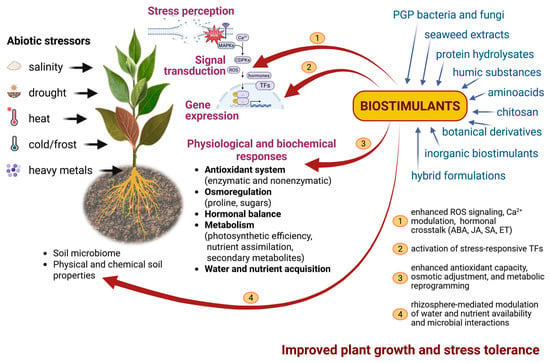
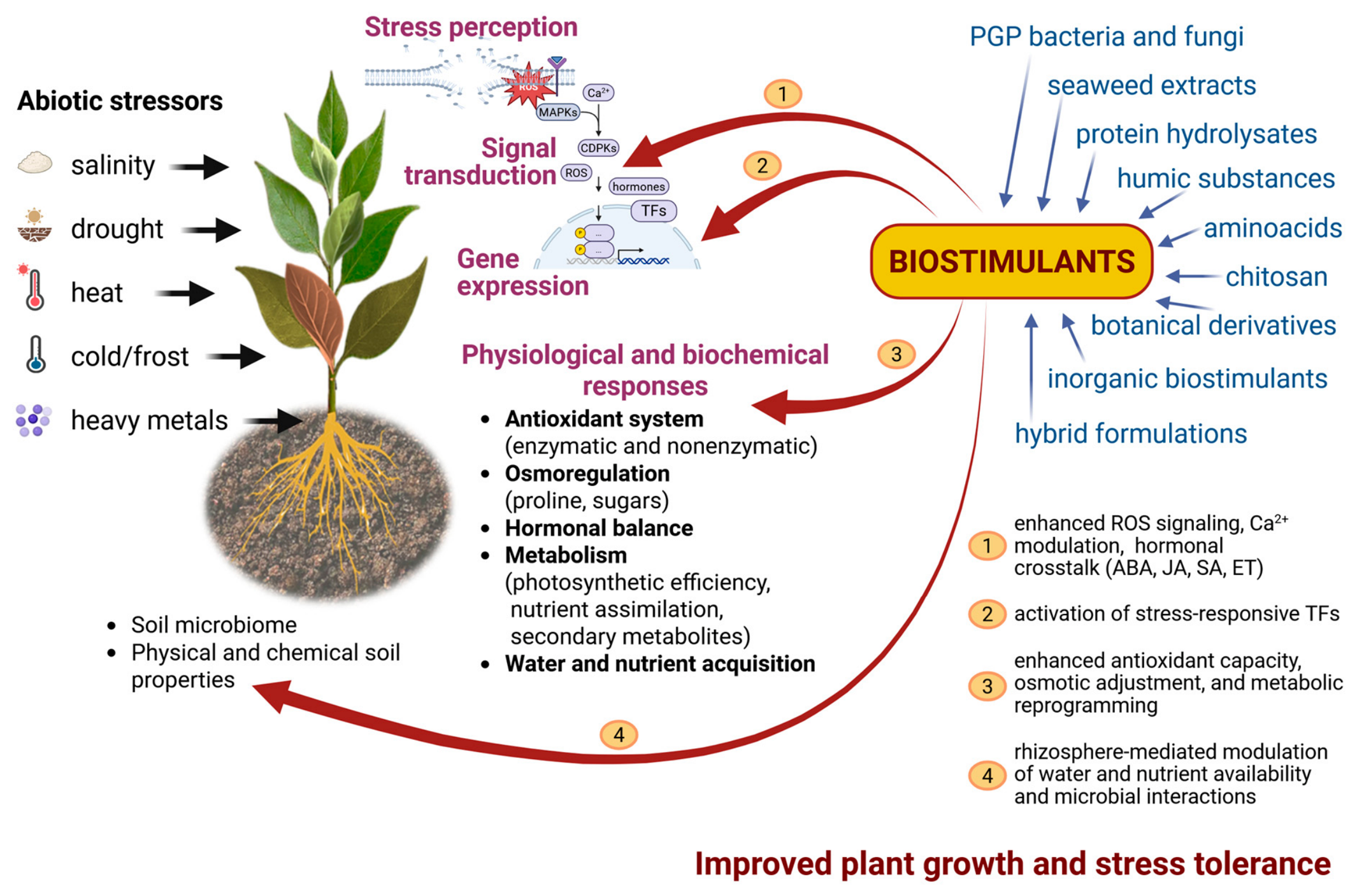
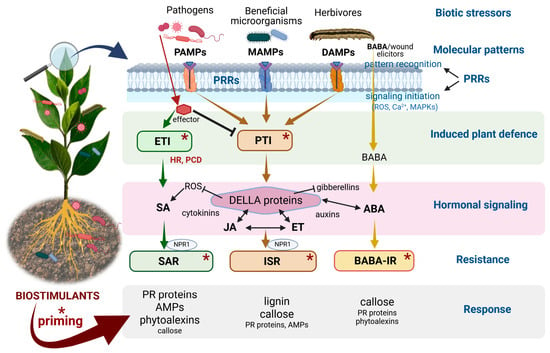
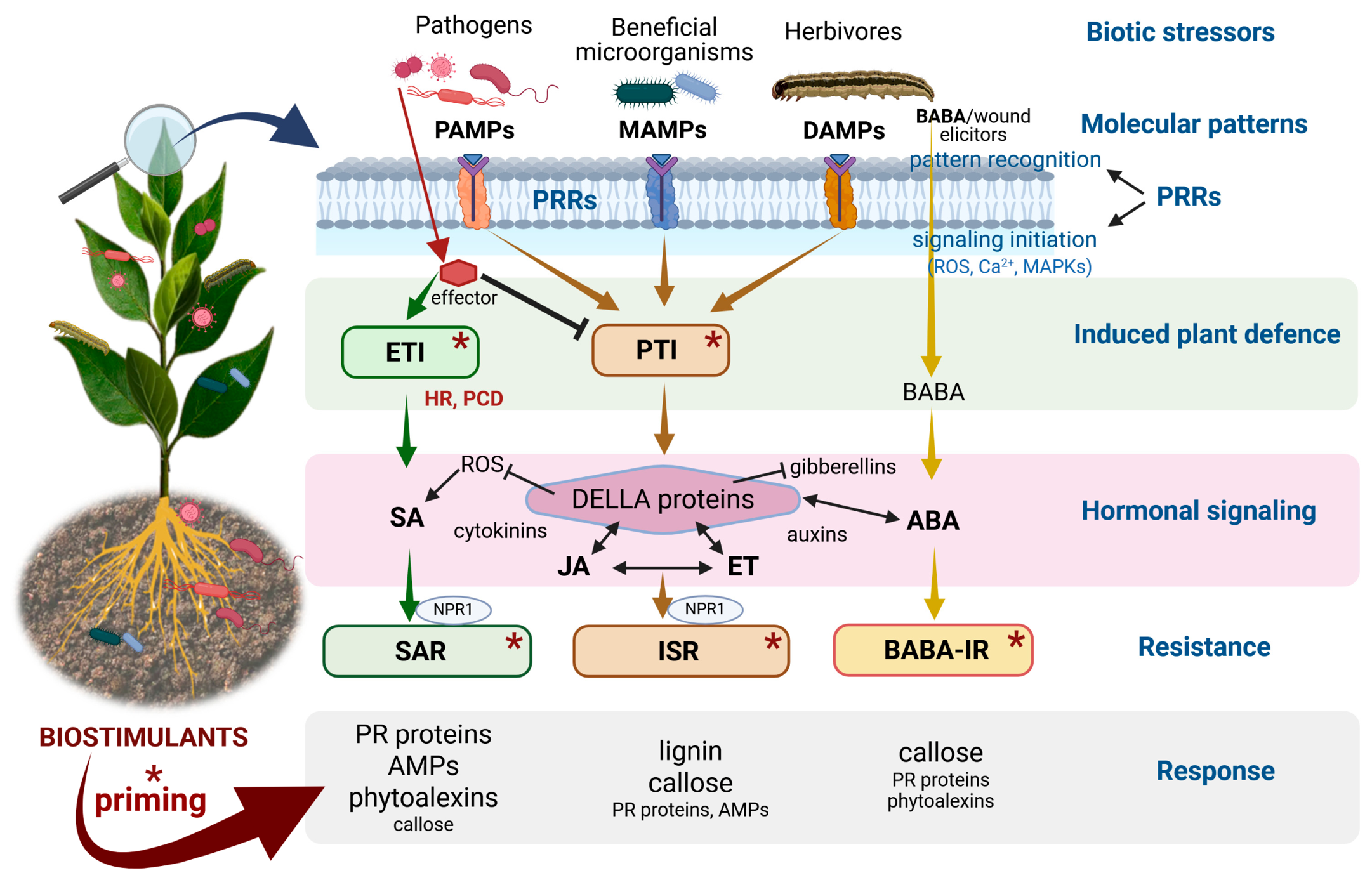

Disclaimer/Publisher’s Note: The statements, opinions and data contained in all publications are solely those of the individual author(s) and contributor(s) and not of MDPI and/or the editor(s). MDPI and/or the editor(s) disclaim responsibility for any injury to people or property resulting from any ideas, methods, instructions or products referred to in the content. |
© 2026 by the authors. Licensee MDPI, Basel, Switzerland. This article is an open access article distributed under the terms and conditions of the Creative Commons Attribution (CC BY) license.