


Abstract
Natural antioxidants align with consumer demand for clean-label, sustainable, and health-promoting food solutions. Artificial intelligence (AI) is enabling deeper understanding, more rapid screening, and new application modalities in food systems. Novel deep learning frameworks have been developed to predict interactions between polyphenols and proteins—crucial for understanding how antioxidants affect nutrient bioavailability, therapeutic functions, and food processing behavior. The convergence of AI and natural antioxidants is forging a transformative frontier in food science. This review aims to focus on AI-enabled methods and advances in natural antioxidants, focusing on practical impact and future directions. PubMed, Web of Science, Scopus, and the Cochrane Library databases were searched for relevant articles published up to September 2025. AI accelerates the analysis, design, and personalization of food systems, while natural antioxidants deliver health-promoting, sustainable, and clean-label functionality. Together, they offer promising avenues for safer, fresher, and more nutritious food systems. Continued innovation, multidisciplinary synergy, and thoughtful regulation are essential to unlocking their full potential. Encapsulating essential oils, polyphenols, and curcumin within nanocarriers significantly improves their stability, antimicrobial efficacy, controlled release, and bioavailability, extending their shelf life and application in diverse food formats. Advancing the use of natural antioxidants in food systems must navigate additive classifications, health claim validations, labeling transparency, and regulatory compliance across regions.
1. Introduction
Recent advancements in food science are focusing on enhancing the antioxidant properties of both natural and synthetic compounds to improve food preservation and nutritional value [1]. This includes exploring new extraction methods for natural antioxidants, developing novel delivery systems for both natural and synthetic antioxidants, and optimizing their use in various food products [2].
Researchers are developing eco-friendly methods like ultrasound-assisted, microwave-assisted, and enzyme-assisted extraction to obtain natural antioxidants from various sources [3]. Nanotechnology is being used to enhance the effectiveness of natural antioxidants by improving their stability, dispersion, and bioavailability in food systems. This includes the use of techniques such as microencapsulation, nanoemulsions, and nanoliposomes to deliver antioxidants more effectively [4].
Researchers are exploring new and underutilized sources of natural antioxidants, such as spent grape pomace, kombucha tea, and antioxidant peptides from animal by-products [5]. Astaxanthin, a potent antioxidant, is being studied for its application in various food products, with research focusing on improving its stability and bioavailability through different delivery systems [6]. Other examples include rosemary, laurel, and thyme extracts for enriching edible oils and the use of spent grape pomace for its high antioxidant content [7].
Research is also ongoing to optimize the use of synthetic antioxidants like BHA, BHT, and TBHQ in food products, aiming to maximize their effectiveness while minimizing potential health concerns [8]. Studies are investigating the potential of combining natural and synthetic antioxidants to achieve synergistic effects and enhance overall antioxidant activity. Furthermore, new analytical techniques like biosensors, nanosensors, and electrochemical methods are being developed to accurately quantify antioxidants in food matrices and monitor their effectiveness [4].
Antioxidants are crucial for preventing lipid oxidation and extending the shelf life of various food products, including meat, poultry, seafood, and edible oils [9]. Natural antioxidants are being incorporated into functional foods to improve their nutritional value and health benefits [1]. Antioxidants are being incorporated into food packaging materials to prevent oxidation and maintain food quality [9]. This review highlights the recent advances in artificial intelligence (AI) and natural antioxidants for food, in combinations along with their associated potential health benefits. Moreover, this narrative review outlines novel extraction methods and nanotechnology-based delivery systems (e.g., nano-antioxidants and antioxidant polymers) used in the food industry. Applications include active packaging, preservatives, bakery and meat products, stabilized oils, and natural dyes extracted from by-products such as apple, grape, tomato, and citrus pomace.
2. Method
A narrative review was conducted to explore the comparative performance and applications of machine learning models in nutritional biochemistry, with a focus on natural antioxidants and intervention strategies associated with their use. This review also considered the benefits of antioxidants as recommended by health professionals and industry stakeholders. The search strategy involved a comprehensive examination of the following databases:
PubMed and Web of Science searches utilized MeSH terms, specifically targeting “#Natural Antioxidants,” “#Artificial Intelligence,” “#Food,” “#Applications,” “#Nutrients,” and “#Bioactive compounds.” The aim was to uncover the relationship between natural antioxidants and their applications, with a particular focus on finding synergistic or antagonistic effects, as well as improved classification of antioxidants in food contexts. The initial search results yielded 147 articles. After removing 7 duplicates, 140 articles were retained for further analysis.
Searches in PubMed, Web of Science, Scopus, and the Cochrane Library aimed to identify articles related to “#Natural Antioxidants,” “#Artificial Intelligence,” “#Food,” “#Applications,” “#Nutrients,” “#Bioactive compounds,” “#Health benefits,” “#Diagnosis,” and “#Pharmacological efficacy.” Additional keywords such as “#Healthcare” were also included. The search criteria were designed to provide insights into interventions and the role of natural antioxidants in addressing the interplay between specific bioactive compounds and disorders. The initial search results yielded 180 articles. After excluding 6 duplicates, 174 articles remained for detailed scrutiny.
The Scopus and Cochrane Library search emphasized “#Natural Antioxidants,” “#Artificial Intelligence,” “#Food,” “#Applications,” “#Nutrients,” “#Bioactive compounds,” “#Health benefits,” “#Healthcare,” “#Public health,” “#Diagnosis,” “#Nanotechnology,” “#Food packaging,” and “#Pharmacological efficacy.” The aim was to identify articles exploring how AI-driven approaches are increasingly being applied to discover, deliver, and optimize natural antioxidants in functional foods, packaging, and personalized nutrition—highlighting health impacts as validated in practice. Initially, 29 articles were retrieved. After removing 25 duplicates, 4 articles were selected for thorough review.
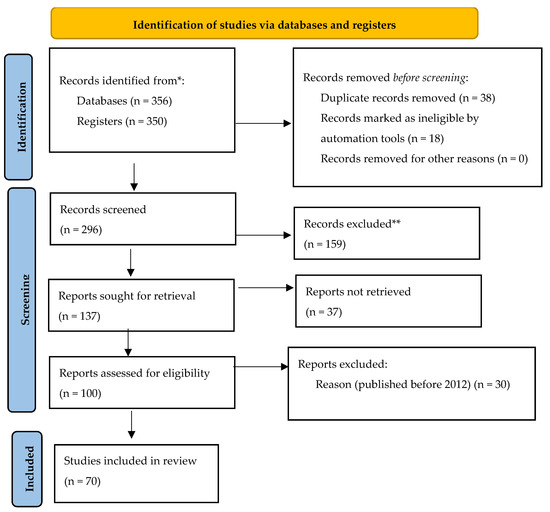
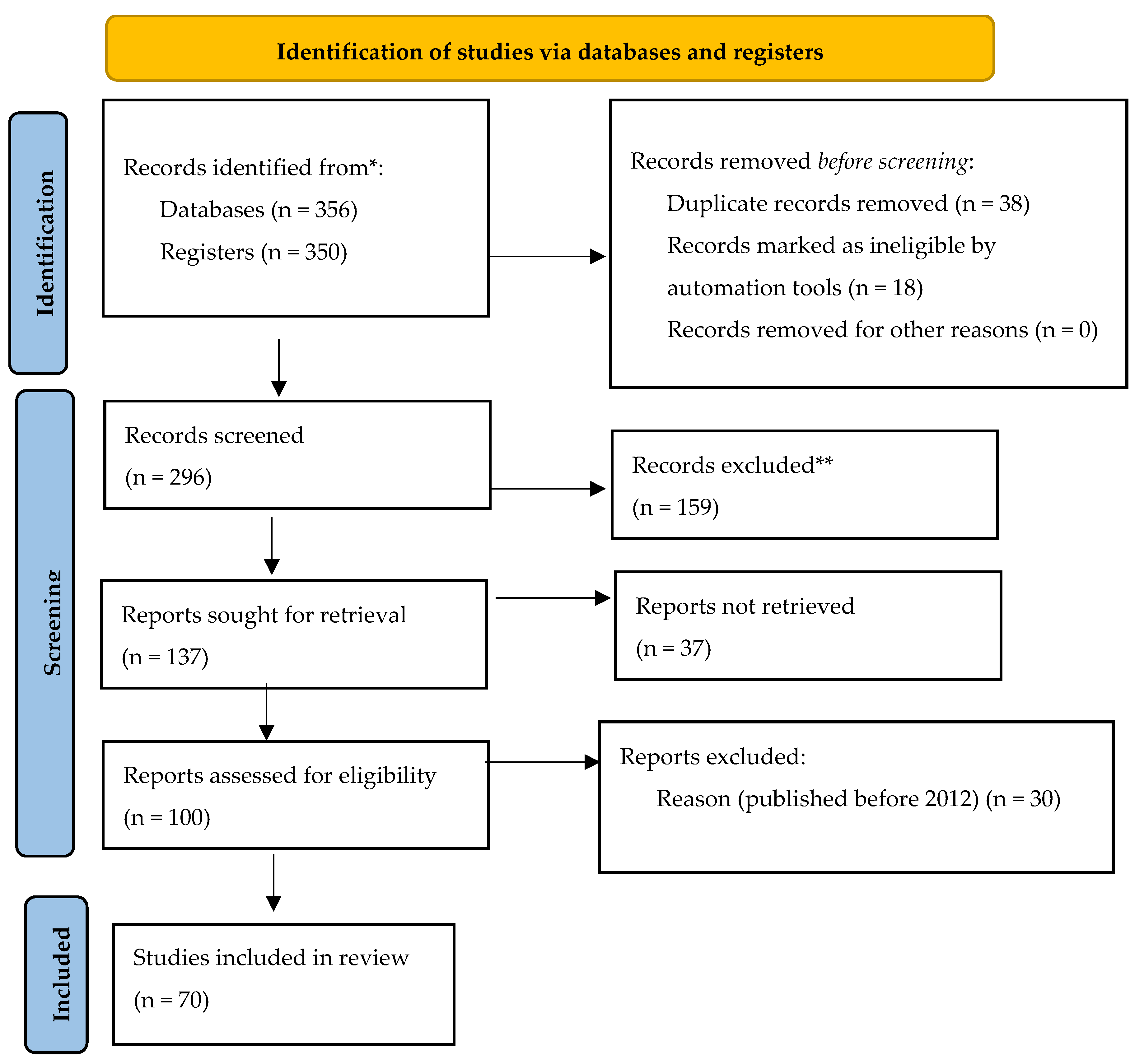
The selection of these databases was based on their reputability, comprehensiveness, and relevance to healthcare and research (Table 1). Further exclusion of case reports, reviews, and non-research articles was made to ensure methodological rigor. Specifically, the eligibility criteria required (1) studies employing probability sampling and reporting sample size; (2) studies providing evidence of variability and validation; and (3) articles published from 2012 to September 2025. Finally, 70 studies were included [10,11,12,13,14,15,16,17,18,19,20,21,22,23,24,25,26,27,28,29,30,31,32,33,34,35,36,37,38,39,40,41,42,43,44,45,46,47,48,49,50,51,52,53,54,55,56,57,58,59,60,61,62,63,64,65,66,67,68,69,70,71,72,73,74,75,76,77,78], health benefits in practice: [25,26,27,28,29,30,31,32,33,34,35,36,37,38,39,40,41,42,43,44,45,46,47,48,49,50,51,52,53,54,55,56,57,58,59,60,61,62,63,64,65,66,67,68,69,70,71,72,73,74,75,76,77,78] (Figure 1).
Table 1.
Details of the search process and the unique contributions of each database to the study.
Figure 1.
Prisma flow chart of the study for each section as follows: AI, applications, and food [10,11,12,13,14,15,16,17,18,19,20,21,22,23,24], health benefits in practice: [25,26,27,28,29,30,31,32,33,34,35,36,37,38,39,40,41,42,43,44,45,46,47,48,49,50,51,52,53,54,55,56,57,58,59,60,61,62,63,64,65,66,67,68,69,70,71,72,73,74,75,76,77,78]. * PubMed 147, Web of Science 180, Scopus 22, Cochrane Library 7. ** Excluded by the researchers due to sample parameters (small sample) or examined/analyzed compounds that were not included in this review. Additionally, studies were excluded if applications were not characterized by variability and validation.
A minimum sample size of 20 was set as an inclusion criterion, and the minimum required accuracy of the AI model was defined as 30%.
3. Results
3.1. AI, Applications, and Food
Researchers have used AI applications to determine antioxidant capacity [10,11], identify specific antioxidants [12], assess product safety [13], and discover antioxidant properties in various plants [14], seeds [79], and food groups [15]. These food groups were categorized in baked products; fruits and fruit juices; cereal grains and pasta; sweets; legumes and legume products; beverages; nuts and seeds; vegetables and vegetable products; spices and herbs; dairy and eggs; fats; and oils. Moreover, functional foods were studied and identified using AI, such as mushrooms [16]; microalgae [17] and Juglans mandshurica Maxim, an important industrial crop in China [18]; and herbs [19]. Finally, in some studies, researchers also examined combinations of foods to achieve enhanced antioxidant effects [24]. The validation and selection of the models are based on their fit and alignment with experimentally obtained results [20], with performance accuracy ranging from 33–98% (Table 2) [10,11,12,13,14,15,16,17,18,19,20,21,22,23,24]. The use of machine learning (ML) allows us to tremendously reduce the computational cost of assessing the scavenging properties of potential antioxidants, with minimal impact on the quality of the results [21].
Table 2.
Comparative performance and applications of machine learning models in nutritional biochemistry.
Multiple machine learning and deep learning architectures were evaluated to identify the most effective predictive model for antioxidant activity. The tested models included: random forest (RF) and XGBoost (for descriptor-based learning), graph neural networks (GNNs) (for structure-based learning using molecular graphs), feedforward neural networks (FNNs), and transformer models (for SMILES-based representations). For the GNN, molecular nodes represented atoms, while edges represented bonds. Node features included atomic number, valence, and hybridization. The model employed multiple graph convolution layers, ReLU activation functions, dropout regularization (rate = 0.2), and a fully connected prediction head. The dataset was randomly divided into training (70%), validation (33–99%), and test (15%) subsets using stratified sampling. A subset of top-ranked compounds predicted to have high antioxidant potential was selected for in vitro validation using DPPH, ABTS, and FRAP assays. Experimental results were compared with AI predictions to assess predictive accuracy and to refine the computational model. All computational analyses were conducted using publicly accessible data, ensuring compliance with open data ethics. No human or animal testing was performed during the computational phase of this study [10,11,12,13,14,15,16,17,18,19,20,21,22,23,24].
3.2. Health Benefits in Practice (Health Applications and Pharmacological Aspects)
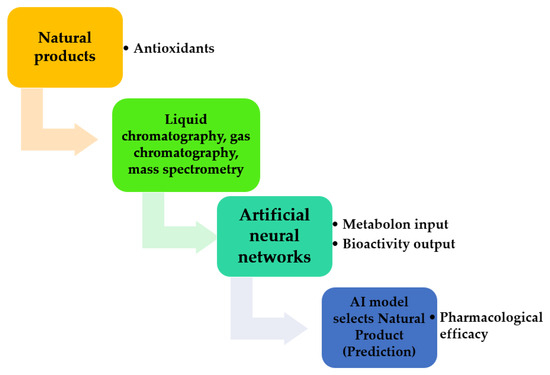
Today’s emerging tools can monitor food antioxidants in real time before or after meals, use AI to detect diseases based on metabolic response [80], and analyze synergies, antagonisms and additivities between compounds to recommend supportive foods (Figure 2) [81].
Figure 2.
A modern workflow to ensure consistent pharmacological efficacy of complex natural products (i.e., complex chemical entities) considering synergies, antagonisms, and additivities between all compounds (AI-assisted biostandardization) from Prieto-Garcia [81].
The accuracy, sensitivity, and specificity of “convolutional neural network” (CNN) for deep learning in the early detection of skin cancer are the major advantages of AI-based health applications. The benefits of these algorithms on improving public health for skin cancer [41] include being image-based, cost-effective, sustainable, and capable of rapid detection with high accuracy. Nanotherapeutic applications and health benefits of natural antioxidants are summarized in Table 3 [25,26,27,28,29,30,31,32,33,34,35,36,37,38,39,40,41,42,43,44,45,46,47,48,49,50,51,52,53,54].
Table 3.
Nanotherapeutic uses of natural antioxidants and possible health benefits.
Antioxidants are used to enhance both the efficacy and the shelf life of skincare products. AI tools support their evaluation and increase their ability to improve skin protection against UV-induced damage [83]. Another benefit includes the use of antioxidants such as syn-7-hydroxy-7-anisylnorbornene, geijerene, piperiton, pregeijerene, nerolidol (or peruviol), and thymol methyl ether for cardiovascular infection prevention and mitigation of oxidative damage [81]. Moreover, AI and machine learning methods are increasingly applied to evaluate cardiotoxicity using the adverse outcome pathway (AOP) frameworks [84]. Hydroxytyrosol has been shown to enhance endothelial function and reduce artery inflammation [45]. Nano-ellagic acid exhibits stronger pro-apoptotic effects in cancer cells with lower systemic toxicity [34]. Nano-curcumin has shown increased efficacy in preventing beta-amyloid plaque formation in Alzheimer’s disease models [85]. Nano-luteolin improves insulin sensitivity and reduces oxidative stress in pancreatic beta cells due to the improved bioavailability that enhances blood sugar regulation [86]. In general, natural antioxidants delivered via nanocarriers help suppress chronic inflammation—a root cause of aging, degenerative diseases, and inflammation-related comorbidities [27]. Nano-antioxidants also reduce oxidative DNA damage, thereby slowing cellular aging [87].
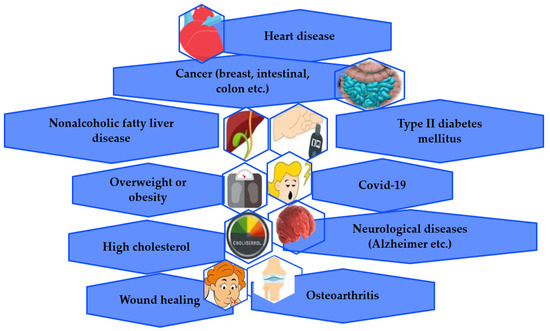
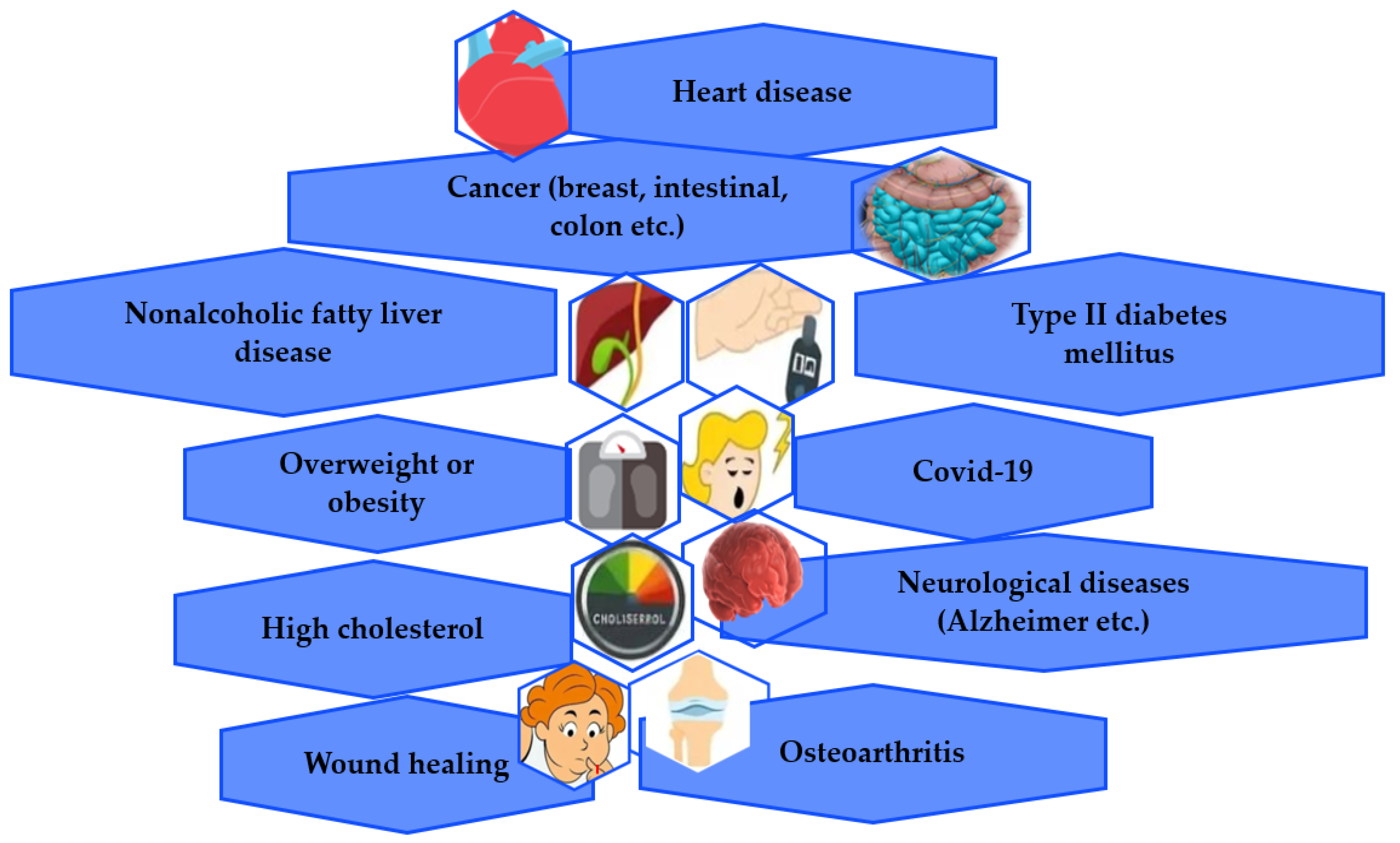
Findings of Madani et al. (2025) suggest that dietary antioxidants are inversely associated with body mass index (BMI), waist circumference, fasting blood glucose, triglyceride, total cholesterol, and low-density lipoproteins (LDL) in both overweight/obese and normal weight individuals. It seems that following a diet rich in ORAC may help counteract obesity and its associated comorbidities [88]. However, another study found that the ORAC index did not have a significant effect on the development of the metabolic syndrome or its components and was only associated only with the intake of various food groups [89]. According to a large-scale study involving 10,000 participants, a diet high in polyphenols has been demonstrated to contribute to improved liver health outcomes [90]. Other studies published in 2024 [91] and 2023 [92] have shown that dietary antioxidant intake was linked to a lower risk of myocardial infarction [91] and to reduced disease severity, along with decreased levels of inflammatory and oxidative stress biomarkers in patients with knee osteoarthritis [92]. The literature has shown that the Mediterranean diet, rich in a variety of wholesome foods, is associated with greater resilience. If consumers could use AI to improve the quality of their diet, they may also enhance their resilience and mental health [93]. Taking into account all the aforementioned studies, the therapeutically applications of natural antioxidants as nanocomposites are shown in Figure 3 [25,26,27,28,29,30,31,32,33,34,35,36,37,38,39,40,41,42,43,44,45,46,47,48,49,50,51,52,53,54].
Figure 3.
Nanotherapeutic applications of natural antioxidants and their potential health benefits.
Nanoencapsulated antioxidants such as curcumin nanoparticles and resveratrol-loaded liposomes can cross the blood–brain barrier. These formulations reduce oxidative stress and inflammation in models of Alzheimer’s, Parkinson’s, and other neurodegenerative diseases [85]. Curcumin also enhances cytotoxicity toward cancer cells while reducing side effects compared to free compounds [82]. Nanocarriers improve the oral delivery of poorly soluble antioxidants (like curcumin), leading to improved glycemic control and reduced oxidative damage to pancreatic β-cells. Quercetin or resveratrol-based nanoparticles improve endothelial function, reduce LDL oxidation, and lower inflammation, thereby helping prevent atherosclerosis and ischemic injury [91]. Topical antioxidant nanoemulsions (containing vitamin E, green tea extract, or aloe vera) accelerate wound healing and protect the skin from UV-induced oxidative stress. Furthermore, nanoformulations enable sustained antioxidant release at inflammation sites, modulating cytokine levels and reducing tissue damage (Table 4) [87,94].
Table 4.
Practical examples of the specific release and targeting effects of nanocarriers [94].
3.3. Nanotechnology and Increasing Bioacceptability of Antioxidants
Nanotechnology plays a significant role in enhancing the bioavailability and bioacceptability of antioxidants [95]. Many natural antioxidants (e.g., curcumin, quercetin, resveratrol, etc.) suffer from poor water solubility, low stability, and limited absorption in the gastrointestinal tract [96], which significantly limits their therapeutic effectiveness [97]. Many potent antioxidants are hydrophobic (i.e., poorly water-soluble), which limits their absorption in the body. Nanocarriers such as nanoemulsions, solid lipid nanoparticles (SLNs), polymeric nanoparticles, and lipid-based nanocarriers (e.g., liposomes) can encapsulate these antioxidants, improving their solubility, stability, and absorption [98]. For instance, curcumin-loaded nanoparticles have shown a several-fold increase in bioavailability compared to free curcumin [99]. Nanoparticles can more effectively penetrate biological barriers such as the intestinal lining and the blood–brain barrier, due to their small size (typically <200 nm). This improves antioxidant delivery to target tissues and cellular uptake and retention. Moreover, quercetin-loaded nanoparticles exhibited improved intracellular antioxidant activity due to enhanced cellular uptake. Nanocarriers can also be engineered to release antioxidants in a controlled manner, either over time or in response to specific triggers (e.g., pH, enzymes, etc.) in order to improve therapeutic efficacy and minimize side effects. Nanoencapsulation protects antioxidants from premature degradation, oxidation during storage or digestion, and damage from UV or heat exposure [100]. Furthermore, surface modification of nanoparticles with ligands, peptides, or antibodies allows targeting specific cells or tissues, crossing biological barriers and reducing off-target effects. Overall, nanotechnology offers powerful tools to increase the bioacceptability of antioxidants, making them more effective for both therapeutic and preventive health applications [101]. By addressing major limitations such as poor solubility, low stability, limited targeting, and insufficient absorption, nanotechnology enables antioxidants to reach their full potential in combating oxidative stress-related diseases [102]. This is particularly valuable since many antioxidants are unstable under physiological conditions, including exposure to oxygen, heat, or extreme pH levels [103].
3.4. Food Packaging, Natural Antioxidants, and Public Health Benefits
The integration of natural antioxidants into food packaging is a rapidly growing area in food science, nanotechnology, and public health [104]. This approach not only extends the shelf life of food products but also enhances consumer health by reducing exposure to synthetic preservatives and preventing foodborne diseases [105]. Natural antioxidants—derived from plant sources like green tea, rosemary, grape seed, turmeric, oregano, and essential oils—can inhibit lipid oxidation (preventing rancidity) and reduce microbial growth in foods, replace synthetic food additives (e.g., BHA, BHT, and TBHQ), enhance safety and shelf life of foods (Table 5), and contribute to the health-promoting qualities of foods [106]. In contrast, synthetic antioxidants are increasingly under scrutiny due to their potential toxicological risks [107]. Natural antioxidants offer a safer, biobased alternative, aligning with clean-label trends and consumer demand for sustainable and health-conscious food solutions [104].
Table 5.
Comparative antioxidant activity and applications of natural antioxidants in food science.
4. Discussion
Oxidative stress occurs when unstable molecules called free radicals build up and start damaging cells (a process somewhat analogous to rust forming on metal). This can happen from excessive sun exposure, pollution, a poor diet, or even just normal metabolism [108]. Antioxidants are compounds that neutralize these free radicals, and research has shown that pairing vitamins C and E improves immune-function measures, suggesting that the combination helps bolster the aging immune system under stress [109]. Many other antioxidants are often paired together in supplements and recommended jointly in diets; after all, nature frequently packages them together in many wholesome foods [110]. However, most of the antioxidants present in foods—whether their efficacy in preventing oxidation in foods or in dealing with oxidative stress in the body—depend on different factors [111]. This is where the application of modeling, prediction, and control tools comes into play [20].
For most studies included in this review (Figure 1, Table 1) [10,11,12,13,14,15,16,17,18,19,20,21,22,23,24], the process is the following: (a) data collection, (b) modeling of antioxidant activity (e.g., DPPH and FRAP assays) based on input variables using artificial neural networks (ANNs), (c) optimization process via algorithm, and (d) reporting of outcomes [13,14,15,112]. According to Ayres et al., the prediction capability of a model for mixtures of phenolic antioxidants, based on the thiobarbituric acid reactive substances (TBARS) method, was analyzed over 140 tests to assess variability, and the accuracy rate of the model analysis was 90% [12]. The use of such applications could offer more rational predictions related to the behavior of antioxidant mixtures and help fulfill the principles of the 3Rs (replacement, reduction, and refinement) in using animals in biomedical research [11]. Moreover, they minimize inconsistencies and inaccuracies of results from sensitive gas chromatography–mass spectrometry (GC/MS) method [113]. Some biomarkers used in these studies were F2-isoprostanes, malondialdehyde, exhaled volatile alkanes (e.g., ethane and pentane), D2 and E2 isoprostanes, and lipid hydroperoxides [11,12]. AI-driven approaches for predicting antioxidants in natural products usually combine bio-informative and machine learning approaches [114]. Convolutional neural network (CNN)-based deep learning (DL) models extract multilayered features directly from raw spectral inputs through end-to-end learning, significantly outperforming traditional manual feature extraction methods and enhancing classification accuracy [115]. In addition, the error rate was found to be approximately 10%, corresponding to approximately 90% accuracy (Table 2) [114]. The relationship between antioxidant substances and antioxidant activity demonstrated that AI can be used effectively to determine the antioxidant properties of foods [114]. For example, AI applications confirmed that preventing oxidation of unstable fish lipids is still achieved by using tocopherols (especially in mixtures with ascorbyl palmitate, lecithin, or rosemary extract) and by using antioxidant preparations from rosemary [24]. AI-supported integration of metabolomics, transcriptomics, and bioinformatics is assisting in identifying algal bioactives (like astaxanthin and fucoxanthin), modelling metabolic pathways, predicting bioavailability, and building intelligent delivery systems. It also supports functional food engineering (e.g., optical sensing freshness, targeted release, and sustainable applications) and significantly accelerates development, reducing timelines by over 60% compared to traditional methods [116].
On the other hand, the ORAC method is a well-known laboratory test that measures the overall antioxidant capacity of a food [15]. Specifically, in this test, the food being tested is placed in a system that generates free radicals and consists of molecules vulnerable to oxidation. By measuring the oxidation that occurs in these molecules after a certain period of time, one can draw a conclusion about the antioxidant capacity of the food, that is, how well it protects the vulnerable molecules from free radicals [88]. The less damage that has occurred, the higher the ORAC score for that food. Measurements of the oxidative capacity of hundreds of foods, drinks, and spices have been compiled into a publicly accessible database that can be found on the Internet [15]. A simple browse through the database can help consumers discover which foods are rich in antioxidants and generate ideas on how to increase antioxidants, and the consumer or patient can easily measure whether they are getting enough antioxidant intake daily. However, users must be cautious: because the score for each food is based on 100 g of product, one must factor in the portion size actually consumed before concluding that oregano in a salad is not a major source of antioxidants since the oregano’s score per 100 g may be high, but the consumed portion is minimal [112]. The ORAC database has often been cited as a reliable measure of antioxidant capacity in foods and supplements. However, it has significant limitations as studies have shown a poor correlation between ORAC values and actual in vivo effects in humans. Due to these concerns and the potential for misleading marketing claims, the USDA officially withdrew the ORAC database in 2012. This underscores the importance of interpreting antioxidant data cautiously and considering biological relevance rather than relying solely on in vitro assays. Furthermore, a claim that a food or supplement has a high ORAC value (or “antioxidant capacity”) does not mean that it is permitted to make a health claim in the EU. For researchers or manufacturers preparing claims related to antioxidant/oxidative damage or health effects guidance from the EFSA emphasizes physiological relevance, human intervention data, well-defined biomarkers, appropriate study durations, etc. [15,88].
The score of each food as estimated by the previous applications can therefore be used as an indicator of whether it has a relatively high antioxidant content or not, but this number does not necessarily translate into its exact antioxidant capacity in the body [117]. Besides, antioxidants are only one part of the diet. Every food contains other ingredients that are necessary for the body but do not have antioxidant activity; therefore, they may yield a “poor” score. The main objective is that the goal is not to maximize antioxidant intake for its own sake [118], but to address food insecurity [93].
In today’s world of stress, pollution, and UV exposure, natural antioxidant supplements are used as extra defense against oxidative damage, supporting skin, immunity (Figure 3), and even eye health [108]. This synergistic benefit of antioxidants is a big reason why many supplement regimens and fortified skincare products pair, for instance, vitamins C and E (Table 3) [109]. Whether in a daily multivitamin, an immune-boosting supplement, or an “anti-aging” skin formula, the two vitamins are thought to help regenerate and “recycle” one another to maintain a robust antioxidant network [119]. By using natural antioxidants in combination, supplement manufacturers aim to mimic how these nutrients naturally cooperate in fruits, vegetables, and our body systems to defend against oxidative damage (Table 5) [120]. The tolerable upper intake levels (ULs) for vitamin E from all dietary sources, previously established by the Scientific Committee on Food, are retained for all population groups 300 mg/day for adults, including pregnant and lactating women, 100 mg/day for children aged 1–3 years, 120 mg/day for ages 4–6 years, 160 mg/day for ages 7–10 years, 220 mg/day for ages 11–14 years, and 260 mg/day for ages 15–17 years [121]. The Daily Reference Intake (DRI) for vitamin C is 80 mg/day [122], and the reference value for vitamin C intake is set to 135 mg/day for female smokers and 155 mg/day for male smokers [123], although the European Food Safety Authority (EFSA) has not yet established a reference value [124]. Data from dietary surveys in European countries show that average vitamin C intakes from food alone range from 69 to 130 mg/day in men and from 65 to 138 mg/day in women [124]. Regarding polyphenols, increases in dietary exposure have been observed in the categories “Legumes, nuts, oilseeds, and spices” (+0.32 μg/kg per month), “Vegetables and vegetable products” (+0.17 μg/kg per month), and “Coffee, cocoa, tea and infusions” (1.28 μg/kg per month) [125]. However, no plant-origin food has yet obtained a favorable EFSA opinion to substantiate health claims related to its potential antioxidant properties [126]. While supplements are available and sometimes recommended for those with deficiencies or elevated needs, the ideal way to obtain these vitamins remains a balanced diet [127].
This is why there is an increasing interest and research efforts on the application of nanotechnology to food, alongside the potential of AI in science and the food industry, resulting in a significant increase in human exposure to these substances [4]. Consumers should, therefore, be very careful, not necessarily fear but accept the development of AI and its application in food science and industry. Besides, AI has already achieved great successes in other fields. Food packaging provides many benefits to both the product being packaged (e.g., freshness of fruits) and the consumer himself [128]. For example, the gelatin/curcumin composite films exhibited remarkable antimicrobial activity against foodborne pathogenic bacteria such as Escherichia coli and Listeria monocytogenes and showed strong antioxidant activity comparable to ascorbic acid [59].
Moreover, the mention of AI is important in laying down the relationship between preventive medicine or treatment techniques and patient outcome [129]. Antioxidants can be used in health applications either for prediction or for prevention of diseases as nutraceuticals (Figure 3) [129] in the fields of functional foods [115] or innovative pharmaceuticals and high-value cosmetics [116]. Biosensors and real-time data are transforming how consumers understand, manage, and optimize their diets [15], but also help health professionals in practice to predict the proper combinations for pharmacological use [81]. The synergistic use of AI in functional foods has advanced development in the food, health, and nutrition sectors [130]. In solid tumors, the challenge is not just finding biomarkers, but ensuring they are predictive, reproducible, and strategically actionable. Traditional single-gene or even multi-gene approaches rarely capture this complexity. A more powerful approach combines dynamic systems modeling with network validation: chaos-theoretic analysis of protein–drug interactions can flag promising therapeutic leads at the very early stages (Table 4) [131]. Interactions between polyphenols and proteins in the body are a major area of research in nutritional biochemistry, pharmacology, and food science. These interactions can alter protein conformation and stability, inhibit or enhance enzyme activity (e.g., inhibition of digestive enzymes like α-amylase or trypsin), and affect transport proteins such as serum albumin, thereby influencing the bioavailability and pharmacokinetics of drugs and other metabolites [132]. By identifying subtle nonlinear patterns that precede resistance or failure, this approach reduces costly late-stage surprises and saves resources. Network-based validation then confirms whether these leads are anchored in stable disease modules or critical protein–protein interaction hubs. Such network context ensures biomarkers are not false positives, but true indicators of disease-driving mechanisms. When layered with multiomics integration, these methods reveal biomarker signatures that both stratify patients and point to novel therapeutic vulnerabilities. The result is a biomarker strategy that goes beyond “finding signals” [133]. It builds strategic assets—early-warning markers of relapse, network hubs that double as drug targets, and validation frameworks that directly inform trial design [134]. Together, chaos-informed discovery and network-guided validation can help oncology pipelines concentrate investment where it matters most: leads with the highest probability of success in patients [131].
The AI in healthcare market is experiencing explosive growth due to (1) AI enabling personalized treatment plans by analyzing genetic, lifestyle, and clinical data [135]; (2) hospitals, clinics, and research institutions generating vast amounts of data, creating demand for AI-powered analytics [136]; (3) faster diagnostics by using antioxidants and AI tools for radiology, pathology, and diagnostics reducing wait times and increasing accuracy; and (4) AI offering efficiency gains and automation that save both time and money [137].
On the other hand, a recent report reveals a sobering reality: 95% of generative AI pilots in companies (healthcare and pharmaceuticals) fail to deliver measurable financial impact [138] because expectations of AI are exceptionally high. While generative AI holds extraordinary promise, most corporate initiatives are stalling [139]. A recent study pinpoints the reasons: (1) a “learning gap”—the main issue is not weak AI models but poor integration into workflows; (2) misguided investment—more than half of corporate AI budgets are directed toward sales and marketing, even though the highest returns come from back-office automation; and (3) partnership advantage—companies that purchase AI tools from specialized vendors achieve a 67% success rate, far higher than those that develop solutions in-house. The winners in generative AI will not be those who dabble in pilots, but those who learn, partner, and scale responsibly [138]. Despite the failings highlighted, the pharmaceutical sector shows how generative AI can succeed when applied with focus and expertise [138].
While nano-antioxidants show great promise for biomedical, cosmetic, and food applications, they also raise safety and nanotoxicity concerns. Extremely small particles (<10 nm) can penetrate cell membranes, mitochondria, and nuclei, causing DNA damage or organelle dysfunction [140]. The core material (e.g., metal oxides like CeO2, TiO2, and ZnO) and surface modifiers (e.g., polymers and ligands) strongly influence toxicity. Chronic exposure can lead to bioaccumulation in organs like the liver, spleen, kidneys, or brain. Long-term retention may trigger inflammatory or immune responses, fibrosis, or genotoxicity [141]. Nanoparticles interact with proteins, forming a protein corona that changes their biological identity. This interaction affects cellular uptake, biodistribution, and immune recognition, leading to unpredictable in vivo responses [140]. Limited data exist on ecosystem-level impacts. Moreover, no unified global framework specifically addresses nano-antioxidant safety. Regulatory agencies (e.g., the FDA, EFSA, and OECD) are still developing nano-specific guidelines for toxicity, labeling, and risk assessment. Ethical concerns include human exposure in insufficiently tested applications and limited data transparency from manufacturers [142].
AI models have shown great promise in food quality assessment, authentication, and safety prediction; however, their performance is often limited by challenges such as overfitting, data leakage, and poor generalization to real-world food matrices. Overfitting occurs when a model learns patterns and noise specific to the training data rather than the underlying relationships, resulting in high accuracy during model development but poor predictive performance when applied to new samples [143]. This issue is particularly problematic in food systems, where models trained on homogeneous datasets (e.g., samples from a single production batch or controlled laboratory conditions) may fail when tested on products from different sources or with variable compositions. Data leakage represents another critical issue, arising when information from the test set inadvertently influences the training process—such as through improper data preprocessing or batch overlap between training and validation sets—leading to artificially inflated performance metrics and misleading conclusions about model robustness. Furthermore, poor generalization is a major concern due to the inherent complexity and variability of food matrices. Factors such as differences in raw materials, processing conditions, environmental factors (e.g., temperature and humidity), and instrumental variations (e.g., calibration differences among spectroscopic devices) can cause significant discrepancies between laboratory and industrial conditions [144]. As a result, models that perform well in controlled experimental settings often fail to replicate their accuracy in real-world applications. These limitations underscore the need for robust model validation, including the use of diverse and representative datasets, rigorous cross-validation techniques, regularization methods to reduce overfitting, and external validation on independent, real-world samples to ensure reliability and scalability of AI-based food analysis systems [143].
AI is not the strategist; it is the catalyst. In today’s volatile landscape, leaders must embrace AI not as a replacement for judgment but as a force multiplier for clarity, speed, and precision. The real competitive edge lies in how we frame the questions, not just how fast we get the answers. Strategy is no longer a slow, linear process, but it is dynamic, data-infused, and deeply human. The leaders who thrive will not just adopt AI tools; they will cultivate AI fluency across their teams, build proprietary insight engines, and remain relentlessly curious. Because in the end, it is not about having smarter machines; it is about building wiser organizations. These organizations could use laboratory data, either microbiology or chemical analysis, to its fullest potential. Standardized guidelines for nanomedicine approval are still evolving. Future directions include green synthesis approaches, smart nanoantioxidants responsive to oxidative microenvironments, and personalized nanotherapy based on oxidative stress biomarkers. These directions may also highlight AI tool variability and explore the challenges in developing a healthy and sustainable food industry that can be maintained even with the increasing entry of nanotechnology into food systems.
5. Conclusions
This review article highlights how AI is emerging as a catalyst for a new era of healthcare—one that is more agile, insightful, and human-centered. With tools like ORAC, achieving optimal dietary control and personalized nutrition has become easier than ever and, thus, would lead to further healthcare promotion. Managing antioxidant assessment is now more innovative and user-friendly. In 2025, cutting-edge tools are transforming food monitoring, meal planning, and lifestyle adjustments into processes that are not only easier but also more precise. These management tools offer to consumers the ability to know the proper use of antioxidants because they allow real-time antioxidant capacity readings, thus providing immediate alerts for high or low levels. This empowers both consumers and health professionals by offering better control and actionable insights for dietary and antioxidant adjustments. Combining nanotechnology with natural antioxidants opens up a powerful new approach to improving human health by overcoming limitations of conventional antioxidant delivery. This synergy enhances the efficacy, stability, and bioavailability of antioxidants, unlocking their full potential for preventive and therapeutic applications. Moreover, the incorporation of natural antioxidants into food packaging offers a dual benefit for food safety and public health. It helps reduce spoilage, lowers the risk of chronic diseases linked to oxidized fats and synthetic preservatives, supports eco-friendly and health-conscious consumption, and encourages innovation in smart and active packaging solutions. The main finding is that the combination of nanotechnology with natural antioxidants and their inclusion in food packaging offers a dual advantage for food safety and public health. In conclusion, the convergence of AI and natural antioxidants creates transformative frontiers in food science.
Author Contributions
Conceptualization, O.G., D.S. and M.D.; methodology, D.S. and M.D.; software, M.D.; validation, D.S. and M.D.; formal analysis, M.D.; investigation, M.D.; resources, M.D.; data curation, D.S. and M.D.; writing—original draft preparation, M.D.; writing—review and editing, O.G., D.S. and M.D.; visualization, O.G. and D.S.; supervision, O.G. and D.S. All authors have read and agreed to the published version of the manuscript.
Funding
This research received no external funding.
Institutional Review Board Statement
Not applicable.
Informed Consent Statement
Not applicable.
Data Availability Statement
No new data were created or analyzed in this study. Data sharing is not applicable to this article.
Acknowledgments
The authors have reviewed and edited the output and take full responsibility for the content of this publication.
Conflicts of Interest
Author Olga Gortzi was employed by the company POSS—Driving Innovation in Functional Foods PCC. The remaining authors declare that the research was conducted in the absence of any commercial or financial relationships that could be construed as a potential conflict of interest.
References
- Parcheta, M.; Świsłocka, R.; Orzechowska, S.; Akimowicz, M.; Choińska, R.; Lewandowski, W. Recent developments in effective antioxidants: The structure and antioxidant properties. Materials 2021, 14, 1984. [Google Scholar] [CrossRef]
- Admassu, S.; Kebede, M. Application of antioxidants in food processing industry: Options to improve the extraction yields and market value of natural products. Adv. Food Technol. Nutr. Sci. 2019, 5, 38–49. [Google Scholar]
- López-Pedrouso, M.; Lorenzo, J.M.; Franco, D. Advances in Natural Antioxidants for Food Improvement. Antioxidants 2022, 11, 1825. [Google Scholar] [CrossRef] [PubMed]
- Ferdous, Z.; Nemmar, A. Health impact of silver nanoparticles: A review of the biodistribution and toxicity following various routes of exposure. Int. J. Mol. Sci. 2020, 21, 2375. [Google Scholar] [CrossRef] [PubMed]
- Krzyżostan, M.; Wawrzyńczak, A.; Nowak, I. Use of waste from the food industry and applications of the fermentation process to create sustainable cosmetic products: A review. Sustainability 2024, 16, 2757. [Google Scholar] [CrossRef]
- Dang, Y.; Li, Z.; Yu, F. Recent advances in astaxanthin as an antioxidant in food applications. Antioxidants 2024, 13, 879. [Google Scholar] [CrossRef]
- Gabriel, J. The Green Beauty Guide: Your Essential Resource to Organic and Natural Skin Care, Hair Care, Makeup, and Fragrances, 1st ed.; Gabriel, J., Ed.; Health Communications, Inc.: Deerfield Beach, FL, USA, 2008; Volume 10, pp. 211–231. [Google Scholar]
- Wang, W.; Xiong, P.; Zhang, H.; Zhu, Q.; Liao, C.; Jiang, G. Analysis, occurrence, toxicity and environmental health risks of synthetic phenolic antioxidants: A review. Environ. Res. 2021, 201, 111531. [Google Scholar] [CrossRef]
- Petcu, C.D.; Tăpăloagă, D.; Mihai, O.D.; Gheorghe-Irimia, R.-A.; Negoiță, C.; Georgescu, I.M.; Tăpăloagă, P.R.; Borda, C.; Ghimpețeanu, O.M. Harnessing natural antioxidants for enhancing food shelf life: Exploring sources and applications in the food industry. Foods 2023, 12, 3176. [Google Scholar] [CrossRef]
- Idowu, S.O.; Adeyemo, M.A.; Ogbonna, U.I. Engineering and validation of a novel lipid thin film for biomembrane modeling in lipophilicity determination of drugs and xenobiotics. J. Biol. Eng. 2009, 3, 14. [Google Scholar] [CrossRef]
- Idowu, S.; Fatokun, O.A.A. Artificial intelligence (AI) to the rescue: Deploying machine learning to bridge the biorelevance gap in antioxidant assays. SLAS Technol. Transl. Life Sci. Innov. 2021, 26, 16–25. [Google Scholar] [CrossRef]
- Ayres, L.; Benavidez, T.; Varillas, A.; Linton, J.; Whitehead, D.C.; Garcia, C.D. Predicting antioxidant synergism via artificial intelligence and benchtop data. J. Agric. Food Chem. 2023, 71, 15644–15655. [Google Scholar] [CrossRef]
- Thomaz, D.V.; Contardi, U.A.; dos Santos, P.A.; do Couto, R.O. Natural or synthetic? Classification of common preservatives in food and drug industry by artificial intelligence. Braz. J. Health Pharm. 2022, 4, 43–61. [Google Scholar] [CrossRef]
- Liu, J.; Li, C.; Ding, G.; Quan, W. Artificial intelligence assisted ultrasonic extraction of total flavonoids from Rosa sterilis. Molecules 2021, 26, 3835. [Google Scholar] [CrossRef] [PubMed]
- Yordi, E.G.; Koeling, R.; Mota, Y.; Matos, M.J.; Santana, L.; Uriarte, E.; Molina, E. Prediction of the total antioxidant capacity of food based on artificial intelligence algorithms. Mol2Net 2015, 1, 1–11. [Google Scholar]
- Shen, T.; Yu, H.; Wang, Y.-Z. Discrimination of Gentiana and its related species using IR spectroscopy combined with feature selection and stacked generalization. Molecules 2020, 25, 1442. [Google Scholar] [CrossRef]
- Chong, J.W.R.; Tang, D.Y.Y.; Leong, H.Y.; Khoo, K.S.; Show, P.L.; Chew, K.W. Bridging artificial intelligence and fucoxanthin for the recovery and quantification from microalgae. Bioengineered 2023, 14, 2244232. [Google Scholar] [CrossRef]
- Chu, G.; Liang, R.; Wan, C.; Yang, J.; Li, J.; Wang, R.; Du, L.; Lin, R. Ultrasonic-assisted extraction of flavonoids from Juglans mandshurica maxim.: Artificial intelligence-based optimization, kinetics estimation, and antioxidant potential. Molecules 2022, 27, 4837. [Google Scholar] [CrossRef]
- Mantiniotou, M.; Athanasiadis, V.; Liakos, K.G.; Bozinou, E.; Lalas, S.I. Artificial Intelligence and Extraction of Bioactive Compounds: The Case of Rosemary and Pressurized Liquid Extraction. Processes 2025, 13, 1879. [Google Scholar] [CrossRef]
- Shanker, M.A.; Rana, S.S. Prospects of cold plasma in enhancing food phenolics: Analyzing nutritional potential and process optimization through RSM and AI techniques. Front. Nutr. 2025, 11, 1504958. [Google Scholar] [CrossRef]
- Muraro, C.; Polato, M.; Bortoli, M.; Aiolli, F.; Orian, L. Radical scavenging activity of natural antioxidants and drugs: Development of a combined machine learning and quantum chemistry protocol. J. Chem. Phys. 2020, 153, 114117. [Google Scholar] [CrossRef]
- Mladenović, M.; Astolfi, R.; Tomašević, N.; Matić, S.; Božović, M.; Sapienza, F.; Ragno, R. In vitro antioxidant and in vivo antigenotoxic features of a series of 61 essential oils and quantitative composition–activity relationships modeled through machine learning algorithms. Antioxidants 2023, 12, 1815. [Google Scholar] [CrossRef]
- Metekia, W.A.; Usman, A.G.; Ulusoy, B.H.; Abba, S.I.; Bali, K.C. Artificial intelligence-based approaches for modeling the effects of spirulina growth mediums on total phenolic compounds. Saudi J. Biol. Sci. 2022, 29, 1111–1117. [Google Scholar] [CrossRef]
- Hrebień-Filisińska, A. Application of natural antioxidants in the oxidative stabilization of fish oils: A mini-review. J. Food Process. Preserv. 2021, 45, e15342. [Google Scholar] [CrossRef]
- Chen, F.; Wang, L. Effect of ferulic acid on cholesterol efflux in macrophage foam cell formation and potential mechanism. Zhongguo Zhong Yao Za Zhi Zhongguo Zhongyao Zazhi China J. Chin. Mater. Medica 2015, 40, 533–537. [Google Scholar]
- Chmielowski, R.A.; Abdelhamid, D.S.; Faig, J.J.; Petersen, L.K.; Gardner, C.R.; Uhrich, K.E.; Joseph, L.B.; Moghe, P.V. Athero-inflammatory nanotherapeutics: Ferulic acid-based poly (anhydride-ester) nanoparticles attenuate foam cell formation by regulating macrophage lipogenesis and reactive oxygen species generation. Acta Biomater. 2017, 57, 85–94. [Google Scholar] [CrossRef] [PubMed]
- Zhao, N.; Yang, X.; Calvelli, H.R.; Cao, Y.; Francis, N.L.; Chmielowski, R.A.; Joseph, L.B.; Pang, Z.P.; Uhrich, K.E.; Baum, J. Antioxidant nanoparticles for concerted inhibition of α-synuclein fibrillization, and attenuation of microglial intracellular aggregation and activation. Front. Bioeng. Biotechnol. 2020, 8, 112. [Google Scholar] [CrossRef] [PubMed]
- Agarwal, A.K.; Tripathi, S.K.; Xu, T.; Jacob, M.R.; Li, X.-C.; Clark, A.M. Exploring the molecular basis of antifungal synergies using genome-wide approaches. Front. Microbiol. 2012, 3, 115. [Google Scholar] [CrossRef]
- Safwat, S.; Ishak, R.A.; Hathout, R.M.; Mortada, N.D. Bioinspired caffeic acid-laden milk protein-based nanoparticles targeting folate receptors for breast cancer treatment. Ther. Deliv. 2025, 16, 43–61. [Google Scholar] [CrossRef]
- Klein, S.; Distel, L.V.; Neuhuber, W.; Kryschi, C. Caffeic acid, quercetin and 5-fluorocytidine-functionalized Au-Fe3O4 nanoheterodimers for X-ray-triggered drug delivery in breast tumor spheroids. Nanomaterials 2021, 11, 1167. [Google Scholar] [CrossRef]
- Tata, P.; Ghosh, A.; Jamma, T.; Kulkarni, O.; Ganesan, R.; Ray Dutta, J. Caffeic Acid–Biogenic Amine Complexes Outperform Standard Drugs in Reducing Toxicity: Insights from In Vivo Iron Chelation Studies. Mol. Pharm. 2025, 22, 2985–2996. [Google Scholar] [CrossRef]
- Babić Radić, M.M.; Vukomanović, M.; Nikodinović-Runić, J.; Tomić, S. Gelatin-/alginate-based hydrogel scaffolds reinforced with TiO2 nanoparticles for simultaneous release of allantoin, caffeic acid, and quercetin as multi-target wound therapy platform. Pharmaceutics 2024, 16, 372. [Google Scholar] [CrossRef] [PubMed]
- Arulmozhi, V.; Pandian, K.; Mirunalini, S. Ellagic acid encapsulated chitosan nanoparticles for drug delivery system in human oral cancer cell line (KB). Colloids Surf. B 2013, 110, 313–320. [Google Scholar] [CrossRef] [PubMed]
- Mady, F.M.; Shaker, M.A. Enhanced anticancer activity and oral bioavailability of ellagic acid through encapsulation in biodegradable polymeric nanoparticles. Int. J. Nanomed. 2017, 12, 7405–7417. [Google Scholar] [CrossRef] [PubMed]
- Kaczmarek-Szczepańska, B.; Kleszczyński, K.; Zasada, L.; Chmielniak, D.; Hollerung, M.B.; Dembińska, K.; Pałubicka, K.; Steinbrink, K.; Swiontek Brzezinska, M.; Grabska-Zielińska, S. Hyaluronic Acid/ellagic acid as materials for potential medical application. Int. J. Mol. Sci. 2024, 25, 5891. [Google Scholar] [CrossRef]
- Hoang, B.X.; Shaw, G.; Fang, W.; Han, B. Possible application of high-dose vitamin C in the prevention and therapy of coronavirus infection. J. Glob. Antimicrob. Resist. 2020, 23, 256–262. [Google Scholar] [CrossRef]
- Chanphai, P.; Tajmir-Riahi, H. Conjugation of vitamin C with serum proteins: A potential application for vitamin delivery. Int. J. Biol. Macromol. 2019, 137, 966–972. [Google Scholar] [CrossRef]
- Rodrigo, R.; Prieto, J.C.; Castillo, R. Cardioprotection against ischaemia/reperfusion by vitamins C and E plus n − 3 fatty acids: Molecular mechanisms and potential clinical applications. Clin. Sci. 2013, 124, 1–15. [Google Scholar] [CrossRef]
- Hajikhani, Z.; Haririan, I.; Akrami, M.; Hajikhani, S. Nanoarchitectonics of doxycycline-loaded vitamin E–D-α-tocopheryl polyethylene glycol 1000 succinate micelles for ovarian cancer stem cell treatment. Nanomedicine 2023, 18, 1441–1458. [Google Scholar] [CrossRef]
- Bakhshi, M.; Mahboubi, A.; Jaafari, M.R.; Ebrahimi, F.; Tofangchiha, M.; Alizadeh, A. Comparative efficacy of 1% curcumin nanomicelle gel and 2% curcumin gel for treatment of recurrent aphthous stomatitis: A double-blind randomized clinical trial. J. Evid. Based Dent. Pract. 2022, 22, 101708. [Google Scholar] [CrossRef]
- Spanou, K.; Barbosa, A.I.; Detsi, A.; Lima, S.A.C.; Reis, S. Development and characterization of gel-like matrix containing genistein for skin application. J. Drug Deliv. Sci. Technol. 2023, 90, 105119. [Google Scholar] [CrossRef]
- Fabiani, R.; Sepporta, M.V.; Rosignoli, P.; De Bartolomeo, A.; Crescimanno, M.; Morozzi, G. Anti-proliferative and pro-apoptotic activities of hydroxytyrosol on different tumour cells: The role of extracellular production of hydrogen peroxide. Eur. J. Nutr. 2012, 51, 455–464. [Google Scholar] [CrossRef] [PubMed]
- Pereira-Caro, G.; Mateos, R.; Traka, M.; Bacon, J.; Bongaerts, R.; Sarriá, B.; Bravo, L.; Kroon, P. Hydroxytyrosyl ethyl ether exhibits stronger intestinal anticarcinogenic potency and effects on transcript profiles compared to hydroxytyrosol. Food Chem. 2013, 138, 1172–1182. [Google Scholar] [CrossRef] [PubMed]
- Elamin, M.H.; Hassan, Z.K.; Omer, S.A.; Daghestani, M.H.; Al-Olayan, E.M.; Virk, P.; Elobeid, M.A.; Mohammed, O.B. Apoptotic and antiproliferative activity of olive oil hydroxytyrosol on breast cancer cells. J. Med. Plants Res. 2013, 7, 2420–2428. [Google Scholar]
- Castaner, O.; Covas, M.-I.; Khymenets, O.; Nyyssonen, K.; Konstantinidou, V.; Zunft, H.-F.; de la Torre, R.; Munoz-Aguayo, D.; Vila, J.; Fito, M. Protection of LDL from oxidation by olive oil polyphenols is associated with a downregulation of CD40-ligand expression and its downstream products in vivo in humans. Am. J. Clin. Nutr. 2012, 95, 1238–1244. [Google Scholar] [CrossRef]
- Alcami, J.; Bedoya, L.-M.; Obregón, P.; Beltran, M.; Gomez-Acebo, E.; Auñón, D.; Capa, L. Antiviral activity of 5-hydroxytyrosol, a microbicidal candidate against HIV-1 transmission. AIDS Res. Hum. Retroviruses 2014, 30, A240. [Google Scholar] [CrossRef]
- Saba, E.; Panina-Bordignon, P.; Pagani, I.; Origoni, M.; Candiani, M.; Doglioni, C.; Taccagni, G.; Ghezzi, S.; Alcami, J.; Vicenzi, E. 5-Hydroxytyrosol inhibits HIV-1 replication in primary cells of the lower and upper female reproductive tract. Antivir. Res. 2017, 142, 16–20. [Google Scholar] [CrossRef]
- Ahmed, E.S.; Mohamed, H.E.; Farrag, M.A. Luteolin loaded on zinc oxide nanoparticles ameliorates non-alcoholic fatty liver disease associated with insulin resistance in diabetic rats via regulation of PI3K/AKT/FoxO1 pathway. Int. J. Immunopathol. Pharmacol. 2022, 36, 03946320221137435. [Google Scholar] [CrossRef]
- Naso, L.G.; Lezama, L.; Valcarcel, M.; Salado, C.; Villacé, P.; Kortazar, D.; Ferrer, E.G.; Williams, P.A. Bovine serum albumin binding, antioxidant and anticancer properties of an oxidovanadium (IV) complex with luteolin. J. Inorg. Biochem. 2016, 157, 80–93. [Google Scholar] [CrossRef]
- Erdoğan, M.K.; Ağca, C.A.; Aşkın, H. Quercetin and luteolin improve the anticancer effects of 5-fluorouracil in human colorectal adenocarcinoma in vitro model: A mechanistic insight. Nutr. Cancer 2022, 74, 660–676. [Google Scholar] [CrossRef]
- Xu, J.; Wang, H.; Ding, K.; Zhang, L.; Wang, C.; Li, T.; Wei, W.; Lu, X. Luteolin provides neuroprotection in models of traumatic brain injury via the Nrf2–ARE pathway. Free Radic. Biol. Med. 2014, 71, 186–195. [Google Scholar] [CrossRef]
- Zhang, D.; Zhang, J.; Zeng, J.; Li, Z.; Zuo, H.; Huang, C.; Zhao, X. Nano-gold loaded with resveratrol enhance the anti-hepatoma effect of resveratrol in vitro and in vivo. J. Biomed. Nanotechnol. 2019, 15, 288–300. [Google Scholar] [CrossRef] [PubMed]
- Soo, E.; Thakur, S.; Qu, Z.; Jambhrunkar, S.; Parekh, H.S.; Popat, A. Enhancing delivery and cytotoxicity of resveratrol through a dual nanoencapsulation approach. JCIS 2016, 462, 368–374. [Google Scholar] [CrossRef] [PubMed]
- Qiao, J.-B.; Fan, Q.-Q.; Xing, L.; Cui, P.-F.; He, Y.-J.; Zhu, J.-C.; Wang, L.; Pang, T.; Oh, Y.-K.; Zhang, C. Vitamin A-decorated biocompatible micelles for chemogene therapy of liver fibrosis. J. Control. Release 2018, 283, 113–125. [Google Scholar] [CrossRef] [PubMed]
- Huang, X.; Jiang, W.; Zhou, J.; Yu, D.-G.; Liu, H. The applications of ferulic-acid-loaded fibrous films for fruit preservation. Polymers 2022, 14, 4947. [Google Scholar] [CrossRef]
- Vilela, C.; Pinto, R.J.; Coelho, J.; Domingues, M.R.; Daina, S.; Sadocco, P.; Santos, S.A.; Freire, C.S. Bioactive chitosan/ellagic acid films with UV-light protection for active food packaging. Food Hydrocoll. 2017, 73, 120–128. [Google Scholar] [CrossRef]
- El Ouazzani, I.C. Use of Olive Leaf Extract (OLE) to Inhibit the Growth of Campylobacter spp. in an Active Packaging for Fresh Chicken Preservation: Development of the Packaging and Overview of the Literature. Master’s Thesis, Universidade Catolica Portuguesa, Lisbon, Portugal, 2021; p. 30834484. [Google Scholar]
- Wei, N.; Pan, Z.; Ning, Y.; Liu, W.; Wen, X.; Yang, C.; Wang, L. Cassia Seed Gum Films Incorporated with Partridge Tea Extract as an Edible Antioxidant Food Packaging Film for Preservation of Chicken Jerky. Polymers 2024, 16, 1086. [Google Scholar] [CrossRef]
- Roy, S.; Rhim, J.-W. Preparation of antimicrobial and antioxidant gelatin/curcumin composite films for active food packaging application. Colloids Surf. B Biointerfaces 2020, 188, 110761. [Google Scholar] [CrossRef]
- Alehosseini, A.; Gómez-Mascaraque, L.G.; Martínez-Sanz, M.; López-Rubio, A. Electrospun curcumin-loaded protein nanofiber mats as active/bioactive coatings for food packaging applications. Food Hydrocoll. 2019, 87, 758–771. [Google Scholar] [CrossRef]
- Mohan, S.; Panneerselvam, K. Development of polylactic acid based functional films reinforced with ginger essential oil and curcumin for food packaging applications. J. Food Meas. Charact. 2022, 16, 4703–4715. [Google Scholar] [CrossRef]
- Baysal, G.; Doğan, F. Investigation and preparation of biodegradable starch-based nanofilms for potential use of curcumin and garlic in food packaging applications. J. Biomater. Sci. Polym. Ed. 2020, 31, 1127–1143. [Google Scholar] [CrossRef]
- Xie, Z.; Luo, Y.; Na, Z.; Zhang, W.; Zong, Y. Synthesis and characterization of genistein magnetic molecularly imprinted polymers and their application in soy sauce products. Sci. Rep. 2021, 11, 23183. [Google Scholar] [CrossRef] [PubMed]
- Zhang, Y.; Song, W.; Mao, S.; Qian, Y.; Gui, Q.; Du, J. An Antibacterial and Antioxidant Food Packaging Film Based on Amphiphilic Polypeptides-Resveratrol-Chitosan. Small 2025, 21, 2408767. [Google Scholar] [CrossRef] [PubMed]
- Huang, S.; Tu, Z.; Sha, X.; Hu, Y.; Chen, N.; Wang, H. Fabrication and performance evaluation of pectin–fish gelatin–resveratrol preservative films. Food Chem. 2021, 361, 129832. [Google Scholar] [CrossRef] [PubMed]
- Yang, N.; Sha, H.; Bi, W.; Li, S.; Wu, S.; Su, D. Preparation and characterization of microcrystalline cellulose/corn starch-based active packaging enhanced by resveratrol/β-cyclodextrin complex. Food Packag. Shelf Life 2025, 47, 101427. [Google Scholar] [CrossRef]
- Guo, H.; Jiang, K.; Ou, J.; Huang, C.; Liu, F.; Zheng, J.; Ou, S. Preparation of acrolein/resveratrol-grafted chitosan-sodium alginate bilayer films and their antibacterial and antioxidant activities. Food Hydrocoll. 2024, 149, 109601. [Google Scholar] [CrossRef]
- Yuan, X.; Zhou, Y.; Bi, J.; Li, S.; Wu, H.; Zeng, M.; Pan, Y.; Lin, W.; Zhou, M.; Zhang, Z. An antioxidant composite film based on loquat seed starch incorporating resveratrol-loaded core-shell nanoparticles. Int. J. Biol. Macromol. 2025, 306, 141493. [Google Scholar] [CrossRef]
- Wang, Y.; Qin, R.; Xue, J.; Li, H.; Jiang, L. Development and characterization of sodium alginate composite films incorporating self-assembled cyclodextrin succinic acid/chitosan nanoparticles encapsulating resveratrol for blueberry preservation. Food Packaging and Shelf Life 2025, 49, 101512. [Google Scholar] [CrossRef]
- Liying, D.; Guoyan, R.; Bing, Z.; Yuxuan, S. Preparation of Chitosan-Gelatin Sustained-Release Film Incorporated with Resveratrol-Loaded Emulsion and Its Preservation Effect on Prepared Steak. Food Sci. 2025, 46, 240–248. [Google Scholar]
- Zhang, X.; Liu, Y.; Yong, H.; Qin, Y.; Liu, J.; Liu, J. Development of multifunctional food packaging films based on chitosan, TiO2 nanoparticles and anthocyanin-rich black plum peel extract. Food Hydrocoll. 2019, 94, 80–92. [Google Scholar] [CrossRef]
- Khuntia, A.; Kumar, R.; Premjit, Y.; Mitra, J. Release behavior of vitamin C nanoliposomes from starch–vitamin C active packaging films. J. Food Process Eng. 2022, 45, e14075. [Google Scholar] [CrossRef]
- Aresta, A.; Calvano, C.D.; Trapani, A.; Cellamare, S.; Zambonin, C.G.; De Giglio, E. Development and analytical characterization of vitamin(s)-loaded chitosan nanoparticles for potential food packaging applications. J. Nanopart. Res. 2013, 15, 1592. [Google Scholar] [CrossRef]
- Stoleru, E.; Munteanu, S.B.; Dumitriu, R.P.; Coroaba, A.; Drobotă, M.; Zemljic, L.F.; Pricope, G.M.; Vasile, C. Polyethylene materials with multifunctional surface properties by electrospraying chitosan/vitamin E formulation destined to biomedical and food packaging applications. Iran. Polym. J. 2016, 25, 295–307. [Google Scholar] [CrossRef]
- Mirzaei-Mohkam, A.; Garavand, F.; Dehnad, D.; Keramat, J.; Nasirpour, A. Physical, mechanical, thermal and structural characteristics of nanoencapsulated vitamin E loaded carboxymethyl cellulose films. Prog. Org. Coat. 2020, 138, 105383. [Google Scholar] [CrossRef]
- Vera, P.; Echegoyen, Y.; Canellas, E.; Nerín, C.; Palomo, M.; Madrid, Y.; Cámara, C. Nano selenium as antioxidant agent in a multilayer food packaging material. Anal. Bioanal. Chem. 2016, 408, 6659–6670. [Google Scholar] [CrossRef] [PubMed]
- Ndwandwe, B.K.; Malinga, S.P.; Kayitesi, E.; Dlamini, B.C. Selenium nanoparticles–enhanced potato starch film for active food packaging application. Int. J. Food Sci. Technol. 2022, 57, 6512–6521. [Google Scholar] [CrossRef]
- Lu, R.; Sameen, D.E.; Qin, W.; Wu, D.; Dai, J.; Li, S.; Liu, Y. Development of polylactic acid films with selenium microparticles and its application for food packaging. Coatings 2020, 10, 280. [Google Scholar] [CrossRef]
- Nwosu-obieogu, K. Artificial neural network predictive modelling of luffa cylindrica seed oil antioxidant yield. Gazi Univ. J. Sci. Part A Eng. Innov. 2021, 8, 494–504. [Google Scholar] [CrossRef]
- Haytowitz, D.; Bhagwat, S.; Holden, J. Sources of variability in the flavonoid content of foods. Procedia Food Sci. 2013, 2, 46–51. [Google Scholar] [CrossRef]
- Prieto-Garcia, J.M. Artificial intelligence and complex natural products for cardiovascular infection prevention and oxidative damage mitigation. Explor. Med. 2025, 6, 1001318. [Google Scholar] [CrossRef]
- Abedanzadeh, M.; Salmanpour, M.; Farjadian, F.; Mohammadi, S.; Tamaddon, A.M. Curcumin loaded polymeric micelles of variable hydrophobic lengths by RAFT polymerization: Preparation and in-vitro characterization. JDDST 2020, 58, 101793. [Google Scholar] [CrossRef]
- Joshi, M.; Chand, G.; Tiwari, S.W.; Sagar, S.; Joshi, N.; Gangola, S. UV Induced Photoaging: Prevention and Treatment-A Case of Natural Antioxidants (Pomegranate Extract) and Application of Artificial Intelligence in Developing Anti-Aging Formulations. In Proceedings of the 3rd International Conference on Optimization Techniques in the Field of Engineering (ICOFE-2024), Tiruchengode, India, 22–23 October 2024. [Google Scholar] [CrossRef]
- Viganò, E.L.; Ballabio, D.; Roncaglioni, A. Artificial intelligence and machine learning methods to evaluate cardiotoxicity following the adverse outcome pathway frameworks. Toxics 2024, 12, 87. [Google Scholar] [CrossRef]
- Alameri, A.A.; Ghanni, M.U.; Ali, A.; Singh, M.; Al-Gazally, M.E.; Almulla, A.F.; Alexis Ramírez-Coronel, A.; Mustafa, Y.F.; Gupta, R.; Obaid, R.F. The effects of curcumin on astrocytes in common neurodegenerative conditions. Mini Rev. Med. Chem. 2023, 23, 2117–2129. [Google Scholar] [CrossRef] [PubMed]
- Javed, A.; Mahmood, T.; Ahsan, F.; Shamim, A.; Khan, A.; Srivastava, S.; Khan, I. An In-depth Analysis of Luteolin Regarding its Preclinical, Clinical and Nanoformulations Perspectives. Nat. Prod. J. 2025, 16, e22103155316738. [Google Scholar] [CrossRef]
- Vaiserman, A.; Koliada, A.; Zayachkivska, A.; Lushchak, O. Nanodelivery of natural antioxidants: An anti-aging perspective. Front. Bioeng. Biotechnol. 2020, 7, 447. [Google Scholar] [CrossRef] [PubMed]
- Madani, Z.; Javardi, M.M.; Majdizadeh, G.; Mostafaei, Z.; Djazayeri, S.A.; Karandish, M.; Movahedi, A. Relationship between oxygen radical absorbance capacity (ORAC) index, body composition and blood biochemical markers in overweight/obese compared to normal weight subjects: A cross-sectional study. J. Health Popul. Nutr. 2025, 44, 222. [Google Scholar] [CrossRef]
- Esfehani, M.; Eidi, F.; Movahedi, A. Comparison of food intake groups, dietary oxygen radical absorbance capacity (ORAC), and their relationship with atherogenic indices of plasma in patients with metabolic syndrome and healthy individuals. Food Health 2022, 5, 17–24. [Google Scholar]
- Rahimlou, M.; Baghdadi, G.; Khodi, A.; Rahimi, Z.; Saki, N.; Banaei Jahromi, N.; Cheraghian, B.; Tavasolian, R.; Hosseini, S.A. Polyphenol consumption and Nonalcoholic fatty liver disease risk in adults. Sci. Rep. 2024, 14, 6752. [Google Scholar] [CrossRef]
- Naziri, Z.; Rahimlou, M.; Rezaei, M.; Tabrizi, R.; Nasr, M.; Motazedian, M.; Kardeh, S. High dietary antioxidant intake linked to lower risk of myocardial infarction: A nested case-control study. BMC Cardiovasc. Disord. 2024, 24, 485. [Google Scholar] [CrossRef]
- Amirkhizi, F.; Hamedi-Shahraki, S.; Rahimlou, M. Dietary total antioxidant capacity is associated with lower disease severity and inflammatory and oxidative stress biomarkers in patients with knee osteoarthritis. J. Health Popul. Nutr. 2023, 42, 104. [Google Scholar] [CrossRef]
- Begdache, L.; Al-Amery, A.; Nagorny, K.K.; Chowdhury, U.; Rosenberg, L.R.; Ertem, Z. The Interplay of Food Insecurity, Resilience, Stress Mindset, and Mental Distress: Insights from a Cross-Sectional Study. Health Sci. Rep. 2025, 8, e70787. [Google Scholar] [CrossRef]
- Zahin, N.; Anwar, R.; Tewari, D.; Kabir, M.T.; Sajid, A.; Mathew, B.; Uddin, M.S.; Aleya, L.; Abdel-Daim, M.M. Nanoparticles and its biomedical applications in health and diseases: Special focus on drug delivery. Environ. Sci. Pollut. Res. 2020, 27, 19151–19168. [Google Scholar] [CrossRef]
- Myint, K.Z.; Yu, Q.; Xia, Y.; Qing, J.; Zhu, S.; Fang, Y.; Shen, J. Bioavailability and antioxidant activity of nanotechnology-based botanic antioxidants. J. Food Sci. 2021, 86, 284–292. [Google Scholar] [CrossRef]
- Teng, H.; Zheng, Y.; Cao, H.; Huang, Q.; Xiao, J.; Chen, L. Enhancement of bioavailability and bioactivity of diet-derived flavonoids by application of nanotechnology: A review. Crit. Rev. Food Sci. Nutr. 2023, 63, 378–393. [Google Scholar] [CrossRef]
- Durán, N.; Marcato, P.D. Nanobiotechnology perspectives. Role of nanotechnology in the food industry: A review. Int. J. Food Sci. Technol. 2013, 48, 1127–1134. [Google Scholar] [CrossRef]
- Rakotondrabe, T.; Fan, M.; Muema, F.; Guo, M. Modulating Inflammation-Mediated Diseases via Natural Phenolic Compounds Loaded in Nanocarrier Systems. Pharmaceutics 2023, 15, 699. [Google Scholar] [CrossRef]
- Kushwaha, P.; Saxena, S.; Shukla, B. A recent overview on dermatological applications of liposomes. Recent Pat. Nanotechnol. 2021, 15, 310–321. [Google Scholar] [CrossRef] [PubMed]
- Mihindukulasuriya, S.; Lim, L.-T. Nanotechnology development in food packaging: A review. Trends Food Sci. Technol. 2014, 40, 149–167. [Google Scholar] [CrossRef]
- Malik, S.; Muhammad, K.; Waheed, Y. Emerging applications of nanotechnology in healthcare and medicine. Molecules 2023, 28, 6624. [Google Scholar] [CrossRef]
- Alfei, S. Nanotechnology applications to improve solubility of bioactive constituents of foods for health-promoting purposes. In Nano-Food Engineering; Springer: Berlin/Heidelberg, Germany, 2020; Volume 1, pp. 189–257. [Google Scholar]
- Garcia-Caparros, P.; De Filippis, L.; Gul, A.; Hasanuzzaman, M.; Ozturk, M.; Altay, V.; Lao, M.T. Oxidative stress and antioxidant metabolism under adverse environmental conditions: A review. Bot. Rev. 2021, 87, 421–466. [Google Scholar] [CrossRef]
- Primožič, M.; Knez, Ž.; Leitgeb, M. (Bio) Nanotechnology in food science—Food packaging. Nanomaterials 2021, 11, 292. [Google Scholar] [CrossRef]
- Nile, S.H.; Baskar, V.; Selvaraj, D.; Nile, A.; Xiao, J.; Kai, G. Nanotechnologies in food science: Applications, recent trends, and future perspectives. Nano-Micro Lett. 2020, 12, 45. [Google Scholar] [CrossRef] [PubMed]
- Vieira, I.R.S.; de Carvalho, A.P.A.; Conte-Junior, C.A. Recent advances in biobased and biodegradable polymer nanocomposites, nanoparticles, and natural antioxidants for antibacterial and antioxidant food packaging applications. Compr. Rev. Food Sci. Food Saf. 2022, 21, 3673–3716. [Google Scholar] [CrossRef]
- Carocho, M.; Ferreira, I.C. A review on antioxidants, prooxidants and related controversy: Natural and synthetic compounds, screening and analysis methodologies and future perspectives. Food Chem. Toxicol. 2013, 51, 15–25. [Google Scholar] [CrossRef] [PubMed]
- Klaunig, J.E. Oxidative stress and cancer. Curr. Pharm. Des. 2018, 24, 4771–4778. [Google Scholar] [CrossRef] [PubMed]
- Caruso, F.; Pedersen, J.Z.; Incerpi, S.; Belli, S.; Sakib, R.; Rossi, M. Interaction between Vitamins C and E when scavenging the superoxide radical shown by hydrodynamic voltammetry and DFT. Biophysica 2024, 4, 310–326. [Google Scholar] [CrossRef]
- Olszowy-Tomczyk, M. Synergistic, antagonistic and additive antioxidant effects in the binary mixtures. Phytochem. Rev. 2020, 19, 63–103. [Google Scholar] [CrossRef]
- Sardarodiyan, M.; Mohamadi Sani, A. Natural antioxidants: Sources, extraction and application in food systems. Nutr. Food Sci. 2016, 46, 363–373. [Google Scholar] [CrossRef]
- Prior, R.L. Oxygen radical absorbance capacity (ORAC): New horizons in relating dietary antioxidants/bioactives and health benefits. J. Funct. Foods 2015, 18, 797–810. [Google Scholar] [CrossRef]
- Gay, C.A.; Gebicki, J.M. Measurement of protein and lipid hydroperoxides in biological systems by the ferric–xylenol orange method. Anal. Biochem. 2003, 315, 29–35. [Google Scholar] [CrossRef]
- Khanal, S.S.; Sharma, A.; Pillai, M.; Thakur, P.; Tapwal, A.; Kumar, V.; Verma, R.; Kumar, D. Artificial intelligence-driven innovation in Ganoderma spp.: Potentialities of their bioactive compounds as functional foods. Sustain. Food Technol. 2025, 3, 759–775. [Google Scholar] [CrossRef]
- Teng, S.Y.; Yew, G.Y.; Sukačová, K.; Show, P.L.; Máša, V.; Chang, J.-S. Microalgae with artificial intelligence: A digitalized perspective on genetics, systems and products. Biotechnol. Adv. 2020, 44, 107631. [Google Scholar] [CrossRef] [PubMed]
- Guo, B.; Lu, X.; Jiang, X.; Shen, X.-L.; Wei, Z.; Zhang, Y. Artificial Intelligence in Advancing Algal Bioactive Ingredients: Production, Characterization, and Application. Foods 2025, 14, 1783. [Google Scholar] [CrossRef] [PubMed]
- Munteanu, I.G.; Apetrei, C. Analytical methods used in determining antioxidant activity: A review. Int. J. Mol. Sci. 2021, 22, 3380. [Google Scholar] [CrossRef]
- Santos-Sánchez, N.F.; Salas-Coronado, R.; Villanueva-Cañongo, C.; Hernández-Carlos, B. Antioxidant compounds and their antioxidant mechanism. In Antioxidants; IntechOpen: Rijeka, Croatia, 2019. [Google Scholar] [CrossRef]
- Regolo, L.; Giampieri, F.; Battino, M.; Armas Diaz, Y.; Mezzetti, B.; Elexpuru-Zabaleta, M.; Mazas, C.; Tutusaus, K.; Mazzoni, L. From by-products to new application opportunities: The enhancement of the leaves deriving from the fruit plants for new potential healthy products. Front. Nutr. 2024, 11, 1083759. [Google Scholar] [CrossRef]
- Moysidou, A.M.; Cheimpeloglou, K.; Koutra, S.I.; Finos, M.A.; Ofrydopoulou, A.; Tsoupras, A. A Comprehensive Review on the Antioxidant and Anti-Inflammatory Bioactives of Kiwi and Its By-Products for Functional Foods and Cosmetics with Health-Promoting Properties. Appl. Sci. 2024, 14, 5990. [Google Scholar] [CrossRef]
- Bohn, T.; Pentieva, K.; Martínez, V. Scientific opinion on the tolerable upper intake level for vitamin E. EFSA J. 2024, 22, 1–104. [Google Scholar] [CrossRef]
- Regulation (EU) No 1169/2011 of the European Parliament and of the Council of 25 October 2011 on the Provision of Food Information to Consumers. Off. J. Eur. Union 2011, 304, 18–63.
- Society, G.N. New reference values for vitamin C intake. Ann. Nutr. Meta 2015, 67, 13–20. [Google Scholar]
- European Food Safety Authority. Dietary Reference Values for Nutrients Summary Report; Wiley: Hoboken, NJ, USA, 2017. [Google Scholar]
- European Food Safety Authority; Gergelová, P.; Martino, L.; Rovesti, E. EFSA scientific report on dietary exposure to lead in the European population. EFSA J. 2025, 23, e9577. [Google Scholar]
- Ciudad-Mulero, M.; Domínguez, L.; Morales, P.; Fernández-Ruiz, V.; Cámara, M. A review of foods of plant origin as sources of vitamins with proven activity in oxidative stress prevention according to EFSA scientific evidence. Molecules 2023, 28, 7269. [Google Scholar] [CrossRef]
- Fan, X.; Rudel, R.; Berger, M.; Hershman, M.; Seres, D.S. General nutritional principles. In Yamada’s Textbook of Gastroenterology; Wang, T.C., Camilleri, M., Lebwohl, B., Lok, A.S., Sandborn, W.J., Wang, K.K., Wu, G.D., Eds.; Wiley: Hoboken, NJ, USA, 2022; pp. 376–407. [Google Scholar] [CrossRef]
- Oladzadabbasabadi, N.; Nafchi, A.M.; Ariffin, F.; Karim, A. Bioactive Nano-Based packaging for postharvest storage of horticultural produce. In Postharvest Nanotechnology for Fresh Horticultural Produce, 1st ed.; CRC Press: London, UK, 2023; pp. 221–236. [Google Scholar]
- Pattanaik, A.; Sukla, L.B.; Pradhan, D.; Shukla, V. Artificial intelligence and virtual environment for microalgal source for production of nutraceuticals. Biomed. J. Sci. Tech. Res. 2019, 13, 5. [Google Scholar] [CrossRef]
- Mutoffar, M.M.; Dey, P.S.; Das, D. Nanointelligence in Functional Food. In Nanotechnology in Functional Foods; Wiley: Hoboken, NJ, USA, 2022; pp. 329–358. [Google Scholar]
- Sarhadi, V.; Armengol, G. Molecular biomarkers in cancer. Biomolecules 2022, 12, 1021. [Google Scholar] [CrossRef] [PubMed]
- Zhang, Q.; Cheng, Z.; Wang, Y.; Fu, L. Dietary protein-phenolic interactions: Characterization, biochemical-physiological consequences, and potential food applications. Crit. Rev. Food Sci. Nutr. 2021, 61, 3589–3615. [Google Scholar] [CrossRef] [PubMed]
- Loric, S.; Conti, M. Versatile Functional Energy Metabolism Platform Working from Research to Patient: An Integrated View of Cell Bioenergetics. Front. Toxicol. 2021, 3, 750431. [Google Scholar] [CrossRef] [PubMed]
- Valiev, M. External Factors in Sustainability of Open Source Software. Ph.D. Thesis, Carnegie Mellon University, Pittsburgh, PA, USA, 2021. [Google Scholar]
- Yenduri, G.; Jhaveri, R.H.; Alazab, M.; Bhattacharya, S.; Hegde, P.; Maddikunta, P.; Gadekallu, T. Metaverse for Healthcare: A Survey on Potential Applications, Challenges and Future Directions. IEEE Access 2023, 11, 12765–12795. [Google Scholar] [CrossRef]
- Frick, K.; Bosshart, D.; Breit, S. Next Health—A New Way to Navigate the Healthcare Ecosystem; Gottlieb Duttweiler Institute Research Paper; Gottlieb Duttweiler Institute: Rüschlikon, Switzerland, 2020; pp. 77–91. [Google Scholar]
- Mohamed, R.A.; Mohammed, K.K.; Darwish, A.; Hassanien, A.E. The Use of Metaverse in the Healthcare Sector: Analysis and Applications. In The Future of Metaverse in the Virtual Era and Physical World. Studies in Big Data; Hassanien, A.E., Darwish, A., Torky, M., Eds.; Springer: Cham, Switzerland, 2023; Volume 123, pp. 77–91. [Google Scholar] [CrossRef]
- Ajuzieogu, U.C. AI and Productivity Paradox: Why Hasn’t Generative AI Moved Macroeconomic Productivity Measures? SAAGEX; University of Nigeria: Nsukka, Nigeria, 2025; pp. 5–19. [Google Scholar]
- Sitty, J.-P.G. Assessing the Role of Generative Artificial Intelligence in Accelerating Entrepreneurial Success—A Study of the Ideation. Master’s Thesis, Universidade NOVA de Lisboa, Lisbon, Portugal, 2024. [Google Scholar]
- Talaat, M.; Hassan, H.; Mosilhy, E.A.; Taha, N.A.; Elsaid, M.; Sharafeldin, M.N.; Soliman, M.E. Nano-antioxidants for neurodegenerative disorders: A scoping review. Discov. Nano 2025, 20, 194. [Google Scholar] [CrossRef]
- Martinelli, C.; Pucci, C.; Battaglini, M.; Marino, A.; Ciofani, G. Antioxidants and nanotechnology: Promises and limits of potentially disruptive approaches in the treatment of central nervous system diseases. Adv. Healthc. Mater. 2020, 9, 1901589. [Google Scholar] [CrossRef]
- Eftekhari, A.; Dizaj, S.M.; Chodari, L.; Sunar, S.; Hasanzadeh, A.; Ahmadian, E.; Hasanzadeh, M. The promising future of nano-antioxidant therapy against environmental pollutants induced-toxicities. Biomed. Pharmacother. 2018, 103, 1018–1027. [Google Scholar] [CrossRef]
- Jia, W.; Georgouli, K.; Martinez-Del Rincon, J.; Koidis, A. Challenges in the use of AI-driven non-destructive spectroscopic tools for rapid food analysis. Foods 2024, 13, 846. [Google Scholar] [CrossRef]
- Gbashi, S.; Njobeh, P.B. Enhancing food integrity through artificial intelligence and machine learning: A comprehensive review. Appl. Sci. 2024, 14, 3421. [Google Scholar] [CrossRef]

Disclaimer/Publisher’s Note: The statements, opinions and data contained in all publications are solely those of the individual author(s) and contributor(s) and not of MDPI and/or the editor(s). MDPI and/or the editor(s) disclaim responsibility for any injury to people or property resulting from any ideas, methods, instructions or products referred to in the content. |
© 2025 by the authors. Licensee MDPI, Basel, Switzerland. This article is an open access article distributed under the terms and conditions of the Creative Commons Attribution (CC BY) license.