1. Introduction
The selection of materials for orthopedic and dental implants is driven by the need for mechanical durability and biological compatibility tailored to specific clinical applications. Orthopedic implants, in particular, are essential for restoring function to load-bearing joints subjected to continuous mechanical stress, fatigue, and wear [
1]. These devices include a wide range of components including wires, screws, plates, pins, and joint prostheses, all designed to withstand complex physiological conditions. However, despite technological advances, complications such as infection, chronic inflammation, and implant rejection remain prevalent and problematic [
2,
3].
The National Ambulatory Medical Care Survey (2015–2016) reported approximately 43 million orthopedic cases, with 20.8% experiencing postoperative complications [
2]. Amongst these, infection is a primary concern, particularly given the invasive nature of orthopedic and dental procedures. Pathogenic colonization, notably by
Staphylococcus aureus, is a leading cause of implant-associated infections and can trigger severe outcomes including septic arthritis and osteomyelitis [
4]. These events not only hinder recovery but may necessitate revision surgeries and impose significant physical and financial burdens on patients.
The titanium alloy, Ti6Al4V, is currently the material of choice for both dental and orthopedic implants, valued for its excellent strength-to-weight ratio, corrosion resistance, and intrinsic biocompatibility [
1,
5,
6,
7]. Its bioinert nature enables it to avoid adverse reactions with bodily fluids; however, this same inertness may prevent full biological integration. While osseointegration, the direct bonding of the implant to bone, is typically achieved, clinical evidence suggests that Ti6Al4V implants can still incite immune responses over time, potentially leading to fibrous encapsulation, implant loosening, or rejection [
3,
6].
Bioactive glasses represent a class of third-generation biomaterials engineered to elicit controlled biological responses by forming direct bonds with surrounding soft and hard tissues [
8]. Their ability to stimulate cellular activity, promote osseous regeneration, and form a hydroxyapatite (HA) layer in physiological environments has enabled their use in dental, orthopedic, and craniofacial applications. Despite these advantages, metallic implants, particularly Ti6Al4V, continue to suffer from limited long-term biointegration, frequently leading to fibrous encapsulation, micromotion, implant loosening, and eventual revision surgery. Coating titanium with a bioactive glass layer offers a promising strategy to enhance osteoconductivity and achieve more reliable implant-to-tissue bonding, yet identifying a composition that simultaneously provides bioactivity, biocompatibility, mechanical stability, and favorable processing behavior remains an unresolved materials challenge.
With this context, phosphosilicate bioactive glasses such as the 6P55 composition have received growing interest due to their ability to form stable bonds with metal substrates through phosphate-rich interfacial layers. However, previous work on the 6P55-derived glasses has identified processing challenges when these compositions are used as coating precursors which include notable cracking and interfacial defects that arise during sintering and limitations in control over dissolution kinetics when applied as thin coatings. These issues have been linked to mismatches in thermal processing windows, crystallization tendencies, and the complex balance between deflocculation and gas release during firing, which can promote crack formation and reduce coating integrity on Ti6Al4V substrates [
5,
9]. Boron oxide (B
2O
3) has emerged as a valuable tuning agent in oxide glasses, as it is known to adopt both trigonal (BO
3) and tetrahedral (BO
4) coordination states. Although boron is classically defined as a network former, its dual coordination behavior enables it to functionally modify the glass network, therefore altering polymerization, disrupting or reinforcing connectivity, and reshaping the local structure in ways that significantly influence dissolution kinetics, bioactivity and biological performance [
10,
11,
12].
While several studies have examined boron and other doped silicate glasses [
13,
14,
15,
16], limited work has explored boron substitution within multicomponent phosphosilicate systems, particularly those containing multiple modifiers (CaO, MgO, Na
2O, K
2O) that produce complex mixed network former environments. Such systems frequently display non-linear or threshold behavior in which the effect of boron cannot be predicted by simple compositional trends. Consequently, there remains a need to define how boron affects network structure, thermal stability, dissolution behavior, and biological function specifically within the 6P55 family.
To address this gap, a complementary study was developed consisting of computational modeling, physicochemical analysis, and biological evaluation. A prior publication by the authors reported the structural, thermal, and computational outcomes of B
2O
3 substitution in the 6P55 system, demonstrating boron-dependent changes in Q
n distribution, network connectivity, glass transition temperature, and densification behavior [
12]. Building on those foundational findings, the present manuscript focuses on the biological characterization of the same glass series, specifically cellular viability, microscopic morphology, and antimicrobial response to determine the suitability of boron-modified glasses as candidates for bioactive coatings on Ti6Al4V implants.
In addition to their regenerative properties, bioactive glasses have demonstrated inherent antibacterial effects, attributable to ion release and local pH elevation during dissolution. These characteristics are particularly relevant in the context of infection-prone implant procedures. Moreover, when applied as coatings, these glasses can act as physical and chemical barriers, preventing corrosion and limiting the leaching of potentially toxic metal ions from the underlying substrate [
3,
17].
In recent years, the scope of bioactive glass research has expanded significantly beyond traditional silicate-based systems, with increasing attention given to borate and borosilicate glasses doped with B
2O
3 and other therapeutic ions to modulate dissolution, bioactivity, and biological response. A comprehensive review by Abodunrin et al. (2003) highlights that borate bioactive glasses (BBGs) often exhibit faster conversion kinetics to hydroxycarbonate-apatite (HCA) than silicate glasses and can be tailored for bone regeneration, wound healing, and antimicrobial applications [
18,
19].
Recent experimental studies demonstrate that B
2O
3-doped oxide glasses can combine accelerated ion release with controlled network connectivity. For example, a 2023 sol–gel study showed that replacing a portion of SiO
2 with B
2O
3 in silicate–calcium systems significantly modified the glass network (indicated by the co-existence of BO
3 and BO
4 units), increased non-bridging oxygens, and improved in vitro fibroblast compatibility alongside enhanced dissolution behavior [
20]. A 2024
Ceramics International review further underlines that modern borate-based bioactive glasses offer “rapid yet controllable degradation rates, superior bioactivity, and swift formation of HAP layers upon interaction with physiological fluids,” making them promising alternatives to classic silicate compositions for coating, scaffold, and injectable applications [
21].
Beyond boron alone, co-doping strategies with therapeutic ions such as Mg
2+, Sr
2+, Zn
2+, and Cu
2+ have gained traction. For instance, a 2024 study demonstrated that borosilicate glasses co-substituted with Mg and Sr not only preserved bioactivity but also significantly enhanced osteogenic commitment and angiogenic potential in human adipose-derived stem cells [
22]. Meanwhile, zinc-doped borate glasses have been studied for bone-bonding applications, showing promising structural, dissolution, and apatite formation behavior after SBF immersion [
23].
Taken together, these advances support a modern, broadened definition of bioactive glasses: non-equilibrium, non-crystalline materials designed to induce specific biological activity, including ion delivery, controlled degradation, antimicrobial response, and tissue regeneration.
In light of these developments, our work on boron-substituted 6P55 phosphosilicate glasses aligns with current efforts to tailor glass composition for multifunctional performance, combining controlled thermal expansion (for metallic coating compatibility), optimized dissolution and bioactivity kinetics, and potential for biological modulation through ion release.
Altogether, these comprehensive analyses provide critical insight into the feasibility of boron-containing bioactive glass coatings as multifunctional, infection-resistant, and osteoconductive layers for Ti6Al4V implants. The present work provides a comprehensive structure–property–function analysis linking boron-induced atomic scale structural changes to biologically relevant outcomes and aims to bridge the gap between thermal stability and biological efficacy to shed light on the current discussion of incorporating surface modification of current implant materials via biomaterials, thus advancing the development of next-generation implant materials.
It is hypothesized that incorporating B2O3 into 6P55 glass system will (1) modify the glass network through shifts in BO3 and BO4 coordination, (2) regulate dissolution kinetics and pH evolution, (3) enhance apatite forming ability in SBF, and (4) improve biological outcomes, specifically cytocompatibility and antimicrobial modulation relative to the unmodified glass. It is further hypothesized that an intermediate substitution level will achieve the most favorable balance of structural stability, bioactivity, and biological performance, indicating its suitability as a candidate coating for Ti6Al4V.
This study is the first to systematically evaluate the biological effects (cell viability, microscopic morphology, and antimicrobial behavior) of boron-substituted 6P55 phosphosilicate glasses in direct connection with previously published computational and thermal analyses. Unlike prior work on simple borosilicate or borate glasses, this multicomponent mixed network former system reveals non-linear boron-dependent behavior including structural thresholds that influence dissolution, pH evolution, and biological response. The integration of computational modeling, thermal analysis, FTIR/SEM characterization, and biological assays establishes unique structure–property–function relationships not reported in earlier studies.
Understanding how boron substitution modulates both structural and biological responses in phosphosilicate glasses is essential for developing a composition that can be reliably processed into a stable, adherent, and bioactive coating for Ti6Al4V implants. A composition that balances dissolution rate, bioactivity, and cellular compatibility could address long-standing clinical challenges in implant longevity and osseointegration.
3. Results
To evaluate the effect of boron substitution on the physicochemical and biological behavior of the 6P55 glass system, a comprehensive set of in vitro studies was performed. These included assessments of pH evolution during SBF immersion, surface analysis via FTIR spectroscopy, SEM and EDS, cytocompatibility analysis using the L-929 mouse fibroblast cell line, and antimicrobial testing against E. coli and S. aureus. Each dataset was analyzed across the four glass compositions (0, 5, 10, and 15 mol% B2O3) and multiple time points to capture early-stage reactivity, ion exchange dynamics, and biological interactions. The results presented below outline how boron incorporation modulates glass dissolution, influences calcium phosphate formation, affects mammalian cell viability, and alters microbial response. Together, these findings provide a multifaceted view of the structure–function relationships underpinning boron’s role in bioactive glass performance.
3.1. Ion Release and pH Evolution in SBF
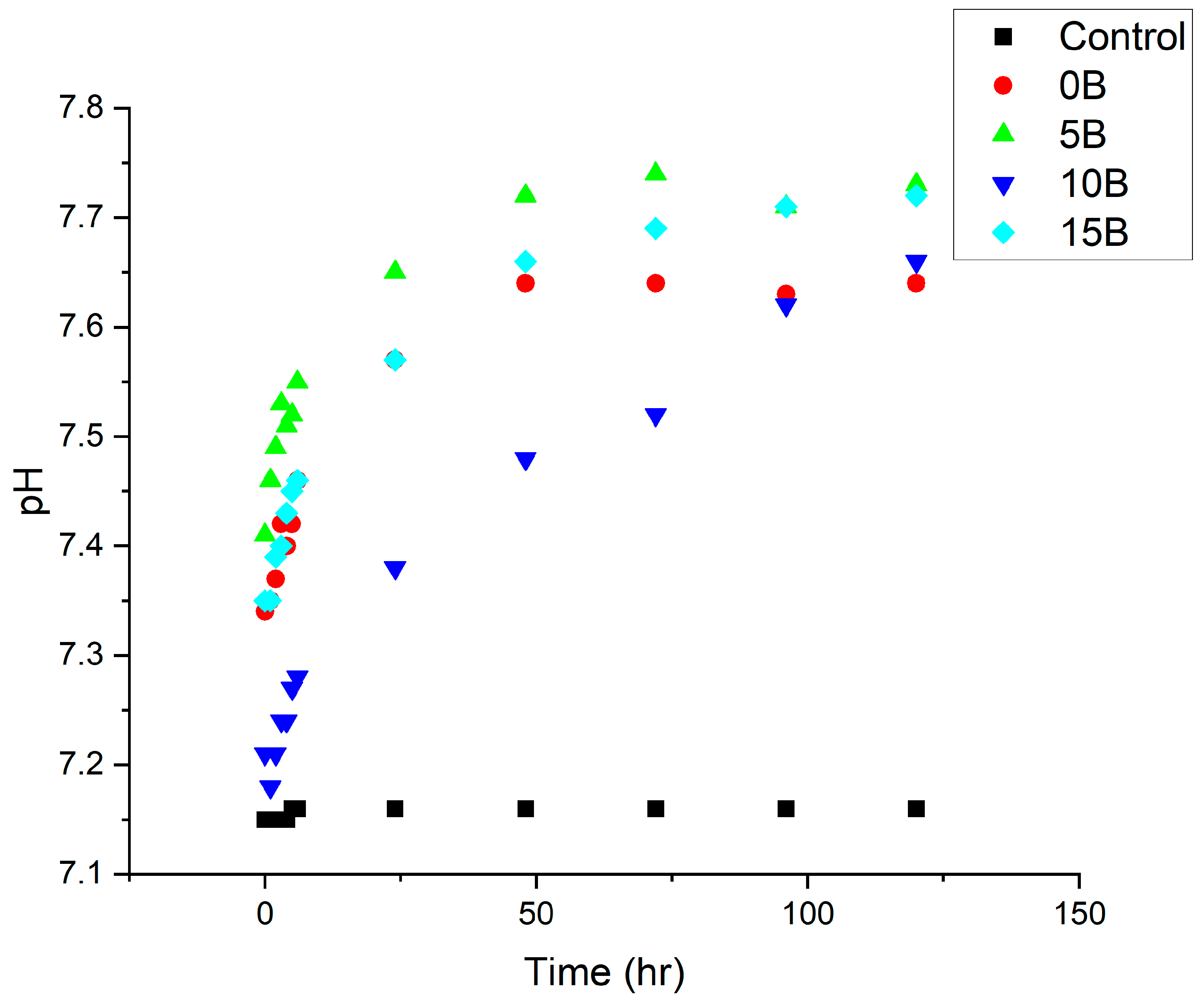
This study investigated the influence of incremental boron substitution in a 6P55 glass series on pH evolution (
Figure 2) observed over a 5-day immersion in simulated body fluid (SBF) at physiological temperature (37 °C). The objective of this investigation was to assess the impact of B
2O
3 addition (0, 5, 10, and 15 mol%) on glass dissolution and potential bioactivity through pH monitoring. Immersion of the boron-substituted 6P55 glass compositions in SBF led to a time-dependent increase in pH, which is commonly associated with ion exchange and early stages of glass dissolution [
28], as shown in
Figure 2. Compared to the SBF control, all boron-containing glasses induced a measurable rise in pH, with the 5B composition producing the most rapid and substantial increase within the first 24 h. The 10B and 15B compositions also resulted in elevated pH values, though to a slightly lesser extent, suggesting that moderate boron substitution enhances reactivity, while higher substitution may lead to subtle changes in network connectivity that modulate dissolution behavior.
Specifically, all boron-containing glass samples exhibited a progressive increase in pH, distinct from the SBF control, which remained near 7.2. The 5B glass resulted in the steepest initial pH rise, reaching above 7.7 within 48 h, suggesting rapid ion exchange and dissolution. The 10B and 15B compositions also showed pH elevation but with slightly slower kinetics than 5B. This suggested a representation of possible changes in the network structure that moderates dissolution at higher B
2O
3 content and aligns with the previous computational investigation of this glass series [
12]. After 5 days, all boron-containing compositions stabilized between pH 7.6 and 7.75, indicating sustained reactivity and potential for bioactive layer formation. The 0B glass, lacking boron, showed the lowest pH response among the modified compositions, reinforcing the role of B
2O
3 in enhancing early dissolution behavior.
3.2. Hydroxyl Apatite Layer Formation via FTIR
An in vitro analysis was conducted using SBF to assess the bioactivity of a glass series, specifically its ability to form a hydroxyapatite (HAp) layer when implanted in the human body. This approach was carried out to predict the bioactivity of the composition series. The reactions involve the loss of soluble Si(OH)
4 from the glass, followed by the migration of Ca
2+ and PO
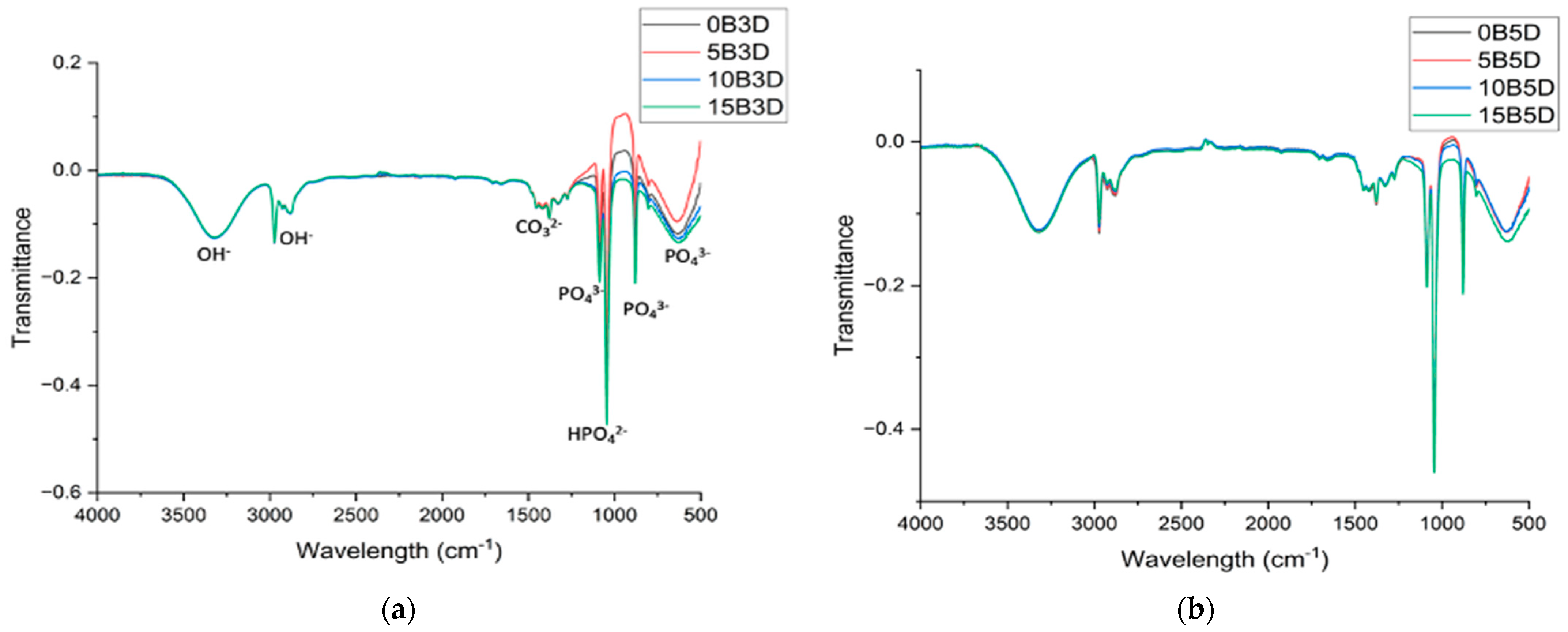
43− ions to form an amorphous calcium phosphate (CaP) layer. Subsequently, a new HAp layer (CaP surface rich) forms, and the CaP matrix crystallizes to create a hydroxyl-carbonated apatite (HCA) layer. FTIR results in the above
Figure 3 provide insights into the chemical composition of the formed layers. The presence of characteristic peaks in the FTIR spectra suggests the formation of hydroxyapatite.
Specifically, in
Figure 3, strong peaks for PO
43− at 1043 cm
−1, HPO
42− at 876 cm
−1, and CO
32− at 1448, 1377, 1325, and 1274 cm
−1 were identified. These FTIR results are indicative of the presence of phosphate and carbonate groups, which are characteristic of hydroxyapatite. The formation of a hydroxyapatite layer on the surface of bioactive glasses is desirable for implant materials, as hydroxyapatite is a key component of natural bone and contributes to the integration of the implant with the surrounding tissue.
As the FTIR analysis of the glass surfaces after 3 and 5 days of SBF immersion revealed progressive formation of phosphate- and carbonate-rich layers (
Figure 3), by day 3, the presence of PO
43− and CO
32− bands was evident in all samples, with notably stronger intensities in the 10B and 15B compositions, suggesting accelerated nucleation of a bioactive surface layer. After 5 days, all boron-containing glasses exhibited enhanced PO
43− and HPO
42− peak development, with the 15B sample displaying the most prominent spectral features. These results align with the pH data and collectively support the conclusion that boron substitution, particularly at 10–15 mol%, promotes early-stage bioactivity through faster ion exchange and HA layer formation.
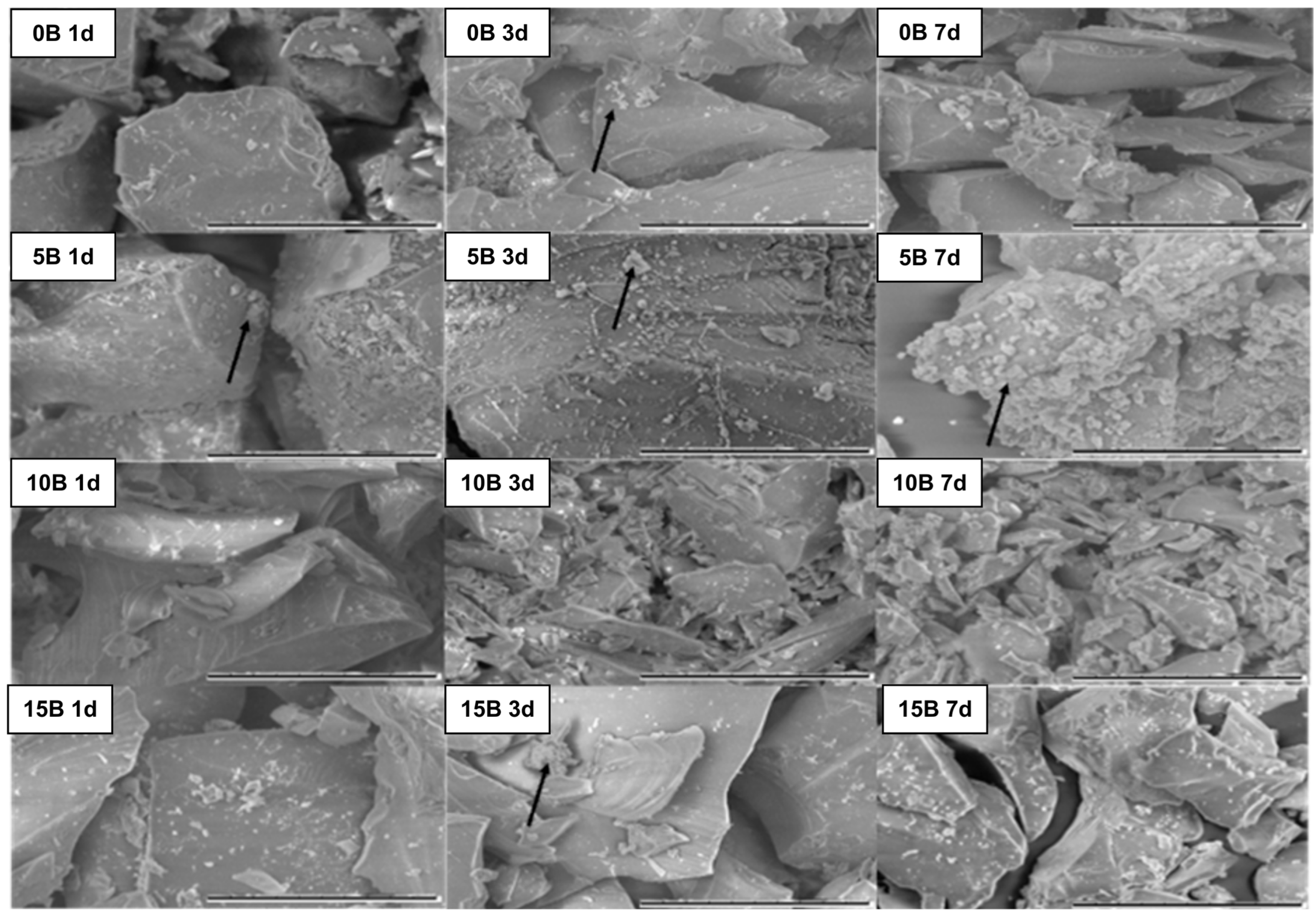
The scanning electron microscopy (SEM) analysis in
Figure 4 reveals distinct morphological transformations in the boron-substituted 6P55 glass series across 1, 3, and 7 days of immersion in simulated body fluid (SBF), showing changes varying systematically by both time and B
2O
3 content. After day 1, all compositions retained their angular morphology and glassy surfaces, though compositional differences began to emerge. The 0B sample exhibited clean, unreacted surfaces with minimal particulate presence, suggesting limited dissolution. In contrast, 5B showed early evidence of granular deposits and moderate surface roughening, while 10B displayed more pronounced fragmentation and minor clusters, indicating higher reactivity. The 15B surface remained largely unmodified, with only sparse particles observed.
By day 3, clear differences in surface reactivity intensified. The 0B composition showed modest accumulation of small particulates, with overall surface morphology still intact. Notably, 5B exhibited widespread granular deposition with interconnected network-like features, suggesting accelerated mineral layer formation. The 10B composition continued to fragment, with increased particulate clustering hinting at progressive dissolution. Meanwhile, 15B displayed smoother surfaces with minimal layering, consistent with subdued reactivity at higher boron content.
On day 7, compositional trends became even more pronounced. The 0B composition remained relatively unchanged, with isolated deposits and minimal transformation, confirming its low bioactivity. On the other hand, the 5B concentration demonstrated dense, cauliflower-like globular aggregates fully covering the surface, supporting hydroxyapatite formation and strong in vitro bioactivity. The 10B concentration showed a highly irregular surface with disorganized mineral clusters, indicating continued but less controlled mineralization. Equally, 15B maintained a smooth appearance with only scattered deposits, reinforcing the notion that high boron substitution may reduce glass reactivity due to increased network stability.
Together, these time-lapse SEM findings provide direct morphological evidence supporting the pH and FTIR results: moderate boron substitution, particularly 5B depicted in
Figure 4, optimizes surface reactivity and mineralization, while excessive substitution (15B) inhibits dissolution and bioactive behavior. The evolution of these surface features over time underscores the critical role of boron content in modulating the bioactivity and degradation kinetics of the 6P55 glass system.
Energy-Dispersive X-ray Spectroscopy (EDS) was employed to examine the elemental surface composition of glass samples following immersion in simulated body fluid (SBF) for various durations. The key markers for assessing bioactivity in this context are the incorporation of calcium (Ca) and phosphorus (P), particularly their relative ratios, as these elements form the fundamental building blocks of calcium phosphate (CaP) and hydroxyapatite (HA) layers. A higher surface concentration of these ions, along with the emergence of an appropriate Ca/P atomic ratio over time, is typically indicative of bioactive behavior and the ability to support in vivo bone-bonding potential.
Among the composition series, the 5B glass displayed the most pronounced indicators of early-stage bioactivity.
Table 2 highlights the atomic concentrations of calcium, phosphorus, silicon, and carbon, key indicators of glass degradation, ion exchange, and mineralization. The Ca/P ratio is used to assess the stage of calcium phosphate layer development. A ratio approaching 1.67 on day 3 strongly supports the formation of a hydroxyapatite-like phase during the early stages of CaP layer formation, where calcium is more readily adsorbed than phosphate. This trend is characteristic of the initial deposition of amorphous calcium phosphate (ACP), which precedes the crystallization of apatite phases.
Changes over 7 days reflect the dynamic interplay between dissolution and precipitation processes in the bioactive glass system.
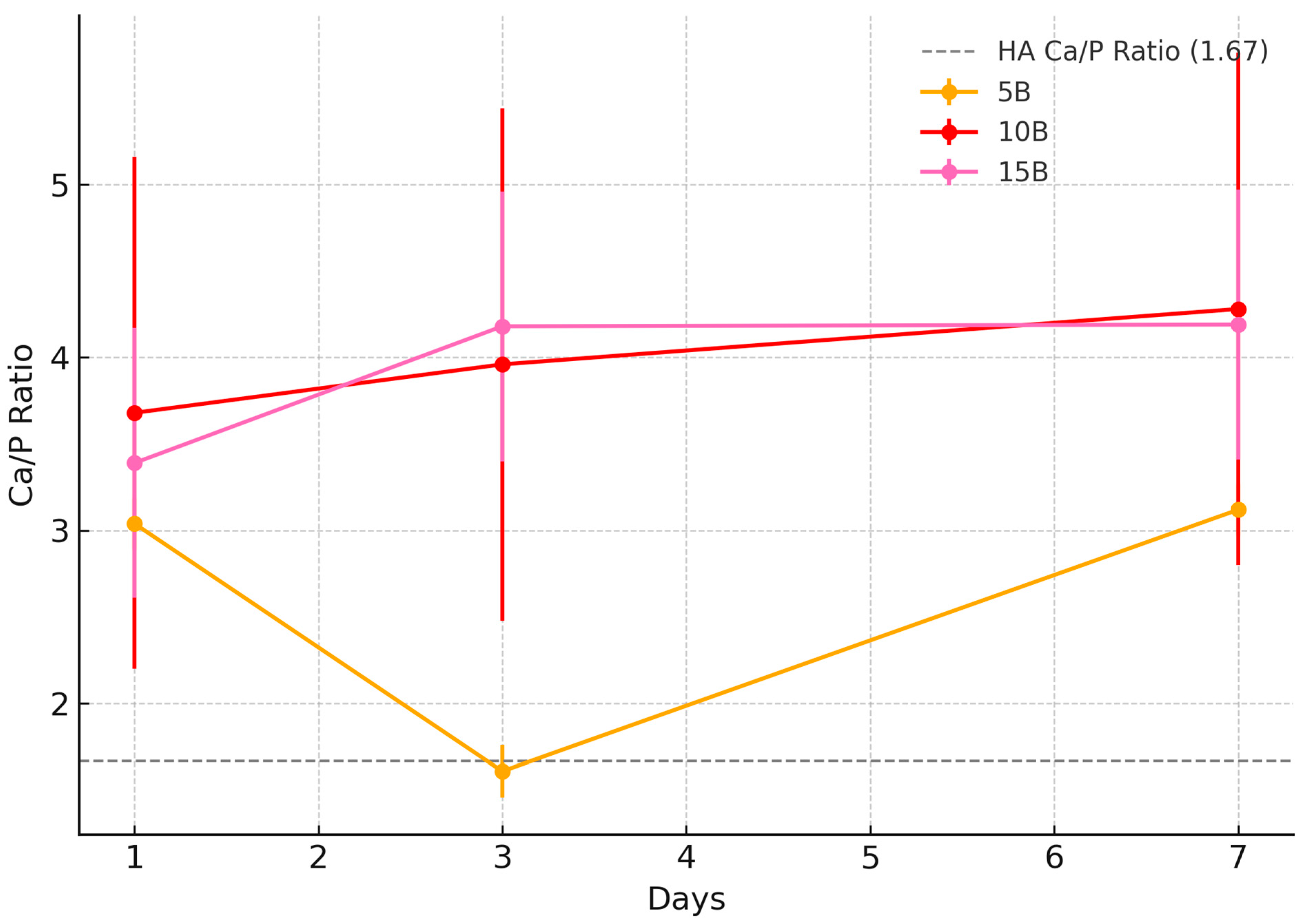
Figure 5 illustrates the surface EDS results for the 5B, 10B, and 15B compositions at different time points. After only 1 day of immersion, EDS results from all surfaces revealed significant phosphate incorporation, accompanied by a moderate but substantial calcium presence, and an atomic Ca/P ratio of approximately 3.37 in 5B for instance. For the remaining time period, apart from the 5B composition at day 3, the stoichiometric Ca/P ratio is notably higher than that of hydroxyapatite, indicative of a calcium-dominated surface with limited phosphate uptake, indicating a sluggish or delayed apatite nucleation. The 10B sample, although showing higher Ca content, also suffered from low P incorporation, which may imply partial reactivity but not efficient nucleation or growth of bioactive layers.
Further comparison to later time points reinforces this conclusion: the 5B sample at 7 days maintained a relatively stable P content (1.09 at%) and a slightly reduced Ca content (3.40 at%), indicating continued maturation of the surface layer toward a more balanced Ca/P ratio and likely conversion into more structured, bioactive phases. This consistency in phosphate retention and calcium availability over time suggests a sustained reactivity and surface evolution beneficial for biological integration.
On the other hand, the 10B and 15B samples exhibited lower P incorporation and less stable Ca/P ratios at their respective time points. For instance, the 15B glass showed only 0.34 at% P after 7 days, with a Ca/P ratio of 7.41. The EDS results confirmed that the 5B glass composition demonstrates the most robust and rapid bioactivity among the compositions studied. This was evidenced by its early phosphate detection, moderate Ca/P ratio evolution, and clear surface reactivity. These are all key features of a material capable of initiating and sustaining apatite layer formation in vitro. The lower boron content in this formulation may contribute to a more open silicate network, enabling more efficient ion release and promoting faster ionic exchange with the surrounding SBF.
Ultimately, the SBF study suggested that the glass series has a favorable bioactive response in simulated bodily fluid, as evidenced by the formation of a hydroxyapatite layer, which is crucial for the potential success of these materials in biological applications.
3.3. Cytotoxicity Assessment via MTT and Microscopy
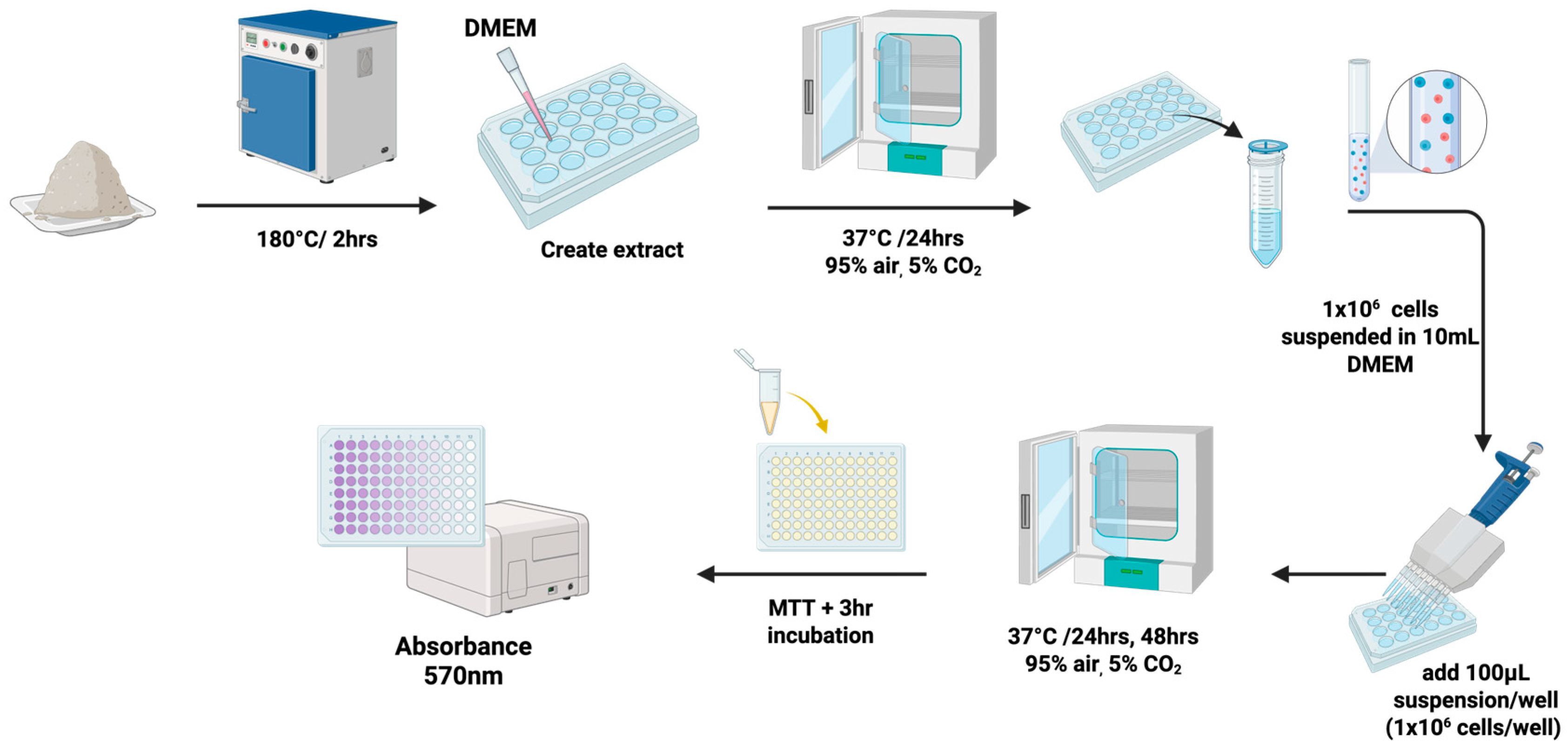
To assess the biological impact of boron substitution, L-929 mouse fibroblast cells were exposed to extract media derived from each glass composition (0B, 5B, 10B, 15B) and monitored over 24 h and 48 h via microscopy and MTT assay.
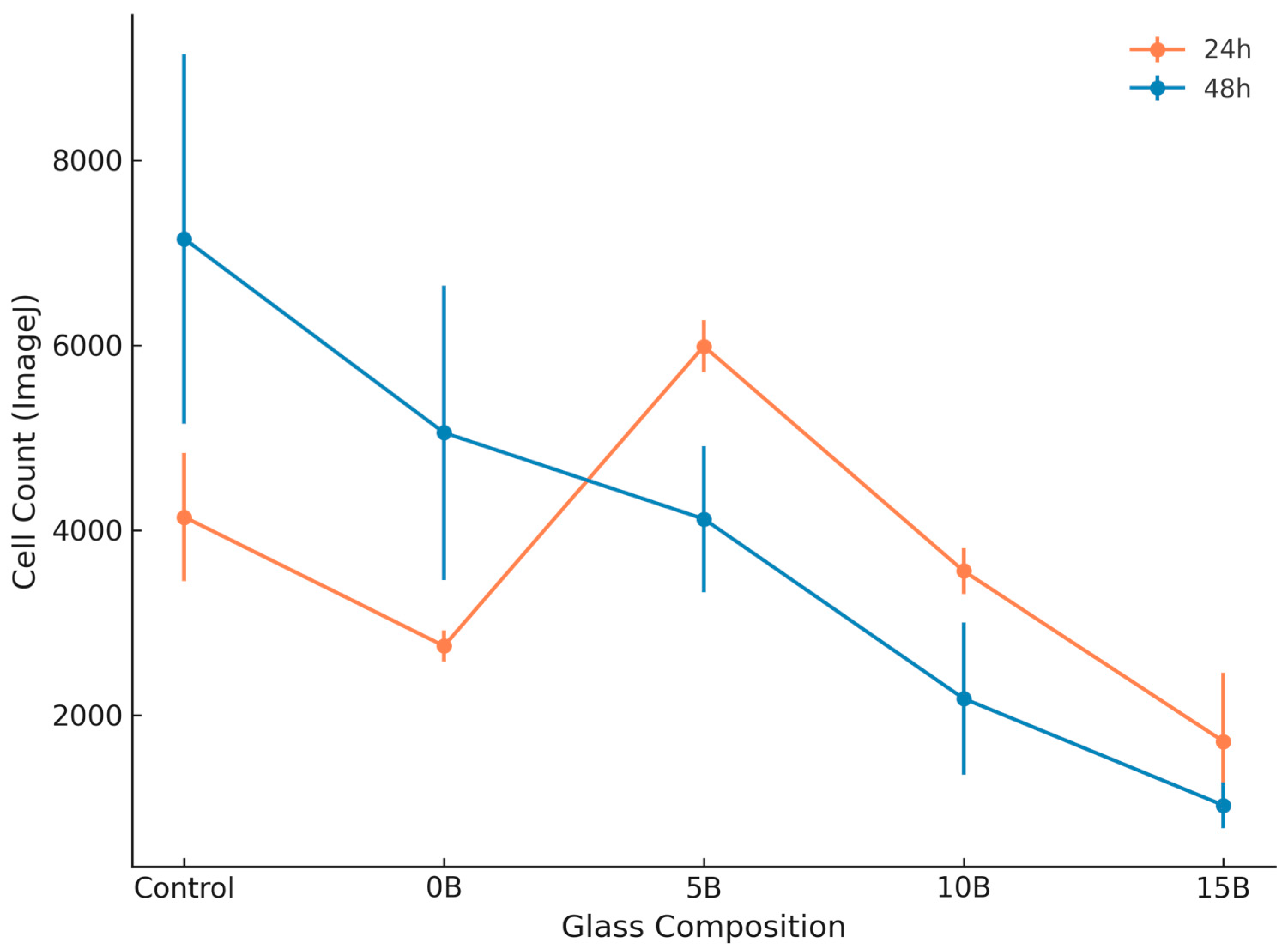
Figure 6 below shows that the cell morphology and density varied with both time frames and varying boron concentrations.
Microscopic images were analyzed by ImageJ.JS v.0.6.0 software to quantify the number of L-929 cells after 24 and 48 h exposure to the full glass composition series (0B, 5B, 10B, 15B). This analysis demonstrated noticeable differences in cell density across compositions and time points. A reduction in cell number was particularly evident at higher boron concentrations and longer exposure durations, indicating a dose- and time-dependent response to the glass extracts. Quantitative assessment of cell density was performed using ImageJ analysis, displayed in
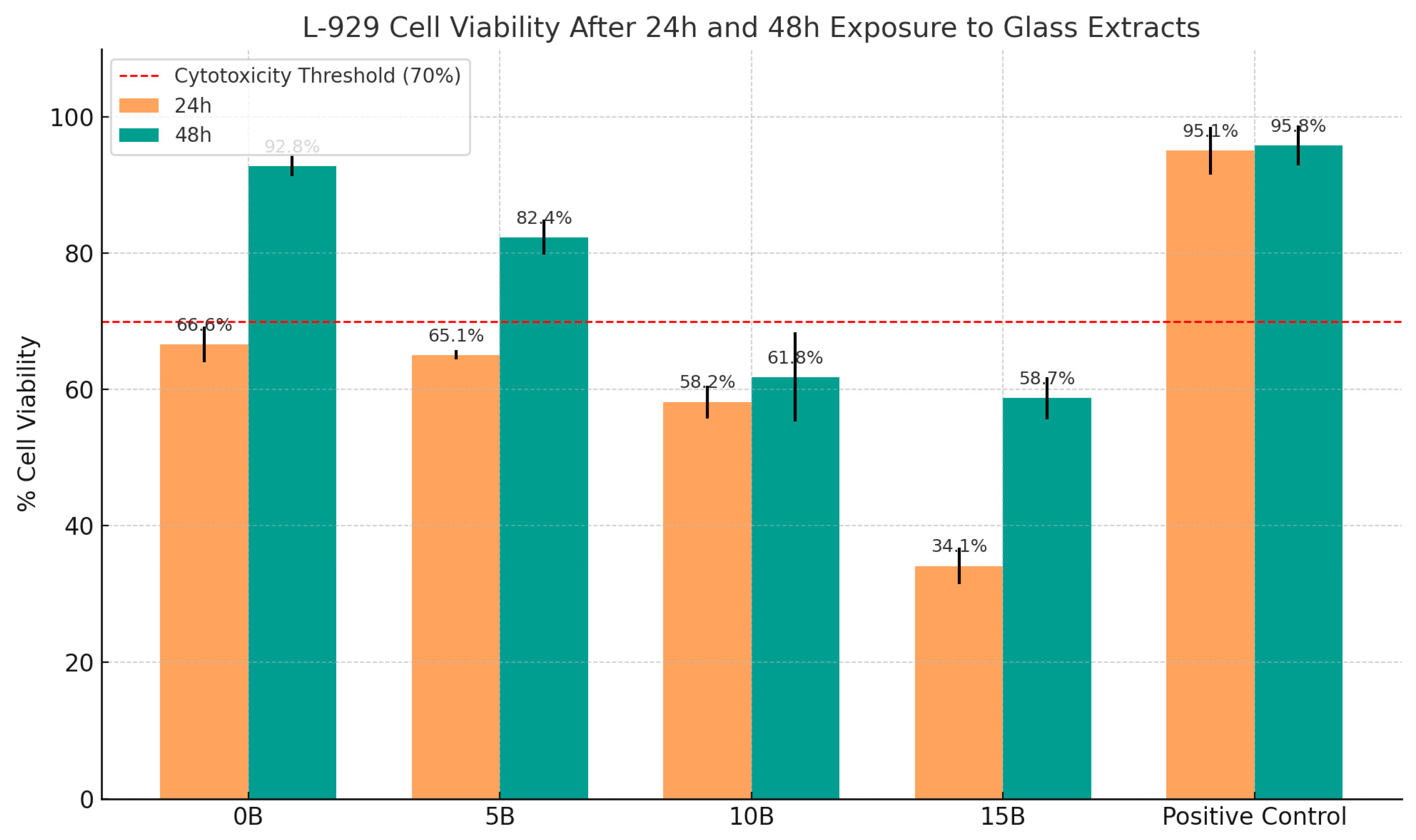
Figure 6, of phase-contrast micrographs obtained at 24 h and 48 h. Each image was thresholded to distinguish cells from the background, followed by color segmentation to identify individual cells prior to automated counting. The resulting cell counts provided a semi-quantitative measure of proliferation, which correlated with the decline in metabolic activity observed in the MTT assay in the following
Figure 7, confirming the inhibitory effect of higher boron substitution on fibroblast viability. The 0B and 5B extracts supported cell viability and normal morphology at 24 h, with only a modest decline observed after 48 h. In contrast, exposure to the 10B and 15B extracts resulted in noticeable reductions in cell number, along with altered cell morphology and lower adherence, with effects being more pronounced at 48 h.
Qualitative analysis depicted in
Figure 7 provides further evaluation on how boron concentration affects L-929 fibroblast viability using the MTT assay protocol, a widely accepted method that measures cell metabolic activity through the enzymatic reduction of MTT to insoluble formazan crystals. The principle behind this reaction is that cells with active mitochondria can convert yellow tetrazolium salt MTT (3-(4,5-dimethylthiazol-2yl)-2,5-diphenyltetrazolium bromide) to purple formazan. The intensity of the purple color directly correlates with the quantity of formazan produced and is determined by measuring the absorbance at 570 nm. The results of that allow us to quantify the viable and metabolically active cells.
The quantitative observations in
Figure 6 are consistent with the quantitative results from the MTT assay (
Figure 7), which showed a decrease in metabolic activity for cells exposed to higher boron concentrations, suggesting dose-dependent cytotoxicity. After 24 h, all boron-containing samples exhibited cell viability below the 70% threshold defined by ISO 10993-5 [
29], indicating initial cytotoxicity. Interestingly, the 48 h data revealed a partial recovery in viability, particularly for the 0B and 5B compositions. This trend may be attributed to elevated borate ion concentrations in the extract media or pH fluctuations beyond the optimal range for fibroblast growth. Thus, while boron incorporation promotes dissolution and bioactivity, excessive amounts appear to adversely affect cellular health, highlighting the need for compositional optimization to balance biofunctionality with cytocompatibility. Other possible explanations may include the fact that a temporary metabolic suppression during early exposure may have reduced MTT conversion without necessarily reflecting true cell death. Alternatively, initial cytotoxic effects may have eliminated a portion of the population, allowing the surviving cells to proliferate during the subsequent incubation period.
Ultimately, the MTT and microscopy data reveal a nuanced interaction between boron content and cellular response. Lower boron concentrations (0B and 5B) appear more biocompatible over time, while higher levels (10B and 15B) may induce early cytotoxic effects that limit cell proliferation.
3.4. Antimicrobial Assay
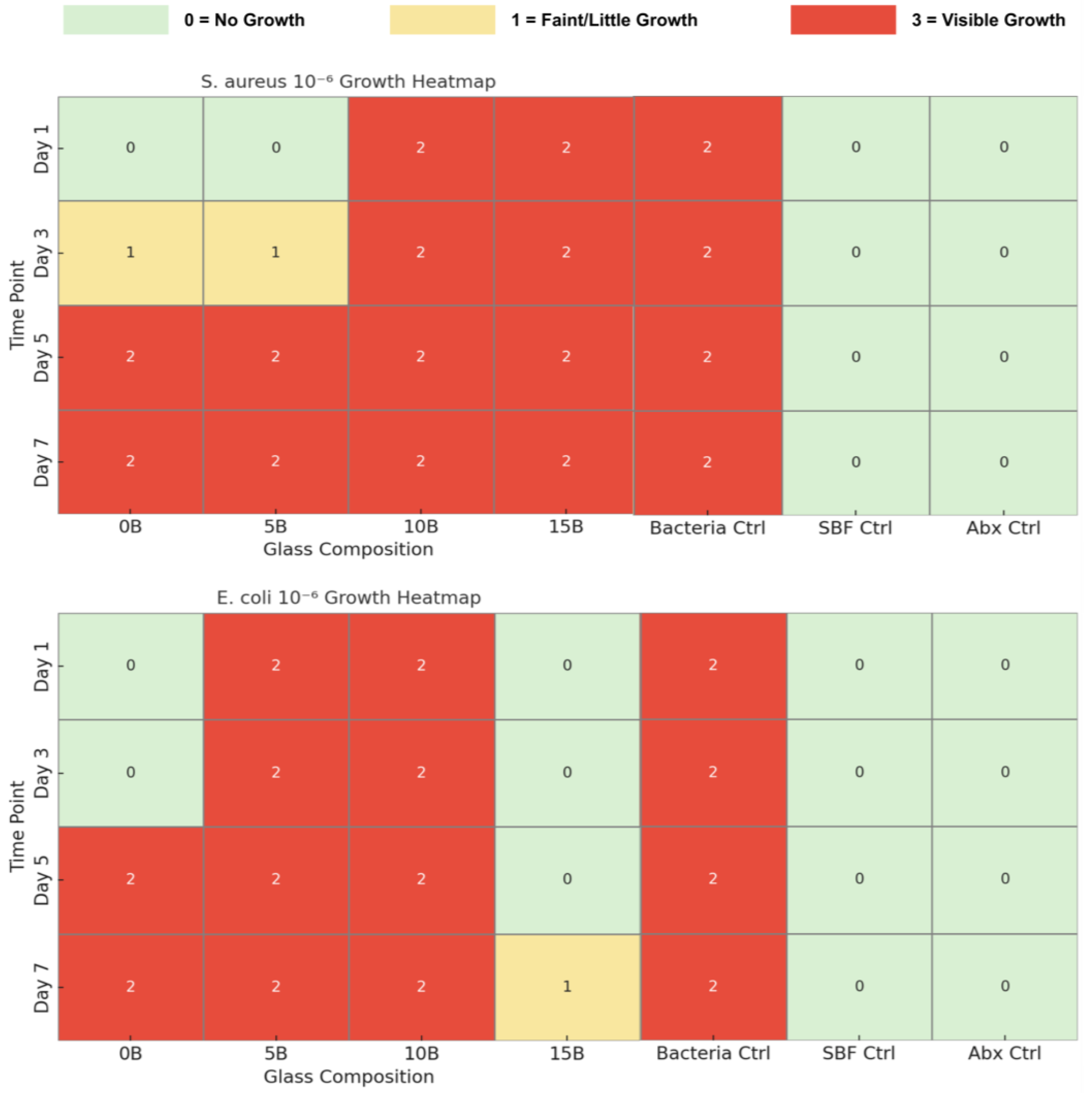
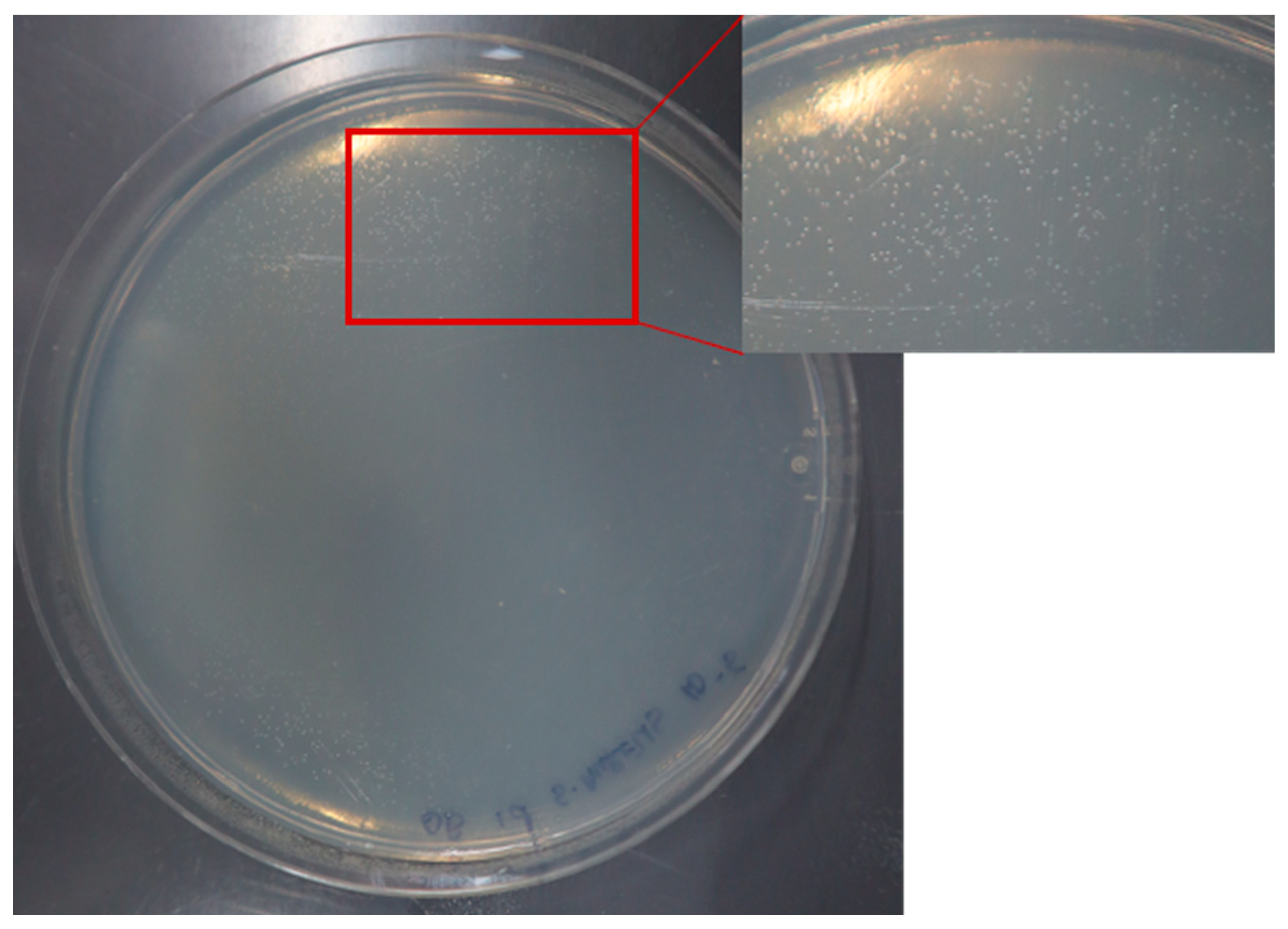
A qualitative antimicrobial assay was performed to evaluate the antibacterial response of
S.aureus and
E.coli to ionic extracts derived from the glass composition series (
Figure 8). Each glass composition was soaked in SBF for 1, 3, 5, and 7 days, and the resulting supernatants were used as test extracts. Bacterial suspensions were serially diluted to 10
−6 and inoculated onto nutrient agar plates containing the extracts. Following incubation, plates were examined visually to assess colony formation and morphology. Growth across the test groups was largely sub-lethal, with colonies appearing sparse, faint, and morphologically suppressed, indicating bacterial inhibition rather than full proliferation. The positive control (LB broth) exhibited normal, dense growth, whereas the negative control (penicillin) and the SBF-only control showed no growth, validating assay reliability.
To represent these qualitative observations, heatmaps were constructed based on the abundance and appearance of colonies rather than turbidity or count data. Growth intensity was categorized as no growth (0), sparse growth (1), or more abundant growth which indicates > 50% coverage (2). These values were used to generate color-coded heatmaps that visualize the temporal and compositional trends in antibacterial behavior. The resulting maps in
Figure 9 reflect the sub-lethal bacterial response to the boron-modified glass extracts, providing insight into their inhibitory rather than bactericidal effects.
The heatmaps identified in
Figure 9 reveal a time- and concentration-dependent trend in
E. coli, with greater inhibition observed at higher boron content and lower bacterial dilution. While
E. coli colonies in particular showed diminished intensity,
S. aureus displayed visible and sustained growth in most conditions, with only slight early-stage reductions at lower boron concentrations. This is likely due to inherent structural differences, including the thicker peptidoglycan wall of Gram-positive bacteria, which may provide greater protection against ionic shifts or environmental stress. Across both bacterial strains, increasing boron substitution did not lead to complete inhibition, but rather a consistent pattern of faint, underdeveloped colonies, particularly at later time points and higher dilutions. These colony morphologies often appeared diffuse or weakly pigmented, consistent with sub-lethal bacterial exposure to antimicrobial agents. The antimicrobial effect was therefore not bactericidal under extract-only exposure, but more likely reflective of metabolic stress or partial inhibition determined by dilution and boron content. These results align with morphological observations and support the non-bactericidal, modulatory effects of boron-substituted glass extracts.
Additionally, the use of controls, including bacteria-only, SBF-only, and antibiotic-treated groups, confirmed that growth suppression was not a result of contamination, plating errors, or poor bacterial viability but rather due to the specific interaction between the boron-substituted supernatants and the bacterial environment.
Further analysis of the heatmap in
Figure 9 identifies that at the 10
−5 dilution,
E. coli exhibited minimal to moderate growth in the 0B and 5B compositions (Scores 0–1), with more prominent and diffuse colony formation in the 10B and 15B groups (Scores 1–2), particularly on days 3 and 7. Colonies appeared irregular in spread, faded in pigmentation, and weak in definition, suggesting the presence of metabolic stress rather than active proliferation. At the 10
−6 dilution, inhibition was more pronounced where minimal or no growth was observed in the 0B and 15B groups, especially by 7 d, while faint, sparse colonies persisted in the 5B and 10B samples. Across conditions, colonies remained difficult to quantify, further indicating impaired maturation or sub-lethal stress. These observations support a concentration- and time-dependent suppressive effect of boron on
E. coli, with higher substitution levels correlating with less viable or active bacterial growth.
In contrast, S. aureus demonstrated greater resilience. At the 10−5 dilution, the 0B and 5B compositions showed faint growth on 1 d and 3 d (Score 1), transitioning to visible growth (Score 2) by 5 d and 7 d. The 10B composition displayed faint growth on 1 d followed by consistent visible colonies thereafter, while 15B exhibited uninterrupted visible growth at all time points. Colonies formed by S. aureus were uniformly circular, opaque, and similarly consistently pigmented compared to those of E. coli, with minimal variation in morphology across days or compositions. At the 10−6 dilution, 0B and 5B samples showed reduced or absent growth on early days but recovered to visible levels by Day 5. The 10B and 15B compositions maintained consistent colony presence throughout the time course. While S. aureus maintained more consistent growth scores, the colonies lacked the expected robustness and density, reinforcing the likelihood of sub-lethal stress and metabolic interference rather than true bacterial resistance. These observations highlight strain-specific but overlapping responses to boron-substituted supernatants, with both bacteria exhibiting altered growth phenotypes under extract exposure.
4. Discussion
Understanding the surface reactivity of bioactive glasses is pivotal to evaluating their potential in biomedical applications, particularly for bone regeneration and implant integration. Surface morphology plays a direct role in determining how glasses dissolve, interact with physiological environments, and initiate bioactive layer formation. In this study, SEM was employed to monitor the morphological evolution of the glass composition series over a 1-, 3-, and 7-day immersion period in SBF. By systematically capturing changes in surface topology across compositions and time points, we sought to elucidate the effect of boron substitution on glass dissolution behavior and early bioactivity cues. The SEM-EDS results offer visual and elemental confirmation of the dissolution trends inferred from complementary pH and FTIR analyses, highlighting boron’s pivotal role in modulating the kinetics and extent of ion exchange and mineral deposition followed by cellular and antimicrobial assays. The following sections detail these observations and their broader implications for optimizing glass compositions in bioactive applications.
4.1. Interrelationship Between Bioactivity and Biocompatibility
The pH evolution profile of the 6P55 glass series (0B–15B) immersed in simulated body fluid (SBF) at 37 °C for 5 days (
Figure 2) provides key insights into the dissolution kinetics and ion exchange behavior of these compositions. All boron-containing samples exhibited a rapid increase in pH during the first 24–48 h, indicative of early-stage release of alkali (Na
+, K
+) and alkaline-earth (Ca
2+, Mg
2+) cations from the glass matrix into solution. This ion exchange process involves proton (H
+) uptake from the SBF, resulting in disruption of Si–O–Si bonds and formation of surface silanol (Si–OH) groups, indicative of initial glass dissolution and bioactivity. By day 2, pH values began to plateau, suggesting that the system approached chemical equilibrium and that ion release slowed accordingly.
All glass compositions induced a measurable increase in SBF pH relative to the SBF control, consistent with early-stage ion exchange and network hydrolysis reactions characteristic of bioactive glass. The initial alkalinization is primarily driven by rapid exchange of alkali and alkaline-earth cations from the glass surface for H
+/H
3O
+ from solution; removal of protons from the solution by this exchange results in net pH elevation [
19].
The addition of B
2O
3 modifies these processes in two complementary ways. First, substitution of silica by boron produces a network that is generally less chemically durable (particularly when boron is present as BO
3 units), which increases the glass dissolution rate and therefore enhances early ion release into the SBF. Faster release of network modifier cations leads to more rapid consumption of H+ and a correspondingly larger rise in pH for boron-containing compositions compared with the unmodified glass [
30,
31].
Second, boron itself enters solution predominantly as borate or boric acid species (e.g., B(OH)
3/B(OH)
4−) that can act as weak Lewis acids/bases and influence local buffering behavior. At moderate concentrations, this can produce a transient buffering effect (attenuating further pH rise), while high instantaneous boron release (from compositions with high B
2O
3 or fast dissolution) can alter ionic equilibria, osmolarity, and phosphate availability, factors that together modify both the magnitude and temporal profile of the pH response. These dual contributions of boron, which are accelerating cation release through increased dissolution and participating in solution buffering/complexation, rationalize the observed composition-dependent pH kinetics, including the greater rapid initial alkalinization for the 5B composition and the moderated buffering behavior observed at higher substitution levels [
28,
32].
Finally, the dynamic competition between ion release and surface precipitation can further modulate the pH. Formation of calcium phosphate phases (amorphous CaP or HAp-like) consumes free Ca
2+ and PO
43− and can shift solution equilibria. Depending on the relative rates of dissolution and precipitation, this can either dampen or transiently accentuate solution alkalization. Taken together, these coupled processes explain the non-linear pH trajectories observed across the 0–15 mol% B
2O
3 series [
19,
31].
These pH trends were corroborated by FTIR spectroscopy of the glass surfaces following 3- and 5-day SBF immersion (
Figure 3). All FTIR spectra collected after SBF immersion exhibit characteristic vibrational modes associated with phosphate- and carbonate-containing apatite-like phases. Prominent PO
43− stretching vibrations appear near 1040–1050 cm
−1, accompanied by bending modes at 560–600 cm
−1, consistent with the formation of a calcium phosphate (Ca/P) phase [
33,
34,
35]. A distinct band at 870–880 cm
−1 is attributed to HPO
42−, which commonly forms during early-stage nucleation of non-stoichiometric apatite. Multiple CO
32− bands at 1420–1450 cm
−1 and 1370–1320 cm
−1 reflect B-type carbonate substitution into the apatite lattice [
36]. These spectral features strongly align with reported FTIR signatures of SBF-induced HAp formation in bioactive glasses.
The increased intensity of these phosphate and carbonate bands with rising B
2O
3 content and longer immersion times support a boron-modulated dissolution–reprecipitation mechanism. Incorporation of boron alters the glass network by introducing BO
3 units (non-bridging oxygen creation) or BO
4 units (network reorganization), which enhances modifier ion release and accelerates local supersaturation in SBF. This promotes rapid nucleation and growth of calcium phosphate phases, consistent with the stronger FTIR features observed for the 5B, 10B, and 15B samples. These trends agree with recent reports showing that moderate boron substitution enhances apatite formation kinetics by promoting network depolymerization and ion exchange [
31,
36,
37,
38,
39,
40,
41,
42,
43,
44].
The persistent OH
− stretching features around 3400 cm
−1 suggest the presence of hydrated silanol-rich layers that serve as templates for nucleation [
45,
46,
47,
48]. The weaker phosphate features in 0B and 10B samples correlate with their more limited dissolution and lower Ca/P convergence, reinforcing the compositional dependence of bioactivity observed across all measurements [
49,
50,
51].
Integration of SEM and FTIR Findings
The SEM micrographs reveal discrete particulate deposits at day 1 and an increasingly continuous, nodular mineral layer by days 3 and 7, with the 5B composition showing the most well-defined and rapidly developing features as identified by the black arrows. These observations are consistent with a classical dissolution–reprecipitation pathway for HCA formation on bioactive glasses. Upon immersion, rapid ion exchange (release of Na+, Ca2+, Mg2+ and borate species) and network hydrolysis generate a silica- or borate-rich hydrated surface layer. Concurrent liberation of modifier cations raises local supersaturation with respect to Ca/P phases and promotes heterogeneous nucleation on the glass surface. The initial particulate deposits observed at day 1 therefore represent early nuclei of amorphous calcium phosphate (ACP) or nascent HCA, which subsequently grow and coalesce into larger nodular deposits through continued ion supply and Ostwald-type ripening by days 3–7.
Boron substitution modulates these coupled steps in two principal ways. First, replacing SiO
2 with B
2O
3 alters network connectivity (increasing depolymerization when BO
3 units dominate) and generally increases glass reactivity. This results in faster release of Ca
2+ and other modifier ions that drive earlier and denser nucleation events. Secondly, borate species in solution act as a weak Lewis acid/base and can transiently influence local buffering and phosphate speciation. The 5B composition, which would be considered a moderate boron level, promotes a favorable balance between rapid ion availability and controlled surface precipitation, yielding a dense and progressive apatite morphology. By contrast, very high boron contents may accelerate dissolution to the point of producing non-stoichiometric, calcium-rich surface deposits that are heterogeneously crystalline. Combined, the SEM progression is shown in
Figure 4. The progression from particulate to nodular to a more continuous layer for the 5B composition reflects an optimal coupling of ion release, local supersaturation, and nucleation kinetics that favors timely HCA formation. These mechanistic interpretations align with reports that boron increases glass reactivity and can enhance apatite formation kinetics under in vitro conditions.
The SEM micrographs collected after 1, 3, and 7 days of SBF immersion reveal a clear temporal progression of surface reactions characteristic of bioactive glass dissolution and HCA formation. At day 1, all compositions show scattered particulate deposits, which correspond to the earliest stages of ACP nucleation, as discussed earlier. These particulates form as the glass surfaces undergo rapid ion exchange, releasing Ca2+, Na+, Mg2+, and borate species into solution while forming a hydrated silica-/borate-rich layer beneath. The supersaturation generated by this ion release, combined with the increased local pH, creates favorable conditions for the heterogeneous nucleation of ACP directly onto the surface. This behavior is consistent with classic models of bioactive glass reactivity and has been widely reported for both silicate- and borate-containing systems.
By day 3, the particulate deposits evolve into more continuous nodular structures, indicating that the initial nuclei are maturing into a more organized mineral layer. This development is particularly prominent in the 5B composition, where the nodules are larger, more numerous, and more uniformly distributed compared to 0B and 10B. Mechanistically, moderate boron substitution (5 mol%) produces an optimal combination of increased network depolymerization due to BO3 formation and controlled dissolution. This balance results in a sustained supply of Ca2+ and PO43−, promoting consistent nucleation density without overwhelming or destabilizing the former layer. In contrast, compositions with higher boron content (100B and 15B) displayed irregular or excessively porous mineral deposits at later time points.
By day 7, the 5B surface exhibits a dense and cohesive layer, with well-coalesced nodules that resemble the early architecture of a mature HCA coating. This progression correlates strongly with FTIR results, which show intensified PO43− and CO32− bands for 5B at the same immersion intervals, confirming that the observed SEM structures correspond to chemically evolving calcium–phosphate–carbonate phases. The growing prominence of phosphate and carbonate vibrational modes supports the presence of carbonated apatite, a biologically desirable phase associated with enhanced osteoconductivity.
EDS-derived Ca/P atomic ratios measured on the surface deposits provide insight into the evolving chemical nature of the reprecipitated layers and their relationship with bioactivity. For the 5B composition, the measured Ca/P ratios (day 1 = 3.04, day 3 = 1.61, day 7 = 3.12) indicate a dynamic dissolution–reprecipitation sequence. The elevated Ca/P at day 1 indicated an early calcium-rich surface environment produced by an initial burst of Ca2+ release from the glass and/or preferential adsorption of calcium species to newly formed surface nucleation sites. By day 3, the Ca/P ratio is reduced to ~1.61, a value close to the stoichiometric hydroxyapatite ratio (1.67), which we interpret as active incorporation of phosphate into the growing surface phase and maturation of amorphous calcium phosphate (ACP) toward a more apatite-like composition. This day 3 minimum is consistent with the strongest FTIR phosphate signatures and the most prominent nodular or cauliflower-like morphologies observed by SEM at this time point, indicating early-stage apatite formation. The subsequent rebound in Ca/P by day 7 likely reflects continued glass dissolution coupled with surface reorganization, which includes the ongoing release of Ca2+ and partial re-dissolution or reprecipitation that typically transiently enrich the surface in calcium relative to phosphate as the newly forming layer evolves and densifies.
On the other hand, the 10B and 15B compositions indicated persistently elevated Ca/P ratios across the measured time points, as indicated in
Figure 5. These consistently high ratios indicate a sustained calcium-dominant surface environment with comparatively limited phosphate uptake or stabilization. Mechanistically, excessive boron substitution appears to accelerate overall ionic release, which is consistent with the higher and more sustained alkalinity measured for these compositions. However, it can also alter phosphate speciation and availability at the interface, either by promoting borate–phosphate complexation in solution or by favoring rapid Ca-rich precipitation that does not readily mature into stoichiometric apatite. This behavior is supported by the weaker FTIR phosphate bands and the less organized, more fragmented mineral morphologies for 10B and 15B compositions. Together, the EDS data indicate that 5B reached a compositional window where ion release and phosphate incorporation were balanced, facilitating the formation of an apatite-like layer by day 3, while higher boron levels produced an ionic environment prone to non-stoichiometric, Ca-rich deposits and less uniform mineralization.
Altogether, the SEM data, supported by the Ca/P evolution and FTIR spectral growth, demonstrate that the 5B composition achieved the most balanced dissolution profile. This resulted in timely nucleation, sustained ion release, and organized mineral deposition. This contrasts with the overly stable 0B composition, which displayed minimal reactivity and limited nucleation, and the overly reactive 10B and 15B compositions, which displayed rapid dissolution, particularly in 15B, and produced heterogeneous Ca-rich precipitates. As a result, the 5B composition emerged as the most promising candidate for coating applications by exhibiting the strongest alignment between structural behavior, ion release kinetics, and the formation of bioactive mineral phases.
FTIR spectra support this interpretation; 5B samples displayed strengthening phosphate bands near 560 cm
−1 and 1040 cm
−1 by day 7, which is the hallmark of early apatite formation. SEM imaging corroborated these findings, showing dense cauliflower-like deposition on 5B surfaces, while 10B and 15B retained smoother surfaces with scattered particulates, indicating delayed mineralization (
Figure 4). The literature parallels these findings as Gharbi et al. (2023) demonstrated that higher boron content accelerates glass degradation but can delay structured apatite formation, despite increased ionic release [
11,
28,
31,
52,
53,
54]. Similarly, studies on borosilicate systems have shown that excessive boron can reduce phosphate availability near the glass surface, thereby inhibiting early apatite nucleation [
11,
28]. Collectively, these patterns underscore a compositional threshold in boron substitution: moderate levels (around 5 mol%) promote a favorable dissolution–bioactivity balance, while higher levels sustain alkalinity but impede rapid and organized mineral layer formation.
Altogether, these findings suggest a compositional threshold for optimal bioactivity, where moderate boron substitution (5B composition) promotes a favorable balance of dissolution and reprecipitation as a result of an optimal balance between structural disruption and controlled dissolution. In contrast, higher substitutions (10B and 15B) enhance ionic release and sustain alkalinity but may delay or modulate apatite nucleation, potentially shifting the nature or timing of the bioactive response. The SEM-derived morphologies, along with EDS, FTIR, and the time-dependent pH trend, therefore, not only validate the physicochemical observations but also illustrate how glass network design can be strategically leveraged to guide surface reactivity, dissolution behavior, and ultimately biological performance. These dynamics are critical for tailoring glass compositions in applications where controlled dissolution and biointegration are desired.
4.2. Cell Cytotoxicity Analysis
To evaluate cytocompatibility, an MTT assay was conducted using L-929 fibroblast cells. After 24 h exposure to glass extracts, all boron-containing samples showed viability values below the ISO 10993-5 threshold of 70%, indicating an early cytotoxic response. However, after 48 h, cell viability partially recovered, most notably in the 0B and 5B groups, suggesting that cells were either initially metabolically suppressed or selectively adapted after an early cytotoxic phase. Two interpretations are possible: either mitochondrial activity was temporarily reduced without significant cell death, or more sensitive cells were eliminated early, allowing the remaining population to proliferate.
These findings were visually confirmed through microscopy of L-929 cultures exposed to the full glass series (
Figure 6) and quantitatively in
Figure 7. The ImageJ-based cell count result results closely aligned with the metabolic activity trends observed in the MTT assay, confirming the dose- and time-dependent cytotoxic effects of boron substitution in the glass extracts. A clear reduction in cell number was observed with increasing boron concentration, particularly for the 10B and 15B compositions, where fewer attached cells were detected at both 24 h and 48 h. This pattern is consistent with the reduced MTT formazan absorbance values, suggesting that the decline in metabolic activity reflects a true reduction in viable or proliferative cells rather than transient metabolic suppression. At lower substitution levels (5B), cells maintained healthy adherence and density, corroborating the MTT results that indicated biocompatibility within ISO 10993-5 limits [
29]. Conversely, the 15B extract showed a pronounced decline in cell number at both time points, accompanied by sparsely distributed and morphologically stressed cells in the microscopy images. Together, these findings demonstrate that boron incorporation exerts a concentration-dependent biological effect on fibroblast viability, with moderate substitution (5B) supporting cellular proliferation and higher levels (≥10B) leading to reduced cell density and suppressed metabolic function.
All boron-containing extracts produced MTT viability values below the ISO 10993-5 cytotoxicity threshold of 70% at 24 h, but the compositions showed partial recovery by 48 h. This biphasic response likely results from a combination of biological and methodological factors. First, the MTT assay measures mitochondrial reductase activity rather than absolute cell number. Acute exposure to ionic extracts rich in borate, Ca
2+, Na
+, and other modifiers can transiently impair cellular metabolism (mitochondrial function or redox activity) without immediately causing irreversible cell death [
55]. Such metabolic suppression reduces formazan production and lowers apparent viability at early time points. Over longer incubations, surviving cells may adapt to the ionic environment, resume metabolic activity, and proliferate, producing the apparent recovery at 48 h. This sequence of early metabolic inhibition followed by adaptation and regrowth of a subset of cells is consistent with reports of transient MTT signal suppression in response to ionic or osmotic stressors [
56].
Secondly, extract chemistry evolves over time as the ion concentrations and pH of the exposure media can change due to the continued dissolution, complexation, or limited buffering capacity of DMEM. Moderate boron substitution such as the 5B composition appears to produce an ionic profile that cells can tolerate after an initial stress period, whereas higher boron levels (10B, 15B) maintain conditions that persistently impair metabolic function and attachment [
31]. Thirdly, methodological artifacts can contribute, as extracts can occasionally interact with the MTT reagent, and microscopy-based counts showed reductions in cell number concordant with MTT declines [
34]. This suggests that the effect is not solely an assay artifact. Nonetheless, because MTT is indirect, we interpret these data conservatively.
To strengthen interpretation, complementary assays are recommended, including a live/dead fluorescence stain to distinguish membrane-compromised cells, LDH release for necrotic cell death, and a proliferation assay to determine whether the 48 h increase reflects the true proliferation of surviving cells [
57]. Time-resolved measurements of extract ionic composition and pH during the exposure interval would further clarify whether changing exposure chemistry underlies the observed recovery. Taken together, the MTT and ImageJ microscopy results suggest that the 5B composition provides an environment allowing for partial cellular adaptation and recovery after acute stress, while higher boron substitutions cause more durable impairment of fibroblast metabolic activity and adherence under the tested conditions.
4.3. Antimicrobial Analysis—Mechanistic Approach
This study investigated the antimicrobial behavior of boron-substituted 6P55 bioactive glass extracts against E. coli and S. aureus using a serial dilution and qualitative scoring approach. Growth suppression was observed to be both strain-dependent and concentration-dependent, with E. coli exhibiting greater sensitivity to boron-containing supernatants than S. aureus. The antimicrobial results demonstrated a concentration- and time-dependent antimicrobial modulation by boron-substituted glass supernatants. E. coli showed clear signs of stress and reduced growth under increased boron levels and extended exposure, particularly at higher dilutions.
The observed pattern of increased surface coverage associated with reduced colony density and pigmentation, particularly in the 10B and 15B compositions, suggests that higher boron substitution alters the biological response environment in ways that go beyond simple toxicity. These outcomes may be explained through the following interconnected mechanisms: biphasic response of boron, iron release and buffering effect, disruption of quorum sensing and pigmentation pathways, and changes in membrane behavior during incubation.
To expound on the biphasic response of boron, previous studies have shown that boron, at lower concentrations, may induce membrane or oxidative stress, while at higher concentrations, its presence may become less inhibitory [
58,
59,
60]. This can possibly be due to the adaptation or dilution of ion effects. Other studies have suggested that in some microbial contexts, trace elements including boron can act as mild stressors at low doses but modulate metabolism at higher ones [
61]. Additionally, observed colony spread without full metabolic activation can be explained by the correlation of increased boron substitution in glass with higher release of other ions (e.g., sodium, calcium, borate) into solution [
28,
54]. These released ions may buffer the local pH, alter osmotic gradients, or interact with cell membranes, resulting in a less hostile but still growth-modulating environment.
Moreover, the consistently faded and weakly pigmented colonies may reflect boron’s known interference with quorum sensing and other cell-signaling pathways, all vital for biofilm formation, virulence factor expression, and normal colony morphology [
62,
63]. Lastly, during the 1 hr incubation period with the extracts, shifts in ionic strength or osmolarity could cause bacterial clustering or dispersal behavior, thus resulting in broad surface area plate coverage but weakened growth [
31].
Crucially, the distinct structural differences between E. coli and S. aureus help explain the strain-specific responses to the boron-containing supernatants. E. coli, a Gram-negative bacterium, possesses an outer membrane rich in lipopolysaccharides and a relatively thin peptidoglycan layer, making it more susceptible to changes in osmotic pressure, membrane destabilization, and ion transport disruption. These features likely contributed to its pronounced sensitivity to boron-induced membrane stress, as evidenced by irregular colony morphology, poor pigmentation, and stunted growth.
In contrast, S. aureus is a Gram-positive bacterium with a significantly thicker peptidoglycan layer that confers structural rigidity and can buffer against sudden ionic shifts or osmotic disturbances. This robust cell wall likely contributes to its resilience under sub-lethal stress conditions, allowing more consistent and pigmented colony formation even in the presence of elevated boron concentrations. The ability of S. aureus to maintain colony integrity may also stem from more efficient stress–response pathways or reduced permeability to disruptive ions compared to E. coli.
Collectively, these factors suggest that boron does not act as a straightforward antimicrobial agent in extract form but rather creates a chemically altered microenvironment that places sub-lethal stress on bacteria, leading to incomplete growth, energy depletion, and morphological attenuation. These results demonstrate a concentration- and time-dependent antimicrobial modulation by boron-substituted glass supernatants. E. coli showed clear signs of stress and reduced growth under increased boron levels and extended exposure, particularly at higher dilutions. Morphologically, E. coli colonies appeared faint, irregular, and poorly pigmented, supporting the notion of sub-lethal inhibition and metabolic disruption rather than bactericidal action.
S. aureus exhibited greater resilience than E. coli, though signs of early inhibition were evident, particularly at lower boron concentrations and earlier time points. The transition from faint to visible growth between days 1 and 5 suggested a time-dependent adaptation to the ionic environment. Colony morphology remained stable and consistent overall, with uniform and well-pigmented growth patterns across most test conditions. This robustness likely stems from either physiological adaptation or intrinsic resistance mechanisms related to its Gram-positive cell wall structure. The consistent appearance of faint or underdeveloped E. coli colonies in the presence of boron-rich supernatants highlighted the likely role of ionic or osmotic interference, rather than direct cytotoxicity.
These results demonstrate a concentration- and time-dependent antimicrobial modulation by boron-substituted glass supernatants. E. coli showed clear signs of stress and reduced growth under increased boron levels and extended exposure, particularly at higher dilutions. Morphologically, E. coli colonies appeared faint, irregular, and poorly pigmented, supporting the notion of sub-lethal inhibition and metabolic disruption rather than bactericidal action. S. aureus exhibited greater resilience than E. coli, though signs of early inhibition were evident, particularly at lower boron concentrations and earlier time points. The transition from faint to visible growth between days 1 and 5 suggested a time-dependent adaptation to the ionic environment. Colony morphology remained stable and consistent overall, with uniform and well-pigmented growth patterns across most test conditions. This robustness likely stems from either physiological adaptation or intrinsic resistance mechanisms related to its Gram-positive cell wall structure. The consistent appearance of faint or underdeveloped E. coli colonies in the presence of boron-rich supernatants highlighted the likely role of ionic or osmotic interference, rather than direct cytotoxicity.
The reliability of the control groups further reinforces that observed variations in growth and morphology were attributable to the boron content and the ionic release profile of the glass extracts. Combined, these findings support the hypothesis that boron-substituted bioactive glass supernatants exert strain-dependent, modulatory antimicrobial properties, with pronounced effects on colony morphology and growth behavior. Future work involving direct-contact assays and metabolic viability quantification would help clarify the mechanistic basis and potential applications of these materials in antimicrobial implant design.
4.4. Integrating Structural and Biological Responses to Boron Incorporation
In light of the observed concentration-dependent trends in bioactivity and cytocompatibility, it is essential to contextualize these biological outcomes within the broader physicochemical behavior of the boron-modified glass system. The outcomes of this study underscored the nuanced role of boron incorporation in modulating the structural, thermal, and biological behavior of phosphosilicate bioactive glasses. It also highlighted the complex, composition-dependent role of boron oxide in regulating these physicochemical and biological responses. The enhanced mineralization and bioactivity observed with the 5B composition are strongly supported by prior computational and physicochemical characterizations reported by Oliver et al., which indicated that moderate boron doping increases network flexibility due to partial disruption of the silicate network [
12].
The explained structural openness facilitates ionic exchange in the presence of a biological environment and is aligned with the heightened pH seen in
Figure 2. It was evident specifically in the 5B concentration, which experienced optimized accelerated nucleation of mineral phases, as noted in the SEM and FTIR analyses from this study. Although 5B and 15B exhibited similar pH profiles, only 5B promoted robust mineral deposition, while 15B showed surface depletion by day 7, likely due to excessive network disruption. Notably, the 10B composition emerged as a compositional threshold, demonstrating effective pH buffering without compromising mineral layer formation, suggesting a more balanced dissolution behavior. Previous findings also indicated that 10B occupies a transitional regime in both network structure and thermal behavior [
12]. Furthermore, the thermal analysis also previously revealed reduced glass transition and crystallization temperatures for 5B compared to the undoped glass, consistent with enhanced degradability and ion release, properties that synergize with the biological responses measured here. In contrast, higher boron content (15B) resulted in reduced pH, diminished apatite formation, and increased cytotoxicity, correlating with a re-stiffening of the glass network and lower dissolution rates. Collectively, these results underscore a critical design principle: while modest boron substitution can enhance bioactivity, exceeding an optimal threshold may suppress surface reprecipitation despite continued ion release. This integrative view highlights the importance of fine-tuning boron content to achieve balanced physicochemical and biological performance in bioactive glass systems.
This integrative perspective of this entire study not only reinforces the biological evidence derived from SEM, FTIR, and pH data but also provides a mechanistic foundation for the concentration-dependent effects observed. The time-dependent evolution of mineral deposition across all boron-doped compositions further confirms that network chemistry, and specifically, the degree of boron incorporation, plays a pivotal role in dictating early-stage bioactivity. These insights hold particular relevance for applications where controlled degradation and osteoconductivity are critical, and they highlight the importance of fine-tuning glass composition to optimize biological performance.
5. Conclusions
Boron incorporation into the 6P55 phosphosilicate glass system produced clear composition-dependent effects on the dissolution behavior, surface reactivity, and biological performance. Among the evaluated composition series, the 5 mol% B2O3 composition demonstrated the most favorable balance of ion release and controlled alkalization, as reflected by its early pH rise, transient convergence of the Ca/P ratio towards stoichiometric hydroxyapatite, and pronounced FTIR and SEM-EDS indicators of organized apatite-like deposition. These responses highlight boron’s function; although being a network former, just like silica, it modifies the structural tetrahedra by enhancing the network openness and promoting early-stage bioactivity when introduced at moderate levels.
In contrast, higher boron substitutions (10B and 15B) generated sustained calcium-rich environments and elevated Ca/P ratios but showed limited and less organized surface mineralization, which is consistent with excessive network disruption, and hindered phosphate retention. The SEM observations of surface depletion in the 15B composition further support this interpretation. Together, these results indicate a compositional threshold where modest boron addition accelerates beneficial dissolution–reprecipitation dynamics, whereas higher substitution suppresses effective mineral layer development despite continued ion release.
Biological assays demonstrated similar compositional trends. Cytotoxicity evaluation indicated that 5B maintained the highest fibroblast compatibility, apart from the 0B concentration and the control. On the other hand, excessive substitution disrupts adhesion and proliferation. Antimicrobial testing revealed that boron-containing supernatants induced sub-lethal metabolic suppression in both E. coli and S. aureus, with greater susceptibility observed in E. coli, likely due to its thinner peptidoglycan layer and increased ionic permeability. Colony morphology and qualitative scoring supported a modulatory rather than a bactericidal effect.
Altogether, the physicochemical, cellular, and antimicrobial results converge towards a consistent conclusion: 5B represents the optimal composition within the studied glass system, as it offers the most balanced combination of bioactivity, cytocompatibility, and controlled dissolution behavior. These characteristics position the 5B composition as the strongest candidate for the future development of bioactive coatings for Ti6Al4V implants.
Key Takeaways:
Moderate boron substitution (5 mol% B2O3) provided the most optimal balance of dissolution behavior, surface reactivity, and biological compatibility within the 6P55 glass system.
The 5B composition displayed the strongest early-stage bioactivity, supported by pH trends, FTIR phosphate intensification, SEM-EDS evidence of organized apatite-like deposition, and the transient Ca/P ratio near stoichiometric HA.
Higher boron levels (10B and 15B) increased the overall dissolution and maintained elevated Ca/P ratios but hindered structured mineral layer formation, indicating excessive network disruption.
Cytocompatibility analysis showed a dose-dependent response, with 5B maintaining the highest fibroblast compared to both 10B and 15B compositions, which reduced cell density and metabolic activity.
Antimicrobial assay revealed sub-lethal metabolic suppression, but not bactericidal action, with E. coli more affected than S. aureus due to structural differences in their cell envelopes.
Integrated physicochemical and biological data support 5B as the most promising coating candidate for Ti6Al4V implants, providing a strong foundation for future coating optimization and adhesion studies.