


Abstract
This study investigates vibration signals generated during end milling of thin-walled EN AW-7075 aluminum alloy components using a set of 24 tools with distinct cutting edge microgeometries. Five characteristic parameters describing the dynamic response of the process, including both energy-related and statistical indicators, were extracted and analyzed. The results clearly demonstrate the critical influence of tool microgeometry on process dynamics. In particular, the introduction of an additional zero-clearance flank land at the cutting edge proved decisive in suppressing vibrations. For the most favorable geometries, the root mean square (RMS) value of vibration was reduced by more than 50%, while the spectral power density (PSD) decreased by up to 70–75% compared with the least favorable configurations. Simultaneously, both time- and frequency-domain responses exhibited complex and irregular patterns, highlighting the limitations of intuitive interpretation and the need for multi-parameter evaluation. To enable a synthetic comparison of tools, the Vibration Severity Index (VSI), which integrates RMS and kurtosis into a single composite metric, was introduced. VSI-based ranking allowed the clear identification of the most dynamically stable geometry. For the selected tool, additional analysis was conducted to evaluate the influence of cutting parameters, namely feed per tooth and radial depth of cut. The results showed that the most favorable dynamic behavior was achieved at a feed of 0.08 mm/tooth and a radial depth of cut of 1.0 mm, whereas boundary conditions resulted in higher kurtosis and a more impulsive signal structure. Overall, the findings confirm that properly engineered cutting-edge microgeometry, especially the formation of additional zero-clearance flank land significantly enhances the dynamic of thin-wall milling, demonstrating its potential as an effective strategy for vibration suppression and process optimization in precision machining of lightweight structural materials.
1. Introduction
Thin-walled components are widely used in applications where high strength must be combined with low mass. For this reason, they play a critical role in the aerospace and space industries [1,2]. From the standpoint of structural integrity, thin-walled parts are often manufactured from a single solid block to minimize the number of joints and avoid defects associated with casting. As a consequence, milling has become one of the most commonly employed processes for producing such elements [3]. Despite advances in machine tools and control systems, the milling of low-stiffness, thin-walled parts remains challenging. During machining, phenomena such as resonance, chatter vibrations and stress accumulation may occur, leading to substantial form and surface errors and, in extreme cases, to local wall fracture [4,5]. Initial attempts to mitigate these problems typically involve selecting tools with variable pitch or adjusting the cutting parameters; however, in high-volume production this is often insufficient, and more advanced vibration-suppression strategies are required [6].
Among the more effective approaches, various tool and process modifications have been shown to significantly reduce vibration levels in thin-walled milling. Tools with variable pitch or crest-cut geometries can extend chatter-free cutting ranges by up to 40% [4]. Passive tuned mass dampers (TMDs) mounted directly on the workpiece can reduce the vibration amplitude of thin walls by nearly 50% [7], while their improved variant (LTMDI), integrated into the tool holder, can lower acceleration levels by up to 60% [8]. Another promising solution is to fill the tool body with a lattice structure, which has been reported to attenuate vibrations by approximately 15 dB [9]. Adaptive control of cutting parameters based on predictions of process dynamics can reduce vibration amplitudes by up to 70% [10]. With regard to chatter detection, the HHT-EA method allows the onset of unstable vibrations to be detected several spindle revolutions in advance [11], while acoustic signal analysis combined with k-means clustering improves detection sensitivity by about 12% [12]. Modern tool condition monitoring (TCM) systems that integrate acceleration signals, FFT-based features and machine learning algorithms can achieve tool classification accuracies as high as 95% [13]. Recent literature surveys indicate that combining passive damping with online chatter detection currently offers one of the most effective directions for further development [14]. At the same time, studies devoted to EN AW-7075 T651 alloy show that careful tuning of cutting speed and feed rate can significantly reduce cutting forces and surface roughness Ra, underscoring the strong influence of cutting parameters on the overall machining response [15].
The influence of cutting-edge microgeometry—understood here as the cutting-edge radius R, the width of the zero-clearance flank land bf, and additional features such as chamfers or Wiper surfaces—is increasingly being linked not only to cutting forces and surface roughness, but also to the dynamic behaviour of machining. A classical review published over a decade ago showed that micrometre-scale edge modifications can change local contact stiffness and the susceptibility of a cutting edge to vibrations by up to an order of magnitude [16]. More recent systematic investigations confirm that an appropriately selected radius R reduces local stresses and can shift the natural frequencies of the tool–chip–workpiece interaction [17,18]. Experimental studies demonstrate that even small changes in R, on the order of a few micrometres, can substantially lower vibration amplitudes and cutting forces in milling stainless steel [19], with similar tendencies reported for SUS-316L [20] and nickel-based alloys [21]. The limits of process dynamics have also been related to the form factor of the edge rounding [22] and to controlled modification of the tool’s K-factor [23].
Applying Wiper geometries or introducing a narrow zero-clearance flank land has additionally been shown to enhance process stability and machining performance. A micro-chamfer with a width below 50 µm can reduce the scatter of surface roughness Ra while causing only a modest increase in cutting forces [24], and further optimisation of this feature can shorten machining time by up to 18% without sacrificing surface quality [25]. The influence of flute shape and cutting-edge design has been examined by numerous authors, who have shown that suitable serration profiles can increase the allowable feed rate by as much as 100% while maintaining chatter-free cutting [26,27,28]. Finite element modelling (FEM) of cutter geometry has also yielded encouraging results; simultaneous optimisation of cutting-edge radius R and zero-clearance flank land width bf has been reported to reduce threshold resonance energy [29]. The cutting-edge radius itself has a particularly strong, although non-monotonic, influence on surface roughness after milling [30,31,32]. Cutting-edge microgeometry is also critical for tool life, as it governs both the magnitude of friction and the mechanical strength of the cutting wedge. It has been shown that flank wear—i.e., the secondary evolution of cutting-edge microgeometry during operation—can, under certain conditions, improve milling stability in aluminium alloys, including EN AW-7075 [33].
Vibrations in thin-walled parts during end milling may arise from two principal mechanisms. The first is chatter, a self-excited vibration driven by the regenerative effect, in which surface waviness left by previous tooth passes interacts with the current cutting action. In thin-walled structures, both stiffness and modal mass vary along the tool path, so stability conditions change continuously during machining [34,35]. The second mechanism is forced vibration caused by dynamic amplification of the response to periodic tooth impacts on the wall. When the tooth-passing frequency lies close to one of the natural frequencies of the thin wall, resonance-like amplification can occur, generating strong vibrations and leaving visible marks on the machined surface. The present work focuses on conditions in which neither fully developed chatter nor extreme resonance is present, but where the vibrational response remains high due to the low thickness and high compliance of the walls.
Most research on milling dynamics has concentrated on the influence of cutting parameters and on basic tool macrogeometry elements such as pitch, diameter, overhang length, number of flutes and helix angle. In contrast, every cutting edge also has microgeometric characteristics formed during manufacture and evolving during wear—primarily the cutting-edge radius and the width of the zero-clearance flank land. Both of these features tend to increase as wear progresses, making them highly relevant geometric quantities that are often overlooked in dynamic analyses. Understanding how they affect the vibration behaviour of milling, particularly in thin-walled aluminium components, is therefore essential.
The available literature does not provide a systematic analysis of the combined influence of cutting-edge radius R and cylindrical zero-clearance flank land width bf on vibrations generated during milling of thin-walled aluminium parts. In earlier work by the present authors, it was shown that appropriate combinations of bf and a micro-scale cutting-edge radius can significantly reduce cutting forces [36] and improve surface roughness [32]. However, those studies did not address the dynamic response. Cutting forces and surface roughness describe average loading conditions and final part quality, but they do not capture the transient and frequency-dependent phenomena that govern the dynamics of thin-wall milling. Vibrations arise from changes in contact stiffness, regenerative effects, intermittent chip formation and short impulsive events; these mechanisms cannot be reliably inferred from mean force levels or standard roughness parameters. Two tools with different microgeometries may generate similar average forces and comparable surface finish, yet produce completely different vibration spectra due to differences in chip formation, flank-land friction, or the way the thin wall is dynamically excited. Moreover, the force measurements in earlier work were carried out over a limited frequency range and therefore could not capture the higher-frequency components of the cutting process. For these reasons, a dedicated vibration analysis is required.
To date, the combined effect of a cylindrical zero-clearance flank land and different cutting-edge radii on vibration amplitude, frequency content and impulsiveness has not been explored. This highlights a lack of an integrated approach that connects cutting-edge microgeometry with milling dynamics in thin-walled, highly compliant structures. The present work addresses this gap by providing what is, to the authors’ knowledge, the first systematic study of how the combined parameters R, bf, and α influence vibration behaviour in the milling of a thin-walled EN AW-7075 aluminium part. This constitutes a significant contribution to understanding how cutting edge microgeometry governs milling dynamics and offers a basis for the development of microgeometry-optimised tools.
In this study, a comprehensive experimental investigation was carried out to assess the influence of cutting-edge microgeometry—specifically the edge radius and the zero-clearance flank land width—on the dynamic response of thin-walled milling. A dedicated set of 24 custom-manufactured end mills with distinct microgeometries was prepared and precisely characterised. During machining, vibration signals were recorded and evaluated using energy-based and statistical indicators. A Vibration Severity Index (VSI) was proposed as a composite metric to compare tool performance, and the influence of cutting parameters (feed per tooth and radial depth of cut) was also examined. The results provide new insight into the role of microgeometry in vibration suppression and support the design of end mills better suited for stable machining of thin-walled aluminium components.
2. Materials and Methods
A total of 27 end mills with deliberately varied cutting-edge microgeometries were manufactured for the experimental investigation. The tools differed with respect to three design variables: cutting-edge radius, primary clearance angle, and the width of the zero-clearance flank. The target microgeometry was produced by abrasive jet machining and subsequently protected with a 2 µm zirconium nitride (ZrN) coating. In practice, the manufacturer did not achieve full conformity with the supplied technical specification, and the as-manufactured geometries deviated from the nominal values defined in the production drawings. For this reason, each tool was subjected to detailed metrological verification prior to its use in milling tests. Geometric measurements were carried out using an Alicona InfiniteFocus optical microscope (Bruker Austria GmbH, Raaba/Graz, Austria), which enables high-resolution three-dimensional surface characterization. The inspection revealed dimensional deviations for several tools, including departures from the nominal values and unintended repetition of certain microgeometry variants. All end mills exhibiting either non-conforming dimensional features or duplicated geometry configurations were excluded from further testing. As a result, the experimental campaign was finally carried out on 24 distinct end mills, each representing a unique combination of the investigated microgeometric parameters. The dimensional data of the qualified tools are listed in Table 1, and representative examples of their cutting-edge geometry are shown in Figure 1.
Table 1.
Geometrical parameters of the tested end mills.
Figure 1.
The View of the milling cutter with microgeometry designations: R—cutting edge radius; bf—zero-clearance flank width; α—primary clearance angle.
The subsequent analysis was restricted to three microgeometric parameters of the cutting edge: cutting-edge radius R, zero-clearance flank land width bf, and primary clearance angle α. These quantities were selected because they constitute the principal descriptors of cutting-edge microgeometry and directly influence local tool–workpiece contact conditions and chip formation. All other tool characteristics—tool diameter, overhang length, helix angle, number of flutes, flute profile, and rake angle—were kept constant throughout the study in order to isolate the effects of R, bf, and α. Although these remaining features are also known to affect milling dynamics, their influence was not investigated here and may be considered in future work.
Vibration measurements were carried out on a DMU 100 Monoblock CNC machining centre (Hoffman Estates, IL, USA), on which the thin-walled test workpieces were mounted. The acceleration signal was recorded using a piezoelectric accelerometer (model M353B16, SN 144875 produced by PCB, Depew, NY, USA) with a sensitivity of 1000 mV/g and a measurement range of ±5 g, fixed directly to the workpiece. The sensor operated at a sampling frequency of 25.6 kHz and was connected to a National Instruments NI 9234 data acquisition module via an NI USB-9162 interface (Austin, TX, USA), providing real-time data transfer to a host computer. Signal acquisition was performed using Signal Express 2013 V7.0 software, and all subsequent processing and vibration analysis were carried out in the MATLAB environment (R2024a). A schematic representation of the measurement setup is given in Figure 2.
Figure 2.
Schematic of the measurement setup: 1—Milling cutter; 2—Thin-walled workpiece specimen; 3—Machine vise; 4—Plate bonded with cyanoacrylate adhesive; 5—Vibration sensor; 6—Data acquisition card; 7—Computer with dedicated software.
The accelerometer was mounted on a 0.1 mm thick metal plate bonded to the workpiece with a cyanoacrylate adhesive. This mounting strategy was necessary because the EN AW-7075 aluminium alloy used for the test specimens is non-magnetic, whereas the accelerometer is designed primarily for magnetic attachment. The adopted method ensured a stiff and reproducible mechanical connection to the workpiece while allowing rapid repositioning of the sensor between successive tests.
The first stage of the experimental program was designed to examine the influence of cutting-edge microgeometry on vibration during down milling under fixed cutting conditions (Figure 3). The feed per tooth was set to 0.06 mm/tooth, the radial depth of cut to 0.4 mm, and the axial depth of cut to 20 mm. Each workpiece was prepared as a thin-walled structure with an initial wall thickness of 5 mm and a wall height of 20 mm, supported by a 24 mm wide clamping base at the bottom. Milling was performed with the feed direction parallel to the thin wall, as shown in Figure 3. Rough milling was first carried out in the clamped state, and the wall was then finished to a final thickness of 2 mm. The spindle speed was set to 7000 rpm, corresponding to a cutting speed of 440 m/min, in line with the tool manufacturer’s recommendations. Modal analysis confirmed that this rotational speed provided stable cutting conditions for the considered tool–workpiece configuration.
Figure 3.
Technological and geometrical parameters adopted during the machining process: n—spindle speed (rpm); wt—wall thickness (mm); ap—axial depth of cut (mm), approximately equal to the wall height; ae—radial depth of cut (mm).
In the second stage of the study, the influence of selected cutting parameters on vibration behaviour was investigated using the same tool geometry. The spindle speed was increased to 12,000 rpm, corresponding to a cutting speed of 600 m/min. This value, conditionally recommended by the tool manufacturer, was also verified by modal analysis to lie within a stable operating region. The feed per tooth was varied between 0.06 and 0.10 mm/tooth, and the radial depth of cut was adjusted from 0.4 to 1.0 mm, as summarized in Table 2. All remaining conditions—including the accelerometer mounting method, tool geometry, and workpiece configuration—were kept unchanged to ensure that the observed differences in vibration were attributable solely to the variations in feed per tooth and radial depth of cut.
Table 2.
The plan of the experiment.
3. Vibration Signal Analysis Method
The recorded acceleration signals were typically longer than the actual cutting intervals and therefore had to be segmented to isolate the portions corresponding to tool–workpiece engagement, identifiable by a distinct increase in signal amplitude. To this end, a discrete derivative of the signal was computed, approximated as the sample-to-sample amplitude difference. The onset of cutting was defined as the first sample at which the absolute value of this discrete derivative exceeded a threshold of 0.1 g [37]. This level corresponds to less than 10% of the average vibration amplitude during steady-state cutting (approximately 1 g), whereas the amplitudes recorded during “air cutting” were markedly lower. The adopted threshold thus provided a clear and robust criterion for separating cutting and non-cutting intervals. To avoid truncating the initial part of the engagement, the analysis window was extended by 0.5 s both before and after the detected threshold crossing. Each segmented signal was then inspected visually with respect to both waveform shape and duration. The resulting segments exhibited almost identical lengths, confirming that the discarded portions belonged exclusively to the non-contact phase and that no relevant dynamic information from the actual cutting interval was removed (Figure 4a). In this way, segmentation served solely to eliminate irrelevant fragments of the signal while preserving the full dynamic content of the steady-state milling stage.
Figure 4.
Example of plots generated for each specimen: (a) time-domain waveform of the unfiltered signal; (b) time-domain waveform of the filtered signal; (c) power spectral density (PSD) illustrating the frequency content of the signal; (d) extracted dominant frequencies with corresponding power values.
After isolating the relevant time intervals, a band-pass filter was applied following the procedure described in earlier studies [13], and subsequently verified by additional tests performed by the authors. The passband was set to 200 Hz–10 kHz. The lower cutoff frequency was chosen to suppress low-frequency components (<200 Hz), which predominantly arise from movements of the machine table, global vibrations of massive structural elements, or slow tilting motions. The upper cutoff frequency of 10 kHz was selected to remove very high-frequency components that carry only limited useful information for the analysis of milling dynamics. The choice of the 200–10,000 Hz band was based on an evaluation of the power spectral density of the raw acceleration signals after segmentation. For three representative measurements, the energy contained within this range accounted for approximately 89–94% of the total signal energy. Components below 200 Hz contributed negligibly, whereas those above 10 kHz formed only a small high-frequency tail, amounting to a few to several percent of the total energy. In addition, the accelerometer bandwidth does not allow reliable measurements beyond 10 kHz. The selected frequency range therefore retains the dominant contributions associated with tooth-passing events and excitation of the natural frequencies of the tool–workpiece–fixture assembly, while suppressing quasi-static low-frequency components and high-frequency noise. Filtering was implemented using a fourth-order Butterworth filter with zero-phase response to prevent phase distortion [11,12]. Both the unfiltered and filtered signals were then subjected to detailed analysis with respect to selected vibration indicators.
Analyzing vibration indicators for both the raw (unfiltered) and filtered signals provides a more comprehensive understanding of the dynamic behavior of the milling process. The unfiltered signal reflects the full vibration response of the milling setup, including low-frequency structural modes and transient events, which are important for assessing the overall dynamic state of the machine tool, fixturing, and thin-walled workpiece. At the same time, these low-frequency components can mask higher-frequency features that are directly related to chip formation and local tool–workpiece interaction. Band-pass filtering isolates the frequency range most relevant to cutting, thereby increasing the sensitivity of diagnostic indicators—such as root mean square (RMS), kurtosis, and power spectral density (PSD)—to changes in cutting-edge geometry and process parameters. Considering both forms of the signal leads to a more robust interpretation: the unfiltered signal provides information on the global dynamic response of the milling arrangement, whereas the filtered signal emphasizes those vibration components that are closely linked to cutting dynamics and the performance of the end mill.
The main vibration parameters analyzed in this study were:
- Root Mean Square (RMS) is a statistical measure that quantifies the average energy content of a signal and is widely used in vibration analysis to describe the overall signal power, irrespective of its temporal variability [38,39]. It is defined as:where x[n] is the discrete-time signal sample at index n, and N is the total number of samples.
- Band energy denotes the total energy contained within a specified frequency range and is useful for assessing how vibration energy is distributed across selected spectral bands [38,40]. It is calculated from the Fourier transform coefficients of the signal as:where Eband is the band energy within the selected frequency range, k1 is the lower bound of the frequency band, k2 is the upper bound of the frequency band, and X[k] is the discrete Fourier transform coefficient of the signal.
- Peak-to-peak amplitude is defined as the difference between the maximum and minimum values of the signal in the time domain. It represents the largest instantaneous excursion of vibration magnitude and is particularly sensitive to transient or impulsive events [41]:
- Kurtosis—a statistical parameter used to detect narrow, high-amplitude peaks within a signal. Kurtosis values significantly greater than 3 typically indicate the presence of more impulsive events compared with a normal distribution [42]. It can be calculated as follows:where µ is the mean value of the signal and σ is the standard deviation.
- Power spectral density (PSD) was estimated using Welch’s method, in which the signal is divided into overlapping segments, individual periodograms are computed, and then averaged to reduce the variance of the spectral estimate [43]. This approach yields a more stable spectral representation at the expense of some frequency resolution. In addition to qualitative interpretation of the PSD, the sum of PSD values over the analysed frequency range was used as a scalar indicator of the vibration energy in the frequency domain.
For each sample, four plots were generated (Figure 4):
- The original (unfiltered) vibration signal as a function of time,
- The filtered vibration signal,
- The power spectral density (PSD),
- The dominant frequencies identified based on the peaks in the PSD using the findpeaks function.
For each cutting-edge geometry, three independent vibration measurements were performed under identical cutting conditions. Each measurement was carried out after a full reconfiguration of the experimental arrangement, including reclamping of the thin-walled workpiece, repositioning of the end mill, and reinitialization of the data acquisition hardware and software. This procedure was adopted to capture the natural variability associated with the milling of thin-walled EN AW-7075 components. Owing to the large number of tested tools and the parallel presentation of results for both raw and filtered signals, error bars were omitted from the figures to maintain legibility. Instead, measurement scatter is reported numerically in the text.
On the basis of the three repetitions obtained for each tool, the relative scatter of the vibration indicators (expressed as a percentage of the mean value) was determined as follows: RMS—2–5%, band energy—3–7%, peak-to-peak amplitude—3–8%, kurtosis—5–10%, and PSD—3–8%. These values indicate good repeatability of the measurements and stable metrological conditions. At the same time, the differences observed between individual tool geometries were several times larger than the intrinsic experimental scatter, which confirms that the identified trends arise from real changes in cutting-edge microgeometry rather than from random fluctuations or measurement noise.
To identify the combinations of cutting-edge geometrical parameters that yield the most favourable dynamic behaviour during milling, a multi-criteria evaluation was performed using the Vibration Severity Index (VSI). The VSI was defined as a composite desirability index, calculated as the geometric mean of two metrics derived from the filtered acceleration signal: RMSFiltered, representing the overall vibration energy, and KURFiltered, characterizing the impulsiveness of the signal. In both cases, lower values were regarded as beneficial, as they reflect reduced vibration intensity and fewer high-amplitude transient events.
The evaluation procedure was based on the Derringer–Suich desirability concept, commonly applied in multi-response optimisation, which transforms each response into a normalized, dimensionless scale between 0 (completely undesirable) and 1 (fully desirable), followed by aggregation via the geometric mean [44,45]. For smaller-the-better type responses (in this case: RMSFiltered and KURFiltered), the individual desirability function d(y) is defined as:
where T—target (desired) value, U—upper unacceptable limit and s—shape parameter (set to s = 1)
In this study, the threshold values T and U used in the desirability function were taken as the minimum and maximum values observed in the dataset for each response variable. A sensitivity analysis showed that the relative ranking of the end mills remained essentially unchanged when these thresholds were instead set to the 10th and 90th percentiles, which confirms the robustness of the method with respect to the choice of bounds. The composite desirability index (VSI) for the two responses, with weights w1 (RMS) and w2 (Kurtosis), was defined as the geometric mean:
In the present work, equal weights were assigned to both responses (w1 = w2 = 1). Under such a configuration, the property of limited compensation ensures that a strongly unfavourable value in one criterion (e.g., an excessively high kurtosis) markedly reduces the overall VSI score. This is advantageous when assessing vibration severity, as it prevents weak performance in one aspect of the dynamic response from being masked by favourable values of another indicator.
4. Analysis of the Influence of Cutting-Edge Microgeometry
To characterize the dynamic behavior of the milling process, five fundamental vibration indicators was analyzed: root mean square (RMS), band energy (BE), peak-to-peak amplitude (PTP), kurtosis (KUR), and total power spectral density (PSD) (Figure 5). Each parameter was calculated for both the raw signal and the band-pass filtered signal in the 200–10,000 Hz range. This approach made it possible to isolate those vibration components that are most closely associated with cutting dynamics, while the raw signal retained information on the global dynamic response of the machine-tool-workpiece system.
Figure 5.
Vibration signal parameter values for individual tools: (a) RMS; (b) BE; (c) PTP; (d) KUR; (e) PSD.
For the RMS parameter, which quantifies the average vibration energy over time, pronounced differences were observed between the individual end mills (Figure 5a). The filtered RMS values ranged from 0.040 g to 0.159 g, corresponding to more than a threefold difference between the most and least favorable geometries. This spread reflects substantial differences in the ability of particular cutting-edge configurations to attenuate or amplify vibrational energy within the analyzed frequency band. Tools no. 1, 4, 10, 11, 12, and 20 marked with a red loop on Figure 5a exhibited the lowest RMS levels in both raw and filtered form, which indicates a consistently better capability to limit vibration amplitudes during steady-state milling.
A similar tendency was found for band energy BE, defined as the total vibration energy within the selected frequency range (Figure 5b). For the filtered signals, BE varied from approximately 240 J to nearly 4000 J, corresponding to a range exceeding 1500%. This wide spread highlights the strong influence of cutting-edge microgeometry on the energetic efficiency and dynamic stability of the milling process. When comparing both raw and filtered results, tools no. 1, 4, and 20 marked with a red loop on Figure 5b systematically showed the lowest energy levels, which further supports their classification as the most favorable variants in terms of dynamic behavior.
The peak-to-peak amplitude PTP, which characterizes the maximum range of dynamic displacement during the measurement interval, also showed considerable variation between the tested tools (Figure 5c). The recorded PTP values extended from 0.924 g to over 3.0 g. Higher PTP levels are typically associated with increased risk of chatter, strong chip–tool impacts, and transient force peaks, whereas lower PTP values point to smoother force development and weaker impulsive excitation.
Among the tools with the lowest PTP values, only tool no. 11 maintained consistently low amplitudes in both the raw and filtered signals, suggesting stable dynamic behaviour across the entire measured frequency range. In contrast, tools no. 1, 2, 4, 12, and 20 marked with a red loop on Figure 5c showed low PTP values after filtering but noticeably higher amplitudes in the raw signal. This discrepancy is most likely caused by short-duration, broadband impulsive events present in the unfiltered data. Such events may arise from specific process features for these microgeometries, including tool entry and exit, chip shearing, or intermittent adhesion and detachment at the tool–workpiece interface. Although these impulses generate high instantaneous accelerations, they do not lead to persistent excitation within chatter-prone frequency bands.
The band-pass filtering procedure, which confines the analysis to frequencies typical of forced and regenerative vibrations in milling, leads to a distinct reduction in PTP for these tools, confirming the non-resonant nature of the observed impulses. This interpretation is supported by the corresponding PSD plots (Figure 5e): tools that exhibit high raw PTP but low filtered PTP do not show pronounced peaks in their PSD spectra. This indicates that, despite the presence of occasional impacts, there is no build-up of resonance nor a significant increase in fatigue loading on the cutting edge.
By contrast, tools for which both raw and filtered PTP values remain high (for example tools no. 8, 18, and 23) display distinct spectral peaks in frequency ranges known to favor dynamic instabilities. In these cases, the PSD structure suggests a genuine increase in susceptibility to regenerative chatter and impact-driven excitation, which can degrade process stability and accelerate tool wear.
Kurtosis was also used to characterize the impulsive nature of the vibration signal. The filtered kurtosis values ranged from 4.4 to 24.7 (Figure 5d), indicating significant differences in dynamic behavior between the examined cutting-edge geometries. Lower kurtosis values correspond to quasi-stationary signals with limited impulsive content, whereas higher values indicate sporadic high-energy transients often linked to unstable cutting. Particularly elevated kurtosis levels are usually associated with localized impact events, which may promote micro-damage of the cutting edge, increase wear rate, and adversely affect surface quality. Tools no. 2, 11, 13, 15, and 17 marked with a red loop on Figure 5d showed the lowest kurtosis values in both raw and filtered form, which suggests that these geometries favor more stationary and stable milling conditions. A noteworthy feature for these tools is the very good agreement between raw and filtered kurtosis values, which confirms that their vibration response is largely free from additional low-frequency disturbances and remains dynamically uniform over the analyzed frequency range.
Total PSD was used to evaluate the energy distribution in the frequency domain (Figure 5e). For the filtered signals, PSD values ranged from 0.0071 to 0.0728, and the differences between individual tools exceeded 1000%. This parameter is particularly useful for detecting dominant resonance phenomena and for assessing how readily the machine–tool–workpiece system excites its natural frequencies. The lowest PSD values, indicating minimal resonance excitation, were obtained for tools no. 1, 4, 10, 11, 12, and 20, marked with a red loop on Figure 5e. This tendency was consistent for both raw and filtered signals, confirming the advantageous dynamic behavior of these geometries across the entire relevant frequency range.
All figures present results for both unfiltered and band-pass filtered signals, which allows a direct assessment of how frequency-domain isolation affects the interpretation of vibration indicators. In most cases, the parameter values decrease after filtering, which points to the presence of low-frequency components—originating for instance from the machine structure or fixturing—that are not directly related to chip formation. When filtered and raw values are similar, this generally indicates the absence of significant disturbances and confirms stable cutting.
The clear and systematic differences observed between individual tool geometries for all vibration indicators demonstrate the high sensitivity of milling dynamics to cutting-edge microgeometry. This provided the basis for a subsequent correlation analysis between vibration characteristics and selected microgeometric parameters of the end mills, namely cutting-edge radius, zero-clearance flank land width, and primary clearance angle. The purpose of this analysis was to identify those microgeometric configurations that are most effective in suppressing vibrations and improving the dynamic stability of down milling of thin-walled EN AW-7075 aluminum alloy components.
To examine whether the dominant frequencies observed in the PSD are related to the dynamic properties of the machine–tool–workpiece system, an additional modal analysis was carried out for both the thin-walled specimen and the cutting tool. The thin wall showed its first bending mode at approximately 660 Hz, while the tool exhibited a clear first bending-mode resonance at around 1200 Hz. Although both frequencies lie within the analyzed 200–10,000 Hz range, they do not appear as dominant components in the measured PSD.
Instead, the spectra are governed by higher-frequency process-related excitations, mainly tooth-passing effects, short impulsive events during chip formation, and broadband fluctuations associated with intermittent tool–chip contact. No harmonic multiples of the 1200 Hz tool mode were detected. This is consistent with the fact that the tool’s bending mode is excited only by brief broadband impulses, rather than by periodic forcing that would generate clear harmonic structures. The absence of dominant peaks near the natural frequencies indicates that the dynamic behavior observed during milling is controlled primarily by process mechanics, not by resonance-driven amplification of structural modes. Thus, the vibration signatures reflect the local interaction at the tool–chip–workpiece interface, while the natural frequencies of the thin wall and the tool do not play a significant role under the applied cutting conditions.
4.1. The Role of Cutting Edge Radius
An analysis was next performed to examine how the vibration indicators vary with the cutting-edge radius R. To isolate the effect of R, this part of the study was restricted to end mills with a constant primary clearance angle of α = 10°. The results for both raw and filtered acceleration signals are presented in Figure 6. For most vibration parameters, a distinctly non-monotonic behaviour was observed, with clear minima occurring for intermediate edge radii of approximately 18–19 µm, as evidenced by the shape of the dashed lines representing the trend of the signal parameters changes, for the raw signal (dark blue) and the filtered signal (orange).
Figure 6.
Vibration signal parameter values in the radius R domain: (a) RMS; (b) BE; (c) PTP; (d) KUR; (e) PSD.
For small R values, corresponding to a sharp cutting edge, increased RMS and band energy (BE) values were recorded. This is consistent with a higher susceptibility of the system to regenerative vibrations and unstable chip formation, which result from the lower mechanical robustness of a sharp edge (Figure 6a,b). As the edge radius increases, both RMS and BE decrease and attain their lowest values at intermediate radii, indicating a favorable compromise between locally increased contact stiffness and additional process damping in the tool–workpiece interaction. For radii larger than this range, both indicators rise again, which is attributed to intensified ploughing and stronger frictional interactions at the cutting edge–workpiece interface.
The peak-to-peak amplitude (PTP) exhibits a similar, though somewhat less regular, trend (Figure 6c). For the filtered signals, PTP reaches a clear minimum within the same radius range in which RMS and BE are lowest, confirming a reduction in extreme vibration excursions at intermediate edge radii. In the raw signals, however, PTP remains relatively high in some radius intervals due to the contribution of low-frequency structural components that are not directly related to cutting dynamics. This behavior underscores the importance of band-limited analysis when assessing vibration characteristics in milling.
The evolution of kurtosis (KUR) further supports these observations (Figure 6d). In the vicinity of the optimal radius range, kurtosis values for both raw and filtered signals reach their minimum, which indicates a more stationary cutting process with fewer impulsive events, such as sudden changes in chip load or intermittent adhesion of material to the cutting edge. At very small and very large R, kurtosis increases markedly, signaling the occurrence of high-amplitude transients. For small R, these are associated mainly with chatter-related phenomena, whereas for large R they arise from increased friction, enhanced plastic deformation, and ploughing. A similar pattern is observed for total PSD, which also reaches a minimum in the same range of radii (Figure 6e), confirming the existence of an “optimal radius zone” that favors improved dynamic behavior during milling.
This characteristic response can be interpreted in mechanical terms. A cutting edge that is too sharp produces high stress concentrations in the primary deformation zone, leading to abrupt chip initiation, steep force gradients, and strong excitation of the dynamic modes of the tool and thin wall. These conditions favor the development of regenerative vibrations and local chatter. At the opposite extreme, an excessively large cutting-edge radius increases the ploughing component of the cutting process and enlarges the contact area between the tool and the workpiece. This reduces local dynamic stiffness and enhances regenerative feedback, thereby amplifying vibration amplitudes.
The experimentally identified optimal radius range of approximately 18–19 µm represents a balanced regime. In this interval, the stabilizing effect of increased local contact stiffness and moderate process damping is sufficient to counteract the destabilizing influence of friction and ploughing. Chip formation is then more gradual and controlled, force fluctuations are reduced, and the dynamic response becomes more consistent. As a result, the interaction between the end mill and the thin-walled EN AW-7075 workpiece is mechanically more favorable, and the milling process proceeds under more stable dynamic conditions.
This behavior can be explained from a physical standpoint. A too-small cutting-edge radius leads to high stress concentration in the chip formation zone, causing abrupt chip initiation and steep force gradients that promote micro-vibrations. Conversely, an excessively large radius increases the ploughing component of the cutting process and enlarges the contact area, which locally reduces the dynamic stiffness of the tool–workpiece system and enhances regenerative feedback. These two opposing mechanisms amplify the dynamic components of the process at both ends of the radius spectrum. The optimal radius range observed in the experiments (approximately 18–19 μm) corresponds to a balance between the stabilizing effect of increased local contact stiffness and the destabilizing rise in ploughing forces. In this intermediate regime, the cutting edge produces a more stable chip formation process with smoother force evolution, avoiding abrupt fluctuations and ensuring a mechanically favorable interaction between the tool and the thin wall.
4.2. The Influence of Zero-Clearance Flank Width on Process Dynamics
The effect of zero-clearance flank land width bf on vibration behavior is clearly monotonic for most of the analysed indicators, which results from the slope of the dashed lines in dark blue for the raw signal and in orange for the filtered signal (Figure 7). As bf increases, the root mean square (RMS) values (Figure 7a), band energy BE (Figure 7b), and peak-to-peak amplitude PTP (Figure 7c) all exhibit a consistent upward trend over the entire investigated range. This behavior indicates a gradual deterioration of dynamic conditions during milling with increasing flank land width. Higher RMS and BE values reflect a larger amount of vibrational energy generated during cutting, whereas the growth of PTP amplitudes points to stronger dynamic activity and larger displacement excursions, which may promote chatter and loss of process stability.
Figure 7.
Vibration signal parameter values in the function of zero-clearance flank width: (a) RMS; (b) BE; (c) PTP; (d) KUR; (e) PSD.
A similar trend is observed for kurtosis KUR (Figure 7d), which also increases with bf. The rise in kurtosis indicates a more impulsive character of the vibration signal and the occurrence of localized high-energy events, typically associated with unstable cutting phenomena such as intermittent contact, tool impacts, or partial material tearing. The total power spectral density PSD (Figure 7e) follows the same increasing pattern, confirming a growing tendency to excite the natural frequencies of the tool–workpiece–fixture arrangement and to amplify dynamic responses
The lowest values of most vibration indicators—especially those derived from the filtered signals—occur at a flank land width of approximately bf ≈ 40 µm. In this range, RMS (Figure 7a), BE (Figure 7b), and PTP (Figure 7c) attain their minima, which corresponds to more stable dynamic behavior and a more regular cutting process. For bf values larger than this threshold, all vibration measures increase markedly, indicating a significant deterioration in process stability and dynamic quality.
These observations show that increasing bf beyond about 40 µm does not improve dynamic performance. On the contrary, it consistently leads to higher vibration energy, greater signal impulsiveness, and stronger excitation of the tool–workpiece interaction. This can be explained by the substantial enlargement of the contact area between the flank face of the tool and the machined surface as bf increases. A wider flank land intensifies rubbing and ploughing, while at the same time reducing local dynamic stiffness at the tool–workpiece interface. In thin-walled components, this effect is further amplified by elastic deflection of the wall, which modifies the phase relationship between cutting force and displacement and strengthens regenerative feedback. The increase in RMS, BE and PTP observed for bf > 40 µm can therefore be attributed to the dominance of these destabilizing mechanisms. In contrast, a smaller or moderate flank land width supports more favorable dynamic behavior by limiting rubbing, maintaining higher local stiffness, and reducing excitation of the thin-walled structure. The results indicate that keeping bf within an appropriate range is essential for effective vibration suppression and for achieving stable milling conditions in the machining of compliant, thin-walled EN AW-7075 components.
4.3. The Role of Clearance Angle
The analysis of the influence of the primary clearance angle α on the dynamic behaviour of the milling process shows that, within the investigated range, its effect on vibration-related indicators is marginal (Figure 8a–e).
Figure 8.
Vibration signal parameter values for the different clearance angle values: (a) RMS; (b) BE; (c) PTP; (d) KUR; (e) PSD.
The trends for all analyzed parameters—root mean square RMS (Figure 8a), band energy BE (Figure 8b), peak-to-peak amplitude PTP (Figure 8c), kurtosis KUR (Figure 8d), and total power spectral density PSD (Figure 8e), marked on the graph with dashed lines, dark blue for the raw signal and orange for the filtered signal—are weakly sloped, often non-monotonic, and do not exhibit pronounced minima or maxima. The values obtained for both raw and filtered signals remain relatively constant across the full range of α. The absence of clear systematic trends, together with the substantial overlap of data points for different geometries, indicates that the dynamic response of the milling process is only weakly sensitive to changes in α. This is in clear contrast to the pronounced influence observed for the cutting-edge radius R and the zero-clearance flank land width bf.
It should be emphasized that this conclusion pertains strictly to the relatively narrow range of clearance angles examined in this study, namely α = 8–12°, which corresponds to values commonly employed in industrial end mills. Within this interval, α does not appreciably influence the workpiece–flank interaction or the phase relationships associated with regenerative effects, and its contribution is clearly subordinate to that of the cutting-edge radius R and the zero-clearance flank-land width bf. This arises from the fact that, in the real cutting conditions, the tool engages the workpiece predominantly through the cutting-edge radius and the flank land, whereas the effective contact of the clearance surface with the material remains highly limited. Consequently, variations in α within the investigated range do not meaningfully modify either the contact area or the effective damping characteristics of the process. Under the tested geometric conditions, the primary clearance angle thus plays a secondary role relative to R and bf.
4.4. Ranking of Tool Geometries Using VSI
The ranking analysis of the tested end mills in terms of their dynamic performance enabled a comprehensive comparison of their behavior under the defined milling conditions. To assess the suitability of individual cutting-edge configurations for further use and detailed study, the Vibration Severity Index (VSI) was calculated for all tools. The index was based on two quantities derived from the filtered acceleration signal: the root mean square value (RMSFiltered)) and the kurtosis (KURFiltered). For each tool, individual desirability functions dRMS and dKUR were first determined and then combined into a composite VSI value according to the procedure described in the previous subsection.
The VSI results are presented in two complementary forms. The first plot (Figure 9a) shows the distribution of all tools in the R–bf plane. The colour of each point represents the corresponding VSI value, with lighter shades indicating better dynamic performance. Each point is labelled with the tool number, which allows direct identification and facilitates comparison of specific geometries. This representation makes it possible to visually relate the outcome of the multi-criteria evaluation to concrete combinations of cutting-edge radius and flank land width. The second plot (Figure 9b) presents the tools ranked in descending order of VSI, enabling straightforward identification of both the most and the least favorable geometries.
Figure 9.
VSI analysis of end mills with different geometry: (a) VSI map in the R–bf domain; (b) tool ranking.
Using VSI as a unified evaluation metric makes it possible to take into account both the intensity and the character of the vibration response. In contrast to simple amplitude-based criteria, VSI incorporates information on sustained vibration energy as well as the presence of high-frequency impulsive components. This provides a more nuanced view of the dynamic behavior associated with a given tool geometry.
The analysis revealed clear and consistent differences in dynamic performance between the examined tools. Some geometries exhibited low overall vibration amplitudes but high signal impulsiveness, which indicates irregular and potentially unstable cutting behavior despite the relatively low energy level. Other tools showed higher vibration amplitudes but more stationary signals, which is characteristic of more stable yet energetically intensive cutting conditions.
A closer inspection of the VSI distribution in the R–bf design space confirmed a strong link between cutting-edge geometry and dynamic performance. Tools with small to moderate cutting-edge radii combined with low to medium zero-clearance flank land widths achieved the highest VSI values, reflecting favorable dynamic behavior. In contrast, large bf values were generally associated with reduced VSI scores, indicating degraded stability. A representative example is tool no. 7, which exhibited an extremely high KURFiltered value of 24.72. This caused the corresponding desirability dKUR to drop to zero, resulting in VSI = 0, despite otherwise acceptable vibration characteristics. Similarly, tool no. 21, for which RMSFiltered reached the highest observed value (0.1589 g), yielded dRMS = 0, and thus VSI = 0 as well.
To assess the robustness of VSI with respect to the relative importance assigned to RMS and kurtosis, a sensitivity analysis was performed using four alternative weighting schemes (Table 3):
Table 3.
The effect of VSI weighting variants on tool ranking.
- w1:w2 = 2:1, prioritizing the reduction in vibration energy, increased weight of RMS↑;
- w1:w2 = 1:2, emphasizing the suppression of impulsiveness; lower weight of RMS↓;
- asymmetric w1:w2 = 0.5:1;
- asymmetric w1:w2 = 1:0.5.
The purpose of this analysis was to determine whether changes in the weighting factors would significantly affect the ranking of tools and, consequently, the conclusions regarding their dynamic suitability. The results showed that the three best-performing and the three worst-performing tools retained their positions under all weighting variants (Table 3), which confirms the stability of the VSI-based assessment. Only minor shifts—within one to two positions—were observed among mid-ranked tools, without altering the overall interpretation or the identification of the most advantageous geometries. These findings support the use of equal weights (w1 = w2 = 1) as a balanced and reliable configuration that remains robust to reasonable changes in evaluation priorities.
The proposed Vibration Severity Index (VSI) proved to be an effective and informative measure for assessing the dynamic behavior of the milling process under the specific conditions investigated in this study. Its applicability, however, should not be regarded as universal. In particular, machining materials with markedly different elastic–plastic properties and damping characteristics—such as titanium alloys or stainless steels—may produce vibration spectra with different energy distributions and impulsiveness levels, which could require recalibration or prior validation of the index. Likewise, major changes in tool geometry, including tool diameter, overhang length, number of flutes, or flute profile, will modify the stiffness and modal properties of the tool and may shift the dominant vibration modes. The geometry of the workpiece, especially wall thickness in thin-walled parts, is also a key factor in determining modal compliance. For these reasons, workpiece material, tool geometry and structural configuration of the machine–tool–workpiece assembly constitute natural boundaries for VSI applicability. When these conditions differ substantially from those examined here, it may be necessary to adjust the relative weighting of RMS and kurtosis in the VSI definition or to perform preliminary verification against conventional vibration measures such as RMS, PTP and PSD.
The VSI-based ranking clearly shows that increases in both cutting-edge radius R and zero-clearance flank land width bf have a pronounced effect on the dynamic performance of the milling process. A larger cutting-edge radius transforms the material removal mechanism from a sharp, predominantly shearing interaction to one involving a greater contribution of plastic deformation. This leads to a more continuous and spatially distributed contact between the cutting edge and the workpiece. Although such contact may appear mechanically smoother, it increases the susceptibility of the tool–workpiece engagement to the excitation of natural frequencies. The edge ceases to act as a sharply localized initiator of chip formation and instead interacts with a wider surface zone, which favors conditions for regenerative, self-excited vibrations.
An increase in the zero-clearance flank land width bf further intensifies this effect. As bf grows, the contact area between the flank face and the machined surface becomes larger, causing the flank to act as an active load-carrying interface rather than merely providing clearance. This strengthens mechanical coupling at the tool–workpiece interface and makes the milling process more sensitive to small geometric irregularities and material inhomogeneities. Even minor deviations can then trigger vibrations that build up through regenerative feedback. At the same time, both a larger R and a wider bf alter the phase relationship between cutting force and structural response. The engagement of a blunter edge tends to be delayed, with increased sliding over the previously generated surface waviness before chip formation occurs. Each subsequent tooth passage is therefore more strongly influenced by the surface profile left in earlier revolutions, which enhances the regenerative mechanism.
The combined influence of increased cutting-edge radius and enlarged flank land width can thus be interpreted as a shift from a more localized and impulsive contact to a broader and more continuous interaction between tool and workpiece. This geometric transformation favors the development of self-excited vibrations, lowers the resistance of the milling process to dynamic disturbances, and increases the susceptibility to chatter and deterioration of dynamic stability.
The threshold value of bf ≈ 40 µm, identified in this study as a boundary between more stable and clearly less favorable dynamic behavior, should be regarded as an approximate guideline rather than a strict limit. The dynamic response depends not only on bf itself but also on its nonlinear interaction with the cutting-edge radius R. A relatively small bf may lead to highly desirable conditions when combined with a suitable radius, whereas the destabilizing effect of a larger bf can vary considerably depending on the remaining geometric parameters. This interaction is captured in the VSI-based analysis, which reflects the combined influence of several vibration descriptors. As a multi-criteria ranking measure, VSI simultaneously accounts for vibration energy (RMS, BE, PSD) and signal impulsiveness (PTP, KUR). As a result, tools with large bf values appear at the bottom of the ranking not simply because of bf itself, but because of an unfavorable combination of bf and R that amplifies dynamic effects. Conversely, most tools with smaller flank land widths, such as tools 4, 1, 11, 12, 20, 10, 17 and 22, occupy the upper part of the ranking, confirming that reduced bf promotes dynamic stability, although its effect must be interpreted in conjunction with cutting-edge radius R.
On the basis of the overall VSI ranking (Figure 9b), tool no. 4 was selected for further detailed investigations. This end mill is characterized by a favorable combination of low vibration amplitude and limited signal impulsiveness, which corresponds, in practice, to stable and predictable behavior during milling. The results indicate that the geometry of tool no. 4 offers an effective compromise between efficient material removal and suppression of vibration phenomena, making it a suitable candidate for further optimization of process conditions.
The reduction in vibration levels obtained with the best-performing tools has direct practical relevance for the milling of thin-walled EN AW-7075 components. Lower overall vibration energy decreases the risk of chatter marks, surface waviness and local deflection of slender walls, thereby improving surface integrity and dimensional accuracy [1,17,21]. At the same time, the suppression of high-frequency impulsive components—reflected in reduced kurtosis and PTP values—limits the occurrence of micro-impacts on the cutting edge. Such micro-impacts are known to initiate micro-chipping, accelerate abrasive–fatigue wear and destabilize chip formation, which is particularly detrimental in thin-wall milling where structural stiffness is inherently low [1,3,7]. Consequently, tools that operate at reduced vibration levels can be expected to provide improved surface quality, longer and more predictable tool life, higher process efficiency and fewer interruptions due to dynamic problems, leading to more reliable machining of thin-walled aerospace-grade aluminum components.
4.5. The Influence of Cutting Parameters
The final stage of the study examined how selected technological parameters affect the dynamic behavior of the milling process. For this purpose, an additional experimental campaign was carried out using tool no. 4, which had previously shown the most favorable vibration characteristics in terms of VSI. The tests followed a full factorial 3 × 3 two-factor design, with feed per tooth fz (0.06, 0.08, and 0.10 mm/tooth) and radial depth of cut ae (0.4, 0.7, and 1.0 mm) as variable factors. All experiments were performed as down milling of thin-walled EN AW-7075 aluminum alloy specimens, under the same general conditions as in the microgeometry study.
At the lowest radial depth of cut (ae = 0.4 mm), increasing the feed from 0.06 mm to 0.08 mm reduced RMS by approximately 6%, indicating a smoother vibration pattern associated with the transition from intermittent rubbing to more continuous cutting (Figure 10a). A further increase in feed to 0.10 mm, however, produced a significant reduction in RMS by more than 50% relative to fz = 0.08 mm indicating a pronounced stabilization of the dynamic response. For the intermediate radial depth of cut (ae = 0.7 mm), increasing the feed from 0.06 mm to 0.08 mm yielded a reduction in RMS of about 32%, after which the values remained almost unchanged with further feed increase to 0.10 mm. This suggests that in this chip thickness range, medium feed per tooth provides a favorable balance between cutting force generation and vibration level. At the highest radial depth of cut (ae = 1.0 mm), increasing fz to 0.08 mm/tooth initially reduced RMS by around 35%, but a further increase fz to 0.10 mm/tooth caused RMS to more than double, indicating that a dynamic stability threshold had been exceeded and that milling behavior deteriorated sharply (Figure 10a).
Figure 10.
Vibration signal parameter values in the function of feed per tooth: (a) RMS; (b) BE; (c) PTP; (d) KUR; (e) PSD and radial depth of cut: (f) RMS; (g) BE; (h) PTP; (i) KUR; (j) PSD.
Band energy (BE) followed trends similar to those of RMS (Figure 10b). At ae = 0.4 mm, BE decreased by more than 50% over the full feed range, which reflects a more regular cutting process and lower overall vibration energy. For ae = 0.7 mm, increasing fz from 0.06 to 0.08 mm/tooth reduced BE by approximately 30%, beyond which it remained at a similar level. At ae = 1.0 mm, a feed of 0.08 mm/tooth caused a BE reduction of about 35%; however, when the feed was raised to 0.10 mm/tooth, BE more than doubled, confirming the onset of unfavorable dynamic phenomena such as regenerative chatter or friction-induced resonances.
The peak-to-peak amplitude PTP showed a less regular and more complex dependence on feed (Figure 10c). For the smallest radial engagement (ae = 0.4 mm), increasing the feed to 0.08 mm/tooth reduced PTP by only about 2%, whereas a further increase to 0.10 mm/tooth led to a 63% reduction, indicating an effective suppression of extreme displacement peaks. For the intermediate depth (ae = 0.7 mm), the change of fz from 0.06 to 0.08 mm/tooth caused only a minor reduction (~0.5%), while increasing the feed to 0.10 mm/tooth resulted in a 13% increase in PTP, pointing to increased local instability in tool–chip interaction. Under full-immersion conditions (ae = 1.0 mm), raising the feed to 0.08 mm/tooth decreased PTP by more than 65%, but a further increase to 0.10 mm/tooth caused the amplitude to grow to more than three times its previous value, indicating a transition into a resonance-prone dynamic regime.
Kurtosis (KUR) provided additional information on the impulsive character of the vibration signals (Figure 10d). For ae = 0.4 mm, increasing the feed from 0.08 to 0.10 mm/tooth reduced kurtosis by about 43%, suggesting a decrease in the intensity of transient events and signal impulsiveness; the earlier change from 0.06 to 0.08 mm/tooth had only a negligible effect. Under intermediate engagement (ae = 0.7 mm), the lowest kurtosis values were obtained for the smallest feed (0.06 mm/tooth). A subsequent 33% increase in feed (to 0.08 mm/tooth) almost tripled the kurtosis, which remained high at 0.10 mm/tooth, indicating more irregular and unstable force fluctuations. At full radial engagement (ae = 1.0 mm), increasing the feed to 0.08 mm/tooth reduced KUR by approximately 44%, but a further increase fz to 0.10 mm/tooth resulted in a renewed rise of about 50%, again indicating that the stability limit of the process had been exceeded.
The power spectral density (PSD) analysis confirmed that a feed per tooth of fz = 0.08 mm/tooth most effectively suppresses resonance-related vibration components (Figure 10e). For ae = 0.4 mm, an increase in fz from 0.06 to 0.08 mm/tooth reduced PSD by nearly 50%, with a further reduction of around 35% at 0.10 mm/tooth. A similar behavior was observed at ae = 0.7 mm, where PSD decreased by about 47% when the feed increased to 0.08 mm/tooth, followed by a further drop of roughly 13% at fz = 0.10 mm/tooth. In contrast, at ae = 1.0 mm, a feed of 0.08 mm/tooth led to a PSD reduction of more than 60%, whereas an increase to 0.10 mm/tooth caused a fourfold increase in spectral power. This abrupt change indicates the excitation of resonant modes and confirms that the critical dynamic stability limit had been crossed. Overall, these results show that moderate feed values improve dynamic stability, while excessive feed per tooth promotes strong, resonance-driven vibrations.
When the influence of radial depth of cut ae is examined across all five vibration indicators and all feed levels (Figure 10), consistent but nonlinear patterns emerge. For RMS, the behavior is predominantly non-monotonic. At fz = 0.06 mm/tooth, RMS increases by about 45% when ae rises from 0.4 to 0.7 mm, and then decreases by more than 50% at ae = 1.0 mm (Figure 10f). For fz = 0.08 mm/tooth, RMS remains close to 0.28 g up to ae = 0.7 mm, before falling by approximately 60% under full engagement. In contrast, at fz = 0.10 mm/tooth, RMS increases continuously over the whole range of radial depth of cut, eventually growing by nearly 200%, which indicates a strong amplification of vibrational response at high chip thickness.
Band energy (BE) mirrors RMS but with more pronounced shifts (Figure 10g). At fz = 0.06 mm/tooth, BE rises by around 20% as ae increases to 0.7 mm, but then drops by approximately 80% at ae = 1.0 mm. For fz = 0.08 mm/tooth, BE decreases by more than 90% between ae = 0.4 mm and 1.0 mm, revealing an efficient suppression of vibration energy. At fz = 0.10 mm/tooth, BE doubles with increasing ae, which reflects a significant build-up of dynamic load linked to excessive material removal per tooth.
The peak-to-peak amplitude PTP displays yet another pattern (Figure 10h). For all feed levels, minimum PTP values are observed at ae = 1.0 mm, with reductions of up to 65% compared with ae = 0.4 mm. However, at fz = 0.10 mm/tooth, a further ~15% increase in PTP is noted between ae = 0.7 mm and 1.0 mm, which indicates renewed susceptibility to overload effects. Thus, while higher radial engagement generally reduces impulsive displacement peaks, this benefit is partially offset at elevated feed per tooth values by increasing cutting forces
Kurtosis again confirms the strong coupling between ae and fz (Figure 10i). At fz = 0.08 mm/tooth, KUR decreases by up to 60% as ae reaches 1.0 mm, and at fz = 0.06 mm/tooth a reduction of about 50% is observed. For fz = 0.10 mm/tooth, kurtosis initially increases by roughly 70% up to ae = 0.7 mm and then decreases at ae = 1.0 mm, indicating that a more regular process is achieved only at full engagement for high feed values
The PSD results are consistent with the above observations. A clear minimum in PSD is recorded at ae = 1.0 mm for all tested feed values (Figure 10j). Reductions range from about 50% at fz = 0.06 mm/tooth to roughly 65% at fz = 0.08 mm/tooth, while at fz = 0.10 mm/tooth the PSD level changes by a factor of four over the tested ae range. This underlines the strong interaction between feed and radial engagement in determining resonance excitation in thin-wall milling.
A more detailed inspection of the data in Figure 10 shows that, for some parameter combinations—e.g., for all feed values at ae = 0.7 mm or when increasing ae above 0.7 mm at fz = 0.06 mm/tooth—a reduction in RMS and BE coincides with an increase in KUR and persistently high PTP. This indicates a transition from smooth, energy-intensive vibration states to regimes dominated by impulsive, transient events. The rise in kurtosis reflects the presence of rare but pronounced amplitude peaks, which are likely associated with local variations in thin-wall stiffness, short chip detachments, or excitation of narrow-band structural modes. While such events may not substantially affect average vibration energy, they are important from the viewpoint of fatigue loading of the cutting edge and the risk of local surface damage.
In summary, the influence of radial depth of cut ae on vibration response is clearly nonlinear and strongly coupled with feed per tooth fz. Within the tested range, the combination ae = 1.0 mm and fz = 0.08 mm/tooth provides the most favorable overall dynamic behavior, characterized by the lowest RMS, minimal BE, effective suppression of high-frequency impulses, reduced impulsiveness, and significantly damped resonance components. However, these settings should not be regarded as universally optimal. Several indicators, particularly PTP and KUR, show complex, nonlinear dependencies and reach their local minima at different points in the fz–ae space. The proposed set of parameters should therefore be considered as a compromise aimed at reducing the overall dynamic excitation, and not as an optimal range for all cutting conditions.
The observed nonlinear behavior of the vibration indicators reflects competing mechanisms in thin-walled milling. At low feeds, chip formation is irregular and dominated by rubbing and elastic deformation, which generates unstable but low-energy vibrations. Increasing fz stabilizes chip load and reduces force modulation. Beyond a certain threshold, however, the chip thickness becomes large enough to trigger strong force peaks that excite the modal response of the thin wall. A similar mechanism explains why full radial engagement (ae = 1.0 mm) tends to minimize PSD: the entire cutting edge is simultaneously engaged, producing a more uniform force distribution along the wall and reducing the likelihood of periodic excitation of its natural frequencies, thereby improving dynamic consistency of the milling process.
5. Conclusions
The conducted research has shown that the cutting edge microgeometry of end mills has a decisive influence on the dynamic behavior of milling, especially in the case of thin-walled EN AW-7075 aluminum alloy components. Both the cutting edge radius R and the width of the zero-clearance flank land bf exert a significant, quantifiable effect on the vibration characteristics of the process. The main conclusions can be formulated as follows:
- The relationship between vibration parameters and the cutting edge radius R is non-monotonic. The most favorable dynamic behavior—characterized by minimum RMS, band energy, kurtosis and PSD values—was obtained for radii in the range of 18–19 µm. For R smaller than this interval, stress concentration in the cutting zone increases and promotes the onset of microvibrations. For larger radii, the expanded contact area intensifies friction and ploughing, which leads to a deterioration of dynamic performance.
- The width of the zero-clearance flank land bf has a strong effect on vibration severity. Increasing bf results in a systematic rise in vibration energy and signal impulsiveness, indicating less stable cutting conditions. The most favorable behavior was found for a flank land width of approximately 40 µm. Above this value, dynamic stability is reduced as a result of increased tool–workpiece contact and higher susceptibility to regenerative vibration mechanisms.
- Within the tested range of primary clearance angle (α = 8–12°), no significant influence on vibration level or dynamic stability was observed. Its role is limited to ensuring proper contact between the tool and the workpiece and preventing rubbing on the flank surface.
- The effect of cutting parameters is clearly nonlinear. A moderate feed per tooth of fz = 0.08 mm/tooth consistently led to reduced vibration amplitudes and effective suppression of resonance components. Further increases in feed caused a rapid growth of vibration energy, indicating that the dynamic stability limit of the milling process had been exceeded.
- The radial depth of cut (ae) affects all analyzed indicators in a strongly feed-dependent manner. The most favorable dynamic behavior—low RMS, BE, PTP, kurtosis and PSD values—was obtained for ae = 1.0 mm in combination with a moderate feed. This configuration provided the most stable cutting conditions within the tested parameter range.
Taken together, the results confirm that intentional shaping of cutting edge microgeometry—particularly the selection of cutting edge radius and flank land width—combined with appropriate cutting conditions, is an effective way to reduce vibration levels and improve dynamic stability in the milling of thin-walled aluminum components.
It should be stressed that the recommended values of fz and ae are specific to the conditions investigated in this work, i.e., down milling of EN AW-7075 thin-walled structures of fixed geometry using an end mill with defined geometry. The dynamic response depends strongly on the stiffness of the particular machine–tool–workpiece configuration, as well as on the geometry and material of both tool and workpiece. Therefore, the optimal settings identified here should be treated as configuration-specific and may require recalibration or validation when machining different materials, other part geometries, or with tools of different design.
Author Contributions
All the authors contributed to the study conception and design. Material preparation and data collection were performed by Ł.Ż. and R.F.; research planning, development of experimental procedures were performed by Ł.Ż.; analysis was performed by Ł.Ż., and R.F.; discussion of the results was performed by Ł.Ż. and L.N.L.d.L. The first draft of the manuscript was written by R.F., and all the authors commented on previous versions of the manuscript. All authors have read and agreed to the published version of the manuscript.
Funding
This work was supported by PODKARPACKIE CENTRUM INNOWACJI, grant number 55/PRZ/1/DG/PCI/2021, grant title: Innovative mill cutter for high-speed HSC machining of aircraft aluminum structures, realized under the Regional Operational Programme for the Podkarpackie Region for the years 2014–2020 financed by the European Union from the European Regional Development Fund.
Institutional Review Board Statement
Not applicable.
Informed Consent Statement
Not applicable.
Data Availability Statement
The data presented in this study are available on request from the corresponding author.
Acknowledgments
During the preparation of this manuscript, the authors used ChatGPT (OpenAI, version GPT-5, accessed October 2025) and Writefull Version 2025.45.0 for the purposes of improving language clarity and consistency. The authors have reviewed and edited the output and take full responsibility for the content of this publication.
Conflicts of Interest
The authors have no competing interests to declare that are relevant to the content of this article. The authors have no relevant financial or non-financial interests to disclose.
Abbreviations
The following abbreviations are used in this manuscript:
| RMS | Root Mean Square |
| BE | Band Energy |
| PTP | Peak-to-Peak (Amplitude) |
| KUR | Kurtosis |
| PSD | Power Spectral Density |
| VSI | Vibration Severity Index |
| FFT | Fast Fourier Transform |
| FEM | Finite Element Method |
| TCM | Tool Condition Monitoring |
| HHT-EA | Hilbert–Huang Transform with Empirical Approach |
| TMD | Tuned Mass Damper |
| LTMDI | Lathe/Toolholder Tuned Mass Damper Insert |
| R | Cutting-Edge Radius |
| bf | Zero-Clearance Flank Land Width |
| α | Primary Clearance Angle |
| fz | Feed per Tooth |
| ae | Radial Depth of Cut |
| ap | Axial Depth of Cut |
| wt | Wall Thickness |
| n | Spindle Speed |
References
- Lin, M.; Wang, C.; Yue, T.; Guo, G.; Guan, W.; Shen, B. Deformation Prediction in Flank Milling of Thin-Walled Parts Based on Cutter-Workpiece Engagement. J. Manuf. Process. 2024, 115, 375–386. [Google Scholar] [CrossRef] [Scilit]
- Buk, J.; Sułkowicz, P.; Szeliga, D. The Review of Current and Proposed Methods of Manufacturing Fir Tree Slots of Turbine Aero Engine Discs. Materials 2023, 16, 5143. [Google Scholar] [CrossRef] [Scilit]
- Ma, L.; Ba, S.; Zhang, Y.; Liu, H.; Li, L.; Gao, F.; Zhang, F.; Ma, J. Prediction of Milling Deformation for Frame-Type Thin-Walled Parts Considering Workblank Initial Residual Stress and Milling Force. J. Manuf. Mater. Process. 2025, 9, 146. [Google Scholar] [CrossRef] [Scilit]
- Tehranizadeh, F.; Berenji, K.R.; Yıldız, S.; Budak, E. Chatter Stability of Thin-Walled Part Machining Using Special End Mills. CIRP Ann. 2022, 71, 365–368. [Google Scholar] [CrossRef] [Scilit]
- Stepan, G.; Hajdu, D.; Iglesias, A.; Takacs, D.; Dombovari, Z. Ultimate Capability of Variable Pitch Milling Cutters. CIRP Ann. 2018, 67, 373–376. [Google Scholar] [CrossRef] [Scilit]
- Li, Z.; Song, Q.; Jin, P.; Liu, Z.; Wang, B.; Ma, H. Chatter Suppression Techniques in Milling Processes: A State of the Art Review. Chin. J. Aeronaut. 2024, 37, 1–23. [Google Scholar] [CrossRef] [Scilit]
- Ma, W.; Yang, Y.; Yu, J.; Yang, G. Improving Processing Stability of Thin-Walled Casing Workpieces by Sucker-Mounted TMD: Optimization, Design, and Implementation. Mech. Syst. Signal Process. 2024, 216, 111512. [Google Scholar] [CrossRef] [Scilit]
- Li, Z.; Ma, R.; Xu, K.; Han, Q. Closed-Form Solutions for the Optimal Design of Lever-Arm Tuned Mass Damper Inerter (LTMDI). Mech. Syst. Signal Process. 2024, 206, 110889. [Google Scholar] [CrossRef] [Scilit]
- Yang, Y.; Yang, Y.; Liu, H.-C.; Wan, M.; Zhang, W.-H. A New Cutting Tool Filled with Metallic Lattice and Design Method for Vibration Suppression in Milling. Mech. Syst. Signal Process. 2024, 212, 111310. [Google Scholar] [CrossRef] [Scilit]
- Dang, X.; Wan, M.; Yang, Y. Prediction and Suppression of Chatter in Milling of Structures with Low-Rigidity: A Review. J. Adv. Manuf. Sci. Technol. 2021, 1, 2021010. [Google Scholar] [CrossRef] [Scilit]
- Fu, Y.; Zhang, Y.; Zhou, H.; Li, D.; Liu, H.; Qiao, H.; Wang, X. Timely Online Chatter Detection in End Milling Process. Mech. Syst. Signal Process. 2016, 75, 668–688. [Google Scholar] [CrossRef] [Scilit]
- Peng, C.-Y.; Raihany, U.; Kuo, S.-W.; Chen, Y.-Z. Sound Detection Monitoring Tool in CNC Milling Sounds by K-Means Clustering Algorithm. Sensors 2021, 21, 4288. [Google Scholar] [CrossRef] [Scilit] [PubMed]
- Nagaraj, S.; Diaz-Elsayed, N. Tool Condition Monitoring in the Milling of Low- to High-Yield-Strength Materials. Machines 2025, 13, 276. [Google Scholar] [CrossRef] [Scilit]
- Navarro-Devia, J.H.; Chen, Y.; Dao, D.V.; Li, H. Chatter Detection in Milling Processes—A Review on Signal Processing and Condition Classification. Int. J. Adv. Manuf. Technol. 2023, 125, 3943–3980. [Google Scholar] [CrossRef] [Scilit]
- Korpysa, J.; Zawada-Michałowska, M.; Pieśko, P.; Habrat, W.; Lisowicz, J. Machinability Assessment of Aluminium Alloy EN AW-7075 T651 Under Varying Machining Conditions. Acta Mech. Autom. 2025, 19, 300–308. [Google Scholar] [CrossRef] [Scilit]
- Denkena, B.; Biermann, D. Cutting Edge Geometries. CIRP Ann. 2014, 63, 631–653. [Google Scholar] [CrossRef] [Scilit]
- Li, B.; Zhang, S.; Du, J.; Sun, Y. State-of-the-Art in Cutting Performance and Surface Integrity Considering Tool Edge Micro-Geometry in Metal Cutting Process. J. Manuf. Process. 2022, 77, 380–411. [Google Scholar] [CrossRef] [Scilit]
- Zhuang, K.; Fu, C.; Weng, J.; Hu, C. Cutting Edge Microgeometries in Metal Cutting: A Review. Int. J. Adv. Manuf. Technol. 2021, 116, 2045–2092. [Google Scholar] [CrossRef] [Scilit]
- Fulemova, J.; Janda, Z. Influence of the Cutting Edge Radius and the Cutting Edge Preparation on Tool Life and Cutting Forces at Inserts with Wiper Geometry. Procedia Eng. 2014, 69, 565–573. [Google Scholar] [CrossRef] [Scilit]
- Lv, D.; Wang, Y.; Yu, X. Effects of Cutting Edge Radius on Cutting Force, Tool Wear, and Life in Milling of SUS-316L Steel. Int. J. Adv. Manuf. Technol. 2020, 111, 2833–2844. [Google Scholar] [CrossRef] [Scilit]
- Hronek, O.; Zetek, M. The Influences of Cutting Edge Radius on Surface Roughness When Milling Nickel Alloy. In DAAAM Proceedings; Katalinic, B., Ed.; DAAAM International Vienna: Vienna, Austria, 2017; Volume 1, pp. 1037–1043. ISBN 978-3-902734-11-2. [Google Scholar]
- Zhao, T.; Agmell, M.; Persson, J.; Bushlya, V.; Ståhl, J.E.; Zhou, J.M. Correlation between Edge Radius of the cBN Cutting Tool and Surface Quality in Hard Turning. J. Superhard Mater. 2017, 39, 251–258. [Google Scholar] [CrossRef] [Scilit]
- M, P.; N, S.P. Effect of Cutting Edge Form Factor (K-Factor) on the Performance of a Face Milling Tool. CIRP J. Manuf. Sci. Technol. 2020, 31, 305–313. [Google Scholar] [CrossRef] [Scilit]
- Muthuswamy, P.; Nagarajan, S.K. Experimental Investigation on the Effect of Different Micro-Geometries on Cutting Edge and Wiper Edge on Surface Roughness and Forces in Face Milling. Lubricants 2021, 9, 102. [Google Scholar] [CrossRef] [Scilit]
- Muthuswamy, P. Influence of Micro-Geometry of Wiper Facet on the Performance of a Milling Insert: An Experimental Investigation and Validation Using Numerical Simulation. Sādhanā 2022, 47, 140. [Google Scholar] [CrossRef] [Scilit]
- Grabowski, R.; Denkena, B.; Köhler, J. Prediction of Process Forces and Stability of End Mills with Complex Geometries. Procedia CIRP 2014, 14, 119–124. [Google Scholar] [CrossRef] [Scilit]
- Burek, J.; Zylka, L.; Plodzien, M.; Gdula, M.; Sulkowicz, P. The Influence of the Cutting Edge Shape on High Performance Cutting. Aircr. Eng. Aerosp. Technol. 2018, 90, 134–145. [Google Scholar] [CrossRef] [Scilit]
- Burek, J.; Plodzien, M.; Zylka, L.; Sulkowicz, P. High-Performance End Milling of Aluminum Alloy: Influence of Different Serrated Cutting Edge Tool Shapes on the Cutting Force. Adv. Prod. Eng. Manag. 2019, 14, 494–506. [Google Scholar] [CrossRef] [Scilit]
- Li, A.; Zhao, J.; Pei, Z.; Zhu, N. Simulation-Based Solid Carbide End Mill Design and Geometry Optimization. Int. J. Adv. Manuf. Technol. 2014, 71, 1889–1900. [Google Scholar] [CrossRef] [Scilit]
- Grabowski, M.; Małek, M.; Teimouri, R.; Skoczypiec, S. Effect of Cutting-Edge Geometry on the Machinability of 316L Austenitic Steel. Adv. Sci. Technol. Res. J. 2024, 18, 110–117. [Google Scholar] [CrossRef] [Scilit]
- Yusoff, A.R.; Turner, S.; Taylor, C.M.; Sims, N.D. The Role of Tool Geometry in Process Damped Milling. Int. J. Adv. Manuf. Technol. 2010, 50, 883–895. [Google Scholar] [CrossRef] [Scilit]
- Żyłka, Ł.; Flejszar, R.; Krupa, K.; Lajmert, P. Redefinition of Precision in Finishing Milling: Exploring the Influence of Tool Margin and Edge Micro-Radius on Surface Roughness. Manuf. Lett. 2024, 41, 52–58. [Google Scholar] [CrossRef] [Scilit]
- Denkena, B.; Krödel, A.; Relard, A. Using Tool Wear to Increase Process Stability When Milling Al7075 and AISI 4140+QT. Prod. Eng. Res. Devel. 2021, 15, 843–853. [Google Scholar] [CrossRef] [Scilit]
- Pérez-Ruiz, J.; González-Barrio, H.; Sanz-Calle, M.; Gómez-Escudero, G.; Munoa, J.; De Lacalle, L.L. Machining Stability Improvement in LPBF Printed Components through Stiffening by Crystallographic Texture Control. CIRP Ann. 2023, 72, 141–144. [Google Scholar] [CrossRef] [Scilit]
- Bravo, U.; Altuzarra, O.; López De Lacalle, L.N.; Sánchez, J.A.; Campa, F.J. Stability Limits of Milling Considering the Flexibility of the Workpiece and the Machine. Int. J. Mach. Tools Manuf. 2005, 45, 1669–1680. [Google Scholar] [CrossRef] [Scilit]
- Żyłka, Ł.; Flejszar, R.; Lajmert, P. Influence of Cutting-Edge Microgeometry on Cutting Forces in High-Speed Milling of 7075 Aluminum Alloy. Materials 2023, 16, 3859. [Google Scholar] [CrossRef] [Scilit]
- Ghosh, N.; Ravi, Y.B.; Patra, A.; Mukhopadhyay, S.; Paul, S.; Mohanty, A.R.; Chattopadhyay, A.B. Estimation of Tool Wear during CNC Milling Using Neural Network-Based Sensor Fusion. Mech. Syst. Signal Process. 2007, 21, 466–479. [Google Scholar] [CrossRef] [Scilit]
- Li, H.; Hu, Y.; Wang, S. Signal Detection Based on Power-Spectrum Sub-Band Energy Ratio. Electronics 2020, 10, 64. [Google Scholar] [CrossRef] [Scilit]
- Fedorova, D.; Tlach, V.; Kuric, I.; Dodok, T.; Zajačko, I.; Tucki, K. Technical Diagnostics of Industrial Robots Using Vibration Signals: Case Study on Detecting Base Unfastening. Appl. Sci. 2024, 15, 270. [Google Scholar] [CrossRef] [Scilit]
- Ji, X.; An, R.; Jiang, H.; Du, Y.; Zheng, W. Research on Fault Recognition of Roadheader Based on Multi-Sensor and Multi-Layer Local Projection. Appl. Sci. 2025, 15, 2663. [Google Scholar] [CrossRef] [Scilit]
- Sánchez, R.-V.; Macancela, J.C.; Ortega, L.-R.; Cabrera, D.; García Márquez, F.P.; Cerrada, M. Evaluation of Hand-Crafted Feature Extraction for Fault Diagnosis in Rotating Machinery: A Survey. Sensors 2024, 24, 5400. [Google Scholar] [CrossRef] [Scilit]
- Sawalhi, N.; Randall, R.B. The Application of Spectral Kurtosis to Bearing Diagnostics. In Proceedings of the ACOUSTICS, Gold Coast, Australia, 3–5 November 2004. [Google Scholar]
- Pirrotta, C.; Gueli, A.M.; Imposa, S.; Salerno, G.A.; Trigona, C. Vibration Analysis at Castello Ursino Picture Gallery (Sicily, Italy) for the Implementation of Self-Generating AlN-MEMS Sensors. Sensors 2024, 24, 5617. [Google Scholar] [CrossRef] [Scilit] [PubMed]
- Costa, N.R.; Lourenço, J.; Pereira, Z.L. Desirability Function Approach: A Review and Performance Evaluation in Adverse Conditions. Chemom. Intell. Lab. Syst. 2011, 107, 234–244. [Google Scholar] [CrossRef] [Scilit]
- Vera Candioti, L.; De Zan, M.M.; Cámara, M.S.; Goicoechea, H.C. Experimental Design and Multiple Response Optimization. Using the Desirability Function in Analytical Methods Development. Talanta 2014, 124, 123–138. [Google Scholar] [CrossRef] [Scilit] [PubMed]
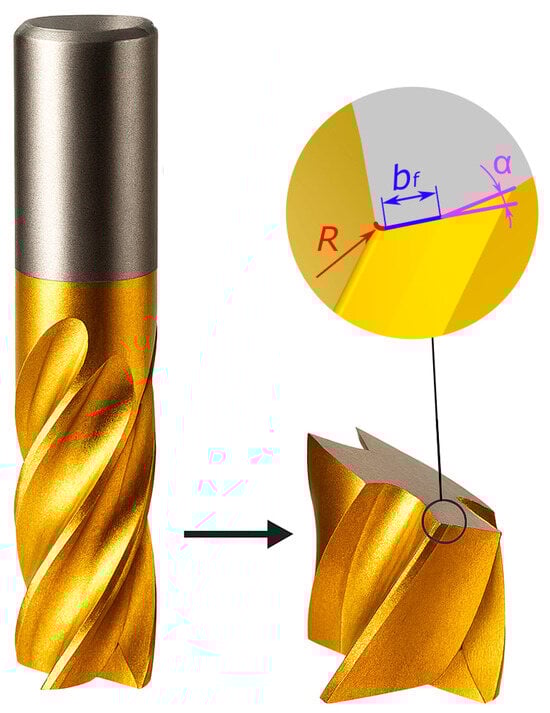
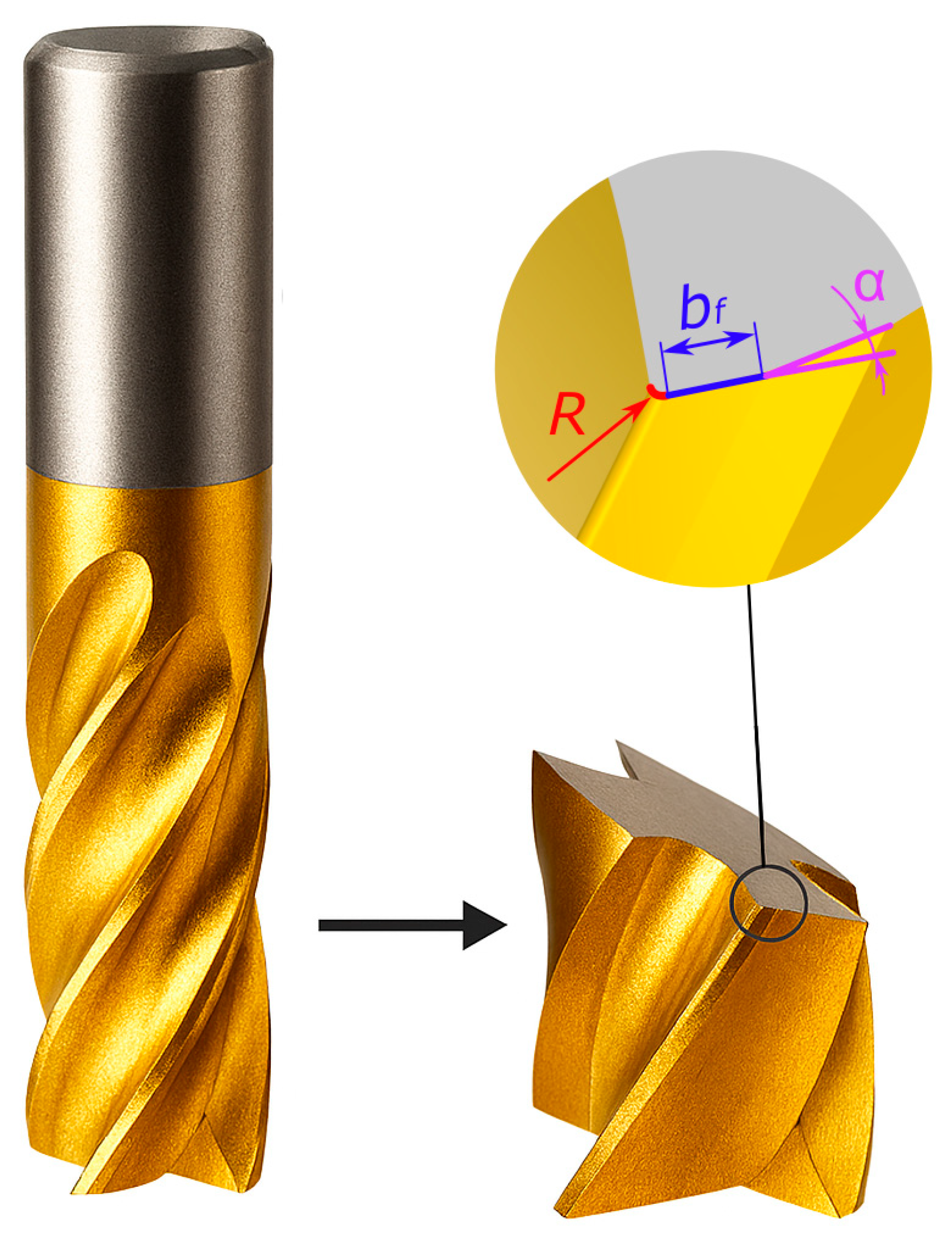
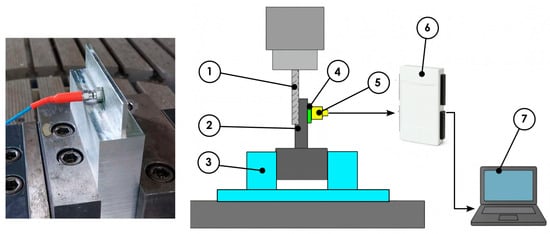
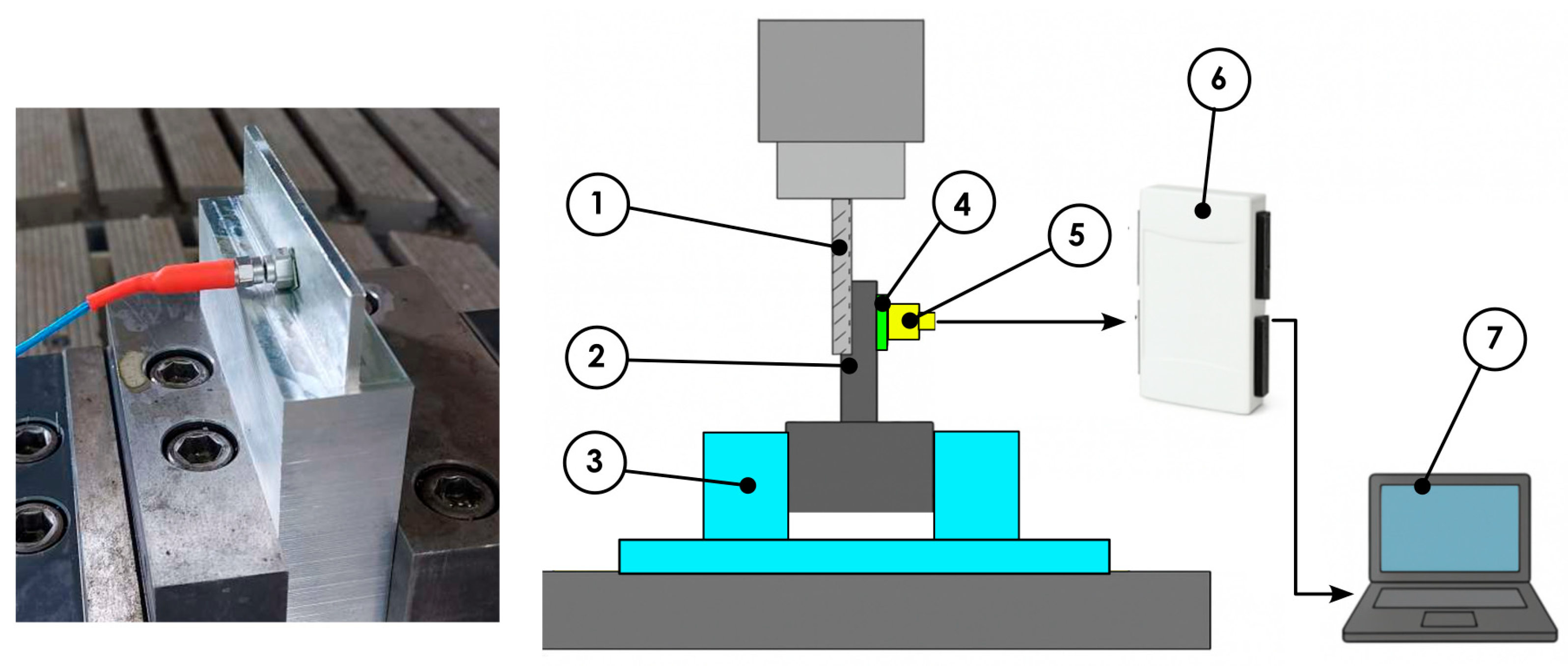
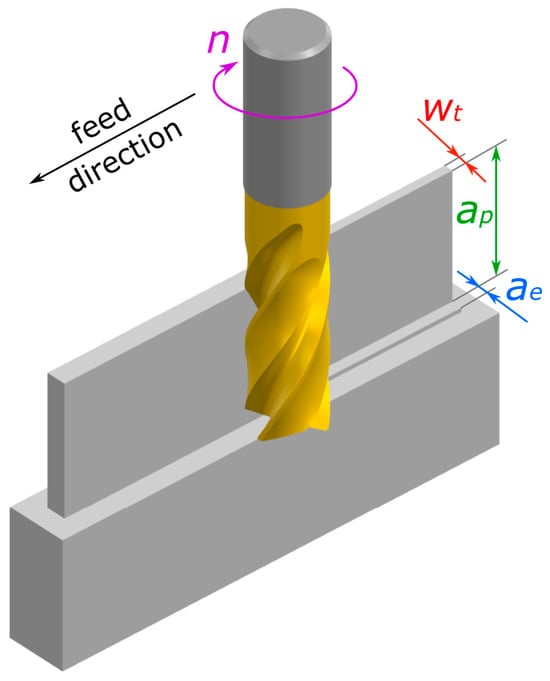
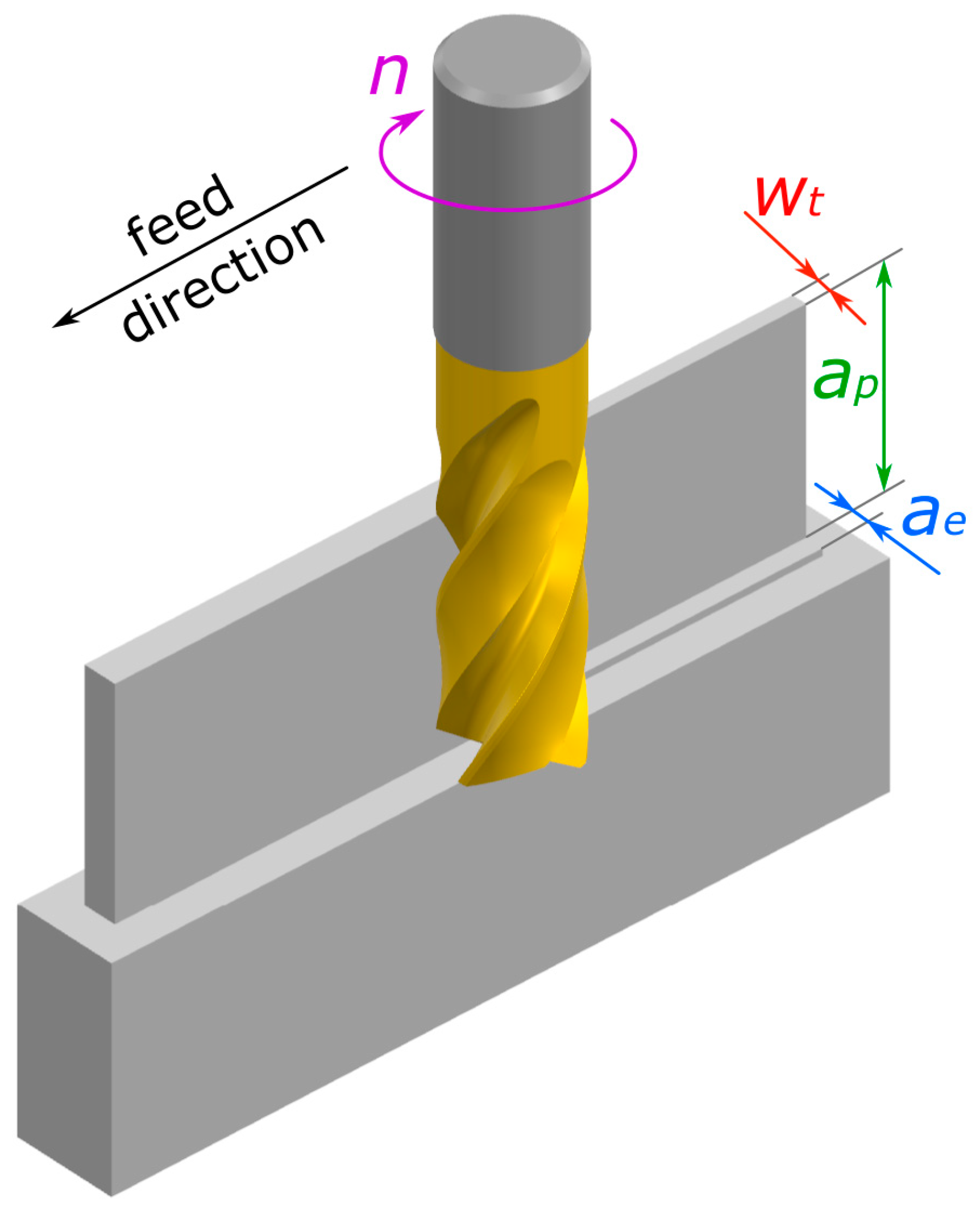
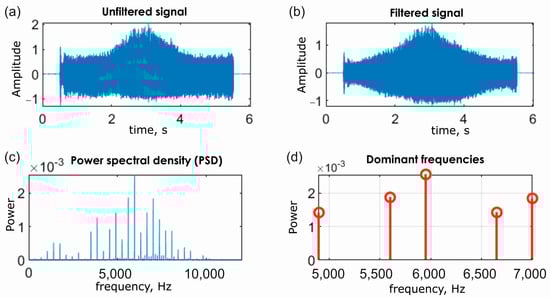
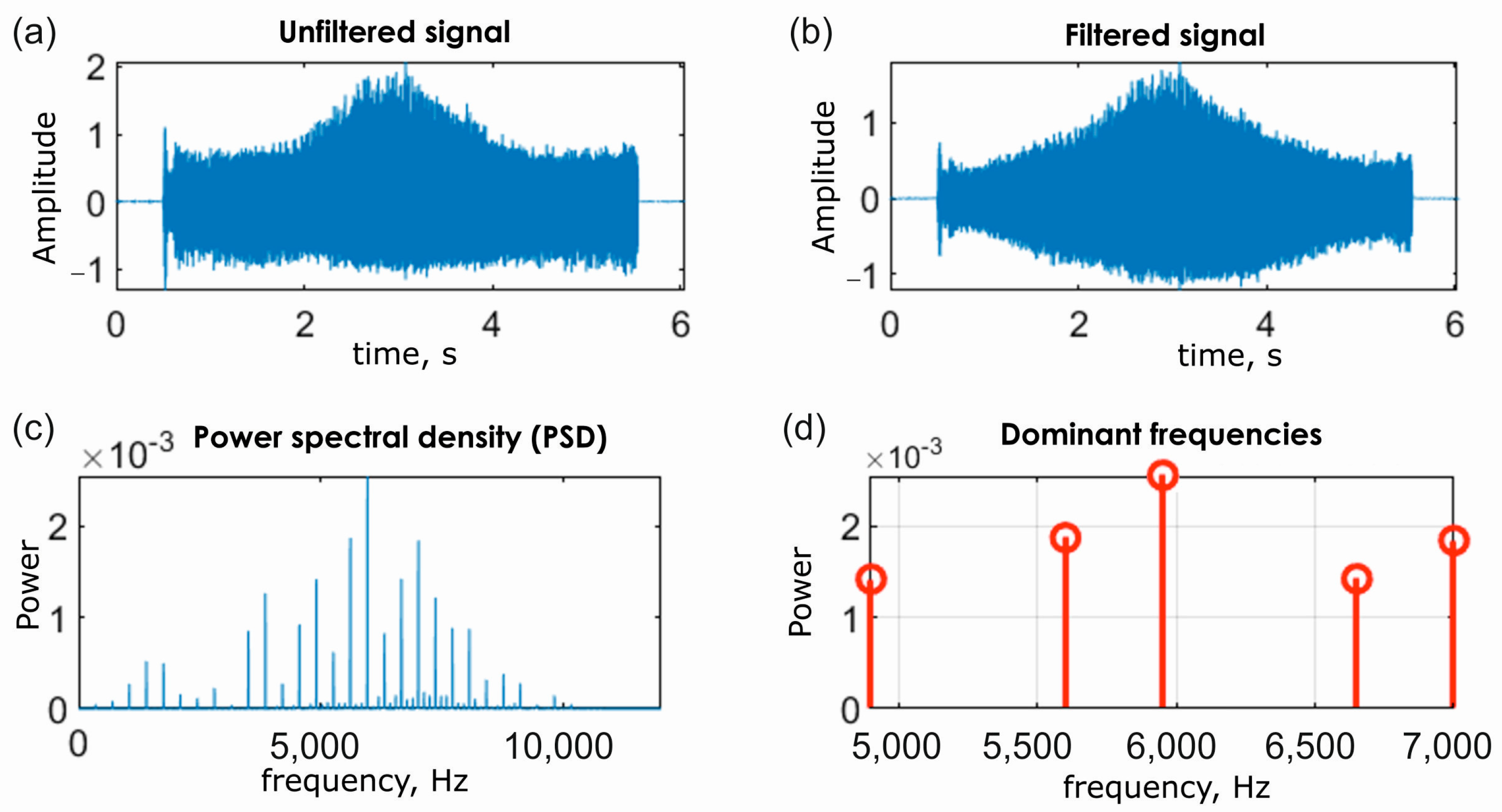
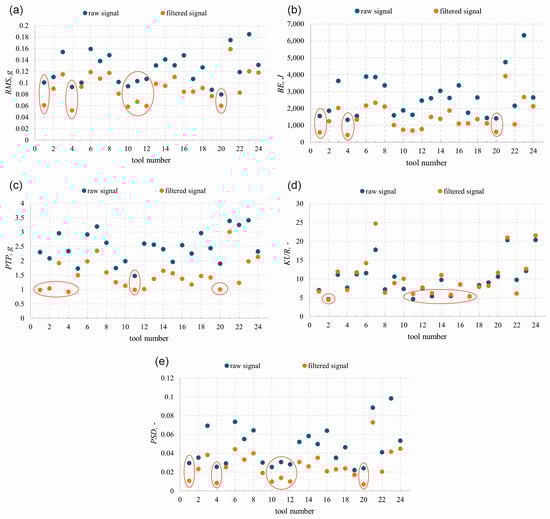
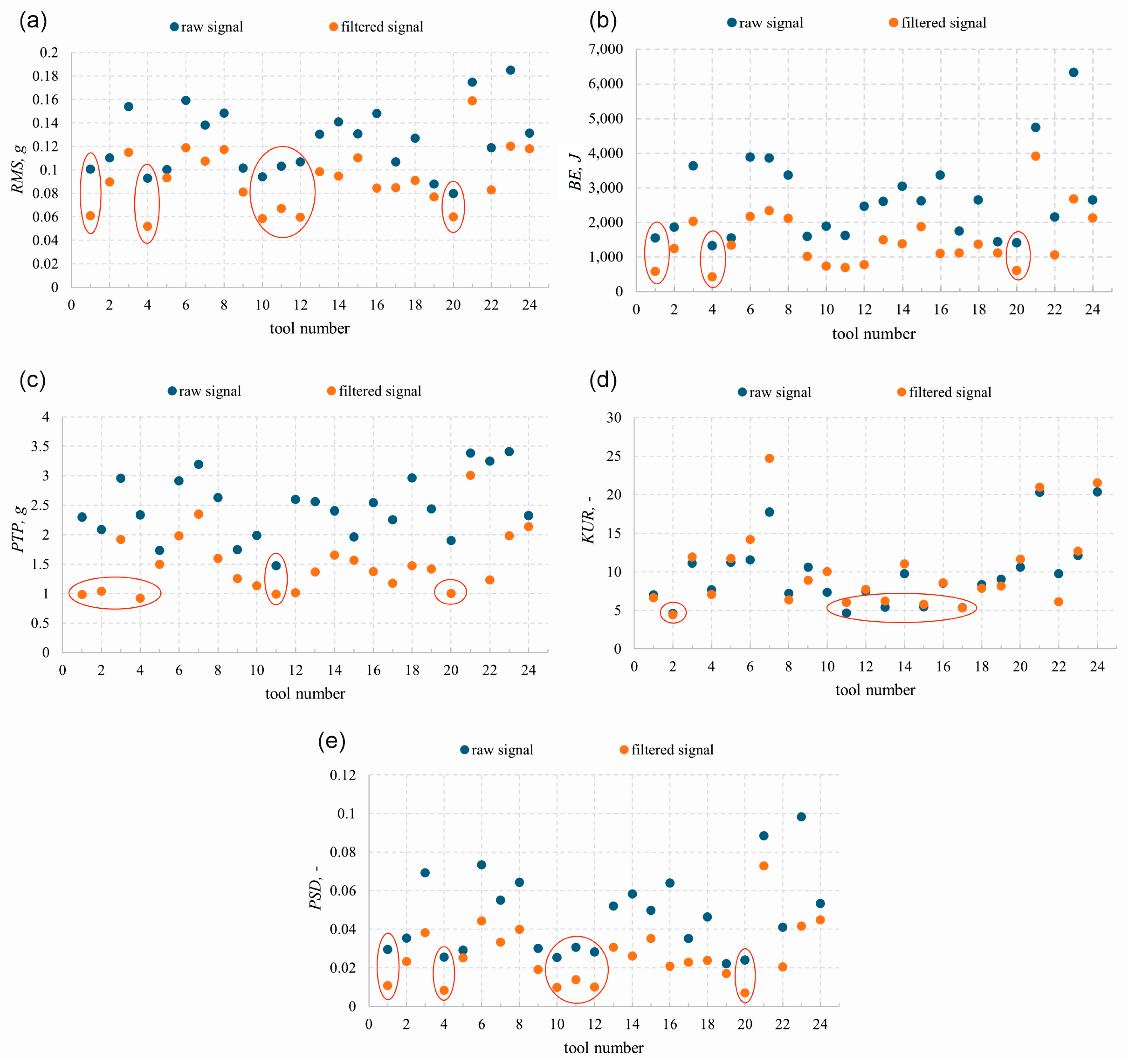
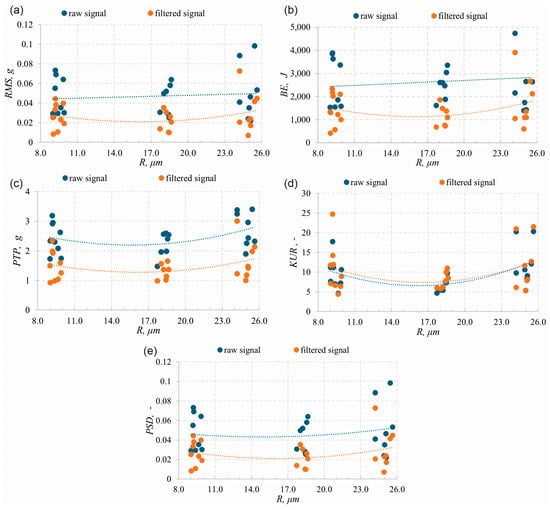
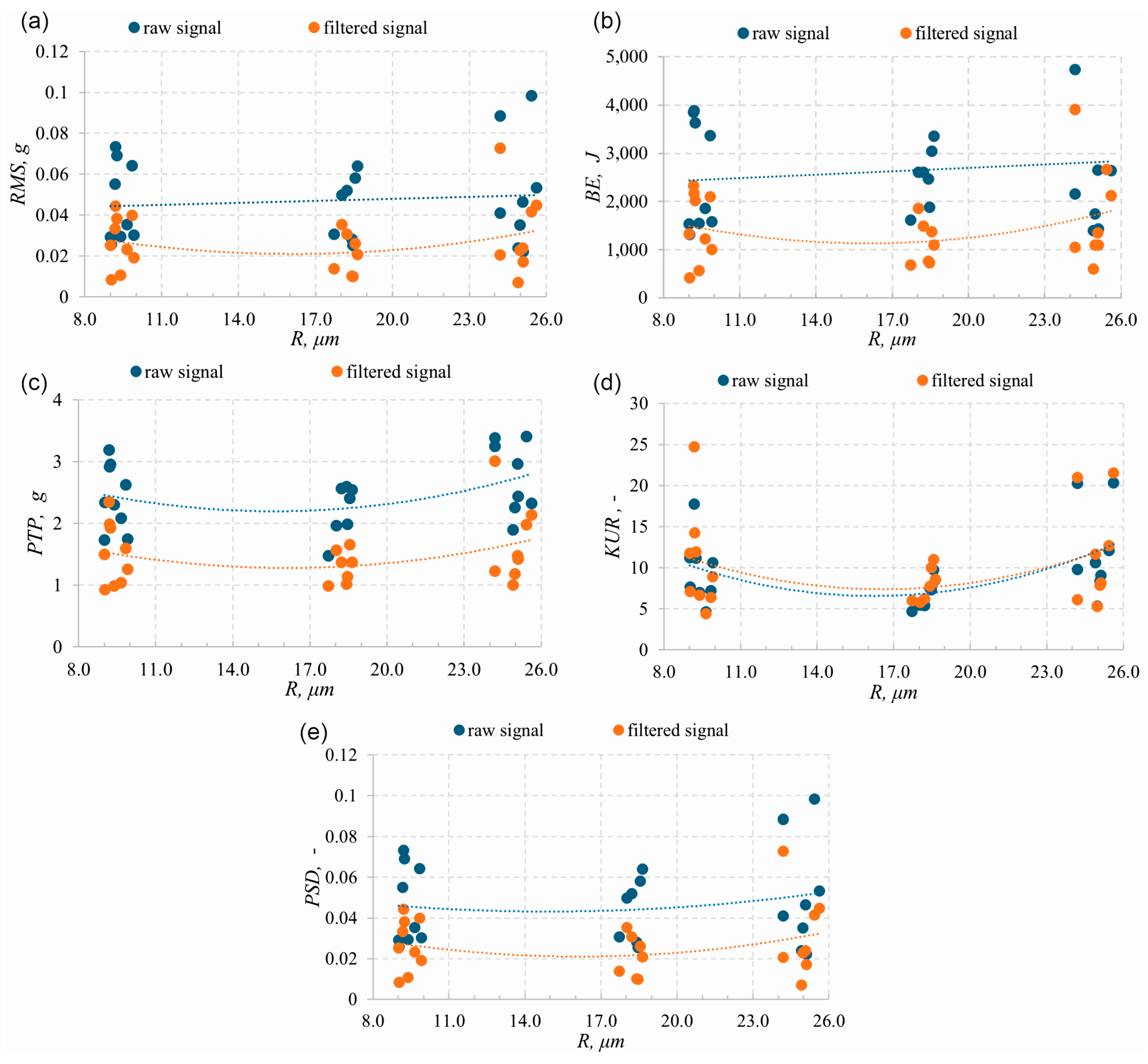
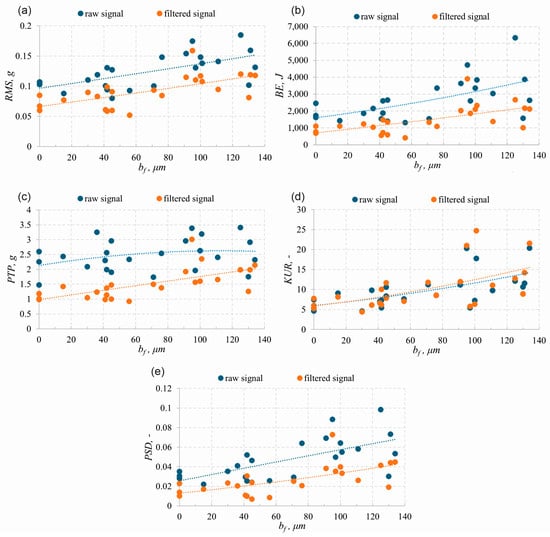
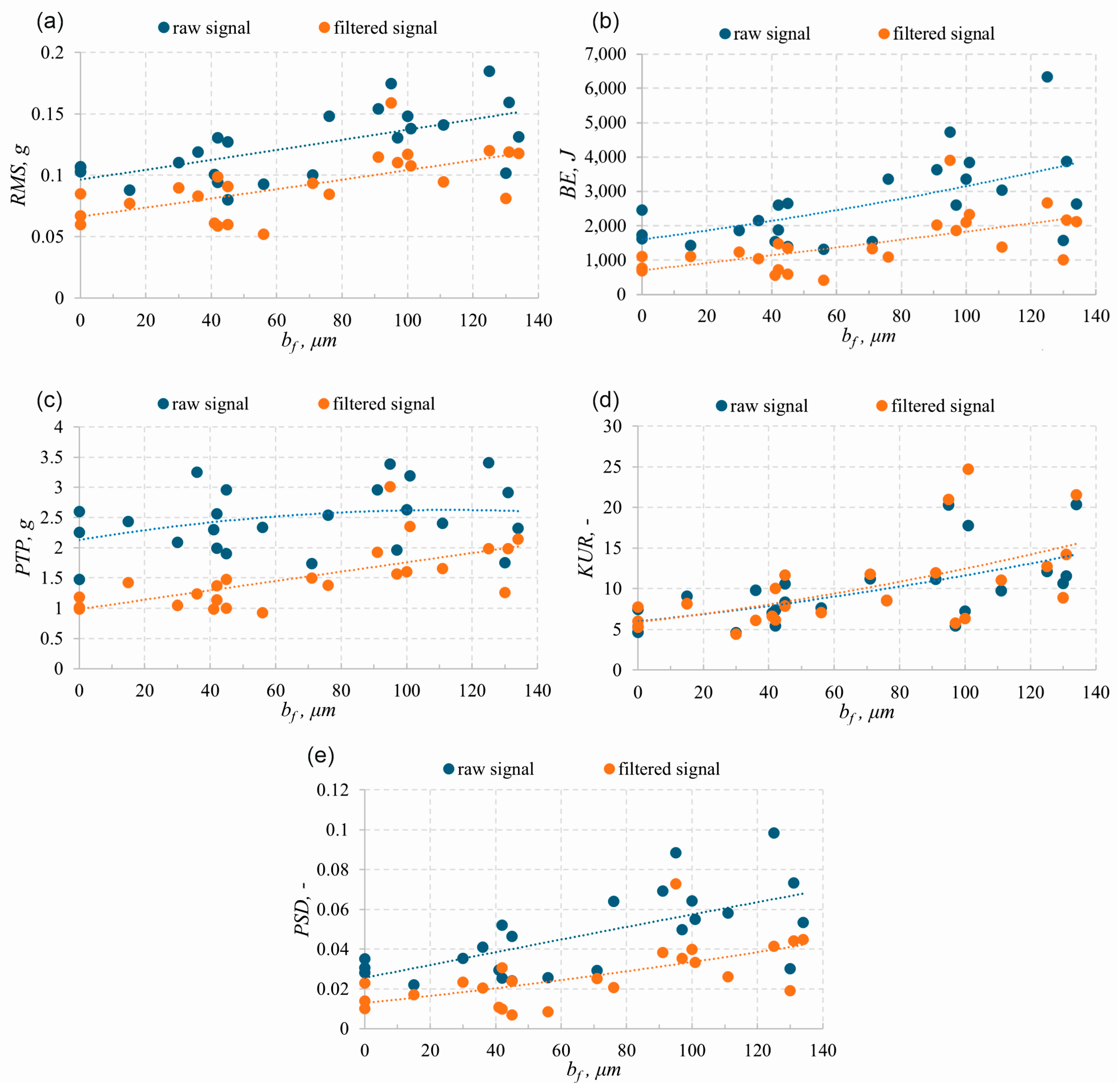
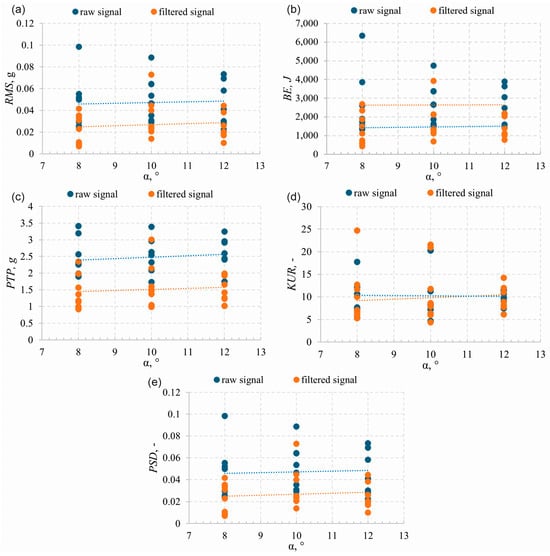
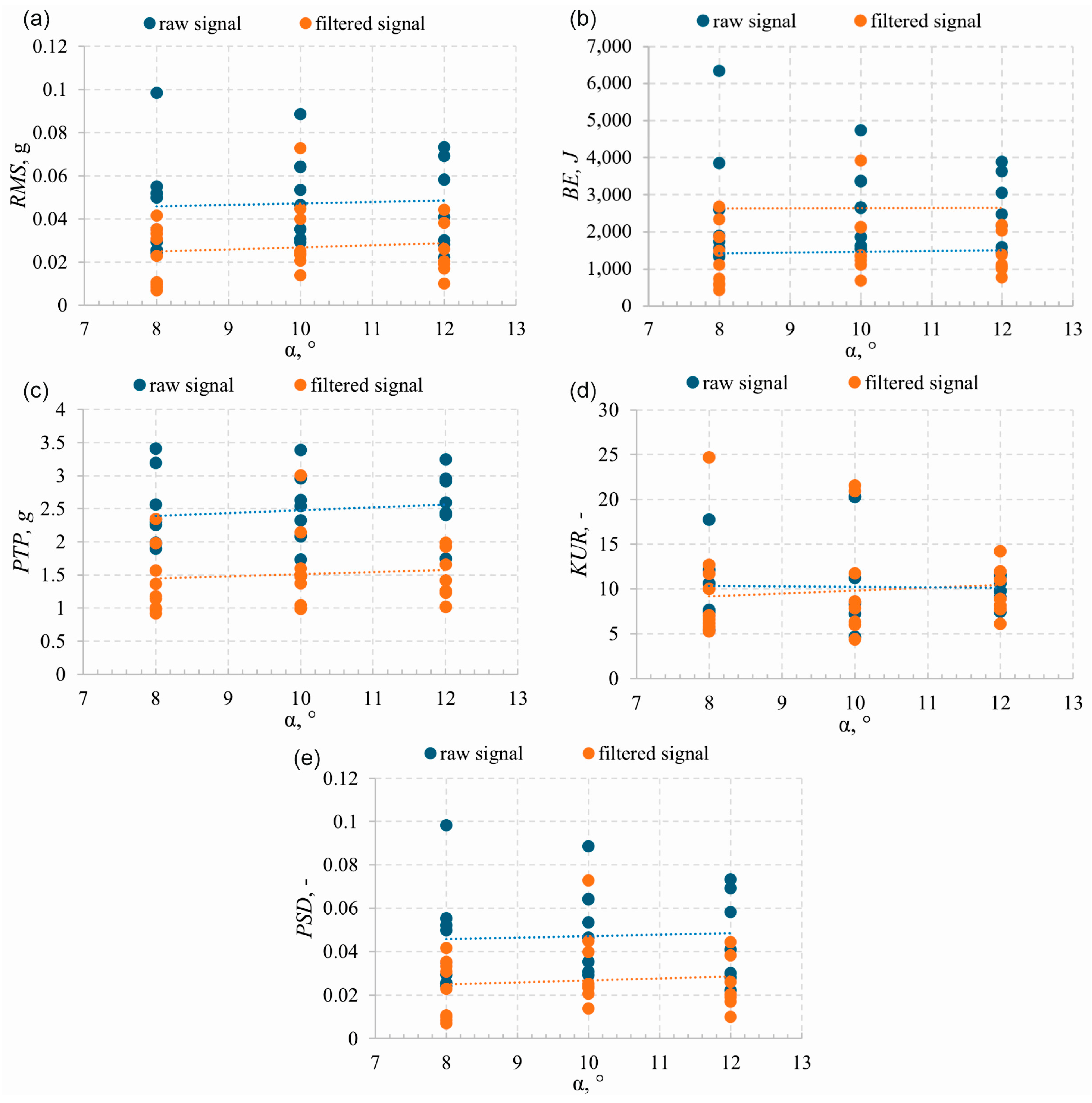
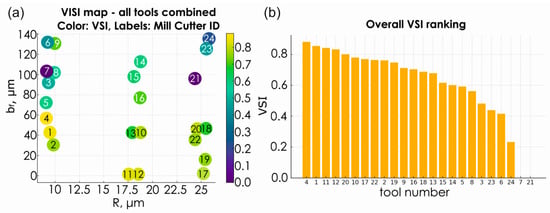
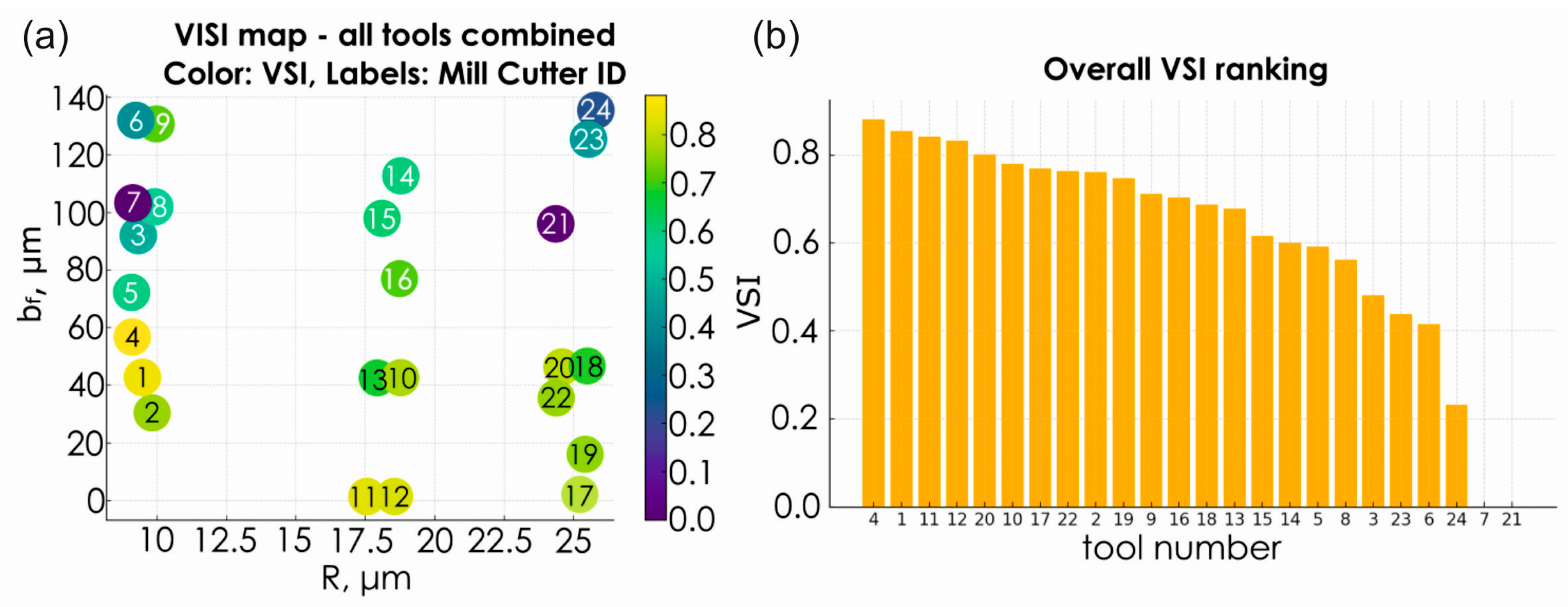
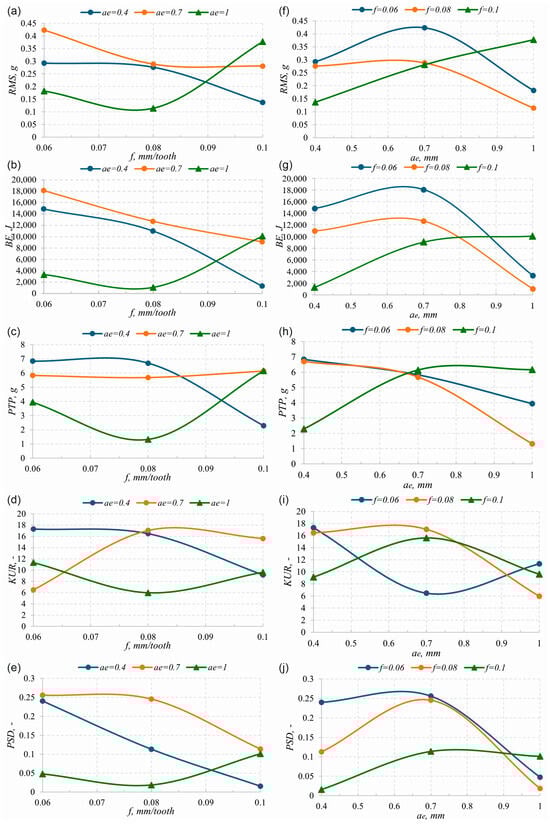
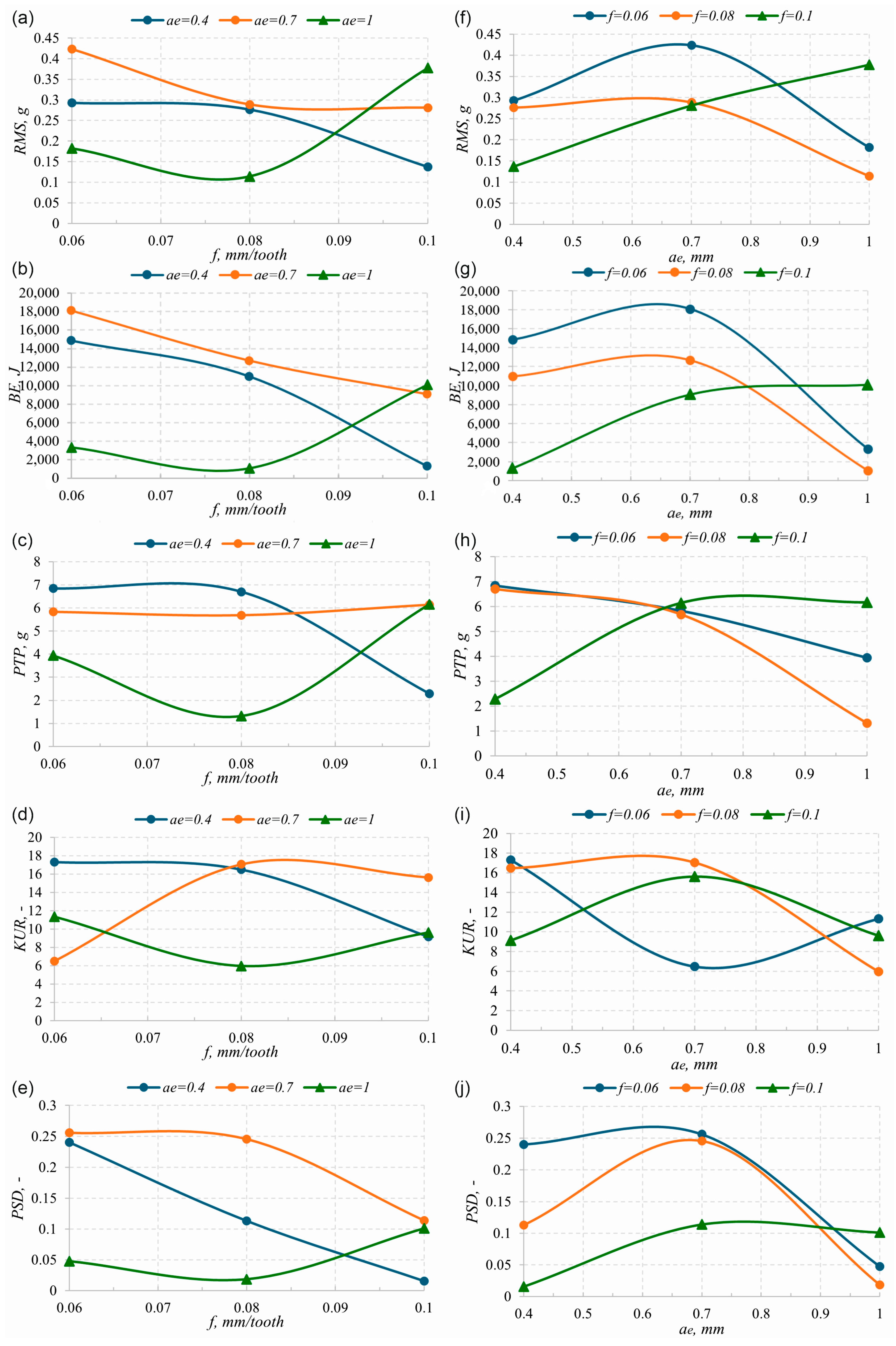

Disclaimer/Publisher’s Note: The statements, opinions and data contained in all publications are solely those of the individual author(s) and contributor(s) and not of MDPI and/or the editor(s). MDPI and/or the editor(s) disclaim responsibility for any injury to people or property resulting from any ideas, methods, instructions or products referred to in the content. |
© 2025 by the authors. Licensee MDPI, Basel, Switzerland. This article is an open access article distributed under the terms and conditions of the Creative Commons Attribution (CC BY) license (https://creativecommons.org/licenses/by/4.0/).