

Article

The Influence of Hitting Locations on Shot Outcomes in Professional Men’s Padel

by
Rodrigo Ampuero
1,*,
Juan Pedro Fuentes-García
2 and
Ernest Baiget
1
1
National Institute of Physical Education of Catalonia (INEFC), University of Barcelona (UB), 08038 Barcelona, Spain
2
Faculty of Sport Science, University of Extremadura, 10003 Cáceres, Spain
*
Author to whom correspondence should be addressed.
Appl. Sci. 2025, 15(23), 12806; https://doi.org/10.3390/app152312806
Submission received: 7 October 2025 / Revised: 17 November 2025 / Accepted: 26 November 2025 / Published: 3 December 2025
(This article belongs to the Special Issue Technologies in Sports and Physical Activity)

Abstract

In padel, there exists four possible outcomes after hitting: into play, winners, forced errors and unforced errors. Courts are divided into three zones: baseline, transition and net. The objective of this study was to analyse how shot outcomes may vary based on the hitting location where they were executed. A total of 10,321 shots from the Premier Padel 2022 circuit were assessed through systematic observation. Type of shots, hitting locations and final outcomes were analysed. Significant differences (p < 0.001 to 0.005) were found in shot outcomes across hitting locations. At the baseline, into-play forehands, backhands, and lobs were performed more frequently than at the net (p < 0.001) and resulted more often in unforced errors compared to the transition zone (p = 0.003–0.026). Overhead shots were performed more frequently at the transition zone compared with the others, specifically in into play (p ≤ 0.001 to 0.026), winners (p = 0.008 to 0.026) and unforced errors (p = 0.005 to 0.038). The net was the only zone where all types of outcomes were observed, with volleys being the most frequently performed shot. These results confirm that shot outcomes vary significantly according to their hitting location.

1. Introduction

Padel is a racket sport that has experienced constant growth since the 2000s [1,2], with over 25 million participants across more than 130 countries worldwide (https://www.padelfip.com/about/ (accessed on 20 of April 2023). This increasing popularity has attracted considerable scientific interest, leading to studies analysing different game parameters, such as players’ activity profiles [3,4,5,6], technical–tactical actions [7,8,9,10,11,12], and internal load responses [13,14,15] among other aspects aimed to enhance the player’s performance on court [5,16,17,18,19,20]. Recent evidence highlights that padel has evolved into a more physically demanding discipline, moving towards a more explosive and fast-played sport [21]. Furthermore, due to its popularity, it has been analysed and compared with other major developed racket sports (i.e., tennis, badminton, squash and table tennis) [22], particularly with double-tennis, where similarities in match load were found [23].
In padel, three different post-hitting outcomes can be identified: continuity, when the point continues (into play); winner shots, strokes that directly result in a point; and errors, when a point is lost due to a missed shot [24]. Errors can also be further classified into forced errors—produced by the opponent’s action resulting in a challenging hitting position—and unforced errors, which occur when the player makes a mistake despite being in full control of the shot [3,4,25]. Simultaneously, a padel court is divided into three main zones: baseline, middle or transition, and net. Several studies report that the most common outcome during professional male padel matches is maintaining the ball into-play, with consistent values across studies (≈85%) [4,12,24,26]. On the other hand, different behaviours were found depending on the players’ playing side, with right-side players achieving a higher percentage of into-play shots (46.4%; p < 0.05) compared to the left-side (43.4%), as long as they were both right-handed [7].
Studies have been found describing that the baseline (commonly referred to as the “defensive zone”) is the most frequent hitting location [4,7,12,26]. At this location, players tend to adopt a more alert stance [27,28], and shot outcomes are commonly into play and errors [20]. In contrast, it has been found that performing more effective shots at the net position could produce significant differences in the final match result and between the winning pair and the losers [11,25,29,30]. Even at this hitting location, there are important movements that players normally perform as coordinated actions to maintain their offensive behaviours [28]. Therefore, winner shots are most likely to be performed closer to the net [21,24,26,30].
There is considerable and extensive literature which has analysed and described the shot effectiveness and the technical–tactical factors (i.e., losing or winning pair, type of shot and game situation) that might possibly change their final outcome [8,31,32,33]. For example, it has been determined that in men’s professional padel, most of the points are finished by errors. And going even deeper, the more the points increase, the greater the chances are that the point is won by an error (60%) rather than a winner shot [32]. In addition, there is a clear difference between the winning and losing pair of a match regarding shot effectiveness, where the winning pair performs more winner shots and fewer errors than the losing team [26]. All this information has set up a practical background that has immensely helped both coaches and professional players to have a better approach and understanding of the sport’s technical–tactical parameters, which results in better-planned and organised practical sessions that target these game dynamics indicators. With the objective of advancing with the existing literature, the authors present the enquiry into how shot performance may differ across the different hitting locations, thereby leading to varying outcomes. This is why the present study centred its full attention to examine and outline the impact and influence of the hitting locations in the shots’ final result and how these outcomes may vary, considering where it was performed.

2. Materials and Methods

An observational design was used in this investigation, being multidimensional due to the inclusion of multiple parameters and participants that were analysed throughout the process. This study was conducted under the framework of descriptive observation, and the observer did not interact or affect the players’ behaviour [34]. Since data were obtained under natural conditions of public diffusion (official padel competition), individual informed consent was not required.
With the Ethics Committee for Clinical Research of the Catalan Sports Council’s approval (023/CEICGC/2023), the sample included 10321 shots corresponding to eight matches from different quarterfinals (n = 4), semifinals (n = 3) and final (n = 1) from the 2022 Premier Padel tournament, which features the best players on the circuit and is held annually across eight cities around the world (Madrid–Paris–Mendoza–Rome–Milan–Doha–Monterrey–Giza). Sixteen different right-handed male professional padel players (age: 27.4 ± 4.9 years; height: 180 ± 6.5 cm; ranked: 20.3 ± 18.1 [according to the International Padel Federation]) performed all the matches following the international padel regulations (https://www.padelfip.com/documentation/ (accessed on 20 of April 2023). To avoid potential investigation bias, only pairs composed of right-handed players (for racket manipulation) were included, which does not necessarily determine their dominant laterality.
All the matches were obtained from the official Premier Padel site on YouTube and analysed through a systematic observation process using the Lince Plus video analysis software (version 3.2.3) [35]. An ad hoc observational instrument was specifically designed for this research (Table 1) and validated based on parameters previously used in related studies [7,12]. The instrument included three main criteria for data collection: type of shot, outcomes, and hitting zones. Lines were drawn delimiting the court so it could be divided into three hitting zones as shown in Figure 1. The observer focused his attention to observe and determine which shot was performed, in which hitting location it was executed and noted the final result of each shot. Players’ body positioning (feet) at ball impact was the specific criterion used to determine in which hitting location the shots were performed. Finally, shot outcomes were defined under the frames of the current scientific literature (see Section 1, Introduction).

Statistical Analyses

Data are reported as median and interquartile range (IQR). Normality of distributions and homogeneity of variances were assessed with the Shapiro–Wilk test. Non-parametric analyses and Friedman signed rank tests were used to assess differences between hitting zones (baseline, transition and net) with Dunn–Bonferroni post hoc tests to look for differences between pairs. Effect sizes (r) were calculated following Fritz et al. [36], where values of 0.1, 0.3, and 0.5 indicate small, medium, and large effects, respectively. All statistical analyses were performed using SPSS 25.0 software (SPSS Inc., Chicago, IL, USA). Intra- and inter-observer reliability were determined with 200-game actions agreement. For inter-observer reliability, comparisons between the study’s primary observer and another researcher specialising in padel yielded high Cohen’s Kappa coefficient values (0.95). Intra-observer also resulted in similarly high coefficient values (0.99) [37].

3. Results

Table 2 shows the absolute (n) and relative (%) frequencies of shot types and their outcomes specifically performed in every hitting zone. The most frequently performed shots per zone were lobs at the baseline, trays at transition, and volleys at the net.

3.1. Into-Play Shots Comparisons Between Hitting Locations

As shown in Table 3, all into-play shots showed statistical differences between the hitting zones (p < 0.001 to 0.001). Forehands (p < 0.001; r = 0.71), backhands (p < 0.001; r = 0.68), and lobs (p < 0.001; r = 0.71) were performed more frequently at the baseline in comparison with the net, showing large significant differences. Trays also showed more large significant differences being produced at the transition zone in comparison with the net (p < 0.001; r = 0.71). Smashes were more frequently performed at the transition zone compared with the baseline (p < 0.001; r = 0.71). Large and medium differences were found for into-play-transition fake smashes, which were produced more frequently compared to baseline (p = 0.002; r = 0.60) and the net (p = 0.026; r = 0.46). Finally, volleys at the net were significantly performed more in comparison with the baseline, showing a large effect size (p < 0.001; r = 0.71).

3.2. Winner Shots Comparisons Between Hitting Locations

Significant differences were observed for winner shots in volleys, trays and smashes (p = 0.001 to 0.002) (Table 4). Pairwise comparisons revealed medium and large differences, noting that winner–net volleys were performed more frequently in comparison with the baseline (p = 0.002; r = 0.60) and transition (p = 0.026; r = 0.46). Trays were performed more at the transition zone compared to those at the baseline (p = 0.026; r = 0.46) and net (p = 0.026; r = 0.46), proving both medium differences. Smashes were executed more frequently at both the transition and net compared to the baseline, showing a large effect (p = 0.008; r = 0.53). No differences were found for forehands, backhands, lobs and fake smashes.

3.3. Forced-Errors Shots Comparisons Between Hitting Locations

As noted in Table 5, significant differences in forced errors were observed only for volleys and lobs across hitting zones (p = 0.001 to 0.032). Post hoc analysis showed that volleys at the net were performed more frequently than at the baseline (p = 0.001; r = 0.62) and at the transition zone (p = 0.037; r = 0.44), showing large and medium effects, respectively. More lobs were performed at the transition zone in comparison with the baseline, showing medium effects (p = 0.046; r = 0.28).

3.4. Unforced-Errors Shots Comparisons Between Hitting Locations

Table 6 shows that most of unforced-error shots differed significantly across hitting zones (p = 0.001 to 0.005), with the exception of the fake smashes. Pairwise comparisons revealed large differences for forehands and lobs at the baseline, which were performed more frequently than at the net (p = 0.003; r = 0.57; p = 0.002; r = 0.60). Similarly, backhands at the baseline were executed more often than at the transition zone, showing a medium effect (p = 0.026; r = 0.46), and more than at the net, showing a large effect (p = 0.002; r = 0.60). Trays were performed more at the baseline than at the net, showing medium differences (p = 0.037; r: 0.44), while unforced error trays at the transition location were produced more than at the net, with a large effect (p = 0.005; r = 0.55). Smashes were performed more frequently at the transition zone than at the baseline (p = 0.018; r = 0.49) and net (p = 0.037; r = 0.44), showing medium effects. Finally, volleys at the net occurred significantly more than at the baseline, showing a large effect (p < 0.001; r = 0.71).

4. Discussion

This study focused its attention on highlighting the impact of hitting locations in men’s professional padel players and examined how it affected the final outcome of each shot. The findings revealed significant differences for all outcomes, into play; winners; forced errors and unforced errors (p < 0.001 to 0.005) across all the different locations. At the baseline, both into-play (forehands, backhands and lobs) and unforced errors (forehands, backhands, and lobs) were produced most frequently. At the transition zone, overhead shots (trays, smashes, fake smashes) were performed more often, showing significant differences in into play, winners and unforced errors compared to both net and baseline zones, while forced error lobs were also more frequent than at the baseline. At the net location, volleys were the most frequently executed shot type across all outcomes (into play, winners, forced errors, and unforced errors), with winner smashes additionally being more common than at the baseline.
Prior studies have demonstrated that the most frequent outcome in men’s professional padel is keeping the ball into play [15,17,28,31]. Into-play shots such as forehands, backhands and lobs were consistently performed significantly more at the baseline compared with other zones. As the baseline is primarily a defensive zone [30], these three shots are commonly used to not only defend but also create opportunities to regain an offensive position closer to the net. Both forehands and backhands are mainly defensive shots used to maintain the ball into play, but they can also be employed to pass the opponent’s line [8,17]. These shots are often returned with volleys, which can result in short balls, providing the defending pair a chance to re-attack. Similarly, lobs are both used to defend against continuous offensive shots and to move the opponent’s pair from an offensive to a defensive position [8,17]. Likewise, it is noteworthy to consider that in professional men’s padel, there is a remarkable chance (76–86%) that the points include at least two to three lobs shots [5]. Considering this, it is important to mention that lobs are performed more at the baseline not just for a tactical reason but also due to a logistic one, in which the ball has a larger trajectory (especially cross-court) to get into a depth zone (near the glass) of the opponent’s court [30]. This explains why into-play lobs are less commonly executed near the net, where trajectory margins are smaller; the chances of making a mistake grow higher (i.e., hitting the opponent’s glass or hitting a short lob that could get easily responded to by an aggressive overhead shot).
Taking into account these into play shots, there is a close relationship with the unforced-error shots, which were also produced significantly more at this hitting location. It is important to consider that these shots are performed after the ball bounces on the court (indirect shots); therefore, the closer the players get to the net, the less likely these shots are executed. This also explains why forced error lobs were performed more frequently at the transition zone in comparison with the baseline, where players would have less space and reaction time to execute an effective lob. Overall, both into-play and unforced-error shots performed significantly more at baseline, which is in line with the findings of the current literature [11].
Overhead shots were performed more frequently at the transition zone compared to the others, which aligns with previous investigations [2,30,38]. Specifically, the following shots were performed more at this hitting location: into-play, trays, smashes, fake smashes; winner, trays, smashes; unforced error, trays, smashes. Referred to as the ‘transition to the net’ is where these shots are predominantly performed due to the continuous lobs executed by the opponents as a defensive strategy, allowing them to move towards the net [10,26]. Therefore, this hitting location concentrated significantly more these three different shots, where the offensive pair would seek to hit back these lobs without any bounce so they could keep at a more favourable position for performing more aggressive actions, which would increase the chances to win the point, either through errors made by the opponent or by direct winner shots.
Finally, the net was the only hitting zone that showed statistical differences in all of the possible outcomes. Into-play, winner, forced-error and unforced-error volleys were the most performed shot. As a multitask shot, volleys are performed to maintain the net position when the opposite pair is constantly trying to pass their centre line with different shots, sometimes aggressive ones, which explains why forced errors predominantly occurred at this zone. Volleys are also produced to generate offensive actions aimed at winning a rally. This supports the results previously found indicating that volleys are primarily produced at this hitting location [3,21,26,30]. Additionally, it is remarkable to note that this shot is a non-bouncing shot, meaning that the ball does not bounce on the court before being hit. This explains the tactical behaviour differences with the other hitting zones, especially with the baseline, where players would wait for the ball to bounce (also off the glass) so they provide themselves with more reaction time to execute another kind of shot. Furthermore, winner smashes showed differences compared to the baseline. According to the current literature, winner smashes are more likely to be executed closer to the net [30,38]. Consequently, this shot is not commonly produced at a further point from the net (i.e., baseline), due to the high demands of power and precision; an ineffective smash could provide the opponent pair with an opportunity to counterattack or even win the point.
Although this aspect of the game has been studied previously, mainly in terms of the shot effectiveness, it is important to emphasise once again that this study focused exclusively on analysing and describing how the hitting locations can possibly influence the outcome of each shot. The significant differences reported in this study may enhance comprehension of the sports’ technical and tactical aspects, offering valuable guidance for both coaches and players seeking to improve performance. These valuable indicators suggest the importance of implementing training sessions targeting specified actions across the three hitting zones. Defensive behaviour drills should be performed from the baseline, in which constant pressure is exerted in order to practise and implement certain shots (forehands, backhands and lobs) with minimal errors despite the continuous strain. This can potentially generate greater defensive stability aiming to develop this technical–tactical aspect. Overhead shots remain of paramount importance to be practised at the transition zone, not only to sustain an offensive position closer to the net but also to seek greater chances to win a point. Moreover, at this hitting zone, it is important to emphasise that volleys should be addressed not only for aiming to be aggressive and winning shots but also to maintain a solid defensive position when the opponents are trying to outplay with faster and more difficult shots to return.
Finally, it is crucial to highlight the role of error reduction—most notably the reduction of unforced errors—in contributing to players’ overall performance. Evidence from current gameplay dynamics suggests that winning pairs distinguish themselves not by executing more winning shots, but by consistently keeping their error count to a minimum.
It is important to clarify that the analysed sample consisted solely of elite male players, considering the final rounds at play; therefore, the findings obtained cannot be generalised to the entire padel population. Results may be altered if other study samples are considered, such as pairs composed of left-handed players, mixed-hand players and/or lower-level players. It is also noteworthy to add that if similar research was ever conducted analysing professional women players, completely different results could be obtained.

5. Conclusions

This study examines the impact of hitting locations on shot outcomes and their variations in men’s professional padel. Significant differences were observed across all shot outcomes when comparing the three different hitting locations, indicating that the effectiveness of each shot depends on where they were executed. At the baseline, the most performed shots are the forehands, backhands, and lobs, resulting primarily in into-play and unforced-error outcomes, emphasising the importance of practising these defensive shots in every practical training session and highlighting the need to perform them flawlessly. The transition zone is characterised by a higher frequency of the overhead shots (smashes, trays and fake smashes) compared to the baseline, resulting in into-play, winners and unforced-error shots. More forced error lobs are produced at the transition zone, suggesting that training should address situations with limited space and time reaction. Offensive shots are more likely to be executed closer to the net (transition and net), increasing the probability to win the point due to an opponent’s error (unforced or forced) or through a direct winner shot. Finally, the net zone is the hitting location where volleys are most performed, in which every outcome is produced.

Author Contributions

Conceptualization, R.A.; Methodology, R.A.; Software, R.A.; Validation, R.A. and E.B.; Format analysis, J.P.F.-G.; Investigation, R.A.; Resources, R.A.; Data curation, J.P.F.-G.; Writing—original draft preparation, R.A.; Writing—review and editing, R.A. and E.B.; Visualization, R.A.; Supervision, R.A. and E.B.; Project and administration, R.A.; Funding acquisition, not required. All authors have read and agreed to the published version of the manuscript.

Funding

This research received no external funding.

Institutional Review Board Statement

The study was conducted in accordance with the Declaration of Helsinki, and the protocol was approved by the Ethics Committee for Clinical Research of the Catalan Sports Council’s (023/CEICGC/2023) on 17 July 2023.

Informed Consent Statement

Since data were obtained under natural conditions of public diffusion (official padel competition), individual informed consent was not required.

Data Availability Statement

Data supporting the present study can be available immediately by contacting the corresponding author.

Conflicts of Interest

No conflict of interests was reported for the authors.

References

  1. Courel Ibáñez, J.; Javier Sánchez-Alcaraz Martínez, B.; García Benítez, S.; Echegaray, M. Evolution of Padel in Spain According to Practitioners’ Gender and Age. Cult. Cienc. Deporte 2017, 12, 39–46. [Google Scholar] [CrossRef]
  2. Sánchez-Alcaraz, J.B. Historia del pádel. In Materiales para la Historia del Deporte; No 11; Universidad Politécnica de Madrid: Madrid, Spain, 2013. [Google Scholar]
  3. Courel-Ibáñez, J.; Sánchez-Alcaraz Martínez, B.J.; Cañas, J. Game performance and length of rally in professional padel players. J. Hum. Kinet. 2017, 55, 161–169. [Google Scholar] [CrossRef]
  4. Courel-Ibanez, J.; Sánchez-Alcaraz Martinez, B.J.; Muñoz Marín, D. Exploring Game Dynamics in Padel: Implications for Assessment and Training. J. Strength Cond. Res. 2019, 33, 1971–1977. [Google Scholar] [CrossRef] [PubMed]
  5. Mellado-Arbelo, O.; Baiget, E. Activity profile and physiological demand of padel match play: A systematic review. Kinesiology 2022, 54, 51–61. [Google Scholar] [CrossRef]
  6. Priego, J.I.; Melis, J.O.; Llana-Belloch, S.; Pérezsoriano, P.; García, J.C.G.; Almenara, M.S. Padel: A Quantitative study of the shots and movements in the high-performance. J. Hum. Sport Exerc. 2013, 8, 925–931. [Google Scholar] [CrossRef]
  7. Ampuero, R.; Mellado-Arbelo, O.; Fuentes-García, J.P.; Baiget, E. Game sides technical-tactical differences between professional male padel players. Int. J. Sports Sci. Coach. 2023, 19, 1332–1338. [Google Scholar] [CrossRef]
  8. Conde-Ripoll, R.; Muñoz, D.; Escudero-Tena, A.; Courel-Ibáñez, J. Sequential Mapping of Game Patterns in Men and Women Professional Padel Players. Int. J. Sports Physiol. Perform. 2024, 19, 454–462. [Google Scholar] [CrossRef]
  9. Courel-Ibáñez, J. Game patterns in padel: A sequential analysis of elite men players. Int. J. Perform. Anal. Sport 2021, 21, 579–588. [Google Scholar] [CrossRef]
  10. Escudero-Tena, A.; Ibáñez, S.J.; Vaquer Castillo, A.; Sánchez-Alcaraz, B.J.; Ramón-Llin, J.; Muñoz, D. Analysis of the return in professional men’s and women’s padel. Int. J. Sports Sci. Coach. 2023, 19, 1375–1383. [Google Scholar] [CrossRef]
  11. Martínez, B.J.S.A.; Courel-Ibáñez, J.; Muñoz, D.; Infantes-Córdoba, P.; de Zumarán, F.S.; Sánchez-Pay, A. Analysis of attacking actions in professional men’s padel. Apunts. Educ. Fis. Deportes 2020, 142, 29–34. [Google Scholar] [CrossRef]
  12. Mellado-Arbelo, Ó.; Baiget Vidal, E.; Usón, M.V. Analysis of Game Actions in Professional Male Padel. 2019. Available online: https://repositorio.ucam.edu/handle/10952/6023?locale-attribute=en (accessed on 13 May 2023).
  13. Amieba, C.; Salinero, J.J. Overview of paddle competition and its physiological demands. AGON Int. J. Sport Sci. 2013, 3, 60–67. [Google Scholar]
  14. García, J.D.; Pérez, F.J.G.; Gil, M.C.R.; Mariño, M.M.; Marín, D.M. Estudio de la carga interna en pádel amateur mediante la frecuencia cardíaca. Instituto Nacional de Educacion Fisica de Cataluna. Apunts. Educ. Física Deportes 2017, 127, 75–81. [Google Scholar] [CrossRef]
  15. Pérez-Quintero, M. Análisis de los Parámetros de Carga Externa e Interna en Pádel. 2018. Available online: https://www.researchgate.net/publication/326689807 (accessed on 15 May 2023).
  16. Castillo-Rodríguez, A.; Alvero-Cruz, J.R.; Hernández-Mendo, A.; Fernández-García, J.C. Physical and physiological responses in Paddle Tennis competition. Int. J. Perform. Anal. Sport 2014, 14, 524–534. [Google Scholar] [CrossRef]
  17. Demeco, A.; de Sire, A.; Marotta, N.; Spanò, R.; Lippi, L.; Palumbo, A.; Iona, T.; Gramigna, V.; Palermi, S.; Leigheb, M.; et al. Match Analysis, Physical Training, Risk of Injury and Rehabilitation in Padel: Overview of the Literature. Int. J. Environ. Res. Public Health 2022, 19, 4153. [Google Scholar] [CrossRef]
  18. García-Giménez, A.; Pradas de la Fuente, F.; Castellar Otín, C.; Carrasco Páez, L. Performance Outcome Measures in Padel: A Scoping Review. Int. J. Environ. Res. Public Health 2022, 19, 4395. [Google Scholar] [CrossRef]
  19. Gutiérrez-Álvarez, C.; Colomar, J.; Baiget, E.; Villafaina, S.; Fuentes-García, J.P. Effects of 4 Weeks of Variability of Practice Training in Padel Double Right Wall: A Randomized Controlled Trial. Mot. Control 2022, 26, 278–290. [Google Scholar] [CrossRef]
  20. Martín Miguel, I.; Muñoz Marín, D.; Javier Sánchez-Alcaraz, B.; Piedra Blesa, D.; Barriocanal, I.; Sánchez Pay, A. Análisis de los golpes ganadores y errores en pádel profesional. Rev. Iberoam. Cienc. Act. Física Deporte 2022, 11, 85–97. [Google Scholar] [CrossRef]
  21. Ungureanu, A.N.; Lupo, C.; Contardo, M.; Brustio, P.R. Decoding the decade: Analyzing the evolution of technical and tactical performance in elite padel tennis (2011–2021). Int. J. Sports Sci. Coach. 2024, 19, 1306–1313. [Google Scholar] [CrossRef]
  22. Cádiz Gallardo, M.P.; Pradas de la Fuente, F.; Moreno-Azze, A.; Carrasco Páez, L. Physiological demands of racket sports: A systematic review. Front. Psychol. 2023, 14, 1149295. [Google Scholar] [CrossRef]
  23. Armstrong, C.; Reid, M.; Beale, C.; Girard, O. A Comparison of Match Load Between Padel and Singles and Doubles Tennis. Int. J. Sports Physiol. Perform. 2023, 18, 512–522. [Google Scholar] [CrossRef]
  24. Ramón-Llin, J.; Guzmán, J.; Martínez-Gallego, R.; Muñoz, D.; Sánchez-Pay, A.; Sánchez-Alcaraz, B.J. Stroke analysis in padel according to match outcome and game side on court. Int. J. Environ. Res. Public Health 2020, 17, 7838. [Google Scholar] [CrossRef] [PubMed]
  25. Courel-Ibáñez, J.; Sánchez-Alcaraz, B.J.; Cañas, J. Effectiveness at the net as a predictor of final match outcome in professional padel players. Int. J. Perform. Anal. Sport 2015, 15, 632–640. [Google Scholar] [CrossRef]
  26. Conde-Ripoll, R.; Muñoz, D.; Sánchez-Alcaraz, B.J.; Escudero-Tena, A. Analysis and prediction of unforced errors in men’s and women’s professional padel. Biol. Sport 2024, 41, 3–9. [Google Scholar] [CrossRef] [PubMed]
  27. Escudero-tena, A.; Fernández-cortes, J.; García-rubio, J.; Ibáñez, S.J. Use and efficacy of the lob to achieve the offensive position in women’s professional padel. Analysis of the 2018 wpt finals. Int. J. Environ. Res. Public Health 2020, 17, 4061. [Google Scholar] [CrossRef]
  28. Ramon-Llin, J.; Sanchez-Alcaraz, B.J.; Sanchez-Pay, A.; Guzman, J.F.; Vuckovic, G.; Martínez-Gallego, R. Exploring offensive players’ collective movements and positioning dynamics in high-performance padel matches using tracking technology. Int. J. Perform. Anal. Sport 2021, 21, 1029–1040. [Google Scholar] [CrossRef]
  29. Escudero-Tena, A.; Gómez-Ruano, M.Á.; Ibáñez, S.J.; Sánchez-Alcaraz, B.J.; Muñoz, D. Importance of Maintaining Net Position in Men’s and Women’s Professional Padel. Percept. Mot. Ski. 2023, 130, 2210–2225. [Google Scholar] [CrossRef]
  30. Sánchez-Alcaraz, B.J.; Jiménez, V.; Muñoz, D.; Ramón-Llin, J. Effectiveness and distribution of attack strokes to finish the point in professional padel. Rev. Int. Med. Cienc. Act. Fis. Deporte 2022, 22, 635–648. [Google Scholar] [CrossRef]
  31. Conde-Ripoll, R.; Martín-Miguel, I.; Bustamante-Sánchez, Á.; Llanos-García, M.B.; García-Sánchez, J.M.; Escudero-Tena, A. Bridging the gap: A sex-based examination of shot types and effectiveness in professional padel. Int. J. Sports Sci. Coach. 2025, 20, 2540–2550. [Google Scholar] [CrossRef]
  32. Escudero-Tena, A.; Muñoz, D.; Sánchez-Alcaraz, B.J.; García-Rubio, J.; Ibáñez, S.J. Analysis of Errors and Winners in Men’s and Women’s Professional Padel. Appl. Sci. 2022, 12, 8125. [Google Scholar] [CrossRef]
  33. Martín-Miguel, I.; Almonacid, B.; Muñoz, D.; Sánchez-Alcaraz, B.J.; Courel-Ibáñez, J. Game Dynamics in Professional Padel: Shots Per Point, Point Pace and Technical Actions. Sports 2024, 12, 218. [Google Scholar] [CrossRef]
  34. Hernández Sampieri, R. Metodología de la Investigación. 2014. Available online: https://apiperiodico.jalisco.gob.mx/api/sites/periodicooficial.jalisco.gob.mx/files/metodologia_de_la_investigacion_-_roberto_hernandez_sampieri.pdf (accessed on 13 May 2023).
  35. Soto, A.; Camerino, O.; Iglesias, X.; Anguera, M.T.; Castañer, M. LINCE PLUS: Research Software for Behavior Video Analysis. Apunt. Educ. Física Esports 2019, 137, 149–153. [Google Scholar] [CrossRef]
  36. Fritz, C.O.; Morris, P.E.; Richler, J.J. Effect size estimates: Current use, calculations, and interpretation. J. Exp. Psychol. Gen. 2012, 141, 2–18. [Google Scholar] [CrossRef]
  37. Cohen, J. Weighted kappa: Nominal scale agreement with provision for scaled disagreement or partial credit. Psychol. Bull. 1968, 70, 213. [Google Scholar] [CrossRef]
  38. Sánchez-Alcaraz, B.J.; Perez-Puche, D.T.; Pradas, F.; Ramón-Llín, J.; Sánchez-Pay, A.; Muñoz, D. Analysis of performance parameters of the smash in male and female professional padel. Int. J. Environ. Res. Public Health 2020, 17, 7027. [Google Scholar] [CrossRef]
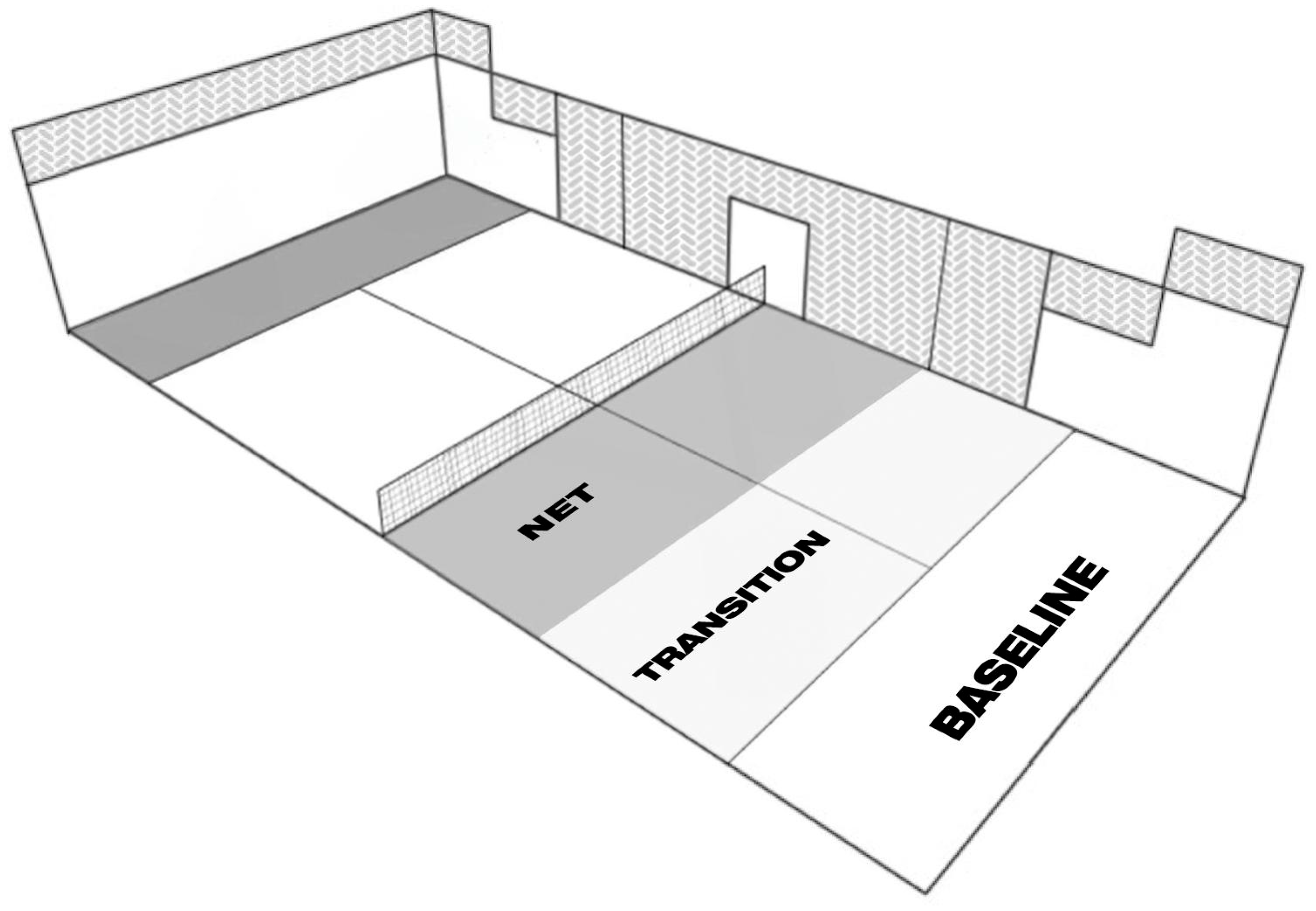
Figure 1. Player’s hitting zones on a padel court.
Applsci 15 12806 g001
Table 1. Instrument employed for observation.
CRITERIACATEGORIESDESCRIPTION
FHForehand
BHBackhand
VLVolley
Type ofTRTray
ShotLOLob
SMSmash
FSFake smash
ShotIPInto play
outcomeWWinner
UNFUnforced error
FEForced error
HittingBLBaseline
zoneTRATransition
NNet
Table 2. Shots and their final outcome according to their hitting locations.
BaselineTransitionNet
Type of strokeIPWFEUNFIPWFEUNFIPWFEUNF
n%n%n%n%n%n%n%n%n%n%n%n%
Forehand5685.540150.1290.32302.23060.1120.11261.270.190.130
Backhand5915.72050320.31931.92070.190.1890.960.160.130
Volleys360.30010003213.150100.1190.22569251441.4520.51161.1
Trays5104.960.110230.2111710.8210.210350.3270.3400000
Lobs19621910110.1620.651350020200.21621.6002040
Smash90.190.100301691.61271.200190.2450.41391.30040
Fake smash30000010590.6200000130.1300020
n, absolute value; %, respective value; IP, into play; W, winner; FE, forced error; UNF, unforced error.
Table 3. Comparison between into-play shots according to different hitting locations.
VariableIP-BL
Median (IQR)
IP-TRA
Median (IQR)
IP-N
Median (IQR)
Within Group
p-ValueContrastPairwise Comparison
Forehand78 (55)32.50 (19.75)16.50 (9.25)<0.00116IP-N < IP-BL = <0.001 (r = 0.71)
Backhand74.50 (51.50)21 (20.75)11.50 (10.50)<0.00115.55IP-N < IP-BL = <0.001 (r = 0.68)
Volley4.50 (2.50)38.50 (24.75)295.50 (189.25)<0.00116IP-BL < IP-N = <0.001 (r = 0.71)
Tray64.50 (60.50)172 (144.25)4 (4.25)<0.00116IP-N < IP-TRA = <0.001 (r = 0.71)
Lob262 (228.25)77 (62.50)23.50 (19.25)<0.00116IP-N < IP-BL = <0.001 (r = 0.71)
Smash1 (1.75)19.50 (11.25)5 (2.50)<0.00116IP-BL < IP-TRA = <0.001 (r = 0.71)
Fake smash0 (0.75)6.50 (8.75)1 (2.75)0.00113.86IP-BL < IP-TRA = 0.002 (r = 0.60)
IP-N < IP-TRA = 0.026 (r = 0.46)
IQR, interquartile range; r, effect size; IP, into play; BL, baseline; TRA, transition; N, net.
Table 4. Comparison between winner shots according to different hitting locations.
VariableW-BL
Median (IQR)
W-TRA
Median (IQR)
W-N
Median (IQR)
Within Group
p-ValueContrastPairwise Comparison
Forehand0 (0.75)0 (0.75)1 (1.00)0.4401.62-
Backhand0 (0.75)0 (0.75)0.50 (1.00)0.3052.37-
Volley0 (0)0 (1.75)17.50 (7.00)0.00114.89W-BL < W-N = 0.002 (r = 0.60)
W-TRA < W-N = 0.026 (r = 0.46)
Tray0 (1.50)2.50 (2.50)0 (1.00)0.00212.78W-BL < W-TRA = 0.026 (r = 0.46)
W-N < W-TRA = 0.026 (r = 0.46)
Lob0 (0)0 (0)0 (0)0.3682-
Smash1 (1.50)15 (15.00)17 (11.25)0.00212W-BL < W-TRA = 0.008 (r = 0.53)
W-BL < W-N = 0.008 (r = 0.53)
Fake smash0 (0)0 (0.75)0 (0.75)0.2642.67-
IQR, interquartile range; r, effect size; W, winner; BL, baseline; TRA, transition; N, net.
Table 5. Comparison between forced error shots according to different hitting locations.
VariableFE-BL
Median (IQR)
FE-TRA
Median (IQR)
FE-N
Median (IQR)
Within Group
p-ValueContrastPairwise Comparison
Forehand2 (1.75)1 (1.00)1 (2.00)0.1304-
Backhand0.50 (1.00)1 (0.75)0.50 (1.00)0.5891.06-
Volley0 (0)0.50 (2.75)6.50 (3.75)0.00114.86FE-BL < FE-N = 0.001 (r = 0.62)
FE-TRA < FE-N = 0.037 (r = 0.44)
Tray0 (0)0 (0)0 (0)0.6071-
Lob1.50 (1.75)0 (0)0 (0.75)0.0326.91FE-BL < FE-TRA = 0.046 (r = 0.28)
Smash0 (0)0 (0)0 (0)10-
Fake smash0 (0)0 (0)0 (0)10-
IQR, interquartile range; r, effect size; FE, forced error; BL, baseline; TRA, transition; N, net.
Table 6. Comparison between unforced error shots according to different hitting locations.
VariableUNF-BL
Median (IQR)
UNF-TRA
Median (IQR)
UNF-N
Median (IQR)
Within Group
p-ValueContrastPairwise Comparison
Forehand4 (3.25)1 (1.00)0 (1.00)0.00212.29UNF-N < UNF-BL = 0.003 (r = 0.57)
Backhand4 (1.75)0.50 (2.75)0 (0.75)0.00113.86UNF-TRA < UNF-BL = 0.026 (r = 0.46)
UNF-N < UNF-BL = 0.002 (r = 0.60)
Volley0 (0)2 (1.00)14 (8.00)0.00116UNF-BL < UNF-N = < 0.001(r = 0.71)
Tray3 (3.00)3.50 (5.50)0 (0)0.00212.50UNF-N < UNF-BL = 0.037 (r = 0.44)
UNF-N < UNF-TRA = 0.005 (r = 0.55)
Lob7 (5.00)2 (2.50)0 (1.00)0.00212.62UNF-N < UNF-BL = 0.002 (r = 0.60)
Smash0 (1.00)2 (0.75)0 (1.00)0.00510.57UNF-BL < UNF-TRA = 0.018 (r = 0.49)
UNF-N < UNF-TRA = 0.037 (r = 0.44)
Fake smash0 (0)0 (0)0 (0.75)0.2233-
IQR, interquartile range; r, effect size; UNF, unforced error; BL, baseline; TRA, transition; N, net.
Disclaimer/Publisher’s Note: The statements, opinions and data contained in all publications are solely those of the individual author(s) and contributor(s) and not of MDPI and/or the editor(s). MDPI and/or the editor(s) disclaim responsibility for any injury to people or property resulting from any ideas, methods, instructions or products referred to in the content.



