1. Introduction
In the era of digital education, learners have unique learning preferences for educational content [
1]. Unstable attention span and poor reading ability, expressed in the inability to read and process large volumes of textual information, make it difficult for representatives of the digital generation to absorb material [
2]. In such conditions, educational content must be presented in a compact and visualized form, simultaneously covering the entire volume of educational information, and at the same time being understandable, accessible, and motivating students to further study. Interactivity, visualization, and high technology are the main criteria for developing educational content [
3]. Naturally, in this case, teachers must have sufficient digital skills and be able to use emerging education technologies to develop interactive content for Generations Z and Alpha [
4,
5]. According to Organisation for Economic Co-operation and Development (OECD) research, digital education requires continuous improvement of teachers’ digital competencies, which is one of the critical tasks within the framework of Continuing Professional Learning (CPL) [
6].
Many researchers view the role of digital competence in teachers as an important component of their professional skills, the content of which is regulated by the DigCompEdu conceptual framework. Furthermore, according to the Technological Pedagogical and Content Knowledge (TPACK) model, digital competence is understood as technological pedagogical knowledge and implies teachers’ understanding of how various digital technologies can be applied in teaching [
7,
8].
Global digitalization and the development of AI technologies are forcing a reconsideration of digital competencies for teachers, focusing on the need to develop AI interaction skills and AI-supported pedagogy, which implies the competent use of AI-based learning tools as teaching assistants and expands the possibilities for using emerging education technologies in educational practices [
9,
10,
11,
12].
According to a systematic review [
5], among the eight emerging education technologies, the most relevant are AI-based, AR/VR, and gamification technologies, which are used as teaching and learning tools and contribute to high learning outcomes, thanks to visualization, interactivity, and personalization in digital education. Such technologies make learning sensitive [
13], adaptive, and personalized [
14,
15], as well as sufficiently precise and in-depth to enable the acquisition of declarative knowledge, cognitive, and practical skills. Overall, this increases learners’ readiness to consciously solve real-world problems and become confident in their professional development [
16,
17,
18].
In particular, studies highlight the effectiveness of AR in teaching the exact sciences [
19,
20,
21,
22,
23,
24,
25]. With AR, learners can acquire new knowledge about complex processes that are inaccessible in real life [
26], achieve an accurate understanding of astronomy concepts [
20,
21], easily perform chemistry experiments without fear of making mistakes or facing undesirable consequences [
23,
24,
25], and develop cognitive skills such as spatial thinking, enabling them to think in three-dimensional space and consider minute details of objects—an important ability for builders, architectural designers, and others [
19,
27,
28].
Naturally, a modern teacher must be able to develop such innovative teaching tools and apply them along with a solid knowledge of educational content and innovative methodology, which, in the context of the updated TPACK model, is designated as the technological, pedagogical, and content knowledge of the teacher and, in general, forms the contextual knowledge of the teacher [
29,
30]. That is, in the context of the metaverse, where digital technologies that implement visualized, interactive, and sensitive content contributing to the effective development of cognitive and procedural skills are considered effective, one of the sought-after contextual competencies of a teacher is the skill of developing and modeling emerging educational technologies in the context of their subject and teaching methods [
31,
32,
33].
However, despite the effectiveness of emerging educational technologies, there are certain challenges in their development and integration into the educational process. Research shows that emerging augmented reality technologies are underutilized in education for several reasons: teachers’ lack of necessary digital skills (e.g., 3D modeling), as well as technical and time constraints in the AR development process [
34,
35,
36]. Among the most well-known reasons causing difficulties in the creation and implementation of AR technologies in pedagogical practice are the following problems [
37,
38,
39,
40,
41]:
AR production is a complex task and difficult for educators to create;
Teachers lack the necessary tools and technology to develop 3D and AR models;
Lack of time and expertise to develop methodologically and technically sound AR objects;
Financial difficulties.
It should be noted that the technical problems of AR development can be solved through training teachers using a lightweight approach of AI-assisted AR development technology, which can significantly improve the efficiency, accessibility, and quality of AR development by reducing the time spent on their development several times [
42].
In this regard, in order to develop an AI-assisted approach to training in-service teachers in modeling, development, and application of digital emerging educational technologies within the framework of CPL, the authors of this article sought to investigate the following research questions:
RQ1. How do AI-assisted learning environments support the development of teachers’ digital competencies and their readiness to apply emerging educational technologies in practice?
RQ2. How does the use of AI-assisted approaches for creating AR objects influence teachers’ motivation and professional development in designing sensitive, interactive educational content?
RQ3. How does the integration of interactive and responsive digital content improve teaching quality and student learning outcomes?
The answers to the questions posed above will be given during the research in subsequent sections of the article.
2. Materials and Methods
2.1. Survey Instrument Design and Validation
The survey instrument was designed to measure four key dimensions of teachers’ digital competence: (1) the use of digital and AI tools, (2) familiarity with AR and other emerging technologies, (3) perceived pedagogical value and challenges associated with these technologies, and (4) readiness to integrate AI-assisted AR content into instructional practice. The initial pool of items was developed based on the DigCompEdu 2017 framework and the updated TPACK-in-Context model, ensuring theoretical alignment with internationally recognized descriptors of teacher digital competence.
To ensure content validity, the preliminary version of the instrument was reviewed by three experts in digital pedagogy and educational technologies. Their feedback resulted in refinement of item wording, removal of redundancies, and improved clarity for in-service teachers. Following the expert review, the instrument underwent pilot testing with 62 teachers, which allowed for evaluation of reliability and identification of items requiring further adjustment.
Reliability analysis demonstrated satisfactory internal consistency across the four domains, with Cronbach’s alpha coefficients ranging from 0.78 to 0.86, meeting established psychometric standards. All attitude and perception items were measured on a 5-point Likert scale (1 = strongly disagree, 5 = strongly agree), enabling consistent interpretation of responses.
The finalized survey consisted of 28 items distributed across the four competence domains. Examples of representative items include: “Which digital or AI tools do you use in lesson preparation?”; “How confident are you in developing AR-based instructional materials?”; and “To what extent do emerging technologies influence student engagement in your classes?”
2.2. Participants and Sampling Strategy
A total of 1181 in-service teachers participated in the initial survey, and 916 teachers completed the exit survey following the microlearning-based training program. Participation was voluntary, and teachers joined the study through open invitations distributed via the Bilimland and BilimUstaz national educational platforms. Because teachers self-enrolled in the training and survey, the sampling approach corresponds to a convenience sampling strategy.
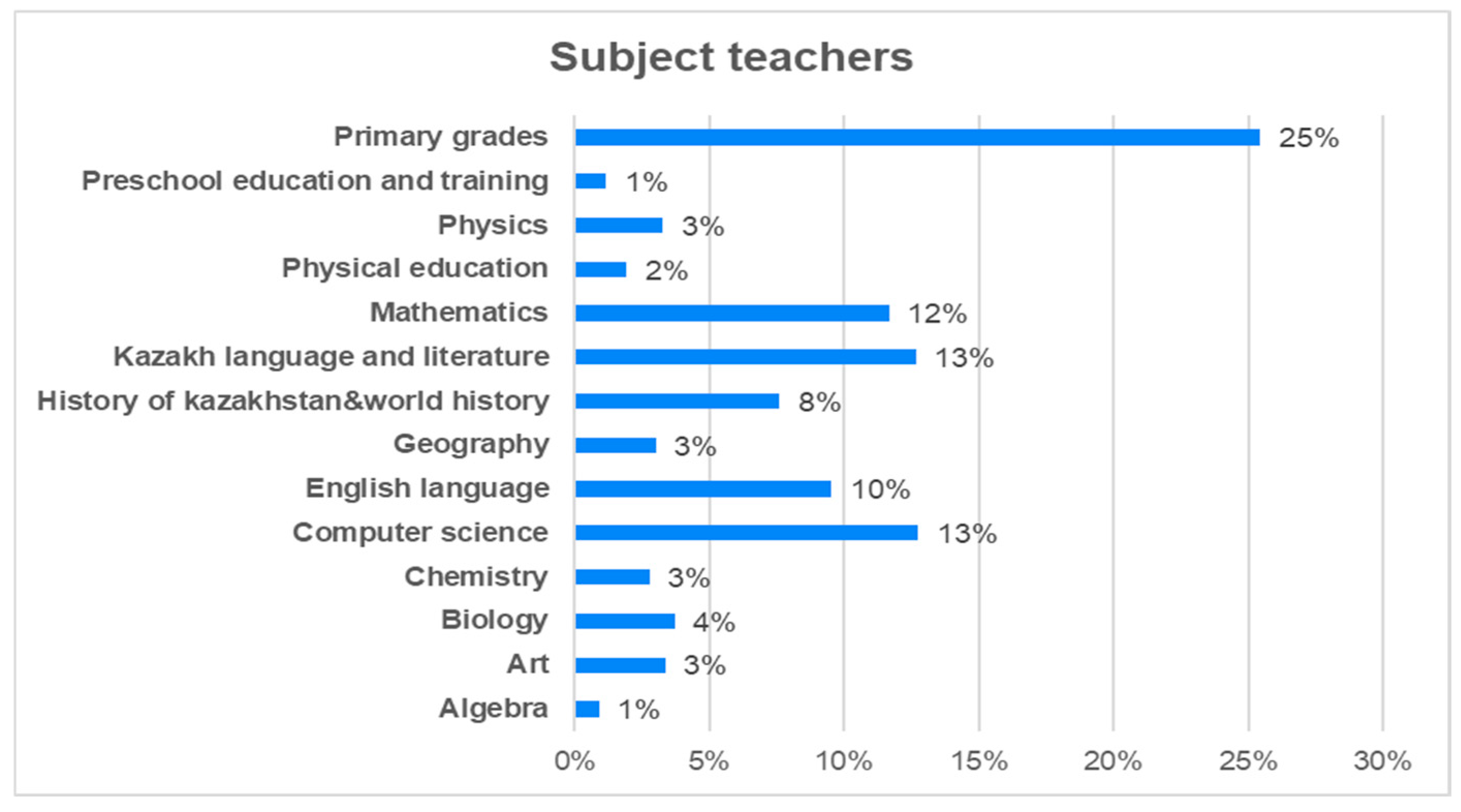
The sample includes teachers from various regions, subject areas, and levels of professional experience, providing a broad representation of the national teaching workforce. However, as participation was not randomized and relied on voluntary response, the sample may not fully represent all teachers in the country. These considerations are noted as limitations of the study (
Figure 1).
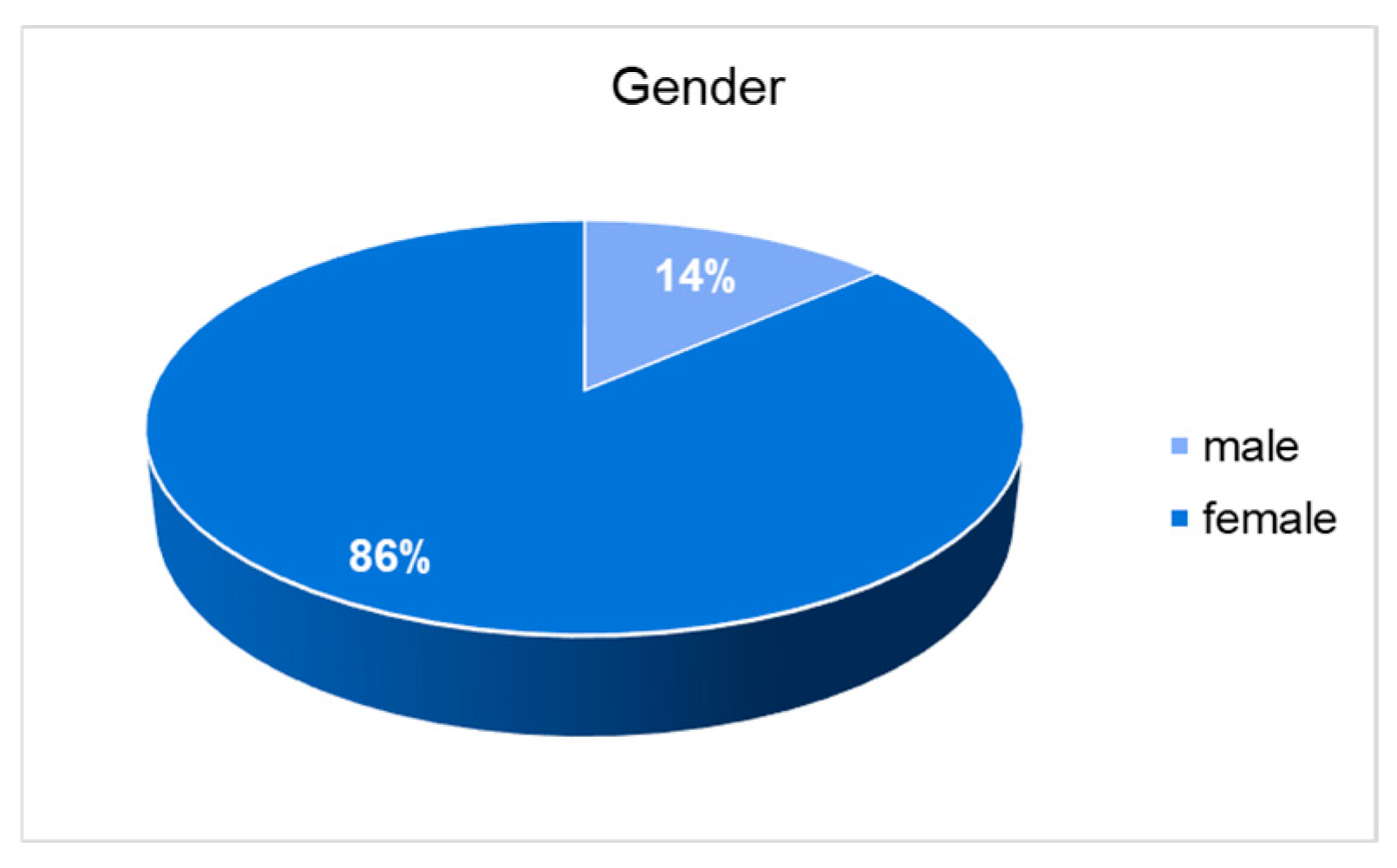
The gender composition of teachers is presented in
Figure 2. Male teachers accounted for 14%, and female teachers accounted for 86%.
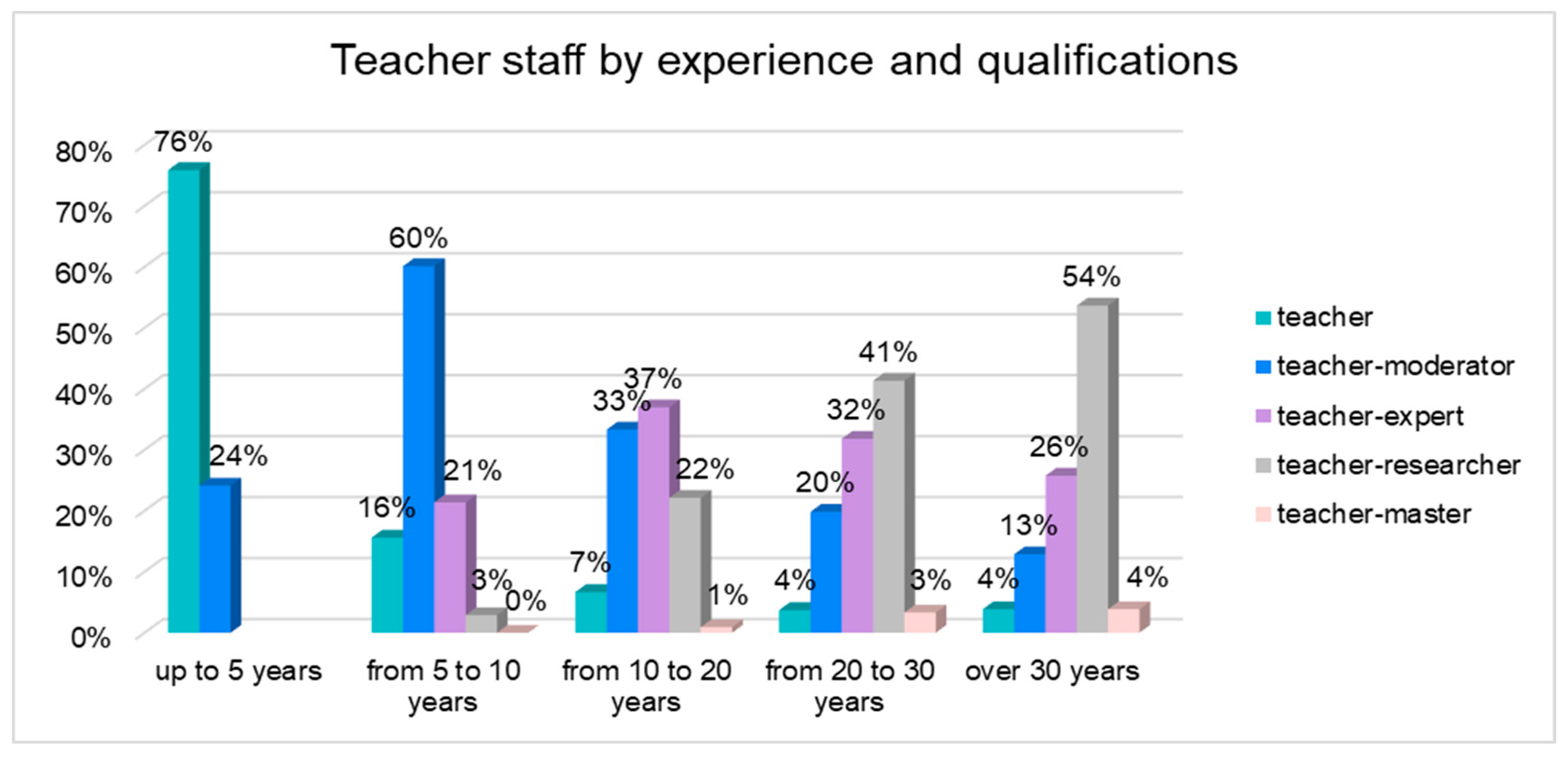
The distribution of teachers by experience and qualifications was as follows: 76% of teachers had up to 5 years of experience, and 24% were moderator teachers. In the group with 5–10 years of experience, two more categories of teachers were added: expert teacher and research teacher, and starting with 10–20 years of experience and more, the category of master teacher, which is the highest category of school teacher, was added (
Figure 3).
The study examined the level of technological and pedagogical skills of teachers in the use of digital tools and emerging educational technologies in the educational process.
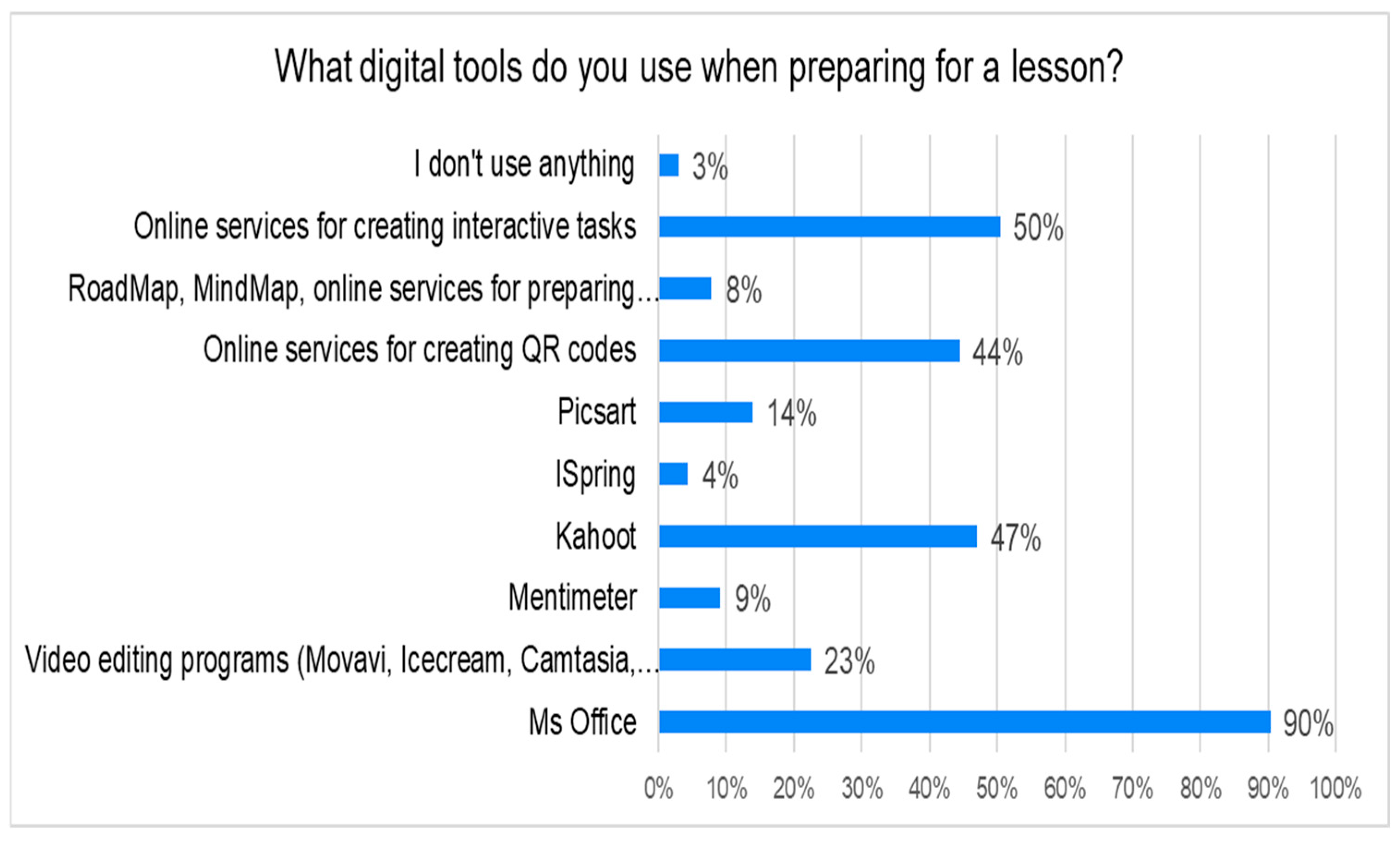
It was found that 90% of teachers use digital tools such as MS Office 2021 when preparing for lessons, 50% use online services for creating interactive tests, 47% use Kahoot Plus, 44% use QR code generation tools, 23% use video processing tools (Movavi Video Editor 2026, Camtasia (desktop)), and 8% use infographic creation tools. Only 9% use the interactive online platform Mentimeter, and 4% use the interactive content creation platform iSpring. 3% of teachers do not use any digital tools (
Figure 4).
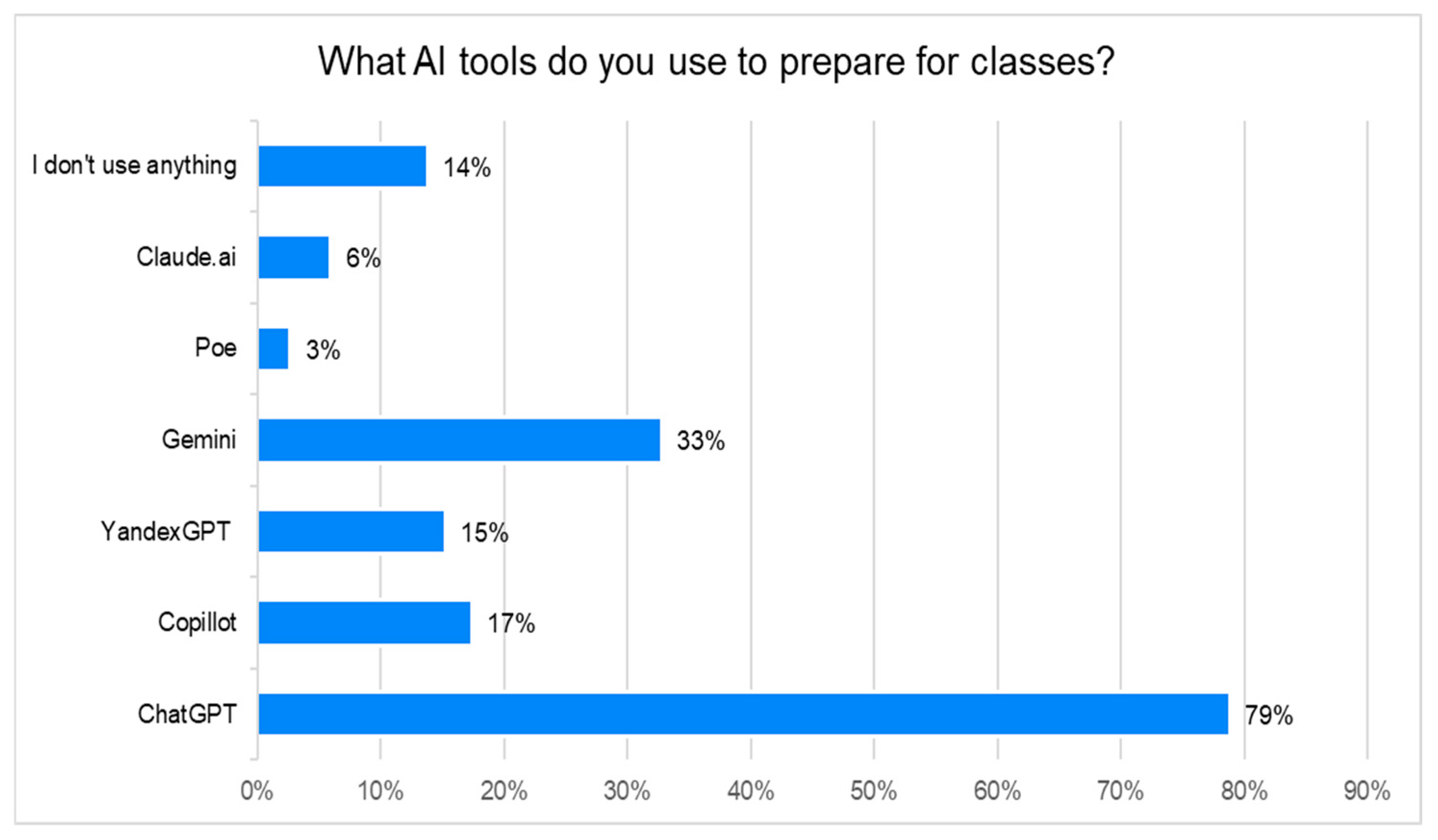
In addition, teachers actively use GenAI tools to prepare for lessons; specifically, 79% use ChatGPT 5, 33%—Gemini 2.5 pro, 17%—Microsoft 365 Copilot Chat*, 15%—YandexGPT 5, and 14% do not use AI tools (
Figure 5).
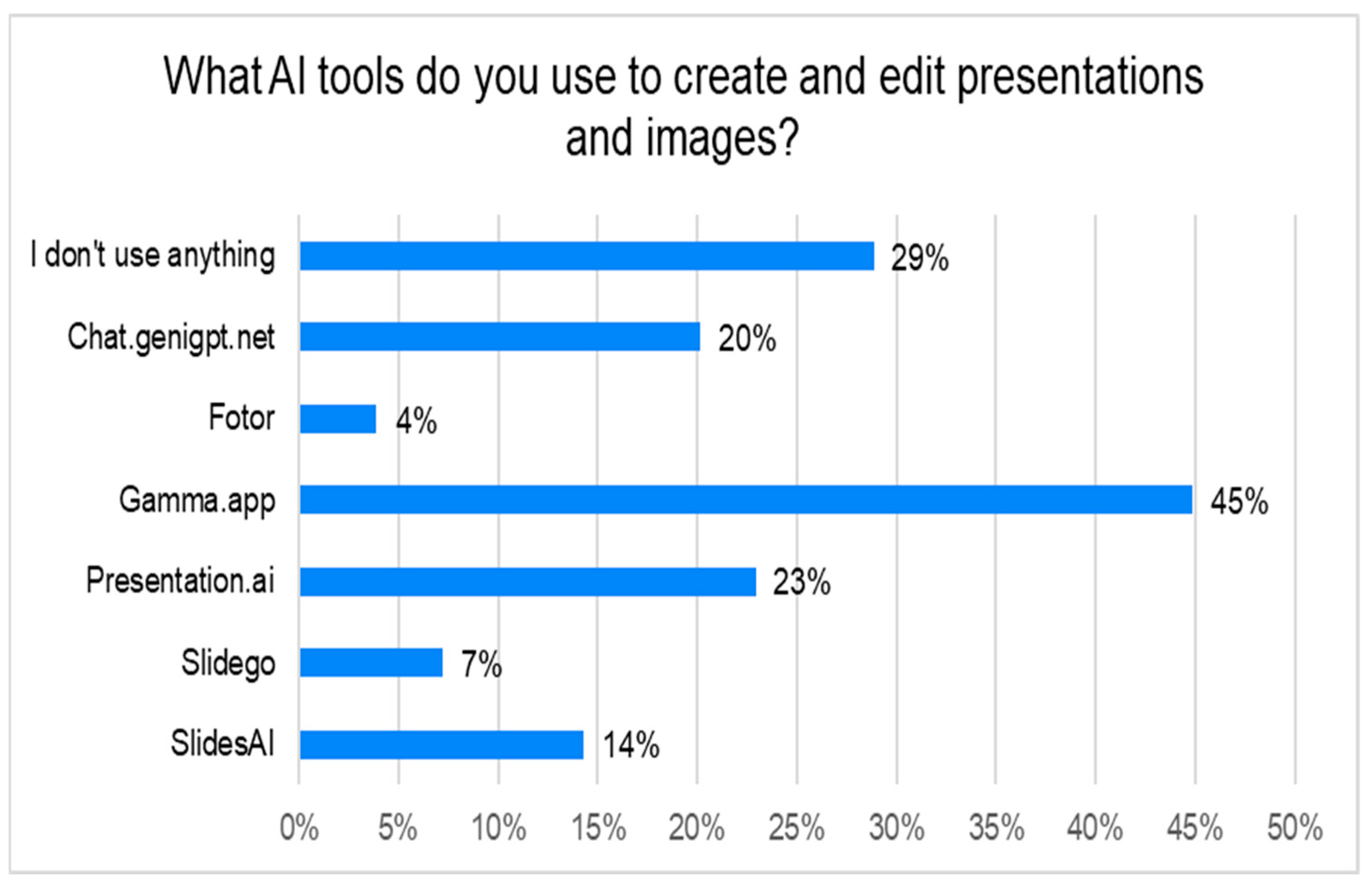
To prepare presentations, teachers moderately use convenient AI tools for generating presentations, among which the most popular are Gamma.app (45%), Presntation.ai (23%), Chat.genigpt.net (20%), Slides.ai (14%), and Slidego (7%), and 29% do not use AI tools for generating presentations (
Figure 6).
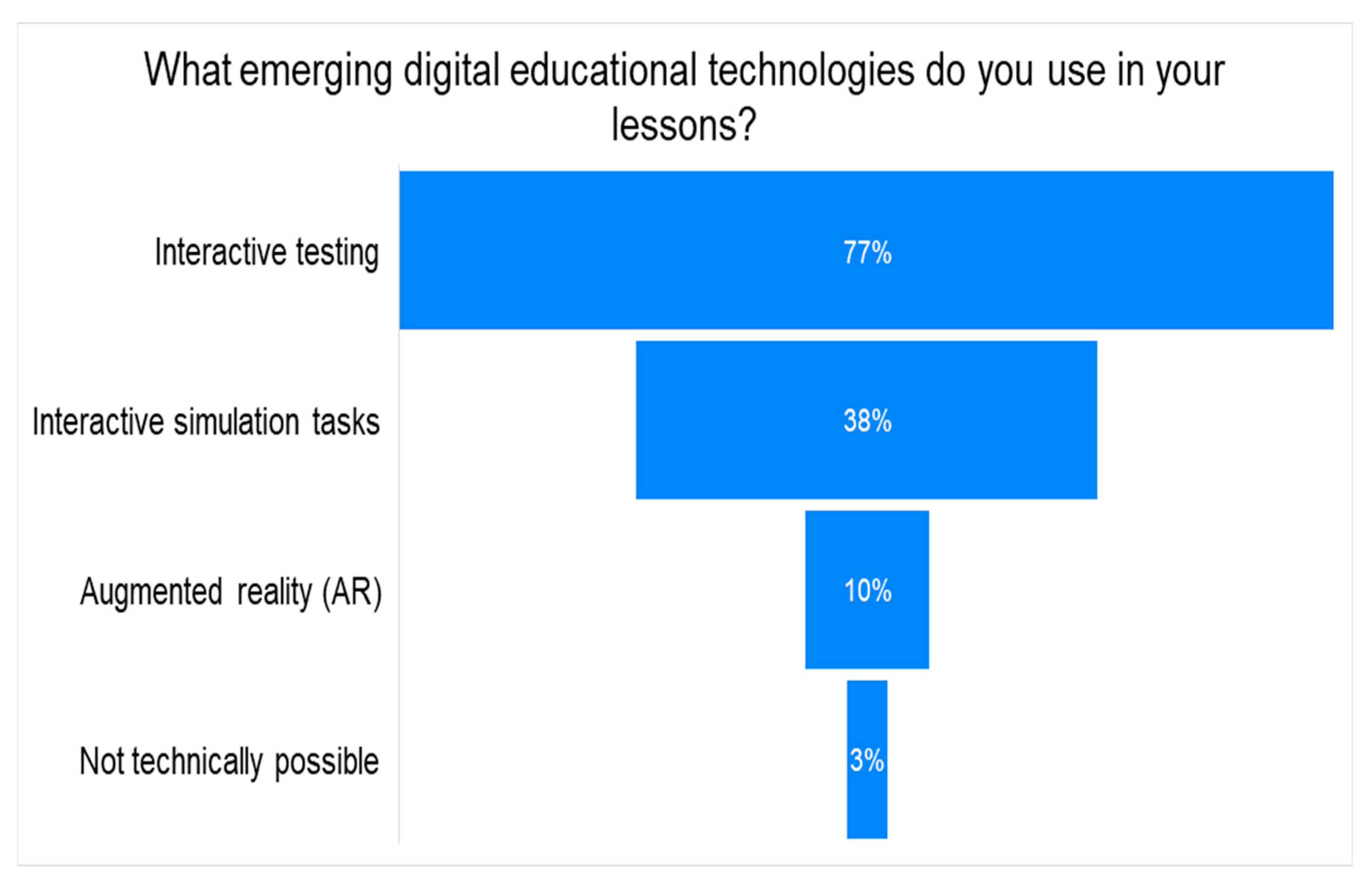
Of interest is the level of teachers’ proficiency and use of emerging educational technologies. The survey revealed that the majority of teachers (77%) limit themselves to interactive quizzes, while their use of AR (10%) and interactive simulators (38%) remains low (
Figure 7).
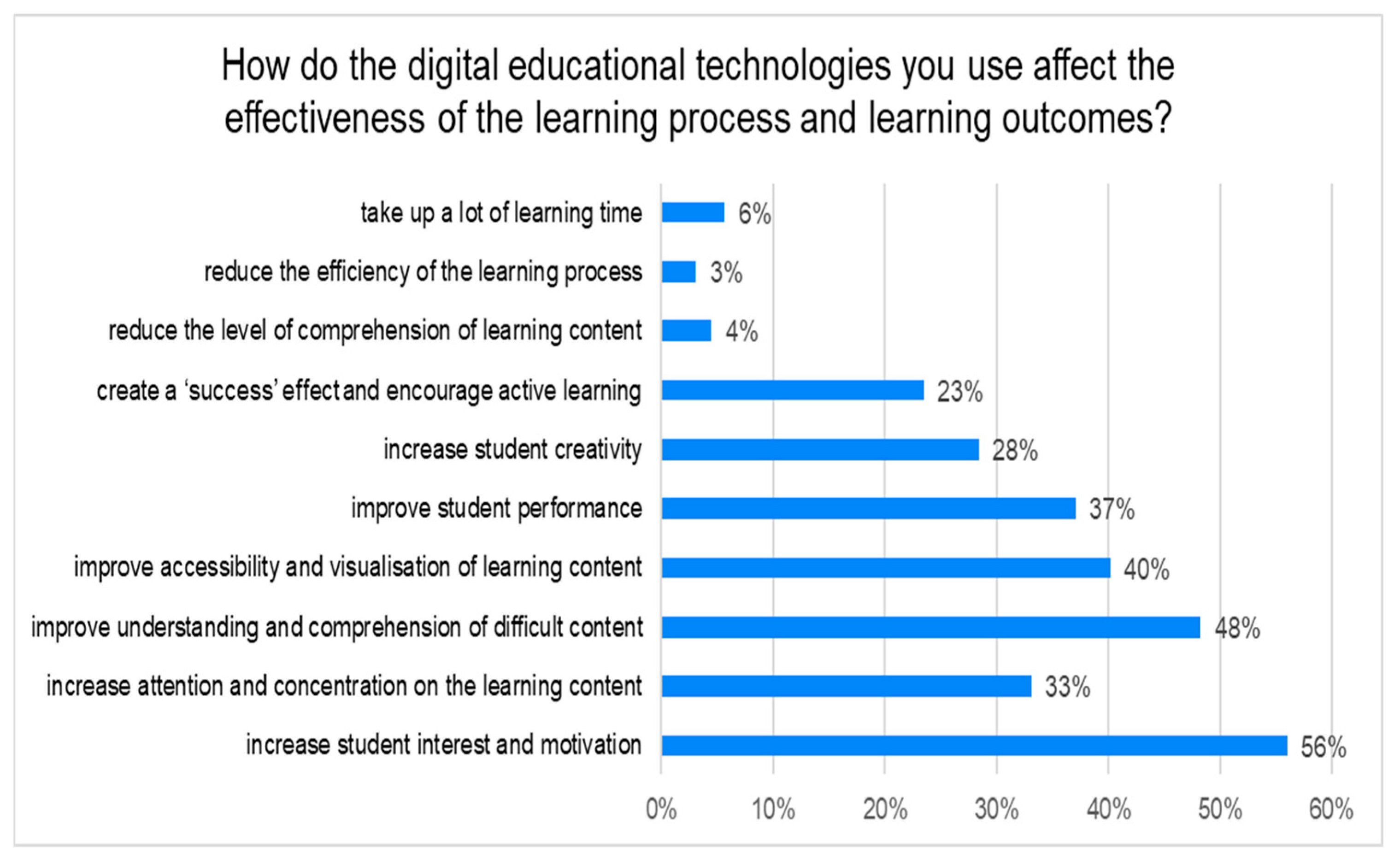
Despite the moderate use of digital educational technologies, 56% of teachers still note that their use increases student motivation and interest, whereas for 48%, it improves understanding and comprehension of difficult content; for 40%, it improves accessibility and visualization of content; 37% report that it improves student performance, 28% note that it enhances creativity, and 23% indicate that it results in a ‘success’ effect and encourages active learning. Only 7% expressed negative opinions about the use of digital educational technologies, and 6% said they take up too much of their teaching time (
Figure 8).
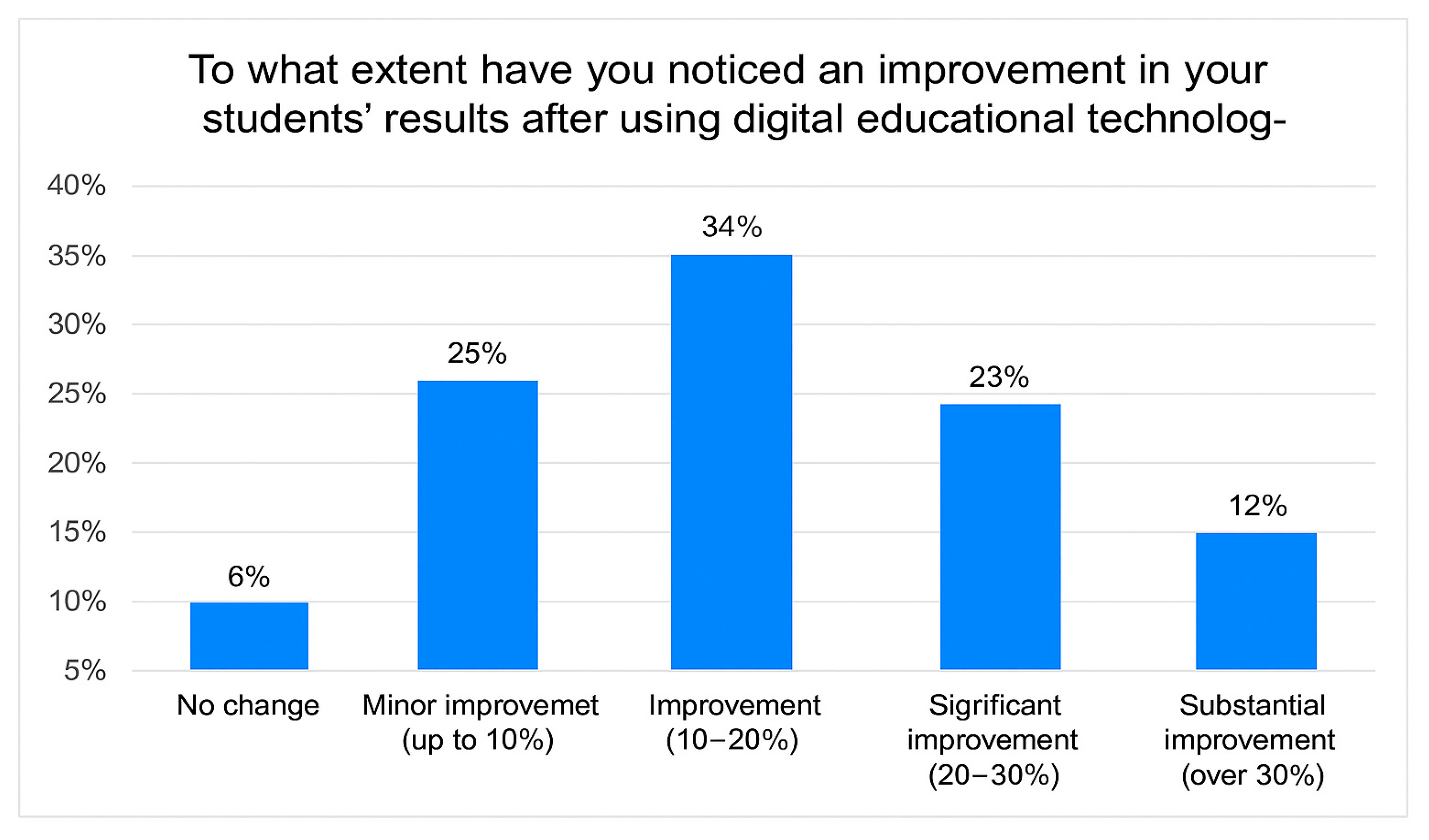
According to the assessment of the effectiveness of digital educational technologies, 34% of teachers noticed an improvement in learning outcomes (LO) by 10–20%, 25% of teachers report a slight improvement in LO up to 10%, 23% believe that their students improved LO by 20–30%, only 12% of teachers noticed a significant improvement in LO by more than 30% and 6% of teachers did not notice any improvement in LO (
Figure 9).
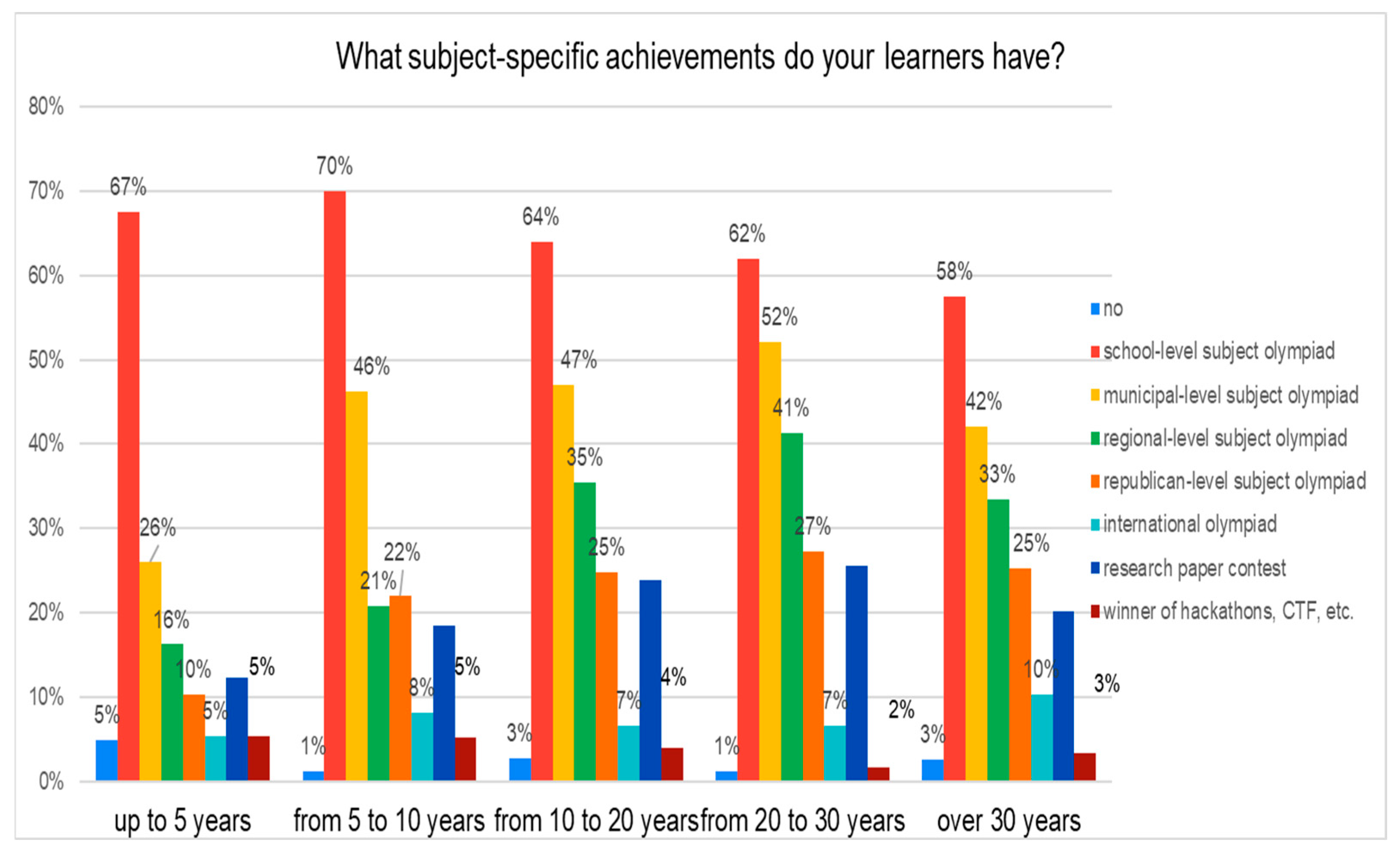
The following histogram shows the distribution of Olympiad and competition winners by length of service. Even in the youngest group of teachers, Olympiad winners are predominantly at the school level (67%), as well as at the municipal, regional, national, and even international levels, as well as in scientific project competitions and various competitions. With increasing experience, we see an increase in the number of winners at the international level and in the scientific project competition, which indicates strong content and pedagogical knowledge of teachers, despite the moderate level of application of the digital educational technologies (
Figure 10).
A study [
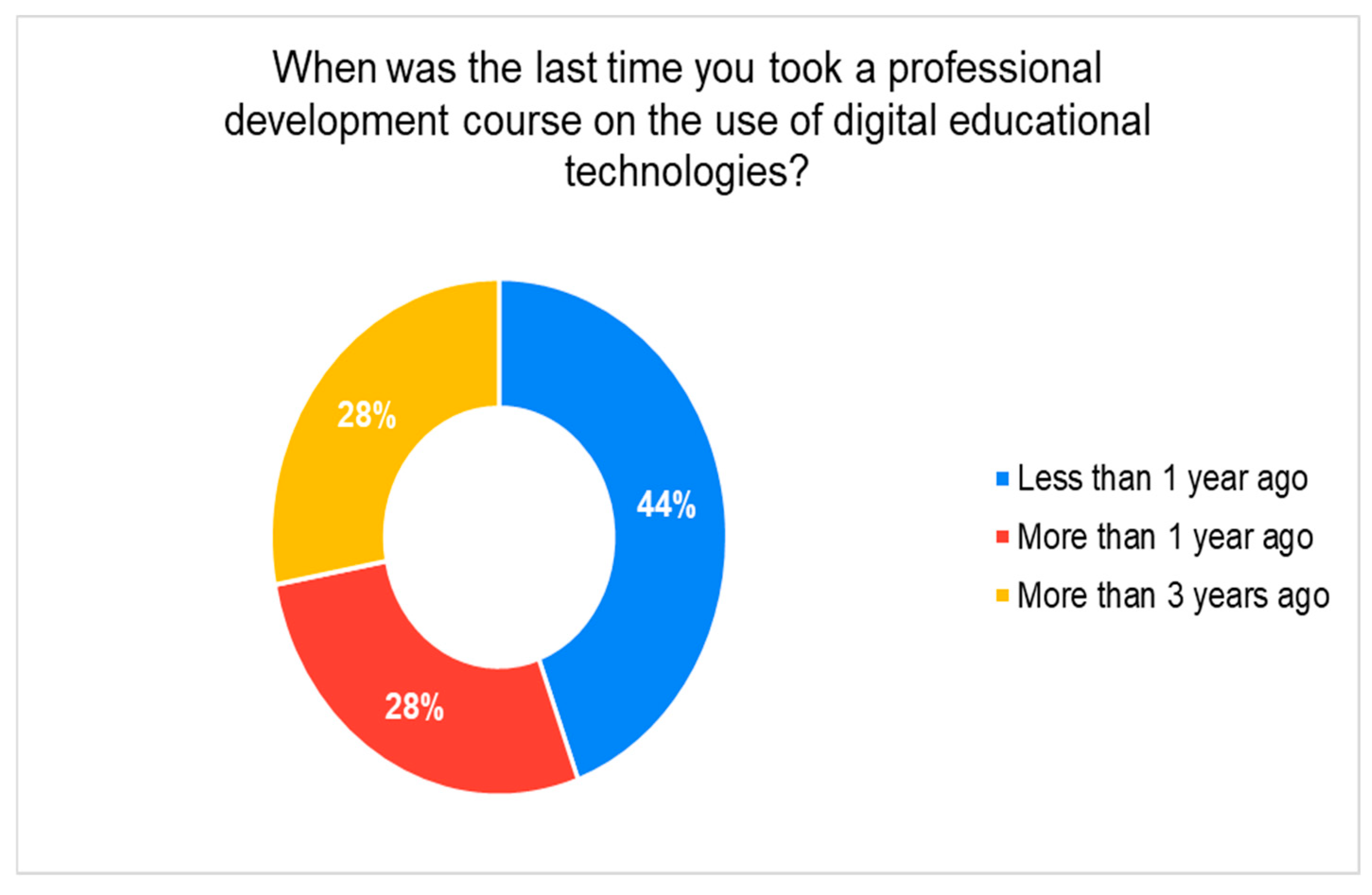
43] showed that the development of teachers’ digital competence should be long-term and cumulative to foster teachers’ digital competencies systematically. However, the survey showed that 44% of teachers had undergone advanced training in digital skills less than 1 year ago, 28% of teachers had undergone training more than 1 year ago, and the remaining 28% of teachers had undergone advanced training in digital competence more than 3 years ago (
Figure 11).
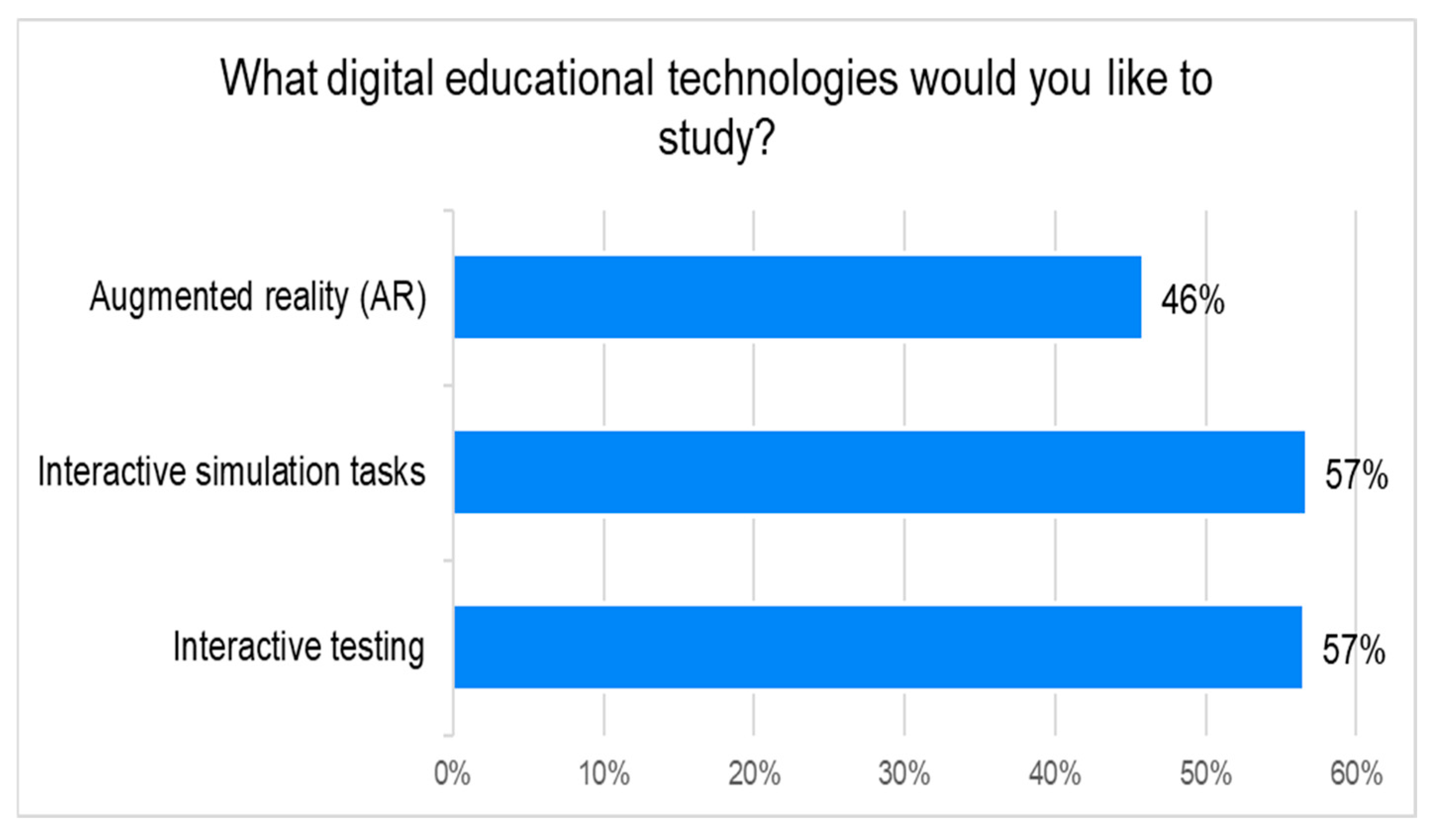
When asked “What digital educational technologies would you like to study?”, 57% of teachers chose interactive tests and simulations, and 46% of teachers chose AR development (
Figure 12).
Based on the data obtained from the exit survey of teachers, we can conclude that they lack digital competence in relation to the use of end-to-end educational technologies:
Based on the initial survey, we can conclude that the average level of digital competence among surveyed teachers is related to the use of digital interactive assessment tools with gamification elements (Kahoot Pro—47%, Mentimeter—9%), the creation of multimedia presentation content, and the use of digital tools for the design of methodological documentation and handouts. At the same time, teachers recognize the importance of digital emerging educational technologies and are willing to improve their skills in creating and using them in the educational process.
2.3. Data Analysis
Descriptive statistics (percentages, frequencies, and distribution visualizations) were used to summarize teachers’ digital skills, familiarity with emerging technologies, and readiness to apply AI-assisted tools. Given the exploratory nature of the study, no inferential statistical analyses were conducted. While descriptive analysis allowed the identification of general trends, it does not permit causal interpretation or the detection of statistically significant differences between participant groups.
Rationale for the Use of Descriptive Statistics: This study was designed as a descriptive exploratory evaluation aimed at examining teachers’ perceptions, self-reported readiness, and experiences with AI-assisted AR content creation. The survey instrument collected perception-based data at a single time point, and the training program did not include pre–post measurement scales or comparable participant groups that would allow for statistically valid inferential comparisons. Therefore, statistical tests such as t-tests, ANOVA, or regression analyses could not be meaningfully applied, as the available variables did not meet the methodological assumptions required for hypothesis testing. For these reasons, descriptive statistics were considered the most appropriate analytical approach for the present study.
2.4. Ethical Considerations
All procedures in this study complied with ethical standards for research involving human participants. Participation was voluntary, and teachers were informed about the purpose of the study, the types of data collected, and their right to withdraw at any time without consequences. Electronic informed consent was obtained prior to data collection.
To ensure data protection and confidentiality, all survey responses were anonymized, and no personally identifiable information was collected or stored. The data were kept in password-protected files accessible only to the research team. The study protocol, including data handling and storage procedures, was reviewed and approved by the Institutional Ethics Committee of L.N. Gumilyov Eurasian National University, ensuring full compliance with ethical research standards.
2.5. Conceptual Foundation of the DTDC Model
The DTDC model was conceptually derived from two widely recognized frameworks—TPACK and DigCompEdu. While the overall structure of the model was adapted to reflect the specific requirements of AI-assisted AR content creation, each level corresponds to established constructs within these frameworks. The Awareness level aligns with basic technological knowledge (DigCompEdu A1–A2); Application corresponds to guided pedagogical use (TPK); Integration & Visualization parallels advanced digital pedagogical practices (DigCompEdu C1–C2); and Design & Innovation reflects creative, technology-enhanced instructional design consistent with full TPACK integration.
Although the DTDC model is theoretically grounded, comprehensive empirical validation was beyond the scope of the present study. Future research should further validate the model through confirmatory factor analysis, mixed-methods investigations, and longitudinal designs to evaluate the model’s applicability and robustness in diverse educational contexts.
3. Microlearning Structure
In order to improve the digital competence of in-service teachers and determine the most effective approach to teaching emerging educational technologies, an experimental microlearning was organized on the Bilimland.kz platform (see
Figure 13) on the following topics:
Teacher training was conducted within the framework of a digital educational ecosystem implemented through the BilimUstaz.kz platform and with the involvement of resources from BilimLand.kz and Onlinemektep.org, designed to develop and support teachers in Kazakhstan in the development and deployment of digital components of learning environments, digital educational resources, etc.
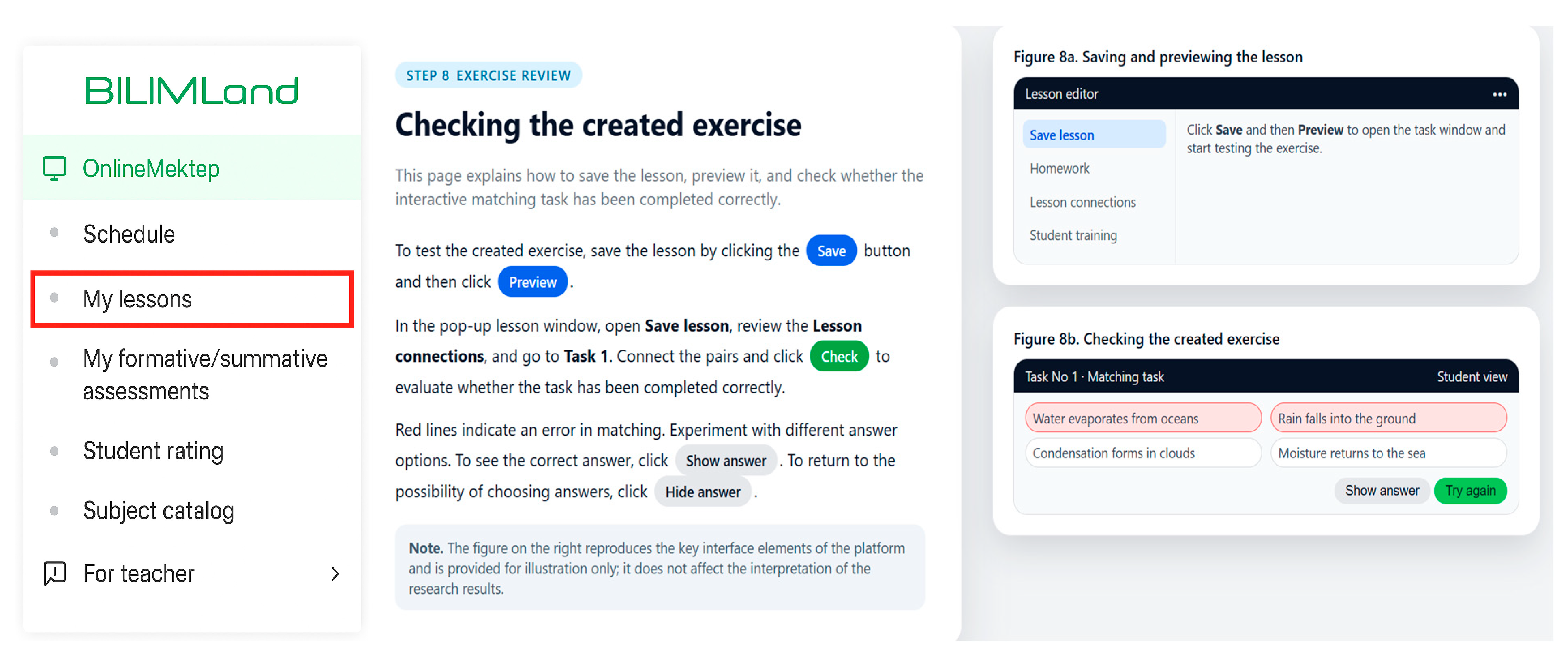
Specifically, teachers were trained in developing interactive lessons and simulation exercises to implement an iterative teaching method aimed at reinforcing declarative and procedural skills. The teachers published the developed lessons on online learning platforms (BilimLand.kz and Onlinemektep.org), thereby implementing the interactive components of the digital learning environment (see
Figure 14).
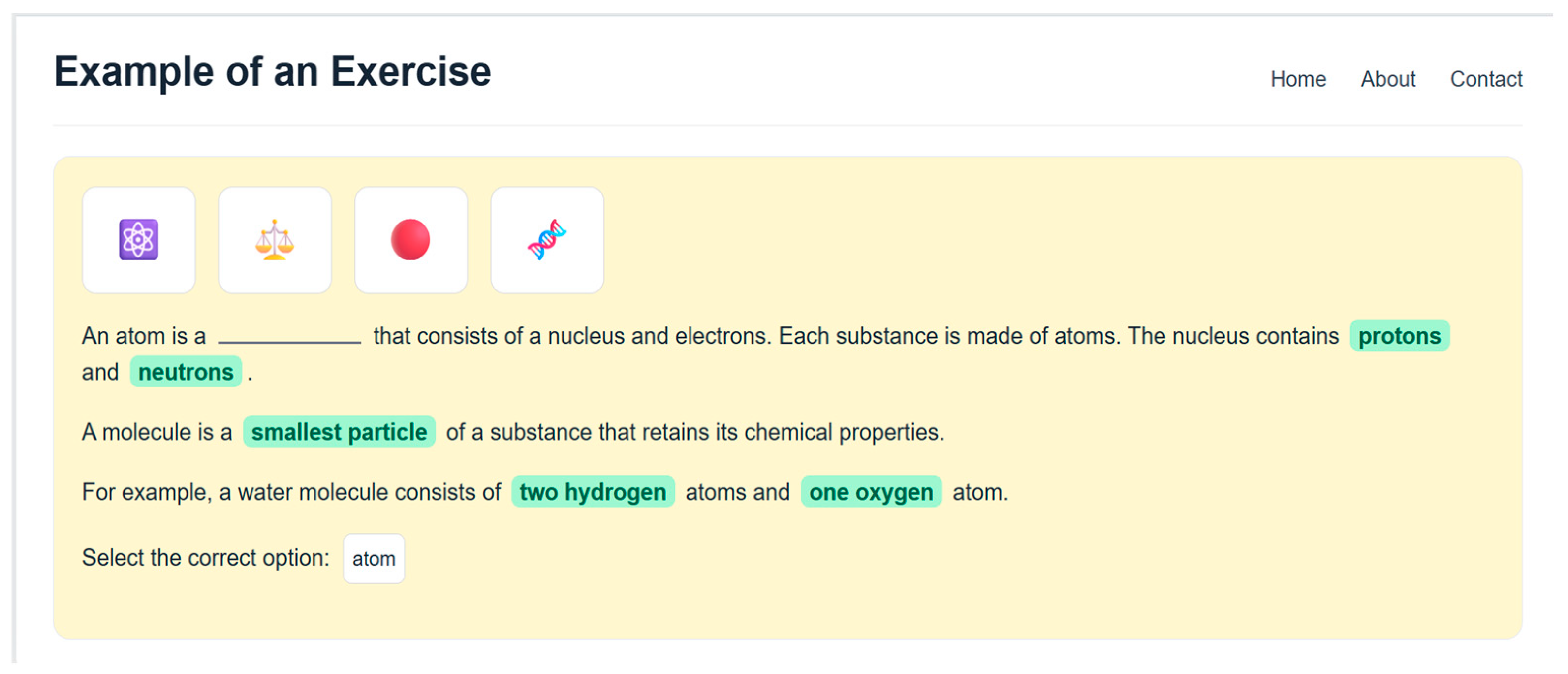
In addition, teachers were trained to develop interactive educational content (games, training simulators, quizzes) on the Learningapps.org platform with the ability to integrate them into their own digital environments and platforms (
Figure 15). Such simulators allow for interactive forms of instant feedback, integrated assessment, and assignment evaluation, thereby implementing a game-based and iterative method for reinforcing knowledge and skills, and creating a “success effect” in students, which influences overall motivation and content comprehension [
44].
Teaching 3D modeling and AR object creation is a complex topic due to the labor-intensive nature of the AR modeling and development process [
39,
40,
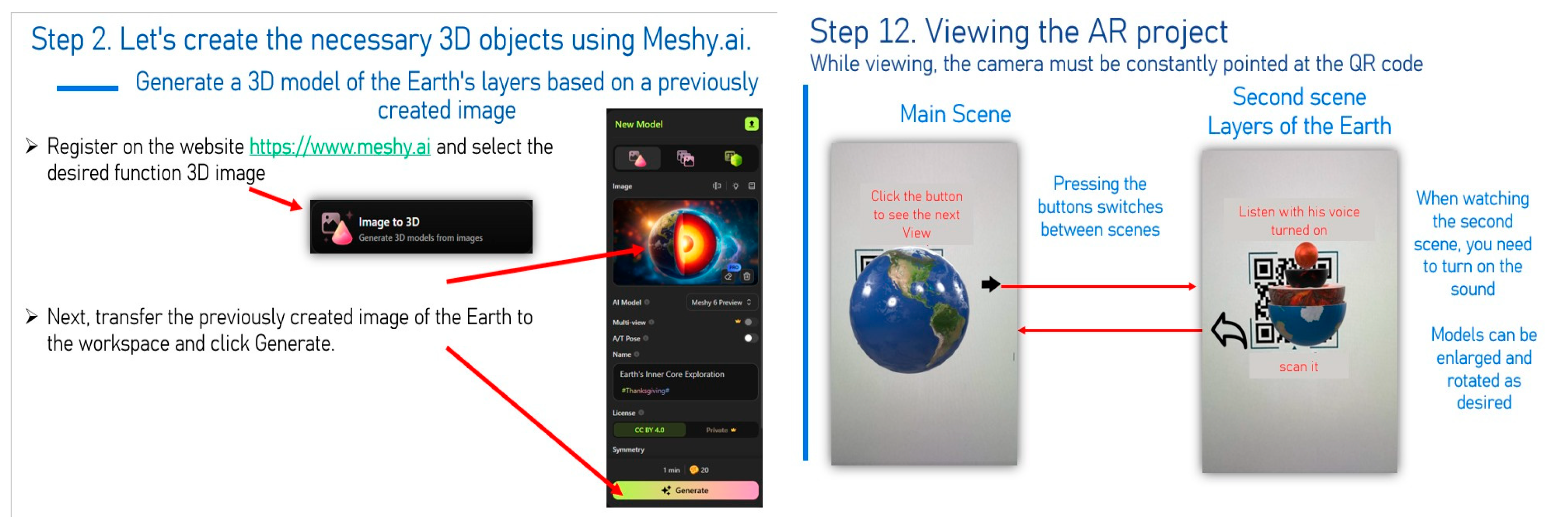
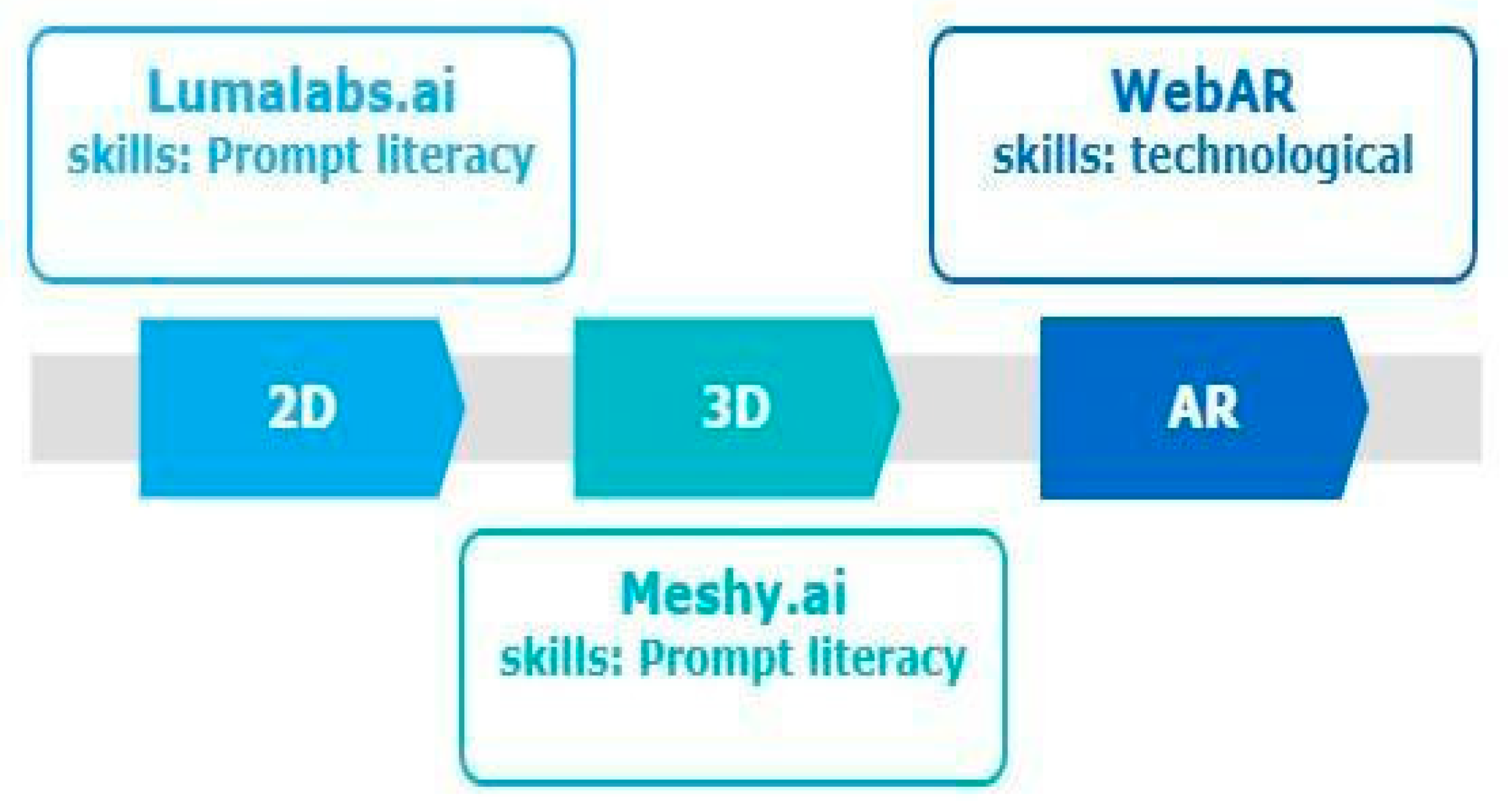
41], which takes up a significant amount of teacher time outside of class. This microcourse utilized a simplified AI-assisted AR development technology and assessed teacher perceptions. Specifically, Meshy.ai&Lumalabs.ai AI tools were used to generate the necessary 2D and 3D models. These tools simplify the 3D model creation process, requiring prompt literacy skills. Only at the final stage of layout are technical WebAR skills applied (see
Figure 16).
The AR creation process consists of three stages: (1) generating a 2D model in Lumalabs.ai; (2) generating a 3D model based on the 2D model in Meshy.ai; and (3) developing AR based on the 3D model in WebAR (see
Figure 17). This approach reduces the time required to create AR and motivates teachers to further develop and use AR in the educational process.
Based on the conducted research and experimental training, we can build a conceptual model for the development of digital competence of teachers in the context of an AI-assisted learning environment, where not only relevant skills in using emerging educational technologies are formed, but also the teacher’s thinking in the context of AI technologies is developed, which is necessary for optimizing educational content to the needs of the digital generation in order to prepare them for the AI future.
4. Model of Developing Teachers’ Digital Competencies in the Context of AI-Assisted AR Learning Environments
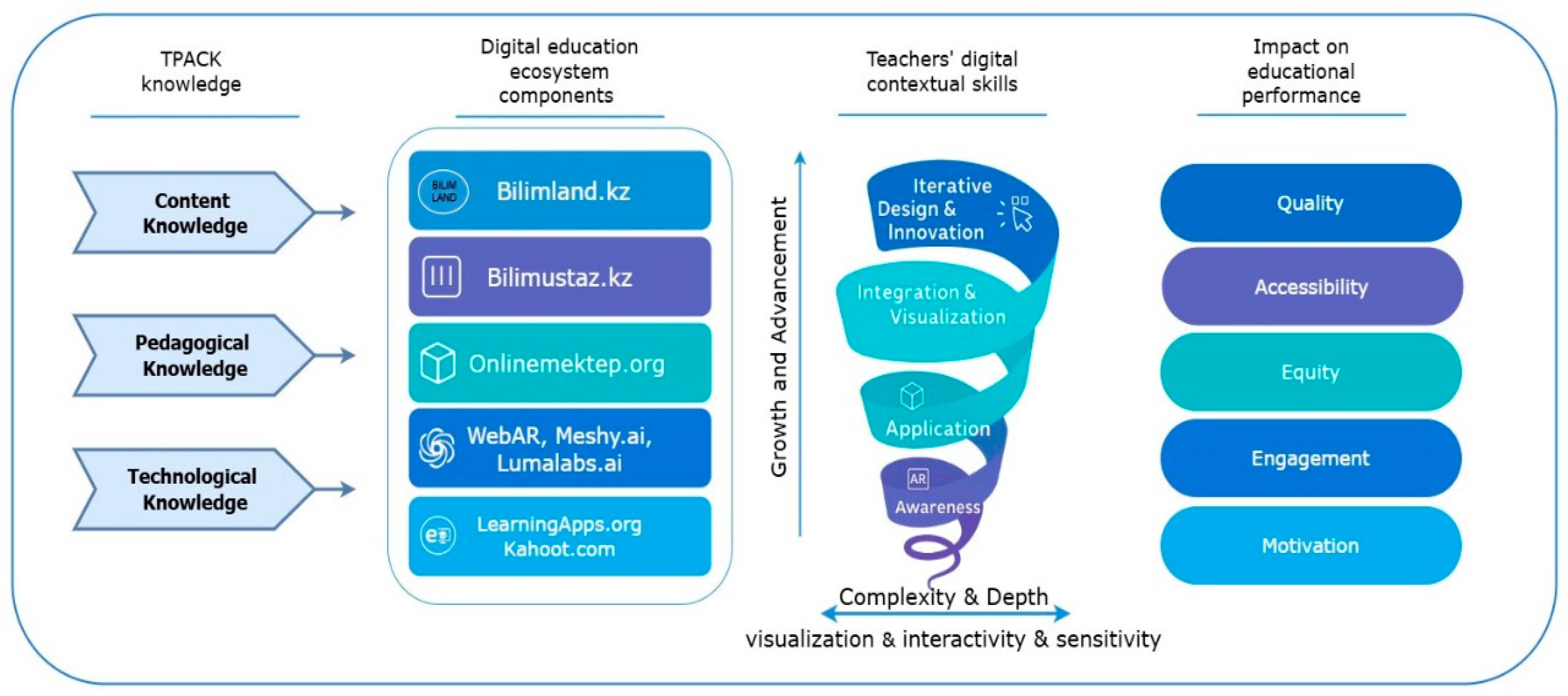
Developing teachers’ digital competence in the context of using emerging educational technologies involves developing more than just technological skills. Digital competence requires the comprehensive development of the three core components of the TPACK model—content, pedagogical, and technological knowledge—in the context of meaningful development and pedagogically sound application of emerging technologies in their own classrooms [
30]. That is, we are talking about the development of contextual knowledge of teachers who understand how they can apply digital educational technologies in their classes so clearly that they can deepen students’ knowledge and make content sensitive to their needs (
Figure 18).
The development of the digital competence of teachers is taking place with the involvement of digital platforms and tools, such as Kazakhstani teacher support platforms Bilimland.kz, Bilimustaz.kz, and Onlinemektep.org, which together represent the national digital ecosystem of all participants in the educational process: teachers, students, and administrative managers of the school education system. In addition, the digital educational ecosystem also includes AI tools for creating visualized and interactive content, such as Lumalabs.ai, Meshy.ai, WebAR, Learningapps.org, etc., which generally represent an AI-assisted learning environment [
45].
The central element of the DTDC model is a spiral model that demonstrates the stages of growth in teachers’ digital skills-from basic awareness to advanced design and innovation [
46,
47]. The model visualizes the progressive development of the digital competences, with each successive level characterized by greater complexity and depth of digital integration [
48].
Level 1: Awareness involves the teacher’s awareness of emerging educational technologies in relation to their potential and role in the educational process.
Level 2: Application represents the initial application of emerging educational technologies by the teacher in creating interactive content and using it in the classroom.
Level 3: Integration & Visualization means that the teacher actively uses emerging educational technologies in the classroom to create sensitive interactive content, is able to clearly and accurately integrate and link tools, visualize content, and use AR and simulations to implement an iterative teaching method.
Level 4: Iterative design & Innovation is the highest level of development of the digital competences and implies that the teacher implements a creative approach aimed at improving the digital environment by generating new digital solutions, adapting them to the needs of the educational process, implementing more significant projects, and sharing best practices in the teacher community.
The growth and advancement axis shows the development of skills, and the complexity and depth axis shows how deeply and comprehensively technologies are integrated into practice.
In general, the developed digital competence of teachers influences the main factors in the development of global educational systems: the accessibility and quality of content and training, a high level of motivation of students and teachers, the involvement of all participants in the educational process, and, as a result, the equity of the educational process.
Thus, the DTDC model presents a conceptual framework for developing teachers’ skills in the development and active application of emerging educational technologies, aimed at adapting the quality of educational systems to the needs of the digital generation and preparing them for the AI-future.
The DTDC model is grounded in the updated TPACK and contextual knowledge framework, integrating AI-assisted and AR-based tools as core elements of modern digital pedagogy. It reflects a sequential development of teacher competencies—from awareness to innovation—and aligns with global frameworks such as DigCompEdu. Therefore, the model provides a theoretically sound and contextually appropriate structure for understanding teachers’ digital competence growth in AI-assisted learning environments.
5. Results
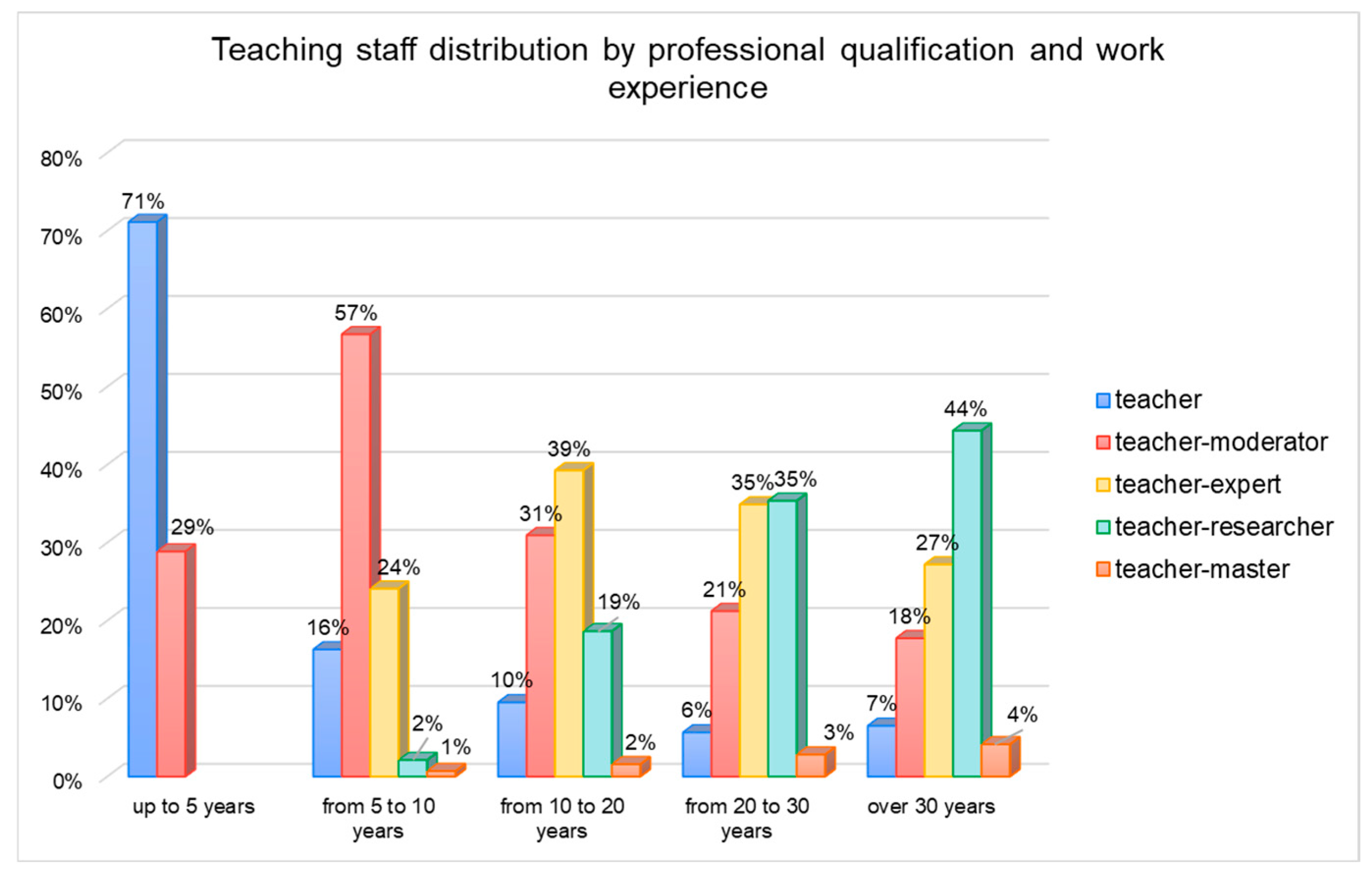
The analysis presented in this section is descriptive in nature and aims to illustrate overall trends in teachers’ responses rather than to test statistical hypotheses. Similar positive patterns were observed across several indicators; therefore, only the most significant results are highlighted in detail. To evaluate the effectiveness of the training program based on the DTDC model, teachers completed an exit survey. A total of 916 in-service teachers from Kazakhstan participated, of whom 23% were men and 77% were women. The distribution of teachers by experience and qualifications is presented in
Figure 19.
Teachers’ comments suggesting a 10–20% increase in student performance represent subjective impressions based on classroom observations rather than formal assessment data. Since no standardized pre–post measurements were collected, these perceptions should not be interpreted as evidence of actual achievement gains. Instead, they indicate teachers’ general belief that interactive digital tools enhance student motivation, engagement, and participation, which may indirectly contribute to improved learning experiences.
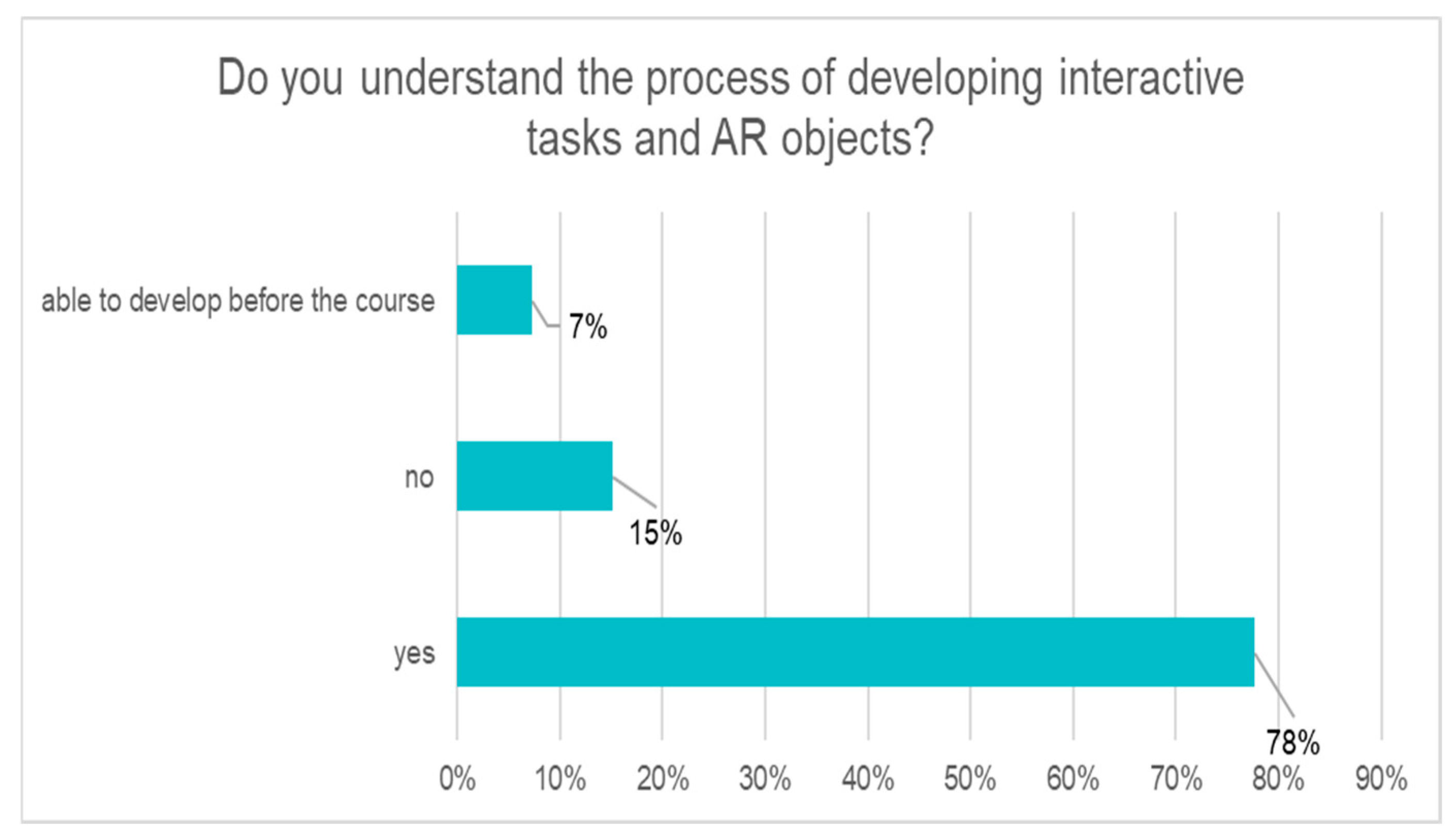
Among the teachers surveyed, 78% stated that they understood the process of developing interactive simulators and AR objects, 15% did not understand the content of the training, and 7% knew the technologies before the course (
Figure 20).
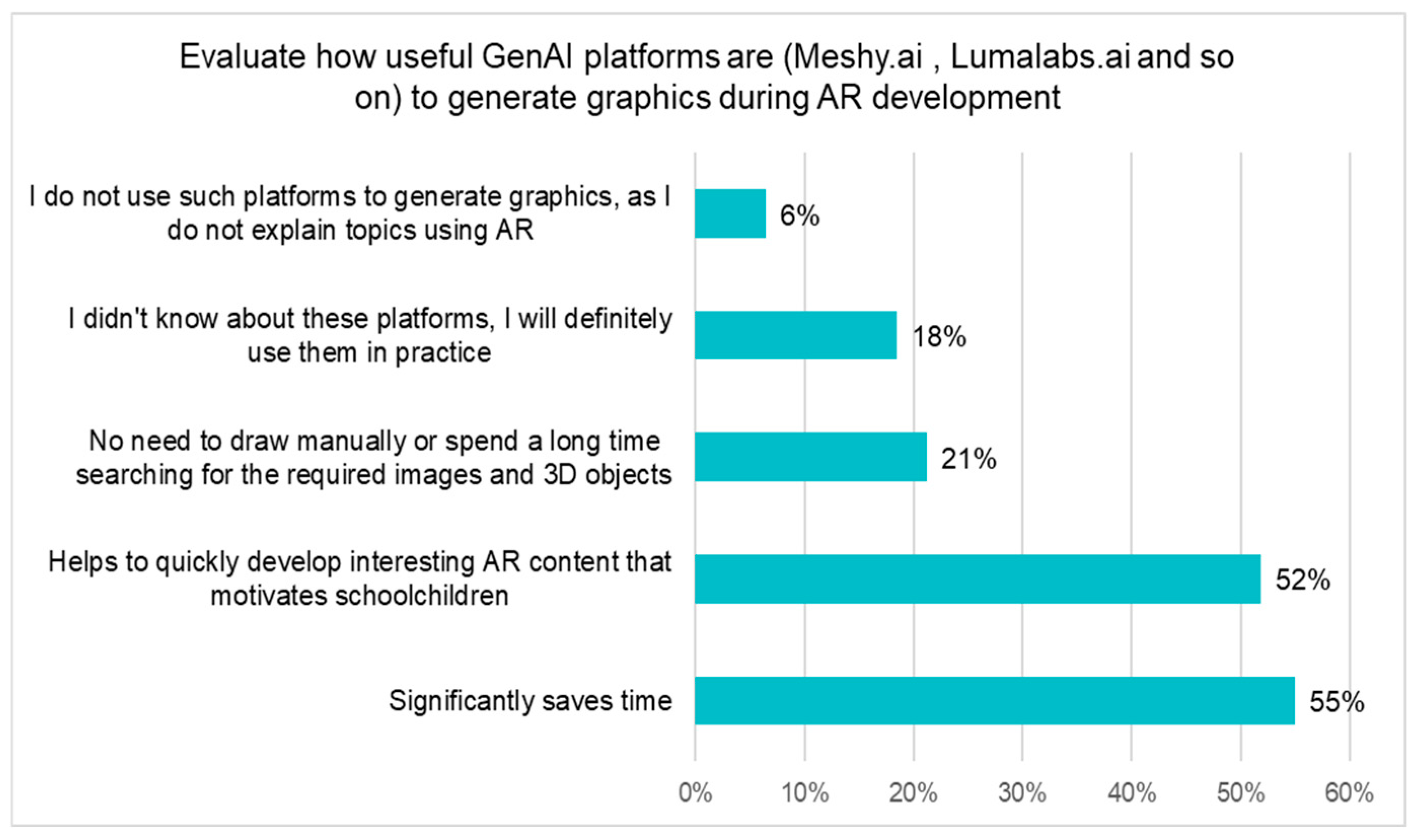
Most teachers highly valued the role of AI tools for generating graphics in developing AR objects. Specifically, 55% believe that Meshy.ai & Lumalabs.ai tools significantly save time, 52% believe they help create engaging AR content that motivates students, 21% believe they significantly save time on creating 3D models and graphics, 18% said they were unaware of such tools and are willing to use them in teaching, and 6% believe they do not need such AI tools because they do not use AR or other emerging educational technologies when explaining educational content (
Figure 21).
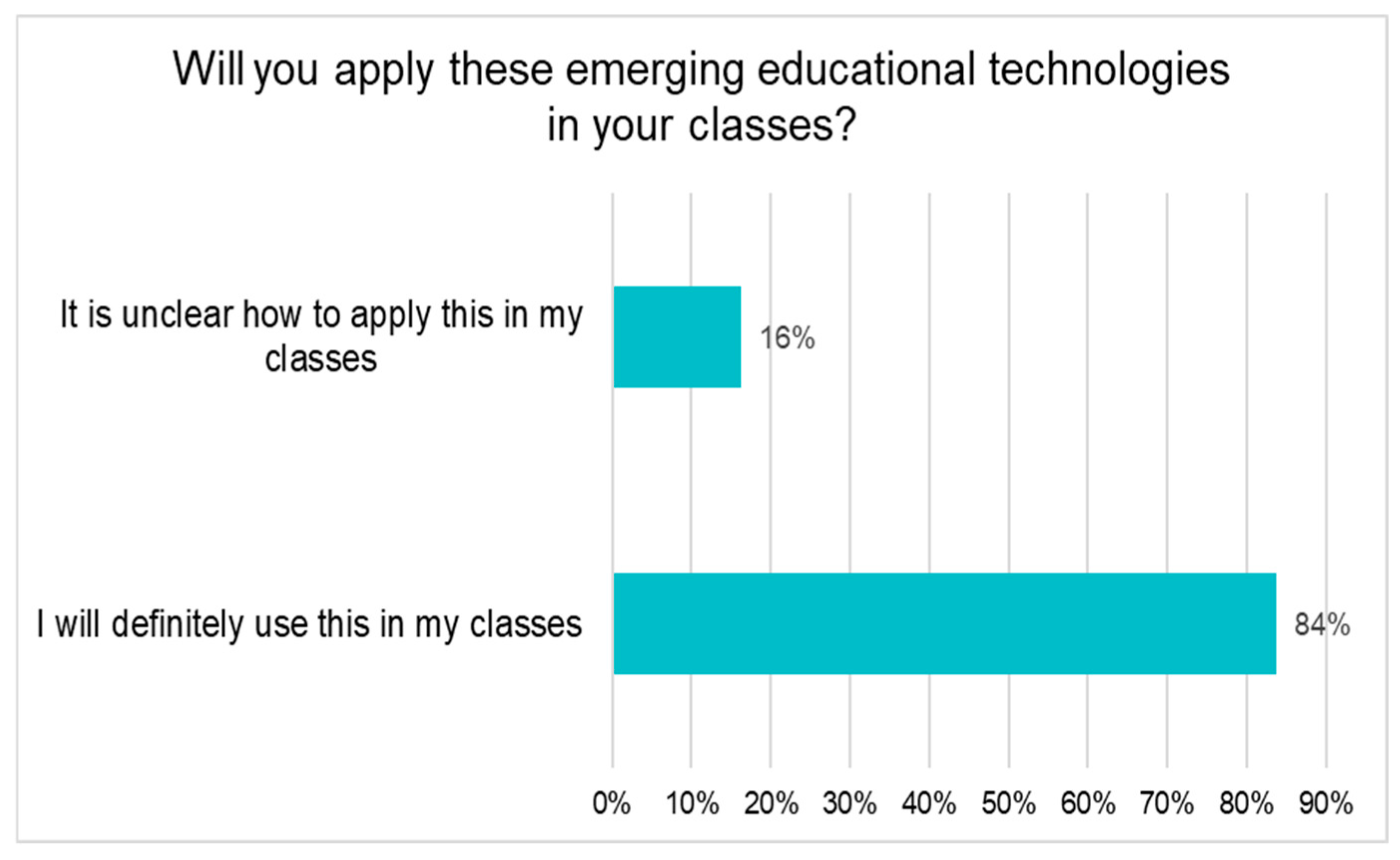
After completing the course, 84% of teachers are ready to apply the learned emerging educational technologies in practice, indicating that teachers have developed contextual knowledge to actively apply emerging educational technologies in their own teaching practice. Sixteen percent of teachers have mastered digital competence only at a basic level and do not know how to apply it in practice (
Figure 22). This is explained either by the specific nature of their subject, such as physical education or labor, or by the inadequacy of the microcourse’s teaching methodology. According to the survey, these teachers prefer demonstrations of best practices for using emerging educational technologies in teaching practice.
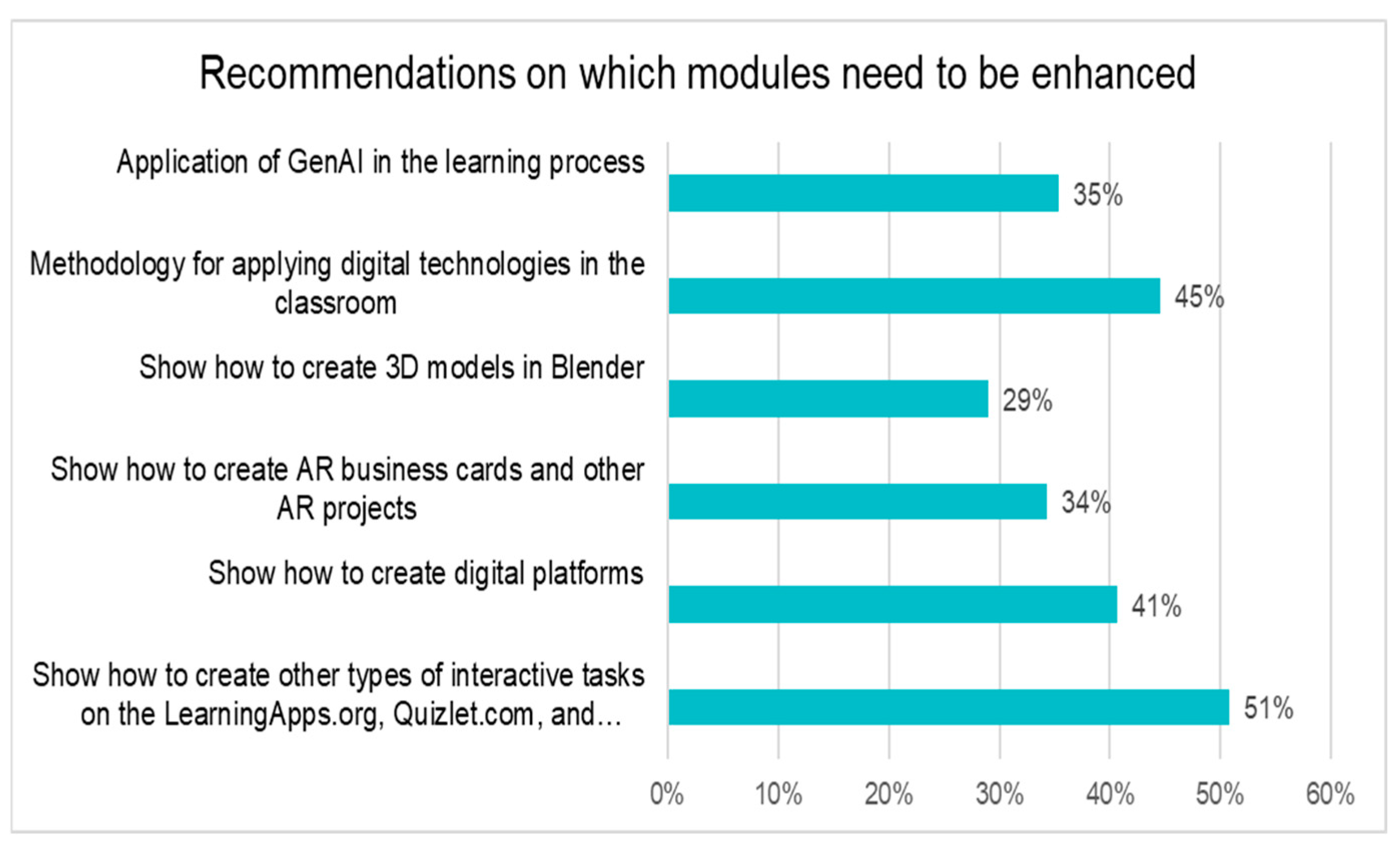
96% of teachers want to continue training and deepen their understanding of topics, while 4% do not. The most popular topics include creating various types of interactive assignments in Kahoot, Quizzes, and Learningapps (51%), and practical application of digital educational technologies (45%). Overall, teachers want to deepen their knowledge of creating digital platforms (41%), using AI tools (35%), creating AR business cards and other projects (34%), and creating full-fledged 3D models (29%) (
Figure 23).
Based on the responses received, we observe teachers’ engagement and desire to continue learning and developing, bringing the digital competence to the advanced level of the DTDC model, which requires teachers to be able to create more customized components of digital educational systems, complex and diverse training simulators, AR objects, and their own learning platforms. Eighty-six percent of teachers are satisfied with the course content, finding it useful, while 96% are willing to deepen their knowledge, and 84% of teachers demonstrate the contextual maturity to meaningfully apply the acquired emerging technologies in the educational process.
6. Discussion
The findings of this study provide clear answers to all three research questions, demonstrating that the applied learning environment contributed to the development of teachers’ digital competence, increased their motivation to use modern educational tools, and supported improvements in their overall teaching practice.
RQ1. Numerous studies highlight that emerging educational technologies substantially enhance the development of visual, interactive, and context-rich learning materials that support both declarative and procedural skill formation [
1,
3,
5,
9,
44]. These findings emphasize the need for teachers to possess adequate digital competence that integrates technological and content knowledge, allowing them to embed emerging technologies more effectively into the instructional process [
30]. Various modern digital tools, including automated and semi-automated content design instruments, can also help reduce the time and effort required to create complex instructional materials [
9,
31].
While empirical data from the present study confirm notable increases in teachers’ readiness to use AR and other emerging tools, deeper interpretation suggests that this shift may be influenced by the overall accessibility and ease of use of the tools introduced during the training. This aligns with broader research indicating that digital competence development is shaped by the usability of technological resources, not merely by one’s exposure to them. However, the findings rely on teachers’ self-reported perceptions. Without longitudinal follow-up, it remains unclear whether these newly developed competencies will be sustained over time or represent short-term outcomes of the training.
RQ2. Consistent with previous research, the study demonstrates that engaging, technology-enabled learning environments can support the development of teachers’ digital skills while also positively influencing their motivation to design interactive and sensitive learning materials. Teachers’ perceptions that emerging technologies enhance student engagement and improve the quality of assignments align with existing literature on technology-based pedagogical motivation.
However, these motivational gains require more critical interpretation. First, teachers’ high reported enthusiasm may be partially shaped by social desirability bias, especially in professional development settings. Second, motivation alone does not ensure sustained professional growth; it must be supported by institutional conditions, ongoing learning opportunities, and a favorable school environment. Although 78% of teachers successfully mastered simplified approaches to creating AR content and expressed readiness to continue their learning, it remains uncertain how consistently these practices can be implemented in real classroom settings. This suggests the need for further longitudinal or mixed-methods research.
RQ3. The findings show that teachers perceive interactive content as highly effective in improving student motivation, comprehension, and engagement. This perception aligns with established evidence that tools such as Kahoot, gamified quizzes, interactive simulations, and flashcards contribute to both cognitive and affective learning gains [
13,
16]. Additionally, integrating teacher-created interactive materials into national digital platforms (e.g., Bilimland.kz, Onlinemektep.org) supports the development of a more accessible and transparent educational ecosystem.
Nonetheless, reliance on teachers’ perceptions introduces several limitations. Reported improvements in achievement (estimated at 10–20%) represent subjective judgments rather than measured learning outcomes. Actual student performance may vary significantly depending on instructional design quality, digital platform usability, student readiness, and classroom conditions. Moreover, emerging technologies alone cannot address structural challenges such as unequal resource distribution or variability in institutional support.
Despite these constraints, the evidence suggests that the integration of modern digital tools and interactive content can meaningfully strengthen teachers’ professional capacity and enhance the perceived effectiveness of classroom instruction. This supports broader global findings that well-designed digital learning environments contribute to more equitable, engaging, and higher-quality educational systems.
Limitations: This study has several methodological limitations that should be acknowledged. First, the sampling strategy relied on voluntary participation and convenience sampling, which may limit the representativeness of the findings and introduce self-selection or voluntary response bias. Second, the data were collected through self-reported surveys; therefore, the results may reflect subjective perceptions, social desirability tendencies, or inaccurate self-assessment of teachers’ digital competence. Third, the analysis was limited to descriptive statistics, and no inferential statistical tests were applied. Inferential analyses such as t-tests, ANOVA, or regression modelling were not feasible because the study was designed as a descriptive evaluation of teachers’ perceptions, rather than a hypothesis-testing experiment. The training program did not include pre–post measurement scales or comparable participant groups that would allow statistically valid comparisons. As a result, the study cannot identify statistically significant group differences, establish causal relationships, or generalize the results to the entire national teacher population. For these reasons, the generalizability of the findings is restricted.
Future research should employ randomized or stratified sampling procedures, mixed-methods research designs, and inferential statistical analyses. Additionally, longitudinal or quasi-experimental studies are recommended to examine the sustained development of teachers’ digital competence and the long-term impact of AI-supported learning environments.
7. Conclusions
This study confirmed that an AI-assisted learning environment effectively enhances teachers’ digital competence, motivation, and overall teaching practice. Training based on AI-supported tools helped teachers move from basic digital tool use toward more sophisticated integration of emerging technologies. Teachers also reported increased motivation to design interactive learning materials, noting that AI tools reduce preparation time and expand creative possibilities. Furthermore, the introduction of interactive and responsive digital content—such as AR models, gamified quizzes, and simulations—was perceived as improving student engagement, comprehension of complex topics, and overall learning effectiveness.
Overall, the findings demonstrate that the AI-assisted approach offers a practical and scalable model for developing teachers’ digital skills and integrating advanced educational technologies into the classroom. This approach can be incorporated into teacher training and digital literacy programs to support the creation of a modern and interactive educational ecosystem.
Future Research and Implications: The proposed model shows considerable potential for long-term professional development systems, particularly in helping teachers master complex digital tools and adopt emerging technologies more confidently. Future studies should examine the long-term sustainability of these outcomes, measure actual student performance rather than relying on perceptions, and explore the applicability of the model across different subjects and educational levels. Further research could also investigate how AI can personalize teacher learning pathways and support continuous digital competence growth.




 ,
,