Review

Comparative Bibliometric Analysis of Biomethane Production from Anaerobic Digestion of Pig Slurry and Slaughterhouse Wastewater: Research Trends and Gaps


by
Maria Candel
,
Juana Fernández-Rodríguez
*,
Rosario Solera
and
Montserrat Perez
Department of Environmental Technologies, Institute of Vitivinicultural and Agri-Food Research (IVAGRO), Faculty of Marine and Environmental Sciences (CASEM), University of Cádiz, Avenida República Saharaui, s/n, 11510 Puerto Real, Cádiz, Spain
*
Author to whom correspondence should be addressed.
Appl. Sci. 2025, 15(22), 12105; https://doi.org/10.3390/app152212105
Submission received: 9 October 2025 / Revised: 9 November 2025 / Accepted: 11 November 2025 / Published: 14 November 2025
(This article belongs to the Special Issue Feature Review Papers in Environmental Sciences)

Abstract

This bibliometric study evaluates scientific production between 2015 and 2025 inclusive on anaerobic digestion of pig slurry and slaughterhouse wastewater for biomethane generation. A total of 1.414 documents were identified for pig slurry and 250 for slaughterhouse wastewater, reflecting a marked imbalance in research attention. For pig slurry, the literature shows strong consolidation, with consistent focus on biogas yield optimization, emission mitigation, and agricultural valorization of digestate. By contrast, slaughterhouse wastewater research is comparatively limited, fragmented across technical case studies, and often concerned with process inhibition, pretreatment strategies, and integrated treatment systems. Despite this disparity, both residues are recognized as important feedstocks for renewable energy recovery, with co-digestion offering particular promise in terms of process stability and biomethane enhancement.

1. Introduction

The meat industry plays a major role in the global economy and has become one of the key pillars of the agri-food system worldwide. In 2022, global meat production reached 361 million tons, with Asia and the Americas being the leading producers [1,2]. Within this sector, poultry meat represents the most produced category worldwide (34.4% of the total), closely followed by pork, which accounts for 34% (123 million tons) of total production. China emerges as the absolute leader in pork production, generating approximately half of the global total, followed by the United States, the European Union, and Brazil, which together account for over 70% of the remaining production [3,4]. At the European level, Spain has consolidated its position as one of the leading pork producers, with a production of approximately 4.8 million tons in 2023, surpassing countries such as Germany and France [5]. Moreover, this volume represents nearly 24% of the total pork production in the European Union and is of considerable socio-economic importance, since the Spanish pig sector generates around 415,000 jobs, representing almost 10% of total employment in the agri-food industry [5,6]. Factors such as productive efficiency, competitive pricing, and extensive cultural acceptance, particularly in Central Asia, where pork represents one of the main sources of animal protein, support the continuous growth of the pork sector [5]. However, the scale of this industry generates significant environmental challenges, particularly related to intensive water use and the generation of highly polluting wastes and effluents, such as pig slurry (PS) and slaughterhouse wastewater (SWW) [7].
PS is a heterogeneous mixture of feces, urine, and wash water. It has low total solids content but contains high concentrations of easily biodegradable organic matter, such as proteins, volatile fatty acids, and sugars. It also contains a significant amount of ammoniacal nitrogen, phosphorus, and metals such as copper and zinc, which have been measured in levels ranging from 586.9 to 2069 mg·kg−1 in pig manure [8,9,10]. In addition, PS may contain residues of antibiotics, pathogens, and other emerging contaminants, representing environmental and sanitary risks if improperly managed [11]. SWW, on the other hand, is mainly composed of blood, manure, intestinal and stomach contents, fats, and other organic matter [12]. This effluent exhibits high organic loads and concentrations of proteins, fibers, and suspended solids, creating a complex wastewater that challenges conventional treatment systems. Its attributable volume ranges from 1.6 to 9 m3·t−1 of processed meat, exerting significant pressure on water systems and requiring specialized management [11,12,13]. However, available data on the volume of pig slurry generated per tonne of processed meat remains limited and not standardized across sources, which represents a gap for future research. Inadequate disposal or poor handling of these wastes can lead to pathogen proliferation and greenhouse gas emissions, representing a major environmental sustainability challenge for the meat sector. Inadequate disposal or poor handling of these wastes can lead to pathogen proliferation and greenhouse gas emissions, representing a major environmental sustainability challenge for the meat sector.
The continuous increase in the generation of organic matter-rich waste streams within the meat industry highlights the urgent need for technologies that combine effective treatment with resource recovery. In this context, anaerobic digestion (AD) has emerged as one of the most sustainable strategies. It enables the biological degradation of organic wastes in the absence of oxygen while recovering energy in the form of biogas, mainly biomethane, thus contributing to energy recovery and greenhouse gas mitigation [14]. In this study, the term “biomethane” is used in a broad sense to denote the methane fraction generated biologically during the AD process, rather than the upgraded biomethane obtained after gas purification (upgrading). For example, studies conducted in South Korea compared the AD performance of SWW and PS, reporting a maximum biomethane potential (Mmax) of 711 mL CH4/g volatile solids (VS) for SWW, although with a longer lag phase, whereas PS showed a slightly lower Mmax (453 mL CH4/g VS) but with a faster start-up phase. Additionally, co-digestion of SWW with wheat straw resulted in biomethane yields of up to 289 mL/g vs. and a biodegradability of 66.9%, outperforming the monodigestion of each substrate [15,16].
These results confirm that although anaerobic monodigestion is technically feasible, it is often limited by nutrient imbalances, accumulation of inhibitory compounds and operational instabilities. Anaerobic co-digestion (AcoD) is widely recognized as an effective approach to overcome these limitations by improving the carbon/nitrogen, reducing inhibitory compounds, enhancing microbial activity, and ultimately increasing both process stability and biogas yield compared with monodogestion. As highlighted by Kadam et al. (2024) [17], AcoD allows for the combination of different organic wastes, improving the carbon-nitrogen ratio, mitigating inhibitory compound accumulation, enhancing microbial activity, and ultimately increasing both process stability and biogas yield compared to monodigestion. This strategy has been shown to be particularly effective for livestock manures, including PS, optimizing energy recovery while supporting sustainable waste management practices.
According to the study by Häner et al. (2025) [18], PS has been extensively investigated as a substrate for AD due to its high biodegradability, relatively predictable composition, and widespread availability. In contrast, SWW has received considerably less attention [19], and studies exploring the co-digestion of PS and SWW are even fewer [20,21]. This imbalance reveals a clear gap in the literature and highlights the need for a comprehensive evaluation of current knowledge to guide future research and practical applications of AD and AcoD in the meat processing sector.
Bibliometric analysis is a powerful tool for quantifying scientific contributions within a research field by systematically evaluating published documents [22]. It allows the identification of publication trends, influential studies, research fields, countries, affiliations, authors, and journals. Although bibliometric approaches have been applied in areas such as biomethane [23,24], biogas [25,26], and biomass for bioenergy [27], there is still a lack of systematic assessments specifically addressing AD and co-digestion of PS and SWW. Conducting such an analysis can provide a robust overview of current research, identify underexplored areas, and support the development of future strategies for sustainable waste management and renewable energy recovery.
This study presents a comprehensive bibliometric analysis of AD and co-digestion of PS and SWW, with a particular focus on biomethane production. The analysis covers the literature published between 2015 and 2025 inclusive and is based on the Web of Science database. By systematically examining publication trends, research fields, most cited studies, countries, affiliations, authors, and journals, the study identifies gaps and underexplored areas, particularly regarding co-digestion. The novelty and relevance of this work lie in its systematic evaluation of PS and SWW as substrates for biomethane production, providing valuable insights for optimizing biogas yield, improving process stability, and advancing sustainable waste management and renewable energy recovery strategies in the meat-processing industry.

2. Materials and Methods

The documents analyzed in this review were obtained from the Web of Science database (Clarivate Analytics). All records were indexed in the Science Citation Index Expanded (SCI-E). The main steps followed to conduct the bibliographic search and perform the bibliometric analysis are summarized in Figure 1.
The systematic search was conducted according to the following inclusion criteria: only publications classified as articles or reviews were considered, and the time frame selected for this bibliometric analysis was 2015–2025, representing the most recent decade of research activity on anaerobic digestion and co-digestion for biomethane production. Earlier years were excluded because the publication volume was relatively low and less representative of recent developments in the field. Although the data for 2025 represent an incomplete publication year, they were retained in the overall dataset to ensure the inclusion of the most current bibliometric information available in the Web of Science database at the time of data extraction (September 2025). However, to avoid bias in the annual publication trend analysis, the year 2025 was excluded from Figure 2, which focuses on yearly outputs. Overall, the analysis covered documents published between 2015 and 2025 inclusive.
Two sets of logical operators were used to identify publications addressing biomethane production through anaerobic digestion of pig slurry or slaughterhouse wastewater. For PS, the search strategy was designed to identify publications containing terms related to biomethane production in the title, abstract, or keywords. The full query was: (methane OR biomethane OR “bio-methane” OR biogas OR “bio-gas” OR hydrogen OR biohydrogen OR “bio-hydrogen”) AND (“anaerobic digestion” OR “anaerobic co-digestion” OR “anaerobic codigestion” OR “anaerobic treatment” OR “anaerobic process*” OR “anaerobic stabilization” OR “anaerobic fermentation” OR “anaerobic bioconversion”) AND (“pig slurry” OR “swine manure” OR “swine slurry” OR “pig manure” OR “hog manure” OR “swine waste*”).
In the case of biomethane production from AD of SWW, the following search string was used: (methane OR biomethane OR “bio-methane” OR biogas OR “bio-gas” OR hydrogen OR biohydrogen OR “bio-hydrogen”) AND (“anaerobic digestion” OR “anaerobic co-digestion” OR “anaerobic codigestion” OR “anaerobic treatment” OR “anaerobic process*” OR “anaerobic stabilization” OR “anaerobic fermentation” OR “anaerobic bioconversion”) AND (“slaughterhouse wastewater” OR “slaughterhouse effluent” OR “slaughterhouse sewage” OR “slaughterhouse sludge” OR “slaughterhouse waste” OR “abattoir wastewater” OR “abattoir effluent” OR “meat processing wastewater” OR “meat industry wastewater” OR “meat packing plant wastewater” OR “meat processing effluent” OR “rendering plant wastewater”). As a result of the search, a total of 1414 documents (1294 articles and 120 reviews) were selected for biomethane production from PS, and 250 documents (223 articles and 27 reviews) for SWW. The Bibliometrix package (R language) [27] and VOSViewer software (version 1.6.14) [28] were used to perform the comparative bibliometric analysis of the selected publications. To ensure a representative and manageable evaluation of each substrate, the analysis focused on the most cited documents for PS and SWW separately, providing a comprehensive overview of the current research, trends, and knowledge gaps in both areas. Both annual and cumulative publication trends were evaluated. Linear trendlines were fitted using the least squares method, and the corresponding regression equations and R2 values were calculated to assess the strength of publication growth over time [29]. It should be noted that while the most cited documents were analyzed separately to identify influential studies, the keyword co-occurrence and cluster analyses were conducted on the entire set of collected publications for each substrate. This approach ensures that both well-established and emerging research themes are comprehensively represented.

3. Results

3.1. Production Evolution and Research Areas

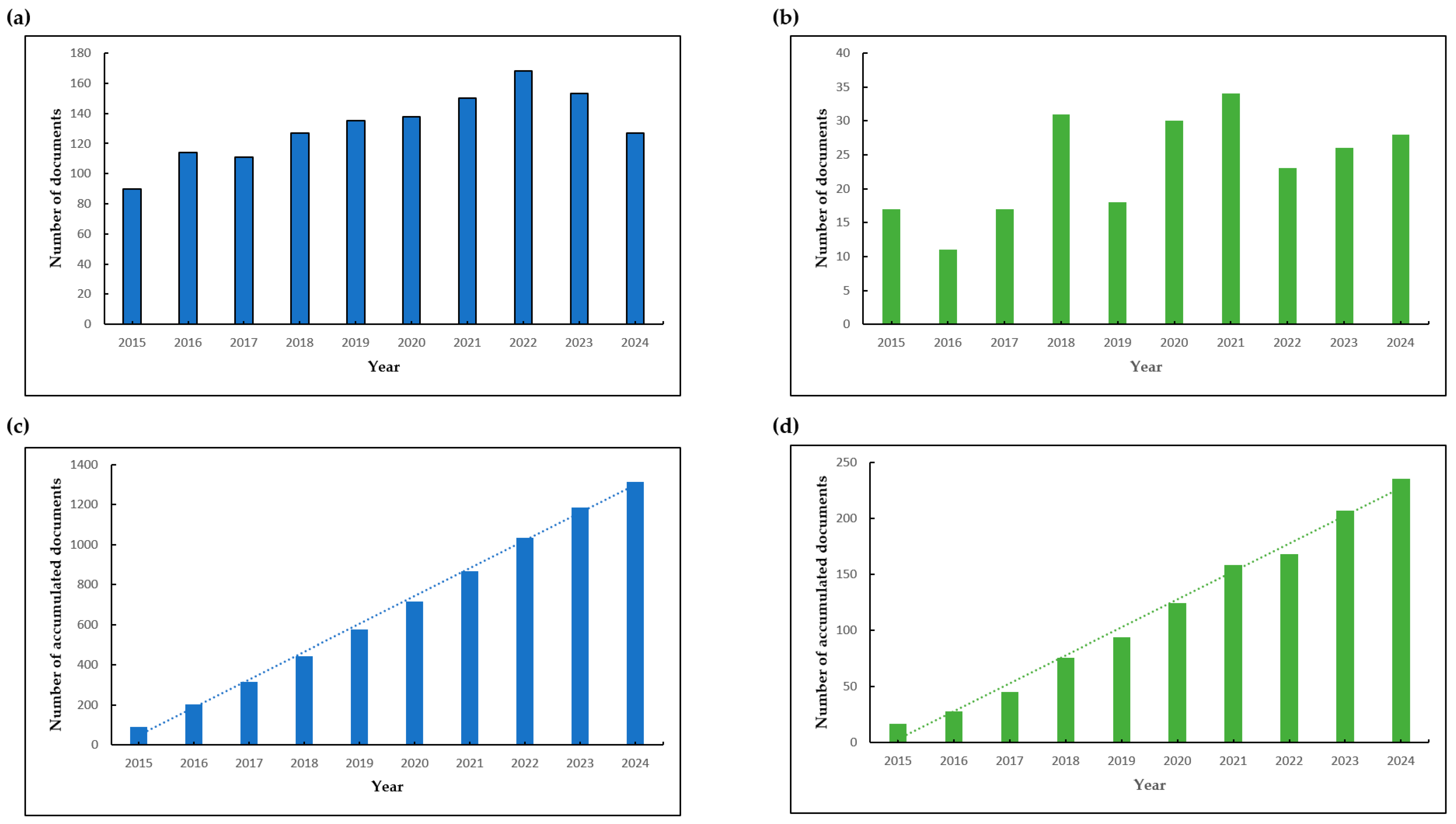
Figure 2 presents the annual and cumulative evolution of publications related to pig slurry and slaughterhouse wastewater between 2015–2025. A total of 1414 documents (1294 research articles and 120 reviews) were identified for PS, whereas SWW was covered in 250 documents (223 articles and 27 reviews).
Both datasets show a steady upward trend, reflecting interest in waste-to-energy technologies, decarbonization strategies, and sustainable waste management practices. This increase appeared to be largely driven by concerns regarding greenhouse gas emissions, regulatory pressures to reduce dependence on fossil fuels, and the need for efficient valorization of organic residues [30].
The considerable disparity in research volume, favoring PS, may be explained by its wide availability, stronger policy drivers and environmental regulations related to manure management and well characterized physicochemical properties (e.g., carbon/nitrogen ratio, solids content, volatile fatty acids), thereby facilitating experimental design [8]. In contrast, SWW is characterized by high variability in fats, proteins, and inhibitory compounds such as ammonia and lipids, which introduce additional technical challenges in AD. Nevertheless, SWW represents a promising substrate for biomethane production due to its high organic load and the substantial volumes generated by the meat processing industry. Furthermore, the co-digestion with PS can enhance process stability and energy yields while simultaneously addressing multiple waste streams from the livestock sector [31].
The annual publication trends displayed in Figure 2a,b show that research on PS has maintained a consistent increase between 2015 and 2024, with marked peaks in 2022 and 2023. In contrast, the annual production of studies related to SWW exhibits greater variability, with alternating periods of growth and decline, reflecting the less mature development of this research field.
To provide a more stable representation of research growth, cumulative publication trends were analyzed (Figure 2c,d). The cumulative data exhibit a strong linear trend for both PS and SWW (R2 = 0.99), indicating a consistent and mature research activity. This linear pattern suggests that anaerobic digestion for biomethane production has become a well-established area with stable scientific output, in contrast to emerging topics that typically show exponential growth. The linear regression equation for PS publications was y = 138.6x − 88.6 with R2 = 0.99, while that for SWW was y = 24.9x − 21.7 with R2 = 0.99. These high coefficients of determination confirm the robustness of the upward trend for both substrates.
Although the annual number of publications on SWW remains considerably lower than that for PS, the cumulative growth pattern highlights an increasing research focus on slaughterhouse wastewater in recent years. This observation suggests that while PS continues to dominate due to its long-standing role in agricultural waste management, SWW is gaining importance as an emerging substrate within the broader context of waste-to-energy and circular bioeconomy research.
The publications obtained through the systematic search for both residues, linked to biomethane production via AD, were classified into research areas (Table 1). In both cases, the predominant research areas were Environmental Sciences Ecology and Engineering. For PS, 41.2% of the publications were classified under Environmental Sciences Ecology and 32.9% under Engineering, while SWW showed similar proportions (39.2% and 38.0%, respectively). Although slight variations were observed in the secondary categories, such as Engineering (38.00% vs. 32.86%), Biotechnology Applied Microbiology (21.44% vs. 18.00%), and Energy Fuels (31.52% vs. 35.20%), these differences are relatively minor. Therefore, both substrates exhibit a similar multidisciplinary distribution, with research activities mainly focused on environmental, engineering, and energy aspects of anaerobic digestion and biomethane production.
Overall, the classification evidences a clear scientific interest in the study of these residues as feedstock for biomethane production, primarily from the perspectives of environmental sustainability and renewable energy development, albeit with distinctive emphases depending on the specific type of residue analyzed.
This disciplinary divergence reflects the intrinsic nature of each substrate. Research on PS tends to align with agricultural and environmental sciences because of its direct implications for nutrient recycling, soil fertility management, and reduction in diffuse pollution. In contrast, SWW research is more closely associated with engineering and energy disciplines, given its complex physicochemical composition, high organic and lipid content, and the technological challenges related to advanced treatment and energy recovery processes.

3.2. Study of Journals, Affiliations, Countries and Authors

Table 2 presents the ranking of the most relevant journals, countries, affiliations and authors in the research area of biomethane production through AD of PS and SWW.
Regarding journals, Bioresource Technology emerged as the leading publication platform for studies on PS, followed by Waste Management and the Journal of Environmental Management. In the case of SWW, the journal with the highest number of publications was Energies, followed by Waste Management and Bioresource Technology. These journals are recognized international references in waste management, sustainability, and bioenergy, underscoring the importance of this field within the broader context of the energy transition.
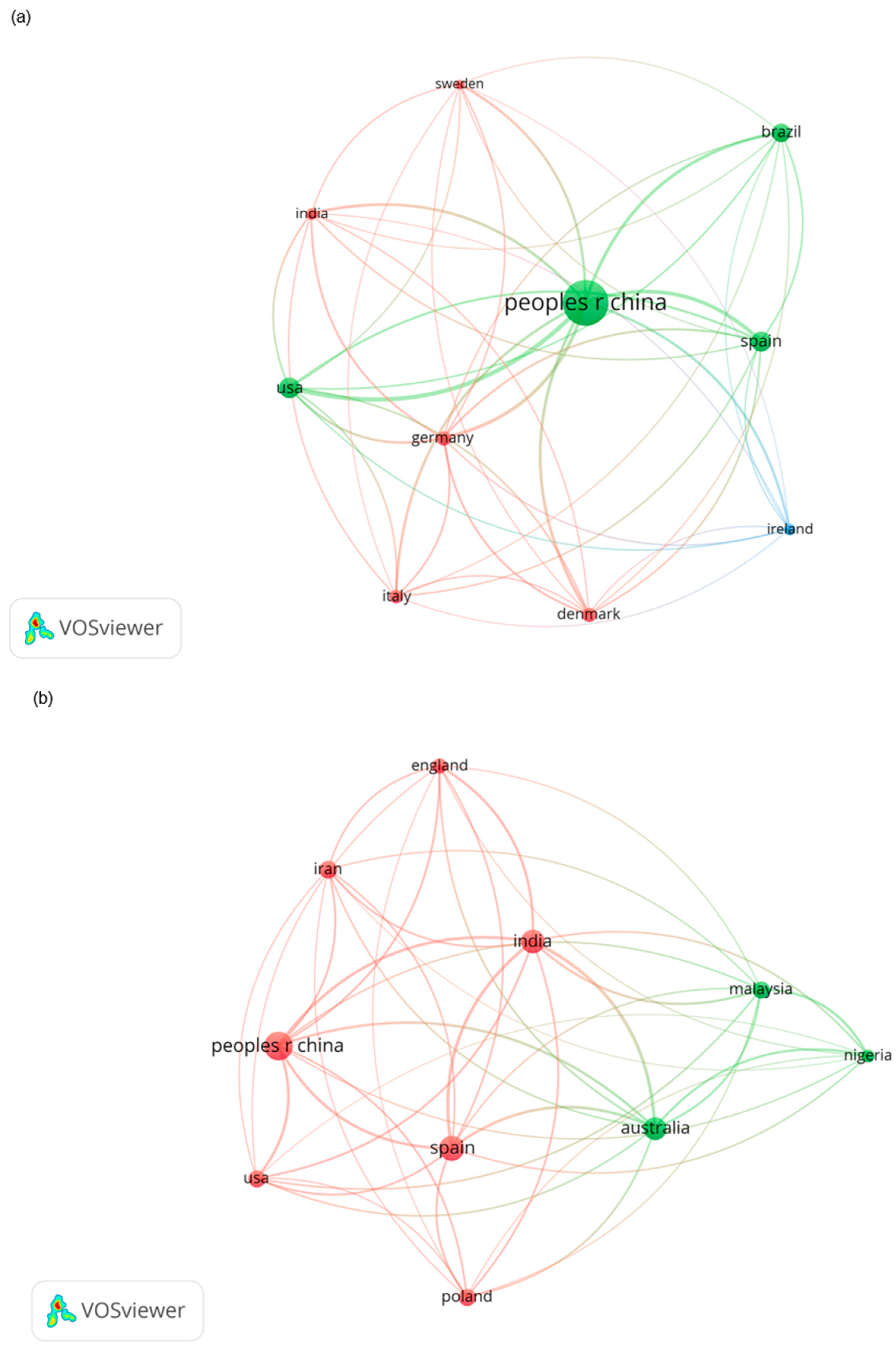
The bibliometric analysis of geographical distribution (Figure 3) revealed China as the undisputed leader in publications related to both residues. For PS, the United States and Spain occupied the next positions, whereas from SWW, the most representative countries were Spain and India. Finally, the most prolific authors in PS research were Liu Y, Dong RJ, and Deng LW, while McCabe BK, Schmidt T, and Harris PW stood out in the case of SWW.
China plays a leading role in both research domains due to several converging factors. The country hosts the world’s largest livestock industry, generating vast amounts of manure and slaughterhouse effluents that require efficient management solutions [1,2,32]. Furthermore, national policies promoting renewable energy and the circular economy have strongly incentivized research and investment in anaerobic digestion technologies [33]. Combined with substantial funding for academic institutions and demonstration projects, these policy and industrial drivers have positioned China as a global leader in both pig slurry and slaughterhouse wastewater research. With respect to institutional affiliations, research on PS was led mainly by the Chinese Academy of Sciences and the China Agricultural University. By contrast, for SWW, the most active institutions were the University of Putra Malaysia and the Cape Peninsula University of Technology.

3.3. Analysis of Most Used Keywords

The analysis of author keywords is a central aspect of bibliometric studies, as it helps to identify the main research topics and anticipate future research directions. Table 3 summarizes the most frequently used keywords in the field of biomethane production from AD of PS and SWW [32].
In both cases, the most recurrent terms were “anaerobic digestion”, “co-digestion”, and “biogas production”, reflecting the central role of these processes in transforming organic residues into renewable energy. This overlap demonstrates that, despite the differences in substrate type, the fundamental technological approach remains the same.
At the same time, residue-specific keywords highlight the distinctive characteristics of each feedstock. For PS, “swine manure” and “pig manure” were prominent, while in SWW research, terms such as “slaughterhouse wastewater” and “sewage sludge” were more frequent. Interestingly, the keyword “food waste” appeared in both contexts, suggesting that co-digestion strategies are widely investigated as a way to optimize methane yields and enhance process stability [34]. The inclusion of such terms illustrates how researchers are increasingly combining livestock and agro-industrial wastes within integrated waste-to-energy systems.
In addition, certain functional keywords provide insight into the challenges and priorities of current research. Additionally, the frequent use of the term “performance” highlights the importance of monitoring efficiency and process optimization to ensure stable biomethane production. In the case of SWW, the appearance of “inhibition” reflects technical difficulties associated with compounds such as ammonia and lipids, which can negatively affect microbial activity [35]. These observations suggest that while research on PS primarily focuses on improving process performance and optimizing a well-established substrate, studies on SWW tend to address operational challenges and inhibitory effects associated with its complex composition. This interpretation is supported not only by the occurrence of the keywords performance and inhibition, but also by the broader thematic context observed in each cluster. For PS, clusters are more frequently associated with process optimization, co-digestion strategies, and microbial community dynamics, reflecting a technically mature field. In contrast, SWW clusters include keywords related to inhibition, pretreatment, and response surface methodology, indicating ongoing efforts to overcome process limitations and optimize operational parameters.
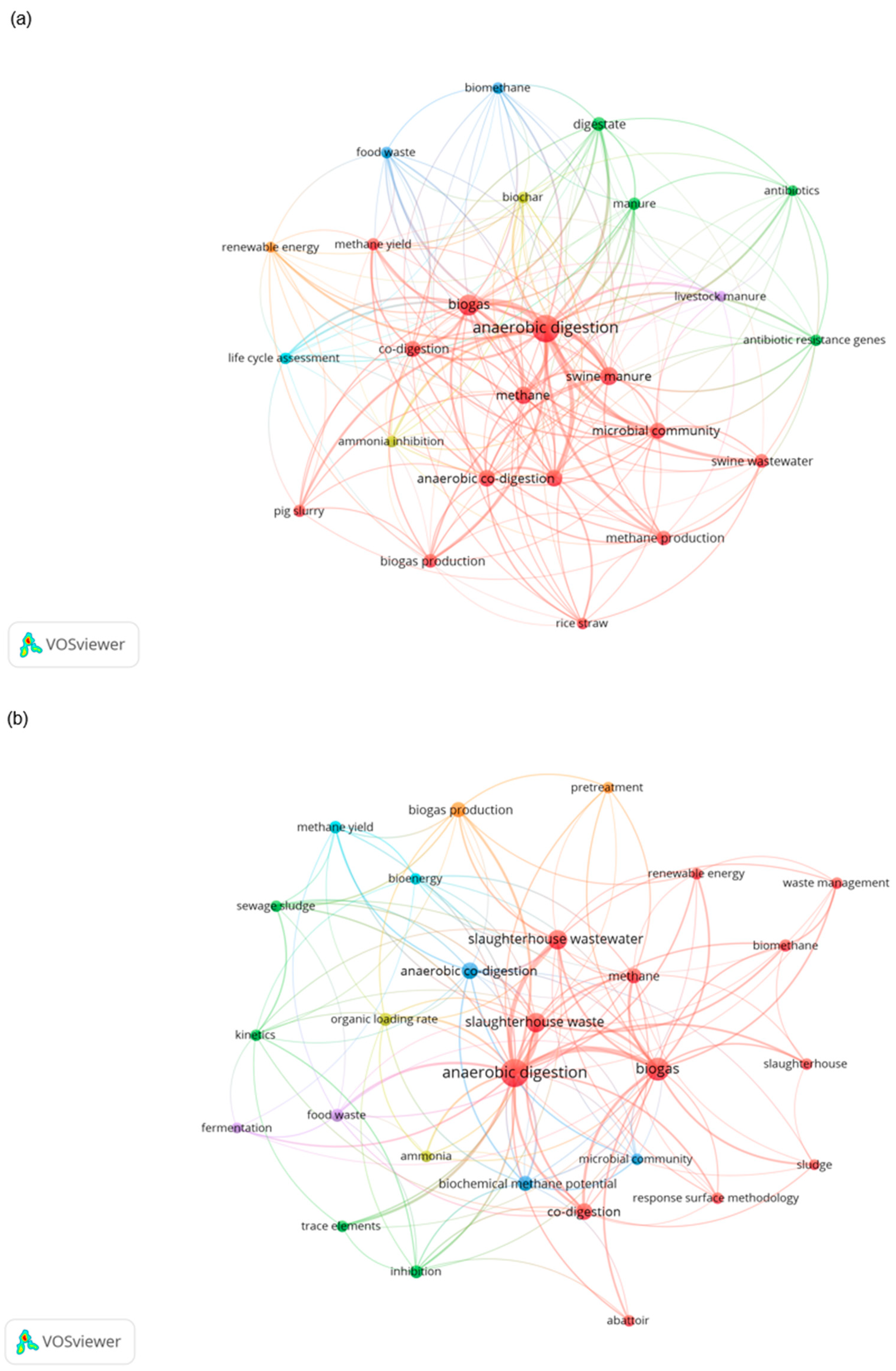
The analysis of keyword clustering networks revealed the existence of seven main clusters in both research areas related to biomethane production through AD, using PS (Figure 4a) and SWW (Figure 4b). This type of analysis makes it possible to identify the frequency and co-occurrence of specific terms in the titles, abstracts, and keywords of publications indexed in the Web of Science database, which is essential for understanding consolidated topics as well as emerging lines of research.
The VOSviewer software generates co-occurrence networks where each node represents a keyword and the links indicate the frequency with which these terms appear together in the same documents. The software also detects subsets of keywords that are more closely related to each other than to the rest of the network. This is reflected in the proximity and intensity of the connections between nodes. Each of these groups, or clusters, can therefore be interpreted as a subfield within the broader research area, providing a clearer visualization of the main directions in the field.
Additionally, smaller clusters consisting of only one or two keywords were also detected; these are typically associated with emerging or highly specific research topics and were therefore not discussed in detail due to their limited representativeness.
In this case, the clusters highlight both consolidated research lines, such as anaerobic digestion, biogas, and methane production, and more specific trends linked to the type of residue, such as swine manure and pig slurry in PS research, or slaughterhouse wastewater and inhibition in the case of slaughterhouse residues. This pattern reflects how the scientific community shares a common methodological basis while adapting its approaches to the specific challenges associated with each substrate, thus moving closer to a more comprehensive and applicable understanding of AD as a strategy for organic waste valorization.
Table 4 summarizes the main keyword clusters identified in studies on biomethane production through AD of PS and SWW. For PS, the most prominent cluster was centered on terms related to AD, co-digestion, and biogas production, particularly biomethane [36]. Anaerobic digestion is a widely applied method for converting organic wastes into renewable energy, with consistently positive outcomes when different types of substrates are used. Moreover, there is a growing interest in co-digestion with other wastes, such as agricultural by-products or food wastes, which has proven to enhance process stability and biomethane yield [37].
In the case of SWW, the trend is similar, as the main cluster also highlights AD and co-digestion. However, additional terms such as response surface methodology emerge, reflecting its usefulness in defining optimal operating conditions. This is particularly relevant for more complex substrates like slaughterhouse effluents, which are often affected by limitations such as ammonia inhibition, fats, or nitrogen-rich compounds [38].
Overall, the cluster analysis suggests that although both types of waste share a common research focus on AD and biomethane production, each substrate presents specific challenges. Research on PS is largely oriented toward improving co-digestion strategies with other organic residues, as indicated by the presence of related terms such as rice straw and other co-substrates within the main cluster. In contrast, studies on SWW more frequently emphasize methodological approaches, including optimization tools such as response surface methodology, reflecting efforts to overcome process limitations associated with its complex composition. This distinction is not based on individual keywords alone but on the broader thematic patterns identified in the co-occurrence network. Specifically, studies on pig slurry tend to focus on co-digestion with agricultural residues, nutrient recycling, and microbial community analysis, whereas slaughterhouse wastewater research emphasizes inhibition control, pretreatment optimization, and kinetic modeling. These thematic trends reveal contrasting maturity levels and technological focuses between the two research areas.
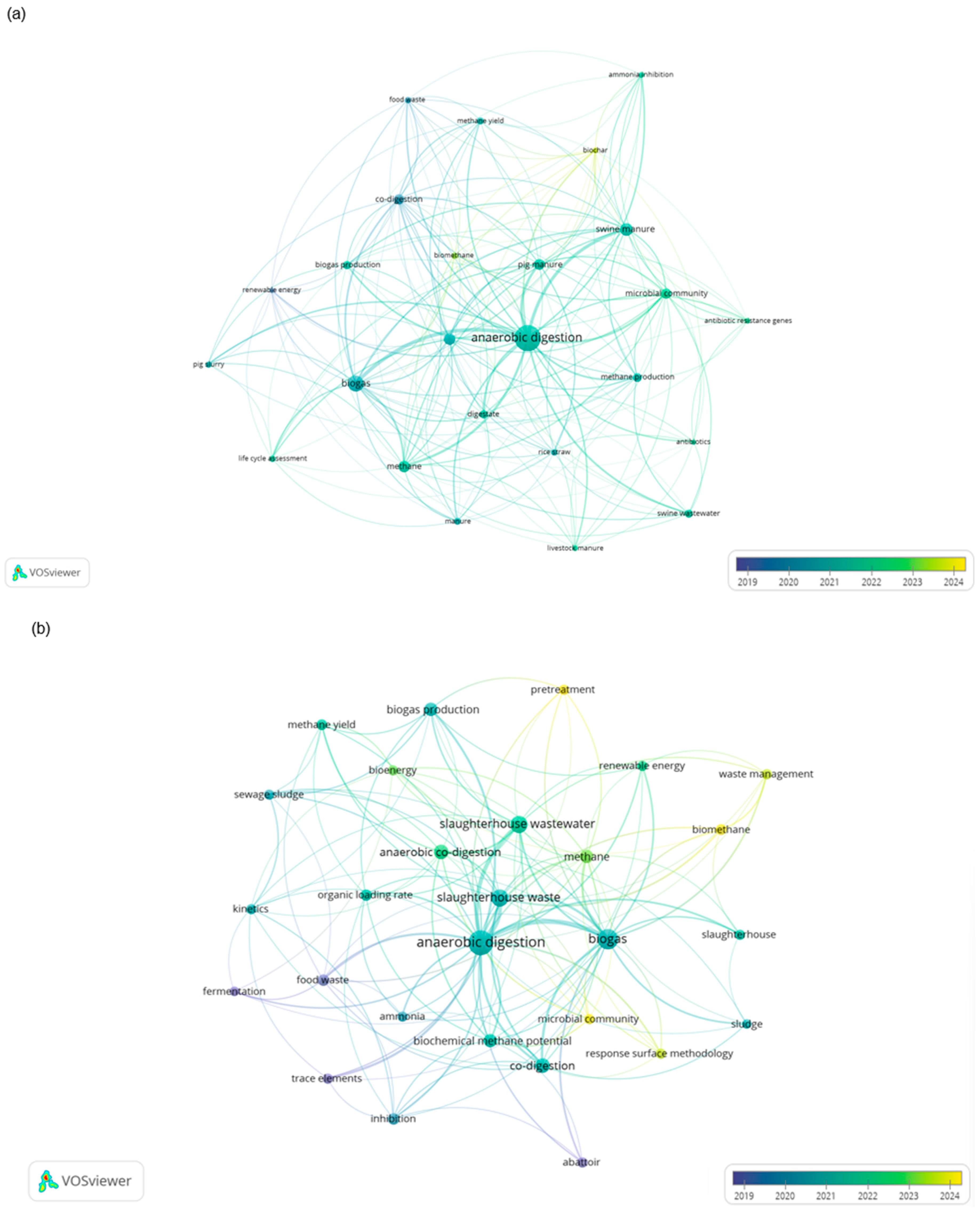
Figure 5a,b present the most frequent keywords grouped into clusters for the period 2018–2023. The clusters are organized on a temporal scale, allowing the identification of research trends and the evolution of scientific focus areas related to biomethane production from PS and SWW.
For PS (Figure 5a), the most recent topics are associated with biochar, microbial community, and antibiotic resistance genes, reflecting the increasing attention towards sustainability aspects and environmental impacts of the process. In contrast, areas such as life cycle assessment and pig slurry were more prominent during 2018–2019 but have since declined in relevance.
With regard to SWW (Figure 5b), emerging topics, including pretreatment and waste management, are closely linked to process optimization, as both determine the physicochemical characteristics of the substrate and the operational stability of anaerobic digestion. Effective pretreatment improves substrate biodegradability and nutrient balance, while proper waste management ensures consistent feedstock quality and loading conditions, all of which contribute to optimizing biomethane yield and process efficiency. Conversely, fields such as fermentation and trace elements were more significant in the early years of the analyzed period but currently show less relevance in the recent literature.
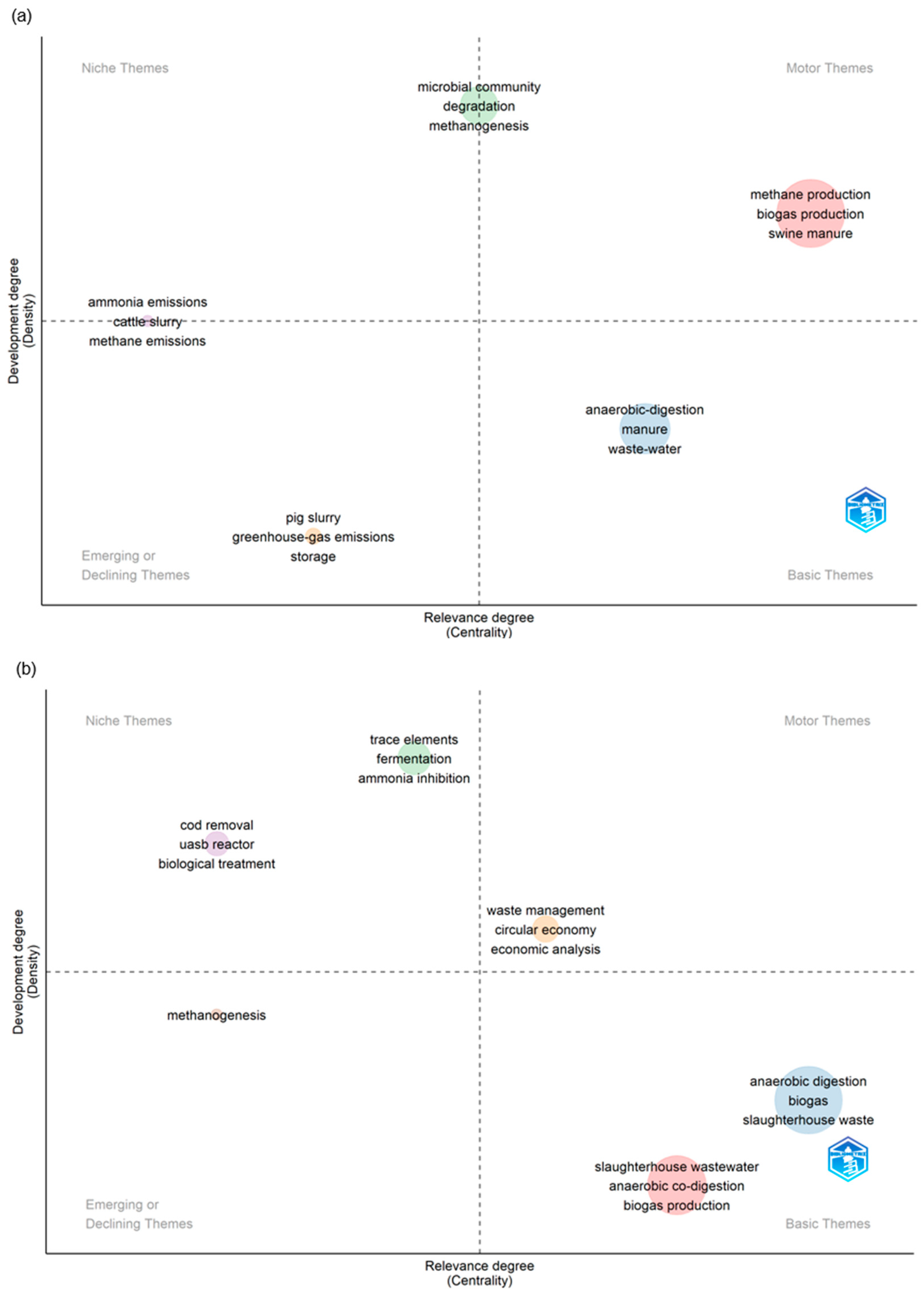
Once the keywords were identified and analyzed, they were classified in Figure 6 through a thematic map, using centrality and density as the main criteria. Centrality reflects the interaction of a theme with others in the network, indicating its overall relevance within the research field. Density, on the other hand, measures the internal development of a theme, that is, how well established or specialized it is. The size of the spheres indicates the number of occurrences of each keyword [39,40].
In this context, motor themes (high centrality and high density) correspond to highly relevant and well-developed areas. Niche themes (high density and low centrality) represent very specific and consolidated areas, but with limited connections to the overall research field. Emerging or declining themes (low centrality and low density) include topics that are either underexplored or losing relevance, although they may also signal new research directions. Finally, basic themes (high centrality and low density) represent fundamental research areas that are relevant but not yet fully developed.
Figure 6 displays the most frequent author keywords, grouped into thematic clusters according to their co-occurrence relationships. The clustering was performed using the association strength method, which links keywords that frequently appear together within the same publications. Each color in the figure denotes a distinct cluster, conceptually aligned with the broader thematic areas previously described in Figure 4.
The thematic clusters can also be differentiated according to their temporal evolution. Keywords that have shown an increasing frequency of occurrence and co-occurrence in recent years (2021–2025) are considered emerging themes, reflecting growing scientific attention and ongoing development. Conversely, clusters dominated by keywords that appeared mainly in earlier publications, with limited recent growth, are interpreted as mature or declining themes representing well-established lines of research. In the case of biomethane production from PS (Figure 6a), the thematic map shows five clusters. Among them, methane production, biogas production, and swine manure stand out as motor themes. Emerging themes include pig slurry, greenhouse gas emissions, and storage. Niche themes are represented by microbial community, degradation, and methanogenesis. Finally, anaerobic digestion, manure, and wastewater appear as basic themes.
For SWW as a substrate for AD (Figure 6b), the analysis highlights waste management, circular economy, and economic analysis as motor themes, reflecting the focus on process valorization and sustainability. Methanogenesis was classified as an emerging theme. Two groups of niche themes were identified: on the one hand, COD removal, UASB reactor, and biological treatment; and on the other, trace elements, fermentation, and ammonia inhibition. Finally, anaerobic digestion, biogas, and slaughterhouse waste constitute the basic themes, along with slaughterhouse wastewater, anaerobic co-digestion, and biogas production.

3.4. Most Cited Studies

Identifying the most cited documents published between 2015–2025 provides valuable insight into the most influential scientific contributions to AD for biomethane production from PS and SWW. These highly cited works reveal the main research directions in the field, ranging from energy recovery and process optimization to environmental assessment and agricultural applications. Table 5 summarizes the five most cited articles for each of the two residues analyzed: PS and SWW.
For PS, the most cited study (360 citations) compared the biochemical methane potential (BMP) of different livestock manures, reporting that PS achieved approximately 323 mL CH4/g vs. with a volatile solids removal of ~81% [41]. The second article (255 citations) evaluated the use of biogas fermentation residues in soil systems, showing that digestates can double the availability of mineral nitrogen compared with raw slurry, although potential risks of contaminant accumulation were also noted [42]. A more recent review (228 citations) explored livestock manure within the context of biorefinery technologies, emphasizing that integrated resource recovery systems can improve overall efficiency by 20–40% depending on the specific technological chain [43].
Another highly cited contribution (226 citations) presented a meta-analysis of ammonia, nitrous oxide, and biomethane emissions from manure management systems, reporting, for example, that acidification reduced biomethane emissions from storage by approximately 87%, while plastic covers decreased ammonia losses by up to 98% [44]. Finally, the fifth article (215 citations) reviewed the effects of AD on soil carbon and nitrogen turnover, concluding that digestate generally enhances soil biological activity compared with raw slurry, although its influence on nitrate leaching remains uncertain [45].
Regarding SWW, the most cited study (270 citations) provided a comprehensive review of AcoD of organic waste fractions, highlighting that co-digestion enhances process stability, improves nutrient balance, and increases biogas yields compared with monodigestion [46]. The second most cited work (189 citations) investigated combined anaerobic–aerobic treatment systems, demonstrating COD removal efficiencies above 80–90% in several case studies, ensuring safe effluent discharge [47].
Another study (164 citations) addressed ammonia inhibition during mono-fermentation of chicken manure, showing that at an organic loading rate of 5.3 g VS/L per day and free ammonia nitrogen concentration of ~0.77 g/L, biomethane yields reached 0.39 L CH4/g VS. However, higher ammonia concentrations reduced yields, with digestaterecirculation proposed as a mitigation strategy [48]. The fourth paper (152 citations) investigated the role of trace elements in co-digestion, reporting that supplementation with Fe, Co, and Ni improved process stability compared with controls and, in some cases, sustained or modestly increased biomethane production [49]. Finally, the fifth article (149 citations) reviewed pretreatment strategies for high-fat SWW, showing that thermal and chemical pretreatments can enhance hydrolysis, mitigate long-chain fatty acids inhibition, and improve biomethane yields depending on substrate composition and pretreatment conditions [50].
Overall, the bibliometric analysis for 2015–2025 indicates that PS research has been more strongly oriented towards environmental impacts and agricultural applications, whereas SWW studies have focused on technological improvements and safe, sustainable management of effluents. These contrasting emphases reflect the different levels of technological maturity and research challenges associated with each substrate.

4. Conclusions

The bibliometric analysis highlights a clear research imbalance: publications on pig slurry significantly outnumber those on slaughterhouse wastewater. This difference can be attributed to several factors, including the wide availability of PS, particularly in countries with intensive pig farming, its relevance under increasingly strict environmental regulations, and its relatively stable physicochemical composition, which facilitates experimental design and process optimization. In contrast, SWW presents greater research challenges due to its complex mixture of proteins, lipids, and nitrogen compounds, its variability among facilities, and operational difficulties associated with ammonia and long-chain fatty acid inhibition. These characteristics have likely limited its experimental and bibliometric exploration. Nevertheless, SWW remains a promising substrate given its high organic load and continuous generation within the meat-processing industry.
Importantly, the co-digestion of PS and SWW emerges as a strategic approach, capable of balancing nutrient profiles, mitigating inhibition, and enhancing methane yields while addressing multiple waste streams simultaneously. Although this study analyzed the two datasets separately to enable a clear comparison of research trends, a smaller subset of publications (approximately 3–5% of the total) investigated the co-digestion of PS and SWW. These studies mainly focused on improving process stability, optimizing nutrient balance, and enhancing methane yield through synergistic substrate interactions. Reported co-digestion experiments frequently demonstrated higher biomethane potentials and lower inhibition risks compared to monodigestion [20,21].
Despite the limited number of contributions, this subset underscores the potential of integrated waste management approaches and confirms that PS–SWW co-digestion remains an emerging yet promising research direction that merits further investigation.
Although significant scientific progress has been achieved in anaerobic digestion, research on SWW remains comparatively scarce. This limitation is largely associated with its complex physicochemical composition, rich in fats, proteins, and nitrogen compounds, which increases the risk of process inhibition and operational instability. Furthermore, the heterogeneity of slaughterhouse facilities complicates the development of standardized treatment and valorization strategies.
Future research should aim to bridge these knowledge gaps by integrating comprehensive techno economic analyses and environmental life cycle assessments. Such multidisciplinary approaches will facilitate a deeper understanding of process scalability, economic feasibility, and overall sustainability, ultimately supporting informed decision making for the implementation of large-scale biomethane systems based on livestock residues.
Overall, while research on PS is relatively well established and consolidated, future efforts should focus on reducing the research deficit on SWW, particularly through advances in pretreatment technologies, optimization of operational parameters, and demonstration-scale applications, thereby promoting a more integrated, circular, and sustainable approach to energy recovery from livestock residues.

Author Contributions

Conceptualization, M.C., J.F.-R., M.P. and R.S.; methodology, M.C.; software, M.C.; validation, M.C.; formal analysis, M.C.; investigation, M.C.; resources, M.P. and R.S.; writing—original draft preparation, M.C.; writing—review and editing, J.F.-R., M.P. and R.S.; visualization, J.F.-R., M.P. and R.S.; supervision, J.F.-R., M.P. and R.S.; project administration, M.P. and R.S.; funding acquisition, M.P. and R.S. All authors have read and agreed to the published version of the manuscript.

Funding

This work is part of project PID2021-123174OB-I00, funded by MCIN/AEI/10.13039/25890110 EU.

Data Availability Statement

The data presented in this study are available upon request from the corresponding author.

Acknowledgments

This work is part of project PID2021-123174OB-I00, funded by MCIN/AEI/10.13039/25890110 EU. The authors are grateful to the Ministerio de Ciencia e Innovación for the pre-doctoral contract associated with the project, PRE2022-104937.

Conflicts of Interest

The authors declare no conflict of interest.

Abbreviations

The following abbreviations are used in this manuscript:
ADAnaerobic Digestion
ACoDAnaerobic Co-Digestion
PSPig Slurry
SWWSlaughterhouse Wastewater
VSVolatile solids
MmaxMaximum biomethane potential
SCE-IScience Citation Index Expanded

References

  1. FAO. Meat Market Review: Overview of Global Market Developments in 2024; Food and Agriculture Organization of the United Nations: Rome, Italy, 2024; Available online: https://openknowledge.fao.org/items/b553c447-f6b2-4ff8-825e-024767b27760 (accessed on 3 September 2025).
  2. OECD; FAO. OECD-FAO Agricultural Outlook 2024–2033; OECD Publishing: Paris, France, 2024; Available online: https://openknowledge.fao.org/items/91c62ae8-b070-4ea8-8281-592376520b03 (accessed on 3 September 2025).
  3. USDA Foreign Agricultural Service. Livestock and Poultry: World Markets and Trade; United States Department of Agriculture: Washington, DC, USA, 2024. Available online: https://www.fas.usda.gov/sites/default/files/2024-07/Livestock_poultry.pdf (accessed on 3 September 2025).
  4. FAO. FAOSTAT Database: Livestock Primary; Food and Agriculture Organization of the United Nations: Rome, Italy, 2025; Available online: https://www.fao.org/faostat (accessed on 3 September 2025).
  5. OECD; FAO. OECD-FAO Agricultural Outlook 2025–2034; OECD Publishing: Paris, France, 2025; Available online: https://www.oecd.org/en/publications/oecd-fao-agricultural-outlook-2025-2034_601276cd-en.html (accessed on 3 September 2025).
  6. Mercat Carni-Ramader i Avícola de Barcelona. The Spanish Pork Sector: Main Figures and Economic Indicators. Mercat Carni-Ramader i Avícola de Barcelona, 27 September 2024. Available online: https://www.mercatcarnibcn.com/es/el-sector-porcino-espanol-principales-magnitudes-e-indicadores-economicos/#:~:text=El%20n%C3%BAmero%20de%20animales%20sacrificados,de%20los%20dos%20%C3%BAltimos%20a%C3%B1os (accessed on 3 September 2025).
  7. ANICE. Available online: https://www.anice.es/v_portal/busqueda/index.asp (accessed on 3 September 2025).
  8. Li, F.; Feng, B.; Zha, X.; Chu, Y.; Zhang, X.; He, R. Insights into Physiochemical and Biological Characteristics of Pig Manure During Anaerobic Digestion and Sheep Manure During Composting. Fermentation 2025, 11, 307. [Google Scholar] [CrossRef]
  9. Guo, X.; Wang, J. Kinetic models in environmental biotechnological processes: Origin, derivation and applications. Chemosphere 2025, 374, 144217. [Google Scholar] [CrossRef]
  10. Jung, A.-J.; Sharma, A.; Chung, M.; Wallace, T.C.; Lee, H.-J. The Relationship of Pork Meat Consumption with Nutrient Intakes, Diet Quality, and Biomarkers of Health Status in Korean Older Adults. Nutrients 2024, 16, 4188. [Google Scholar] [CrossRef]
  11. Upadhyay, A.; Singh, R.; Kumar, R.; Verma, N.; Talwar, P.; Ahire, P.; Vivekanand, V. Progress in anaerobic digestion of organic wastes to biomethane. In Biomass to Bioenergy: Modern Technological Strategies for Biorefineries, 1st ed.; Nanda, S., Dalai, A.K., Eds.; Woodhead Publishing: Amsterdam, The Netherlands, 2023; pp. 49–72. [Google Scholar] [CrossRef]
  12. Philipp, M.; Masmoudi Jabri, K.; Wellmann, J.; Akrout, H.; Bousselmi, L.; Geißen, S.-U. Slaughterhouse Wastewater Treatment: A Review on Recycling and Reuse Possibilities. Water 2021, 13, 3175. [Google Scholar] [CrossRef]
  13. Oosterkamp, W.J. Progress in Anaerobic Digestion of Manures. In Advances in Feedstock Conversion Technologies for Alternative Fuels and Bioproducts, 1st ed.; Hosseini, H., Ed.; Woodhead Publishing: Amsterdam, The Netherlands, 2019; pp. 299–315. [Google Scholar] [CrossRef]
  14. González, R.; Peña, D.C.; Gómez, X. Anaerobic Co-Digestion of Wastes: Reviewing Current Status and Approaches for Enhancing Biogas Production. Appl. Sci. 2022, 12, 8884. [Google Scholar] [CrossRef]
  15. Renggaman, A.; Choi, H.L.; Sudiarto, S.I.A.; Febrisiantosa, A.; Ahn, D.H.; Choung, Y.W.; Suresh, A. Biochemical Methane Potential of Swine Slaughter Waste, Swine Slurry, and Its Codigestion Effect. Energies 2021, 14, 7103. [Google Scholar] [CrossRef]
  16. Meneses Quelal, O.; Pilamunga Hurtado, D. Anaerobic Fermentation of Slaughterhouse Waste-Codigestion with Wheat Straw to Determine Methane Biochemical Potential and Kinetic Analysis. Fermentation 2023, 9, 726. [Google Scholar] [CrossRef]
  17. Kadam, R.; Jo, S.; Lee, J.; Khanthong, K.; Jang, H.; Park, J. A Review on the Anaerobic Co-Digestion of Livestock Manures in the Context of Sustainable Waste Management. Energies 2024, 17, 546. [Google Scholar] [CrossRef]
  18. Häner, J.; Neradko, A.; Weinrich, S.; Gausling, M.; Krüp, B.; Wetter, C.; Nelles, M. Evaluation of Pig Farming Residue as Substrate for Biomethane Production via Anaerobic Digestion. Biomass Convers. Biorefinery 2025, 15, 14303–14323. [Google Scholar] [CrossRef]
  19. Philipp, M.; Ackermann, H.; Barbana, N.; Pluschke, J.; Geißen, S.U. Possibilities for Anaerobic Digestion of Slaughter Waste and Flotates for Biomethane Production. Water 2023, 15, 1818. [Google Scholar] [CrossRef]
  20. Borowski, S.; Kubacki, P. Co-Digestion of Pig Slaughterhouse Waste with Sewage Sludge. Sci. Total Environ. 2015, 532, 198–208. [Google Scholar] [CrossRef]
  21. Domingues, P.S.; Ribeiro, A.C.; Albuquerque, A.; Cavaleiro, A.J.; Pereira, M.A. Anaerobic Mesophilic Co-Digestion of Swine Slurry and Slaughterhouse Wastewater. Front. Environ. Sci. 2021, 9, 684074. [Google Scholar] [CrossRef]
  22. de Melo, A.M.; Almeida, F.L.C.; Cavalcante, A.M.d.M.; Ikeda, M.; Barbi, R.C.T.; Costa, B.P.; Ribani, R.H. Garcinia brasiliensis Fruits and Its By-Products: Antioxidant Activity, Health Effects and Future Food Industry Trends-A Bibliometric Review. Trends Food Sci. Technol. 2021, 112, 325–335. [Google Scholar] [CrossRef]
  23. Toufexis, C.; Makris, D.-O.; Vlachokostas, C.; Michailidou, A.V.; Mertzanakis, C.; Vachtsiavanou, A. Bridging the Gap between Biowaste and Biomethane Production: A Systematic Review Meta-Analysis Methodological Approach. Sustainability 2024, 16, 6433. [Google Scholar] [CrossRef]
  24. Tiago, G.A.O.; Rodrigo, N.P.B.; Lourinho, G.; Lopes, T.F.; Gírio, F. Systematic and Bibliometric Review of Biomethane Production from Biomass-Based Residues: Technologies, Economics and Environmental Impact. Fuels 2025, 6, 8. [Google Scholar] [CrossRef]
  25. Zhao, P.; Zhang, S.; Wang, X.; Sun, H.; Guo, Y.; Wang, Q.; Sun, X. Research Progress on Anaerobic Digestion of Cellulose Waste Based on Bibliometric Analysis. Sustainability 2023, 15, 16060. [Google Scholar] [CrossRef]
  26. Helal, M.A.; Anderson, N.; Wei, Y.; Thompson, M. A Review of Biomass-to-Bioenergy Supply Chain Research Using Bibliometric Analysis and Visualization. Energies 2023, 16, 1187. [Google Scholar] [CrossRef]
  27. Aria, M.; Cuccurullo, C. Bibliometrix: An R-tool for comprehensive science mapping analysis. J. Informetr. 2017, 11, 959–975. [Google Scholar] [CrossRef]
  28. van Eck, N.J.; Waltman, L. Software Survey: VOSviewer, a Computer Program for Bibliometric Mapping. Scientometrics 2010, 84, 523–538. [Google Scholar] [CrossRef]
  29. Estévez, R.; Quijada-Maldonado, E.; Romero, J.; Abejón, R. Additive Manufacturing and Chemical Engineering: Looking for Synergies from a Bibliometric Study. Appl. Sci. 2025, 15, 2962. [Google Scholar] [CrossRef]
  30. Sawatdeenarunat, C.; Surendra, K.C.; Takara, D.; Oechsner, H.; Khanal, S.K. Anaerobic digestion of lignocellulosic biomass: Challenges and opportunities. Bioresour. Technol. 2024, 341, 125–139. [Google Scholar] [CrossRef]
  31. Álvarez, J.A.; Otero, L.; Lema, J.M. A methodology for optimising feed composition for anaerobic co-digestion of agro-industrial wastes. Bioresour. Technol. 2015, 190, 149–156. [Google Scholar] [CrossRef]
  32. Zhang, A.; Zhang, C.; Munir, H.; Li, J.; Wang, S. Circular Economy Policies in China and Europe: A Systematic Literature Review. Circ. Econ. Sustain. 2025, 5. [Google Scholar] [CrossRef]
  33. Jiang, X.Y.; Sommer, S.G.; Christensen, K.V. A review of the biogas industry in China. Energy Policy 2011, 39, 6073–6081. [Google Scholar] [CrossRef]
  34. Agyekum, E.B.; Nutakor, C. Recent Advancement in Biochar Production and Utilization-A Combination of Traditional and Bibliometric Review. Int. J. Hydrogen Energy 2024, 54, 1137–1153. [Google Scholar] [CrossRef]
  35. Renggaman, A.; Choi, H.L.; Sudiarto, S.I.A.; Suresh, A.; Jeon, Y.C. Biomethane Potential of Beef Cattle Slaughterhouse Waste and the Impact of Co-Digestion with Cattle Feces and Swine Slurry. Fermentation 2024, 10, 510. [Google Scholar] [CrossRef]
  36. Jo, S.; Kadam, R.; Jang, H.; Seo, D.; Park, J. Elucidating Synergetic Effects of Anaerobic Co-Digestion of Slaughterhouse Waste with Livestock Manures. Energies 2024, 17, 3027. [Google Scholar] [CrossRef]
  37. Djintoingar, S.; Sarfo Agyemang Derkyi, N.; Kuranchie, F.; Yankyera, J.K. A review of Response Surface Methodology for Biogas Process Optimization. Cogent Eng. 2022, 9, e2115283. [Google Scholar] [CrossRef]
  38. Habchi, S.; Lahboubi, N.; Sallek, B.; El Bari, H. Response Surface Methodology for Anaerobic Digestion of Waste from Poultry Slaughterhouse: Optimization of Load and Hydraulic Retention Time. Results Eng. 2023, 18, 101215. [Google Scholar] [CrossRef]
  39. Muñoz-Leiva, F.; Viedma-del-Jesús, M.I.; Sánchez-Fernández, J.; López-Herrera, A.G. An application of co-word analysis and bibliometric maps for detecting the most highlighting themes in the consumer behaviour research from a longitudinal perspective. Qual. Quant. 2012, 46, 1077–1095. [Google Scholar] [CrossRef]
  40. Wang, S.; Zhang, M.; Hu, T.; Fu, X.; Gao, Z.; Halloran, B.; Liu, Y. A Bibliometric Analysis and Network Visualisation of Human Mobility Studies from 1990 to 2020: Emerging Trends and Future Research Directions. Sustainability 2021, 13, 5372. [Google Scholar] [CrossRef]
  41. Kafle, G.K.; Chen, L. Comparison on batch anaerobic digestion of five different livestock manures and prediction of biochemical methane potential (BMP) using different statistical models. Waste Manag. 2016, 56, 492–502. [Google Scholar] [CrossRef] [PubMed]
  42. Insam, H.; Gómez-Brandón, M.; Ascher, J. Manure-based biogas fermentation residues—Friend or foe of soil fertility? Soil Biol. Biochem. 2015, 84, 1–14. [Google Scholar] [CrossRef]
  43. Khoshnevisan, B.; Duan, N.; Tsapekos, P.; Awasthi, M.K.; Liu, Z.; Mohammadi, A.; Angelidaki, I.; Tsang, D.C.W.; Zhang, Z.; Pan, J.; et al. A critical review on livestock manure biorefinery technologies: Sustainability, challenges, and future perspectives. Renew. Sustain. Energy Rev. 2021, 135, 110033. [Google Scholar] [CrossRef]
  44. Hou, Y.; Velthof, G.L.; Oenema, O. Mitigation of ammonia, nitrous oxide and methane emissions from manure management chains: A meta-analysis and integrated assessment. Glob. Change Biol. 2015, 21, 1293–1312. [Google Scholar] [CrossRef]
  45. Möller, K. Effects of anaerobic digestion on soil carbon and nitrogen turnover, N emissions, and soil biological activity: A review. Agron. Sustain. Dev. 2015, 35, 1021–1041. [Google Scholar] [CrossRef]
  46. Tyagi, V.K.; Fdez-Guelfo, L.A.; Zhou, Y.; Álvarez-Gallego, C.J.; García, L.I.R.; Ng, W.J. Anaerobic co-digestion of organic fraction of municipal solid waste (OFMSW): Progress and challenges. Renew. Sustain. Energy Rev. 2018, 93, 380–399. [Google Scholar] [CrossRef]
  47. Aziz, A.; Basheer, F.; Sengar, A.; Irfanullah; Khan, S.U.; Farooqi, I.H. Biological wastewater treatment (anaerobic–aerobic) technologies for safe discharge of treated slaughterhouse and meat processing wastewater. Sci. Total Environ. 2019, 686, 681–708. [Google Scholar] [CrossRef]
  48. Nie, H.; Jacobi, H.; Strach, K.; Xu, C.; Zhou, H.; Liebetrau, J. Mono-fermentation of chicken manure: Ammonia inhibition and recirculation of the digestate. Bioresour. Technol. 2015, 178, 238–246. [Google Scholar] [CrossRef]
  49. Moestedt, J.; Nordell, E.; Shakeri Yekta, S.; Lundgren, J.; Martí, M.; Sundberg, C. Effects of trace element addition on process stability during anaerobic co-digestion of OFMSW and slaughterhouse waste. Waste Manag. 2016, 47, 11–20. [Google Scholar] [CrossRef]
  50. Harris, P.W.; McCabe, B.K. Review of pre-treatments used in anaerobic digestion and their potential application in high-fat cattle slaughterhouse wastewater. Appl. Energy 2015, 155, 560–575. [Google Scholar] [CrossRef]
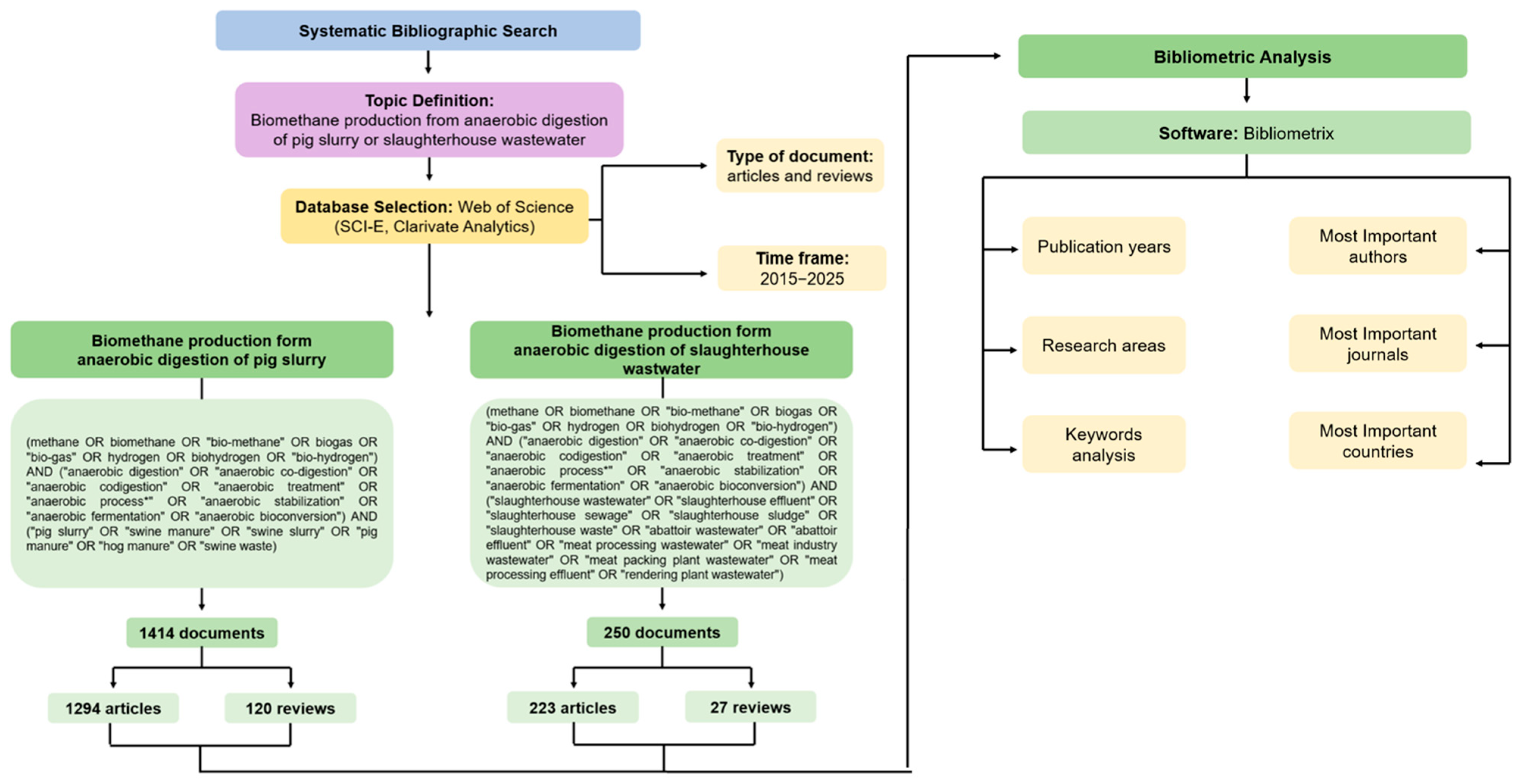
Figure 1. Overview of the approach used to systematically review the literature and analyze bibliometric data on biomethane production from anaerobic digestion and co-digestion of pig slurry and slaughterhouse wastewater.
Applsci 15 12105 g001
Figure 2. Annual and cumulative evolution of scientific publications on biomethane production from anaerobic digestion of pig slurry and slaughterhouse wastewater during the period 2015–2024. (a) Annual number of PS-related publications, (b) Annual number of SWW-related publications, (c) Cumulative number of PS-related publications, (d) Cumulative number of SWW-related publications. The cumulative representation (c,d) provides a clearer view of the overall growth trend by compensating for irregular annual variations.
Applsci 15 12105 g002
Figure 3. Network analysis of the most important countries in the research field of biomethane production from anaerobic digestion of (a) pig slurry and (b) slaughterhouse wastewater.
Applsci 15 12105 g003
Figure 4. Keyword clustering network analysis in biomethane production from anaerobic digestion of (a) pig slurry and (b) slaughterhouse wastewater.
Applsci 15 12105 g004
Figure 5. Temporal evolution (2018–2023) of keywords in biomethane production research from (a) pig slurry and (b) slaughterhouse wastewater.
Applsci 15 12105 g005
Figure 6. Network visualization of author keywords for publications related to biomethane production from (a) pig slurry and (b) slaughterhouse wastewater. The items represent the most frequent keywords grouped into thematic clusters based on co-occurrence links, obtained using the association strength normalization method in VOSviewer.
Applsci 15 12105 g006
Table 1. Ranking of the top research areas in biomethane production from anaerobic digestion of pig slurry or slaughterhouse wastewater.
RankingPig SlurryNumber% aSlaughterhouse WastewaterNumber% b
1Environmental Sciences Ecology58441.18Environmental Sciences Ecology9839.20
2Engineering46632.86Engineering9538.00
3Energy Fuels44731.52Energy Fuels8835.20
4Biotechnology Applied Microbiology30421.44Science Technology Other Topics4718.80
5Agriculture28119.82Biotechnology Applied Microbiology4518.00
a Percentage of 1414 documents (automatically calculated in Web of Science database) b Percentage of 250 documents (automatically calculated in Web of Science database).
Table 2. Ranking of the top journals, affiliations, countries and authors in biomethane production from anaerobic digestion of pig slurry or slaughterhouse wastewater.
RankingPig SlurryNumber% aSlaughterhouse WastewaterNumber% b
Journals
1Bioresource Technology (IF 9)17912.66Energies (IF 3.2)187.20
2Waste Management (IF 7.1)745.23Waste Management (IF 7.1)156.00
3Journal of Environmental Management (IF 8.4)533.75Bioresource Technology (IF 9)135.20
4Science of the Total Environment (IF 8)513.61Renewable & Sustainable Energy Reviews (IF 16.3)124.80
5Journal of Cleaner Production (IF 10)503.54Biomass Conversion and Biorefinery (IF 4.1)104.00
Countries
1China59842.17China3212.80
2USA1238.67Spain2510.00
3Spain1188.32India228.80
4Brazil1017.12Australia218.40
5Denmark624.37Brazil135.20
Affiliations
1Chinese Academy of Sciences1248.76University of Putra Malaysia145.60
2China Agricultural University956.72Cape Peninsula University of Technology104.0
3Chinese Academy of Agricultural Sciences886.22University of Southern Queensland93.60
4Northwest ANNDF University, China634.45IRTA83.20
5University of Aarhus543.82University of Lanzhou83.20
Authors
1Liu Y284.13Mccabe BK72.80
2Dong RJ213.42Schmidt T62.40
3Deng LW203.17Harris PW52.00
4Zhan XM203.17Idrus S52.00
5Wang XJ183.08Musa MA52.00
a Percentage of 1414 documents (automatically calculated in Web of Science database) b Percentage of 250 documents (automatically calculated in Web of Science database). Impact Factor (IF) values were obtained from the Journal Citation Reports (Clarivate Analytics, 2024 edition).
Table 3. Ranking of the most used (ordered by occurrence) keywords in research on biomethane production from anaerobic fermentation of pig slurry and slaughterhouse wastewater.
RankingPig SlurrySlaughterhouse Wastewater
KeywordsOccurrencesKeywordsOccurrences
1Anaerobic-digestion370Co-digestion81
2Methane production357Biogas production74
3Biogas production347Anaerobic-digestion62
4Swine manure292Methane production55
5Food waste272Slaughterhouse waste52
6Pig manure260Food waste47
7Co-digestion251Performance42
8Performance202Sewage-sludge42
9Waste187Inhibition32
10Sludge162Energy28
Table 4. Keyword clusters identified with VOSviewer in studies on biomethane production from pig slurry and slaughterhouse wastewater through anaerobic digestion.
ClusterPig SlurrySlaughterhouse Wastewater
NumberKeywords on VOSviewer NetworkNumberKeywords on VOSviewer Network
114Anaerobic co-digestion, anaerobic digestion, biogas, biogas production, co-digestion, methane, methane production, methane yield, microbial community, pig manure, pig slurry, rice straw, swine manure, swine wastewater13Abattoir, anaerobic digestion, biogas, biomethane, co-digestion, methane, renewable energy, response surface method, slaughterhouse, slaughterhouse waste, slaughterhouse wastewater, sludge, waste management
24Antibiotic resistance genes, antibiotics, digestate, manure4Inhibition, kinetics, sewage sludge, trace elements
32Biomethane, food waste3Anaerobic co-digestion, biochemical methane potential, microbial community
42Ammonia inhibition, biochar2Ammonia, organic loading rate
51Livestock manure2Fermentation, food waste
61Life cycle assessment2Bioenergy, methane yield
71Renewable energy2Biogas production, pretreatment
Table 5. Most cited documents related to biomethane production from anaerobic digestion of pig slurry and slaughterhouse wastewater, including both research articles and review papers.
RankingTitleAuthorsJournalYearCitation per YearTotal
Citation
References
Pig Slurry
1Comparison of batch anaerobic digestion of five different livestock manures and prediction of biochemical methane potential (BMP) using different statistical modelsKafle, G.K.; Chen, L.Waste Management201636.00360[41]
2Manure-based biogas fermentation residues—Friend or foe of soil fertility?Insam, H.; Gómez-Brandón, M.; Ascher, J.Soil Biology and Biochemistry201522.73250[42]
3A critical review of livestock manure biorefinery technologies: Sustainability, challenges, and future perspectivesKhoshnevisan, B.; Duan, N.; et al.Renewable and Sustainable Energy Reviews202145.60228[43]
4Mitigation of ammonia, nitrous oxide and methane emissions from manure management chains: a meta-analysis and integrated assessmentHou, Y.; Velthof, G.L.; Oenema, O.Global Change Biology201520.55226[44]
5Effects of anaerobic digestion on soil carbon and nitrogen turnover, N emissions, and soil biological activity. A reviewMöller, K.Agronomy for Sustainable Development201519.55215[45]
Slaughterhouse Wastewater
1Anaerobic co-digestion of organic fraction of municipal solid waste (OFMSW): Progress and challengesTyagi V.K., Fdez-Guelfo L.A., et al.Renewable and Sustainable Energy Reviews201833.75270[46]
2Biological wastewater treatment (anaerobic-aerobic) technologies for safe discharge of treated slaughterhouse and meat processing wastewaterAziz, A.; Basheer, F.; Sengar, A.; Irfanullah, Khan, S.U.Science of The Total Environment201927.00189[47]
3Mono-fermentation of chicken manure: Ammonia inhibition and recirculation of the digestateNie H., Jacobi H., et al.Bioresource Technology201514.91164[48]
4Modeling methane production kinetics of complex poultry slaughterhouse wastes using sigmoidal growth functionsMoestedt J., Nordell E., et al.Renewable Energy201716.89152[49]
5Review of pre-treatments used in anaerobic digestion and their potential application in high-fat cattle slaughterhouse wastewaterHarris, P.W.; McCabe, B.KApplied Energy201513.55149[50]
Disclaimer/Publisher’s Note: The statements, opinions and data contained in all publications are solely those of the individual author(s) and contributor(s) and not of MDPI and/or the editor(s). MDPI and/or the editor(s) disclaim responsibility for any injury to people or property resulting from any ideas, methods, instructions or products referred to in the content.