Developing a Serious Video Game to Engage the Upper Limb Post-Stroke Rehabilitation




Abstract
1. Introduction
2. Materials and Methods
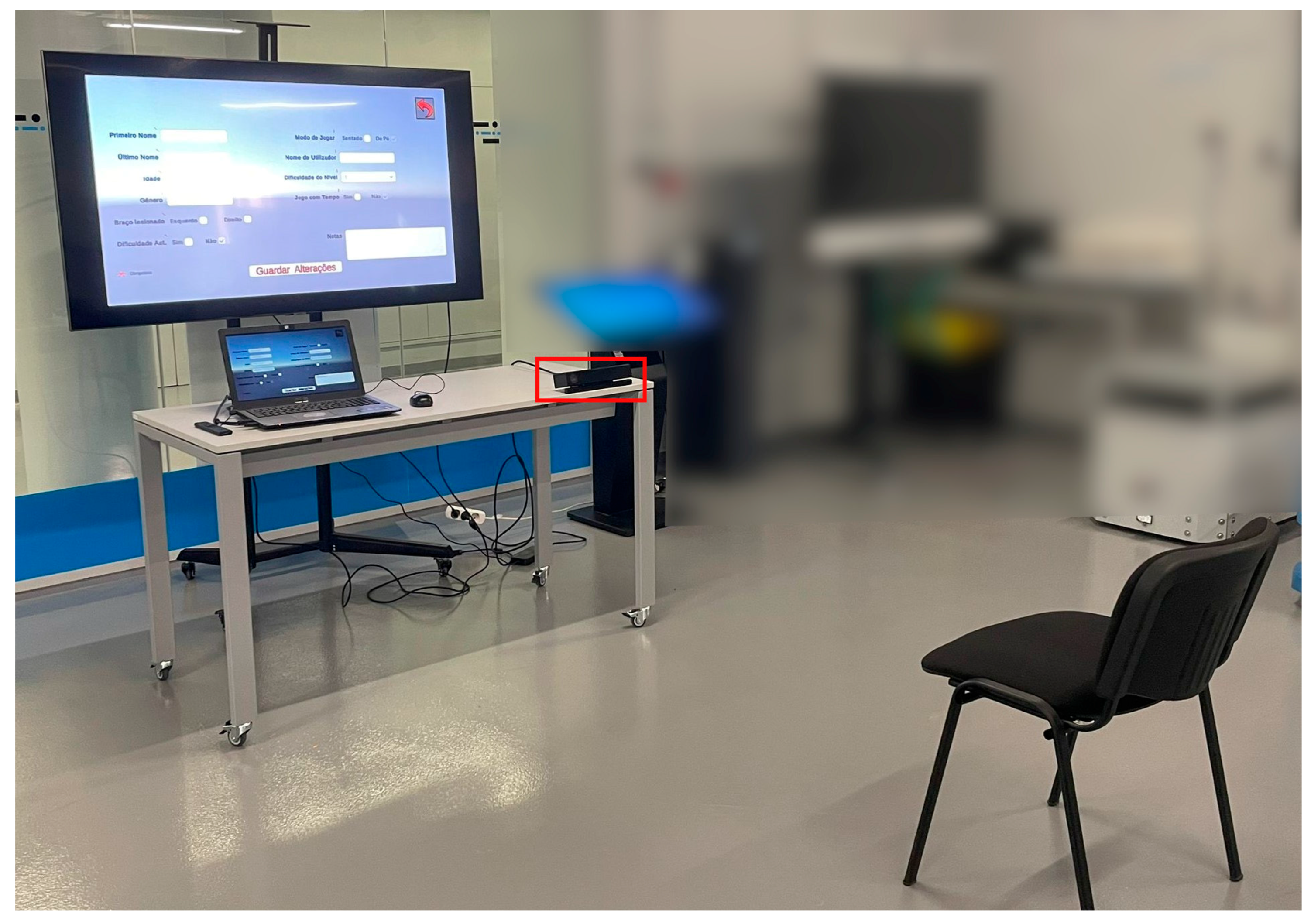
2.1. Hardware
2.2. Software
2.3. Statistical Analysis
2.3.1. Therapist Statistical Questionnaire
2.3.2. Therapist Open-Ended Questionnaire
2.4. Game Implementation
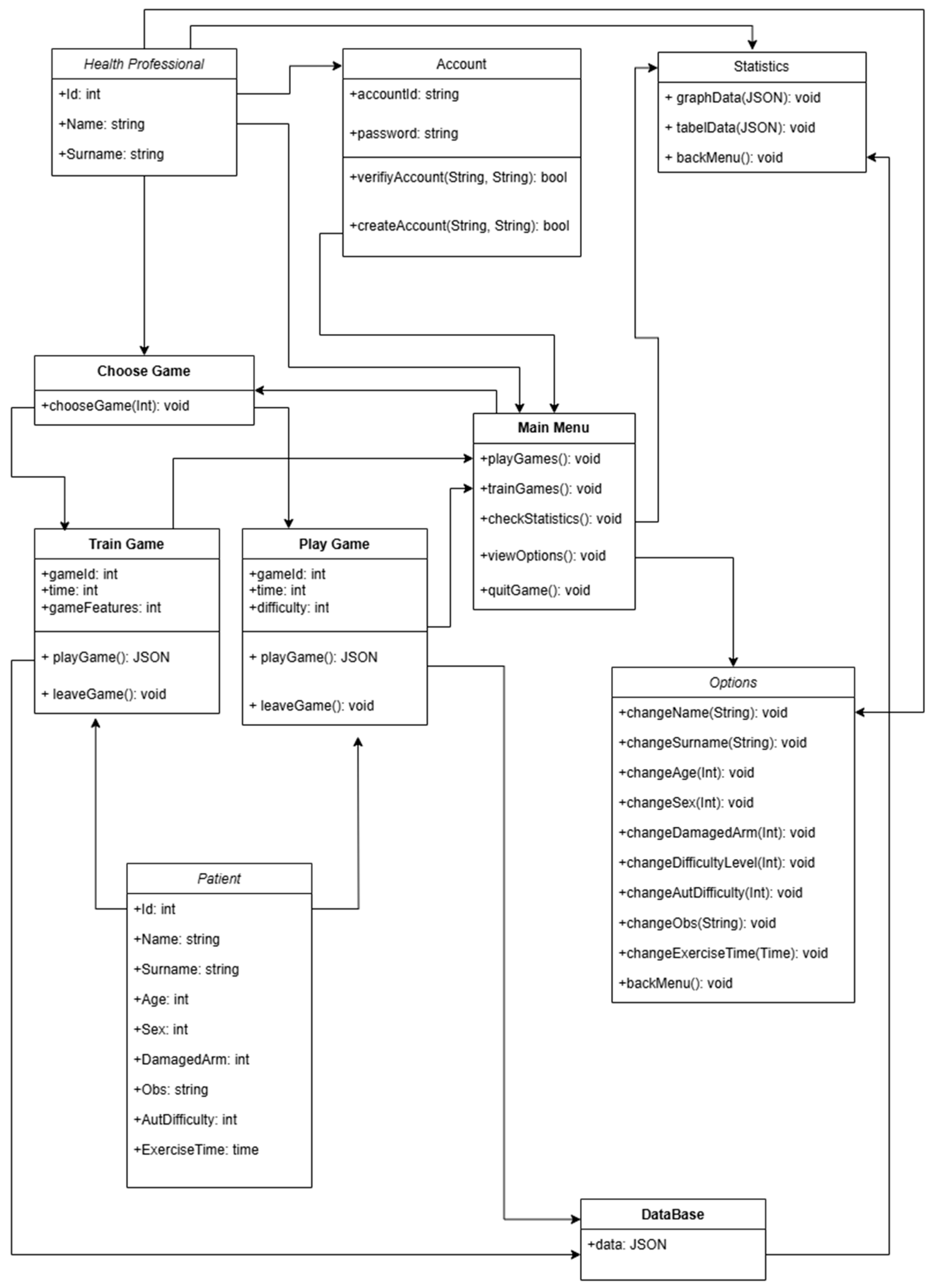
2.4.1. Database Tables
- Healthcare Professional Table—Regarding personal information, the system stores the first and last names of the respective professional. Additionally, a username and password are retained to allow authentication. As a security measure for safety against dictionary or brute force attacks, the system also tracks the number of consecutive failed authentication attempts.
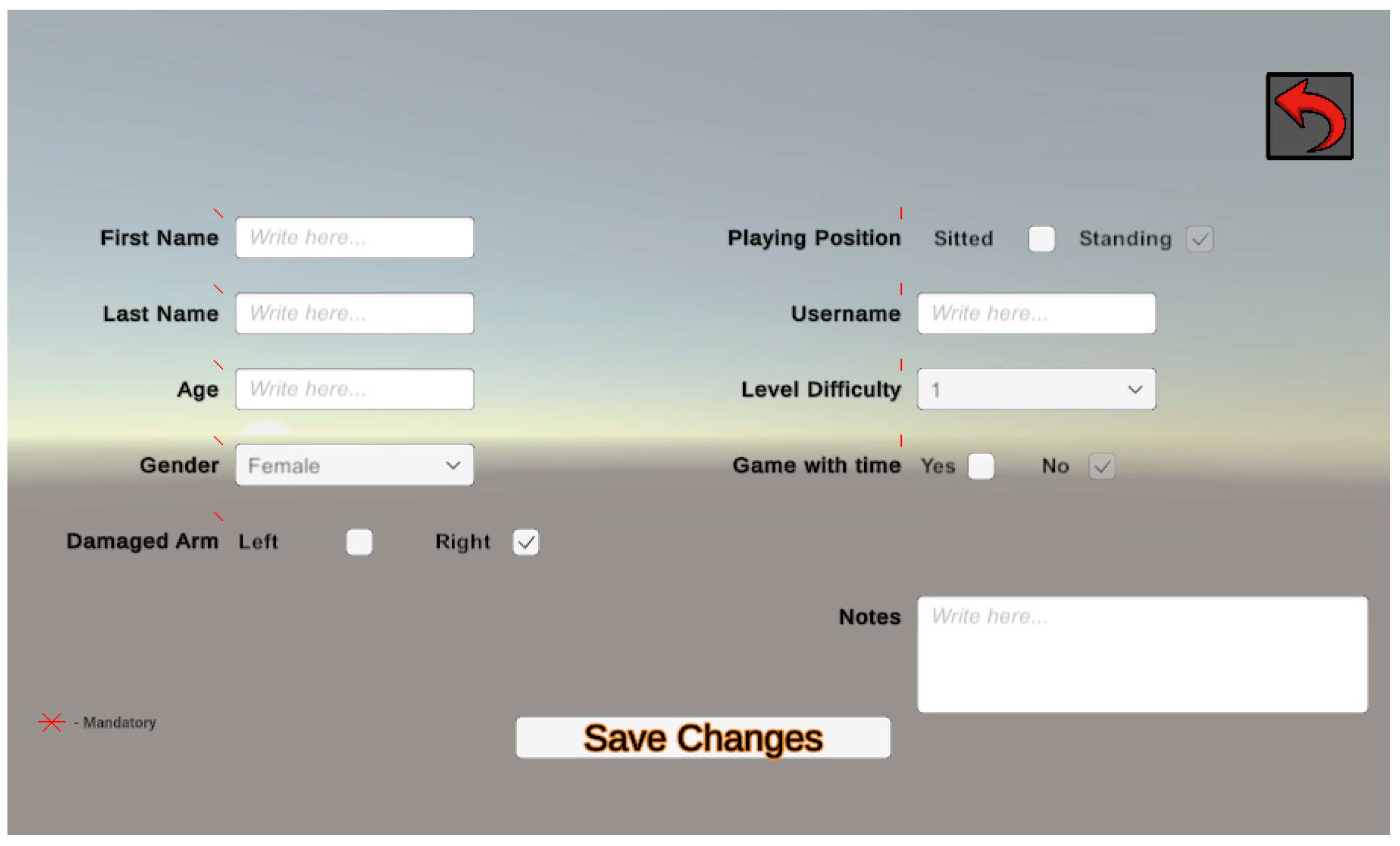
- Patient Table—Regarding personal information, the system stores first and last names, age, and gender. For game-related attributes, it encompasses the player’s position, preferred playing arm, difficulty level, time spent in the game, and username. Furthermore, specific variables are designated to record the lateral elevation limits for each patient and the date and time of their last login.
- Score Table—This table is connected to the patient table and stores the history and the highest score achieved at different levels.
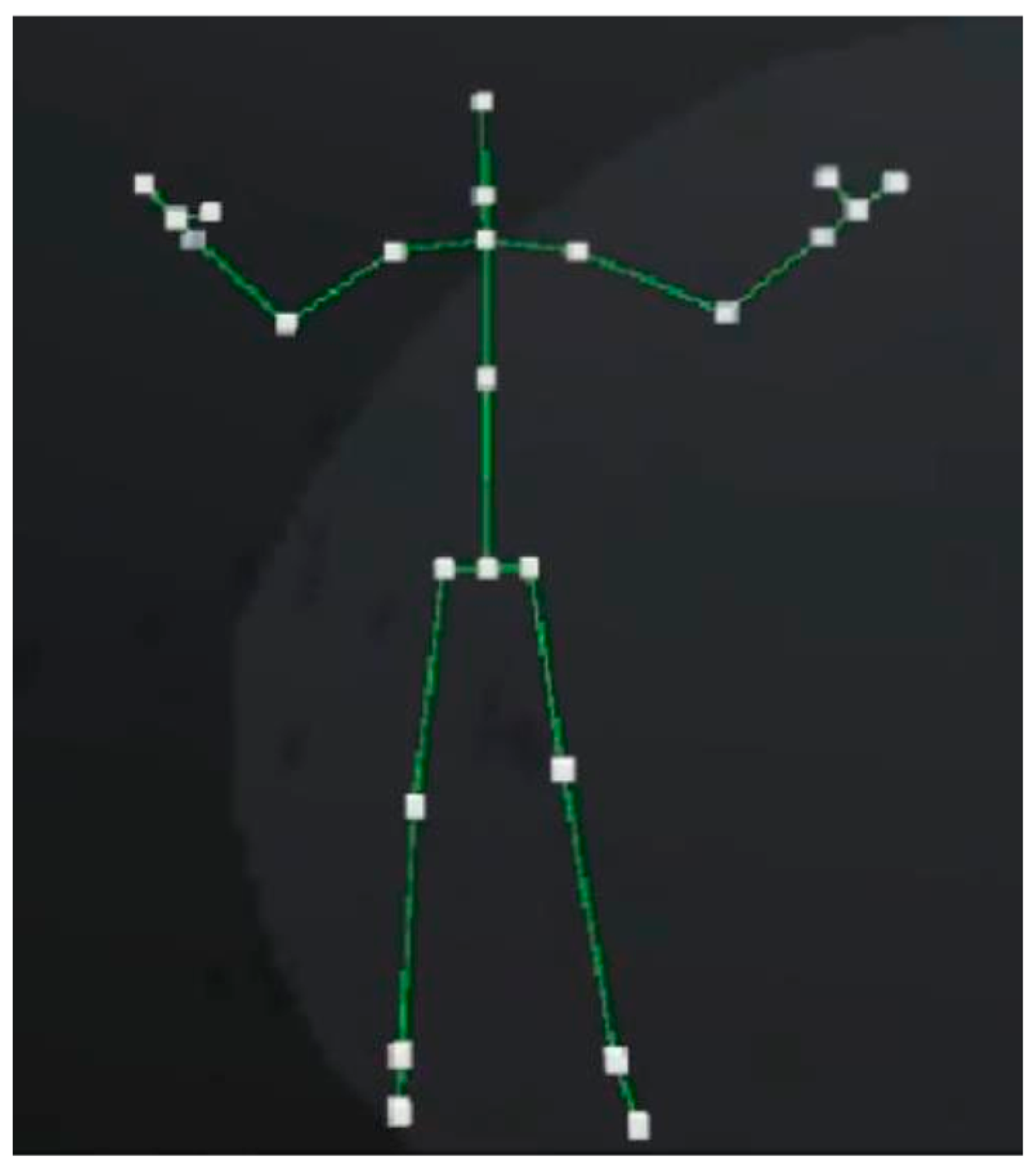
2.4.2. Kinect V2 Information
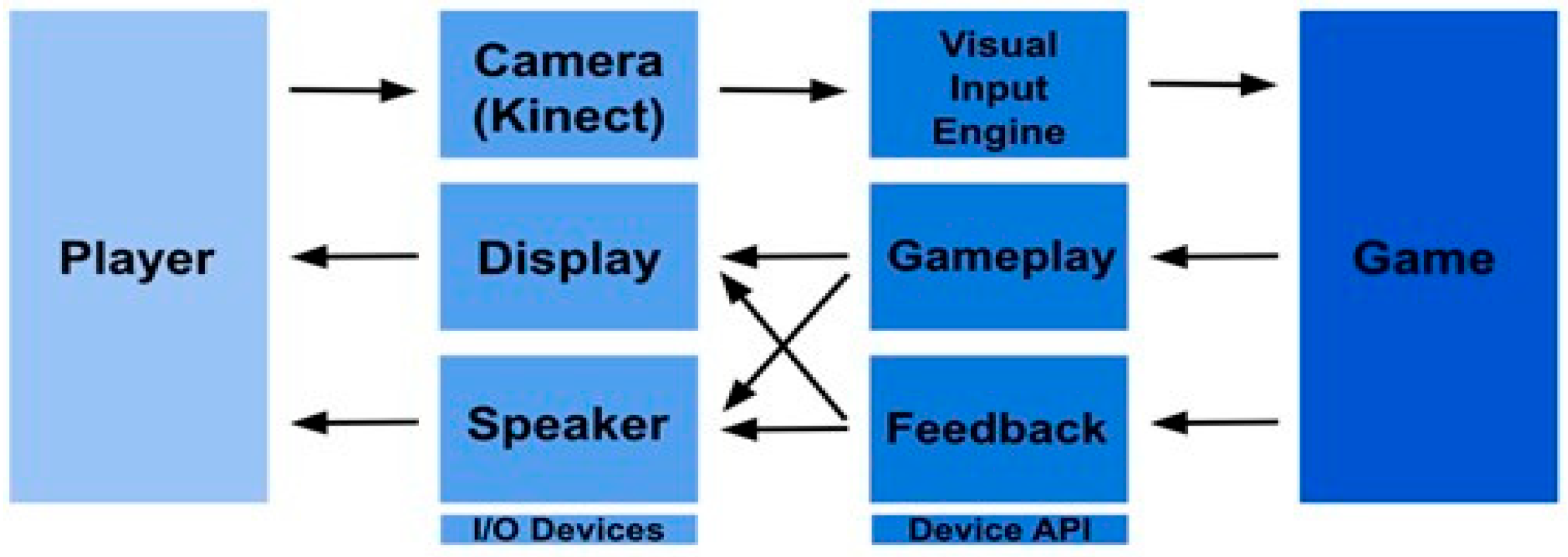
- SpineBase—SpineBase data were used to determine the avatar’s position relative to the game environment. To maximize the game’s potential and ensure more accurate position tracking, the user should always remain centered with the camera and with a straight back.
- WristRight/WristLeft—These points provide the position of the user’s wrists at a given frame, which will inform the future positioning of the avatar’s arm.
- ElbowRight/ElbowLeft—These points give the position of the user’s elbows at a given frame, which is used to understand how the elbows should bend to ensure natural, humanly possible movements of the avatar’s arm.
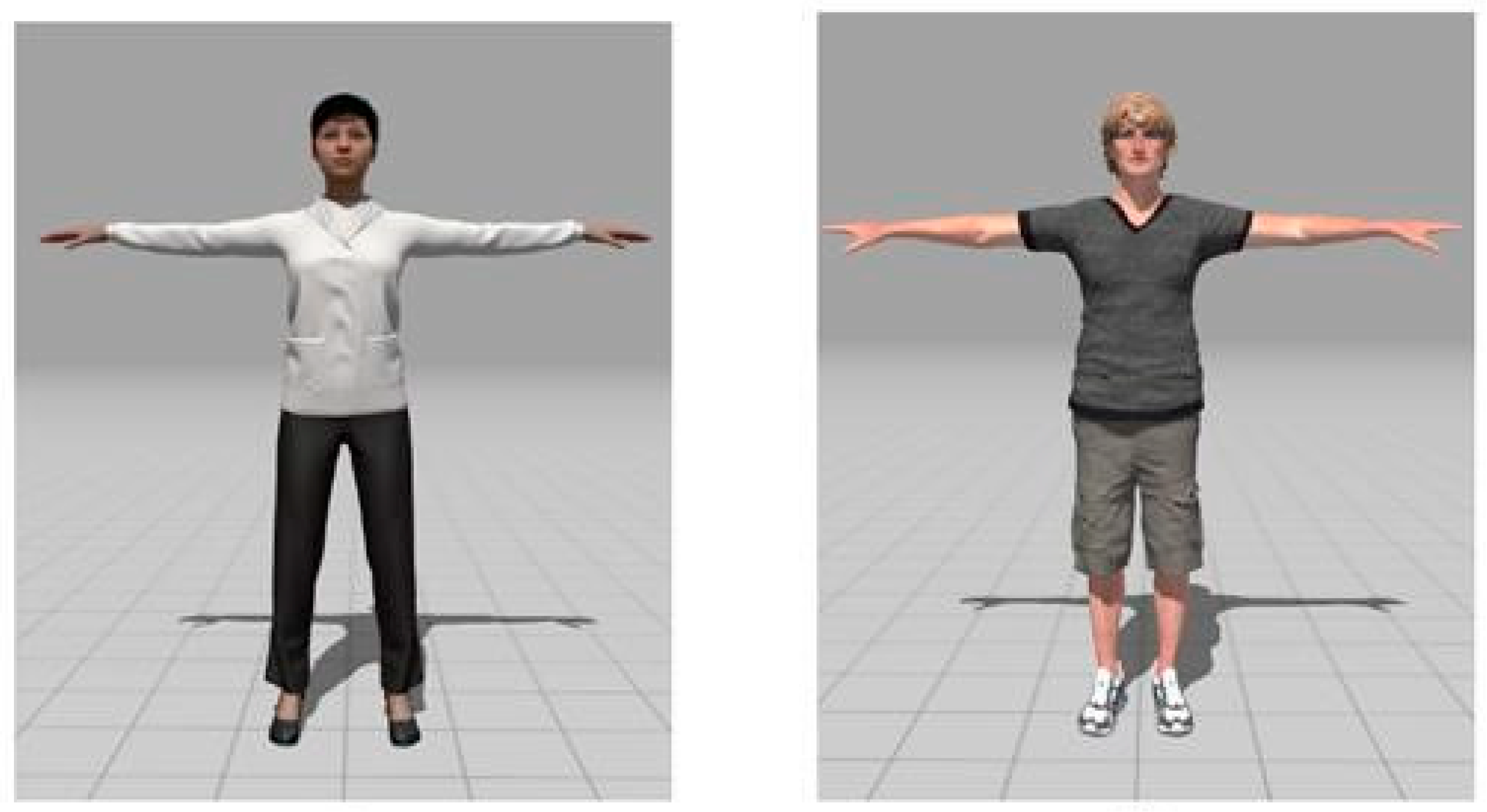
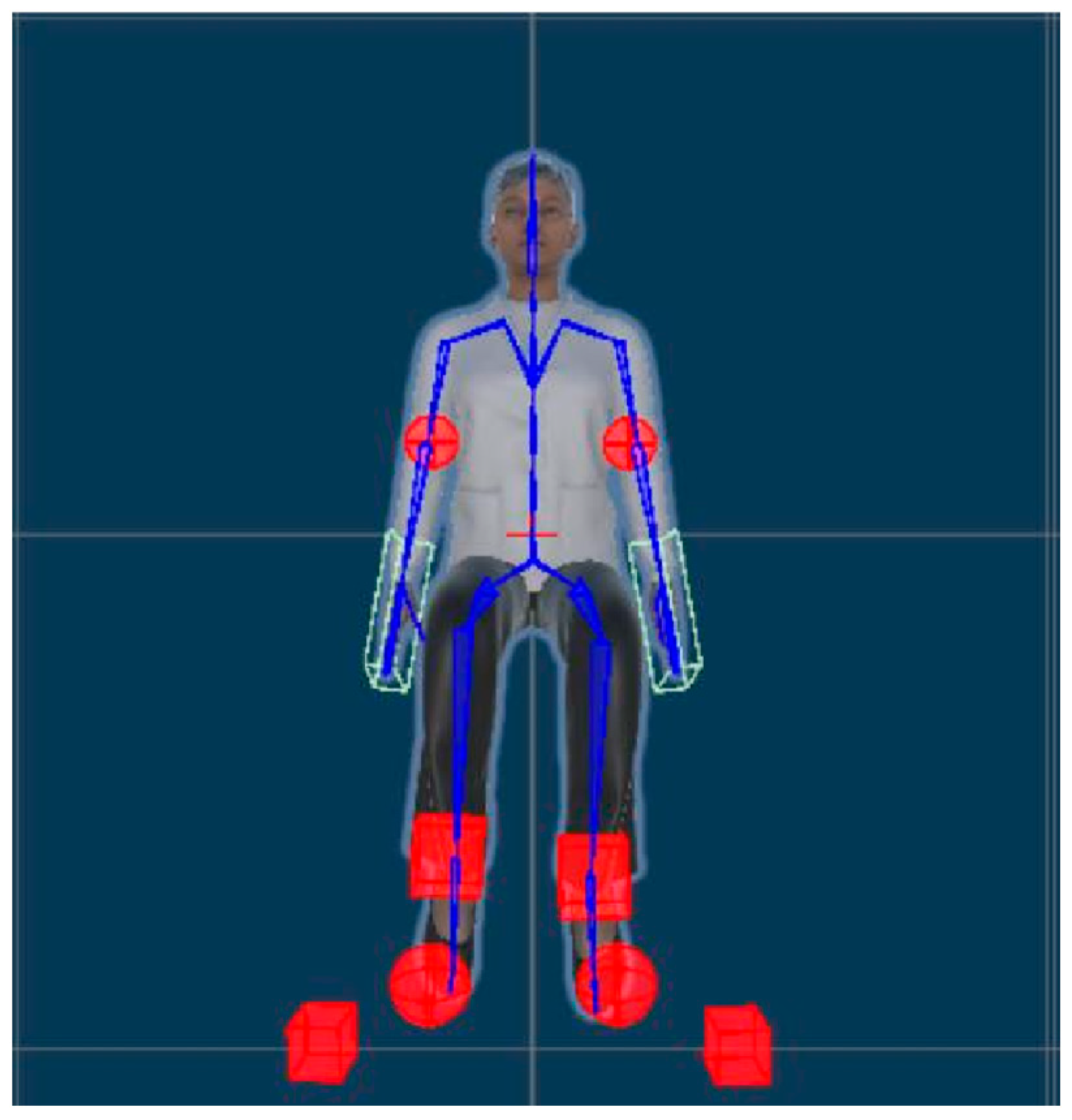
2.4.3. Avatar
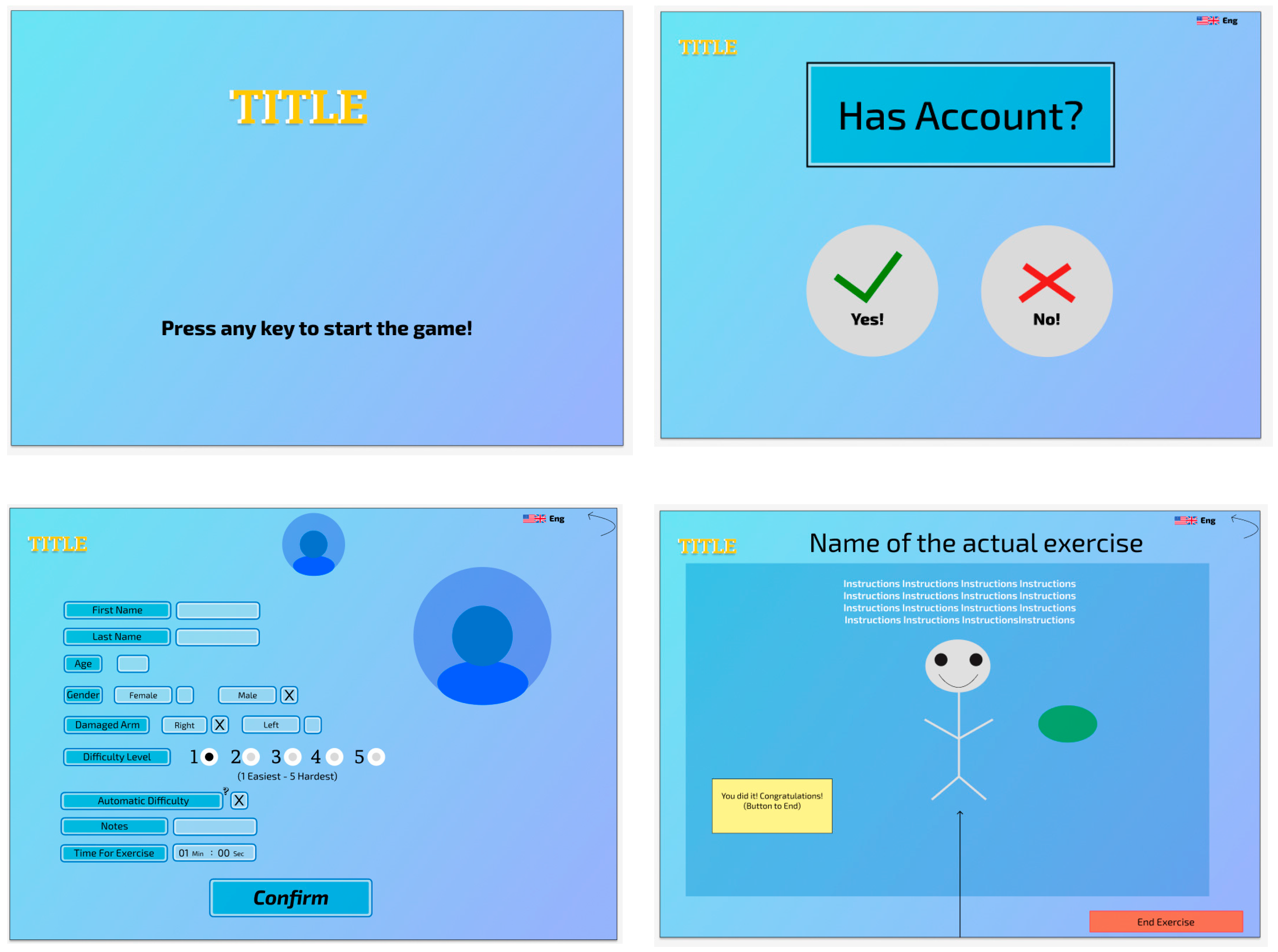
2.4.4. Unity Project
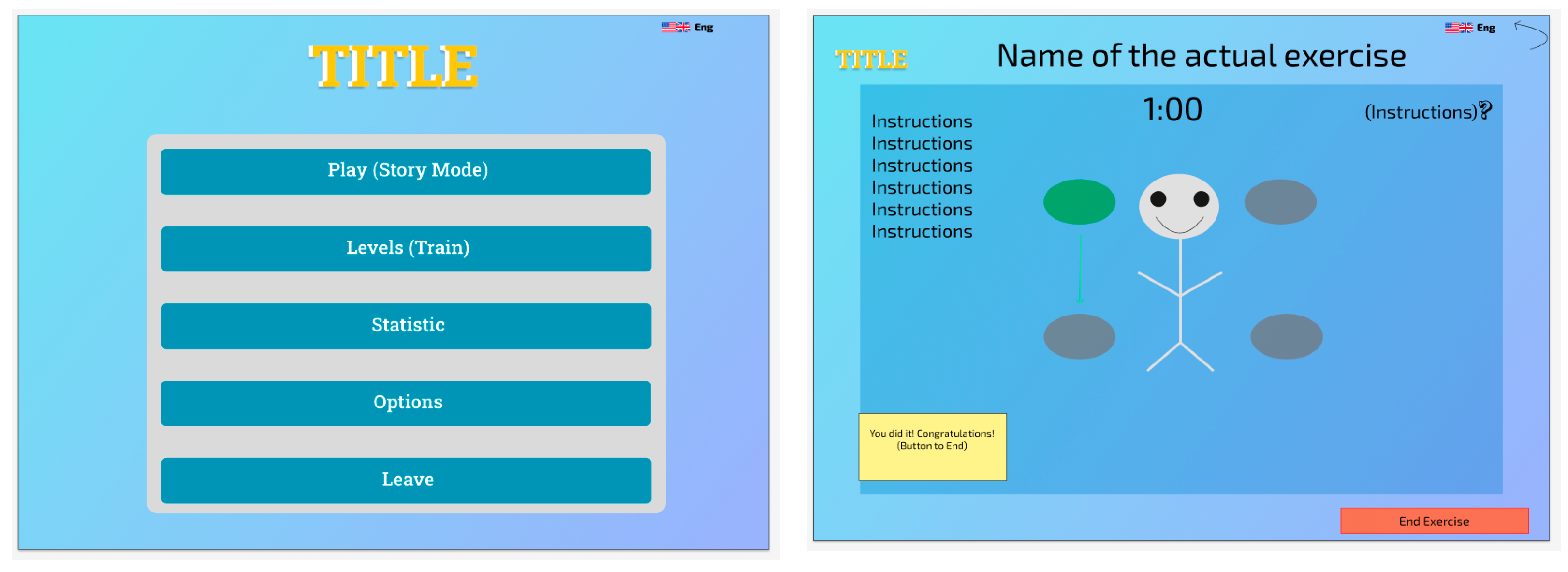
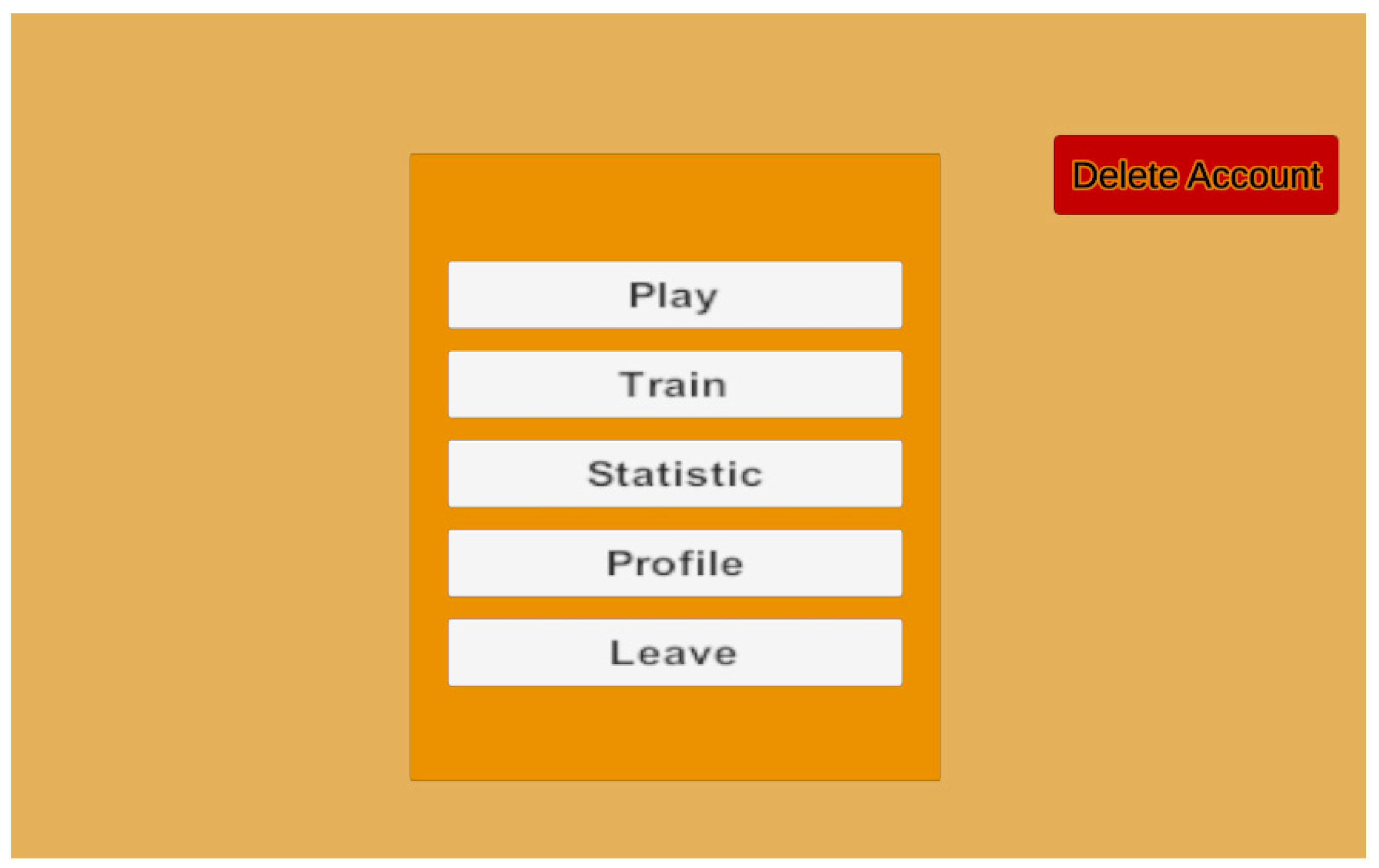
- Play: Initiates a level-based game session.
- Train: Opens a game session where the therapist configures the game’s characteristics.
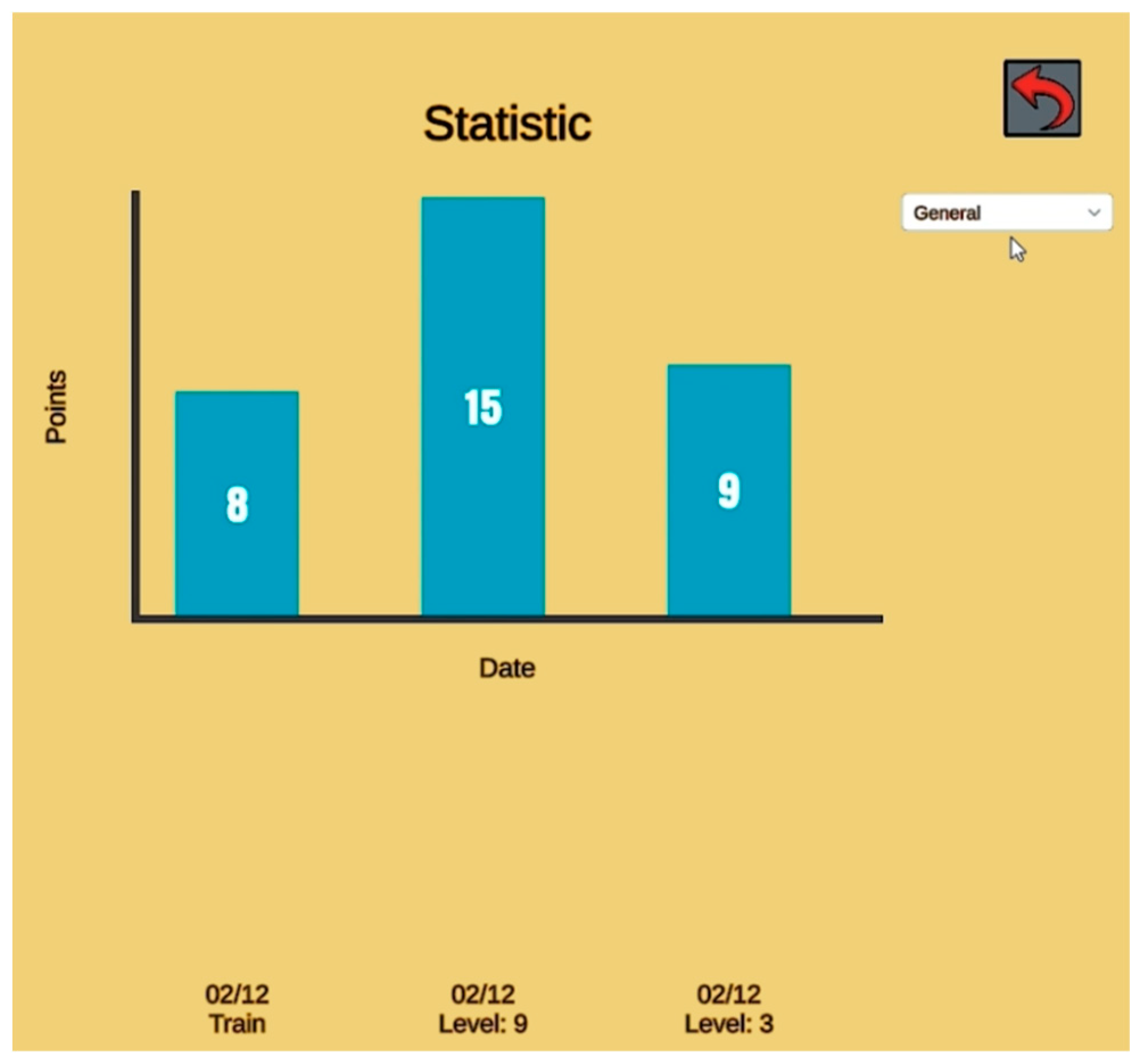
- Statistics: Displays the user’s statistics based on his/her progress across levels.
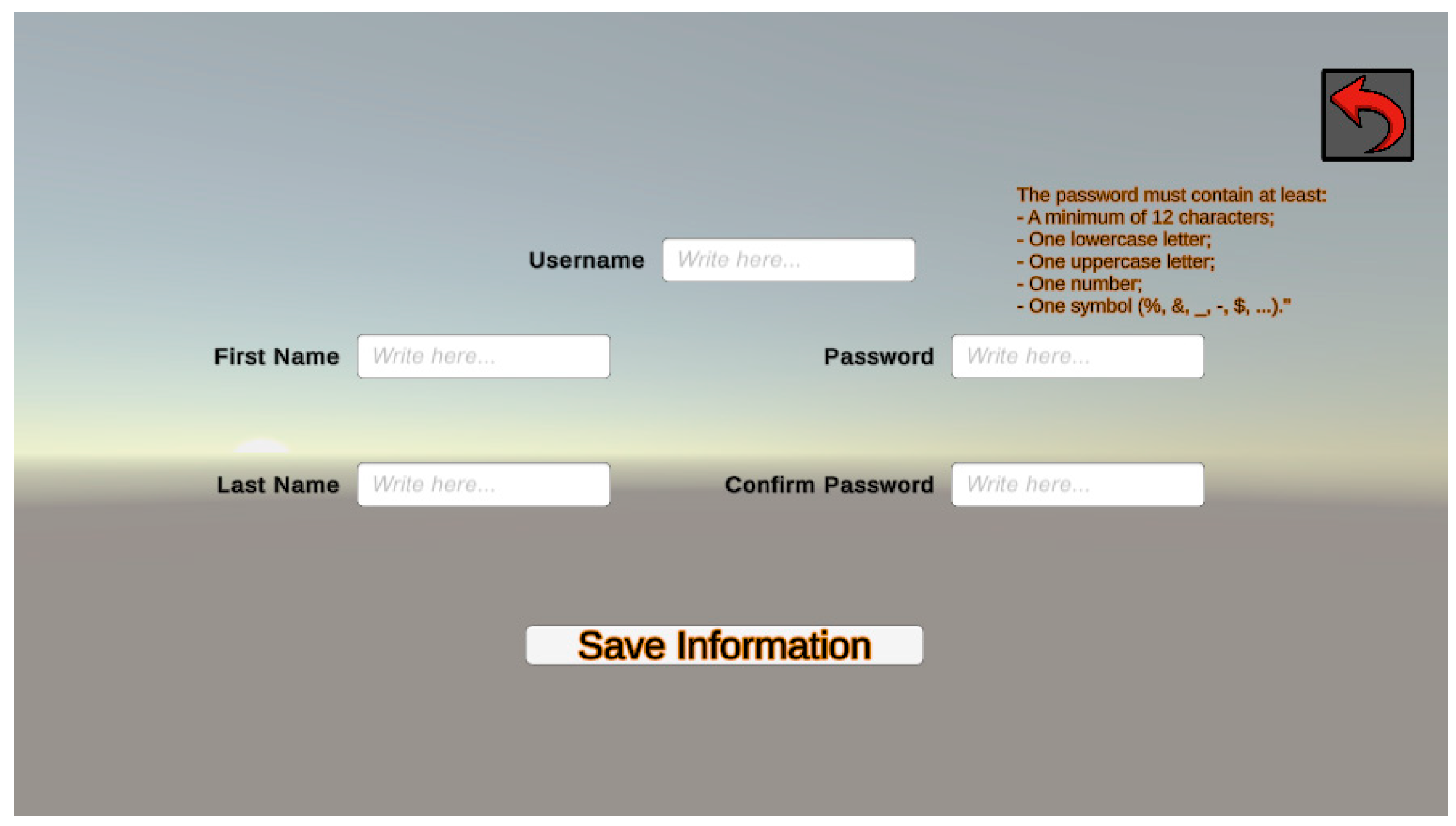
- Profile: Provides access to edit all fields within the user’s profile.
- Delete Account: Deletes the selected patient’s account.
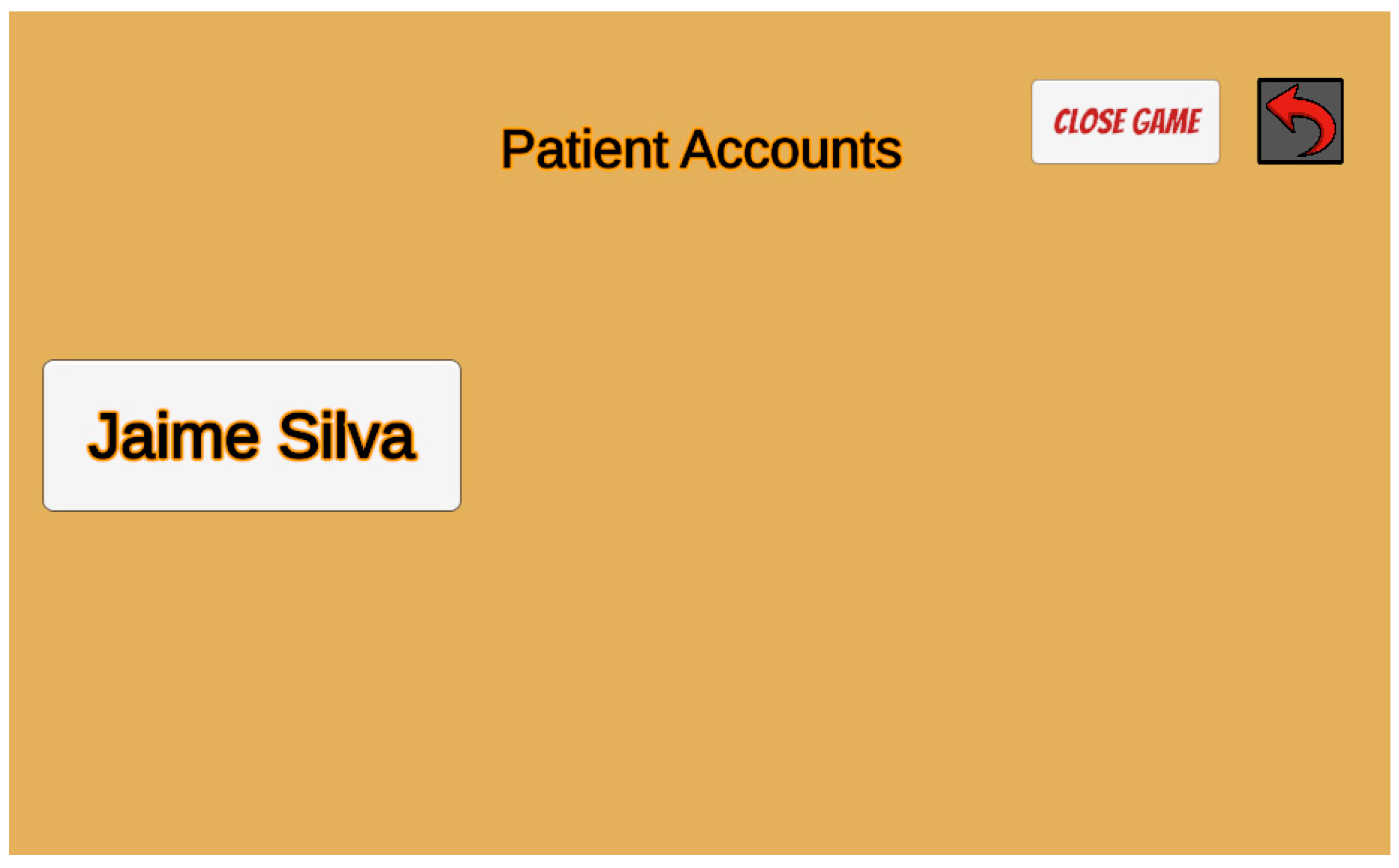
- Exit: Returns the user to the patient account selection screen.
3. Results
3.1. Visual Representation
3.2. Interface Test Results
- Is the application user-friendly and intuitive to use?
- Did any errors occur while using the application?
- What recommendations do you have for improving the application in the future?
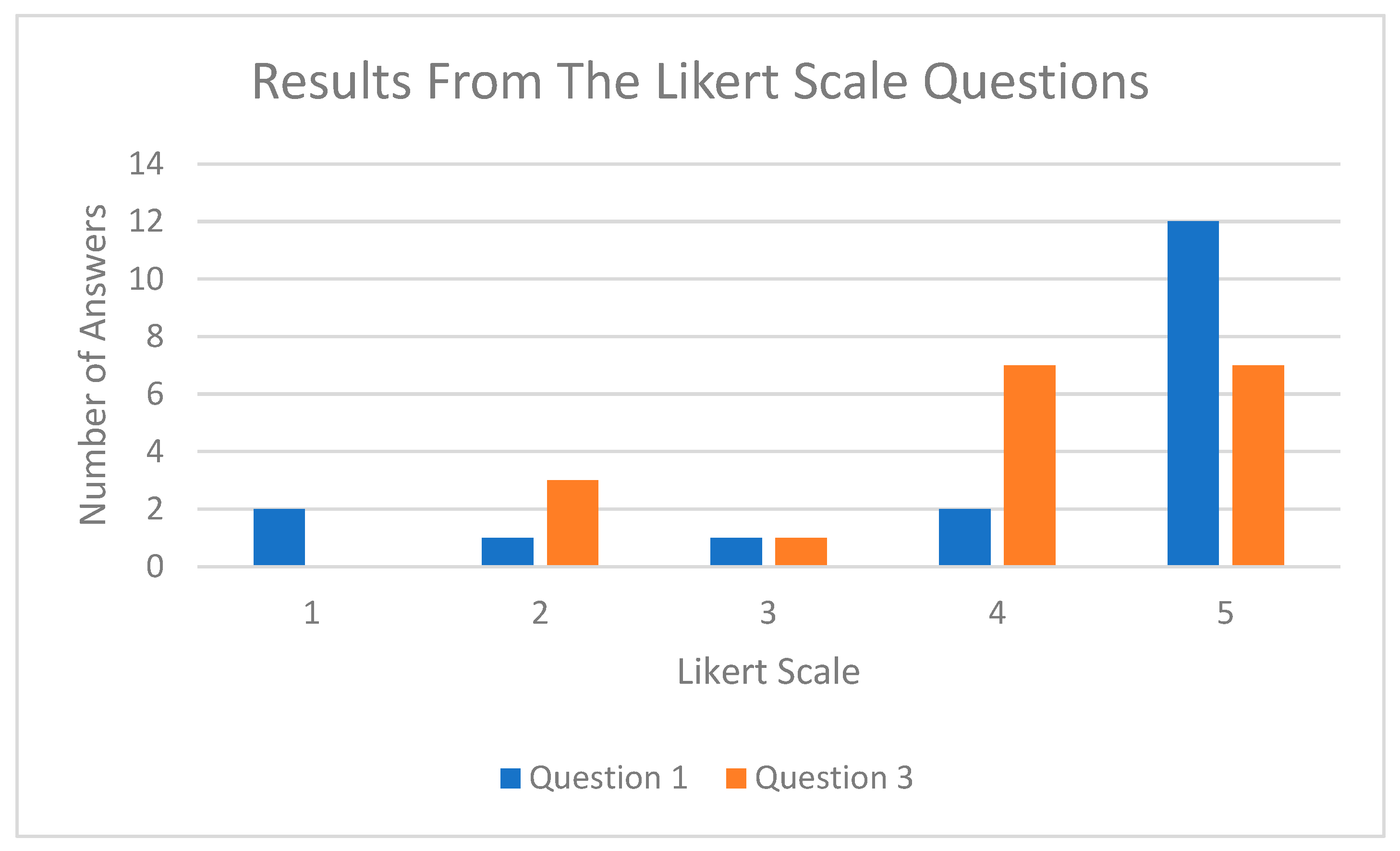
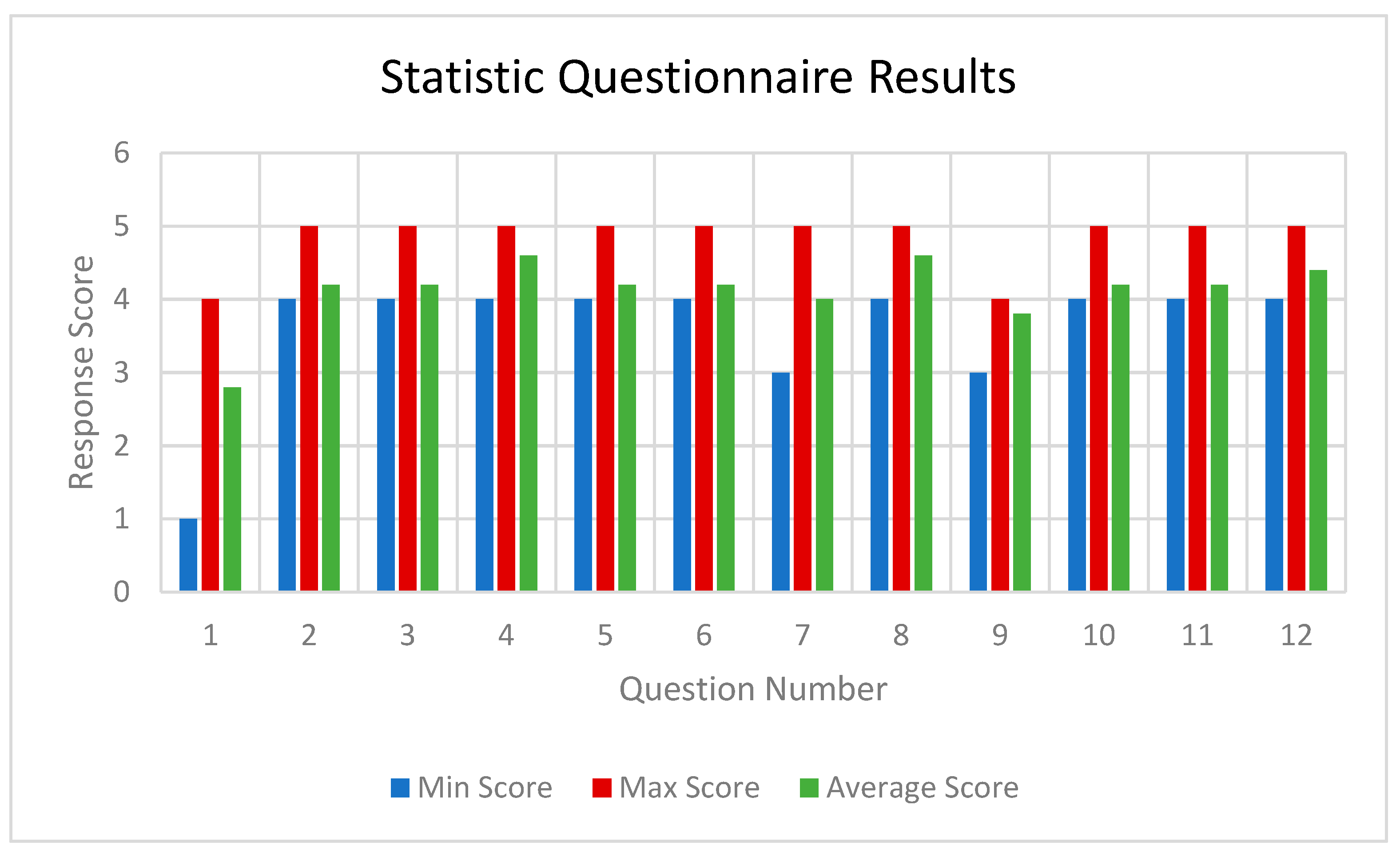
3.3. Therapist Statistical Questionnaire Results
3.4. Therapist Open-Ended Questions Results
- What exercises and activities are recommended for upper limb rehabilitation based on the patient’s pathology? The intervention should be individualized and rooted in the clinical reasoning process tailored to each specific case. Physiotherapy procedures must be selected according to the identified compromised functions, with a focus on enhancing motor relearning through the incorporation of functional activities meaningful to the patient. In upper limb rehabilitation, reaching movements are central to most functional activities.
- How is the correct and safe execution of exercises ensured? During one-on-one sessions, the physiotherapist, as an expert in human movement analysis, identifies compensatory movements and provides feedback to the patient, primarily through somatosensory and proprioceptive cues, to ensure proper performance.
- What functionalities or tools are essential for an upper limb rehabilitation game to effectively support recovery? The game should facilitate motor relearning by allowing patients to safely practice movement patterns, minimizing compensatory strategies while providing appropriate challenges to promote progression.
- How can the balance between challenge and progression be maintained while minimizing the risk of frustration in a rehabilitation game? Offering a broad range of difficulty levels allows the challenge to be adjusted according to the patient’s abilities and progress, ensuring a positive experience.
- What strategies can ensure sustained engagement and interest in an upper limb rehabilitation game over an extended period? The game should balance the need for challenge and progression with the risk of frustration, providing a motivating yet manageable experience for the patient.
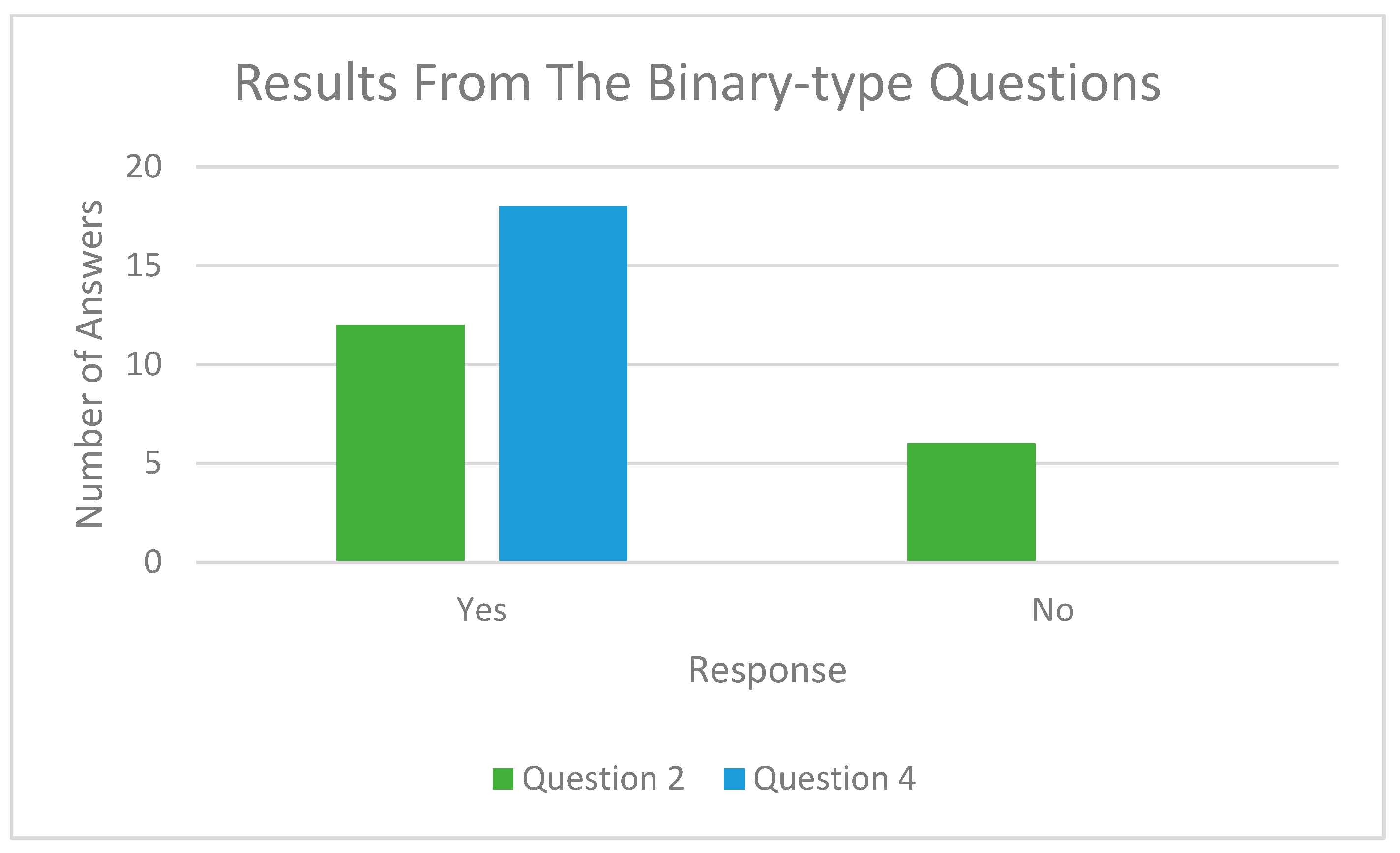
3.5. Gameplay Test Results
3.6. Limitations
4. Discussion
5. Conclusions
Supplementary Materials
Author Contributions
Funding
Institutional Review Board Statement
Informed Consent Statement
Data Availability Statement
Conflicts of Interest
Abbreviations
| JMIR | Journal of Medical Internet Research |
| VR | Virtual Reality |
| PSCI | Post-Stroke Cognitive Impairment |
| HCI | Human–Computer Interaction |
| 3D | Three-Dimensional |
| HMD | Head-Mounted Display |
| C# | C Sharp |
| SDK | Software Development Kit |
| IK | Inverse Kinematics |
Appendix A




References
- Belagaje, S.R. Stroke rehabilitation. Contin. Lifelong Learn. Neurol. 2017, 23, 238–253. [Google Scholar] [CrossRef] [PubMed]
- Benjamin, E.J.; Muntner, P.; Alonso, A.; Bittencourt, M.S.; Callaway, C.W.; Carson, A.P.; Chamberlain, A.M.; Chang, A.R.; Cheng, S.; Das, S.R.; et al. Heart disease and stroke statistics—2019 update: A report from the American heart association. Circulation 2019, 139, e56–e528. [Google Scholar] [CrossRef] [PubMed]
- World Stroke Organization. Global Stroke Fact Sheet 2022. Available online: https://www.world-stroke.org/assets/downloads/WSO_Global_Stroke_Fact_Sheet.pdf (accessed on 10 December 2023).
- Li, J.; You, S.-J.; Xu, Y.-N.; Yuan, W.; Shen, Y.; Huang, J.-Y.; Xiong, K.-P.; Liu, C.-F. Cognitive impairment and sleep disturbances after minor ischemic stroke. Sleep Breath. 2019, 23, 455–462. [Google Scholar] [CrossRef] [PubMed]
- Rocha, C.D.; Carneiro, I.; Torres, M.; Oliveira, H.P.; Solteiro Pires, E.J.; Silva, M.F. Post-stroke upper limb rehabilitation: Clinical practices, compensatory movements, assessment, and trends. Prog. Biomed. Eng. 2025, 7, 042001. [Google Scholar] [CrossRef] [PubMed]
- Langhorne, P.; Bernhardt, J.; Kwakkel, G. Stroke rehabilitation. Lancet 2001, 377, 1693–1702. [Google Scholar] [CrossRef] [PubMed]
- Cumming, T.B.; Marshall, R.S.; Lazar, R.M. Stroke, cognitive deficits, and rehabilitation: Still an incomplete picture. Int. J. Stroke 2013, 8, 38–45. [Google Scholar] [CrossRef] [PubMed]
- Huotari, K.; Hamari, J. Defining gamification: A service marketing perspective. In Proceedings of the 16th International Academic MindTrek Conference, Tampere, Finland, 3–5 October 2012. [Google Scholar]
- AlMousa, M.; Al-Khalifa, H.S.; AlSobayel, H. Move-it: A virtual reality game for upper limb stroke rehabilitation patients. In Computers Helping People with Special Needs, Proceedings of the 17th International Conference, ICCHP 2020, Lecco, Italy, 9–11 September 2020; Proceedings, Part I 17; Springer: Cham, Switzerland, 2020. [Google Scholar]
- Postolache, O.; Hemanth, D.J.; Alexandre, R.; Gupta, D.; Geman, O.; Khanna, A. Remote monitoring of physical rehabilitation of stroke patients using iot and virtual reality. IEEE J. Sel. Areas Commun. 2020, 39, 562–573. [Google Scholar] [CrossRef]
- Jayasree-Krishnan, V.; Bethi, S.R.; Kumar, S.; Jayanthi, R.K.R.; Ghosh, S.; Raghavan, P.; Kapila, V. Rehabfork: An interactive game-assisted upper limb stroke rehabilitation system. In Proceedings of the 2020 42nd Annual International Conference of the IEEE Engineering in Medicine & Biology Society (EMBC), Montreal, QC, Canada, 20–24 July 2020; IEEE: Piscataway, NJ, USA, 2020. [Google Scholar]
- John, N.W.; Day, T.W.; Pop, S.R.; Chatterjee, K.; Cottrell, K.; Buchanan, A.; Roberts, J. Virtual reality environment for the cognitive rehabilitation of stroke patients. In Proceedings of the 2019 11th International Conference on Virtual Worlds and Games for Serious Applications (VS-Games), Vienna, Austria, 4–6 September 2019; IEEE: Piscataway, NJ, USA, 2019. [Google Scholar]
- Burke, J.W.; McNeill, M.; Charles, D.K.; Morrow, P.J.; Crosbie, J.H.; Donough, S.M.M. Optimising engagement for stroke rehabilitation using serious games. Vis. Comput. 2009, 25, 1085–1099. [Google Scholar] [CrossRef]
- Webster, D.; Celik, O. Systematic review of kinect applications in elderly care and stroke rehabilitation. J. Neuroeng. Rehabil. 2014, 11, 108. [Google Scholar] [CrossRef] [PubMed]
- Song, X.; Van De Ven, S.S.; Liu, L.; Wouda, F.J.; Wang, H.; Shull, P.B. Activities of daily living-based rehabilitation system for arm and hand motor function retraining after stroke. IEEE Trans. Neural Syst. Rehabil. Eng. 2022, 30, 621–631. [Google Scholar] [CrossRef] [PubMed]
- Mubin, O.; Alnajjar, F.; Al Mahmud, A.; Jishtu, N.; Alsinglawi, B. Exploring serious games for stroke rehabilitation: A scoping review. Disabil. Rehabil. Assist. Technol. 2022, 17, 159–165. [Google Scholar] [CrossRef] [PubMed]
- Trombetta, M.; Henrique, P.P.B.; Brum, M.R.; Colussi, E.L.; De Marchi, A.C.B.; Rieder, R. Motion Rehab AVE 3D: A VR-based exergame for poststroke rehabilitation. Comput. Methods Programs Biomed. 2017, 151, 15–20. [Google Scholar] [CrossRef] [PubMed]
- Unity. Available online: https://unity.com (accessed on 10 December 2023).
- Chang, Y.J.; Han, W.Y.; Tsai, Y.C. A Kinect-based upper limb rehabilitation system to assist people with cerebral palsy. Res. Dev. Disabil. 2013, 34, 3654–3659. [Google Scholar] [CrossRef] [PubMed]
- Ain, Q.U.; Khan, S.; Ilyas, S.; Yaseen, A.; Tariq, I.; Liu, T.; Wang, J. Additional effects of Xbox kinect training on upper limb function in chronic stroke patients: A randomized control trial. Healthcare 2021, 9, 242. [Google Scholar] [CrossRef] [PubMed]
- Afsar, S.I.; Mirzayev, I.; Yemisci, O.U.; Saracgil, S.N.C. Virtual reality in upper extremity rehabilitation of stroke patients: A randomized controlled trial. J. Stroke Cerebrovasc. Dis. 2018, 27, 3473–3478. [Google Scholar] [CrossRef] [PubMed]
- Masood, M.D.; Wijdan, A. Comparison of programming languages in game development. Preprint 2020. [Google Scholar] [CrossRef]
- Mixamo Animation and Rigging Software. Available online: https://www.mixamo.com/#/ (accessed on 3 September 2024).
- Gaffney, K.P.; Prammer, M.; Brasfield, L.; Hipp, D.R.; Kennedy, D.; Patel, J.M. SQLite: Past, present, and future. In Proceedings of the VLDB Endowment, Sydney, Australia, 5–9 September 2022. [Google Scholar]
- Huertas. Sqlite4unity3d. Available online: https://github.com/robertohuertasm/SQLite4Unity3d (accessed on 12 July 2024).
- Kinematics. Available online: https://docs.unity3d.com/Manual/InverseKinematics.html (accessed on 3 September 2024).
- Two Bone Ik Constraint. Available online: https://docs.unity3d.com/Packages/com.unity.animation.rigging@1.1/manual/constraints/TwoBoneIKConstraint.html (accessed on 4 September 2024).





| No. | Question |
|---|---|
| 1 | How would you assess your level of familiarity with using computers and video games? |
| 2 | To what extent are you open to integrating technology-based solutions, such as games and applications, into stroke rehabilitation therapy? |
| 3 | How interested would you be in utilizing a stroke rehabilitation application that incorporates virtual reality technology? |
| 4 | How interested would you be in the use of personalized exercise plans tailored to the individual needs and progress of each patient? |
| 5 | How interested would you be in the incorporation of gamification elements (e.g., points, rewards, and levels) to enhance patient engagement and motivation? |
| 6 | How interested would you be in the provision of feedback (e.g., success messages or sounds) based on the patient’s performance and progress? |
| 7 | How interested would you be in offering real-time feedback during exercises to guide proper form and technique? |
| 8 | How interested would you be in ensuring ease of use (user friendly) of the application for both patients and healthcare professionals? |
| 9 | How interested would you be in incorporating social interaction features, such as sharing progress with other participants and connecting with the broader stroke survivor community? |
| 10 | How interested would you be in accounting for the cultural and linguistic diversity of users in terms of content and interface design? |
| 11 | How interested would you be in including relaxation techniques to address patient stress and anxiety? |
| 12 | How interested would you be in providing progress reports and data tracking capabilities for both patients and healthcare professionals? |
| 13 | Do you believe that stroke rehabilitation applications should offer customizable settings to adjust difficulty levels and various abilities? |
| 14 | Is it possible for a patient who has experienced impairment in both arms to undergo post-stroke rehabilitation for both limbs? |
| 15 | What are the key features that the application or game should include to offer optimal support in upper limb stroke rehabilitation? |
| No. | Question |
|---|---|
| 1 | On a scale from 0 (no familiarity) to 5 (a high level of familiarity), how familiar are you with using computer games? |
| 2 | Have you ever used a virtual reality (VR) game? |
| 3 | On a scale from 0 (not motivating) to 5 (very motivating), how motivating did you find the game? |
| 4 | Do you think the difficulty settings were appropriate for any person? |
| 5 | Did you encounter any errors/limitations while playing the game? |
| 6 | What recommendations do you have for improving the gameplay in the future? |
Disclaimer/Publisher’s Note: The statements, opinions and data contained in all publications are solely those of the individual author(s) and contributor(s) and not of MDPI and/or the editor(s). MDPI and/or the editor(s) disclaim responsibility for any injury to people or property resulting from any ideas, methods, instructions or products referred to in the content. |
© 2025 by the authors. Licensee MDPI, Basel, Switzerland. This article is an open access article distributed under the terms and conditions of the Creative Commons Attribution (CC BY) license (https://creativecommons.org/licenses/by/4.0/).
Share and Cite
Silva, J.A.; Silva, M.F.; Oliveira, H.P.; Rocha, C.D. Developing a Serious Video Game to Engage the Upper Limb Post-Stroke Rehabilitation. Appl. Sci. 2025, 15, 8240. https://doi.org/10.3390/app15158240
Silva JA, Silva MF, Oliveira HP, Rocha CD. Developing a Serious Video Game to Engage the Upper Limb Post-Stroke Rehabilitation. Applied Sciences. 2025; 15(15):8240. https://doi.org/10.3390/app15158240
Chicago/Turabian StyleSilva, Jaime A., Manuel F. Silva, Hélder P. Oliveira, and Cláudia D. Rocha. 2025. "Developing a Serious Video Game to Engage the Upper Limb Post-Stroke Rehabilitation" Applied Sciences 15, no. 15: 8240. https://doi.org/10.3390/app15158240
APA StyleSilva, J. A., Silva, M. F., Oliveira, H. P., & Rocha, C. D. (2025). Developing a Serious Video Game to Engage the Upper Limb Post-Stroke Rehabilitation. Applied Sciences, 15(15), 8240. https://doi.org/10.3390/app15158240