Article

An Efficient Trajectory Planning Method for High-Speed Interception of Invasive Drones

1
College of Aerospace Science and Engineering, National University of Defense Technology, Changsha 410073, China
2
Test Center, National University of Defense Technology, Xi’an 710106, China
*
Author to whom correspondence should be addressed.
Appl. Sci. 2024, 14(16), 7030; https://doi.org/10.3390/app14167030
Submission received: 10 July 2024 / Revised: 3 August 2024 / Accepted: 5 August 2024 / Published: 10 August 2024

Abstract

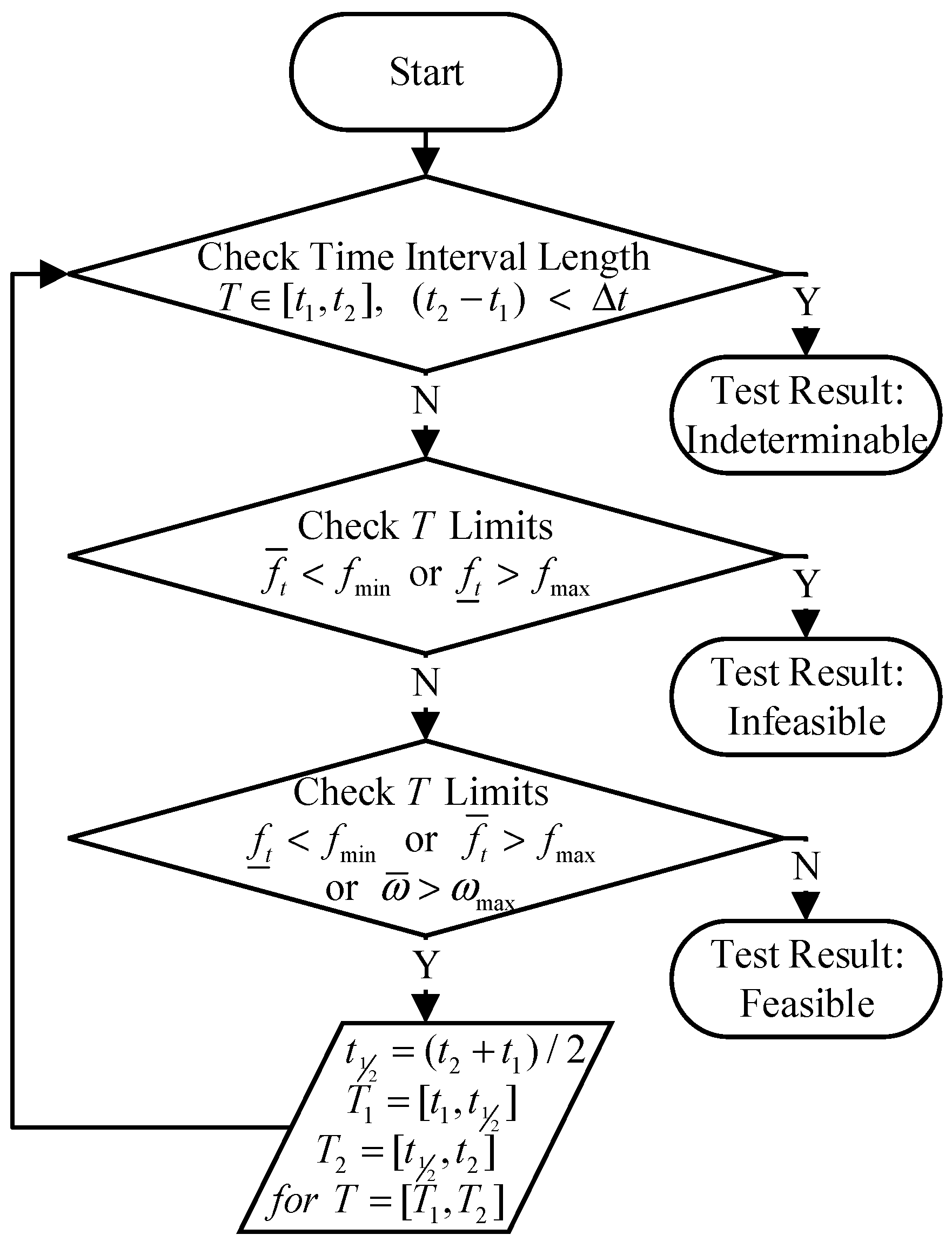
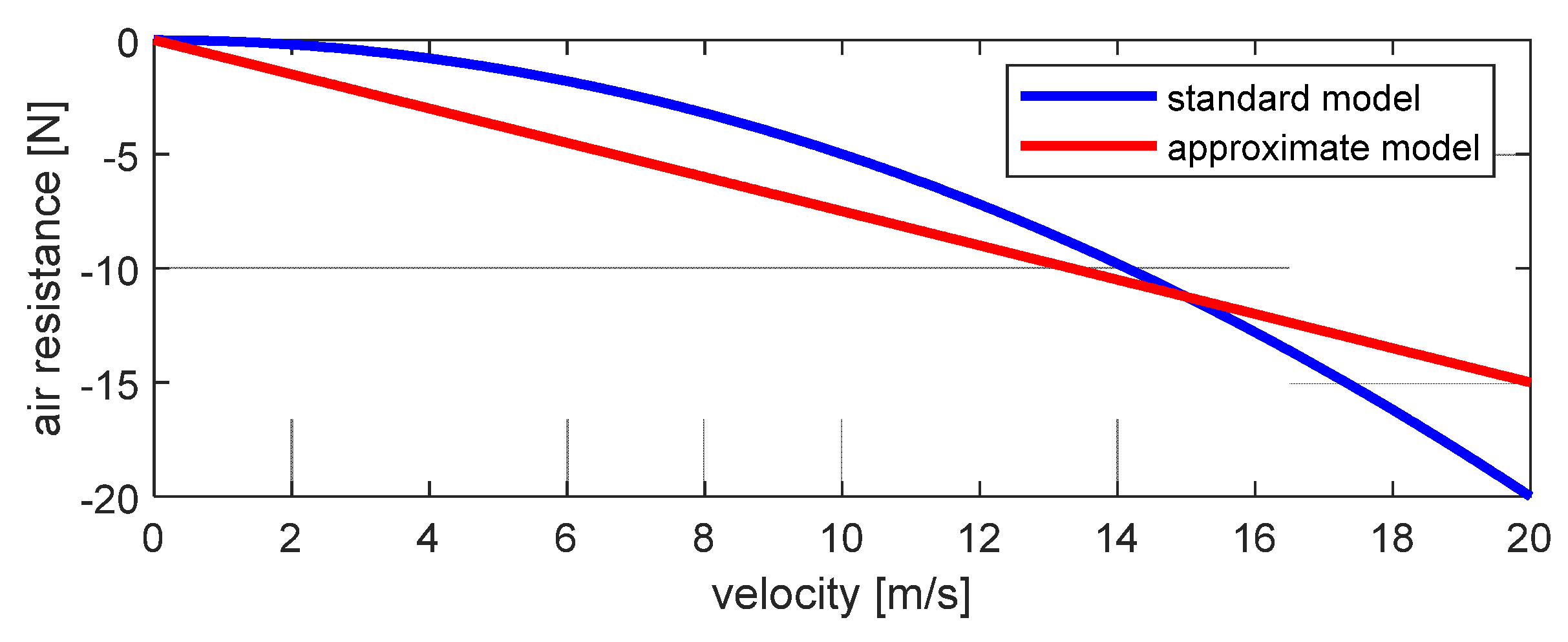
This article introduces a rapid interception trajectory generation algorithm tailored for the mitigation of malicious drone activities and other high-speed airborne threats. The proposed method facilitates a high degree of flexibility in defining the terminal state parameters, including position, velocity, and acceleration, as well as the anticipated duration of drone maneuvers, thereby enabling the fulfillment of a variety of mission objectives. The approach employed in this study linearizes the aerodynamic resistance model and computes an efficient closed-form solution for the optimal trajectory motion primitive by applying Pontryagin’s Maximum Principle. Concurrently, it minimizes the cost function associated with the aggression of control inputs. The motion primitive is defined by the combination of the initial and terminal states of the drone, as well as the expected movement time. An efficient input feasibility verification method has been designed for the optimal trajectory. This algorithm can serve as a low-level trajectory generator for advanced task planning methods. After compilation, it can evaluate and compare thousands of motion primitives per second on a personal portable computer, thereby achieving certain advanced goals. The reliability of the algorithm is verified by setting up a multi-objective approach task in a physical simulation environment.
Keywords: unmanned aerial vehicle (UAV); high-speed flight; air resistance; motion control; motion primitives; trajectory planning; quadcopter unmanned aerial vehicle (UAV); high-speed flight; air resistance; motion control; motion primitives; trajectory planning; quadcopter