Article

Study on the Influence of Some Ventilation Parameters on Dust Dispersion in Heading Face Coal Mine Using CFD Numerical Model


by
Quang Van Nguyen
1,
Thinh Van Nguyen
1 and
Phong Duyen Nguyen
2,*
1
Department of Underground Mining, Hanoi University of Mining and Geology, 18 Vien Street, Hanoi 100000, Vietnam
2
Department of Underground Construction and Mining, Hanoi University of Mining and Geology, Hanoi 100000, Vietnam
*
Author to whom correspondence should be addressed.
Appl. Sci. 2024, 14(13), 5643; https://doi.org/10.3390/app14135643
Submission received: 28 April 2024 / Revised: 21 June 2024 / Accepted: 24 June 2024 / Published: 28 June 2024

Abstract

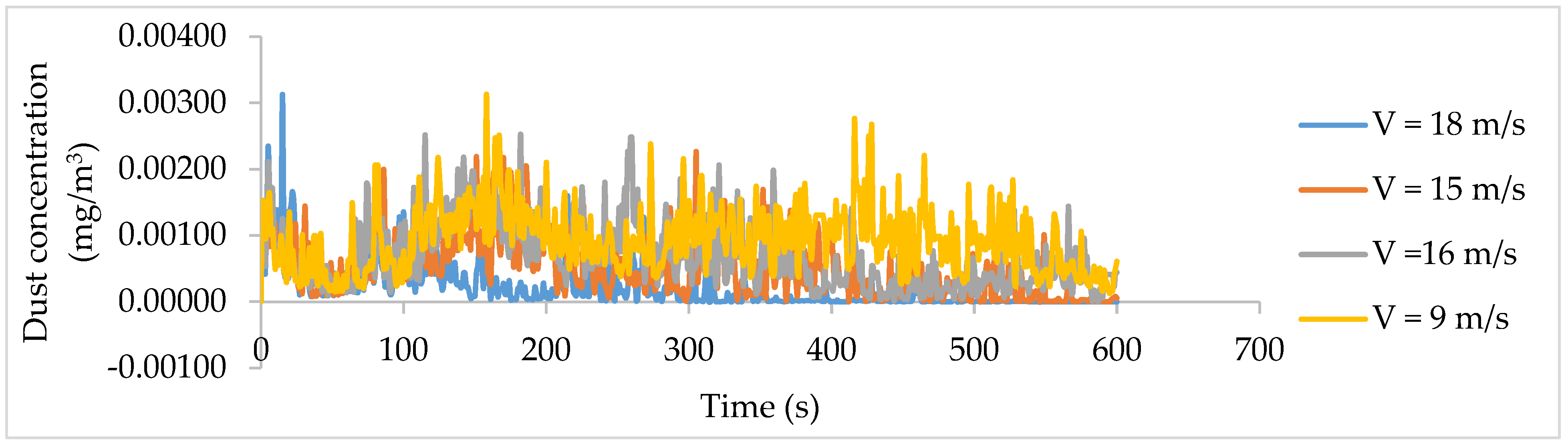
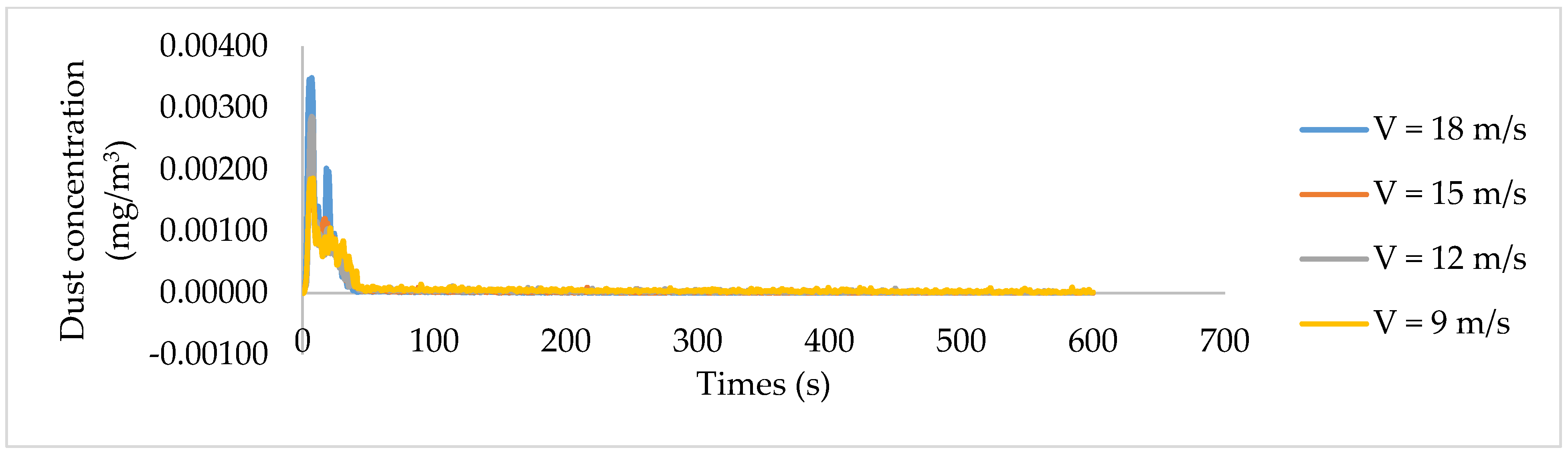
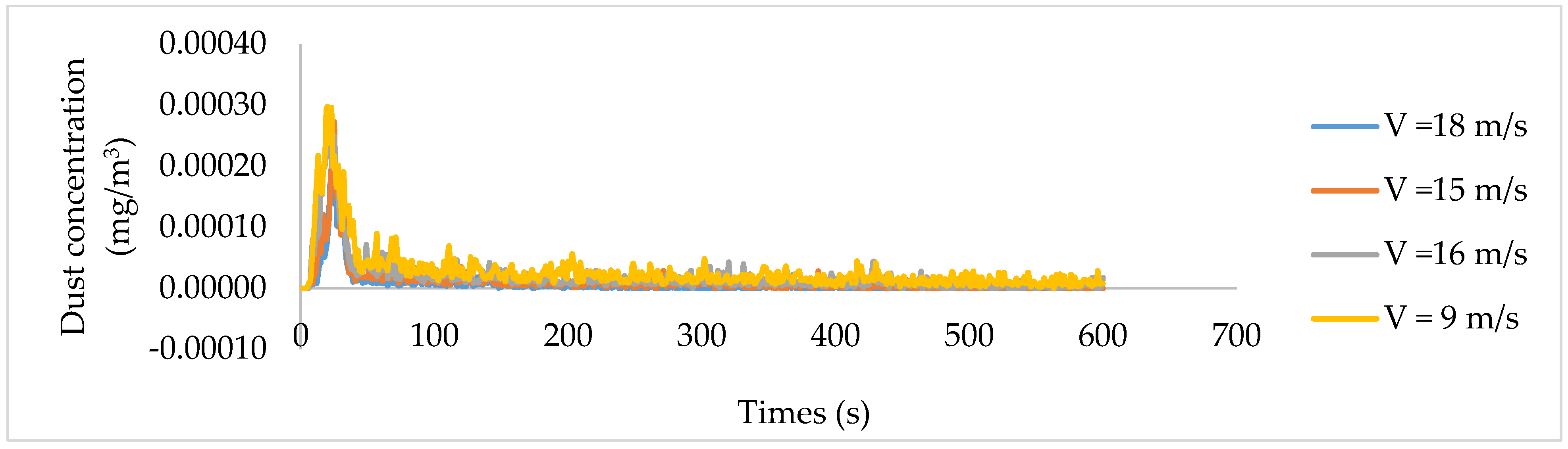
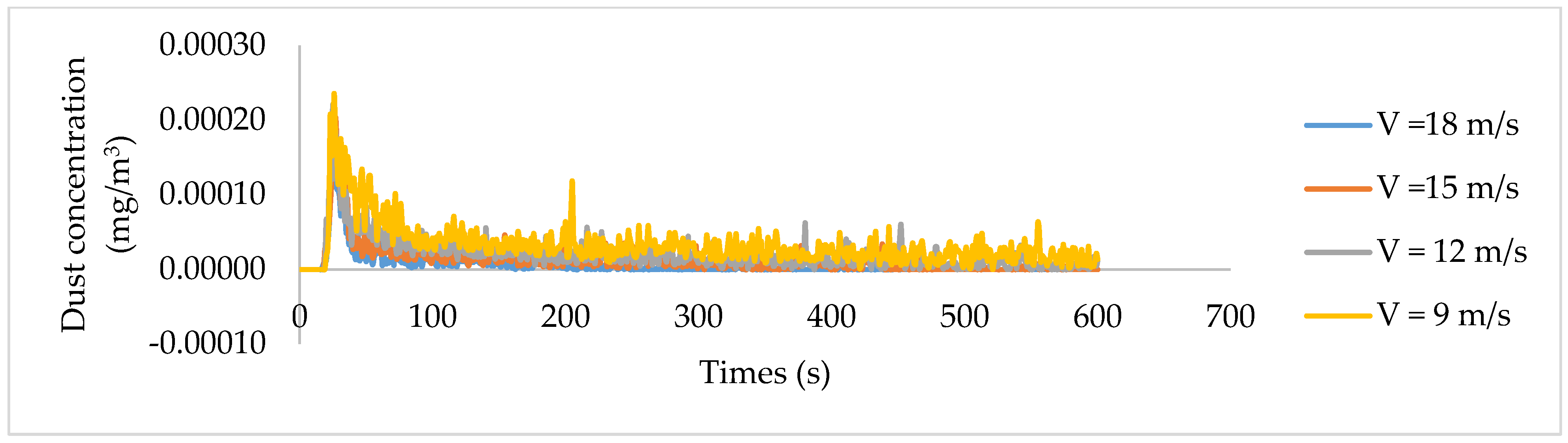
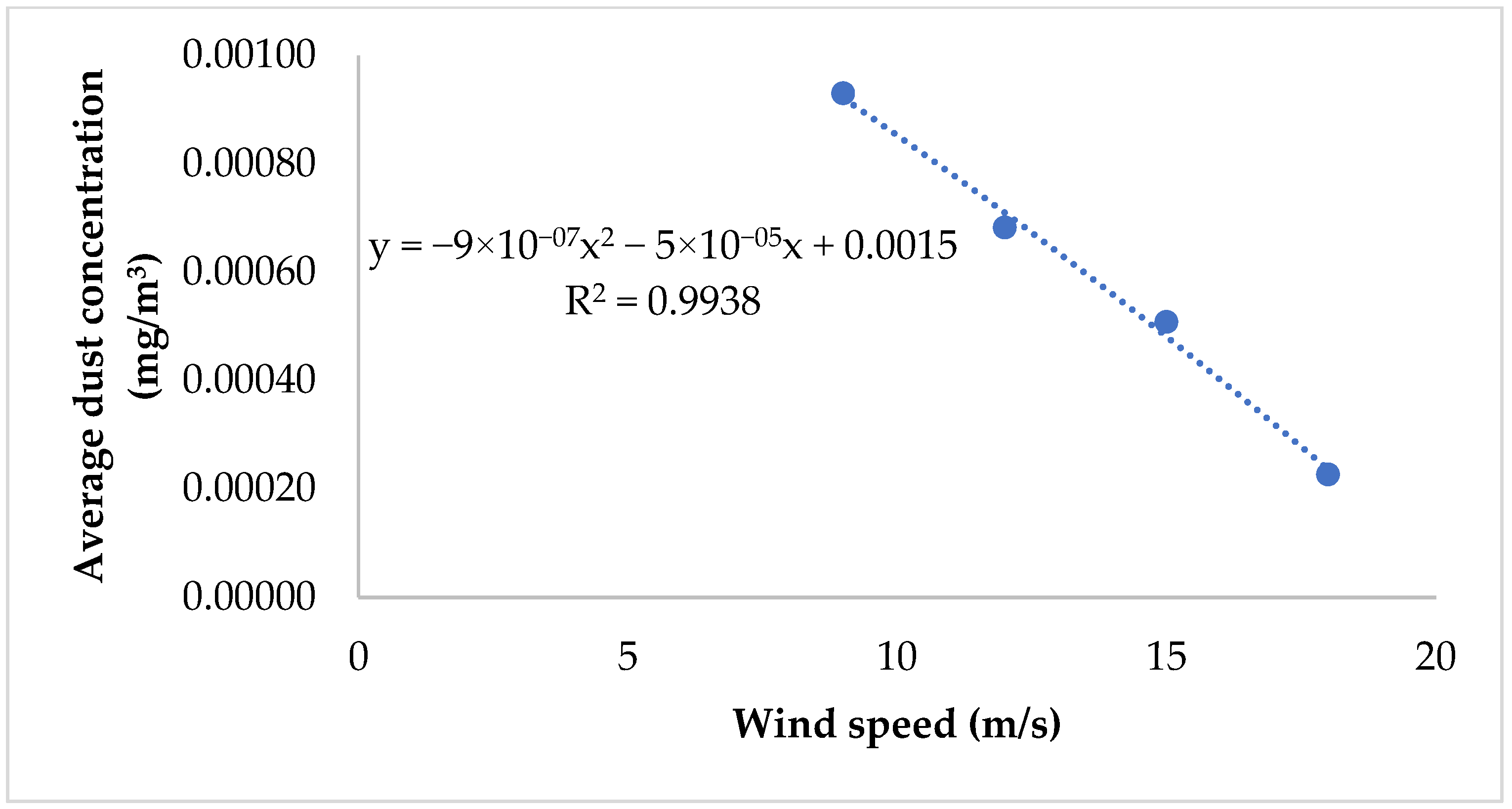
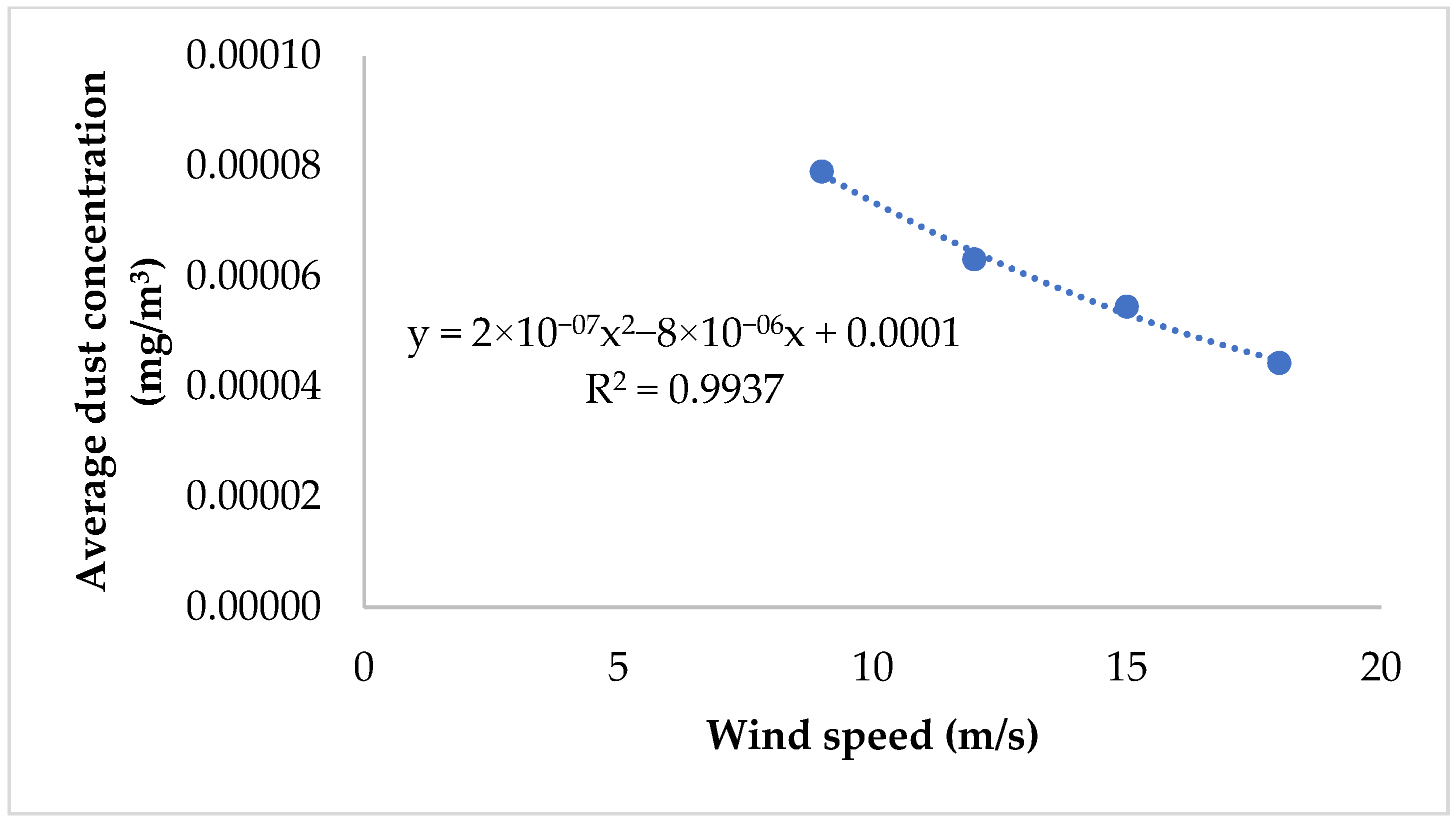
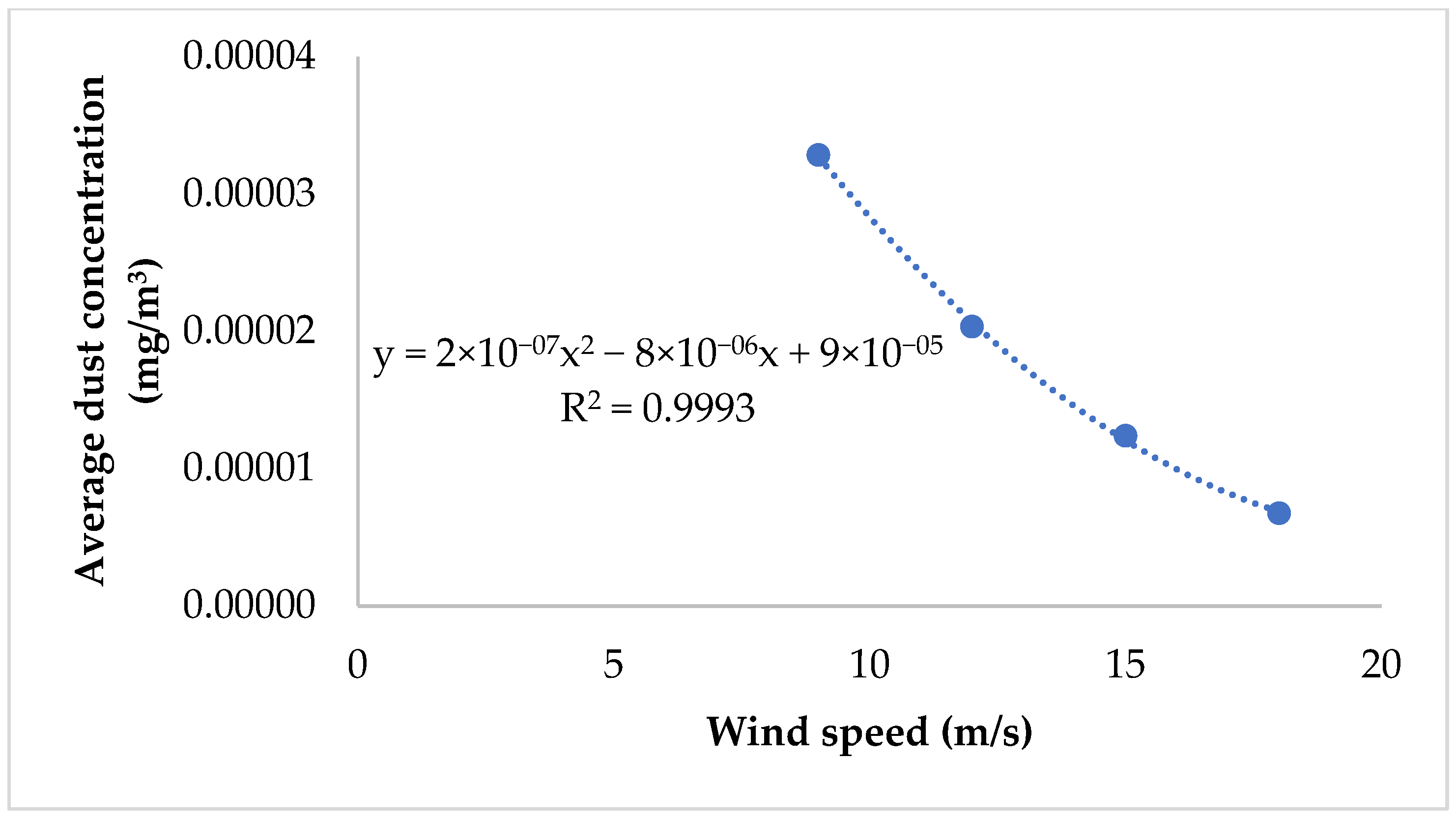
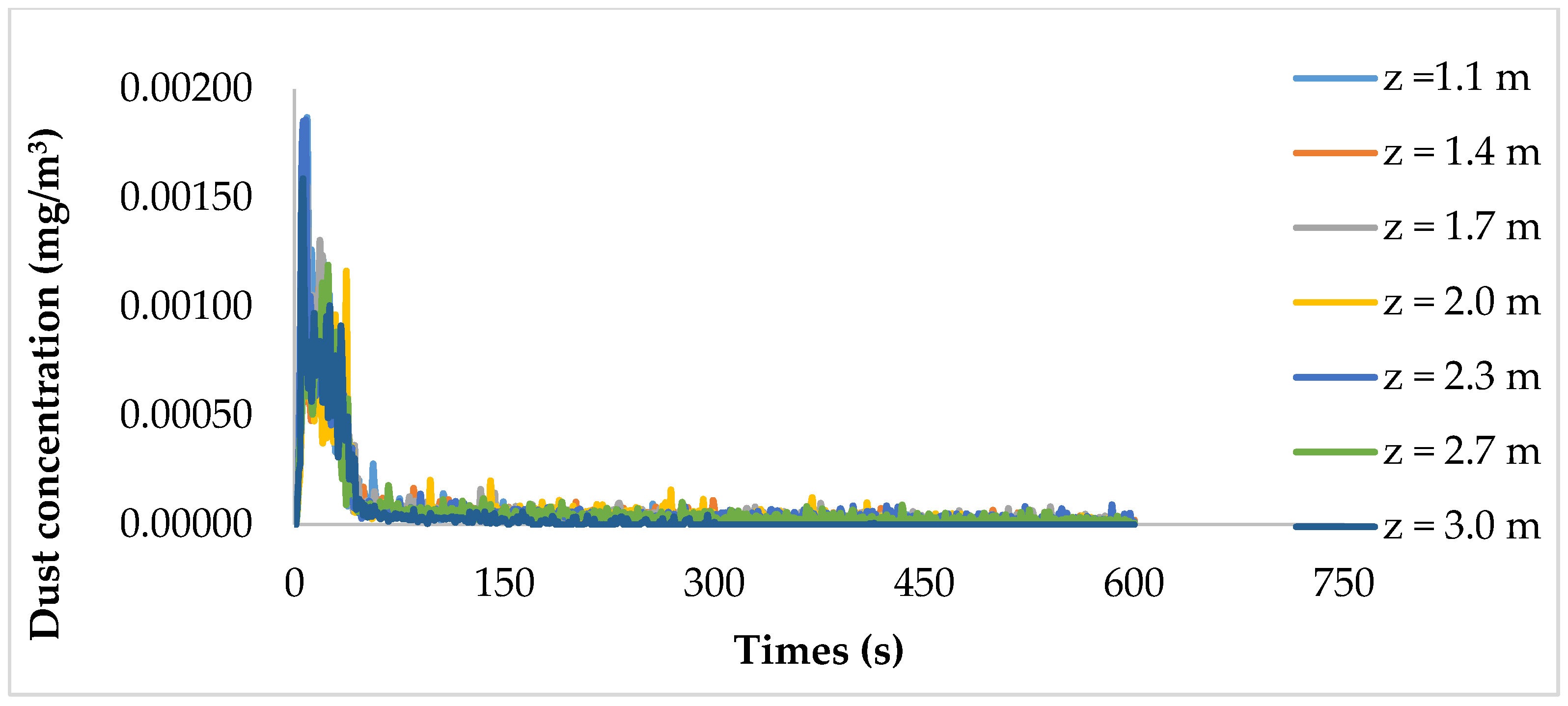
Coal dust is one of the environmental factors that seriously affect the health of workers as well as the mining equipment in underground coal mines. At present, coal dust is commonly generated during drilling, blasting, excavation, and transportation processes in mining operations. During mining blasting processes, coal dust is generated with varying particle sizes and high concentration levels. High concentrations of dust will affect mining operations and increase the ventilation time required for mining faces. In addition, coal dust exists in suspended form in the roadway and is harmful to human health, especially fine dust particles that have a negative impact on work efficiency. To improve ventilation efficiency and eliminate coal dust, this article presents a CFD-DPM numerical modeling method that integrates a DEM collision model based on the finite element method to analyze the motion characteristics of airflow and dust particles in the mine tunnel, while considering collisions between particles and between particles and walls. The article analyzes the distribution of wind speed, the dispersion of dust in the space around the roadway, and dust concentrations at distances of 1 m, 3 m, and 6 m from the working personnel and at a position 1.5 m above the roadway floor, corresponding to the breathing zone of the workers, with varying parameters such as velocity and duct position. The results indicate that with a wind velocity of V = 18 m/s and an air duct height h = 3.0 m, the best dust reduction results are achieved, and they provide theoretical guidance for selecting and optimizing ventilation parameters in dust control.
Keywords: dust coal; CFD; heading face; velocity of air; duct location; underground coal mine dust coal; CFD; heading face; velocity of air; duct location; underground coal mine