Article

Predictive Modeling and Analysis of Material Removal Characteristics for Robotic Belt Grinding of Complex Blade

1
College of Mechanical Engineering, Zhejiang University of Technology, Liuxia Street, Xihu District, Hangzhou 310023, China
2
State Key Laboratory of Fluid Power Transmission and Control, Zhejiang University, Hangzhou 310027, China
3
R&D Engineering Department, Wahaha Intelligent Robotics, Xiaoshan Economic and Technological Development Zone, Xiaoshan District, Hangzhou 311231, China
*
Author to whom correspondence should be addressed.
Appl. Sci. 2023, 13(7), 4248; https://doi.org/10.3390/app13074248
Submission received: 1 March 2023 / Revised: 21 March 2023 / Accepted: 22 March 2023 / Published: 27 March 2023

Abstract

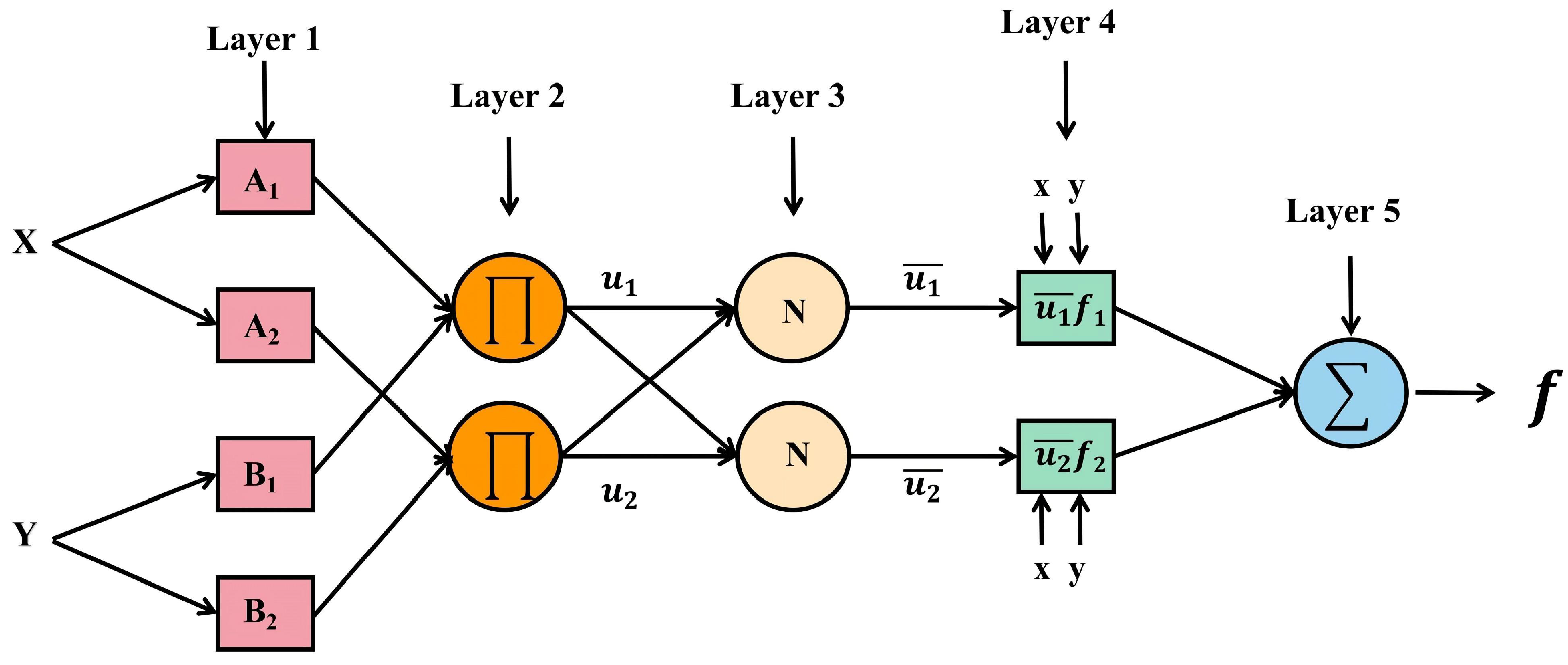
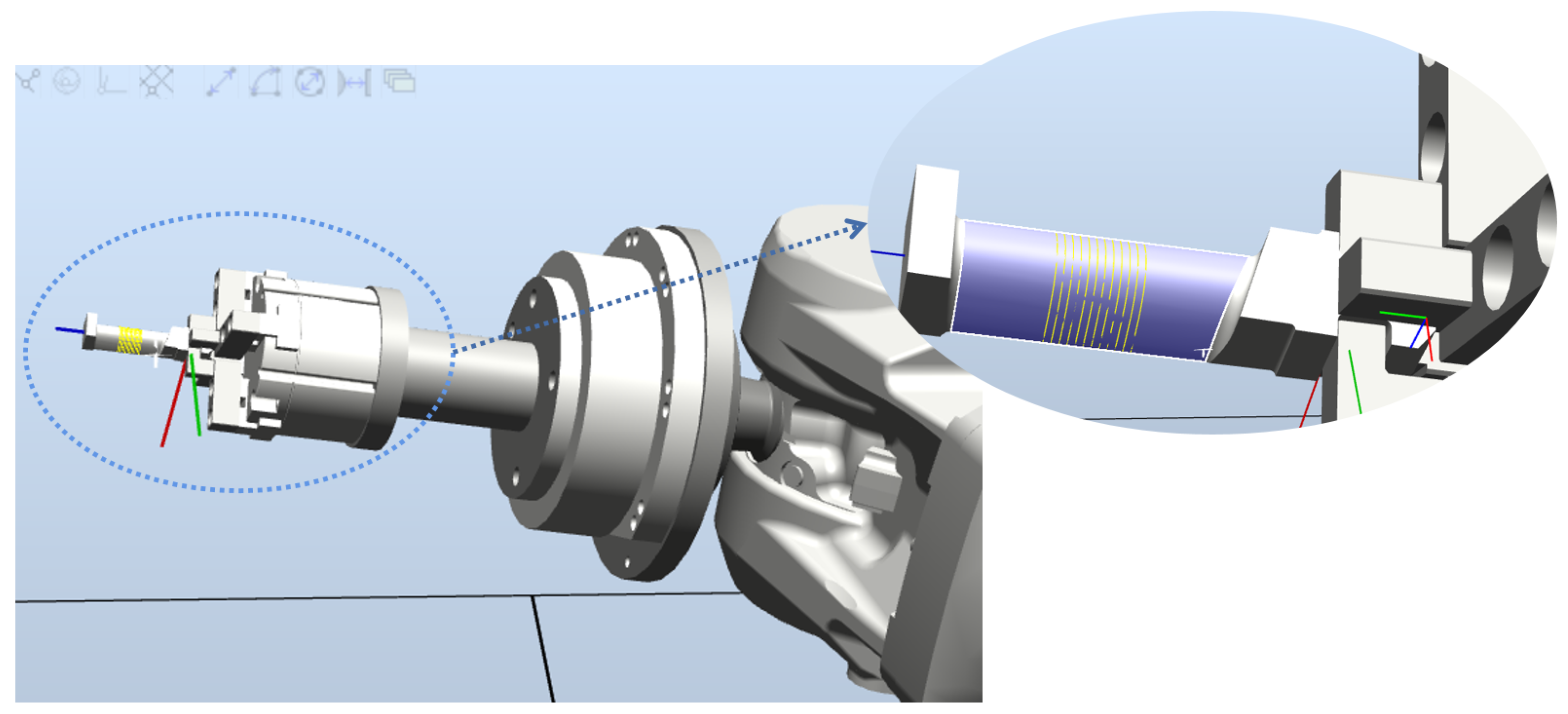
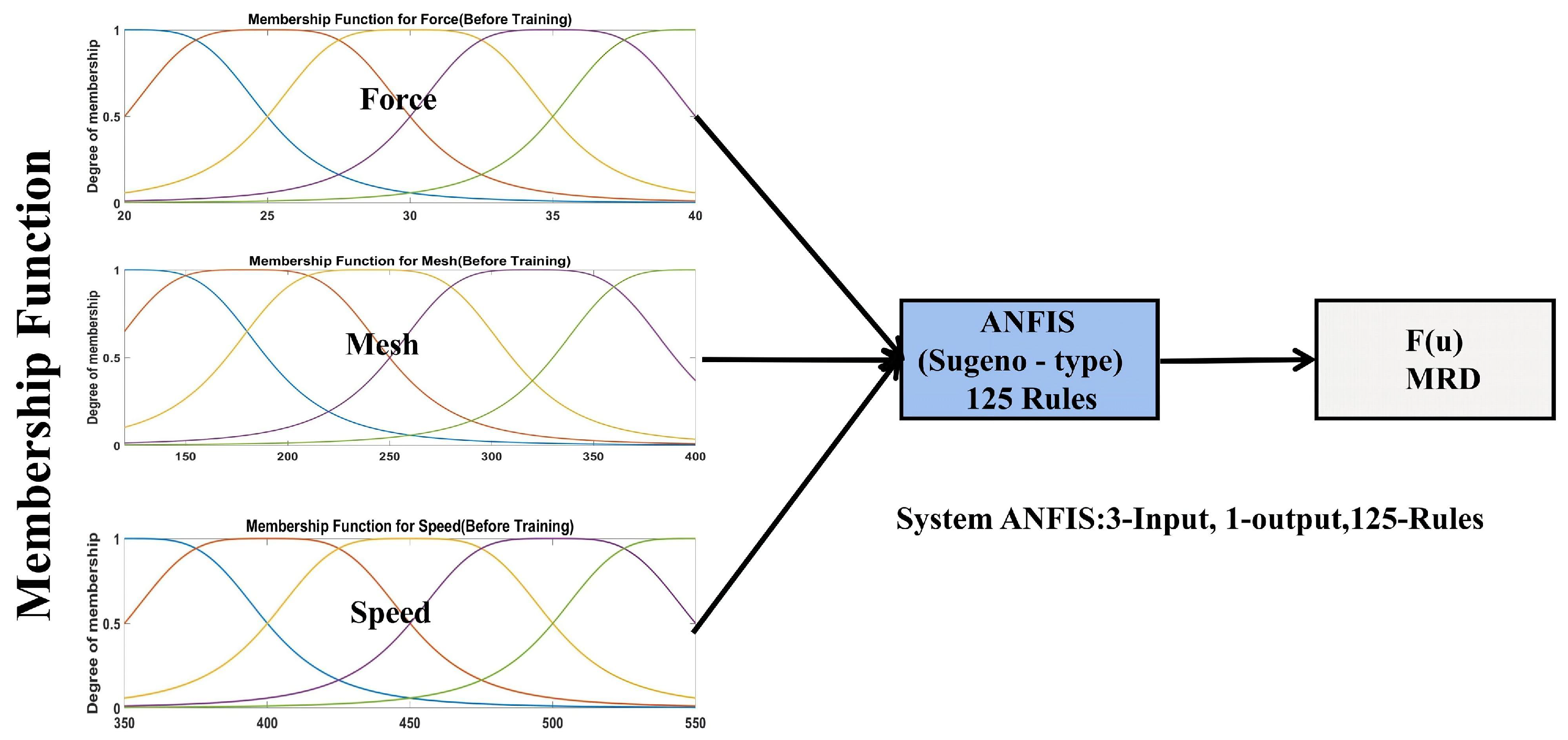
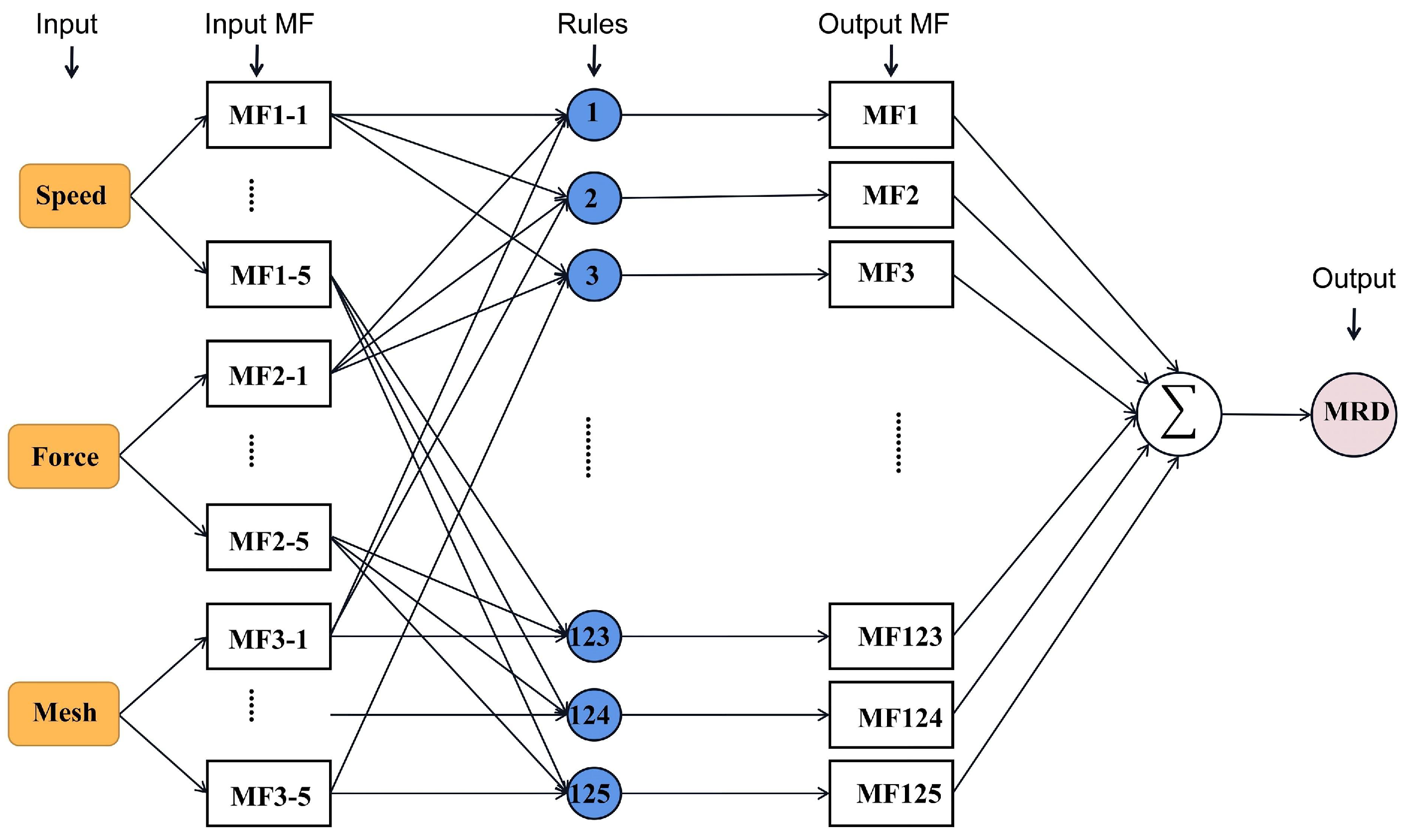
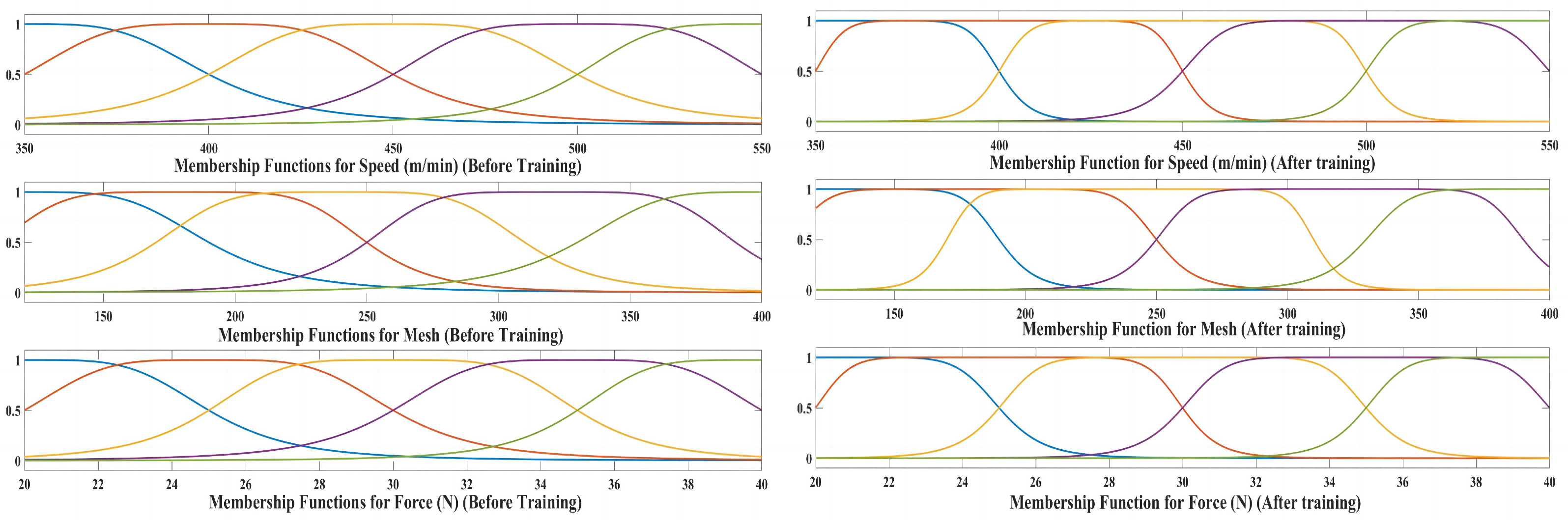
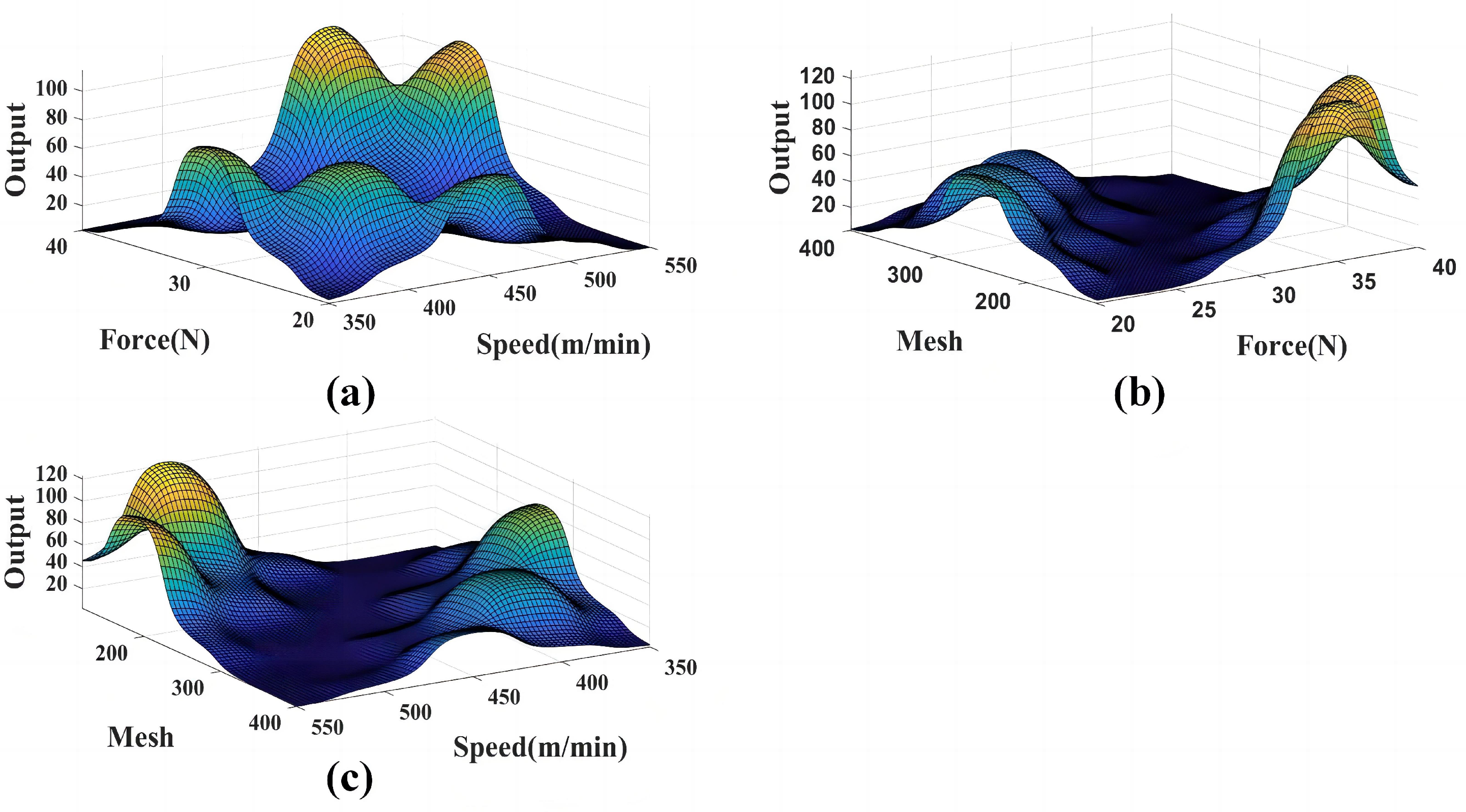
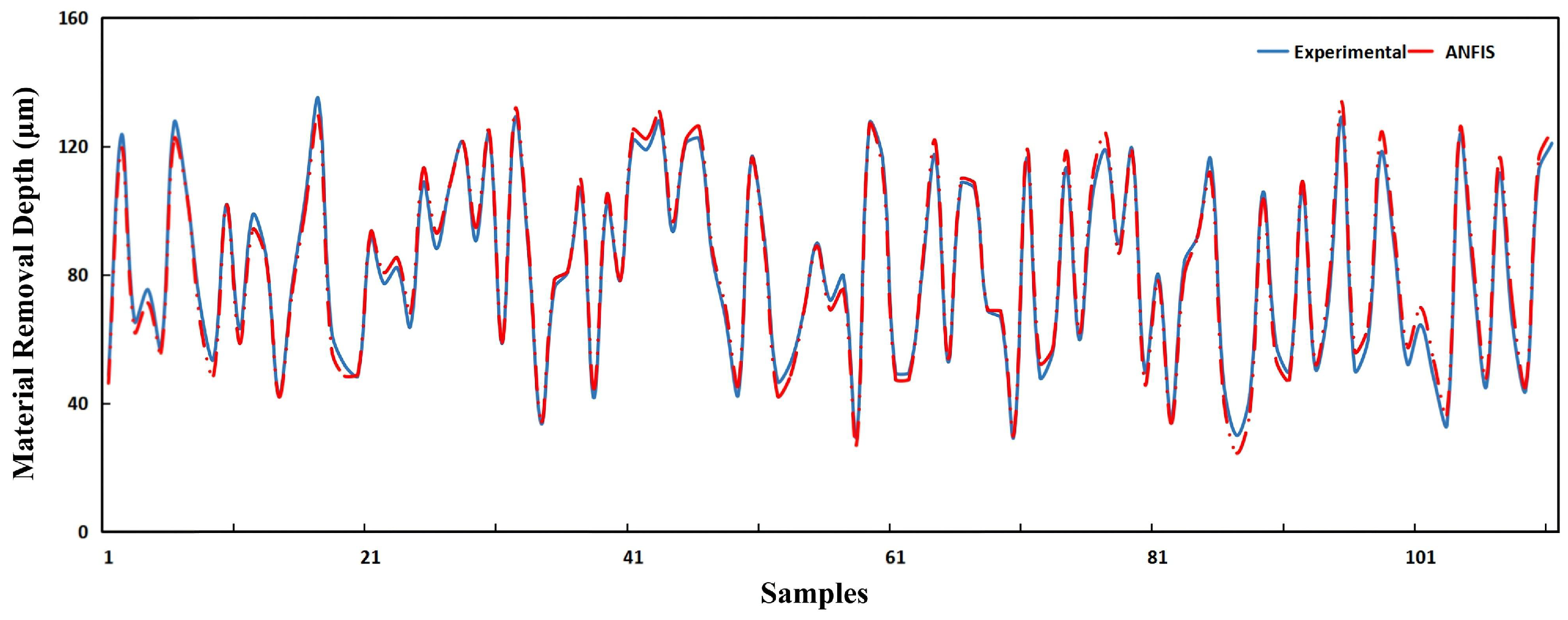
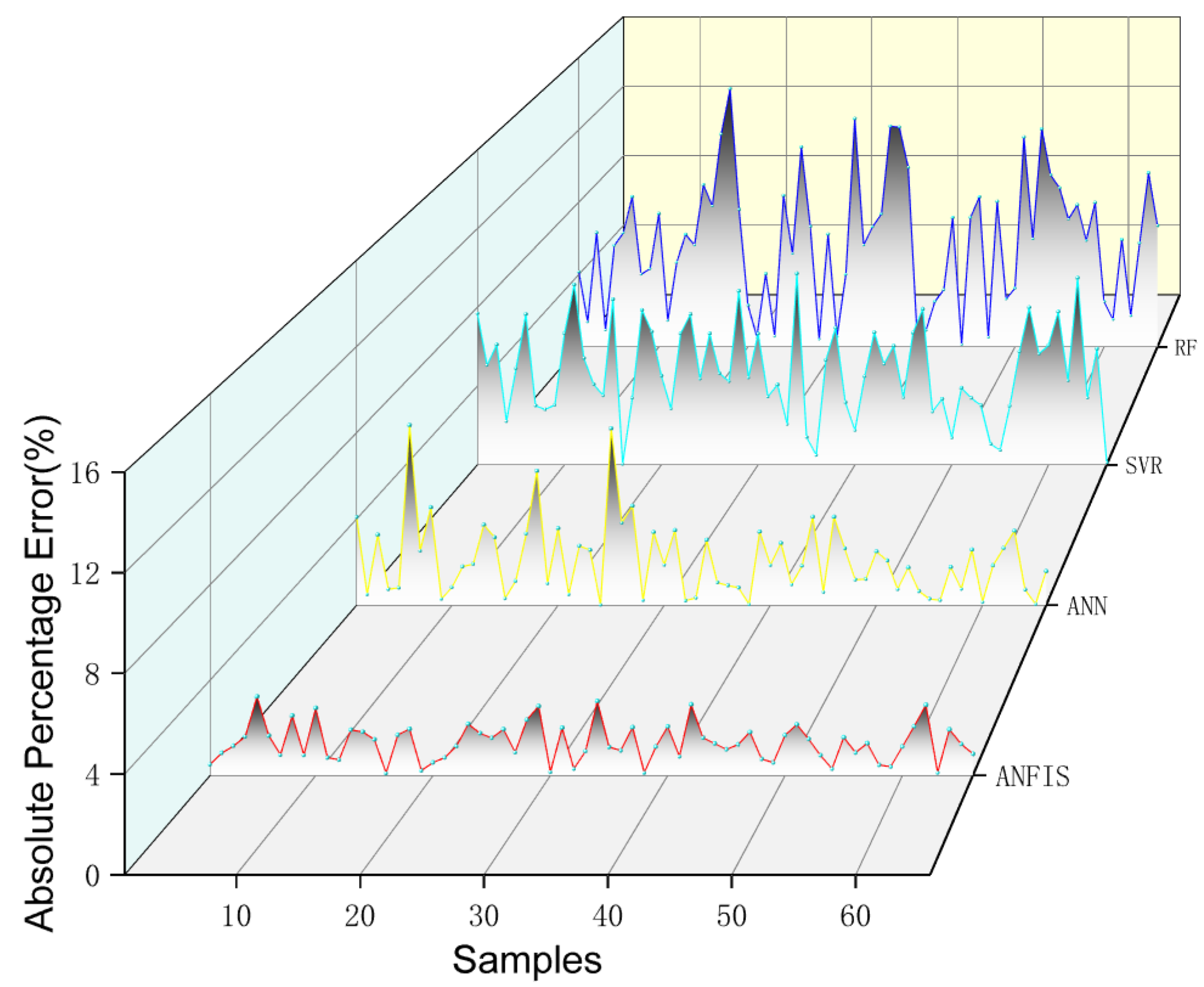
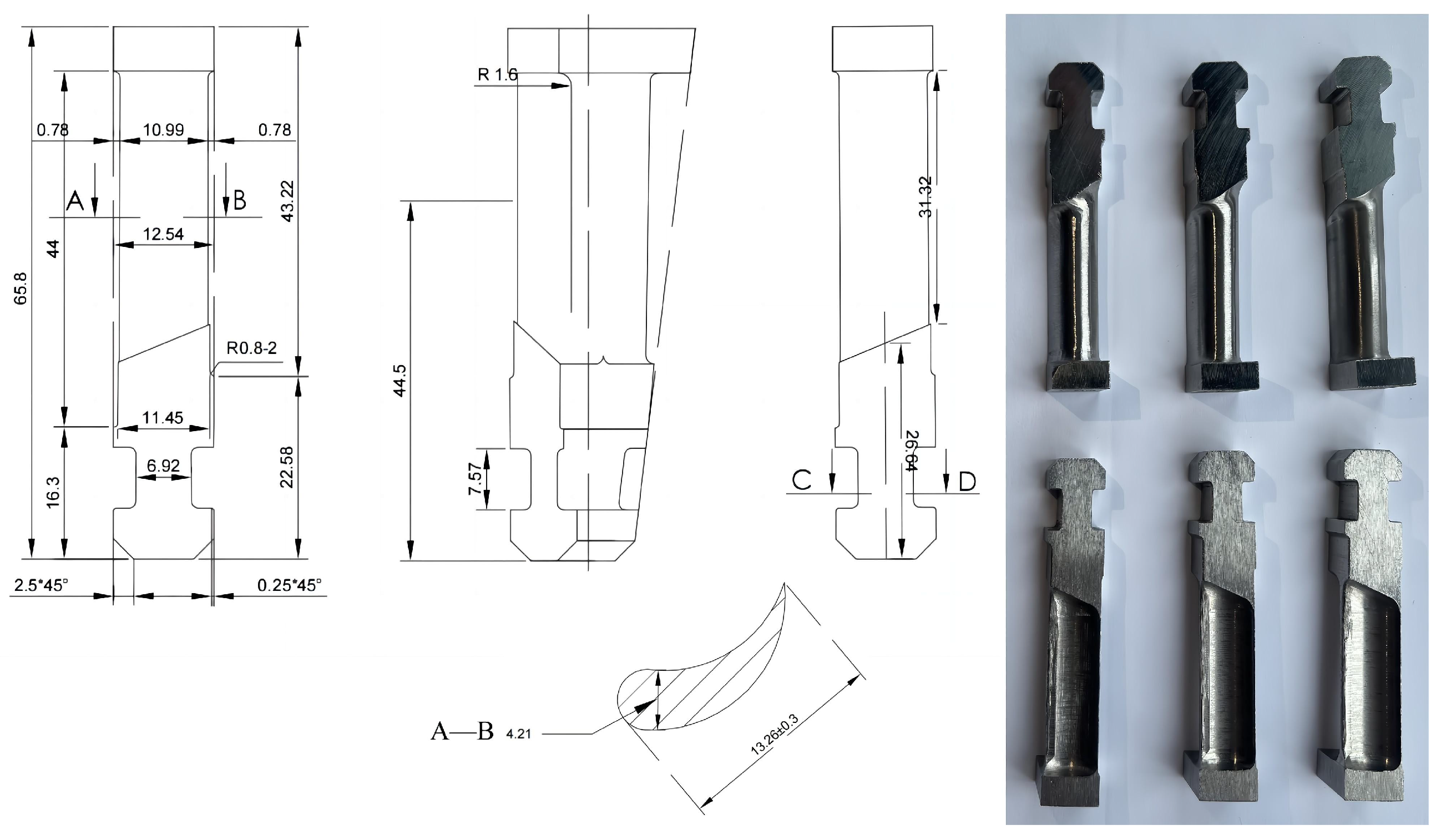
High-performance grinding has been converted from traditional manual grinding to robotic grinding over recent years. Accurate material removal is challenging for workpieces with complex profiles. Over recent years, digital processing of grinding has shown its great potential in the optimization of manufacturing processes and operational efficiency. Thus, quantification of the material removal process is an inevitable trend. This research establishes a three-dimensional model of the grinding workstation and designs the blade back arc grinding trajectory. A prediction model of the blade material removal depth (MRD) is established, based on the Adaptive Neuro-Fuzzy Inference System (ANFIS). Experiments were carried out using the Taguchi method to investigate how certain elements might affect the outcomes. An Analysis of Variance (ANOVA) was used to study the effect of abrasive belt grinding characteristics on blade material removal. The mean absolute percent error (MAPE) of the established ANFIS model, after training and testing, was 3.976%, demonstrating superior performance to the reported findings, which range from 4.373% to 7.960%. ANFIS exhibited superior outcomes, when compared to other prediction models, such as random forest (RF), artificial neural network (ANN), and support vector regression (SVR). This work can provide some sound guidance for high-precision prediction of material removal amounts from surface grinding of steam turbine blades.
Keywords: steam turbine blade; abrasive belt grinding; ANFIS; material removal steam turbine blade; abrasive belt grinding; ANFIS; material removal