Article

Predicting Temperature and Humidity in Roadway with Water Trickling Using Principal Component Analysis-Long Short-Term Memory-Genetic Algorithm Method


1
Key Laboratory of Deep Coal Resource Mining (CUMT), Ministry of Education of China, School of Mines, China University of Mining and Technology, Xuzhou 221116, China
2
College of Safety and Emergency Management Engineering, Taiyuan University of Technology, Taiyuan 030024, China
*
Authors to whom correspondence should be addressed.
Appl. Sci. 2023, 13(24), 13343; https://doi.org/10.3390/app132413343
Submission received: 23 October 2023 / Revised: 11 December 2023 / Accepted: 13 December 2023 / Published: 18 December 2023
(This article belongs to the Topic Complex Rock Mechanics Problems and Solutions)

Abstract

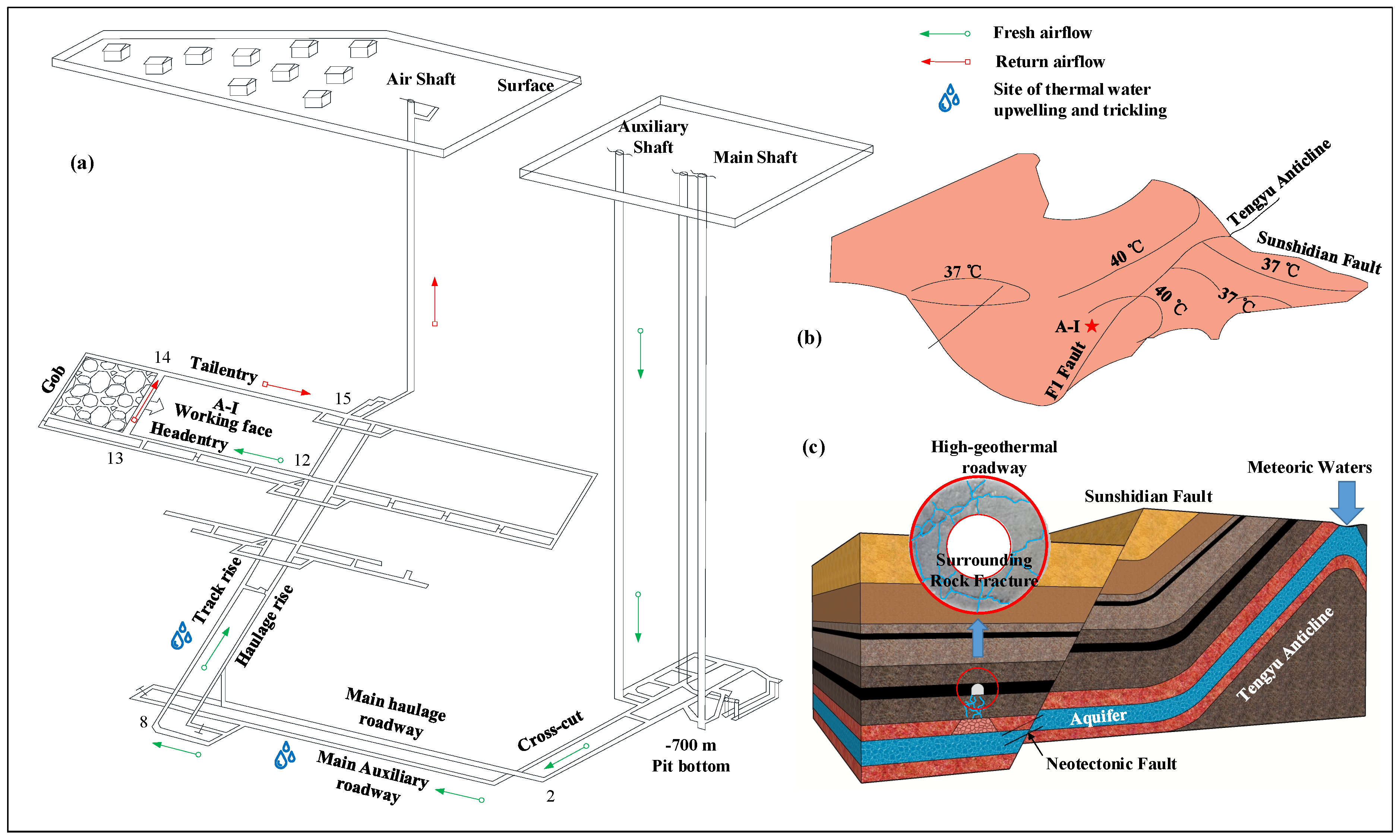
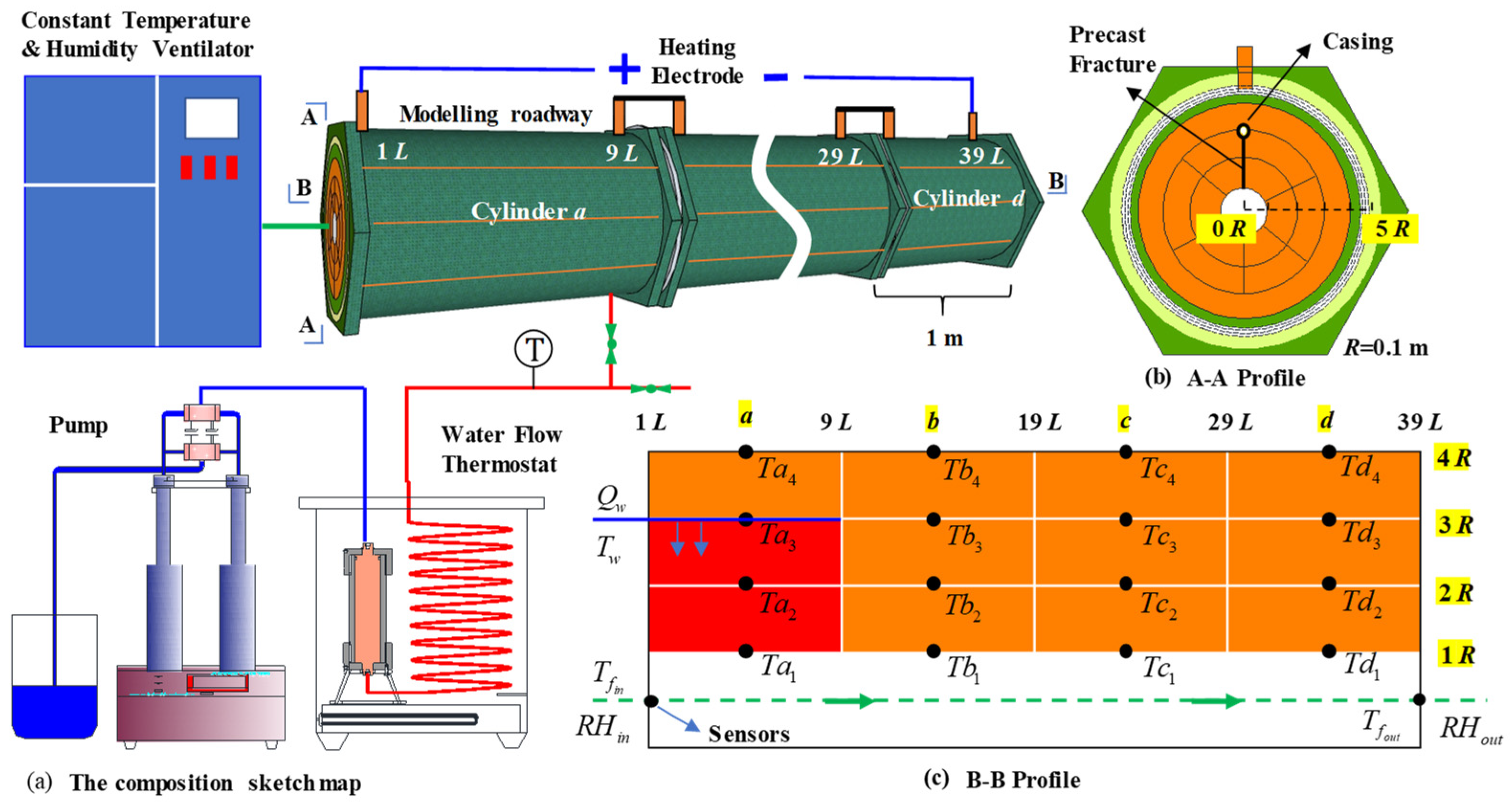
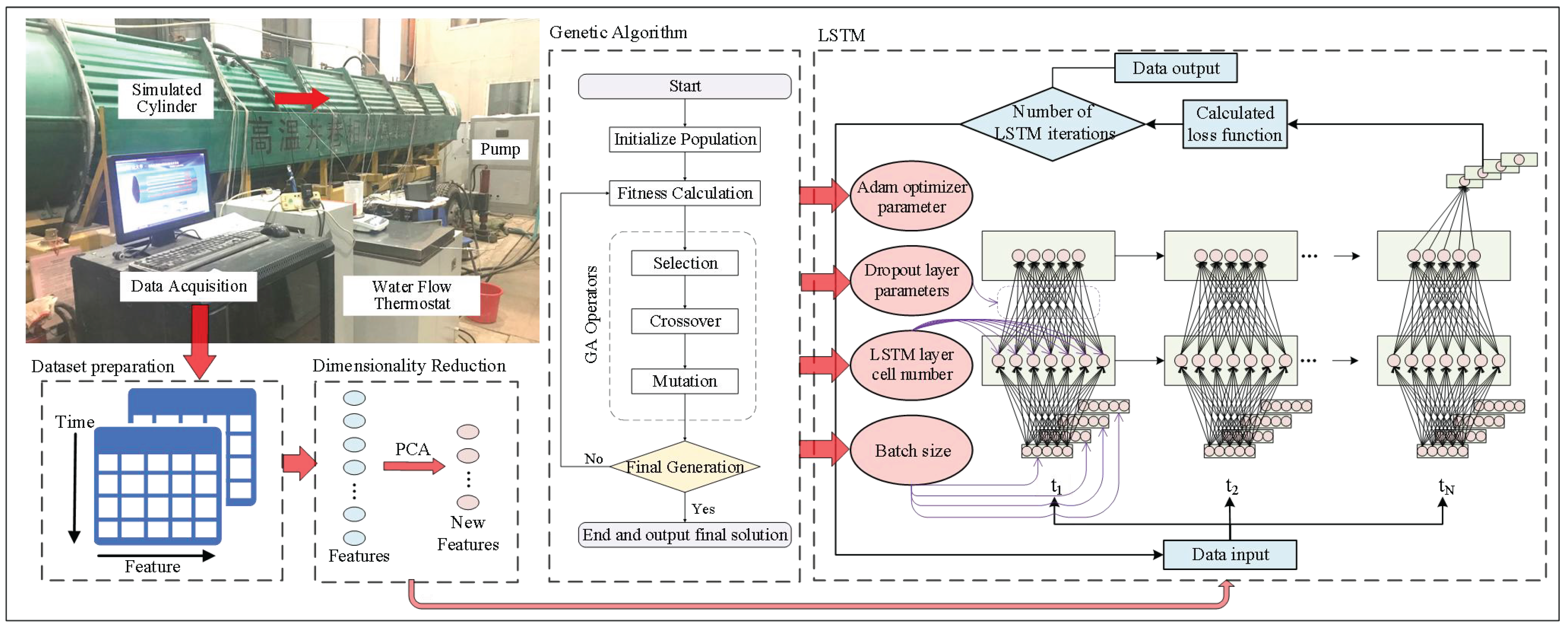
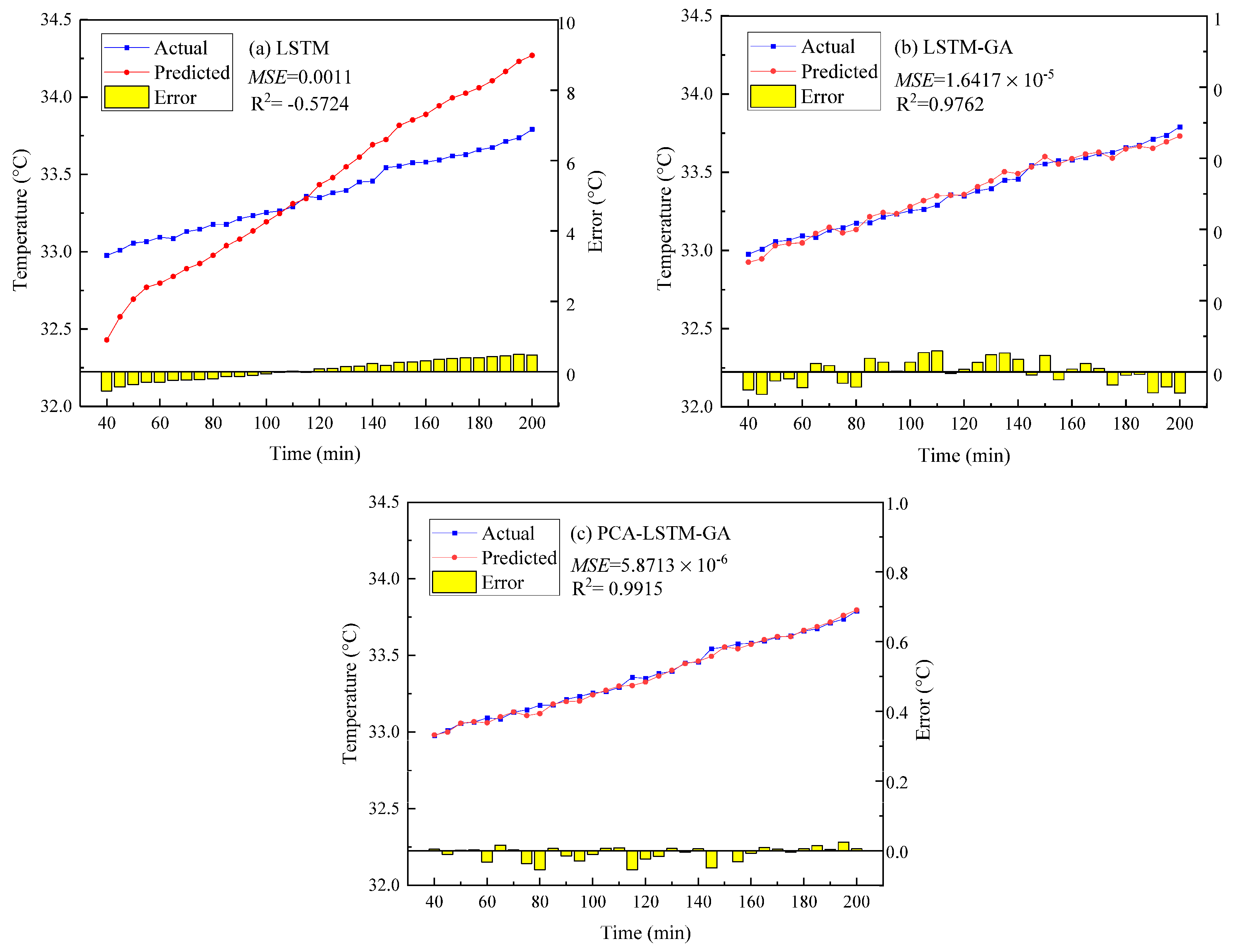
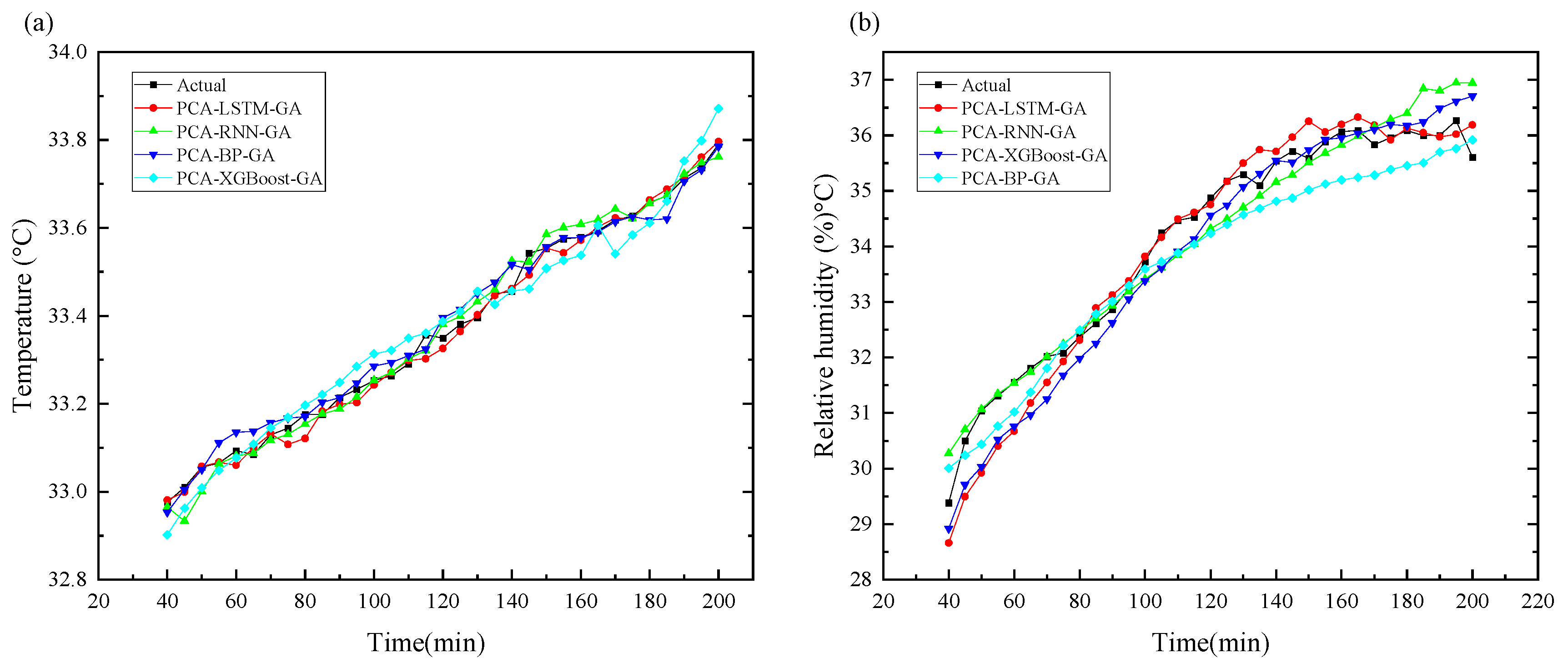
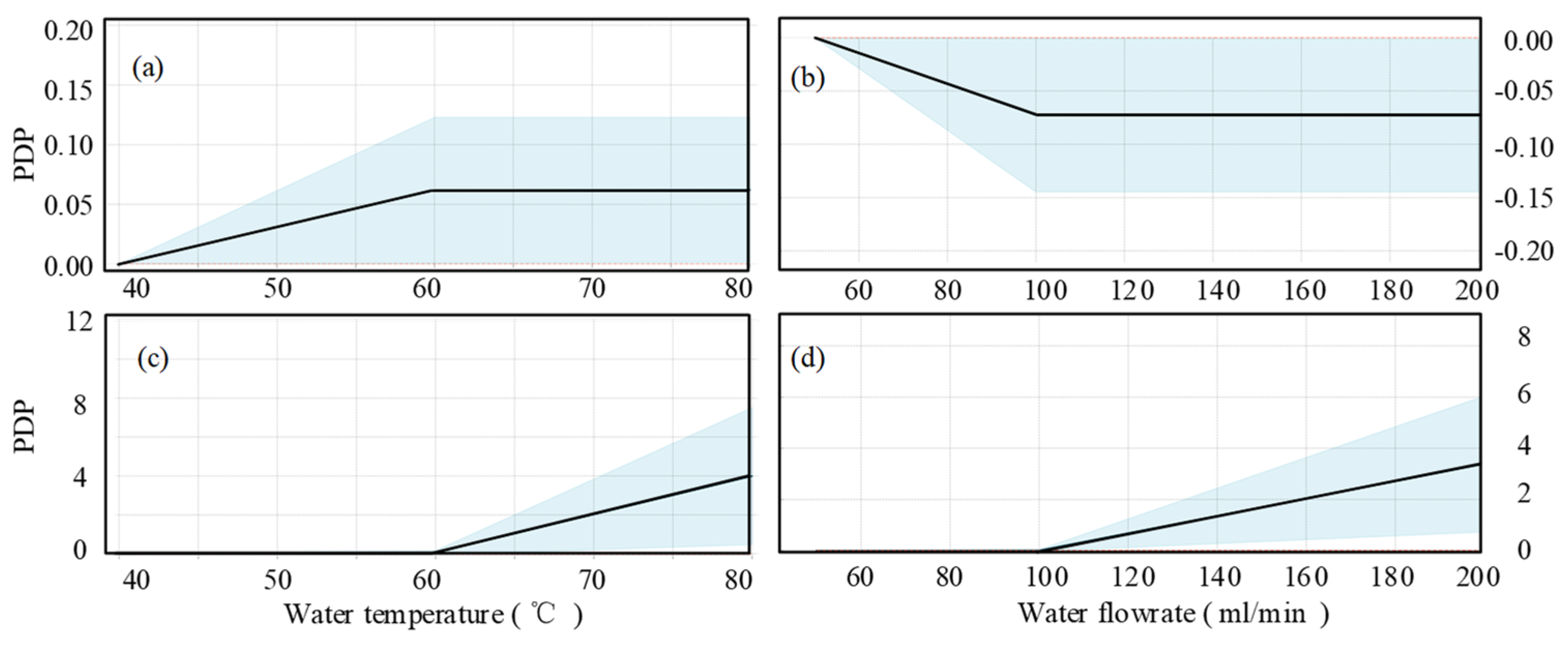
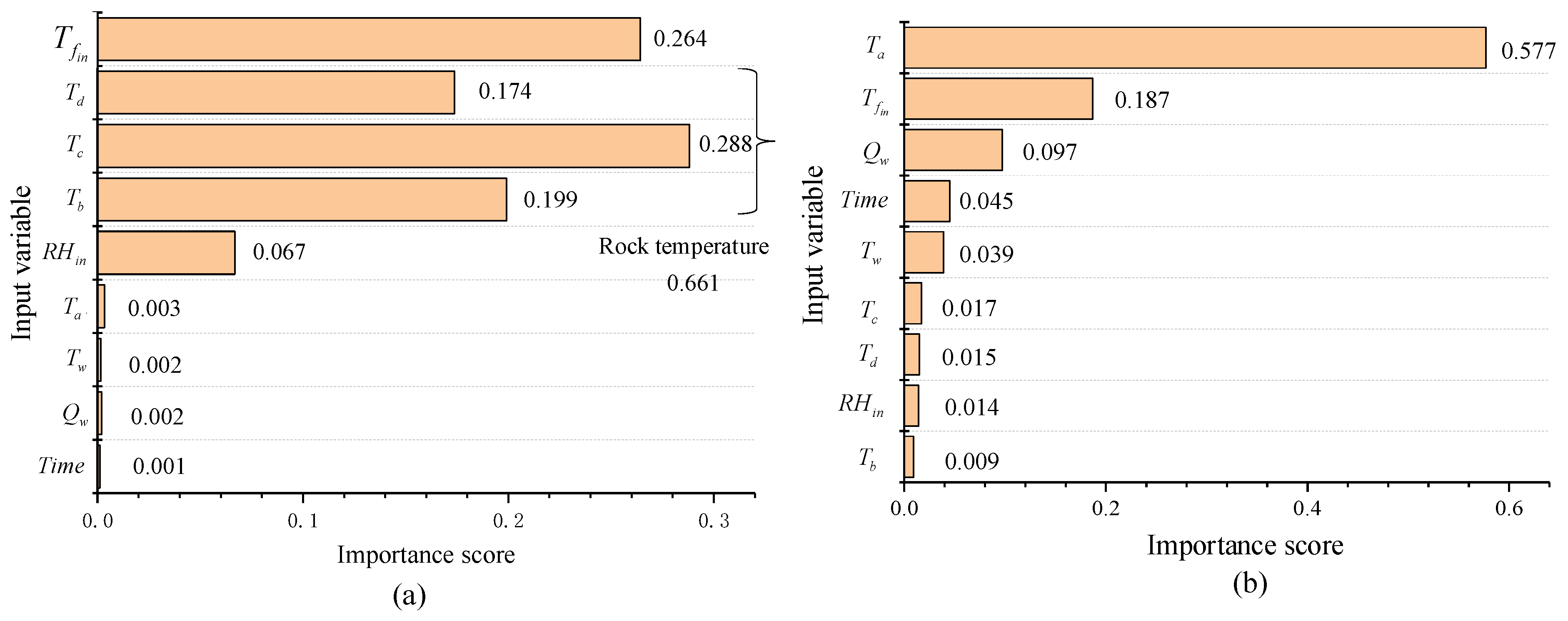
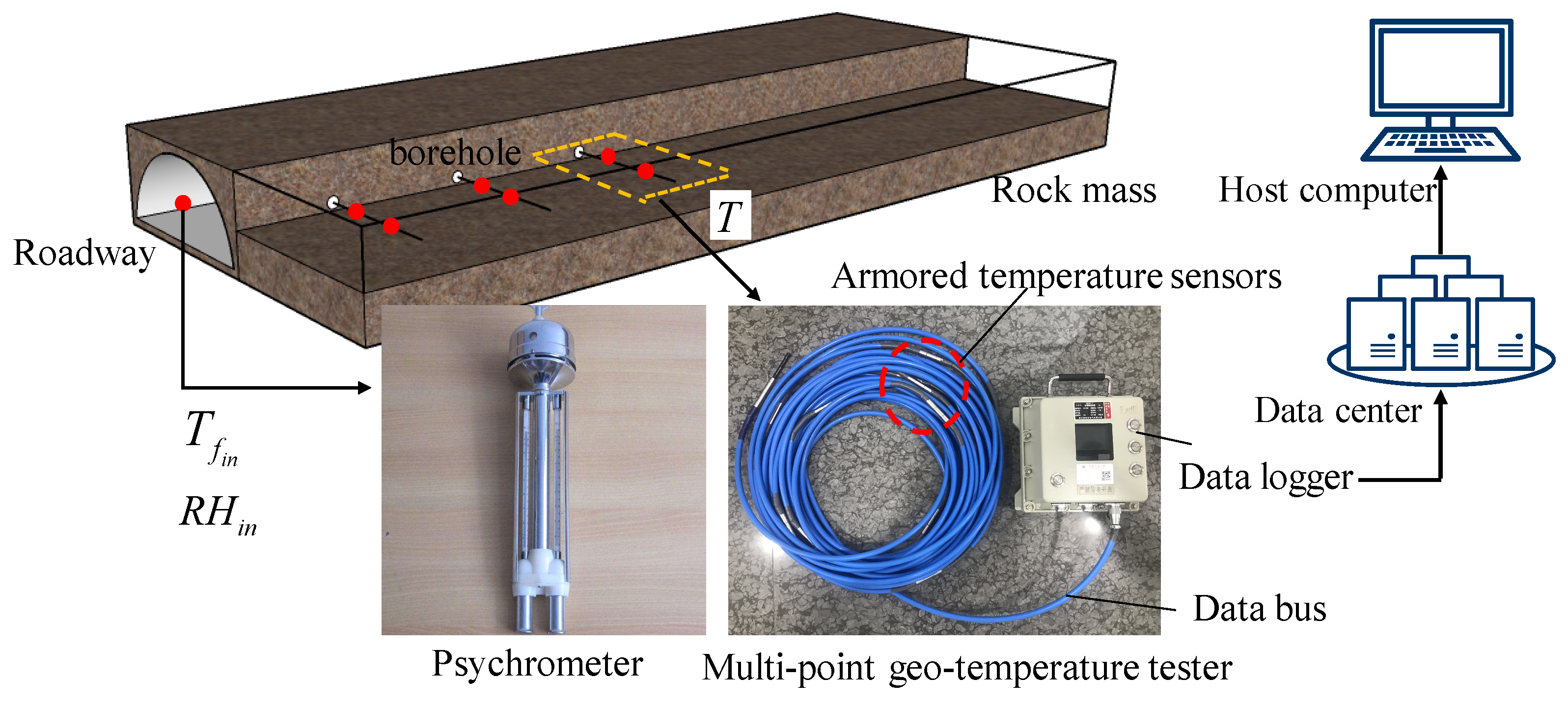
The heat dissipated from high geo-temperature underground surrounding rocks is the main heat source of working faces, while thermal water upwelling and trickling into the roadway will notably deteriorate the mine’s climate and thermal comfort. Predicting airflow temperature and relative humidity (RH) is conductive to intelligent control of air conditioning cooling and ventilation regulation. To accommodate this issue, an intelligent technique was proposed, integrating a genetic algorithm (GA) and long short-term memory (LSTM) based on rock temperature, inlet air temperature, water temperature, water flow rate, RH, and ventilation time. A total of 21 input features including over 200 pieces of data were collected from an independently developed modeling roadway to construct a dataset. Principal component analysis (PCA) was conducted to reduce features, and GA was used to tune the LSTM and PCA-LSTM architectures for best performance. The following research results were yielded. The proposed PCA-LSTM-GA model is more reliable and efficient than the single LSTM model or hybrid LSTM-GA model in predicting the air temperature Tfout and humidity RHout at the end of the water trickling roadway. The importance scores (ISs) indicate that Tfout is mainly influenced by the surrounding rock temperature (IS 0.661) and the inlet air temperature (IS 0.264). While RHout is primarily influenced by the rock temperature in the water trickling section (IS 0.577), the inlet air temperature (IS 0.187), and the trickling water temperature and flow rate (total IS 0.136), and it has an evident time effect. In addition, we developed relevant equipment and provided engineering practice methods to use the machine learning model. The proposed model, which can predict the mine microclimate, serves to facilitate coal and geothermal resource co-mining as well as thermal hazard control.
Keywords: thermal hazards; machine learning; microclimate conditions; principal component analysis; genetic algorithm; long short-term memory thermal hazards; machine learning; microclimate conditions; principal component analysis; genetic algorithm; long short-term memory