Article

Horizontally Layered and Vertically Encased Geosynthetic Reinforced Stone Column: An Experimental Analysis

Department of Civil Engineering, Delhi Technological University, New Delhi 110089, India
*
Author to whom correspondence should be addressed.
Appl. Sci. 2023, 13(15), 8660; https://doi.org/10.3390/app13158660
Submission received: 23 June 2023 / Revised: 19 July 2023 / Accepted: 20 July 2023 / Published: 27 July 2023

Abstract

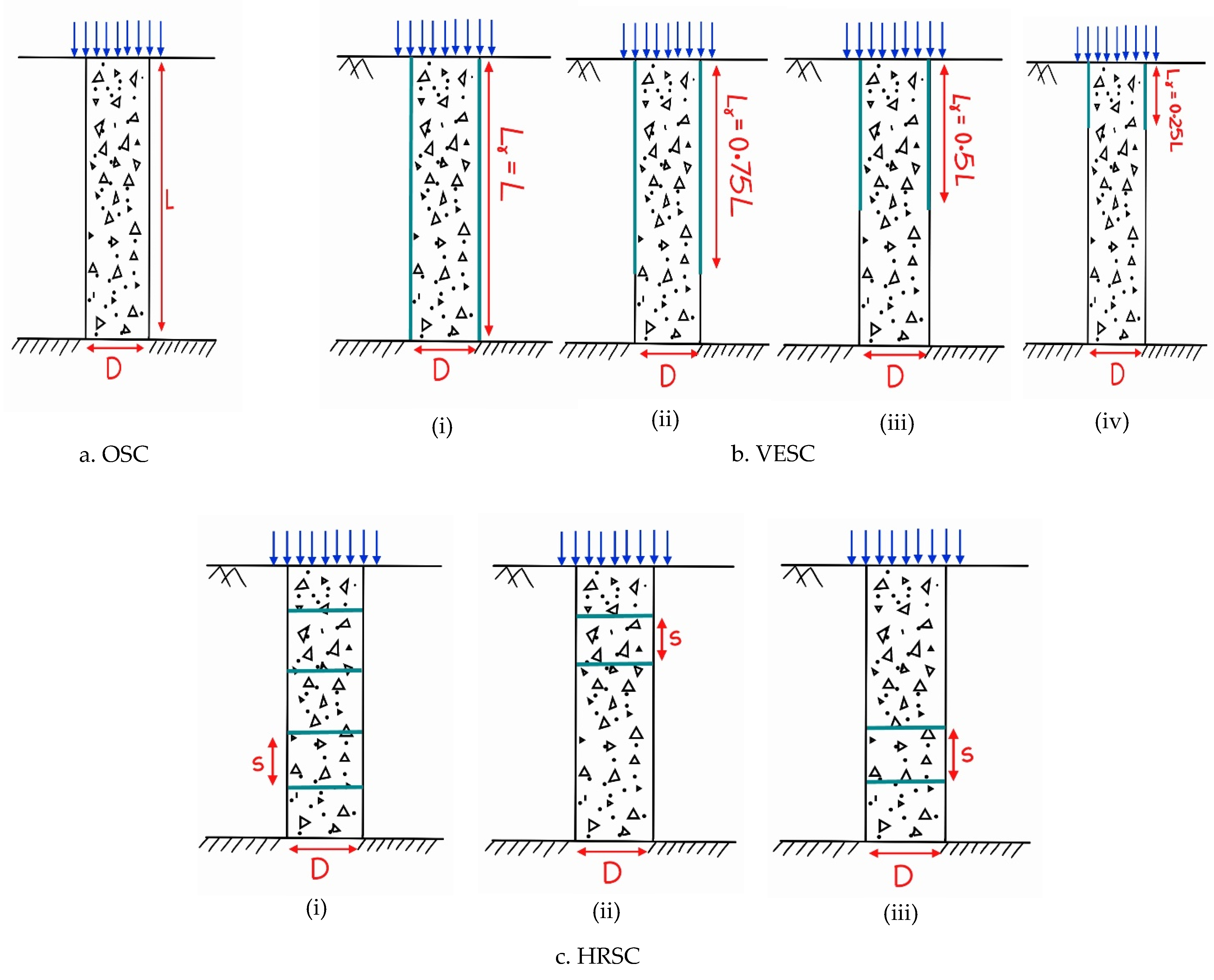
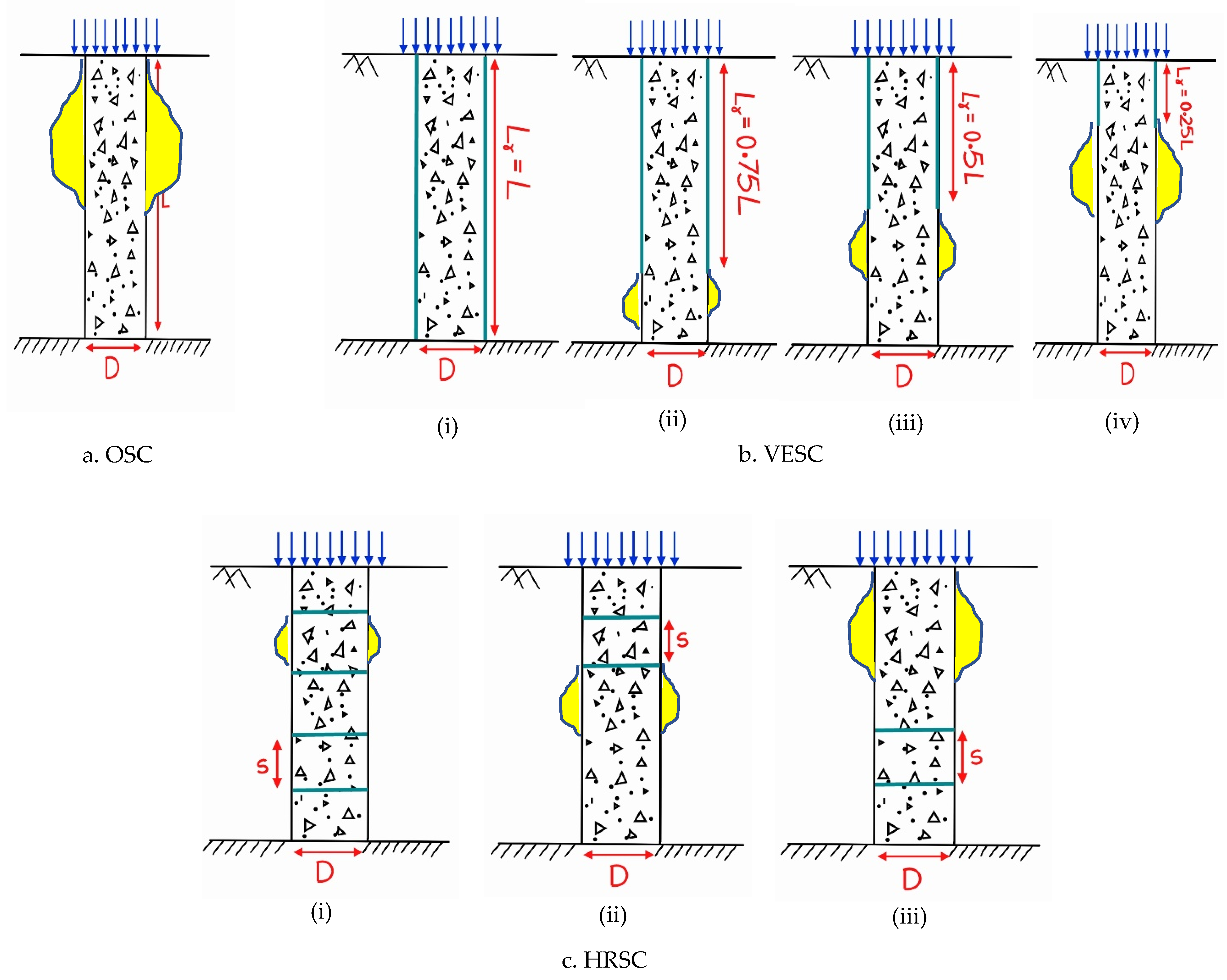
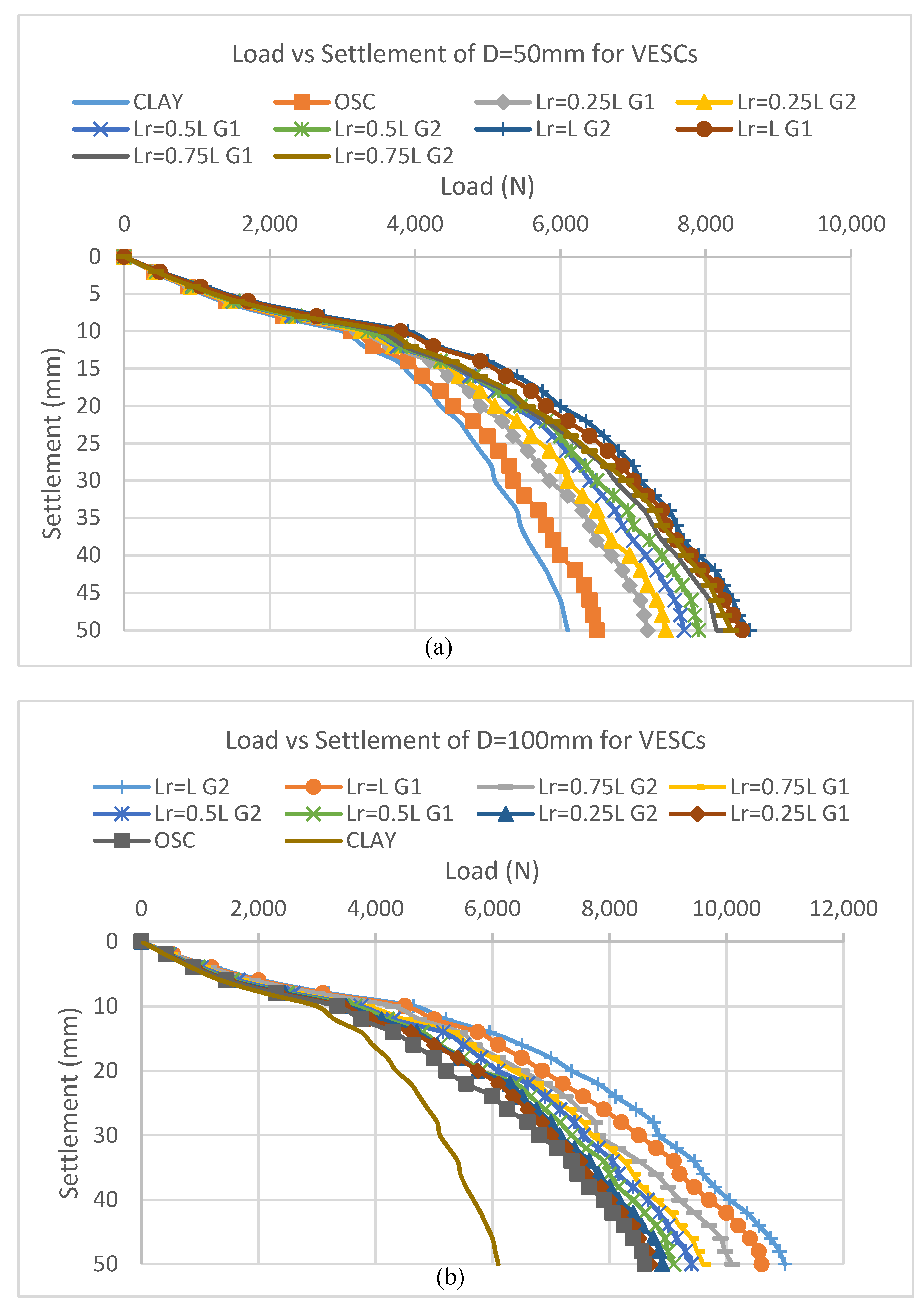
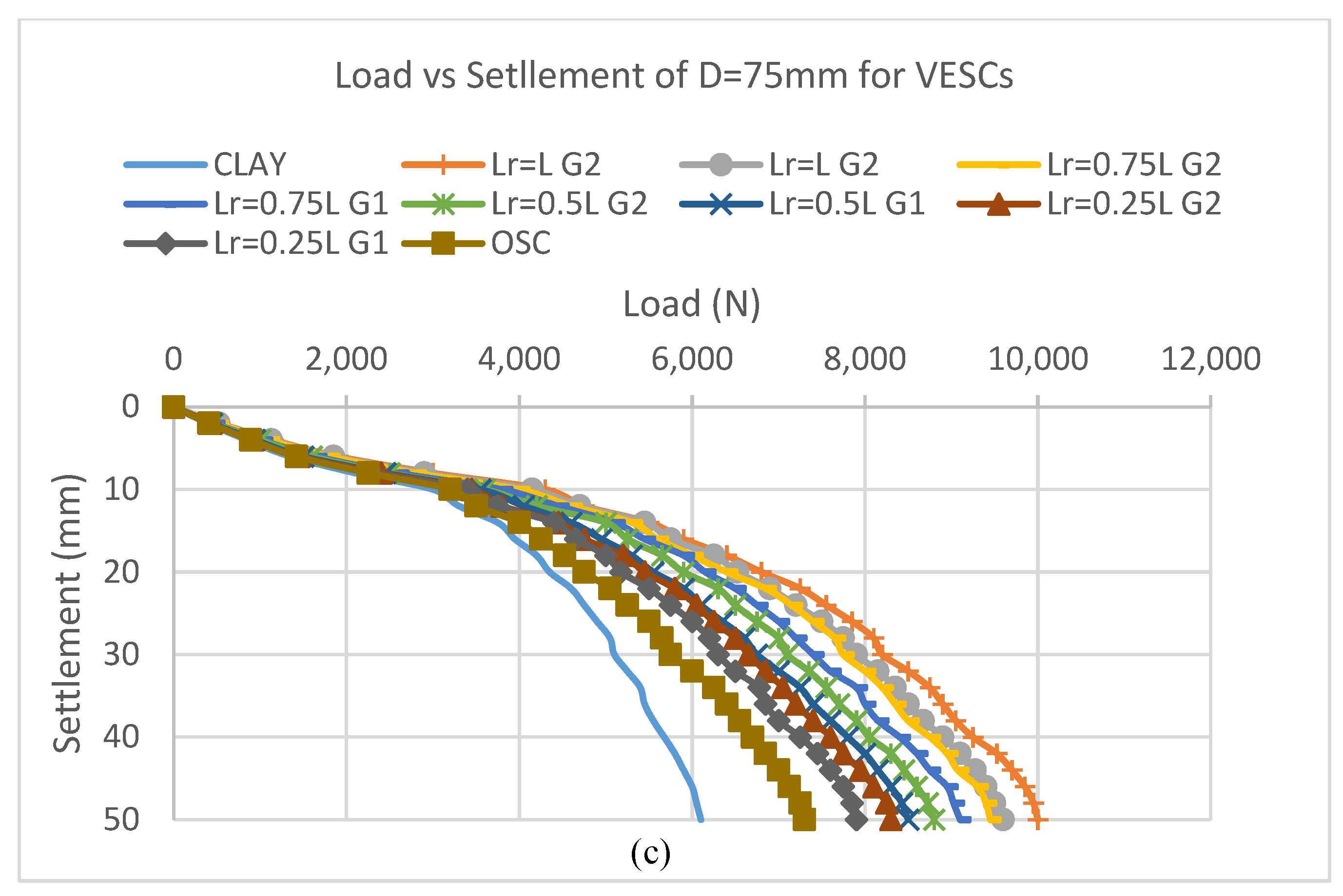
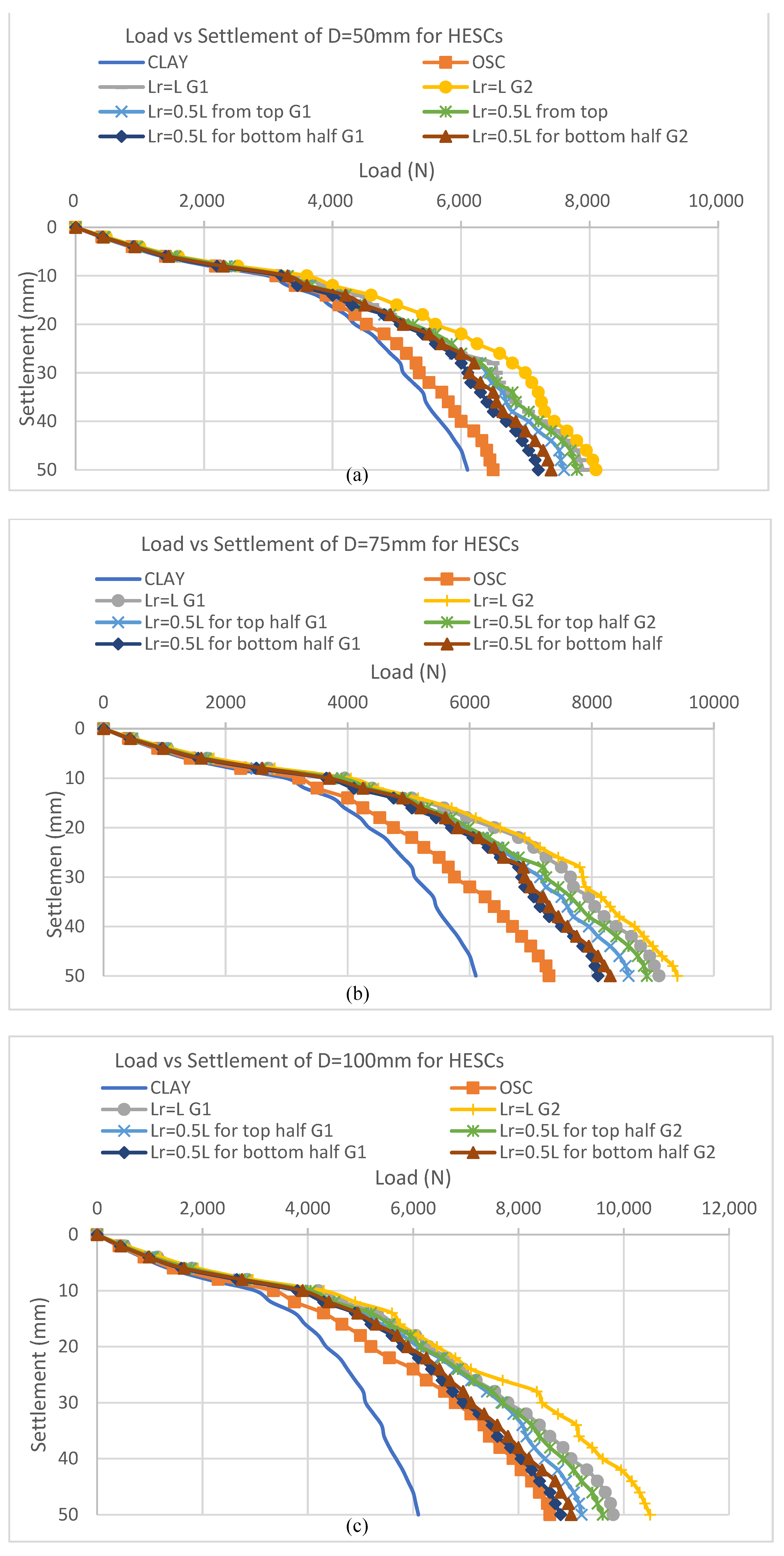
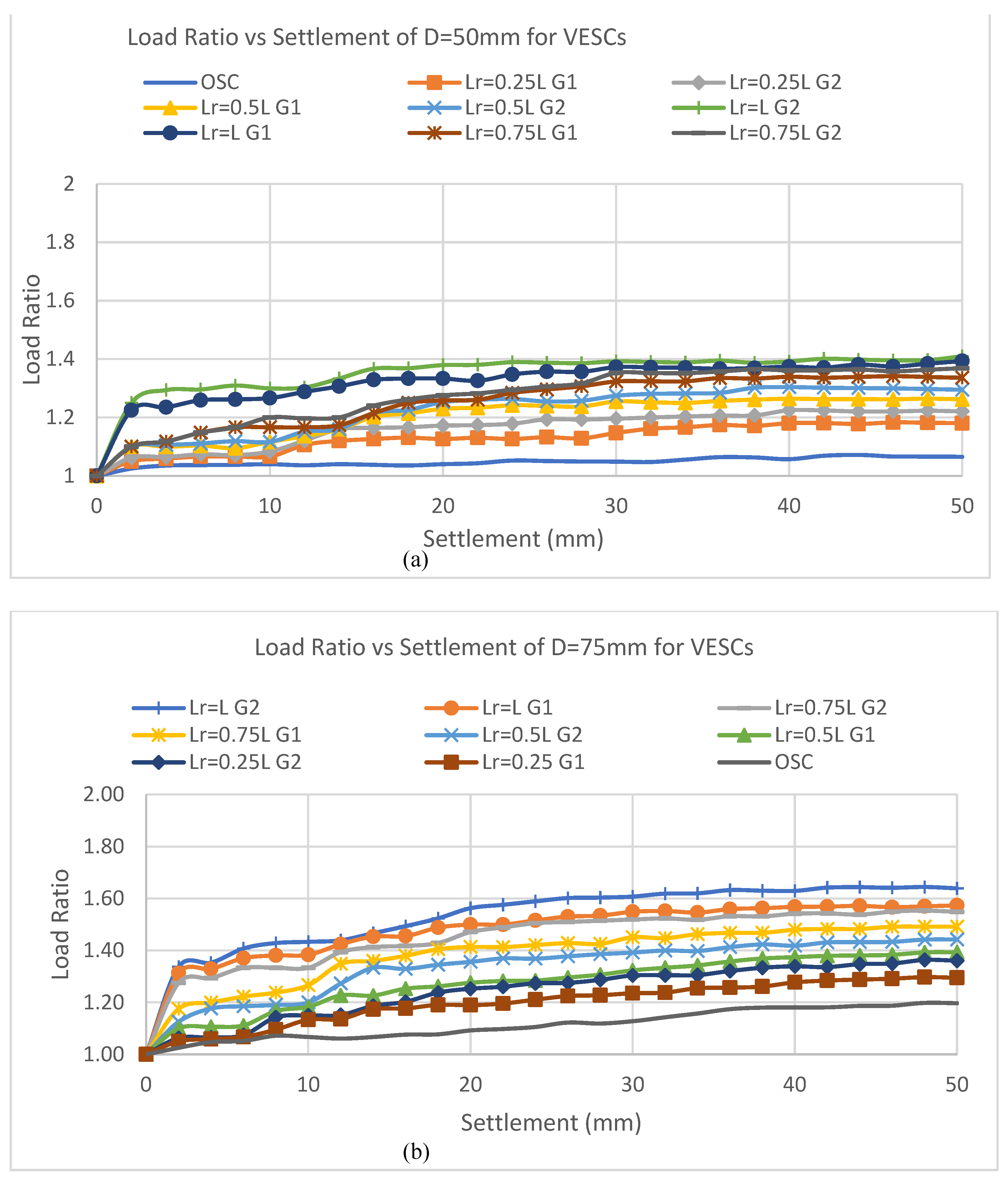
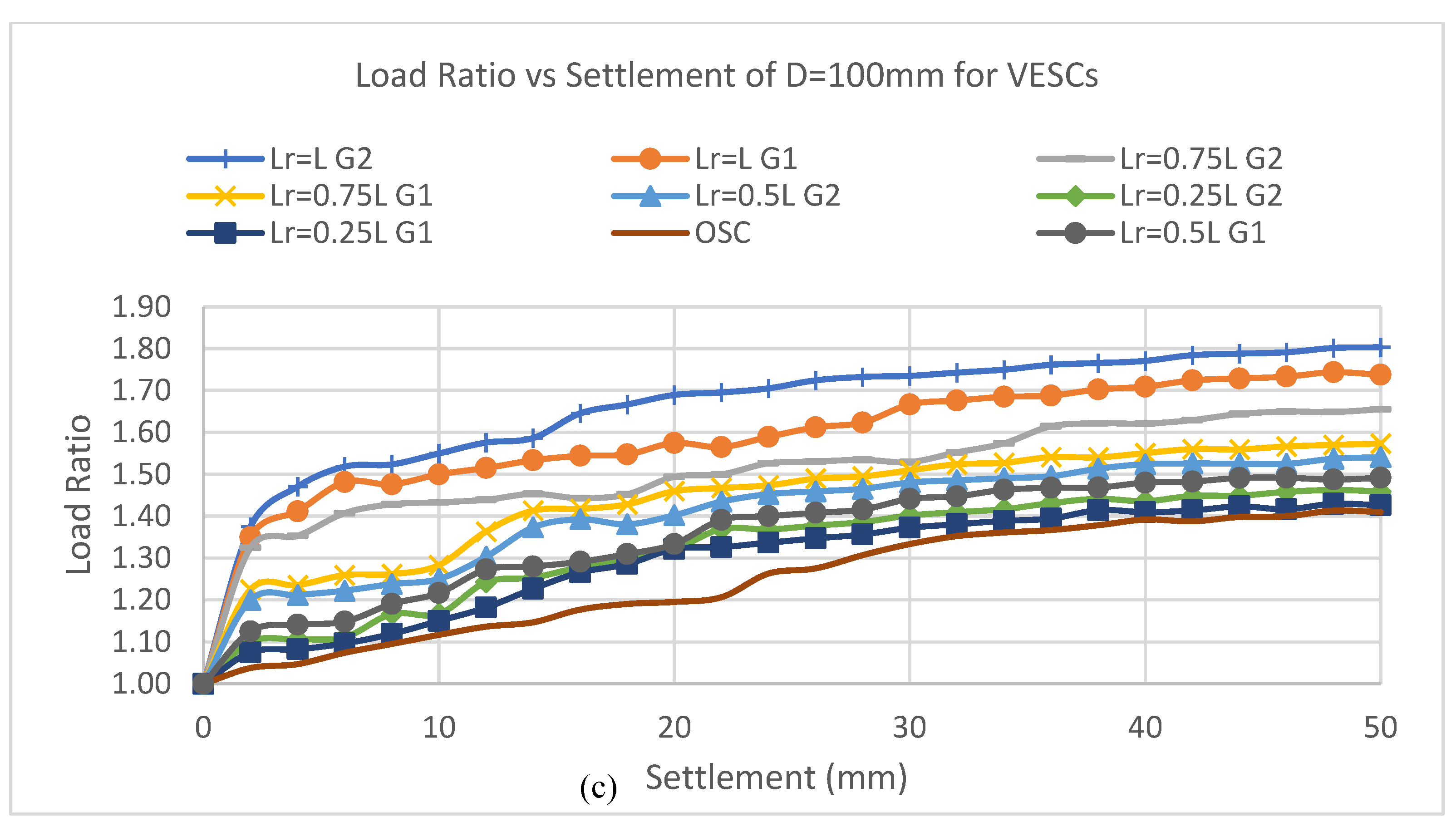
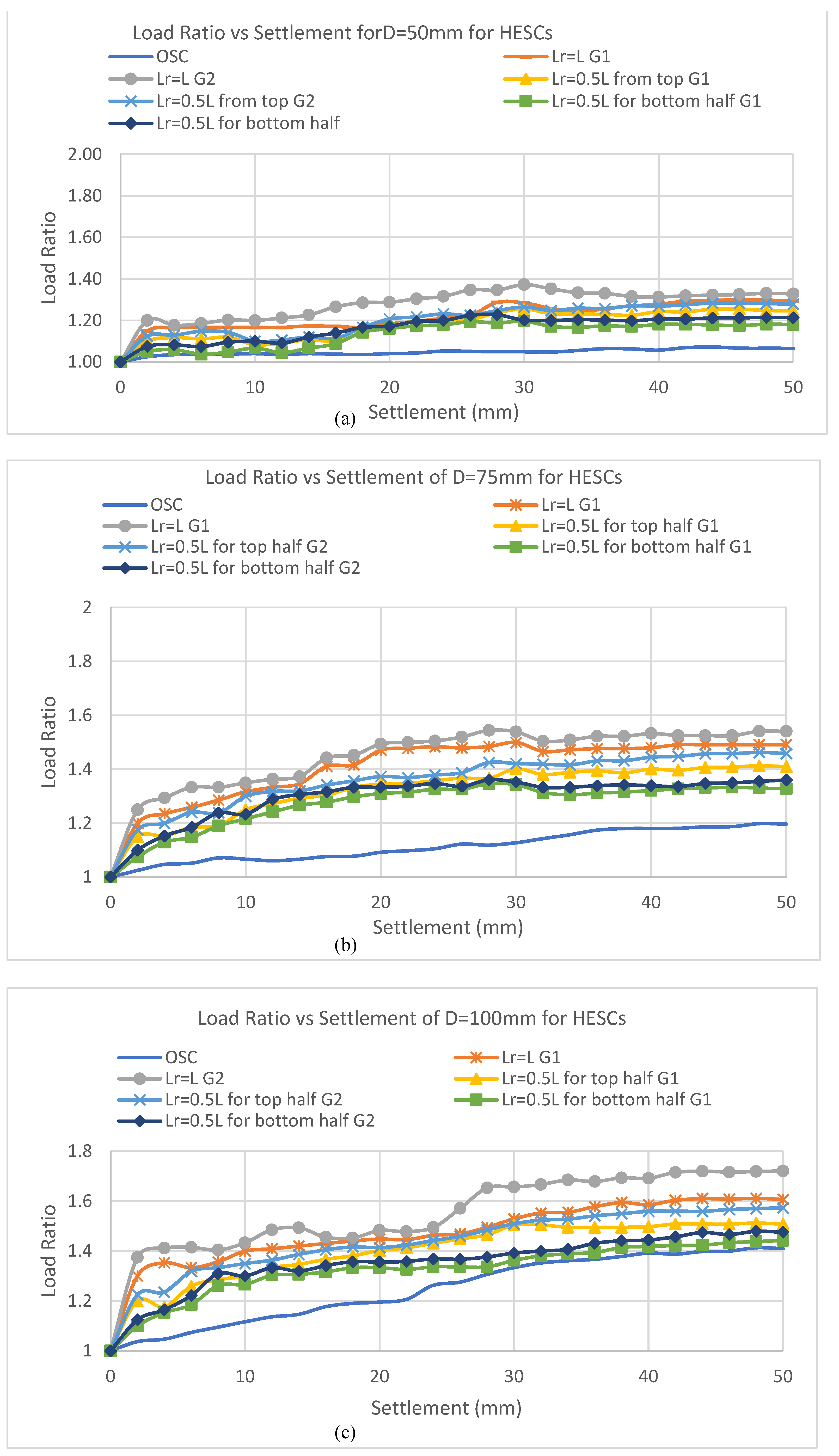
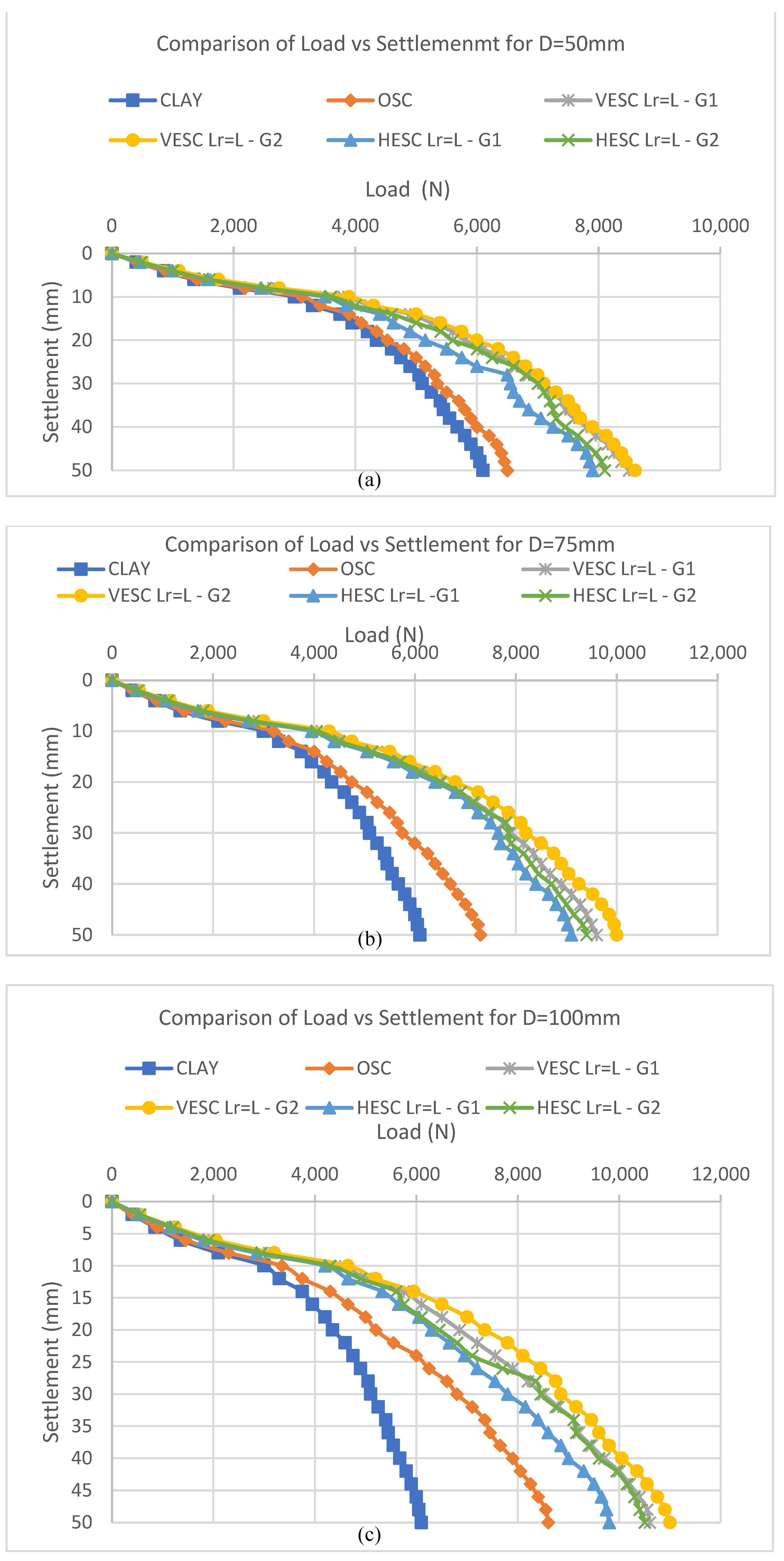
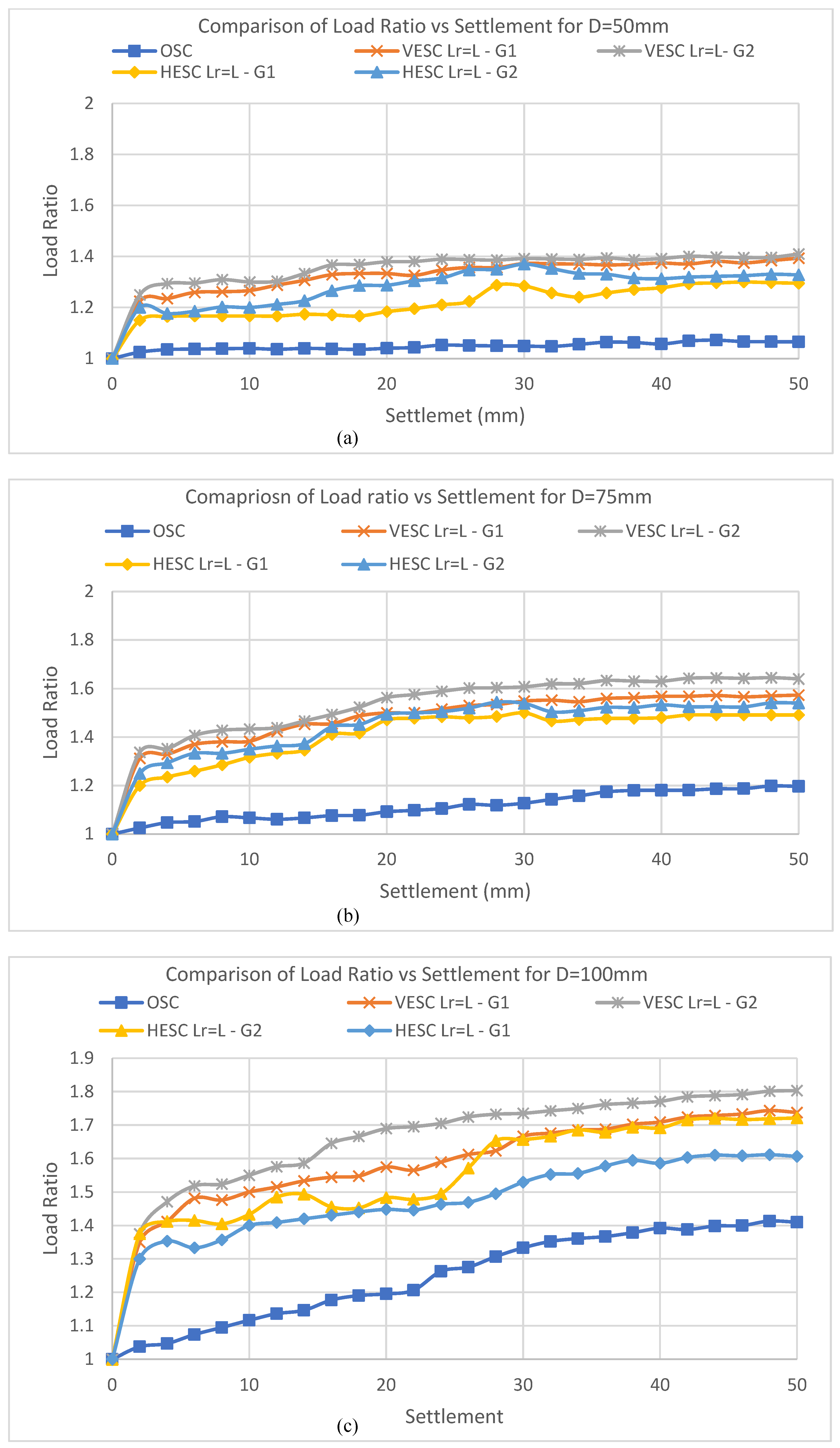
Because of the smaller confinement of the neighbouring soil in very weak soils, the carrying capacity of stone columns may not substantially increase. Geosynthetics can be used to reinforce columns by employing vertical encasement or horizontal layers. In the present study, large-scale laboratory investigations were carried out to evaluate the efficacy of vertical encasement and horizontal layering geosynthetics on the performance behaviour of soft clay. A series of tests were carried out for a horizontal layering of a geotextile with an equal distance throughout the height of the column (the total height of the column is ‘L’); horizontal layering over only the top half (i.e., 0.5 L from the head of the considered column); and horizontal layering over only the bottom half of the column (0.5 L from the centre to the foot of the column). Tests were also carried out for vertical encasement in the form of vertically encased stone columns (VESCs) that were employed for various lengths of encasement (i.e., L, 0.75 L, 0.5 L, 0.25 L). The tests were conducted for three different diameters of stone columns, i.e., 50 mm, 75 mm, and 100 mm. As per the findings, the utilisation of horizontal and vertical reinforcing layers enhances the carrying capability of stone columns. Moreover, because of their interlocking and frictional actions with the aggregates of stone columns, the layering decreases the lateral bulging of the considered stone columns. A comparison was performed to find the effectiveness of the horizontal and vertical types of reinforcement, and it was observed that VESCs with full-length encasement and a geotextile with a higher tensile strength for a 100 mm diameter of the stone column were the most desirable arrangements among all.
Keywords: stone column; soft soil; geosynthetics; horizontal and vertical reinforcement stone column; soft soil; geosynthetics; horizontal and vertical reinforcement