Article

Tribological Behavior of Biomass Fast Pyrolysis Fuel and Diesel Blends
School of Mechanical Engineering, Hefei University of Technology, Hefei 230009, China
*
Author to whom correspondence should be addressed.
Appl. Sci. 2022, 12(5), 2540; https://doi.org/10.3390/app12052540
Submission received: 25 January 2022 / Revised: 23 February 2022 / Accepted: 25 February 2022 / Published: 28 February 2022
(This article belongs to the Special Issue Lubricity and Wear of Alternative Engine Fuels and Lubricants)

Abstract

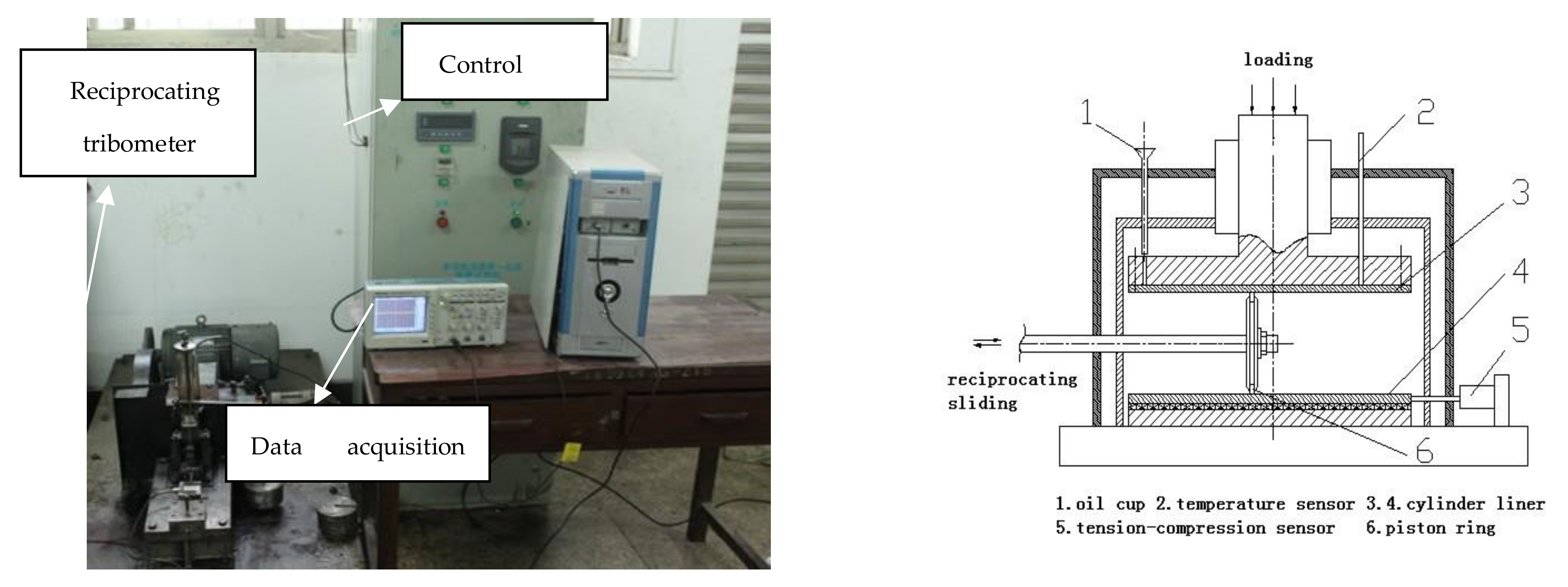
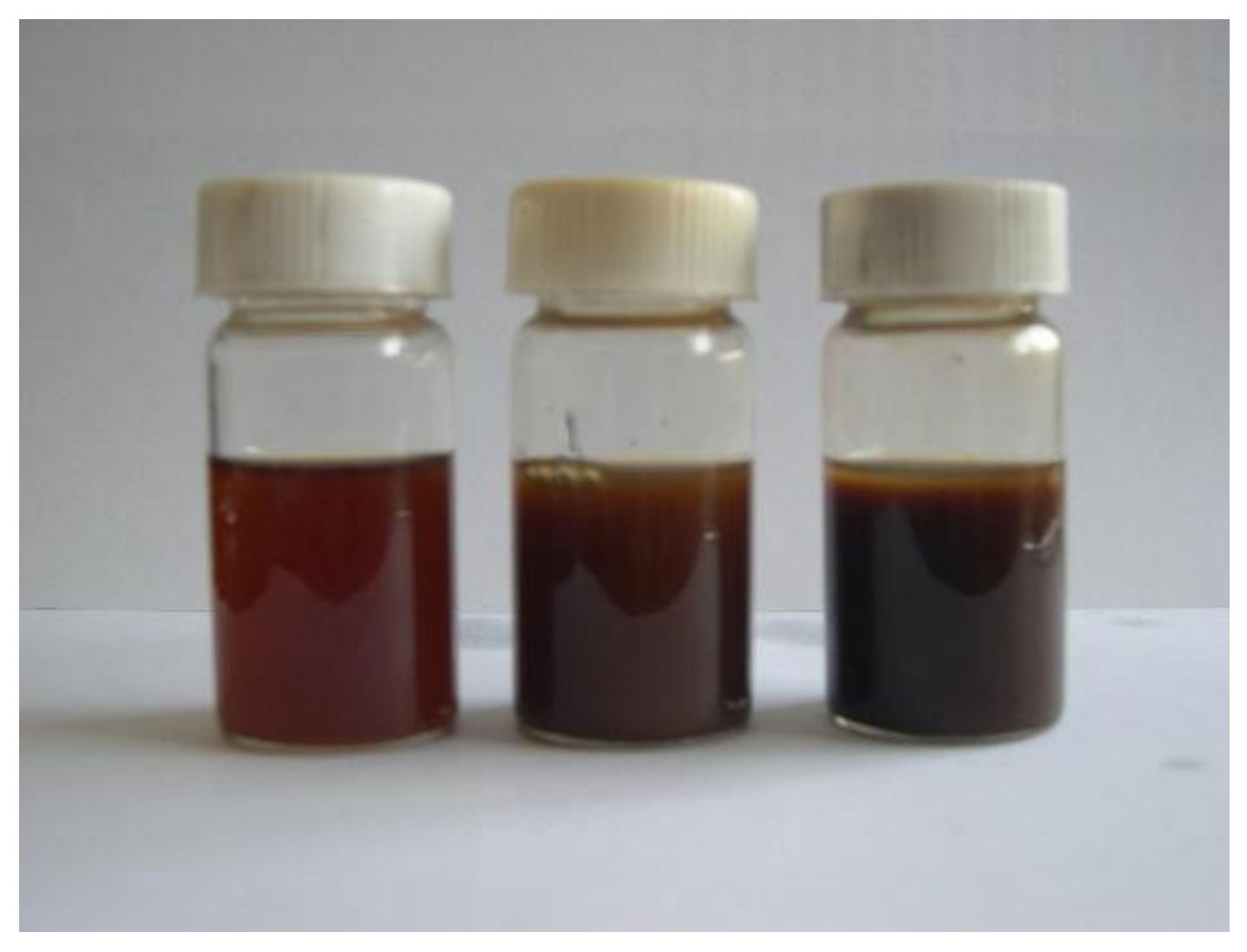
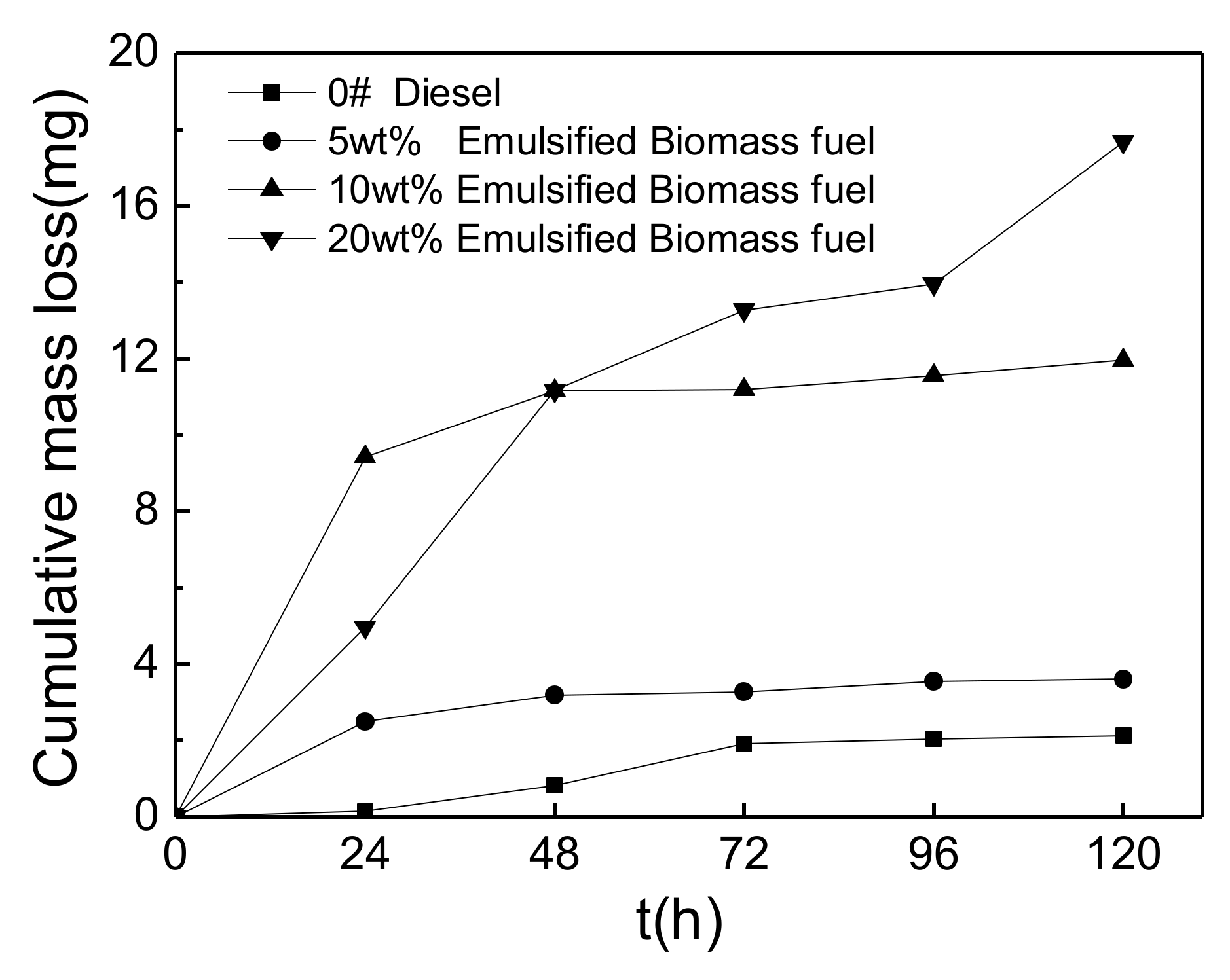
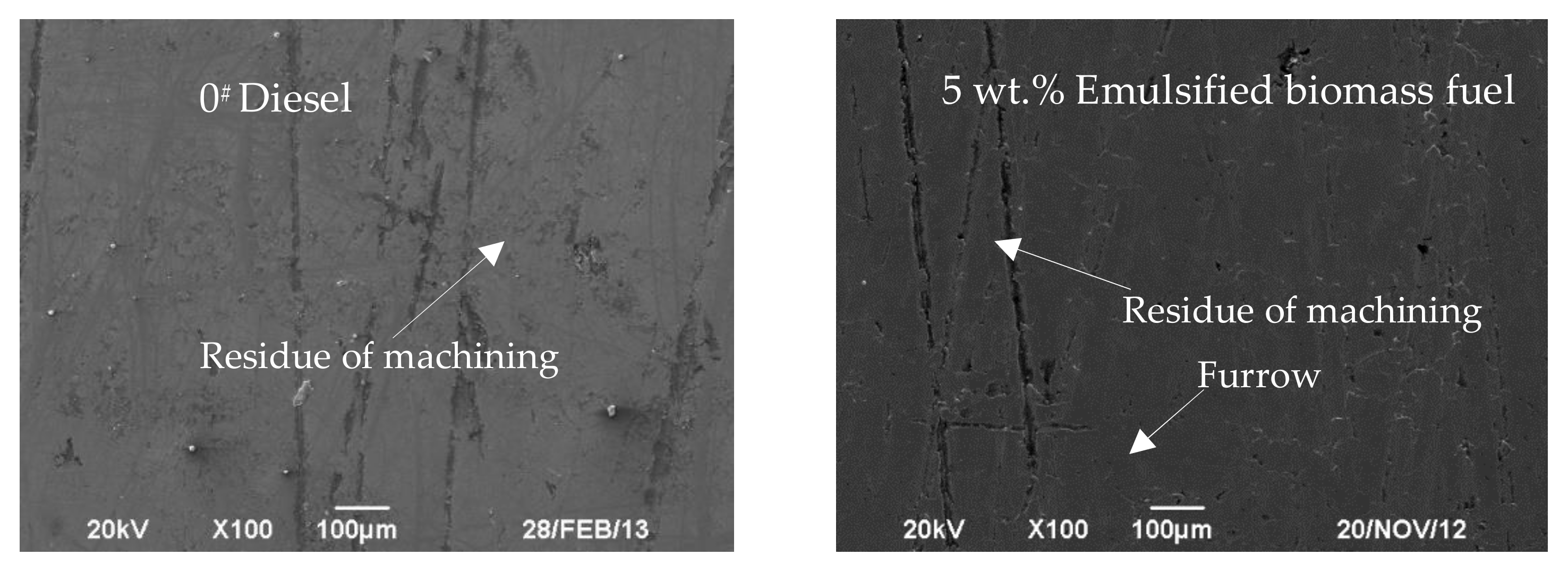
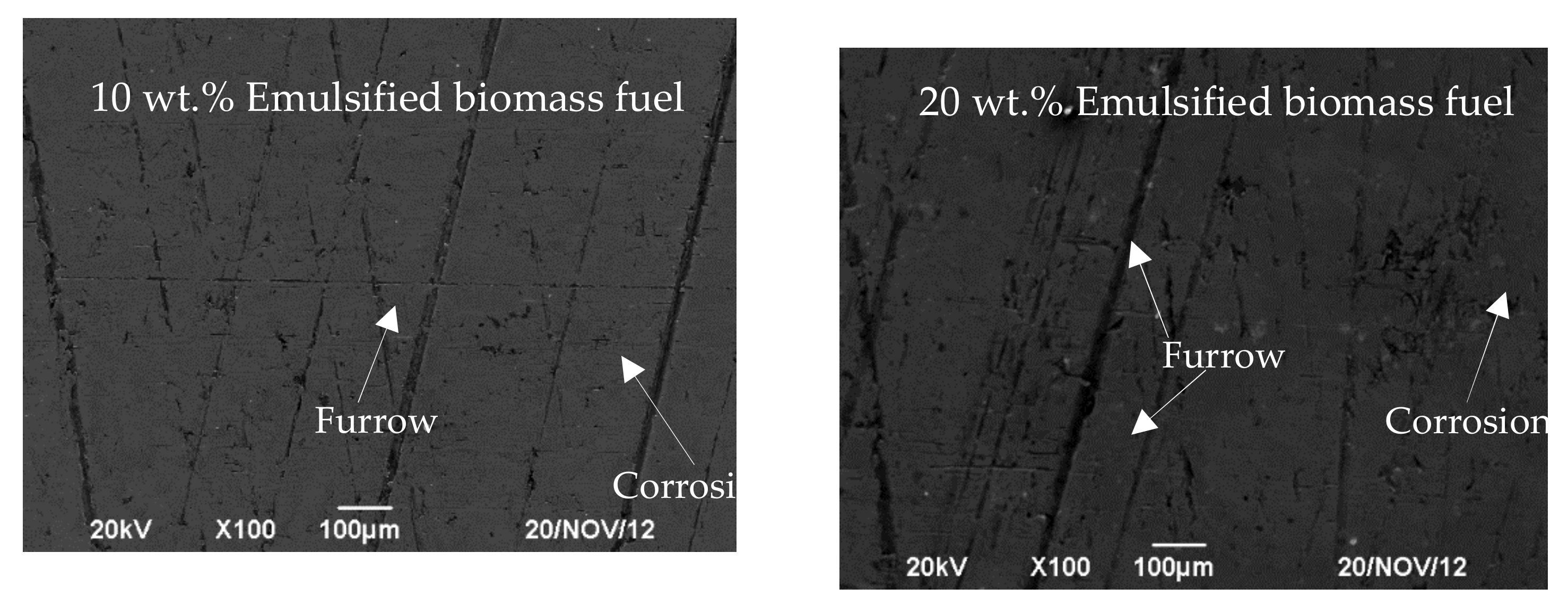
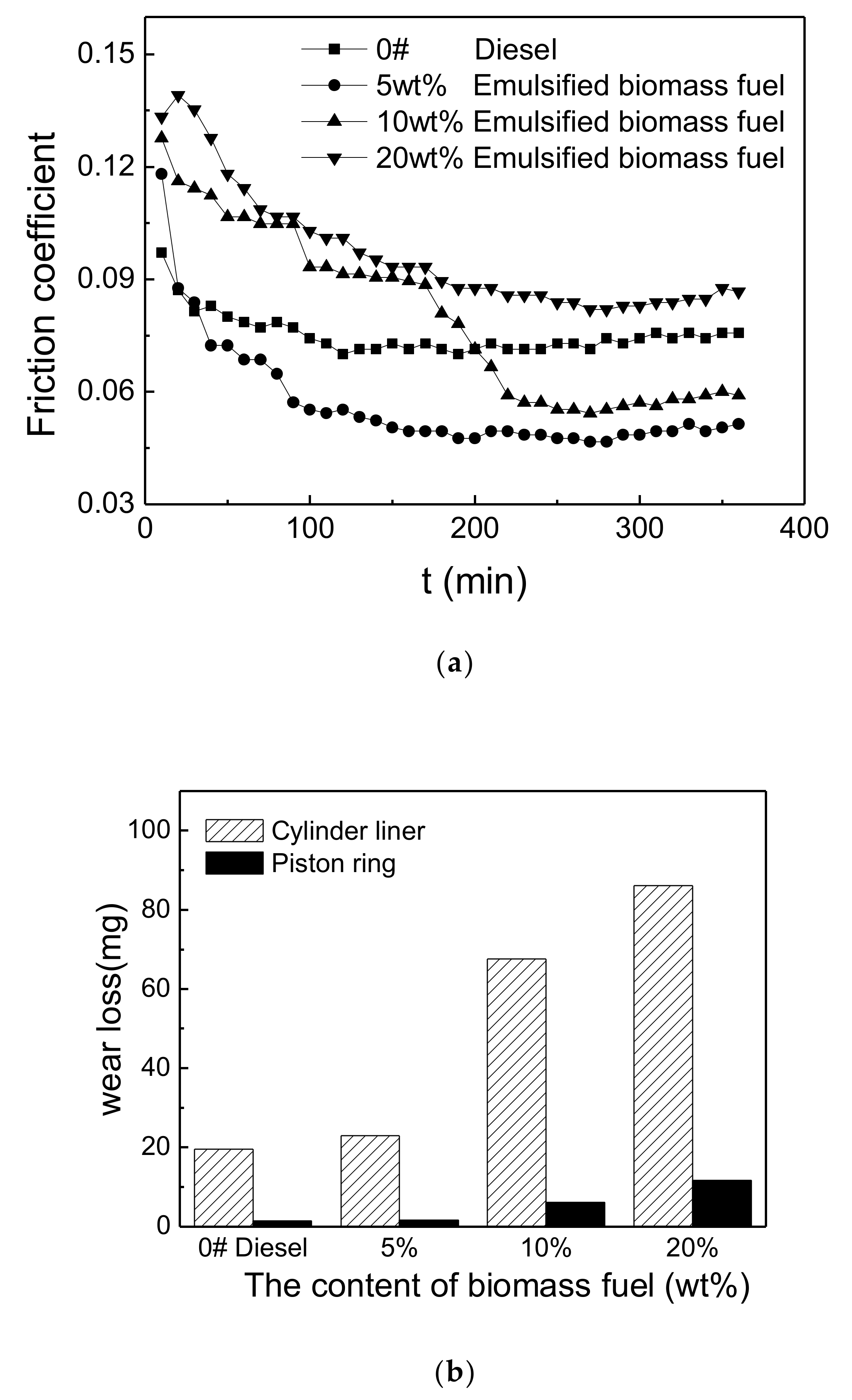
The original biomass fast pyrolysis fuel was modified by an emulsification method to obtain emulsified biomass fast pyrolysis fuel with different proportions (the content of biomass fast pyrolysis fuel in the emulsified biomass fuel was 5 wt.%, 10 wt.%, and 20 wt.%, respectively). Taking commercial 0# diesel as the blank fuel, the friction and wear characteristics of tribo-pair material from an actual piston ring–cylinder liner lubricated by the varied fuels were investigated on a reciprocating friction and wear tester, respectively. The results showed that the friction coefficient and wear of tribo-pair material lubricated with emulsified biomass fuel increased with the biomass fuel content. In the case of 5 wt.% emulsified biomass fuel, the friction coefficient was smaller than 0# diesel, and the wear was not different from 0# diesel. At the same time, the friction coefficient and wear of 5 wt.% emulsified biomass fuel increased with the reciprocating frequency when the load was constant, while they increased with the load when the reciprocating frequency was constant.
Keywords: lubricity; biomass fuel; diesel; blend; friction and wear lubricity; biomass fuel; diesel; blend; friction and wear