Long-Term Behavior of Concrete Containing Wood Biomass Fly Ash



Abstract
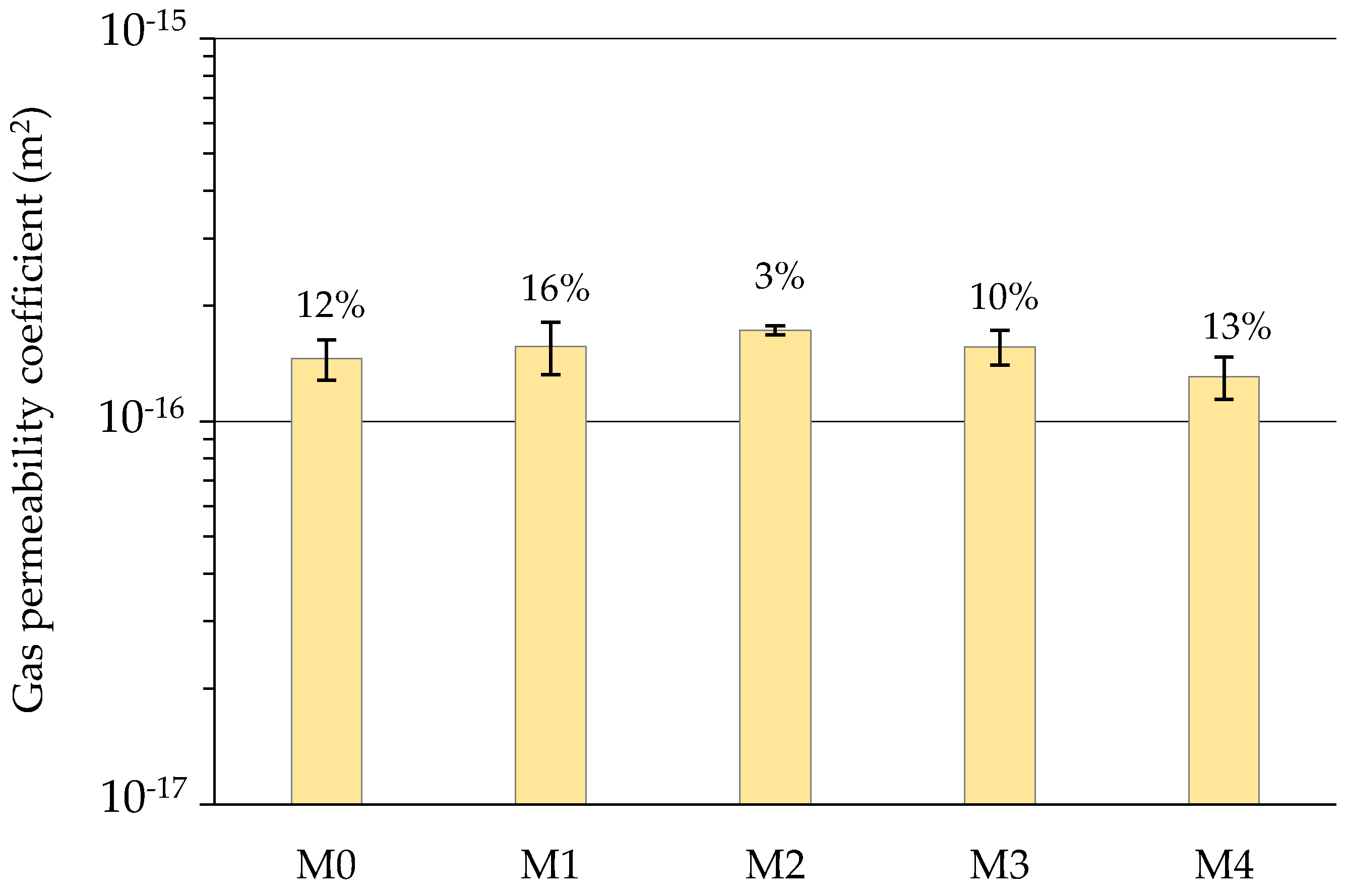
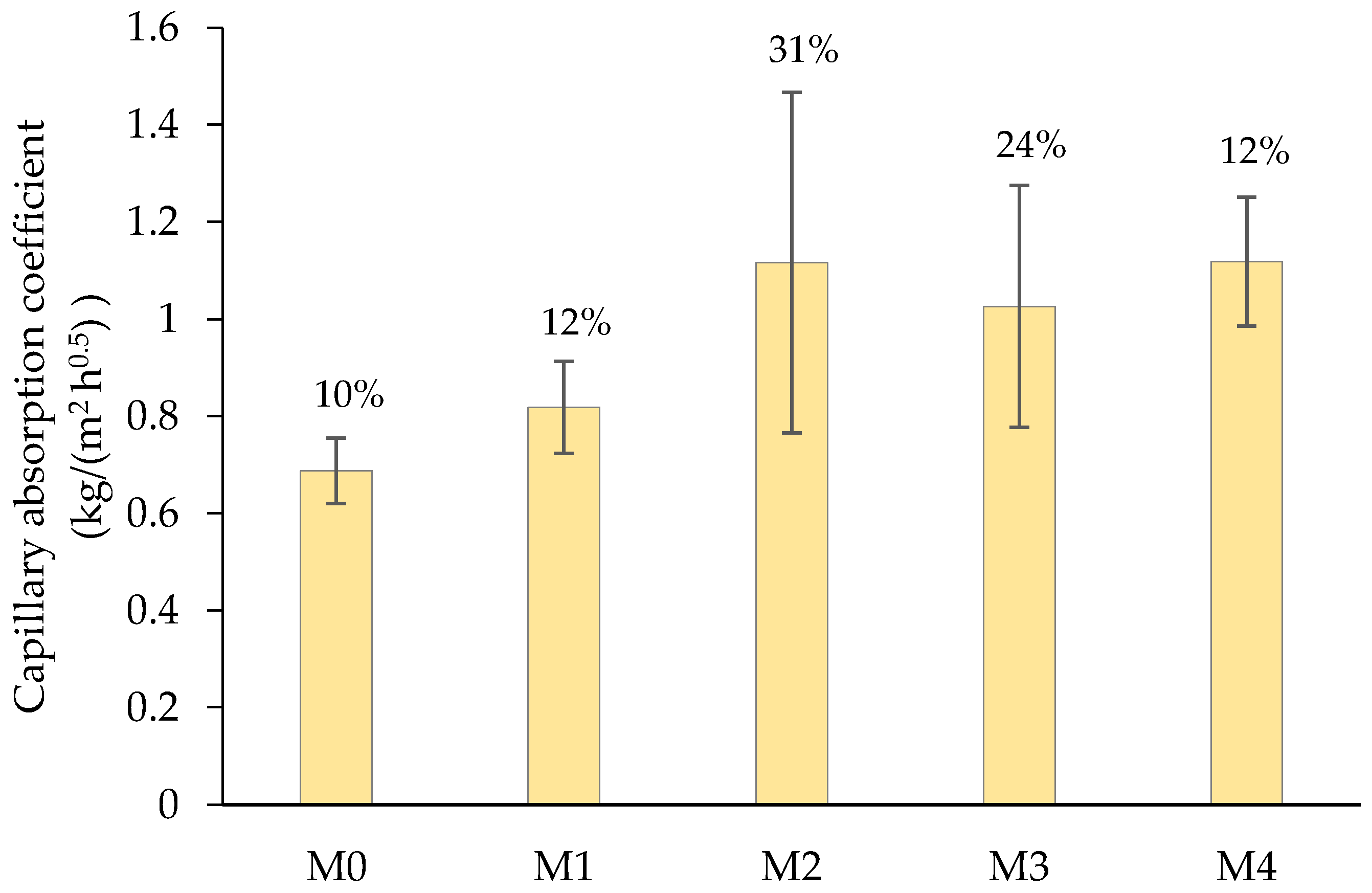
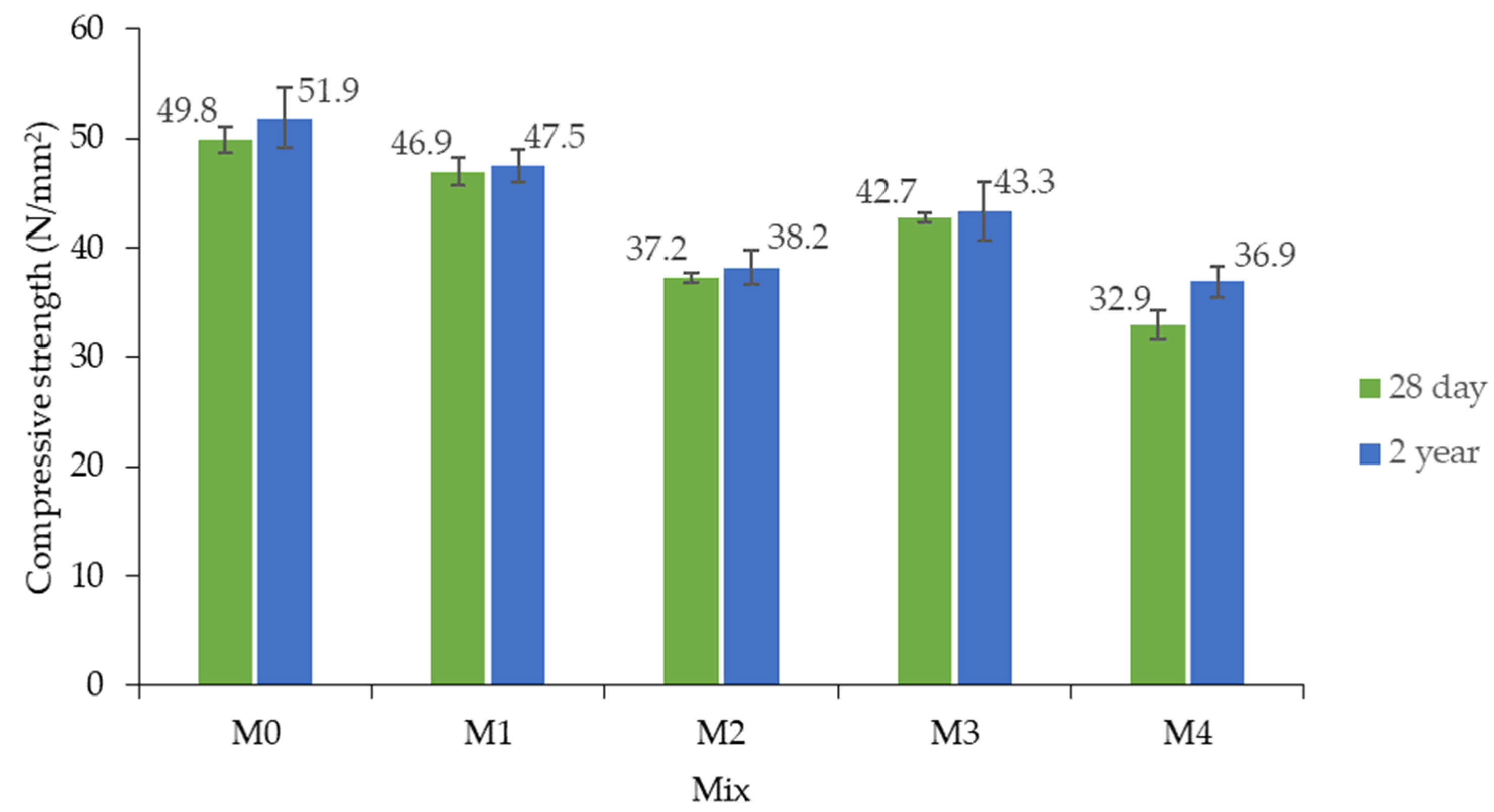
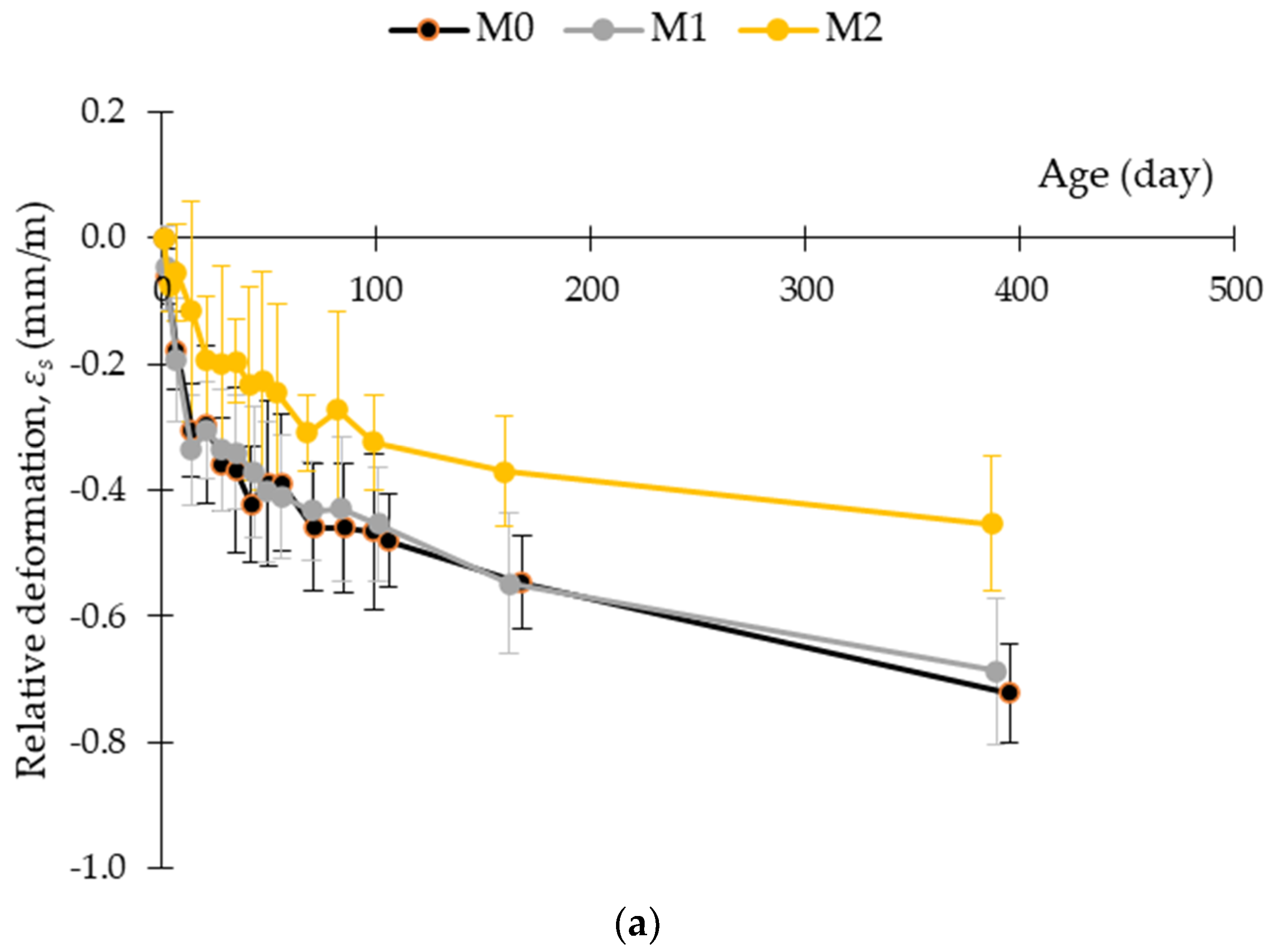
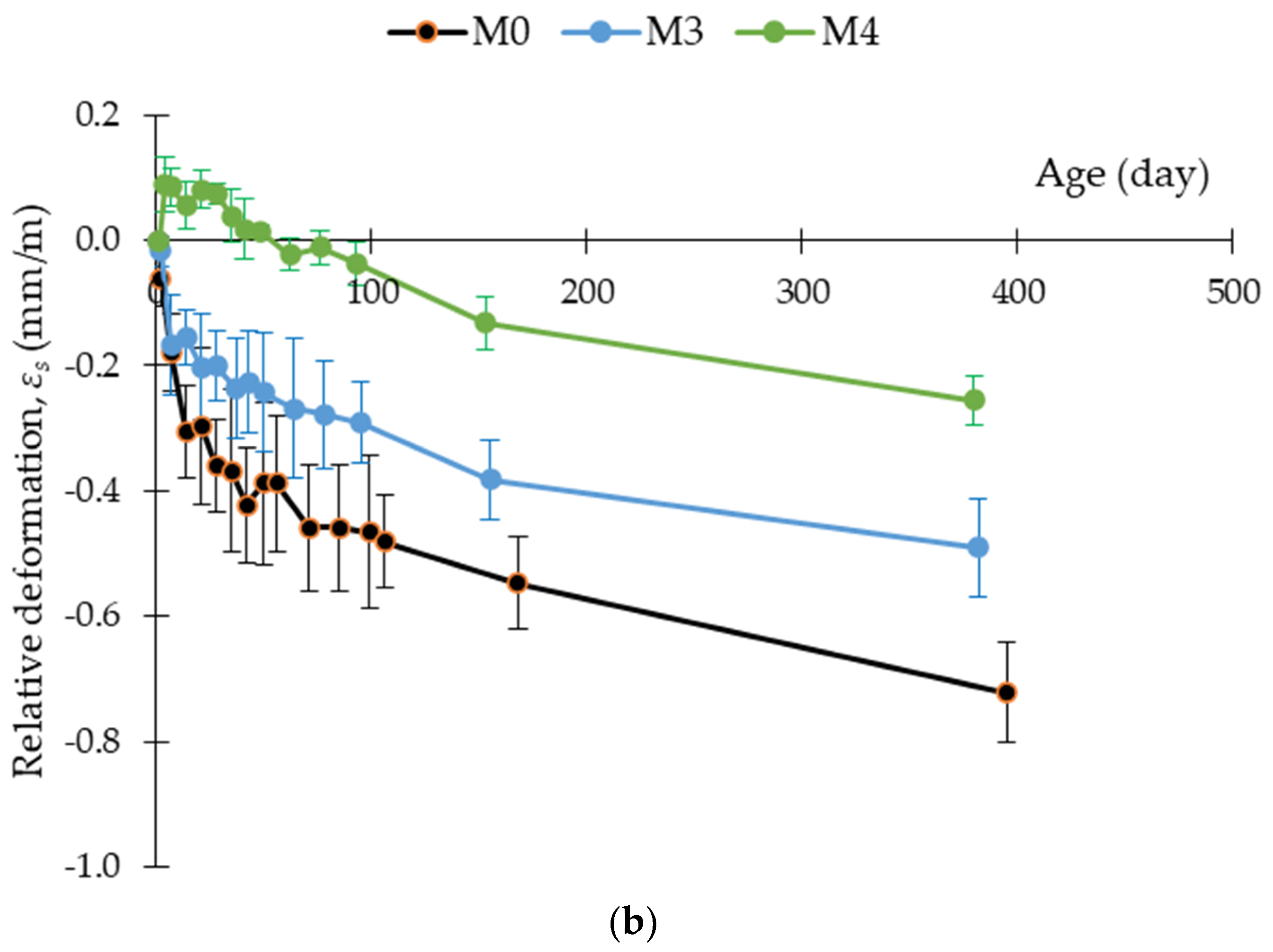
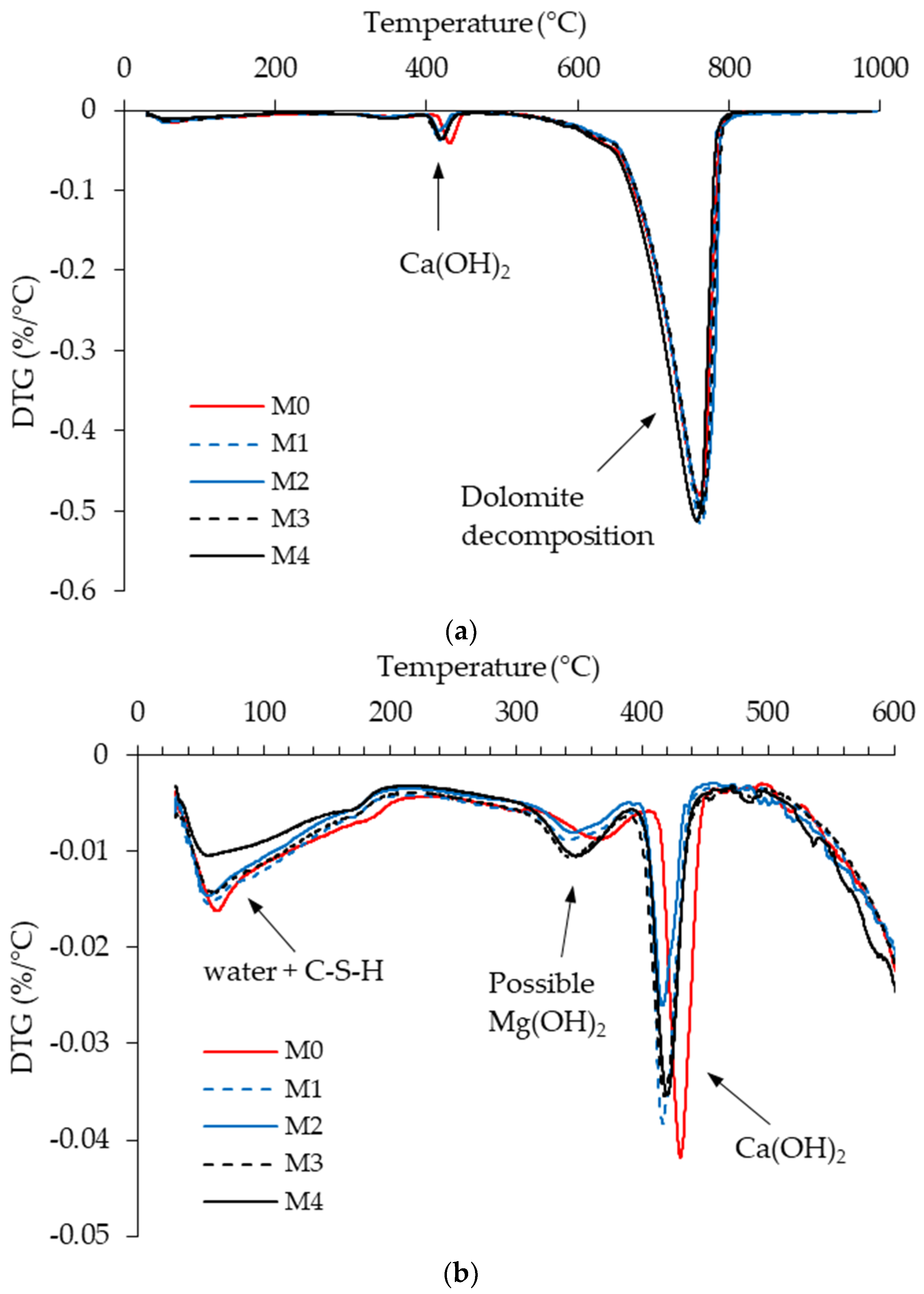
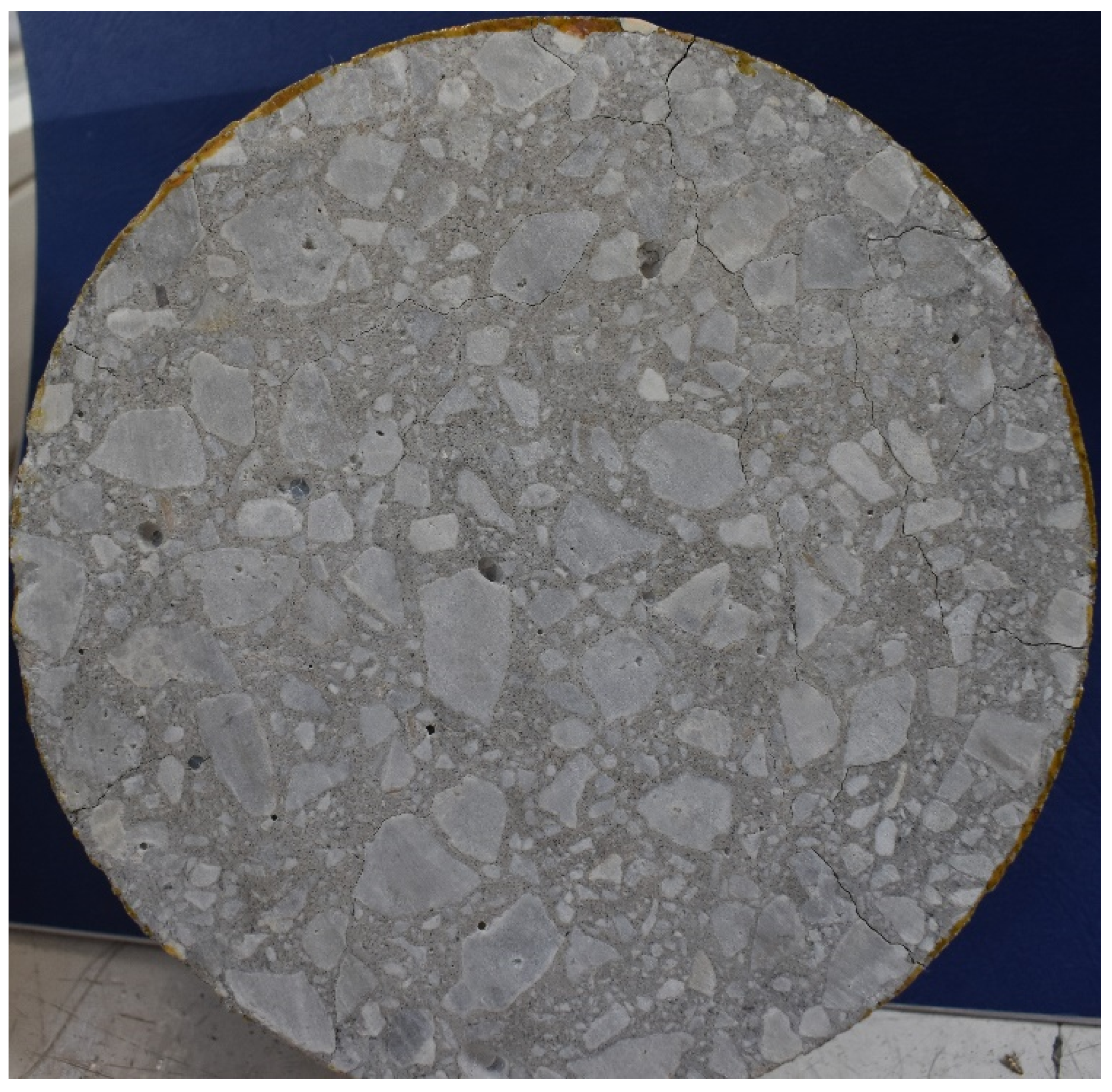
easily pollute soil, groundwater, or air. In this work, wood fly ash with a high amount of pozzolanic oxides and one with a high CaO content were used in concrete as a 15% and 30% cement replacement. Incorporation of wood ash in concrete reduced the 28-day compressive strength of concrete by up to 37%, which was attributed to the low stiffness of the wood ash particles, while the 2-year compressive strength indicated very low pozzolanic reactivity. The capillary absorption of concrete increased with the increase in the ash content, but almost no influence on the gas permeability was observed. Wood fly ash with high CaO content reduced the drying shrinkage of concrete by up to 65% after 1 year. In a mix with 30% of high CaO fly ash, swelling occurred in the first days of hydration, which was attributed to the volume expansion due to the formation of portlandite and brucite, but did not lead to cracking or a decrease in long-term compressive strength.
Share and Cite
Gabrijel, I.; Skazlić, M.; Štirmer, N. Long-Term Behavior of Concrete Containing Wood Biomass Fly Ash. Appl. Sci. 2022, 12, 12859. https://doi.org/10.3390/app122412859
Gabrijel I, Skazlić M, Štirmer N. Long-Term Behavior of Concrete Containing Wood Biomass Fly Ash. Applied Sciences. 2022; 12(24):12859. https://doi.org/10.3390/app122412859
Chicago/Turabian StyleGabrijel, Ivan, Marijan Skazlić, and Nina Štirmer. 2022. "Long-Term Behavior of Concrete Containing Wood Biomass Fly Ash" Applied Sciences 12, no. 24: 12859. https://doi.org/10.3390/app122412859
APA StyleGabrijel, I., Skazlić, M., & Štirmer, N. (2022). Long-Term Behavior of Concrete Containing Wood Biomass Fly Ash. Applied Sciences, 12(24), 12859. https://doi.org/10.3390/app122412859