Article

Natural Element Static and Free Vibration Analysis of Functionally Graded Porous Composite Plates


Department of Naval Architecture and Ocean Engineering, Hongik University, Jochiwon, Sejong 30016, Republic of Korea
Appl. Sci. 2022, 12(22), 11648; https://doi.org/10.3390/app122211648
Submission received: 29 October 2022 / Revised: 13 November 2022 / Accepted: 14 November 2022 / Published: 16 November 2022

Featured Application

Novel design of functionally graded ceramic–metal composite plates.

Abstract

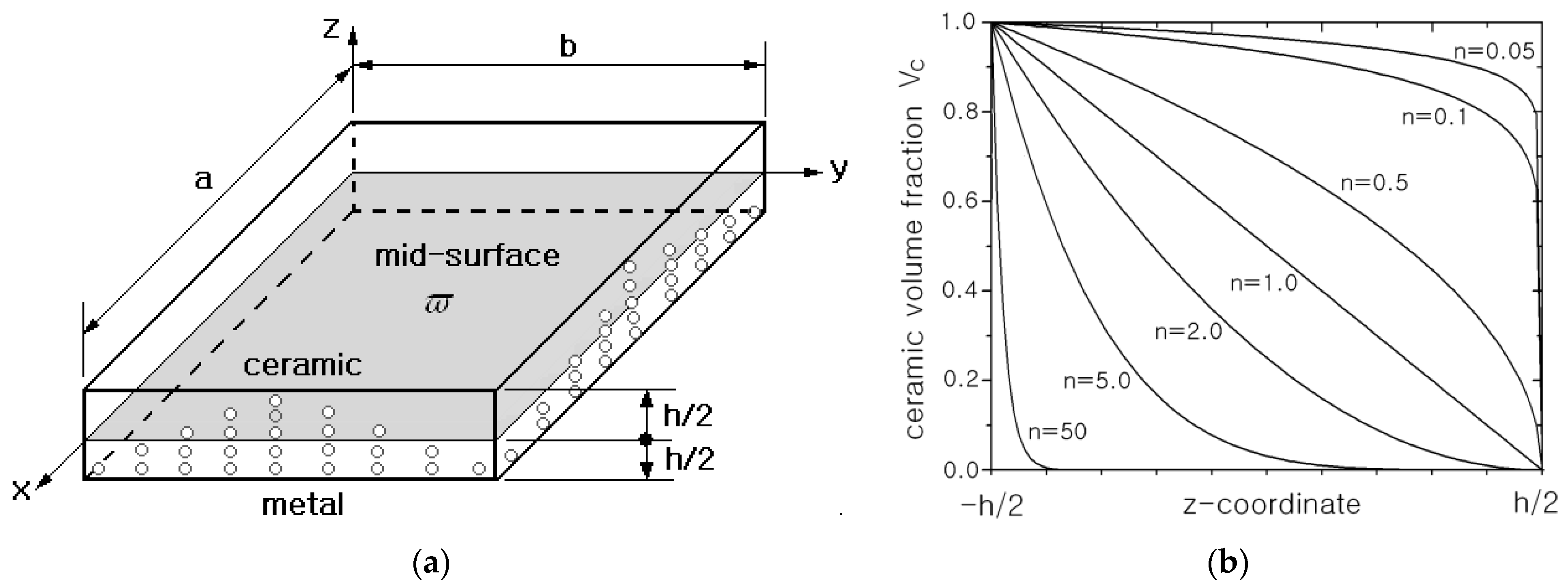
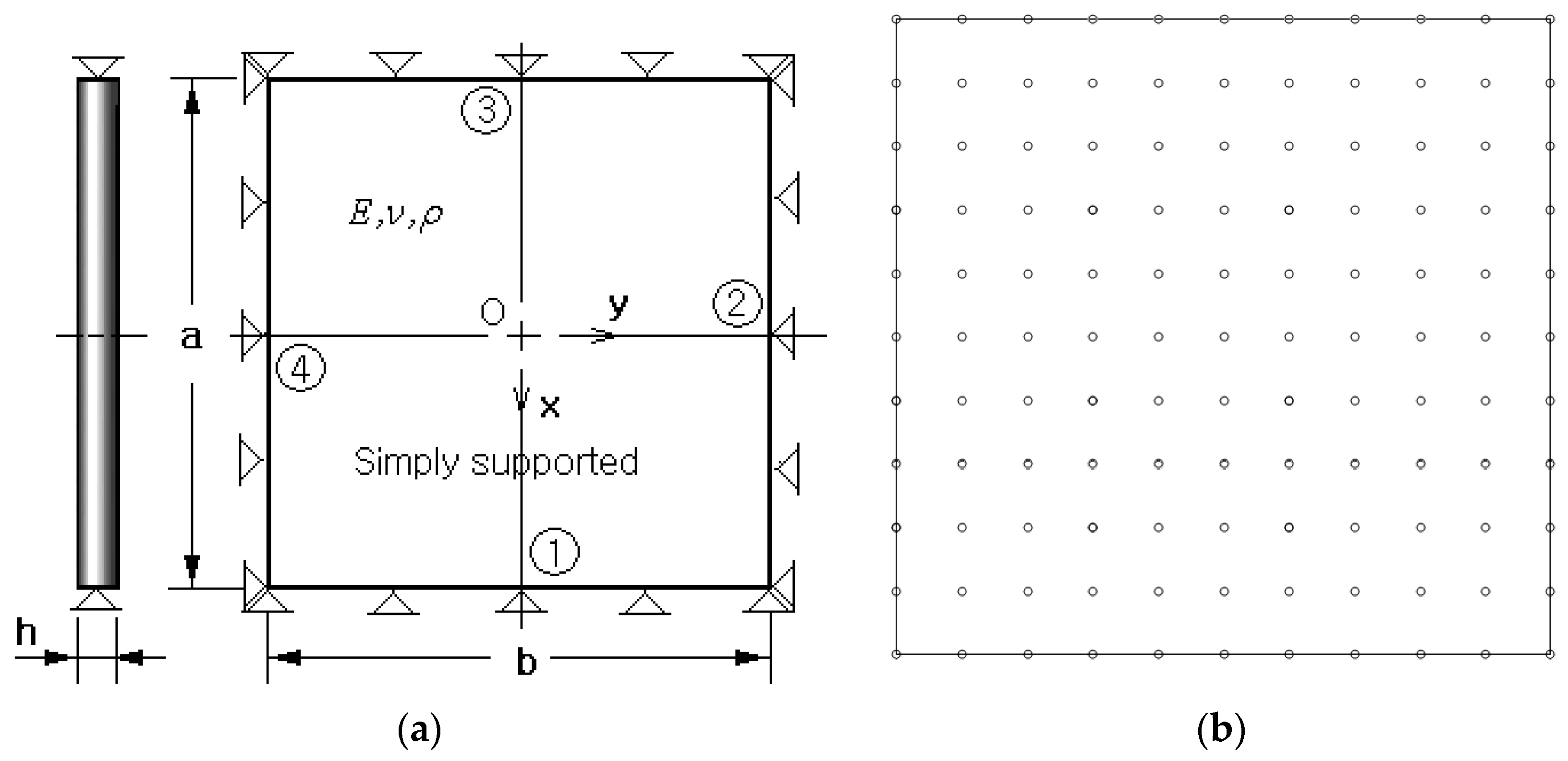
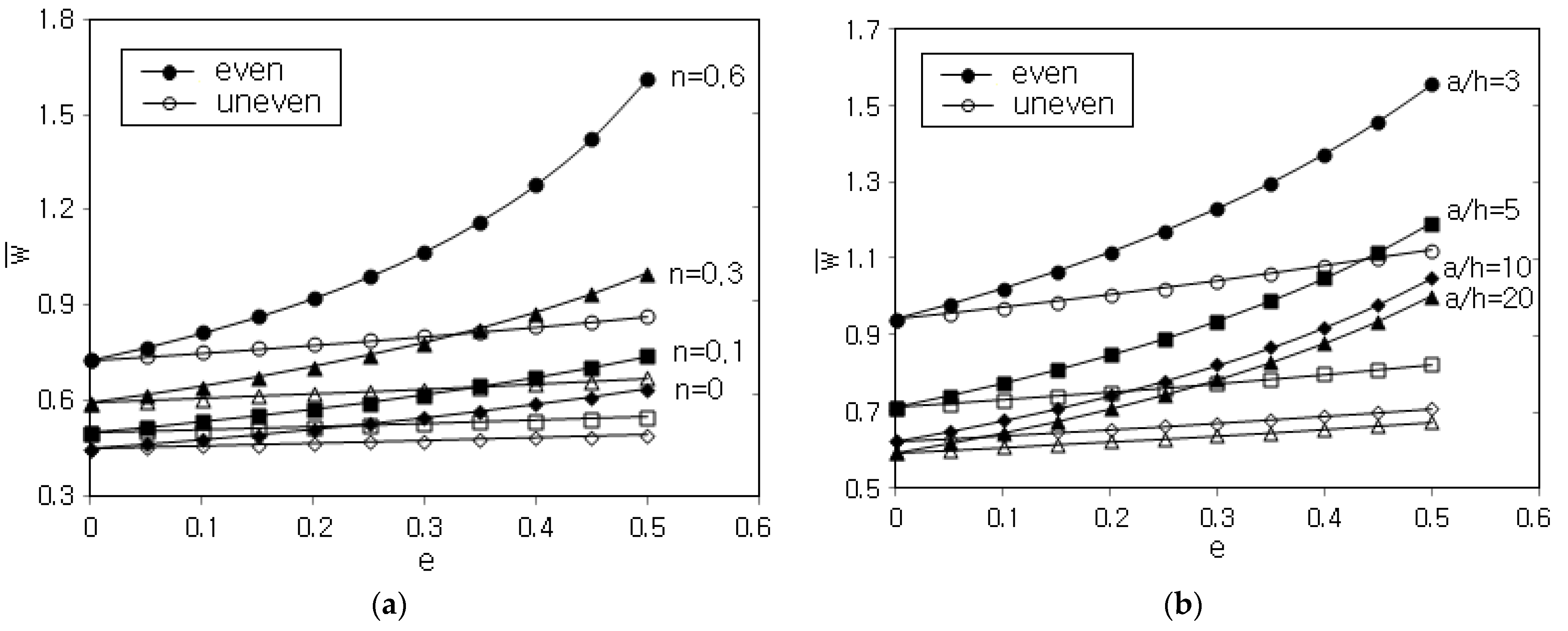
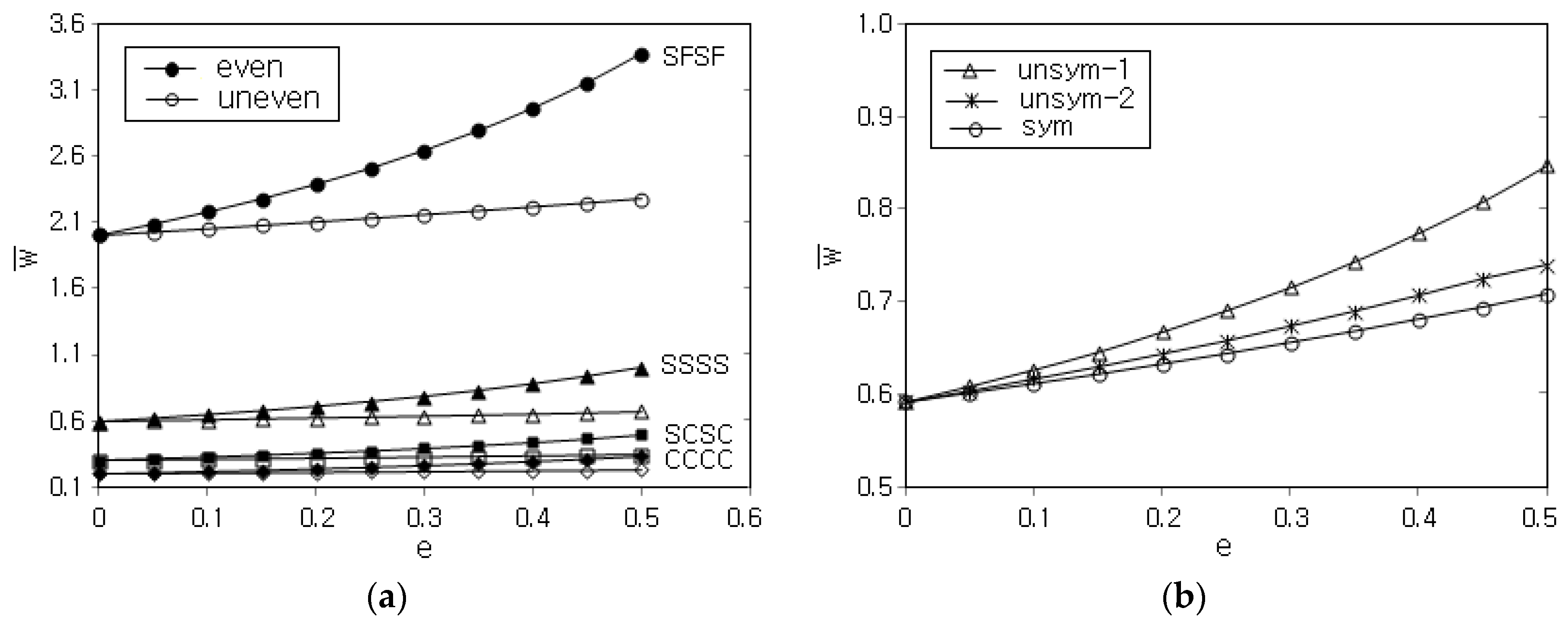
The static bending and free vibration of functionally graded (FG) porous plates were analyzed by a 2D natural element method (NEM). Recent studies on FG materials considered the porosity because micropores and porosity were observed during the fabrication of FG materials owing to the difference in solidification temperatures. However, the mechanical responses of FG porous plates were not sufficiently revealed, and furthermore most numerical studies relied on the finite element method. Motivated by this situation, this study intended to investigate the combined effects of material composition and porosity distributions and plate thickness on the static bending and free vibration responses of ceramic–metal FG plates using 2D NEM incorporated with the (3,3,2) hierarchical model. The proposed numerical method is verified from the comparison with the reference such that the maximum relative difference is 5.336%. Five different porosity distributions are considered and the central deflection and the fundamental frequency of ceramic–metal FG porous plates are parametrically investigated with respect to the combination of the porosity parameter, the ceramic volume fraction index, and the width–thickness (w/t) ratio and to the boundary condition. The ranges of three parameters were set to 0–0.5 for the porosity, 0–0.6 for the ceramic volume fraction, and 3–20 for the width–thickness ratio. It was found from the numerical experiments that the static and free vibration responses of ceramic–metal FG porous plates are significantly affected by these parameters.
Keywords: functionally graded; ceramic–metal porous composite plates; bending and free vibration; natural element method (NEM); porosity distribution; volume fraction distribution functionally graded; ceramic–metal porous composite plates; bending and free vibration; natural element method (NEM); porosity distribution; volume fraction distribution