Article

Comparison Study on Coarseness Index and Maximum Diameter of Rock Fragments by Linear Cutting Tests


1
Department of Civil and Environmental Engineering, Hanyang University, 55 Hanyangdaehak-ro, Sangnok-gu, Ansan 15588, Korea
2
Department of Mining Engineering, Balochistan University of Information Technology Engineering and Management Sciences (BUITEMS), Quetta 87300, Pakistan
3
School of Materials and Mineral Resources Engineering, Universiti Sains Malaysia, Engineering Campus, Nibong Tebal 14300, Penang, Malaysia
4
Department of Infra Division Sinansan Line Section 2, Posco E&C, 38 Namwang-Gil, Siheung 14985, Korea
*
Authors to whom correspondence should be addressed.
Appl. Sci. 2022, 12(17), 8793; https://doi.org/10.3390/app12178793
Submission received: 27 June 2022 / Revised: 29 August 2022 / Accepted: 29 August 2022 / Published: 1 September 2022

Abstract

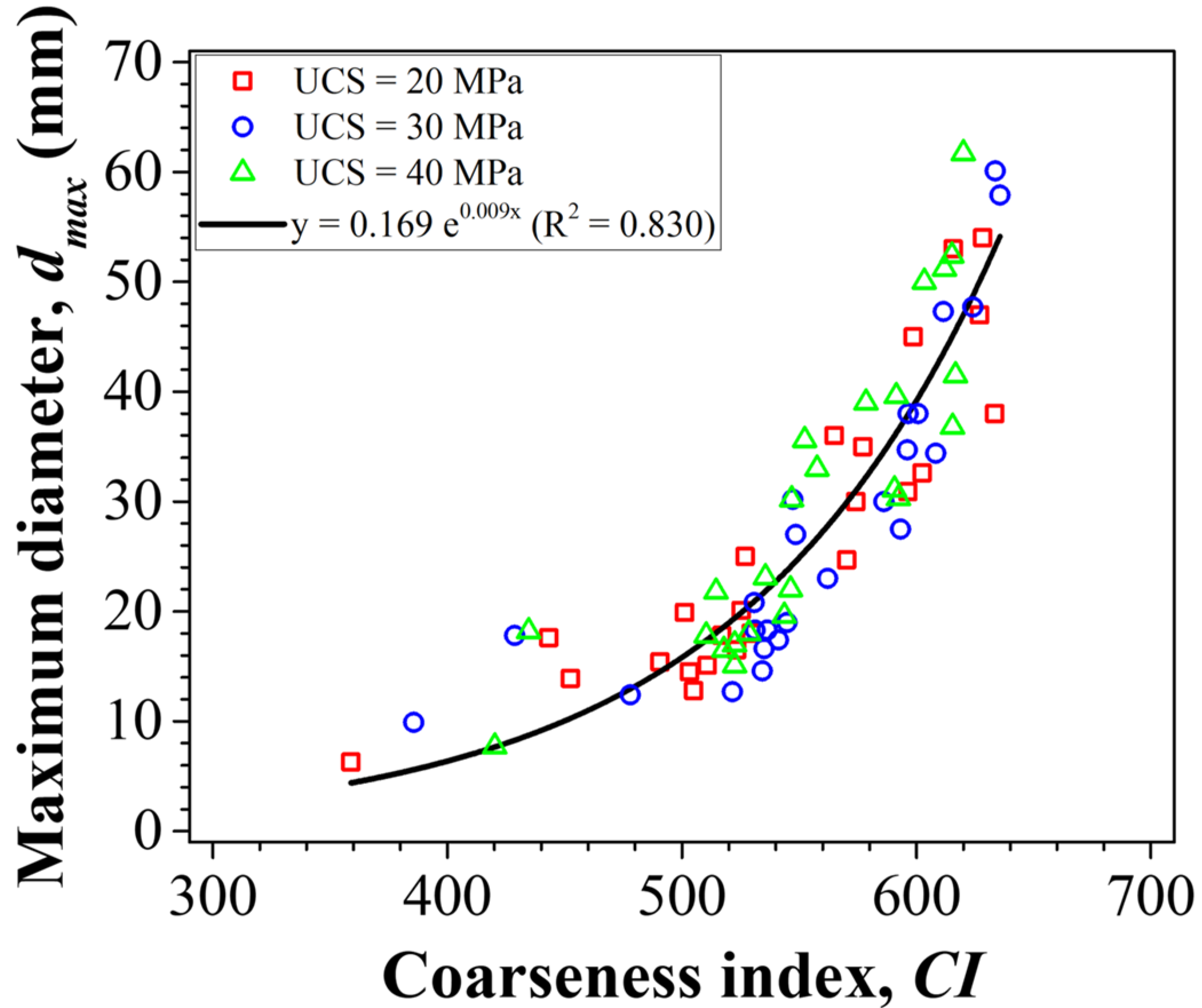
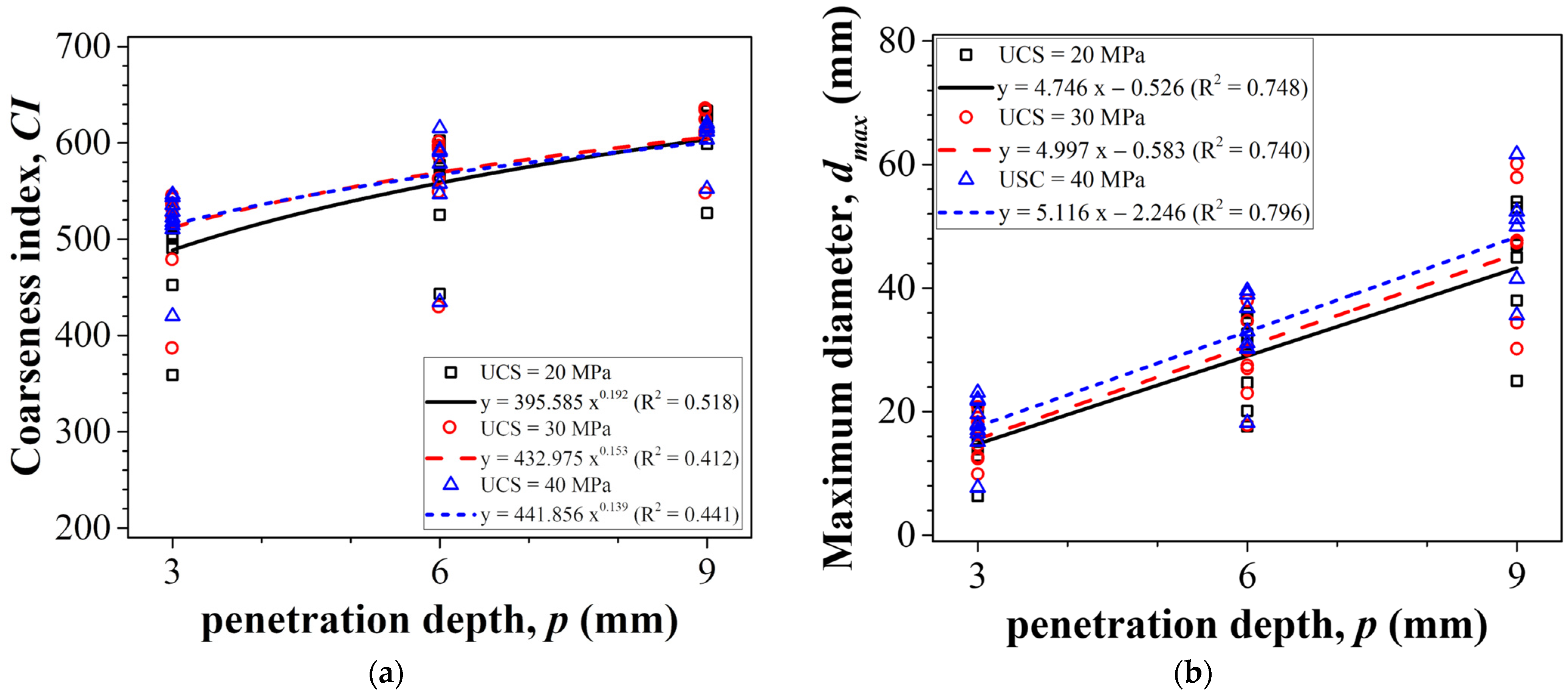
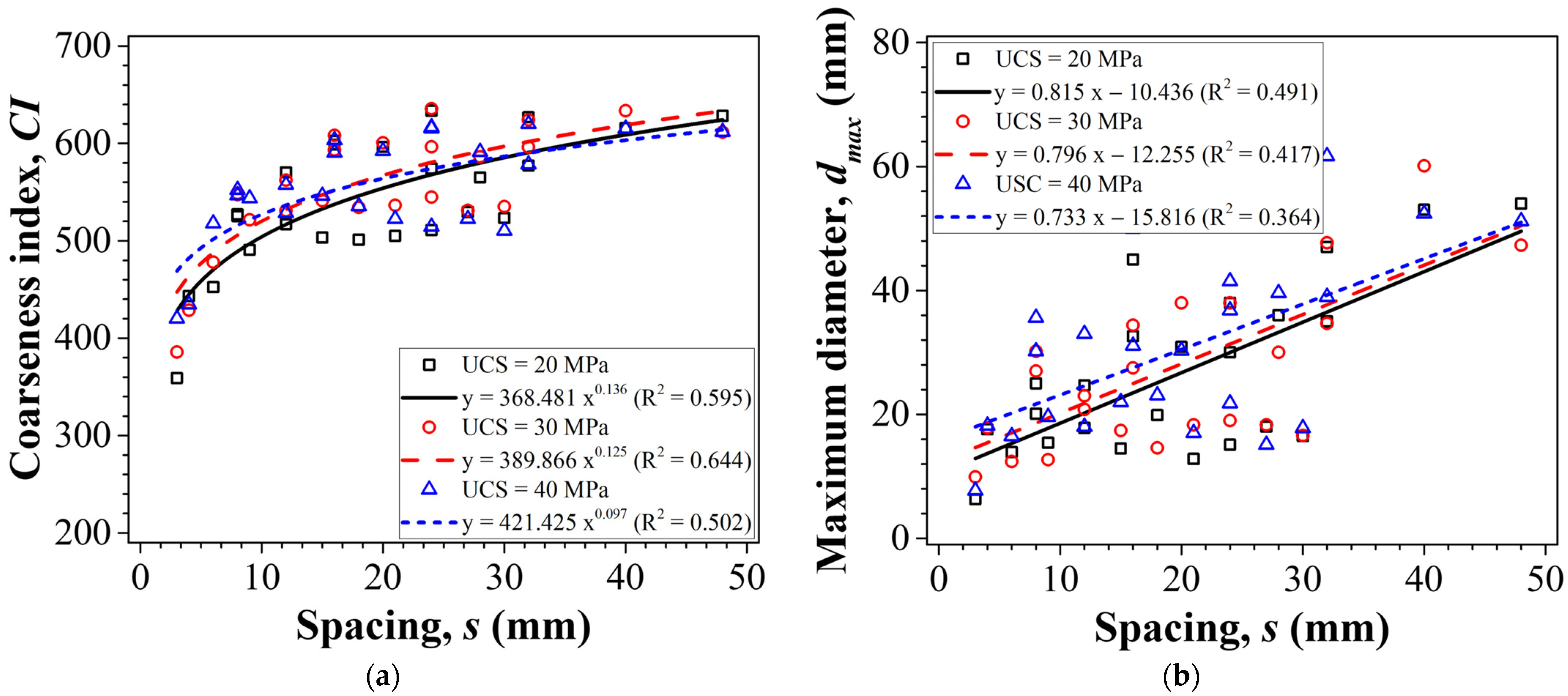
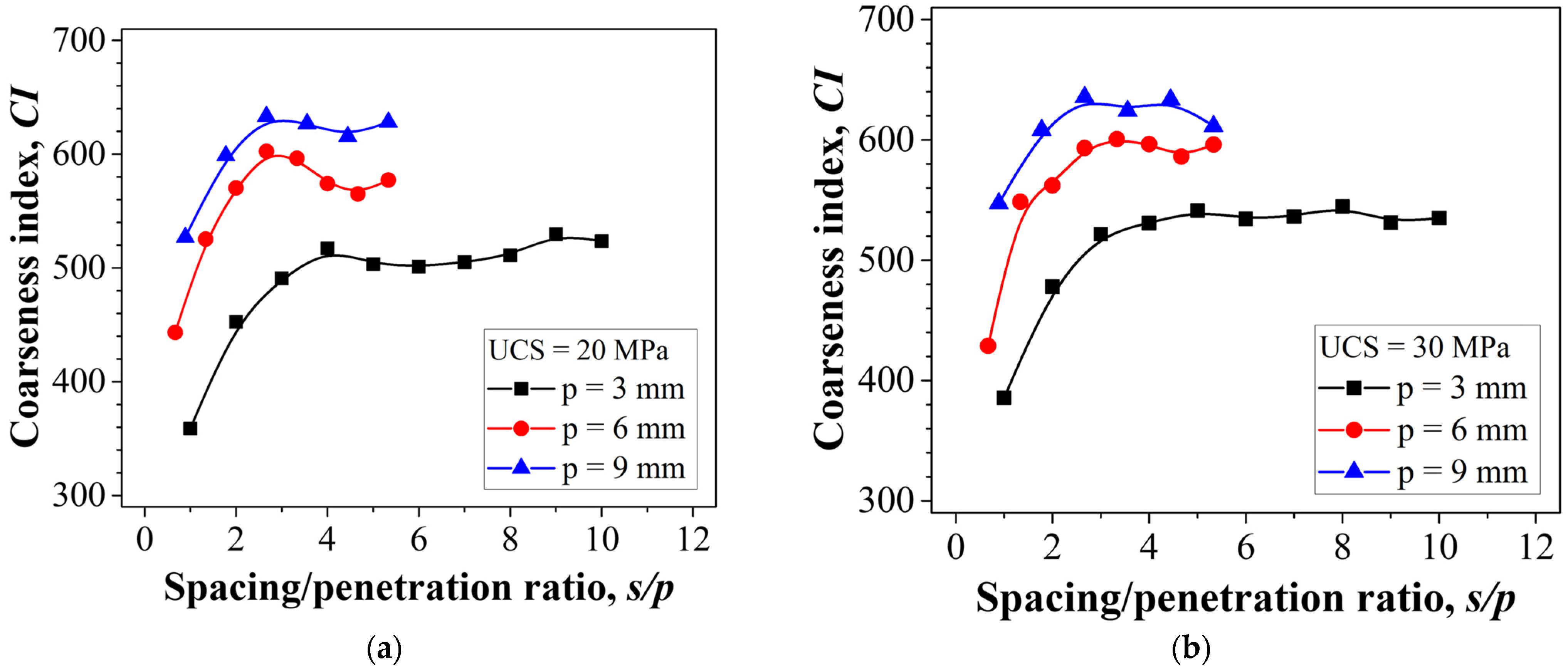
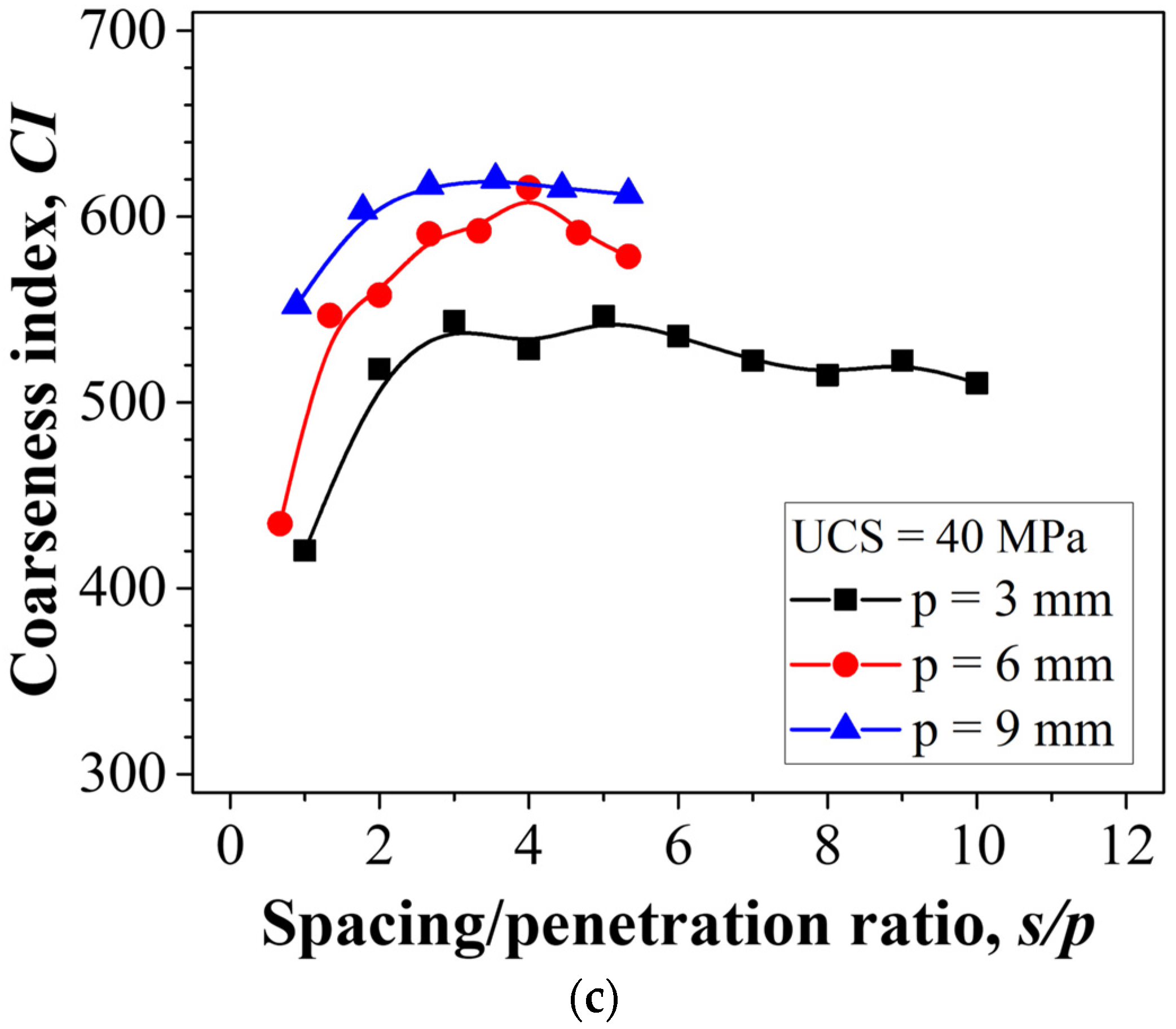
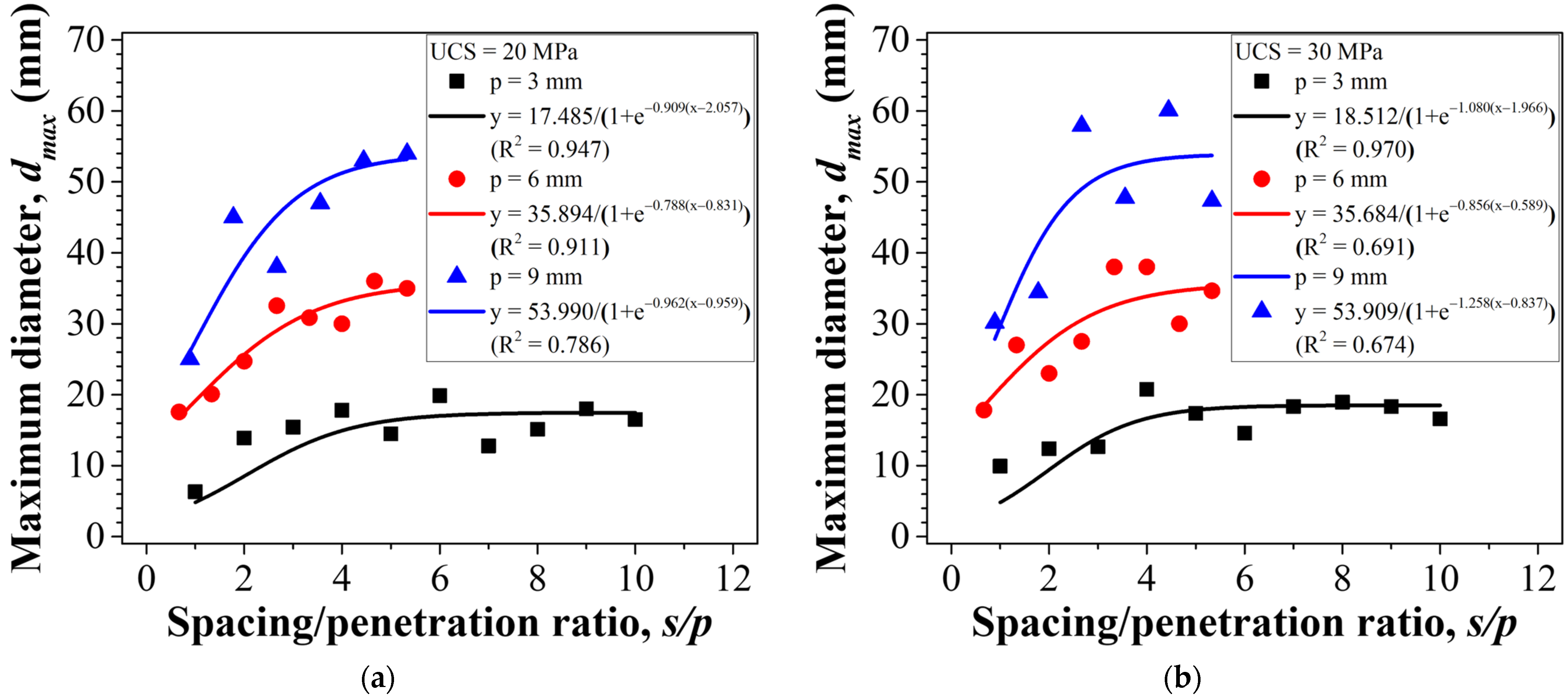
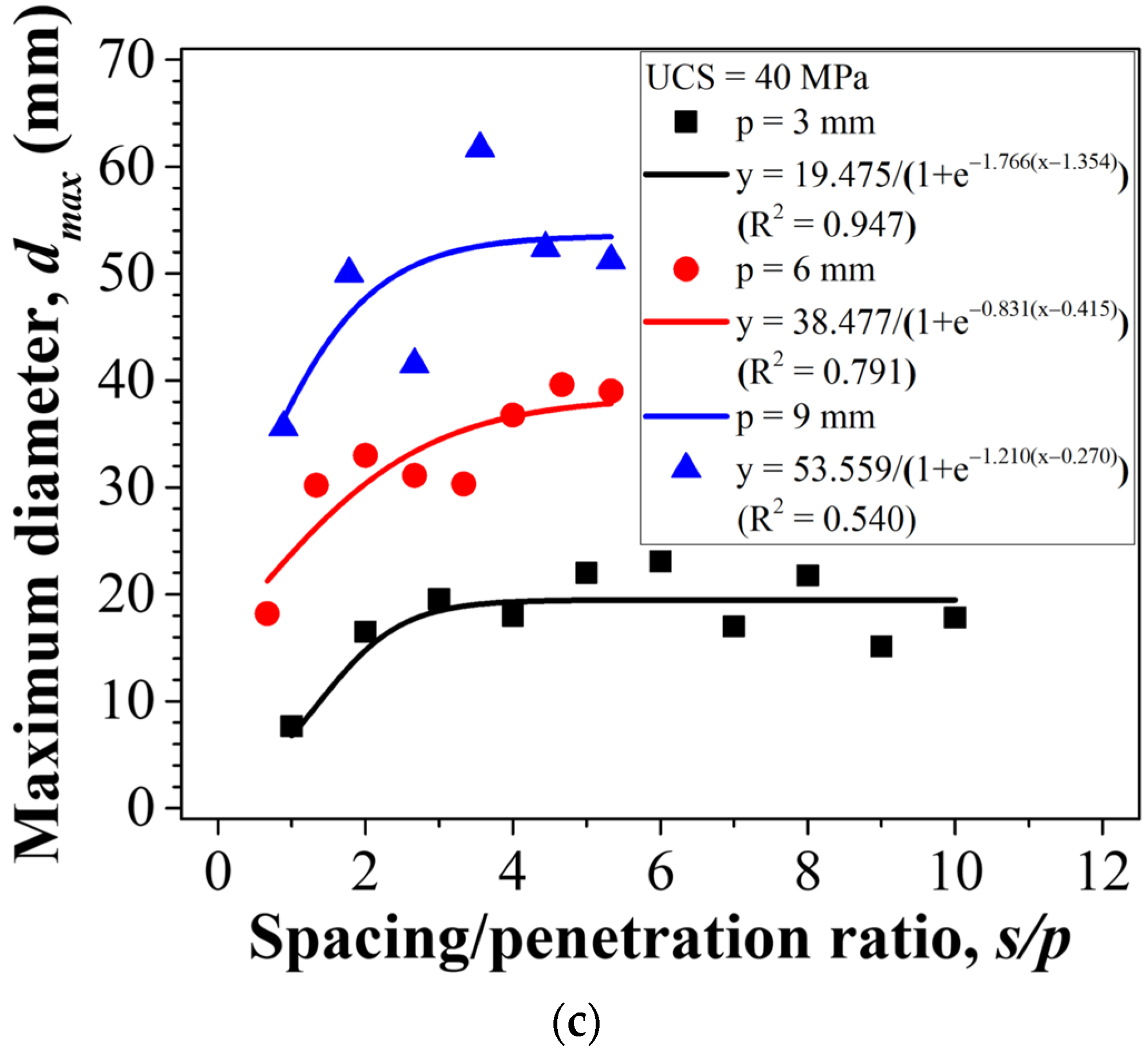
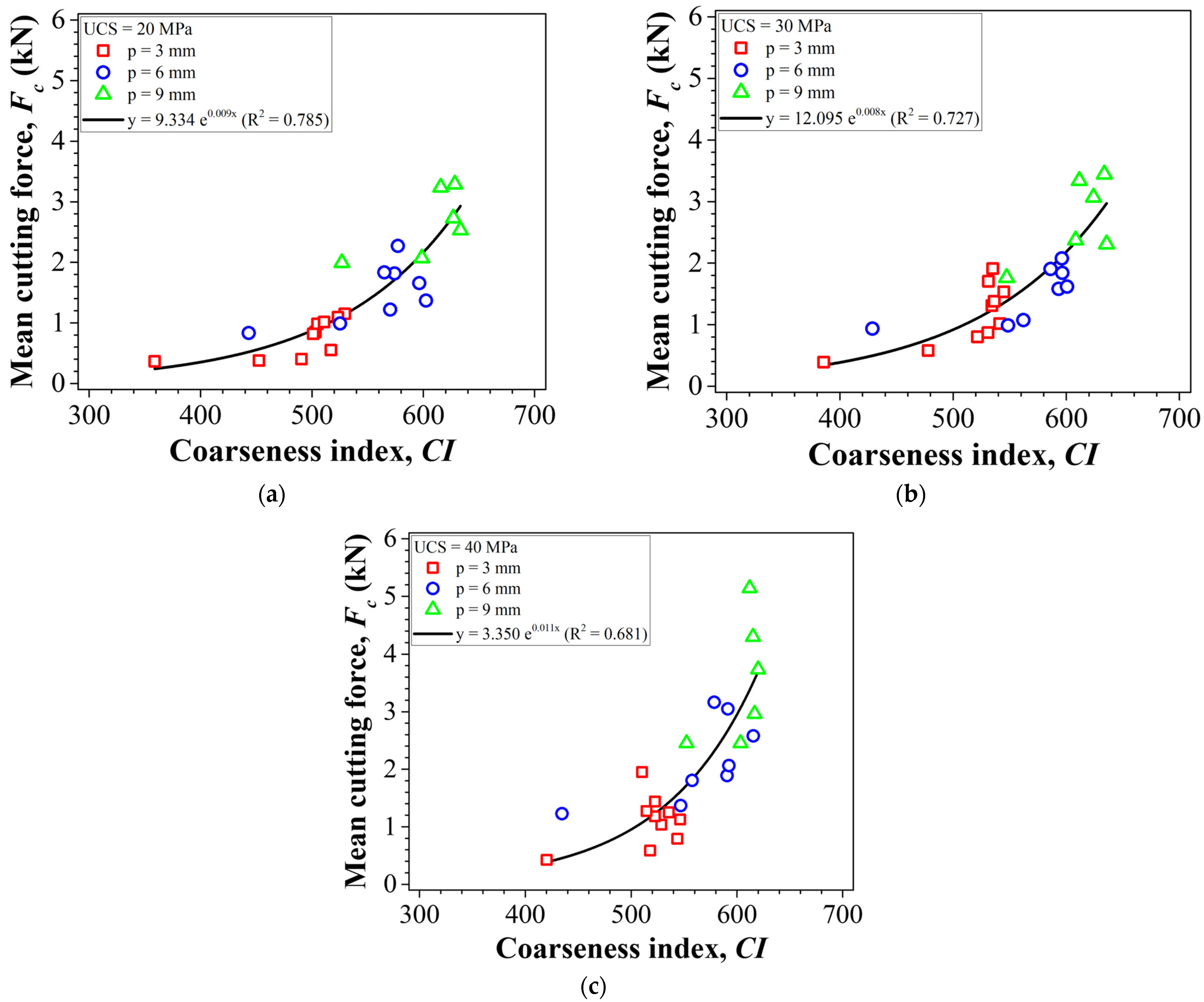
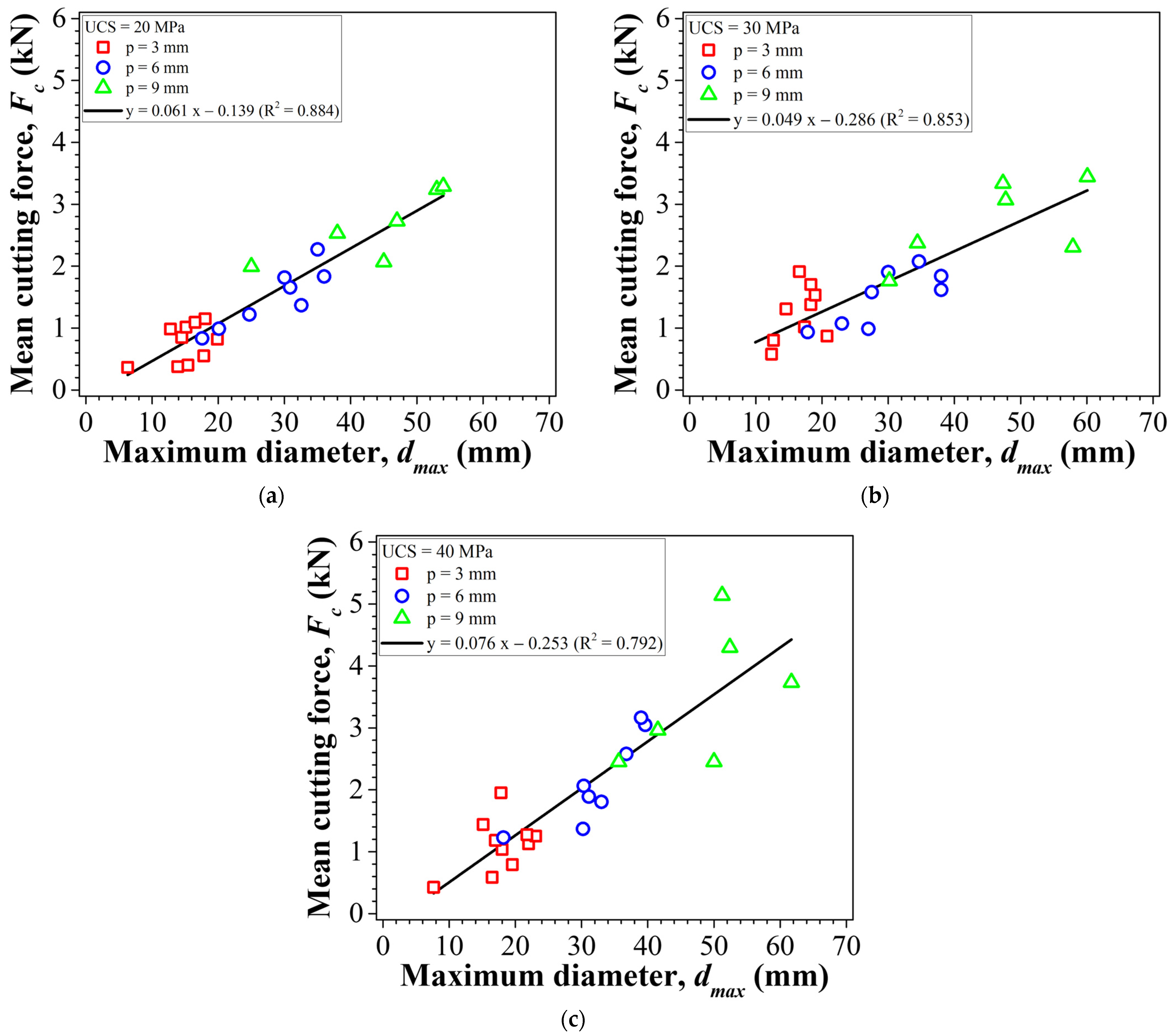
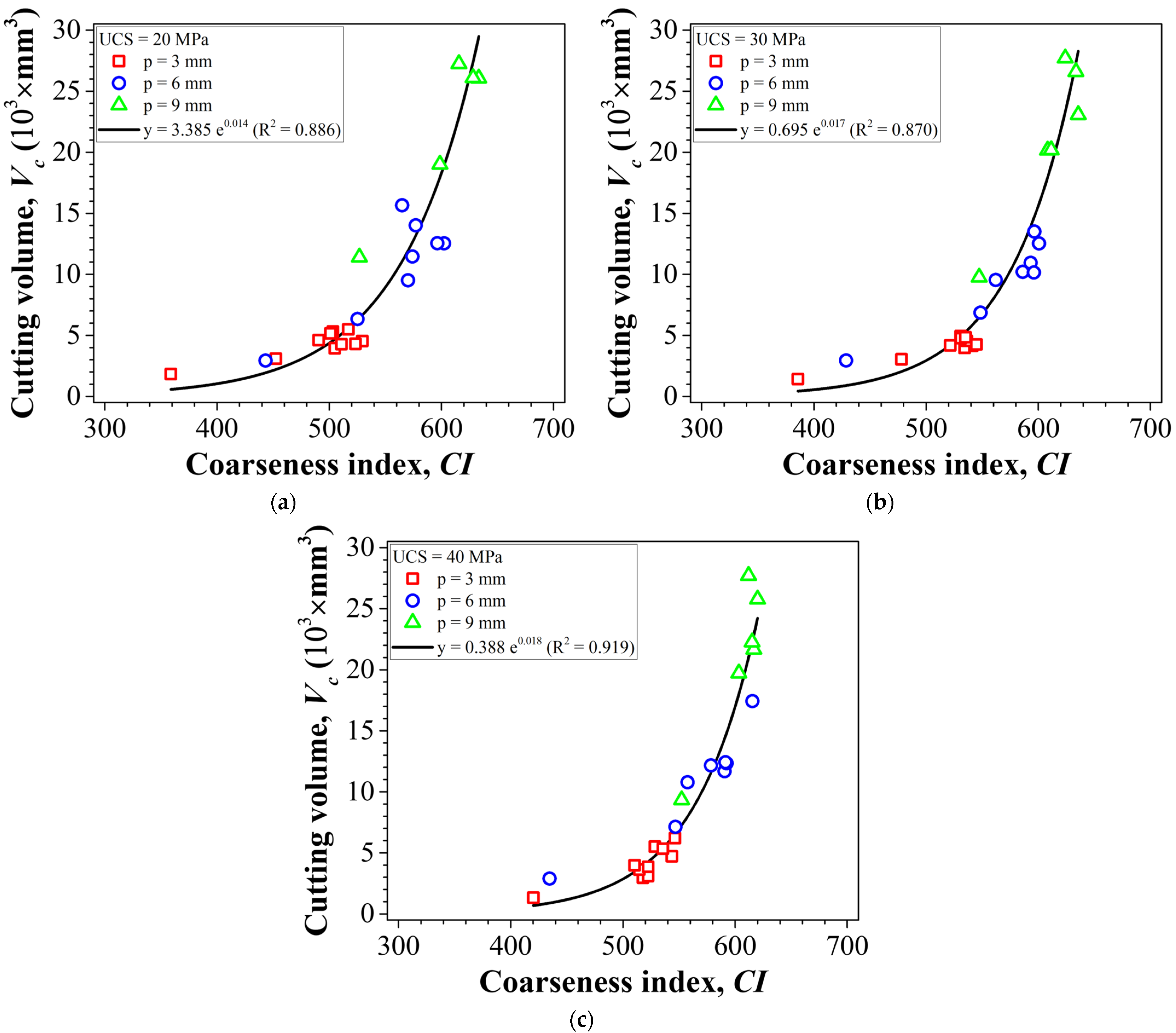
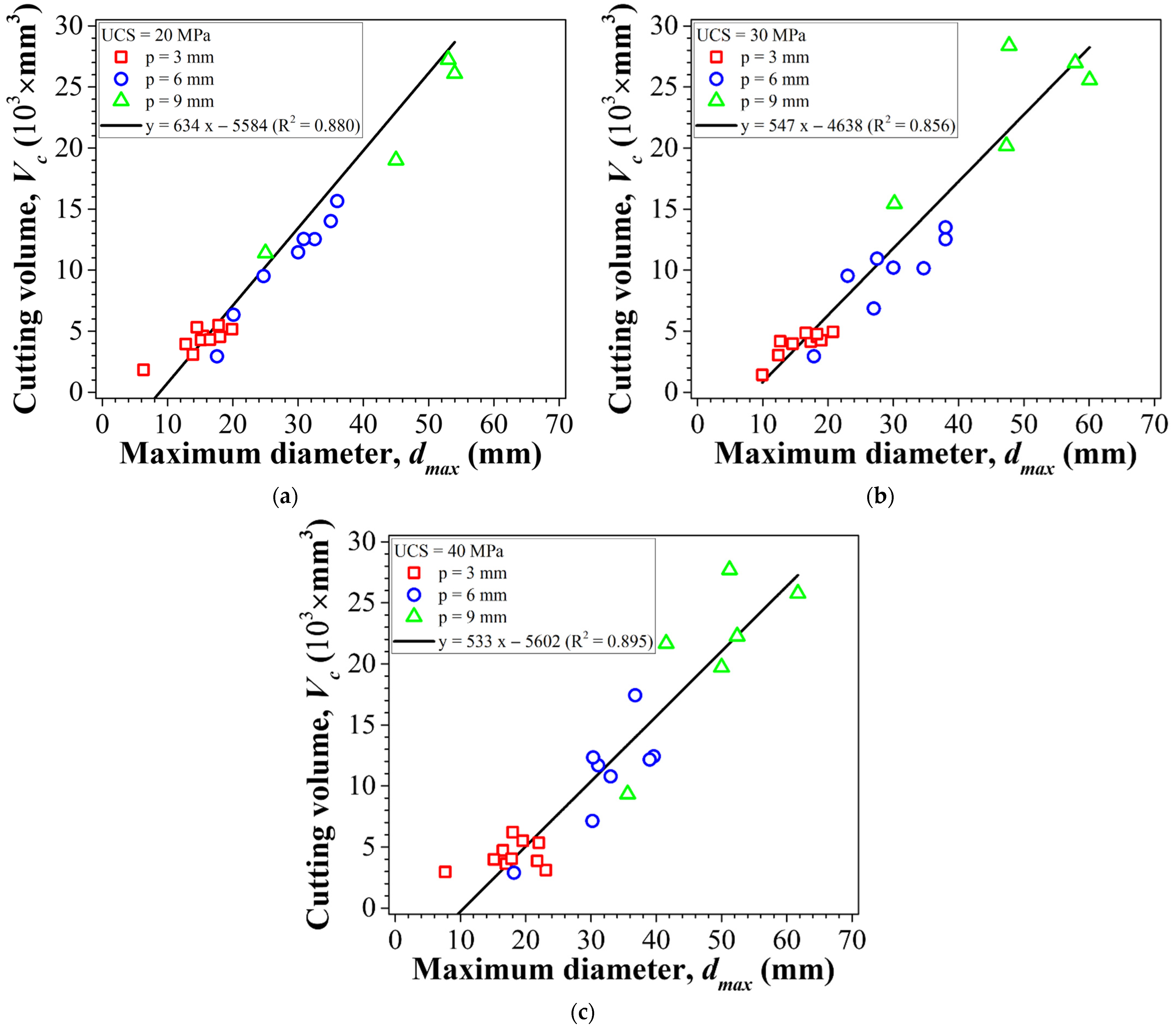
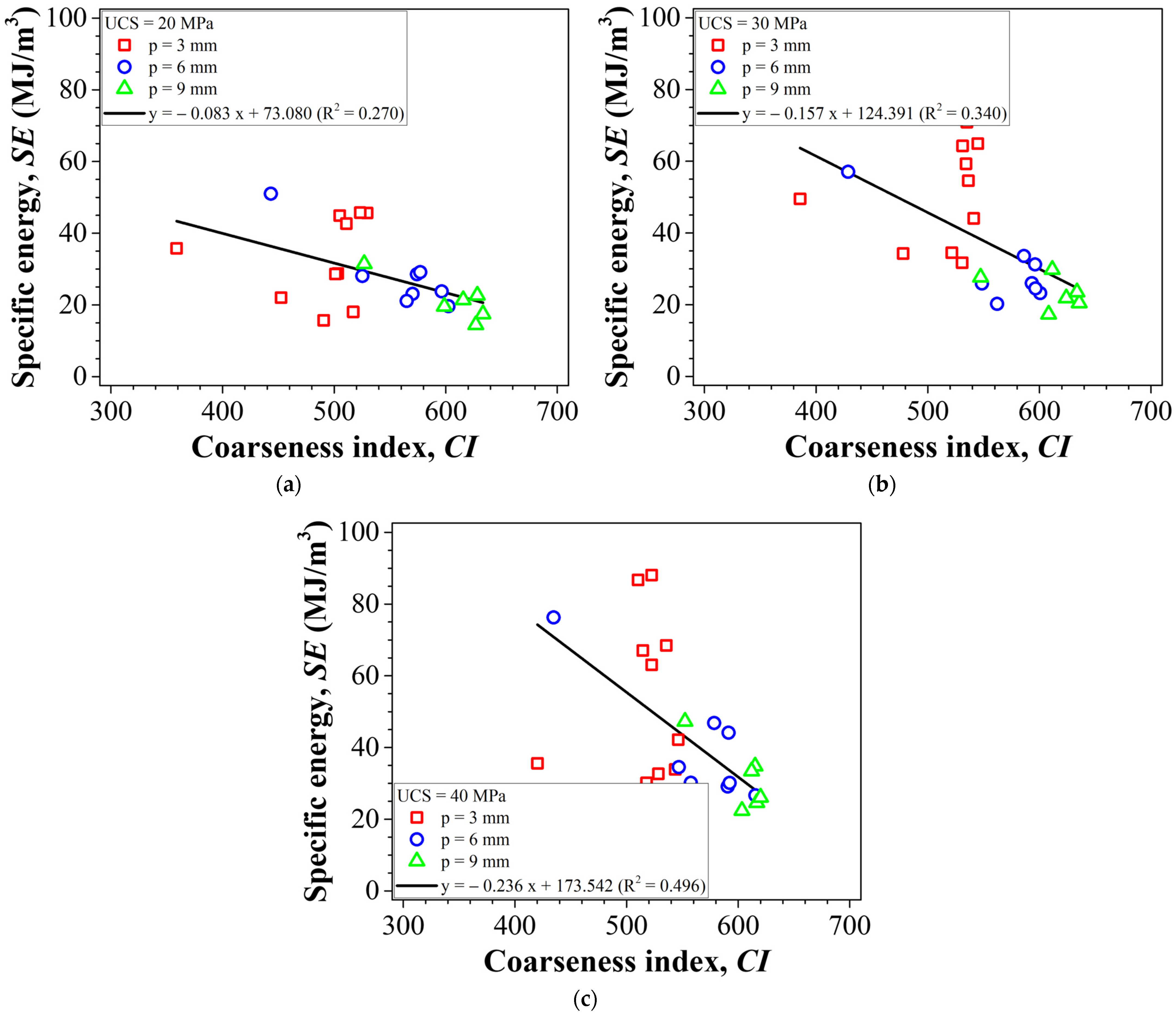
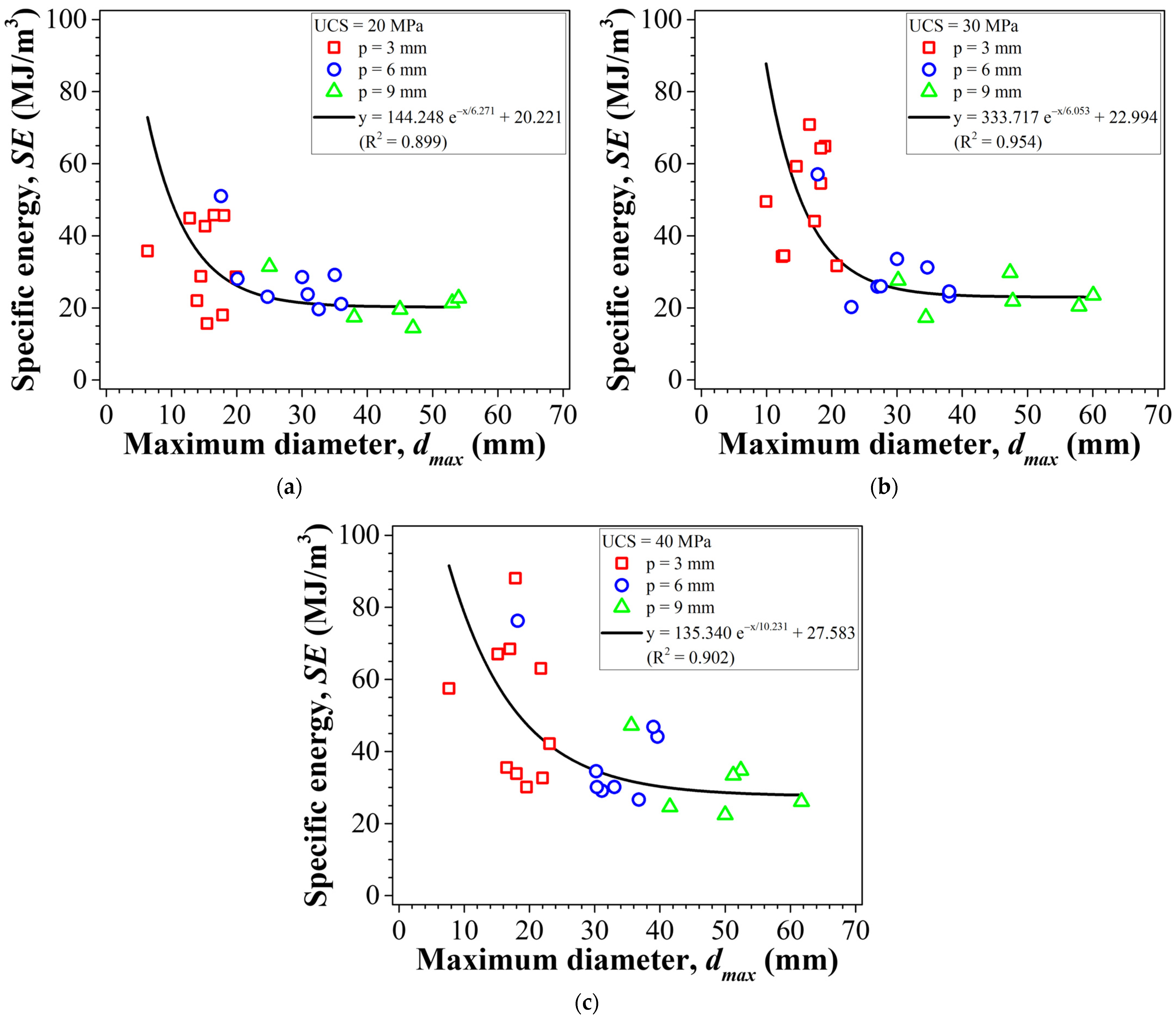
Rock fragments obtained by excavation can provide information for evaluating the excavation efficiency, for which the coarseness index (CI) and particle size parameters (d50, dMPS, and d′) are used. However, CI depends on the number and size of the sieves used, and the particle size parameters require mathematical calculations. In this study, the maximum diameter (dmax) of rock fragments was used as an indicator of the excavation efficiency. Linear cutting tests were performed and the rock fragments were sieved to obtain the CI and dmax. The relationship between dmax and CI was similar to that between other particle parameters and CI. dmax and CI increased with increasing penetration depth and spacing, but dmax followed a linear relationship, and CI demonstrated a power relationship. Both dmax and CI reached their maximum values at a specific ratio of spacing to penetration depth (s/p ratio) and were not affected by subsequent increases in s/p. The cutting force and volume had positive relationships with dmax and CI, linear with dmax and exponential with CI, whereas the specific energy (SE) had an inverse relationship, showing exponential and linear relationships with dmax and CI, respectively. When dmax was larger than a certain value, SE converged to a constant value. This study confirmed that dmax has an advantage over CI in determining excavation efficiency.
Keywords: linear cutting test; rock fragments; rock chips; coarseness index; maximum diameter; specific energy; excavation efficiency linear cutting test; rock fragments; rock chips; coarseness index; maximum diameter; specific energy; excavation efficiency