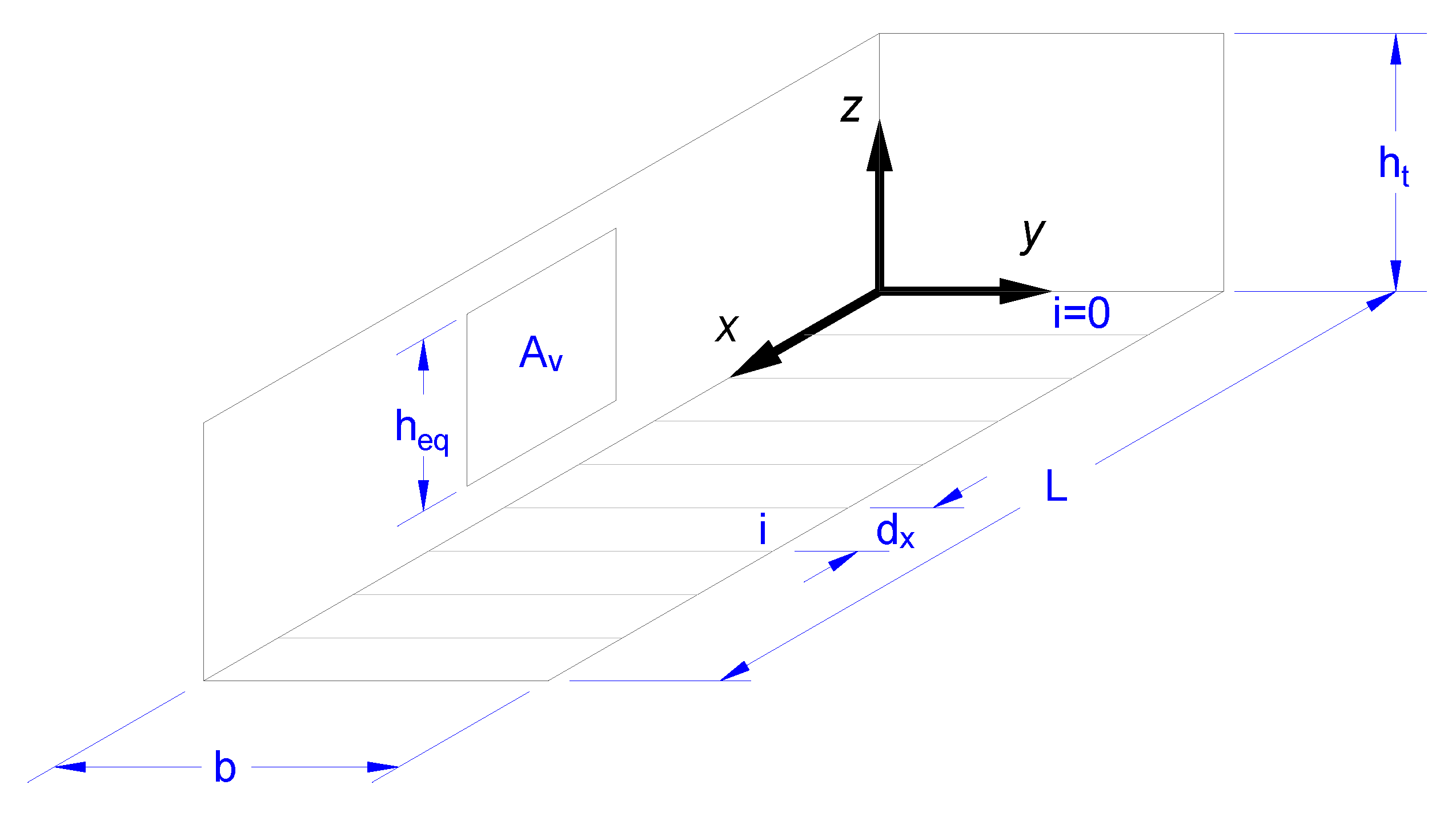
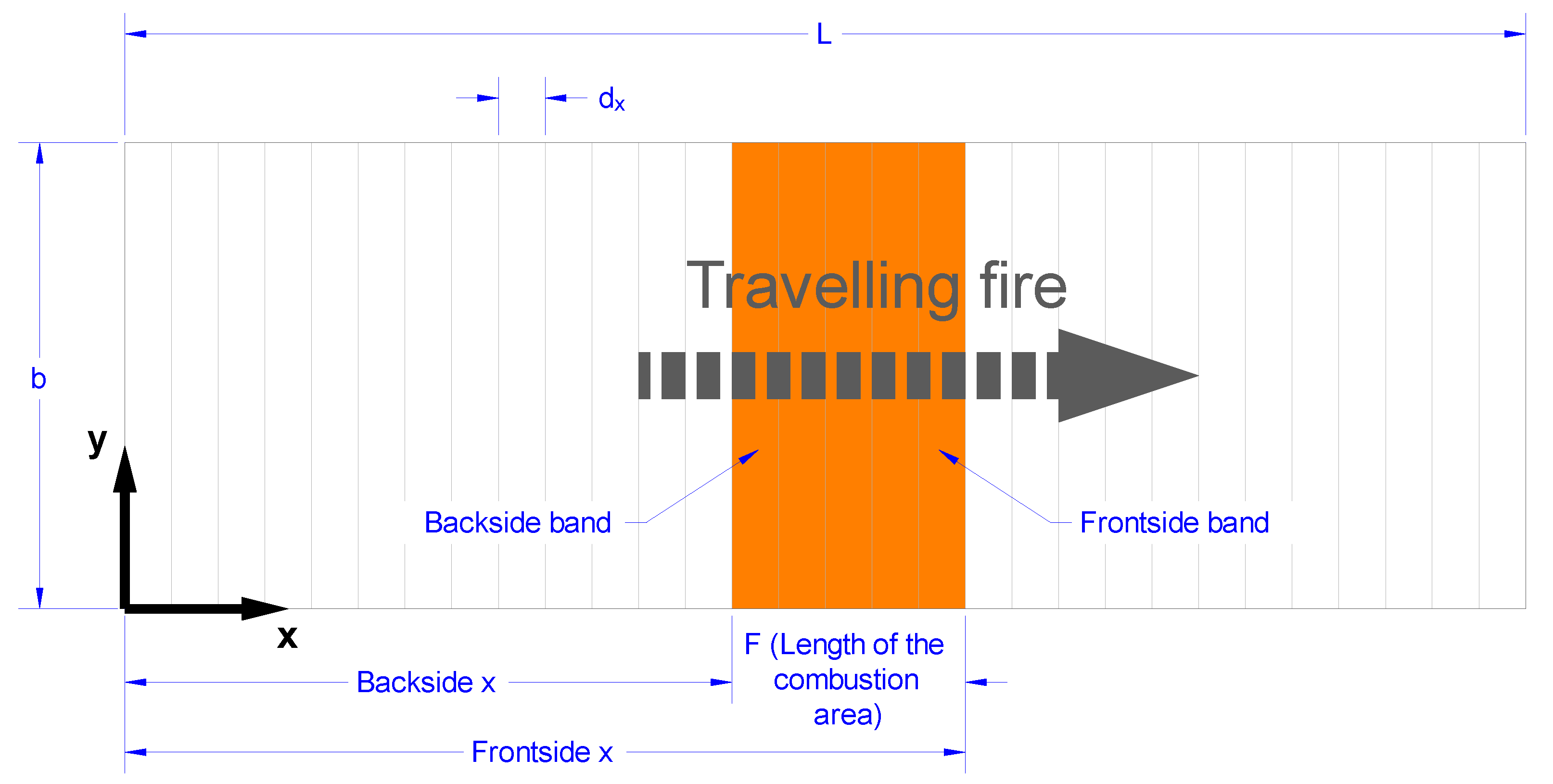
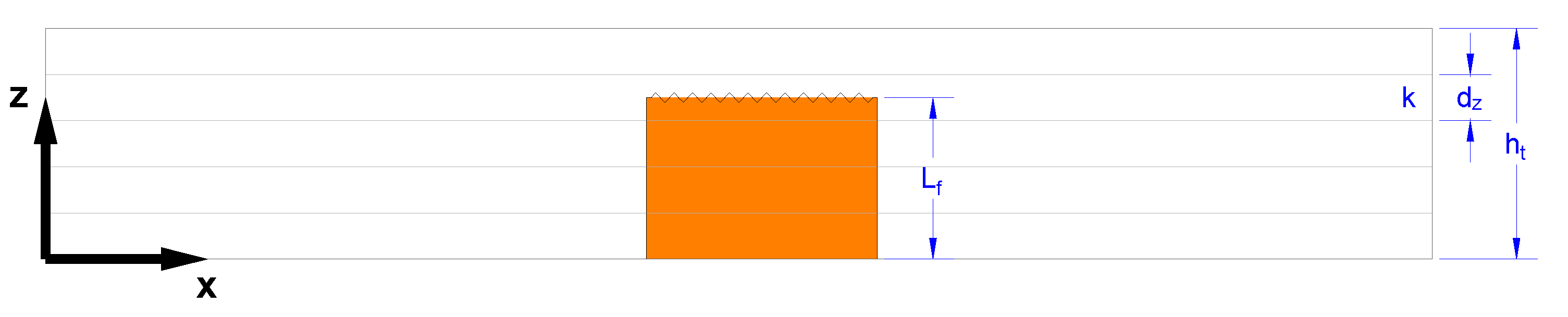
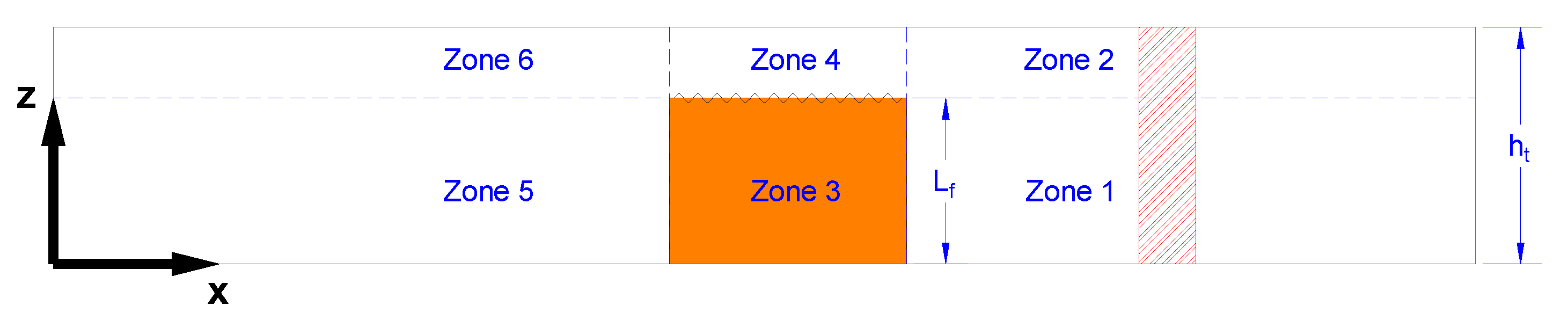
Development of an Analytical Model to Determine the Heat Fluxes to a Structural Element Due to a Travelling Fire

Abstract
Share and Cite
Charlier, M.; Franssen, J.-M.; Dumont, F.; Nadjai, A.; Vassart, O. Development of an Analytical Model to Determine the Heat Fluxes to a Structural Element Due to a Travelling Fire. Appl. Sci. 2021, 11, 9263. https://doi.org/10.3390/app11199263
Charlier M, Franssen J-M, Dumont F, Nadjai A, Vassart O. Development of an Analytical Model to Determine the Heat Fluxes to a Structural Element Due to a Travelling Fire. Applied Sciences. 2021; 11(19):9263. https://doi.org/10.3390/app11199263
Chicago/Turabian StyleCharlier, Marion, Jean-Marc Franssen, Fabien Dumont, Ali Nadjai, and Olivier Vassart. 2021. "Development of an Analytical Model to Determine the Heat Fluxes to a Structural Element Due to a Travelling Fire" Applied Sciences 11, no. 19: 9263. https://doi.org/10.3390/app11199263
APA StyleCharlier, M., Franssen, J.-M., Dumont, F., Nadjai, A., & Vassart, O. (2021). Development of an Analytical Model to Determine the Heat Fluxes to a Structural Element Due to a Travelling Fire. Applied Sciences, 11(19), 9263. https://doi.org/10.3390/app11199263