Article

Long Term Household Electricity Demand Forecasting Based on RNN-GBRT Model and a Novel Energy Theft Detection Method


by
Santanu Kumar Dash
1,
Michele Roccotelli
2,*,
Rasmi Ranjan Khansama
3,
Maria Pia Fanti
2 and
Agostino Marcello Mangini
2
1
TIFAC-CORE, Vellore Institute of Technology (VIT), Vellore 632014, India
2
Department of Electrical and Information Engineering, Politecnico di Bari, 70126 Bari, Italy
3
Department of Computer Science, C. V. Raman Global University, Bhubaneswar 752054, India
*
Author to whom correspondence should be addressed.
Appl. Sci. 2021, 11(18), 8612; https://doi.org/10.3390/app11188612
Submission received: 30 June 2021 / Revised: 11 September 2021 / Accepted: 13 September 2021 / Published: 16 September 2021
(This article belongs to the Special Issue Advances on Smart Cities and Smart Buildings)

Abstract

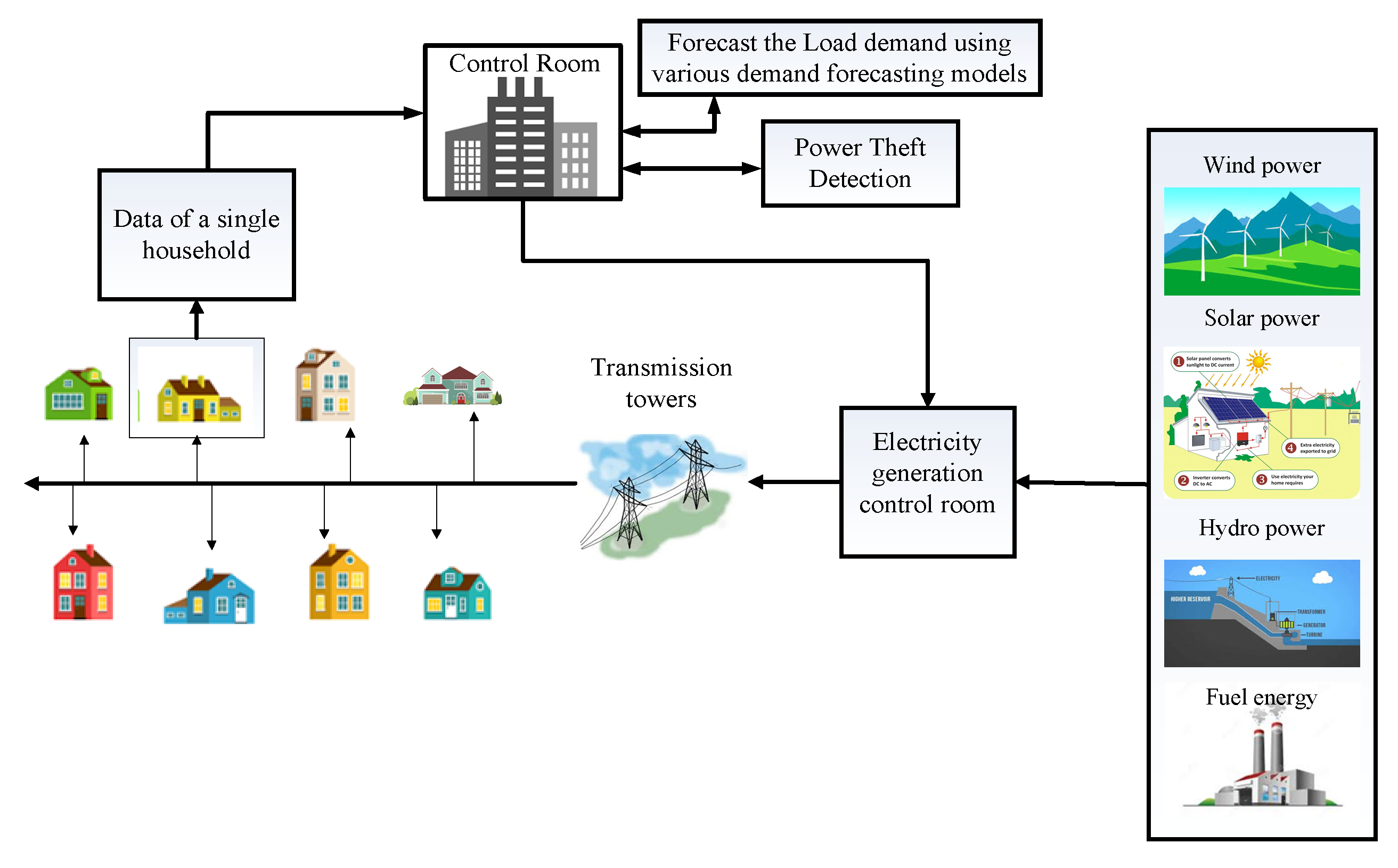
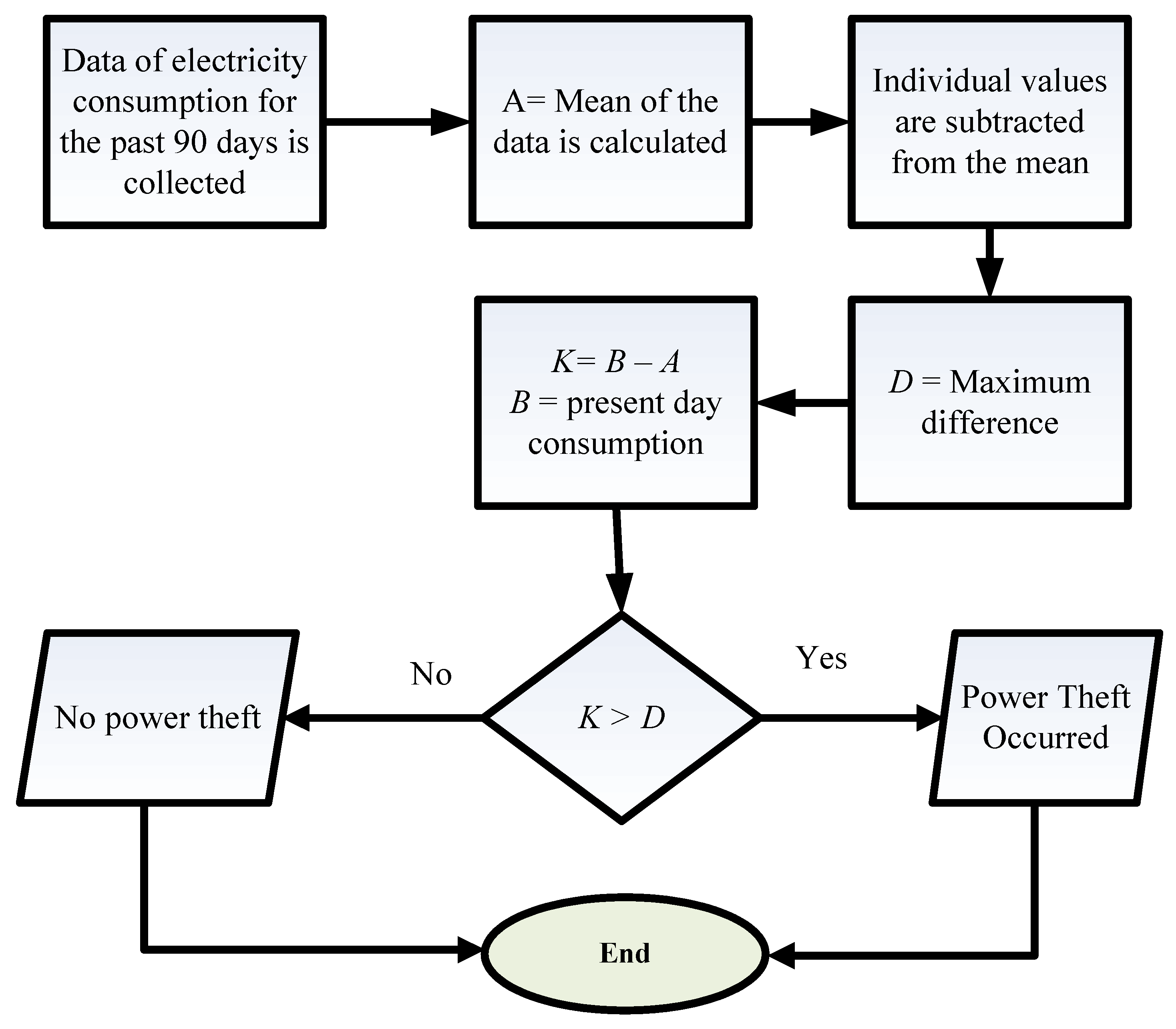
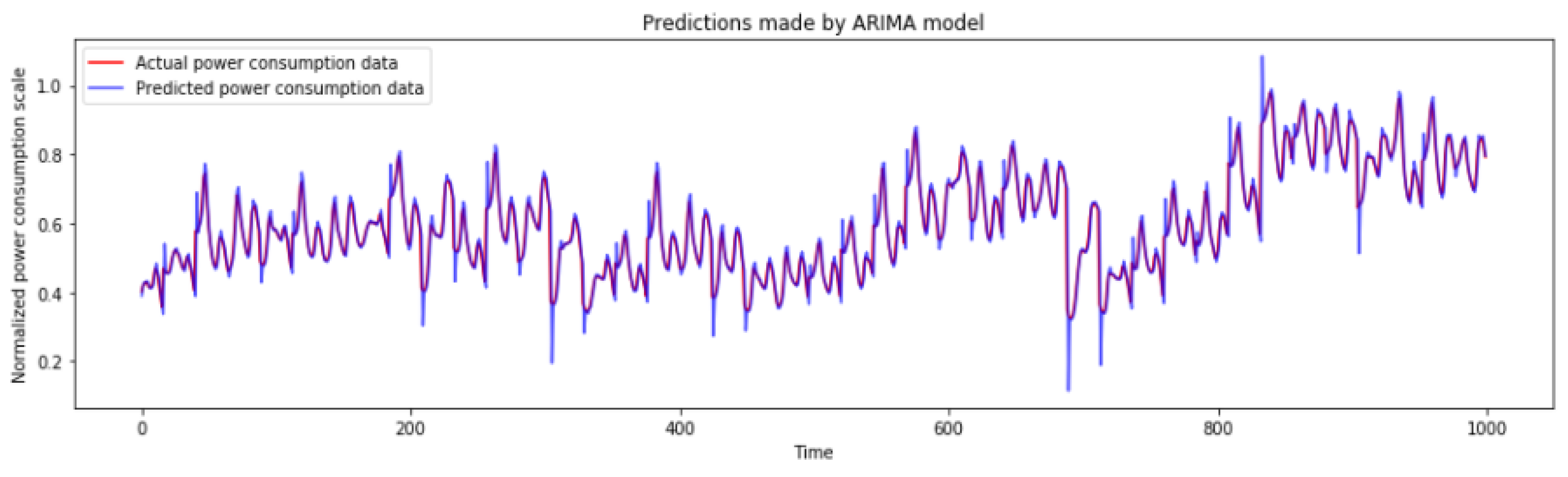
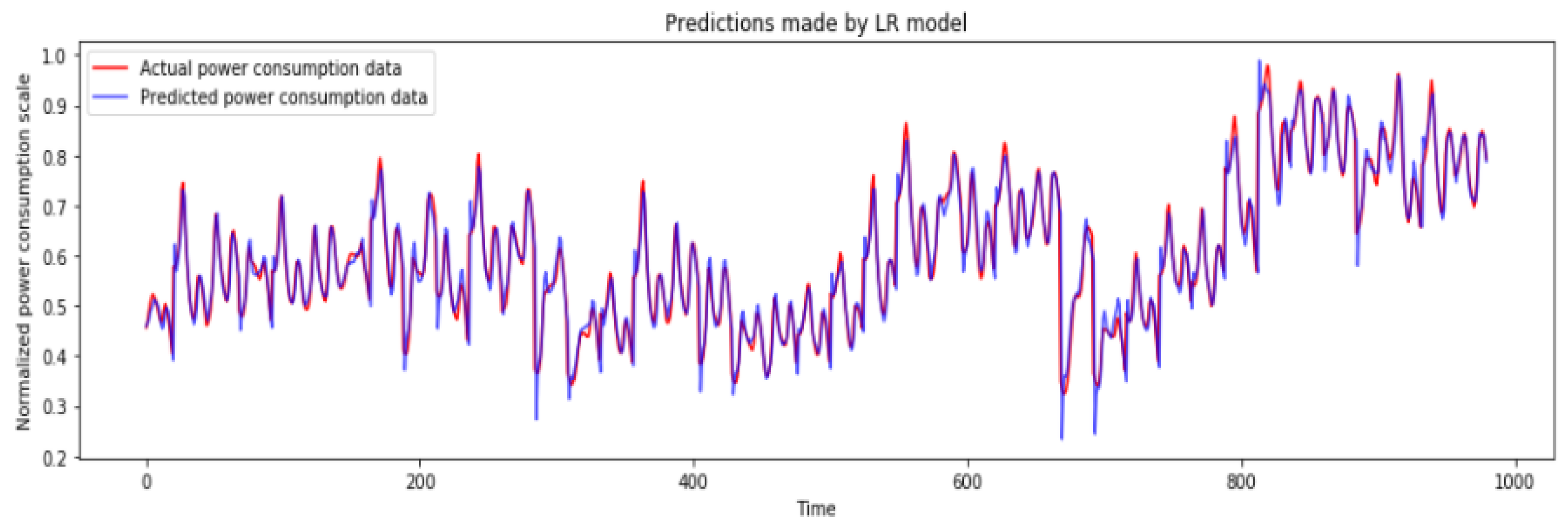
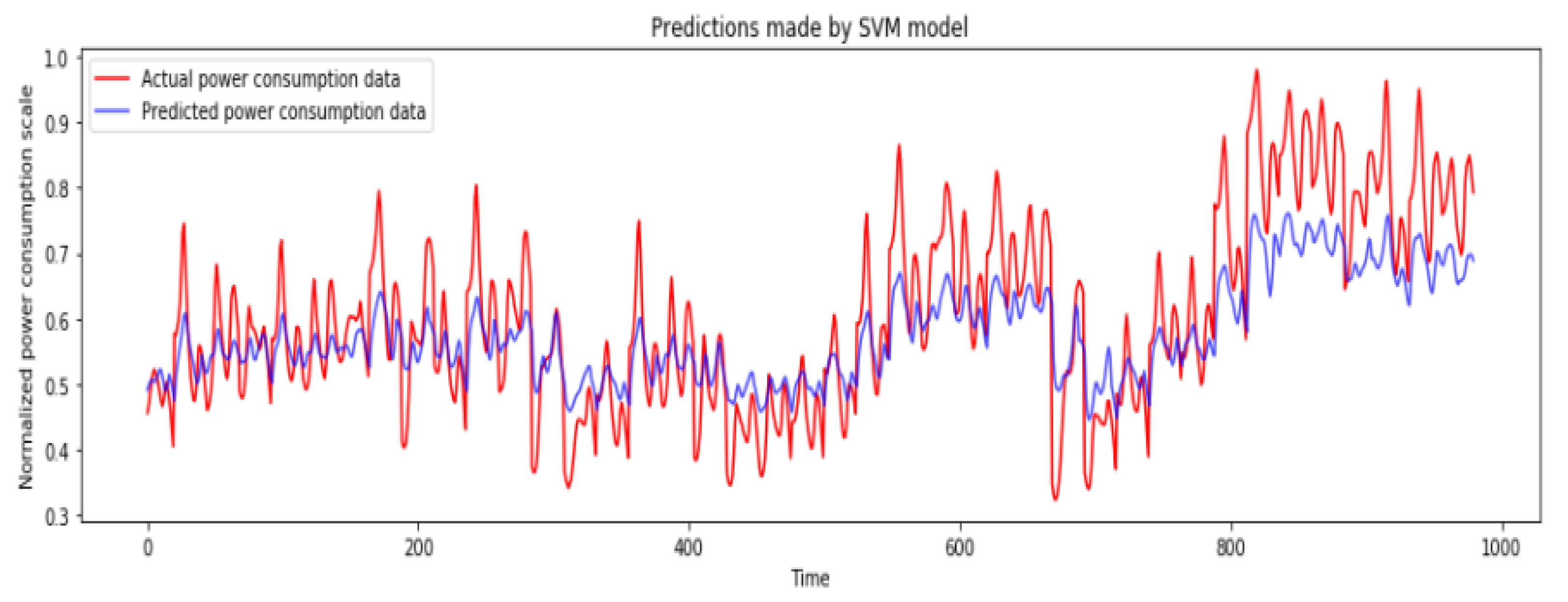
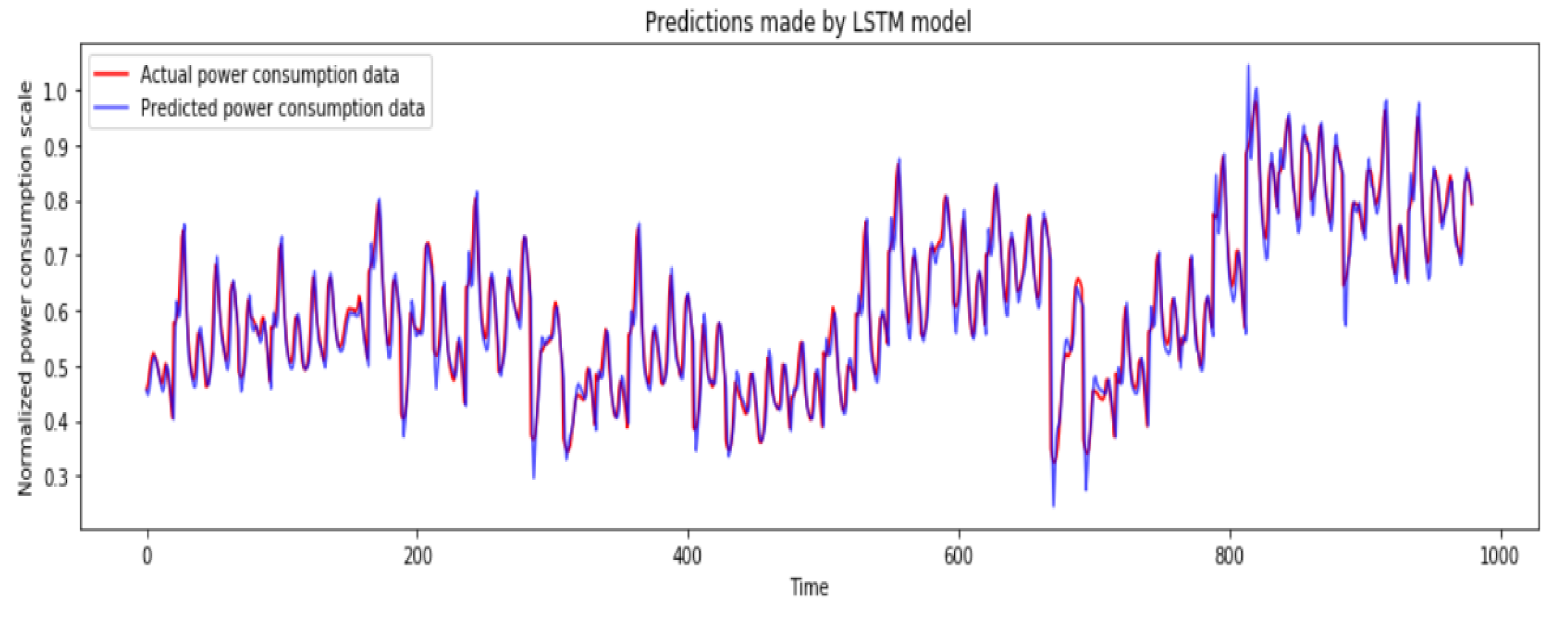
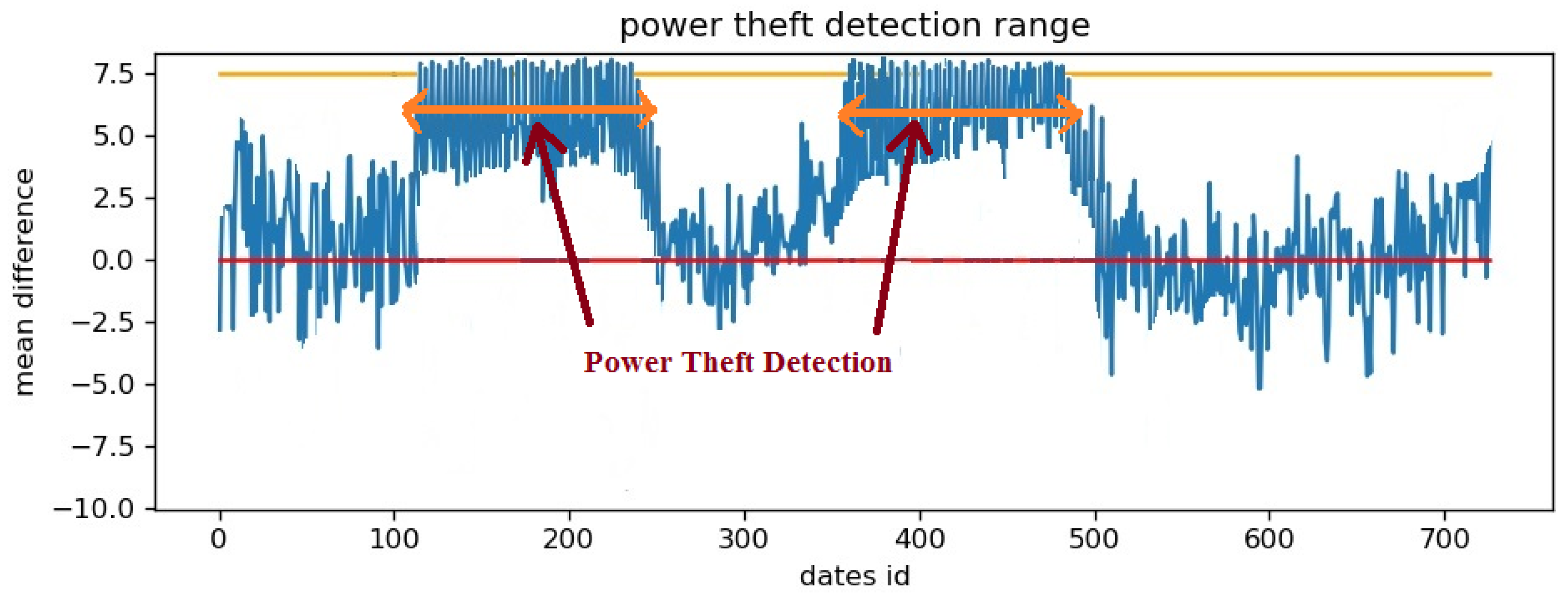
The long-term electricity demand forecast of the consumer utilization is essential for the energy provider to analyze the future demand and for the accurate management of demand response. Forecasting the consumer electricity demand with efficient and accurate strategies will help the energy provider to optimally plan generation points, such as solar and wind, and produce energy accordingly to reduce the rate of depletion. Various demand forecasting models have been developed and implemented in the literature. However, an efficient and accurate forecasting model is required to study the daily consumption of the consumers from their historical data and forecast the necessary energy demand from the consumer’s side. The proposed recurrent neural network gradient boosting regression tree (RNN-GBRT) forecasting technique allows one to reduce the demand for electricity by studying the daily usage pattern of consumers, which would significantly help to cope with the accurate evaluation. The efficiency of the proposed forecasting model is compared with various conventional models. In addition, by the utilization of power consumption data, power theft detection in the distribution line is monitored to avoid financial losses by the utility provider. This paper also deals with the consumer’s energy analysis, useful in tracking the data consistency to detect any kind of abnormal and sudden change in the meter reading, thereby distinguishing the tampering of meters and power theft. Indeed, power theft is an important issue to be addressed particularly in developing and economically lagging countries, such as India. The results obtained by the proposed methodology have been analyzed and discussed to validate their efficacy.
Keywords: time series analysis; energy demand forecast; ARIMA; hybrid model; power theft time series analysis; energy demand forecast; ARIMA; hybrid model; power theft