The Greenwashing Paradox: Signal Degradation and the Rise of Heuristic Substitution



Abstract
1. Introduction
How do Hungarian- and Romanian-speaking consumers in Transylvania process the credibility of sustainability claims on food products, and which specific interpretive heuristics govern the transition from credible claims to greenwashing?
2. Theoretical Framework
2.1. Perceived Greenwashing
2.2. Sustainability as a Credence Quality and the Problem of Asymmetric Information
2.3. Signaling Theory, Signal Degradation, and Greenwashing
2.4. The Interpretive Gap: From Rational Processing to Credibility Heuristics
2.5. Conceptual Framework and Research Propositions
RP1—Signal Degradation: In markets with high environmental signal noise, consumers are likely to be more skeptical of unverifiable sustainability claims, especially when formal signals lack clarity, perceived costliness, or trusted institutional backing.
RP2-Heuristic Substitution: When formal sustainability signals are ambiguous, weakly verified, or not trusted by institutions, consumers may rely on alternative credibility cues, such as origin, familiarity with the producer, ingredient simplicity, prior experience, perceived quality, or inferences about the price–quality ratio, to evaluate the credibility of green claims.
RP3-Cultural Embeddedness of Interpretation: The activation and prioritization of credibility heuristics may be shaped by sociocultural and linguistic contexts. Consequently, ethno-linguistic consumer groups within the same macroenvironment may display different dominant interpretive orientations when constructing perceptions of greenwashing.
3. Materials and Methods
3.1. Research Design and Contextual Framework
3.2. Sampling, Participants, and Data Collection
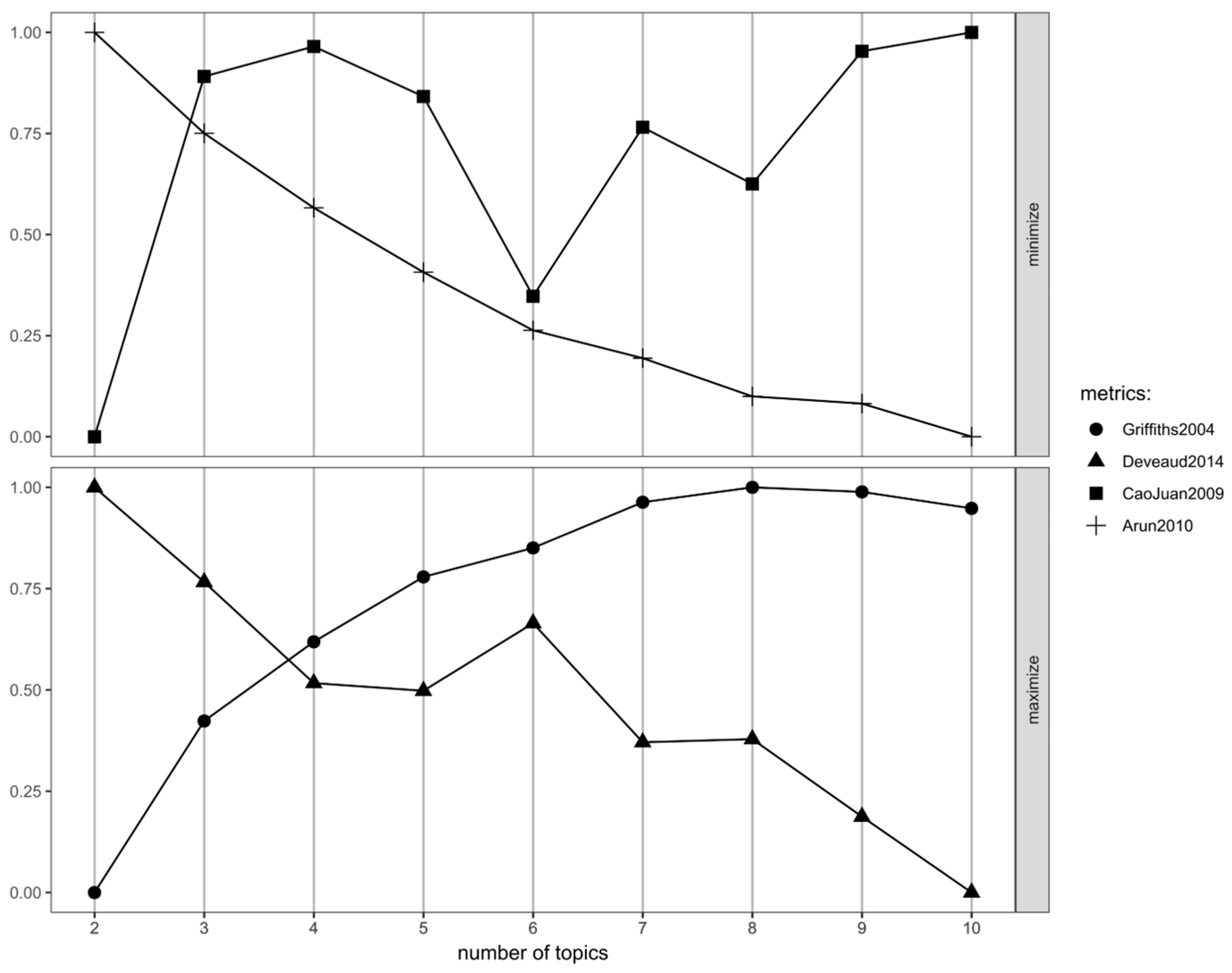
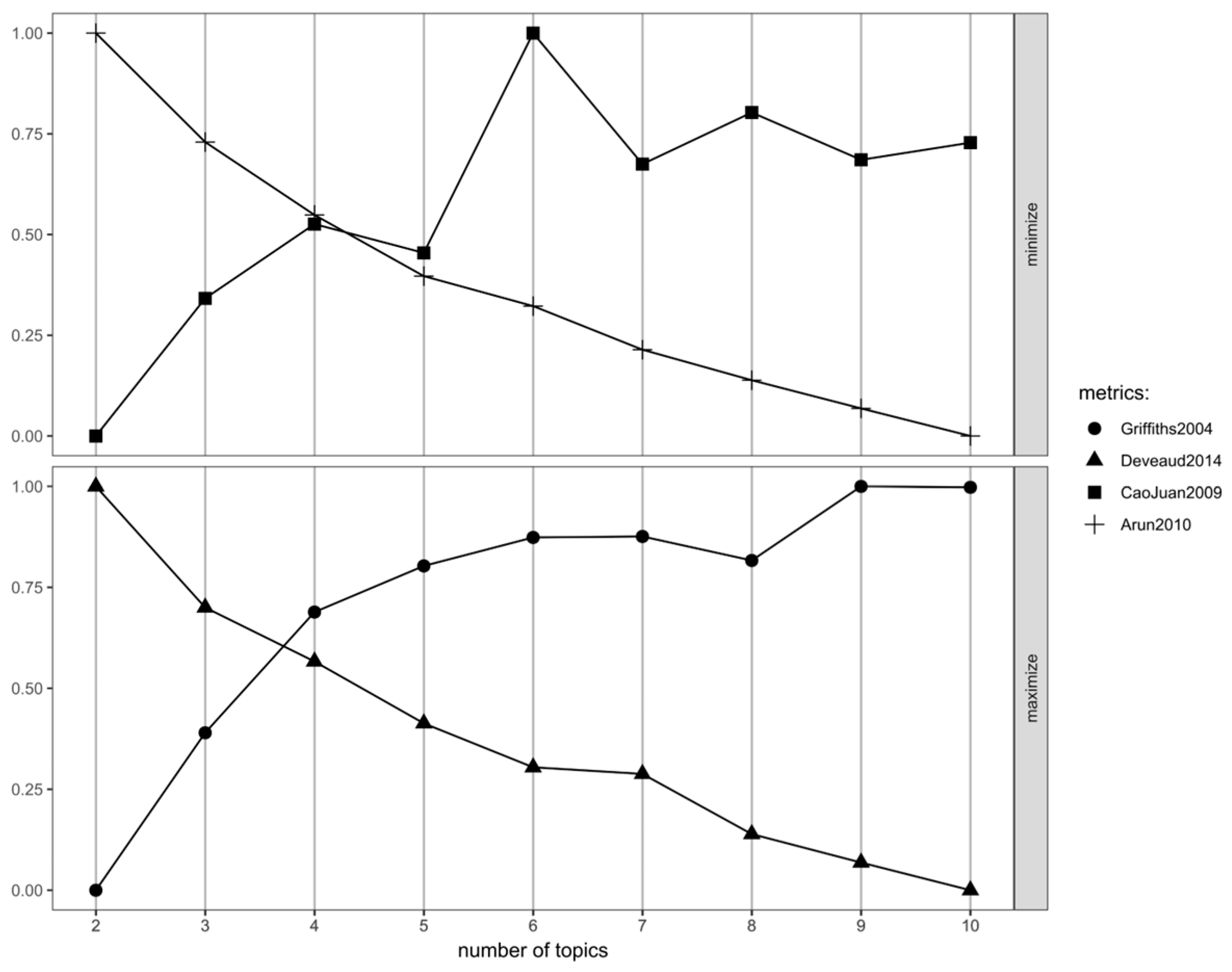
3.3. Data Preparation and Computational Analysis
3.4. Research Rigor, Ethics, and AI Use
4. Results
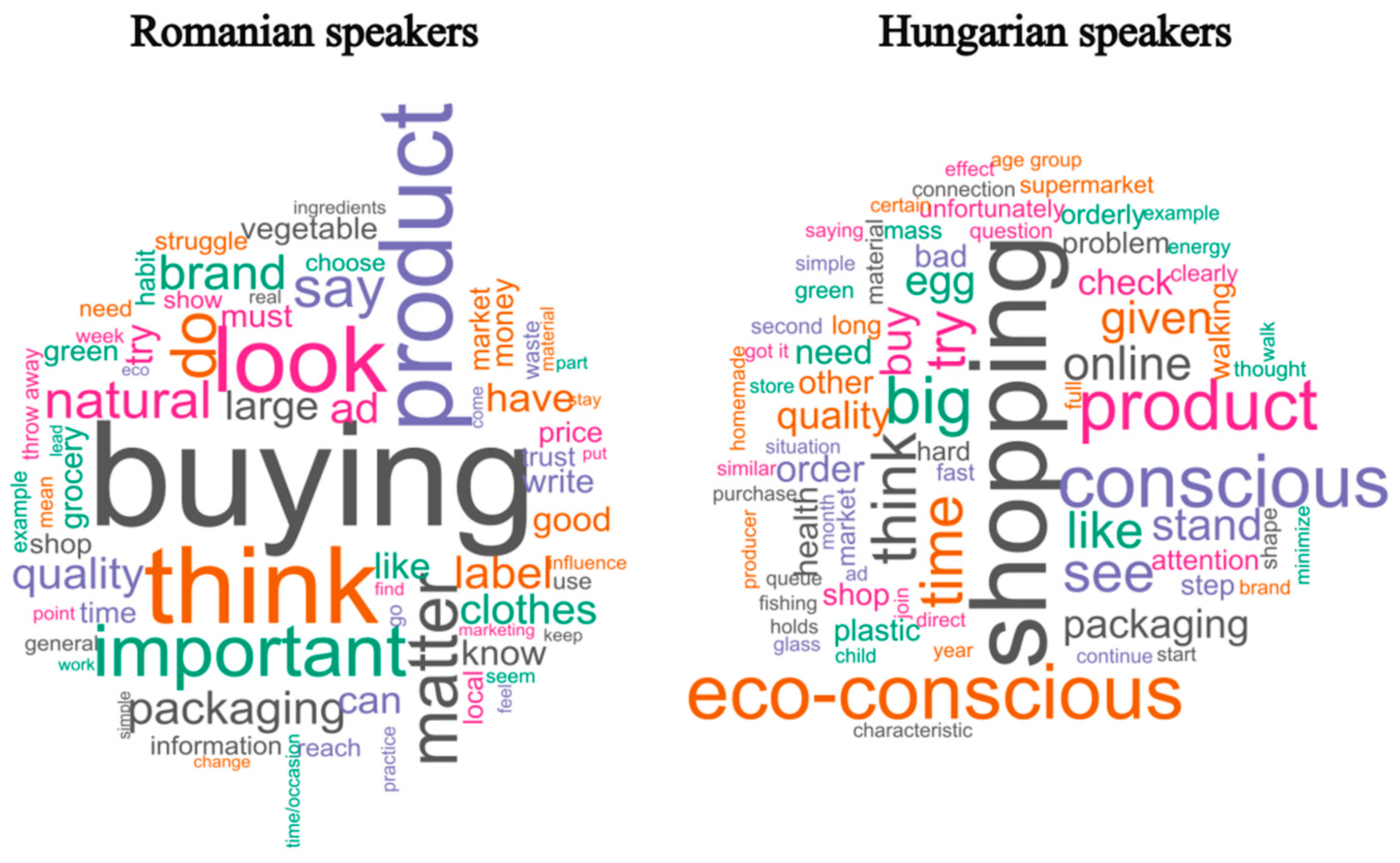
4.1. Modes of Interpreting Green Claims
4.2. Sources of Credibility and Trust Formation
4.3. Embedding of Evaluation in Purchasing Practices
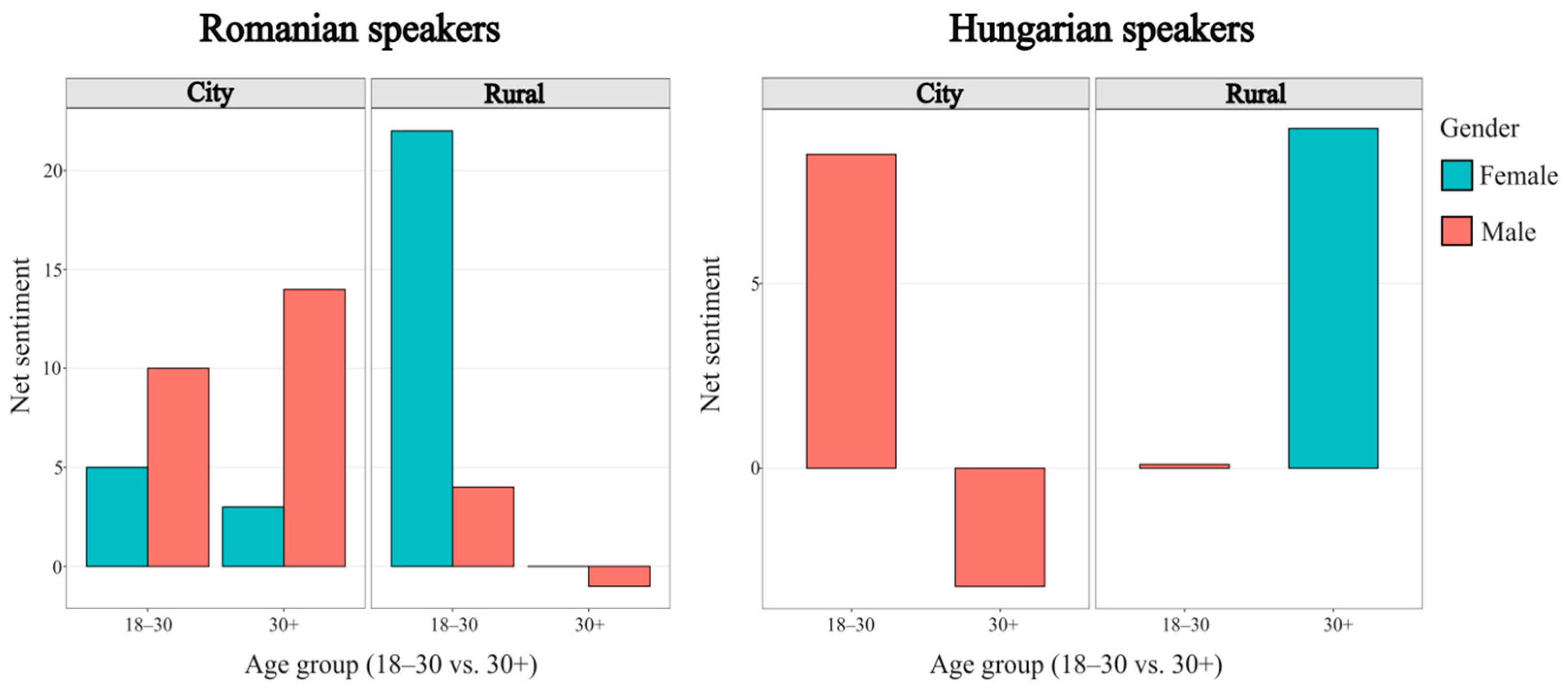
4.4. Sociodemographic Variations in Skepticism
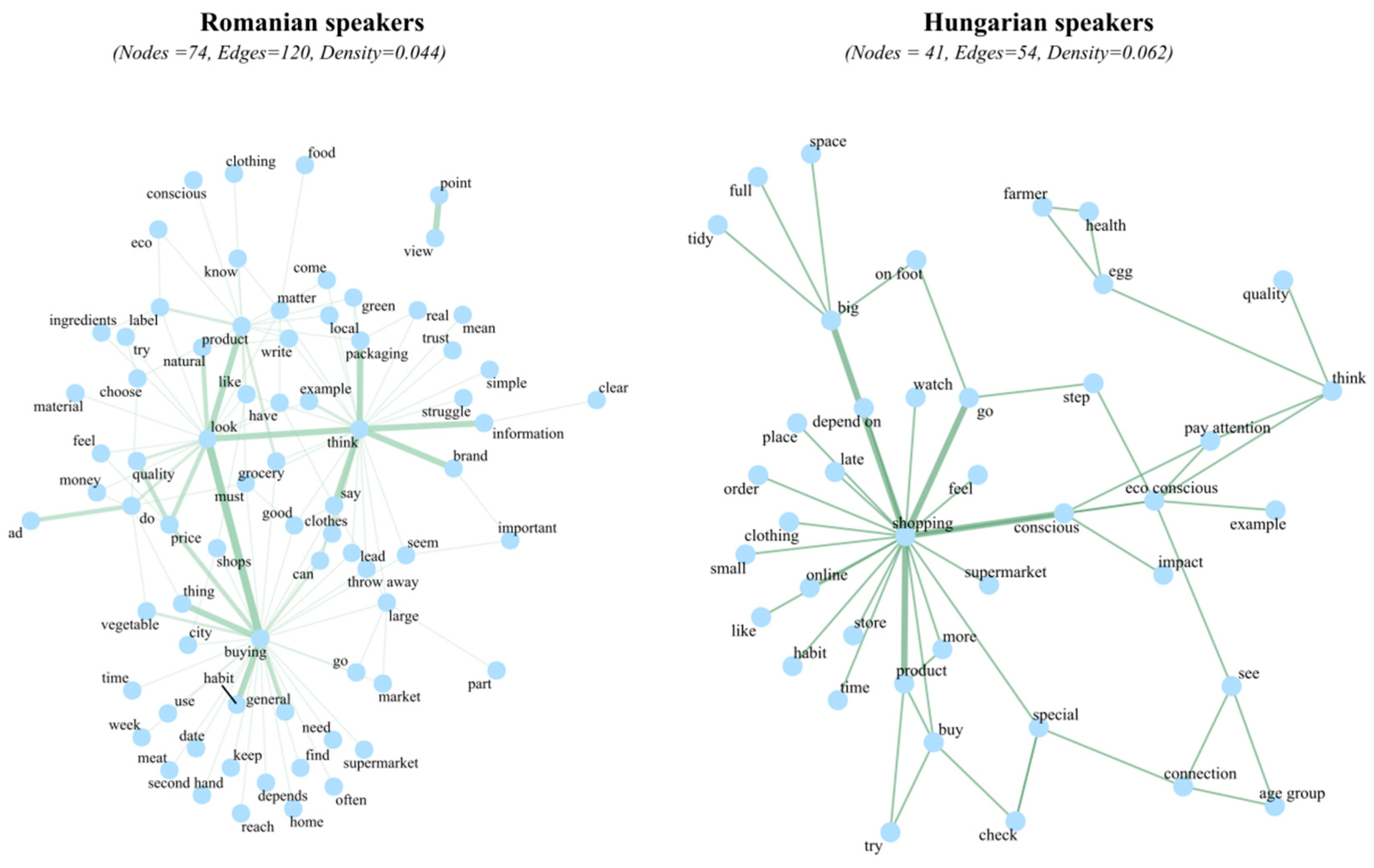
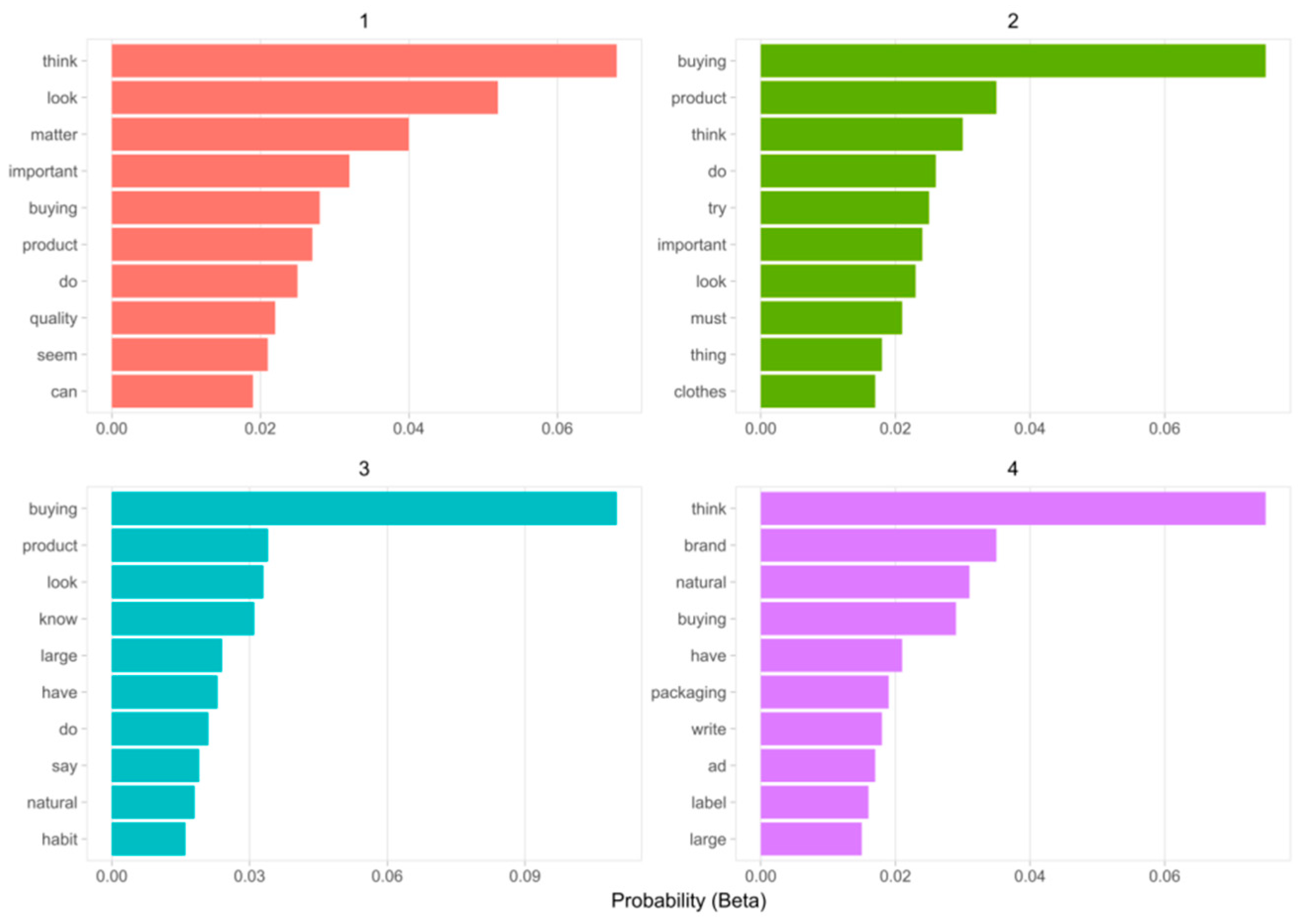
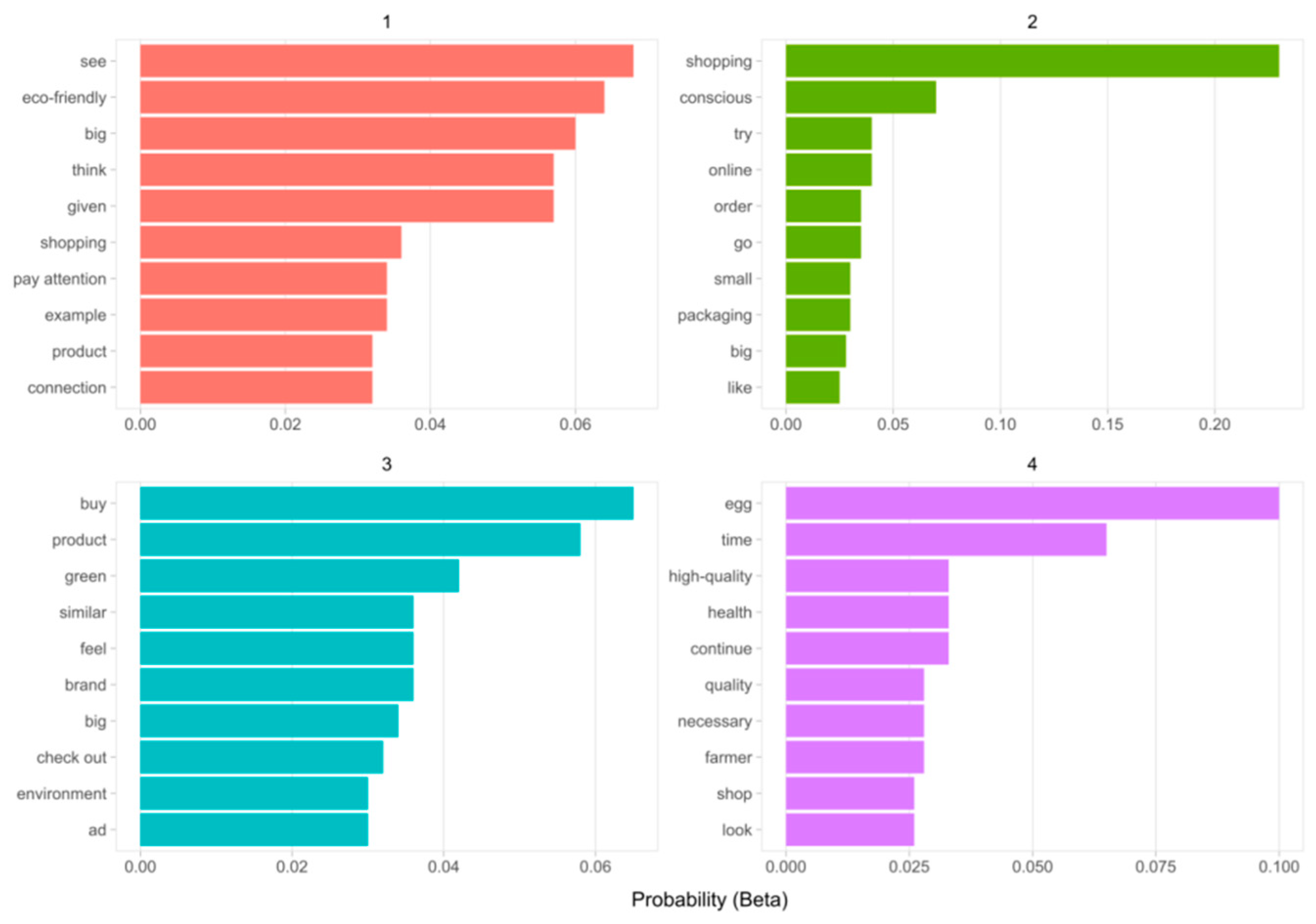
4.5. Integrative Pathways of Green Claim Interpretation
5. Discussion
5.1. Overcoming Signal Degradation Through Heuristic Substitution
5.2. Cultural Embeddedness of Attitude–Behavior Tensions
5.3. Sociodemographic Structuring of Skepticism
5.4. Theoretical Implications
5.5. Managerial and Policy Implications
6. Conclusions
6.1. Main Conclusions
6.2. Limitations and Future Research
Author Contributions
Funding
Institutional Review Board Statement
Informed Consent Statement
Data Availability Statement
Acknowledgments
Conflicts of Interest
Abbreviations
| Abbreviation | Full Form |
| AI | Artificial Intelligence |
| CEE | Central and Eastern European |
| ESG | Environmental, Social, and Governance |
| EU | European Union |
| FGI | Focus Group Interview |
| GDPR | General Data Protection Regulation |
| LDA | Latent Dirichlet Allocation |
| NLP | Natural Language Processing |
| PGW | Perceived Greenwashing |
| POS | Part-of-Speech (in “POS-tag”) |
| RP | Research Proposition (RP1, RP2, RP3) |
| SME | Small and Medium-sized Enterprise |
Appendix A

| Category | Subcategory | Total Sample, n (%) N = 40 | Hungarian Sample, n (%) N = 26 | Romanian Sample, n (%) N = 14 |
|---|---|---|---|---|
| Gender | Male | 20 (50.0%) | 13 (50.0%) | 7 (50.0%) |
| Female | 20 (50.0%) | 13 (50.0%) | 7 (50.0%) | |
| Age group | 18–34 years | 14 (35.0%) | 7 (26.9%) | 7 (50.0%) |
| 35+ years | 26 (65.0%) | 19 (73.1%) | 7 (50.0%) | |
| Residence | Urban/city | 21 (52.5%) | 13 (50.0%) | 8 (57.1%) |
| Rural | 19 (47.5%) | 13 (50.0%) | 6 (42.9%) |
Appendix B

Appendix C
| Thematic Block | Purpose | Example Prompts/Tasks |
| Opening and participant introduction | To build rapport and contextualize participants’ everyday consumption background | Participants briefly introduced their age, place of residence, occupation, and relevant personal background. |
| Word association task | To elicit spontaneous associations with sustainability-related concepts | Participants were asked to name the first three words that came to mind for terms such as purchasing, organic, knowledge, food product, green product, brand, and sustainable. |
| Food purchasing habits | To map everyday food-shopping routines and decision criteria | Participants discussed how often they buy food, where they shop, who shops in the household, and what criteria they use when choosing food products. |
| Food purchasing ranking task | To compare the perceived importance of specific food-choice criteria | Participants jointly ranked criteria such as price, brand, healthiness, manufacturer, domestic origin, quality, organic certification, previous positive experience, nutritional composition, labels, and environmentally conscious packaging. |
| Environmentally conscious purchasing | To explore how environmental consciousness appears in everyday purchasing practices | Participants discussed how they define environmental consciousness, how it appears in food purchases, and what advantages or disadvantages they associate with such products. |
| Greenwashing associations and examples | To examine familiarity with greenwashing and interpretations of misleading green claims | Participants provided associations with greenwashing-related terms, discussed the definition of greenwashing, and reflected on examples and visual cases. |
| Scenario-based purchasing motivations | To examine how sustainability considerations enter concrete product choices | Participants discussed decision criteria for buying jeans and eggs, including environmental, ethical, health-related, and greenwashing-related concerns. |
| Future challenges and closing reflection | To capture perceived relevance of anti-greenwashing measures and possible lifestyle or policy changes | Participants reflected on the importance of combating greenwashing, desired changes, and future challenges. |
References
- Ahmed, S. K. (2024). The pillars of trustworthiness in qualitative research. Journal of Medicine, Surgery, and Public Health, 2, 100051. [Google Scholar] [CrossRef]
- Apostolopoulos, N., Makris, I., Deirmentzoglou, G. A., & Apostolopoulos, S. (2025). The impact of greenwashing awareness and green perceived benefits on green purchase propensity: The mediating role of green consumer confusion. Sustainability, 17(14), 6589. [Google Scholar] [CrossRef]
- Araújo, A., Marques, I. A., Moreno, L. L., & García, P. C. (2025). Bridging the attitude–behavior gap in sustainable tourism: An extended tpb model of green hotel purchase intentions. Tourism and Hospitality, 6(4), 215. [Google Scholar] [CrossRef]
- Arun, R., Suresh, V., Veni Madhavan, C. E., & Narasimha Murthy, M. N. (2010). On finding the natural number of topics with latent dirichlet allocation: Some observations. In M. J. Zaki, J. X. Yu, B. Ravindran, & V. Pudi (Eds.), Advances in knowledge discovery and data Mining. PAKDD 2010. Lecture notes in computer science (Vol. 6118). Springer. [Google Scholar] [CrossRef]
- Balaskas, S., Stamatiou, I., Komis, K., & Nikolopoulos, T. (2025). Perceptions of greenwashing and purchase intentions. Risks, 13(8), 157. [Google Scholar] [CrossRef]
- Bădescu, G., Angi, D., Benedek, J., & Constantinescu, S. (2025). Historical legacies and their impact on human capital: Comparing regions within Romania. East European Politics and Societies, 39(1), 3–26. [Google Scholar] [CrossRef]
- Bernini, F., Giuliani, M., & La Rosa, F. (2024). Measuring greenwashing: A systematic methodological literature review. Business Ethics, the Environment & Responsibility, 33(4), 649–667. [Google Scholar] [CrossRef]
- Bernini, F., & La Rosa, F. (2024). Research in the greenwashing field: Concepts, theories, and potential impacts on economic and social value. Journal of Management and Governance, 28, 405–444. [Google Scholar] [CrossRef]
- Boncinelli, F., Gerini, F., Piracci, G., Bellia, R., & Casini, L. (2023). Effect of executional greenwashing on market share of food products: An empirical study on green-coloured packaging. Journal of Cleaner Production, 391, 136258. [Google Scholar] [CrossRef]
- Borda, D., Mihalache, O. A., Dumitraşcu, L., Gafițianu, D., & Nicolau, A. I. (2021). Romanian consumers’ food safety knowledge, awareness on certified labelled food and trust in information sources. Food Control, 120, 107544. [Google Scholar] [CrossRef]
- Braun, V., & Clarke, V. (2021). Can I use TA? Should I use TA? Should I not use TA? Comparing reflexive thematic analysis and other pattern-based qualitative analytic approaches. Counselling and Psychotherapy Research, 21(1), 37–47. [Google Scholar] [CrossRef]
- Byrne, D. (2022). A worked example of Braun and Clarke’s approach to reflexive thematic analysis. Quality & Quantity, 56, 1391–1412. [Google Scholar] [CrossRef]
- Cacioppo, J. T., Cacioppo, S., & Petty, R. E. (2018). The neuroscience of persuasion: A review with an emphasis on issues and opportunities. Social Neuroscience, 13(2), 129–172. [Google Scholar] [CrossRef] [PubMed]
- Cao, J., Xia, T., Li, J., Zhang, Y., & Tang, S. (2009). A density-based method for adaptive LDA model selection. Neurocomputing, 72(7–9), 1775–1781. [Google Scholar] [CrossRef]
- Castro Santa, J., & Drews, S. (2023). Heuristic processing of green advertising: Review and policy implications. Ecological Economics, 206, 107760. [Google Scholar] [CrossRef]
- Chaiken, S. (1980). Heuristic versus systematic information processing and the use of source versus message cues in persuasion. Journal of Personality and Social Psychology, 39(5), 752–766. [Google Scholar] [CrossRef]
- Cherono, V., Miah, M. T., Rudnák, I., & Csaba, S. (2025). Beyond the hype: A systematic exploration of emerging thematic trends and persistent challenges in combating greenwashing across global supply chains. Administrative Sciences, 15(5), 173. [Google Scholar] [CrossRef]
- Chiciudean, G. O., Harun, R., Ilea, M., Chiciudean, D. I., Arion, F. H., Ilies, G., & Muresan, I. C. (2019). Organic food consumers and purchase intention: A case study in Romania. Agronomy, 9(3), 145. [Google Scholar] [CrossRef]
- Cohen, J. (1960). A coefficient of agreement for nominal scales. Educational and Psychological Measurement, 20(1), 37–46. [Google Scholar] [CrossRef]
- Dan, I. S., & Jitea, I. M. (2024). Understanding the perceptions of organic products in Romania: Challenges and opportunities for market growth in the context of the European green deal. Agriculture, 14(12), 2292. [Google Scholar] [CrossRef]
- Delmas, M. A., & Burbano, V. C. (2011). The drivers of greenwashing. California Management Review, 54(1), 64–87. [Google Scholar] [CrossRef]
- de Sio, S., Zamagni, A., Casu, G., & Gremigni, P. (2022). Green trust as a mediator in the relationship between green advertising skepticism, environmental knowledge, and intention to buy green food. International Journal of Environmental Research and Public Health, 19(24), 16757. [Google Scholar] [CrossRef] [PubMed]
- Deveaud, R., SanJuan, E., & Bellot, P. (2014). Accurate and effective latent concept modeling for ad hoc information retrieval. Document Numérique, 17(1), 61–84. [Google Scholar] [CrossRef]
- ElHaffar, G., Durif, F., & Dubé, L. (2020). Towards closing the attitude-intention-behavior gap in green consumption: A narrative review of the literature and an overview of future research directions. Journal of Cleaner Production, 275, 122556. [Google Scholar] [CrossRef]
- Ellen, P. S., Webb, D. J., & Mohr, L. A. (2006). Building corporate associations: Consumer attributions for corporate socially responsible programs. Journal of the Academy of Marketing Science, 34, 147–157. [Google Scholar] [CrossRef]
- Elo, S., & Kyngäs, H. (2008). The qualitative content analysis process. Journal of Advanced Nursing, 62(1), 107–115. [Google Scholar] [CrossRef] [PubMed]
- Farooq, Y., & Wicaksono, H. (2021). Advancing on the analysis of causes and consequences of green skepticism. Journal of Cleaner Production, 320, 128927. [Google Scholar] [CrossRef]
- Foreh, M. R., & Grier, S. (2003). When is honesty the best policy? The effect of stated company intent on consumer skepticism. Journal of Consumer Psychology, 13(3), 349–356. [Google Scholar] [CrossRef]
- Griffiths, T. L., & Steyvers, M. (2004). Finding scientific topics. Proceedings of the National Academy of Sciences, 101(Suppl. 1), 5228–5235. [Google Scholar] [CrossRef] [PubMed]
- Grinberga-Zalite, G., Furmanova, K., Zeverte-Rivza, S., Paula, L., & Kindzule, I. (2025). Consumer perceptions of greenwashing in local agri-food systems and rural tourism. Agriculture, 15(19), 1997. [Google Scholar] [CrossRef]
- Grunert, K. G., Hieke, S., & Wills, J. (2014). Sustainability labels on food products: Consumer motivation, understanding and use. Food Policy, 44, 177–189. [Google Scholar] [CrossRef]
- Guest, G., Namey, E., & Chen, M. (2020). A simple method to assess and report thematic saturation in qualitative research. PLoS ONE, 15(5), e0232076. [Google Scholar] [CrossRef]
- Guest, G., Namey, E., & McKenna, K. (2017). How many focus groups are enough? Building an evidence base for nonprobability sample sizes. Field Methods, 29(1), 3–22. [Google Scholar] [CrossRef]
- Gupta, K., & Singh, N. (2024). Greenwashing perception and attitude-intention relationship towards green products purchase: A mediating model. Environment, Development and Sustainability, 1–24. [Google Scholar] [CrossRef]
- Hajdú, N., Lipták, K., & Săplăcan, Z. (2018). Comparative analysis of baby food labelling in Hungary and in Romania: Consumers’ perspective. Amfiteatru Economic, 20(47), 62–83. [Google Scholar] [CrossRef]
- Hossain, M. Z., Hossain, S., & Urme, U. N. (2025). the impact of greenwashing on consumer trust and brand loyalty: The moderating role of industry type. European Journal of Innovative Studies and Sustainability, 1(3), 121–133. [Google Scholar] [CrossRef]
- Janik, A., & Ryszko, A. (2026). Greenwashing in sustainability reporting: A systematic literature review of strategic typologies and content-analysis-based measurement approaches. Sustainability, 18(1), 17. [Google Scholar] [CrossRef]
- Johnson, J. L., Adkins, D., & Chauvin, S. (2020). A review of the quality indicators of rigor in qualitative research. American Journal of Pharmaceutical Education, 84(1), 7120. [Google Scholar] [CrossRef]
- Kubalek, J., & Kudej, M. (2025). Greenwashing resistance in SMEs: The role of ESG perceptions and practices. Journal of Business Sectors, 3(1), 104–111. [Google Scholar] [CrossRef]
- Landis, J. R., & Koch, G. G. (1977). The measurement of observer agreement for categorical data. Biometrics, 33(1), 159–174. [Google Scholar] [CrossRef]
- Lyon, T. P., & Montgomery, A. W. (2015). The means and end of greenwash. Organization & Environment, 28(2), 223–249. [Google Scholar] [CrossRef]
- McLean, H., & Ward, A. (2025). Don’t judge a food by its package: Greenwashing alters health perceptions. Eating Behaviors, 58, 102009. [Google Scholar] [CrossRef]
- Montero-Navarro, A., González-Torres, T., Rodríguez-Sánchez, J., & Gallego-Losada, R. (2021). A bibliometric analysis of greenwashing research: A closer look at agriculture, food industry and food retail. British Food Journal, 123(13), 547–560. [Google Scholar] [CrossRef]
- Nguyen, T. T. H., Yang, Z., Nguyen, N., Johnson, L. W., & Cao, T. K. (2019). Greenwash and green purchase intention: The mediating role of green skepticism. Sustainability, 11(9), 2653. [Google Scholar] [CrossRef]
- Nowell, L. S., Norris, J. M., White, D. E., & Moules, N. J. (2017). Thematic analysis: Striving to meet the trustworthiness criteria. International Journal of Qualitative Methods, 16(1), 1609406917733847. [Google Scholar] [CrossRef]
- Nugraha, W. S., Szakos, D., Süth, M., & Kasza, G. (2024). Greenwashing in the food industry: A systematic review exploring the current situation and possible countermeasures. Cleaner and Responsible Consumption, 15, 100227. [Google Scholar] [CrossRef]
- Nygaard, A., & Silkoset, R. (2023). Sustainable development and greenwashing: How blockchain technology information can empower green consumers. Business Strategy and the Environment, 32(6), 3801–3813. [Google Scholar] [CrossRef]
- Obermiller, C., Spangenberg, E. R., & MacLachlan, D. L. (2005). Ad skepticism: The consequences of disbelief. Journal of Advertising, 34(3), 7–17. [Google Scholar] [CrossRef]
- Olawade, D. B., Omeni, D., Gore, M. N., & Hadi, M. (2025). Enhancing qualitative research through virtual focus groups and artificial intelligence: A review. International Journal of Medical Informatics, 203, 106004. [Google Scholar] [CrossRef]
- Petcu, P., & Nicolau, A.-M. (2025). Non-Negotiable Trust, Emotional Localism: A Qualitative Hierarchy of Cues for Organic Food in an Emerging EU Market. Agriculture, 15(19), 2023. [Google Scholar] [CrossRef]
- Pizzetti, M., Gatti, L., & Seele, P. (2021). Firms talk, suppliers walk: Analyzing the locus of greenwashing in the blame game and introducing “vicarious greenwashing”. Journal of Business Ethics, 170, 21–38. [Google Scholar] [CrossRef]
- Poiriazi, E., Zournatzidou, G., Konteos, G., & Sariannidis, N. (2025). Analyzing the interconnection between environmental, social, and governance (ESG) criteria and corporate corruption: Revealing the significant impact of greenwashing. Administrative Sciences, 15(3), 100. [Google Scholar] [CrossRef]
- Poulis, A., Theodoridis, P., & Zacharatos, T. (2026). Green branding in the digital era: The role of influencer credibility and greenwashing in shaping brand authenticity, trust and purchase intentions. Sustainability, 18(1), 451. [Google Scholar] [CrossRef]
- Sciortino, C., Sgroi, F., & Napoli, S. (2025). Greenwashing in the agri-food industry: A discussion around EU policies and the Italian. Food and Humanity, 4, 100528. [Google Scholar] [CrossRef]
- Seele, P., & Gatti, L. (2017). Greenwashing revisited: In search of a typology and accusation-based definition incorporating legitimacy strategies. Business Strategy and the Environment, 26(2), 239–252. [Google Scholar] [CrossRef]
- Shi, J., & Omar, N. A. (2024). The effect of greenwashing on green purchase intention: Perceived betrayal as a mediator and brand loyalty as a moderator. Journal of Infrastructure Policy and Development, 8(9), 7520. [Google Scholar] [CrossRef]
- Spence, M. (1973). Job market signaling. The Quarterly Journal of Economics, 87(3), 355–374. [Google Scholar] [CrossRef]
- Szabo, S., & Webster, J. (2021). Perceived greenwashing: The effects of green marketing on environmental and product perceptions. Journal of Business Ethics, 171(4), 719–739. [Google Scholar] [CrossRef]
- Tong, A., Sainsbury, P., & Craig, J. (2007). Consolidated criteria for reporting qualitative research (COREQ): A 32-item checklist for interviews and focus groups. International Journal for Quality in Health Care, 19(6), 349–357. [Google Scholar] [CrossRef]
- Torres-Peña, F. J., Parras-Rosa, M., Marano-Marcolini, C., & Torres-Ruiz, F. J. (2026). Ecolabels as heuristic cues: Exploring the role of ecolabels in food attribute inferences. Business Strategy and the Environment, 35(1), 179–194. [Google Scholar] [CrossRef]
- Tracy, S. J. (2010). Qualitative quality: Eight “Big-Tent” criteria for excellent qualitative research. Qualitative Inquiry, 16(10), 837–851. [Google Scholar] [CrossRef]
- Tu, J.-C., Cui, Y., Liu, L., & Yang, C. (2024). Perceived greenwashing and its impact on the green image of brands. Sustainability, 16(20), 9009. [Google Scholar] [CrossRef]
- Tversky, A., & Kahneman, D. (1974). Judgment under uncertainty: Heuristics and biases. Science, 185(4157), 1124–1131. [Google Scholar] [CrossRef] [PubMed]
- Vangeli, A., Małecka, A., Mitręga, M., & Pfajfar, G. (2023). From greenwashing to green B2B marketing: A systematic literature review. Industrial Marketing Management, 115, 281–299. [Google Scholar] [CrossRef]
- White, K., Habib, R., & Hardisty, D. J. (2019). How to SHIFT consumer behaviors to be more sustainable: A literature review and guiding framework. Journal of Marketing, 83(3), 22–49. [Google Scholar] [CrossRef]
- Wu, Y., Zhang, K., & Xie, J. (2020). Bad greenwashing, good greenwashing: Corporate social responsibility and information transparency. Management Science, 66(7), 3095–3112. [Google Scholar] [CrossRef]
- Yang, Z., Huong, N. T. T., Nam, N. H., Nga, N. T. T., & Thanh, C. T. (2020). Greenwashing behaviours: Causes, taxonomy and consequences based on a systematic literature review. Journal of Business Economics and Management, 21(5), 1486–1507. [Google Scholar] [CrossRef]
- Zhang, L., Li, D., Cao, C., & Huang, S. (2018). The influence of greenwashing perception on green purchasing intentions: The mediating role of green word-of-mouth and moderating role of green concern. Journal of Cleaner Production, 187, 740–750. [Google Scholar] [CrossRef]


Disclaimer/Publisher’s Note: The statements, opinions and data contained in all publications are solely those of the individual author(s) and contributor(s) and not of MDPI and/or the editor(s). MDPI and/or the editor(s) disclaim responsibility for any injury to people or property resulting from any ideas, methods, instructions or products referred to in the content. |
© 2026 by the authors. Licensee MDPI, Basel, Switzerland. This article is an open access article distributed under the terms and conditions of the Creative Commons Attribution (CC BY) license.
Share and Cite
Nagy-Kercsó, K.; Kovács, S.; Zha, L.; Kontor, E. The Greenwashing Paradox: Signal Degradation and the Rise of Heuristic Substitution. Adm. Sci. 2026, 16, 223. https://doi.org/10.3390/admsci16050223
Nagy-Kercsó K, Kovács S, Zha L, Kontor E. The Greenwashing Paradox: Signal Degradation and the Rise of Heuristic Substitution. Administrative Sciences. 2026; 16(5):223. https://doi.org/10.3390/admsci16050223
Chicago/Turabian StyleNagy-Kercsó, Katalin, Sándor Kovács, Lei Zha, and Enikő Kontor. 2026. "The Greenwashing Paradox: Signal Degradation and the Rise of Heuristic Substitution" Administrative Sciences 16, no. 5: 223. https://doi.org/10.3390/admsci16050223
APA StyleNagy-Kercsó, K., Kovács, S., Zha, L., & Kontor, E. (2026). The Greenwashing Paradox: Signal Degradation and the Rise of Heuristic Substitution. Administrative Sciences, 16(5), 223. https://doi.org/10.3390/admsci16050223