


Abstract
The United Nations’ Sustainable Development Goals (SDGs) 5, 7, and 8 aim to achieve gender equality for women, ensure affordable and sustainable energy, and promote economic growth and decent work for all, respectively. However, women remain underrepresented within the sustainable energy sector and lack decent employment opportunities. This study aimed to identify existing research trends on women in the renewable energy sector within G20 nations. Using a bibliometric analysis, the study examined scholarly trends related to the representation of women in the renewable energy sector within G20 countries. The objective was to answer the research question: What are the trends and patterns of publications on research about women in the renewable energy sector within G20 countries? The Scopus database and VOSviewer were utilised to gather and analyse the data. The initial search yielded 551 records, of which 287 documents were retained following the screening process. Using VOSviewer, 3 distinct clusters were identified. The findings from this study indicate a notable surge in scholarly output in 2023, followed by the highest volume of publications recorded in 2024. Additionally, the study examined the literature concerning leading authors, institutional affiliations, funding sponsors, and keyword co-occurrence. The study highlights the need for G20 countries that are still lagging in research output to conduct a needs analysis for research with great potential to align with global strategic priorities. The study was limited to G20 countries; future studies should broaden the scope by including exempted countries.
1. Introduction
The United Nations’ 17 Sustainable Development Goals (SDGs) aim to fulfil the human rights of everyone and to promote gender equality and empower all women and girls (United Nations, 2015). Women’s participation in the sustainable energy sector is crucial for advancing SDG 5 (gender equality and women’s empowerment), SDG 7 (which emphasises affordable and clean energy), and SDG 8 (focuses on decent work and economic growth). However, women remain underrepresented in the renewable energy sector. For instance, in South Africa, women represent only 14% of the energy workforce (Nagel & Lebrun, 2022). There is limited evidence regarding the number of women in the renewable energy sector within G20 nations; however, IRENA (2019) indicates that women account for only 32% of the renewable energy sector globally. This limited representation of women in the energy sector highlights ongoing structural barriers, illustrating the lost opportunities to stimulate innovation, enhance equity, and promote sustainable development (Allen et al., 2019; Baruah, 2016). Most studies on renewable energy focus on technology, economics, or policy, often overlooking the social dimension of gender inclusion. Furthermore, there is a limited understanding of how gender equality intersects with clean energy, leadership opportunities, and innovation ecosystems. This gap reflects not only a lack of data but also a broader neglect of the human stories, aspirations, and systemic barriers that shape women’s participation in the renewable energy landscape. Renewable energy is a vital component of the energy sector, driven by the need to reduce carbon emissions and mitigate climate change, prompting global policy frameworks that support its adoption (Nsude et al., 2024). G20, as a premier international platform for fostering global collaboration and shaping economic policy decisions (Mishra & Manhas, 2023), can play a pivotal role in driving the energy transition towards cleaner sources while ensuring gender equity.
2. Literature Review
Dependence on fossil fuels for energy is not sustainable (Allison et al., 2019), while insufficient infrastructure development and heavy reliance on fossil fuels hinder the progress of renewable energy (Badi et al., 2023). Dependence on fossil fuels hinders the United Nations’ sustainable development goals and exacerbates the gender disparities within the renewable energy sector.
As a strategic response to reduce dependence on fossil fuels, the adoption of renewable energy presents a viable and sustainable solution. Renewable energy refers to energy derived from natural sources such as sunlight, wind, rain, tides and geothermal heat (El Bassan, 2021). Sustainable Development Goal 7 of the United Nations aims to “ensure access to affordable, reliable, sustainable and modern energy for all” (United Nations, 2015). Even though some developed nations have achieved reductions in greenhouse gas emissions, global greenhouse gas concentrations reached unprecedented levels in 2022, and preliminary data from 2023 suggest that this upward trend has persisted (United Nations, 2024). This highlights the need for urgent intervention.
Since 2015, the global renewable energy sector has experienced significant growth. By 2017, jobs in renewable energy surpassed 10 million, marking a 5.3% increase from the previous year (IRENA, 2018). In the G20, China, Brazil, the United States, India, Germany, and Japan have remained the largest employers in the global renewable energy sector, together representing over 70 per cent of renewable energy jobs (IRENA, 2018).
Brazil stands out as a leader in renewable electricity production among G20 nations. In 2023, 89% of its total electricity came from renewable sources. These figures greatly exceed all other G20 members and nearly triple the global average of 30%. Canada ranked second in terms of renewable energy utilisation, with renewables accounting for 61% of its total energy production. Germany followed closely, achieving a 62% share of renewable energy. In contrast, countries with the lowest proportions of renewable energy output were Saudi Arabia and South Korea. Notably, South Africa also exhibited a concerningly low share of renewables, with only 13% of its energy derived from renewable sources. Nearly half of the G20 countries, including the G20 average, fell short of this global benchmark (Ember, 2024). This underscores the necessity for nations with lower renewable output to enhance their production. For instance, while Saudi Arabia generates a significantly small amount of renewable energy, the country has outlined ambitious plans to augment renewable energy capacity by 57.8 GW by 2030 (Al-Ismail et al., 2023).
G20 countries account for 80% of the world’s energy use and are responsible for more than 80% of global CO2 emissions linked to energy (IRENA, 2025). These countries play a vital role in promoting the use of renewable energy and improving energy efficiency worldwide (Paramati et al., 2017).
During the 2014 summit in Brisbane, Australia, G20 leaders pledged to reduce the gender gap in labour force participation by 25% by 2025 (referred to as 25 by 25) (ILO & OECD, 2019). While some G20 members have made significant progress, others are falling behind, with some even going backwards (UNDP & OECD, 2019). By 2022, twelve G20 economies had achieved a reduction in the gender gap falling within half a percentage point of reaching the 25 by 25 target (Harris, 2024). However, women’s participation in the renewable energy sector remains lower than in other economic sectors requiring similar levels of education and experience (Allison et al., 2019). Women still face numerous barriers, such lack of skills, intricate administrative processes, and discrimination from financiers who perceive funding a woman-led business as a risky venture (Gbetchi & Perrigot, 2025). Women without young dependents tend to have a higher labour participation rate than those with minors (Nagel & Lebrun, 2022).
As the energy industry transitions from fossil fuel reliance to efficient, renewable-based models, new possibilities for a more inclusive workforce are emerging. However, women’s participation in the energy sector has not been systematically addressed (Pearl-Martinez & Stephens, 2016). Despite recent initiatives aimed at boosting women’s involvement, this sector remains one of the most gender-imbalanced globally. Women represent 32% of the workforce in the renewable energy sector worldwide (IRENA, 2019). A study by Arias et al. (2023) on Latin American companies indicates that renewable energy firms with a higher labour-to-capital ratio tend to employ more women.
Women remain underrepresented in leadership positions within the energy sector. The average representation of women in leadership is just 17.6%, with solar energy at 25.2%, wind power at 25.6%, and hydropower at 19.3%.
Numerous constraints obstruct women’s entry and advancement in this sector. For instance, issues such as walkability and access to essential services like childcare, pharmacies, and grocery stores limit women’s participation in the workforce, particularly in the renewable energy sector (Mayen Huerta et al., 2025). Other obstacles include family obligations, caregiving, stereotyping (Alobaid et al., 2020; Clancy & Feenstra, 2019; ILO & OECD, 2024), and limited access to information about technologies, financial constraints, and specific sociodemographic factors (Peñaloza et al., 2022), leading to limited career advancement. Lack of adequate maternity benefits poses another challenge faced by women (ILO & OECD, 2024). These existing issues lead to complex difficulties that impede women’s complete involvement in the energy sector (Owusu-Manu et al., 2022).
The upcoming section explores the obstacles that hinder women’s participation in the energy sector.
- Lack of gender policies in companies
A gender-aware policy is developed through processes that include both men and women, ensuring equal participation opportunities (ENERGIA, 2020). Research on Latin American nations revealed that 68% of companies do not have gender policies (Arias et al., 2023). For women to fully benefit from renewable energy initiatives, broader socially progressive policies must be in place (Baruah, 2016). Access to modern energy improves the economic performance of women-owned businesses, which in turn contributes to their overall economic empowerment (ENERGIA, 2020). Access for women in the renewable energy sector can be greatly improved with the introduction of wider socially progressive policies (Baruah, 2016, p. 3). A study by Bansal and D’Agosti (2024) indicated that a one percentage point increase in women’s participation in the legislature correlates with a 1.54 percentage point rise in renewable energy production. Women’s representation in parliament over five years has a measurable effect on the growth of renewable energy within that timeframe (Salamon, 2023). This highlights the need to enhance women’s representation in leadership and policy-making roles to strengthen their impact on crucial matters like sustainable energy development.
- Socio-cultural barriers
Socio-cultural perceptions of gender restrict women’s access to technical careers, particularly in the renewable energy sector, impeding their professional growth (Allison et al., 2019). Cultural norms often assign men the role of primary earners, while women are mainly seen as caregivers within family settings (Cooke & Xiao, 2020). Women are frequently viewed as unmotivated and hesitant to pursue leadership positions, a perspective that fails to recognise the effects of gender-based social structures in cooperatives (Karakislak et al., 2023). This perception limits women’s chances of entering technical fields.
- Limited access to financial resources
Many women from low-income backgrounds are attracted to the energy sector for its income-generating potential; however, they have a strong aversion to financial risk and are likely to participate only in income opportunities that do not require them to go into debt (Baruah, 2016). This aversion to risk is not solely a personal trait but reflects systemic inequalities that limit women’s financial autonomy. Karakislak et al. (2023) further emphasise this point by identifying two structural constraints: restricted access to financial capital and a lack of awareness about available opportunities. These obstacles are deeply intertwined with broader socio-economic systems that disproportionately impact women, especially those from marginalised communities. To ensure women’s participation increases, targeted interventions are needed to mitigate financial risk, enhance access to funding sources, and improve information dissemination. Decision makers should implement mentorship and diversity programs that empower more women to take on leadership roles, fostering a more inclusive and equitable transition for everyone (Karakislak et al., 2023).
- Psychological barriers
Psychological barriers impede women’s entry into and participation in the energy sector, ultimately stifling innovation and sustainable development in the industry. These issues are often subtle yet pervasive, manifesting as internalised attitudes, societal norms, and deep-rooted biases that hinder women’s ambitions, self-confidence, and professional advancement in the field (Allen et al., 2019). Furthermore, women’s internal doubts and insecurities regarding their abilities, alongside feelings of loneliness and isolation, as well as difficulties in managing risk and the absence of role models, contribute to these barriers (Mahajan & Bandyopadhyay, 2021).
- Underestimation of women’s leadership capabilities in technical roles
Women’s leadership is crucial for shaping innovative strategies essential for transforming energy systems (Allen et al., 2019). However, their representation in leadership roles within renewable energy cooperatives remains low (Karakislak et al., 2023). Despite receiving training in building, installing, and repairing technology, women often struggle to find stable employment in their fields, mainly relying on short-term contracts from non-profits and government agencies (Baruah, 2016). While larger renewable energy firms tend to hire more women, they predominantly fill non-technical roles. There is a persistent gender gap: women hold 24% of executive positions and 22% of management roles (Arias et al., 2023), yet only 6% occupy technical positions (Baruah, 2016). To address these obstacles, mentorship and diversity initiatives should be implemented to empower more women in leadership roles, fostering an inclusive transition for all stakeholders (Karakislak et al., 2023).
Several empirical studies have examined gender mainstreaming in developing countries, yet the majority have concentrated on sectors such as mainstream services, banking, education, and sports, resulting in a notable scarcity of research specifically addressing the energy sector (Owusu-Manu et al., 2022). For example, Altuzarra et al. (2021), Bertay et al. (2025), Chen et al. (2023), Gök and Gök (2023), Tandrayen-Ragoobur and Gokulsing (2022), Ong et al. (2020), Schaillée et al. (2021), Özaydın (2022). The underrepresentation of women in the renewable energy sector poses a challenge globally and within G20 countries; yet there is a notable scarcity of research addressing women in this sector. To the best of the researchers’ knowledge, no bibliometric study examining the role of women in the renewable energy sector among G20 countries has yet been conducted. It is in this regard that the present study sought to address this gap by exploring the research question: What are the trends and patterns of publications on research about women in the renewable energy sector within G20 countries? Exposing these trends is vital in assisting decision makers to initiate interventions contributing to research into the SDGs 5, 7, and 8, particularly within the G20 nations.
3. Materials and Methods
This study used a bibliometric analysis, a method that incorporates both quantitative and qualitative aspects of literature (Baker et al., 2020). A bibliometric analysis was conducted to examine scholarly discussions regarding women’s participation in renewable energy within G20 nations. This analysis systematically processes large volumes of scholarly information by identifying patterns, conceptual frameworks, and significant trends within a specific research domain (Passas, 2024). Pertinent documents were collected from the Scopus database, because it is the largest database of peer-reviewed literature, and it is owned by Elsevier. Furthermore, the choice of Scopus stems from its ability to limit its coverage to high-quality peer-reviewed journals, ensuring the publications undergo a rigorous evaluation process to provide quality scholarly literature (Azman et al., 2024) with comprehensive analysis. This study only used one research database. Several researchers rely on a single database because of the inability to integrate results from various sources (Bagdi et al., 2023). Scopus was selected for this study because it is a curated, high-quality database guided by a rigorous process (Baas et al., 2020). Furthermore, Scopus primarily offers a wide range of scientific publications, encompassing an extensive spectrum of scholarly information (Maulana et al., 2024). The data was analysed using VOSviewer software version 1.6.20 chosen for its ability to handle large datasets and create high-quality visual representations of network structures within bibliometric data (Bukar et al., 2023). Using VOSviewer with a minimum occurrence threshold set to 5, a co-occurrence analysis was performed, resulting in three distinct thematic clusters.
Prisma Flow Diagram
Flow diagrams in evidence synthesis assist readers to quickly grasp the essential methods employed in a review and analyze the attrition of irrelevant records during the review process (Haddaway et al., 2022). Using a Prisma flow diagram, this section details how relevant documents used in the study were sourced.
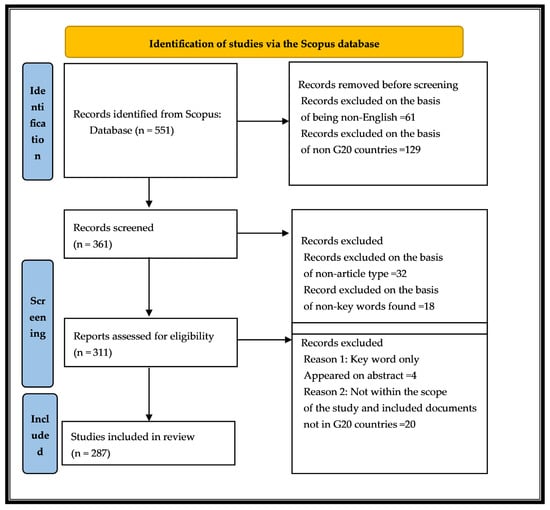
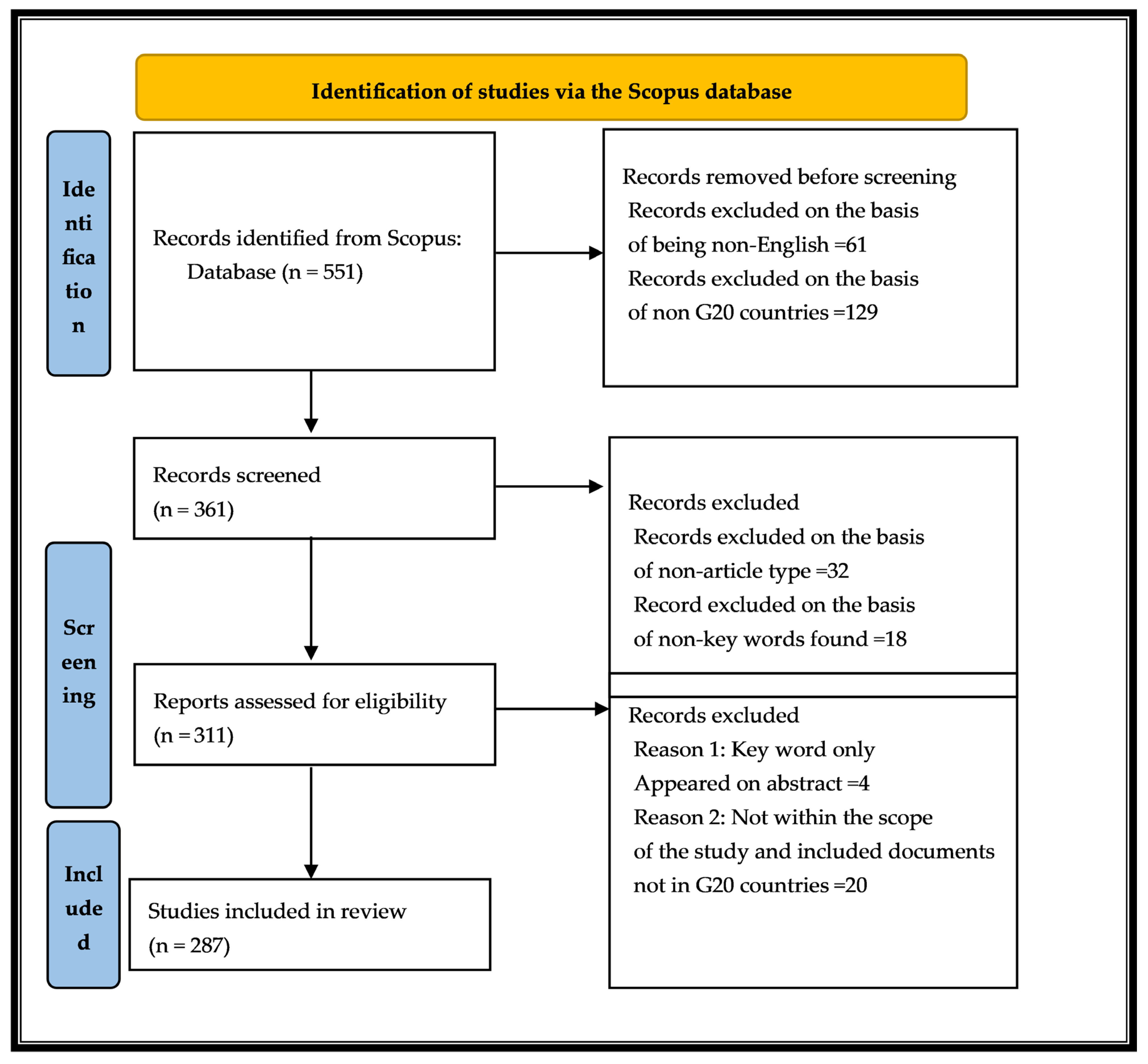
The PRISMA flow diagram as per Figure 1 illustrates the articles selected for the bibliometric analysis. The process followed from PRISMA Flow diagram for screening, eligibility and inclusion was systematically applied to ensure the process was both transparent and replicable. The Scopus database was utilised to gather relevant articles. The initial search string combined the keywords as TITLE-ABS-KEY (“women” AND “renewable energy” OR “Green Energy” OR “Clean Energy”), resulting in 551 records. The structure of the search string is in line with other similar studies. For example, Seminario-Córdova and Rojas-Ortega (2023), Bagdi et al. (2023), Mohamad and Ab-Rahim (2025). The initial documents obtained only included documents that were published from 2015 to 2025. The start year corresponds with the announcement of the United Nations’ Sustainable Development Goals (SDGs). To narrow the selection, the study utilised the inclusion and exclusion criteria shown on the PRISMA flow diagram below. Following the screening process, a total of 287 documents were included for analysis, as shown in Figure 1.
Figure 1.
Prisma flow diagram.
4. Results and Discussion
A bibliometric analysis was conducted using the Scopus database along with VOSviewer software to systematically explore and visualise academic literature on women and renewable energy.
4.1. Documents Published per Year
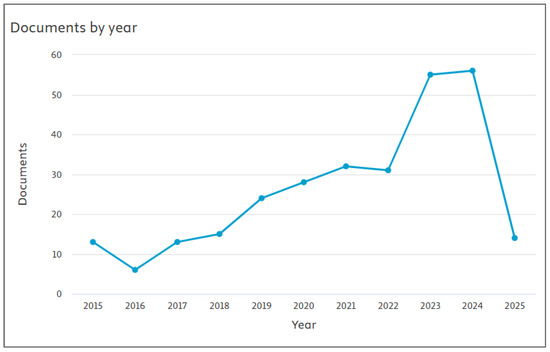
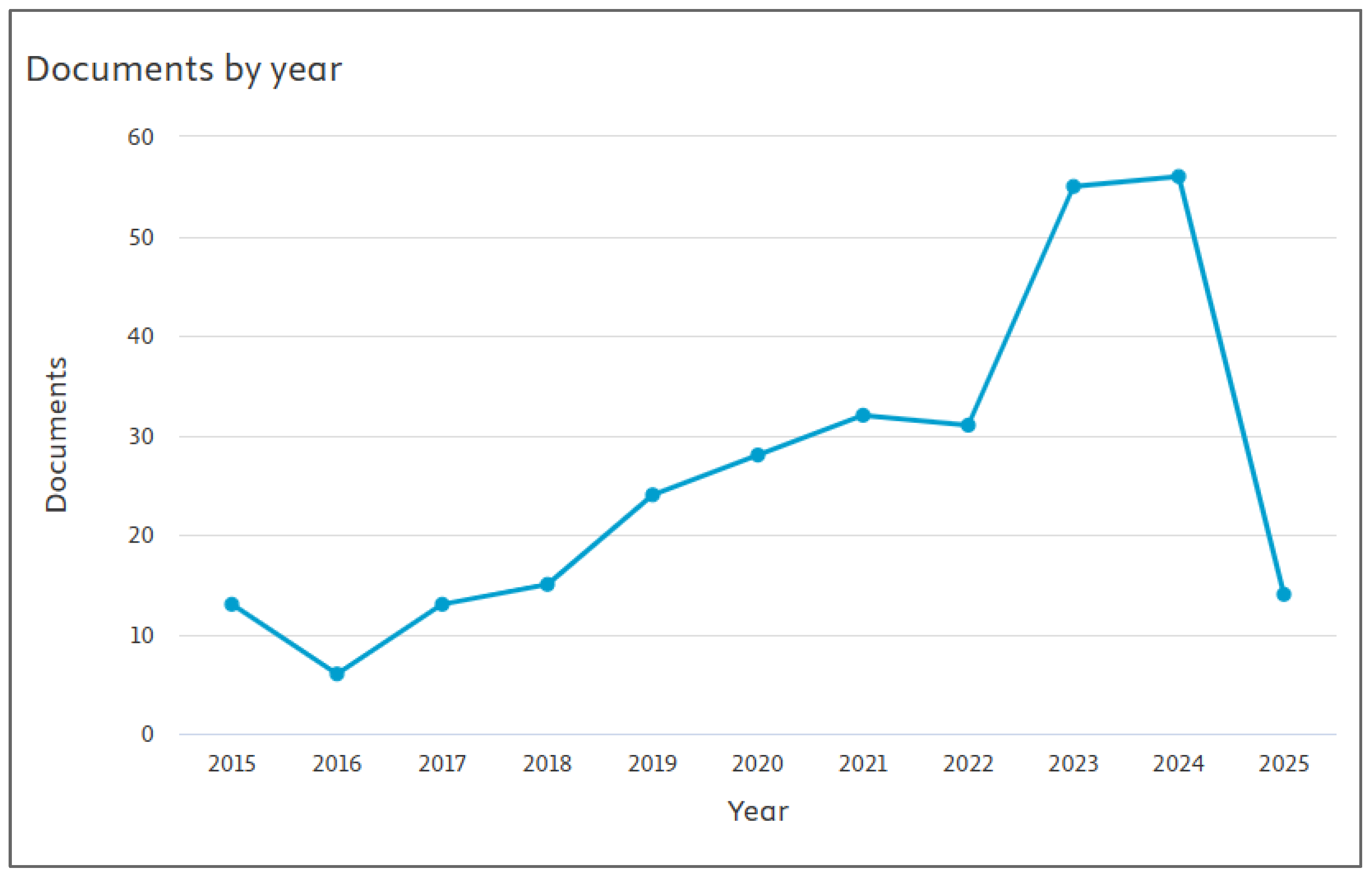
The United Nations Sustainable Development Goals (SDGs) were formally adopted in 2015, representing a global commitment to inclusive and sustainable development (United Nations, 2015). In line with the timeframe of these goals, this study limited its analysis to literature published from 2015 to 2025. According to data retrieved from the Scopus database (Figure 2), the volume of publications began to rise in 2023, reaching its peak in 2024 with a total of 55 relevant documents. In contrast, 2016 saw the lowest output in publications during this period.
Figure 2.
Documents by year.
These results highlight significant growth in scholarly output in the subject of women and renewable energy over recent years.
4.2. Documents Published per Country
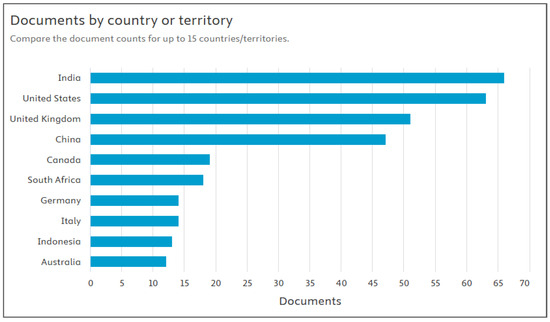
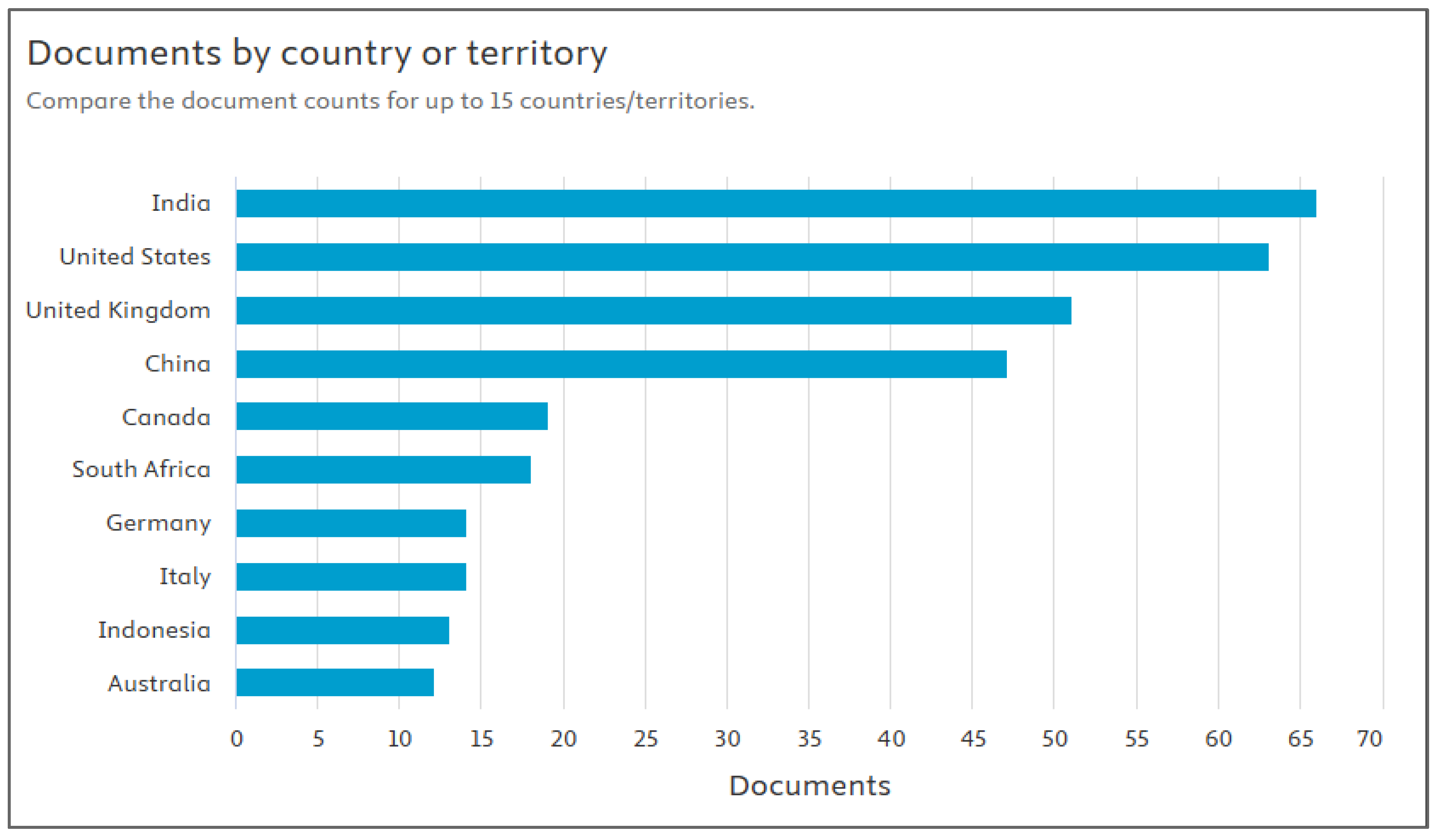
The number of documents published by each country is also presented, as shown in Figure 3 below. India emerged as the leader in research output, producing a total of 66 published documents. The United States and the United Kingdom followed with 63 and 51 publications, respectively. The top ten countries in terms of research output, ranked in descending order, included India, the United States, the United Kingdom, China, Canada, South Africa, Germany, Italy, Indonesia, and Australia.
Figure 3.
Documents by country.
These rankinks per county highligh the significant contributions of these countries to the research field, reflecting their active investment in scholarly outputs. Furthermore, providing these results adds valuable insights on the research trends in academic literature.
4.3. Documents Published by Author
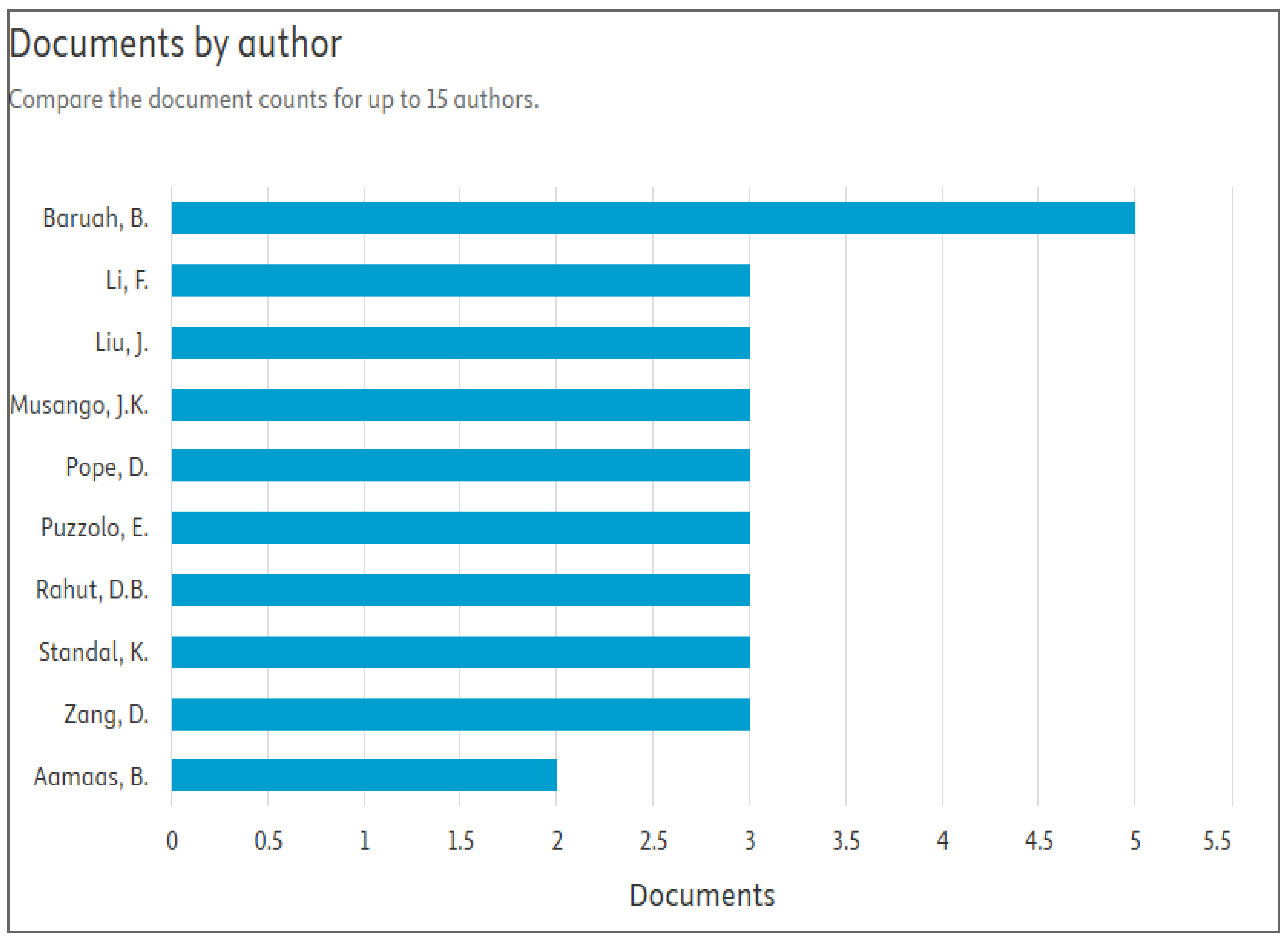
This section presents an overview of publication activity among authors who contributed to women and renewable energy between 2015 and 2025 as depicted in Figure 4.
Figure 4.
Documents by author.
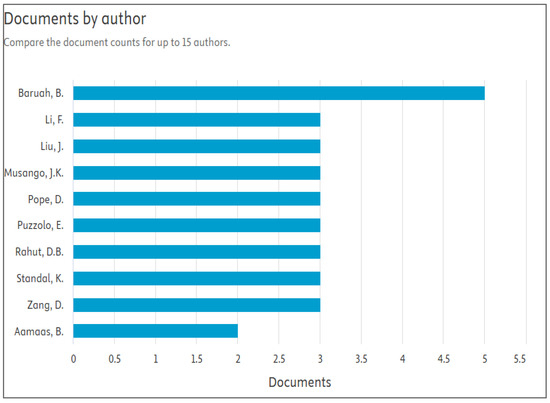
The study results revealed that Baruah authored a total of 5 documents contributing to women and renewable energy among the G20 nations. Following Baruah, eight other authors each contributed three publications, making their contributions equal. These authors include Li, Liu, Musango, Pope, Puzzolo, Rahut, Standal, and Zang.
The distribution of authorship underscores both the depth of individual engagement and the collective advancement of research in this field.
4.4. Documents by Affiliation
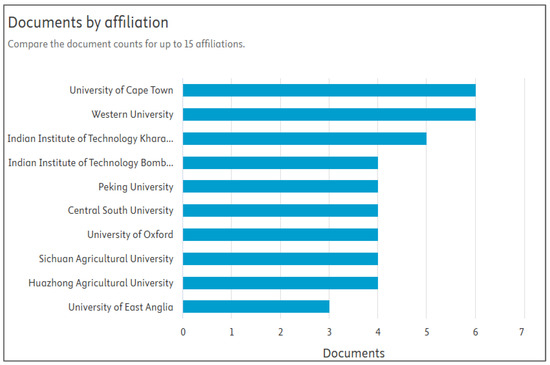
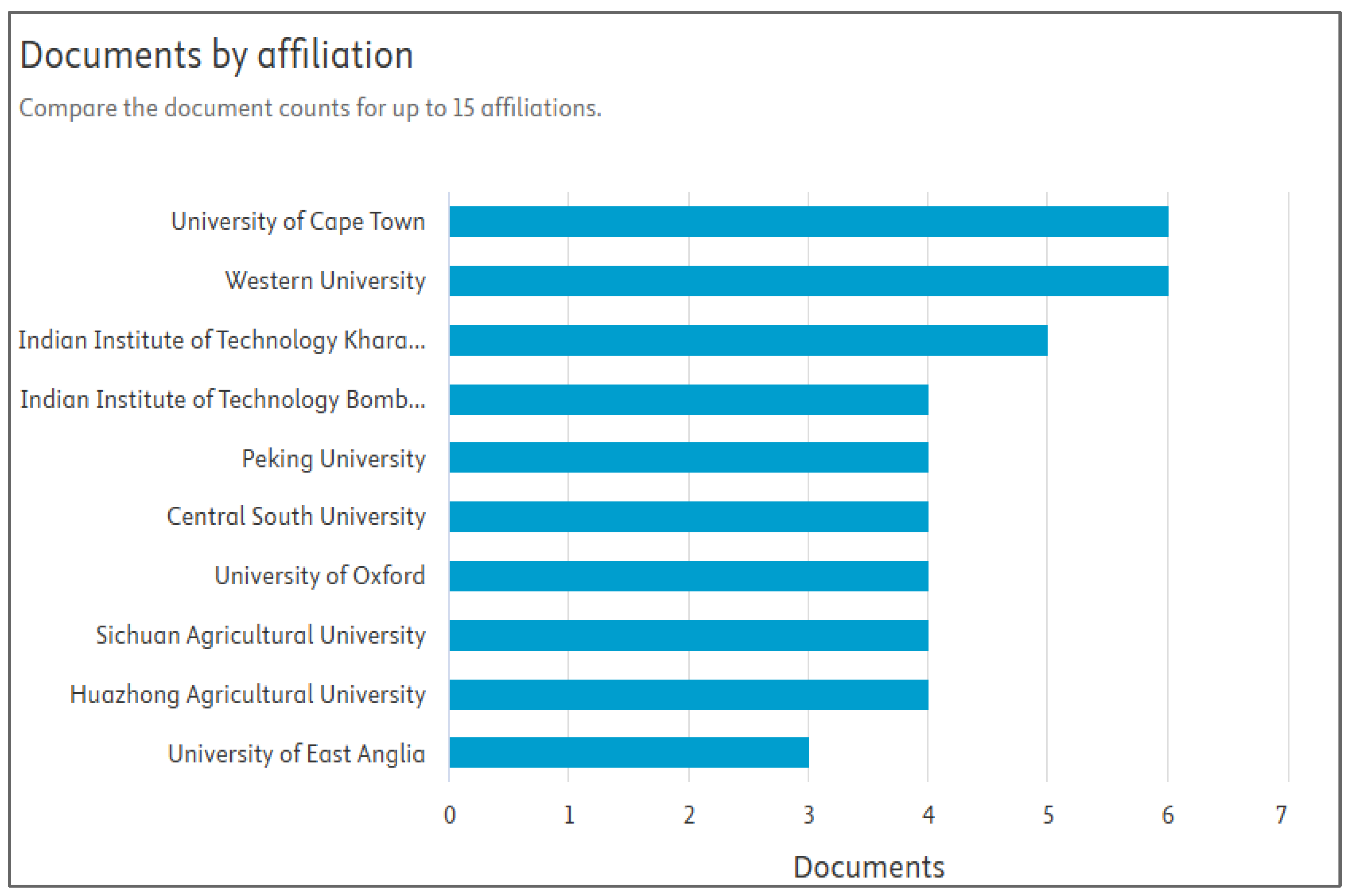
As shown in Figure 5 below, with regard to the analysis of research output categorised by institutional affiliation, both the University of Cape Town in South Africa and Western University in Canada each produced six documents, placing them among the top ten leaders. Following them, the Indian Institute of Technology Kharagpur authored a total of four documents. The Indian Institute of Technology Bombay, Peking University, Central South University, the University of Oxford, Sichuan Agricultural University, and Huazhong Agricultural University each contributed four published works as well. Among the top ten institutions, the University of East Anglia ranked last, with three documents published.
Figure 5.
Documents by affiliation.
Overall these findings indicate that research on women and renewable energy is endorsed by a diverse number of institutions. A broad international commitment to research in this field is highlighted by the distribution of outputs among institutions from various nations.
4.5. Documents by Funding Sponsor
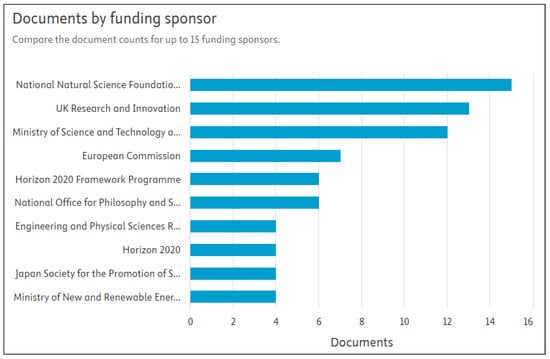
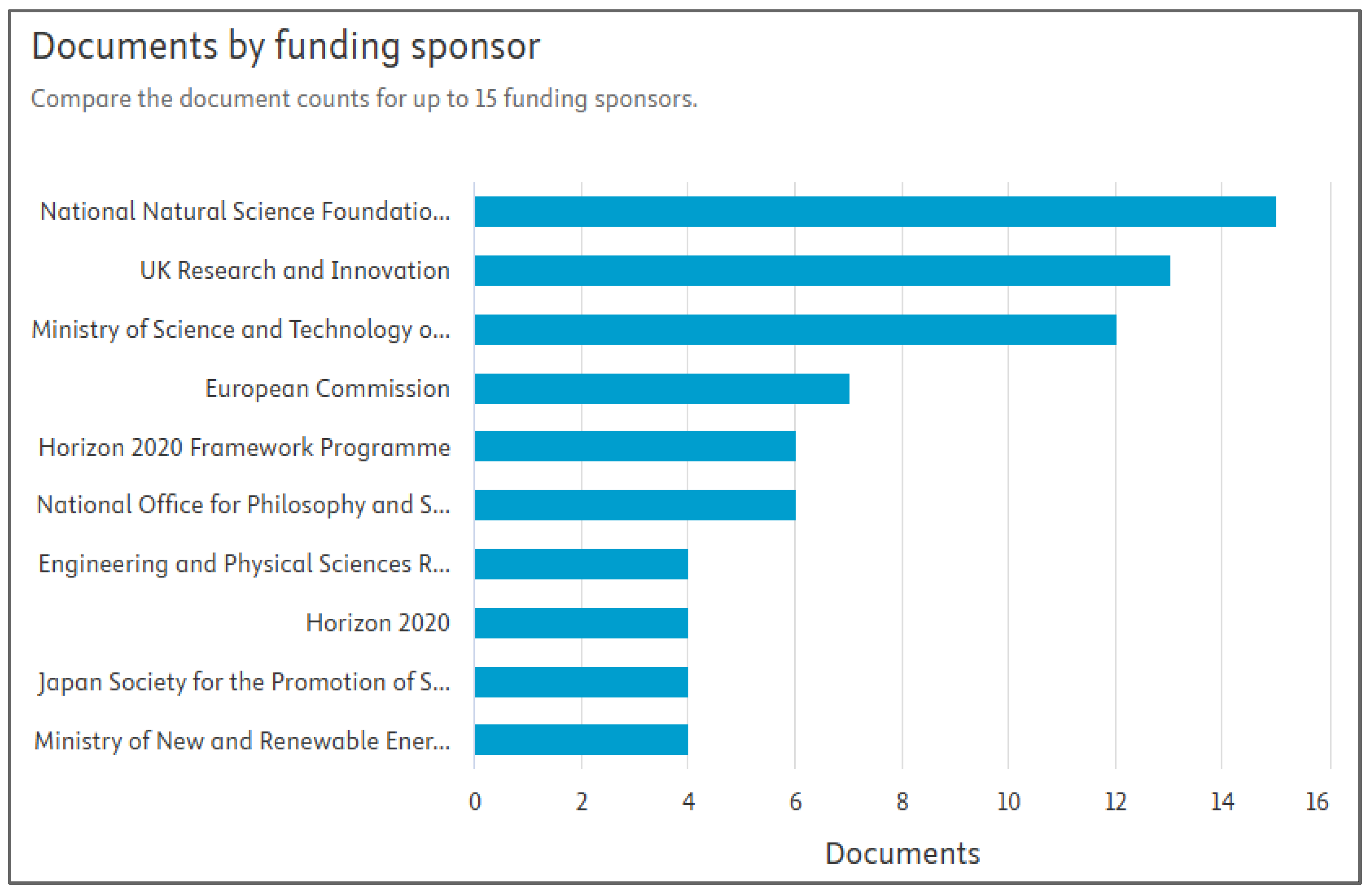
Figure 6 below presents a comparative overview of the contribution of various funding agencies to the body of scholarly documents analysed. The figure highlights the top ten funding sponsors based on the number of documents attributed to each. The National Natural Science Foundation of China led the funding efforts, supporting 15 projects. Following closely were UK Research and Innovation, with 13 projects and the Ministry of Science and Technology of the People’s Republic of China, which funded 12 projects. The European Commission contributed to seven projects, while the National Office for Philosophy and Social Sciences backed six. Among the top ten funding bodies, the Engineering and Physical Sciences Research Council, the Japan Society for the Promotion of Science, and the Ministry of New and Renewable Energy in India each sponsored the fewest projects, with a total of four projects supported per organisation.
Figure 6.
Documents by funding sponsor.
The results indicate the National Natural Science Foundation’s strongest commitment to supporting research on women and renewable energy, with UK Research and innovation following as the next significant contributor. While these two sponsors lead, the contribution of other funding bodies is also evident, highlighting a broader support base for research in the field.
4.6. Keyword Co-Occurrence Analysis
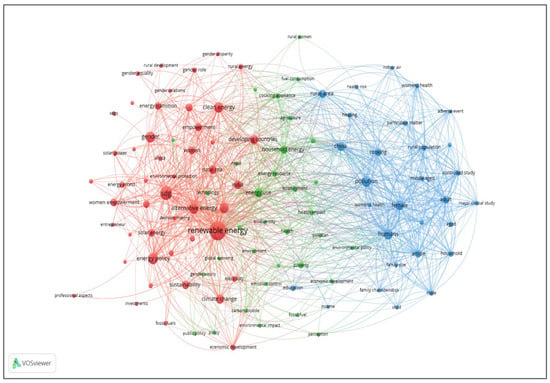
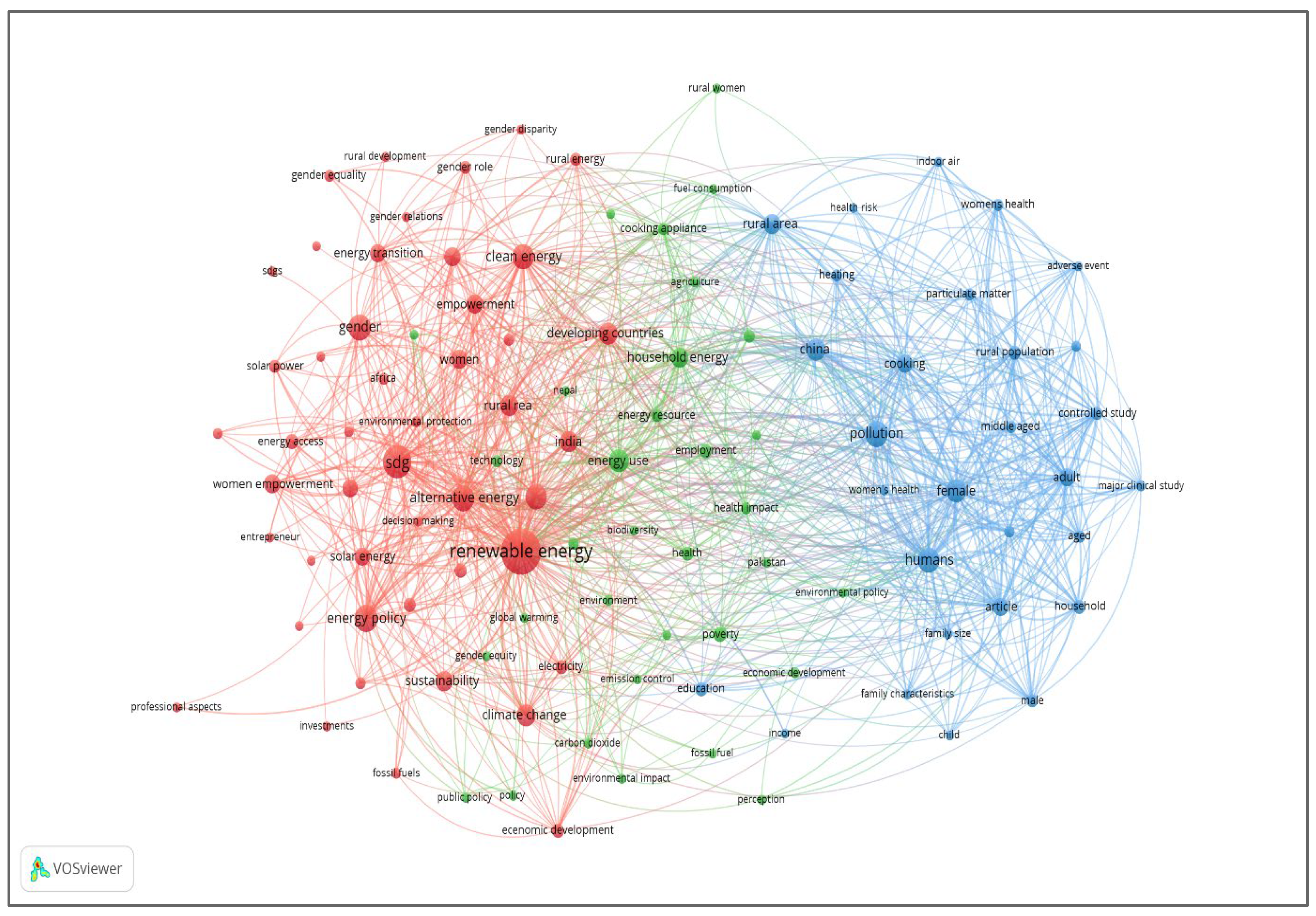
This section examines the rate of occurrence of keywords within the dataset. The discussion clarifies the conceptual emphasis of the literature. The keyword occurrence depicted in Figure 7 below shows the synthesis of keyword occurrences and the focused areas derived from VosViewer with minimum occurrence threshold = 5. In order to reduce the number of terms with the same meaning, but different spelling or substitutes of the same word, a thesaurus file was applied.
Figure 7.
Co-occurrence diagram.
Labels written differently, for instance, “entrepreneur” and “entrepreneurs”, were merged into “entrepreneurship”. Furthermore, labels with synonyms of “renewable energies”, “renewable energy resources”, “renewable energy source”, “renewable energy technologies” and “renewable resourcemicro enterprise”, were merged into the “renewable energy” label. Furthermore the words “women’s empowerment”, “women’s health” and “womens employment” were merged into “women empowerment”. Labels “air pollution”, “atmospheric pollution” and “indoor air quality” were merged into “air pollution”; “biofuels”, “biogas”, “biomass” and “biomass power” were merged into “bio energy”; “developing country”, and “developing world” into developing countries. The final network visualization is presented in Figure 7. From Figure 7, a keyword has a greater weight than another, and its label and bubble are bigger than a keyword with lower weight. Therefore, bigger bubbles indicate a keyword with a higher number of occurrences in the publications, with renewable energy containing the highest.
4.6.1. Red Cluster: Renewable Energy and Gender Empowerment
The red cluster, dominated by terms such as renewable energy, alternative energy, gender, women’s empowerment, and energy policy, underscores the intersection of clean energy development with gender equality and sustainable development goals (SDGs). This thematic area reflects the growing body of research emphasising how renewable energy technologies can contribute to enhancing the socioeconomic conditions of women, particularly in rural and under-resourced regions (IRENA, 2019). The co-occurrence of terms like solar power, energy access, and empowerment suggests that decentralised energy systems (e.g., solar home systems and mini-grids) are recognised as enablers of women’s entrepreneurship, education, and healthcare access.
Furthermore, the visibility of keywords such as decision making, gender disparity, and technology highlights the discourse around structural limitations on women’s agency in energy governance (Sovacool et al., 2020). Scholars argue that policy frameworks often lack gender-sensitive approaches, despite empirical evidence showing that involving women in energy-related decision-making enhances sustainability outcomes (Cecelski, 2005). The proximity of SDG, climate change, and sustainability in this cluster illustrates the alignment of clean energy transitions with global development agendas.
4.6.2. Green Cluster: Environmental Policy and Economic Development
The green cluster represents a policy-oriented and ecological thematic area. It includes keywords like climate change, fossil fuels, economic development, policy, emission control, and public policy. The frequent co-occurrence of developing countries, energy use, and poverty within this cluster reflects ongoing scholarly efforts to explore how national and international energy policies influence environmental outcomes and development indicators in the Global South (IEA, 2021).
The presence of fossil fuels and carbon dioxide near renewable energy in this network suggests a comparative discourse that evaluates the trade-offs between traditional and alternative energy systems. Moreover, keywords such as education, perception, and income highlight the role of social and economic determinants in shaping energy transitions. Scholars have increasingly emphasised the importance of inclusive public policies that integrate environmental protection with poverty alleviation and rural development strategies (Ockwell & Byrne, 2016). Furthermore, the cluster indicates a strong link between energy access and rural development, highlighting the need for interdisciplinary research that explores financing models, local institutions, and socio-cultural acceptance of new energy technologies (Rahut et al., 2017).
4.6.3. Blue Cluster: Public Health and Household Impacts
The blue cluster is centred on humans, female, pollution, health risk, and cooking, with satellite terms such as household, indoor air, particulate matter, and rural population. This cluster reflects biomedical and public health research focusing on the health implications of traditional biomass energy use, particularly indoor air pollution from cooking and heating fuels (Smith et al., 2013).
Women and children are disproportionately affected by the adverse health effects of indoor air pollution due to their prolonged exposure during household chores. The co-occurrence of terms like women’s health, health impact, fuel consumption, and cooking appliance underscores the necessity of clean cooking solutions as both a health and gender equity issue (WHO, 2023). This cluster also reveals the interdisciplinary nature of this research, bridging clinical, environmental, and gendered approaches to energy access. This positions renewable energy not only as a tool for sustainable development but also as a vital public health intervention. Some of the research area opportunities that need to be investigated include longitudinal studies that quantify the health co-benefits of clean energy transitions, as well as integrative analyses that connect energy policy interventions with epidemiological outcomes.
The keyword co-occurrence analysis in the study revealed how scholarly attention to women in the renewable energy sector within G20 countries is clustered around themes of gender empowerment, sustainable policy, and social equity. The first cluster, dominated by terms such as gender, empowerment, and energy policy, illustrates the growing recognition of women as central actors in energy transitions. This reflects a global shift towards gender-responsive energy governance, as studies show that women’s inclusion enhances innovation and policy legitimacy (Clancy & Feenstra, 2019). The second cluster, encompassing keywords like climate change, economic development, and poverty, connects women’s empowerment to the wider sustainability agenda. Research across G20 nations demonstrates that women’s access to renewable energy contributes to poverty reduction and inclusive economic growth (UNDP, 2022). The third cluster, centred on female, pollution, and household energy, highlights how gendered energy poverty and health burdens remain persistent, particularly in developing G20 economies such as India and South Africa (Oparaocha & Dutta, 2011; WHO, 2023). Collectively, these clusters illustrate that the discourse on women and renewable energy within G20 countries is multifaceted, bridging empowerment, environmental policy, and public health. However, the literature remains fragmented, underscoring the need for integrated frameworks that connect policy, practice, and lived experiences. The findings reaffirm that empowering women in renewable energy is both a moral imperative and a strategic necessity for achieving sustainable development and equitable growth (Pearl-Martinez & Stephens, 2016; United Nations, 2023). While the three clusters from the keyword co-occurrence capture distinct aspects of renewable energy research, there are notable research gaps; Cluster one and three show that there is a lack of integration between macro-level policy analysis (cluster one) and the health outcomes emphasised in cluster three. This, therefore, indicates that there is an opportunity to conduct research on the cross-disciplinary work that evaluates how policy frameworks translate into measurable public health improvements. The clusters show that entrepreneurship and innovation remain underexplored in renewable energy among G20 countries, despite their importance in scaling renewable solutions.
5. Conclusions
The objective of this study was to examine the trends and publication patterns related to research on women in the renewable energy sector within G20 countries. The findings highlighted the distribution of research outputs per author, affiliated institution, the funding sponsors and the countries, and further included keyword co-occurrence analysis to identify thematic relationships within the field. Furthermore, the study concludes that women remain underrepresented in renewable energy research and practice across the G20, but the growing academic attention signals opportunities to reframe energy transitions through a gender-responsive lens. Findings from this study highlight the need for G20 countries to execute swift measures to achieve the sustainable development goals, particularly SD5 (gender equality & women empowerment), SD7 (affordable & clean energy) and SD8 (decent work & economic growth). G20 countries that are still lagging should conduct a needs analysis for research with great potential to align with global strategic priorities. Furthermore, policymakers are encouraged to implement more inclusive gender equity policies aimed at addressing gender disparities, especially in legislative and decision-making roles. To further advance gender inclusion, decision makers should initiate outreach programs aimed at raising awareness within communities about social and cultural biases limiting women from taking on technical and leadership roles in the renewable energy sector. Simultaneously, efforts should be made for women to access financial resources through the adoption of gender responsive economic policies.
6. Limitations and Future Research
This study presents several limitations. First, although Scopus provides a robust database of quality data, it does not encompass all journals or publications, which means that some significant contributions may have been overlooked. Second, the study would have benefited from an inclusion of a table with annual country counts; however it has not been included in this study. Additionally, the search was restricted to publications available exclusively in the English language. Lastly, this study focused exclusively on G20 member nations, thereby excluding other countries whose contributions could have potentially enriched the findings and provided valuable insights to the study.
Future research could incorporate documents published in other languages to minimise bias and extend the geographical scope by including countries not examined in this study, thereby offering a more comprehensive overview of the existing literature.
Author Contributions
Conceptualization, B.S.; methodology, B.S. and K.S.; software, K.S.; validation, B.S. and K.S.; formal analysis, B.S. and K.S.; investigation, B.S.; resources, B.S.; data curation, B.S.; writing—original draft preparation, B.S.; writing—review and editing, B.S. and K.S.; visualization, B.S. and K.S.; supervision, K.S.; project administration, B.S. All authors have read and agreed to the published version of the manuscript.
Funding
This research received no external funding.
Institutional Review Board Statement
Not Applicable.
Informed Consent Statement
Not Applicable.
Data Availability Statement
The original contributions presented in this study are included in the article. Further inquiries can be directed to the corresponding author.
Conflicts of Interest
The authors declare no conflicts of interest.
References
- Al-Ismail, F. S., Alam, S., Shafiullah, Hossain, I., & Rahman, S. M. (2023). Impacts of renewable energy generation on greenhouse gas emissions in Saudi Arabia: A comprehensive review. Sustainability, 15(6), 5069. [Google Scholar] [CrossRef] [Scilit]
- Allen, E., Lyons, H., & Stephens, J. C. (2019). Women’s leadership in renewable transformation, energy justice and energy democracy: Redistributing power. Energy Research & Social Science, 57, 101233. [Google Scholar] [CrossRef] [Scilit]
- Allison, J. E., McCrory, K., & Oxnevad, I. (2019). Closing the renewable energy gender gap in the United States and Canada: The role of women’s professional networking. Energy Research & Social Science, 55, 35–45. [Google Scholar] [CrossRef] [Scilit]
- Alobaid, A. M., Gosling, C., Khasawneh, E., McKenna, L., & Williams, B. (2020). Challenges faced by female healthcare professionals in the workforce: A scoping review. Journal of Multidisciplinary Healthcare, 13, 681–691. [Google Scholar] [CrossRef] [Scilit]
- Altuzarra, A., Gálvez-Gálvez, C., & González-Flores, A. (2021). Is gender inequality a barrier to economic growth? A panel data analysis of developing countries. Sustainability, 13, 367. [Google Scholar] [CrossRef] [Scilit]
- Arias, K., López, D., Camino-Mogro, S., Weiss, M., Walsh, D., Gomes, L. G., & Hallack, M. C. M. (2023). Green transition and gender bias: An analysis of renewable energy generation companies in Latin America. Energy Research & Social Science, 101, 103151. [Google Scholar] [CrossRef] [Scilit]
- Azman, A. A., Leow, A. T. C., Noor, N. D. M., Noor, S. A. M., Latip, W., & Ali, M. S. M. (2024). Worldwide trend discovery of structural and functional relationship of metallo-β-lactamase for structure-based drug design: A bibliometric evaluation and patent analysis. International Journal of Biological Macromolecules, 256, 128230. [Google Scholar] [CrossRef] [Scilit] [PubMed]
- Baas, J., Schotten, M., Plume, A., Côté, G., & Karimi, R. (2020). Scopus as a curated, high-quality bibliometric data source for academic research in quantitative science studies. Quantitative Science Studies, 1(1), 377–386. [Google Scholar] [CrossRef] [Scilit]
- Badi, I., Stević, Ž., & Bouraima, M. B. (2023). Overcoming obstacles to renewable energy development in Libya: An MCDM approach towards effective strategy formulation. Decision Making Advances, 1(1), 17–24. [Google Scholar] [CrossRef] [Scilit]
- Bagdi, T., Ghosh, S., Sarkar, A., Hazra, A. K., Balachandran, S., & Chaudhury, S. (2023). Evaluation of research progress and trends on gender and renewable energy: A bibliometric analysis. Journal of Cleaner Production, 423, 138654. [Google Scholar] [CrossRef] [Scilit]
- Baker, H. K., Pandey, N., Kumar, S., & Haldar, A. (2020). A bibliometric analysis of board diversity: Current status, development, and future research directions. Journal of Business Research, 108, 232–246. [Google Scholar] [CrossRef] [Scilit]
- Bansal, M., & D’Agosti, N. (2024). Women in power: The role of gender in renewable energy policymaking. Environmental Research: Climate, 3(2), 025009. [Google Scholar] [CrossRef] [Scilit]
- Baruah, D. B. (2016, September 6–7). Creating opportunities for women in the renewable energy. Fourth Annual Conference on Transforming Development Through Inclusive Green Growth, Jeju International Convention Center, Seogwipo-si, Republic of Korea. [Google Scholar]
- Bertay, A. C., Dordevic, L., & Sever, C. (2025). Gender inequality and economic growth: Evidence from industry-level data. Empirical Economics, 68, 2291–2326. [Google Scholar] [CrossRef] [Scilit]
- Bukar, U. A., Sayeed, S., Razak, S. F. A., Yogarayan, S., Amodu, O. A., & Mahmood, R. A. R. (2023). A method for analyzing text using VOSviewer. MethodsX, 11, 102339. [Google Scholar] [CrossRef] [Scilit]
- Cecelski, E. (2005). Energy, development and gender: Global correlations and causality. In World development report background paper. World Bank. [Google Scholar]
- Chen, S., Doerr, S., Frost, J., Gambacorta, L., & Shin, H. (2023). The fintech gender gap. Journal of Financial Intermediation, 54, 101026. [Google Scholar] [CrossRef] [Scilit]
- Clancy, J., & Feenstra, M. (2019). Women, gender equality and the energy transition in the EU. Available online: https://www.europarl.europa.eu/RegData/etudes/STUD/2019/608867/IPOL_STU(2019)608867_EN.pdf (accessed on 21 August 2025).
- Cooke, F. L., & Xiao, M. (2020). Women entrepreneurship in China: Where are we now and where are we heading. Human Resource Development International, 24(1), 104–121. [Google Scholar] [CrossRef] [Scilit]
- El Bassan, N. (2021). Energy basics. In Distributed renewable energies off-grid communities (2nd ed.). Elsevier. [Google Scholar] [CrossRef] [Scilit]
- Ember. (2024). Global electricity review 2024. Available online: https://ember-energy.org/latest-insights/global-electricity-review-2024 (accessed on 6 December 2025).
- ENERGIA. (2020). The ENERGIA gender and energy research programme: A short overview of the results. Available online: https://energia.org/assets/2020/03/Energia-News-March-2020.pdf (accessed on 6 December 2025).
- Gbetchi, K. E., & Perrigot, R. (2025). The role of micro-franchising in supporting women retailers in the energy sector in sub-Saharan Africa: The case of the Mivo Energie network in Togo. Journal of Retailing and Consumer Services, 82, 104091. [Google Scholar] [CrossRef] [Scilit]
- Gök, G. O., & Gök, M. S. (2023). An empirical assessment of gender inequality in human development: Evidence from G20 countries. Society, 60, 566–579. [Google Scholar] [CrossRef] [Scilit]
- Haddaway, N. R., Page, M. J., Pritchard, C. C., & McGuinness, L. A. (2022). PRISMA2020: An R package and Shiny app for producing PRISMA 2020-compliant flow diagrams, with interactivity for optimized digital transparency and Open Synthesis. Campbell Systematic Reviews, 18(2), 1230. [Google Scholar] [CrossRef] [Scilit]
- Harris, K. (2024). Who cares: A 10 year analysis of G20 care commitments. Centre For Global Development (CGD). Available online: https://www.cgdev.org/blog/who-cares-10-year-analysis-g20-care-commitments (accessed on 21 August 2025).
- International Energy Agency (IEA). (2021). Net zero by 2050: A roadmap for the global energy sector. Available online: https://www.iea.org/reports/net-zero-by-2050 (accessed on 25 July 2025).
- International Labour Organisation (ILO) & OECD. (2019). Women at work in G20 countries: Progress and policy action since 2018. Available online: https://www.ilo.org/sites/default/files/wcmsp5/groups/public/%40dgreports/%40cabinet/documents/publication/wcms_713373.pdf (accessed on 6 December 2025).
- International Labour Organization (ILO) & OECD. (2024). Women at work in G20 countries: Progress and policy action in 2023. Available online: https://www.ilo.org/sites/default/files/2024-08/G20_Women%40Work_report_2024.pdf (accessed on 6 December 2025).
- International Renewable Energy Agency (IRENA). (2018). Renewable energy and jobs: Annual review 2018. Available online: https://www.irena.org/-/media/Files/IRENA/Agency/Publication/2018/May/IRENA_RE_Jobs_Annual_Review_2018.pdf (accessed on 5 December 2025).
- International Renewable Energy Agency (IRENA). (2019). Renewable energy: A gender perspective. Available online: https://www.irena.org/publications/2019/Jan/Renewable-Energy-A-Gender-Perspective (accessed on 21 August 2025).
- International Renewable Energy Agency (IRENA). (2025). G20+ countries hold the key to the global renewable target by 2030. Available online: https://www.irena.org/News/pressreleases/2025/Mar/G20-plus-Countries-Hold-the-Key-to-the-Global-Renewable-Target-by-2030 (accessed on 25 July 2025).
- Karakislak, I., Sadat-Razavi, P., & Schweizer-Ries, P. (2023). A cooperative of their own: Gender implications on renewable energy cooperatives in Germany. Energy Research & Social Science, 96, 102947. [Google Scholar] [CrossRef] [Scilit]
- Mahajan, R., & Bandyopadhyay, K. R. (2021). Women entrepreneurship and sustainable development: Select case studies from the sustainable energy sector. Journal of Enterprising Communities: People and Places in the Global Economy, 15(1), 42–75. [Google Scholar] [CrossRef] [Scilit]
- Maulana, F. I., Adi, P. D. P., Hari, N. H., Hamim, M., & Lestari, D. (2024). Applications of artificial intelligence in renewable energy: A bibliometric analysis of the scientific production indexed in scopus. Web of Conferences, 501. [Google Scholar] [CrossRef] [Scilit]
- Mayen Huerta, C., Ivanescu, C., Herfort, B., Badowski, P., & Gontariu, D. (2025). Leveraging geospatial data to evaluate women’s employment opportunities in the renewable energy sector. Energy Research & Social Science, 120, 103917. [Google Scholar] [CrossRef] [Scilit]
- Mishra, S., & Manhas, N. S. (2023). Promoting green energy transition through G20. India Quarterly: A Journal of International Affairs, 79(4), 552–563. [Google Scholar] [CrossRef] [Scilit]
- Mohamad, A. H. H., & Ab-Rahim, R. (2025). Mapping the research landscape of energy market and renewable energy: A bibliometric analysis. International Journal of Renewable Energy Development, 14(4), 703–716. [Google Scholar] [CrossRef] [Scilit]
- Nagel, L., & Lebrun, B. (2022). Opportunities and barriers for women in South Africa’s energy transition. Cobenefits Impulse. Available online: https://www.cobenefits.info/wp-content/uploads/2022/09/COBENEFITS-Impulse_Women-in-South-Africas-Energy-Transition.pdf (accessed on 6 December 2025).
- Nsude, C. C., Loraamm, R., Wimhurst, J. J., Chukowe, G. N., & Debnath, R. (2024). Renewables but unjust? Critical restoration geography as a framework for addressing global renewable energy injustice. Energy Research & Social Science, 114, 103609. [Google Scholar] [CrossRef] [Scilit]
- Ockwell, D., & Byrne, R. (2016). Sustainable energy for all: Innovation, technology and pro-poor green transformations. Routledge. [Google Scholar]
- Ong, M., Jaumot-Pascual, N., & Ko, L. T. (2020). Research literature on women of color in undergraduate engineering education: A systematic thematic synthesis. Journal of Engineering Education, 109(3), 581–615. [Google Scholar] [CrossRef] [Scilit]
- Oparaocha, S., & Dutta, S. (2011). Gender and energy for sustainable development. Current Opinion in Environmental Sustainability, 3(4), 265–271. [Google Scholar] [CrossRef] [Scilit]
- Owusu-Manu, D.-G., Sackey, D. M., Osei-Asibey, D., Agyapong, R. K., & Edwards, D. J. (2022). Improving women’s energy access, rights and equitable sustainable development: A Ghanaian perspective. Ecofeminism and Climate Change, 3(1), 23–40. [Google Scholar] [CrossRef] [Scilit]
- Özaydın, S. (2022). The impact of gender inequality on women’s team sports–evidence from Europe. Athens Journal of Sports, 9(2), 115–128. Available online: https://www.researchgate.net/profile/Selcuk-Oezaydin/publication/359578228_The_Impact_of_Gender_Inequality_on_Women’s_Team_Sports_-Evidence_from_Europe/links/62440ccd7931cc7ccf04d2ba/The-Impact-of-Gender-Inequality-on-Womens-Team-Sports-Evidence-from-Europe.pdf (accessed on 25 July 2025). [CrossRef] [Scilit]
- Paramati, S. R., Apergis, N., & Ummalla, M. (2017). Financing clean energy projects through domestic and foreign capital: The role of political cooperation among the EU, the G20 and OECD countries. Energy Economics, 61, 62–71. [Google Scholar] [CrossRef] [Scilit]
- Passas, I. (2024). Bibliometric analysis: The main steps. Encyclopedia, 4(2), 1014–1025. [Google Scholar] [CrossRef] [Scilit]
- Pearl-Martinez, R., & Stephens, J. C. (2016). Toward a gender diverse workforce in the renewable energy transition. Sustainability: Science, Practice and Policy, 12(1), 8–15. [Google Scholar] [CrossRef] [Scilit]
- Peñaloza, D., Mata, É., Fransson, N., Fridén, H., Samperio, Á., Quijano, A., & Cuneo, A. (2022). Social and market acceptance of photovoltaic panels and heat pumps in Europe: A literature review and survey. Renewable and Sustainable Energy Reviews, 155, 111867. [Google Scholar] [CrossRef] [Scilit]
- Rahut, D. B., Ali, A., & Behera, B. (2017). Domestic use of dirty energy and its effects on human health: Empirical evidence from Bhutan. International Journal of Sustainable Energy, 36(9), 890–903. [Google Scholar] [CrossRef] [Scilit]
- Salamon, H. (2023). The effect of women’s parliamentary participation on renewable energy policy outcomes. European Journal of Political Research, 62(1), 174–196. [Google Scholar] [CrossRef] [Scilit]
- Schaillée, H., Derom, I., Solenes, O., Straume, S., Burgess, B., Jones, V., & Renfree, G. (2021). Gender inequality in sport: Perceptions and experiences of generation Z. Sport, Education and Society, 26(9), 1011–1025. [Google Scholar] [CrossRef] [Scilit]
- Seminario-Córdova, R., & Rojas-Ortega, R. (2023). Renewable energy sources and energy production: A bibliometric analysis of the last five years. Sustainability, 15(13), 10499. [Google Scholar] [CrossRef] [Scilit]
- Smith, K. R., Bruce, N., Balakrishnan, K., Heather, A., John, B., Zoë, C., Mukesh, D., Hosgood, H. D., Sumi, M., Pope, D., & Rehfuess, E. (2013). Millions dead: How do we know and what does it mean? Methods used in the comparative risk assessment of household air pollution. Annual Review of Public Health, 34, 185–206. [Google Scholar] [CrossRef] [Scilit] [PubMed]
- Sovacool, B. K., Ryan, S. E., Stern, P. C., Janda, K., & Rochlin, G. (2020). The clean energy revolution: Rhetoric versus reality. Global Environmental Change, 60, 102019. [Google Scholar]
- Tandrayen-Ragoobur, V., & Gokulsing, D. (2022). Gender gap in STEM education and career choices: What matters? Journal of Applied Research in Higher Education, 14(3), 1021–1040. [Google Scholar] [CrossRef] [Scilit]
- UNDP. (2022). Gender equality strategy 2022–2025. Available online: https://genderequalitystrategy.undp.org/ (accessed on 6 December 2025).
- UNDP & OECD. (2019). G20 contribution to the 2030 agenda progress and way forward. Available online: https://www.oecd.org/content/dam/oecd/en/publications/reports/2019/09/g20-contribution-to-the-2030-agenda_08ac3281/db84dfca-en.pdf (accessed on 5 December 2025).
- United Nations (UN). (2015). The 2030 agenda for sustainable development. Available online: https://sustainabledevelopment.un.org/content/documents/21252030%20Agenda%20for%20Sustainable%20Development%20web.pdf (accessed on 21 August 2025).
- United Nations (UN). (2023). Gender equality and the sustainable energy transition (UN Women Policy Brief No. 18). United Nations. Available online: https://www.unwomen.org/sites/default/files/2023-05/Gender-equality-in-the-sustainable-energy-transition-en.pdf (accessed on 25 July 2025).
- United Nations (UN). (2024). Progress towards sustainable development goals. Available online: https://unstats.un.org/sdgs/files/report/2024/SG-SDG-Progress-Report-2024-advanced-unedited-version.pdf (accessed on 6 December 2025).
- World Health Organization (WHO). (2023). Household air pollution and health. Available online: https://www.who.int/news-room/fact-sheets/detail/household-air-pollution-and-health (accessed on 30 June 2025).
Disclaimer/Publisher’s Note: The statements, opinions and data contained in all publications are solely those of the individual author(s) and contributor(s) and not of MDPI and/or the editor(s). MDPI and/or the editor(s) disclaim responsibility for any injury to people or property resulting from any ideas, methods, instructions or products referred to in the content. |
© 2026 by the authors. Licensee MDPI, Basel, Switzerland. This article is an open access article distributed under the terms and conditions of the Creative Commons Attribution (CC BY) license.