

Article

Breaking Under Pressure: How Toxic Work Environments Trigger Musculoskeletal Discomfort Through Stress and Dissatisfaction


by
Souad Hassanie
1,2,*,
Orhan Uludag
3 and
Ayowale Olufemi Olatunde
4
1
CIRAME Research Center, Business School, Holy Spirit University of Kaslik, Jounieh P.O. Box 446, Lebanon
2
Business Department, University of Europe for Applied Sciences, Think Campus, 14469 Potsdam, Germany
3
Hospitality Management and Tourism School, Central Asian University, Tashkent 111221, Uzbekistan
4
School of Tourism and Hotel Management, Cyprus International University, via Mersin 10, Nicosia, 99258 North Cyprus, Turkey
*
Author to whom correspondence should be addressed.
Adm. Sci. 2026, 16(2), 79; https://doi.org/10.3390/admsci16020079
Submission received: 11 January 2026 / Revised: 29 January 2026 / Accepted: 1 February 2026 / Published: 5 February 2026

Abstract

Although toxic work environments are acknowledged as harmful, hospitality research rarely explains how toxic work environments translate into musculoskeletal discomfort through psychosocial mechanisms. Therefore, our study addresses that gap by integrating the stimulus–organism–response framework and the conservation of resources theory to examine the impact of a toxic work environment on employees’ perceptions of musculoskeletal discomfort mediated by perceived work stress and job dissatisfaction. Data were collected from hotel employees working in Johannesburg, South Africa. The study’s interrelationships were analyzed utilizing structural equation modeling. The results showed that a toxic work environment significantly increases work stress and job dissatisfaction, and that both mechanisms are associated with musculoskeletal discomfort. Moreover, the findings indicated that the indirect effect through job dissatisfaction is stronger than the indirect effect through work stress, suggesting that attitudinal erosion is a key channel linking toxic climate to physical discomfort. Our study is the first to combine the stimulus–organism–response framework and the conservation of resources theory to explain how sensory processes and resource allocation mechanisms would operate in the presence of a toxic environment, influencing employees’ psychological and health-related outcomes. Practically, managers should prioritize anti-toxicity policies, supervisor coaching, confidential reporting channels, and psychosocial support to reduce employee strain.

1. Introduction

Prompt industrialization, changes in the global workplace structure, and technological advancements have made musculoskeletal discomfort (MSD) one of the main occupational health issues facing employees (Abebaw et al., 2024) working in various professional occupations in different industries (Darvishi et al., 2024; da Silva et al., 2023). MSD refers to the expression of sensations such as numbness, soreness, tension, fatigue, and pain of muscles, nerves, and tendons in the neck, back, shoulders, and upper and lower limbs (Akkarakittichoke et al., 2023). It reflects the degree to which the musculoskeletal system is exposed to biomechanical and psychosocial hazards (Macdonald & Oakman, 2024). MSD is considered a subjective phenomenon with mental and physical aspects (da Silva et al., 2023), increasing individuals’ suffering and societal economic burden (Anacleto Filho et al., 2024).
The World Health Organization (2022a) reported that 50–70% of employees worldwide acquire MSD. Specifically, 1.7 billion people have MSD in low and middle-income nations, where lower back pain affects 568 million individuals. Moreover, recent research revealed that 82.5% of Taiwanese hotel workers, 60% in Nepal, 47% in China, and 90.6% in Egypt have MSD (Abdelsalam et al., 2023).
Due to the negative effects of employees’ perceptions regarding MSD on work outcomes (Anacleto Filho et al., 2024), researchers called for further investigations to identify the factors influencing employees’ musculoskeletal health (Macdonald & Oakman, 2024). A recent study conducted by the Canadian Center for Occupational Health and Safety (2023) indicated that the working environment has a direct effect on employees’ self-reported MSD. In particular, employees would exhibit MSD due to physical biomechanical factors associated with handling tasks, as well as psychosocial factors (Occupational Health and Safety, 2021). Consequently, our current paper will examine the effect of a toxic work environment (TWE) on employees’ work outcomes.
TWE refers to disrespectful, impolite deviant behaviors with an uncertain goal of hurting others, thus violating the norms and standards in a given workplace (Rasool et al., 2021). Previous research indicated that TWE contributes to employees’ physical and mental imbalance associated with high levels of burnout, work stress (Samma et al., 2020), job dissatisfaction, and lower productivity (Rasool et al., 2021). Work stress refers to individuals’ responses once they confront extensive work demands that do not match their capabilities, thus challenging their coping abilities (World Health Organization, 2022b). Meanwhile, job dissatisfaction refers to employees’ discontentment with their status quo (J. Zhou & George, 2001).
Prior research in other high-strain service industries provides an important grounding for our current study. For instance, in the healthcare context, Bou Reslan et al. (2025) revealed that toxic leadership and workplace bullying negatively affect healthcare workers’ innovative work behavior and affective commitment. Moreover, recent studies indicated that healthcare workers who are exposed to workplace incivility (Hassanie et al., 2024, 2025) and work overload (Hassanie et al., 2022) would exhibit high levels of traumatic stress, anxiety, low psychological well-being, and poor mental health. Similarly, Cannizzaro et al. (2025) and Ibrahim et al. (2024) reported that workplace violence among healthcare workers is associated with MSD and adverse job attitudes such as reduced job satisfaction. On the other hand, in education, recent studies reported that MSD is highly prevalent among teachers (Tahernejad et al., 2024) due to stressful work routines (Teles et al., 2024). In particular, Alex et al. (2025) indicated that MSD prevalence among teachers is due to a multifactorial mechanism in which psychosocial stressors interact with physical and ergonomic demands. However, compared with the above-mentioned service sectors, research in tourism and hospitality has fewer studies that empirically investigated how TWE shapes MSD through psychological mechanisms (Uludag et al., 2025), such as perceived work stress and job dissatisfaction.
Based on the literature review and previous studies, our current paper aims to investigate the impact of TWE on employees’ perceptions regarding MSD mediated by work stress and job dissatisfaction, adopting the stimulus–organism–response (S-O-R) model (Mehrabian & Russell, 1976) and the conservation of resource theory (COR) (Hobfoll, 1989). According to the S-O-R framework, an external stimulus would activate individuals’ cognitive and affective internal states that would, in turn, drive either approach or avoidance behaviors. Meanwhile, the COR theory reflects individuals’ psychological motivation to protect, accumulate, and utilize resources, highlighting how resource gain and depletion would reveal problems such as emotional exhaustion and work stress.
Beyond Africa, the COR theory was widely applied in the Southeast Asian hospitality contexts. For instance, Nuchpramool et al. (2025) adopted the COR theory to examine how perceived organizational support would influence extra-role behaviors in Thailand’s luxury hotel sector. Similarly, Appannan et al. (2022) investigated how job insecurity and psychological distress would threaten and deplete employees’ resources, thus influencing their turnover intentions in the Malaysian context. Moreover, Choirisa (2023) conducted a study in Indonesia and examined organizational commitment as a resource-related mechanism linking multidimensional work stressors to employee-related behaviors. The above-mentioned studies adopted the COR theory and emphasized psychological or behavioral outcomes, disregarding physical health outcomes. In this vein, our study is the first to advance the hospitality literature by integrating the COR theory with the S-O-R framework to explain how TWE would initiate resource losses, driving employees to exhibit work stress and job dissatisfaction that would, in turn, be translated into MSD within the underrepresented African hospitality context.
This study contributes to the tourism and hospitality literature in several ways. First, TWE has been considered a global issue influencing organizations in all industries and needs to be addressed by the top management and human resource departments (Bou Reslan et al., 2025). Although employees can easily recognize toxic behaviors in a given workplace, they rarely report these toxic behaviors, making such incidents difficult to track or investigate by researchers (Rasool et al., 2021).
Second, previous empirical studies investigated the negative impact of TWE on employees’ work outcomes such as commitment, engagement (Rasool et al., 2021; Teo et al., 2020), and innovative work behavior (Bou Reslan et al., 2025; Touni & Hussien, 2023). However, limited studies examined the effect of TWE on employees’ perceptions regarding work stress, job dissatisfaction (Larasati & Prajogo, 2022), and MSD (Tamale et al., 2024; Uludag et al., 2025). Therefore, a study assessing TWE, work stress, job dissatisfaction, and MSD is warranted.
Third, work stress, as well as job satisfaction and dissatisfaction, were extensively investigated in the organizational behavior literature. However, the role of these constructs is still underexplored and uncertain (Dodanwala et al., 2023). In particular, previous research indicated that work stressors would trigger work stress and are associated with job dissatisfaction (Hwang & Park, 2022). Meanwhile, other researchers argued that job dissatisfaction is a predictor of work stress (Dodanwala & Santoso, 2022). Due to the discrepancy in previous studies’ results regarding the relationship between work stress and job dissatisfaction, our current study modeled work stress and job dissatisfaction as mediators between TWE and employees’ self-reported MSD.
Fourth, although several interventions have been implemented by the Occupational Health and Safety Organization, employees are still facing enormous occupational hazards, triggering employees’ MSD (Abdelsalam et al., 2023; Uludag et al., 2025). Moreover, there is a dearth of evidence regarding the predictors of MSD among workers working in Africa (Tamale et al., 2024; Uludag et al., 2025). Therefore, examining the interrelationships among TWE, work stress, job dissatisfaction, and MSD among hotel employees working in the African context would add further insights to the hospitality literature.
Fifth, the S-O-R framework was extensively used to explore guest–host interaction in the hospitality industry (He et al., 2022). However, few empirical studies adopted the S-O-R model to explore organizational behavior (Xiang et al., 2023). Consequently, our paper adopts the S-O-R model to investigate how TWE as a stimulus would trigger employees’ cognitive and affective processes, such as work stress and job dissatisfaction, affecting their responses, such as MSD. Moreover, recent studies adopted the COR theory (Hobfoll, 1989) to investigate the dynamic effect of resource allocation on employees’ work outcomes in the hospitality context (Shehawy, 2022; Uludag et al., 2025). However, the potential mechanism of psychological and physiological effects on individuals’ behaviors after being exposed to a TWE is scarcely investigated (Bou Reslan et al., 2025; Xiang et al., 2023). Therefore, implementing the COR theory in combination with the S-O-R framework would interpret employees’ physiological and psychological perceptions in stressful situations, thus exploring employees’ behaviors and adjustment processes after coping with stressful situations from the sensory perspective.
Finally, although previous studies investigated psychosocial stressors in service industries and separately linked TWE to negative employee outcomes, it remains insufficiently understood how TWE translates into employees’ MSD through work stress and job dissatisfaction within a unified theoretical model. This gap is salient for hospitality employees in high-demand settings such as five-star hotels, where interpersonal pressures, performance intensity, and limited recovery opportunities may amplify resource depletion. Addressing this gap is theoretically important because it operationalizes the S-O-R framework and the COR theory integration by clarifying how TWE acts as a stimulus that drains resources, how internal strain and attitudinal erosion represent organism states, and how these processes extend beyond psychological outcomes to an occupational health response as MSD. Consequently, in line with the S-O-R framework and the COR theory, this study addresses the following research questions (RQs):
  • RQ1: How does a TWE directly influence MSD among hospitality employees?
  • RQ2: To what extent do work stress and job dissatisfaction mediate the relationship between TWE and MSD?

2. Theoretical Framework

Our current study adopts the S-O-R framework and the COR theory to examine the interrelationships among TWE, work stress, job dissatisfaction, and MSD. In the hospitality literature, recent empirical studies have utilized the S-O-R framework (Fan et al., 2021; Shehawy, 2022; Xiang et al., 2023) and the COR theory (Bou Reslan et al., 2025; Karadas et al., 2025; Uludag et al., 2025) to assess the impact of work stressors and toxic behaviors on employees’ work outcomes.
The S-O-R framework evaluates perceptions and emotions in response to environmental cues to predict positive or negative behavior (Mehrabian & Russell, 1976). A stimulus is the effect that arouses an individual, while the organism reflects its cognitive and affective states by deciphering the mechanisms between external stimuli and reactions. Meanwhile, individuals’ reactions to acquire, process, accumulate, and recover resources are called responses. On the other hand, the COR theory examines how resource acquisition and depletion affect employees’ work outcomes (Hobfoll, 1989). For instance, the acquisition paradox states that resource loss boosts resource acquisition and accumulation despite depletion; however, under the despair principle, initial resource losses would cause individuals to suffer more losses, affecting their psychological and physiological responses, thus suggesting a link between overreaction and stress (Halbesleben et al., 2014; Hobfoll et al., 2018).
To achieve the study’s purpose, our current paper combines the S-O-R framework and the COR theory to examine how sensory processes and resource allocation would operate, influencing employees’ work outcomes. In particular, the S-O-R framework would explore employees’ behaviors and responses in the presence of TWE. Next, the COR theory would broaden the research depth by investigating the impact of resource allocation, acquisition, or losses on employees’ work stress, job dissatisfaction, and MSD after being exposed to TWE.
To operationalize the integration of the S-O-R framework with COR theory, we map each study construct onto the S-O-R sequence and clarify the underlying loss mechanism. In this study, TWE constitutes the stimulus (S) because it represents an external contextual condition that threatens employees’ valued resources, such as emotional energy, perceived control, social support, and respect. In agreement with the COR theory, employees’ exposure to toxicity initiates a resource loss process, which manifests internally as work stress and job dissatisfaction. Work stress reflects immediate resource depletion, whereas job dissatisfaction reflects reduced perceived returns and diminished motivational resources. Accordingly, job dissatisfaction and work stress are the internal states representing the organism (O) component. The response (R) is captured by MSD, conceptualized as a salient occupational health outcome that can emerge when psychosocial strain and dissatisfaction persist, and is characterized by muscle tension and discomfort-related perceptions and behaviors. This operational mapping clarifies the study’s conceptual model, as TWE is expected to have both a direct effect on MSD and indirect effects through stress and dissatisfaction, providing a theoretical basis for the hypotheses linking the stimulus to the organism states and to the health-related response.

3. Literature Review and Hypotheses Development

3.1. Toxic Workplace Environment, Work Stress, and Job Dissatisfaction

TWE is known to be dominated by narcissistic behaviors, offensive toxic leadership, bullying, harassment, ostracism, and any threatening behavior imposed by managers and co-workers (Rasool et al., 2021). It causes psychological tension affecting employees’ work outcomes, thus driving them to demonstrate unproductive behavior.
Prior hospitality studies often focused on attitudinal and behavioral outcomes rather than health-related outcomes, limiting insight into psychosocial to physiological spillovers. It is well known that hotel workers would face workplace ostracism, incivility, violence, aggression, bullying, harassment, abusive supervision, despotic leadership, and gendered workplace interpersonal mistreatment (L. Zhou et al., 2021) and have to work for long hours with low wages (Wu & Wei, 2024). In this vein, Prentice et al. (2024) found that a TWE with inter-role conflicts, including work-leisure and work-family conflict, increases employees’ quiet quitting intentions and burnout. Similarly, Touni and Hussien (2023) found that TWEs reduce employee engagement and innovation. Meanwhile, Kurniawan et al. (2023) suggested that TWE would stress hotel personnel, affecting their performance, while Samma et al. (2020) found that TWEs predict job dissatisfaction.
Work stress refers to the physiological and psychological responses of workers in response to workplace stressors (Dodanwala et al., 2023). Organizational stressors, such as role ambiguity, work overload, long hours, role conflict, and work–life imbalance, contribute to employee stress (Chen et al., 2022). Meanwhile, job dissatisfaction arises when employees are dissatisfied with their current conditions (J. Zhou & George, 2001). In the hospitality sector, additional stressors, including strict schedules, tight deadlines, workplace incivility, guest interactions, low wages, toxic leadership, limited career growth, lack of organizational support, job insecurity, and poor management, further exacerbate job dissatisfaction (Stamolampros & Dousios, 2024).
According to the S-O-R model, organizational stressors are environmental cues that cause physiological and psychological responses (Mehrabian & Russell, 1976). When environmental factors hinder goal achievement, employees are more likely to adopt negative attitudes and engage in unfavorable behaviors. However, when organizations support employees’ goal achievement, employees are more likely to adopt positive attitudes and exhibit constructive behaviors. Therefore, incongruence between employees’ abilities and their working environment causes stress and job unhappiness (Dodanwala et al., 2023). According to the COR theory (Halbesleben et al., 2014; Hobfoll et al., 2018), hotel workers in TWEs would face resource losses, driving them to exhibit deviant responses to protect their resources. Following the COR theory and S-O-R framework, we propose:
Hypothesis 1 (H1): 
TWE is positively related to employees’ work stress.
Hypothesis 2 (H2): 
TWE is positively related to employees’ job dissatisfaction.

3.2. Toxic Work Environment and Musculoskeletal Discomfort

MSD is a prevalent occupational health issue affecting individuals in contemporary communities and employees in all industries, characterized by its progressive and multifaceted etiology and marked by a high level of diagnostic complexity (Darvishi et al., 2024). MSD would influence employees’ work outcomes, such as poor well-being, higher absenteeism, lower productivity, and disability, thus resulting in higher healthcare expenditures and compensation costs (Anacleto Filho et al., 2024).
Recent empirical studies have investigated the antecedents of MSD. For instance, personal factors like age, gender, personality traits, sleeping habits, body mass index, systemic diseases, education, socioeconomic status, lack of physical activity, addiction, adverse habits, and negative attitudes toward healthcare advice can cause MSD (Simon et al., 2024). Others claimed that force exertion, prolonged sitting, bad postures, repeated actions, and poor ergonomics would trigger MSD (Akkarakittichoke et al., 2023; Macdonald & Oakman, 2024). On the other hand, recent studies highlighted that psychosocial hazards would have a significant impact on employees’ MSD, such as inadequate job resources, long working hours, inadequate workload, low job control, lack of clarity, role conflict, lack of organizational support, poor reward systems, poor recognition, and organizational changes (Uludag et al., 2025). Although psychosocial hazards are increasingly recognized as MSD antecedents, much of the MSD literature remains ergonomics-dominant, while psychosocial findings are sometimes reported as secondary or with limited theoretical integration.
According to organizational stressor studies, a TWE would greatly impact employees’ self-reported MSD (Abdelsalam et al., 2023; Pravalika et al., 2023). In agreement with the COR theory, toxic behaviors would drain workers’ resources, triggering physiological responses such as MSD (Uludag et al., 2025; Xiang et al., 2023). On the other hand, as propounded by the S-O-R framework, excessive exposure to biomechanical and psychosocial hazards (stimuli) would affect employees’ physiological, behavioral, and cognitive states (organism), triggering MSD (response) (Macdonald & Oakman, 2024). Hence, we postulate:
Hypothesis 3 (H3): 
TWE is positively related to employees’ self-reported MSD.

3.3. Work Stress, Job Dissatisfaction, and Musculoskeletal Discomfort

Previous empirical studies examined either stress or job dissatisfaction in isolation, rather than modeling them simultaneously, which can blur whether stress and dissatisfaction act primarily as mediators, direct antecedents, or both, depending on the context.
In our current study, we distinguished between the direct psychosocial exposure pathway, where TWE acts as an external stressor that can influence MSD directly, and the indirect pathway, where TWE initially depletes employees’ resources and alters internal states, such as work stress and job dissatisfaction, which subsequently contribute to MSD. Consistent with the S-O-R framework and the COR theory, stress and dissatisfaction are treated as organism-state mediators reflecting resource depletion, while still allowing for a direct antecedent role in predicting MSD. This conceptual separation clarifies why we test both the direct effect of TWE on MSD and the mediated mechanisms via work stress and job dissatisfaction.
Research highlighted that perceived work stress would have a negative effect on employees and organizations (Chen et al., 2022). It reflects employees’ perceptions and reactions to work demands, challenges, and threats (Wong et al., 2021). According to the World Health Organization (2022b), 8.9% of the global population works long hours and is exposed to various work stressors existing in a TWE.
Work stress is considered an occupational risk factor that would negatively influence employees’ behavioral, physical, and mental health (Chireh et al., 2023). It reduces job satisfaction, influences well-being adversely (Wong et al., 2021), increases turnover rate, lowers performance, and enhances employees’ MSD (Darvishi et al., 2024; Macdonald & Oakman, 2024; Tamale et al., 2024).
Unsatisfied employees typically respond to job dissatisfaction through four approaches: exit, neglect, loyalty, and voice (Withey & Cooper, 1989). The exit response involves resigning from the organization, while neglect entails remaining in the role but exhibiting withdrawal behaviors and reduced effort. The voice response reflects attempts to advocate for workplace improvements, whereas loyalty involves continuing to work without objection or efforts to seek change. Additionally, empirical evidence suggests that job dissatisfaction exacerbates self-reported MSD (Pravalika et al., 2023; Tamale et al., 2024). Notably, Abebaw et al. (2024) revealed that dissatisfied Ethiopian kitchen workers face a 2.5-fold increased risk of developing MSD compared to their satisfied counterparts.
According to COR theory, resource constraints and excessive task demands intensify work stress, contributing to health issues like MSD (Nelson & Smith, 2024). Similarly, the S-O-R framework suggests that the link between perceived work stress, physical inactivity, and negative work outcomes can be explained by individuals’ behavioral responses to stress (Chireh et al., 2023). Hence, we propose:
Hypothesis 4 (H4): 
Work stress is positively related to employees’ self-reported MSD.
Hypothesis 5 (H5): 
Job dissatisfaction is positively related to employees’ self-reported MSD.

3.4. Mediating Role of Work Stress and Job Dissatisfaction

Although previous studies highlighted the direct impact of a TWE on employees’ perceptions of physical and psychological strain, limited research explores whether perceived work stress and job dissatisfaction mediate this relationship (Nelson & Smith, 2024). Moreover, prior studies often tested single-mediator models or did not compare mediators’ relative strength, leaving uncertainty about whether attitudinal erosion such as dissatisfaction, or strain, such as work stress, is the more substantive pathway.
Perceived work stress and job dissatisfaction shape how individuals interpret work stressors in a TWE and influence their perceptions of health-related issues (Rostami et al., 2022). According to Fang et al. (2020) and Kim et al. (2020), the S-O-R framework links environmental stimuli (inputs), cognitive processes (organisms), and outcomes (responses). When employees perceive work stimuli as threats or feel unable to manage stressors, work stress (Darvishi et al., 2024; Dodanwala & Santoso, 2022) and job dissatisfaction (Pravalika et al., 2023; Shehawy, 2022) may arise, contributing to MSD (Abebaw et al., 2024; Tamale et al., 2024).
In line with COR theory, individuals’ interpretations of environmental stimuli are shaped by their ability to maintain and accumulate personal and social resources. Specifically speaking, resource losses among hotel employees can lead to a loss spiral, exacerbating work stress and job dissatisfaction, triggering physiological responses such as MSD (Halbesleben et al., 2014). Moreover, the COR theory suggests that when employees experience persistent psychosocial threats such as hostility, incivility, and unfairness, they expend emotional and cognitive resources to cope, thus leading to heightened work stress. Elevated stress would then contribute to MSD through psychophysiological mechanisms and behavioral pathways. Therefore, we propose that TWE increases work stress, which in turn increases MSD. In parallel, toxicity can erode employees’ evaluations of the job by diminishing perceived fairness, respect, and reciprocity, resulting in job dissatisfaction. Dissatisfaction represents a distinct organism-state mechanism because it reflects attitudinal withdrawal and lowered motivation to invest effort in self-care and safe work routines, intensifying physical strain and discomfort over time. Therefore, we propose that TWE increases job dissatisfaction, which in turn increases MSD. Following the S-O-R framework and COR theory, we propose that work stress and job satisfaction mediate the relationship between TWE and MSD. Hence, we postulate:
Hypothesis 6 (H6): 
Work stress mediates the relationship between TWE and employees’ self-reported MSD.
Hypothesis 7 (H7): 
Job dissatisfaction mediates the relationship between TWE and employees’ self-reported MSD.

4. Materials and Methods

4.1. Sample and Procedures

A nonprobability purposive sampling technique was adopted to gather data from hotel employees working in five-star hotels located in Johannesburg. This approach was considered appropriate since the current study required participants who were involved in hotel operations that may heighten psychosocial strain and MSD. Therefore, to increase the transparency regarding participants’ selection, respondents were eligible if they were currently employed in the participating hotel and were actively engaged in the hotel operations at the time of the study. In this context, Johannesburg’s five-star hotels have high performance standards, organizational structures, and service standards, which cause workplace stress, job dissatisfaction, and toxic work environments. Moreover, previous research reported that workers often work long hours, follow strict regulations, and perform strenuous tasks (Annan et al., 2019), which might initiate MSD. Accordingly, given Johannesburg’s prominence as a hospitality center, an analysis of five-star hotels provides valuable insights into the industry’s overall challenges, enabling the development of specific initiatives to improve employee welfare and workplace environments.
Before initiating the data collection procedure, the authors got approval from the Research Ethics Committee of the Higher Center for Research at the Holy Spirit University of Kaslik (ID: HCR/EC 2024-085, Date: 1 August 2024). Then, the researchers contacted the human resource managers of the participating hotels, who permitted data collection. The data collection process adheres to the ethical principles highlighted in the Declaration of Helsinki.
To mitigate common method bias, several procedural measures were implemented (Podsakoff et al., 2003). Each questionnaire included a cover letter explaining the study’s purpose, ensuring anonymity and confidentiality, clarifying that no personal data would be shared, and that the data was for academic use only. Moreover, participants were informed that there were no right or wrong answers and that they could withdraw at any time without repercussions. Furthermore, written consent was obtained from all participants. Additionally, the study constructs were presented in a randomized order, rather than following the hypothesized conceptual model.
In addition to the procedural remedies, common method bias was statistically assessed using Harman’s single-factor test. An unrotated exploratory factor analysis revealed that the first factor accounted for 40.6% of the total variance, which is below the recommended threshold of 50%, indicating that common method bias was not a serious concern in this study.
The population of the study comprised more than 10,000 employees (Statistics South Africa, 2024). Consequently, a sample size calculator was employed to determine the minimum required sample size for the study. A total of 400 questionnaires were distributed to the participants. After discarding the questionnaires with missing information, 302 completed surveys were deemed usable. The response rate was 75.5%. The participants’ demographic profile is presented in Table 1.

4.2. Instrumentation

All measurement items utilized in this study were adopted from previous empirical studies with well-validated scales. The participants responded to all measurement items with a five-point Likert scale ranging from 1 = strongly disagree to 5 = strongly agree.
TWE was operationalized using four items from Rasool et al.’s (2021) study. Meanwhile, work stress was assessed utilizing four items from the General Work Stress Scale developed by De Bruin (2006). On the other hand, three items were adopted from the Michigan Organizational Assessment Questionnaire (Seashore et al., 1982) to gauge job dissatisfaction. Finally, the MSD scale utilized in this study was carefully developed by adapting and enhancing existing measurement tools. Specifically, the MSD scale utilized in this study was developed by adapting items from Hedge et al. (1999) and refining them to reflect the hospitality work context. The enhancement process involved rewording items for clarity, contextualizing them to hotel-related tasks, and selecting items that capture common discomfort in the neck, shoulders, back, and limbs. This approach resulted in a concise four-item scale with satisfactory reliability and validity, as confirmed by the measurement model results.
A pilot study was conducted with 10 hotel employees to assess the clarity, readability, and face validity of the questionnaire items. This sample size is consistent with prior methodological recommendations suggesting that small pilot samples (5–15 participants) are adequate for identifying wording problems and comprehension issues in survey instruments (Hassanie et al., 2021; Uludag et al., 2023). As no difficulties were reported, no amendments were made to the questionnaire.

5. Results

5.1. Analytic Strategy

The researchers used AMOS 20 (Arbuckle, 2011) and Hayes Macro Model 4 to analyze data, adopting Anderson and Gerbing’s (1988) two-step approach. Specifically, the measurement model was examined by checking the reliability and validity of the measurement items utilizing confirmatory factor analysis. Meanwhile, the hypothesized conceptual model was evaluated via structural equation modeling due to its predictive nature and its accurate estimation of mediation (Hair et al., 2019).

5.2. Measurement Model Testing

The reliability and convergent validity of the measurement model were examined by checking the recorded values of the standardized loadings, composite reliability (CR), and average variance extracted (AVE) as recommended by Gaskin and Lim (2016a).
The results in Table 2 indicated that the standardized loadings for all measurement items were significant (p < 0.001) except for one item measuring MSD that was deleted due to its low factor loading value. The removal of this item did not alter the conceptual domain of the construct, as the remaining items continued to capture key dimensions of MSD, such as neck, back, and limb discomfort, thereby preserving the content validity of the scale.
Moreover, as depicted in Table 3, the values of CR for all constructs exceeded the cutoff level of 0.7, and the AVE values were higher than the cutoff level of 0.5, confirming the reliability and convergent validity of the measurement model.
To evaluate the discriminant validity, correlations among variables were examined. According to Chin (1998), each indicator’s loading on its respective latent variable should exceed its cross-loadings on other variables. Accordingly, the results, presented in Table 3, demonstrated that all items had higher loadings on their corresponding latent constructs than on any cross-loadings, ensuring discriminant validity. Moreover, the findings showed that none of the correlation coefficients were 0.90 or higher, offering additional support for discriminant validity (Tabachnick & Fidell, 1996). Furthermore, we confirmed the discriminant validity of the measurement model via the heterotrait–monotrait (HTMT) ratio. All HTMT values, denoted in Table 4, were less than the threshold of 0.85 as suggested by Henseler et al. (2015).
In line with Gaskin and Lim’s (2016b) and Hu and Bentler’s (1999) recommendations, the model fit was assessed using the Chi-square statistic (CMIN), the relative Chi-square (CMIN/DF), Comparative Fit Index (CFI), Normed Fit Index (NFI), Tucker–Lewis Index (TLI), Incremental Fit Index (IFI), Standardized Root Mean Squared Residual (SRMR), Root Mean Square Error of Approximation (RMSEA), and the close-fit test (PClose). Accordingly, as presented in Table 5, the model exhibited excellent fit to the data, with a χ2/df ratio of 1.59, a Comparative Fit Index (CFI) of 0.981, Tucker–Lewis Index (TLI) of 0.976, Standardized Root Mean Square Residual (SRMR) of 0.045, and a Root Mean Square Error of Approximation (RMSEA) of 0.044 with a nonsignificant PClose value (0.731), all indicating a very good model fit.

5.3. Structural Model Testing

To assess the structural model, we checked the Beta Coefficients (β) and p values for each pathway. Moreover, the mediating effects were tested via the bootstrapping technique (number of bootstrap samples = 5000).
As denoted in Table 6, the findings revealed that TWE was positively associated with work stress (β = 0.28; p < 0.000), job dissatisfaction (β = 0.70; p < 0.000), and MSD (β = 0.25; p < 0.000); hence, H1, H2, and H3 were supported. Moreover, the results indicated that work stress (β = 0.11; p < 0.000) and job dissatisfaction (β = 0.29; p < 0.000) had a significant positive effect on MSD. Hence, H4 and H5 were supported.
Concerning the indirect effects, the results, depicted in Table 6, showed that work stress (β = 0.03; p = 0.0146) and job dissatisfaction (β = 0.20; p = 0.0461) partially mediate the relationship between TWE and MSD. Hence, H6 and H7 were supported. Figure 1 represents the results of the structural equation modeling.
Beyond the statistical significance, the magnitude of the standardized effects indicates clear managerial leverage points. According to Cohen (1988) and Nieminen (2022), the standardized regression coefficient (β) that ranges between 0.10–0.29, 0.30–0.49, and ≥0.50 corresponds to small, moderate, and large effects, respectively. Therefore, the model suggests that paths with coefficients in a large range represent significant relationships and are likely to translate into noticeable workplace outcomes if targeted through intervention. For instance, the strongest relationship in the model is the effect of TWE on job dissatisfaction (β = 0.70), indicating a large practical impact. In particular, changes in perceived toxicity are likely to be accompanied by substantial shifts in dissatisfaction. On the other hand, the effects of TWE on work stress (β = 0.28) and on MSD (β = 0.25) are moderate, while the impact of job dissatisfaction on MSD (β = 0.29) is also moderate and managerially meaningful. Meanwhile, the pathway work stress → MSD (β = 0.11) is statistically significant but comparatively smaller, suggesting that stress management is beneficial but may deliver the greatest returns when paired with upstream reductions in toxicity. Additionally, the indirect effects indicate that the pathway TWE → job dissatisfaction → MSD (β = 0.20) is more substantive than TWE → work stress → MSD (β = 0.03), highlighting that improving workplace climate may reduce MSD largely by improving employees’ attitudes and perceived satisfaction.

6. Discussion

6.1. Key Findings

The COR theory and the S-O-R framework have been supported by substantial evidence. Several empirical studies investigated how resource allocation and employees’ responses to environmental stimuli would influence their work outcomes (Fan et al., 2021; Fang et al., 2020; Shehawy, 2022). In particular, most studies assessed employees’ self-reported MSD, focusing on the biomechanical physical factors of the work environment (Akkarakittichoke et al., 2023; Simon et al., 2024) while overlooking the psychosocial hazards (Darvishi et al., 2024; Uludag et al., 2025), especially in Africa (Tamale et al., 2024). Accordingly, we proposed a novel conceptual model to investigate the impact of TWE on employees’ self-reported MSD mediated by work stress and job dissatisfaction via data collected from hotel workers working in Johannesburg, South Africa. The empirical data provide support for all hypotheses.
First, hypothesis 1 (H1) proposed that TWE positively influences work stress. Consistent with the COR theory and the S-O-R framework, the results suggest that exposure to disrespectful or hostile workplace cues depletes employees’ psychological resources and heightens strain. Meanwhile, hypothesis 2 (H2) proposed that TWE positively influences job dissatisfaction. The supported relationship indicates that toxicity erodes perceptions of fairness and reciprocity, accelerating attitudinal withdrawal and dissatisfaction. Similarly, hypothesis 3 (H3) proposed that TWE positively influences MSD. The support for H3 indicates that workplace toxicity is not only a psychosocial risk factor but also relates to physical discomfort outcomes in hospitality. All results supporting H1, H2, and H3 are in agreement with the COR theory, the S-O-R framework, and recent empirical pieces that denoted a positive association between TWE and negative work outcomes (Chen et al., 2022; Kurniawan et al., 2023; Macdonald & Oakman, 2024; Rasool et al., 2021; Shehawy, 2022). Ultimately, continuous exposure to toxic behaviors would deplete employees’ resources, leading to additional loss of resources in the future (Hobfoll et al., 2018; Uludag et al., 2025). Under these circumstances, employees are left with fewer resources to handle work stressors existing in a TWE. Meanwhile, a TWE would stimulate employees’ physiological and psychological processes, driving them to display work stress, job dissatisfaction, and MSD.
Second, hypothesis 4 (H4) proposed that work stress positively influences MSD. The supported result implies that stress-related strain contributes to discomfort through psychophysiological and behavioral pathways. On the other hand, hypothesis 5 (H5) proposed that job dissatisfaction positively influences MSD. Support for H5 indicates that attitudinal erosion is associated with poorer well-being and may exacerbate discomfort through reduced motivation for protective behaviors and recovery. In this regard, our results regarding H4 and H5 are consistent with previous literature that revealed a positive relationship between job dissatisfaction and MSD (Abebaw et al., 2024; Pravalika et al., 2023; Tamale et al., 2024), as well as between work stress and MSD (Darvishi et al., 2024; Macdonald & Oakman, 2024). From the COR theory perspective, under resource constraints and excessive pressure, employees’ resources are depleted, inducing higher levels of work stress and job dissatisfaction (Hobfoll et al., 2018). Accordingly, high levels of job dissatisfaction (Abebaw et al., 2024; Pravalika et al., 2023; Tamale et al., 2024) and perceived work stress (Macdonald & Oakman, 2024; Nelson & Smith, 2024) would aggravate employees’ MSD. From the perspective of the S-O-R framework, the relationship between work stress, job dissatisfaction, and physical inactivity would be interpreted in terms of employees’ behavioral responses to stress and dissatisfaction (Chireh et al., 2023; Rostami et al., 2022).
Third, hypothesis 6 (H6) proposed that work stress mediates the relationship between TWE and MSD. The supported indirect effect demonstrates a resource-loss mechanism whereby toxicity increases strain that contributes to discomfort. Additionally, hypothesis 7 (H7) proposed that job dissatisfaction mediates the relationship between TWE and MSD. The supported indirect effect indicates that job dissatisfaction is a meaningful psychosocial pathway linking toxic climates to occupational health outcomes. However, in our model, the TWE → job dissatisfaction → MSD pathway is stronger than the stress-only pathway, underscoring the importance of addressing attitudinal erosion alongside stress. The results supporting H6 and H7 are consonant with the COR theory and the S-O-R framework. From the perspective of the COR theory (Hobfoll, 1989), employees who are exposed to toxic behaviors in a TWE would feel that their resources are threatened or depleted. Consequently, the initial loss of resources would influence individuals’ psychological processes, driving them to exhibit job dissatisfaction and work stress. Moreover, under the despair principle, initial resource losses will lead to additional losses, thus influencing individuals’ physiological responses such as MSD (Darvishi et al., 2024; Uludag et al., 2025). In addition, and from the S-O-R framework perspective, resource depletion, due to toxic behaviors, would act as stimuli stimulating individuals’ psychological and behavioral processes, leading them to display job dissatisfaction and work stress, which would, in turn, influence individuals’ physiological response such as MSD (Xiang et al., 2023).

6.2. Theoretical Implications

Our study contributes to the existing body of literature by providing additional insights into the antecedents and mediators of MSD in the hospitality literature. First, although several empirical studies were conducted to investigate the antecedents of MSD and despite the measures being adopted to reduce its occurrence, hotel employees are still displaying high levels of MSD in Africa (Tamale et al., 2024; Uludag et al., 2025). Meanwhile, TWE is considered a global issue affecting all occupations in all industries; however, toxic behaviors were underreported by employees (Bou Reslan et al., 2025). Accordingly, through adopting the COR theory and the S-O-R framework, our research paper adds to the hospitality literature by investigating the impact of TWE on employees’ self-reported MSD in the African context.
Second, the majority of previous studies investigated the impact of TWE on employees’ work outcomes such as commitment, engagement, innovative work behavior (Bou Reslan et al., 2025; Touni & Hussien, 2023), quiet quitting intentions, burnout (Prentice et al., 2024), and performance (Kurniawan et al., 2023). However, in recent scholarly research, the researchers emphasized the necessity for additional research to examine the relationship between TWE, work stress, job dissatisfaction, and MSD (Abdelsalam et al., 2023; Tamale et al., 2024). Consequently, our study addressed this gap by investigating the impact of TWE on employees’ self-reported MSD, work-related stress, and job dissatisfaction.
Third, despite the literature’s emphasis on the negative impact of job dissatisfaction and work stress on employees’ work outcomes (Chireh et al., 2023; Darvishi et al., 2024; Macdonald & Oakman, 2024), previous research indicated that job dissatisfaction and work stress would drive employees to impose change in a given workplace as a means to improve conditions (Withey & Cooper, 1989). In particular, dissatisfied employees would demonstrate higher creativity as an expression of voice (J. Zhou & George, 2001). Due to the discrepancies in the literature, our study investigated the impact of work stress and job dissatisfaction on employees’ MSD to clarify how employees would respond to resource depletion through the lens of the COR theory and the S-O-R framework.
Fourth, previous literature indicated that work stress would trigger job dissatisfaction (Hwang & Park, 2022); whereas, Dodanwala and Santoso (2022) revealed that job dissatisfaction is an antecedent of work stress. Accordingly, due to the discrepancy of results in the previous studies that had obscured the critical role of job dissatisfaction and work stress, our paper utilized these two variables as mediators between TWE and MSD. To our knowledge, no study has examined the mediating role of job dissatisfaction and work stress between TWE and employees’ self-reported MSD. In particular, and along the tenets of the S-O-R framework, our current study is the first to investigate how toxic behaviors in a TWE (as stimuli) would stimulate employees’ psychological and physiological processes (as the organism), triggering employees’ MSD (as a response).
Finally, our paper contributes to the literature by combining the COR theory and the S-O-R framework to interpret how employees’ exposure to toxic behaviors in a TWE would trigger their physiological and psychological processes in response to resource depletion, driving them to display work stress, job dissatisfaction, and MSD (Xiang et al., 2023). Therefore, the combination of the COR theory and the S-O-R framework broadens our research depth by interpreting how resource allocation and sensory-response mechanisms would operate in the presence of work stressors such as toxic behaviors. From the resource flow perspective, this study highlights the mechanisms underlying employees’ overreaction and stress under resource constraints and depletion. Meanwhile, the S-O-R framework provided further insights into the dynamic mechanisms and the physiological and psychological processes taking place within an organism that would shape individuals’ responses.

6.3. Managerial Implications

Based on the study’s findings, we propose several managerial implications, with priorities informed by the relative magnitude of pathways’ effect sizes. First, the results showed that TWE has the largest effect on job dissatisfaction and moderate effects on work stress and MSD. Therefore, the highest-impact managerial action is to prevent and rapidly correct toxic behaviors at their source. Accordingly, managers need to establish explicit behavioral standards and apply consistent disciplinary procedures. Moreover, the large effect size of TWE on dissatisfaction suggested that incremental improvement in the interpersonal climate could yield noticeable gains in employees’ satisfaction and health-related outcomes. Therefore, managers need to implement safe and confidential reporting channels, thus encouraging employees to report negative behaviors or stressors safely.
Second, the mediation results showed that the pathway TWE → job dissatisfaction → MSD has a larger effect size than the pathway TWE → work stress → MSD. Therefore, based on the results, reducing MSD requires not only stress reduction initiatives but also deliberate actions to promote job satisfaction such as fairness, respect, supervisor support, predictable scheduling, and work allocation. Accordingly, managers need to conduct routine monthly assessments of dissatisfaction and work stress and respond with the needed adjustments regarding staffing, role clarity, and supervisor coaching.
Third, the findings indicated that job dissatisfaction and work stress significantly influence employees’ MSD. Accordingly, managers need to implement upstream culture interventions and downstream support such as structured micro-breaks, rotating physically demanding tasks, training on coping strategies, and access to psychological support. Specifically speaking, organizational support is known to be an important factor that would reduce employees’ work stress and job dissatisfaction (Kang et al., 2021). Therefore, hotel management needs to promote employees’ working conditions, such as providing extra-break times during shifts and encouraging flexible rotating shift hours, as a means to sustain employees’ physical and psychological well-being, thus reducing work stress and job dissatisfaction. Moreover, management needs to adopt supportive approaches to identify workers’ needs and satisfaction drivers (Pravalika et al., 2023). For instance, management needs to improve the organization’s internal communication, provide psychological counseling, encourage well-being practices, and provide systematic training to reduce work stress, job dissatisfaction, and MSD.

6.4. Limitations and Future Research

Our current paper has several limitations that may inform future research directions. First, the use of the purposive sampling technique may limit the generalizability of the findings beyond the specific group of five-star hotel employees surveyed in Johannesburg. Although this approach was appropriate for targeting employees exposed to high-performance service environments, the non-probability nature of the sample restricts the extent to which the results can be generalized to other hotel categories, industries, or cultural contexts. Future studies are encouraged to adopt probability-based sampling techniques and broader multi-country samples to enhance external validity. Second, the study’s cross-sectional design limits causal inference and the ability to confirm temporal ordering among TWE, work stress, job dissatisfaction, and MSD. As a remedy, future longitudinal designs are needed to test change over time and strengthen mediation claims. Third, the use of single-source self-reported measures may introduce common method variance and perceptual bias, even though several procedural remedies and statistical checks were applied. Accordingly, future work should incorporate multi-source data such as supervisor assessments of workplace climate, human resource records, absence or injury logs, and, where feasible, more objective indicators of health outcomes. Fourth, although the S-O-R framework and the COR theory offer applicable explanations of how adverse environments shape internal strain and downstream outcomes, our findings reflect a specific occupational and cultural setting. Therefore, comparative cross-cultural and cross-industry replications can be conducted to identify boundary conditions, including comparisons across hospitality segments and across regions to determine whether the relative strength of dissatisfaction versus stress pathways is stable or context-dependent. Finally, our study focused on MSD as a response to TWE, work stress, and job dissatisfaction. However, future research can assess other work outcomes such as nonattendance behavior, knowledge hiding, work alienation, and work withdrawal. Moreover, this paper highlighted the mediating role of work stress and job dissatisfaction in the relationship between TWE and MSD. Therefore, future studies would examine other variables as mediators or moderators such as resilience, emotional and cultural intelligence, mindfulness, and work meaningfulness.

7. Conclusions

This study advances the hospitality and occupational health research by demonstrating that TWE is associated not only with psychosocial strain but also with a tangible health-related outcome, such as MSD, through a theory-driven mechanism based on the COR theory and the S-O-R framework. By modeling work stress and job dissatisfaction simultaneously as organism states, the study clarifies how resource depletion and attitudinal erosion operate as distinct pathways linking workplace toxicity to MSD. These insights extend prior hospitality COR research, which often emphasizes turnover or performance outcomes, highlighting psychosocial-to-physiological spillovers and identifying actionable leverage points for prevention and employee well-being.

Author Contributions

Conceptualization, S.H. and O.U.; Methodology, S.H. and O.U.; Software, O.U.; Validation, S.H. and O.U.; Investigation, S.H. and O.U.; Resources, S.H. and O.U.; Data curation, A.O.O.; Writing—original draft, S.H.; Writing—review & editing, S.H. and O.U.; Visualization, S.H. and O.U.; Supervision, O.U.; Project administration, S.H. All authors have read and agreed to the published version of the manuscript.

Funding

The APC was funded by the Holy Spirit University of Kaslik.

Institutional Review Board Statement

The study was conducted in accordance with the Declaration of Helsinki, and approved by the Research Ethics Committee of the Higher Center for Research at the Holy Spirit University of Kaslik (protocol code HCR/EC 2024-085 and date of approval 1 August 2024).

Informed Consent Statement

Informed consent was obtained from all subjects involved in the study.

Data Availability Statement

The data presented in this study are available upon request from the corresponding author due to privacy and ethical reasons.

Conflicts of Interest

The authors declare no conflicts of interest.

References

  1. Abdelsalam, A., Wassif, G. O., Eldin, W. S., Abdel-Hamid, M. A., & Damaty, S. I. (2023). Frequency and risk factors of musculoskeletal disorders among kitchen workers. Journal of the Egyptian Public Health Association, 98(3), 3. [Google Scholar] [CrossRef]
  2. Abebaw, T., Destaw, B., Yenealem, D. G., Tesfaye, A. H., Melaku, C., Mamaye, Y., Bezie, A. E., & Abere, G. (2024). Work-related musculoskeletal disorders: Prevalence, associated factors, and impact on quality of life among kitchen workers in hospitality industry, Bahir Dar city, northwest Ethiopia, 2023. Frontiers in Public Health, 12, 1358867. [Google Scholar] [CrossRef]
  3. Akkarakittichoke, N., Waongenngarm, P., & Janwantanakul, P. (2023). Effects of postural shifting frequency on perceived musculoskeletal discomfort during 1-hour sitting in office workers. Journal of Manipulative and Physiological Therapeutics, 46(2), 76–85. [Google Scholar] [CrossRef]
  4. Alex, K. J., Abdullah, F., Jaafar, M. H., Zuknik, M. H., Amil, N., & Ismail, Z. S. (2025). Multifactorial causal analysis of workplace musculoskeletal disorders (WMSDS) and psychological stress among teaching professionals for adult learners: A narrative review. Healthcare, 13(22), 2897. [Google Scholar] [CrossRef]
  5. Anacleto Filho, P. C., Braga, A. C., & Carneiro, P. (2024). Exploring musculoskeletal complaints in a needle manufacturing industry: A cross-sectional study. International Journal of Environmental Research and Public Health, 21(8), 996. [Google Scholar] [CrossRef]
  6. Anderson, J. C., & Gerbing, D. W. (1988). Structural equation modeling in practice: A review and recommended two-step approach. Psychological Bulletin, 103(3), 411–423. [Google Scholar] [CrossRef]
  7. Annan, C. Y., Sibanyoni, J. J., & Tabit, F. T. (2019). The socio-cultural diversity of hotel employees and their perception of the management styles in hotels of Gauteng province, South Africa. African Journal of Hospitality, Tourism and Leisure, 8(3), 1–16. [Google Scholar]
  8. Appannan, J. S., Maheswaran, L., Raimee, N., Lim, W. L., & Amran, F. H. (2022). Job insecurity and psychological distress during the COVID-19 outbreak: The moderating role of perceived supervisor support among hotel employees in Malaysia. Work, 73(4), 1135–1145. [Google Scholar] [CrossRef]
  9. Arbuckle, J. (2011). IBM SPSS Amos 20 user’s guide. Amos Development Corporation. [Google Scholar]
  10. Bou Reslan, F., Hassanie, S., Uludag, O., BouKarroum, S., & Jabbour Al Maalouf, N. (2025). Toxic work environment: The impact of toxic leadership and workplace bullying on employees’ innovative work behavior and affective commitment. Cogent Business & Management, 12(1), 2498068. [Google Scholar] [CrossRef]
  11. Canadian Center for Occupational Health and Safety. (2023). Work-related musculoskeletal disorders (WMSDs). Available online: https://www.ccohs.ca/oshanswers/diseases/rmirsi.pdf (accessed on 2 February 2025).
  12. Cannizzaro, D., Saguatti, I., Caleffi, D., Rovesti, S., & Ferri, P. (2025). Physical and psychological consequences for nurses affected by workplace violence: A scoping review. BMC Nursing, 15(7), e105171. [Google Scholar] [CrossRef]
  13. Chen, C.-C., Zou, S., & Chen, M.-H. (2022). The fear of being infected and fired: Examining the dual job stressors of hospitality employees during COVID-19. International Journal of Hospitality Management, 102, 103131. [Google Scholar] [CrossRef]
  14. Chin, W. W. (1998). The partial least squares approach for structural equation modelling. In G. A. Marcoulides (Ed.), Modern business research method (pp. 295–336). Lawrence Erlbaum Associates. [Google Scholar]
  15. Chireh, B., Essien, S. K., Novik, N., & Ankrah, M. (2023). Long working hours, perceived work stress, and common mental health conditions among full-time Canadian working population: A national comparative study. Journal of Affective Disorders Reports, 12, 100508. [Google Scholar] [CrossRef]
  16. Choirisa, S. F. (2023). Examining organizational commitment between multidimensional work stressors and employees behavior in Indonesia through the conservation of resources theory. Journal of Quality Assurance in Hospitality Tourism, 26(6), 1319–1345. [Google Scholar] [CrossRef]
  17. Cohen, J. (1988). Statistical power analysis for the behavioral sciences (2nd ed.). L. Erlbaum Associates. [Google Scholar]
  18. Darvishi, E., Osmani, H., Aghaei, A., & Moloud, E. A. (2024). Hidden risk factors and the mediating role of sleep in work-related musculoskeletal discomforts. BMC Musculoskeletal Disorders, 25(1), 256. [Google Scholar] [CrossRef]
  19. da Silva, J. G., da Silva, J. M. N., Bispo, L. G. M., de Souza, D. S. F., Serafim, R. S., Torres, M. G. L., Leite, W. K. d. S., & Vieira, E. M. d. A. (2023). Construction of a musculoskeletal discomfort scale for the lower limbs of workers: An analysis using the multigroup item response theory. International Journal of Environmental Research and Public Health, 20(7), 5307. [Google Scholar] [CrossRef]
  20. De Bruin, G. P. (2006). The dimensionality of the general work stress scale: A hierarchical exploratory factor analysis. SA Journal of Industrial Psychology, 32(4), 68–75. [Google Scholar] [CrossRef]
  21. Dodanwala, T. C., & Santoso, D. S. (2022). The mediating role of job stress on the relationship between job satisfaction facets and turnover intention of the construction professionals. Engineering, Construction and Architectural Management, 29(4), 1777–1796. [Google Scholar] [CrossRef]
  22. Dodanwala, T. C., Santoso, D. S., & Yukongdi, V. (2023). Examining work role stressors, job satisfaction, job stress, and turnover intention of Sri Lanka’s construction industry. International Journal of Construction Management, 23(15), 2583–2592. [Google Scholar] [CrossRef]
  23. Fan, J., Zhang, M., Wei, X., Gursoy, D., & Zhang, X. (2021). The bright side of work-related deviant behavior for hotel employees themselves: Impacts on recovery level and work engagement. Tourism Management, 87, 104375. [Google Scholar] [CrossRef]
  24. Fang, S., Zhang, C., & Li, Y. (2020). Physical attractiveness of service employees and customer engagement in tourism industry. Annals of Tourism Research, 80, 102756. [Google Scholar] [CrossRef]
  25. Gaskin, J., & Lim, J. (2016a). Master validity tool: AMOS plugin. Gaskination’s StatWiki, 1–55. [Google Scholar]
  26. Gaskin, J., & Lim, J. (2016b). Model fit measures. Gaskination’s StatWiki, 37(3), 814–822. [Google Scholar]
  27. Hair, J. F., Risher, J. J., Sarstedt, M., & Ringle, C. M. (2019). When to use and how to report the results of PLS-SEM. European Business Review, 31(1), 2–24. [Google Scholar] [CrossRef]
  28. Halbesleben, J. R., Neveu, J.-P., Paustian-Underdahl, S. C., & Westman, M. (2014). Getting to the “cor”. Journal of Management, 40(5), 1334–1364. [Google Scholar] [CrossRef]
  29. Hassanie, S., Karadas, G., & Lawrence Emeagwali, O. (2021). Do CSR perceptions influence work outcomes in the Health Care Sector? The mediating role of Organizational Identification and employee attachment. Sustainability, 13(17), 9840. [Google Scholar] [CrossRef]
  30. Hassanie, S., Karadas, G., Olugbade, O. A., & Saidy, J. (2024). The effect of patient aggression on healthcare workers’ mental health and anxiety mediated by psychological well-being during the COVID-19 Outbreak. Sage Open, 14(1), 1–13. [Google Scholar] [CrossRef]
  31. Hassanie, S., Olugbade, O. A., Karadas, G., & Altun, Ö. (2022). The impact of workload on workers’ traumatic stress and mental health mediated by career adaptability during COVID-19. Sustainability, 14(19), 12010. [Google Scholar] [CrossRef]
  32. Hassanie, S., Uludag, O., Trivedi, D., BouKarroum, S., & Saidy, J. (2025). Who cares for the healthcare workers? The impact of workplace incivility on healthcare workers’ traumatic stress and mental health mediated by psychological resilience. Human Factors in Healthcare, 7, 100105. [Google Scholar] [CrossRef]
  33. He, M., Liu, B., Song, Y., & Li, Y. (2022). Spatial stigma and environmentally responsible behaviors during the pandemic: The moderating role of self-verification. Tourism Management Perspectives, 42, 100959. [Google Scholar] [CrossRef]
  34. Hedge, A., Morimoto, S., & Mccrobie, D. (1999). Effects of keyboard tray geometry on upper body posture and comfort. Ergonomics, 42(10), 1333–1349. [Google Scholar] [CrossRef]
  35. Henseler, J., Ringle, C. M., & Sarstedt, M. (2015). A new criterion for assessing discriminant validity in variance-based structural equation modeling. Journal of the Academy of Marketing Science, 43(1), 115–135. [Google Scholar] [CrossRef]
  36. Hobfoll, S. E. (1989). Conservation of resources: A new attempt at conceptualizing stress. American Psychologist, 44(3), 513–524. [Google Scholar] [CrossRef]
  37. Hobfoll, S. E., Halbesleben, J., Neveu, J.-P., & Westman, M. (2018). Conservation of resources in the organizational context: The reality of resources and their consequences. Annual Review of Organizational Psychology and Organizational Behavior, 5(1), 103–128. [Google Scholar] [CrossRef]
  38. Hu, L., & Bentler, P. M. (1999). Cutoff criteria for fit indexes in covariance structure analysis: Conventional criteria versus new alternatives. Structural Equation Modeling: A Multidisciplinary Journal, 6(1), 1–55. [Google Scholar] [CrossRef]
  39. Hwang, W. J., & Park, E. H. (2022). Developing a structural equation model from Grandey’s emotional regulation model to measure nurses’ emotional labor, job satisfaction, and job performance. Applied Nursing Research, 64, 151557. [Google Scholar] [CrossRef] [PubMed]
  40. Ibrahim, M. E., El-Zoghby, S. M., Zaghloul, N. M., Shehata, S. A., & Farghaly, R. M. (2024). Musculoskeletal pain among medical residents: Role of workplace safety climate and sexual harassment. BMC Musculoskeletal Disorders, 25(1), 167. [Google Scholar] [CrossRef] [PubMed]
  41. Kang, S.-E., Park, C., Lee, C.-K., & Lee, S. (2021). The stress-induced impact of COVID-19 on tourism and hospitality workers. Sustainability, 13(3), 1327. [Google Scholar] [CrossRef]
  42. Karadas, G., Hassanie, S., Altun, Ö., Safaeimanesh, F., & Guden, N. (2025). A moderated-mediated model of work alienation and mindfulness at work. The Service Industries Journal, 45(15–16), 1373–1397. [Google Scholar] [CrossRef]
  43. Kim, M. J., Lee, C.-K., & Jung, T. (2020). Exploring consumer behavior in virtual reality tourism using an extended stimulus–organism–response model. Journal of Travel Research, 59(1), 69–89. [Google Scholar] [CrossRef]
  44. Kurniawan, S., Bamumin, F. A., & Kusnandar, K. N. (2023). The effect of toxic workplace environment on employee performance mediated by employee engagement and work stress among F&B employees in Jakarta. Business Economic, Communication, and Social Sciences Journal (BECOSS), 5(2), 127–136. [Google Scholar] [CrossRef]
  45. Larasati, N., & Prajogo, W. (2022). The relationship of toxic workplace environment, job stress, employee life satisfaction, and productivity with gender and tenure as moderating. International Journal of Economics, Business and Accounting Research, 6(3), 2604–2613. [Google Scholar]
  46. Macdonald, W. A., & Oakman, J. (2024). Changes needed to reduce risk of musculoskeletal disorders. American Journal of Industrial Medicine, 67(7), 575–581. [Google Scholar] [CrossRef]
  47. Mehrabian, A., & Russell, J. A. (1976). An approach to environmental psychology. M.I.T. Press. [Google Scholar]
  48. Nelson, K., & Smith, A. P. (2024). Psychosocial work conditions as determinants of well-being in Jamaican police officers: The mediating role of perceived job stress and job satisfaction. Behavioral Science, 14(1). [Google Scholar] [CrossRef]
  49. Nieminen, P. (2022). Application of standardized regression coefficient in meta-analysis. BioMedInformatics, 2(3), 434–458. [Google Scholar] [CrossRef]
  50. Nuchpramool, K., Hsu, R. L.-W., & Yeh, S.-P. (2025). Rethinking leadership influence: The moderating role of transformational leadership in the relationships among perceived organizational support, psychological mechanisms, and extra-role behavior in Thailand’s luxury hotel sector. Sustainability, 17(20), 9179. [Google Scholar] [CrossRef]
  51. Occupational Health and Safety. (2021). Code of practice: Managing psychosocial hazards at work. Available online: https://www.safework.nsw.gov.au/resource-library/list-of-all-codes-of-practice/codes-of-practice/managing-psychosocial-hazards-at-work (accessed on 2 February 2025).
  52. Podsakoff, P. M., MacKenzie, S. B., Lee, J.-Y., & Podsakoff, N. P. (2003). Common method biases in behavioral research: A critical review of the literature and recommended remedies. Journal of Applied Psychology, 88(5), 879–903. [Google Scholar] [CrossRef] [PubMed]
  53. Pravalika, B., Yamuna, U., & Saoji, A. A. (2023). Yoga for musculoskeletal pain, discomfort, perceived stress, and quality of sleep in industry workers: A randomized controlled trial. International Archives of Occupational and Environmental Health, 96(10), 1349–1360. [Google Scholar] [CrossRef] [PubMed]
  54. Prentice, C., Dominique-Ferreira, S., Wang, X., Tuominen, J., Duarte, M., & Rocha, H. (2024). Work-life imbalance, burning out, feeling down, I will quit, but quietly—The case of hospitality employees. Journal of Hospitality Marketing & Management, 34(1), 24–45. [Google Scholar] [CrossRef]
  55. Rasool, S. F., Wang, M., Tang, M., Saeed, A., & Iqbal, J. (2021). How toxic workplace environment effects the employee engagement: The mediating role of organizational support and employee wellbeing. International Journal of Environmental Research and Public Health, 18(5), 2294. [Google Scholar] [CrossRef] [PubMed]
  56. Rostami, A., Ghazinour, M., Burman, M., & Hansson, J. (2022). Job satisfaction among Swedish police officers: The role of work-related stress, gender-based, and sexual harassment. Frontiers in Public Health, 10, 889671. [Google Scholar] [CrossRef]
  57. Samma, M., Zhao, Y., Rasool, S. F., Han, X., & Ali, S. (2020). Exploring the relationship between innovative work behavior, job anxiety, workplace ostracism, and workplace incivility: Empirical evidence from small and medium sized enterprises (SMEs). Healthcare, 8(4), 508. [Google Scholar] [CrossRef]
  58. Seashore, S. E., Lawler, E. E., Mirvis, P., & Cammann, C. (Eds.). (1982). Observing and measuring organizational change: A guide to field practice. Wiley. [Google Scholar]
  59. Shehawy, Y. M. (2022). Current workplace issues and behaviours in tourism and hospitality: Moderating role of empowering leadership. Current Issues in Tourism, 25(10), 1627–1648. [Google Scholar] [CrossRef]
  60. Simon, S., Dully, J., Dindorf, C., Bartaguiz, E., Walle, O., Roschlock-Sachs, I., & Fröhlich, M. (2024). Inertial motion capturing in ergonomic workplace analysis: Assessing the correlation between RULA, upper-body posture deviations, and musculoskeletal discomfort. Safety, 10(1), 16. [Google Scholar] [CrossRef]
  61. Stamolampros, P., & Dousios, D. (2024). Employee satisfaction during the pandemic in the tourism and hospitality industries. Current Issues in Tourism, 27(22), 3643–3657. [Google Scholar] [CrossRef]
  62. Statistics South Africa. (2024). Quarterly labour force survey: Statistical release P0211. Available online: https://www.statssa.gov.za/ (accessed on 2 February 2025).
  63. Tabachnick, B. G., & Fidell, L. S. (1996). Using multivariate statistics data disk. HarperCollins College Publishers. [Google Scholar]
  64. Tahernejad, S., Hejazi, A., Rezaei, E., Makki, F., Sahebi, A., & Zangiabadi, Z. (2024). Musculoskeletal disorders among teachers: A systematic review and meta-analysis. Frontiers in Public Health, 12, 1399552. [Google Scholar] [CrossRef] [PubMed]
  65. Tamale, B. N., Ssekamatte, T., Isunju, J. B., Nalugya, A., Mukasa, M. M., Tigaiza, A., Nakalembe, D., Kansiime, W. K., Kimbugwe, C., Mselle, J. S., & Mugambe, R. K. (2024). Work-related musculoskeletal disorders among desludging operators in Uganda. BMC Musculoskeletal Disorders, 25(1), 461. [Google Scholar] [CrossRef] [PubMed]
  66. Teles, F. d., Espinosa, M. M., Santos, E. C., de-Souza, R. A., Muraro, A. P., & Freitas, R. F. (2024). Work-related musculoskeletal symptoms among public municipal elementary school teachers in Cuiabá, Brazil. Revista Brasileira de Medicina Do Trabalho, 22(3), 1–10. [Google Scholar] [CrossRef]
  67. Teo, S. T. T., Bentley, T., & Nguyen, D. (2020). Psychosocial work environment, work engagement, and employee commitment: A moderated, mediation model. International Journal of Hospitality Management, 88, 102415. [Google Scholar] [CrossRef]
  68. Touni, R., & Hussien, H. (2023). The influence of toxic workplace climate behaviors on innovative work behavior and employee engagement in hotels. Minia Journal of Tourism and Hospitality Research, 15(1), 109–130. [Google Scholar] [CrossRef]
  69. Uludag, O., Hassanie, S., Karadas, G., & Morkunaite, E. (2023). Online learning during the COVID-19 ERA: The antecedents of continuance intention and communication channel satisfaction from learners’ perspective. Journal of Teaching in Travel & Tourism, 23(4), 445–468. [Google Scholar] [CrossRef]
  70. Uludag, O., Hassanie, S., & Zaynutdinova, D. (2025). Navigating emotional and physical well-being: How organizational structure and climate influence travel agency employees’ musculoskeletal discomfort through emotional exhaustion. Asia Pacific Journal of Tourism Research, 30(6), 749–766. [Google Scholar] [CrossRef]
  71. Withey, M. J., & Cooper, W. H. (1989). Predicting exit, voice, loyalty, and neglect. Administrative Science Quarterly, 34(4), 521. [Google Scholar] [CrossRef]
  72. Wong, A. K., Kim, S. S., Kim, J., & Han, H. (2021). How the COVID-19 pandemic affected hotel employee stress: Employee perceptions of occupational stressors and their consequences. International Journal of Hospitality Management, 93, 102798. [Google Scholar] [CrossRef] [PubMed]
  73. World Health Organization. (2022a). Musculoskeletal health. Available online: https://www.who.int/news-room/fact-sheets/detail/musculoskeletal-conditions (accessed on 2 February 2025).
  74. World Health Organization. (2022b). Occupational health: Stress at the workplace. Available online: https://who-dev5.prgsdev.com/m/news-room/questions-and-answers/item/ccupational-health-stress-at-the-workplace (accessed on 2 February 2025).
  75. Wu, A., & Wei, W. (2024). Rationalizing quiet quitting? Deciphering the internal mechanism of front-line hospitality employees’ workplace deviance. International Journal of Hospitality Management, 119, 103681. [Google Scholar] [CrossRef]
  76. Xiang, K., Liu, J., Qiao, G., Gao, F., & Zhang, H. (2023). Does bullying reduce occupational commitment in hospitality employees? Mixed empirical evidence from resource conservation theory and embodied cognition perspectives. International Journal of Hospitality Management, 108, 103365. [Google Scholar] [CrossRef]
  77. Zhou, J., & George, J. M. (2001). When job dissatisfaction leads to creativity: Encouraging the expression of voice. Academy of Management Journal, 44(4), 682–696. [Google Scholar] [CrossRef]
  78. Zhou, L., Liu, J., & Liu, D. (2021). How does discrimination occur in hospitality and tourism services, and what shall we do? A critical literature review. International Journal of Contemporary Hospitality Management, 34(3), 1037–1061. [Google Scholar] [CrossRef]
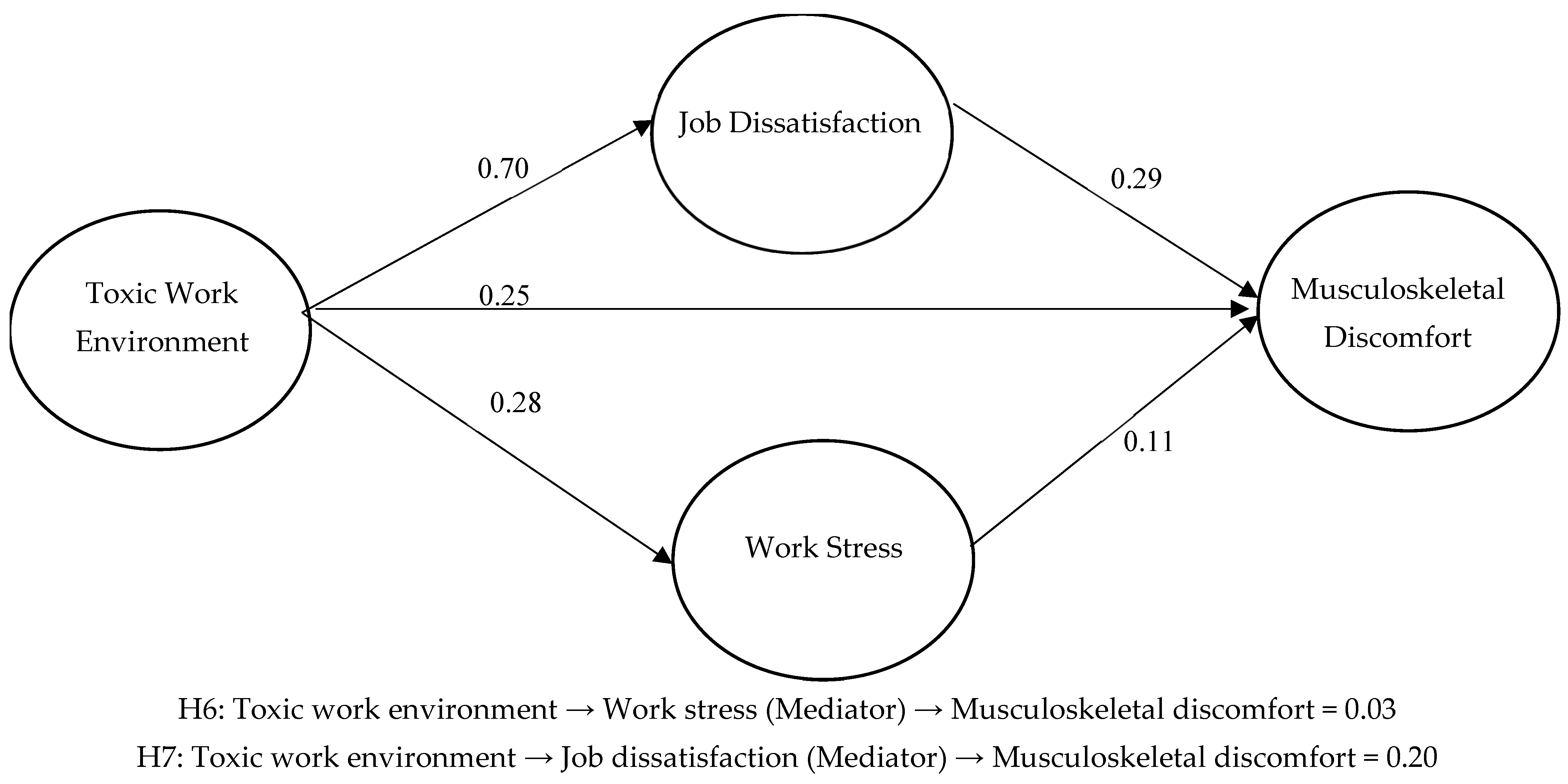
Figure 1. Structural equation modelling results.
Admsci 16 00079 g001
Table 1. Respondents’ profile.
Category Frequency (N = 302)Percentage (%)
GenderFemale21571.2
Male8728.8
Age18–2813243.7
29–398528.1
40 and above8528.1
Marital StatusSingle or divorced15350.7
Married14949.3
Job Tenure1–2 years 3611.9
3–5 years 7023.2
6–10 years15049.7
11 years and above4615.2
Source: Author’s work; N = sample size.
Table 2. Confirmatory factor analysis.
FactorIndicatorEstimateSEZpStand. Estimate
TWENTWE10.9790.051119.15<0.0010.884
TWE20.8470.045318.71<0.0010.871
TWE30.8430.048517.40<0.0010.833
TWE40.7900.049016.14<0.0010.793
JDISSJDIS10.8470.046918.05<0.0010.853
JDIS20.9250.045920.18<0.0010.917
JDIS30.8730.050317.34<0.0010.835
WRSTWST10.9230.059015.65<0.0010.799
WST20.9120.060515.08<0.0010.779
WST30.9130.059615.33<0.0010.788
WST40.8420.061913.59<0.0010.723
MSDMSD10.8820.055315.96<0.0010.823
MSD20.8670.059914.48<0.0010.764
MSD3 ¥
MSD40.6820.059811.41<0.0010.638
Notes: TWEN = Toxic Work Environment; JDISS = Job Dissatisfaction; WRST = Work Stress; MSD = Musculoskeletal Discomfort; ¥ = deleted during the analysis.
Table 3. Correlations, reliability, and validity.
CRAVEMSVMaxR(H)TWENJDISSWRSTMSD
TWEN0.9100.7160.5480.9140.846
JDISS0.9020.7550.5480.9110.740 ***0.869
WRST0.8560.5970.1290.8580.300 ***0.282 ***0.773
MSD0.7960.5010.3940.8430.628 ***0.621 ***0.360 ***0.708
Notes: TWEN = Toxic Work Environment; JDISS = Job Dissatisfaction; WRST = Work Stress; MSD = Musculoskeletal Discomfort, MSV: Maximum Shared Variance, MaxR(H): Maximum H Reliability, CR: Composite Reliability; AVE: Average Variance Extracted; Source: Author’s work, *** Significant at 0.001 level.
Table 4. HTMT Ratios.
TWENJDISSWRSTMSD
TWEN
JDISS0.69
WRST0.260.25
MSD0.520.540.27
Notes: TWEN = Toxic Work Environment; JDISS = Job Dissatisfaction; WRST = Work Stress; MSD = Musculoskeletal Discomfort.
Table 5. Model Fit Statistics.
MeasureEstimateThresholdInterpretation
CMIN130.738----
DF82----
CMIN/DF1.594Between 1 and 3Excellent
CFI0.981>0.95Excellent
NFI95.2>0.95Excellent
TLI97.6>0.95Excellent
IFI98.1>0.95Excellent
SRMR0.045<0.08Excellent
RMSEA0.044<0.06Excellent
PClose0.731>0.05Excellent
Notes: CMIN = Chi-square, DF = Degrees of Freedom, CFI = Comparative Fit Index, NFI = Normed Fit Index, TLI = Tucker–Lewis Fit Index, IFI = Incremental Fit Index, SRMR = Standardized Root Mean Squared Residual, RMSEA = Root Mean Square Error of Approximation, PClose = Close Fit for the Model.
Table 6. Hypotheses testing.
Hypothesesβp ValueLLCIULCIDecision
Direct effects
H1: TWEN → WRST0.28<00.0000.16570.4005Supported
H2: TWEN → JDISS 0.70<00.0000.62000.7887Supported
H3: TWEN → MSD0.25<00.0000.14440.3674Supported
H4: WRST → MSD0.11<00.0000.03220.1883Supported
H5: JDISS → MSD0.29<00.0000.18670.4040Supported
EffectBootSELLCIULCIDecision
Indirect effects
Total Effects0.230.04780.14670.3357
H6: TWEN → WRST → MSD0.030.01460.00700.0637Supported
H7: TWEN → JDISS → MSD0.200.04610.11930.2997Supported
Notes: TWEN = Toxic Work Environment; JDISS = Job Dissatisfaction; WRST = Work Stress; MSD = Musculoskeletal Discomfort, β = Beta coefficient, LLCI = lower limit within 95% confidence interval; ULCI = upper limit within 95% confidence interval, Source: Author’s work.
Disclaimer/Publisher’s Note: The statements, opinions and data contained in all publications are solely those of the individual author(s) and contributor(s) and not of MDPI and/or the editor(s). MDPI and/or the editor(s) disclaim responsibility for any injury to people or property resulting from any ideas, methods, instructions or products referred to in the content.



