


Abstract
This article presents an Artificial Intelligence and Internet of Things (AI–IoT/AIoT) decision-making framework for smart water management and sustainable aquaponic systems. The framework connects sensors, IoT telemetry, machine learning algorithms, and real-time monitoring of key water quality parameters, with the aim of early detection of deviations, operational decision support, and risk reduction in system management. A special contribution of the paper is that water is viewed simultaneously as a limiting resource, a biological factor and an operational cost. The proposed framework defines the structure of a decision support system, including monitoring of temperature, pH value, dissolved oxygen, ammonia/ammonium, EC/TDS value, water flow, feeding regime, and basic biological indicators. In the methodological sense, the paper presents a conceptual-methodological framework based on publicly available data, scenario estimates, and a clearly defined protocol for future pilot validation of high-frequency operational data. In addition to the technical architecture, the framework includes elements of responsible application of AIoT systems: data quality control, sensor deviation and drift detection, model explainability through XAI/SHAP, data transfer security, and the possibility of human confirmation before risky interventions. The economic part of the paper shows ROI/NPV as a scenario estimate, based on explicit assumptions about costs, resource consumption and possible operational savings, and not as a confirmed financial result. The framework is aligned with the principles of the circular bioeconomy, as it links the monitoring of water quality, the reduction in nutrient losses, the reuse of resources, and better planning of interventions in aquaculture and aquaponics. The results indicate the potential of AIoT approaches to improve monitoring, transparency and operational decision-making, while the actual effects on productivity, water consumption, food consumption, energy, and economic sustainability must be confirmed in a pilot phase.
1. Introduction
Digital transformation is becoming increasingly important in aquaculture and aquaponics, especially through the application of artificial intelligence (AI), sensor systems, and the Internet of Things (IoT). In this paper, AIoT refers to the connection of AI models with IoT sensors, telemetry, and decision support systems, where sensors enable continuous data collection, while AI models can support real-time prediction, risk classification, and operational decision-making. The actual accuracy and utility of such models must be validated on operational pilot data.
Their application, although promising, is still in the early stages of development and is limited to pilot projects or individual system components. The lack of standardized methodologies, interoperability, and scalable models is a key obstacle to the wider implementation of digital technologies in aquaculture. There is a clear research gap here: many existing AIoT approaches in aquaculture remain at the level of partial solutions (isolated sensor modules or individual models), without an end-to-end closed-loop architecture, without a minimal evaluation protocol (time-aware validation, baseline models, and metrics), and without an engineering built-in layer of trust (data quality, drift, security, and explainability).
RAS and aquaponic systems require precise management of water, nutrients, and biological balance, because inadequate management of nitrogen, phosphorus, and organic residues can lead to loss of resources and deterioration of water quality. The study deliberately integrates circular economy principles. In developing the architecture of the AIoT-based decision support system, priorities were set on waste reduction, direct reuse of treated water, and nutrient recycling. Unlike traditional monitoring systems, which focus solely on meeting water quality requirements, the developed model quantifies the dynamics of nutrient loading in each feeding cycle and links it to a decision support module. The proposed framework considers the possibility of directing nutrient-rich flows towards plant systems or other forms of valorization, as well as adapting recirculation to reduce liquid discharges, but the actual effectiveness of such interventions must be confirmed in pilot conditions [1,2]. This cyclical approach transforms aquaculture byproducts from an environmental problem into a renewable resource, linking water, food, and energy into a single chain, reducing waste [3].
The key challenge is “responsible learning” in AIoT environments: measurement reliability, sensor drift, data security, transparency of AI decisions, and the possibility of human-in-the-loop control. Many systems do not take into account local ecological and socioeconomic specificities, which reduces their long-term sustainability [1,2,3,4]. A comprehensive approach is necessary, which combines biological processes (such as the growth of fish and plants), technical aspects (like water quality, energy efficiency, and automation), and economic indicators (including costs, profitability, and system resilience). This integrated approach is especially important for closed and semi-closed systems (RAS/aquaponics), where even small deviations in pH, temperature, or dissolved substances can cause cascading biological and economic consequences. The approach enables the adaptation of system management to local conditions and climatic pressures through precise monitoring, clear intervention thresholds, and risk assessment [5,6,7]. The AI framework proposes digital architecture that connects sensor data, predictive models, DSS logic, and economic scenarios. The AIoT architecture in this paper defines data flows and closed-loop DSS for water quality management, while simultaneously monitoring risk, measurement reliability, and model explainability (XAI). The basis is laid for smarter management of aquaponic systems, whereby the effects on productivity, resource consumption, and savings are seen at this stage as scenario estimates and must be confirmed through pilot validation [8,9]. The aim of the paper is to propose an AIoT framework for aquaponic systems that connects sensor data, predictive models, DSS logic, responsible AI application, and economic scenario evaluation. The proposed model integrates sensor inputs, such as pH, TDS/EC, temperature, dissolved oxygen, and ammonia/ammonium, with algorithms such as LSTM, Random Forest, and XGBoost, and with DSS recommendations for possible remedial actions, including recirculation, aeration, pumping, and feeding regime. In this phase of work, these models and mechanisms are defined at the level of design and proposed configuration; quantitative performance verification requires time-conscious validation on high-frequency operational data in a pilot environment. For the solution to be applicable in real conditions, the framework also includes components of responsible AIoT application: data validation, anomaly detection, concept drift, secure communication, and fail-safe control mechanisms (switching to manual mode when prediction reliability is low). The contribution of the work is: (1) a layered AIoT architecture for RAS/aquaponics with an explicit trust/responsible-learning layer; (2) defined DSS closed-loop and warning/intervention logic; (3) methodological framework for selecting variables and mapping indicators to operational parameters; (4) scenario-based economic assessment with explicit assumptions and limitations of transferability.
The work hypothesizes that the integration of sensor telemetry, AI models and DSS logic can improve the early recognition of deviations, support more precise water quality management, and enable more rational resource planning in aquaponic systems, provided that the performance of the system is confirmed through time-based pilot validation.
Effective implementation of AI solutions requires a stable broadband connection, sustainable energy sources, personnel education, and institutional readiness [10,11,12,13]. Without these elements, the digital transition remains at the level of experimental projects. In practice, this means that AIoT systems must be designed as a scalable infrastructure: with interoperable standards, secure data transfer protocols, and clear data governance, rulesCyprus is used in the paper as a reference Mediterranean context due to limited water resources, the importance of aquaculture, and the need for more efficient, digitally supported food production systems [14,15,16]. “Reference case” means the contextual framework and the availability of public indicators, while the empirical verification in a real RAS/aquaponics plant is part of the planned pilot phase.
The proposed framework is based on a systems approach that recognizes water as a key—and limiting—resource. By combining AI technologies and economic scenario assessments, the model can support decision-making and assess the feasibility of future investments in smart aquaculture and aquaponics. By integrating AIoT principles of responsible learning, the framework designs mechanisms that can contribute to a more reliable, transparent, and secure future implementation. The effects of these mechanisms (error reduction, savings, and system stability) in this phase are the assessment scenario and expected design outcomes, while the quantification will be confirmed through pilot validation and longitudinal monitoring. The plan for the next phase includes pilot implementation in a RAS/aquaponics environment with high-frequency sensor data, time-aware validation (rolling/blocked split), baseline models, defined metrics and thresholds for DSS interventions, and evaluation of economic and biological outcomes over time.
The paper is structured as follows. After the introduction, in which the scientific context, the research gap, the hypothesis, and the aim of the work are unified, the methodological part shows the architecture of the proposed AIoT framework, the choice of variables, the data flow, and the evaluation protocol. Then, scenario results and contextual indicators relevant to Cyprus and Mediterranean conditions are presented. After that, the proposed AIoT model is explained, including DSS logic, XAI/SHAP explainability, drift detection, and fail-safe mechanisms. The final part discusses the limitations of the work, conditions for future pilot validation, and possible implications for sustainable management of aquaculture and aquaponics.
Literature Background and Research Gap
Aquaponic systems represent a sustainable approach to food production that combines fish and plant cultivation in cycles, but their effectiveness depends on many factors, including biological balance, water quality, energy efficiency, and economic viability [17,18]. Precisely because of this multi-layered complexity, aquaponics is a suitable research and technological context for AIoT systems, where sensor infrastructure and AI together can support real-time monitoring, predictive analytics, and the development of controlled DSS interventions. The performance and accuracy of such systems must be empirically validated in a pilot environment with high-frequency operational data. For the effective management of aquaponic systems, especially in indoor and urban conditions, the use of tools based on artificial intelligence (AI) is important. Their operational value depends on the quality of the data, intervention thresholds, and empirical validation in the specific system. Sensors continuously monitor basic water parameters, pH value, temperature, oxygen concentration, and ammonia level. In the AIoT environment, this sensor layer represents the basis of telemetry (IoT sensing and data streaming), while decisions are made through predictive analytics and feedback control mechanisms (actuation). AI and IoT technologies can support the monitoring of water quality, food intake, fish growth, behavior, and possible signs of disease, especially through the processing of sensor and visual data. Intensification of aquaculture production processes, denser stocking in RAS, and the introduction of large quantities of feed also create favorable conditions for the spread of pathogenic microorganisms, which can lead to the extinction or diapause of aquatic fauna and even to fish kills. LSTM neural networks and Random Forest models are examples of AI algorithms [19,20,21,22]. This approach is important for recirculating systems (RAS), where energy costs and water treatment are key limiting factors [23,24]. Integration with renewable energy sources, especially solar systems, and optimization of the ratio of plant and fish biomass can contribute to greater efficiency, but the actual effects must be confirmed through systematic measurement and comparison with reference/base operating modes [25]. Advisory systems (DSS), such as digital twins and distributed sensor networks, represent important tools for predictive management and production stabilization, but only when their inputs, outputs, warning thresholds, and intervention rules are defined and validated. These systems aggregate data from multiple sources and suggest operational options in real time, including return on investment (ROI) analyses. In an economic sense, DSS and digital twin approaches can support ROI/NPV scenario analyses, but such assessments should be distinguished from the financial results confirmed in the operational pilot system. The literature indicates that the most useful DSS approaches are those that define: model inputs/outputs, warning thresholds, time-aware validation, as well as comparison with baseline solutions, because without this the “framework” remains descriptive and difficult to verify. Digitization of rural aquaculture may have wider development benefits, but such effects depend on local infrastructure, expertise, energy costs, regulatory framework and willingness of producers to use data-driven systems [26]. Such effects depend on local infrastructure, availability of skilled personnel, energy costs, regulatory framework, and willingness of producers to use data-based decision systems. Examples from the Mediterranean context can be used as illustrations of implementation conditions, but do not constitute proof of AIoT system performance in closed RAS/aquaponic conditions. Technological solutions achieve sustainable effects only when they are accompanied by infrastructure (broadband), staff training, and institutional readiness for data management and regulation (data governance). Research from 2024 documents the development of hybrid AI systems, which combine expert knowledge with deep learning techniques with the aim of improving the assessment of biomass dynamics and the efficiency of filtration systems [8,27]. Such hybrid approaches emphasize the importance of integrating domain knowledge with learning models, but also the need to base accuracy reporting on time-aware data partitions and transparent metrics. The integration of IoT sensors with predictive analytics enables the maintenance of optimal water quality and better control of nutrients [28,29] and investigates the application of AI technologies to maintain microbial balance in aquaponics, focusing on microbiome monitoring and simulation of nutrient flows [30]. From the literature emerges the need for a broader concept of intelligent aquaculture systems that connect sensors, prediction, DSS recommendations, control mechanisms, data management, and user supervision [31,32,33,34,35,36]. The research gap remains in the system connection of: (i) sensor reliability and drift, (ii) communication security, (iii) decision explainability (XAI), and (iv) an evaluation protocol that defines when DSS may initiate a closed-loop intervention. A particular gap in the literature concerns the link between technical model metrics, such as RMSE, MAE, precision, recall and F1-score, and practical DSS actions, such as warning, blocking intervention, or requesting operator confirmation. This work aims to develop and methodologically operationalize a framework (architecture and evaluation protocol) for decision-making in smart and sustainable aquaculture/aquaponics systems, while empirical validation of the performance of predictive models and DSS interventions is planned through pilot implementation. Special focus is on the responsible-learning layer: data quality, anomaly and drift detection, cybersecurity, human-in-the-loop, and fail-safe mode, as prerequisites for the safe scaling of solutions.
Table 1 compares current studies on the application of AI and machine learning methods in aquaculture in RAS, which are best suited for biofiltration-based aquaponics production. For each study, the sensors used (temperature, pH, dissolved oxygen, ammonium, etc.), AI/ML models (ranging from formal rule-based models to CNN, LSTM, XGBoost, Random Forest, and hybrid ensembles), model validation method, and the presence of four key components: XAI, data drift detection, automatic fail-safe, and application areas are listed.
Table 1.
Modern application of AI and machine learning methods in aquaculture.
As can be seen, most studies do not use XAI and do not track sensor drift (marked with ✗ in Table 1). The exceptions are the work [43] with outlier detection and alerting, and research [37] with automated control. Review articles from 2025 mention XAI and fail-safe systems, but without technical implementation.
The last row of Table 1 shows the design characteristics of the framework proposed in this paper. In the proposed framework, XAI/SHAP is envisioned to explain the contribution of individual variables to the prediction, while PHT or similar drift detection procedures are envisioned to monitor changes in sensor data and reduce the risk of unreliable interventions. A hybrid LSTM + Random Forest + XGBoost ensemble is proposed as the AI model. Embedded sensors record RAS and aquaponics data. The model has not been empirically validated as an operational system at this stage; it is presented through a scenario analysis and a projected protocol of future pilot validation. The scope of application is expanded from aquaculture to aquaponics. Table 1 shows that contemporary research is gradually moving away from simple rules and isolated models towards more interpretable, safer and more resilient aquaculture and aquaponic systems.
2. Methodology
To develop an integrated model for decision-making in aquaponic systems, a multi-layered methodology was applied that combines the analysis of available data and the conceptual design of a digital model of the future. The methodology is structured as an AIoT (Artificial Intelligence of Things) approach, where through sensor telemetry, predictive models and feedback control mechanisms, real-time decision-making is ensured, with the principles of reliability and responsible learning. Considering the limitations in accessing real, complete and high-frequency operational data from existing systems, the proposed framework is based on the potential integration of sensor networks, algorithms and evaluation mechanisms that can be developed and tested in future implementation phases. At this stage, validation relies on available open data sources [48,49,50,51] and scenario-based simulations, with a defined future empirical verification procedure through pilot implementation on farms. In this phase of the work, “validation” refers to the architectural and methodological consistency check (definition of variables, data flows, trust mechanisms and evaluation protocol), as well as the analysis scenario on open sources; empirical validation of model performance and DSS intervention will be conducted in a pilot phase on high-frequency operational data. For minimal reproducibility in this version of the paper, the following are explicitly defined: (1) selection of variables and data sources; (2) time windows and frequency (monthly/quarterly for public indicators; planned minutely/hourly/daily for pilot sensor data); (3) preprocessing steps (unit harmonization, missing values processing, noise filtering, seasonality control where applicable); (4) rules for mapping indicators to operational variables and DSS thresholds.
The proposed model consists of three related parts. In the first part, the sensors continuously measure the basic water parameters—temperature, pH, amount of dissolved oxygen, and ammonia. This layer represents the IoT sensing and telemetry layer (collection, noise filtering, processing of missing values), with quality control of sensor measurements and deviation detection (sensor drift monitoring). In the second part, that data is processed with artificial intelligence (AI)—using algorithms such as Random Forest, LSTM, and XGBoost—to recognize patterns and predict changes. In the second layer, AI models are executed on edge/cloud infrastructure (subject to latency and energy constraints), implementing responsible learning mechanisms: model performance monitoring, concept drift detection, and explainability (XAI). In the third part, based on those predictions, the model gives clear advice to growers on how to adjust watering systems, water flow, and feed dosing [52,53]. The third layer functions as a Decision Support System (DSS) with human-in-the-loop control and fail-safe mode: when the reliability of the prediction is low, the system suggests manual verification or switching to conservative parameters. For practical implementation, a modular AIoT architecture with defined model inputs/outputs, sampling frequency, and DSS intervention logic (warning thresholds, operator confirmation, and fail-safe mode) is proposed. The economic part presents scenario-based estimates of ROI/NPV/IRR with explicit assumptions (CAPEX/OPEX, energy and food prices, system scale, cost of sensors/automation) and a unique time horizon in the analysis. Cyprus is considered a reference Mediterranean case for future pilot implementation because it has major challenges in water management and plays an increasingly important role in aquaculture in the Eastern Mediterranean [54,55,56]. In the methodological sense, Cyprus is used as a reference Mediterranean case, which enables the transferability of the model to regions with similar climatic stress and resource limitations. The transferability of the framework is conditional and limited by differences in infrastructure readiness, energy prices, regulation and water availability; therefore, economic and operational conclusions are treated in this phase as an assessment scenario and design assumptions.
In this phase, the paper presents the AIoT architectural and analytical framework with validation through available data sources and scenario evaluation; the next phase includes empirical verification on real high-frequency data in cooperation with research institutes and producers in aquaculture. In this way, the system gets the necessary flexibility and the possibility of local adaptation, but at the same time it requires investments in infrastructure, training of personnel and empowerment of rural communities [57]. Data governance standards, cyber-security, as well as a transparent description of model limitations and risks of automated decision-making are necessary for the responsible application of AIoT solutions. Such a methodology not only lays the groundwork for future empirical research, but also for the creation of policies that support smart specialization and green transition in the aquaculture sector (Figure 1). A minimal evaluation protocol for predictive models and DSS is introduced here: time-aware data splitting (rolling/blocked split), comparison with baseline models, defined metrics (RMSE/MAE/MAPE for regression; precision/recall/F1 for event classification), and acceptance thresholds for triggering warnings and interventions.
Figure 1.
Layered AIoT architecture for aquaponics decision support and responsible control.
The proposed model is based on a simplified layered architecture that integrates sensor and IoT telemetry, AI analytics, DSS-based decision support, actuation mechanisms, and a horizontal trustworthy/responsible AI layer in aquaponic systems. In accordance with the AIoT approach, the architecture also includes a horizontal trust layer that includes communication security, data management, explainability of predictions, and model performance monitoring. This layer is not just an additional technical component, but a condition for the safe application of DSS recommendations, because it connects data quality, model uncertainty, drift detection and the possibility of human intervention. At the base of the system is a sensor layer, whose function is to continuously collect key water quality parameters—including temperature, pH value, dissolved oxygen level and ammonia concentration. In the pilot phase, the sensor layer should document the measurement frequency, sensor calibration procedures, missing values processing, noise filtering and rules for sensor drift detection. These data represent input variables that are passed to the central processing layer. Before forwarding to the AI layer, data quality checks, noise filtering, and sensor drift detection are performed, which may increase the reliability of DSS recommendations, but the actual effect of these procedures must be evaluated during pilot validation. The central part of the model is an artificial intelligence layer that uses a combination of machine and deep learning algorithms. In the proposed architecture, Random Forest can be used for risk classification and ranking of the importance of input factors, LSTM for modeling weather patterns, and XGBoost for predicting continuous variables, such as biomass, energy consumption, or water quality changes. Their real role, accuracy, and robustness will be determined during pilot validation through comparison with base models, such as persistence forecast, moving average, and rule-based threshold control. The model adaptation represents the proposed mechanism in system design, while its efficiency and stability will be quantified in pilot validation.
The decision-making layer generates concrete operational recommendations based on the output of the AI layer. This segment provides opportunities for corrective mechanisms such as water pumping and recirculation, lighting and temperature management, and food dosing. DSS recommendations can be generated in real time with the aim of supporting biological stability, more rational use of resources, and better operational control, but the actual biological and economic effects must be confirmed in the pilot phase. The goal is to increase the efficiency and stability of management; in this paper, these effects are treated as expected project outcomes, while their empirical confirmation requires pilot validation on high-frequency operational data. In order to ensure the safety of system operation, DSS implements fail-safe logic and human override: when predictions are uncertain or outside expected limits, automatic interventions are limited or require operator confirmation. The redesign presents the main data and decision flows more clearly, from the aquaponic system and sensors, through edge/cloud AIoT analytics, to monitoring, control actions, responsible AI mechanisms, and the model update/validation loop. This layer includes pumps, feeders, sterilizers, oxygenators, and other components for maintaining stable and optimal conditions in aquaponic systems (Figure 2). It is clarified that data from the open marine environment (e.g., Copernicus/CMEMS) is not a validation of a closed RAS/aquaponics system, but a reference context for the hypotheses and analysis scenario; closed recirculation dynamics, feeding, biofiltration, and local operational practices must be evaluated on pilot data.
Figure 2.
AIoT-based aquaponics monitoring, prediction, and decision-support framework.
The connection between the layers is not linear, but based on a closed feedback loop, allowing the system to learn through iteration and local adaptation. This closed feedback loop is the basis of the “responsible learning” paradigm in AIoT: the model is updated in a controlled manner, with performance monitoring, detection of changes in data patterns, and verification of the reliability of predictions. This creates the basis for a long-term stable, smart and energy-efficient aquaponic system, which is applicable in different geographical and climatic conditions, especially in regions with limited resources like the Eastern Mediterranean. This approach is applicable in different geographical and climatic conditions, with limitations on portability and mandatory pilot validation before claims of performance in real-world conditions.
Operational Evaluation Protocol for Pilot Validation
The operational evaluation protocol for the future pilot validation is based on a temporal approach, because data on water quality, feeding, and biological growth in RAS/aquaponics systems are time-dependent.
Target variables for predictive evaluation include pH, temperature, dissolved oxygen, ammonia/ammonium, EC/TDS, water flow, energy consumption, feeding regime, and, when available, biological indicators such as growth, mortality, and feed conversion ratio. Predictive horizons should be defined according to operational importance: short-term warnings ranging from 15 to 60 min, daily stability of water quality in a 24 h horizon, and weekly or monthly indicators for biological and economic effects (Table 2).
Table 2.
Pilot fail-safe and human-override policy.
LSTM, Random Forest, and XGBoost models will be compared with baseline models, including persistence forecast, moving average, and rule-based threshold control. RMSE, MAE, and MAPE will be used for continuous variables, while precision, recall, and F1-score will be used for event/alert classification.
The initial warning thresholds will be defined based on the literature, expert judgment, and safe operating ranges for the specific system. Thresholds will be recalibrated based on actual data distributions, seasonal and diurnal oscillations, model performance, and operator feedback. A DSS recommendation can only be accepted if the model shows better performance than the baseline approach and if the prediction uncertainty is within an acceptable range. Otherwise, the system issues a warning but does not trigger an automatic intervention without human confirmation.
3. Results and Pilot-Design Targets
As contextual background for the scenario assessment, Cyprus aquaculture production in 2023 was approximately 5.7 thousand tons, with an estimated value of about 39.1 million euros, according to EUMOFA/Eurostat indicators. Aquaculture accounted for 89.0% of the total fisheries production in Cyprus in 2023, which confirms its importance in the national fisheries and aquaculture sector [57,58]. Sea bass (Dicentrarchus labrax) and sea bream (Sparus aurata) are the most common species, with shellfish and crabs accounting for a smaller proportion of total production. Despite the complexity of water circulation and management systems, there are still significant obstacles, high electricity costs, and a lack of predictive systems that would enable optimization, more precise monitoring, early warning, and decision support in the field of water quality and nutrition. The results in this section represent scenario-based assessments and target design values, based on publicly available indicators, relevant studies, and assumptions stated in the methodology, while empirical verification will be conducted in the pilot phase on high-frequency operational data.
The framework points to possible ways of improving management through sensor telemetry, predictive analytics, and real-time DSS recommendations, with the condition of pilot validation. The results in this paper are presented as scenario-based assessments and expected operational effects, based on publicly available data and relevant studies. Scenario-based estimates define a target feed-use reduction of 10–15% compared with a baseline feeding regime. This target should be interpreted as a pilot-design assumption.
Within the model, these estimates are treated as target improvements that can be considered through future AIoT/DSS pilot-implementation, but must not be interpreted as already proven effects of the system: (i) early recognition of deviations in water quality, (ii) support for more precise feeding planning through predictive models, and (iii) DSS recommendations for recirculation, aeration and other control parameters, with fail-safe rules and operator confirmation when the risk is increased. Implementation of drift/anomaly detection can contribute to higher system reliability in high-frequency operating conditions, but this effect must be measured during the pilot phase. The model foresees the possibility of early warning of risky patterns (deviations in behavior and water parameters) in support of fish health management; claims of reduced antibiotic use require pilot validation and longitudinal follow-up. Cyprus, as a Mediterranean country with limited water resources, is a relevant Mediterranean reference case for considering the future pilot application of the AIoT framework, while broader effects related to green transition or rural development require separate socioeconomic validation (Table 3).
Table 3.
Cyprus aquaculture context and AIoT pilot-design targets.
These functionalities are realized within the AIoT architecture through the integration of biological indicators and sensor signals with the DSS alert system, where the “responsible learning” layer provides security, explainability (XAI), and human-in-the-loop control.
3.1. Connection of Data with the AI Model and Application in the Context of Cyprus and the EU
Effective application of the proposed AI framework in aquaculture relies on the synthesis of theoretical concepts and actual operational data. The following explains how key components of the model rely on information gathered in Cyprus and the European Union; publicly available indicators are used to support scenario assumptions, variable selection, and pilot-design targets. The proposed AIoT system is designed to collect and process high-frequency data from the RAS system (temperature, pH, oxygen saturation, ammonia), while at this stage validation and calibration rely on publicly available indicators and an assessment scenario for the Cyprus/EU context. Public indicators are used for contextualization (energy/water/market) and setting assumptions and thresholds of the DSS, while calibration and verification of model accuracy are carried out on high-frequency operational data in the pilot phase. Public/marine data is not a validation of a closed RAS/aquaponics system, but a reference context for hypotheses; closed recirculation dynamics, feeding, and biofiltration require pilot validation. The parameters are analyzed within the design through proposed models (e.g., LSTM) for deviation detection and predictive management [48,49,50,51,57,58,59,60,61,62,63,64], while interventions are implemented through DSS rules with human-in-the-loop and fail-safe mode. For reliability purposes, the AI layer includes monitoring of concept drift and sensor errors, while the DSS layer enables fail-safe mode and manual confirmation in situations of low reliability of predictions. One of the key variables for future pilot evaluation is water-use efficiency. Since water consumption is system-specific and not uniformly reported in public statistics, baseline water use should be measured directly in the pilot system. Any reduction target should therefore be treated as a pilot-design assumption rather than a verified sector-level indicator [54,55,56,57,58].
Cypriot aquaculture provides a relevant reference context for scenario-based ROI/NPV assessment. Each year, they produce about 5700 tonnes of fish, and the market is worth €39 million [56,57,58].
When it is put into action, it opens up new opportunities for digital skills development and building up the local workforce. Opportunities are opening up for new occupations in the domain of digital and green technologies, which is in line with European strategic priorities [54,55,56,57,58]. Market indicators further confirm the potential. In Cyprus, as much as 27.8 kg of fish is consumed per capita, more than the European Union average of 23 kg [58]. This data speaks in favor of high local demand and justifies the need for smarter and more precise production systems. In Section 3.2, patterns of seasonality and interdependence of variables from open EU/CMEMS sources on the surface layer are presented as a reference (proxy) context for the selection of input variables and the design of explainability.
3.2. Quantitative Analysis Based on EU Databases
In continuation of the research, open data from the Eurostat, EUMOFA, and Copernicus/CMEMS databases were used as a proxy reference context for Cyprus, with the aim of supporting the selection of variables and the initial design of DSS thresholds, but not as an operational validation of the closed RAS/aquaponic system [64,65,66,67,68,69,70,71]. This section presents a contextual analysis of open EU and Copernicus sources, which serves to identify seasonal patterns and interdependence of parameters in the reference proxy environment, thereby strengthening the argument for the selection of input variables in the AIoT system.
A visualization of the relationship between the average water temperature and pH value in the Cyprus reference context (proxy time series) is shown (Figure 3). In the proxy representation, a seasonal inverse pattern is observed between average water temperature and pH values, with lower average pH values recorded during the warmer months. This pattern should not be interpreted as a direct representation of short-term pH dynamics in a closed RAS/aquaponic system. The display indicates seasonal patterns in the input variables, which is methodologically important for time series models (e.g., LSTM), because it indicates stable seasonal patterns relevant for defining input variables and warning thresholds in the DSS layer. Such patterns can help formulate initial DSS thresholds and hypotheses for future pilot validation, but do not prove that the system will optimize a closed RAS/aquaponics process. Warning thresholds must be calibrated on actual high-frequency data from the pilot system.
Figure 3.
Monthly variation in water temperature and pH value in Cyprus reference dataset.
The visualization shown uses proxy time series from open sources for the reference Cypriot context and illustrates monthly changes in temperature and pH as a seasonal pattern relevant to the design of DSS thresholds in the pilot phase. This does not exclude short-term diurnal increases in pH, for example during sunny afternoon periods when photosynthesis can reduce dissolved CO2 and temporarily increase pH (Figure 4).
Figure 4.
Distribution of monthly average values of temperature and pH in the proxy reference data set for Cyprus. Source: Copernicus Climate Data Store for monthly sea temperatures in the Mediterranean, Eurostat for aquaculture data, EUMOFA/Cypriot Aquaculture for flow and production.
The boxplot shows the variability of monthly average proxy values for both parameters—this visualization not only enables the analysis of seasonal changes, but also highlights periods of seasonal variability that may be relevant for defining future pilot monitoring ranges and initial DSS alert thresholds. Based on such patterns, the inclusion of time-dependent models, such as LSTM networks, in future pilot validation can be justified. However, LSTM models must be trained and tested on high-frequency operational data from a closed system. In future AIoT implementation, such patterns can serve as an initial basis for the development of drift/anomaly detection rules, but actual drift thresholds must be calibrated in a pilot system before issuing DSS recommendations or controlled interventions. Using data from the Copernicus Marine Environment Monitoring Service (CMEMS) for the coastal area of Cyprus (34.92° N, 33.68° E) in January 2025, a correlation matrix was created that includes six key seawater quality parameters: nitrates (NO3), phosphates (PO4), ammonia (NH4), CO2 flux at the surface (FgCO2), silicates (Si), and pCO2 in seawater (spCO2). This data set represents a biogeochemical reference frame (coastal biogeochemical context) that is used as a supplementary empirical basis for the selection of relevant input variables and the analysis of interdependence of parameters (Figure 5). These CMEMS findings serve as a surface proxy context for hypothesis formulation and input selection; transfer to a closed RAS/aquaponics system has limitations due to recirculation, feeding, biofiltration, and controlled operating modes. In closed aquaponic systems, pH and temperature can vary significantly over the course of a day due to feeding, aeration, microbial activity, biofiltration, and photosynthesis. Therefore, monthly proxy averages are only useful for preliminary design, while operational control must be based on minute or hourly sensor data from the pilot system.
Figure 5.
Correlation matrix of key biogeochemical parameters in the coastal (surface) CMEMS reference dataset for the Cyprus zone.
Source: CMEMS Copernicus Marine Service, dataset: MEDSEA_ANALYSISFORECAST_BGC_006_014, Time frame: January 2025, layer: surface (~14 m), location: coastal zone of Cyprus (34.92° N, 33.68° E); variables: NO3, PO4, NH4, Si, FgCO2 (surface CO2 flux) and spCO2.
This dataset serves solely as a coastal biogeochemical proxy framework for variable interdependence analysis and input parameter selection. The selected data layer serves for consistent analysis of parameter interdependencies within the available CMEMS profile, and is used as a reference biogeochemical basis, not as a direct measurement in the RAS system. The correlation analysis shown in Figure 5 and Figure 6 provides a descriptive insight into the covariation of parameters in the coastal surface proxy context of Cyprus and supports the selection of candidate variables for the AIoT architecture. The correlation matrix (Figure 5) shows several strong relationships between nutrients and gas parameters, but these findings are interpreted solely as a “proxy” description of coastal conditions and not as direct measurements in closed RAS/aquaponics systems. Such patterns may reflect the common variability of parameters in the analyzed coastal proxy set, but are not used in this paper to identify sources, anthropogenic influence, or cause-and-effect relationships. They serve exclusively for the design of monitoring, the selection of candidate variables, and the formulation of hypotheses for future pilot validation [65]. Correlation analysis on the CMEMS surface layer shows patterns of interdependence between nutrients (NO3, PO4, NH4), silicate (Si), spCO2, and FgCO2. Since FgCO2 represents surface CO2 flux, these relationships are interpreted as proxy indicators of coastal biogeochemical conditions useful for input variable selection and explanatory design. Silicates (Si) in the new CMEMS surface subset show a very strong positive correlation with NO3 (r = 0.98) and PO4 (r = 0.99), while the connection with FgCO2 is very weak (r = 0.02). These relationships are interpreted here as coastal biogeochemical proxies and are used primarily for selection of input variables and formulation of hypotheses, without claims of causality and without interpretation as validation of closed RAS/aquaponics systems [60]. In the results, spCO2 shows negative correlations with NO3 (r = −0.72), PO4 (r = −0.66) and Si (r = −0.61), as well as a weak negative correlation with FgCO2 (r = −0.24), while the connection with NH4 is moderately positive (r = 0.41). These findings describe the interdependencies of variables in the coastal (surface) biogeochemical context and serve as a reference framework for monitoring design and selection of input variables in the AIoT architecture; validation of predictive performance and transferability to closed RAS/aquaponics dynamics require pilot testing on high-frequency operational data. In AIoT design, the results support multi-parameter monitoring and conservative DSS: correlations are used for feature selection, defining thresholds and alert logic, while the reliability of predictions is checked by time-aware validation (time-aware split) in the pilot phase. The presented patterns of covariation provide a helpful empirical basis for the selection of variables and the design of future predictive experiments, but do not constitute proof of model accuracy/performance. Correlations can be used for input selection (feature selection) and for the development of explainability modules (e.g., SHAP), which transparently display the contribution of each variable to the prediction. Scatter plots illustrate pairwise relationships between selected parameters in the coastal surface CMEMS proxy dataset (Figure 6). The regression lines and Pearson correlation coefficients provide descriptive statistical evidence of co-variation within this proxy dataset.
Figure 6.
Pairwise correlations between selected biogeochemical parameters in the coastal surface CMEMS proxy dataset for Cyprus (January 2025). Source: CMEMS—Copernicus Marine Environment Monitoring Service, dataset: MEDSEA_ANALYSISFORECAST_BGC_006_014, January 2025, surface layer (surface; ~14 m); Location coordinates: latitude and longitude in the Cyprus coast zone (34.92° N, 33.68° E).
One of the important findings is the pronounced positive correlation between nitrate and phosphate concentrations (r = 0.99, according to Figure 6, surface CMEMS subset). This correlation indicates a strong covariation of nitrate and phosphate in the analyzed coastal proxy data set. In the analyzed data set, a negative correlation was observed between PO4 and NH4 (r = −0.87), as well as between Si and NH4 (r = −0.91). These relationships are interpreted in the paper only as patterns of co-variation in a coastal proxy context, with no claims about biological mechanisms or competitive absorption. The relationship between spCO2 and surface CO2 flux (FgCO2) is weak and negative in this subset (r = −0.24; Figure 6). These results should be used as a descriptive proxy of the selected coastal context. In the surface subset, a negative relationship is observed between NO3 and NH4 (r = −0.84) and between PO4 and spCO2 (r = −0.66), as well as between NO3 and spCO2 (r = −0.72) and Si and spCO2 (r = −0.61), which indicates that the relationships of nutrients and CO2 parameters in the coastal proxy context can change depending on space/time and the choice of variables. These results indicate the existence of co-variation structures among chemical parameters in the analyzed coastal proxy set. They support the inclusion of multiple parameters as candidate variables in future models. These findings are interpreted as correlation structures in the coastal (surface) CMEMS proxy framework and serve for the selection of input variables and the design of DSS warnings; operational predictive accuracy and causal mechanisms must be confirmed by time-aware validation on high-frequency RAS/aquaponics data in the pilot phase. Statistically significant correlations indicate structured interdependencies and patterns in the reference (proxy) coastal context, which supports the inclusion of variables as candidate inputs to future models in the pilot phase. These findings do not represent a validation of the accuracy of the predictive model, but an argument for the relevance of the variables and the need for time-aware validation on high-frequency RAS data. These empirical indicators from EU databases do not represent the final validation of model performance, but support the selection of candidate variables and the identification of seasonal proxy patterns for future pilot testing.
4. Proposed AIoT Model for Aquaponics
The proposed AIoT model represents a framework for decision support in aquaculture and aquaponics systems, but at this stage it is not presented as an empirically validated operating system. It links technical and biological data to DSS recommendations for resource management, while actual effects on efficiency, system stability and production must be confirmed in a pilot phase. The model is based on data from the sensor layer, including temperature, pH, dissolved oxygen, ammonia/ammonium, EC/TDS, water flow, feed intake and, when available, biological indicators such as fish behavior, spatial distribution, growth and mortality. These data can be used in the future pilot phase to test models such as Random Forest, LSTM, and XGBoost, whereby each model must be compared with base methods, such as persistence forecast, moving average, and rule-based threshold control. In the proposed hybrid approach, LSTM would be used to monitor weather patterns and short-term oscillations of water quality, Random Forest for risk classification and assessment of the importance of input variables, while XGBoost could be used for more accurate prediction of continuous operational indicators, such as changes in water quality, energy consumption, or biomass. The final DSS recommendation would not be based on a single algorithm, but on a comparison of model outputs, the level of uncertainty, and pre-defined rules for warning, human confirmation, or fail-safe mode.
In the AIoT approach, data collection is realized through sensor telemetry (IoT), while the AI layer can support prediction, risk classification, and generation of DSS recommendations in real time, supported by a DSS for operational decision-making (Figure 7).
Figure 7.
Proposed AIoT model structure for aquaponics monitoring, prediction, and DSS support.
The proposed DSS module envisages the possibility of developing algorithms to support feeding planning based on sensor inputs and predictive models, with the aim of future testing of adaptive feed dosing in pilot conditions. These computational components work in synergy with the biological dynamics modules, which assess the impact of water quality on fish growth and identify water not only as a physical resource but also as a key cost and constraint factor. An important contribution of this model is reflected in the proposed possibility of integration of physiological parameters of fish and plant biomass in complex aquaponic systems. The model proposes a multi-criteria DSS logic that can support decision-making related to operational costs, resource efficiency, system stability, and economic viability, where these effects are treated as scenario assumptions until pilot validation. In this approach, water is viewed both as a limiting resource and as a cost component, as treatment, recirculation, and energy requirements directly affect the operational efficiency of the system. The relevant literature emphasizes that models for sustainable aquaculture should not remain limited to laboratory conditions, but should also include operational factors, such as energy prices, regulatory requirements, system capacity, and market conditions. This design can support the analysis of the sensitivity of the system to external factors, such as changes in energy prices, regulatory requirements, and market pressures, thereby contributing to better planning and management, noting that robustness must be assessed through stated scenario assumptions. Scenario modules are proposed as part of a framework that can allow testing of different strategies without immediate risk to the biological system, which can be useful for planning pilot applications and evaluating scenarios in resource-limited areas, such as Cyprus. In contexts with limited water resources, this approach may be useful for data-driven planning of more efficient production, but actual effects must be confirmed through pilot application.
The proposed framework envisages the monitoring of operational indicators, such as energy consumption, water consumption per production unit, food intake, and water quality stability. The scenario modules can enable testing of strategies without risk to the biological system, which is relevant for regions with limited resources (e.g., Cyprus), where the efficiency of water and energy consumption directly affects the sustainability of production. This can help in assessing the possible cost effects and security constraints. The system does not make decisions independently, but uses collected data and analytics to support managerial decision-making through scenario assessment of ROI/NPV indicators and operational goals. In cases of increased model uncertainty, conflict between algorithms, missing data, or detected sensor drift, the system should issue a warning, block automatic intervention, or request operator confirmation. Given the multidisciplinary nature of the approach, the framework is aligned with contemporary research that emphasizes the importance of AI technologies in sustainable aquaculture, while broader effects on rural development require specific empirical and socioeconomic verification [63].
In accordance with the concept of “responsible learning”, the framework includes data quality control, monitoring of changes in patterns (drift), explainability of decisions (XAI), and the possibility of manual confirmation of interventions (human-in-the-loop), which increases the safety and trust of users (Figure 8). Although full validation requires pilot application in real conditions, at this stage the framework provides a structured basis for strategic planning and design of AIoT solutions for smart aquaponic systems.
Figure 8.
Integrated AI and sensor-based decision model for aquaponic resource management.
The analysis of open biogeochemical data (CMEMS, coastal zone of Cyprus, January 2025, surface layer) is used exclusively as a reference/proxy context for (i) seasonality verification and (ii) feature interdependence analysis, in order to argue the choice of input parameters and define hypotheses for future modeling; these data do not constitute calibration or validation of a closed RAS/aquaponics system. Key water quality parameters—nitrates (NO3), phosphates (PO4), ammonia (NH4), silicate (Si), as well as free and partial pressure values of carbon dioxide (fCO2 and spCO2) are mapped to the sensor layer as candidates for monitoring and future predictive models in the pilot phase (on operational RAS data), while CMEMS serves for contextual analysis of the relationship between variables [64,65]. The observed correlations between NO3, PO4, NH4, and Si indicate patterns of co-variation in the coastal proxy dataset, which supports their consideration as candidate variables for future pilot models, but does not confirm their predictive value in a closed RAS/aquaponics system. In a future pilot system, AI models can be tested to relate oscillations of water quality parameters to feeding regime and biological indicators of fish. Such a link could support more adaptive food dosing planning, but only after validation of operational data. The FgCO2 and spCO2 parameters in the CMEMS suite can help to understand proxy gas relationships in a coastal marine context, but should not be directly transferred to a closed RAS/aquaponics system without pilot testing. LSTM networks can be tested in the future pilot phase for predicting temporal oscillations of relevant water quality parameters. Silica may be relevant in coastal biogeochemical analyses, but its direct role in a closed aquaponics system must be carefully defined and experimentally confirmed. A relationship between nutrient availability and the plant segment of the system may be considered in a future pilot design, but this relationship cannot be proven based on CMEMS proxy data. In Cyprus, where water and seasonal resources are limited and variable, this approach is of importance [64,65,66,67,68,69,70]. According to [62,63], this concept is fully aligned with the modern principles of integration of AIoT technologies within smart agriculture and sustainable development. AIoT interoperability and modularity of the architecture can support future scaling of the solution, provided reliability, security, and transparency are confirmed through pilot validation and local adaptation.
Integrative Evaluation Methodology of AI Model
An integrative AIoT model evaluation methodology is proposed that links data quality, technical model metrics, DSS actions, and economic scenario indicators [71,72,73]. This methodology is intended for future pilot validation and does not represent an already implemented empirical evaluation. It consists of several main stages: data acquisition and evaluation, model training and comparison, selection of assessment metrics, linking model metrics with DSS actions, evaluation of individual and integrated models, integrated assessment, and comparison with baseline approaches.
The evaluation methodology includes the following stages. First, it is necessary to collect high-frequency operational data that reflect the real characteristics and dynamics of the specific RAS/aquaponics system. To ensure the reliability of input data, an initial expert assessment of data quality and relevance of variables is recommended. When multiple qualified experts participate in an assessment, inter-rater reliability can be calculated to document agreement between raters.
Models such as LSTM, XGBoost, and Random Forest should be trained and evaluated on time-separated pilot data, comparing individual models, ensemble approaches, and baseline methods. The goal is to reduce the bias that occurs when algorithms are evaluated in isolation, without considering their combined role in the DSS. It is necessary not only to evaluate the accuracy of individual models, but also to understand their roles in the decision support system. In the proposed evaluation, LSTM would be used for weather patterns and short-term oscillations of water parameters, Random Forest for risk classification and evaluation of the importance of variables, while XGBoost would serve for the prediction of continuous operational indicators. This defines the division of roles between the models before their integration into the DSS logic.
Selection of the assessment metrics for individual machine learning algorithms. According to the considered algorithms, these metrics should be based on accuracy assessment metrics, such as precision, recall, and F1-score, as well as regression-like metrics, such as RMSE, MAE, and MAPE, for time series forecasting tasks. For continuous variables, such as temperature, pH, dissolved oxygen, ammonia/ammonium, EC/TDS, and energy consumption, RMSE, MAE, and MAPE will be used. For events/alerts, such as exceeding thresholds, anomaly detection, or risk classification, precision, recall, and F1-score will be used.
The technical metrics of the model must be linked to concrete DSS actions. For example, if the model shows high uncertainty, if the input data is noisy, or if the outputs of different models do not agree, the DSS should issue a warning, block intervention, or require operator confirmation. With this, technical metrics are viewed as a basis for practical DSS decisions: warning, postponing intervention, requesting human confirmation, or switching to fail-safe mode. Economic indicators, such as ROI, NPV, or changes in energy, water, and food costs, should be analyzed as a scenario layer and linked to actual pilot records only after the collection of operational data.
Individual models should be evaluated separately, and then within an integrated DSS, to assess whether a combination of models and decision rules provides better results than simple baseline approaches.
Integrative evaluation should include comparison with basic approaches, such as persistence forecast, moving average, and rule-based threshold control. Conclusions about the effectiveness of the model can be formulated only after pilot validation, and not based on the architecture itself or proxy data.
This approach links model accuracy with DSS rules and economic scenario indicators. The key feature of this methodology is that the models are not only viewed in isolation, but also as part of a wider decision support system. In the pilot phase, individual models and eventual ensemble approaches will be compared with baseline methods, while DSS actions will be evaluated through warning thresholds, operator confirmation requirements, and fail-safe rules. Economic indicators will be treated as a scenario layer until actual operational data on energy, water, food, maintenance, and production performance is collected. Evaluation of the proposed AIoT model on real operational data is planned in a future pilot phase.
5. Discussion
Analysis of the January 2025 CMEMS coastal surface proxy data set indicates pronounced patterns of co-variation among selected nutrients, particularly nitrate (NO3), phosphate (PO4), and ammonium (NH4). Analysis of the CMEMS surface subset shows a very strong positive correlation between NO3 and PO4 (r ≈ 0.99), while NH4 shows a negative association with NO3 and PO4 (r ≈ −0.84 to −0.87), suggesting different co-variation patterns of ammonium, nitrate, and phosphate in that proxy subset. These patterns may reflect a combination of biogeochemical processes and local influences in the coastal zone, but are treated here as proxy indicators for monitoring design, without causal claims. This co-variation supports the use of a multi-parametric approach in AIoT monitoring and DSS logic, while the operational meaning of such patterns must be confirmed in closed RAS/aquaponics pilot data. These findings suggest that nutrient parameters (NO3, PO4, NH4) may be relevant candidate inputs for the AIoT monitoring and DSS layer, but they do not confirm their predictive value in a closed RAS/aquaponics system. In the subset, spCO2 shows negative correlations with NO3, PO4 and Si (r ≈ −0.72, −0.66 and −0.61), while the relationship between FgCO2 and other variables is weak (e.g., FgCO2–Si r ≈ 0.02; FgCO2–NH4 r ≈ 0.14; FgCO2–spCO2 r ≈ −0.24). These results suggest that in the observed coastal (surface) context, spCO2 varies oppositely to nutrients and silicates, while the CO2 flux proxy (FgCO2) does not behave as a strong linear follower of nutrient variables in this subset. Such relations are relevant for the design of alerts and thresholds in DSS, especially for conservative interventions and human-in-the-loop confirmation when signals diverge or when deviations are outside the expected seasonal distributions. Within the “responsible learning” approach, multi-parameter monitoring and XAI (e.g., SHAP) serve to explain the contribution of each variable to the prediction and to reduce the risk of wrong interventions.
By integrating these insights, DSS can use correlation patterns as part of feature selection and warning logic, while the actual predictive accuracy and transferability to closed RAS/aquaponics dynamics can be confirmed in the pilot phase on high-frequency operational data. The data collected by the sensors on the concentrations of NO3, PO4, and NH4 in the future pilot phase can be used to train and test models such as LSTM, Random Forest, and XGBoost. The AI layer generates recommendations (alerts + decision support) when it detects risky combinations (e.g., growth of NH4 and fCO2), while execution of interventions is foreseen in future implementation with fail-safe logic and human-in-the-loop confirmation. The key advantage of the proposed framework is its potential to function as part of a wider adaptive mechanism, in which biological indicators, such as organism growth and the efficiency of food and water use, can be incorporated as feedback during pilot implementation. The AIoT framework can extend classical monitoring approaches by connecting sensor data, predictive models, DSS rules, and human control. The consequence of this approach is a more precise and sustainable management of water resources per unit of production, although its biological and economic effects must be empirically confirmed in the pilot phase.
Compared to conventional approaches, which mainly rely on periodic monitoring and subjective human assessment, this model has the potential to improve risk management, timeliness of warnings, and transparency of decision-making. At this stage, the framework represents a structured basis for future pilot application on high-frequency operational data, which would empirically confirm the performance and reliability of the model in real conditions. Pilot validation should include time-aware data partitioning, comparison with baseline models, RMSE, MAE, and MAPE metrics for continuous variables, precision, recall, and F1-score for events/alerts, as well as documented fail-safe rules for DSS interventions. Promoting digital literacy and strengthening partnerships between research institutions, manufacturers, and local authorities can actively contribute to building more resilient rural communities. This aspect is relevant for the Mediterranean context (e.g., Cyprus), where digital infrastructure, personnel education and institutional readiness are prerequisites for a sustainable AIoT transformation of aquaculture.
5.1. Return on Investment (ROI) Analysis in Closed Aquaponics Systems
Based on publicly available contextual data on aquaculture in Cyprus and the EU, as well as scenario assumptions defined in the methodology, a framework of economic simulation was developed to compare different levels of digitization of aquaponics systems. Scenario simulations evaluate possible economic effects under defined assumptions about the CAPEX/OPEX structure, energy prices, food costs, system capacity, water regime, and degree of digitization. Within the proposed AIoT architecture, the detection of anomalies in fish behavior and water quality parameters is treated as a planned DSS functionality that requires pilot validation before any claims of reduced stress, mortality, or improved biological yield. The economic analysis, which used scenarios based on NPV and ROI calculations in a defined time horizon, may indicate a possible return on investment period of several years, depending on capacity, energy prices, the level of digitization, the size of the plant, and the subsidization of the digital infrastructure. It is important to emphasize that the ROI/NPV results in this work are scenario-based estimates, while full validation requires pilot implementation and empirical comparison with reference systems.
The proposed framework can be relevant for rural areas with limited access to water, as it provides for more precise monitoring of water consumption, energy flows, and the relationship between the water and plant segments of the system. This synergy of technology and ecological approach can support the planning of green transition and digitization of rural communities, in accordance with the EU Green Deal strategy. In addition to technical and economic benefits, the proposed framework has wider social significance. By encouraging smart specialization and creating new high-tech occupations, this approach can contribute to the development of more sustainable agriculture and aquaculture, but these social and ecological effects are seen in this work as a broader context of application. This scenario analysis provides a basis for planning future pilot projects, development of evaluation standards, and experimental validation in cooperation with aquaculture centers and research institutions [74,75]. Cyprus was used as a reference Mediterranean context for the scenario analysis due to limited water resources, the importance of aquaculture, and the availability of public sector indicators. The model uses seawater quality data for the Cyprus area from the Copernicus Marine Environment Monitoring Service database [49]. These data, which include temperature, dissolved oxygen levels, and concentrations of nitrogen and phosphate compounds, are the basis for modeling biological and chemical processes in the coastal biogeochemical context as a proxy reference frame. Based on these data, three simulation approaches were developed: a basic model without automation, a conventional model with basic sensors, and an advanced system optimized by the application of artificial intelligence, which includes adaptive management of nutrition in real time and continuous monitoring of water quality. Within aquaponic systems, special focus is placed on the plant segment, which includes limited space for plant growth and the need to carefully define the relationship between plant biomass, fish biomass, water flow, and biofiltration. This approach enables a comprehensive understanding of the functional balance of the system, in which biological, technical, and economic components work in mutual synergy, thereby achieving maximum efficiency and long-term sustainability of aquaponic production. This part of the model enables a comprehensive assessment of the development of aquaponic systems not only in the technical, but also in the economic context of sustainability. The parameters are aligned with modern experimental research on the effectiveness of aquaponic systems in limited climatic and spatial conditions. The results of the cumulative ROI are shown as scenario-based indicators of economic dynamics and serve primarily to compare the degree of digitalization and to plan pilot validation (Figure 9).
Figure 9.
Scenario-based cumulative Revenue/Cost ratio under different levels of aquaponic system digitalization.
A five-year simulation was run to compare three approaches: one without digital support, one with limited sensor use, and one with manual data analysis. The goal of this analysis was to assess, under defined scenario assumptions, how different levels of digitization can affect operational costs, resource consumption, and ROI dynamics. The comparative analysis made it possible to quantify the effects brought by the introduction of advanced analytics and predictive algorithms—both at the level of reducing food and water consumption, as well as in terms of increasing energy efficiency and reducing operational risks. Definition of ROI in Figure 9: In this paper, ROI is shown as a cumulative ratio of revenue and costs (Revenue/Cost ratio) by year; a value of 1.0 indicates break-even. This metric was chosen for comparability of scenarios.
The results show that the basic system has the slowest cumulative Revenue/Cost trajectory, while the traditional sensor system and the AI-optimized scenario achieve higher values during the five-year simulation period (Figure 9). Under the assumed scenario conditions, the AIoT-supported scenario shows the most favorable Revenue/Cost trajectory; however, the timing of break-even depends on assumed CAPEX, OPEX, energy prices, feed costs, production capacity, and expected savings.
These indicators do not confirm operational economic effects of AIoT implementation; they only support the hypothesis that higher digitalization may improve economic dynamics under defined scenario assumptions. Optimizing food, water, and energy, together with proactive systemic risk management, can support faster return on investment and lower operating costs, but these effects require empirical confirmation. These findings support the hypothesis that advanced analytics and predictive management can improve economic performance, but the final economic effect is confirmed only through pilot implementation and empirical comparison with reference systems.
5.2. Limitations and Future Work
While the proposed AIoT framework integrates multi-parameter sensing, predictive models, and a responsible DSS layer, several limitations remain. The contextual and correlation results are based on CMEMS data for the coastal zone of Cyprus, which are used as a proxy framework to support the design of multiparameter monitoring. That dataset represents open-marine conditions, not closed recirculating systems; it omits feeding regimes, biofilter activity, recirculation rates, and operational interventions. Consequently, the reported correlations among NO3, PO4, NH4, Si, and spCO2 serve only for feature selection and DSS alert logic. They do not demonstrate predictive performance in real RAS or aquaponics environments.
Our sensor-layer design, communication protocols, and calibration procedures derive from manufacturer datasheets and published literature. Therefore, key parameters including end-to-end latency, packet loss, power consumption, and calibration stability under corrosive, biofouling RAS conditions require measurement on a physically deployed system during a pilot phase. Likewise, the predictive models (LSTM, Random Forest, XGBoost) and the Page-Hinkley drift detection algorithm need re-validation on high-frequency operational data before any threshold can trigger automated actions.
As noted earlier, the ROI and NPV figures are scenario-based. Their values change with our assumptions about CAPEX/OPEX, energy and feed prices, system capacity, and the level of subsidy for digital infrastructure. Applying the framework outside Cyprus faces additional obstacles: broadband quality, regulations, and the readiness of local cooperatives and producers differ across regions.
Social aspects, including operator acceptance of the system, training needs, and the legal framework for semi-automated decisions in food production, are considered only preliminarily. A full interdisciplinary effort, combining engineering, economics, and social sciences, is necessary before large-scale deployment becomes feasible.
Future work will focus on four main tasks: (1) running a pilot at an actual RAS/aquaponics facility, with time-aware validation and a direct comparison to a non-digitalized reference system; (2) measuring latency and energy consumption on a real edge gateway; (3) long-term monitoring to see how well the drift-detection algorithm holds up across different seasons and species; and (4) an ex-post economic evaluation that compares operating costs and yields between the AIoT-enhanced setup and the reference setup.
6. Conclusions
The innovativeness of the proposed AIoT aquaponic framework is reflected in the connection of sensor monitoring, predictive models, DSS logic, and responsible AI components to support the management of aquaponic systems. Broader effects on rural development, digital transformation, and long-term sustainability of communities represent potential future implications, but are not empirically confirmed in this paper. In the context of the Special Issue theme (“Responsible Learning in AIoT”), the framework emphasizes the reliability, transparency, and security of decision-making (XAI, drift monitoring, human-in-the-loop). This proposed AI system can contribute to the sustainable management of aquatic agroecosystems. By combining sensor networks, machine learning and real-time analysis, the framework can support more accurate monitoring of water quality parameters, feeding regimes, and biological indicators of fish and plants. The great challenge of closed recirculation systems is overcome: excessive water consumption, high energy costs, and the difficult adjustment of the biomass ratio of plants and fish. The main value of the work lies in the comprehensive approach, which combines technical, ecological, and social aspects into a single whole. Using empirical indicators from open databases and scenario-based simulations, this research points to the potential of reducing operating costs, improving the efficiency of resource use, and strengthening system sustainability. Based on CMEMS/Eurostat open data, the analysis of seasonality and interdependence of variables additionally supports the choice of input parameters and the design of “multi-parameter” monitoring, but these findings are treated as a reference (proxy) framework, and not as a validation of a closed RAS/aquaponics system. Full validation requires future pilot implementation based on high-frequency operational farm data. ROI/NPV scenario analysis indicates possible economic trajectories under defined assumptions, but does not prove the profitability of the system without future pilot validation and comparison with reference systems. ROI/NPV findings in this study represent scenario assessments conditioned by model assumptions (e.g., energy prices, food cost, discount rate, system volume), and require empirical verification through a pilot and comparison with reference systems. This platform can serve as a foundation for the creation of policies that support rural development, digitization of agriculture, and better management of water resources.
That is why it is important to simultaneously invest in education, institutional support, and involvement of local communities. Based on the analysis of the obtained data, we also offer practical steps for different actors: we advise manufacturers to gradually and modularly implement the model into existing systems; we advise policy makers to use this framework when designing subsidies, innovative programs, and smart specialization in the bioeconomy; we recommend that researchers further develop interoperable platforms, advanced AI models for ecosystem management, and examine the impact of these technologies on biodiversity and social inclusion. In AIoT implementation, the priority should be interoperability (standardized protocols), cyber-resilience, and explainability of decisions to strengthen user trust and regulatory acceptability. This model is not only a way to increase production efficiency, but also a proposed technical and methodological framework—aquaculture that is intelligent, environmentally responsible, and socially just. It empowers local communities, connects advanced technology with real needs, and conserves natural resources.
Author Contributions
Conceptualization, methodology, formal analysis, investigation, resources, writing, visualization—V.M., A.F., O.O., V.L., A.R. and M.M. All authors have read and agreed to the published version of the manuscript.
Funding
This research was funded by the Russian Science Foundation, grant number 26-19-00326, https://rscf.ru/en/project/26-19-00326/ (accessed on 23 July 2026).
Data Availability Statement
The data presented in this study are available at the Ministry of Agriculture, Cyprus, https://www.moa.gov.cy, accessed on 15 March 2026; Copernicus Climate Data Store. Climate Monitoring Indicators for Europe. https://climate.copernicus.eu, accessed on 12 May 2026; Copernicus Marine Service: Biogeochemical Reanalysis Dataset. https://marine.copernicus.eu, accessed on 7 May 2026; Eurostat, https://ec.europa.eu/eurostat, accessed on 9 May 2026.
Conflicts of Interest
The authors declare no conflicts of interest.
Abbreviations
The following abbreviations are used in this manuscript:
| AI | Artificial Intelligence |
| AIoT | Artificial Intelligence of Things |
| IoT | Internet of Things |
| RAS | Recirculating Aquaculture System(s) |
| DSS | Decision Support System |
| XAI | Explainable Artificial Intelligence |
| LSTM | Long Short-Term Memory |
| RF | Random Forest |
| XGBoost | eXtreme Gradient Boosting |
| DO | Dissolved Oxygen |
| NH4 | Ammonium |
| NO3 | Nitrate |
| PO4 | Phosphate |
| fCO2 | CO2 fugacity |
| spCO2 | Dissolved CO2 speciation |
| TDS | Total Dissolved Solids |
| EC | Electrical Conductivity |
| pH | pH |
| SHAP | SHapley Additive exPlanations |
| ROI | Return on Investment |
| NPV | Net Present Value |
| IRR | Internal Rate of Return |
| RMSE | Root Mean Squared Error |
| F1-score | F1 score |
| EU | European Union |
| FAO | Food and Agriculture Organization of the United Nations |
| Eurostat | Statistical Office of the European Union |
| EUMOFA | European Market Observatory for Fisheries and Aquaculture Products |
| EEA | European Environment Agency |
| CMEMS | Copernicus Marine Environment Monitoring Service |
| CDS | Copernicus Climate Data Store |
| JRC | Joint Research Centre |
| STECF | Scientific, Technical and Economic Committee for Fisheries |
| CAPEX | Capital Expenditure |
| OPEX | Operational Expenditure |
| MAPE | Mean Absolute Percentage Error |
| MAE | Mean Absolute Error |
| PHT | Page-Hinkley Test |
References
- Cristiano, S.; Baarset, H.; Bruckner, C.; Johansen, J.; Pastres, R. Innovative options for the reuse and valorisation of aquaculture sludge and fish mortalities: Sustainability evaluation through Life-Cycle Assessment. J. Clean. Prod. 2022, 363, 131613. [Google Scholar] [CrossRef] [Scilit]
- Phong, V.M.; Sornsaruht, P.; Sawatdeenarunat, C.; Sangthean, P.; Charoenwongsa, P.; Suwannarat, P.; Assabumrungrat, S.; Kiatkittipong, W. Process Simulation and Techno-Economic Analysis of Wolffia-Integrated Recirculating Aquaculture Systems for Nutrient Recovery and CO2 Utilization. Sustainability 2026, 18, 4104. [Google Scholar] [CrossRef] [Scilit]
- Kurniawan, S.B.; Ahmad, A.; Imron, M.F.; Abdullah, S.R.S.; Othman, A.R.; Hasan, H.A. Achieving a Biocircular Economy in the Aquaculture Sector Through Waste Valorization. Toxics 2025, 13, 131. [Google Scholar] [CrossRef] [Scilit] [PubMed]
- Mironov, A.; Saenko, A.; Fomina, E. Development of a Digital Twin Architecture for an Aquatic Ecosystem to Preserve Environmental Sustainability. Inform. Autom. 2026, 25, 323–351. [Google Scholar] [CrossRef] [Scilit]
- Lupp, G.; Zingraff-Hamed, A.; Huang, J.J.; Oen, A.; Pauleit, S. Living Labs-A Concept for Co-Designing Nature-Based Solutions. Sustainability 2021, 13, 188. [Google Scholar] [CrossRef] [Scilit]
- Ronzhin, A.; Ryabinov, A.; Shkodina, E.; Saveliev, A.; Cherskikh, E.; Figurek, A. UAV-Assisted Pesticide Application in Potato Cultivation Under Waterlogged Soil Conditions: Orthophotomap-Based Monitoring and Field Assessment. Sustainability 2026, 18, 4567. [Google Scholar] [CrossRef] [Scilit]
- Reyes Yanes, A.; Abbasi, R.; Martinez, P.; Ahmad, R. Digital Twinning of Hydroponic Grow Beds in Intelligent Aquaponic Systems. Sensors 2022, 22, 7393. [Google Scholar] [CrossRef] [Scilit] [PubMed]
- Fan, X.; Li, J.; Wang, Y.; Zhou, H. A Hybrid Neural Network Model for Predicting the Nitrate Concentration in Recirculating Aquaculture Systems. arXiv 2024, arXiv:2401.01491. [Google Scholar] [CrossRef] [Scilit]
- Flores-Iwasaki, M.; Guadalupe, G.A.; Pachas-Caycho, M.; Chapa-Gonza, S.; Mori-Zabarburú, R.C.; Guerrero-Abad, J.C. Internet of Things (IoT) Sensors for Water Quality Monitoring in Aquaculture Systems: A Systematic Review and Bibliometric Analysis. AgriEngineering 2025, 7, 78. [Google Scholar] [CrossRef] [Scilit]
- European Commission. The EU Blue Economy Report 2023; Publications Office of the European Union: Luxembourg, 2023. [Google Scholar] [CrossRef] [PubMed]
- Le, N.-B.-V.; Liu, Y.; Thai, H.-D.; Ko, H.-J.; Huh, J.-H. Decision Making Support Framework for Aquaculture Using Multi Source Data Hub. Appl. Sci. 2025, 15, 13124. [Google Scholar] [CrossRef] [Scilit]
- Post, J.; De Jong, P.; Mallory, M.; Doussineau, M.; Gnamus, A. Smart Specialisation in the Context of Blue Economy—Analysis of Desalination Sector, EUR 30768 EN; Publications Office of the European Union: Luxembourg, 2021. [Google Scholar] [CrossRef]
- Dhinakaran, D.; Gopalakrishnan, S.; Manigandan, M.D.; Anish, T.P. IoT-Based Environmental Control System for Fish Farms with Sensor Integration and Machine Learning Decision Support. arXiv 2023. [Google Scholar] [CrossRef] [Scilit]
- Ministry of Agriculture. Aquaculture Production in Cyprus; Cypriot Aquaculture Report; Ministry of Agriculture: Nicosia, Cyprus, 2024. Available online: https://www.gov.cy/moa-dfmr/en/documents/cypriot-aquaculture/ (accessed on 15 April 2026).
- FAO. The State of Mediterranean and Black Sea Fisheries 2022; Fisheries Commission for the Mediterranean: Rome, Italy. [CrossRef] [Scilit]
- European Commission. Strategic Guidelines for a More Sustainable and Competitive EU Aquaculture for the Period 2021 to 2030, {SWD(2021) 102 Final}; European Commission: Brussels, Belgium, 2021; 17p. [Google Scholar] [CrossRef]
- Goddek, S.; Delaide, B.; Mankasingh, U.; Ragnarsdottir, K.V.; Jijakli, M.H.; Thorarinsdottir, R. Challenges of sustainable and commercial aquaponics. Sustainability 2015, 7, 4199–4224. [Google Scholar] [CrossRef] [Scilit]
- Yep, B.; Zheng, Y. Aquaponic trends and challenges—A review. J. Clean. Prod. 2019, 228, 1586–1599. [Google Scholar] [CrossRef] [Scilit]
- Føre, M.; Frank, K.; Norton, T.; Svendsen, E.; Alfredsen, J.A.; Dempster, T.; Eguiraun, H.; Watson, W.; Stahl, A.; Sunde, L.M.; et al. Precision fish farming: A new framework to improve production in aquaculture. Biosyst. Eng. 2018, 173, 176–193. [Google Scholar] [CrossRef] [Scilit]
- Le, V.N.; Ronzhin, A.L. Review of intelligent control systems and robotic tasks in aquaculture production. Mar. Intellect. Technol. 2024, 1, 171–180. [Google Scholar] [CrossRef] [Scilit]
- Anila, M.; Daramola, O. Applications, technologies, and evaluation methods in smart aquaponics: A systematic literature review. Artif. Intell. Rev. 2025, 58, 25. [Google Scholar] [CrossRef] [Scilit]
- Yang, H.; Liu, S. A prediction model of aquaculture water quality based on multiscale decomposition. Math. Biosci. Eng. 2021, 18, 7561–7579. [Google Scholar] [CrossRef] [Scilit] [PubMed]
- Wrzesiński, D.; Sobkowiak, L. Effects of Oceanic–Atmospheric Oscillations on Rivers. Water 2022, 14, 1245. [Google Scholar] [CrossRef] [Scilit]
- Gkikas, D.C.; Georgopoulos, V.P.; Theodorou, J.A. Exploring Aquaculture Professionals’ Perceptions of Artificial Intelligence: Quantitative Insights into Mediterranean Fish Health Management. Water 2024, 16, 3595. [Google Scholar] [CrossRef] [Scilit]
- Goddek, S.; Körner, O. A fully integrated simulation model of multi-loop aquaponics: A case study for system sizing in different environments. Agric. Syst. 2019, 171, 143–154. [Google Scholar] [CrossRef] [Scilit]
- European Commission. Smart Specialisation for Sustainable Blue Economy; Publications Office of the European Union: Brussels, Belgium, 2023; Available online: https://emodnet.ec.europa.eu/en/events/smart-specialisation-strategies-sustainable-blue-economy-interregional-dimension (accessed on 7 May 2026).
- Goddek, S.; Keesman, K.J. Improving nutrient and water use efficiencies in multi-loop aquaponics systems. Aquacult. Int. 2020, 28, 2481–2490. [Google Scholar] [CrossRef] [Scilit]
- Baena-Navarro, R.; Carriazo-Regino, Y.; Torres-Hoyos, F.; Pinedo-López, J. Intelligent Prediction and Continuous Monitoring of Water Quality in Aquaculture: Integration of Machine Learning and Internet of Things for Sustainable Management. Water 2025, 17, 82. [Google Scholar] [CrossRef] [Scilit]
- Dhal, S.B.; Jungbluth, K.; Lin, R.; Sabahi, S.P.; Bagavathiannan, M.; Braga-Neto, U.; Kalafatis, S. A Machine-Learning-Based IoT System for Optimizing Nutrient Supply in Commercial Aquaponic Operations. Sensors 2022, 22, 3510. [Google Scholar] [CrossRef] [Scilit] [PubMed]
- Nair, C.S.; Manoharan, R.; Nishanth, D.; Subramanian, R.; Neumann, E.; Jaleel, A. Recent advancements in aquaponics with special emphasis on its sustainability. J. World Aquac. Soc. 2025, 56, e13116. [Google Scholar] [CrossRef] [Scilit]
- Kamilaris, A.; Kartakoullis, A.; Prenafeta-Boldú, F.X. A Review on the Practice of Big Data Analysis in Agriculture. Comput. Electron. Agric. 2018, 143, 23–37. [Google Scholar] [CrossRef] [Scilit]
- Wolfert, S.; Ge, L.; Verdouw, C.; Bogaardt, M.-J. Big Data in Smart Farming-a review. Agric. Syst. 2017, 153, 69–80. [Google Scholar] [CrossRef] [Scilit]
- Van Nghia, L.; Van Tuyen, T.; Ronzhin, A. Fish Image Classification Based on MobileNetV2 with Transfer Learning Technique for Robotic Application in Aquaculture. Interactive Collaborative Robotics. In Lecture Notes in Computer Science; Springer: Cham, Switzerland, 2024; Volume 14898, pp. 201–212. [Google Scholar] [CrossRef] [Scilit]
- Tran, T.; Duong, B.; Vu, Q.; Le, V.; Glibko, O.; Ronzhin, A. Methods and Technical Means of Nonintrusive Assessment of Fish Biomass and Robotic Maintenance of Cage Aquaculture. In Smart Innovation, Systems and Technologies; Ronzhin, A., Bakach, M., Kostyaev, A., Eds.; Springer: Singapore, 2024; Volume 397, pp. 207–216. [Google Scholar] [CrossRef] [Scilit]
- Xiao, W.; Huang, Y.; Mi, W.; Wu, H.; Bi, Y. Variation of Diatoms and Silicon in a Tributary of the Three Gorges Reservoir: Evidence of Interaction. Water 2019, 11, 1369. [Google Scholar] [CrossRef] [Scilit]
- Terli, D.; Gopi, D.; Bagadhi, V.V.R.; Isave, M.; Sai, P.A.; Himabindu, K.; Hemanth, T. AI-Driven Decision Support Systems for Enhancing Productivity and Business Management in Aquaculture Operations. Int. J. Res. Publ. Rev. 2025, 6, 1723–1727. [Google Scholar] [CrossRef] [Scilit]
- Tetteh, E.K.; Suriasni, P.A.; Faizal, F.; Hermawan, W.; Subhan, U. IoT Water Quality Monitoring and Control System in Moving Bed Biofilm Reactor to Reduce Total Ammonia Nitrogen. Sensors 2024, 24, 494. [Google Scholar] [CrossRef] [Scilit] [PubMed]
- Wang, Y.; Xu, D.; Li, X.; Wang, W. Prediction Model of Ammonia Nitrogen Concentration in Aquaculture Based on Improved AdaBoost and LSTM. Mathematics 2024, 12, 627. [Google Scholar] [CrossRef] [Scilit]
- Ranjan, R.; Steele, S.R.; Sharrer, K.; Tsukuda, S.; Good, C. Computer-Simulated Virtual Image Datasets to Train Machine Learning Models for Non-Invasive Fish Detection in Recirculating Aquaculture. Sensors 2024, 24, 5816. [Google Scholar] [CrossRef] [Scilit] [PubMed]
- Zhou, L.; Chen, F.; Qiu, T.; Xu, J.; Zhang, J.; Du, Y.; Duan, Y.; Zeng, Y.; Sun, J.; Sun, M. Rapid Real-Time Prediction Techniques for Ammonia and Nitrite in High-Density Shrimp Farming in Recirculating Aquaculture Systems. Fishes 2024, 9, 386. [Google Scholar] [CrossRef] [Scilit]
- Carriazo-Regino, Y.; Baena-Navarro, R.; Torres-Hoyos, F.; Vergara-Villadiego, J.; Roa-Prada, S. IoT-based drinking water quality measurement: Systematic literature review. Indones. J. Electr. Eng. Comput. Sci. 2022, 28, 405–418. [Google Scholar] [CrossRef] [Scilit]
- Sánchez-Vargas, C.; Mendoza-Pérez, M.; Hernández-López, D.; Rivas-Sánchez, P. Internet of Things and Machine Learning for Water Quality Monitoring in Recirculating Aquaculture Systems: A Review. Comput. Electron. Agric. 2023, 215, 108412. [Google Scholar]
- Malandrakis, E.E. Design and Implementation of a Cost-Effective IoT-Based Monitoring and Alerting System for Recirculating Aquaculture Systems (RAS). Sensors 2025, 25, 6692. [Google Scholar] [CrossRef] [Scilit] [PubMed]
- Flores-Iwasaki, M.; Nuangpirom, P.; Pitjamit, S.; Jaikampan, V.; Peerakam, C.; Nakkiew, W.; Jewpanya, P. Machine Learning on Low-Cost Edge Devices for Real-Time Water Quality Prediction in Tilapia Aquaculture. Sensors 2025, 25, 6159. [Google Scholar] [CrossRef] [Scilit] [PubMed]
- Hsu, T.-H.; Chen, J.; Xu, Y.; Li, H.; Zhao, X.; Su, Y.; Qi, C.; Qu, K.; Cui, Z. The Application of Digital Twin Technology in the Development of Intelligent Aquaculture: Status and Opportunities. Fishes 2025, 10, 363. [Google Scholar] [CrossRef] [Scilit]
- Khang, A.; Liu, L.; Cheng, W.; Kuo, H.-W. A Narrative Review on Smart Sensors and IoT Solutions for Sustainable Agriculture and Aquaculture Practices. Sustainability 2025, 17, 5256. [Google Scholar] [CrossRef] [Scilit]
- Kabir, A.; Shitu, A.; Ye, Z.; Li, X.; Ma, H.; Liu, G.; Zhu, S.; Zou, J.; Liu, Y.; Liu, D. Sustainable Recirculating Aquaculture Systems (RAS): Development and Challenges. Water 2026, 18, 1093. [Google Scholar] [CrossRef] [Scilit]
- Copernicus Climate Data Store. Climate Monitoring Indicators for Europe; Copernicus Climate Data Store: Reading, UK, 2024; Available online: https://climate.copernicus.eu/esotc/2024 (accessed on 8 March 2026).
- CMEMS. Copernicus Marine Service: Biogeochemical Reanalysis Dataset; CMEMS: Toulouse, France, 2025; Available online: https://marine.copernicus.eu (accessed on 9 April 2026).
- FAO. The State of World Fisheries and Aquaculture 2024—Blue Transformation in Action; FAO: Rome, Italy, 2024. [Google Scholar] [CrossRef] [Scilit]
- FAO. The State of World Fisheries and Aquaculture 2022; Food and Agriculture Organization of the United Nations: Rome, Italy, 2022. [Google Scholar] [CrossRef] [Scilit]
- Huang, Y.-P.; Khabusi, S.P. Artificial Intelligence of Things (AIoT) Advances in Aquaculture: A Review. Processes 2025, 13, 73. [Google Scholar] [CrossRef] [Scilit]
- Yan, Y.; Li, G.; Li, Q.; Zhu, J. Enhancing Hydrological Variable Prediction through Multitask LSTM Models. Water 2024, 16, 2156. [Google Scholar] [CrossRef] [Scilit]
- EUMOFA. The EU Fish Market Report 2023; European Market Observatory for Fisheries and Aquaculture Products: Brussels, Belgium, 2023. [Google Scholar]
- EEA. Environmental Statement 2023; EEA: Brussels, Belgium, 2024. [Google Scholar] [CrossRef]
- Ministry of Agriculture. Annual Review of Marine Aquaculture in Cyprus; Cypriot Aquaculture Report; Ministry of Agriculture: Nicosia, Cyprus, 2023.
- European Commission. Green Skills and Digital Jobs in the Blue Economy; EC Communication: Brussels, Belgium, 2024. [Google Scholar]
- Eurostat. Fishery and Aquaculture Database; Eurostat: Luxembourg, 2023; Available online: https://ec.europa.eu/eurostat/web/fisheries/database (accessed on 11 February 2026).
- Belivermiş, M.; Camuffo, D.; Caiola, N.; Ferrari, C.; Mhammdi, N.; Wolff, C. Drivers and their Interactions. In Climate and Environmental Coastal Risks in the Mediterranean; Mediterranean Experts on Climate and Environmental Chang: Marseille, France, 2024. [Google Scholar]
- Krom, M.D.; Kress, N.; Fanning, K. Silica cycling in the ultra-oligotrophic eastern Mediterranean Sea. Biogeosciences 2014, 11, 4211–4223. [Google Scholar] [CrossRef] [Scilit]
- Tsiaras, K.; Frangoulis, C.; Stamataki, N. Carbonate system variability in the Mediterranean Sea: A modelling study. Front. Mar. Sci. 2024, 11, 1347990. [Google Scholar] [CrossRef] [Scilit]
- Che, Z.; Xu, L.; Zhang, B.; Zhang, W.; Wang, X.; Pang, H.; Liu, T.; Gul Hassan, S.; Wang, L.; Liu, S. A QEFA-optimized LSTM-KAN hybrid model for dissolved oxygen prediction and control in aquaculture. Aquac. Int. 2025, 33, 698. [Google Scholar] [CrossRef] [Scilit]
- Lowe, M.; Qin, R.; Mao, X. A Review on Machine Learning, Artificial Intelligence, and Smart Technology in Water Treatment and Monitoring. Water 2022, 14, 1384. [Google Scholar] [CrossRef] [Scilit]
- CMEMS—Copernicus Marine Environment Monitoring Service. Biogeochemical Mediterranean Analysis and Forecast. Dataset ID: MEDSEA_ANALYSISFORECAST_BGC_006_014. 2024. Available online: https://data.marine.copernicus.eu (accessed on 4 May 2026).
- MEDSEA BGC. NetCDF Daily Datasets: Mediterranean CO2 Flux, Nutrients and Chlorophyll for Cyprus Region. 2025. Available online: https://data.marine.copernicus.eu/products?q=Mediterranean (accessed on 4 May 2026).
- EUMOFA—European Market Observatory for Fisheries and Aquaculture Products. Cyprus Country Profile; European Market Observatory for Fisheries and Aquaculture Products: Brussels, Belgium, 2024; Available online: https://eumofa.eu/cyprus (accessed on 9 January 2026).
- Copernicus. Mediterranean Region Monitoring—Water Quality Parameters; Copernicus: Bundoora, Australia, 2025; Available online: https://health.hub.copernicus.eu/monitoring-water-quality-mediterranean-sea (accessed on 4 February 2026).
- Cypriot Aquaculture. National Aquaculture Report 2023; Ministry of Agriculture: Nicosia, Cyprus, 2024. Available online: https://moa.gov.cy (accessed on 22 December 2024).
- European Commission. Multi-Annual National Strategic Plans for the Development of Sustainable Aquaculture for the Period 2021 to 2030; European Commission: Brussels, Belgium, 2023; Available online: https://aquaculture.ec.europa.eu/country-information/cyprus (accessed on 12 February 2026).
- European Commission. EU Blue Economy Report; European Commission: Brussels, Belgium, 2023; Available online: https://safety4sea.com/wp-content/uploads/2023/05/EU-blue-economy-report-2023_05.pdf (accessed on 26 March 2026).
- Ronzhin, A.; Figurek, A.; Surovtsev, V.; Dibirova, K. Digital Transformation and Precision Farming as Catalysts of Rural Development. Land 2025, 14, 1464. [Google Scholar] [CrossRef] [Scilit]
- Figurek, A.; Semenova, E.I.; Thrassou, A.; Vrontis, D. A Metrics Refinement of EU Fruit Production Economic Assessment. Economies 2024, 12, 262. [Google Scholar] [CrossRef] [Scilit]
- Figurek, A.; Thrassou, A. An Integrated Framework for Sustainable Development in Agri-Food SMEs. Sustainability 2023, 15, 9387. [Google Scholar] [CrossRef] [Scilit]
- FAO. FAO Yearbook of Fishery and Aquaculture Statistics; FAO: Rome, Italy, 2024; Available online: https://www.fao.org/cwp-on-fishery-statistics/handbook/tools-and-resources/list-of-fao-yearbooks-of-fishery-statistics/en/ (accessed on 22 April 2026).
- Eurostat. Technical and Economic Committee for Fisheries (STECF)—The 2024 Aquaculture Economic Report (STECF 24-14); Eurostat: Luxembourg, 2024. [Google Scholar]
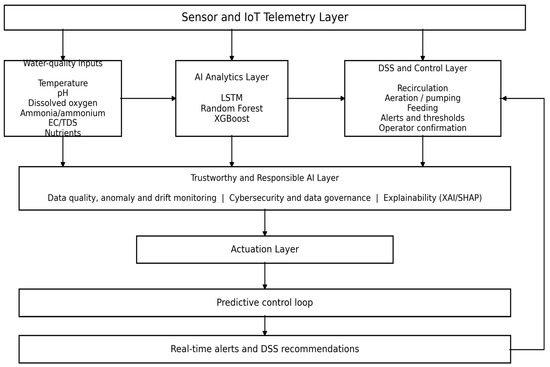
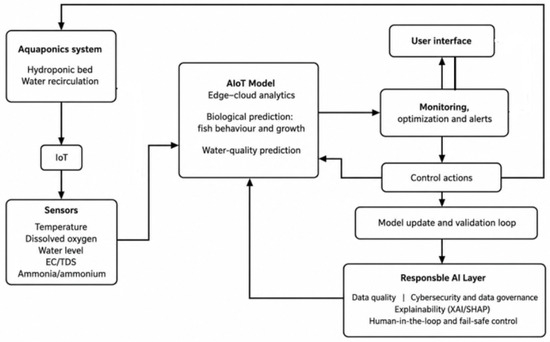
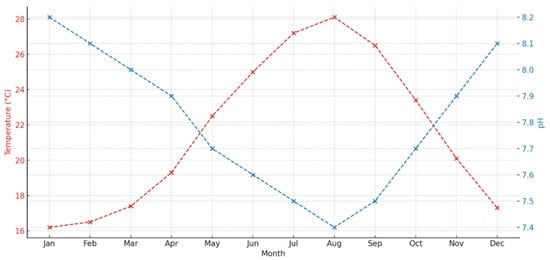
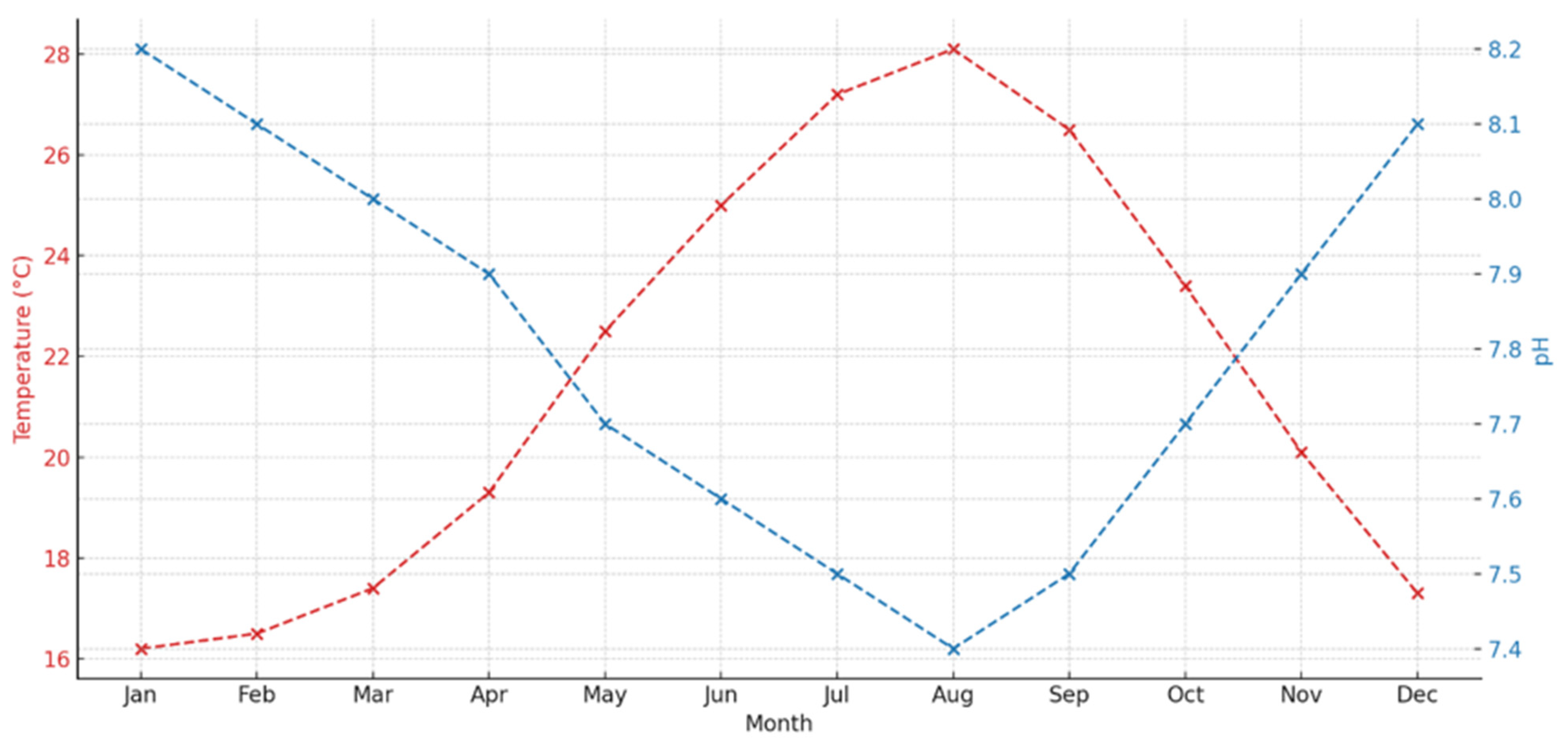
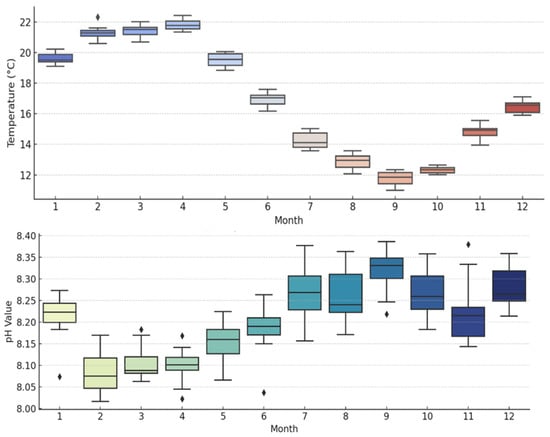
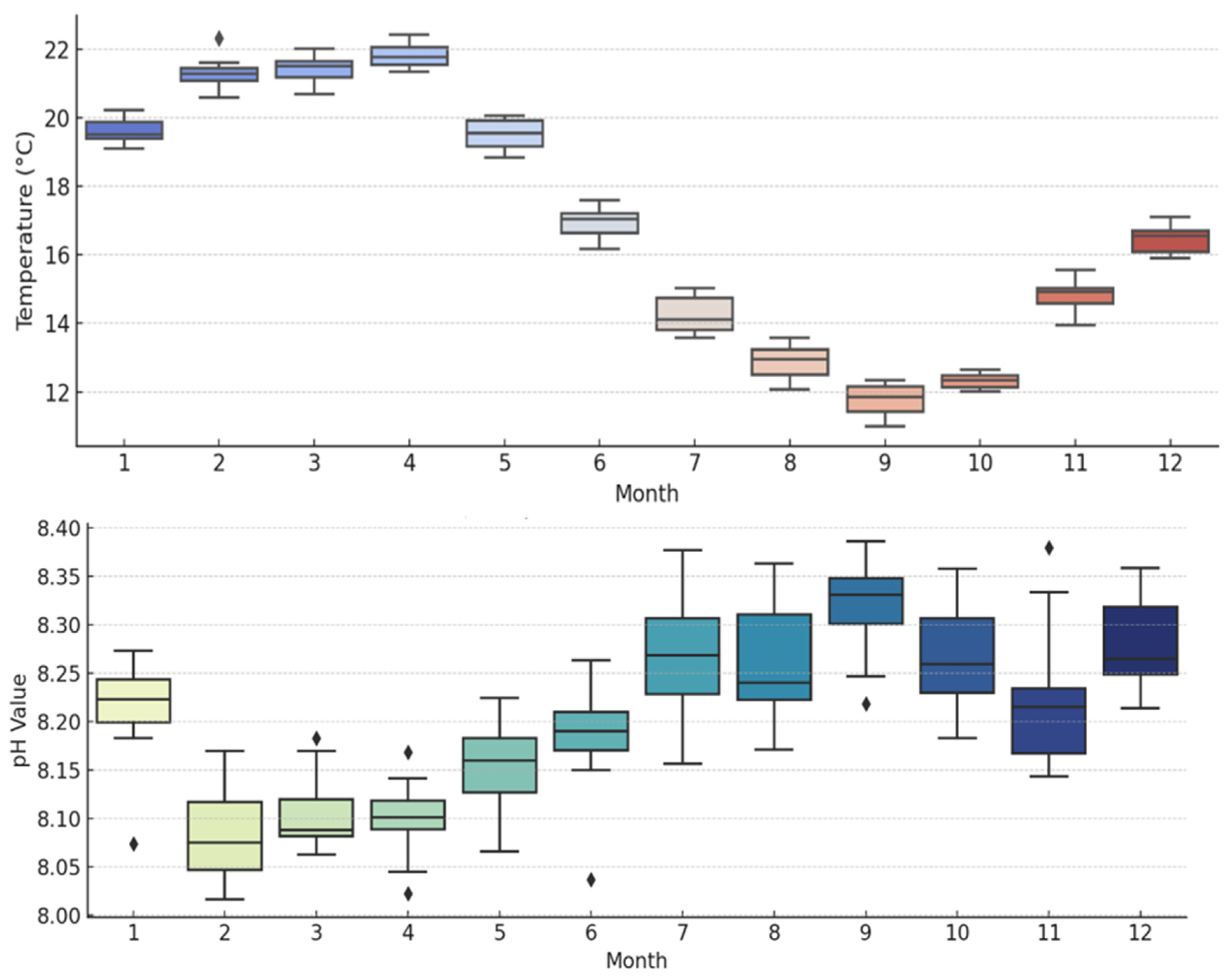
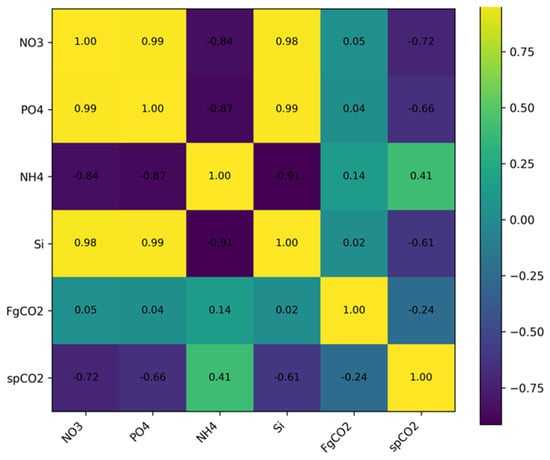
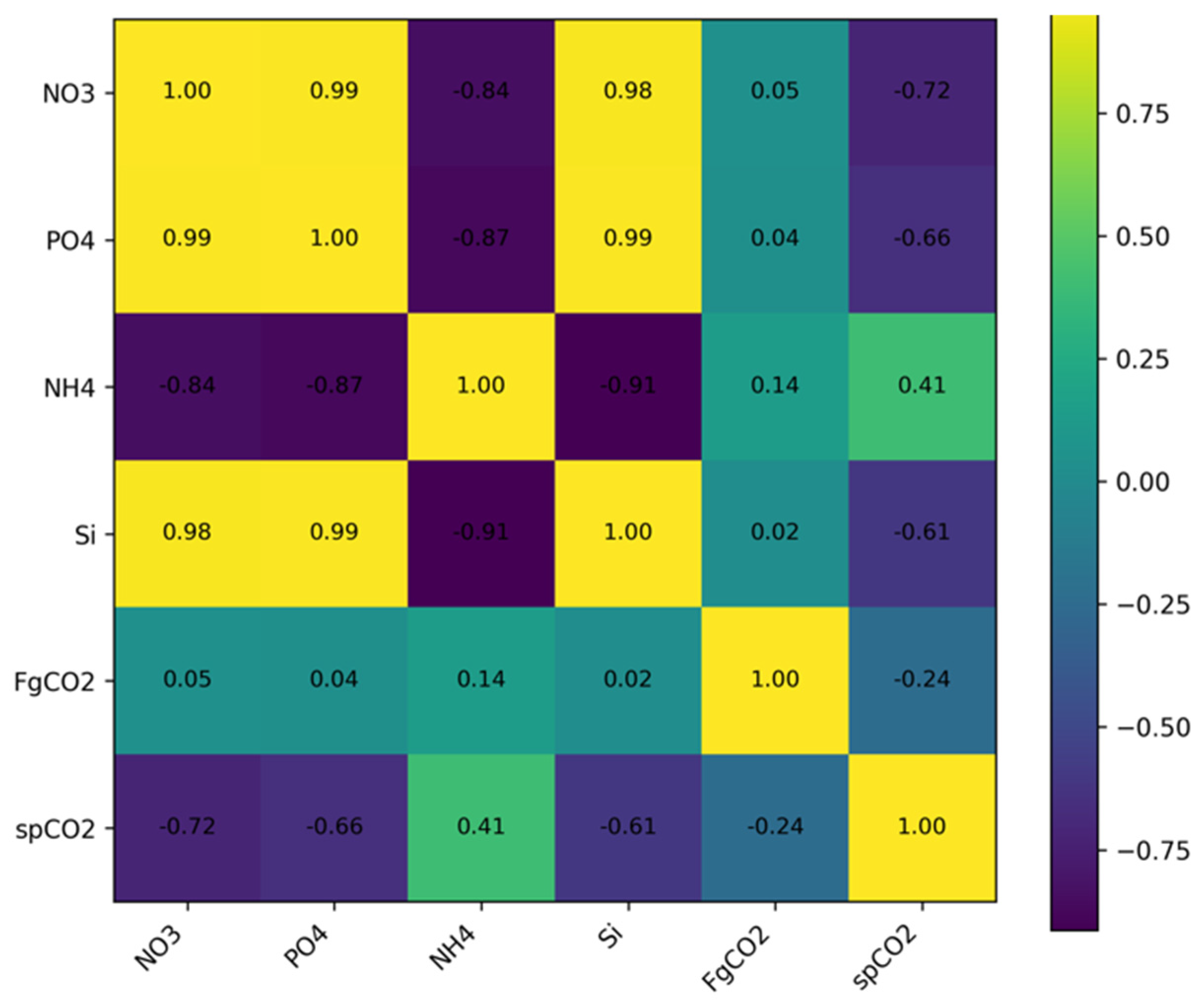
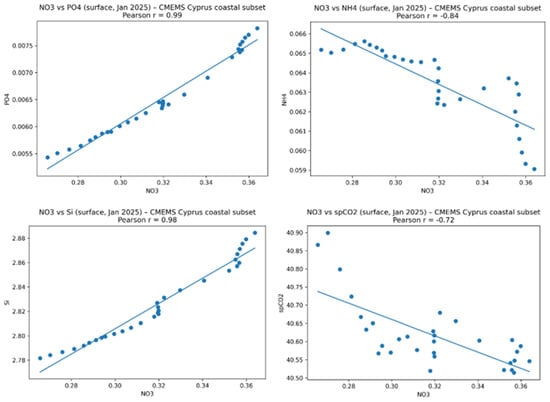
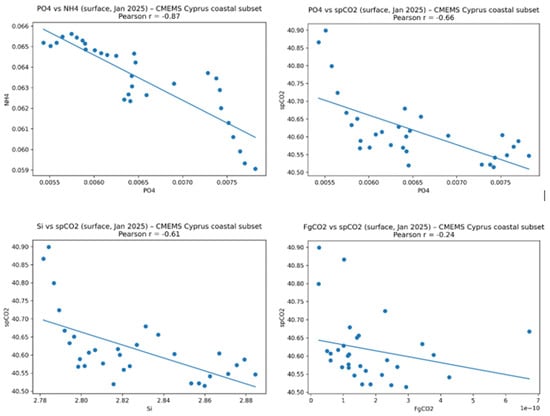
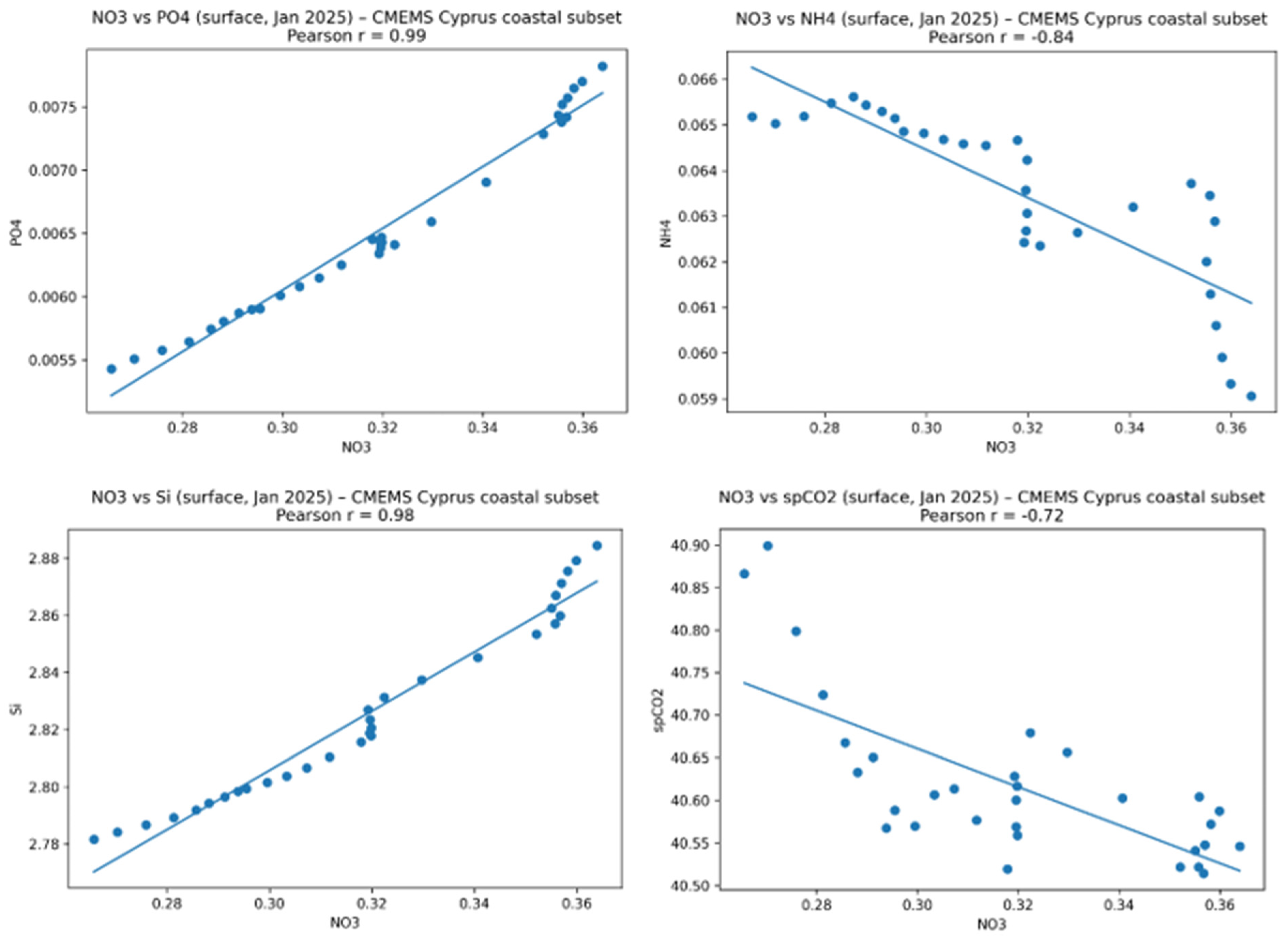
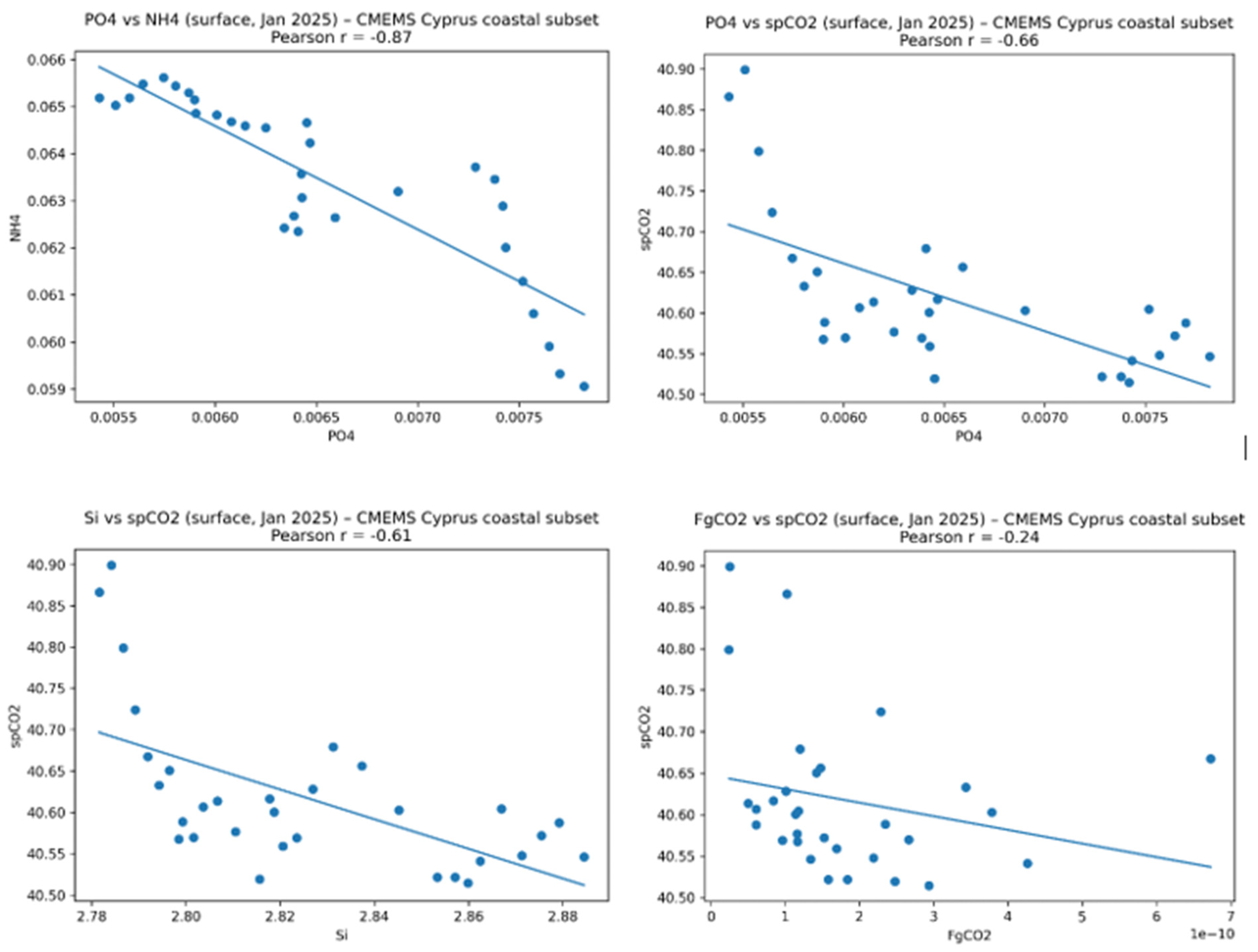
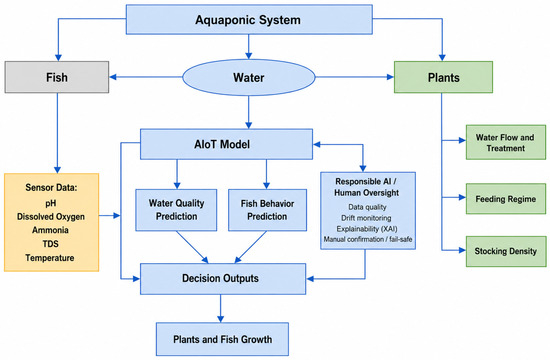
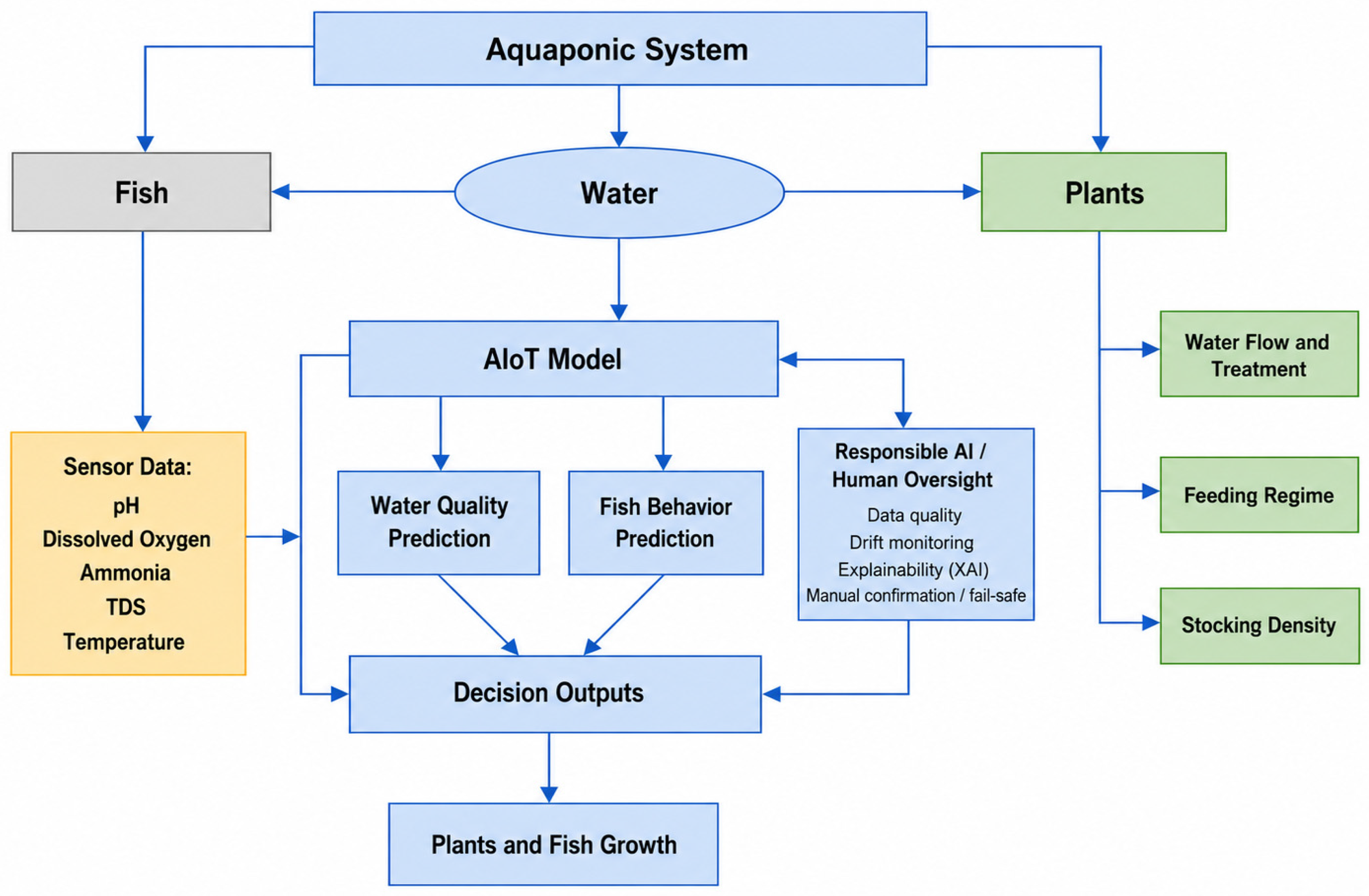
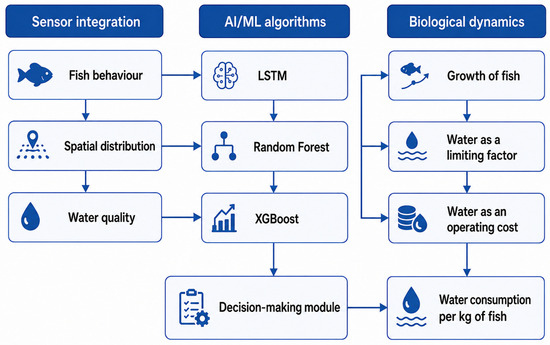
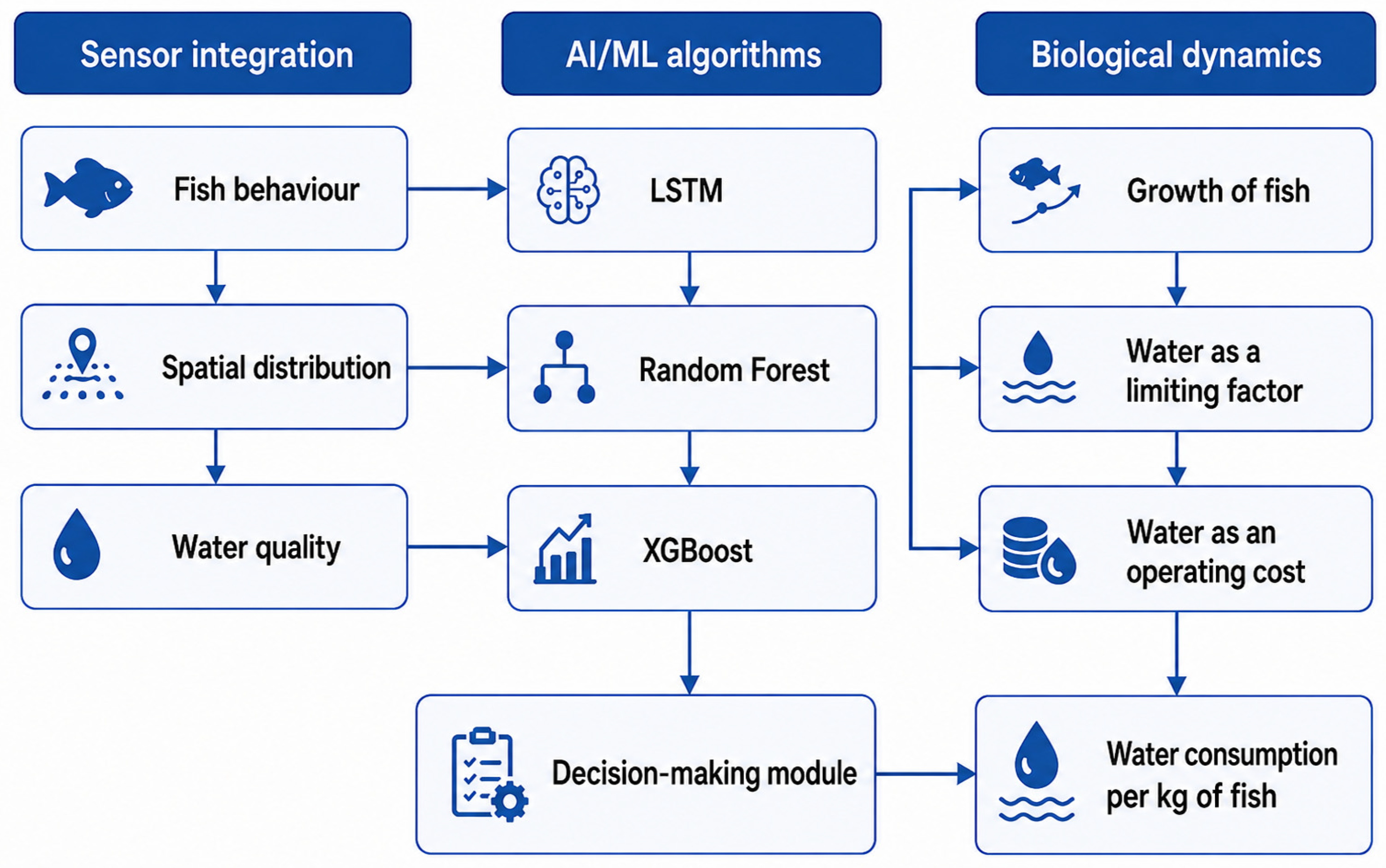
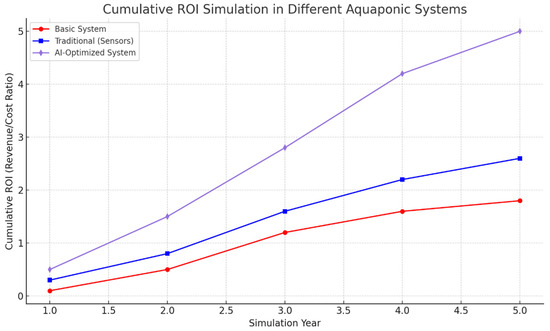
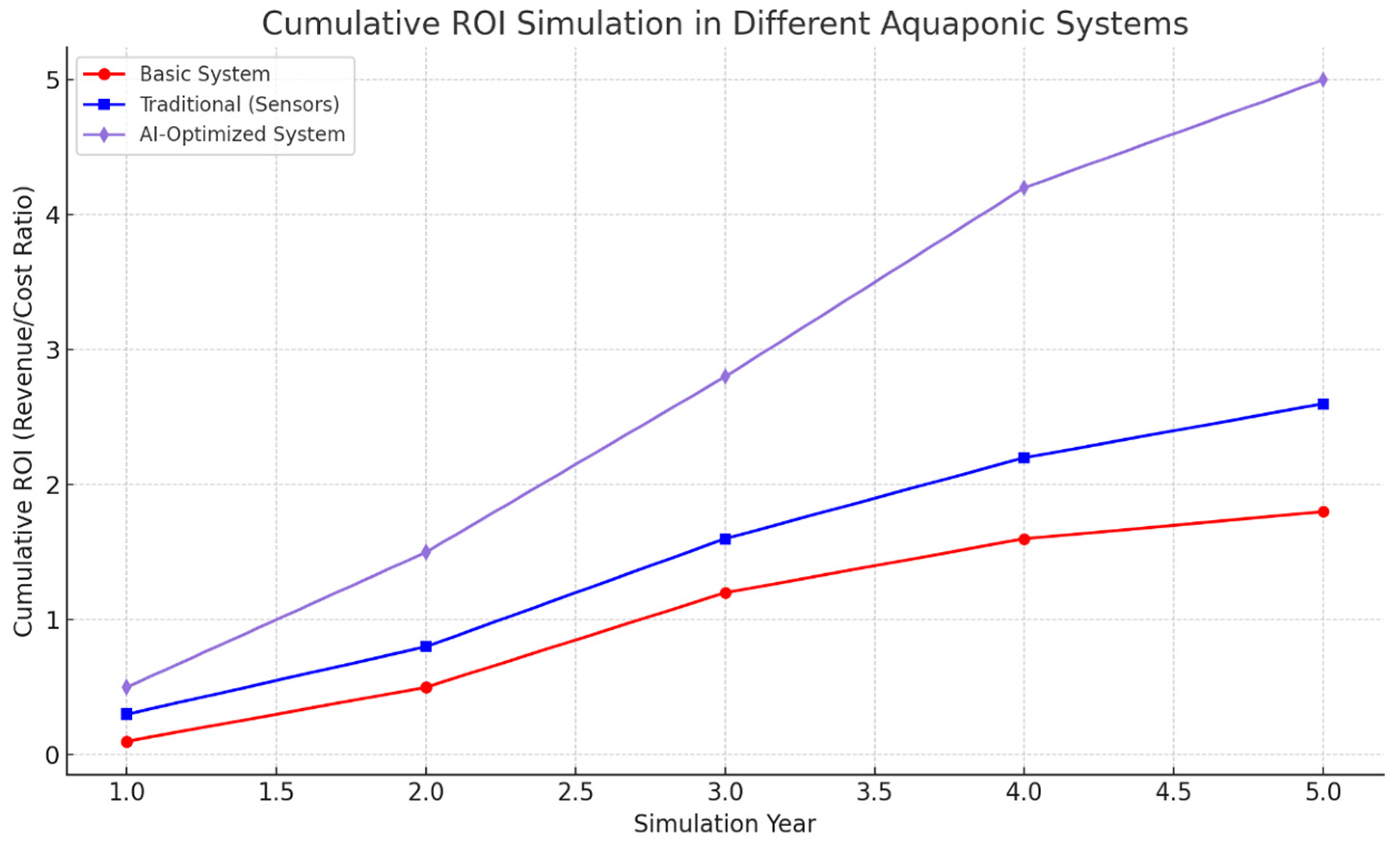

Disclaimer/Publisher’s Note: The statements, opinions and data contained in all publications are solely those of the individual author(s) and contributor(s) and not of MDPI and/or the editor(s). MDPI and/or the editor(s) disclaim responsibility for any injury to people or property resulting from any ideas, methods, instructions or products referred to in the content. |
© 2026 by the authors. Licensee MDPI, Basel, Switzerland. This article is an open access article distributed under the terms and conditions of the Creative Commons Attribution (CC BY) license.