1. Introduction
Indoor air quality (IAQ) has increasingly been recognized as a critical determinant of public health, particularly in healthcare settings where patients and staff are continuously exposed to a complex mixture of physical, chemical, and biological pollutants. Hospitals and outpatient healthcare facilities operate for extended periods and frequently accommodate individuals with heightened vulnerability due to age, illness, or compromised immune function, making them especially sensitive to indoor environmental conditions [
1]. Inadequate IAQ has been linked to a wide range of adverse outcomes, including exacerbation of respiratory and cardiovascular diseases [
2] and reduced cognitive performance among occupants in indoor occupational environments [
3].
Healthcare buildings differ fundamentally from conventional indoor environments because of their heterogeneous spatial organization and diverse activity profiles. Within a single facility, clinical treatment rooms, waiting areas, offices, and circulation spaces may coexist, each with distinct occupancy patterns, ventilation demands, and pollutant sources, as documented in systematic reviews of indoor air quality in healthcare units [
4,
5]. Even in facilities equipped with mechanical ventilation systems, pollutant concentrations may exceed recommended thresholds due to overcrowding, inadequate air exchange rates, or insufficient maintenance, consistent with studies linking ventilation performance and indoor environmental conditions in institutional buildings [
6]. These challenges are often exacerbated in university-affiliated healthcare facilities, where clinical services coexist with educational activities and students actively participate in hands-on training in clinical settings, a context increasingly recognized as critical for IAQ assessment in both healthcare and educational buildings [
4,
7].
Among commonly monitored IAQ indicators, carbon dioxide (CO
2) is widely used as a proxy for ventilation adequacy and occupancy intensity. Elevated indoor CO
2 concentrations are associated with discomfort and impaired cognitive performance due to insufficient dilution of exhaled air, and experimental evidence shows that higher CO
2 levels can adversely affect decision-making performance [
8]. However, in line with recent authoritative guidance, CO
2 should be interpreted as an indicator of ventilation conditions rather than a comprehensive surrogate for overall indoor air quality [
9]. In contrast, fine particulate matter (PM
2.5) is a pollutant of direct toxicological concern, capable of penetrating deep into the respiratory tract and contributing to both acute and chronic health effects through inflammatory and oxidative stress mechanisms [
10]. In indoor environments, PM
2.5 originates from outdoor infiltration and indoor sources, including human movement, cleaning activities, equipment operation, and resuspension of settled dust.
Dental clinics constitute a particularly complex healthcare microenvironment regarding IAQ. Aerosol-generating procedures such as ultrasonic scaling and high-speed drilling produce fine particulate matter and bioaerosols that may remain suspended for prolonged periods, thereby increasing exposure risks for both patients and dental staff [
11,
12]. Previous investigations have reported elevated particulate concentrations in dental settings, highlighting the role of procedural activity, ventilation performance, and spatial configuration in shaping exposure patterns [
12,
13]. However, dental clinics are frequently embedded within broader healthcare facilities rather than functioning as isolated rooms, a structural characteristic that has received limited attention in the existing literature.
Seasonal variation further complicates IAQ management in healthcare buildings. During heating periods, reduced natural ventilation and increased reliance on mechanical systems may elevate indoor CO
2 levels, while low indoor humidity can adversely affect mucosal defenses and occupant comfort [
14]. Transitional seasons may introduce additional variability as outdoor air exchange increases, potentially facilitating the ingress of outdoor particulate matter into indoor spaces. These interactions among seasonal conditions, building operation, and occupant behavior underscore the importance of temporally resolved IAQ assessment and representative sampling strategies rather than reliance on short-term or single-zone measurements [
15,
16].
Despite growing recognition of IAQ as a key component of healthcare quality and safety, empirical studies that simultaneously examine multiple functional zones within the same healthcare facility remain limited. Many investigations focus on single departments or short monitoring campaigns, thereby overlooking the spatial heterogeneity and diurnal dynamics inherent in healthcare buildings, particularly in multifunctional and university-affiliated facilities where clinical, academic, administrative, and public functions coexist [
6,
16]. Recent hospital-based investigations further demonstrate pronounced spatial heterogeneity in both CO
2 and PM
2.5 concentrations across functional areas, underscoring the relevance of zone-specific assessment approaches in healthcare environments [
17]. Recent evidence syntheses highlight that carbon dioxide and particulate matter remain among the most frequently monitored indoor air quality indicators in healthcare settings, with occupancy density and ventilation adequacy identified as key determinants of exposure variability across hospital spaces [
18].
To address these gaps, the present study evaluates IAQ conditions across four representative functional zones in a university-affiliated healthcare facility in Türkiye: the Patient Waiting Room (PWR), Academic Office (AcO), Administrative Office (AdO), and Restorative Dental Clinic (RDC). These spaces were selected to capture a range of occupancy intensities, spatial configurations, and activity patterns typical of contemporary healthcare settings. Continuous measurements were conducted over multiple months to assess both spatial differences and temporal variability in key IAQ parameters.
The contribution of this study does not lie in identifying previously unknown behaviors of indoor air pollutants, but in demonstrating how well-established IAQ indicators manifest differently across space functions and over time under real operational conditions. By combining long-term, high-resolution monitoring with simultaneous assessment of multiple functional zones within the same healthcare facility, this study provides context-specific operational insights that are often obscured in short-term or single-department investigations.
The specific objectives of this study are to: (i) quantify spatial differences in CO2 and PM2.5 concentrations across distinct functional zones; (ii) examine diurnal patterns in pollutant levels in relation to occupancy and activity profiles; and (iii) contextualize observed exposure levels by comparing them with established guideline values and literature-reported benchmarks. By integrating spatial, temporal, and functional perspectives, this study aims to support targeted ventilation management, activity-aware cleaning strategies, and improved indoor environmental control in healthcare facilities.
2. Materials and Methods
2.1. Study Setting and Functional Zones
This study was conducted in a university-affiliated healthcare facility in Kütahya, Türkiye. Healthcare facilities are complex indoor environments because they house diverse functional spaces, exhibit variable occupancy patterns, and operate continuously, all of which contribute to pronounced spatial heterogeneity in indoor air quality (IAQ), as highlighted in recent systematic reviews and healthcare-focused IAQ research [
4,
5]. In addition to routine clinical services, the facility also serves as a teaching environment where undergraduate dental students receive supervised clinical training. This dual clinical–educational function results in temporally clustered occupancy and activity patterns, particularly within clinical zones, and is a characteristic feature of university-affiliated healthcare buildings.
To capture this heterogeneity, four representative functional zones were selected based on their distinct usage characteristics, occupancy profiles, and potential pollutant sources: PWR, AcO, AdO, and RDC.
The PWR was configured as a corridor-shaped, open-plan area without physical doors, directly connected to the entrance hall and adjacent indoor circulation spaces. This configuration allowed continuous air exchange with surrounding areas and exposed the zone to highly variable occupant flows throughout the day. The academic office was used intermittently by academic staff and generally exhibited lower, more predictable occupancy patterns than public and clinical zones.
The AdO functioned as a shared workspace typically occupied by three staff members during standard weekday operating hours. In addition to sustained occupancy, the space intermittently housed office equipment such as printers and photocopiers, which may contribute to indoor particulate matter levels during operation. Although smoking was formally prohibited within the facility, episodic noncompliant indoor smoking was reported in this office, contributing intermittently to indoor particulate matter concentrations.
The RDC was a specialized clinical environment in which aerosol-generating dental procedures were routinely performed. Importantly, the RDC did not consist of a single enclosed treatment room; rather, it comprised multiple dental units operating within a shared indoor volume, separated by partition systems rather than fully enclosed rooms. This spatial configuration may facilitate the accumulation and dispersion of particulate matter throughout the clinic, particularly during periods of intensive clinical activity, as noted in previous studies of dental care environments [
13,
19].
Throughout the monitoring period, measurements were collected continuously across all zones. For analytical purposes, typical weekday operating hours were defined as 08:30–17:30, corresponding to scheduled administrative, academic, and facility-wide operational activities. Clinical patient care activities ended at 16:00, after which no new patients were admitted; however, staff presence and residual operational activities continued. Accordingly, core working hours were defined as 09:00–16:00 to reflect peak clinical activity, occupancy, and overall activity intensity across the patient waiting room, academic office, administrative office, and restorative dental clinic. Unless otherwise specified, analyses focusing on diurnal patterns primarily refer to these core working hours.
2.2. Indoor Air Quality Monitoring and Data Collection
Indoor air quality measurements were conducted using two commercially available IQAir AirVisual Pro devices (IQAir, Steinach, Switzerland). The instruments were powered by 220 V AC/DC power supplies and equipped with internal lithium-ion batteries, providing approximately 5 h of continuous operation during a power outage. Because the monitored building was equipped with a backup generator, uninterrupted measurements were ensured throughout the monitoring period.
The devices were equipped with laser-based particle sensors for PM2.5 measurement and non-dispersive infrared (NDIR) sensors for CO2 detection. Manufacturer-specified measurement ranges included 400–10,000 ppm for CO2, PM2.5 concentrations, temperatures from −10 to +40 °C, and relative humidity from 0 to 95%. To prevent behavioral bias from real-time display feedback, device screens were automatically configured to switch off during the monitoring campaign. According to the manufacturer’s technical specifications, the sensing principles and measurement ranges used in this study align with factory-defined calibration settings intended for indoor air quality monitoring applications.
Before deployment, inter-device consistency was assessed by parallel operation, revealing a maximum relative deviation of approximately 5% between instruments. One device installed in the patient waiting room was placed in a protective enclosure to prevent unauthorized interference; pre-study testing confirmed that the enclosure did not affect measurement performance.
Measurements were recorded at 10 min intervals, and the devices were operated simultaneously across different functional zones. Monitoring was conducted in two consecutive phases: from 1 March to 1 May 2023 in the restorative dental clinic and patient waiting room, and from 2 May to 1 July 2023 in the administrative and academic offices.
The monitoring campaign, defined as a structured, long-term field measurement program, was designed as a case study to capture representative indoor air quality conditions under real-world operational conditions in a multifunctional, university-affiliated healthcare facility. Each monitoring phase included a 61-day observation period encompassing routine clinical operations and periods of elevated occupancy associated with academic activities and patient flow. Continuous, high-resolution measurements over this extended, phase-based monitoring timeframe allowed assessment of both stable background conditions and short-term fluctuations at hourly resolution, derived from 10 min measurements and linked to daily operational dynamics. Rather than representing an isolated episode, the monitoring window reflects the facility’s typical operational patterns during the study period and provides a robust basis for spatiotemporal comparisons across functional zones.
To distinguish the influence of active use from baseline indoor conditions, temporal patterns were interpreted in relation to the routine operational characteristics of each functional zone. The restorative dental clinic was characterized by high-intensity clinical activity, with an average of approximately 24 patients treated per day in March and 15 per day in April, and by the continuous presence of dental staff and undergraduate students during working hours. In contrast, the administrative office was occupied by three full-time staff members, reflecting sustained but relatively stable occupancy, while the academic office was used intermittently by academic personnel. The patient waiting room, a corridor-shaped, semi-open space connected to the entrance hall, was therefore exposed to highly variable, transient occupancy throughout the day.
Low-activity periods primarily occurred during early morning, late afternoon, and overnight hours, when no new patients were admitted, and only residual staff remained. Routine cleaning activities were conducted according to standard hospital protocols, typically outside peak clinical hours, and were not treated as separate analytical categories but were considered part of the normal operational context reflected in the time-resolved measurements. Consequently, day-to-day variability was interpreted as the combined outcome of recurring activity patterns, occupancy intensity, and routine operational practices across different functional zones rather than as isolated episodic events.
The present study was designed to characterize spatiotemporal exposure patterns of indoor air quality parameters under real operational conditions rather than to evaluate ventilation system performance or regulatory compliance. Accordingly, the monitoring strategy focused on capturing representative long-term variability associated with space function, occupancy, and daily operational activities. While detailed engineering parameters of the ventilation system (e.g., air exchange rates or airflow trajectories) were beyond the scope of the present analysis, the adopted approach remains particularly well-suited for comparative exposure assessment across functional zones.
2.3. Data Processing and Aggregation
Raw five-minute measurements were processed to derive daily and hourly summary metrics. For spatial comparisons, daily mean values were calculated separately for each functional zone, with each day–zone combination treated as an independent observation. This approach enabled robust comparisons of IAQ conditions across zones while minimizing the influence of short-term fluctuations associated with transient activities.
To examine temporal dynamics, hourly mean concentrations were computed by aggregating measurements by hour of the day for each functional zone. This procedure helped identify diurnal patterns in CO2 and PM2.5 concentrations associated with occupancy schedules, clinical activities, and the operational characteristics of the investigated spaces. Temperature and relative humidity data were processed in parallel and used as contextual parameters to support the interpretation of observed pollutant patterns.
2.4. Statistical Analysis
Descriptive statistics, including means and standard deviations, were calculated for all indoor air quality (IAQ) parameters. Spatial differences in daily mean CO2 and PM2.5 concentrations across the selected functional zones were evaluated using one-way analysis of variance (ANOVA) to determine whether observed between-zone differences exceeded within-zone variability. Statistical significance was evaluated at an alpha level of 0.05.
Before inferential analysis, the assumption of homogeneity of variances was tested using Levene’s test. Because this assumption was violated for daily mean CO2 concentrations (p < 0.001), spatial differences in CO2 levels were assessed using Welch’s one-way ANOVA, followed by Games–Howell post hoc comparisons to explore pairwise differences between functional zones. For daily mean PM2.5 concentrations, the homogeneity of variances assumption was satisfied (p = 0.133); therefore, conventional one-way ANOVA with Tukey’s honestly significant difference (HSD) test was used for post hoc comparisons where appropriate.
In addition to spatial comparisons, diurnal patterns in CO2 and PM2.5 concentrations were examined using hourly mean values to identify time-specific exposure trends associated with occupancy schedules and activity patterns. Relationships between PM2.5 concentrations and thermal parameters (temperature and relative humidity) were assessed using nonparametric Spearman correlation analysis.
Data preprocessing, time-series organization, and descriptive statistical summaries were performed in Microsoft Excel. Inferential statistical analyses were conducted using the Jamovi statistical software package (version 2.6.44) [
20]. All statistical tests were two-tailed, with statistical significance evaluated at
p < 0.05.
2.5. Ethical Considerations
The study involved environmental monitoring of indoor spaces and did not involve human participants or personal data. All measurements were conducted in accordance with institutional guidelines and did not interfere with routine healthcare operations.
Institutional permission to conduct field measurements was obtained from the Oral and Dental Health Application and Research Center at Kütahya Health Sciences University. The permission was granted based on official correspondence dated 12 December 2022 (Approval No: E-76324887-300-74328), which authorized implementation of the master’s thesis titled “Investigation of Indoor Air Quality” at the facility.
No generative artificial intelligence tools were used for data generation, analysis, or interpretation in this study.
The datasets generated and analyzed in this study are available from the corresponding author upon reasonable request.
3. Results
This section presents the spatial and temporal patterns of indoor air quality parameters measured across the selected functional zones. Results are first summarized using descriptive statistics to illustrate between-zone differences, and then analyzed inferentially to assess statistical significance. Subsequently, hourly mean profiles are examined to characterize diurnal variability associated with occupancy and activity patterns.
3.1. Descriptive Statistics of Indoor Air Quality Parameters
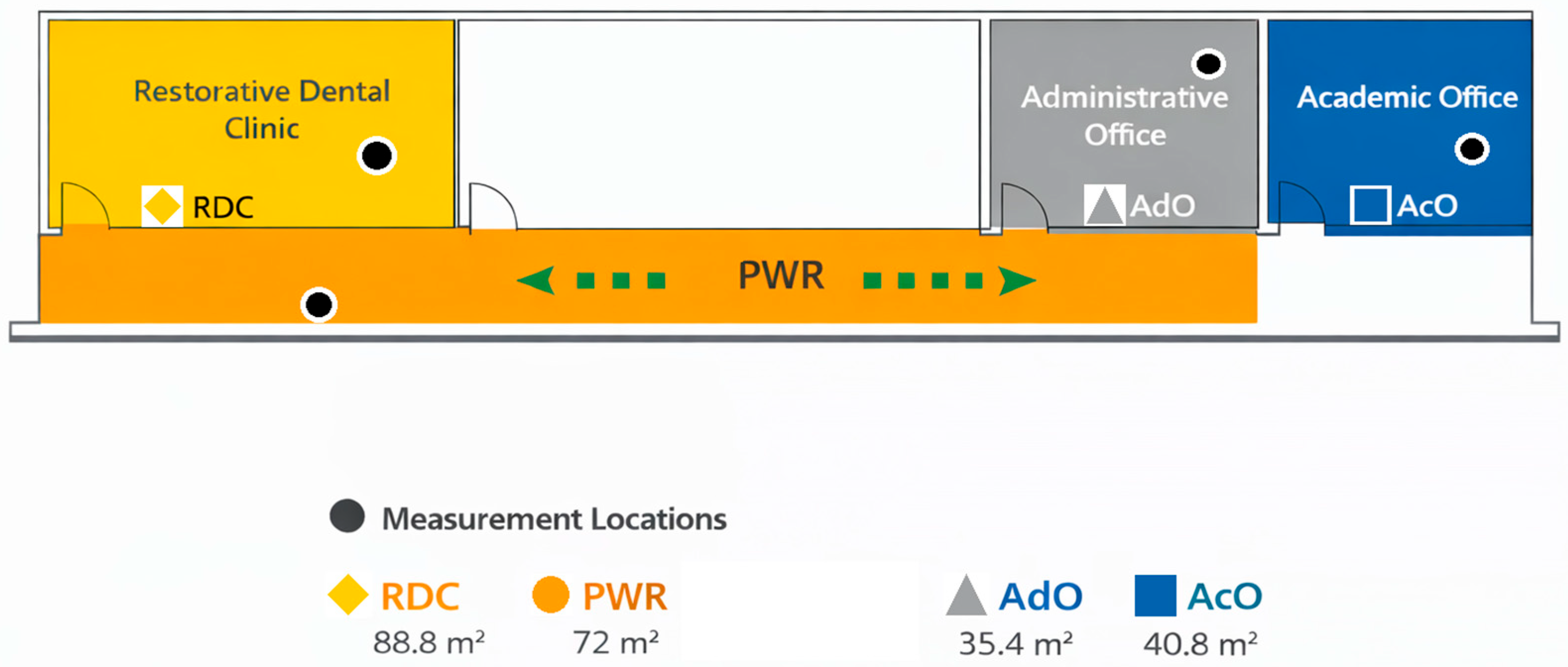
The spatial configuration of the monitored zones and sensor locations is shown in
Figure 1.
Daily mean concentrations of CO
2 and PM
2.5, along with associated temperature and relative humidity values, were calculated for each functional zone to provide an overview of spatial variability within the healthcare facility. Each zone contributed an equal number of daily observations (n = 61), enabling balanced comparisons across spaces. Descriptive statistics for daily mean CO
2 concentrations by functional zone are presented in
Table 1.
Table 1 summarizes the daily mean CO
2 concentrations (mean ± SD) across the investigated functional zones over the monitoring period (n = 61 days). The administrative office had the highest mean CO
2 concentration, followed by the restorative dental clinic and the patient waiting room, while the academic office had the lowest mean level.
Variability in daily mean CO2 concentrations differed across zones. The administrative office had the largest standard deviation, indicating pronounced day-to-day fluctuations in CO2 levels during the monitoring period, whereas the remaining zones showed more moderate temporal variability. These patterns reflect differences in occupancy intensity, usage schedules, and ventilation opportunities across functional spaces rather than distinct exposure categories.
Descriptive statistics for daily mean PM
2.5 concentrations across the investigated zones are shown in
Table 2.
Table 2 presents descriptive statistics of daily mean PM
2.5 concentrations across the investigated functional zones over the monitoring period (n = 61 days). In contrast to CO
2, PM
2.5 concentrations exhibited greater dispersion across functional spaces. The administrative office had the highest mean PM
2.5 concentration, whereas the patient waiting room had the lowest.
Variability in daily mean PM2.5 concentrations also differed among zones. The restorative dental clinic had the largest standard deviation, indicating pronounced day-to-day fluctuations in PM2.5 levels relative to the other functional areas. These patterns highlight the influence of activity-related processes and temporal usage patterns on particulate matter dynamics and provide a descriptive basis for the subsequent spatiotemporal analysis presented in the following sections.
3.2. Spatial Differences in Daily Mean CO2 Concentrations
Spatial differences in daily mean CO
2 concentrations across functional zones were evaluated to characterize zone-specific exposure profiles over the 61-day monitoring period. As summarized in
Table 1, mean CO
2 levels varied across zones, with the administrative office recording the highest average concentration, followed by the restorative dental clinic and the patient waiting room, while the academic office showed the lowest mean values.
Variability in daily mean CO2 concentrations also differed across functional spaces. The administrative office had the largest standard deviation, indicating pronounced day-to-day fluctuations in CO2 levels, whereas the remaining zones showed more moderate temporal variability. Overall, these patterns align with differences in occupancy intensity, usage schedules, and ventilation opportunities across functional zones.
3.3. Spatial Differences in Daily Mean PM2.5 Concentrations
Spatial differences in daily mean PM
2.5 concentrations were examined across functional zones to characterize zone-specific particulate matter profiles over the 61-day monitoring period. As summarized in
Table 2, mean PM
2.5 concentrations varied across zones, with the administrative office recording the highest average, followed by the restorative dental clinic. In contrast, the academic office and the patient waiting room showed lower mean concentrations.
Variability in daily mean PM
2.5 concentrations also differed across functional spaces. The restorative dental clinic had the largest standard deviation, indicating pronounced day-to-day fluctuations in PM
2.5 levels, whereas the remaining zones showed more moderate temporal variability.
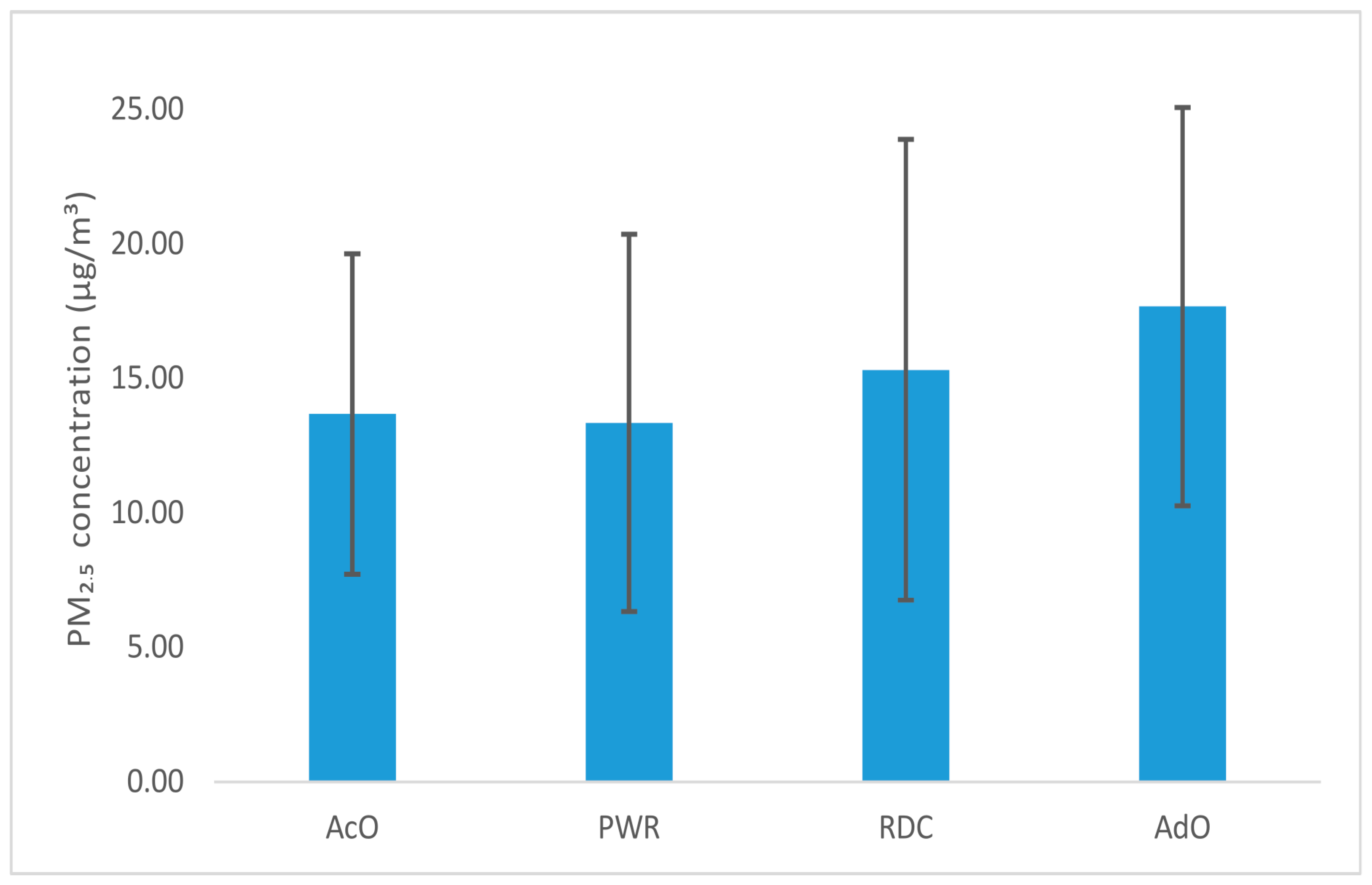
Figure 2 shows the distribution of daily mean PM
2.5 concentrations across functional zones over the monitoring period and highlights differences in both average levels and temporal dispersion.
Day-to-day variability, as reflected by the higher standard deviations reported in
Table 2, was most pronounced in the restorative dental clinic, indicating greater interdaily fluctuations in PM
2.5 concentrations than in the other functional zones. In contrast,
Figure 2 provides a descriptive comparison of daily mean PM
2.5 levels across zones. At the same time, diurnal (within-day) variation patterns associated with occupancy and activity dynamics are captured by time-resolved analyses.
Although the differences in daily mean PM2.5 concentrations across functional zones were modest, the combined evidence from variability metrics and time-resolved profiles suggests that observed exposure patterns are closely linked to differences in space function, occupancy intensity, and temporal activity characteristics rather than to structural separation alone.
3.4. Diurnal Patterns of CO2 and PM2.5 Concentrations
To investigate temporal variability in indoor air quality, hourly mean concentrations of CO2 and PM2.5 were examined for each functional zone over the monitoring period. This time-resolved approach enables characterization of within-day fluctuations in occupancy schedules, activity intensity, and operational routines that are not captured by daily-aggregated metrics.
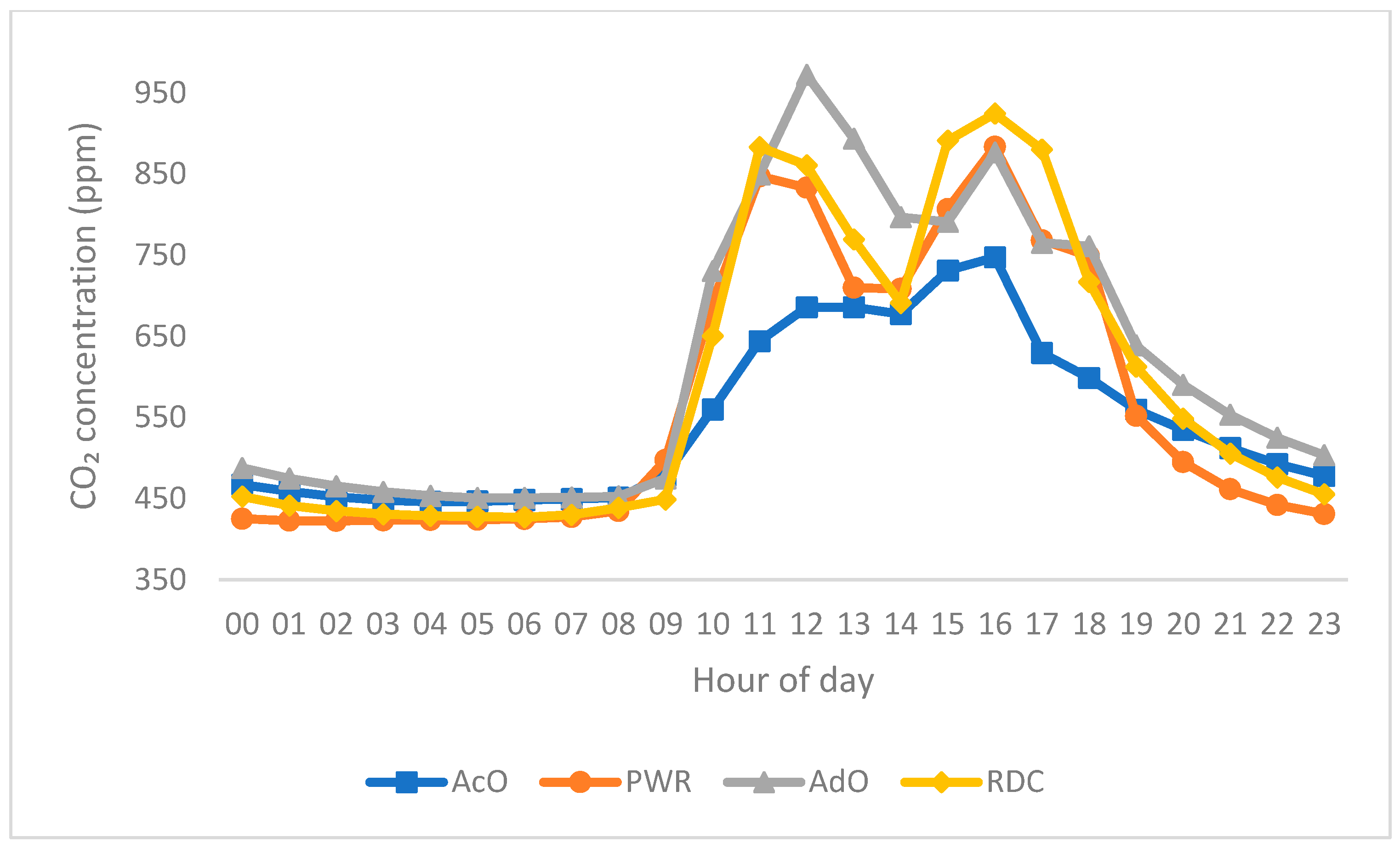
Figure 3 illustrates the diurnal profiles of hourly mean CO
2 concentrations across the investigated zones, highlighting differences in the timing and magnitude of concentration peaks throughout a typical day.
Across all functional zones, CO2 concentrations generally increased during core working hours and declined during periods of reduced occupancy, reflecting daily operational rhythms within the facility. Both the timing and magnitude of concentration peaks varied by zone, consistent with differences in space use, occupancy density, and activity schedules. In contrast to CO2, PM2.5 profiles exhibited more irregular and zone-specific diurnal fluctuations, reflecting the influence of intermittent activities and localized emission sources within the facility.
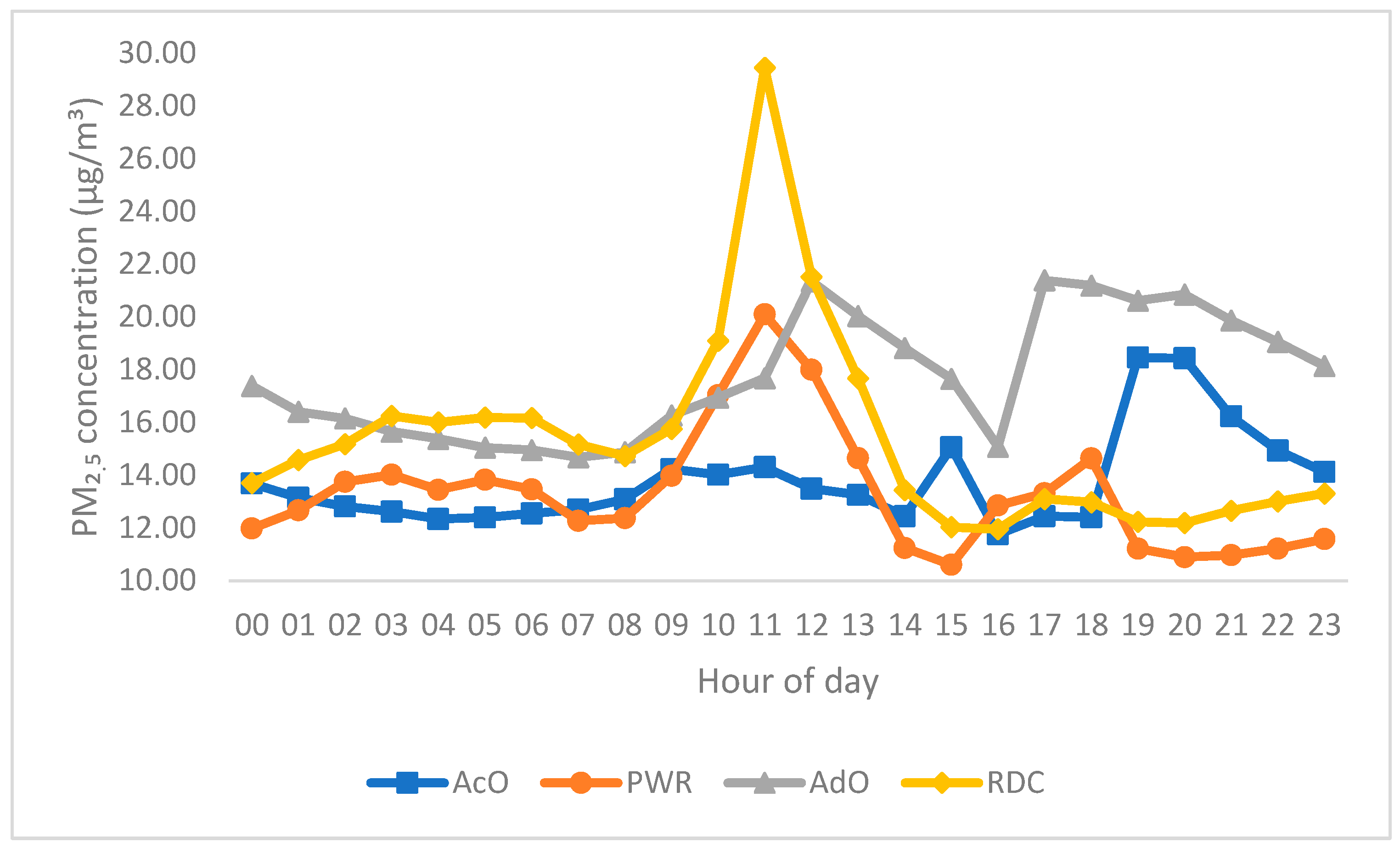
Complementary diurnal patterns of PM
2.5 concentrations are presented in
Figure 4, enabling comparison of within-day temporal dynamics between gaseous and particulate pollutants.
In contrast to CO2, PM2.5 exhibited more irregular diurnal variability, particularly in the restorative dental clinic, where higher concentrations were observed during late morning and early afternoon hours. Other functional zones displayed flatter hourly profiles with lower peak amplitudes, suggesting a reduced influence of short-term, activity-related emission processes.
To contextualize the observed PM
2.5 concentrations, daily mean values were compared with the World Health Organization (WHO) guideline level and with representative exposure ranges reported in the literature, as summarized in
Table 3.
As shown in
Table 3, the measured daily mean PM
2.5 concentrations across the investigated functional zones fall within or close to the ranges reported for routine indoor microenvironments in the literature. They are generally comparable to the World Health Organization (WHO) 24 h guideline value. Slightly higher daily mean levels were observed in the administrative office relative to the other zones, reflecting zone-specific operational and occupancy characteristics.
Diurnal patterns of CO2 and PM2.5 concentrations revealed distinct within-day variability across functional zones. CO2 levels increased during periods of sustained occupancy, particularly in clinically active and administratively used spaces, and declined during low-activity intervals. In contrast, PM2.5 concentrations exhibited sharper short-term fluctuations, consistent with transient activity-related influences superimposed on lower background levels. Taken together, these time-resolved patterns highlight that daily mean concentrations alone may not fully represent the temporal dynamics of indoor air quality in multifunctional healthcare settings.
3.5. Relationships Between PM2.5 Concentrations and Thermal Parameters
Spearman correlation analysis was used to explore associations between PM2.5 concentrations and indoor thermal parameters, namely temperature and relative humidity. Weak correlations were observed between PM2.5 and relative humidity (ρ = 0.097, p < 0.001) and between PM2.5 and temperature (ρ = 0.034, p = 0.001). In addition, temperature and relative humidity showed a moderate inverse correlation (ρ = −0.217, p < 0.001).
Despite statistical significance, the very low magnitude of the PM2.5–thermal parameter correlations indicates that indoor temperature and relative humidity explain only a minimal fraction of the observed variability in PM2.5 concentrations within the monitored zones. These findings support the interpretation that PM2.5 dynamics in this facility are predominantly shaped by operational characteristics, occupancy patterns, and activity-related processes rather than by indoor thermal conditions alone.
4. Discussion
Building on the combined evidence from spatial comparisons, diurnal analyses, and contextual benchmarks, this study highlights that indoor air quality within a single healthcare facility is shaped by pronounced functional and temporal heterogeneity. While daily mean concentrations provide a useful reference for context, they do not fully capture the variability associated with spatial function and time-specific activities.
The findings suggest that differences in sustained occupancy patterns and ventilation opportunities are reflected in spatial contrasts in CO2 levels across functional zones, whereas PM2.5 dynamics appear to be more closely linked to activity-related processes that generate short-term variability. In this context, the weak associations observed between PM2.5 concentrations and indoor thermal parameters indicate that temperature and relative humidity play a secondary, contextual role relative to operational and zone-specific drivers.
Although the observed spatial and temporal patterns of CO2 and PM2.5 are broadly consistent with previous studies, the present work adds value by demonstrating how these established mechanisms manifest simultaneously across different space functions within a single, multifunctional healthcare facility when examined using long-term, time-resolved monitoring data.
4.1. Spatial Variability in CO2 Concentrations and Ventilation-Related Drivers
The spatial contrasts in daily mean CO2 concentrations across functional zones reflect differences in sustained occupancy patterns and ventilation adequacy rather than transient crowding effects. In particular, the higher CO2 levels observed in the administrative office compared with the academic office suggest that prolonged, continuous use, combined with limited opportunities for air exchange, contribute to the accumulation of CO2 in healthcare workspaces over time.
In the patient waiting room, daily mean CO2 concentrations remained relatively moderate despite high occupant turnover. This observation supports the interpretation that short-term crowding does not necessarily lead to elevated daily mean CO2 levels when ventilation and air exchange are sufficient. The open-plan configuration and continuous air mixing in this area likely mitigate sustained CO2 accumulation, highlighting the importance of ventilation performance alongside occupancy characteristics.
These observations are consistent with previous studies reporting that indoor CO
2 levels in healthcare and other institutional settings are more strongly influenced by occupancy duration and ventilation performance than by short-term crowding events [
2,
6,
15]. From an operational perspective, the findings emphasize the importance of prioritizing ventilation optimization in spaces with sustained occupancy, such as administrative offices, rather than focusing exclusively on areas where crowding is more visible but short-lived.
4.2. Spatial Differences in PM2.5 Concentrations and Activity-Related Mechanisms
Unlike CO
2, PM
2.5 concentrations exhibited a more heterogeneous spatial pattern across functional zones, indicating that particulate matter dynamics are influenced by activity-related processes beyond ventilation efficiency alone. Higher daily mean PM
2.5 levels were observed in the administrative office compared with the academic office and the patient waiting room. This pattern is consistent with the combined influence of sustained shared occupancy, resuspension of settled particles due to routine movement, and contributions from office equipment use and cleaning activities, all of which have been identified as important indoor sources of particulate matter [
23,
24]. These observations suggest that particulate matter accumulation in office environments may occur even in the absence of pronounced ventilation deficiencies.
Although daily mean PM
2.5 concentrations in the restorative dental clinic were comparable to those observed in other zones, this area exhibited substantially greater variability, as reflected by higher standard deviations. This pattern is indicative of intermittent, activity-driven contributions to particulate matter levels rather than persistently elevated background concentrations. Dental procedures that generate aerosols, frequent patient turnover, and intensive surface interactions are known to produce short-term increases in particulate matter that may be obscured when data are aggregated into daily mean metrics [
11,
13]. Consistent with this interpretation, episodic PM
2.5 elevations during routine dental activities have been reported in hospital dental departments [
25].
In addition to procedural activity, the spatial configuration of the dental clinic in this study may contribute to the observed variability. Multiple dental units operating within a shared indoor volume, separated by partitions rather than fully enclosed rooms, can facilitate particle accumulation and cross-zone dispersion. While elevated PM
2.5 concentrations have been reported in association with routine household activities in enclosed residential environments, the present findings indicate that comparable exposure ranges may also occur in semi-open, multi-unit clinical settings such as dental clinics, despite differences in function and occupancy patterns [
22].
4.3. Importance of Diurnal Analysis for Identifying Short-Term Exposure Peaks
Examination of hourly mean concentrations provides critical insight into temporal exposure dynamics that are not apparent from daily summary statistics alone. As illustrated in
Figure 3 and
Figure 4, CO
2 concentrations generally increase during core working hours and decline during periods of reduced occupancy, reflecting predictable occupancy-related patterns across functional zones. In contrast, PM
2.5 concentrations exhibit more irregular diurnal variability, particularly in the restorative dental clinic, where higher levels are observed during late morning and early afternoon hours.
These periods coincide with heightened clinical activity and increased patient throughput, suggesting that procedural intensity, human movement, and localized resuspension processes contribute to short-term particulate matter exposure in clinical settings. Importantly, such short-term elevations may be obscured when exposure is evaluated using daily mean concentrations alone. In this context, comparison of measured PM
2.5 levels with World Health Organization (WHO) guideline values and literature-reported exposure ranges (
Table 3) indicates that, even when daily averages appear moderate, time-specific exposure peaks can remain operationally and occupationally relevant.
Consistent with previous research highlighting that short-term exposure peaks, rather than long-term average concentrations, are often more informative for assessing potential health risks associated with fine particulate matter in indoor environments [
14], these findings emphasize the importance of incorporating diurnal concentration profiles into the interpretation of indoor air quality conditions.
4.4. Role of Thermal Parameters in PM2.5 Variability
Although associations were observed between PM2.5 concentrations and both temperature and relative humidity, the magnitude of these correlations was very small. This indicates that indoor thermal parameters alone do not meaningfully explain the observed variability in particulate matter levels within the investigated healthcare facility. The statistical significance of these weak relationships likely reflects the large number of observations rather than a strong physical coupling between thermal conditions and particle concentrations.
From a practical perspective, these findings suggest that PM
2.5 dynamics in the monitored zones are primarily governed by operational characteristics and occupancy-related processes rather than by indoor thermal conditions. This interpretation is consistent with broader evidence indicating that pollutant levels in healthcare microenvironments are predominantly shaped by space function, human activity, and ventilation adequacy. In this context, thermal parameters appear to play a secondary and contextual role in explaining particulate matter variability [
14,
23,
24]. Accordingly, the results underscore the limited explanatory contribution of thermal conditions relative to activity- and zone-specific determinants of PM
2.5 variability.
4.5. Implications for Healthcare Facility Management and Environmental Control
Taken together, the findings highlight the need for differentiated indoor air quality (IAQ) management strategies in healthcare facilities that explicitly account for both space function and temporal dynamics. Zones characterized by sustained occupancy, such as administrative offices, appear to be primarily influenced by long-term ventilation adequacy and may therefore benefit most from continuous ventilation optimization to limit gradual pollutant accumulation. In contrast, clinically active areas, particularly dental clinics, are more strongly affected by short-term, activity-driven processes that generate pronounced temporal variability in particulate matter concentrations. These implications should be interpreted within the context of the investigated facility, as the present study was conducted in a single, university-affiliated healthcare building with specific spatial and operational characteristics.
The results further suggest that uniform, facility-wide IAQ control approaches may be insufficient in heterogeneous healthcare environments. Instead, targeted and time-sensitive interventions informed by diurnal exposure patterns are likely to be more effective. Such measures may include adjusting ventilation rates or filtration efficiency during identified high-activity periods, as well as implementing operational practices to reduce particle resuspension while maintaining infection control standards. By aligning environmental control strategies with zone-specific functions and temporal activity profiles, healthcare facilities may more effectively mitigate exposure risks for both patients and staff.
Beyond these practical implications, the analytical framework used in this study, which combines spatial comparisons with high-resolution temporal analysis, offers a transferable approach for IAQ assessment in other multifunctional healthcare settings. Moving beyond reliance on aggregated daily indicators toward spatiotemporally resolved evaluation can support more evidence-based decision-making and facilitate the design of adaptive, context-sensitive indoor environmental control strategies.
Rather than focusing on identifying previously unreported indoor air quality indicators or extreme concentration levels, this study’s contribution lies in demonstrating how well-established IAQ parameters vary across space functions and over time under real operational conditions. By integrating long-term, time-resolved monitoring with simultaneous assessment of multiple functional zones within the same healthcare facility, this work provides operationally relevant insights into how routine occupancy patterns, activity dynamics, and space use shape exposure profiles. Such context-specific evidence is often obscured in short-term or single-zone investigations, yet it is critical for informing targeted ventilation management and activity-aware operational practices in complex healthcare settings.
4.6. Strengths and Limitations
Several limitations should be acknowledged when interpreting the findings of this study. First, the monitoring campaign was conducted at a single healthcare facility, which limits the direct generalizability of the observed concentration levels to buildings with different layouts, ventilation systems, or operational practices. Second, although the measurements covered the heating and transitional seasons, the absence of full-year monitoring restricts the assessment of seasonal influences under cooling-dominated conditions and across different climatic contexts. Finally, the results reflect the specific spatial configuration and functional integration of a university-affiliated, multifunctional healthcare facility; therefore, absolute concentration values should be interpreted as context-dependent rather than universally representative.
Despite these limitations, the analytical framework employed in this study, integrating long-term, high-resolution monitoring with simultaneous assessment of multiple functional zones, offers a transferable approach for investigating spatiotemporal variability in indoor air quality in other heterogeneous healthcare settings.
Within this context, the observed spatiotemporal patterns are consistent with previous healthcare IAQ studies, which reported that functional heterogeneity, occupancy dynamics, and activity profiles play an important role in shaping intra-building exposure variability, even in facilities operating under shared ventilation infrastructure [
24].
5. Conclusions
This study highlights that indoor air quality in multifunctional healthcare facilities exhibits marked spatial and temporal heterogeneity that may not be fully captured by aggregated daily indicators alone. By integrating spatial comparisons with high-resolution temporal analysis, the findings suggest that CO2 concentrations are closely associated with sustained occupancy patterns and ventilation adequacy, whereas PM2.5 dynamics are influenced by activity-related processes that give rise to short-term exposure peaks, particularly in clinically active environments such as dental clinics.
The limited influence of indoor thermal parameters on PM2.5 variability further supports the interpretation that operational characteristics and occupancy-related drivers play a more prominent role in shaping particulate matter exposure within the investigated facility. From a practical standpoint, these results underscore the importance of differentiated, zone-specific, and time-sensitive indoor air quality management approaches rather than uniform, facility-wide control strategies.
Overall, the analytical framework applied in this study provides a transferable basis for more realistic exposure assessment in heterogeneous healthcare settings and supports the development of context-sensitive environmental control strategies to protect both patients and healthcare personnel.