Behavioral Modeling in Weight Management: A Global Bibliometric and Content Analysis of Health Belief Model Applications


Abstract
1. Introduction
2. Materials and Methods
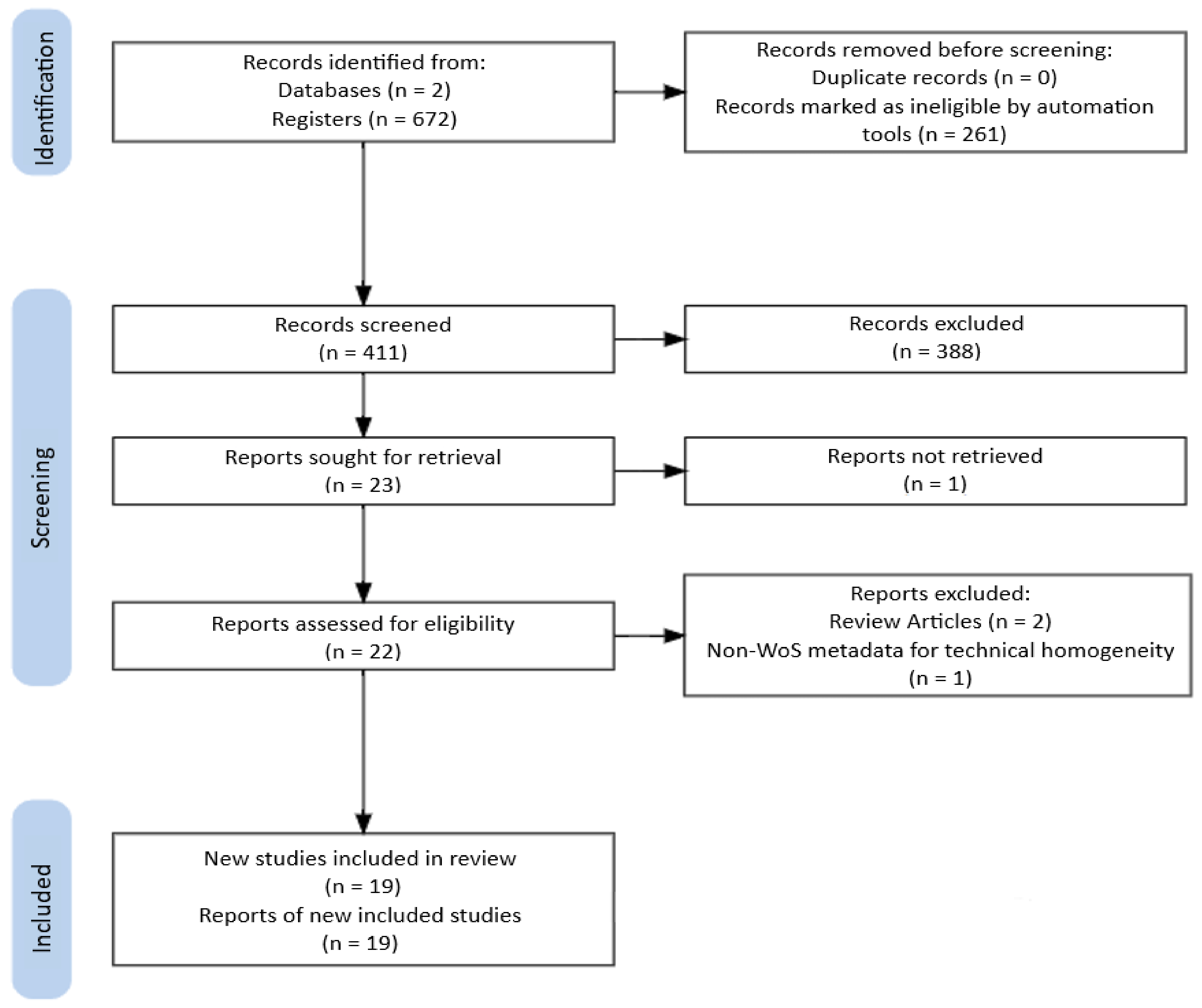
2.1. Data
2.2. Methods
3. Bibliometric Analysis
3.1. Performance Analysis
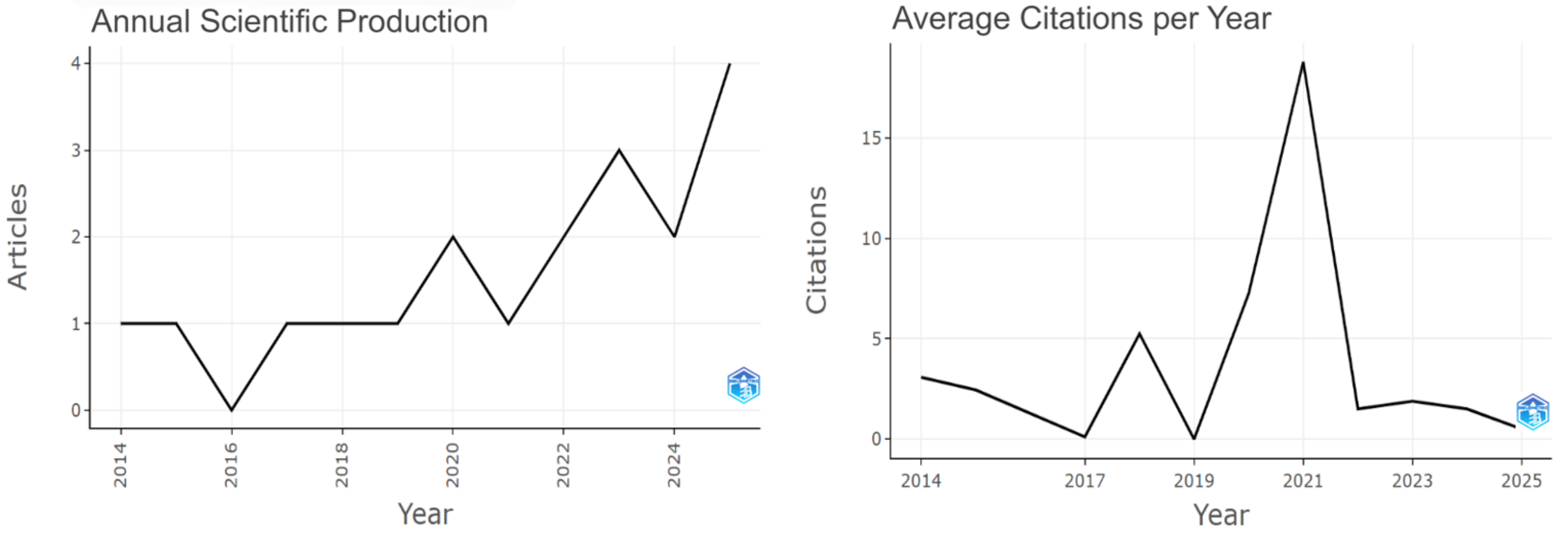
3.1.1. Publications Related Metrics
3.1.2. Citation Analysis
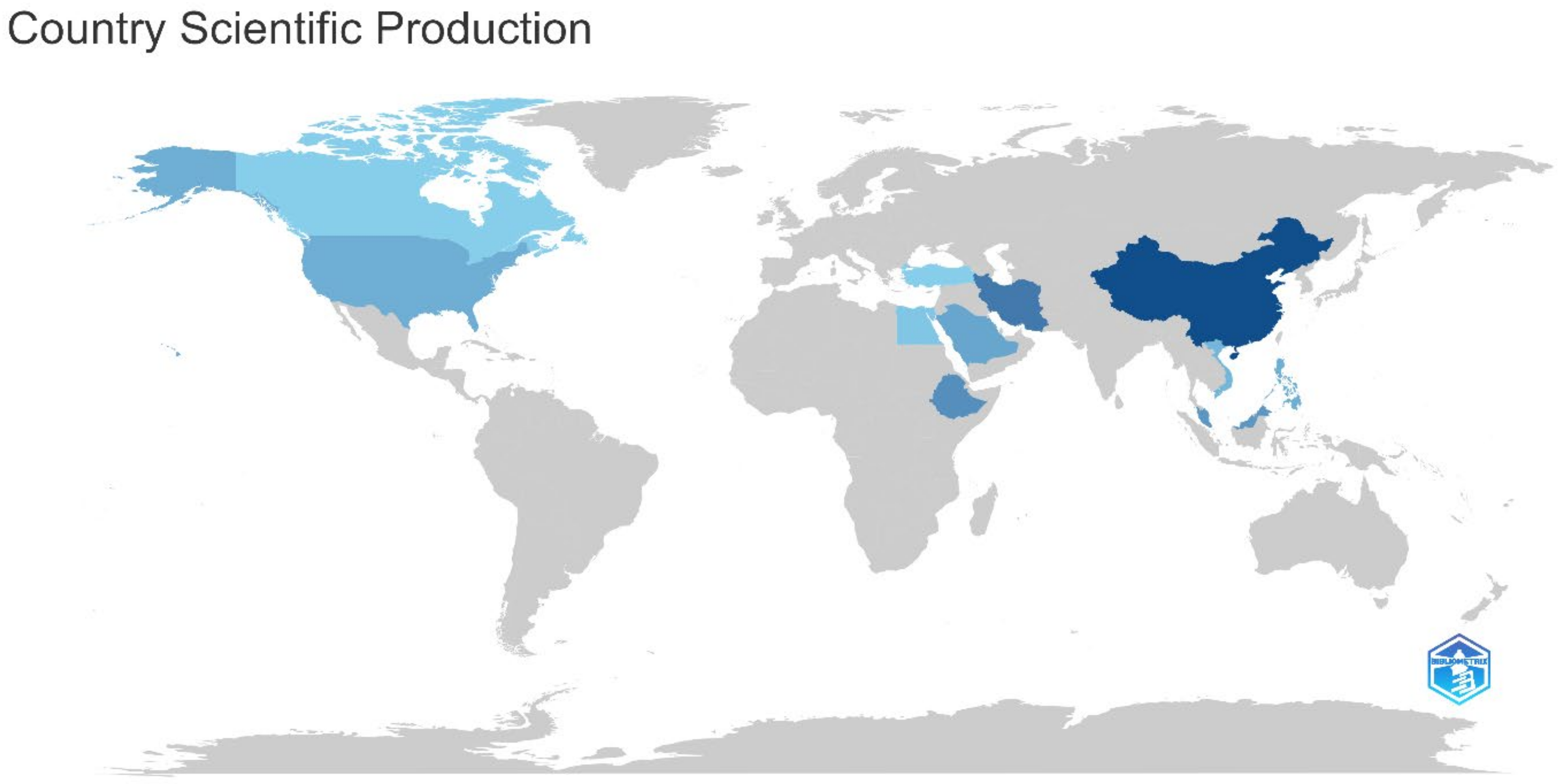
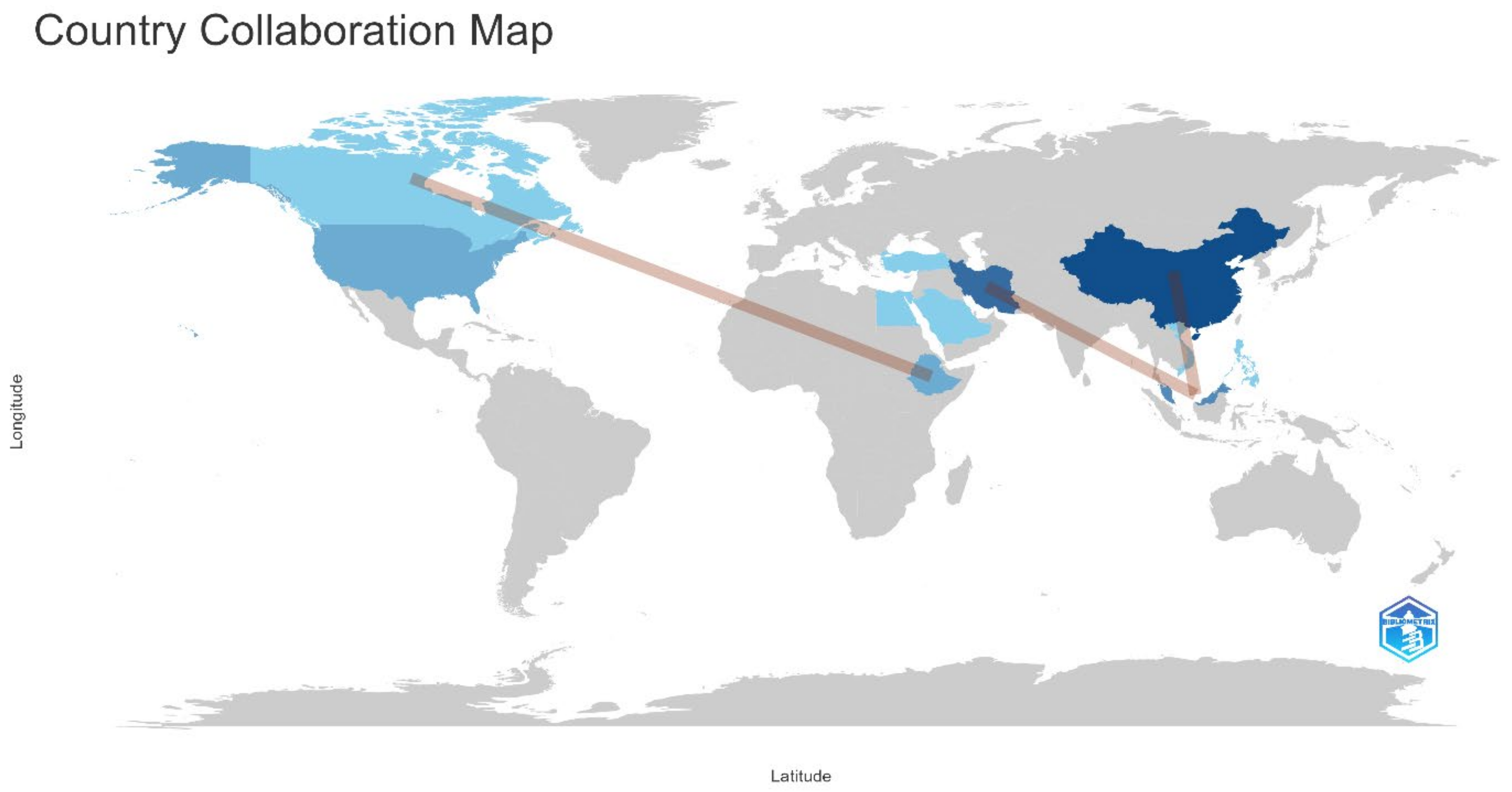
3.1.3. Collaboration Analysis
3.2. Science Mapping
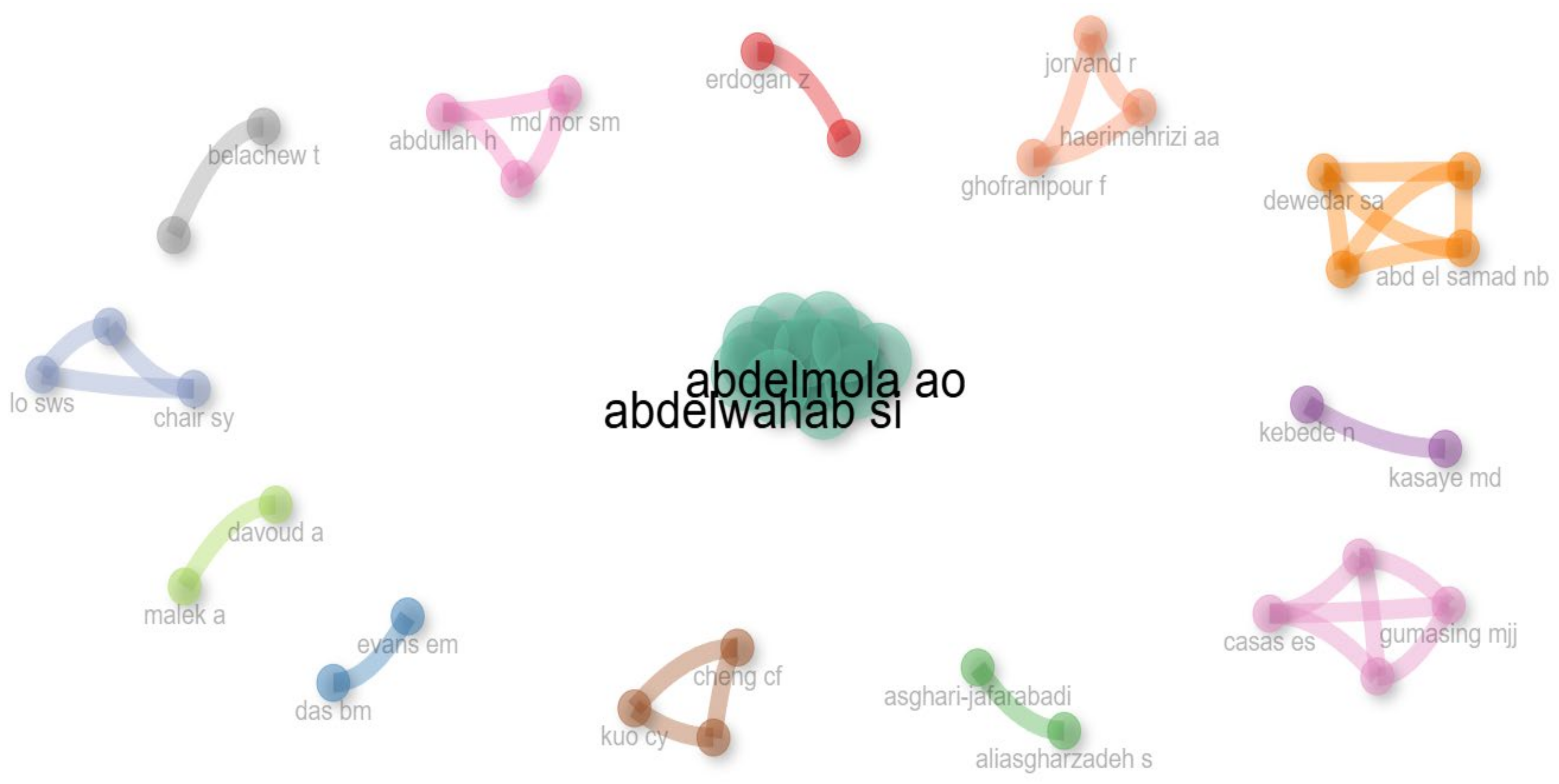
3.2.1. Social Structure—Co-Authorship Analysis
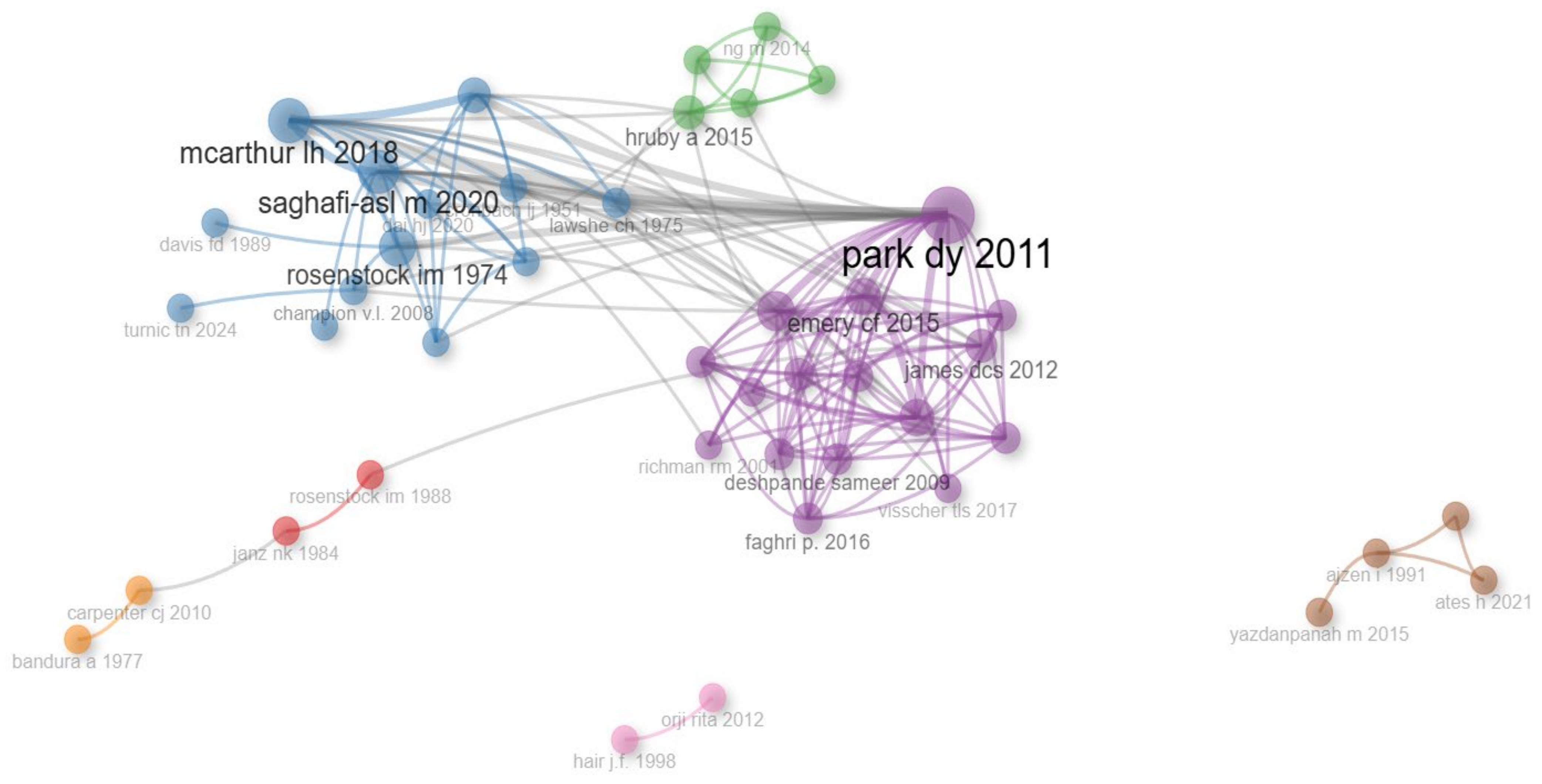
3.2.2. References Co-Citation Analysis
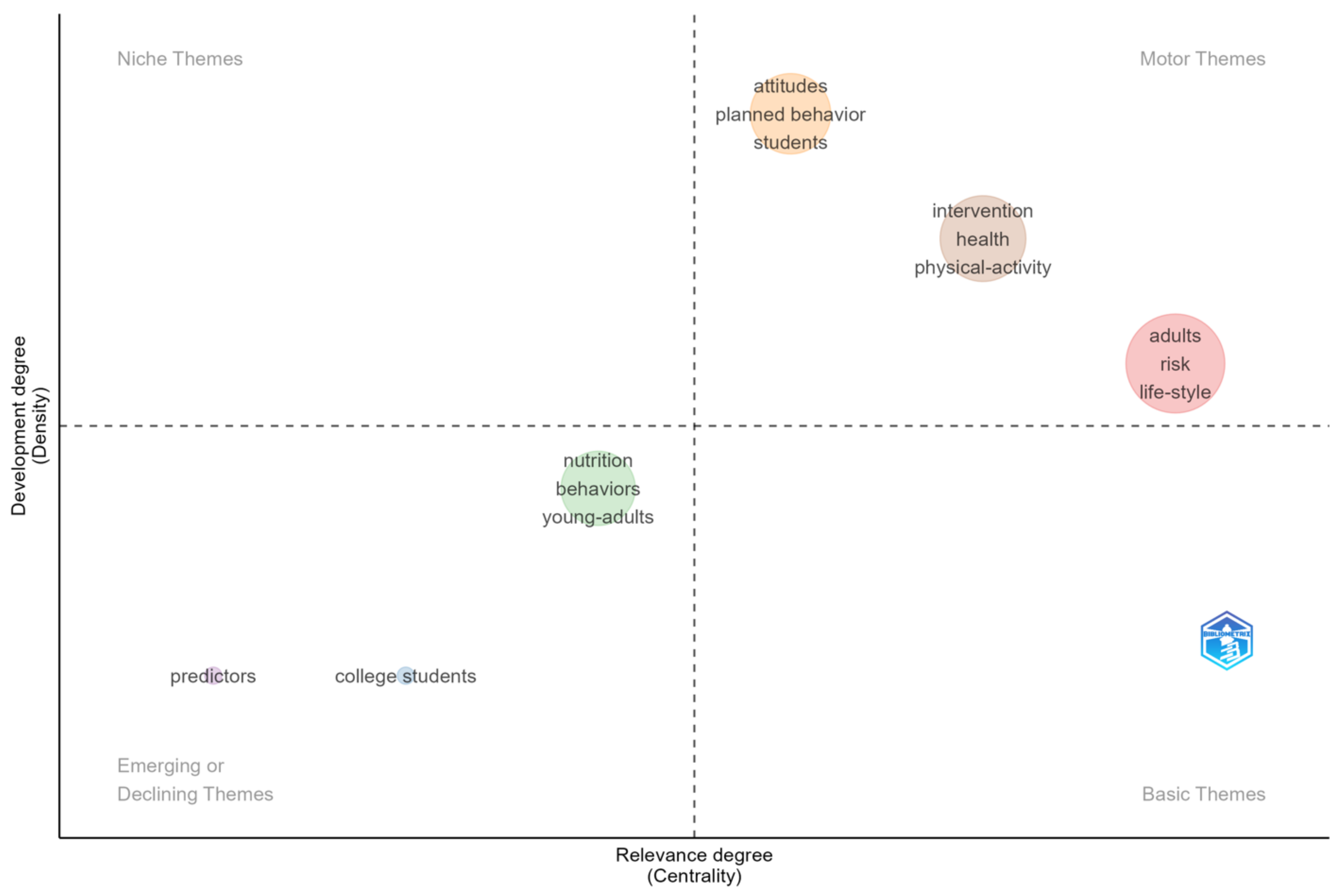
3.2.3. Conceptual Structure—Co-Word Analysis
4. Content Analysis
4.1. Intention-Centered Modeling
4.2. Self-Efficacy as a Core Determinant for the Adaptive Capacity in Behavioral Models
4.3. Cues to Action as Behavioral Catalysts: Addressing Fragmentation and Structural Underspecification
4.4. Methodological Convenience and Its Epistemic Costs
4.5. The Long Road from Mapping Predictors to Shaping Public Policy
5. Discussion
6. Conclusions
Author Contributions
Funding
Institutional Review Board Statement
Informed Consent Statement
Data Availability Statement
Acknowledgments
Conflicts of Interest
Abbreviations
| HBM | Health Belief Model |
| TPB | Theory of Planned Behavior |
| BMI | Body Mass Index |
| WoS | Web of Science |
| SEM | Structural Equation Modeling |
| SCT | Social Cognitive Theory |
| TEMPA | Theory of Effort Minimization in Physical Activity |
| MMAT | Mixed Methods Appraisal Tool |
Appendix A. Inter-Rater Reliability—Cohen’s Kappa

| Construct | Observed Agreement (Po) | Cohen’s Kappa (κ) | Interpretation |
|---|---|---|---|
| Perceived Susceptibility | 0.842 (16/19) | 0.759 | Substantial |
| Perceived Severity | 0.842 (16/19) | 0.753 | Substantial |
| Perceived Benefits | 0.842 (16/19) | 0.712 | Substantial |
| Perceived Barriers | 0.842 (16/19) | 0.712 | Substantial |
| Cues to Action | 0.789 (15/19) | 0.712 | Substantial |
| Self-efficacy (Diet) | 0.842 (16/19) | 0.782 | Substantial |
| Self-efficacy (Exercise) | 0.842 (16/19) | 0.776 | Substantial |
| Overall | 0.835 (111/133) | 0.753 | Substantial |
Appendix B. Systematic Content Analysis and Coding Matrix
| Author | Country | Design | Sample (N) | Population | Outcome Type | PSs | PSev | PBen | PBar | CtA | SE-D | SE-E | Behavioral Outcome | Analysis Method | Theory | HBM Total Score (0–21) | HBM Score Reviewer 1 (0–21) | HBM Score Reviewer 2 (0–21) |
|---|---|---|---|---|---|---|---|---|---|---|---|---|---|---|---|---|---|---|
| Espeño et al. (2024) | Philippines | Cross-sectional | 250 | Fitness users | Consumption | 0 | 0 | 2 | 2 | 0 | 3 | 3 | Supplement consumption behavior | SEM | HBM + TPB + TEMPA | 10 | 10 | 9 |
| Kebede et al. (2023) | Ethiopia | Cross-sectional | 423 | Civil servants | Intention | 3 | 2 | 3 | 3 | 1 | 2 | 2 | WM intention | CFA + multivariate linear regression | HBM | 16 | 17 | 16 |
| Raman et al. (2023) | Malaysia | Cross-sectional | 440 | Adults (Mixed BMI) | Perception + intention | 2 | 3 | 3 | 2 | 3 | 2 | 2 | WM perceptions & BMI | Regression | HBM | 17 | 17 | 16 |
| Vo & Le (2025) | Vietnam | Cross-sectional | 387 | Adults | WM intention | 3 | 3 | 2 | 2 | 2 | 2 | 3 | WM intention | Logistic regression | HBM | 17 | 17 | 15 |
| Y. Wang et al. (2022) | China | Cross-sectional | 1281 | General population | Intention + behavior | 3 | 3 | 3 | 3 | 0 | 3 | 0 | Healthy eating intention and behavior | PLS-SEM | Extended HBM | 15 | 15 | 15 |
| Beressa et al. (2025) | Ethiopia | RCT | 447 | Pregnant women | Behavior | 3 | 2 | 2 | 3 | 2 | 3 | 3 | Gestational weight gain (GWG) | GSEM | HBM | 18 | 18 | 16 |
| Abd El Samad et al. (2025) | Egypt | Two-phase (cross-sectional & quasi-experimental) | Phase 1: 800; Phase 2: 100 | Medical students | Behavior + intention | 3 | 3 | 3 | 3 | 3 | 3 | 3 | BMI + Behavioral intention | Quantitative pre-post analysis | HBM | 21 | 21 | 21 |
| Jorvand et al. (2020) | Iran | Longitudinal | 114 | Healthcare workers | Behavior | 3 | 3 | 3 | 2 | 1 | 0 | 3 | Exercise behavior | SEM + RM-ANOVA | HBM | 15 | 15 | 15 |
| Sheng et al. (2023) | China | Cross-sectional | 336 | Students | Behavioral intention/Physical activity level | 1 | 3 | 3 | 3 | 3 | 0 | 3 | Physical Activity (PA) | SEM | HBM | 16 | 16 | 16 |
| Lo et al. (2015) | China | Cross-sectional | 132 | At-risk population | Health behavior | 2 | 2 | 2 | 3 | 2 | 3 | 3 | Health behavior | Hierarchical multiple regression | HBM | 17 | 15 | 17 |
| Saghafi-Asl et al. (2020) | Iran | Cross-sectional | 336 | Female students | Intention + Behavior | 2 | 3 | 3 | 3 | 3 | 3 | 3 | BMI and behavioral intention of weight management (dieting and exercising) | SEM + Hierarchical linear regression | HBM | 20 | 20 | 20 |
| McArthur et al. (2018) | USA | Cross-sectional | 476 | Students | Behavior | 3 | 3 | 3 | 3 | 3 | 0 | 0 | Weight maintenance behavior | One-way ANOVA and regression | HBM | 15 | 15 | 15 |
| Ahmad et al. (2023) | Malaysia | Cross-sectional | 377 | Students | Behavioral intention | 3 | 2 | 3 | 2 | 3 | 3 | 2 | Behavioral intention of weight management | Independent t-tests | HBM | 18 | 18 | 18 |
| Md Nor et al. (2025) | Malaysia | Cross-sectional | 404 | Married people | Behavioral intention | 2 | 3 | 2 | 2 | 0 | 0 | 0 | Healthy lifestyle behavioral intention | SEM | HBM + TPB + Body image dissatisfaction + Habit | 9 | 9 | 9 |
| Wei et al. (2021) | China | Cross-sectional | 8840 | App users | App adoption | 2 | 2 | 3 | 3 | 0 | 3 | 0 | App usage behavior (diet, exercise, weight, and login records) | SEM | UTAUT + HBM + Self-control theory + Risk perception | 13 | 12 | 13 |
| Das and Evans (2014) | USA | Cross-sectional | 45 | Freshmen students | Perception | 1 | 1 | 1 | 1 | 1 | 1 | 1 | Students’ perceptions of benefit, barriers and strategies for weight management | Qualitative | HBM | 7 | 7 | 7 |
| Hou et al. (2022) | Taiwan | Longitudinal | 87 | Adults | Body composition measurements | 3 | 2 | 3 | 3 | 1 | 1 | 1 | Changes in body composition (weight, body fat, muscle mass) | GEE + Wald test + regression | HBM | 14 | 14 | 13 |
| Albasheer et al. (2024) | Saudi Arabia | Cross-sectional | 579 | Students | Intention | 2 | 2 | 2 | 3 | 3 | 3 | 2 | Behavioral intention of obesity management | Multivariate logistic regression | HBM | 17 | 16 | 17 |
| Nategh et al. (2017) | Iran | Cross-sectional | 500 | Women | Behavior | 1 | 1 | 3 | 3 | 0 | 0 | 3 | Behavior (Physical activity) | Correlation analysis | Social-ecological model + HBM | 11 | 11 | 11 |
Appendix C. Structured Synthesis of Measurement, Reliability, and Outcomes for HBM Constructs Across Included Studies
| Study | HBM Constructs | Measurement Instrument | Reliability (α) | Statistical Method | Outcome Variable | Key Methodological Issue |
|---|---|---|---|---|---|---|
| Espeño et al. (2024) | Perceived benefits, Perceived barriers, Self-efficacy (Diet), Self-efficacy (Exercise) | Questionnaire | 0.8–0.9 | SEM + reliability analysis | Fitness supplement consumption | Cross-sectional design; Complex integrated model with non-probabilistic sampling; Reliance on self-reported data. |
| Kebede et al. (2023) | All HBM constructs | Validated HBM questionnaire | 0.68–0.89 | CFA + multivariable linear regression | Weight management intention | Intention-only outcome; Self-reported BMI bias; Cross-sectional limitation. |
| Raman et al. (2023) | All HBM constructs | Structured survey | Validated via pilot study (n = 30) | Hierarchical regression + Nonparametric tests (Kruskal–Wallis, Mann–Whitney) | Weight management perception & BMI | Uneven sample distribution; Self-reported height/weight bias. |
| Vo & Le (2025) | All HBM constructs | Standard questionnaire | 0.85–0.94 | Multivariable Logistic Regression Analysis | Weight management intention | Convenience sampling; Cross-sectional design; Self-reported data. |
| Y. Wang et al. (2022) | Susceptibility, Severity, Benefits, Barriers, Self-efficacy, and Health Consciousness | Self-administered questionnaire | 0.730–0.897 | PLS-SEM | Healthy eating intention and behavior | Cross-sectional design; Self-reported behavior. |
| Beressa et al. (2025) | HBM | Structured interview-based questionnaire | 0.71–0.94 | GSEM + SEM | Gestational weight gain (GWG) | Cluster-level randomization; Self-reported dietary intake. |
| Abd El Samad et al. (2025) | All HBM constructs | Self-administered questionnaire | 0.92 (overall) | Paired t-test; Chi-square test; Independent t-test | BMI + Behavioral intention | Lack of control group; Short-term follow-up (3 months); Convenience sampling. |
| Jorvand et al. (2020) | Perceived Susceptibility; Perceived Severity; Perceived Benefits; Perceived Barriers; Self-efficacy (Exercise) | HBM-ISCS questionnaire | 0.715–0.816 (subscales); 0.746 (overall) | Chi-square, t-test; SEM + RAMANOVA + SEM | Exercise behavior | Self-reported data; Lack of dietary control; Influence of psychological moods. |
| Sheng et al. (2023) | Perceived benefits, perceived subjective barriers, perceived objective barriers, exercise self-efficacy, perceived severity, cues to action | Health Belief Model Scale for Exercise; International Physical Activity Questionnaire-Short Volume (IPAQ-C); Peer Support Scale for Physical Exercise | 0.637–0.798 (subscales); 0.762 (overall) | Independent t-tests; Pearson correlation analysis; SEM | Physical activity intention | Cross-sectional design; Random sampling at a single university; Self-reported data. |
| Lo et al. (2015) | Perceived threat (susceptibility + severity), cues to action, perceived benefits, perceived barriers and self-efficacy | Self-administered questionnaire | 0.69–0.91 | Three-step hierarchical multiple regression | Health-promoting behavior | Cross-sectional design; Recall bias; Convenience sampling. |
| Saghafi-Asl et al. (2020) | All HBM constructs | Structured questionnaire | 0.71–0.92 (subscales); 0.92 (overall) | Chi-square; Kruskal–Wallis; SEM; Hierarchical linear regression | Behavioral intention of weight management | Cross-sectional design; Gender bias; Self-reported data; Selection bias. |
| McArthur et al. (2018) | Perceived severity, susceptibility, barriers, benefits, and internal and external cues | Online close-ended questionnaire | 0.80–0.94 | One-way ANOVA, Kruskal–Wallis, Wilcoxon signed rank sum tests, and Generalized Least Squares Regression | Body Mass Index (BMI) | Cross-sectional design; Low response rate (14.4%); Self-reported weight and height data; Overrepresentation of female (71.3%) and white non-Hispanic (86.2%) students. |
| Ahmad et al. (2023) | All HBM constructs | Questionnaire | 0.92 (overall reliability) and 0.93 (pilot study) | Independent t-tests | Behavioral intention of weight management (diet therapy and exercise therapy) and BMI | Cross-sectional design; Convenience sampling; Contextual limitations (COVID-19); Response bias. |
| Md Nor et al. (2025) | Perceived severity, perceived susceptibility, perceived benefits, and perceived barriers. | Integrated scale—Health Belief Model Scale, TPB Scale, Healthy Lifestyle Belief Scale, Body Area Scale and Creature of Habit Scale. | 0.84 | SEM | Healthy lifestyle behavior | Cross-sectional design; Integrative Model Complexity; Self-reported data. |
| Wei et al. (2021) | Perceived benefits, perceived barriers, perceived threats (susceptibility and severity) and self-efficacy | Validated app-use scale | 0.816–0.95 | SEM | App adoption behavior | Single app focus; Cultural specificity; Self-selection bias. |
| Das & Evans (2014) | All HBM constructs | NGT qualitative method | N/A | Qualitative analysis | Weight perceptions | No quantitative modeling; Self-selection bias; |
| Hou et al. (2022) | Perceived susceptibility, perceived severity, perceived benefits and perceived barriers. | Dietary behavior scale | >0.7 | GEE; Wald test; multiple linear regression and binary logistic regression. | Body composition changes | Limited construct validation; Short duration; Gender imbalance; Study setting. |
| Albasheer et al. (2024) | All HBM constructs | Questionnaire | 0.92 (overall) | Chi-square tests for BMI associations, and Multivariate Logistic Regression | Obesity management intention | Cross-sectional design; Self-reported data; Specific context. |
| Nategh et al. (2017) | Perceived benefits, perceived barriers, and self-efficacy | Questionnaire | 0.69–0.9 | Pearson correlation test | Behavior (Physical activity) | Cross-Sectional design; Self-report bias; Specific demographic. |
References
- Abarca-Gómez, L., Abdeen, Z. A., Hamid, Z. A., Abu-Rmeileh, N. M., Acosta-Cazares, B., Acuin, C., Adams, R. J., Aekplakorn, W., Afsana, K., Aguilar-Salinas, C. A., Agyemang, C., Ahmadvand, A., Ahrens, W., Ajlouni, K., Akhtaeva, N., Al-Hazzaa, H. M., Al-Othman, A. R., Al-Raddadi, R., Al Buhairan, F., … Ezzati, M. (2017). Worldwide trends in body-mass index, underweight, overweight, and obesity from 1975 to 2016: A pooled analysis of 2416 population-based measurement studies in 128·9 million children, adolescents, and adults. The Lancet, 390(10113), 2627–2642. [Google Scholar] [CrossRef]
- Abd El Samad, N. B., Ghanem, E. A., Dewedar, S. A., & Hassan, A. M. (2025). Effectiveness of a nutritional educational program for weight gain management among medical students in the faculty of medicine at Ain Shams University: An application of the health belief model. Journal of Health, Population and Nutrition, 44(1), 101. [Google Scholar] [CrossRef]
- Ahmad, S. N. F. F., Salehuddin, N. S., Sharoni, S. K. A., Fauzi, R., Buhari, S. S., & Nor, N. M. (2023). Weight management behaviors among students in a public university. Malaysian Journal of Nursing, 14(03), 67–75. [Google Scholar] [CrossRef]
- Ajzen, I. (1985). From intentions to actions: A theory of planned behavior. In J. Kuhl, & J. Beckmann (Eds.), Action control (pp. 11–39). Springer. [Google Scholar] [CrossRef]
- Ajzen, I. (2011). Reflections on Morgan and Bachrach’s critique. Vienna Yearbook of Population Research, 9, 63–69. Available online: https://www.jstor.org/stable/41342804 (accessed on 29 September 2025). [CrossRef]
- Alamer, A. S. (2024). Behavior change theories and models within health belief model research: A five-decade holistic bibliometric analysis. Cureus, 16, e63143. [Google Scholar] [CrossRef] [PubMed]
- Albasheer, O., Hakami, N., Abdelwahab, S. I., Alqassim, A. Y., Alharbi, A., Abdelmola, A. O., Altraifi, A. A. A., Medani, I. E., Hakami, A. M. S., Moafa, M. H., Abuhadi, R. I., & Hobani, A. H. (2024). Utilisation of the health belief model to study the behavioural intentions relating to obesity management among university students: A cross-sectional study. BMJ Open, 14(5), e079783. [Google Scholar] [CrossRef] [PubMed]
- Al-Haroni, H., Nik Farid, N. D., & Azanan, M. S. (2024). Effectiveness of education intervention, with regards to physical activity level and a healthy diet, among Middle Eastern adolescents in Malaysia: A study protocol for a randomized control trial, based on a health belief model. PLoS ONE, 19(1), e0289937. [Google Scholar] [CrossRef] [PubMed]
- Al-Mahzoum, K., Abdelaziz, D., Alenezi, F., Almutairi, J., Alsubaiei, M., Alharbi, A., Al-Rawi, S., Al-Rawi, S., Bousheheri, F., Alhajri, A., Alajmi, S., Sallam, M., Mansour, N., Alnazly, E., & Sallam, M. (2025). Health beliefs and obesity bias as determinants of attitudes toward the rising tides of GLP-1 medications: Mounjaro and Ozempic. Diabetes, Metabolic Syndrome and Obesity, 18, 1389–1409. [Google Scholar] [CrossRef]
- Aria, M., & Cuccurullo, C. (2017). bibliometrix: An R-tool for comprehensive science mapping analysis. Journal of Informetrics, 11(4), 959–975. [Google Scholar] [CrossRef]
- Bagozzi, R. P., & Yi, Y. (1988). On the evaluation of structural equation models. Journal of the Academy of Marketing Science, 16(1), 74–94. [Google Scholar] [CrossRef]
- Bales, K. L., Hang, S., Paulus, J. P., Jahanfard, E., Manca, C., Jost, G., Boyer, C., Bern, R., Yerumyan, D., Rogers, S., & Mederos, S. L. (2023). Individual differences in social homeostasis. Frontiers in Behavioral Neuroscience, 17, 1068609. [Google Scholar] [CrossRef]
- Bandura, A. (1977). Self-efficacy: Toward a unifying theory of behavioral change. Psychological Review, 84(2), 191–215. [Google Scholar] [CrossRef]
- Bandura, A. (1982). Self-efficacy mechanism in human agency. American Psychologist, 37(2), 122–147. [Google Scholar] [CrossRef]
- Bandura, A. (1986). Social foundations of thought and action: A social cognitive theory. Prentice-Hall. [Google Scholar]
- Barankay, I. (2025). The missing link in behavioral interventions to raise medication adherence. JAMA Network Open, 8(5), e2510170. [Google Scholar] [CrossRef] [PubMed]
- Bauhoff, S. (2023). Self-report bias in estimating cross-sectional and treatment effects. In F. Maggino (Ed.), Encyclopedia of quality of life and well-being research (pp. 6277–6279). Springer International Publishing. [Google Scholar] [CrossRef]
- Beressa, G., Whiting, S. J., & Belachew, T. (2025). Effect of nutrition education integrating the health belief model and theory of planned behavior during pregnancy on gestational weight gain and birth weight in Southeast Ethiopia using complex analyses. BMC Pregnancy and Childbirth, 25(1), 196. [Google Scholar] [CrossRef] [PubMed]
- Bogaardt, L., Van Giessen, A., Picavet, H. S. J., & Boshuizen, H. C. (2024). A model of individual BMI trajectories. Mathematical Medicine and Biology: A Journal of the IMA, 41(1), 1–18. [Google Scholar] [CrossRef]
- Borges-Tiago, M. T., Almeida, A., Tiago, F. G. B., & Avelar, S. M. M. (2024). Bridging the innovative attitude–behavior gap: A dual-level analysis. Journal of Innovation & Knowledge, 9(4), 100561. [Google Scholar] [CrossRef]
- Bray, G. A., Kim, K. K., Wilding, J. P. H., & World Obesity Federation. (2017). Obesity: A chronic relapsing progressive disease process. A position statement of the World Obesity Federation. Obesity Reviews, 18(7), 715–723. [Google Scholar] [CrossRef]
- Carpenter, C. J. (2010). A meta-analysis of the effectiveness of health belief model variables in predicting behavior. Health Communication, 25(8), 661–669. [Google Scholar] [CrossRef]
- Carra, M. C., Romandini, P., & Romandini, M. (2025). Risk of bias evaluation of cross-sectional studies: Adaptation of the Newcastle-Ottawa scale. Journal of Periodontal Research, jre.13405. [Google Scholar] [CrossRef]
- Carrodano, C. (2025). General framework of nonlinear factor interactions using bayesian networks for risk analysis applied to road safety and public health. Scientific Reports, 15(1), 29934. [Google Scholar] [CrossRef]
- CDC. (2023, June 20). Unfit to serve. Centers for Disease Control and Prevention. Available online: https://www.cdc.gov/physicalactivity/resources/unfit-to-serve/index.html (accessed on 15 December 2025).
- Champion, V. L., & Skinner, C. S. (2008). The health belief model. In Health behavior and health education: Theory, research, and practice (4th ed., pp. 45–65). Jossey-Bass/Wiley. [Google Scholar]
- Chen, C., Dubin, R., & Schultz, T. (2014). Science mapping. In M. Khosrow-Pour (Ed.), Encyclopedia of information science and technology (3rd ed., pp. 4171–4184). IGI Global Scientific Publishing. [Google Scholar] [CrossRef]
- Cobo, M. J., López-Herrera, A. G., Herrera-Viedma, E., & Herrera, F. (2011). An approach for detecting, quantifying, and visualizing the evolution of a research field: A practical application to the fuzzy sets theory field. Journal of Informetrics, 5(1), 146–166. [Google Scholar] [CrossRef]
- Cobo, M. J., Martínez, M. A., Gutiérrez-Salcedo, M., Fujita, H., & Herrera-Viedma, E. (2015). 25 years at knowledge-based systems: A bibliometric analysis. Knowledge-Based Systems, 80, 3–13. [Google Scholar] [CrossRef]
- Code, J. (2020). Agency for learning: Intention, motivation, self-efficacy and self-regulation. Frontiers in Education, 5, 19. [Google Scholar] [CrossRef]
- Conner, M., & Norman, P. (2022). Understanding the intention-behavior gap: The role of intention strength. Frontiers in Psychology, 13, 923464. [Google Scholar] [CrossRef]
- Cucari, N., Tutore, I., Montera, R., & Profita, S. (2023). A bibliometric performance analysis of publication productivity in the corporate social responsibility field: Outcomes of SciVal analytics. Corporate Social Responsibility and Environmental Management, 30(1), 1–16. [Google Scholar] [CrossRef]
- Daddario, D. K. (2007). A review of the use of the health belief model for weight management. Medsurg Nursing, 16, 363–366. [Google Scholar]
- Das, B. M., & Evans, E. M. (2014). Understanding weight management perceptions in first-year college students using the health belief model. Journal of American College Health, 62(7), 488–497. [Google Scholar] [CrossRef]
- De La Cruz, M., Zarate, A., Zamarripa, J., Castillo, I., Borbon, A., Duarte, H., & Valenzuela, K. (2021). Grit, self-efficacy, motivation and the readiness to change index toward exercise in the adult population. Frontiers in Psychology, 12, 732325. [Google Scholar] [CrossRef]
- Diez Roux, A. V. (2011). Complex systems thinking and current impasses in health disparities research. American Journal of Public Health, 101(9), 1627–1634. [Google Scholar] [CrossRef]
- DiMatteo, M. R., Martin, L. R., & Haskard-Zolnierek, K. B. (2025). Models of health behavior change and treatment adherence. In M. R. DiMatteo, L. R. Martin, & K. B. Haskard-Zolnierek (Eds.), Health behavior change and treatment adherence (2nd ed., pp. 37–63). Oxford University Press. [Google Scholar] [CrossRef]
- Donthu, N., Kumar, S., Mukherjee, D., Pandey, N., & Lim, W. M. (2021). How to conduct a bibliometric analysis: An overview and guidelines. Journal of Business Research, 133, 285–296. [Google Scholar] [CrossRef]
- Durieux, V., & Gevenois, P. A. (2010). Bibliometric indicators: Quality measurements of scientific publication. Radiology, 255(2), 342–351. [Google Scholar] [CrossRef] [PubMed]
- Enste, D., & Altenhöner, S.-N. (2021). Behavioral economics and leadership: How to bridge the gap between intentions and behavior (Research report No. 7/2021). IW-Report. Available online: https://www.econstor.eu/handle/10419/231792 (accessed on 17 December 2025).
- Espeño, P. R., Ong, A. K. S., German, J. D., Gumasing, M. J. J., & Casas, E. S. (2024). Analysis of actual fitness supplement consumption among health and fitness enthusiasts. Foods, 13(9), 1424. [Google Scholar] [CrossRef] [PubMed]
- Falagas, M. E., Pitsouni, E. I., Malietzis, G. A., & Pappas, G. (2008). Comparison of PubMed, Scopus, Web of Science, and Google Scholar: Strengths and weaknesses. The FASEB Journal, 22(2), 338–342. [Google Scholar] [CrossRef]
- Fishbein, M. (1979). A theory of reasoned action: Some applications and implications. Nebraska Symposium on Motivation, 27, 65–116. [Google Scholar]
- Fukuyama, F. (1996). Trust: The social virtues and the creation of prosperity. Simon and Schuster. [Google Scholar]
- Fusco, F., Marsilio, M., & Guglielmetti, C. (2020). Co-production in health policy and management: A comprehensive bibliometric review. BMC Health Services Research, 20(1), 504. [Google Scholar] [CrossRef]
- Gavel, Y., & Iselid, L. (2008). Web of Science and Scopus: A journal title overlap study. Online Information Review, 32(1), 8–21. [Google Scholar] [CrossRef]
- Gong, L., & Sheng, J. (2022). The current health belief of exercise conditions of Chinese college students and ways of improvements: An analysis based on the health belief model. Frontiers in Psychology, 13, 906297. [Google Scholar] [CrossRef]
- Greenland, S. (2005). Multiple-bias modelling for analysis of observational data. Journal of the Royal Statistical Society Series A: Statistics in Society, 168(2), 267–306. [Google Scholar] [CrossRef]
- Guan, Q., Dong, R., Zhang, M., Chang, D., Zhang, R., Wang, Y., Zhang, W., & Wang, J. (2025). Factors influencing knowledge-action gap in patients with metabolic dysfunction-associated fatty liver disease: A qualitative study. Journal of Nutrition Education and Behavior, 57(4), 274–284. [Google Scholar] [CrossRef]
- Hair, J. F., Hult, G. T. M., Ringle, C. M., Sarstedt, M., Danks, N. P., & Ray, S. (2021). An introduction to structural equation modeling. In J. F. Hair, G. T. M. Hult, C. M. Ringle, M. Sarstedt, N. P. Danks, & S. Ray (Eds.), Partial least squares structural equation modeling (PLS-SEM) using R (pp. 1–29). Springer International Publishing. [Google Scholar] [CrossRef]
- Harrison, J. A., Mullen, P. D., & Green, L. W. (1992). A meta-analysis of studies of the health belief model with adults. Health Education Research, 7(1), 107–116. [Google Scholar] [CrossRef]
- Heino, M. T. J., Proverbio, D., Saurio, K., Siegenfeld, A., & Hankonen, N. (2024). From a false sense of safety to resilience under uncertainty. Frontiers in Psychology, 15, 1346542. [Google Scholar] [CrossRef]
- Hou, Y.-C., Wu, J.-H., Cheng, C.-F., Kuo, C.-Y., & Tzeng, I.-S. (2022). Use of the health belief model for weight control promotion using vegetarian meal plans. Current Topics in Nutraceutical Research, 20(2), 219–228. [Google Scholar] [CrossRef]
- Huang, A. A., & Huang, S. Y. (2023). Stochastic modeling of obesity status in United States adults using markov chains: A nationally representative analysis of population health data from 2017–2020. Obesity Science & Practice, 9(6), 653–660. [Google Scholar] [CrossRef]
- Hulland, J. (2024). Bibliometric reviews—Some guidelines. Journal of the Academy of Marketing Science, 52(4), 935–938. [Google Scholar] [CrossRef]
- Janz, N. K., & Becker, M. H. (1984). The health belief model: A decade later. Health Education Quarterly, 11(1), 1–47. [Google Scholar] [CrossRef]
- Jones, C. L., Jensen, J. D., Scherr, C. L., Brown, N. R., Christy, K., & Weaver, J. (2015). The health belief model as an explanatory framework in communication research: Exploring parallel, serial, and moderated mediation. Health Communication, 30(6), 566–576. [Google Scholar] [CrossRef] [PubMed]
- Jorvand, R., Ghofranipour, F., HaeriMehrizi, A., & Tavousi, M. (2020). Evaluating the impact of HBM-based education on exercise among health care workers: The usage of mobile applications in Iran. BMC Public Health, 20(1), 546. [Google Scholar] [CrossRef] [PubMed]
- Kawachi, I., & Kennedy, B. P. (1999). Income inequality and health: Pathways and mechanisms. Health Services Research, 34(1), 215–227. Available online: https://pmc.ncbi.nlm.nih.gov/articles/PMC1088996/ (accessed on 15 December 2025).
- Kebede, N., Mohammed, Y., Kasaye, M., & Zewdie, A. (2023). Application of health belief model to assess predictors of weight management behaviour intention among civil servants in Ethiopia: A mixed method study. Diabetes, Metabolic Syndrome and Obesity, 16, 3339–3352. [Google Scholar] [CrossRef]
- Khanali, J., Malekpour, M.-R., & Kolahi, A.-A. (2023). Assessing the research performance of the Iranian medical academics and universities: A bibliometric analysis. Medical Journal of the Islamic Republic of Iran, 37, 31. [Google Scholar] [CrossRef]
- Kogevinas, M., & Chatzi, L. (2021). Cross-sectional studies. In R. Detels, Q. Abdool Karim, F. Baum, L. Li, & A. H. Leyland (Eds.), Oxford textbook of global public health (7th ed., pp. 47–58). Oxford University Press. [Google Scholar] [CrossRef]
- Kukucka, J., & Findley, K. (2023). Cognitive bias in medico-legal judgments. In K. A. Findley, C. Rossant, K. Sasakura, L. Schneps, W. Squier, & K. Wester (Eds.), Shaken baby syndrome (1st ed., pp. 205–217). Cambridge University Press. [Google Scholar] [CrossRef]
- Lancichinetti, A., & Fortunato, S. (2009). Community detection algorithms: A comparative analysis. Physical Review E, 80(5), 056117. [Google Scholar] [CrossRef]
- Landis, J. R., & Koch, G. G. (1977). The measurement of observer agreement for categorical data. Biometrics, 33(1), 159–174. [Google Scholar] [CrossRef]
- Lang, J. C., De Sterck, H., & Abrams, D. M. (2017). The statistical mechanics of human weight change. PLoS ONE, 12(12), e0189795. [Google Scholar] [CrossRef]
- Liu, K. T., Kueh, Y. C., Arifin, W. N., Kim, Y., & Kuan, G. (2018). Application of transtheoretical model on behavioral changes, and amount of physical activity among university’s students. Frontiers in Psychology, 9, 2402. [Google Scholar] [CrossRef]
- Lo, S. W. S., Chair, S. Y., & Lee, F. K. (2015). Factors associated with health-promoting behavior of people with or at high risk of metabolic syndrome: Based on the health belief model. Applied Nursing Research, 28(2), 197–201. [Google Scholar] [CrossRef]
- Lungu, B., Sibinescu, R. B., & Pislaru, D. (2024). Managing obesity using the health belief model—A chronological approach, a narrative review. Manager, 39, 49–64. Available online: https://manager.faa.ro/wp-content/uploads/2024/12/39m_49_64.pdf (accessed on 17 February 2026).
- Maddux, J. E. (2013). Self-efficacy, adaptation, and adjustment: Theory, research, and application. Springer Science & Business Media. [Google Scholar]
- Marteau, T. M., Fletcher, P. C., Munafò, M. R., & Hollands, G. J. (2021). Beyond choice architecture: Advancing the science of changing behaviour at scale. BMC Public Health, 21(1), 1531. [Google Scholar] [CrossRef]
- McArthur, L. H., Riggs, A., Uribe, F., & Spaulding, T. J. (2018). Health belief model offers opportunities for designing weight management interventions for college students. Journal of Nutrition Education and Behavior, 50(5), 485–493. [Google Scholar] [CrossRef]
- Md Nor, S. M., Abdullah, H., Zaremohzzabieh, Z., Osman, S., & Wan Jaafar, W. M. (2025). Predicting healthy lifestyle behavior among married people: Integrating theory of planned behavior, health belief model, body image dissatisfaction and habit. Health Education, 125(2), 202–215. [Google Scholar] [CrossRef]
- Mongeon, P., & Paul-Hus, A. (2016). The journal coverage of Web of Science and Scopus: A comparative analysis. Scientometrics, 106(1), 213–228. [Google Scholar] [CrossRef]
- Nategh, A., Malek, A., Sadegh, H., & Davoud, A. (2017). Women physical activity and its effective factors using a social-ecological model. Annals of Medical and Health Sciences Research, 7(6), 438–441. [Google Scholar]
- OECD. (2019). The heavy burden of obesity: The economics of prevention. OECD Health Policy Studies. [Google Scholar] [CrossRef]
- Park, D.-Y. (2011). Utilizing the health belief model to predicting female middle school students’ behavioral intention of weight reduction by weight status. Nutrition Research and Practice, 5(4), 337. [Google Scholar] [CrossRef]
- Parkinson, J. A., Gould, A., Knowles, N., West, J., & Goodman, A. M. (2025). Integrating systems thinking and behavioural science. Behavioral Sciences, 15(4), 403. [Google Scholar] [CrossRef]
- Passas, I. (2024). Bibliometric analysis: The main steps. Encyclopedia, 4(2), 1014–1025. [Google Scholar] [CrossRef]
- Petticrew, M., Maani, N., Pettigrew, L., Rutter, H., & Van Schalkwyk, M. C. (2020). Dark nudges and sludge in big alcohol: Behavioral economics, cognitive biases, and alcohol industry corporate social responsibility. The Milbank Quarterly, 98(4), 1290–1328. [Google Scholar] [CrossRef]
- Popkin, B. M., Du, S., Green, W. D., Beck, M. A., Algaith, T., Herbst, C. H., Alsukait, R. F., Alluhidan, M., Alazemi, N., & Shekar, M. (2020). Individuals with obesity and COVID-19: A global perspective on the epidemiology and biological relationships. Obesity Reviews, 21(11), e13128. [Google Scholar] [CrossRef]
- Puiu, I.-A., & Bîlbîie, A. (2025). Measuring productivity in the healthcare sector: A bibliometric and content analysis. Health Economics Review, 15(1), 24. [Google Scholar] [CrossRef]
- Raman, S., Ong, S. C., & See Ooi, G. (2023). Application of health belief model: Demographic factors affecting body mass index (BMI) and perceptions of weight management among Malaysians. Journal of Pharmaceutical Health Services Research, 14(2), 178–187. [Google Scholar] [CrossRef]
- Raude, J., Lecrique, J.-M., Lasbeur, L., Leon, C., Guignard, R., du Roscoät, E., & Arwidson, P. (2020). Determinants of preventive behaviors in response to the COVID-19 pandemic in France: Comparing the sociocultural, psychosocial, and social cognitive explanations. Frontiers in Psychology, 11, 584500. [Google Scholar] [CrossRef]
- R Core Team. (2023). R: A language and environment for statistical computing (Version 4.3.0) [Computer software]. R Foundation for Statistical Computing. Available online: https://www.R-project.org/ (accessed on 26 February 2026).
- Roberto, C. A., & Kawachi, I. (Eds.). (2015). Behavioral economics and public health. Oxford University Press. [Google Scholar] [CrossRef]
- Rosenstock, I. M. (1974a). Historical origins of the health belief model. Health Education Monographs, 2(4), 328–335. [Google Scholar] [CrossRef]
- Rosenstock, I. M. (1974b). The health belief model and preventive health behavior. Health Education Monographs, 2(4), 354–386. [Google Scholar] [CrossRef]
- Rota, L., Argiento, R., & Cameletti, M. (2025). Modeling spatio-temporal dynamics of obesity in Italian regions via bayesian beta regression (Version 1). arXiv. [Google Scholar] [CrossRef]
- Roy, M. M. (2014). Belief in optimism might be more problematic than actual optimism. Frontiers in Psychology, 5, 624. [Google Scholar] [CrossRef]
- Rutter, H., Savona, N., Glonti, K., Bibby, J., Cummins, S., Finegood, D. T., Greaves, F., Harper, L., Hawe, P., Moore, L., Petticrew, M., Rehfuess, E., Shiell, A., Thomas, J., & White, M. (2017). The need for a complex systems model of evidence for public health. The Lancet, 390(10112), 2602–2604. [Google Scholar] [CrossRef]
- Sadeghi-Bazargani, H., Bakhtiary, F., Golestani, M., Sadeghi-Bazargani, Y., Jalilzadeh, N., & Saadati, M. (2019). The research performance of Iranian medical academics: A national analyses. BMC Medical Education, 19(1), 449. [Google Scholar] [CrossRef]
- Saghafi-Asl, M., Aliasgharzadeh, S., & Asghari-Jafarabadi, M. (2020). Factors influencing weight management behavior among college students: An application of the health belief model. PLoS ONE, 15(2), e0228058. [Google Scholar] [CrossRef]
- Schmidt, R. (2024). A model for choice infrastructure: Looking beyond choice architecture in behavioral public policy. Behavioural Public Policy, 8(3), 415–440. [Google Scholar] [CrossRef]
- Serttaş, A., Gürkan, H., & Dere, G. (2025). Synthetic social alienation: The role of algorithm-driven content in shaping digital discourse and user perspectives. Journalism and Media, 6(3), 149. [Google Scholar] [CrossRef]
- Sheng, J., Gong, L., & Zhou, J. (2023). Exercise health belief model mediates the relationship between physical activity and peer support among Chinese college students: A cross-sectional survey. Frontiers in Psychology, 14, 1103109. [Google Scholar] [CrossRef]
- Silverman, M. P. (2025). Perspective on the body mass index (BMI) and variability of human weight and height. Journal of Biosciences and Medicines, 13(06), 309–320. [Google Scholar] [CrossRef]
- Solem, R. C. (2015). Limitation of a cross-sectional study. American Journal of Orthodontics and Dentofacial Orthopedics, 148(2), 205. [Google Scholar] [CrossRef]
- Sürücü, L., Şeşen, H., & Maslakçı, A. (2023). Regression, mediation/moderation, and structural equation modeling with SPSS, AMOS, and PROCESS Macro. Livre de Lyon. Available online: https://books.google.com/books?hl=ro&lr=&id=5De9EAAAQBAJ&oi=fnd&pg=PR1&dq=S%C3%9CR%C3%9CC%C3%9C,+L.,+%C5%9Ee%C5%9Fen,+H.,+%26+Maslak%C3%A7%C4%B1,+A.+(2023).+Regression,+Mediation/Moderation,+and+Structural+Equation+Modeling+with+SPSS,+AMOS,+and+PROCESS+Macro.+Livre+de+Lyon.&ots=ayJiJbw8oy&sig=k5Hk0Nd-nL16TJ2uYlExA8bWbxM (accessed on 1 February 2026).
- Taris, T. W., Kessler, S. R., & Kelloway, E. K. (2021). Strategies addressing the limitations of cross-sectional designs in occupational health psychology: What they are good for (and what not). Work & Stress, 35(1), 1–5. [Google Scholar] [CrossRef]
- Taylor, D., Bury, M., Campling, N., Carter, S., Garfied, S., Newbould, J., & Rennie, T. (2006). A review of the use of the Health Belief Model (HBM), the Theory of Reasoned Action (TRA), the Theory of Planned Behaviour (TPB) and the Trans-Theoretical Model (TTM) to study and predict health related behaviour change (pp. 1–215). National Institute for Health and Clinical Excellence. Available online: https://www.academia.edu/download/33424122/Behaviour_Change-Taylor_et_al-models_review_tables_appendices.pdf (accessed on 17 February 2026).
- Terenzio, F. (2025). Systemic vulnerability: From AI systems to environmental systems. Topoi. [Google Scholar] [CrossRef]
- Thaler, R. H., & Sunstein, C. R. (2008). Nudge: Improving decisions about health, wealth, and happiness. Yale University Press. [Google Scholar]
- Vâlsan, C., Druică, E., & Aligică, P. D. (2025). Fostering antifragility: What policymakers should know about individual resilience in Romania. Administrative Sciences, 15(6), 236. [Google Scholar] [CrossRef]
- Vâlsan, C., Puiu, A.-I., & Druică, E. (2024). From whence commeth data misreporting? A survey of benford’s law and digit analysis in the time of the COVID-19 pandemic. Mathematics, 12(16), 2579. [Google Scholar] [CrossRef]
- Vo, T. T., & Le, Q.-D. (2025). Application of the health belief model to study weight management behavioral intentions among adults in Ho Chi Minh City, Vietnam: A cross-sectional study. BMC Public Health, 25(1), 2436. [Google Scholar] [CrossRef] [PubMed]
- Wakefield, J. (2009). Multi-level modelling, the ecologic fallacy, and hybrid study designs. International Journal of Epidemiology, 38(2), 330–336. [Google Scholar] [CrossRef]
- Wang, X., & Cheng, Z. (2020). Cross-sectional studies. Chest, 158(1), S65–S71. [Google Scholar] [CrossRef]
- Wang, Y., Wen, X., Zhu, Y., Xiong, Y., & Liu, X. (2022). Chinese residents’ healthy eating intentions and behaviors: Based on an extended health belief model. International Journal of Environmental Research and Public Health, 19(15), 9037. [Google Scholar] [CrossRef] [PubMed]
- Webb, T. L., & Sheeran, P. (2006). Does changing behavioral intentions engender behavior change? A meta-analysis of the experimental evidence. Psychological Bulletin, 132(2), 249–268. [Google Scholar] [CrossRef]
- Wei, J., Vinnikova, A., Lu, L., & Xu, J. (2021). Understanding and predicting the adoption of fitness mobile apps: Evidence from China. Health Communication, 36(8), 950–961. [Google Scholar] [CrossRef]
- Wu, S., Feng, X., & Sun, X. (2020). Development and evaluation of the health belief model scale for exercise. International Journal of Nursing Sciences, 7, S23–S30. [Google Scholar] [CrossRef]
- Xia, Y., & Yang, Y. (2019). RMSEA, CFI, and TLI in structural equation modeling with ordered categorical data: The story they tell depends on the estimation methods. Behavior Research Methods, 51(1), 409–428. [Google Scholar] [CrossRef]
- Yan, F., Peng, G., Sun, R., Zhang, Y., Qiao, P., Liu, M., Ma, Y., & Han, L. (2025). Identifying decision-making biases in self-care behaviours among patients with type 2 diabetes mellitus: A qualitative study from a behavioural economics perspective. International Journal of Nursing Studies, 171, 105182. [Google Scholar] [CrossRef]
- Zhang, M. W. B., Ying, J., Wing, T., Song, G., Fung, D. S. S., & Smith, H. E. (2018). Cognitive biases in cannabis, opioid, and stimulant disorders: A systematic review. Frontiers in Psychiatry, 9, 376. [Google Scholar] [CrossRef]


| Database | No. of Articles | No. of Publishing Sources | Timespan | Document Average Age | Average Citation per Article | Highest No. of Citations per Article |
|---|---|---|---|---|---|---|
| WoS | 19 | 18 | 2014–2025 | 3.68 | 17.11 | 94 |
| Cluster | Country | Authors’ Research Interest |
|---|---|---|
| Cluster 1 | Turkey | General and Internal Medicine |
| Cluster 2 | USA | Sport Sciences; Psychology |
| Cluster 3 | Iran | Nutrition & Dietetics; Public, Environmental & Occupational Health |
| Cluster 4 | Ethiopia | Health Care Sciences & Services; Public, Environmental & Occupational Health; Science & Technology |
| Cluster 5 | Egypt | Public, Environmental & Occupational Health; Environmental Sciences & Ecology |
| Cluster 6 | Taiwan | Biochemistry & Molecular Biology; Pharmacology & Pharmacy; Nutrition & Dietetics |
| Cluster 7 | Malaysia | Business & Economics; Social Sciences; Public, Environmental & Occupational Health |
| Cluster 8 | Ethiopia | Science & Technology; Nutrition & Dietetics; Public, Environmental & Occupational Health |
| Cluster 9 | Saudi Arabia | General & Internal Medicine; General & Internal Medicine; Biomedical Social Sciences; Psychiatry |
| Cluster 10 | Iran | Public, Environmental & Occupational Health; General & Internal Medicine; Nursing |
| Cluster 11 | China | Nursing; Cardiovascular System & Cardiology |
| Cluster 12 | Philippines | Food Science & Technology; Computer Science |
| Cluster 13 | Iran | Health Care Sciences & Services |
Disclaimer/Publisher’s Note: The statements, opinions and data contained in all publications are solely those of the individual author(s) and contributor(s) and not of MDPI and/or the editor(s). MDPI and/or the editor(s) disclaim responsibility for any injury to people or property resulting from any ideas, methods, instructions or products referred to in the content. |
© 2026 by the authors. Licensee MDPI, Basel, Switzerland. This article is an open access article distributed under the terms and conditions of the Creative Commons Attribution (CC BY) license.
Share and Cite
Puiu, I.-A.; Lungu, B.; Hejja, I.-F. Behavioral Modeling in Weight Management: A Global Bibliometric and Content Analysis of Health Belief Model Applications. Behav. Sci. 2026, 16, 892. https://doi.org/10.3390/bs16060892
Puiu I-A, Lungu B, Hejja I-F. Behavioral Modeling in Weight Management: A Global Bibliometric and Content Analysis of Health Belief Model Applications. Behavioral Sciences. 2026; 16(6):892. https://doi.org/10.3390/bs16060892
Chicago/Turabian StylePuiu, Ionela-Andreea, Brîndușa Lungu, and Izabela-Flavia Hejja. 2026. "Behavioral Modeling in Weight Management: A Global Bibliometric and Content Analysis of Health Belief Model Applications" Behavioral Sciences 16, no. 6: 892. https://doi.org/10.3390/bs16060892
APA StylePuiu, I.-A., Lungu, B., & Hejja, I.-F. (2026). Behavioral Modeling in Weight Management: A Global Bibliometric and Content Analysis of Health Belief Model Applications. Behavioral Sciences, 16(6), 892. https://doi.org/10.3390/bs16060892