Article

The Impact of Experience on Motion Information Processing: An ERP Study

1
The School of Physical Education, Liaoning Normal University, Dalian 116029, China
2
The School of Psychology, Liaoning Normal University, Dalian 116029, China
*
Author to whom correspondence should be addressed.
Behav. Sci. 2026, 16(2), 284; https://doi.org/10.3390/bs16020284
Submission received: 27 December 2025 / Revised: 11 February 2026 / Accepted: 13 February 2026 / Published: 15 February 2026

Abstract

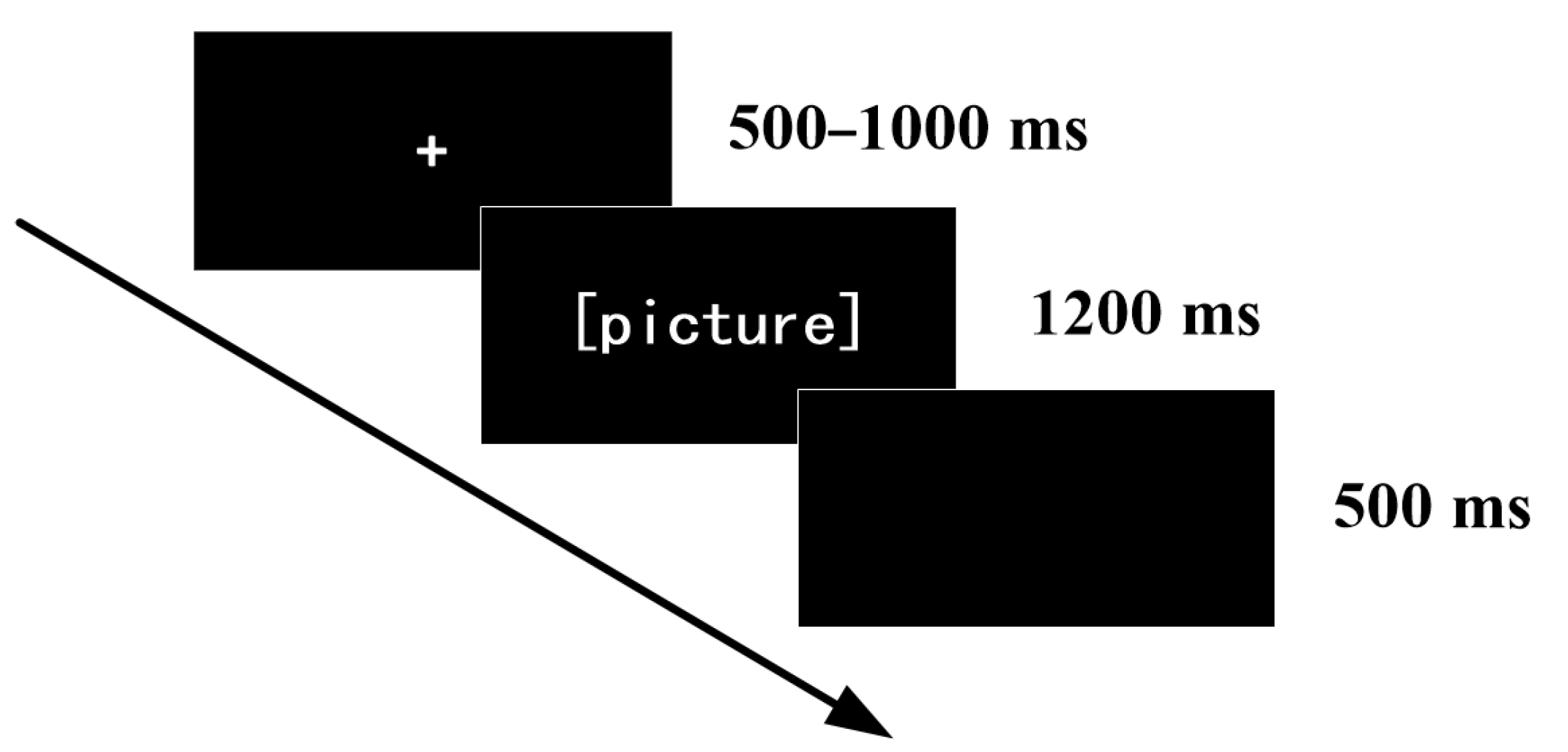
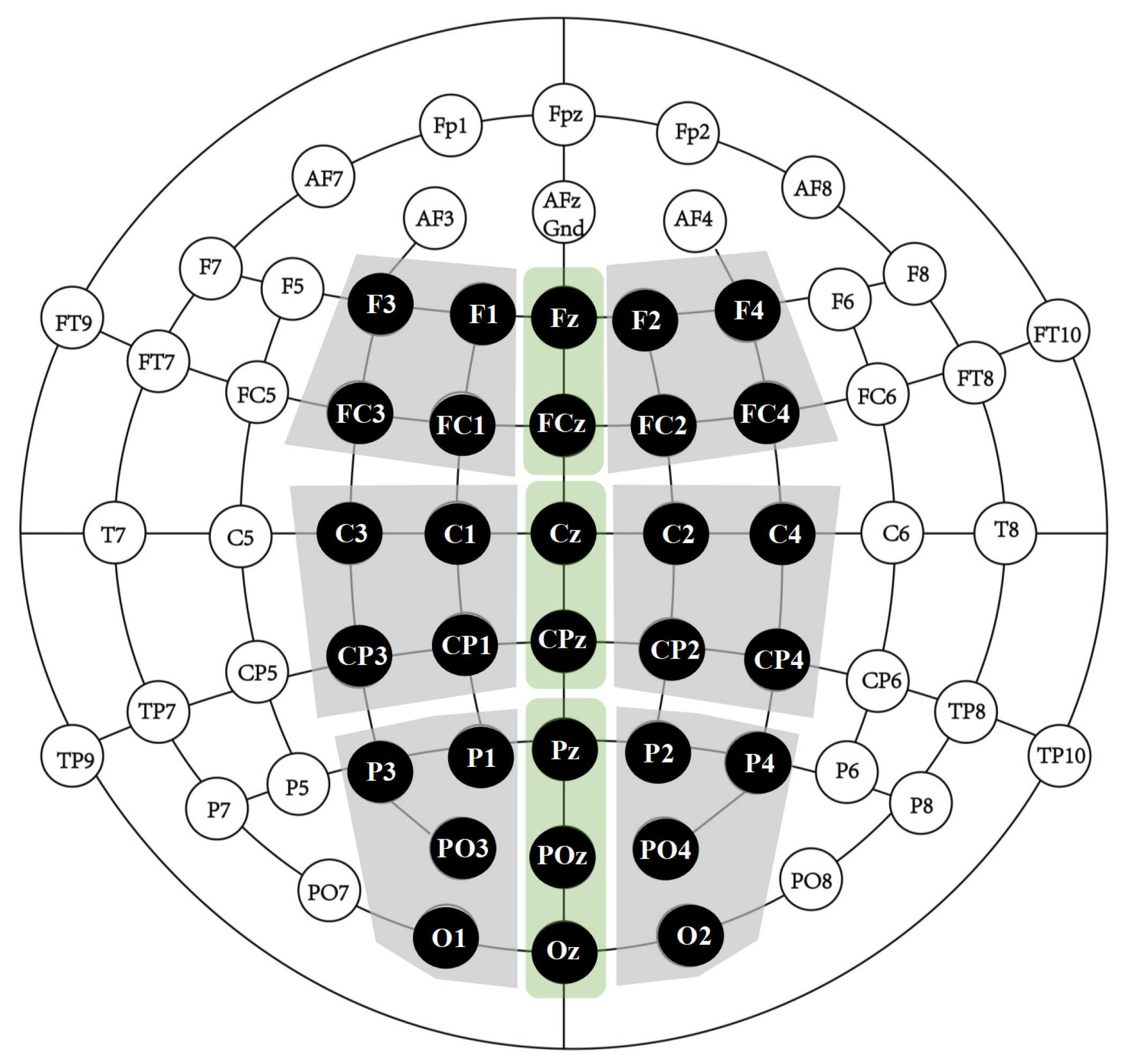
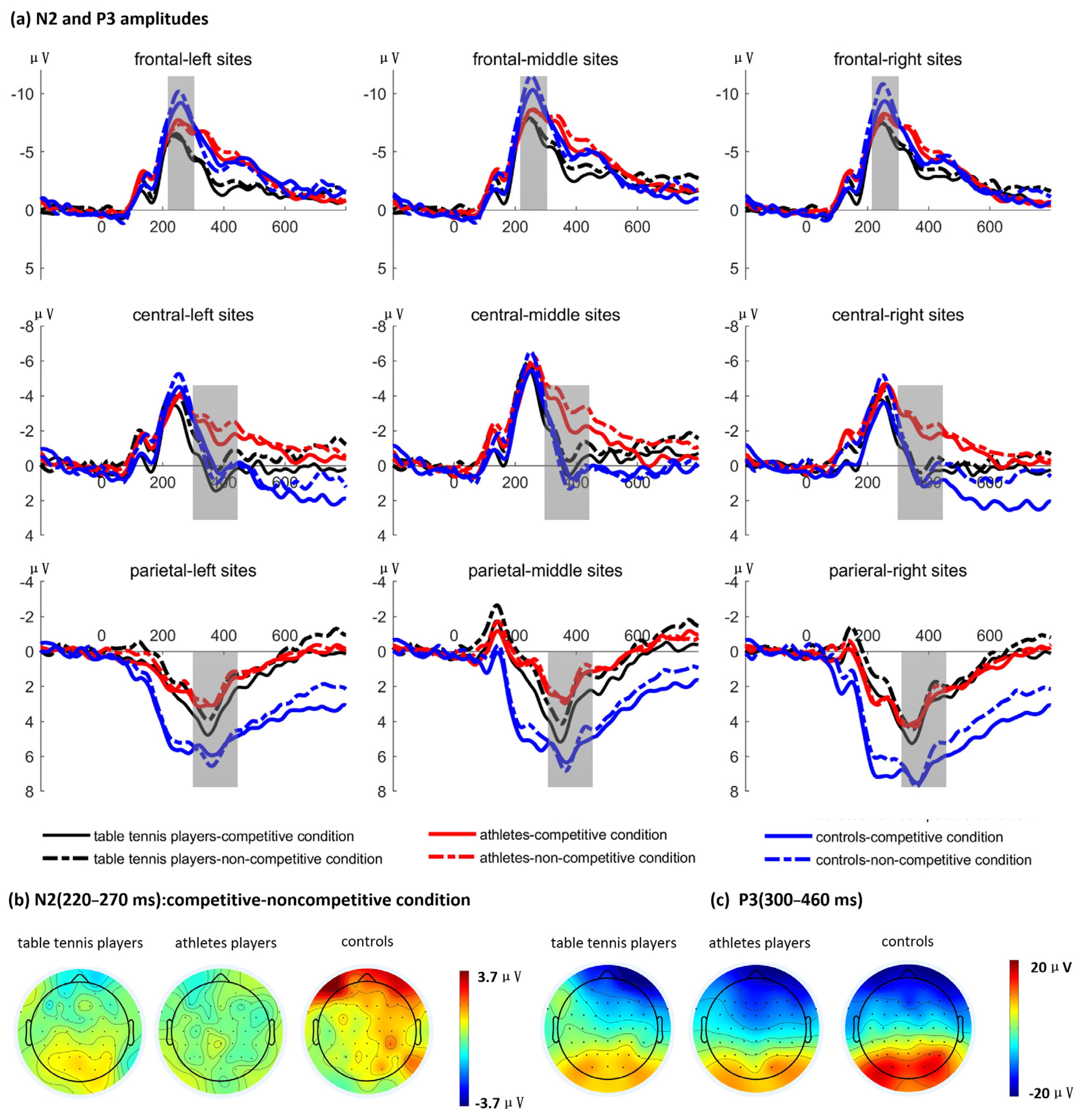
The purpose is to investigate how sports experience influences the processing of motor-related information. Sixty participants with differing levels of sports experience were recruited: 20 table tennis athletes, 20 athletes from other sports, and 20 non-athletes. A total of 150 images depicting table-tennis scenarios, divided into competitive and non-competitive, were shown to participates and recorded their electroencephalographic responses. We found that both table tennis and ordinary athletes exhibited significantly smaller P3 amplitudes in the parietal region compared with non-athletes. In addition, under competitive conditions, athletes showed larger N2 amplitudes in the central region than non-athletes. However, no significant difference in N2 amplitude was observed between table tennis athletes and athletes from other sports. These findings indicate that greater sports experience reduces the cognitive resources required for processing motor-related information and enhances individuals’ abilities in conflict monitoring and response inhibition. Furthermore, the effects of sports experience appear to be transferable across different athletic domains.
Keywords: experience; sports information; event-related potential (ERP) experience; sports information; event-related potential (ERP)