Article

Behavioral Analysis of Postgraduate Education Satisfaction: Unveiling Key Influencing Factors with Bayesian Networks and Feature Importance

by
Sheng Li
1,
Ting Wang
2,
Hanqing Yin
1,
Shuai Ding
3 and
Zhiqiang Cai
2,*
1
Graduate School, Northwestern Polytechnical University, Xi’an 710072, China
2
Department of Industrial Engineering, Northwestern Polytechnical University, Xi’an 710072, China
3
School of Public Policy and Administration, Northwestern Polytechnical University, Xi’an 710072, China
*
Author to whom correspondence should be addressed.
Behav. Sci. 2025, 15(4), 559; https://doi.org/10.3390/bs15040559
Submission received: 14 February 2025 / Revised: 18 April 2025 / Accepted: 19 April 2025 / Published: 21 April 2025
(This article belongs to the Special Issue Behaviors in Educational Settings—2nd Edition)

Abstract

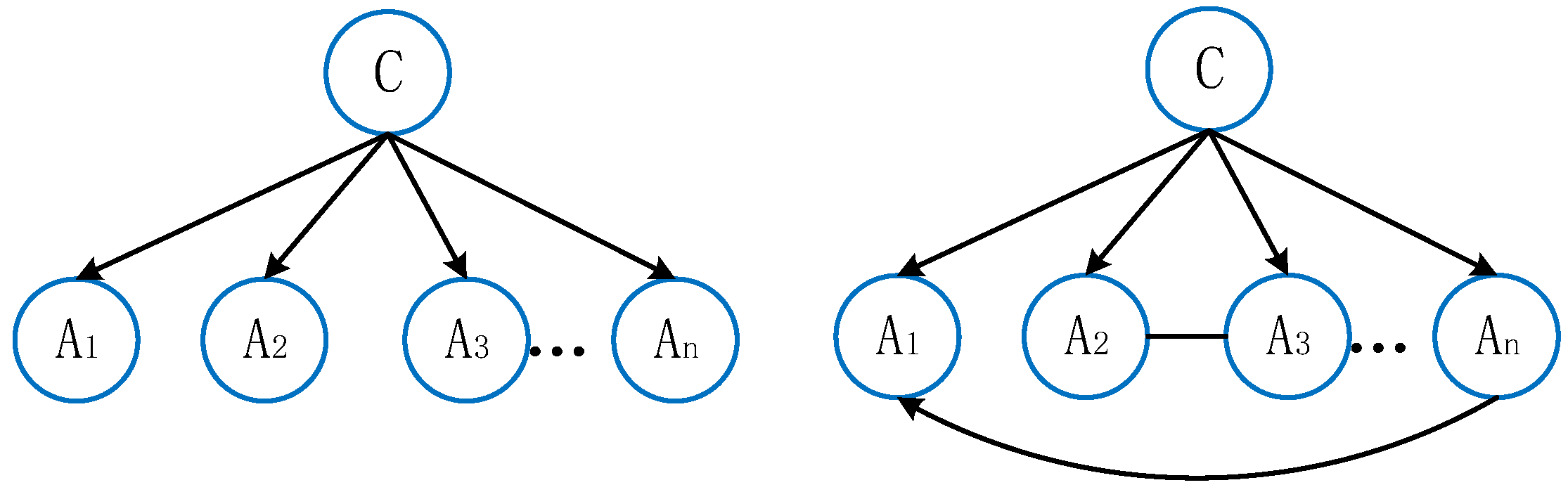
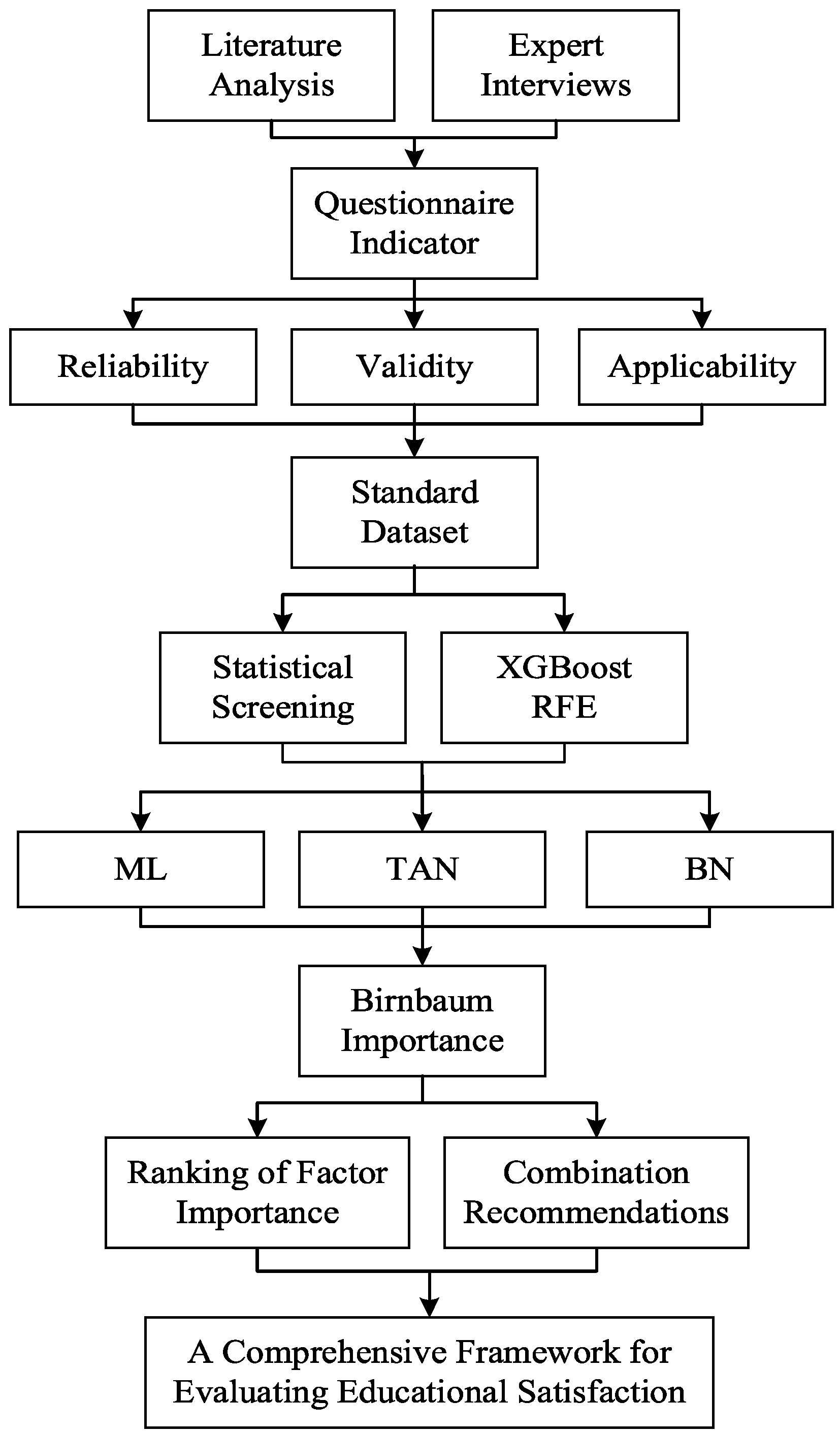
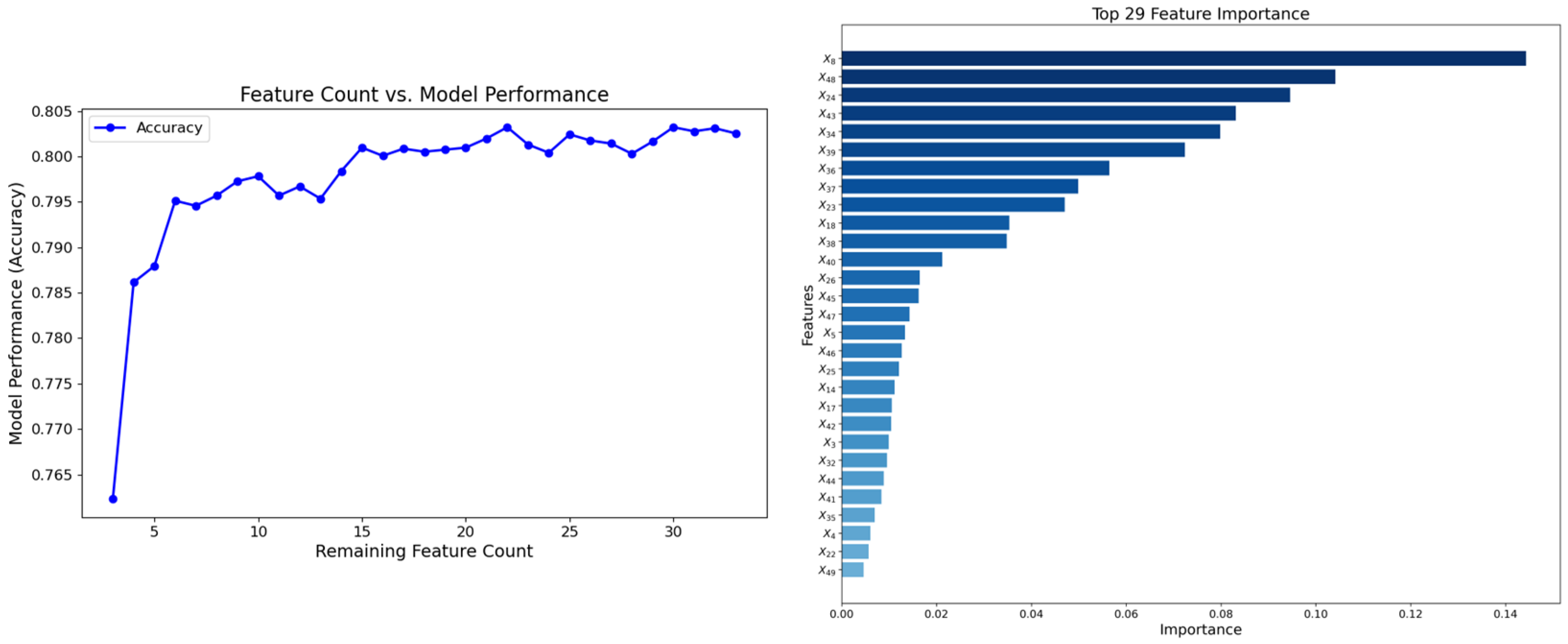
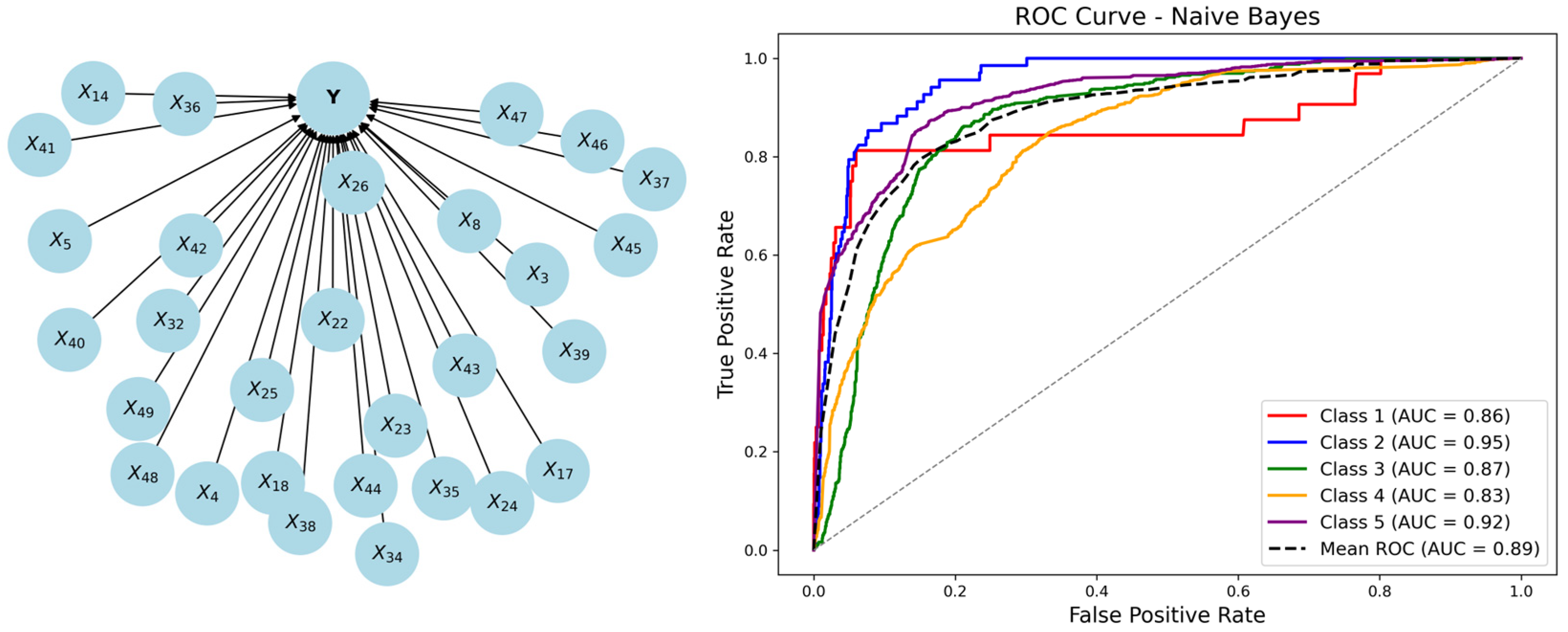
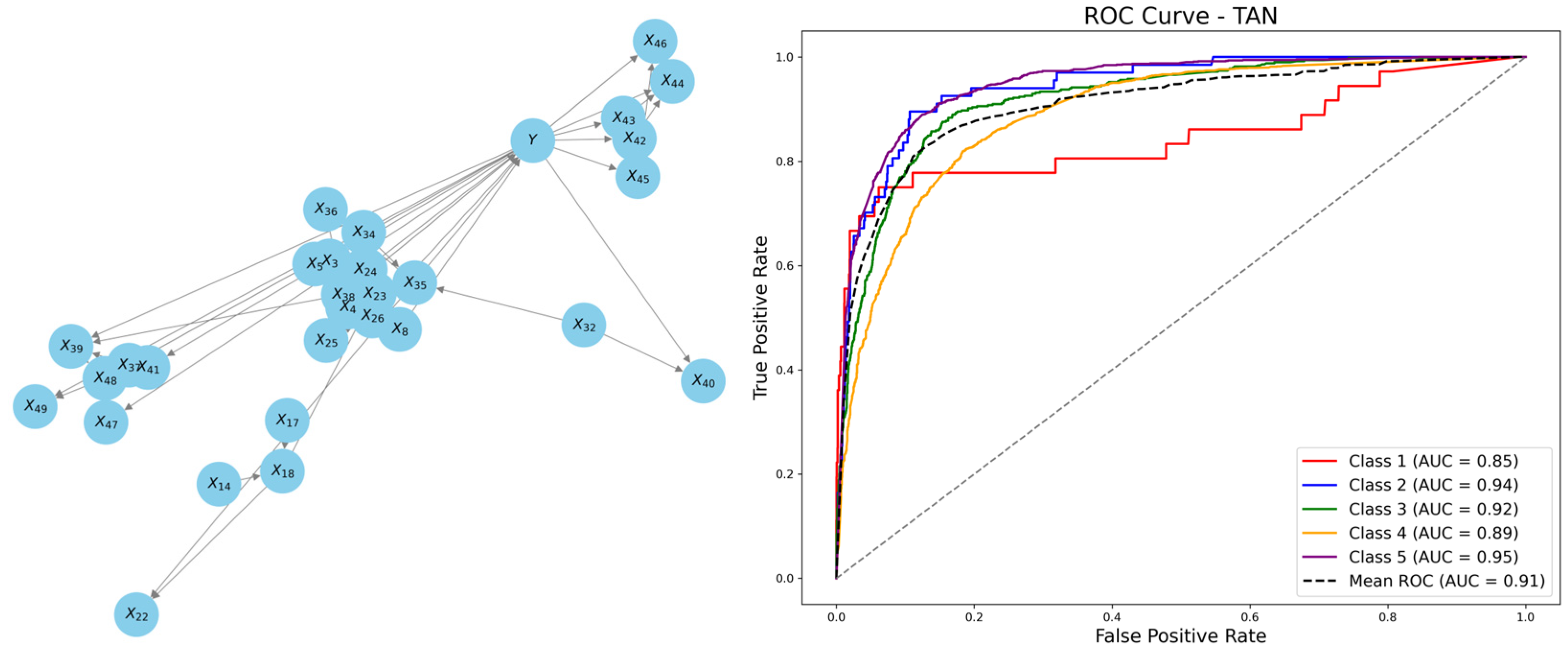
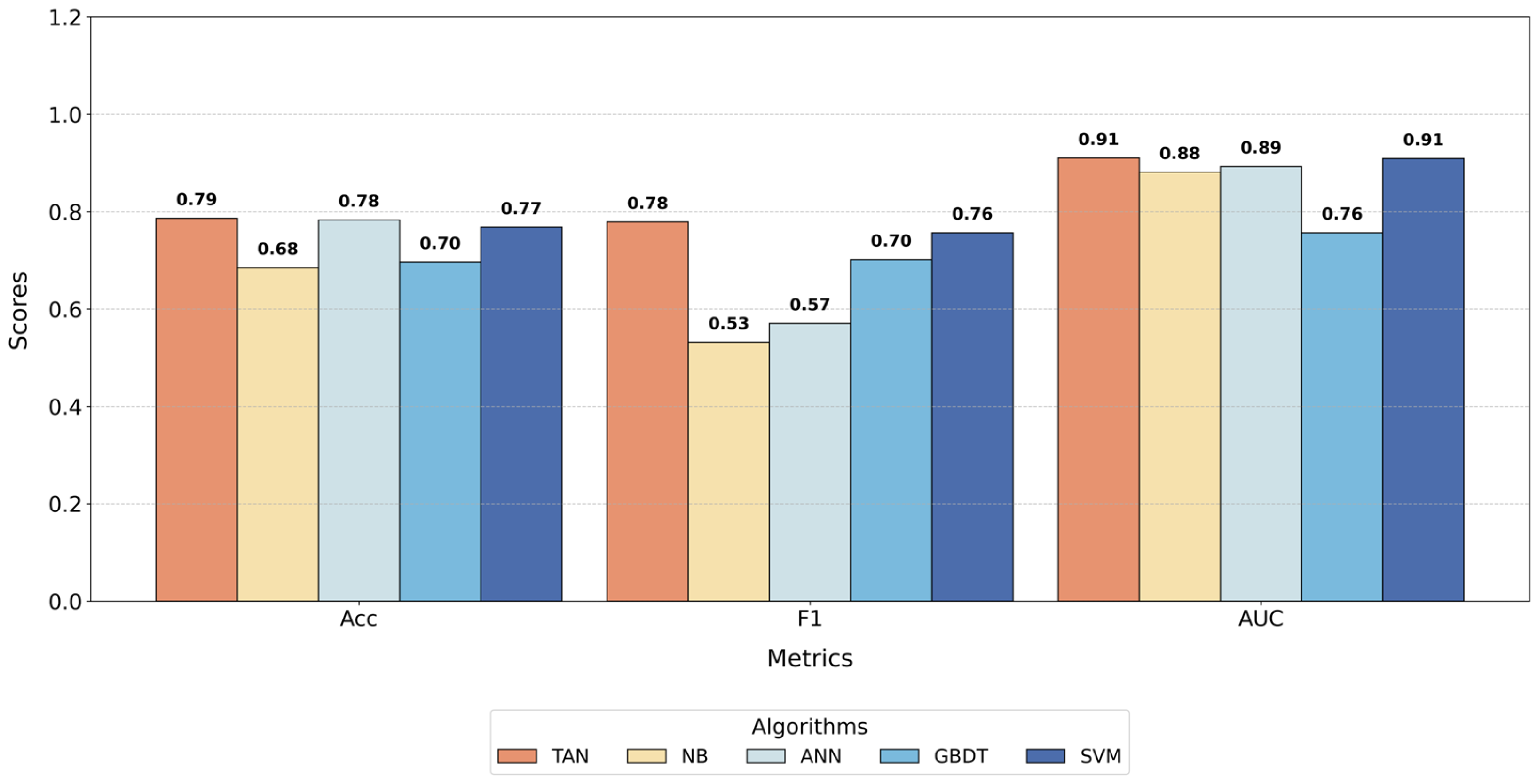
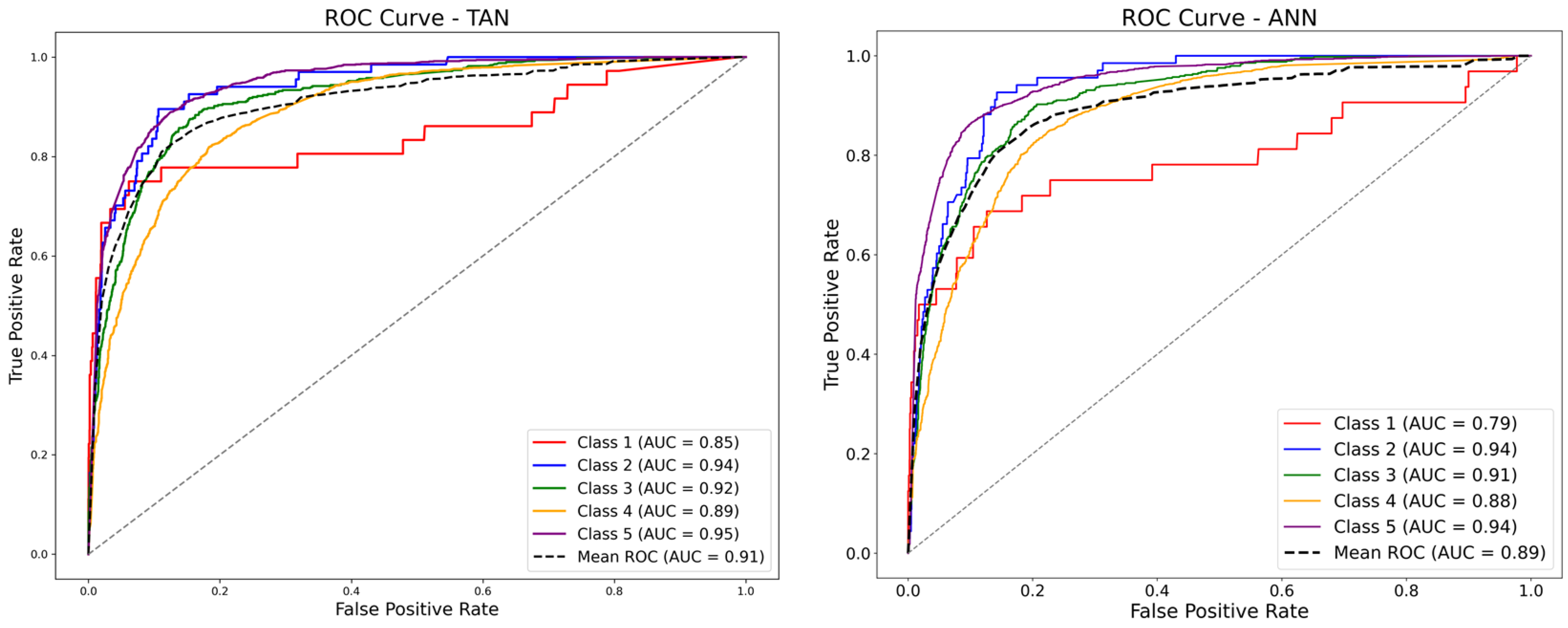
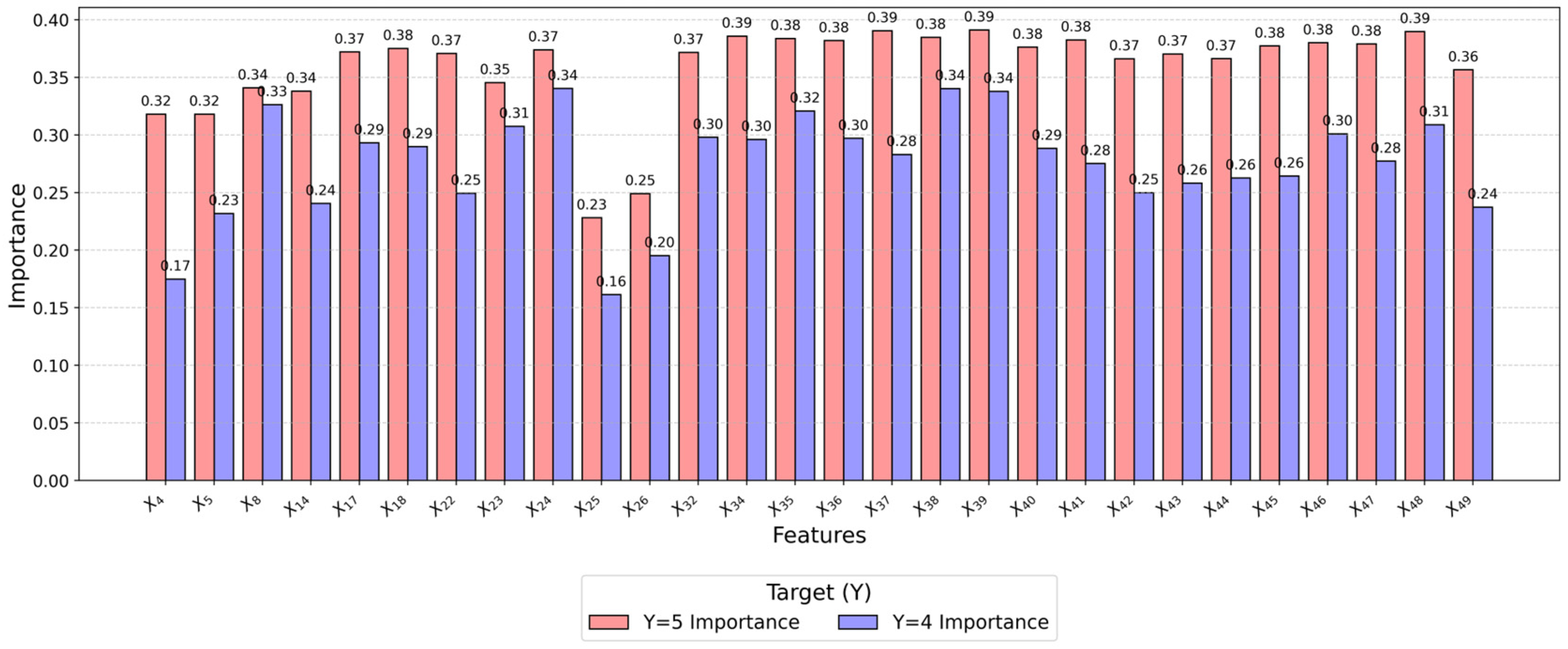
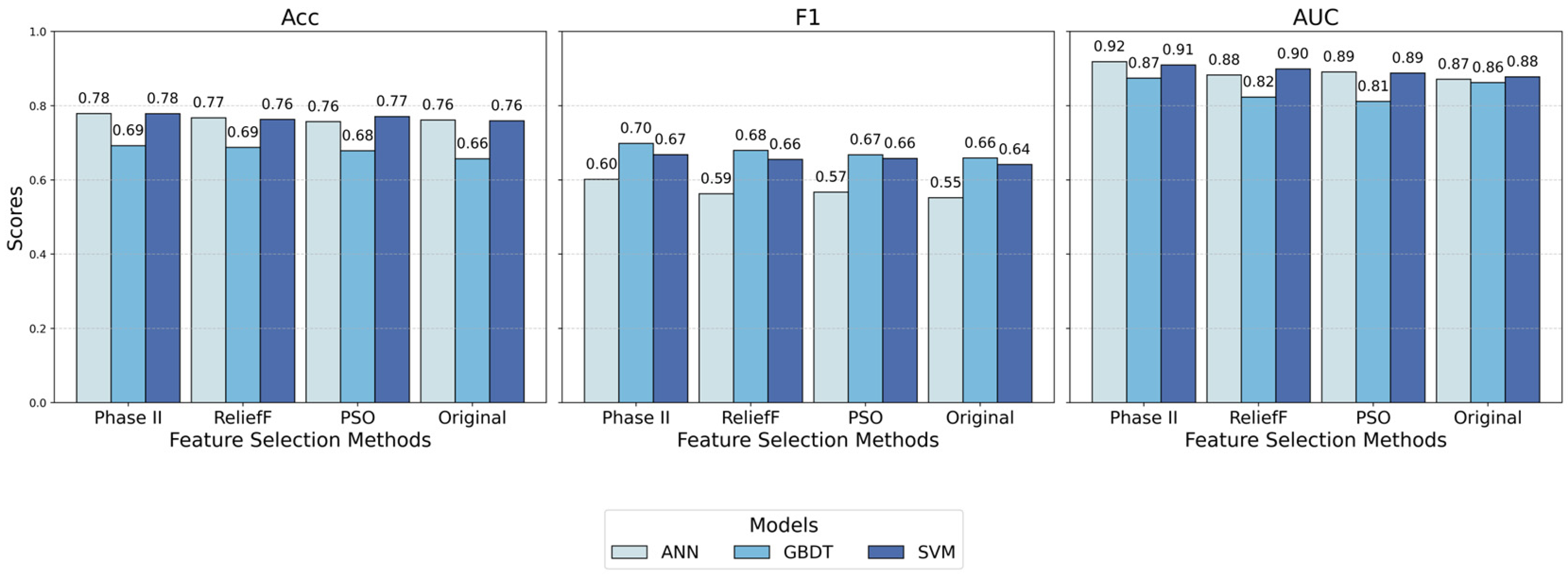
Accurately evaluating postgraduate education satisfaction is crucial for improving higher education quality and optimizing management practices. Traditional methods often fail to capture the complex behavioral interactions among influencing factors. In this study, an innovative satisfaction indicator system framework is proposed that integrates a two-stage feature optimization method and the Tree Augmented Naive Bayes (TAN) model. The framework is designed to assess key satisfaction drivers across seven dimensions: course quality, research projects, mentor guidance, mentor’s role, faculty management, academic enhancement, and quality development. Using data from 8903 valid responses, Confirmatory Factor Analysis (CFA) was conducted to validate the framework’s reliability. The two-stage feature optimization method, including statistical pre-screening and XGBoost-based recursive feature selection, refined 49 features to 29 core indicators. The TAN model was used to construct a causal network, revealing the dynamic relationships between factors shaping satisfaction. The model outperformed four common machine learning algorithms, achieving an AUC value of 91.01%. The Birnbaum importance metric was employed to quantify the contribution of each feature, revealing the critical roles of academic resilience, academic aspirations, dedication and service spirit, creative ability, academic standards, and independent academic research ability. This study offers management recommendations, including enhancing academic support, mentorship, and interdisciplinary learning. Its findings provide data-driven insights for optimizing key indicators and improving postgraduate education satisfaction, contributing to behavioral sciences by linking satisfaction to outcomes and practices.
Keywords: postgraduate education satisfaction; two-stage feature optimization; Bayesian network; Birnbaum importance; behavioral analysis postgraduate education satisfaction; two-stage feature optimization; Bayesian network; Birnbaum importance; behavioral analysis