Article

Addressing the “Lying Flat” Challenge in China: Incentive Mechanisms for New-Generation Employees through a Moderated Mediation Model


1
School of Business Administration, Shanxi University of Finance and Economics, Taiyuan 030006, China
2
School of Public Administration and Law, Northeast Agricultural University, Harbin 150030, China
*
Author to whom correspondence should be addressed.
Behav. Sci. 2024, 14(8), 670; https://doi.org/10.3390/bs14080670
Submission received: 15 June 2024 / Revised: 26 July 2024 / Accepted: 31 July 2024 / Published: 2 August 2024
(This article belongs to the Special Issue Managing Organizational Behaviors for Sustainable Wellbeing at Work)

Abstract

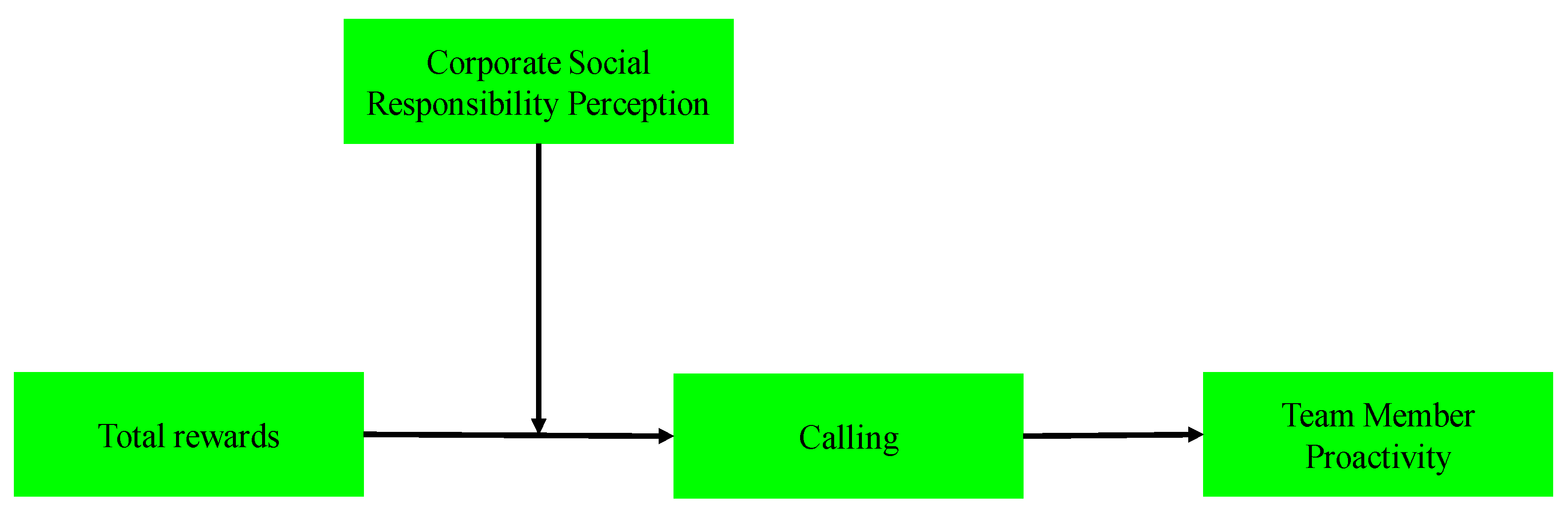
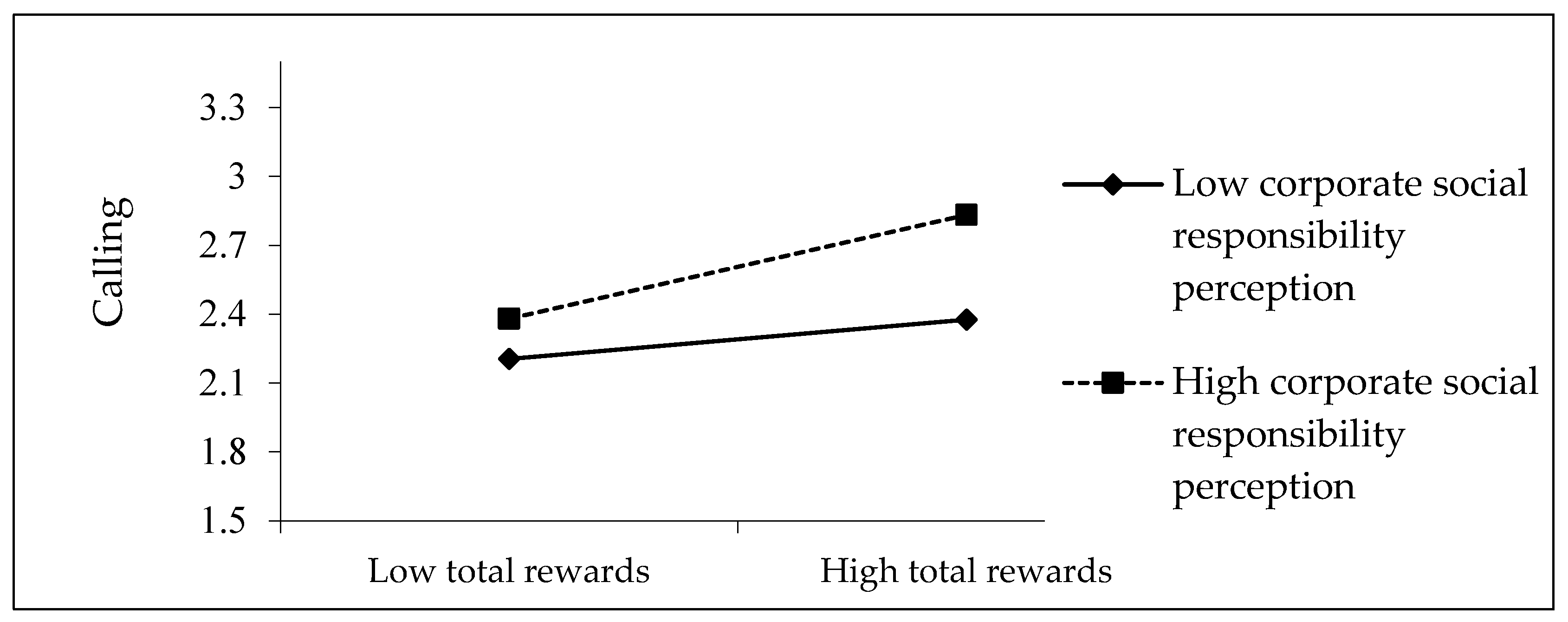
Given the increasing emphasis on teamwork in contemporary organizations and the growing prominence of younger employees in the workplace, it is crucial to encourage their proactivity in navigating complex internal and external environments. Total rewards are a highly effective means of motivating the new generation of employees; however, there is limited research on whether and how total rewards stimulate team member proactivity. To address this objective, this study utilizes survey data (n = 423) and employs hierarchical regression and bootstrap methods. In essence, this paper aims to construct a moderated mediation model to examine the relationship between total rewards and team member proactivity among Chinese new-generation employees (born after 1990). The results indicate that total rewards significantly enhance the team member proactivity of new-generation employees. Furthermore, calling serves as a significant mediator in this relationship. The perception of corporate social responsibility also plays a crucial role, positively moderating the relationship between total rewards and calling. This, in turn, positively influences team member proactivity through the mediation of calling. Accordingly, this research provides valuable insights for managers aiming to effectively engage the new generation of employees and boost team performance. In essence, our model enriches the understanding of how compensation practices can be leveraged to boost proactivity among the new generation of employees.
Keywords: total rewards; team member proactivity; corporate social responsibility perception; calling total rewards; team member proactivity; corporate social responsibility perception; calling