
Efficacy and Safety of Statins in MASLD and Other Chronic Liver Diseases

 , and
, and
Abstract
1. Introduction
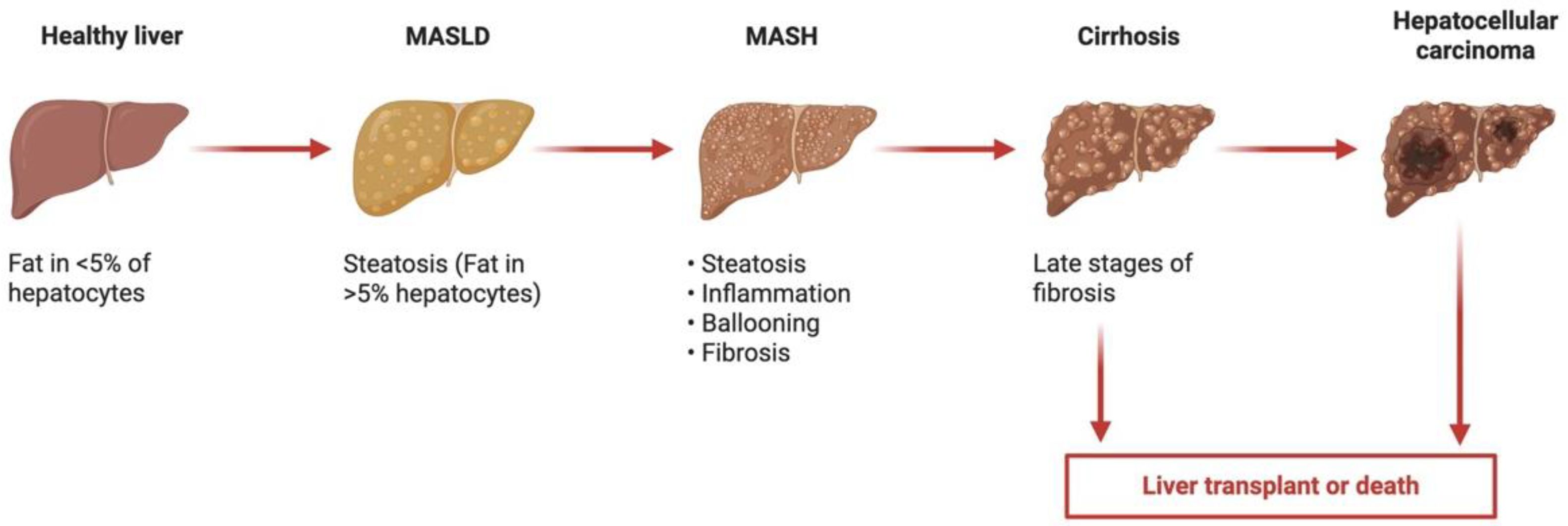
1.1. Metabolic Dysfunction-Associated Steatotic Liver Disease
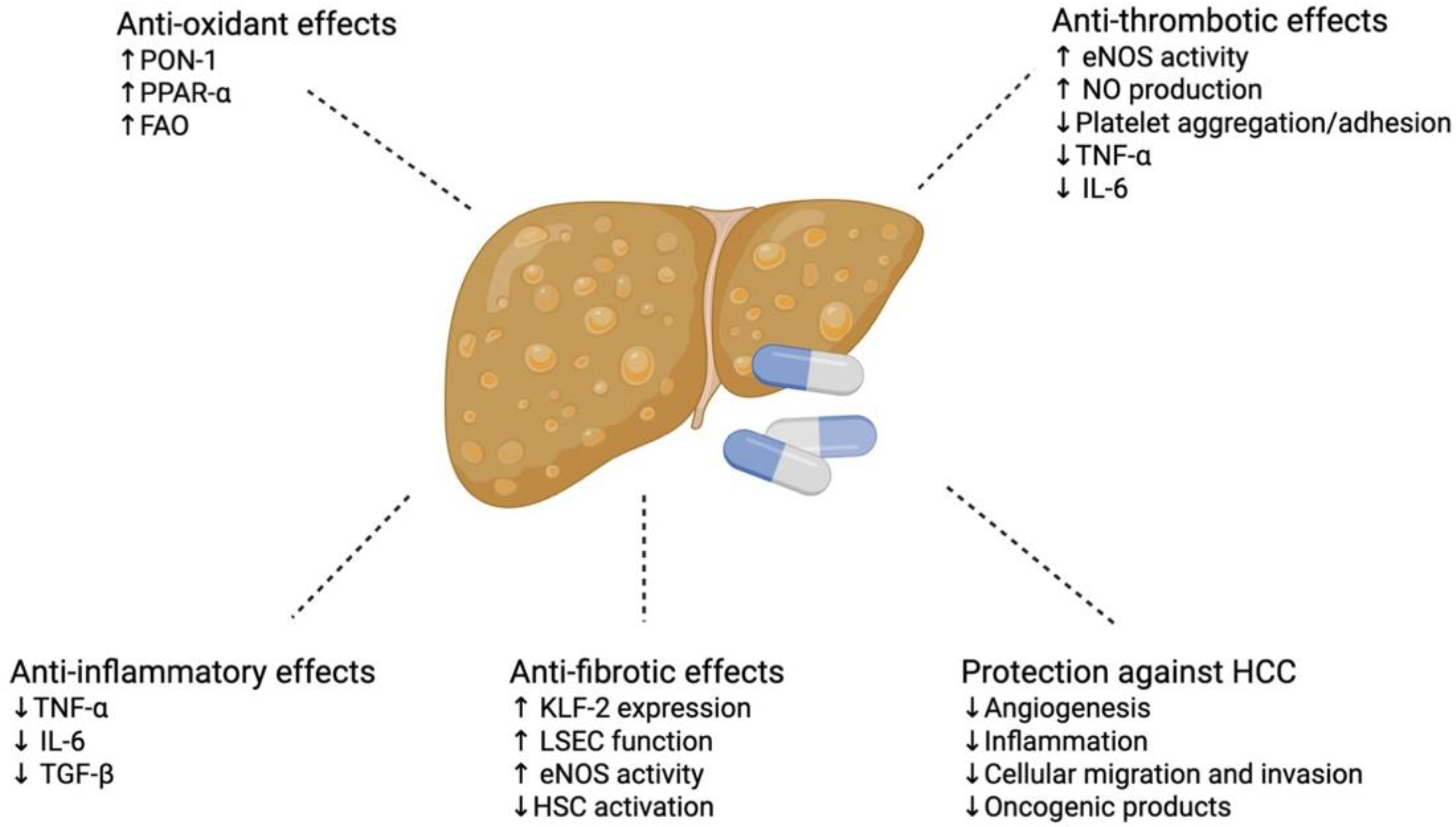
1.2. Statins
2. Materials and Methods
3. Statins and Metabolic Dysfunction-Associated Steatotic Liver Disease (MASLD)
3.1. Association Between Statin Use and Hepatic Steatosis
3.2. Association Between Statin Use and Metabolic Dysfunction-Associated Steatohepatitis
3.3. Association Between Statin Use and Hepatic Fibrosis
3.4. Associations Between Statin Use and Non-Liver Related Outcomes

| Authors, Year | Patient Population, (Number of Participants) | Relevant Study Methods | Primary Study Findings |
|---|---|---|---|
| Athyros et al., 2006 [41] | Adult, non-diabetic patients with metabolic syndrome and ultrasonographic evidence of MASLD at baseline (n = 186). | Patients with dyslipidaemia were randomised to atorvastatin (20 mg/day) or fenofibrate (200 mg/day), or both for 54 weeks. | A total of 67% of patients on atorvastatin, 42% on fenofibrate, and 70% on combination no longer had biochemical plus US evidence of MASLD (p < 0.05 for all). |
| Nelson et al., 2009 [48] | Adult patients with biopsy-proven MASH (n = 16). | Patients were randomised to either simvastatin 40 mg daily or placebo, for 12 months. | A 26% reduction in LDL-C in simvastatin group. No statistically significant improvement in liver function tests, hepatic steatosis, necroinflammatory activity, or stage of fibrosis within or between groups. |
| Athyros et al., 2010 [28] | Adult patients with coronary heart disease (aged < 75 years, serum LDL-C > 2.6 mml/L and triglycerides < 4.5 mml/L) and deranged LFTs likely due to MASLD (n = 437). | Patients were randomised to statin therapy (mainly atorvastatin 24 mg per day) or usual care; 227 patients received a statin; 210 patients did not. Follow up over 3 years. | There was an improvement in liver function tests in patients who received statin therapy over 3-year follow up. Statin treatment reduced the risk for cardiovascular events by 68% in patients with abnormal LFTs (p < 0.0001). |
| Foster et al., 2011 [45] | Adult patients with CT-proven MASLD (n = 80). | Patients were randomised to daily atorvastatin 20 mg, vitamin C 1 g, and vitamin E 1000 IU vs. placebo, with median follow up of 3.6 years. | Atorvastatin 20 mg in combination with vitamins C and E is effective in reducing the odds of having hepatic steatosis by 71% after 4 years of therapy. |
| Malaguarnera et al., 2011 [61] | Adult patients with chronic hepatitis C and concurrent MASLD (n = 65). | Patients were randomised to either leukocyte interferon alpha (3 MIU 3 times/week) plus ribavirin (1200 mg/day) or interferon alpha plus ribavirin, at the same doses, and rosuvastatin (5 mg/day) for 12 months. | The addition of rosuvastatin to interferon and ribavirin significantly reduced viraemia, hepatic steatosis, and hepatic fibrosis. |
| Braun et al., 2018 [49] | Overweight, insulin-resistant, adult males (n = 50). | Patients were randomised to either pitavastatin 4 mg daily or placebo for 12 weeks. | Pitavastatin use showed no change in liver fat fraction as measured by 1H-MRS. |
| Sfikas et al., 2021 [43] | Adult patients with MASLD/MASH (n = 604). | Patients were randomised into four groups: diet/exercise, atorvastatin, rosuvastatin, or pitavastatin for 12 months. | After 12 months, the diet/exercise group showed no significant change in NAS/FIB-4. Atorvastatin, rosuvastatin, and pitavastatin produce a beneficial and safe effect in NAFLD/NASH patients, as recorded by the improvement in the NAS and FIB-4 scores (p < 0.001 for all). |
| Wang et al., 2024 [42] | Adult, non-diabetic patients with the metabolic syndrome and intrahepatocellular lipid levels > 10% as determined by 1H-MRS (n = 32). | Patients were randomised to either rosuvastatin 10 mg daily or placebo for 12 months. | Rosuvastatin resulted in a significant absolute (△IHCL: 7.61 ± 4.51 vs. 1.54 ± 5.33, p = 0.002) and relative (△IHCL%: −42.28 ± 24.90% vs. −8.91 ± 31.93%, p = 0.003) reduction in IHCL compared to the results for the control. |
| Authors, Year | Relevant Study Methods | Primary Study Findings |
|---|---|---|
| Fatima et al., 2021 [52] | Observational studies and RCTs that assessed the efficacy of statins for the treatment of MASLD and its development. A total of 14 studies were included. | The authors found that statins may significantly reduce the risk of developing NAFLD (OR:0.69, 95% CI [0.57,0.84]; p = 0.0002). Statin use significantly improved liver function tests. Steatosis grade, NAS, and necro-inflammatory stage all underwent significant reduction. |
| Abdallah et al., 2022 [31] | A 21 placebo-controlled RCT including 1900 patients (304 receiving statins, 520 other lipid lowering therapies, and 61 combinations) treated for a mean 26 weeks (IQR 17.5–52). | People taking a statin showed lipid profile improvement without any worsening of ALT, AST, total bilirubin, or alkaline phosphatase at the end of the study; NAS did not improve with statin use. There was no change in fibrosis stage with statin use. |
| Authors, Year | Patient Population, (Number of Participants) | Relevant Study Methods | Primary Study Findings |
|---|---|---|---|
| Athyros et al., 2011 [65] | Adult patients with sonographic evidence of MASLD (n = 326). | Patients were treated with atorvastatin over 42 months in a dose-titrating manner with the intention to attain the LDL-C target <130 mg/dL in half the patients and <100 mg/dL in the other half. | Lipid levels and liver function tests normalised, liver ultrasonographic findings associated with NAFLD resolved, and no cardiovascular events occurred in patients that attained the LDL-C target of <110 mg/dL. Three CVD events occurred in the group that did not attain the LDL-C target (p = 0.024). |
| Mitsiou et al., 2018 [39] | Adult patients with well controlled blood pressure (n = 40). | Patients were randomised to low-dose (5 mg/day) or high-dose (20–40 mg/day) rosuvastatin for 6 months. | Both groups had normalisation of liver enzymes, but the group on high dose rosuvastatin had a greater improvement in liver steatosis as measured by hepatic ultrasound (p = 0.01) |
| Cho et al., 2022 [40] | Adult patients with ultrasound-proven MASLD (n = 70). | Patients were randomised to receive either ezetimibe 10 mg plus rosuvastatin 5 mg daily or rosuvastatin 5 mg daily for up to 24 weeks. | Reduction in hepatic steatosis as assessed by MRI-PDFF in combination group (18.1 to 12.3%, p < 0.001) and monotherapy group (15.0 to 12.4%, p = 0.003). No effect on fibrosis seen in either group. |
| Zakaria et al., 2025 [53] | Adult patients with MASH as diagnosed by the FAST score (n = 90). | Patients were randomised to vitamin E 400 IU twice daily for 6 months or NAC (gemacystein) 1200 mg twice daily with rosuvastatin 20 mg daily. | Reduction in mean value of hepatic steatosis by 16.49% in the group treated with rosuvastatin and NAC (p = 0.017). Reduction in mean fibrosis value of 19.5% (p = 0.001) in patients treated with rosuvastatin and NAC, in addition to improvement in metabolic parameters and health-related quality of life scores. |
4. Statins for the Treatment of Chronic Liver Disease
4.1. Pharmacokinetics of Statins in Chronic Liver Disease
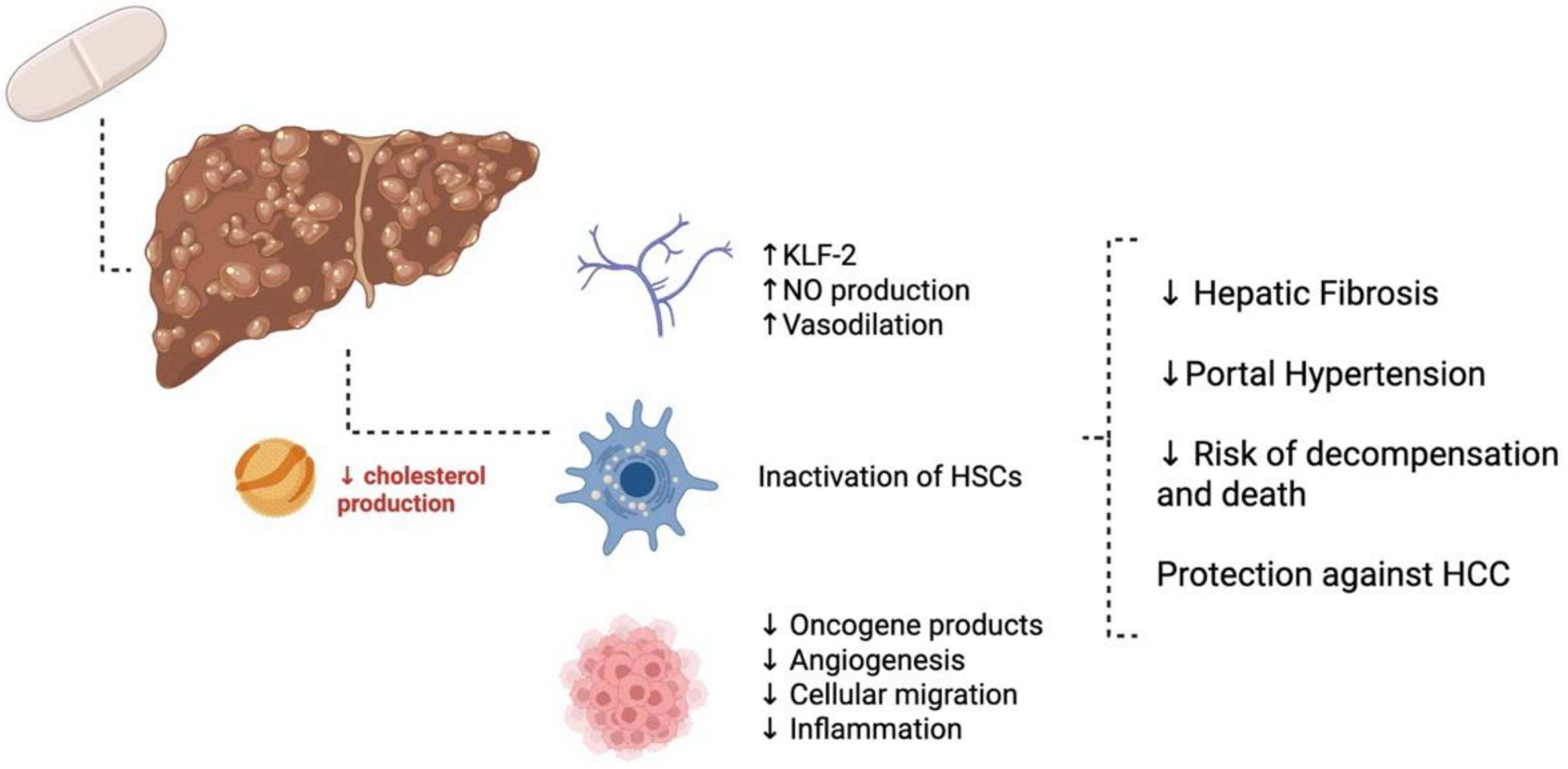
4.2. Hepatic Fibrosis
4.3. Portal Hypertension
| Authors, Year | Patient Population (Number of Participants) | Aetiology of Liver Disease | Intervention/Control | Primary Study Findings |
|---|---|---|---|---|
| Abraldes et al., 2009 [87] | Adult patients with cirrhosis and severe portal hypertension (HVPG ≥ 12 mmHg) (n = 55). | ETOH (n = 23), HCV (n = 27), HBV (n = 2), other (n = 3). | Simvastatin 20 mg/day for 1 month (increased to 40 mg/day at day 15)/placebo. | Simvastatin significantly decreased HVPG by 8.3%. HVPG decreases were observed in patients receiving concurrent beta blockers (−11.0%, p = 0.033) and in those who were not (−5.9%, p = 0.013). |
| Pollo-Flores et al., 2015 [86] | Adult patients with cirrhosis and portal hypertension (n = 34). | HCV (58%), ETOH (17%), HBV (17%), AIH (8%). | Simvastatin 40 mg/day for 2 months/placebo. | A total of 55% of patients in the simvastatin group presented a clinically relevant decrease in the HVPG (at least 20% from baseline or to ≤ 12 mmHg); no decrease was seen in the placebo group (p = 0.036). The haemodynamic effect appeared more evident in those with severe portal hypertension. |
| Bishnu et al., 2018 [88] | Adult patients with cirrhosis and clinically significant portal hypertension (n = 23). | ETOH (n = 10), HBV (n = 1), NASH (n= 1), AIH (n = 1), Wilson’s disease (n = 1), cryptogenic (n = 9). | Atorvastatin 20 mg daily with propranolol in incremental doses/incremental dose propranolol for 30 days. | Decrease in HVPG in atorvastatin group vs. control group 2.58 ± 1.88 vs. 4.81 ± 2.82 mmHg (p = 0.041). No significant difference in clinical outcomes (variceal bleed, endoscopic variceal ligation sessions, hepatic encephalopathy, requirement of therapeutic paracentesis, spontaneous bacterial peritonitis, and death). |
| Vijayaraghavan et al., 2020 [91] | Adult patients with cirrhosis and portal hypertension HVPG > 12 mmHg and small or large oesophageal varices (n = 220). | ETOH (n = 83), NASH (n = 90), HBV (n = 17), HCV (n = 19). | Carvedilol (escalated to maximum dose) plus simvastatin (20 mg daily, escalated to 40 mg daily) for 3 months/carvedilol only for 3 months. | The degree of mean HVPG reduction (17.3% and 17.8%, respectively, p = 0.98) and hemodynamic response was not different between the statin/carvedilol and carvedilol only groups. Three (3.7%) patients on simvastatin developed transient transaminitis and elevated creatine phosphokinase (all three patients had Child–Pugh C cirrhosis) and improved with drug withdrawal. |
| Kronborg et al., 2023 [92] | Adult patients with cirrhosis and portal hypertension (n = 78). | ETOH (n = 66), MASLD (n = 4), AIH (n = 1), PBC (n = 3). | Atorvastatin 10–20 mg/day for 6 months/placebo. | The study confirmed the safety of atorvastatin but did not demonstrate a reduction in mortality, the risk of liver-related complications, or the HVPG. |
| Alvarado-Tapias et al., 2024 [90] | Adult patients with cirrhosis and high-risk varices (n = 82). | ETOH (n = 34), HCV (n = 28), ETOH + HCV (n = 7), MASLD (n = 7), Others (n = 6). | Carvedilol (escalated to maximum dose) + simvastatin 20 mg daily/xarvedilol + placebo for 4 weeks. | HVPG significantly decreased in both groups: carvedilol + simvastatin (18.6 ± 4 to 15.7 ± 4 mm Hg, p < 0.001); carvedilol + placebo (18.9 ± 3 to 16.9 ± 3 mm Hg, p < 0.001). The decrease was significantly larger with carvedilol + simvastatin (2.97 ± 2.5 vs. 2.05 ± 1.6 mm Hg, p = 0.031). |
4.4. Risk of Decompensation and Mortality
4.5. Hepatocellular Carcinoma
4.6. Safety in Cirrhosis
5. Statin Choice in Chronic Liver Disease
6. Statins and Safety
6.1. Statin-Associated Muscle Symptoms (SAMSs):
- Rhabdomyolysis characterised by elevated creatinine kinase (CK) concentrations (>100-fold the upper limit of normal), myoglobinuria, and renal impairment.
- Myalgia or mildly elevated CK (<5× ULN).
- Self-limited toxic statin myopathy (CK levels between 10 and 100× ULN).
- Myositis or immune-mediated necrotizing myopathy with HMG-CoA reductase antibodies and CK levels between 10 and 100× ULN [15].
6.2. Liver Function Test Derangement
6.3. New-Onset Diabetes Mellitus
6.4. Cognitive Impairment
6.5. Other Adverse Drug Reactions
6.6. Drug–Drug Interactions
| Statin | Dosage Intensity [148] | LDL-C Reduction % [148] | Major Clearance Pathway [69] | Safety Considerations |
|---|---|---|---|---|
| Rosuvastatin | High Intensity: 20 to 40 mg | ≥50% | Both hepatic and renal | Benign, low-grade proteinuria at high doses, often transient [149]. |
| Moderate Intensity: 5 to 10 mg | 30%–<50% | |||
| Atorvastatin | High Intensity: 40 to 80 mg | ≥50% | Mainly hepatic | Potential for increased rates of adverse effects (dose-related myopathy and rhabdomyolysis) with CYP3A4 inhibitors [146]. |
| Moderate Intensity: 10 to 20 mg | 30%–<50% | |||
| Simvastatin | Moderate Intensity: 20 to 40 mg | 30%–<50% | Both hepatic and renal | Potential for increased rates of adverse effects (dose-related myopathy and rhabdomyolysis) with CYP3A4 inhibitors [146]. |
| Low Intensity: 10 mg | <30% | |||
| Lovastatin | Moderate Intensity: 40 to 80 mg | 30%–<50% | Mainly hepatic | Potential for increased rates of adverse effects (dose-related myopathy and rhabdomyolysis) with CYP3A4 inhibitors [146], requires dose adjustment in CKD [150]. |
| Low Intensity: 20 mg | <30% | |||
| Pravastatin | Moderate Intensity: 40 to 80 mg | 30%–<50% | Both hepatic and renal | Low interaction burden [151]. |
| Low Intensity: 10 to 20 mg | <30% | |||
| Pitavastatin | Moderate Intensity: 1 to 4 mg | 30%–<50% | Mainly hepatic | Low interaction burden [151]; requires dose adjustment in CKD [150]. |
| Fluvastatin | Moderate Intensity: 40 mg 2×/day; XL 80 mg | 30%–<50% | Mainly hepatic | Low interaction burden [151]. |
| Low Intensity: 20 to 40 mg | <30% |
7. Safety and Efficacy of Statins Between the Sexes
8. Statins in Older Adults
| Sub-Population | Efficacy | Safety Considerations |
|---|---|---|
| Pre-diabetes | Statins lower rates of MACE in people with impaired fasting glucose and known ASCVD [167]. | Modest increase in new-onset diabetes (~9–12% relative risk), greatest with high-intensity therapy [139,140]. Higher new-onset diabetes risk with more potent statin therapy (atorvastatin and rosuvastatin); lower risk with pravastatin and pitavastatin [139]. Benefits in treatment of ASCVD with statin still outweigh the risks of developing diabetes [168]. |
| Type 2 diabetes | Statins reduce all-cause mortality, vascular mortality, and MACE in people with diabetes, with and without ASCVD [169,170]. | Statins may cause a small increase in Hba1c; this is seen more commonly with atorvastatin use [168]. Low-dose statin therapy is not recommended in people with diabetes, given their increased risk of ASCVD; rather, moderate–high intensity therapy should be used, depending on the exact indication [170]. |
| Older adults (≥70 years) | Clear benefits in elderly people with known ASCVD; however, unclear role in primary prevention [164]. | Adverse events in older people not well studied [145]; drug interactions are a concern in polypharmacy [25]; DILI occurs more commonly in older people [165]. Statins should be commenced at a low dose if there is significant renal impairment or potential for drug interactions [25]. |
| MASLD/MASH | Statins reduce cardiovascular morbidity and mortality in patients with MASLD and concurrent dyslipidaemia [28,29,30,64,65]. | The safety of statin use in liver disease, and particularly MASLD, is well established, including in compensated cirrhosis [28,29,30,31]. Liver function tests often improve in patients with MASLD taking a statin [28,44,135,136]. |
9. Statins in MASLD—Unanswered Questions
10. Conclusions
Author Contributions
Funding
Institutional Review Board Statement
Informed Consent Statement
Data Availability Statement
Conflicts of Interest
Abbreviations
| MASLD | metabolic dysfunction-associated steatotic liver disease |
| CVD | cardiovascular disease |
| ROS | reactive oxygen species |
| LDL | low-density lipoprotein |
| HCC | hepatocellular carcinoma |
| LDL-C | how-density lipoprotein cholesterol |
| SAMs | statin-associated muscle symptoms |
| ASCVD | atherosclerotic cardiovascular disease |
| MASH | metabolic dysfunction-associated steatohepatitis |
| NAC | N-acetylcysteine |
| HSC | hepatic stellate cell |
| RCT | randomised controlled trial |
| AUC | area under the curve |
| Cmax | maximum plasma concentration |
| KLF-2 | Kruppel-like factor 2 |
| HVPG | hepatic venous pressure gradient |
| NSBB | non-selective beta blocker |
| CK | creatinine kinase |
| ETOH | ethanol |
| ULN | upper limit of normal |
| NODM | new-onset diabetes mellitus |
| FDA | Food and Drug Administration |
| CYP | cytochrome P450 |
| P-gp | P-glycoprotein |
| STAREE | STAtin Therapy for Reducing Events in the Elderly |
| DILI | drug-induced liver injury |
| CT | computed tomography |
| LFTs | liver function tests |
| 1H-MRS | proton magnetic resonance spectroscopy |
| NAS | NAFLD activity score |
| FIB-4 | Fibrosis 4 Index for Liver Fibrosis |
| IHCL | intrahepatocellular lipid |
| NAFLD | non-alcoholic fatty liver disease |
| MRI-PDFF | magnetic resonance imaging-derived proton density fat fraction |
| HCV | hepatitis C virus |
| HBV | hepatitis B virus |
| AIH | autoimmune hepatitis |
| BD | twice daily |
| PBC | primary biliary cholangitis |
| PON-1 | paraoxanase-1, PPAR |
| PPAR-α | peroxisome proliferator-activated receptor alpha |
| FAO | fatty acid oxidation |
| eNOS | endothelial nitric oxide synthase |
| NO | nitric oxide |
| TNF-α | tumour necrosis factor alpha |
| IL-6 | interleukin 6 |
| TGF-β | transforming grown factor beta |
| LSEC | liver sinusoidal endothelial cell |
References
- Younossi, Z.M.; Kalligeros, M.; Henry, L. Epidemiology of Metabolic Dysfunction-Associated Steatotic Liver Disease. Clin. Mol. Hepatol. 2024, 31, S32–S50. [Google Scholar] [CrossRef] [Scilit] [PubMed]
- Targher, G.; Byrne, C.D.; Leonardo, A.; Gaicomo, Z.; Barbui, C. Non-alcoholic fatty liver disease and risk of incident cardiovascular disease: A meta-analysis. J. Hepatol. 2016, 65, 589–600. [Google Scholar] [CrossRef] [Scilit] [PubMed]
- Vaz, K.; Kemp, W.; Majeed, A.; Lubel, J.; Magliano, D.J.; Glenister, K.M.; Bourke, L.; Simmons, D.; Roberts, S.K. NAFLD and MAFLD independently increase the risk of major adverse cardiovascular events (MACE): A 20-year longitudinal follow-up study from regional Australia. Hepatol. Int. 2024, 18, 1135–1143. [Google Scholar] [CrossRef] [Scilit] [PubMed]
- Söderberg, C.; Stål, P.; Askling, J.; Glaumann, H.; Lindberg, G.; Marmur, J.; Hultcrantz, R. Decreased survival of subjects with elevated liver function tests during a 28-year follow-up. Hepatology 2010, 51, 595–602. [Google Scholar] [CrossRef] [Scilit]
- Mantovani, A.; Scorletti, E.; Mosca, A.; Alisi, A.; Byrne, C.D.; Targher, G. Complications, morbidity and mortality of nonalcoholic fatty liver disease. Metabolism 2020, 111, 154170. [Google Scholar] [CrossRef] [Scilit]
- Bongaarts, J. Human population growth and the demographic transition. Philos. Trans. R. Soc. B Biol. Sci. 2009, 364, 2985–2990. [Google Scholar] [CrossRef] [Scilit]
- Christensen, K.; Doblhammer, G.; Rau, R.; Vaupel, J.W. Ageing populations: The challenges ahead. Lancet 2009, 374, 1196–1208. [Google Scholar] [CrossRef] [Scilit]
- Clayton-Chubb, D.; Kemp, W.W.; Majeed, A.; Lubel, J.S.; Woods, R.L.; Tran, C.; Ryan, J.; Hodge, A.; Schneider, H.G.; McNeil, J.J.; et al. Metabolic dysfunction-associated steatotic liver disease in older adults is associated with frailty and social disadvantage. Liver Int. 2024, 44, 39–51. [Google Scholar] [CrossRef] [Scilit]
- Rinella, M.E.; Neuschwander-Tetri, B.A.; Siddiqui, M.S.; Abdelmalek, M.F.; Caldwell, S.; Barb, D.; Kleiner, D.E.; Loomba, R. AASLD Practice Guidance on the clinical assessment and management of nonalcoholic fatty liver disease. Hepatology 2023, 77, 1797–1835. [Google Scholar] [CrossRef] [Scilit]
- European Association for the Study of the Liver (EASL); European Association for the Study of Diabetes (EASD); European Association for the Study of Obesity (EASO). EASL-EASD-EASO Clinical Practice Guidelines on the management of metabolic dysfunction-associated steatotic liver disease (MASLD). Obes. Facts 2024, 17, 374–444. [Google Scholar] [CrossRef] [Scilit]
- Nassir, F.; Rector, R.S.; Hammoud, G.M.; Ibdah, J.A. Pathogenesis and Prevention of Hepatic Steatosis. Gastroenterol. Hepatol. 2015, 11, 167–175. [Google Scholar]
- Buzzetti, E.; Pinzani, M.; Tsochatzis, E.A. The multiple-hit pathogenesis of non-alcoholic fatty liver disease (NAFLD). Metabolism 2016, 65, 1038–1048. [Google Scholar] [CrossRef] [Scilit] [PubMed]
- Endo, A. A historical perspective on the discovery of statins. Proc. Jpn. Acad. Ser. B 2010, 86, 484–493. [Google Scholar] [CrossRef] [Scilit] [PubMed]
- Goldstein, J.L.; Brown, M.S. A century of cholesterol and coronaries: From plaques to genes to statins. Cell 2015, 161, 161–172. [Google Scholar] [CrossRef] [Scilit]
- Ward, N.C.; Watts, G.F.; Eckel, R.H. Statin toxicity: Mechanistic insights and clinical implications. Circ. Res. 2019, 124, 328–350. [Google Scholar] [CrossRef] [Scilit]
- Stancu, C.; Sima, A. Statins: Mechanism of action and effects. J. Cell. Mol. Med. 2001, 5, 378–387. [Google Scholar] [CrossRef] [Scilit]
- Buhaescu, I.; Izzedine, H. Mevalonate pathway: A review of clinical and therapeutical implications. Clin. Biochem. 2007, 40, 575–584. [Google Scholar] [CrossRef] [Scilit]
- Ayada, I.; van Kleef, L.A.; Zhang, H.; Liu, K.; Li, P.; Abozaid, Y.J.; Lavrijsen, M.; Janssen, H.L.; van der Laan, L.J.; Ghanbari, M. Dissecting the multifaceted impact of statin use on fatty liver disease: A multidimensional study. EBioMedicine 2023, 87, 104392. [Google Scholar] [CrossRef] [Scilit]
- Gu, Q. Prescription Cholesterol-Lowering Medication Use in Adults Aged 40 and Over: United States, 2003–2012; US Department of Health and Human Services, Centers for Disease Control and Prevention, National Center for Health Statistics: Atlanta, GA, USA, 2014. [Google Scholar]
- Trusler, D. Statin prescriptions in UK now total a million each week. BMJ 2011, 343, d4350. [Google Scholar] [CrossRef] [Scilit]
- Bansal, A.B.; Cassagnol, M. HMG-CoA reductase inhibitors. In StatPearls; StatPearls Publishing: Treasure Island, FL, USA, 2023. [Google Scholar]
- Climent, E.; Benaiges, D.; Pedro-Botet, J. Hydrophilic or Lipophilic Statins? Front. Cardiovasc. Med. 2021, 8, 687585. [Google Scholar] [CrossRef] [Scilit]
- Banach, M.; Rizzo, M.; Toth, P.P.; Farnier, M.; Davidson, M.H.; Al-Rasadi, K.; Aronow, W.S.; Athyros, V.; Djuric, D.M.; Ezhov, M.V.; et al. Statin intolerance—An attempt at a unified definition. Position paper from an International Lipid Expert Panel. Expert. Opin. Drug Saf. 2015, 14, 935–955. [Google Scholar] [CrossRef] [Scilit] [PubMed]
- Baigent, C. Cholesterol Treatment Trialists’(CTT) Collaborators: Efficacy and safety of cholesterol-lowering treatment: Prospective meta-analysis of data from 90,056 participants in 14 randomised trials of statins. Lancet 2005, 366, 1267–1278. [Google Scholar] [PubMed]
- Mach, F.; Baigent, C.; Catapano, A.L.; Koskinas, K.C.; Casula, M.; Badimon, L.; Chapman, M.J.; De Backer, G.G.; Delgado, V.; Ference, B.A.; et al. 2019 ESC/EAS Guidelines for the management of dyslipidaemias: Lipid modification to reduce cardiovascular risk: The Task Force for the management of dyslipidaemias of the European Society of Cardiology (ESC) and European Atherosclerosis Society (EAS). Eur. Heart J. 2019, 41, 111–188. [Google Scholar] [CrossRef] [Scilit] [PubMed]
- Del Ben, M.; Baratta, F.; Polimeni, L.; Pastori, D.; Loffredo, L.; Averna, M.; Violi, F.; Angelico, F. Under-prescription of statins in patients with non-alcoholic fatty liver disease. Nutr. Metab. Cardiovasc. Dis. 2017, 27, 161–167. [Google Scholar] [CrossRef] [Scilit]
- Blais, P.; Lin, M.; Kramer, J.R.; El-Serag, H.B.; Kanwal, F. Statins are underutilized in patients with nonalcoholic fatty liver disease and dyslipidemia. Dig. Dis. Sci. 2016, 61, 1714–1720. [Google Scholar] [CrossRef] [Scilit]
- Athyros, V.G.; Tziomalos, K.; Gossios, T.D.; Griva, T.; Anagnostis, P.; Kargiotis, K.; Pagourelias, E.D.; Theocharidou, E.; Karagiannis, A.; Mikhailidis, D.P. Safety and efficacy of long-term statin treatment for cardiovascular events in patients with coronary heart disease and abnormal liver tests in the Greek Atorvastatin and Coronary Heart Disease Evaluation (GREACE) Study: A post-hoc analysis. Lancet 2010, 376, 1916–1922. [Google Scholar] [CrossRef] [Scilit]
- Bril, F.; Portillo Sanchez, P.; Lomonaco, R.; Orsak, B.; Hecht, J.; Tio, F.; Cusi, K. Liver Safety of Statins in Prediabetes or T2DM and Nonalcoholic Steatohepatitis: Post Hoc Analysis of a Randomized Trial. J. Clin. Endocrinol. Metab. 2017, 102, 2950–2961. [Google Scholar] [CrossRef] [Scilit]
- Ekstedt, M.; Franzén, L.E.; Mathiesen, U.L.; Holmqvist, M.; Bodemar, G.; Kechagias, S. Statins in non-alcoholic fatty liver disease and chronically elevated liver enzymes: A histopathological follow-up study. J. Hepatol. 2007, 47, 135–141. [Google Scholar] [CrossRef] [Scilit]
- Abdallah, M.; Brown, L.; Provenza, J.; Tariq, R.; Gowda, S.; Singal, A.K. Safety and efficacy of dyslipidemia treatment in NAFLD patients: A meta-analysis of randomized controlled trials. Ann. Hepatol. 2022, 27, 100738. [Google Scholar] [CrossRef] [Scilit]
- Henson, J.B.; Patel, Y.A.; Muir, A.J. Trends in statin utilisation in US adults with non-alcoholic fatty liver disease. Aliment. Pharmacol. Ther. 2021, 54, 1481–1489. [Google Scholar] [CrossRef] [Scilit]
- Rinella, M.E.; Lazarus, J.V.; Ratziu, V.; Francque, S.M.; Sanyal, A.J.; Kanwal, F.; Romero, D.; Abdelmalek, M.F.; Anstee, Q.M.; Arab, J.P.; et al. A multisociety Delphi consensus statement on new fatty liver disease nomenclature. Hepatology 2023, 78, 1966–1986. [Google Scholar] [CrossRef] [Scilit]
- Hagström, H.; Vessby, J.; Ekstedt, M.; Shang, Y. 99% of patients with NAFLD meet MASLD criteria and natural history is therefore identical. J. Hepatol. 2024, 80, e76–e77. [Google Scholar] [CrossRef] [Scilit] [PubMed]
- Vaz, K.; Kemp, W.; Majeed, A.; Lubel, J.; Magliano, D.J.; Glenister, K.M.; Bourke, L.; Simmons, D.; Roberts, S.K. MAFLD but not MASLD increases risk of all-cause mortality in regional Australia, with components of metabolic syndrome exacerbating factors: 20 year longitudinal, cohort study. Hepatol. Int. 2025, 19, 384–394. [Google Scholar] [CrossRef] [Scilit] [PubMed]
- Ahsan, F.; Oliveri, F.; Goud, H.K.; Mehkari, Z.; Mohammed, L.; Javed, M.; Althwanay, A.; Rutkofsky, I.H. Pleiotropic effects of statins in the light of non-alcoholic fatty liver disease and non-alcoholic steatohepatitis. Cureus 2020, 12, e10446. [Google Scholar] [CrossRef] [Scilit] [PubMed]
- de Keyser, C.E.; Koehler, E.M.; Schouten, J.N.L.; Visser, L.E.; Hofman, A.; Janssen, H.L.A.; Stricker, B.H. Statin therapy is associated with a reduced risk of non-alcoholic fatty liver in overweight individuals. Dig. Liver Dis. 2014, 46, 720–725. [Google Scholar] [CrossRef] [Scilit]
- Lee, J.I.; Lee, H.W.; Lee, K.S.; Lee, H.S.; Park, J.-Y. Effects of Statin Use on the Development and Progression of Nonalcoholic Fatty Liver Disease: A Nationwide Nested Case-Control Study. Off. J. Am. Coll. Gastroenterol. ACG 2021, 116, 116–124. [Google Scholar] [CrossRef] [Scilit]
- Mitsiou, E.; Boutari, C.; Kotsis, V.; Georgianou, E.; Doumas, M.; Karagiannis, A.; Athyros, V.G. Effect of low (5 mg) vs. high (20–40 mg) rosuvastatin dose on 24h arterial stiffness, central haemodynamics, and non-alcoholic fatty liver disease in patients with optimally controlled arterial hypertension. Curr. Vasc. Pharmacol. 2018, 16, 393–400. [Google Scholar] [CrossRef] [Scilit]
- Cho, Y.; Rhee, H.; Kim, Y.E.; Lee, M.; Lee, B.W.; Kang, E.S.; Cha, B.S.; Choi, J.Y.; Lee, Y.H. Ezetimibe combination therapy with statin for non-alcoholic fatty liver disease: An open-label randomized controlled trial (ESSENTIAL study). BMC Med. 2022, 20, 93. [Google Scholar] [CrossRef] [Scilit]
- Athyros, V.G.; Mikhailidis, D.P.; Didangelos, T.P.; Giouleme, O.I.; Liberopoulos, E.N.; Karagiannis, A.; Kakafika, A.I.; Tziomalos, K.; Burroughs, A.K.; Elisaf, M.S. Effect of multifactorial treatment on non-alcoholic fatty liver disease in metabolic syndrome: A randomised study. Curr. Med. Res. Opin. 2006, 22, 873–883. [Google Scholar] [CrossRef] [Scilit]
- Wang, X.; Lyu, L.; Li, W.; Xu, L.; Zhang, H.; Wang, S.; Liu, Y.; Ping, F.; Li, Y. Impact of rosuvastatin on metabolic syndrome patients with moderate to severe metabolic associated fatty liver disease without overt diabetes: A randomized clinical trial. Diabetes Metab. Syndr. Clin. Res. Rev. 2024, 18, 103126. [Google Scholar] [CrossRef] [Scilit]
- Sfikas, G.; Psallas, M.; Koumaras, C.; Imprialos, K.; Perdikakis, E.; Doumas, M.; Giouleme, O.; Karagiannis, A.; Athyros, V.G. Prevalence, diagnosis, and treatment with 3 different statins of non-alcoholic fatty liver disease/non-alcoholic steatohepatitis in military personnel. Do genetics play a role? Curr. Vasc. Pharmacol. 2021, 19, 572–581. [Google Scholar] [CrossRef] [Scilit] [PubMed]
- Eslami, L.; Merat, S.; Malekzadeh, R.; Nasseri-Moghaddam, S.; Aramin, H. Statins for non-alcoholic fatty liver disease and non-alcoholic steatohepatitis. Cochrane Database Syst. Rev. 2013, 12, CD008623. [Google Scholar] [CrossRef] [Scilit] [PubMed]
- Foster, T.; Budoff, M.J.; Saab, S.; Ahmadi, N.; Gordon, C.; Guerci, A.D. Atorvastatin and antioxidants for the treatment of nonalcoholic fatty liver disease: The St Francis Heart Study randomized clinical trial. Off. J. Am. Coll. Gastroenterol. ACG 2011, 106, 71–77. [Google Scholar] [CrossRef] [Scilit] [PubMed]
- Dongiovanni, P.; Petta, S.; Mannisto, V.; Mancina, R.M.; Pipitone, R.; Karja, V.; Maggioni, M.; Kakela, P.; Wiklund, O.; Mozzi, E. Statin use and non-alcoholic steatohepatitis in at risk individuals. J. Hepatol. 2015, 63, 705–712. [Google Scholar] [CrossRef] [Scilit]
- Ciardullo, S.; Perseghin, G. Statin use is associated with lower prevalence of advanced liver fibrosis in patients with type 2 diabetes. Metabolism 2021, 121, 154752. [Google Scholar] [CrossRef] [Scilit]
- Nelson, A.; Torres, D.M.; Morgan, A.E.; Fincke, C.; Harrison, S.A. A pilot study using simvastatin in the treatment of nonalcoholic steatohepatitis: A randomized placebo-controlled trial. J. Clin. Gastroenterol. 2009, 43, 990–994. [Google Scholar] [CrossRef] [Scilit]
- Braun, L.R.; Feldpausch, M.N.; Czerwonka, N.; Weiss, J.; Branch, K.; Lee, H.; Martinez-Salazar, E.L.; Torriani, M.; Sponseller, C.A.; Grinspoon, S.K.; et al. Effects of Pitavastatin on Insulin Sensitivity and Liver Fat: A Randomized Clinical Trial. J. Clin. Endocrinol. Metab. 2018, 103, 4176–4186. [Google Scholar] [CrossRef] [Scilit]
- Ong, J.P.; Younossi, Z.M. Epidemiology and Natural History of NAFLD and NASH. Clin. Liver Dis. 2007, 11, 1–16. [Google Scholar] [CrossRef] [Scilit]
- Kargiotis, K.; Athyros, V.G.; Giouleme, O.; Katsiki, N.; Katsiki, E.; Anagnostis, P.; Boutari, C.; Doumas, M.; Karagiannis, A.; Mikhailidis, D.P. Resolution of non-alcoholic steatohepatitis by rosuvastatin monotherapy in patients with metabolic syndrome. World J. Gastroenterol. 2015, 21, 7860–7868. [Google Scholar] [CrossRef] [Scilit]
- Fatima, K.; Moeed, A.; Waqar, E.; Atif, A.R.; Kamran, A.; Rizvi, H.; Suri, N.F.; Haider, H.; Shuja, S.H.; Khalid, M. Efficacy of statins in treatment and development of non-alcoholic fatty liver disease and steatohepatitis: A systematic review and meta-analysis. Clin. Res. Hepatol. Gastroenterol. 2022, 46, 101816. [Google Scholar] [CrossRef] [Scilit]
- Zakaria, A.Y.; Badawi, R.; Osama, H.; Abdelrahman, M.A.; El-Kalaawy, A.M. New Approach Combination-Dosed Therapy for Nonalcoholic Steatohepatitis Versus Vitamin E: A Randomized Controlled Trial. Clin. Ther. 2025, 47, e19–e30. [Google Scholar] [CrossRef] [Scilit] [PubMed]
- O’Beirne, J.; Skoien, R.; Leggett, B.A.; Hartel, G.F.; Gordon, L.G.; Powell, E.E.; Valery, P.C. Diabetes mellitus and the progression of non-alcoholic fatty liver disease to decompensated cirrhosis: A retrospective cohort study. Med. J. Aust. 2023, 219, 358–365. [Google Scholar] [CrossRef] [Scilit] [PubMed]
- Nascimbeni, F.; Aron-Wisnewsky, J.; Pais, R.; Tordjman, J.; Poitou, C.; Charlotte, F.; Bedossa, P.; Poynard, T.; Clément, K.; Ratziu, V. Statins, antidiabetic medications and liver histology in patients with diabetes with non-alcoholic fatty liver disease. BMJ Open Gastroenterol. 2016, 3, e000075. [Google Scholar] [CrossRef] [Scilit] [PubMed]
- Trebicka, J.; Hennenberg, M.; Odenthal, M.; Shir, K.; Klein, S.; Granzow, M.; Vogt, A.; Dienes, H.-P.; Lammert, F.; Reichen, J.; et al. Atorvastatin attenuates hepatic fibrosis in rats after bile duct ligation via decreased turnover of hepatic stellate cells. J. Hepatol. 2010, 53, 702–712. [Google Scholar] [CrossRef] [Scilit]
- Marrone, G.; Maeso-Díaz, R.; García-Cardena, G.; Abraldes, J.G.; García-Pagán, J.C.; Bosch, J.; Gracia-Sancho, J. KLF2 exerts antifibrotic and vasoprotective effects in cirrhotic rat livers: Behind the molecular mechanisms of statins. Gut 2015, 64, 1434–1443. [Google Scholar] [CrossRef] [Scilit]
- Goh, G.; Pagadala, M.; Dasarathy, J.; Unalp-Arida, A.; Sargent, R. Diabetes mellitus, insulin, sulfonylurea and advanced fibrosis in non-alcoholic fatty liver disease. J. Diabetes Metab. 2014, 5, 2. [Google Scholar]
- Oni, E.T.; Sinha, P.; Karim, A.; Martin, S.S.; Blaha, M.J.; Agatston, A.S.; Blumenthal, R.S.; Meneghelo, R.S.; Conceiçao, R.D.; Santos, R.D.; et al. Statin Use Is Not Associated with Presence of and Severity of Nonalcoholic Fatty Liver Disease. Arch. Med. Res. 2014, 45, 52–57. [Google Scholar] [CrossRef] [Scilit]
- Pastori, D.; Polimeni, L.; Baratta, F.; Pani, A.; Del Ben, M.; Angelico, F. The efficacy and safety of statins for the treatment of non-alcoholic fatty liver disease. Dig. Liver Dis. 2015, 47, 4–11. [Google Scholar] [CrossRef] [Scilit]
- Malaguarnera, M.; Vacante, M.; Russo, C.; Gargante, M.P.; Giordano, M.; Bertino, G.; Neri, S.; Malaguarnera, M.; Galvano, F.; Li Volti, G. Rosuvastatin reduces nonalcoholic fatty liver disease in patients with chronic hepatitis C treated with α-interferon and ribavirin: Rosuvastatin reduces NAFLD in HCV patients. Hepat. Mon. 2011, 11, 92–98. [Google Scholar]
- Musso, G.; Cassader, M.; Rosina, F.; Gambino, R. Impact of current treatments on liver disease, glucose metabolism and cardiovascular risk in non-alcoholic fatty liver disease (NAFLD): A systematic review and meta-analysis of randomised trials. Diabetologia 2012, 55, 885–904. [Google Scholar] [CrossRef] [Scilit]
- Rafiq, N.; Bai, C.; Fang, Y.; Srishord, M.; McCullough, A.; Gramlich, T.; Younossi, Z.M. Long-term follow-up of patients with nonalcoholic fatty liver. Clin. Gastroenterol. Hepatol. 2009, 7, 234–238. [Google Scholar] [CrossRef] [Scilit] [PubMed]
- Athyros, V.G.; Boutari, C.; Stavropoulos, K.; Anagnostis, P.; Imprialos, K.P.; Doumas, M.; Karagiannis, A. Statins: An under-appreciated asset for the prevention and the treatment of NAFLD or NASH and the related cardiovascular risk. Curr. Vasc. Pharmacol. 2018, 16, 246–253. [Google Scholar] [CrossRef] [Scilit] [PubMed]
- Athyros, V.G.; Giouleme, O.; Ganotakis, E.S.; Elisaf, M.; Tziomalos, K.; Vassiliadis, T.; Liberopoulos, E.N.; Theocharidou, E.; Karagiannis, A.; Mikhailidis, D. Safety and impact on cardiovascular events of long-term multifactorial treatment in patients with metabolic syndrome and abnormal liver function tests: A post hoc analysis of the randomised ATTEMPT study. Arch. Med. Sci. 2011, 7, 796–805. [Google Scholar] [CrossRef] [Scilit] [PubMed]
- Adams, L.A.; Kemp, W.W.; Muller, K.R.; Powell, E.E.; Roberts, S.K.; Bertot, L.C.; Best, S.; Deed, G.; Emery, J.D.; Hocking, S.L. Assessment of metabolic dysfunction-associated fatty liver disease in primary care: A consensus statement summary. Med. J. Aust. 2025, 223, 268–276. [Google Scholar] [CrossRef] [Scilit]
- Newsome, P.N.; Sasso, M.; Deeks, J.J.; Paredes, A.; Boursier, J.; Chan, W.-K.; Yilmaz, Y.; Czernichow, S.; Zheng, M.-H.; Wong, V.W.-S. FibroScan-AST (FAST) score for the non-invasive identification of patients with non-alcoholic steatohepatitis with significant activity and fibrosis: A prospective derivation and global validation study. Lancet Gastroenterol. Hepatol. 2020, 5, 362–373. [Google Scholar] [CrossRef] [Scilit]
- Sharpton, S.R.; Loomba, R. Emerging role of statin therapy in the prevention and management of cirrhosis, portal hypertension, and HCC. Hepatology 2023, 78, 1896–1906. [Google Scholar] [CrossRef] [Scilit]
- Schachter, M. Chemical, pharmacokinetic and pharmacodynamic properties of statins: An update. Fundam. Clin. Pharmacol. 2005, 19, 117–125. [Google Scholar] [CrossRef] [Scilit]
- Hamelin, B.A.; Turgeon, J. Hydrophilicity/lipophilicity: Relevance for the pharmacology and clinical effects of HMG-CoA reductase inhibitors. Trends Pharmacol. Sci. 1998, 19, 26–37. [Google Scholar] [CrossRef] [Scilit]
- Maron, D.J.; Fazio, S.; Linton, M.F. Current perspectives on statins. Circulation 2000, 101, 207–213. [Google Scholar] [CrossRef] [Scilit]
- Sung, S.; Al-Karaghouli, M.; Kalainy, S.; Cabrera Garcia, L.; Abraldes, J.G. A systematic review on pharmacokinetics, cardiovascular outcomes and safety profiles of statins in cirrhosis. BMC Gastroenterol. 2021, 21, 120. [Google Scholar] [CrossRef] [Scilit]
- Simonson, S.; Martin, P.; Mitchell, P.; Schneck, D.; Lasseter, K.; Warwick, M. Pharmacokinetics and pharmacodynamics of rosuvastatin in subjects with hepatic impairment. Eur. J. Clin. Pharmacol. 2003, 58, 669–675. [Google Scholar] [CrossRef] [Scilit]
- Hui, C.; Cheung, B.; Lau, G. Pharmacokinetics of pitavastatin in subjects with Child-Pugh A and B cirrhosis. Br. J. Clin. Pharmacol. 2005, 59, 291–297. [Google Scholar] [CrossRef] [Scilit] [PubMed]
- Smith, H.; Jokubaitis, L.; Troendle, A.; Hwang, D.; Robinson, W. Pharmacokinetics of fluvastatin and specific drug interactions. Am. J. Hypertens. 1993, 6, 375S–382S. [Google Scholar] [CrossRef] [Scilit] [PubMed]
- Eberlein, M.; Heusinger-Ribeiro, J.; Goppelt-Struebe, M. Rho-dependent inhibition of the induction of connective tissue growth factor (CTGF) by HMG CoA reductase inhibitors (statins). Br. J. Pharmacol. 2001, 133, 1172–1180. [Google Scholar] [CrossRef] [Scilit] [PubMed]
- Iwakiri, Y.; Shah, V.; Rockey, D.C. Vascular pathobiology in chronic liver disease and cirrhosis–Current status and future directions. J. Hepatol. 2014, 61, 912–924. [Google Scholar] [CrossRef] [Scilit]
- Paradis, V.; Dargere, D.; Bonvoust, F.; Vidaud, M.; Segarini, P.; Bedossa, P. Effects and regulation of connective tissue growth factor on hepatic stellate cells. Lab. Investig. 2002, 82, 767–774. [Google Scholar] [CrossRef] [Scilit]
- Kisseleva, T.; Brenner, D.A. Anti-fibrogenic strategies and the regression of fibrosis. Best Pract. Res. Clin. Gastroenterol. 2011, 25, 305–317. [Google Scholar] [CrossRef] [Scilit]
- Kamal, S.; Khan, M.A.; Seth, A.; Cholankeril, G.; Gupta, D.; Singh, U.; Kamal, F.; Howden, C.W.; Stave, C.; Nair, S. Beneficial effects of statins on the rates of hepatic fibrosis, hepatic decompensation, and mortality in chronic liver disease: A systematic review and meta-analysis. Off. J. Am. Coll. Gastroenterol. ACG 2017, 112, 1495–1505. [Google Scholar] [CrossRef] [Scilit]
- Sterling, R.K.; Lissen, E.; Clumeck, N.; Sola, R.; Correa, M.C.; Montaner, J.; Sulkowski, M.S.; Torriani, F.J.; Dieterich, D.T.; Thomas, D.L.; et al. Development of a simple noninvasive index to predict significant fibrosis in patients with HIV/HCV coinfection. Hepatology 2006, 43, 1317–1325. [Google Scholar] [CrossRef] [Scilit]
- Choi, J.; Nguyen, V.H.; Przybyszewski, E.; Song, J.; Carroll, A.; Michta, M.; Almazan, E.; Simon, T.G.; Chung, R.T. Statin Use and Risk of Hepatocellular Carcinoma and Liver Fibrosis in Chronic Liver Disease. JAMA Intern. Med. 2025, 185, 522–530. [Google Scholar] [CrossRef] [Scilit]
- Ginés, P.; Quintero, E.; Arroyo, V.; Terés, J.; Bruguera, M.; Rimola, A.; Caballería, J.; Rodés, J.; Rozman, C. Compensated cirrhosis: Natural history and prognostic factors. Hepatology 1987, 7, 122–128. [Google Scholar] [CrossRef] [Scilit] [PubMed]
- Abdulrazzak, E.; Fakhoury, B.; Jaan, A.; Ebrahim, M.; Alabdul Razzak, I.; Shehadah, A.; Sierra, L.; Abosheaishaa, H.; Tapper, E.B.; Trivedi, H.D. Statin Therapy and Portal Pressure Reduction in Cirrhosis: A Systematic Review and Meta-Analysis. Liver Int. 2025, 45, e70326. [Google Scholar] [CrossRef] [Scilit] [PubMed]
- Zafra, C.; Abraldes, J.G.; Turnes, J.; Berzigotti, A.; Fernández, M.; García-Pagán, J.C.; Rodés, J.; Bosch, J. Simvastatin enhances hepatic nitric oxide production and decreases the hepatic vascular tone in patients with cirrhosis. Gastroenterology 2004, 126, 749–755. [Google Scholar] [CrossRef] [Scilit]
- Pollo-Flores, P.; Soldan, M.; Santos, U.C.; Kunz, D.G.; Mattos, D.E.; da Silva, A.C.; Marchiori, R.C.; da Motta Rezende, G.F. Three months of simvastatin therapy vs. placebo for severe portal hypertension in cirrhosis: A randomized controlled trial. Dig. Liver Dis. 2015, 47, 957–963. [Google Scholar] [CrossRef] [Scilit] [PubMed]
- Abraldes, J.G.; Albillos, A.; Bañares, R.; Turnes, J.; González, R.; García-Pagán, J.C.; Bosch, J. Simvastatin lowers portal pressure in patients with cirrhosis and portal hypertension: A randomized controlled trial. Gastroenterology 2009, 136, 1651–1658. [Google Scholar] [CrossRef] [Scilit]
- Bishnu, S.; Ahammed, S.M.; Sarkar, A.; Hembram, J.; Chatterjee, S.; Das, K.; Dhali, G.K.; Chowdhury, A.; Das, K. Effects of atorvastatin on portal hemodynamics and clinical outcomes in patients with cirrhosis with portal hypertension: A proof-of-concept study. Eur. J. Gastroenterol. Hepatol. 2018, 30, 54–59. [Google Scholar] [CrossRef] [Scilit]
- Abraldes, J.G.; Villanueva, C.; Aracil, C.; Turnes, J.; Hernandez-Guerra, M.; Genesca, J.; Rodriguez, M.; Castellote, J.; García-Pagán, J.C.; Torres, F. Addition of simvastatin to standard therapy for the prevention of variceal rebleeding does not reduce rebleeding but increases survival in patients with cirrhosis. Gastroenterology 2016, 150, 1160–1170.e3. [Google Scholar] [CrossRef] [Scilit]
- Alvarado-Tapias, E.; Brujats, A.; Puente, A.; Ardevol, A.; Rodriguez-Arias, A.; Fajardo, J.; Pavel, O.; Garcia-Guix, M.; Aracil, C.; Poca, M. Hemodynamic effects of carvedilol plus simvastatin in cirrhosis with severe portal hypertension and suboptimal response to β-blockers: A double-blind, placebo-controlled, randomized trial. Hepatology 2025, 82, 140–154. [Google Scholar] [CrossRef] [Scilit]
- Vijayaraghavan, R.; Jindal, A.; Arora, V.; Choudhary, A.; Kumar, G.; Sarin, S.K. Hemodynamic effects of adding simvastatin to carvedilol for primary prophylaxis of variceal bleeding: A randomized controlled trial. Off. J. Am. Coll. Gastroenterol. ACG 2020, 115, 729–737. [Google Scholar] [CrossRef] [Scilit]
- Kronborg, T.M.; Schierwagen, R.; Trošt, K.; Gao, Q.; Moritz, T.; Bendtsen, F.; Gantzel, R.H.; Andersen, M.L.; Teisner, A.S.; Grønbæk, H. Atorvastatin for patients with cirrhosis. A randomized, placebo-controlled trial. Hepatol. Commun. 2023, 7, e0332. [Google Scholar] [CrossRef] [Scilit]
- Pose, E.; Jiménez, C.; Zaccherini, G.; Campion, D.; Piano, S.; Uschner, F.E.; de Wit, K.; Roux, O.; Gananandan, K.; Laleman, W. Simvastatin and rifaximin in decompensated cirrhosis: A randomized clinical trial. JAMA 2025, 333, 864–874. [Google Scholar] [CrossRef] [Scilit] [PubMed]
- Mohanty, A.; Tate, J.P.; Garcia-Tsao, G. Statins are associated with a decreased risk of decompensation and death in veterans with hepatitis C–related compensated cirrhosis. Gastroenterology 2016, 150, 430–440.e1. [Google Scholar] [CrossRef] [Scilit] [PubMed]
- Chang, F.M.; Wang, Y.P.; Lang, H.C.; Tsai, C.F.; Hou, M.C.; Lee, F.Y.; Lu, C.L. Statins decrease the risk of decompensation in hepatitis B virus–and hepatitis C virus–related cirrhosis: A population-based study. Hepatology 2017, 66, 896–907. [Google Scholar] [CrossRef] [Scilit] [PubMed]
- Kumar, S.; Grace, N.D.; Qamar, A.A. Statin use in patients with cirrhosis: A retrospective cohort study. Dig. Dis. Sci. 2014, 59, 1958–1965. [Google Scholar] [CrossRef] [Scilit]
- Bang, U.C.; Benfield, T.; Bendtsen, F. Reduced risk of decompensation and death associated with use of statins in patients with alcoholic cirrhosis. A nationwide case-cohort study. Aliment. Pharmacol. Ther. 2017, 46, 673–680. [Google Scholar] [CrossRef] [Scilit]
- Kaplan, D.E.; Serper, M.A.; Mehta, R.; Fox, R.; John, B.; Aytaman, A.; Baytarian, M.; Hunt, K.; Albrecht, J.; Njei, B. Effects of hypercholesterolemia and statin exposure on survival in a large national cohort of patients with cirrhosis. Gastroenterology 2019, 156, 1693–1706.e12. [Google Scholar] [CrossRef] [Scilit]
- Stokkeland, K.; Höijer, J.; Bottai, M.; Söderberg-Löfdal, K.; Bergquist, A. Statin Use Is Associated with Improved Outcomes of Patients with Primary Sclerosing Cholangitis. Clin. Gastroenterol. Hepatol. 2019, 17, 1860–1866.e1. [Google Scholar] [CrossRef] [Scilit]
- Motzkus-Feagans, C.; Pakyz, A.; Ratliff, S.; Bajaj, J.; Lapane, K. Statin use and infections in Veterans with cirrhosis. Aliment. Pharmacol. Ther. 2013, 38, 611–618. [Google Scholar] [CrossRef] [Scilit]
- Mahmud, N.; Chapin, S.; Goldberg, D.S.; Reddy, K.R.; Taddei, T.H.; Kaplan, D.E. Statin exposure is associated with reduced development of acute-on-chronic liver failure in a Veterans Affairs cohort. J. Hepatol. 2022, 76, 1100–1108. [Google Scholar] [CrossRef] [Scilit]
- Yue, S.; Li, J.; Lee, S.-Y.; Lee, H.J.; Shao, T.; Song, B.; Cheng, L.; Masterson, T.A.; Liu, X.; Ratliff, T.L. Cholesteryl ester accumulation induced by PTEN loss and PI3K/AKT activation underlies human prostate cancer aggressiveness. Cell Metab. 2014, 19, 393–406. [Google Scholar] [CrossRef] [Scilit]
- Nübel, T.; Dippold, W.; Kleinert, H.; Kaina, B.; Fritz, G. Lovastatin inhibits Rho-regulated expression of E-selectin by TNF-α and attenuates tumor cell adhesion. FASEB J. 2004, 18, 140–142. [Google Scholar] [CrossRef] [Scilit] [PubMed]
- Brown, M.; Hart, C.; Tawadros, T.; Ramani, V.; Sangar, V.; Lau, M.; Clarke, N. The differential effects of statins on the metastatic behaviour of prostate cancer. Br. J. Cancer 2012, 106, 1689–1696. [Google Scholar] [CrossRef] [Scilit] [PubMed]
- Weis, M.; Heeschen, C.; Glassford, A.J.; Cooke, J.P. Statins have biphasic effects on angiogenesis. Circulation 2002, 105, 739–745. [Google Scholar] [CrossRef] [Scilit] [PubMed]
- Kim, G.; Jang, S.Y.; Han, E.; Lee, Y.H.; Park, S.Y.; Nam, C.M.; Kang, E.S. Effect of statin on hepatocellular carcinoma in patients with type 2 diabetes: A nationwide nested case-control study. Int. J. Cancer 2017, 140, 798–806. [Google Scholar] [CrossRef] [Scilit]
- German, M.N.; Lutz, M.K.; Pickhardt, P.J.; Bruce, R.J.; Said, A. Statin use is protective against hepatocellular carcinoma in patients with nonalcoholic fatty liver disease: A case-control study. J. Clin. Gastroenterol. 2020, 54, 733–740. [Google Scholar] [CrossRef] [Scilit]
- El–Serag, H.B.; Johnson, M.L.; Hachem, C.; Morgana, R.O. Statins Are Associated with a Reduced Risk of Hepatocellular Carcinoma in a Large Cohort of Patients with Diabetes. Gastroenterology 2009, 136, 1601–1608. [Google Scholar] [CrossRef] [Scilit]
- Kawaguchi, Y.; Sakamoto, Y.; Ito, D.; Ito, K.; Arita, J.; Akamatsu, N.; Kaneko, J.; Hasegawa, K.; Moriya, K.; Kokudo, N. Statin use is associated with a reduced risk of hepatocellular carcinoma recurrence after initial liver resection. Biosci. Trends 2017, 11, 574–580. [Google Scholar] [CrossRef] [Scilit]
- Cho, Y.; Kim, M.S.; Nam, C.M.; Kang, E.S. Statin use is associated with decreased hepatocellular carcinoma recurrence in liver transplant patients. Sci. Rep. 2019, 9, 1467. [Google Scholar] [CrossRef] [Scilit]
- Patel, S.S.; Guzman, L.A.; Lin, F.P.; Pence, T.; Reichman, T.; John, B.; Celi, F.S.; Liptrap, E.; Bhati, C.; Siddiqui, M.S. Utilization of aspirin and statin in management of coronary artery disease in patients with cirrhosis undergoing liver transplant evaluation. Liver Transplant. 2018, 24, 872–880. [Google Scholar] [CrossRef] [Scilit]
- Weersink, R.A.; Drenth, J.P.; Borgsteede, S.D. Altered pharmacokinetics of statins explain increased risk of rhabdomyolysis in advanced cirrhosis. Gastroenterology 2016, 151, 1036. [Google Scholar] [CrossRef] [Scilit]
- Chang, C.H.; Chang, Y.C.; Lee, Y.C.; Liu, Y.C.; Chuang, L.M.; Lin, J.W. Severe hepatic injury associated with different statins in patients with chronic liver disease: A nationwide population-based cohort study. J. Gastroenterol. Hepatol. 2015, 30, 155–162. [Google Scholar] [CrossRef] [Scilit]
- Gu, Y.; Yang, X.; Liang, H.; Li, D. Comprehensive evaluation of effects and safety of statin on the progression of liver cirrhosis: A systematic review and meta-analysis. BMC Gastroenterol. 2019, 19, 231. [Google Scholar] [CrossRef] [Scilit] [PubMed]
- Simon, T.G.; Bonilla, H.; Yan, P.; Chung, R.T.; Butt, A.A. Atorvastatin and fluvastatin are associated with dose-dependent reductions in cirrhosis and hepatocellular carcinoma, among patients with hepatitis C virus: Results from ERCHIVES. Hepatology 2016, 64, 47–57. [Google Scholar] [CrossRef] [Scilit] [PubMed]
- Simon, T.G.; Duberg, A.-S.; Aleman, S.; Hagstrom, H.; Nguyen, L.H.; Khalili, H.; Chung, R.T.; Ludvigsson, J.F. Lipophilic statins and risk for hepatocellular carcinoma and death in patients with chronic viral hepatitis: Results from a nationwide Swedish population. Ann. Intern. Med. 2019, 171, 318–327. [Google Scholar] [CrossRef] [Scilit] [PubMed]
- Facciorusso, A.; Abd El Aziz, M.A.; Singh, S.; Pusceddu, S.; Milione, M.; Giacomelli, L.; Sacco, R. Statin use decreases the incidence of hepatocellular carcinoma: An updated meta-analysis. Cancers 2020, 12, 874. [Google Scholar] [CrossRef] [Scilit]
- Li, X.; Sheng, L.; Liu, L.; Hu, Y.; Chen, Y.; Lou, L. Statin and the risk of hepatocellular carcinoma in patients with hepatitis B virus or hepatitis C virus infection: A meta-analysis. BMC Gastroenterol. 2020, 20, 98. [Google Scholar] [CrossRef] [Scilit]
- Saxon, D.R.; Eckel, R.H. Statin intolerance: A literature review and management strategies. Prog. Cardiovasc. Dis. 2016, 59, 153–164. [Google Scholar] [CrossRef] [Scilit]
- Laufs, U.; Scharnagl, H.; März, W. Statin intolerance. Curr. Opin. Lipidol. 2015, 26, 492–501. [Google Scholar] [CrossRef] [Scilit]
- Tobert, J.A.; Newman, C.B. Statin tolerability: In defence of placebo-controlled trials. Eur. J. Prev. Cardiol. 2016, 23, 891–896. [Google Scholar] [CrossRef] [Scilit]
- Backes, J.M.; Ruisinger, J.F.; Gibson, C.A.; Moriarty, P.M. Statin-associated muscle symptoms—Managing the highly intolerant. J. Clin. Lipidol. 2017, 11, 24–33. [Google Scholar] [CrossRef] [Scilit]
- Cooper-DeHoff, R.M.; Niemi, M.; Ramsey, L.B.; Luzum, J.A.; Tarkiainen, E.K.; Straka, R.J.; Gong, L.; Tuteja, S.; Wilke, R.A.; Wadelius, M.; et al. The Clinical Pharmacogenetics Implementation Consortium Guideline for SLCO1B1, ABCG2, and CYP2C9 genotypes and Statin-Associated Musculoskeletal Symptoms. Clin. Pharmacol. Ther. 2022, 111, 1007–1021. [Google Scholar] [CrossRef] [Scilit] [PubMed]
- Pose, E.; Napoleone, L.; Amin, A.; Campion, D.; Jimenez, C.; Piano, S.; Roux, O.; Uschner, F.E.; de Wit, K.; Zaccherini, G.; et al. Safety of two different doses of simvastatin plus rifaximin in decompensated cirrhosis (LIVERHOPE-SAFETY): A randomised, double-blind, placebo-controlled, phase 2 trial. Lancet Gastroenterol. Hepatol. 2020, 5, 31–41. [Google Scholar] [CrossRef] [Scilit] [PubMed]
- Chalasani, N.; Aljadhey, H.; Kesterson, J.; Murray, M.D.; Hall, S.D. Patients with elevated liver enzymes are not at higher risk for statin hepatotoxicity. Gastroenterology 2004, 126, 1287–1292. [Google Scholar] [CrossRef] [Scilit] [PubMed]
- Khorashadi, S.; Hasson, N.K.; Cheung, R.C. Incidence of statin hepatotoxicity in patients with hepatitis C. Clin. Gastroenterol. Hepatol. 2006, 4, 902–907. [Google Scholar] [CrossRef] [Scilit]
- Cohen, D.E.; Anania, F.A.; Chalasani, N. An assessment of statin safety by hepatologists. Am. J. Cardiol. 2006, 97, S77–S81. [Google Scholar] [CrossRef] [Scilit]
- Bhardwaj, S.S.; Chalasani, N. Lipid-lowering agents that cause drug-induced hepatotoxicity. Clin. Liver Dis. 2007, 11, 597–613. [Google Scholar] [CrossRef] [Scilit]
- Björnsson, E.; Jacobsen, E.I.; Kalaitzakis, E. Hepatotoxicity associated with statins: Reports of idiosyncratic liver injury post-marketing. J. Hepatol. 2012, 56, 374–380. [Google Scholar] [CrossRef] [Scilit]
- Bytyci, I.; Bajraktari, G.; Bhatt, D.L.; Morgan, C.J.; Ahmed, A.; Aronow, W.S.; Banach, M. Lipid and Blood Pressure Meta-analysis Collaboration (LBPMC) Group. Hydrophilic vs lipophilic statins in coronary artery disease: A meta-analysis of randomized controlled trials. J. Clin. Lipidol. 2017, 11, 624–637. [Google Scholar] [CrossRef] [Scilit]
- Law, M.; Rudnicka, A.R. Statin safety: A systematic review. Am. J. Cardiol. 2006, 97, S52–S60. [Google Scholar] [CrossRef] [Scilit]
- Björnsson, E.S. Hepatotoxicity of statins and other lipid-lowering agents. Liver Int. 2017, 37, 173–178. [Google Scholar] [CrossRef] [Scilit]
- Alla, V.; Abraham, J.; Siddiqui, J.; Raina, D.; Wu, G.Y.; Chalasani, N.P.; Bonkovsky, H.L. Autoimmune hepatitis triggered by statins. J. Clin. Gastroenterol. 2006, 40, 757–761. [Google Scholar] [CrossRef] [Scilit] [PubMed]
- de Denus, S.; Spinler, S.A.; Miller, K.; Peterson, A.M. Statins and liver toxicity: A meta-analysis. Pharmacother. J. Hum. Pharmacol. Drug Ther. 2004, 24, 584–591. [Google Scholar] [CrossRef] [Scilit] [PubMed]
- Zhou, H.; Toshiyoshi, M.; Zhao, W.; Zhao, Y.; Zhao, Y. Statins on nonalcoholic fatty liver disease: A systematic review and meta-analysis of 14 RCTs. Medicine 2023, 102, e33981. [Google Scholar] [CrossRef] [Scilit] [PubMed]
- Han, K.H.; Rha, S.W.; Kang, H.-J.; Bae, J.-W.; Choi, B.-J.; Choi, S.-Y.; Gwon, H.-C.; Bae, J.-H.; Hong, B.-K.; Choi, D.-H. Evaluation of short-term safety and efficacy of HMG-CoA reductase inhibitors in hypercholesterolemic patients with elevated serum alanine transaminase concentrations: PITCH study (PITavastatin versus atorvastatin to evaluate the effect on patients with hypercholesterolemia and mild to moderate hepatic damage). J. Clin. Lipidol. 2012, 6, 340–351. [Google Scholar]
- Climent, E.; Benaiges, D.; Pedro-Botet, J. Statin treatment and increased diabetes risk. Possible mechanisms. Clínica Investig. Arterioscler. (Engl. Ed.) 2019, 31, 228–232. [Google Scholar]
- Chrysant, S.G. New onset diabetes mellitus induced by statins: Current evidence. Postgrad. Med. 2017, 129, 430–435. [Google Scholar] [CrossRef] [Scilit]
- Sattar, N.; Preiss, D.; Murray, H.M.; Welsh, P.; Buckley, B.M.; de Craen, A.J.; Seshasai, S.R.K.; McMurray, J.J.; Freeman, D.J.; Jukema, J.W. Statins and risk of incident diabetes: A collaborative meta-analysis of randomised statin trials. Lancet 2010, 375, 735–742. [Google Scholar] [CrossRef] [Scilit]
- Preiss, D.; Seshasai, S.R.K.; Welsh, P.; Murphy, S.A.; Ho, J.E.; Waters, D.D.; DeMicco, D.A.; Barter, P.; Cannon, C.P.; Sabatine, M.S. Risk of incident diabetes with intensive-dose compared with moderate-dose statin therapy: A meta-analysis. JAMA 2011, 305, 2556–2564. [Google Scholar] [CrossRef] [Scilit]
- Dormuth, C.R.; Filion, K.B.; Paterson, J.M.; James, M.T.; Teare, G.F.; Raymond, C.B.; Rahme, E.; Tamim, H.; Lipscombe, L. Higher potency statins and the risk of new diabetes: Multicentre, observational study of administrative databases. BMJ Br. Med. J. 2014, 348, g3244. [Google Scholar] [CrossRef] [Scilit]
- Mora, S.; Ridker, P.M. Justification for the Use of Statins in Primary Prevention: An Intervention Trial Evaluating Rosuvastatin (JUPITER)—Can C-reactive protein be used to target statin therapy in primary prevention? Am. J. Cardiol. 2006, 97, 33–41. [Google Scholar] [CrossRef] [Scilit]
- Posvar, E.L.; Radulovic, L.L.; Cilla, D.D., Jr.; Whitfield, L.R.; Sedman, A.J. Tolerance and pharmacokinetics of single-dose atorvastatin, a potent inhibitor of HMG-CoA reductase, in healthy subjects. J. Clin. Pharmacol. 1996, 36, 728–731. [Google Scholar] [CrossRef] [Scilit] [PubMed]
- Schultz, B.G.; Patten, D.K.; Berlau, D.J. The role of statins in both cognitive impairment and protection against dementia: A tale of two mechanisms. Transl. Neurodegener. 2018, 7, 5. [Google Scholar] [CrossRef] [Scilit] [PubMed]
- Zoungas, S.; Curtis, A.; Tonkin, A.; McNeil, J. Statins in the elderly: An answered question? Curr. Opin. Cardiol. 2014, 29, 372–380. [Google Scholar] [CrossRef] [Scilit] [PubMed]
- Bottorff, M.B. Statin Safety and Drug Interactions: Clinical Implications. Am. J. Cardiol. 2006, 97, S27–S31. [Google Scholar] [CrossRef] [Scilit]
- Holtzman, C.W.; Wiggins, B.S.; Spinler, S.A. Role of P-glycoprotein in statin drug interactions. Pharmacotherapy 2006, 26, 1601–1607. [Google Scholar] [CrossRef] [Scilit]
- Chou, R.; Cantor, A.; Dana, T.; Wagner, J.; Ahmed, A.; Fu, R.; Ferencik, M. Statin Use for the Primary Prevention of Cardiovascular Disease in Adults: A Systematic Review for the US Preventive Services Task Force; Agency for Healthcare Research and Quality: Rockville, MD, USA, 2022. [Google Scholar]
- Davidson, M.H. Rosuvastatin safety: Lessons from the FDA review and post-approval surveillance. Expert. Opin. Drug Saf. 2004, 3, 547–557. [Google Scholar] [CrossRef] [Scilit]
- Newman, C.B.; Preiss, D.; Tobert, J.A.; Jacobson, T.A.; Page, R.L.; Goldstein, L.B.; Chin, C.; Tannock, L.R.; Miller, M.; Raghuveer, G.; et al. Statin Safety and Associated Adverse Events: A Scientific Statement from the American Heart Association. Arterioscler. Thromb. Vasc. Biol. 2019, 39, e38–e81. [Google Scholar] [CrossRef] [Scilit]
- Neuvonen, P.J.; Niemi, M.; Backman, J.T. Drug interactions with lipid-lowering drugs: Mechanisms and clinical relevance. Clin. Pharmacol. Ther. 2006, 80, 565–581. [Google Scholar] [CrossRef] [Scilit]
- Kostis, W.J.; Cheng, J.Q.; Dobrzynski, J.M.; Cabrera, J.; Kostis, J.B. Meta-Analysis of Statin Effects in Women Versus Men. JACC 2012, 59, 572–582. [Google Scholar] [CrossRef] [Scilit]
- Fulcher, J.; O’Connell, R.; Voysey, M.; Emberson, J.; Blackwell, L.; Mihaylova, B.; Simes, J.; Collins, R.; Kirby, A.; Colhoun, H.; et al. Efficacy and safety of LDL-lowering therapy among men and women: Meta-analysis of individual data from 174,000 participants in 27 randomised trials. Lancet 2015, 385, 1397–1405. [Google Scholar] [CrossRef] [Scilit]
- Karalis, D.G.; Wild, R.A.; Maki, K.C.; Gaskins, R.; Jacobson, T.A.; Sponseller, C.A.; Cohen, J.D. Gender differences in side effects and attitudes regarding statin use in the Understanding Statin Use in America and Gaps in Patient Education (USAGE) study. J. Clin. Lipidol. 2016, 10, 833–841. [Google Scholar] [CrossRef] [Scilit]
- Braszak-Cymerman, A.; Moszak, M.; Bryl, W.; Walczak, M.K. Are statin side effects dependent on sex? A narrative review. Prz. Menopauzalny 2025, 24, 211–220. [Google Scholar] [CrossRef] [Scilit]
- Nanna, M.G.; Wang, T.Y.; Xiang, Q.; Goldberg, A.C.; Robinson, J.G.; Roger, V.L.; Virani, S.S.; Wilson, P.W.F.; Louie, M.J.; Koren, A.; et al. Sex Differences in the Use of Statins in Community Practice. Circ. Cardiovasc. Qual. Outcomes 2019, 12, e005562. [Google Scholar] [CrossRef] [Scilit]
- Kao, D.P.; Martin, J.L.; Aquilante, C.L.; Shalowitz, E.L.; Leyba, K.; Kudron, E.; Reusch, J.E.B.; Regensteiner, J.G. Sex-differences in reporting of statin-associated diabetes mellitus to the US Food and Drug Administration. BMJ Open Diabetes Res. Care 2024, 12, e004343. [Google Scholar] [CrossRef] [Scilit]
- Shang, Y.; Hagström, H. Statins Are Underused in Women with NAFLD After Cardiovascular Events Compared with Matched Control Subjects. Clin. Gastroenterol. Hepatol. 2023, 21, 1359–1361.e2. [Google Scholar] [CrossRef] [Scilit]
- Zhang, H.; Plutzky, J.; Shubina, M.; Turchin, A. Drivers of the sex disparity in statin therapy in patients with coronary artery disease: A cohort study. PLoS ONE 2016, 11, e0155228. [Google Scholar] [CrossRef] [Scilit]
- Salami, J.A.; Warraich, H.; Valero-Elizondo, J.; Spatz, E.S.; Desai, N.R.; Rana, J.S.; Virani, S.S.; Blankstein, R.; Khera, A.; Blaha, M.J. National trends in statin use and expenditures in the US adult population from 2002 to 2013: Insights from the medical expenditure panel survey. JAMA Cardiol. 2017, 2, 56–65. [Google Scholar] [CrossRef] [Scilit]
- Collins, R.; Reith, C.; Emberson, J.; Armitage, J.; Baigent, C.; Blackwell, L.; Blumenthal, R.; Danesh, J.; Smith, G.D.; DeMets, D. Interpretation of the evidence for the efficacy and safety of statin therapy. Lancet 2016, 388, 2532–2561. [Google Scholar] [CrossRef] [Scilit]
- Strandberg, T.E.; Kolehmainen, L.; Vuorio, A. Evaluation and treatment of older patients with hypercholesterolemia: A clinical review. JAMA 2014, 312, 1136–1144. [Google Scholar] [CrossRef] [Scilit]
- Mangin, D.; Sweeney, K.; Heath, I. Preventive health care in elderly people needs rethinking. BMJ 2007, 335, 285–287. [Google Scholar] [CrossRef] [Scilit]
- Zoungas, S.; Curtis, A.; Spark, S.; Wolfe, R.; McNeil, J.J.; Beilin, L.; Chong, T.T.-J.; Cloud, G.; Hopper, I.; Kost, A.; et al. Statins for extension of disability-free survival and primary prevention of cardiovascular events among older people: Protocol for a randomised controlled trial in primary care (STAREE trial). BMJ Open 2023, 13, e069915. [Google Scholar] [CrossRef] [Scilit]
- Zhou, L.; Wu, B.; Bian, Y.; Lu, Y.; Zou, Y.; Lin, S.; Li, Q.; Liu, C. Hepatotoxicity associated with statins: A retrospective pharmacovigilance study based on the FAERS database. PLoS ONE 2025, 20, e0327500. [Google Scholar] [CrossRef] [Scilit]
- Russo, M.W.; Scobey, M.; Bonkovsky, H.L. Drug-induced liver injury associated with statins. Semin. Liver Dis. 2009, 29, 412–422. [Google Scholar] [CrossRef] [Scilit] [PubMed]
- Keech, A.; Colquhoun, D.; Best, J.; Kirby, A.; Simes, R.J.; Hunt, D.; Hague, W.; Beller, E.; Arulchelvam, M.; Baker, J.; et al. Secondary Prevention of Cardiovascular Events with Long-Term Pravastatin in Patients with Diabetes or Impaired Fasting Glucose: Results from the LIPID trial. Diabetes Care 2003, 26, 2713–2721. [Google Scholar] [CrossRef] [Scilit] [PubMed]
- Hoogwerf, B.J. Statins may increase diabetes, but benefit still outweighs risk. Cleve Clin. J. Med. 2023, 90, 53–62. [Google Scholar] [CrossRef] [Scilit]
- Cholesterol Treatment Trialists’ (CTT) Collaborators; Kearney, P.M.; Blackwell, L.; Collins, R.; Keech, A.; Simes, J.; Peto, R.; Armitage, J.; Baigent, C. Efficacy of cholesterol-lowering therapy in 18,686 people with diabetes in 14 randomised trials of statins: A meta-analysis. Lancet 2008, 371, 117–125. [Google Scholar] [CrossRef] [Scilit]
- Committee, A.D.A.P.P. 10. Cardiovascular Disease and Risk Management: Standards of Care in Diabetes—2024. Diabetes Care 2023, 47, S179–S218. [Google Scholar] [CrossRef] [Scilit] [PubMed]


Disclaimer/Publisher’s Note: The statements, opinions and data contained in all publications are solely those of the individual author(s) and contributor(s) and not of MDPI and/or the editor(s). MDPI and/or the editor(s) disclaim responsibility for any injury to people or property resulting from any ideas, methods, instructions or products referred to in the content. |
© 2026 by the authors. Licensee MDPI, Basel, Switzerland. This article is an open access article distributed under the terms and conditions of the Creative Commons Attribution (CC BY) license.
Share and Cite
Commins, I.; Clayton-Chubb, D.; Janko, N.; Majeed, A.; Kemp, W.; Roberts, S.K. Efficacy and Safety of Statins in MASLD and Other Chronic Liver Diseases. Med. Sci. 2026, 14, 84. https://doi.org/10.3390/medsci14010084
Commins I, Clayton-Chubb D, Janko N, Majeed A, Kemp W, Roberts SK. Efficacy and Safety of Statins in MASLD and Other Chronic Liver Diseases. Medical Sciences. 2026; 14(1):84. https://doi.org/10.3390/medsci14010084
Chicago/Turabian StyleCommins, I., D. Clayton-Chubb, N. Janko, A. Majeed, W. Kemp, and S. K. Roberts. 2026. "Efficacy and Safety of Statins in MASLD and Other Chronic Liver Diseases" Medical Sciences 14, no. 1: 84. https://doi.org/10.3390/medsci14010084
APA StyleCommins, I., Clayton-Chubb, D., Janko, N., Majeed, A., Kemp, W., & Roberts, S. K. (2026). Efficacy and Safety of Statins in MASLD and Other Chronic Liver Diseases. Medical Sciences, 14(1), 84. https://doi.org/10.3390/medsci14010084