
Article

Computational Identification of RNF114 nsSNPs with Potential Roles in Psoriasis and Immune Dysregulation

by
Ghalia Mahfod Aldoseri
1,
Arwa Ibrahim Alwabran
1,
Ghanem Mahfod Aldoseri
1,
Mobarak Mahfod Aldoseri
1 and
Ebtihal Kamal
2,*
1
College of Medicine, Prince Sattam bin Abdulaziz University, Al-Kharj 16278, Saudi Arabia
2
Department of Basic Medical Sciences, College of Medicine, Prince Sattam bin Abdulaziz University, Al-Kharj 16278, Saudi Arabia
*
Author to whom correspondence should be addressed.
Med. Sci. 2025, 13(3), 194; https://doi.org/10.3390/medsci13030194

Submission received: 27 July 2025 / Revised: 21 August 2025 / Accepted: 6 September 2025 / Published: 16 September 2025

Abstract

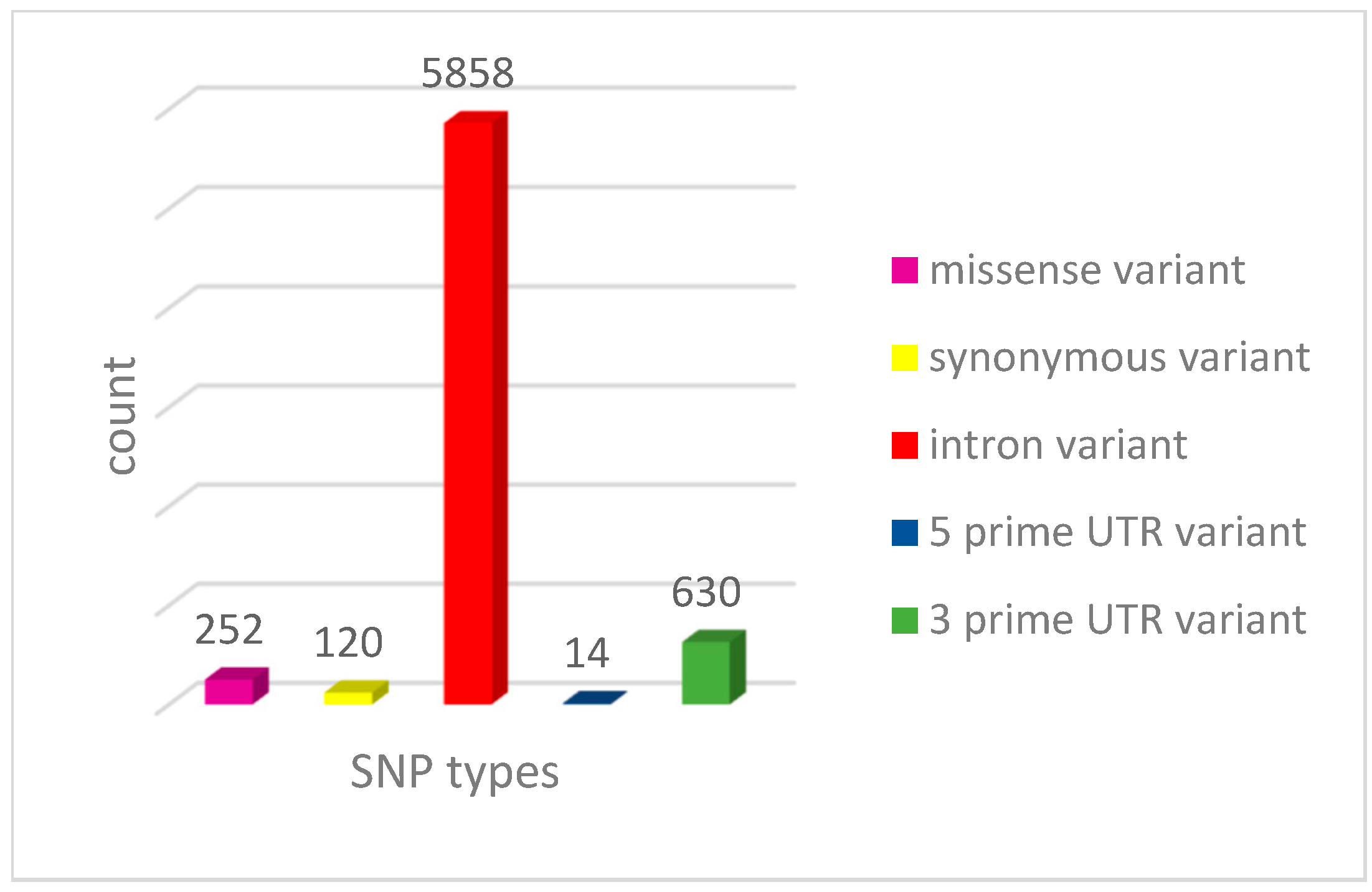
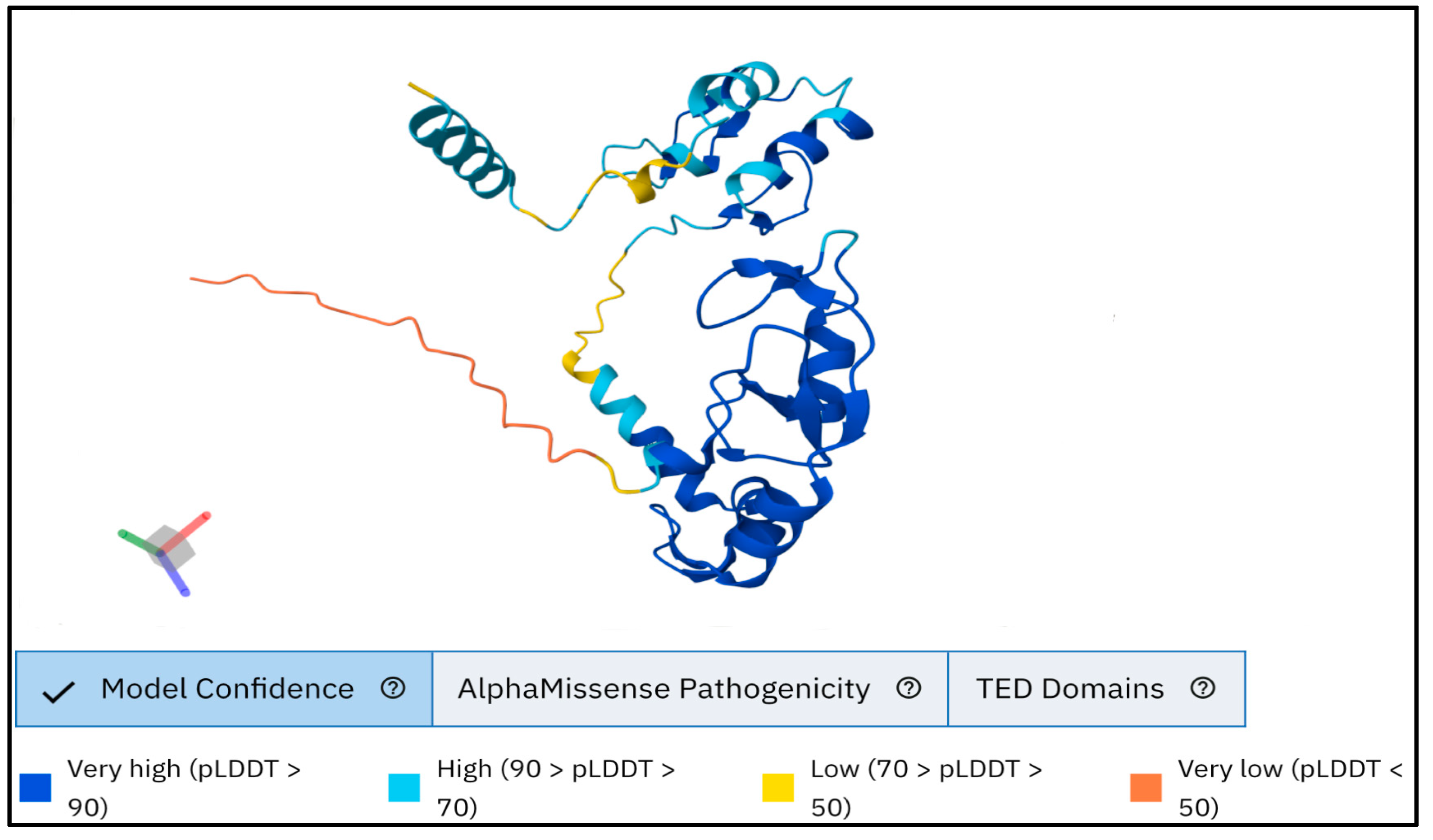
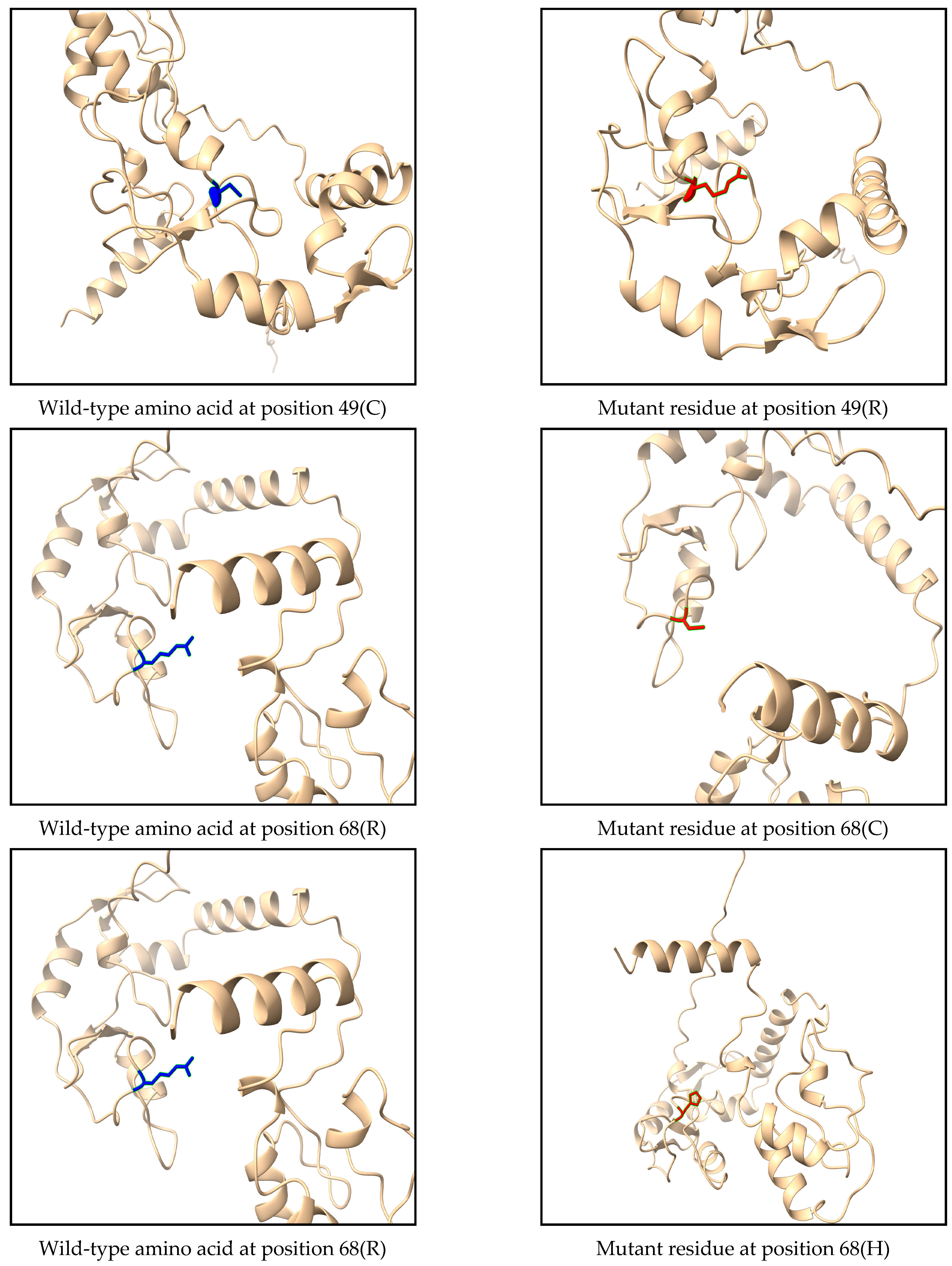
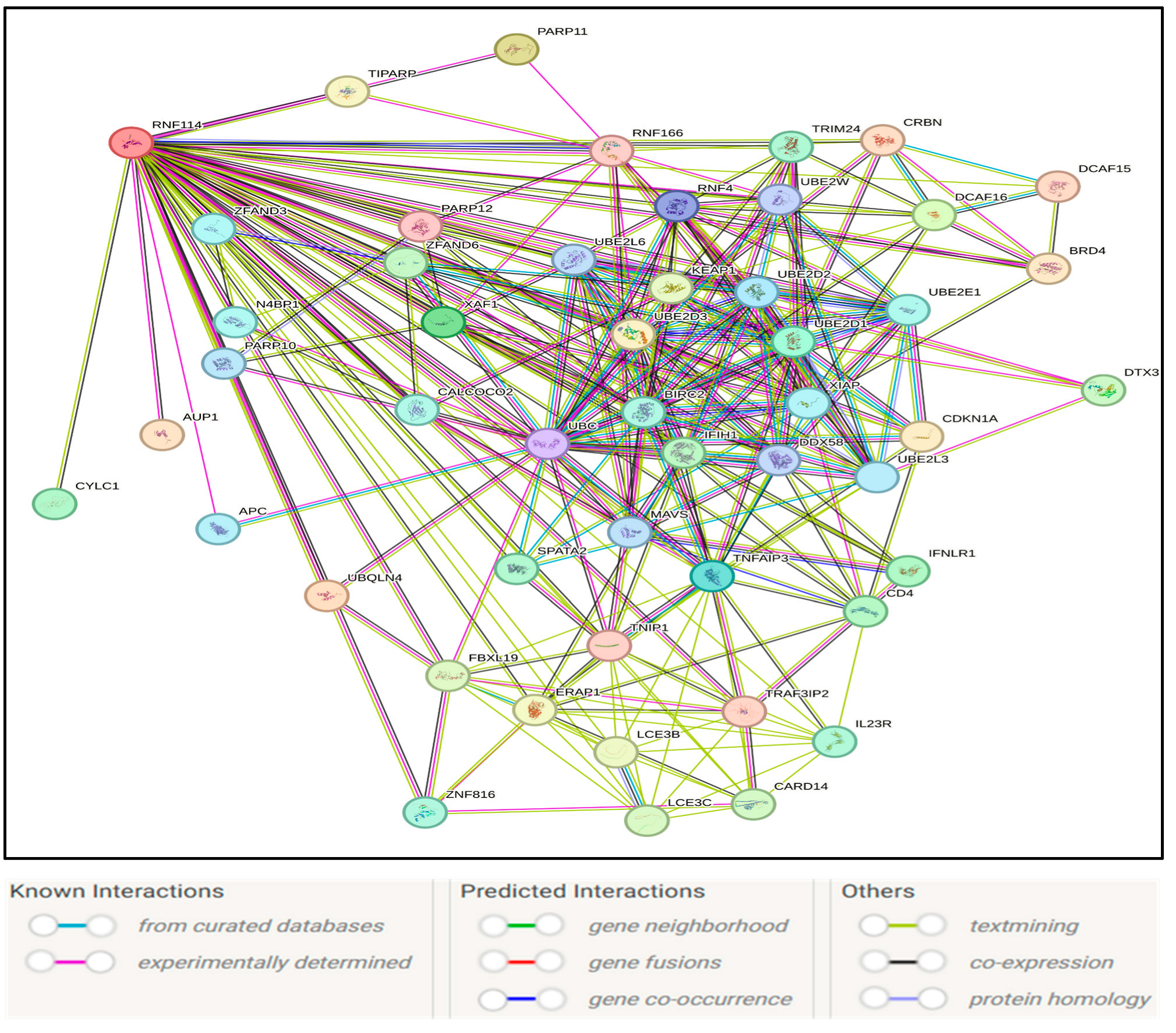
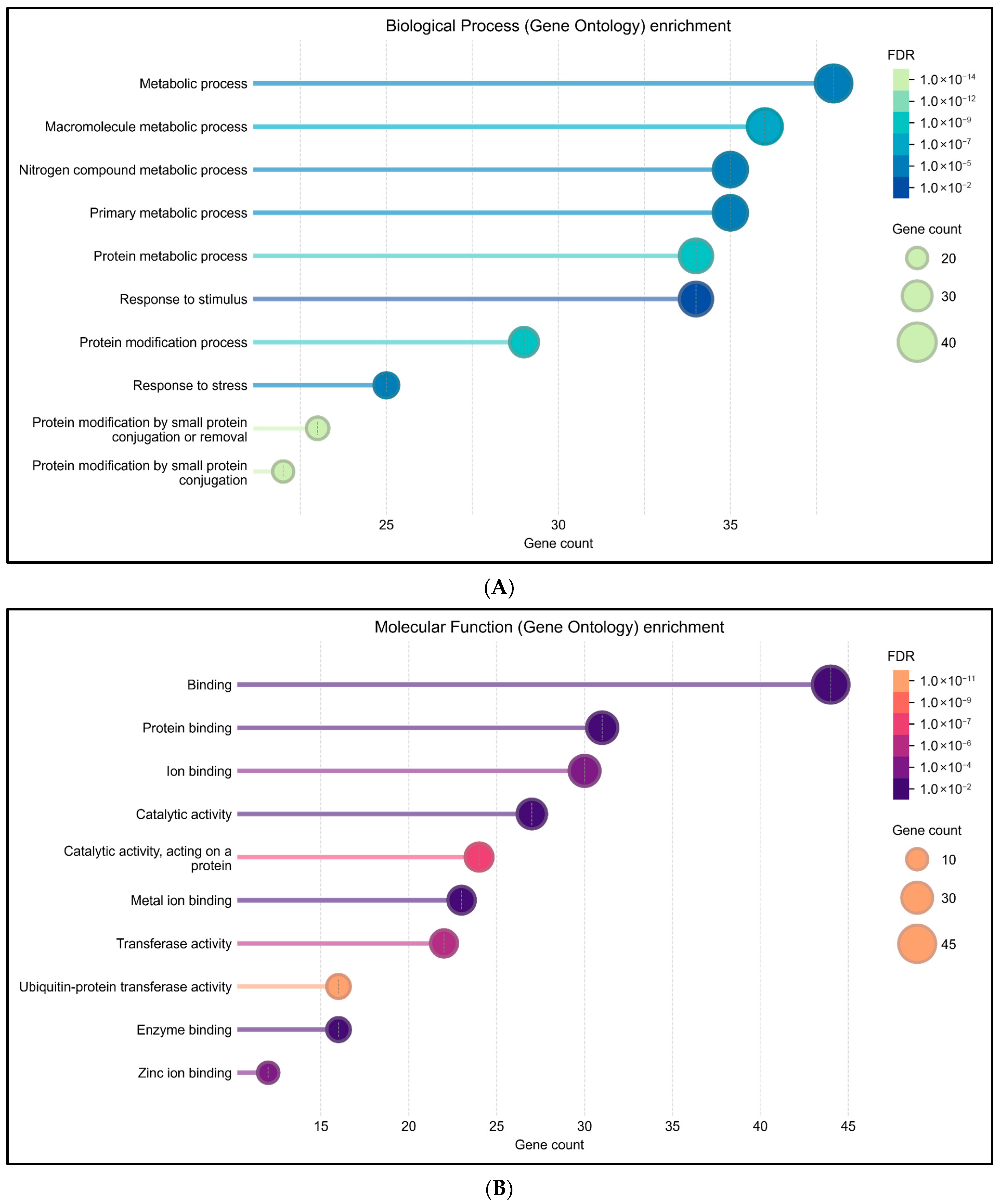
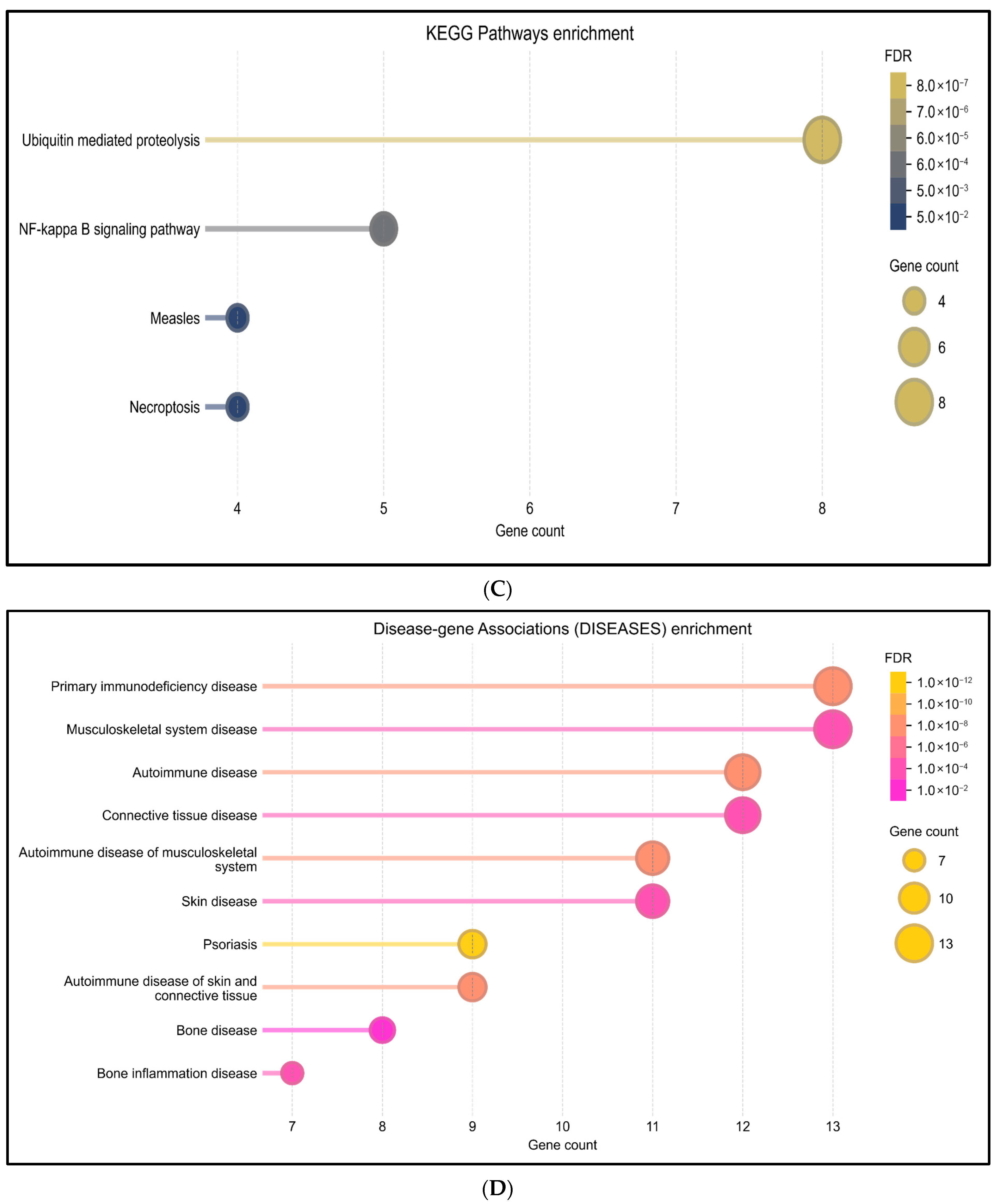
Background: RNF114 gene encodes an E3 ubiquitin ligase involved in immune signaling and regulation of inflammation. Genetic variants, particularly nonsynonymous single-nucleotide polymorphisms (nsSNPs), may interfere with protein function and cause immune diseases such as psoriasis. Although significant, the structural and functional impact of RNF114 nsSNPs is not well understood. Methods: We used comprehensive bioinformatics analyses to predict the functional impact of RNF114 nsSNPs. Deleterious variants were predicted by SIFT, PolyPhen-2, PROVEAN, META-SNP, ESNP&GO, PANTHER, and Alpha-Missense. Protein stability was examined by I-Mutant2.0, and MUpro further contextualized variant effects. Structural modeling was performed by AlphaFold and visualized using UCSF ChimeraX 1.10.1. Additionally, we studied the Conservation using ConSurf and protein-protein interaction by STRING tools. Results: Among 252 available nsSNPs, three mutations—C49R (rs1600868749), R68C (rs745318334), and R68H (rs758000156)—were predicted to have a deleterious and destabilizing effects on the protein structure by all the tools. All three variants were located in extremely conserved residues and were predicted to significantly destabilize the protein structure. Structural modeling demonstrated disruptions in the RNF114 domain structure. STRING analysis revealed interactions of RNF114 with key immune regulators, and pathway enrichment pointed to roles in NF-κB signaling, ubiquitin-mediated proteolysis, and autoimmune disease pathways. Conclusions: In the current study, we predicted three novel, potentially pathogenic RNF114 variants with protein-destabilizing effect that could lead to immune dysregulation.
Keywords: RNF114; single-nucleotide polymorphisms; psoriasis; bioinformatics; structural modelling; pathway enrichment RNF114; single-nucleotide polymorphisms; psoriasis; bioinformatics; structural modelling; pathway enrichment