Abstract
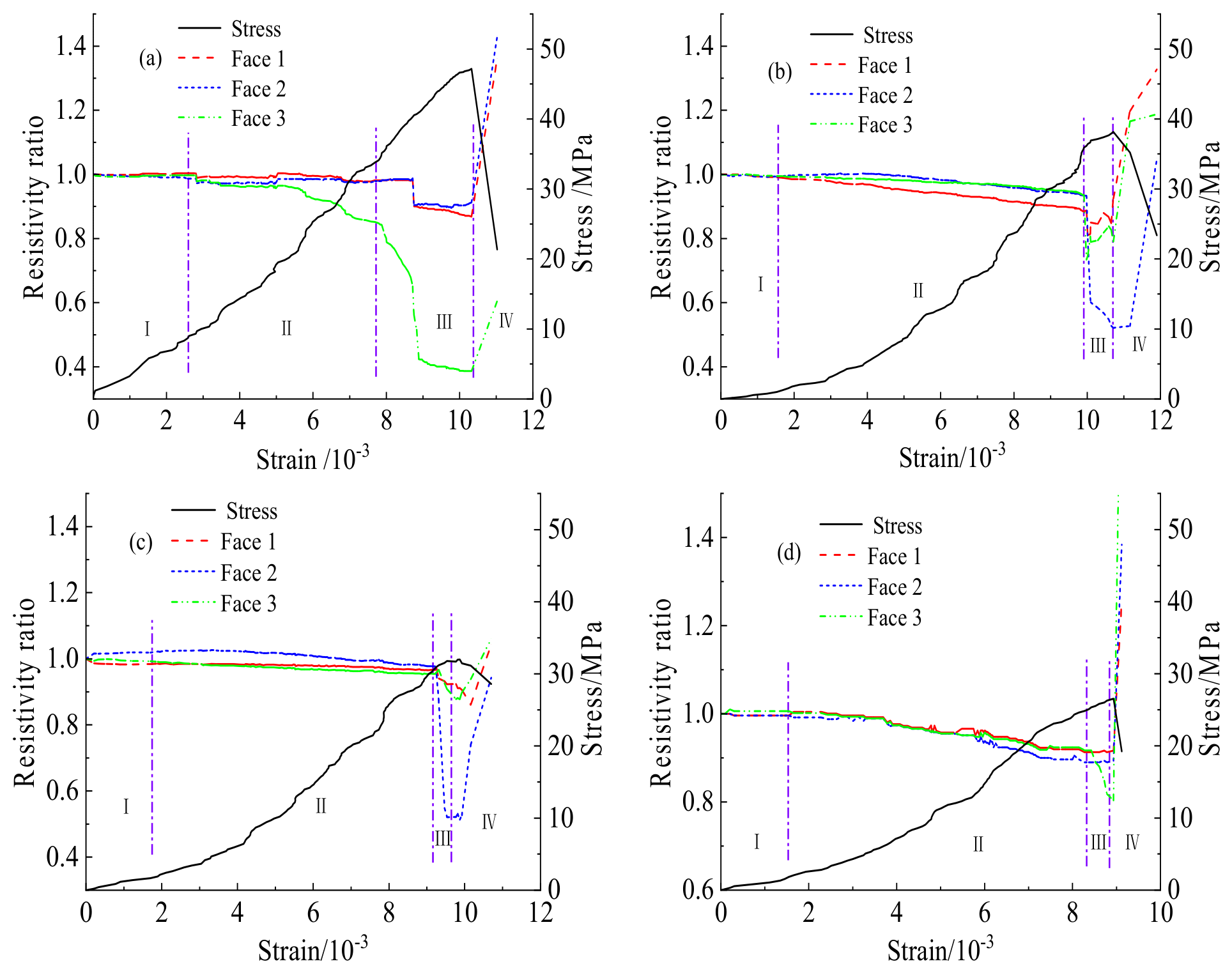
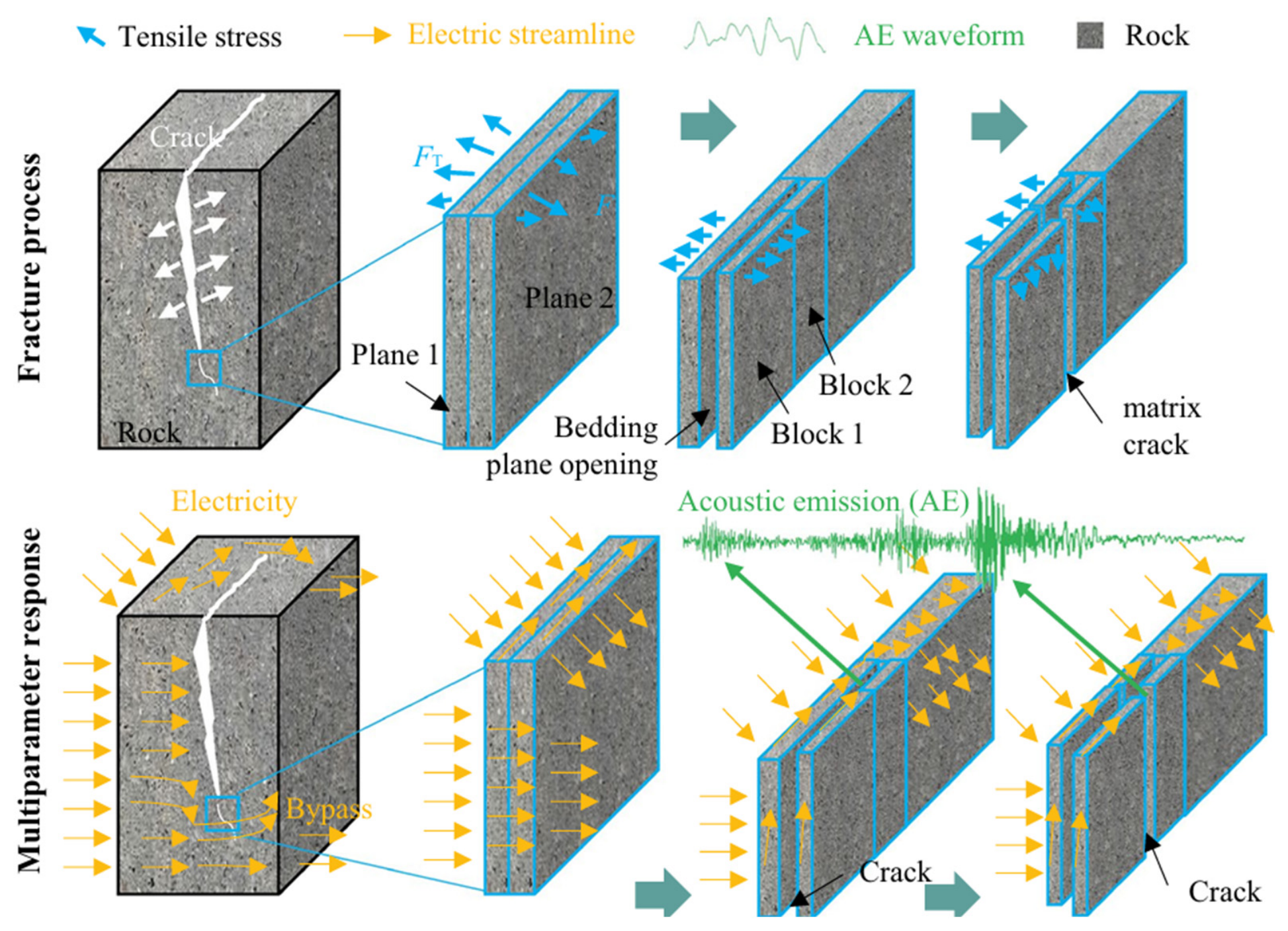
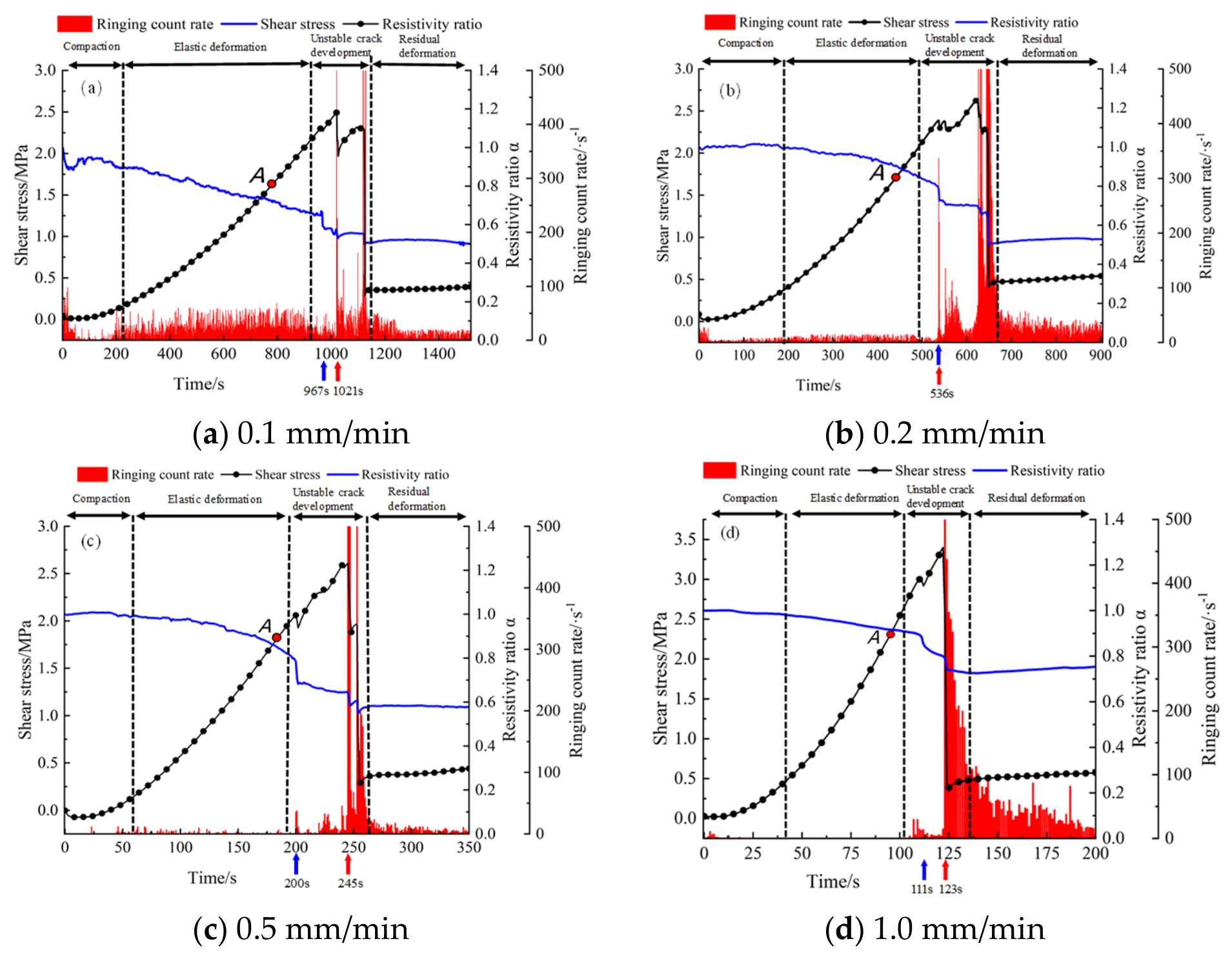
Variations in the electrical signals of rock masses can reflect the development of internal fractures, pore fluid migration, and damage evolution, showing broad potential for the monitoring and early warning of engineering rock mass disasters. In recent years, with the continuous development of electrical resistivity tomography, time-lapse electrical monitoring, digital rock technology, and multiscale numerical simulation, research on rock mass electrical properties has gradually expanded from traditional resistivity measurements to fracture evolution characterization, damage identification, and instability precursor prediction. However, the electrical responses of rock masses are governed by multiple interacting factors, and different physical processes may produce similar or even opposing electrical anomalies. Existing studies have largely addressed conduction theories, monitoring methods, and engineering applications as separate aspects, while a systematic understanding of the mechanisms governing rock-mass electrical responses under different conditions, as well as their intrinsic relationships with conductive network evolution, remains lacking. This review is mainly based on 153 representative publications indexed in the Web of Science Core Collection from 1998 to 2026 and systematically summarizes research progress on the electrical responses of rock masses over nearly three decades. With the conductive network as the central theme, this review comprehensively analyzes multiphase conduction theories, electrical monitoring techniques, conductive network evolution mechanisms, and engineering applications. Rock mass electrical responses originate from the charge transport process within the internal multiphase conductive network. The propagation of fractures, variation of pore structures, fluid migration, and multi-physics coupling continuously change the number, connectivity, and spatial distribution of conductive paths, thereby resulting in dynamic variations of electrical parameters such as resistivity. As rock masses evolve from stable damage to critical instability, the conductive network gradually shifts from local adjustment to rapid reconstruction and critical connectivity, accompanied by abrupt changes in resistivity, enhanced electrical anisotropy, and temporal anomalies. Even during quiet periods of acoustic emission, resistivity can continuously reflect crack propagation and conductive network reconstruction, providing complementary information for the identification of instability precursors. The main contribution of this review is to link the multiphase conduction mechanisms, electrical monitoring methods, resistivity variation characteristics, and damage-to-instability processes of rock masses and to systematically summarize the intrinsic relationships among charge transport, conductive network reconstruction, macroscopic electrical responses, and rock damage and instability. On this basis, an integrated analytical framework from conduction mechanisms to damage characterization and instability precursor identification is established, providing new insights into establishing quantitative relationships among conductive network structure, charge transport processes, and electrical responses, as well as developing electrical theories and intelligent monitoring and early-warning methods for rock masses under multiscale and multi-physics coupling conditions.