


Abstract
Variscan two-mica granites are widespread in the Trás-os-Montes region (NE Portugal), yet their emplacement ages, petrogenesis, and relationship with Variscan deformation phases remain poorly constrained. This study integrates U–Pb zircon geochronology, whole-rock geochemistry, and oxygen isotope data to characterise four peraluminous two-mica granites in the Trás-os-Montes area (Fornos, Carviçais, Fonte Santa, and Bruçó) and to refine their tectonomagmatic context within the Central Iberian Zone. All granites are S-type, ilmenite-series, and derived from reduced magmas, as indicated by their strongly peraluminous compositions, mineral assemblages (muscovite ± biotite), absence of magnetite and presence of ilmenite, and high δ18O values (>11‰), consistent with partial melting of metasedimentary crust. U–Pb ages reveal two distinct magmatic pulses: an older event at ~340 Ma (Fornos and Fonte Santa granites), predating the onset of C3 deformation and likely associated with late C1 crustal thickening to early C2 tectonics, and a younger pulse at ~320–318 Ma (Carviçais and Bruçó granites). These magmatic pulses are linked to contrasting structural controls, with the older granites emplaced within regional-scale antiforms and the younger intrusions localised along structures related to C3 deformation. Together, these results document two discrete crustal melting events separated by ~20 Ma and record a progressive shift from fold-controlled to strike-slip-dominated granite emplacement during Variscan orogenic evolution. Moreover, the study highlights that tungsten mineralisation is preferentially associated with reduced, crust-derived granites emplaced during specific tectonic regimes, providing new constraints for metallogenic models in NW Iberia.
1. Introduction
The northwest of the Iberian Peninsula remains an important region for tin (Sn) and tungsten (W) mineralisation associated with Variscan acid magmatism. Tungsten holds a pivotal role as a strategic raw material for the European Union [1,2,3,4,5]. Its resistance to high temperatures makes it valuable for numerous technological applications. Recent advances demonstrate that tungsten is also crucial for the clean energy transition, particularly in the manufacture of electrodes for green hydrogen production through water photoelectrolysis [6,7,8].
Over the past few decades, various studies have demonstrated that tungsten mineralisation is typically associated with granites hosted by metasediments [9,10,11,12,13,14,15], although not all granites are related to mineralisation. Therefore, studying granites associated with known mineralisation enables the development of methodologies to identify new mineralised areas more efficiently. Granitoids are not only valuable pathfinders for mineralisations but also constitute one of the most common rock types in continental crust and are therefore essential to understanding crustal evolution [10,16,17].
Integrated field identification, petrographic analysis, geochemical characterisation, and geochronological constraints are essential for elucidating the links between granitic magma generation, continental crust growth, and orogenic evolution [17,18].
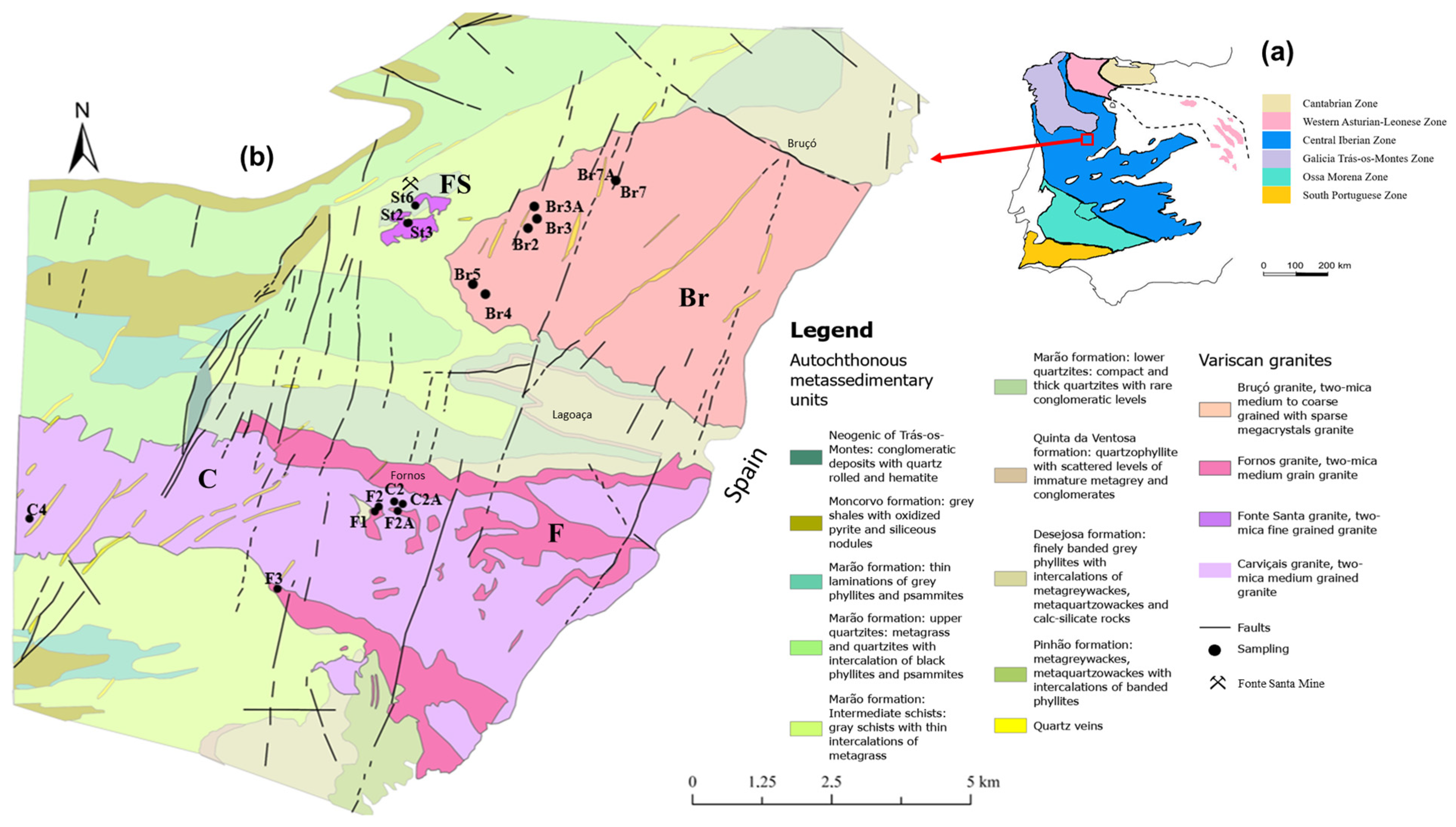
The granite suite investigated in this study was emplaced in the southeastern (SE) Trás-os-Montes region, between the municipalities of Mogadouro and Freixo-de-Espada-à-Cinta, in northeastern (NE) Portugal (Figure 1). The study area comprises three granitic massifs: the Carviçais–Fornos, the transboundary Bruçó–Aldeávila de la Ribera and the Fonte Santa massif. This last massif hosts the abandoned Fonte Santa mine (also referred to in the literature as Lagoaça mine), where scheelite (CaWO4) was extracted between 1942 and 1982 [19,20,21].
This study presents a comprehensive petrological and geochemical characterisation of the Fonte Santa, Bruçó, Fornos, and Carviçais granites, together with new U-Pb zircon emplacement ages. The primary objective is to integrate petrological, geochemical and geochronological data to characterise these granites, and to explore the relationship between their genesis and the tungsten mineralisation in the area. Furthermore, this work aims to identify geochemical indicators that may prove useful for tungsten exploration in northwestern Iberia.
2. Geological Setting
2.1. Regional Setting
The Variscan orogenic belt, which ranges in age from approximately 390 Ma to 290 Ma, records the complex collision between Gondwana and Laurussia that culminated in the assembly of the Pangea supercontinent [22,23,24]. This collision involved the progressive closure of major oceanic domains, including the Rheic Ocean, whose suture is preserved in the boundaries between Iberian zones [23,25].
The Iberian Variscan belt (IVB) is divided into distinct geotectonic zones, first defined by Lotze (1945) [26] (Figure 1a) based on various plutonic, metamorphic, tectonic, and paleogeographic features. These zones are, from NE to SW, the Cantabrian Zone (CZ), West Asturian Leonese Zone (WALZ), Central Iberian Zone (CIZ), Ossa Morena Zone (OMZ) and South Portuguese Zone (SPZ) [25,26,27]. These zones are bounded by major sutures and shear zones that record terrane accretion onto the Gondwanan margin. For instance, the boundary between the CIZ and OMZ is interpreted as a Variscan suture, marked by ductile shear zones reflecting oblique convergence and subsequent extensional exhumation (e.g., [28,29]).
During the Early Carboniferous, a massive allochthonous complex, the Galicia Trás-os-Montes Zone (GTMZ), was obducted onto the Iberian parautochthon, representing the final stages of ocean closure and terrane accretion [23,25,27,28,29,30]. The Trás-os-Montes granites investigated in this study are located within the autochthonous domains of the CIZ (Figure 1a) in a setting influenced by both the earlier accretionary events and the subsequent post-collisional evolution of the orogen.
The Variscan orogeny in the Iberian massif was characterised, in terms of tectonic phases, as having three periods of deformation [31,32] following several studies in the northwestern Iberian massif. A more detailed model was established with three periods of contractional (C1, C2 and C3) and two periods of extensional deformation (E1 and E2) [24,33,34,35].
The contractional deformation were considered responsible for the main structures observed in the NW of Iberia:
- C1 (360–337 Ma): Initial compressive deformation associated with Gondwana subduction, recorded by retrogression of granulitic and eclogitic rocks. Mostly registered in the autochthonous domain, it produced large NW-SE folds.
- C2 (337–320 Ma): Collision between Laurussia and Gondwana, causing crustal thickening and emplacement of allochthonous and parautochthonous domains, with recumbent folds.
- C3 (325–305 Ma): Ductile stretching along NW-SE to ENE-WSW shear zones, marking the end of the collisional process.
The extensional deformation events are:
- E1 (335–330 Ma): An intra-orogenic extensional event that occurred during the late stages of C2 and immediately preceded C3. It is characterised by N-S extension with ductile stretching, associated with exhumation of high-grade rocks and granitic bodies [24,33,34].
- E2 (<305 Ma): Post-orogenic gravitational collapse, characterised by isotropic deformation with no visible foliation or lineation, significant crustal thinning, and decompression [33,34,35]. The E2 period concludes the Variscan orogeny in the Iberian Peninsula [35].
According to Moyen et al. (2025) [17], more than half of the Variscan crust is composed of different types of granitoid rocks. During the Variscan orogeny, numerous granite plutons, with varying ages and geochemical signatures, were emplaced at different crustal levels. The most significant emplacement of these rocks occurs within the GTMZ and CIZ [17,36].
The petrogenetic diversity reflects the variations in magma sources and differing conditions of emplacement during the Variscan orogeny.
Figure 1.
Geological map showing the location of the study area, located in the CIZ autochthon, south of the GTMZ thrust front. (a)―Map of the Iberian Peninsula with the geotectonic zones [26,27,29], with the area under study identified by a red rectangle. (b)―Geological map of the studied area, adapted from the geological map at scale 1/50.000 from sheet 11-D-Carviçais [37,38,39]. In this map, the four granites under study are identified: Fonte Santa―FS, Bruçó―Br, Fornos―F, and Carviçais―C. The black dots represent the sampling locations for all the geochemical studies: St2, St3 and St6 samples from Fonte Santa granite; Br2, Br3, Br3A, Br4, Br5, Br7 and Br7A samples from Bruçó granite; C2, C2A and C4 samples from Carviçais granite; and F1, F2, F2A and F3 samples from Fornos granite.
Magmatism during the E1 and C3 phases (c. 335–305 Ma) was strongly controlled by regional deformation [24,35]. The granitoids emplaced in this period are subdivided into two main groups:
- Syn-E1, during the transition into the C3 regime: granitoids of basicrustal to hybrid origin (biotite-rich to granodioritic, at times associated with vaugnerites), which are linked to a significant mantle contribution. This group can occur as elongated massifs or as more circumscribed intrusions [1,2,3,4,5].
- Syn to late-C3 (c. 335–305 Ma): peraluminous two-mica granites, of mesocrustal origin, which form elongated massifs concordant with regional structures, typically within the cores of antiforms [1,2,3,4,5].
These two groups reflect contrasting depths of magma generation and degrees of mantle interaction. The two-mica granites were generated by partial melting of metasedimentary crust at shallower levels (mesocrustal), with little direct mantle input. In contrast, the hybrid granodiorites and associated vaugnerites originated at deeper crustal levels (basicrustal), where underplating of mantle-derived magmas provided both heat for crustal melting and, in some cases, magma mixing that produced hybrid compositions. This depth control on magma composition is a characteristic feature of synorogenic magmatism in the CIZ [40,41,42,43,44].
Critically, all the granites from this period (pre–305 Ma) exhibit syn-magmatic ductile deformation [34,35].
Around c. 305 Ma, the onset of orogenic collapse (E2) marks a fundamental unconformity [24,35]. The subsequent post-kinematic magmatism (lasting until c. 285 Ma) is characterised by more circumscribed intrusions associated with late-Variscan faults. However, this post-tectonic stage is not a single, homogeneous magmatic event. Recent studies have demonstrated the coexistence of at least three distinct granite suites intruded coevally during the 305–290 Ma interval in the Central Iberian Zone [45]. These include a) two peraluminous S-type suites, derived predominantly from crustal sources, with one of them potentially involving a greater contribution from meta-igneous protoliths, and b) one I-type suite, also crustally derived but from metaluminous sources [40,41,42,43,44,45]. Crucially, each of these suites evolves through fractionation processes to produce a late-stage leucogranite, some of which are characterised by a two-mica mineralogy (muscovite ≥ biotite) [45]. While local hybridisation with mafic magmas has been documented in some plutons, it is not considered the primary driver of compositional evolution in these evolved leucocratic members [42,43,44]. A summary of the relationships between tectonic events and granite types is provided in Table 1.
Table 1.
Summary of Variscan tectonic events and associated granitic magmatism in CIZ [18,24,34,35,45,46,47,48,49].
The two-mica granites of the Trás-os-Montes region presented in this study (Fornos, Carviçais, Bruçó, and Fonte Santa) must therefore be considered within this broader context, and their affiliation with one of these regionally recognised suites bears directly on the interpretation of their sources and petrogenesis.
2.2. Local Setting
The studied Trás-os-Montes granitic suite (Figure 1b) is located within the autochthonous domains of the CIZ, despite its proximity to the boundary with the GTMZ. During the Early Carboniferous, the allochthonous GTMZ complex was obducted onto the Iberian parautochthon, resulting in a tectonic pile where GTMZ rocks tectonically overlie CIZ sequences [22,23,25,34]. The surface expression of this boundary is a thrust front, north of which GTMZ rocks are preserved as klippen, while to the south, the autochthonous CIZ basement is exposed (Figure 1a). The study area lies south of this main thrust front, within the exposed CIZ autochthon.
The study area lies immediately west of the Tormes Dome, a major Variscan thermal dome exposing gneissic core rocks in the Spanish sector of the CIZ [40,41,50]. The studied granites are geographically and genetically related to this dome, representing the western extension of synorogenic magmatism that characterises the dome’s evolution [50,51,52,53,54,55]. According to some authors, this granite suite can be considered part of the broader Tormes Dome magmatic province [50,51,52,53,54,55]. The granites were affected by the C1 and C3 events of the Variscan orogeny and by regional low-grade metamorphism [22,23,25,34,35].
The studied granites (Fornos, Carviçais, Fonte Santa, and Bruçó) intrude metasedimentary formations of the CIZ autochthon, including schists and quartzites from the Lower to Middle Ordovician and the Neoproterozoic–Cambrian “Schist-Greywacke Complex” (Douro Group) [39,56,57,58].
The Carviçais–Fornos granite massif is oriented E-W and occupies the core of the Carviçais antiform, a structure considered to be related to C3 deformation. Within this massif, two different granites can be distinguished: the Carviçais granite and the Fornos granite. The Carviçais granite is a medium- to coarse-grained two-mica, with a tendency towards a porphyritic texture, and is the most representative granite in the massif. The Fornos granite typically occurs on the border of the massif and is a fine-grained two-mica granite with a porphyritic tendency [38,39].
The Fonte Santa granite is located approximately 5 km north of the Carviçais–Fornos massif. It is a fine- to medium-grained two-mica granite formed by two small bodies associated with aplite and quartz veins. This granite is spatially associated with the old Fonte Santa mine (also referred to in some literature as the Lagoaça mine), where scheelite (CaWO4) was extracted between 1942 and 1982 [9,19,20,21]. The deposit occurs as a quartz vein-type cutting the Ordovician formations, and it is 200 metres northwest of the Fonte Santa granite [20,34,38,59,60,61,62].
The Bruçó–Aldeávila de la Ribera massif, particularly the Bruçó granite (the most western part of the massif), is a two-mica granite with medium- to coarse-grained and porphyritic texture, characterised by sparse K-feldspar megacrystals associated with pegmatites that contain tourmaline [19,34,61,62]. Many authors indicate that the Bruçó granite is spatially associated with a major late-Variscan shear zone (the Bemposta–Moncorvo megashear) [20,34,47,62,63].
The Bruçó and Fonte Santa granites are also described as emplaced within the core of an antiform, the Fonte Santa antiform [19,34,62].
From the Spanish side, some similar granitic facies from the Tormes Dome were studied, and their ages were determined to be between 325 Ma and 311 Ma [55,64,65].
Besides the W mineralisation of the Fonte Santa (Lagoaça) mine, other tungsten mineralisations occur in the area considered related to the Bruçó granite [9,19,20,59,62,66]. In Spain, two important mining areas occur on the Tormes Dome [55], such as Barruecopardo, which has more than 40 occurrences of W, as well as the Valderrodrigo [50,51,52,53,54].
3. Materials and Methods
3.1. Sampling
All the samples were collected from fresh outcrops, avoiding weathered surfaces and veins (mineralised or barren).
Sampling was carried out at sites previously used for other analytical techniques, including petrophysical (magnetic susceptibility) and radiometric measurements; however, these methods are not discussed in this work. A total of seventeen samples were collected: seven samples for the Bruçó granite (Br2, Br3, Br3A, Br4, Br5, Br7, Br7A); three for the Fonte Santa massif (St2, St3 and St6); three for the Carviçais granite (C2, C2A and C4); and four for the Fornos granite (F1, F2, F2A and F3), identified by black dots in Figure 1b.
3.2. Whole-Rock Geochemistry Methodology
The preparation of the samples for the geochemical analyses was carried out in the Institute of Earth Sciences (ICT) laboratories at the Faculty of Sciences of the University of Porto (FCUP). The whole-rock geochemistry analysis was carried out in the Activation Laboratories Ltd. (ACTLABS) (https://actlabs.com/) in Ontario, Canada, using the WRA-Trace 4-litho research analytical package. The samples were submitted to a lithium metaborate and tetraborate fusion. Then, the molten sample was digested in a weak nitric acid solution to ensure that all samples were dissolved. The preparation was then analysed by Inductively Coupled Plasma Mass Spectrometry (ICP-MS) and Inductively Coupled Plasma Optical Emission Spectrometry (ICP-OES). The detection limits are around 0.01% for the major elements, 0.001% for the minor elements, and between 0.01 and 30 ppm for the trace elements. To complete the analysis, two additional elements were analysed: the Li and F content. For the Li analysis, the sodium peroxide fusion method was applied (using the 8-Li-ICP-MS protocol), and for the F analysis, the ion-selective electrode method was carried out (using the 8-Li-ISE protocol) (detection limits are present in Supplementary Material Table S1). The quality control data is also available in Supplementary Material Table S1.
3.3. Whole-Rock Oxygen Isotopes Methodolody
Oxygen isotopes (18O/16O) analyses were performed on five samples, one from each granite, including two from Fonte Santa granite, at the Stable Isotope Laboratory of the University of Salamanca (NUCLEUS) (https://nucleus.usal.es/en/isotopes accessed on 11 November 2024). Oxygen was extracted from the whole-rock powders by laser fluorination, quantitatively converted to CO2 by reaction with a heated carbon rod, and analysed for 18O/16O ratio with a dual-inlet VG SIRA II mass spectrometer. The laboratory employs three standards for calibration: two internal standards previously calibrated against international reference materials, and the international standard NBS-28 [67,68]. These are analysed repeatedly until the results are reproducible to within ±0.2‰. The first sample analysed each day is always duplicated. All values are reported relative to Standard Mean Ocean Water (SMOW) [69,70].
3.4. U-Pb Zircon Geochronology
Zircon concentrates for U-Pb geochronology were prepared at the ICT laboratories, Faculty of Sciences, University of Porto. Samples were crushed and sieved to <250 µm [71], and zircons were separated using heavy liquids (Bromoform at 96% and Diiodomethane) and magnetic techniques (Frantz Isodynamic magnetic separator, model L-1, input 115 volts, max 2.5 AMP, 50–60 Hz). Following heavy mineral concentration, zircons were handpicked under a binocular microscope (Leica M205 C). Selected grains were sent to the IBERSIMS laboratory at the University of Granada (Spain) (https://www.ugr.es/~ibersims/ibersims/Zircon_U_Pb_analysis.html accessed on 25 February 2025) for U-Pb analysis by a Sensitive High-Resolution Ion Microprobe (SHRIMP). Zircon grains were mounted in epoxy resin (3.5 cm megamount) and ground by hand to expose their internal structures. The grains were then polished and documented using optical microscopy (reflected and transmitted light) and scanning electron microscopy (backscattered electron and cathodoluminescence imaging). Suitable analysis spots (25 μm diameter) were selected based on these images, avoiding fractures, inclusions, and metamict zones. Following laboratory protocol, the megamount was coated with pure gold and analysed by SHRIMP following the methodology described by Claesson [61].
Sample preparation for zircon geochronology required processing 10–15 kg of rock per granite to obtain sufficient zircon grains for analysis, reflecting the low zircon yield typical of S-type granites [16]. For the Fonte Santa granite, over 20 kg of sample was processed to obtain the zircon grains presented in this study.
During the analyses, the calibration was performed using the following standards that were included in the megamount: (i) REG zircon is used for mass calibration (ca. 2.5 Ga, with high U, Th and common lead content); (ii) SL13 zircon, which is used at the start of each analytical session for concentration standard (238 ppm U) [72]; (iii) and the TEMORA-1 zircon (416.8 ± 1.1 Ma) for isotope ratio standard [73].
Data processing was performed by the laboratory using SHRIMPTOOLS software (available online) (https://www.ugr.es/~ibersims/ibersims/Methods.html), developed by Bea for the IBERSIMS laboratory. This software allows data processing and calculation of isotopic ratios from analytical results.
After that, the data received was processed using IsoplotR software version 7.0 [74] to calculate the concordia ages.
4. Results
4.1. Field and Petrographic Observations
In the field, the Fornos and Carviçais granites can be distinguished within the same outcrop by a sharp contact (Figure 2a). The Fornos granite (Figure 2a, left side) is a leucocratic, fine-grained, two-mica granite. In some outcrops, this granite displays a WNW-trending foliation defined by muscovite, which is parallel to the foliation of the host metasedimentary rocks. The Carviçais granite (Figure 2a, right side) is also a two-mica granite but exhibits a medium- to coarse-grained porphyritic texture marked by the K-feldspar megacrystals aligned along a NW-SE to WNW-ESE direction. Evidence of deformation is observed in this granite, as indicated by the penetrative foliation observed in outcrop. The Fonte Santa granite is a two-mica, medium- to fine-grained granite, with no mineral orientation (Figure 2b). This granite is richer in muscovite, particularly in contact with the metasediments. In the field, it is possible to distinguish differences between the two outcropping bodies that are represented in the maps of the area (Figure 1b). Notably, one of the bodies, the smaller, more northerly outcrop, exhibits a well-defined N-S fracturing, as well as a higher muscovite content. This body is hereafter referred to as Fonte Santa N. The other body, which has a larger outcrop area and is located further south, also displays a high muscovite content but preserves some biotite. This body is hereafter referred to as Fonte Santa S. The Bruçó granite is a medium- to coarse-grained two-mica granite exhibiting a porphyritic texture with K-feldspar megacrystals (Figure 2c), near the limits of the massif and occasionally mafic enclaves within the massif [20,61,62]. Satellite image analysis reveals fracture alignments with a NNE-SSW direction. A quarry exploiting the Bruçó granite for ornamental stone exposes an area which is nearly devoid of fractures (Figure 2d) and megacrystals.
Figure 2.
Field recognition of the four granites. (a)―Contact between the Fornos granite (left side) and the Carviçais granite (right side); (b)―Fonte Santa granite; (c)―Bruçó granite with megacrystals of potassium feldspar; and (d)―quarry in the Bruçó granite.
Petrographic observations are based on examination of multiple thin sections per granite. The microphotographs presented in Figure 3, Figure 4, Figure 5 and Figure 6 illustrate the most representative textural and mineralogical features of each granite; they are not intended to show every accessory mineral or textural variation present in the samples. Accessory minerals identified during petrographic study (including monazite, zircon, ilmenite, titanite, apatite, and tourmaline) are described in the text and, where possible, indicated in the figures when present at visible scales.
Figure 3.
Representative microphotographs from the Fornos granite illustrate the main textural and mineralogical features described in the text. All the microphotographs are at the same scale (500 µm). Figures (a,b,d,e,f) are in cross-polarised light (XPL); figure (c) is in plane-polarised light (PPL). Figures (a,b) show the texture of the granite and the main mineral assemblage. (a) Subgranulation of quartz and muscovite aligns with microfractures and K-feldspar alteration; (b) undulatory extinction in quartz, alteration of K-feldspar and possible bending in micas; (c) biotite alteration to chlorite and ilmenite, with small zircon crystals included in biotite and titanite at grain boundaries; (d) plagioclase sericitisation; (e) subgranulation of quartz and microcline; and (f) dynamic recrystallisation of quartz, with larger grains showing undulatory extinction and marginal development of smaller recrystallised grains via bulging forming aggregates of subgranular quartz. Mineral abbreviations according to Whitney & Evans (2010) [75]: Bt―biotite; Chl―chlorite; Kfs―K-feldspar; Mc―microcline; Ms―muscovite; Pl―plagioclase; Qz―quartz; Rt―rutile; Ser―sericite; Ttn―titanite; Zrn―zircon.
Figure 4.
Representative microphotographs from the Carviçais granite illustrate the main textural and mineralogical features described in the text. All the microphotographs have the same scale of 500 µm. Figures (b–f) are in XPL; figure A is in PPL. (a) Alteration of biotite to chlorite with accessory minerals in the interior of the crystals, quartz with strong undulatory extinction; (b) quartz grains are anhedral, and the interstitial crystals show a strong undulatory extinction, with mica with preferential direction and presence of K-feldspar with perthitic texture; (c) microfractures filled with quartz; (d) muscovite marked by folds and subgranular quartz; (e) aggregates of feldspar and quartz with mica marking the preferential direction; and (f) sericitization of plagioclase. Mineral abbreviations according to Whitney & Evans (2010) [75]: Bt―biotite; Chl―chlorite; Kfs―K-feldspar; Ms―muscovite; Pl―plagioclase; Qz―quartz; Ser―sericite; Zrn―zircon.
Figure 5.
Representative microphotographs from the Fonte Santa granite illustrate the main textural and mineralogical features described in the text. All the microphotographs are in the same scale of 500 µm. (a–c) correspond to the granitic outcrop of the Fonte Santa N, and (d–f) correspond to the outcrop Fonte Santa S. (a–c,f) are in XPL; (d,e) are in PPL. (a) Plagioclase crystal, with fine-grained muscovite, quartz and some K-feldspar; (b) microcline and muscovite, probably primary; (c) intergrowths between quartz and feldspar, with quartz showing chessboard extinction pattern, indicative of high-temperature deformation; (d) opaque minerals—ilmenite; (e) biotite altered to chlorite, cloudy K-feldspar and quartz; (f) quartz reworked to subgrains, plagioclase and K-feldspar. Mineral abbreviations according to Whitney & Evans (2010) [75]: Bt―biotite; Chl―chlorite; Kfs―K-feldspar; Mc―microcline; Ms―muscovite; Opq―opaque mineral; Pl―plagioclase; Qz―quartz.
Figure 6.
Representative microphotographs from the Bruçó granite illustrate the main textural and mineralogical features described in the text. All the photos are in the same scale of 500 µm. Figures (a–c,e,f) are in XPL; figure (d) is in PPL. (a) Quartz and K-feldspar; (b) tourmaline; (c) plagioclase sericitisation; (d) alteration of biotite to chlorite near muscovite, which shows a slight ductile deformation; (e) muscovite with neither oriented fabrics nor alteration evidence; (f) microfracturing of quartz and plagioclase. Mineral abbreviations according to Whitney & Evans (2010) [75]: Bt―biotite; Kfs―K-feldspar; Mc―microcline; Ms―muscovite; Pl―plagioclase; Qz―quartz; Ser―sericite; Tur―tourmaline.
Detailed petrographic examination under the optical microscope highlights clear differences among these granites, as outlined below.
Fornos granite under the microscope is a two-mica granite, in some domains with plagioclase more abundant than K-feldspar (Figure 3a,b). It exhibits a heterogeneous, inequigranular texture with visible solid-state deformation fabric. Fragile and ductile deformation is imprinted in the plagioclase as observed by its fractures and bent twin planes. The mineral assemblage is composed of quartz + K-feldspar + plagioclase + muscovite and biotite (Figure 3a,b). The K-feldspar megacrystals, usually microcline, are surrounded by a fine-grained matrix of crushed minerals (Figure 3b,e). In the plagioclase it is possible to identify its alteration to sericite, which is related to late fluid circulation and/or weathering (Figure 3d). Quartz forms aggregates, exhibiting undulatory extinction and dynamic recrystallisation, as revealed by fine quartz grains in the edges of the larger and deformed ones (Figure 3a,f). Among the micas, muscovite is the most abundant; biotite presents with kinked and bent crystals, often defining an anisotropy. Biotite is altered to chlorite (Figure 3c) and ilmenite, which demonstrates a hydrothermal alteration at low temperatures. The muscovite occurs in fine grains, parts being orientated or reorganised around other minerals like biotite or K-feldspar (Figure 3a,b,f). The accessory minerals are titanite and some opaques, mainly ilmenite, in association with titanite, but also monazite and zircon.
Although not all accessory phases are visible at the scale of Figure 3c, titanite and zircon can be observed to be associated with chloritized biotite in this image. This granite also presents microfractures filled with quartz, which indicates the circulation of fluids.
The Carviçais granite is a medium-grained, equigranular granite (Figure 4a,b). In some domains, this granite presents a fabric marked by elongated micas and quartz–feldspar aggregates, as in Figure 4b,e. The mineral assemblage is composed of quartz + K-feldspar (microcline and orthoclase) + plagioclase + biotite + muscovite, as the accessory minerals are zircon, apatite and opaque oxides and the secondary mineralogy shows sericite, chlorite and secondary white mica (Figure 4f). In the Carviçais granite, the fabric is marked by the alignment of mica and quartz deformation. The quartz grains are anhedral, and the interstitial crystals reveal a strong undulatory extinction (Figure 4a–c), sometimes exhibiting fractures filled with another quartz generation, along with irregular boundaries (Figure 4c). Regarding plagioclase, albite is the most common, exhibiting a cloudy appearance, with the presence of some sericitisation, and alteration processes marked along the cleavage planes and fractures. The biotite is present in partial replacement by chlorite due to hydrothermal alterations; the fresh crystals present a brown colour in PPL (Figure 4a) and show inclusions of accessory minerals. The muscovite crystals appear conditioned by the crystallisation of other minerals; some crystals are intergrown with biotite (Figure 4a), and this mica often marks preferred orientation (Figure 4c). The secondary muscovite forms an aggregate that replaces feldspar (Figure 4e). The K-feldspar shows a cloudy appearance due to alteration and perthitic texture (Figure 4b). In Figure 4d, it is possible to identify the K-feldspar as microcline due to the cross-hatched twinning.
Microscopic analyses of Fonte Santa granite reveal internal facies variation along a north–south transect, reflected in systematic changes in mineralogy, texture, and degree of alteration (Figure 5).
The mineral assemblage throughout the pluton consists of K-feldspar + plagioclase + quartz + muscovite ± biotite, with accessory tourmaline, apatite, zircon, and opaque minerals (mainly ilmenite), established by observations of thin sections.
In the northern sector of the pluton (Fonte Santa N), the granite is characterised by the absence of biotite, resulting in a leucogranitic composition. K-feldspar is predominantly microcline, with well-developed cross-hatched twinning (Figure 5b), in subhedral crystals. Plagioclase (mainly albite) is slightly less abundant than the K-feldspar and exhibits characteristic parallel twinning (Figure 5a). Muscovite occurs in two textural varieties: primary muscovite forming well-developed tabular crystals (Figure 5b), and secondary fine-grained muscovite after feldspar (Figure 5a). Quartz is anhedral, forms part of the matrix and locally exhibits graphic intergrowths with feldspar. Quartz exhibits a distinctive chessboard extinction pattern (Figure 5c), characterised by a grid-like subgrain structure under cross-polarised light. Toward the southern sector (Fonte Santa S), the granite contains rare biotite, defining a two-mica composition. K-feldspar remains the dominant mineral, occurring as large euhedral-to-subhedral crystals, occasionally displaying perthitic texture. Quartz is anhedral-to-subhedral, interstitial and shows subgranulation adjacent to feldspar crystals (Figure 5f). Muscovite is abundant and appears as well-developed crystals. Biotite appears in subhedral crystals, present in subordinate amounts, typically altered to chlorite (Figure 5e) and, in some cases, to muscovite. The southern sector contains a higher proportion of opaque minerals (ilmenite) compared to the north (Figure 5d).
The north–south facies variation in the Fonte Santa pluton is expressed in decreasing biotite content (from rare biotite in the south to absence in the north) and increasing hydrothermal alteration northward.
Accessory minerals (tourmaline, apatite, zircon) are present throughout but are more readily observed in the less-altered southern samples.
The Bruçó granite does not present a preferential orientation fabric as expected by the observations in the outcrops. The texture of this granite is inequigranular, with megacrystals being represented by microcline. With regard to the mineralogy: the feldspars are the most representative mineral, followed by quartz, muscovite and biotite (Figure 6a,b). The accessory minerals are tourmaline (Figure 6b), apatite, zircon, monazite and some opaques (usually ilmenite). K-feldspar, mainly microcline, is predominantly large and subhedral. On the other hand, plagioclase is also subhedral. Quartz occurs as anhedral crystals, often filling the spaces between feldspars. With regard to the micas, muscovite is abundant, and it forms well-developed tabular crystals; biotite is present in minor amounts (Figure 6d,e). From the accessory minerals, tourmaline is modally abundant, with euhedral-to-subhedral prismatic crystals (Figure 6b), where tourmaline appears in basal sections. Apatite appears as small, euhedral, hexagonal or rod-like crystals. There is little evidence of deformation, mostly in quartz, in which some crystals show evidence of subgranulation and a slight undulating extinction.
The predominance of muscovite, hydrothermal alterations and the presence of minerals like tourmaline are petrographic characteristics of peraluminous S-type granites, as will be displayed by their whole-rock chemical composition.
Modal mineral abundances were determined by point counting (c. 300 points per thin section) on representative samples from each granite. Results are presented in Table 2 and plotted on a Streckeisen QAPF diagram (Figure 7). The classification follows the IUGS recommendations for plutonic rocks [76,77].
Table 2.
Modal mineral abundances (vol. %) for the studied granites based on point counts. Totals may not sum to 100% due to rounding and minor counting uncertainties.
Figure 7.
QAPF modal classification diagram after Streckeisen, 1976 [76,77] for the studied granites. All samples are plotted within the granite sensu stricto fields. Most samples fall in the monzogranite field; only the Fonte Santa N sample are plotted in the granodiorite field.
All studied granites are quartz-rich (28.2–39.6 vol. %) with total feldspars (K-feldspar + plagioclase) comprising 50.6–60.5 vol. % of the mode. The Fornos, Carviçais, Bruçó and Fonte Santa S granites are plotted in the monzogranite field of the QAPF diagram, except for the Fonte Santa N facies, which is classified as granodiorite.
Mica contents range from 3.9 to 9.2 vol. % in the studied granites, with the lowest total mica in Fonte Santa N (3.9 vol. %).
4.2. Whole-Rock Geochemistry
The complete whole-rock geochemical dataset is provided in Table 3. Table 3 presents all the analyses for the four granite units. Values below the detection limit are identified as “bdl” below detection limit. The total REEs, LREEs and HREEs, La/Yb, La/Sm and Gd/Yb ratios and Eu anomaly for the granites studied are also presented in the table. The detection limits, quality control analysis, and statistical analysis are presented in the Supplementary Material (Table S1).
Table 3.
Whole-rock chemical analyses considering the four granite units, presenting all the analysis for each of them. The major elements are expressed as a weight percentage (wt.%), while the trace elements are expressed as parts per million (ppm). All the values below the detection limit are identified as bdl. The total REEs, LREEs and HREEs, La/Yb ratio and Eu anomaly for the granites studied are also presented in the Table.
Concerning the Fonte Santa granite, the individual results of the analyses do not reveal any differences between the two bodies. Therefore, the analyses were consolidated.
All geochemical data presented here are new and have not been published previously. None of the whole-rock chemical analyses are from previous literature.
The SiO2 content of the studied granites ranges from 69.32 to 78.87 wt.%, with the Carviçais granite showing the highest and the Bruçó granite having the lowest value. Considering the mean value of SiO2 for the four granites, there is a sample in Carviçais that shows an atypical high value of 78.87 wt%. The Al2O3 content also varies considerably, ranging from 11.49 to 16.48 wt.%, with the highest value found in the Bruçó granite. The P2O5 contents range from 0.19 (Carviçais granite) to 0.39 wt.% (Bruçó granite), but in general has a homogeneous composition among the four granite facies. When considering the CaO content, values range from 0.24 to 1.15 wt.%, with the Bruçó granite having the highest content. The K2O values range from 4.07 to 6.01. with the Carviçais granite displaying the highest value. The Fe3O2, TiO2 and MgO granite compositions show a similar evolution in Harker diagrams (Figure 8), which suggests that biotite played a role in the magma evolution from the Bruçó and Fornos to the Carviçais and Fonte Santa granites [78]. Ti-rich biotite is typical of S-type granites [16]. In general, Harker diagrams (Figure 8) show decreasing Al2O3, FeOT, MgO, TiO2 and K2O with increasing SiO2. Additionally, the two adjacent granite facies (Fornos and Carviçais) have a similar composition of major elements.
Figure 8.
Harker variation diagrams. All figures are plotted in % by weight.
According to Shand (1943) [79], all the samples are peraluminous, with an average A/CNK ratio of 1.39. After analysing the A/CNK values, it was found that all the samples are calc-alkaline to alkali-calcic, with all values above 1 (Figure 9a). The A and B parameters defined by Debon and Le Fort (1983, 1988) [80,81] allow classification of the granites as felsic peraluminous, and the P-Q parameters classify the Bruçó and Carviçais facies as of typical granitic composition, while the others (Fornos and Fonte Santa) vary between a granitic and granodioritic composition [80,81] (Figure 9b,c). Furthermore, in the Pearce et al. (1984) geotectonic diagram (REF), all the samples plot as syn-collisional granites (Figure 9d).
Figure 9.
Classification diagrams. (a) A/NK versus A/CNK plot displaying the aluminium saturation of the studied granites [79]; (b) A−B plot of Debon and Le Fort (1988) modified by Villaseca et al. (1998), where the fields correspond to L−P: low peraluminous; m−P: moderately peraluminous; h−P: highly peraluminous; f−P: felsic peraluminous [81,82]; (c) Y + Nb − Rb plot; and (d) P−Q plot after Debon and Le Fort (1988) [81].
Among trace elements, the granites, except F3, are notably enriched in Ba (Table 3). Sn values across all samples are low, with the highest value (55 ppm) observed in the sample of Carviçais granite enriched in SiO2. Li and W values are also minimal, with W values below 5 ppm and Li2O (wt.%) below 0.5. The Ta content in most samples has values below 3 ppm except for one sample from the Fonte Santa granite, which records a high value of 7.74 ppm.
All the studied granites display relatively low REE content, with the Bruçó granite recording the highest values (156.31–199.36 ppm) of REEs (Table 3). The Eu anomaly is relatively consistent among all the granites, with an average value of 0.48. The Bruçó granite displays the least negative anomaly (0.65), while the Fonte Santa granite exhibits the most pronounced negative anomaly (0.15). When examining the REE fractionation through the normalised La/Yb, La/Sm and Gd/Yb ratios, noticeable variations are observed, as expected by the amounts of HREEs and LREEs. The highest values of fractionation are in the LREEs, marked by the La/Sm ratio being always higher than the Gd/Yb ratio.
The Fonte Santa granite is the least fractionated in terms of REEs. The Fonte Santa granite presents a spectrum with an anomaly in Sm besides the usual Eu anomaly (Figure 10―Fonte Santa). Notably, sample St6, from Fonte Santa N, is the flattest and, therefore, might be a highly evolved granite. In contrast, the Bruçó granite displays more homogeneous values in the REE patterns (Figure 10―Bruçó). As expected, the Fornos and Carviçais granites show similar REE patterns, fractionation values and Eu anomalies (Figure 10―Fornos and Carviçais).
Figure 10.
Rare Earth Element chondrite-normalised plots for the studied granites (chondrite values after Evensen et al. (1978) [83]).
In the La vs. La/Sm diagram (Figure 11), the samples define a horizontal trend.
Figure 11.
La vs. La/Sm diagram showing trends characteristic of partial melting versus fractional crystallisation [84].
4.3. Isotopic Geochemistry
4.3.1. Whole-Rock Oxygen Isotopes
The mantle is characterised by low δ18O values (ranging from +5‰ to +6‰), whereas sedimentary rocks have a wide range of δ18O values (from +8‰ to +32‰).
Therefore, the δ18O values in continental crustal rocks are generally higher than mantle values due to the involvement of recycled sediments [85,86,87,88]. This information helps establish the source of the granite analysed.
In Table 4, whole-rock oxygen isotope analysis is presented as the average value and its standard deviation; the values are all normalised to the SMOW standard.
Table 4.
Whole-rock oxygen isotopic data from the Bruçó, Fonte Santa, Fornos and Carviçais granites.
The δ18O values of the studied granites display similar compositions, all exceeding +11‰ (range from +11.5‰ to +12.7‰) (Table 4).
These high δ18O values indicate a crustal origin, consistent with the whole-rock chemical data, and constrain the redox state of the magma, which in this case was reduced. Additionally, ilmenite is the most common oxide in S-type granites [16].
Regarding the Fonte Santa granite, as verified in the whole-rock chemical data and petrography, the two outcrops represent facies variation, but regarding the isotopic data, there is no significant difference.
In contrast, δ18O values between +8 and +10‰ would be characteristic of I-type granites, which may be derived from either sedimentary or igneous protoliths [86,87,89,90,91].
According to Kumar (2012) and Takagi and Tsukimura (1977), oxygen isotopes in whole rock allow, in the case of granites, to differentiate ilmenite from the magnetite type [89,92,93]. Granite differentiation also relates the granite with a particular type of metal association: Sn (W) ores are usually associated with ilmenite-type granites and therefore high δ18O values, and W-(Mo) ores are usually associated with magnetite-type granites with lower δ18O values [86,87,89,90,91].
Previous works by Antunes et al. (2008), Martins et al. (2009), Neiva et al. (2009) and Sant’Ovaia et al. (2012) analyse different two-mica granites from the north of Portugal in terms of δ18O and present a heterogeneous range of values from 10.6‰ to 13.5‰, aligning with the values obtained for the four granites under study [42,94,95,96].
The oxygen isotope values obtained for the granites in this study confirm the S-type and the ilmenite-type classifications, which are also confirmed by petrography, the absence of magnetite in the mineral assemblage, and the whole-rock geochemical study [85,86,87].
4.3.2. U-Pb Zircon Ages
U–Pb ages were calculated using IsoplotR [74], considering only zircon analyses with 95–105% concordance. Statistical robustness was ensured by selecting results with mean square of weighted deviates (MSWD) values close to 1 and acceptable (χ2) between 0.05 and 0.95. Zircon grains in concentrates showing fractures or metamictisation were excluded from the concordia age calculation.
The total number of zircons analysed in each granite sample varies due to the use of CL imaging. The analysis spots were selected based on the best locations for analysis, avoiding fractures and metamictisation. To this end, 15 zircons were sent from Fornos, of which 8 were analysed across a total of 11 spots. As regards Fonte Santa, 25 zircons were sent, of which only 9 were within the minimum size required for laboratory analysis, with analyses carried out on 16 spots. As regards Bruçó, 30 zircons were sent, of which 20 were within the minimum size required for laboratory analysis, with analyses carried out on 25 spots. From Carviçais, 25 zircons were sent, of which 18 were within the minimum size for laboratory analysis, with analyses carried out on 32 spots.
The analyses presented in Figure 11, Figure 12 and Figure 13 correspond to those from each granite that meet the statistical and concordance criteria; however, Supplementary Material Table S2 presents all analyses obtained using SHRIMP, as well as those that were or were not considered for the calculation.
Figure 12.
Cathodoluminescence images of representative zircon grains from the Fornos (F) and Carviçais (C) granites. The red circles mark the areas analysed and considered for the calculation of the U-Pb ages (95–105% concordance). Zircon grains commonly show oscillatory-zoned magmatic rims surrounding darker, unzoned inherited cores (e.g., grain C-1).
Figure 13.
Cathodoluminescence images of representative zircon grains from the Fonte Santa (FS) and Bruçó (Br) granites. The red circles mark the areas analysed and considered for the calculation of the U-Pb ages (95–105% concordance).
Sample preparation involved processing 10–15 kg of rock per granite to obtain sufficient zircon grains for analysis, reflecting the low zircon yield typical of S-type granites [16]. For the Fonte Santa granite, it was necessary to process even more samples; over 20 kg of sample was processed to obtain the zircon grains presented here.
The zircon grains of the Carviçais granite, in terms of their morphology, are highly variable (Figure 12C). The zircon population includes rounded to oval grains, fragmented crystals, and euhedral prismatic zircons, the latter representing magmatic grains. They present a complex texture, characterised by overgrowths, fractures, and zoning of different types: oscillatory patterns in magmatic rims, likely of igneous origin, and darker, unzoned cores, possibly representing inherited components of metamorphic origin. The concordia age for this granite (Figure 14b) is 320.4 ± 4.2 Ma (MSWD = 0.77; n = 4). Zircon grains from the Fornos granite (Figure 12F) are predominantly euhedral-to-subhedral prismatic crystals. Most zircons display well-developed concentric oscillatory zoning, whereas others exhibit less pronounced zoning. As shown in Figure 11, a concordia age of 338.1 ± 2.7 Ma was obtained (MSWD = 1.2; n = 5) (Figure 14a). The Fornos granite (338.1 ± 2.7 Ma) occurs at the border of the Carviçais granite (320.4 ± 4.2 Ma) in the core of the Carviçais antiform, revealing an age difference of approximately 18 Ma between the two granites.
Figure 14.
Concordia ages obtained from IsoplotR. (a) Fornos granite; (b) Carviçais granite; (c) Fonte Santa granite; and (d) Bruçó granite. The calculations were made according to Vermeesch (2018) using IsoplotR [74]. The green circles correspond to the values obtained for each spot, and the white circle is the mean obtained.
As suggested by Miles & Woodcock (2018), most zircons grow before granite emplacement by about 10 Ma [97]. This is observed in the U-Pb zircon ages (data in the Supplementary Material, Table S2), where the Carviçais granite shows younger ages with a range of concordant spots between 368 and 312 Ma, while the Fornos granite exhibits a range of concordant ages between 361 and 329 Ma. Furthermore, this assumption is also supported by the differences in the granite’s texture since the Carviçais granite displays megacrystals and a medium-to-coarse-grained size, contrasting with the fine-grained texture of the Fornos granite.
The age of emplacement of the Fonte Santa granite was calculated from U-Pb data of two samples (St2 and St3). The zircons obtained in the concentrate are euhedral to subhedral, with prismatic habits. The oscillatory zoning indicates magmatic growth, with unzoned zircons and those with weakly luminescent rims representing this growth. Fractures are also present. Analysing the zircon data (Figure 13), it was possible to establish a concordia with an age of 340.4 ± 1.8 Ma (MSWD = 1.3; n = 8) (Figure 14c) for this granite.
Zircon grains from the Bruçó granite (Figure 13) display a wide range of morphologies, from euhedral crystals to rounded grains, the latter likely representing inherited zircons. These zircons are slightly complex in analysis; some present zoning, probably from overgrown or later magmatic zircon, while others show oscillatory zoning surrounding older cores, and others, probably reflecting recrystallisation or even metamorphic overgrowth, are darker and unzoned. Some of the grains present fractures with evidence of hydrothermal fluid circulation. It was possible to establish a concordia, shown in Figure 14d, with an age of 318.6 ± 2.3 Ma (MSWD = 2.9; n = 6) for this granite, which is consistent with ages reported by Valverde-Vaquero et al. 2007 and Clavijo & Díez-Montes (2008) for the Bruçó-Aldeadávila de la Ribera massif in the Spanish side of this massif (around the 313–324 Ma) [51,52,55].
The number of analytical spots for each sample was limited by the availability of high-quality zircon grains free of fractures, inclusions, and metamict zones. For the Carviçais granite, only four spots met the concordance criteria (95–105%), which limits the statistical robustness of this age determination. Similarly, the Bruçó granite yielded six concordant spots with a relatively high MSWD of 2.9, reflecting some heterogeneity in the zircon population, likely due to the presence of inherited components and/or post-crystallisation disturbance. These limitations are acknowledged and considered in the interpretation of the age data (Section 5.2).
The emplacement ages of the granitic suite indicate that magmatic activity in the area occurred in two distinct pulses separated by approximately 20 Ma. The first pulse took place around 340 Ma, and the second pulse at ~320 Ma.
Placing these emplacement ages in the context of the Iberian Variscan orogeny, particularly in the CIZ, only the second magmatic pulse, which formed the Carviçais and Bruçó granites, occurred during the beginning of the C3 deformation phase (325–305 Ma) [35]. The first magmatic pulse, which formed the Fornos and Fonte Santa granites, is associated with the end of the C1 deformation phase [35]. These results are consistent with field observations and petrographic data.
In the Tormes Dome, synorogenic Carboniferous magmatism is widespread, initiating at ca. 350–340 Ma and ending around 320–315 Ma [50,55,98]. The Barruecopardo granite, emplaced as part of the Bruçó–Aldeadávila de la Ribera massif, has been dated at 324 ± 2 Ma [55,64], in good agreement with the 318.6 ± 2.3 Ma age obtained for the Bruçó granite. In the same geological context, other S-type granites, such as those at Ledesma (318 Ma) and Lumbrales (316 Ma), display ages comparable to the Bruçó granite. All these granites are examples of synorogenic, two-mica, peraluminous granites [55].
The Fornos and Fonte Santa granites (~340 Ma) are located in regional-scale antiforms (Carviçais and Fonte Santa antiforms). The Bruçó granite (~318 Ma) is spatially associated with the Bemposta–Moncorvo megashear, while the Carviçais granite (~320 Ma) occupies the core of the Carviçais antiform.
5. Discussion
5.1. Petrogenetic Characterisation of the Trás-os-Montes Granites
The four granites investigated in this study—Fornos, Carviçais, Fonte Santa, and Bruçó—share consistent petrographic, geochemical, and isotopic features that classify them as S-type, peraluminous, ilmenite-series granites derived from metasedimentary sources with negligible mantle input.
Petrographically, all granites are characterised by the presence of quartz ± plagioclase ± K-feldspar ± muscovite ± biotite, absence of magnetite, and accessory phases including ilmenite, monazite, zircon, titanite, and tourmaline (Section 4.1; Figure 3, Figure 4, Figure 5 and Figure 6). These features are typical of strongly peraluminous S-type granites [16,84,85]. Modal compositions (Table 2; Figure 7) are plotted within the granite fields of the QAPF diagram; all the granites are classified as monzogranites, except for Fonte Santa N, which is plotted in the granodiorite area. The predominance of muscovite over biotite in most samples, except for Bruçó, further supports its derivation from Al-rich, metasedimentary protoliths [16].
Geochemically, all samples are strongly peraluminous (A/CNK > 1.1; Figure 9a), calc-alkaline to alkali-calcic, and plotted within the syn-collisional field of Pearce et al. [77] (Figure 9d). Harker diagrams (Figure 8) reveal coherent trends of decreasing Al2O3, FeOt, MgO, and TiO2 with increasing SiO2. The La vs. La/Sm diagram (Figure 11) defines a horizontal trend, indicating that fractional crystallisation was the dominant differentiation process, rather than variations in partial melting (e.g., [73]). This interpretation is consistent with the stable behaviour of incompatible elements and the limited variation in La concentrations.
The S-type character is definitively confirmed by whole-rock oxygen isotope data (Table 4), with δ18O values ranging from 11.5‰ to 12.7‰. These values substantially exceed the 10‰ threshold established for metasedimentary sources [72,73,78] and are comparable to those reported for other two-mica granites in northern Portugal (10.6–13.5‰; [81,82,83,84]). They are significantly higher than typical I-type granites (8–10‰) or mantle-derived rocks (5–6‰) [72,73,78]. The consistently high δ18O values, together with the presence of ilmenite and absence of magnetite, indicate crystallisation from reduced magmas under low-oxygen-fugacity conditions [79,80,86]—a feature commonly associated with W-Sn mineralised systems [11,12,76,77].
In the context of the regional granite classification established in Section 2.1, all four granites belong to the one associated with C3, peraluminous two-mica granites of mesocrustal origin, derived from metasedimentary sources with little to no mantle input.
5.2. Two Distinct Magmatic Pulses: ~340 Ma and ~320 Ma
U-Pb zircon geochronology (Section 4.3.2; Figure 12, Figure 13 and Figure 14) reveals two temporally distinct magmatic pulses in the Trás-os-Montes region:
- Older pulse (~340 Ma): Fornos granite (338.1 ± 2.7 Ma) and Fonte Santa granite (340.4 ± 1.8 Ma).
- Younger pulse (~320 Ma): Carviçais granite (320.4 ± 4.2 Ma) and Bruçó granite (318.6 ± 2.3 Ma).
The interpretation of two discrete magmatic pulses is based on the available U-Pb data, but the limitations of the dataset must be acknowledged. The Carviçais granite is constrained by only four concordant analyses, and the Bruçó granite shows a moderately elevated MSWD (2.9), which may reflect a more complex zircon history. Furthermore, cathodoluminescence imaging (Figure 12 and Figure 13) reveals that many zircon grains contain inherited cores, and the distinction between magmatic rims and antecrystic components is not always unambiguous. Consequently, while the data are consistent with two temporally distinct magmatic events, the possibility of a more complex history—including antecrystic zircon inheritance or prolonged zircon crystallisation—cannot be entirely excluded. A more definitive resolution would require additional analyses (e.g., trace element geochemistry of zircon) and, ideally, a larger number of analytical spots [99,100]. The current interpretation should therefore be considered robust but provisional, pending further geochronological work.
These ages document an approximately 20 Ma interval of S-type magmatism in this sector of the Central Iberian Zone. The occurrence of two discrete age groups, rather than a continuum, suggests that magma generation was episodic rather than continuous, likely controlled by periodic changes in thermal regime or tectonic triggers (cf. [17,39]).
The Carviçais–Fornos massif deserves particular attention, as it contains two distinct granites with contrasting ages within the same structural setting—the core of the Carviçais antiform. The Fornos granite (~340 Ma) occurs as a fine-grained marginal facies, while the Carviçais granite (~320 Ma) forms the medium-to-coarse-grained core (Figure 2a), with a sharp contact between them. Despite their age difference of approximately 18 Ma, the two granites display similar geochemical compositions (Table 3; Figure 8, Figure 9, Figure 10 and Figure 11), suggesting derivation from comparable metasedimentary sources. Several hypotheses may explain this age relationship within a single massif:
- Two discrete magmatic pulses exploiting the same structural pathway: The Carviçais antiform may have acted as a long-lived magma conduit, repeatedly activated during the Variscan orogeny. Under this model, the older Fornos magma (~340 Ma) was emplaced first, crystallising near the cooler margins, while the younger Carviçais magma (~320 Ma) intruded into the core approximately 20 Ma later. This interpretation is supported by the sharp contact observed between the two granites (Figure 2a) and the absence of gradual textural transitions or mixing features.
- Two temporally separate but spatially coincident plutons: A second possibility is that the Carviçais–Fornos massif represents two separate intrusions that exploited the same structural weakness but at different times. This interpretation accounts for both the sharp contact and the lack of mixing textures between the two facies.
- Another hypothesis could be prolonged magma residence with antecrystic zircon populations, but for the Carviçais–Fornos massif, the antecrystic zircons do not apply because of the consistency of ages from zircon grains within the error calculated. To address this hypothesis, more data are necessary; for example, trace elements in zircon [99,100]. So, this hypothesis was not considered.
Irrespective of the precise mechanism, the occurrence of two granites with ~340 Ma and ~320 Ma ages within the same massif demonstrates that major Variscan structures—such as the Carviçais antiform—were repeatedly reactivated as magma pathways over timescales of 20 Ma or more. This finding has important implications for understanding the longevity and structural control of magmatic systems in orogenic belts [85,87] and challenges simplistic models in which individual plutons represent single, short-lived magmatic events.
An intriguing observation emerges from the comparison of geochemical and geochronological data: the older (~340 Ma) Fornos and Fonte Santa granites are more evolved (higher SiO2, stronger negative Eu anomalies) and are associated with hydrothermal alteration and tungsten mineralisation, whereas the younger (~320 Ma) Carviçais and Bruçó granites are less evolved and show limited evidence of hydrothermal activity. This pattern contrasts with the more commonly observed scenario in many magmatic systems, where highly fractionated, mineralised granites typically represent the late stages of a protracted magmatic evolution, often emplaced under extensional or post-collisional settings [16,17,45].
Several hypotheses may explain this apparent inversion:
- Different source compositions: The older granites may have been derived from more fertile, volatile-rich metasedimentary sources, whereas the younger granites could represent melts from comparatively refractory or less differentiated protoliths. The similarity in isotopic compositions (δ18O values) between the two age groups, however, argues against significant source heterogeneity [18,60,87,96,101].
- Different degrees of partial melting: The older granites may represent low-degree melts from a metasomatised source, concentrating incompatible elements (including W) and volatiles, while the younger granites could reflect higher-degree melts that were comparatively less enriched. Experimental and theoretical studies indicate that low-degree partial melts of metasedimentary rocks are strongly peraluminous, enriched in incompatible elements, and have higher water contents [16,102,103].
- Different crystallisation depths and cooling histories: The older granites may have crystallised at shallower crustal levels, allowing more extensive fractional crystallisation and volatile exsolution, whereas the younger granites may have stalled at greater depths where cooling was slower and volatile loss was limited. The presence of high-temperature deformation microstructures (chessboard extinction) in the Fonte Santa granite supports shallow-level emplacement under high differential stress [104,105].
- Tectonic control on fluid exsolution: The ~340 Ma granites were emplaced during late C1/early C2 compression, a regime characterised by crustal thickening and potentially higher fluid pressures, favouring volatile retention and subsequent hydrothermal mineralisation. In contrast, the ~320 Ma granites were emplaced during C3 transcurrent tectonics, a regime associated with shear zones that may have promoted volatile escape rather than retention [10,11,35].
- Selective preservation: It is also possible that the ~320 Ma granites were originally more evolved but have been affected by post-emplacement processes that obscured their geochemical signatures, or that the mineralised systems associated with ~340 Ma magmatism have been preferentially preserved due to subsequent structural sealing [24,31,50,98].
Distinguishing among these hypotheses would require additional data, including trace element analyses of zircon to assess magmatic temperatures and source characteristics [99], as well as more detailed fluid inclusion studies to constrain the conditions of hydrothermal alteration. Nonetheless, the observed age–evolution pattern documented here highlights that simple models of progressive magmatic differentiation over time do not always apply and that multiple factors (source composition, degree of melting, emplacement depth, and tectonic regime) collectively control the geochemical evolution and mineralisation potential of granitic systems.
5.3. Tectonic Control on Granite Emplacement
The two magmatic pulses identified in this study correlate with distinct tectonic regimes during the Variscan orogeny, reflecting a progressive shift in structural control from regional folding to strike-slip-dominated tectonics.
The ~340 Ma granites (Fornos and Fonte Santa) are spatially associated with regional-scale antiforms—the Carviçais antiform (Fornos) and the Fonte Santa antiform (Fonte Santa). These structures are attributed to the late stages of C1 crustal thickening or early C2 tectonics [24,35]. The presence of chessboard extinction in quartz from the Fonte Santa granite (Figure 5c) provides critical evidence for the thermal regime during emplacement. This microstructure results from simultaneous activation of prism [m] and basal [c] slip systems in quartz, which requires deformation temperatures exceeding 600–650 °C [104,105]. Its occurrence indicates that the Fonte Santa granite was still at high temperature during or immediately after emplacement, consistent with syn-tectonic intrusion during ongoing compression. The absence of such high-temperature microstructures in the younger granites suggests either lower deformation temperatures or different strain regimes during C3 tectonics.
The ~320 Ma granites (Carviçais and Bruçó) show a more complex structural association. The Carviçais granite occupies the core of the same Carviçais antiform that hosts the older Fornos granite, indicating a structural inheritance and reactivation. Its emplacement at ~320 Ma coincides with the onset of C3 deformation (325–305 Ma; [24,35]), characterised by ductile stretching along NW-SE to ENE-WSW shear zones. The Bruçó granite (~318 Ma) is more clearly linked to this tectonic regime, being spatially associated with an ENE-WSW shear zone―the Bemposta-Moncorvo megashear [20,34,41,59,88]. This shear zone likely provided a focused pathway for magma ascent during transcurrent tectonics.
The evolution from fold-controlled to shear-zone-controlled emplacement documented in this study records the transition from crustal thickening (C1/C2) to late-orogenic transcurrent tectonics (C3) in the Central Iberian Zone. The Carviçais–Fornos massif is particularly instructive, as it preserves evidence of both tectonic regimes within a single structure: the antiform controlled the emplacement of the older (~340 Ma) magma during compression, while the same structure was reactivated during C3 deformation to accommodate the younger (~320 Ma) intrusion. This pattern of structural inheritance and reactivation is likely a common feature of long-lived orogenic belts, where major crustal discontinuities serve as persistent magma pathways throughout the tectonic cycle [34,45].
5.4. Implications for Tungsten Mineralisation
The association of tungsten mineralisation with specific granite types has long been recognised in the Iberian Variscan belt [9,10,11,12,13,14,15]. The Fonte Santa granite is particularly relevant in this context, as it hosts the Fonte Santa (Lagoaça) scheelite mine, where W was extracted from 1942 to 1982 [19,20,21].
The granites investigated in this study exhibit several features that are favourable for W mineralisation [11,12,76,77,79]: reduced, ilmenite-series character (absence of magnetite, presence of ilmenite); high δ18O values (>11‰), indicating crustal, metasedimentary sources; peraluminous, S-type composition (A/CNK > 1.1); and evidence of late-magmatic hydrothermal alteration (sericitisation, chloritisation, muscovitisation).
The Fonte Santa granite, despite its relatively low whole-rock W contents (Table 3), shows the most pronounced evidence of hydrothermal alteration, particularly in the northern sector (Fonte Santa N), where biotite is absent, and muscovitisation is extensive. This suggests that magmatic–hydrothermal fluids were active and may have tungsten from the crystallising melt and/or leached from host metasediments, subsequently concentrating it into vein systems, as observed in the mine workings. The presence of tourmaline as an accessory phase throughout the pluton (Figure 6b) further attests to the activity of boron-rich fluids, which are commonly associated with granite-related ore systems [15].
The timing of emplacement may also be significant for mineralisation potential. The ~340 Ma Fonte Santa granite belongs to the older magmatic pulse, emplaced during late C1/early C2 compression. In contrast, the younger ~320 Ma granites (Carviçais and Bruçó) show less evidence of hydrothermal alteration and are not associated with known W mineralisation. This suggests that specific tectonic windows—perhaps related to stress regimes, thermal gradients, or availability of external fluids—may be more favourable for the development of W-bearing magmatic–hydrothermal systems. Further study of fluid inclusion assemblages and stable isotope systematics in the Fonte Santa mine would help constrain the temperature, salinity, and origin of the mineralising fluids, as well as the conditions of scheelite deposition.
5.5. Regional Correlations and Broader Significance
The identification of a ~340 Ma magmatic pulse in the Trás-os-Montes region (Fornos and Fonte Santa) is particularly significant, as it documents Early Carboniferous S-type magmatism predating the main C3 event. Similar ages have been reported from other parts of the Central Iberian Zone, like the Tormes Dome (e.g., [45,46]), suggesting that crustal melting began earlier than traditionally recognised in classical models that emphasised C3-dominated magmatism [18,34,40,41,42,43,44,45]. This has important implications for understanding the thermal evolution of the orogen: significant crustal melting was already underway during late C1/early C2 tectonics, indicating that the necessary heat sources—whether mantle underplating, crustal thickening, or radioactive self-heating—were operative by ~340 Ma.
Striking parallels can be seen with other Variscan regions across Europe. In the Western Carpathians (Slovakia), Majzlan et al. [106] documented a very similar two-stage history. Uraninite from granite pegmatites showed an age of 343 ± 1 Ma. This age is almost identical to our ~340 Ma event. Meanwhile, hydrothermal arsenopyrite–pyrite–gold and stibnite–sphalerite–Pb–Sb–sulfosalt mineralisations cluster around 320 Ma. This timing perfectly aligns with our younger magmatic event [106]. This coincidence suggests that the ~340 Ma and ~320 Ma events were not limited to Iberia. Instead, they represent pan-Variscan episodes of crustal melting and associated hydrothermal activity. This likely relates to significant changes in tectonic conditions across the whole orogen.
The absence of coeval volcanic rocks in the Trás-os-Montes region raises the question of whether two-mica magmas ever reach the surface. Globally, volcanic equivalents of two-mica granites are exceptionally rare. The best-documented example is the Macusani Volcanics of southeastern Peru, a Miocene–Pliocene ignimbrite suite that represents one of the few known cases where two-mica, peraluminous magmas erupted [103]. The Macusani tuffs contain andalusite and muscovite phenocrysts and have compositions strikingly like two-mica granites, demonstrating that such magmas can, under exceptional conditions (high heat flux, elevated temperatures, F-rich compositions), reach the surface [103]. The absence of such volcanic rocks in the Trás-os-Montes region suggests that the thermal and volatile conditions required for eruption were not met, and that the ~340 Ma and ~320 Ma magmas stalled and crystallised entirely within the mid- to upper crust—consistent with the emplacement depths inferred from petrological and structural evidence.
The two-pulse magmatic history documented here can be integrated into a broader model of Variscan orogenic evolution in the Central Iberian Zone:
- Late C1/early C2 (~340 Ma): Crustal thickening generates high-grade metamorphic conditions, leading to partial melting of metasedimentary rocks at depth. Magmas ascend along regional antiforms, emplacing syn-tectonically as two-mica granites (Fornos, Fonte Santa). High-temperature deformation (chessboard extinction in quartz) records ongoing compression during cooling.
- C3 transcurrent tectonics (~320 Ma): The tectonic regime shifts to strike-slip dominated deformation as the orogen enters a late phase of synorogenic reorganisation. Major shear zones (e.g., Bemposta–Moncorvo megashear) provide focused pathways for a second pulse of S-type magmas (Bruçó). The Carviçais antiform is reactivated, allowing emplacement of the Carviçais granite into the core of the same structure that hosted the older Fornos magma.
This model highlights the structural inheritance and reactivation of crustal discontinuities throughout the orogenic cycle, with the same structures—antiforms and shear zones—serving as long-lived magma pathways over timescales of 20 Ma or more. It also demonstrates that S-type magmatism in the Central Iberian Zone was not a single, continuous event but rather comprised discrete pulses corresponding to specific tectonic stages. These findings contribute to a more nuanced understanding of the relationship between magmatism and tectonics in collisional orogens and provide a refined temporal framework for future studies of granite petrogenesis and metallogenesis in the Variscan belt of Iberia.
6. Conclusions
An integrated characterisation combining petrography, whole-rock geochemistry, oxygen isotopes, and U–Pb geochronology has allowed us to constrain the nature, timing, and tectonic setting of Variscan magmatism in the southeastern Trás-os-Montes area. The key findings are as follows:
- All the studied granites are peraluminous, ilmenite-series, S-type granites derived from reduced magmas, as evidenced by their mineralogy (muscovite ± biotite, absence of magnetite), high δ18O values and strongly peraluminous whole-rock compositions.
- The granites display modest concentrations of trace elements like W, Sn, Li and F.
- δ18O values indicate that the magmas originated from partial melting of metasedimentary sources. However, the granites subsequently evolved through fractional crystallisation.
- U–Pb zircon geochronology reveals two distinct magmatic pulses, challenging a simplistic classification of magmatism in the region:
- ○
- An older pulse at ~340 Ma (Fornos and Fonte Santa granites). This event pre-dates the defined onset of the C3 compressional phase (~320 Ma) and is more plausibly related to the late stages of C1 crustal thickening to early C2 deformation, highlighting a previously unrecognised Early Carboniferous magmatic episode in NE Portugal.
- ○
- A younger pulse at ~320–318 Ma (Carviçais and Bruçó granites), which corresponds to C3-related magmatism.
- ○
- Together, these ages constrain granite emplacement to a critical interval marking the transition from crustal thickening to orogenic reorganisation in the Central Iberian Zone.
- ○
- Granite emplacement was strongly controlled by Variscan structures. The older granites (~340 Ma; Fornos and Fonte Santa) are spatially associated with regional-scale antiforms (e.g., Carviçais and Fonte Santa antiforms). In contrast, the younger Bruçó granite (~318 Ma) was emplaced along a major shear zone (the Bemposta–Moncorvo shear zone). This change in emplacement style reflects a shift in structural control from regional folding to strike-slip dominated tectonics during the C3 deformation phase.
Overall, this study refines the timing and sources of Variscan S-type magmatism in NE Portugal, providing new constraints on the evolution of the Iberian Variscan belt and documenting two distinct crustal melting events within a ~20 Ma interval. Furthermore, this study demonstrates that tungsten mineralisation is preferentially associated with more evolved reduced, crustally derived granites emplaced during a specific tectonic window.
Supplementary Materials
The following supporting information can be downloaded at https://www.mdpi.com/article/10.3390/geosciences16040147/s1. Table S1: Whole-rock geochemistry, with quality control data and detection limits; Table S2: SHRIMP analysis for U-Pb zircon ages.
Author Contributions
Conceptualization, A.M. and J.A.F.; methodology, A.M. and J.A.F.; validation, A.M., J.A.F., F.N. and H.S.; investigation, A.M., J.A.F. and H.S.; resources, A.M. and H.S.; data curation, A.M.; writing—original draft preparation, A.M.; writing—review and editing, A.M., J.A.F., H.S. and F.N.; visualisation, A.M., J.A.F., F.N. and H.S.; supervision, F.N. and H.S.; project administration, H.S.; funding acquisition, A.M., F.N. and H.S. All authors have read and agreed to the published version of the manuscript.
Funding
This work was funded by a doctoral grant attributed to A.M. from Fundação para a Ciência e a Tecnologia (FCT) with the reference 2022.13757.BD and DOI https://doi.org/10.54499/2022.13757.BD with national funds, and by the Instituto Ciências da Terra, also funded by national funds from the FCT, identified by the project UID/04683/2025.
Data Availability Statement
The original contributions presented in this study are included in the article and Supplementary Material. Further inquiries can be directed to the corresponding author.
Acknowledgments
The authors would like to thank the national funds provided through both a doctoral grant with the reference 2022.13757.BD and the Institute of Earth Sciences through the project number UID/04683/2025. During the preparation of this study, the author(s) used GCDkit, version 6.3.0, for drawing the geochemical plots, and IsoplotR to draw the concordia plots. The authors have reviewed and edited the output and take full responsibility for the content of this publication. The authors would also like to thank the reviewers and the editor for their contributions and careful consideration.
Conflicts of Interest
The authors declare no conflicts of interest. The funders had no role in the design of the study; in the collection, analyses, or interpretation of data; in the writing of the manuscript; or in the decision to publish the results.
Abbreviations
The following abbreviations are used in this manuscript:
| % | Percentage |
| µm | Micrometre |
| ACTLABS | Activation Laboratories Ltd. |
| Av. | Average |
| Br | Bruçó |
| Bt | Biotite |
| C | Carviçais |
| Chl | Chlorite |
| CIZ | Central Iberian Zone |
| cm | Centimetre |
| CXG | Schist–Greywacke Complex |
| CZ | Cantabrian Zone |
| d.l. | Detection Limit |
| E | East |
| F | Fornos |
| FS | Fonte Santa |
| Ga | Giga Years |
| GTMZ | Galícia Trás-os-Montes Zone |
| HREEs | Heavy Rare Earth Elements |
| ICP-MS | Inductively Coupled Plasma Mass Spectrometry |
| ICP-OES | Inductively Coupled Plasma Optical Emission Spectrometry |
| ICT | Institute of Earth Sciences |
| IVB | Iberian Variscan Belt |
| Kfs | K-feldspar |
| LREEs | Light Rare Earth Elements |
| Ma | Million Years |
| Mc | Microcline |
| Ms | Muscovite |
| MSWD | Mean Square of Weighted Deviates |
| N | North |
| n | Number Samples |
| NE | Northeast |
| NW | Northwest |
| OMZ | Ossa Morena Zone |
| Opq | Opaque Mineral |
| Pb | Plumb |
| Pl | Plagioclase |
| PPL | Plane-Polarised Light |
| ppm | Parts Per Million |
| Qz | Quartz |
| REEs | Rare Earth Elements |
| Rt | Rutile |
| S | South |
| S.d. | Standard Deviation |
| SE | Southeast |
| Ser | Sericite |
| SHRIMP | Sensitive High Resolution Ion Microprobe Analyses |
| SMOW | Standard Mean Ocean Water |
| Sn | Tin |
| SPZ | South Portuguese Zone |
| SW | Southwest |
| Tur | Tourmaline |
| U | Uranium |
| W | Tungsten |
| WALZ | West Asturian Leonese Zone |
| XPL | Cross-Polarised Light |
| Zrn | Zircon |
References
- European Commission. Critical Raw Materials for the EU: Report of the Ad-Hoc Working Group on Defining Critical Raw Materials; European Commission: Brussels, Belgium, 2011. [Google Scholar]
- European Commission. Report on Critical Raw Materials for the EU: Report of the Ad-Hoc Working Group on Defining Critical Raw Materials; European Commission: Brussels, Belgium, 2014. [Google Scholar]
- European Commission. Study on the Review of the List of Critical Raw Materials: Final Report; European Commission: Brussels, Belgium, 2017. [Google Scholar]
- European Commission. Study on the EU’s List of Critical Raw Materials (2020)—Critical Raw Materials Factsheets; European Commission: Brussels, Belgium, 2020. [Google Scholar]
- European Commission. Study on the Critical Raw Materials for the EU 2023: Final Report; European Commission: Brussels, Belgium, 2023. [Google Scholar]
- Jung, H.; Hwang, J.; Chun, H.; Han, B. Elucidation of Hydrolysis Reaction Mechanism of Tungsten Hexafluoride (WF6) Using First-Principles Calculations. J. Ind. Eng. Chem. 2019, 70, 99–102. [Google Scholar] [CrossRef] [Scilit]
- Antolini, E.; Gonzalez, E.R. Tungsten-Based Materials for Fuel Cell Applications. Appl. Catal. B 2010, 96, 245–266. [Google Scholar] [CrossRef] [Scilit]
- Kendall, C.; Caldwell, E.A. Fundamentals of Isotope Geochemistry. In Isotope Tracers in Catchment Hydrology; Elsevier: Amsterdam, The Netherlands, 1998; pp. 51–86. [Google Scholar]
- Bussink, R.W. Geochemistry of the Panasqueira Tungsten-Tin Deposit, Portugal. Ph.D. Thesis, Instituut voor Aardwetenschappen de Rijksuniversiteit te Utrecht, Utrecht, The Netherlands, 1984. [Google Scholar]
- Romer, R.L.; Kroner, U. Phanerozoic Tin and Tungsten Mineralization—Tectonic Controls on the Distribution of Enriched Protoliths and Heat Sources for Crustal Melting. Gondwana Res. 2016, 31, 60–95. [Google Scholar] [CrossRef] [Scilit]
- Noronha, F. Fluids and Variscan Metallogenesis in Granite Related Systems in Portugal. Procedia Earth Planet. Sci. 2017, 17, 1–4. [Google Scholar] [CrossRef] [Scilit]
- Sant’Ovaia, H.; Martins, H.; Noronha, F. Oxidized and Reduced Portuguese Variscan Granites Associated with W and Sn Hydrothermal Lode Deposits: Magnetic Susceptibility Results. Comun. Geológicas Port. 2013, 100, 33–39. [Google Scholar]
- Almeida, A.; Martins, H.C.; Noronha, F. Hercynian Acid Magmatism and Related Mineralizations in Northern Portugal. Gondwana Res. 2002, 5, 423–434. [Google Scholar] [CrossRef] [Scilit]
- Derré, C. Caracteristiques de La Distribution Des Gisements Etain et Tungstene Dans L’Ouest de L’Europe. Miner. Depos. 1982, 17, 55–77. [Google Scholar] [CrossRef] [Scilit]
- Wang, X.-S.; Williams-Jones, A.E.; Hu, R.-Z.; Shang, L.-B.; Bi, X.-W. The Role of Fluorine in Granite-Related Hydrothermal Tungsten Ore Genesis: Results of Experiments and Modeling. Geochim. Cosmochim. Acta 2021, 292, 170–187. [Google Scholar] [CrossRef] [Scilit]
- Brown, M. Granite: From Genesis to Emplacement. Geol. Soc. Am. Bull. 2013, 125, 1079–1113. [Google Scholar] [CrossRef] [Scilit]
- Moyen, J.-F.; Guy, A.; Fiannacca, P.; Janoušek, V.; Villaseca, C.; Arribas, P.A. Granites and the Nature of the Variscan Crust. Elements 2025, 21, 415–421. [Google Scholar] [CrossRef] [Scilit]
- Dias, G.; Simões, P.P.; Ferreira, N.; Leterrier, J. Mantle and Crustal Sources in the Genesis of Late-Hercynian Granitoids (NW Portugal): Geochemical and Sr-Nd Isotopic Constraints. Gondwana Res. 2002, 5, 287–305. [Google Scholar] [CrossRef] [Scilit]
- Conde, L.N.; Pereira, V.; Ribeiro, A.; Thadeu, D. Livro—Guia de Excursão n.º 7: Jazigos Hipogénicos de Estanho e Volfrâmio; I Congresso Hispano-Luso-Americano de Geologia Económica: Lisboa, Portugal, 1971. [Google Scholar]
- Silva, P.B.; Pereira, E. Evolução Geoquímica Dos Maciços Graníticos de Bruçó e Fonte Santa (Mogadouro—NE de Portugal). In Proceedings of the VI Congresso de Geoquimica dos Paises de Lingua Portuguesa. XII Semana de Geoguimica, Porto, Portugal, 16–21 July 2001. [Google Scholar]
- Triede. Recuperação Da Área Mineira de Fonte Santa; Triede: Amadora, Portugal, 2002. [Google Scholar]
- Noronha, F.; Ramos, J.M.F.; Rebelo, J.A.; Ribeiro, A.; Ribeiro, L. Essai de Corrélation Des Phases de Déformation Hercyniennes Dans Le Nord-Ouest Péninsulaire. Leidse Geol. Meded. 1981, 52, 87–91. [Google Scholar]
- Ribeiro, M.L. Granitos de Ocidente Ibérico: Contribuição Para a Sua Interpretação Geodinâmica. Cuaderno Lab. Xeolóxico De Laxe 1993, 18, 7–25. [Google Scholar]
- Martínez Catalán, J.R.; Rubio Pascual, F.J.; Montes, A.D.; Fernández, R.D.; Barreiro, J.G.; Dias Da Silva, Í.; Clavijo, E.G.; Ayarza, P.; Alcock, J.E. The Late Variscan HT/LP Metamorphic Event in NW and Central Iberia: Relationships to Crustal Thickening, Extension, Orocline Development and Crustal Evolution. Geol. Soc. Lond. Spec. Publ. 2014, 405, 225–247. [Google Scholar] [CrossRef] [Scilit]
- Ribeiro, A. Contribution a I’etude Tectonique de Tras-Os-Montes Oriental; Serviços Geológicos de Portugal: Lisboa, Portugal, 1974; Volume 24, pp. 1–168. [Google Scholar]
- Lotze, F. Zur Gliederung Der Varisciden Der Iberishen Meseta. Geoteckt Forsch 1945, 6, 78–92. [Google Scholar]
- Julivert, M.; Fontbote, J.M.; Ribeiro, A.; Conde, I. Mapa Tectónico de La Península Ibérica y Baleares. E: 1/1.000.000; Instituto Geológico y Minero de España: Madrid, Spain, 1974. [Google Scholar]
- Dallmeyer, R.D.; Martínez Catalán, J.R.; Arenas, R.; Gil Ibarguchi, J.I.; Gutiérrez-Alonso, G.; Farias, P.; Bastida, F.; Aller, J. Diachronous Variscan Tectonothermal Activity in Th NW Iberia Massif: Evidence from 40Ar/39Ar Dating of Regional Fabrics. Tectonophisics 1997, 277, 307–337. [Google Scholar] [CrossRef] [Scilit]
- Farias, P.; Gallastegui, G.; González-Lodeiro, F.; Marquínez, J.; Martín Parra, L.; Martínez Catalán, J.; Pablo Maciá, J.; Rodríguez Fernández, L. Aportaciones al Conocimiento de La Litoestratigrafía y Estructura de Galicia Central. In IX Reunião sobre a Geologia do Oeste Peninsular; Faculdade de Ciências da Universidade do Porto: Porto, Portugal; Fundação Calouste Gulbenkian: Porto, Portugal, 1987; Volume 1, pp. 411–431. [Google Scholar]
- Farias, P.; Marcos, A. Dominio Esquistoso de Galicia-Trás-Os-Montes. In Geología de España; Vera, J.A., Ed.; SGE-IGME: Madrid, Spain, 2004; pp. 135–138. [Google Scholar]
- Ribeiro, A.; Pereira, E.; Dias, R. Structure of the Northwest of the Iberian Peninsula. In Pre-Mesozoic Geology of Iberia; Dallmeyer, D., Martinez Garcia, E., Eds.; Springer: Berlin/Heidelberg, Germany, 1990; pp. 220–236. ISBN 978-3-642-83980-1. [Google Scholar]
- Schermerhorn, L.J.G.; Kotsch, S. First Occurrence of Lawsonite in Portugal and Tectonic Implications. Comun. Inst. Geológico Min. 1984, 70, 23–29. [Google Scholar]
- Alcock, J.E.; Martínez Catalán, J.R.; Arenas, R.; Díez Montes, A. Use of Thermal Moddeling to Assess the Tectono-Metamorphic History of the Lugo and Sanabria Gneiss Domes, Northwest Iberia. Bull. Société Géologique Fr. 2009, 180, 179–197. [Google Scholar] [CrossRef] [Scilit]
- Silva, Í. Geología de Las Zonas Centro Ibérica y Galicia—Trás-Os-Montes En La Parte Oriental Del Complejo de Morais, Portugal/España/Geology of the Central Iberian and Galicia—Trás-Os-Montes Zones in the Eastern Part of the Morais Complex, Portugal/Spain. Ph.D. Thesis, Universidad de Salamanca, May 2013. [Google Scholar] [CrossRef] [Scilit]
- Hildenbrand, A.; Marques, F.O.; Quidelleur, X.; Noronha, F. Exhumation History of the Variscan Orogen in Western Iberia as Inferred from New K-Ar and 40Ar/39Ar Data on Granites from Portugal. Tectonophysics 2021, 812, 228863. [Google Scholar] [CrossRef] [Scilit]
- González-Menéndez, L.; Gallastegui, G.; Cuesta, A.; Montero, P.; Bea, F.; Valverde-Vaquero, P.; Díez Fernández, R.; Rubio-Ordóñez, Á.; González Cuadra, P. Variscan Granitoid Magmatism in Northwest Iberia (Europe): Age and Nature of the Melting Events and Implications for Continental Orogenic Evolution. Geol. Soc. Am. Bull. 2025. [Google Scholar] [CrossRef] [Scilit]
- Pereira, E.; Pereira, D.I.; Rodrigues, J.F.; Ribeiro, A.; Noronha, F.; Ferreira, N.; de Sá, C.M.; Ramos, J.M.F.; Moreira, A.; Oliveira, A.F. Notícia Explicativa Da Folha 2 Da Geológica de Portugal à Escala 1:200.000; Pereira, E., Ed.; Instituto Nacional de Engenharia, Tecnologia e Inovação: Lisboa, Portugal, 2006. [Google Scholar]
- Pereira, E.; Ferreira da Silva, A.; Rebelo, J.; Ribeiro, A.; Dias, R. Carta Geológica de Portugal à Escala 1:50.000, Folha 11-D (Carviçais); Instituto Geológico de Portugal/Serviço Geológico de Portugal: Lisboa, Portugal, 2009. [Google Scholar]
- Pereira, E.; Rodrigues, J.; Ribeiro, A.; Dias, R.; Rebelo, J.A.; Ferreira da Silva, A. Notícia Explicativa Da Carta Geológica de Portugal à Escala 1:50.000, Folha 11-D (Carviçais); Laboratório Nacional de Energia e Geologia: Lisboa, Portugal, 2014. [Google Scholar]
- Villaseca, C.; Orejana, D.; Belousova, E.A. Recycled Metaigneous Crustal Sources for S- and I-Type Variscan Granitoids from the Spanish Central System Batholith: Constraints from Hf Isotope Zircon Composition. Lithos 2012, 153, 84–93. [Google Scholar] [CrossRef] [Scilit]
- Villaseca, C.; Bellido, F.; Pérez-Soba, C.; Billström, K. Multiple Crustal Sources for Post-Tectonic I-Type Granites in the Hercynian Iberian Belt. Mineral. Petrol. 2009, 96, 197–211. [Google Scholar] [CrossRef] [Scilit]
- Martins, H.C.B.; Sant’Ovaia, H.; Noronha, F. Genesis and Emplacement of Felsic Variscan Plutons within a Deep Crustal Lineation, the Penacova-Régua-Verín Fault: An Integrated Geophysics and Geochemical Study (NW Iberian Peninsula). Lithos 2009, 111, 142–155. [Google Scholar] [CrossRef] [Scilit]
- Martins, H.C.B.; Sant’Ovaia, H.; Noronha, F. Late-Variscan Emplacement and Genesis of the Vieira Do Minho Composite Pluton, Central Iberian Zone: Constraints from U–Pb Zircon Geochronology, AMS Data and Sr–Nd–O Isotope Geochemistry. Lithos 2013, 162–163, 221–235. [Google Scholar] [CrossRef] [Scilit]
- González-Menéndez, L.; Gallastegui, G.; Cuesta, A.; Montero, P.; Rubio-Ordóñez, A.; Molina, J.F.; Bea, F. Petrology of the Porriño Late-Variscan Pluton from NW Iberia. A Model for Post-Tectonic Plutons in Collisional Settings. Geol. Acta 2017, 15, 283–304. [Google Scholar] [CrossRef] [Scilit]
- Roda-Robles, E.; Villaseca, C.; Pesquera, A.; Gil-Crespo, P.P.; Vieira, R.; Lima, A.; Garate-Olave, I. Petrogenetic Relationships between Variscan Granitoids and Li-(F-P)-Rich Aplite-Pegmatites in the Central Iberian Zone: Geological and Geochemical Constraints and Implications for Other Regions from the European Variscides. Ore Geol. Rev. 2018, 95, 408–430. [Google Scholar] [CrossRef] [Scilit]
- Capdevila, R.; Floor, P. Les Differents Types de Granites Hercyniens et Leur Distribution Dans Le Nord- Ouest de l’Espagne. Boletín Geológico Min. 1970, 81, 215–225. [Google Scholar]
- Ferreira, N.; Iglesias, M.; Noronha, F.; Pereira, E.; Ribeiro, A.; Ribeiro, M.L. Granitóides Da Zona Centro—Ibérica e o Seu Enquadramento Geodinâmico. In Libro Homenaje a L. C. Garcia de Figuerola. Geologia de los Granitoides y Rocas Asociadas del Macizo Hesperico; Barredo, F.B., Gómez-Rodulfo, A.C., Corral, J.C.G., López Plaza, M., Alonso, M.D.R., de Figuerola, L.C.G., Eds.; Ruede-Dialnet: Madrid, Spain, 1987; pp. 37–52. [Google Scholar]
- Dias, G.; Leterrier, J.; Mendes, A.; Simões, P.P.; Bertrand, J.M. U–Pb Zircon and Monazite Geochronology of Post-Collisional Hercynian Granitoids from the Central Iberian Zone (Northern Portugal). Lithos 1998, 45, 349–369. [Google Scholar] [CrossRef] [Scilit]
- Pereira, M.F.; Díez Fernández, R.; Gama, C.; Hofmann, M.; Gärtner, A.; Linnemann, U. S-Type Granite Generation and Emplacement during a Regional Switch from Extensional to Contractional Deformation (Central Iberian Zone, Iberian Autochthonous Domain, Variscan Orogeny). Int. J. Earth Sci. 2018, 107, 251–267. [Google Scholar] [CrossRef] [Scilit]
- Viruete, J.E.; Arenas, R.; Catalán, J.R.M. Tectonothermal Evolution Associated with Variscan Crustal Extension in the Tormes Gneiss Dome (NW Salamanca, Iberian Massif, Spain). Tectonophysics 1994, 238, 117–138. [Google Scholar] [CrossRef] [Scilit]
- González Clavijo, E.; Díez Montes, A. Procesos Tardi-Variscos En La Zona Centro Ibérica. Las Bandas De Cizalla Subverticales Del Domo Del Tormes. Geo-Temas 2008, 10, 445–448. [Google Scholar]
- Valverde-Vaquero, P.; Díez Balda, M.A.; Díez Montes, A.; Dörr, W.; Escuder Viruete, J.; González Clavijo, E.; Malusky, E.; Rodríguez Fernández, L.R.; Rubio, F.J.; Villar, P. The “Hot Orogen”: Two Separate Variscan Low-Pressure Metamorphic Events in the Central Iberian Zone. In Mechanics of Variscan Orogeny: A Modern View on Orogenic Research; SGF: Paris, France; BRGM: Orléans, France; Géologie de France: Paris, France, 2007. [Google Scholar]
- Antona, J.F.; Garcia Sánchez, A.; Fallick, A.E. Estudio de Isotopos Estables En Las Mineralizaciones de W, As y Au de Saucelle-Barruecopardo, NW de Salamanca. Cad. Lab. Xeolóxico Laxe Rev. Xeol. Galega Hercínico Penins. 1992, 17, 327–340. [Google Scholar]
- Bragado, R.R.; Rodríguez, I.; Fuentes, E.J. Mineralogía de Los Filones de Cuarzo Con W-Au de Mina Saturno, Valderrodrigo, Salamanca (España); Universidad de Salamanca: Salamanca, Spain, 1999. [Google Scholar]
- López-Moro, F.J.; López-Plaza, M.; Gutiérrez-Alonso, G.; Fernández-Suárez, J.; López-Carmona, A.; Hofmann, M.; Romer, R.L. Crustal Melting and Recycling: Geochronology and Sources of Variscan Syn-Kinematic Anatectic Granitoids of the Tormes Dome (Central Iberian Zone). A U–Pb LA-ICP-MS Study. Int. J. Earth Sci. 2018, 107, 985–1004. [Google Scholar] [CrossRef] [Scilit]
- Sousa, M.B. Litoestratigrafia e Estrutura do “Complexo Xisto-Grauváquico Ante-Ordovícico”: Grupo do Douro (Nordeste de Portugal). Ph.D. Thesis, Universidade de Coimbra, Coimbra, Portugal, 1982. [Google Scholar]
- Coke, C.; Pires, C.A.C.; Sousa, M.B. A Base Do Ordovícico No Autóctone Da Serra Do Marão e Sua Relação Com o Câmbrico. In Proceedings of the XIII Reunion de Geologia del Oeste Peninsular, Reunion Anual del PICG-319 e Encuentro Regional del PICG-320; Rodríguez, A., Gonzalo, C., Eds.; Univ. Salamanca: Salamanca, Spain, 1995; pp. 54–58. [Google Scholar]
- Dias, J.; Cruz, C.; Sant’Ovaia, H.; Noronha, F. Assessing the Magnetic Mineralogy of the Pre-Variscan Manteigas Granodiorite: An Unexpected Case of a Magnetite-Series Granitoid in Portugal. Minerals 2022, 12, 440. [Google Scholar] [CrossRef] [Scilit]
- Gomes, E.P.; Antunes, M.H.R.; Bravo Silva, P.; Neiva, A.M.R. Geoquímica Do Granito, Filões de Quartzo Com Scheelite e Águas Da Mina Abandonada de Fonte Santa (NE de Portugal). In Proceedings of the IX Congresso de Geoquímica dos Países de Língua Portuguesa, Praia, Cabo Verde, 10–14 March 2008. [Google Scholar]
- Gomes, M.E.P.; Antunes, I.M.H.R.; Neiva, A.M.R.; Pacheco, F.A.L.; Bravo Silva, P. Geochemistry of Minerals, Waters and Weathering from the Fonte Santa Mine Area (NE of Portugal). In Proceedings of the Congresso Ibérico, 7, Congresso Nacional de Geoquímica, Soria, Spain, 15–18 September 2009. [Google Scholar]
- Silva, P.B.; Casal Moura, A. Caracterização Petrográfica e Tecnológica Do Litotipo Granítico “Azul Tragal” (Bruçó—Mogadouro). In Proceedings of the Comunicações Geológicas. Actas do V Congresso Nacional de Geologia, Resumos Alargados, Lisboa, Portugal, 15–18 September 1998; Volume 84, pp. 90–93. [Google Scholar]
- Silva, P.J.A.B.A. Estudo Petrográfico, Mineralógico e Geoquímico Dos Maciços Graníticos de Bruçó e Fonte Santa (NE de Portugal). Master’s Thesis, Faculdade de Engenharia da Universidade do Porto, Porto, Portugal, 2000. [Google Scholar]
- Dias, D.; Noronha, F.; Simões, P.P.; Almeida, A.; Martins, H.C.; Ferreira, N. Geocronologia e Petrogénese Do Plutonismo Tardi-Varisco (NW de Portugal): Síntese e Inferências Sobre Os Processos de Acreção e Reciclagem Crustal Na Zona Centro-Ibérica. In Ciências Geológicas—Ensino e Investigação e Sua História; Cotelo Neiva, J.M., Ribeiro, A., Victor, M., Noronha, F., Ramalho, M., Eds.; Associação Portuguesa de Geólogos, Sociedade Geológica de Portugal: Lisboa, Portugal, 2010; Volume I Geologia Clássica. [Google Scholar]
- López-Moro, F.J.; Romer, R.L.; López-Plaza, M.; Gónzalez Sánchez, M. Zircon and Allanite U-Pb ID-TIMS Ages of Vaugnerites from the Calzadilla Pluton, Salamanca (Spain): Dating Mantle-Derived Magmatism and Post-Magmatic Subsolidus Overprint. Geol. Acta 2017, 15, 395–408. [Google Scholar] [CrossRef] [Scilit]
- López-Moro, F.J.; González-Sánchez, M. Zircon and Allanite U-Pb ID-TIMS Ages of Vaugnerites from the Calzadilla Pluton, Salamanca (Spain): Dating Mantle-Derived Magmatism and Postmagmatic Subsolidus Overprint. Geol. Acta 2017, 15, 395–408. [Google Scholar] [CrossRef] [Scilit]
- Gomes, M.E.P.; Antunes, I.M.H.R.; Silva, P.B.; Neiva, A.M.R.; Pacheco, F.A.L. Geochemistry of Waters Associated with the Old Mine Workings at Fonte Santa (NE of Portugal). J. Geochem. Explor. 2010, 105, 153–165. [Google Scholar] [CrossRef] [Scilit]
- Hut, G. International Atomic Energy Agency Consultants’ Group Meeting on Stable Isotope Reference Samples for Geochemical and Hydrological Investigations; International Atomic Energy Agency (IAEA): Vienna, Austria, 1985. [Google Scholar]
- Gröning, M. International Stable Isotope Reference Materials. In Handbook of Stable Isotope Analytical Techniques; Elsevier: Amsterdam, The Netherlands, 2004; pp. 874–906. [Google Scholar]
- International Atomic Energy Agency. Guidelines for Radioelement Mapping Using Gamma Ray Spectrometry Data; International Atomic Energy Agency: Vienna, Austria, 2003. [Google Scholar]
- Craig, H. Isotopic Variations in Meteoric Waters. Science (1979) 1961, 133, 1702–1703. [Google Scholar] [CrossRef] [Scilit] [PubMed]
- Parfenoff, A.; Pomerol, C.; Tourenq, J. Les Minéraux En Grains, Méthodes d’étude et Détermination; Masson et Cie: Paris, France, 1970. [Google Scholar]
- Claoue-Long, J.C.; Compston, W.; Roberts, J.; Fanning, C.M. Two Carboniferous Ages: A Comparison of SHRIMP Zircon Dating with Conventional Zircon Ages and 40Ar/39Ar Analysis. In Geochronology Time Scales and Global Stratigraphic Correlation; Berggren, W.A., Kent, D.V., Aubry, M.P., Hardenbol, J., Eds.; SEPM: Tulsa, OK, USA, 1995; Volume 4, pp. 3–21. [Google Scholar]
- Black, L.P.; Kamo, S.L.; Allen, C.M.; Aleinikoff, J.N.; Davis, D.W.; Korsch, R.J.; Foudoulis, C. TEMORA 1: A New Zircon Standard for Phanerozoic U–Pb Geochronology. Chem. Geol. 2003, 200, 155–170. [Google Scholar] [CrossRef] [Scilit]
- Vermeesch, P. IsoplotR: A Free and Open Toolbox for Geochronology. Geosci. Front. 2018, 9, 1479–1493. [Google Scholar] [CrossRef] [Scilit]
- Whitney, D.L.; Evans, B.W. Abbreviations for Names of Rock-Forming Minerals. Am. Mineral. 2010, 95, 185–187. [Google Scholar] [CrossRef] [Scilit]
- Streckeisen, A. To Each Plutonic Rock Its Proper Name. Earth. Sci. Rev. 1976, 12, 1–33. [Google Scholar] [CrossRef] [Scilit]
- Pearce, J.A.; Harris, N.B.W.; Tindle, A.G. Trace Element Discrimination Diagrams for the Tectonic Interpretation of Granitic Rocks. J. Petrol. 1984, 25, 956–983. [Google Scholar] [CrossRef] [Scilit]
- Were, P.; Keppler, H. Trace Element Fractionation between Biotite, Allanite, and Granitic Melt. Contrib. Mineral. Petrol. 2021, 176, 74. [Google Scholar] [CrossRef] [Scilit]
- Shand, S.J. Eruptive Rocks: Their Genesis, Composition, Classification, and Their Relation to Ore-Deposits; with a Chapter on Meteorites; John Wiley & Sons, Inc.: New York, NY, USA, 1943. [Google Scholar]
- Debon, F.; Fort, P. Le A Chemical–Mineralogical Classification of Common Plutonic Rocks and Associations. Trans. R. Soc. Edinb. Earth Sci. 1983, 73, 135–149. [Google Scholar] [CrossRef] [Scilit]
- Debon, F.; Le Fort, P.; Sabaté, P. Uma Classificação Químico-Mineralógica Das Rochas Plitônicas Comuns e Suas Associações, Método e Aplicações. Rev. Bras. Geociências 1988, 18, 122–133. [Google Scholar] [CrossRef] [Scilit]
- Villaseca, C.; Barbero, L.; Herreros, V. A Re-Examination of the Typology of Peraluminous Granite Types in Intracontinental Orogenic Belts. Trans. R. Soc. Edinb. Earth Sci. 1998, 89, 113–119. [Google Scholar] [CrossRef] [Scilit]
- Evensen, N.M.; Hamilton, P.J.; O’Nions, R.K. Rare-Earth Abundances in Chondritic Meteorites. Geochim. Cosmochim. Acta 1978, 42, 1199–1212. [Google Scholar] [CrossRef] [Scilit]
- Allègre, C.J.; Minster, J.F. Quantitative Models of Trace Element Behavior in Magmatic Processes. Earth Planet. Sci. Lett. 1978, 38, 1–25. [Google Scholar] [CrossRef] [Scilit]
- Hoefs, J.; Emmermann, R. The Oxygen Isotope Composition of Hercynian Granites and Pre-Hercynian Gneisses from the Schwarzwald, SW Germany. Contrib. Mineral. Petrol. 1983, 83, 320–329. [Google Scholar] [CrossRef] [Scilit]
- Nédélec, A.; Bouchez, J.-L.; Bowden, P. Granites; Oxford University Press: Oxford, UK, 2015; ISBN 9780198705611. [Google Scholar]
- Cruz, C.; Sant’Ovaia, H.; Noronha, F. Magnetic Susceptibility and Δ18O Characterization of Variscan Granites Related to W-(Mo) and Sn-(W) Mineralizations: Lamas de Olo Pluton Case Study. Comun. Geológicas 2016, 103, 143–147. [Google Scholar]
- Taylor, H.P. Oxygen and Hydrogen Isotope Studies of Plutonic Granitic Rocks. Earth Planet. Sci. Lett. 1978, 38, 177–210. [Google Scholar] [CrossRef] [Scilit]
- Ishihara, S. The Magnetite-Series and Ilmenite-Series Granitic Rocks. Min. Geol. 1977, 27, 293–305. [Google Scholar] [CrossRef]
- Sheppard, S.M.F. Identification of the Origin of Oreforming Solutions by the Use of Stable Isotopes. Geol. Soc. Lond. Spec. Publ. 1977, 7, 25–41. [Google Scholar] [CrossRef] [Scilit]
- Ellwood, B.B.; Wenner, D.B. Correlation of Magnetitic Susceptibility With18O/16O Data in Late Orogenic Granites of the Southern Appalachian Piedmont. Earth Planet. Sci. Lett. 1981, 54, 200–202. [Google Scholar] [CrossRef] [Scilit]
- Kumar, S. Magnetite and Ilmenite Series Granitoids of Ladakh Batholith, Northwest Indian Himalaya: Implications on Redox Conditions of Subduction Zone Magmatism. Curr. Sci. 2010, 99, 1260–1264. [Google Scholar]
- Takagi, T.; Tsukimura, K. Genesis of Oxidized- and Reduced-Type Granites. Econ. Geol. 1997, 92, 81–86. [Google Scholar] [CrossRef] [Scilit]
- Antunes, I.M.H.R.; Neiva, A.M.R.; Silva, M.M.V.G.; Corfu, F. Geochemistry of S-Type Granitic Rocks from the Reversely Zoned Castelo Branco Pluton (Central Portugal). Lithos 2008, 103, 445–465. [Google Scholar] [CrossRef] [Scilit]
- Neiva, A.; Farinha-Ramos, J.M.; Teixeira, R.J.S. Petrologia e Geoquimica Das Rochas Graníticas Estaníferas Portuguesas. In Ciências Geológicas-Ensino e Investigação e sua História. Volume I: Geologia Clássica; Associação Portuguesa de Geólogos, Sociedade Geológica de Portugal: Lisboa, Portugal, 2010; Volume Voume I, pp. 237–248. [Google Scholar]
- Sant’Ovaia, H.; Martins, H.; Lopes, J.C.; Machado, J.; Noronha, F. Correlation of Magnetic Susceptibility with Δ18O Data in Magnetite- and Ilmenite-Type Granites from Iberian Massif. Mineral. Mag. 2012, 76, 2325. [Google Scholar]
- Miles, A.J.; Woodcock, N.H. A Combined Geochronological Approach to Investigating Long Lived Granite Magmatism, the Shap Granite, UK. Lithos 2018, 304–307, 245–257. [Google Scholar] [CrossRef] [Scilit]
- Viruete, J.E.; Martín, R.A.; Martinez Catalán, J.R. Evidencias Metamórficas y Estructurales de Extensión Tardiorogénica Hercínica: El Ejemplo Del Domo Gneisico Del Tormes (NO Salamanca). Geogaceta 1994, 16, 35–38. [Google Scholar]
- Siégel, C.; Bryan, S.E.; Allen, C.M.; Gust, D.A. Use and Abuse of Zircon-Based Thermometers: A Critical Review and a Recommended Approach to Identify Antecrystic Zircons. Earth. Sci. Rev. 2018, 176, 87–116. [Google Scholar] [CrossRef] [Scilit]
- Siegel, C.; Bryan, S.E.; Allen, C.M. Zircon Morphologies and Compositions: Tools to Detect Antecrystic Zircons in Granitic Rocks. In Proceedings of the Goldschmidt2015, Prague, Czech Republic, 16–21 August 2015; p. 2891. [Google Scholar]
- Gomes, M.E.P.; Antunes, I.M.H.R. Geoquímica de Sedimentos de Corrente e Solos Da Antiga Mina Da Fonte Santa (Lagoaça, NE Portugal). In Proceedings of the Congresso de Geoquímica dos Países de Língua Portuguesa. Desafios Científicos Para um Futuro de Cidadania Responsável; CGPLP: Porto, Portugal, 2010; pp. 543–550. [Google Scholar]
- Acosta-Vigil, A.; Buick, I.; Hermann, J.; Cesare, B.; Rubatto, D.; London, D.; Morgan, G.B. Mechanisms of Crustal Anatexis: A Geochemical Study of Partially Melted Metapelitic Enclaves and Host Dacite, SE Spain. J. Petrol. 2010, 51, 785–821. [Google Scholar] [CrossRef] [Scilit]
- Pichavant, M.; Montel, J.-M. Petrogenesis of a Two-Mica Ignimbrite Suite: The Macusani Volcanics, SE Peru. Earth Environ. Sci. Trans. R. Soc. Edinb. 1988, 79, 197–207. [Google Scholar] [CrossRef] [Scilit]
- Kruhl, J.H. Prism- and Basal-plane Parallel Subgrain Boundaries in Quartz: A Microstructural Geothermobarometer. J. Metamorph. Geol. 1996, 14, 581–589. [Google Scholar] [CrossRef] [Scilit]
- Stipp, M.; Stünitz, H.; Heilbronner, R.; Schmid, S.M. The Eastern Tonale Fault Zone: A ‘Natural Laboratory’ for Crystal Plastic Deformation of Quartz over a Temperature Range from 250 to 700 °C. J. Struct. Geol. 2002, 24, 1861–1884. [Google Scholar] [CrossRef] [Scilit]
- Majzlan, J.; Chovan, M.; Kiefer, S.; Gerdes, A.; Kohút, M.; Siman, P.; Konečný, P.; Števko, M.; Finger, F.; Waitzinger, M.; et al. Hydrothermal Mineralisation of the Tatric Superunit (Western Carpathians, Slovakia): II. Geochronology and Timing of Mineralisations in the Nízke Tatry Mts. Geol. Carpathica 2020, 71, 113–133. [Google Scholar] [CrossRef] [Scilit]
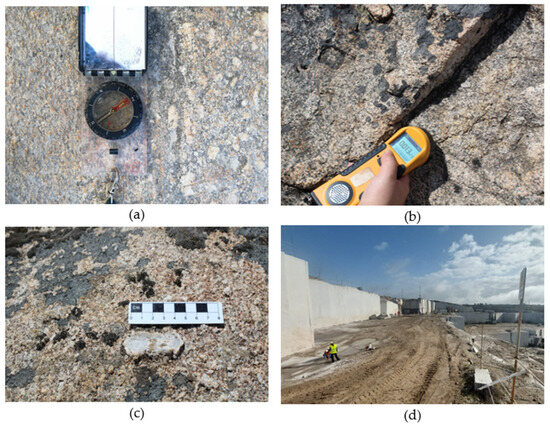
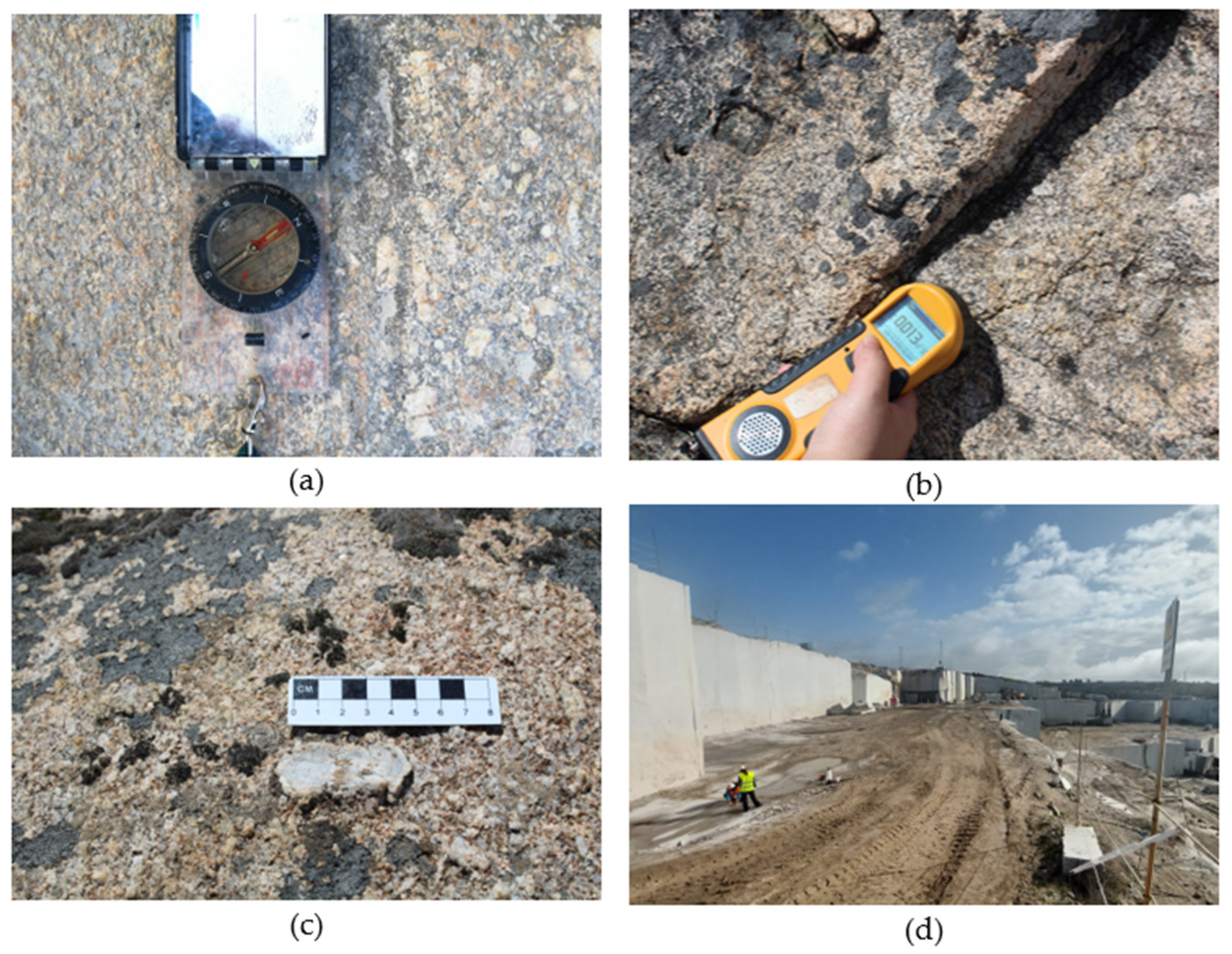
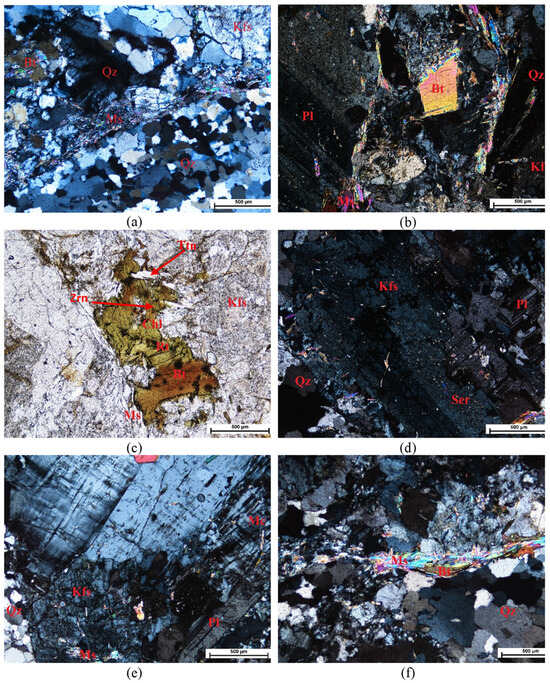
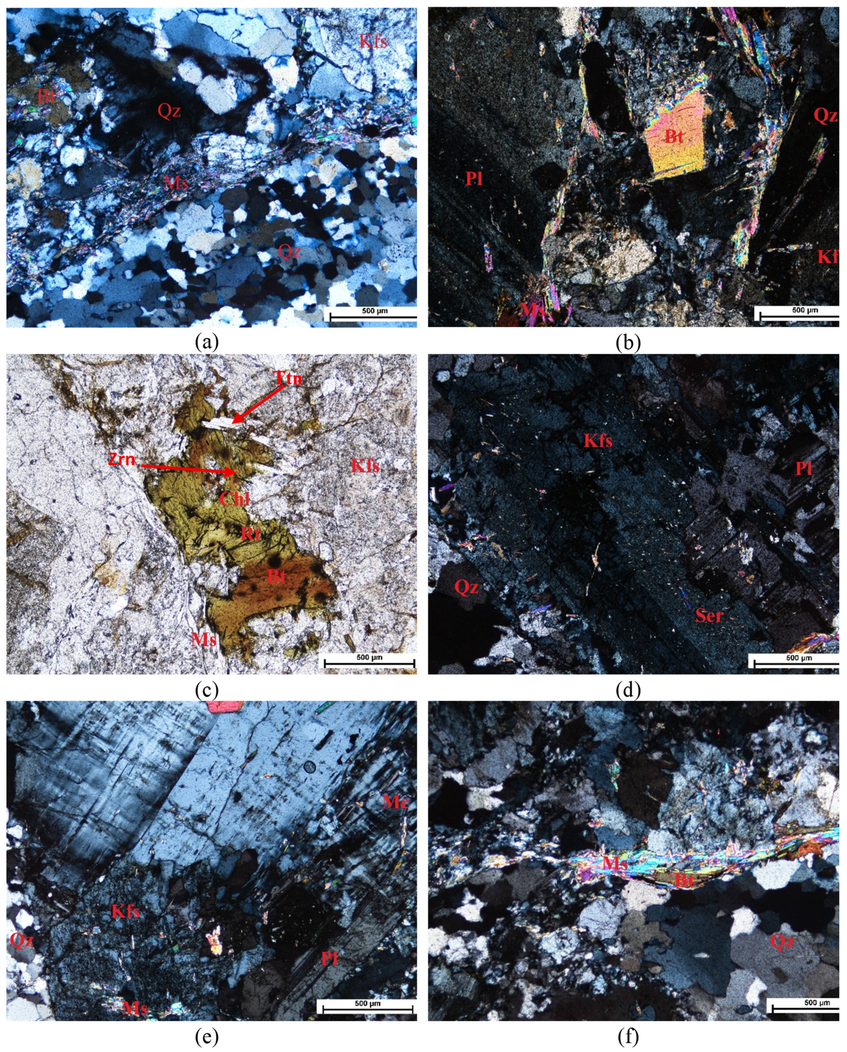
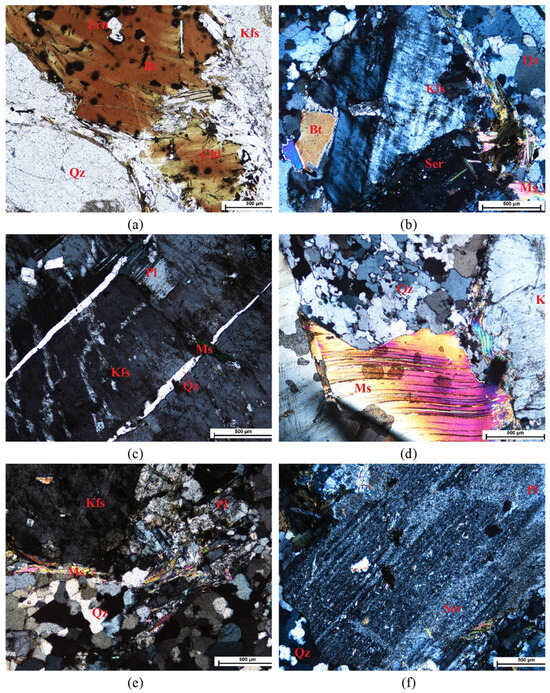
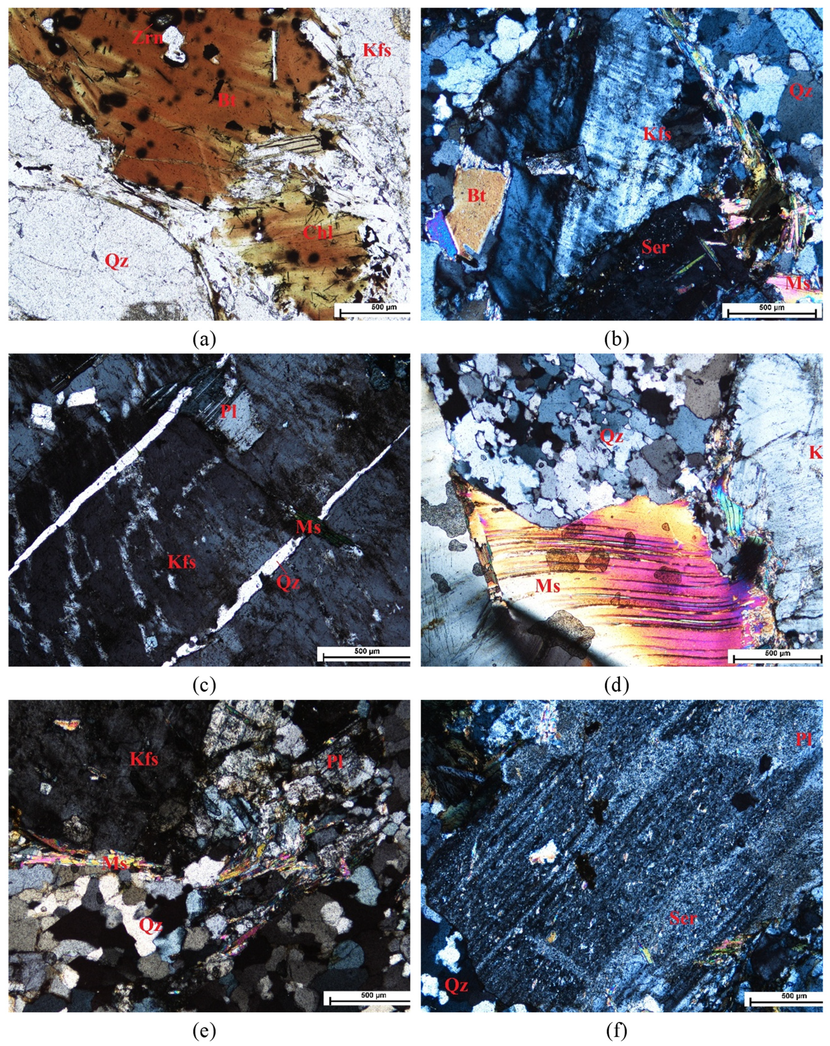
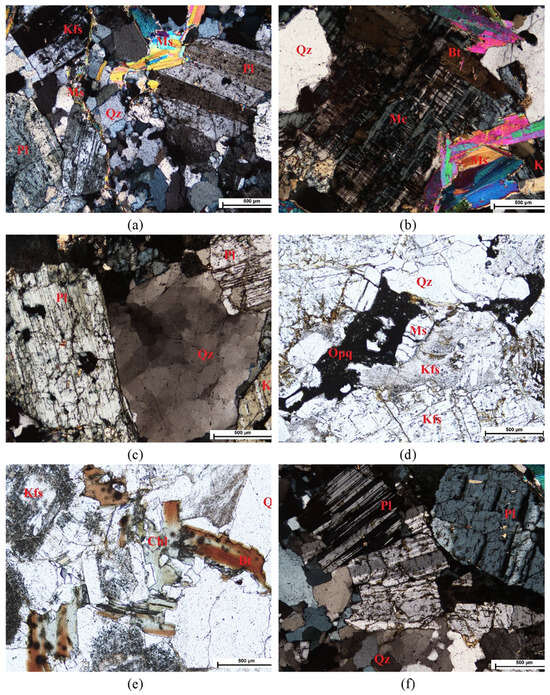
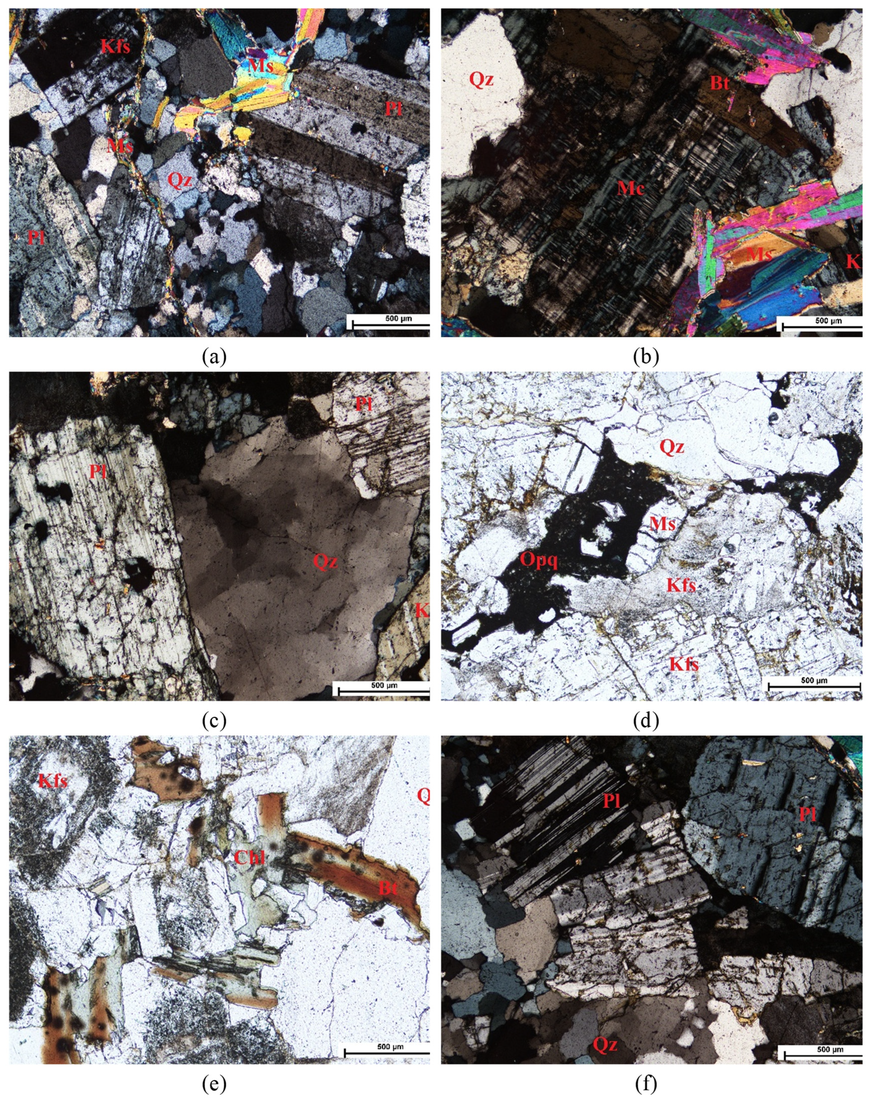
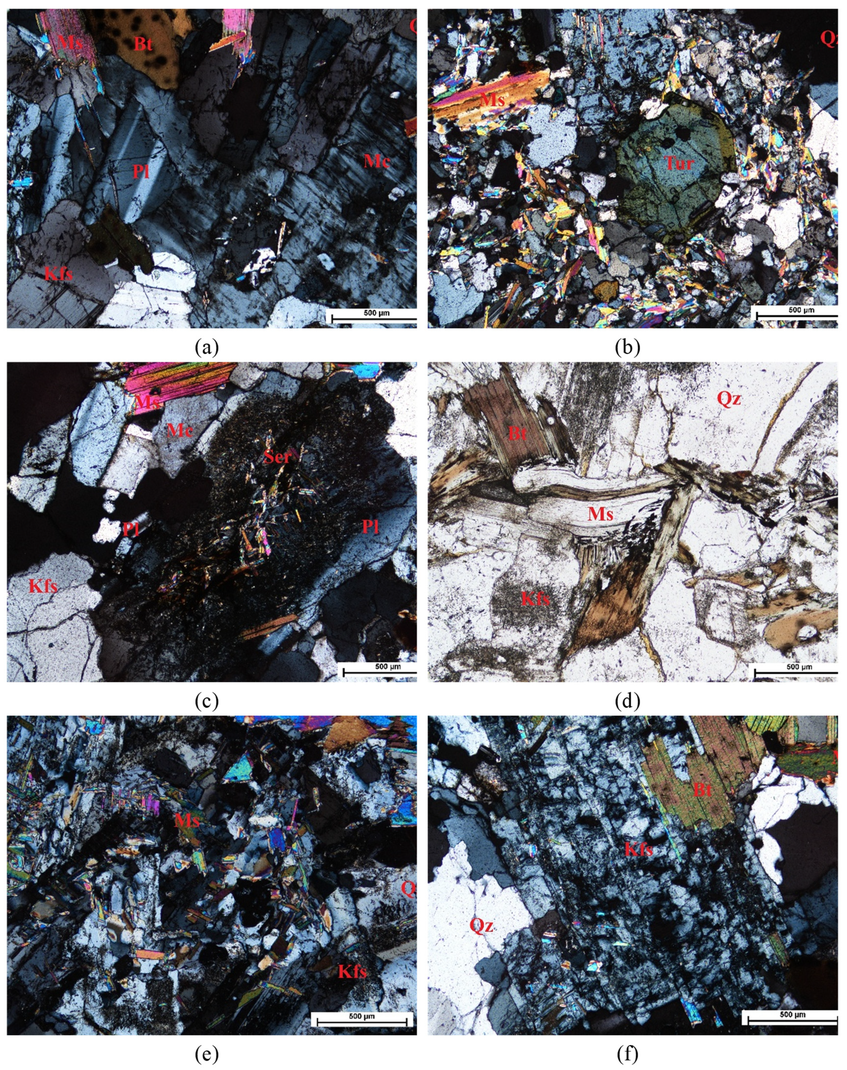
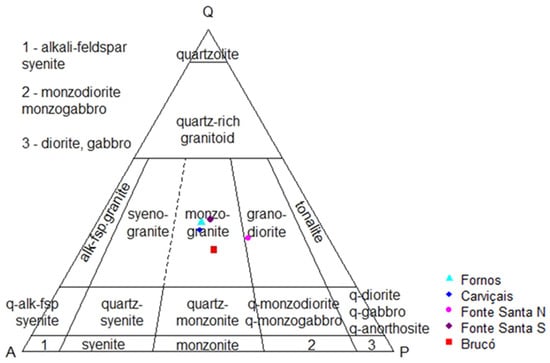
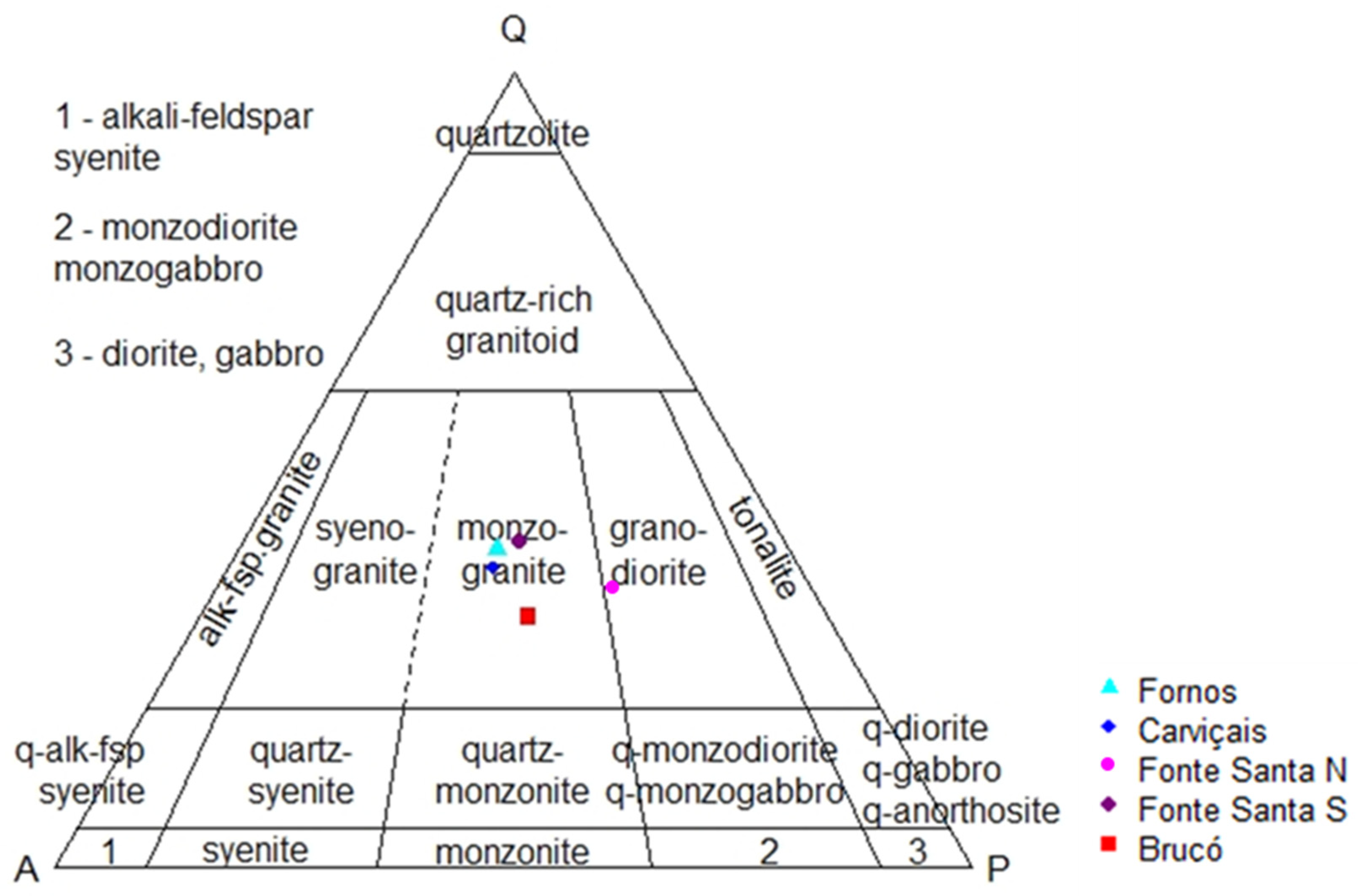
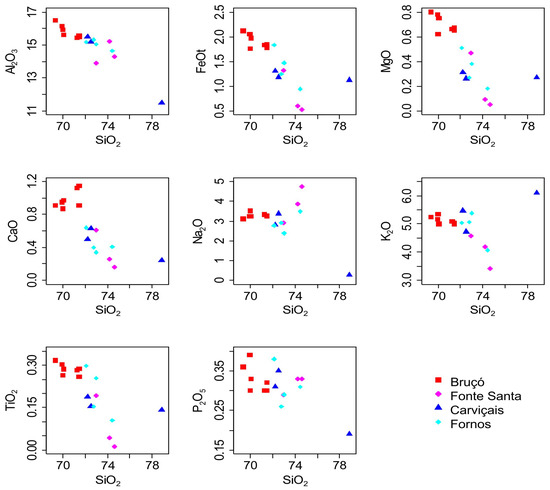
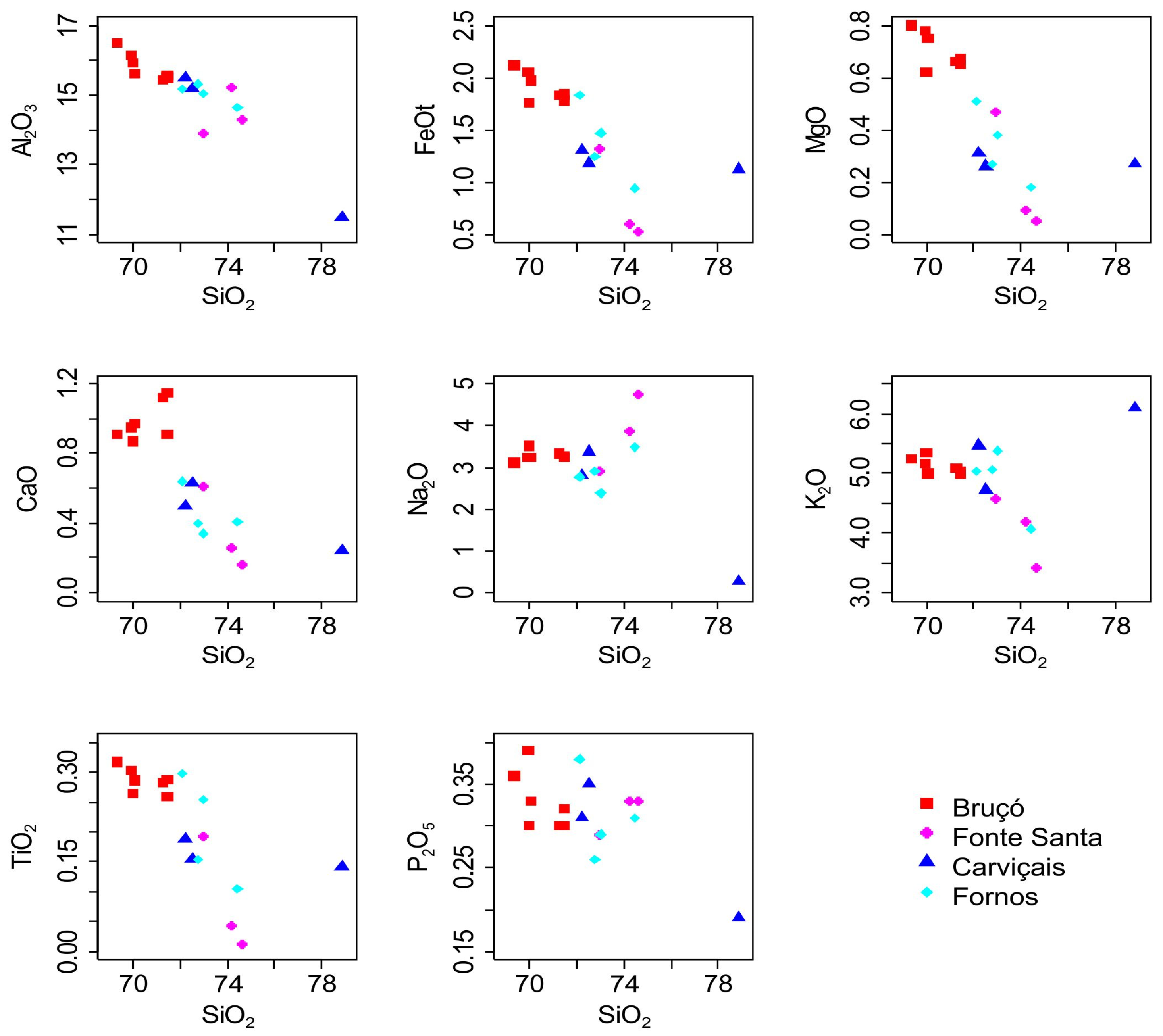
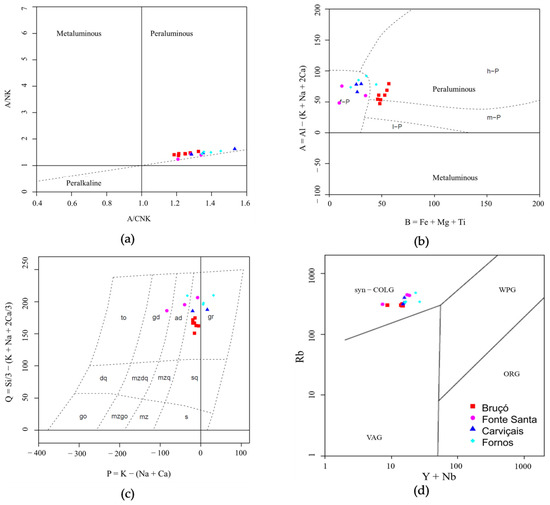
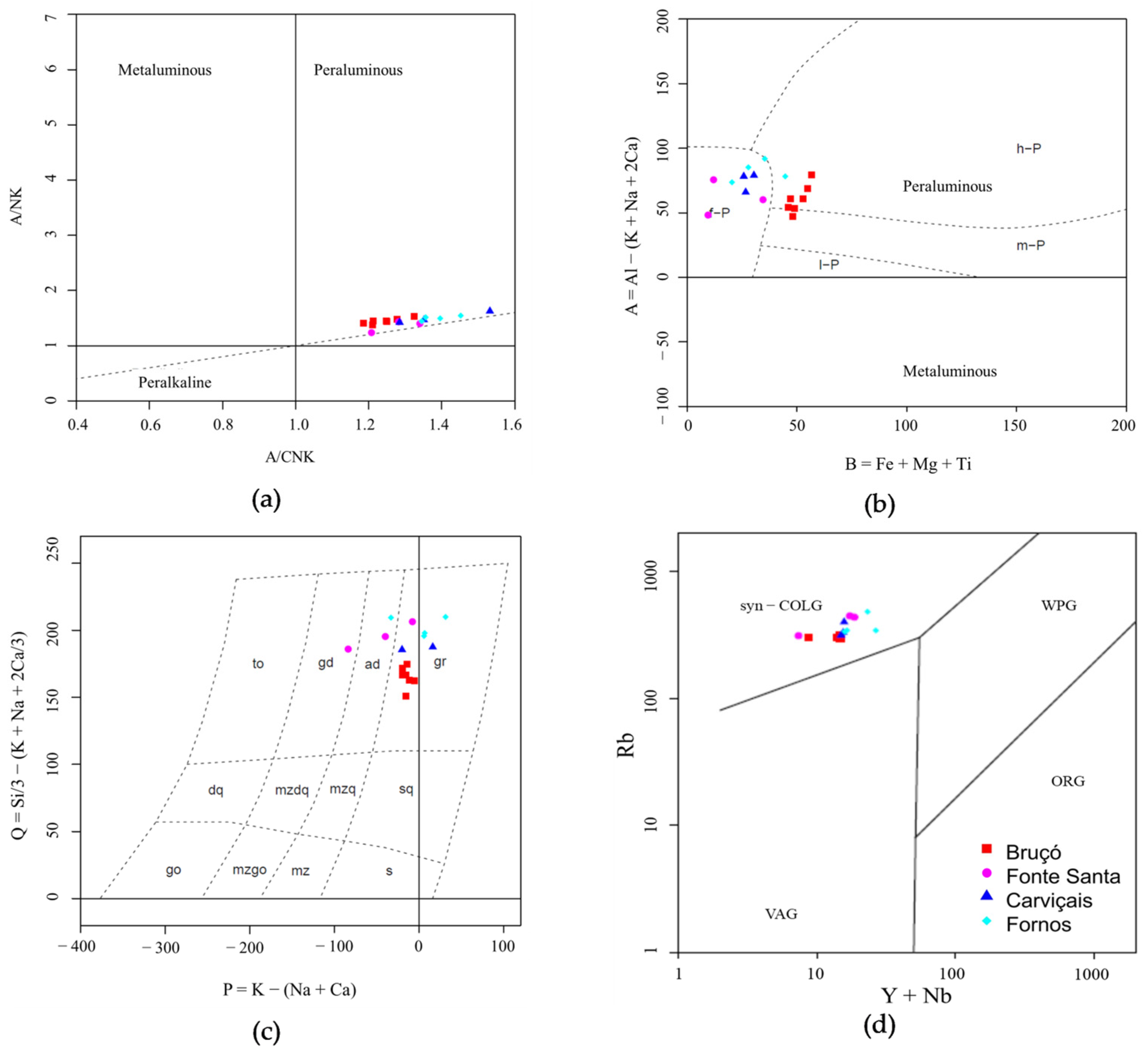
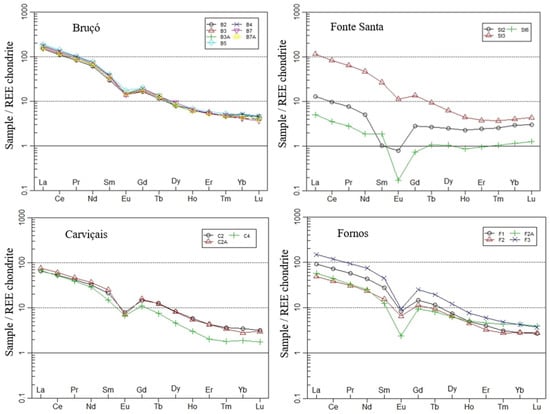
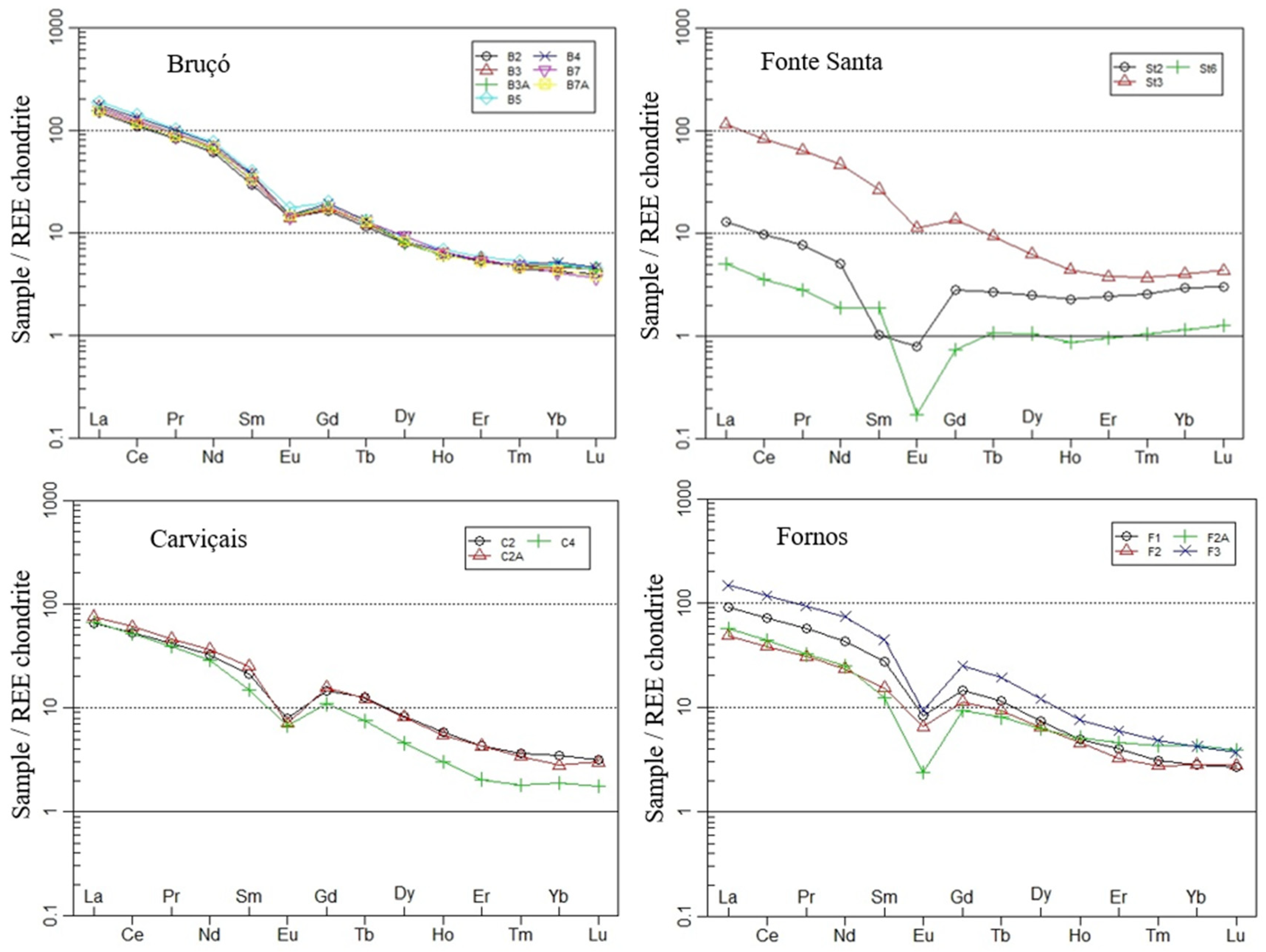
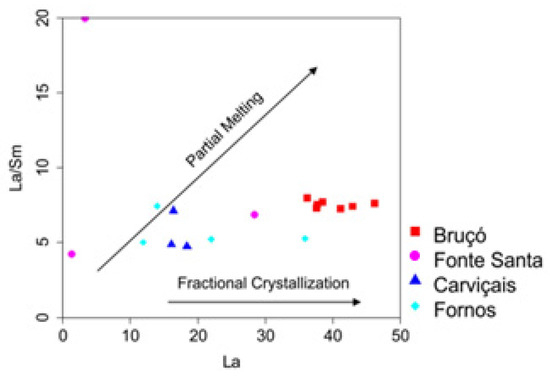
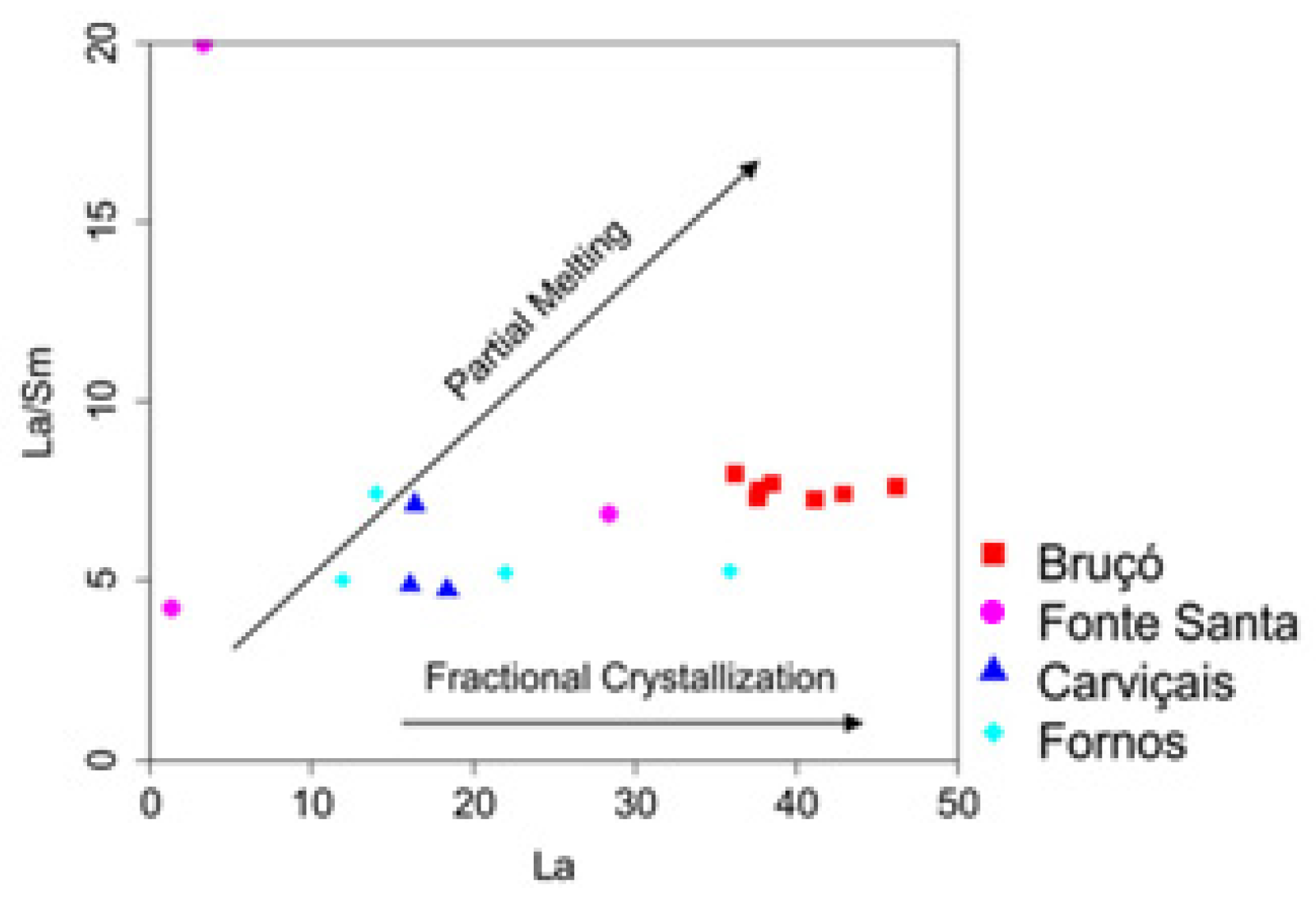
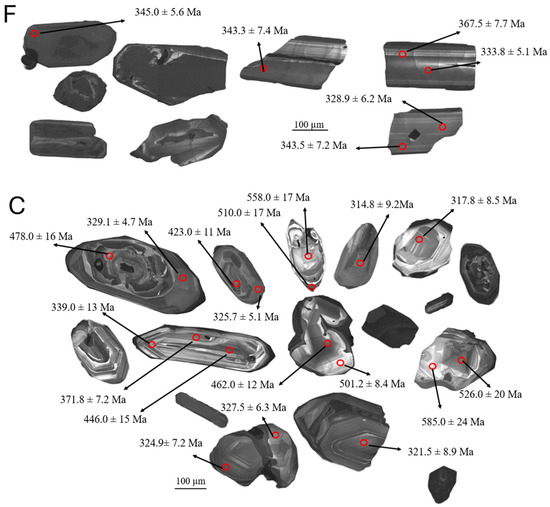
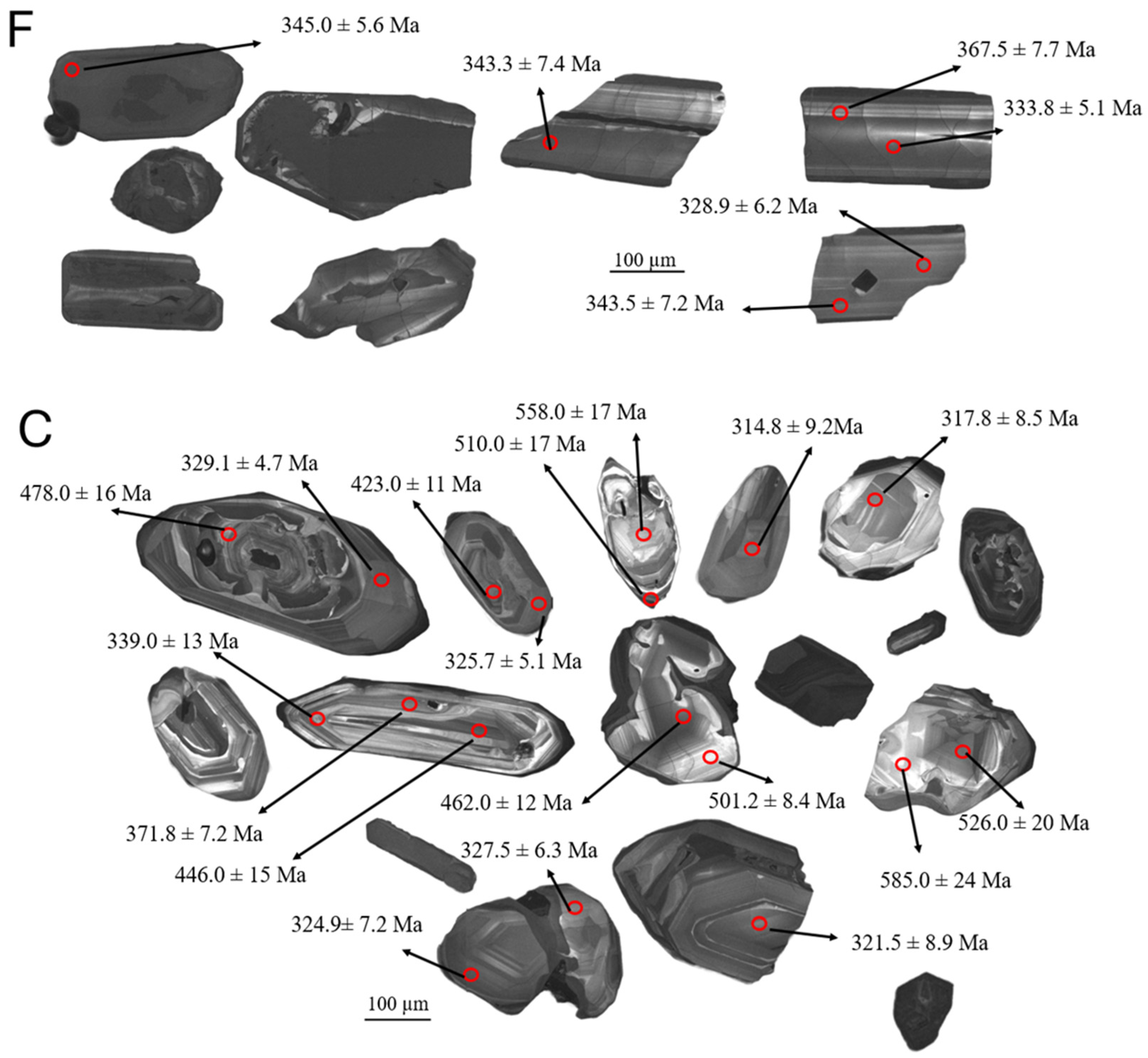
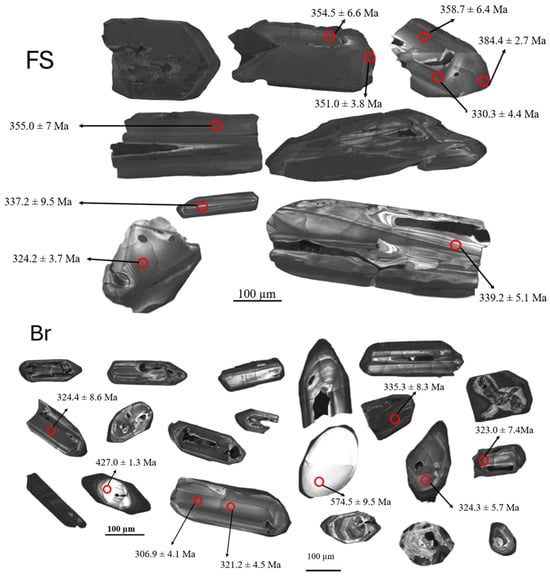
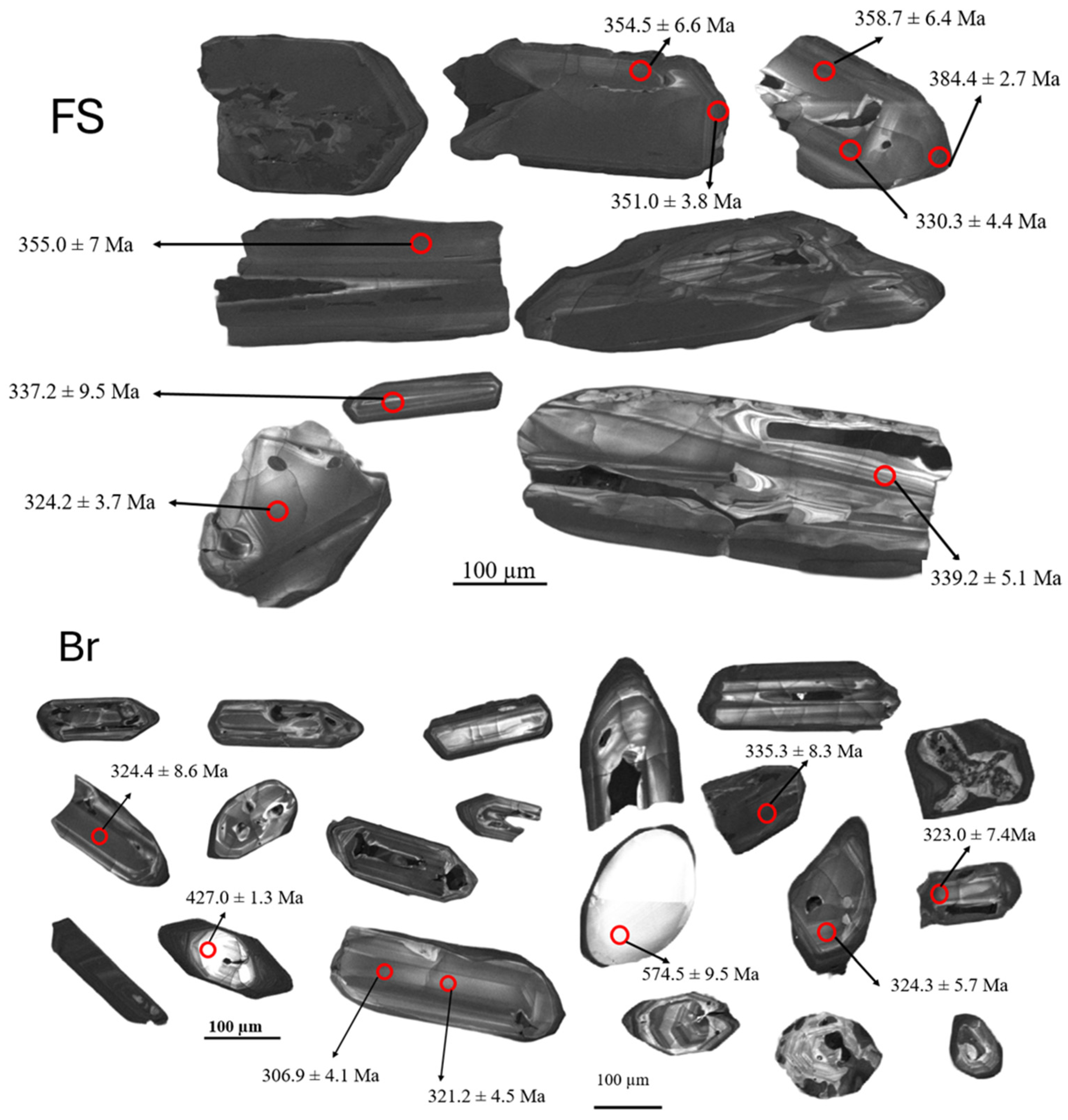
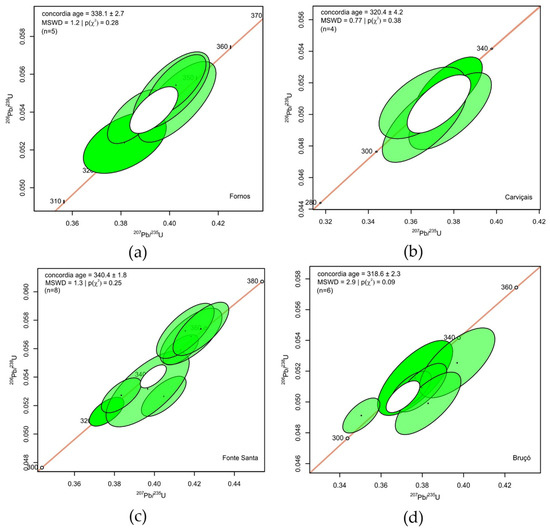
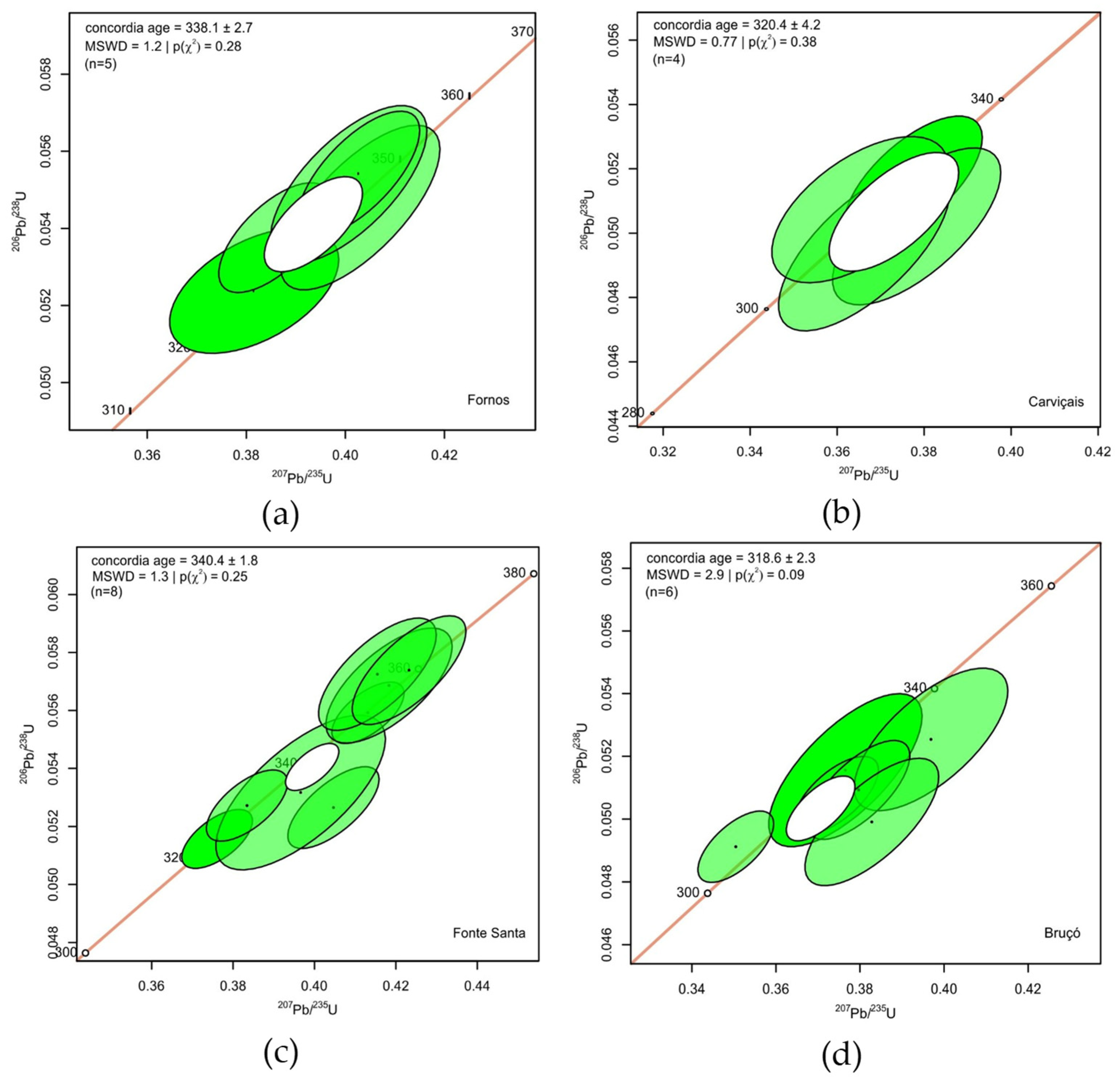

Disclaimer/Publisher’s Note: The statements, opinions and data contained in all publications are solely those of the individual author(s) and contributor(s) and not of MDPI and/or the editor(s). MDPI and/or the editor(s) disclaim responsibility for any injury to people or property resulting from any ideas, methods, instructions or products referred to in the content. |
© 2026 by the authors. Licensee MDPI, Basel, Switzerland. This article is an open access article distributed under the terms and conditions of the Creative Commons Attribution (CC BY) license.