4. Discussion
Growth performance represents a key biological indicator reflecting the growth and developmental status as well as metabolic condition of poultry and is primarily characterized by parameters such as body weight gain, growth rate, and feed utilization efficiency during the experimental period [
10]. In poultry nutrition and breeding research, growth performance provides an intuitive assessment of the realization of breed genetic potential and effectively reflects the influences of dietary nutrient composition, rearing conditions, and animal health status on growth and development [
11]. Numerous studies have demonstrated that plant polysaccharides, including Astragalus polysaccharides and Codonopsis polysaccharides, can increase ADG and feed intake in poultry while improving feed utilization efficiency [
12,
13,
14]. In addition, a meta-analysis further confirmed that Astragalus polysaccharides significantly increase daily gain and reduce the F/G in broilers, indicating stable effects on growth promotion and feed conversion efficiency improvement [
15]. The results of the present study suggest that dietary plant polysaccharide supplementation exerted mild numerical increases in growth-related traits in early-weaned squabs, although most parameters did not reach statistical significance. Accordingly, the effects of APS and GPS on growth performance should be interpreted cautiously. The absence of significant differences in several growth indices may be associated with the relatively short experimental duration, supplementation levels, or the intrinsic growth characteristics of squabs. Previous studies have shown that the growth-promoting effects of polysaccharides are influenced by factors including dosage, feeding duration, intestinal microbial responses, and physiological status [
16]. Dong et al. reported that polysaccharides promote growth by improving intestinal morphology and antioxidant capacity, although their effects on feed intake and F/G ratio may not always be significant [
17]. Moreover, the beneficial effects of plant polysaccharides may not be reflected exclusively through growth performance. Du et al. demonstrated that plant polysaccharides significantly enhanced immune function, increased the levels of immunoglobulins such as IgA, IgG, and IgM, and reduced inflammatory responses through regulation of inflammatory pathways including NF-κB, thereby improving physiological status and supporting growth [
18]. In addition, Zhang et al. reported that the antioxidant properties of plant polysaccharides contribute to improved metabolic efficiency and maintenance of physiological homeostasis [
19]. In the present study, APS and GPS improved serum immune indices, antioxidant responses, intestinal morphology, digestive enzyme activities, and gut microbiota composition. These findings suggest that the primary effects of plant polysaccharides may involve physiological regulation and alleviation of weaning stress rather than direct stimulation of overall growth performance. Therefore, APS and GPS may contribute to growth regulation and adaptation to early-weaning stress, although their effects on overall growth performance appeared limited under the present experimental conditions.
Body size traits serve as valuable indicators for assessing skeletal development, body conformation, and growth potential in poultry [
20,
21,
22,
23,
24]. In this study, dietary supplementation with APS, GPS, and their combination improved several body measurement traits, notably breast width, breast depth, keel length, and body length, suggesting a potential role of plant polysaccharides in supporting structural development during early-weaning adaptation. Since most growth-performance indices did not reach statistical significance, these changes should not be interpreted as direct evidence of a strong growth-promoting effect. Rather, improvements in body size traits may be linked to enhanced intestinal development, nutrient absorption, immune regulation, and oxidative–antioxidant balance, which collectively create a more favorable internal environment for body development, particularly under early-weaning stress. Similar effects have been observed by Zhao et al., who reported that supplementation with a probiotic-enzyme complex improved breast width, breast depth, keel length, daily gain, and feed conversion efficiency in broilers [
25]. Mechanistically, the observed improvements in body size traits may be associated with enhanced intestinal development and nutrient utilization, as nutritional regulation can promote coordinated bone and muscle growth through improvements in intestinal morphology and absorption capacity [
26]. Additionally, the more pronounced responses in breast-related traits compared with shank circumference suggest that APS and GPS exerted stronger effects on trunk development and muscle-related growth than on limb circumference. This interpretation aligns with findings by Qi et al., who reported that breast-related traits are closely correlated with muscle deposition capacity [
27]. Overall, the beneficial effects of APS and GPS on body size development appear to result from coordinated regulation of intestinal function, nutrient utilization, physiological adaptation, and muscle-related growth, rather than from a direct impact on body frame expansion.
Serum biochemical, immune, and antioxidant indices represent important parameters for evaluating metabolic status, immune function, oxidative stress, and physiological homeostasis in poultry. Serum proteins, including ALB- and GLB-related components, reflect nutritional metabolism, immune-related protein status, and systemic physiological alterations [
28], whereas immunoglobulins, particularly IgG, constitute key components of humoral immunity and participate in immune recognition, pathogen neutralization, and effector immune responses [
29]. In the present study, dietary supplementation with APS, GPS, and their combination did not significantly affect basic serum biochemical parameters, suggesting that the applied supplementation levels did not disrupt protein metabolism, lipid metabolism, or hepatic physiological balance in early-weaned squabs. Similar findings have been reported in animals receiving functional feed additives, in which blood biochemical parameters remained relatively stable despite improvements in growth- and health-related traits [
30]. These observations indicate that the regulatory effects of APS and GPS may not be primarily reflected through alterations in basic serum biochemical metabolism. Plant-derived bioactive substances are widely recognized as intestinal health enhancers in poultry and may regulate host physiology mainly through modulation of intestinal barrier function, microbial ecology, immune responses, inflammatory balance, and antioxidant defense [
31]. Dietary Glycyrrhiza polysaccharides have been reported to improve growth performance and enhance hepatic antioxidant and anti-inflammatory capacity in broiler chickens [
32], whereas compound probiotics combined with Astragalus polysaccharides have been shown to regulate serum biochemical indices and fecal microbiota in growing-finishing pigs [
33]. In addition, licorice polysaccharides improve immune function in broilers [
34], and compound polysaccharides derived from Astragalus and Glycyrrhiza regulate antioxidant function, serum metabolism, and cecal microbiota in broilers [
35]. These findings support the view that APS and GPS may improve physiological status primarily through immunomodulatory, anti-inflammatory, and antioxidant mechanisms. Mechanistically, plant polysaccharides may enhance humoral immune defense by promoting immunoglobulin production, reduce excessive inflammatory responses through regulation of immune-related signaling pathways and intestinal microbial balance, and strengthen antioxidant defense by increasing antioxidant enzyme activities and reducing lipid peroxidation [
36]. The observed immunomodulatory and antioxidant effects of APS and GPS are likely mediated by well-established signaling pathways. APS is known to activate the chTLR4 pathway in the bursa of Fabricius via an MyD88-independent mechanism, leading to increased sIgA production and to suppress pro-inflammatory cytokines through downregulation of TLR4 and NF-κB transcription [
37]. GPS similarly modulates inflammatory responses via the TLRs/NF-κB signaling axis, as confirmed by recent transcriptomic and proteomic analyses in broilers [
38]. Furthermore, the antioxidant properties of APS are partly attributable to activation of the Nrf2 pathway, upregulating downstream effectors such as HO-1, TrxR1 and NQO1. GPS likewise enhances total antioxidant capacity and reduces lipid peroxidation through the Nrf2/Keap1 pathway [
39]. Both polysaccharides also function as prebiotics, promoting beneficial bacteria such as
Lactobacillus and
Enterococcus while suppressing pathogenic taxa, thereby supporting intestinal barrier integrity and modulating the microbial co-occurrence network. Therefore, the stability of serum biochemical parameters together with improvements in immune and antioxidant indices suggests that APS and GPS may contribute to the maintenance of metabolic stability while supporting immune-redox homeostasis and physiological adaptation to early-weaning stress in squabs. However, because inflammatory signaling pathways and antioxidant-related molecular markers were not directly measured in the present study, these mechanistic interpretations remain inferential and require further molecular validation.
Intestinal antioxidant indicators serve as biomarkers for evaluating oxidative stress status and antioxidant defense capacity within the intestine. Plant polysaccharides, recognized as natural antioxidants, have been reported to exert protective effects on intestinal health and may provide novel strategies for disease prevention and control [
40]. The present study demonstrated that supplementation with APS, GPS, and their combination (AG) regulated intestinal oxidative–antioxidant status in early-weaned squabs, although the responses differed among intestinal segments. Overall, APS, GPS, and AG increased T-AOC in most intestinal segments, suggesting activation of intestinal antioxidant defense mechanisms. However, these changes did not consistently indicate reduced oxidative damage across all intestinal segments. Increased MDA levels were observed in several intestinal segments, particularly in the APS and AG groups, indicating that lipid peroxidation was not alleviated—and in some cases may have been exacerbated—under these treatment conditions. This apparent discrepancy—simultaneous elevation of both T-AOC and MDA—warrants a more nuanced interpretation. While increased T-AOC and certain antioxidant enzyme activities (e.g., duodenal T-SOD in the APS group) suggest that the intestinal mucosa mounted an antioxidant defense response, the concurrent increase in MDA, a reliable marker of lipid peroxidation and oxidative damage, indicates that oxidative stress was not uniformly relieved. One plausible explanation is that the observed increases in antioxidant enzyme activities represent a compensatory physiological response to an elevated oxidative challenge rather than a direct improvement in oxidative status. Early weaning itself is a known stressor that induces intestinal oxidative stress [
41]. Dietary APS and GPS may further stimulate intestinal metabolic activity, microbial fermentation, nutrient utilization, and epithelial remodeling during the adaptation period, thereby increasing the production of reactive oxygen species (ROS). The upregulation of T-AOC and certain antioxidant enzymes could therefore be a reactive, protective attempt by the intestinal mucosa to counteract this heightened oxidative pressure. The failure to reduce MDA levels suggests that this compensatory defense may be insufficient to fully prevent oxidative damage under the current experimental conditions. Alternatively, as mentioned earlier, plant polysaccharide supplementation may promote localized oxidative turnover and transient accumulation of lipid peroxidation products as a consequence of enhanced metabolic activity. These findings differ partially from previous studies reporting reductions in oxidative products following plant polysaccharide supplementation, suggesting that antioxidant responses may depend on animal species, intestinal segment, supplementation strategy, and physiological stress status. Xia Weifeng reported that Astragalus polysaccharides significantly enhanced intestinal antioxidant capacity by increasing antioxidant enzyme activities while reducing oxidative products [
42]. Song et al. demonstrated that licorice polysaccharides alleviated oxidative stress through increased antioxidant enzyme activities and decreased MDA levels [
43]. In addition, regulation of intestinal antioxidant status by plant polysaccharides may depend not only on direct antioxidant effects but also on modulation of the gut microbiota. Liu et al. found that polysaccharides enhanced antioxidant status by promoting the proliferation of beneficial bacteria, regulating short-chain fatty acid production, and improving intestinal barrier function [
44]. Notably, the AG treatment did not consistently produce superior effects compared with single supplementation across all intestinal antioxidant parameters. Although AG exhibited stronger effects in certain serum antioxidant indices, elevated intestinal MDA levels in some segments suggest that combined supplementation may simultaneously enhance metabolic activity and oxidative turnover during adaptation to weaning stress. Importantly, the present data do not support a straightforward conclusion that APS and GPS uniformly alleviate intestinal oxidative stress. Instead, these findings highlight a complex, segment-specific, and context-dependent redox response. Future studies measuring direct ROS levels, mitochondrial function, and specific oxidative damage markers (e.g., protein carbonyls, 8-OHdG) are needed to distinguish between a genuine antioxidant effect and a compensatory elevation of antioxidant enzymes in response to increased oxidative stress. Therefore, the intestinal antioxidant effects of APS and GPS should be interpreted cautiously.
Intestinal digestive enzyme activities are key indicators for assessing digestive capacity, nutrient hydrolysis, and overall intestinal functional status. Enzymes such as amylase, trypsin, and lipase are responsible for the digestion of carbohydrates, proteins, and lipids, respectively, and their activities directly influence nutrient utilization efficiency and growth adaptation in poultry [
44]. In the present study, dietary supplementation with APS, GPS, and their combination (AG) affected digestive enzyme activities in the jejunum, with more pronounced changes observed in trypsin and lipase activities. This suggests that plant polysaccharides may enhance the digestive function of early-weaned squabs. These improvements in digestive enzyme activity may be associated with enhanced intestinal morphology and epithelial maturation, which provide a more favorable microenvironment for enzyme activity and nutrient absorption. Consistently, Yang et al. reported that plant polysaccharides improve intestinal structure and function, thereby enhancing digestive enzyme activities and nutrient utilization efficiency [
45]. Additionally, the regulatory effects of plant polysaccharides on digestive enzymes may be closely linked to their prebiotic-like properties. Polysaccharides can act as fermentable substrates for intestinal microorganisms, promoting the proliferation of beneficial bacteria and improving the intestinal microbial environment. This, in turn, may indirectly stimulate digestive enzyme secretion or enhance enzyme activity. The relatively stronger response observed in the AG group suggests that combined supplementation with APS and GPS may exert complementary effects on digestive function, likely through coordinated regulation of gut microbiota, microbial metabolites, and intestinal secretory activity. Rong et al. similarly indicated that polysaccharides can enhance digestive enzyme activity and nutrient absorption by modulating microbial metabolites [
46]. Overall, APS and GPS appear to improve digestive capacity in early-weaned squabs primarily through coordinated regulation of intestinal morphology, microbial ecology, and digestive enzyme activity, thereby supporting nutrient utilization and adaptation during the early-weaning period.
The relatively large standard deviations observed for some digestive enzyme activities, particularly trypsin and lipase in the jejunum (
Table 8), warrant further comment. Such variability likely reflects biological heterogeneity among early-weaned squabs, including individual differences in feed intake, adaptation to weaning stress, and intestinal maturation rates. Additionally, methodological factors such as the timing of sample collection, the inherent variability of enzyme activity assays, and the possible presence of outlying values may have contributed to the observed dispersion. Although significant differences were detected for some enzyme activities, the large inter-individual variability reduced the precision of the estimates. Therefore, these findings should be interpreted cautiously, and studies with larger sample sizes are needed to confirm their robustness.
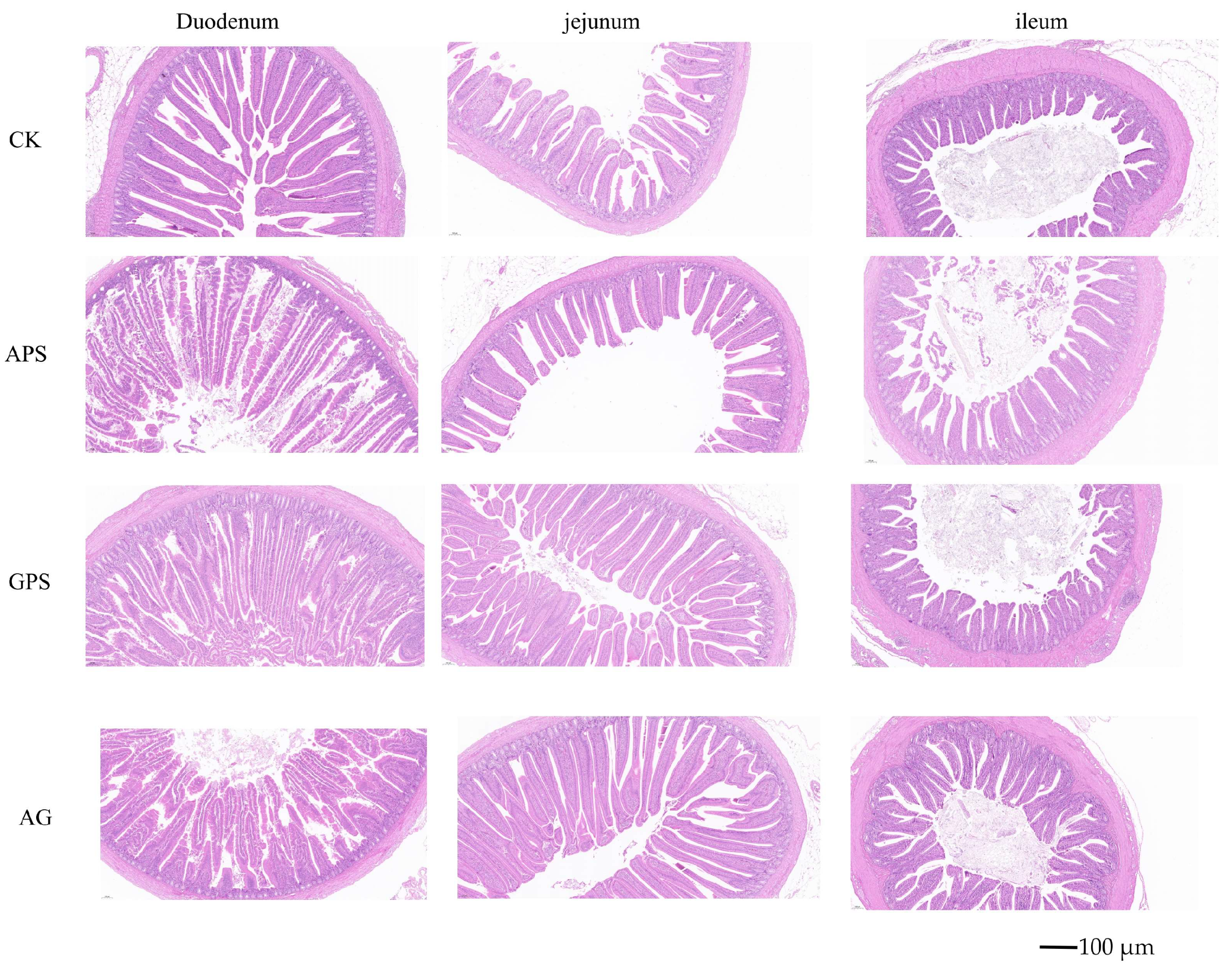
From a histological perspective, intestinal villi and crypts form the structural basis for nutrient digestion, absorption, epithelial renewal, and barrier maintenance in the avian small intestine [
47]. Parameters such as VH, CD, and the V/C ratio are commonly used to evaluate intestinal development and functional maturity. Plant polysaccharides have been reported to regulate intestinal morphology through effects on villus structure, crypt development, and mucosal function [
48]. In the present study, dietary supplementation with APS, GPS, and their combination improved intestinal morphological characteristics to varying extents, suggesting that plant polysaccharides may support intestinal development in early-weaned squabs. Although APS increased the duodenal V/C ratio, mild villus disorganization or structural variation was observed in certain intestinal segments, which may be associated with individual variation, local differences among histological sections, or the limited effect of APS alone under early-weaning stress. Accordingly, histological observations were interpreted together with quantitative measurements of VH, CD, and V/C ratio. Overall, the combined APS + GPS treatment produced more consistent improvements in intestinal morphology. Increased VH or V/C ratio generally reflects an enlarged absorptive surface area and improved absorptive capacity, whereas reduced CD may indicate lower epithelial turnover associated with reduced mucosal stress [
49]. Similar findings have been reported in animals supplemented with polysaccharides or other functional additives, which increased VH and improved intestinal integrity [
50]. Previous studies have also shown that probiotics and plant extracts improve intestinal health by increasing VH, reducing CD, and enhancing epithelial barrier function [
51,
52]. Mechanistically, these improvements may be associated with reduced inflammatory stimulation, enhanced antioxidant defense, and modulation of gut microbial composition, which collectively contribute to the maintenance of mucosal integrity and epithelial renewal. The relatively stronger response observed in the jejunum may be related to its central role in nutrient digestion and absorption, as this intestinal segment typically possesses well-developed villi and high absorptive capacity and is therefore more responsive to dietary regulation [
53]. Therefore, APS and GPS may support intestinal morphological development in early-weaned squabs by promoting mucosal structural development, enhancing absorptive capacity, and maintaining intestinal barrier function, thereby providing a structural basis for improved nutrient utilization and physiological adaptation following weaning.
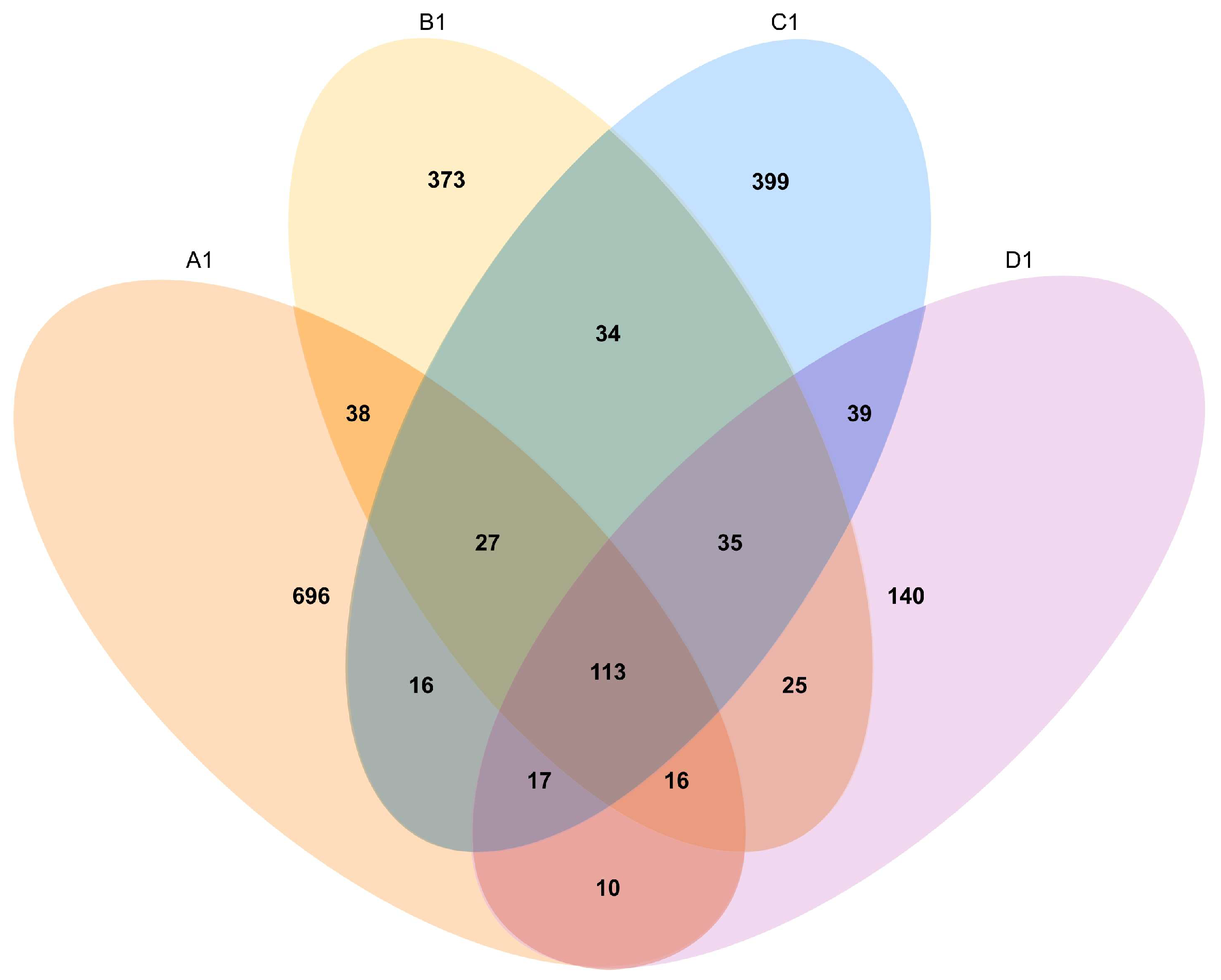
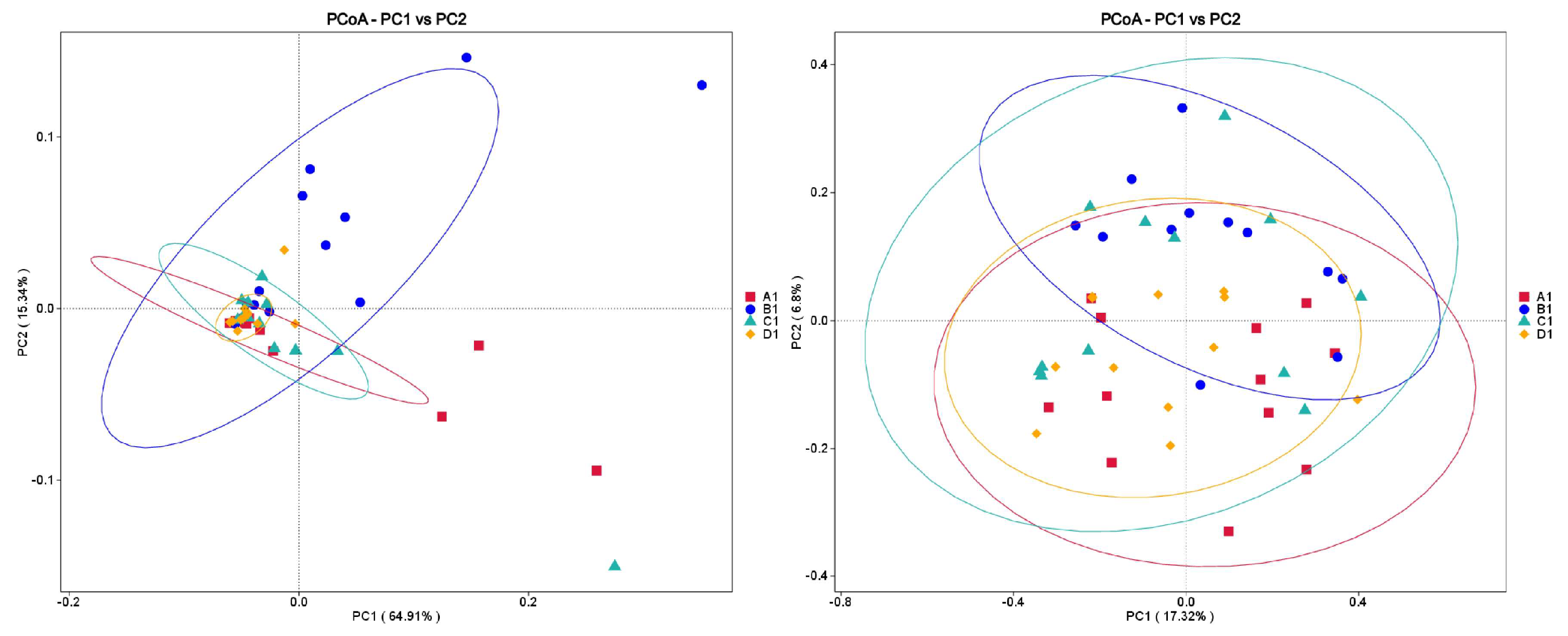
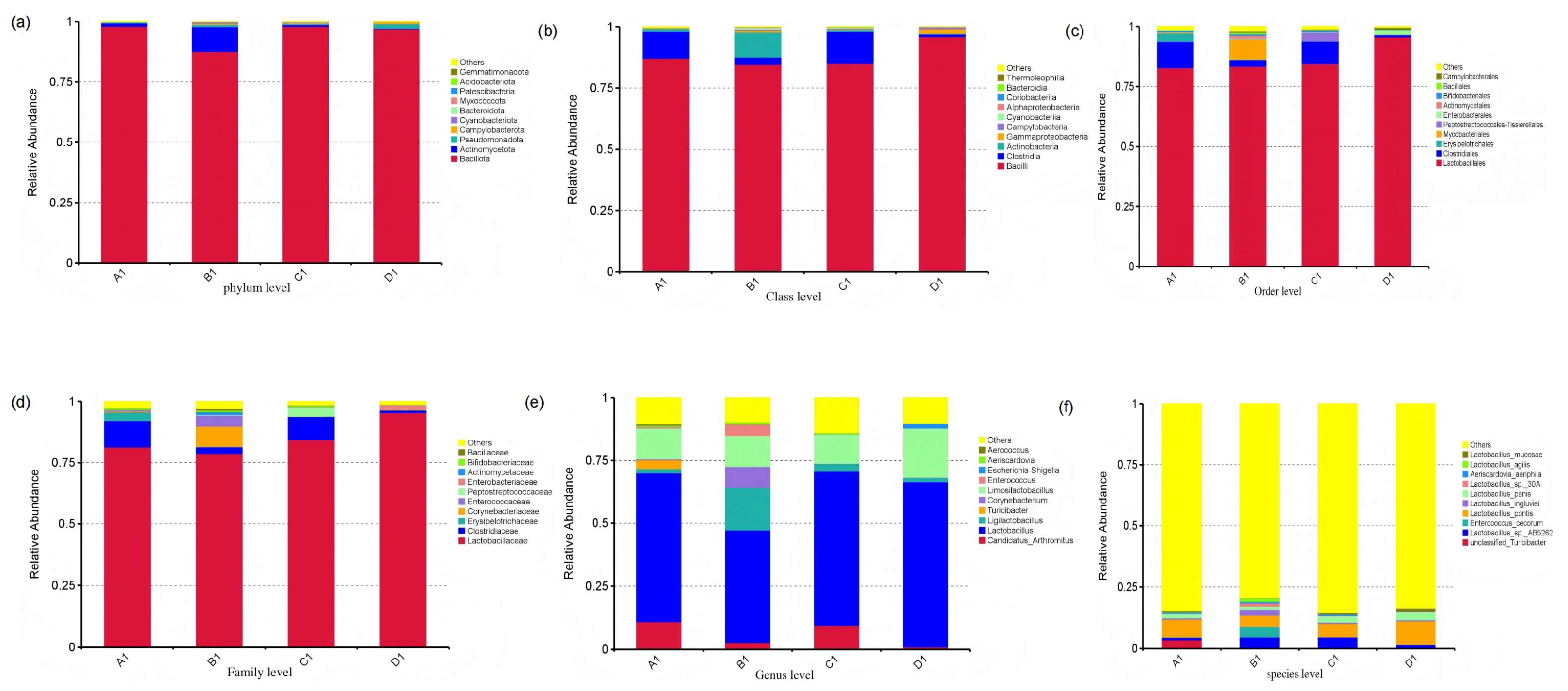
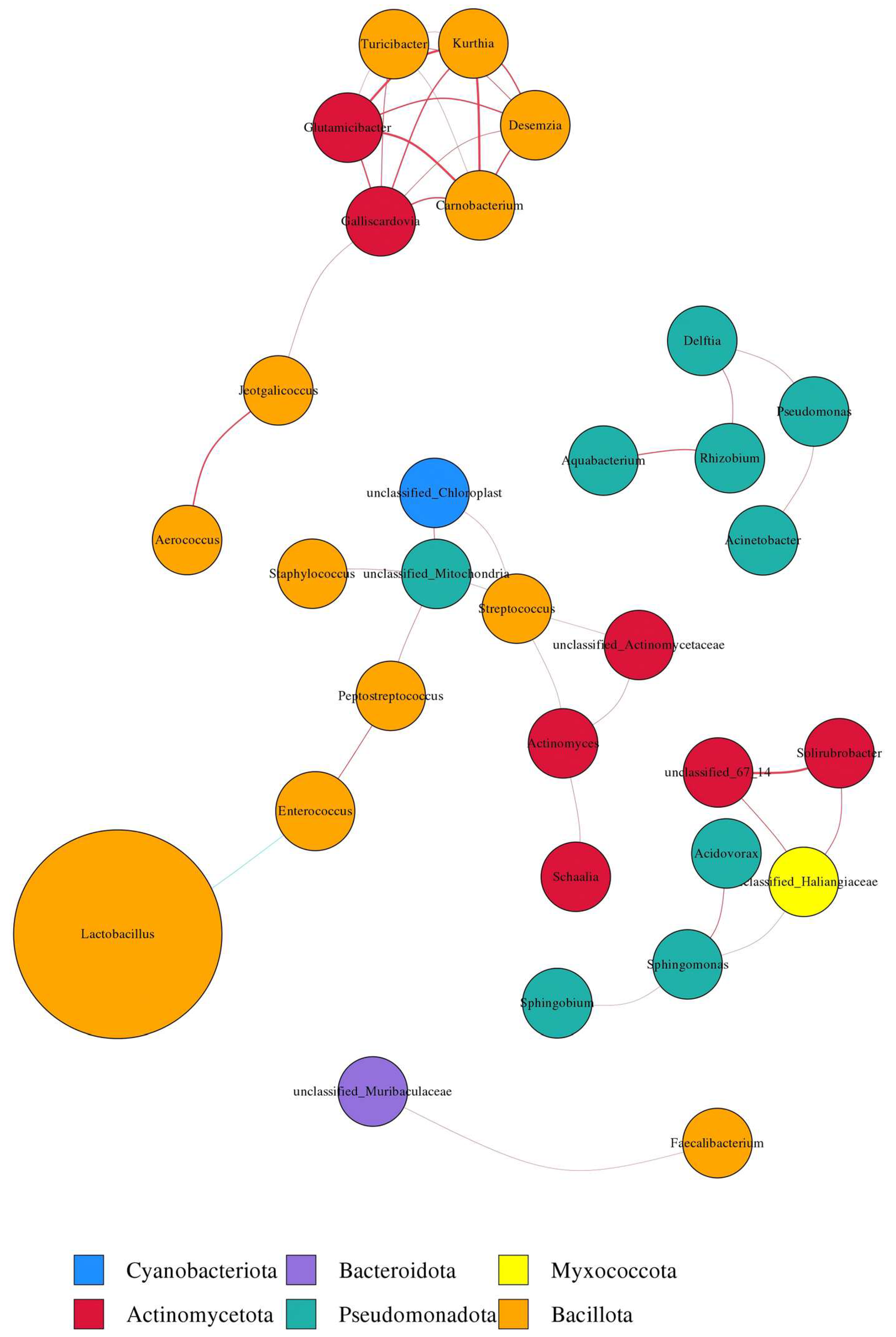
Intestinal bacterial diversity represents an important indicator of gut microecological health and is closely associated with the growth, development, and intestinal health of pigeons. The results of the present study demonstrated that dietary plant polysaccharide supplementation modulated the structure and function of the gut microbiota in squabs to varying extents. Alpha diversity analysis showed no significant differences among groups. Nevertheless, numerical trends indicated that the APS group had relatively higher Chao1, Shannon, and Simpson indices compared with the CK group, while the AG group showed comparable diversity indices to the CK group. These findings are consistent with previous reports by Lv and Wassie et al., indicating that plant polysaccharides, functioning as prebiotics, improve gut health by promoting the proliferation of beneficial bacteria and increasing microbial diversity [
48,
50,
54]. Notably, the APS group numerically exhibited the highest Shannon and Simpson indices, which may suggest a trend toward greater microbial evenness and community stability, although differences were not statistically significant. Beta diversity analysis further demonstrated clear separation among treatment groups in the PCoA plot, suggesting potential differences in microbial community structure among the treatment groups. This observation agrees with previous studies showing that dietary supplementation with functional polysaccharides influences host metabolism and immune function through modulation of gut microecological composition [
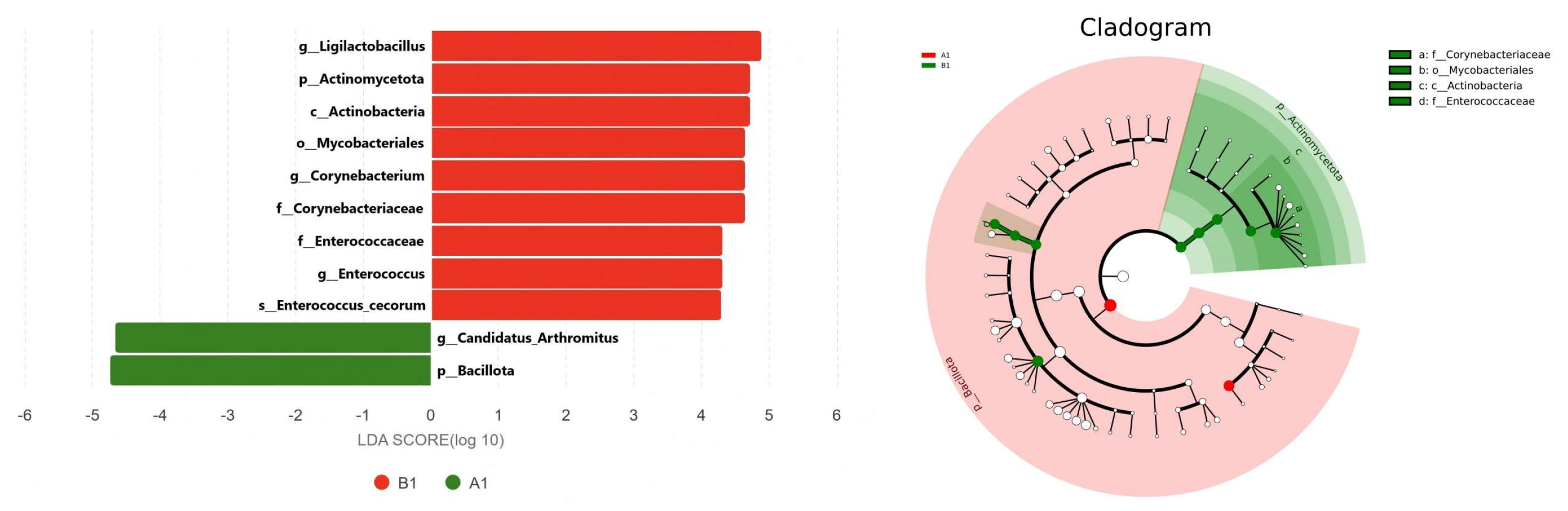
55]. Regarding microbial composition, Bacillota, formerly classified as Firmicutes under traditional bacterial taxonomy, and Actinomycetota, formerly classified as Actinobacteria, were identified as the dominant phyla in the ileal microbiota. Notably,
Lactobacillus occupied a central position within the gut microbial community. This finding is consistent with previous reports indicating that
Lactobacillus is a dominant genus in the avian intestine and plays an important role in maintaining intestinal barrier function and suppressing pathogenic bacteria [
51]. LEfSe analysis further demonstrated enrichment of potentially beneficial bacteria, including
Enterococcus and
Lactobacillus, in the APS group, whereas the CK group was enriched with taxa such as Candidatus Arthromitus. These results suggest that plant polysaccharides promote the colonization of beneficial bacteria and optimize microbial community structure. Previous studies have shown that increased abundance of probiotic bacteria is closely associated with enhanced intestinal immunity and reduced inflammatory responses [
56].
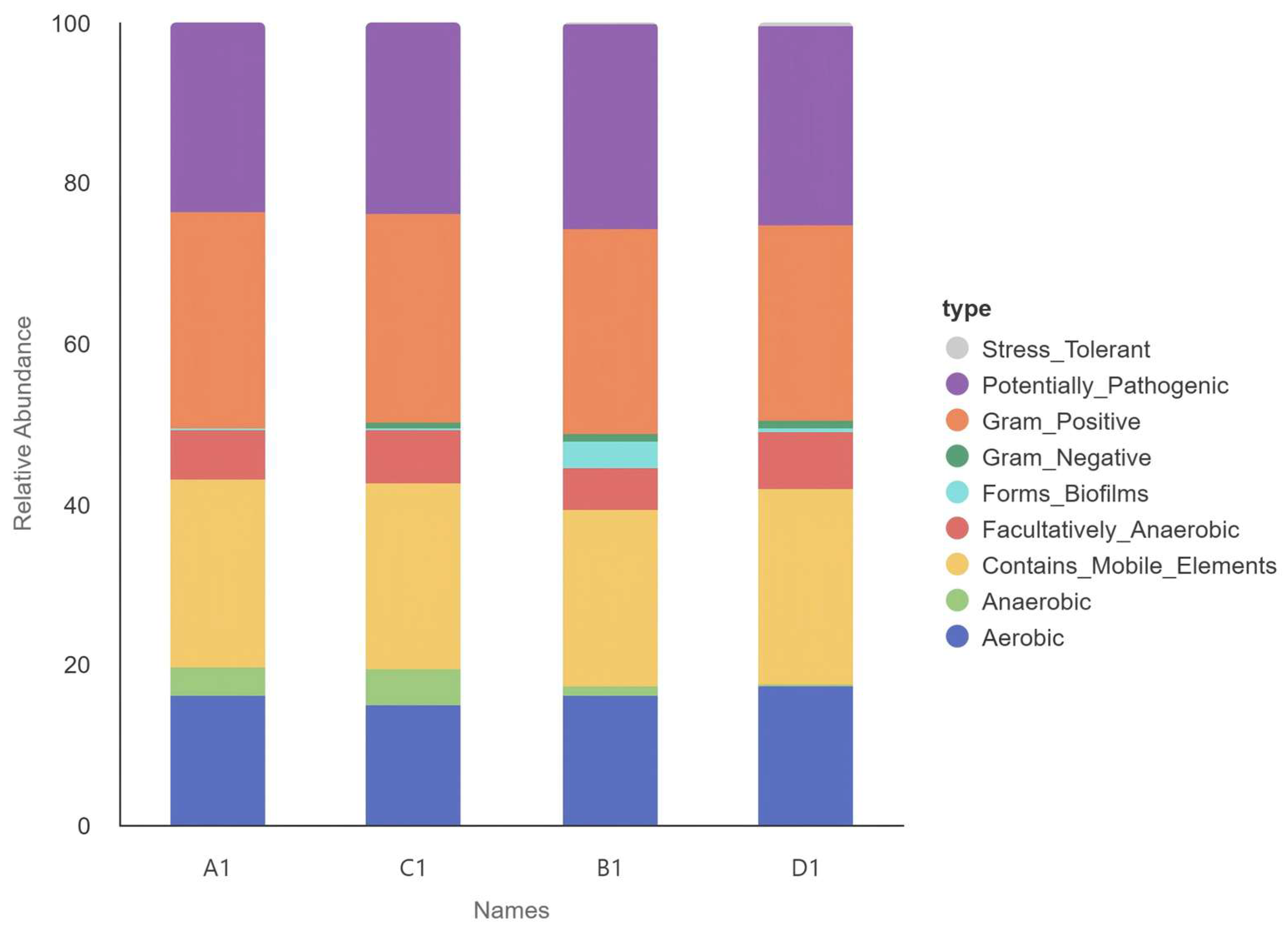
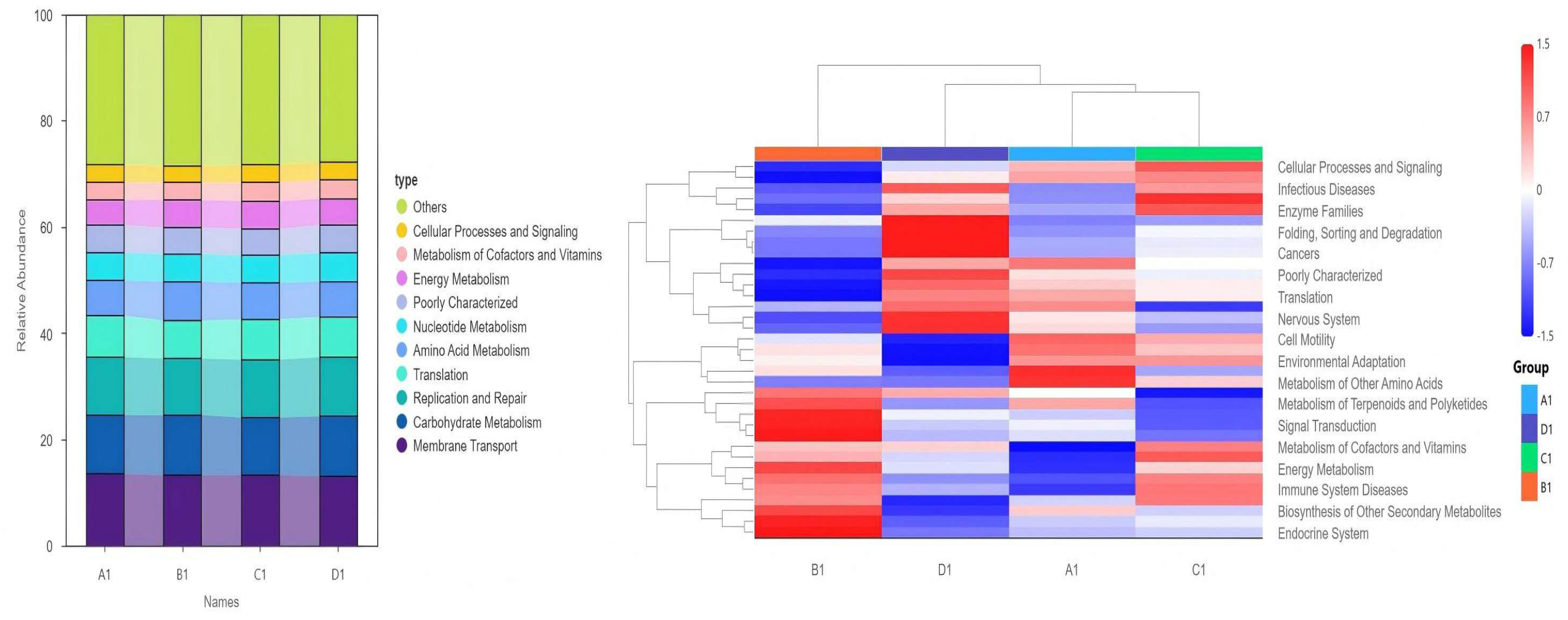
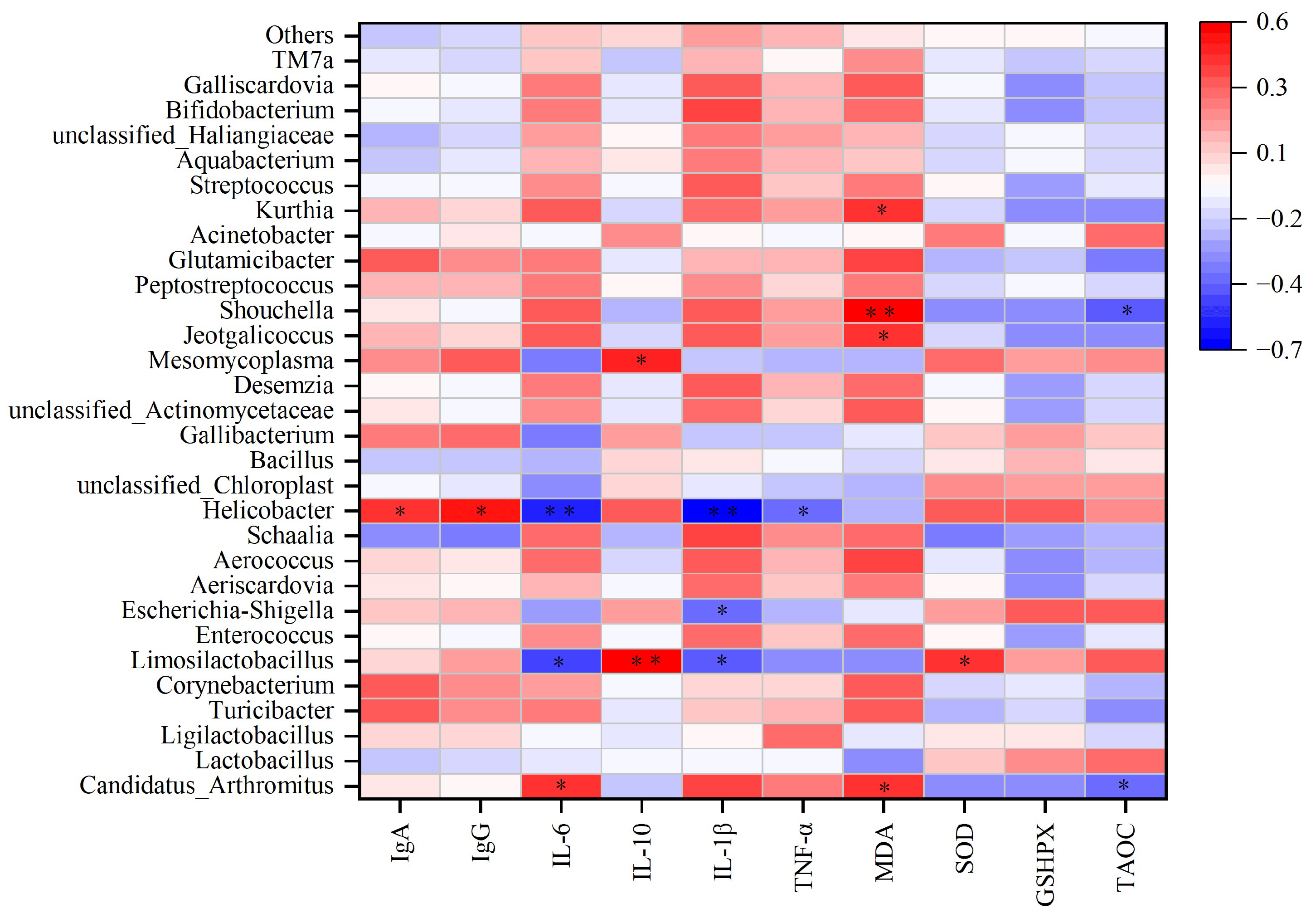
BugBase phenotype prediction indicated a relatively higher abundance of potentially pathogenic bacteria in the AG group. While this appears inconsistent with the overall improvement in intestinal health, a cautious interpretation is warranted. BugBase infers phenotypes from taxonomic composition using reference databases that may not fully capture pigeon-specific microbial traits, and it does not directly assess pathogenic activity. Moreover, many “potentially pathogenic” taxa can be commensal. Given the concurrent improvements in immune status, digestive enzymes, and intestinal morphology in the AG group, this result likely reflects a shift in microbial community structure rather than genuine pathogenic activation. Similarly, PICRUSt provides inferred functional potential based on 16S rRNA data, not direct evidence of metabolic activity. These findings should be regarded as hypothesis-generating, and future studies (e.g., metagenomics, metabolomics) are needed for validation. Accordingly, both BugBase and PICRUSt results should be interpreted cautiously. Correlation analysis revealed statistical associations between several bacterial genera and serum immune or antioxidant indices. In particular, Helicobacter showed positive correlations with IgA and IgG and negative correlations with several pro-inflammatory cytokines. However, correlation does not imply causation, and these findings do not prove that specific bacterial genera directly mediate host physiological changes. Instead, they should be interpreted as hypothesis-generating associations that require experimental validation. Accordingly, Helicobacter should be regarded as an associative biomarker rather than a confirmed functional mediator. Collectively, dietary APS and GPS supplementation may contribute to physiological adaptation in early-weaned squabs through modulation of intestinal morphology, digestive enzyme activity, immune status, oxidative–antioxidant balance, and gut microbial community structure. However, these mechanisms remain correlative and inferential. In addition, only one supplementation level was evaluated, and the experimental period was relatively short; therefore, the optimal inclusion levels, dose–response relationships, and long-term effects remain unclear. Further investigations incorporating larger sample sizes, dose–response designs, species- or strain-level microbial identification, metagenomic sequencing, targeted qPCR, culture-based validation, and metabolomic analysis are required to confirm the regulatory mechanisms of APS and GPS.