Effects of Plant Polysaccharides on Growth Performance, Blood Biochemical Indices, Intestinal Antioxidant and Enzyme Activities, and Microbial Diversity in Early-Weaned Squabs
by
Jie Ren
1,†, 
Yuanhao Li
1,†,
Huiguo Yang
2,
Haiying Li
1,
Xiaobin Li
1,
Xiaoyu Zhao
1,
Yafei Liang
2,
Mingcong Ding
1,
Haiying He
2,
Aikemu Mamaitijiang
3,
Honglei Sun
1 and
Jiajia Liu
2,3,* 1
College of Animal Science, Xinjiang Agricultural University, Urumqi 830052, China
2
Institute of Animal Husbandry, Xinjiang Academy of Animal Husbandry, Urumqi 830011, China
3
Moyu Blue Sea Pigeon Industry Co., Ltd., Hetian 848100, China
*
Author to whom correspondence should be addressed.
†
These authors contributed equally to this work.
Animals 2026, 16(12), 1785; https://doi.org/10.3390/ani16121785
Submission received: 7 May 2026
/
Revised: 7 June 2026
/
Accepted: 8 June 2026
/
Published: 9 June 2026
(This article belongs to the Special Issue The Role of Natural Polysaccharides in Livestock and Poultry Production)
Simple Summary
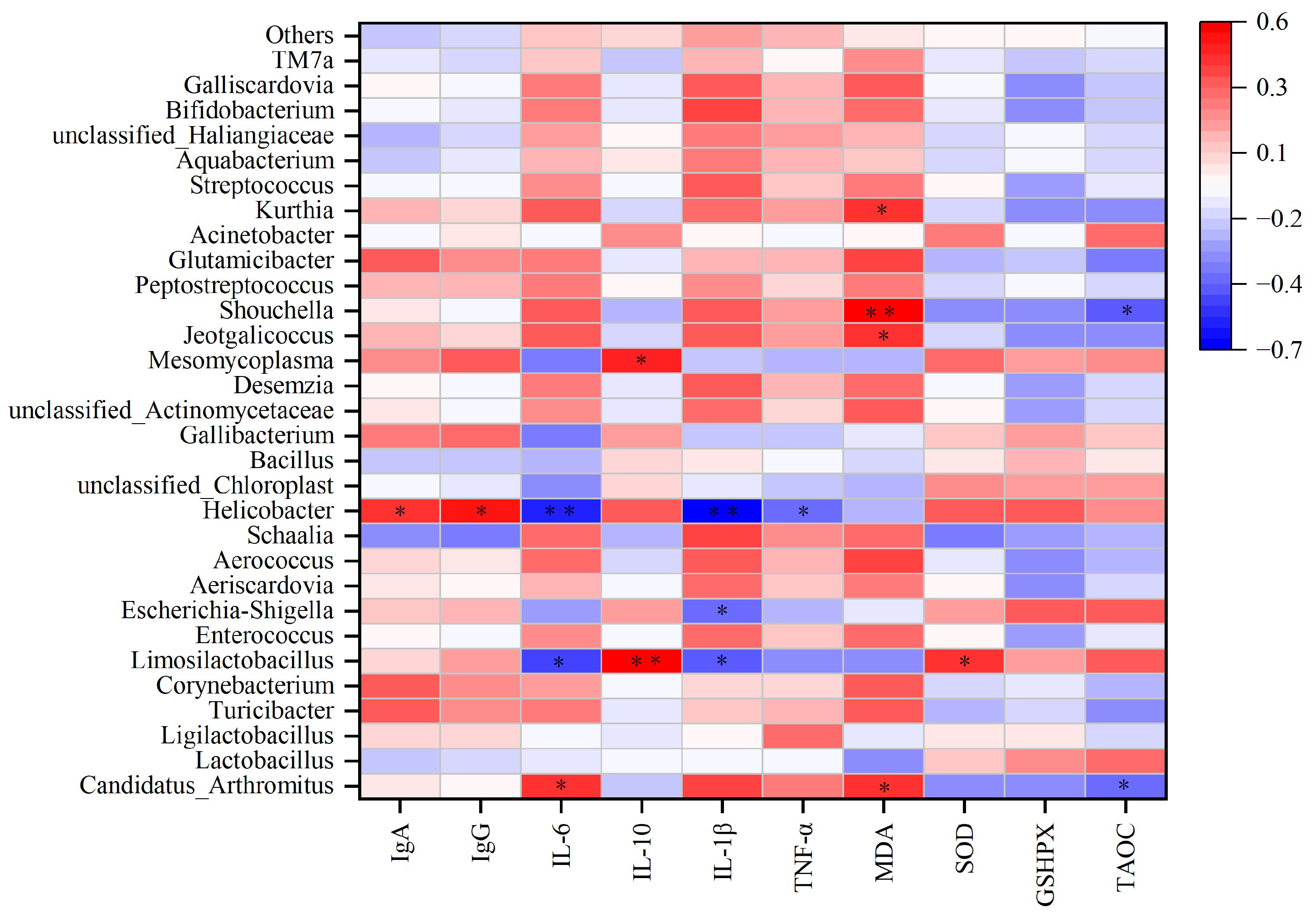
Early weaning is commonly used in pigeon farming to improve production efficiency. However, it often causes stress in squabs, leading to poor growth, digestive problems, weakened immunity, and imbalance of gut bacteria. In this study, we added plant-derived polysaccharides from Astragalus (APS) and Glycyrrhiza (GPS), either alone or in combination, to the diet of early-weaned squabs. The results suggested that APS and GPS, especially their combination, may help regulate immune and antioxidant responses, support intestinal structure and digestive function, and modulate the gut microbial community. These findings indicate that APS and GPS may contribute to physiological adaptation and intestinal health in early-weaned squabs.
Abstract
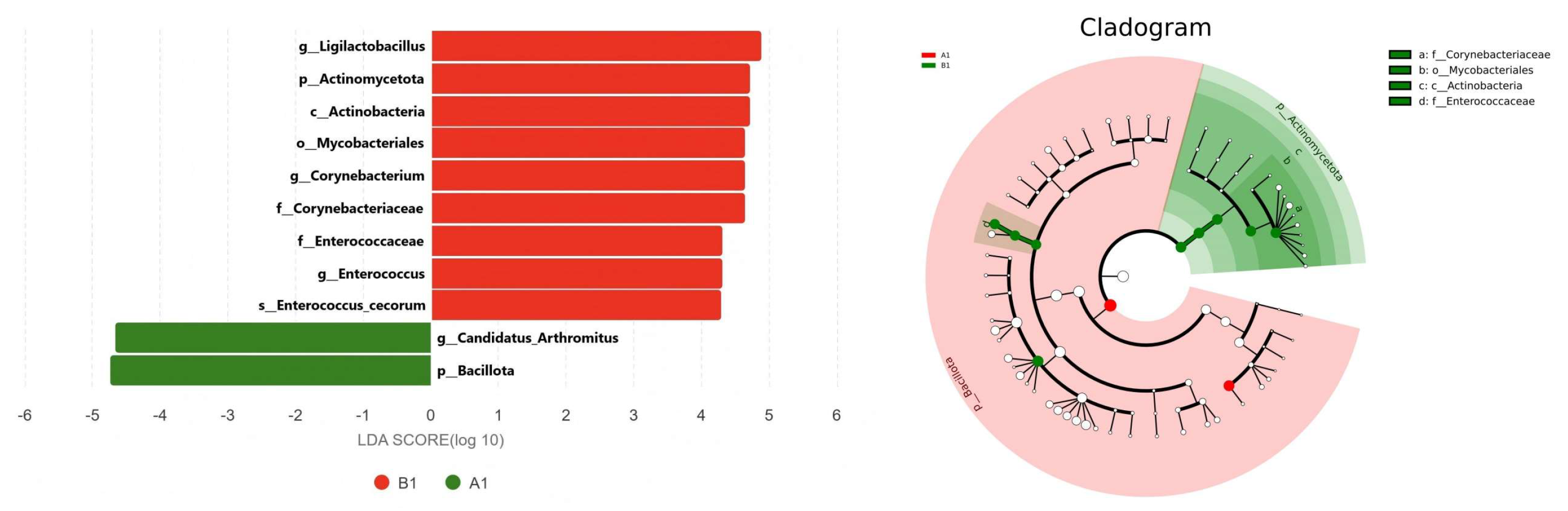
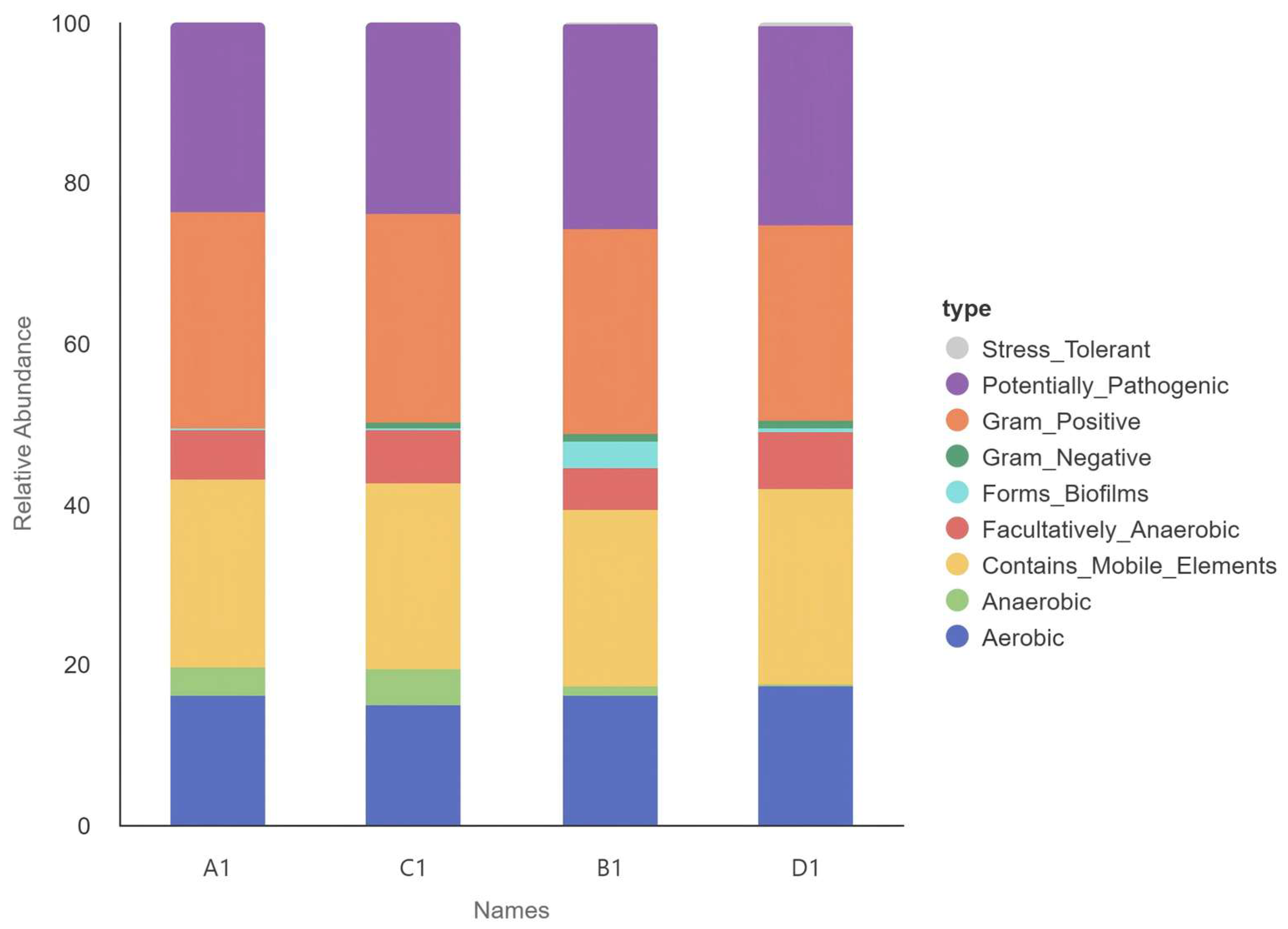
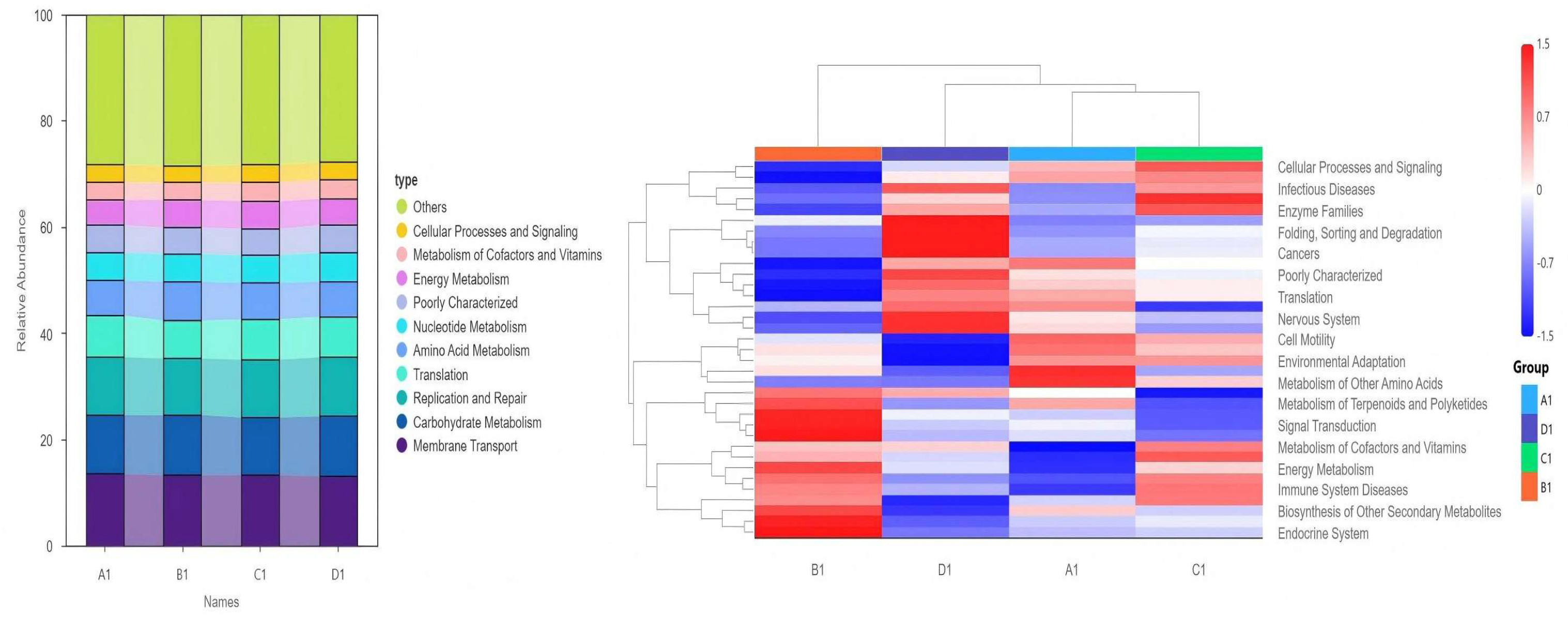
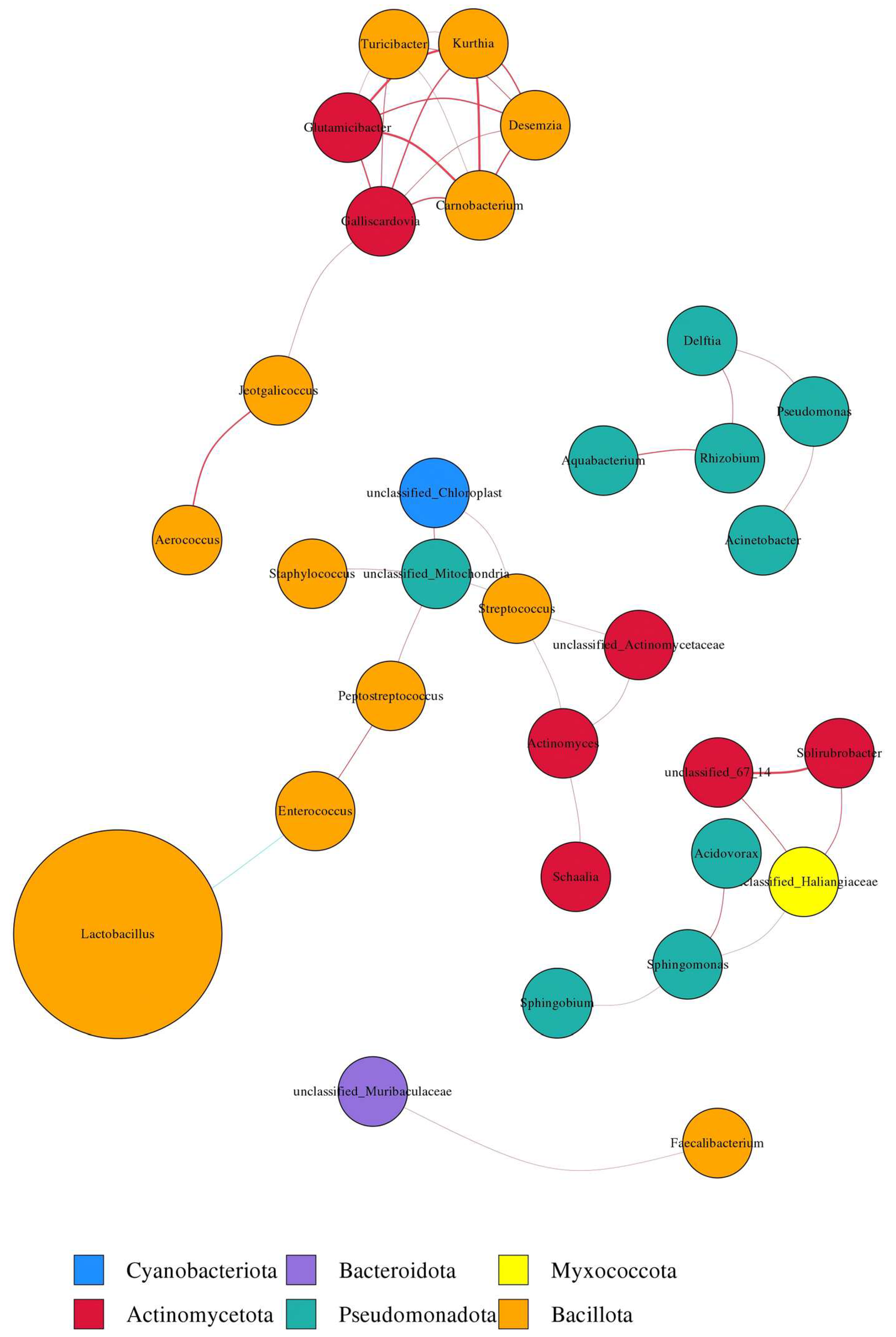
Plant polysaccharides, such as Astragalus polysaccharide (APS) and Glycyrrhiza polysaccharide (GPS), have potential as functional feed additives. This study investigated the effects of dietary APS and GPS on growth-related traits, serum biochemical and immune indices, antioxidant capacity, intestinal health, and microbial diversity in early-weaned squabs. A total of 192 15-day-old Silver King squabs were randomly divided into four groups: the control group (CK), the 800 mg/kg APS group, the 450 mg/kg GPS group, and the APS + GPS combination group (AG group), with 12 replicates per group and 4 squabs per replicate. The experiment lasted for 28 days. The results showed that final body weight tended to be higher in the APS, GPS, and AG groups, whereas breast width and breast depth were significantly increased in the GPS and AG groups (p < 0.01). The GPS and AG groups exhibited increased serum immunoglobulin A (IgA; p < 0.05) and immunoglobulin G (IgG; p < 0.01) levels, as well as reduced levels of pro-inflammatory cytokines, including interleukin-6 (IL-6), interleukin-1β (IL-1β), and tumor necrosis factor-α (TNF-α; p < 0.01). All treatments increased serum total antioxidant capacity (T-AOC; p < 0.01), while the AG group reduced malondialdehyde (MDA) levels and increased total superoxide dismutase (T-SOD) and glutathione peroxidase (GSH-Px) activities (p < 0.01). Duodenal and jejunal T-AOC increased in all treatment groups (p < 0.01), and APS and AG increased ileal T-AOC (p < 0.01). However, intestinal MDA concentrations increased in several segments, indicating a complex and segment-specific oxidative response. The AG group also increased jejunal lipase activities (p < 0.05). Microbiome analysis suggested that Helicobacter was correlated with immune-related indicators, while Lactobacillus was identified as an important core genus in the microbial co-occurrence network. These findings suggest that dietary APS and GPS may regulate immune function, oxidative–antioxidant responses, intestinal function, and gut microbial composition, thereby supporting physiological adaptation in early-weaned squabs.