Transcriptomic and Ultrastructural Analyses Reveal the Mechanisms of Accelerated Depuration Induced by Phyllodium pulchellum Extract in the Freshwater Snail Bellamya purificata
 , , and
Simple Summary
Abstract
1. Introduction
2. Materials and Methods
2.1. Preparation and Chemical Profiling of P. pulchellum Extract
2.2. Snail Collection and Experimental Setup
2.3. Extract Exposure and Tissue Sampling
2.4. Histological and Ultrastructural (Tem) Preparation
2.5. Total RNA Extraction and Quality Control
2.6. cDNA Synthesis and High-Throughput Sequencing
2.7. Data Processing and Sequence Annotation
2.8. Differential Expression and Enrichment Analysis
2.9. Validation of Transcriptomic Data via RT-qPCR
3. Results
3.1. UHPLC-MS/MS Characterization of the P. pulchellum Extract
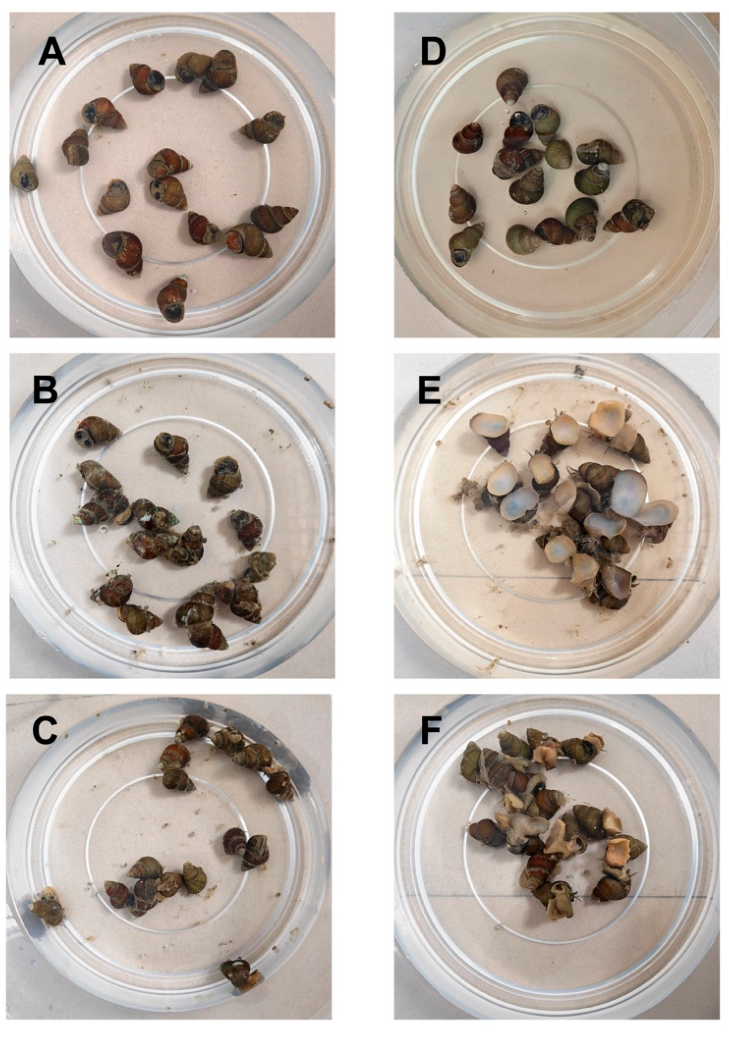
3.2. Behavioural Response of B. purificata
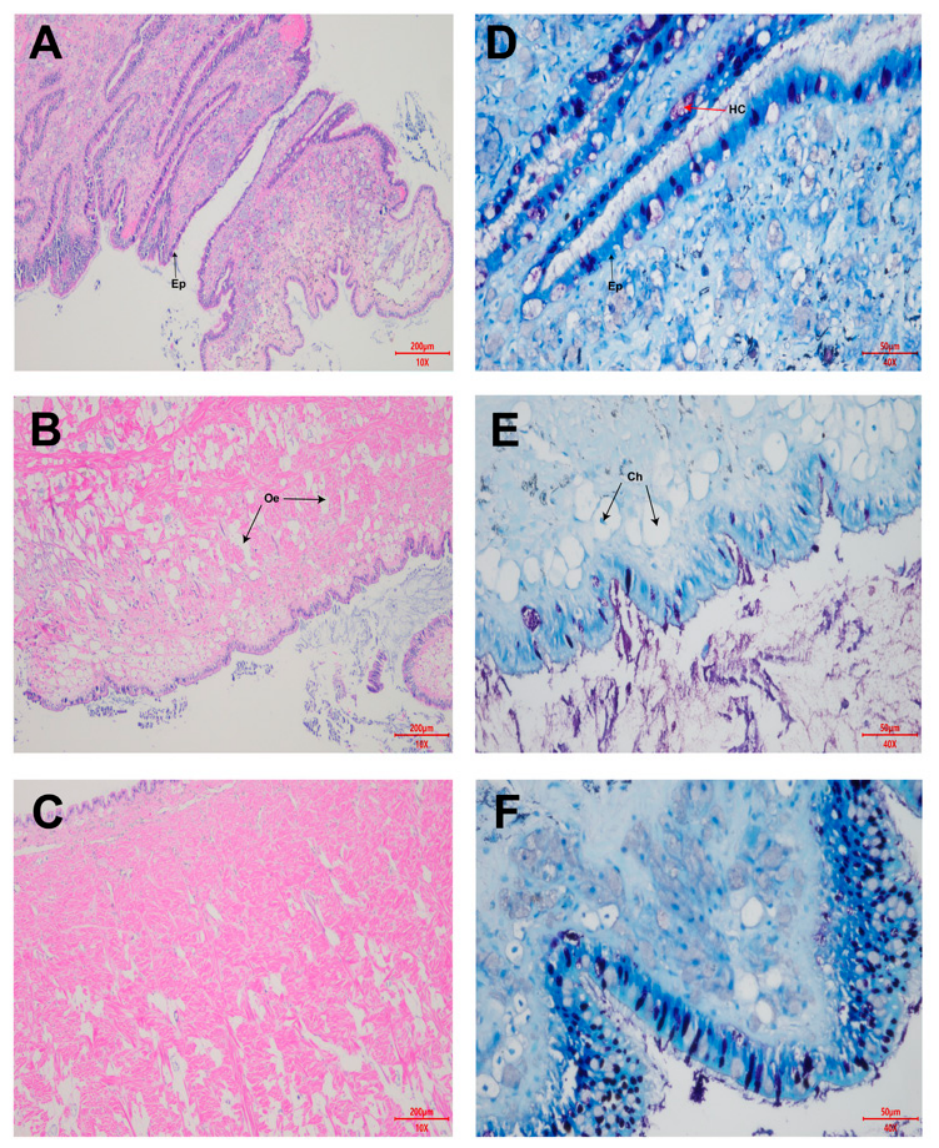
3.3. Histological Alterations in Cephalopodium Tissue
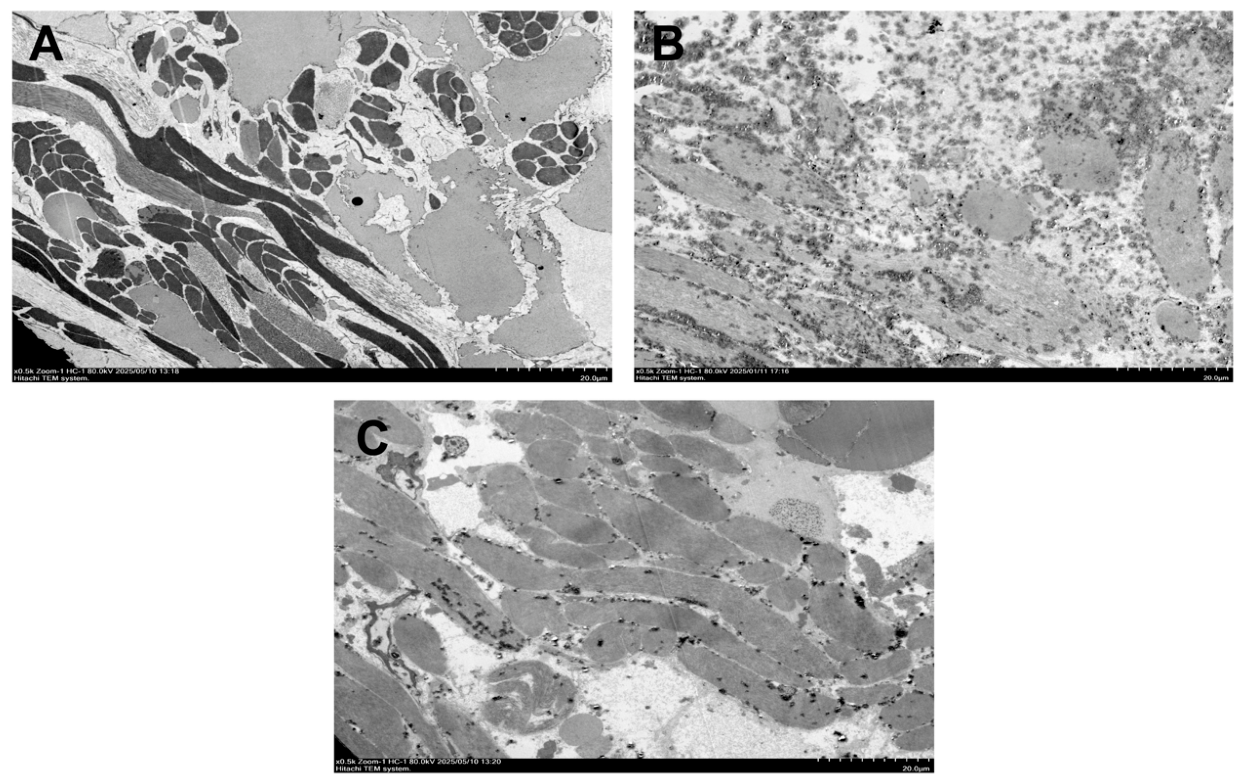
3.4. Ultrastructural Changes (TEM)
3.5. Transcriptomic Analysis of B. purificata
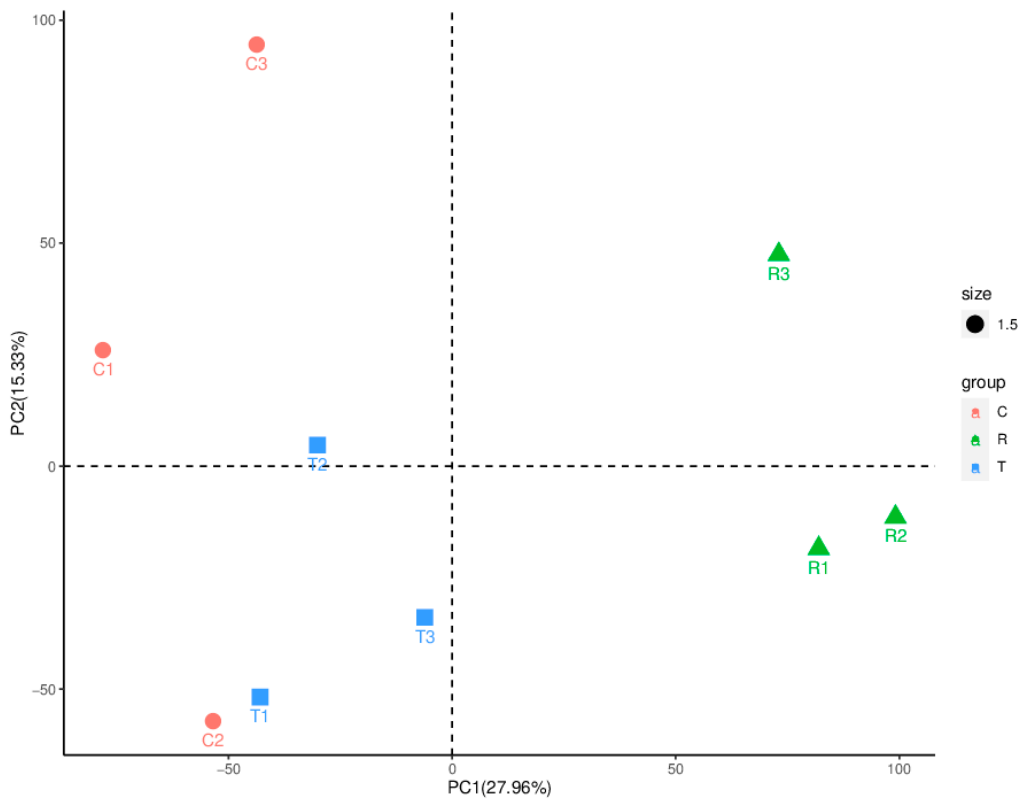
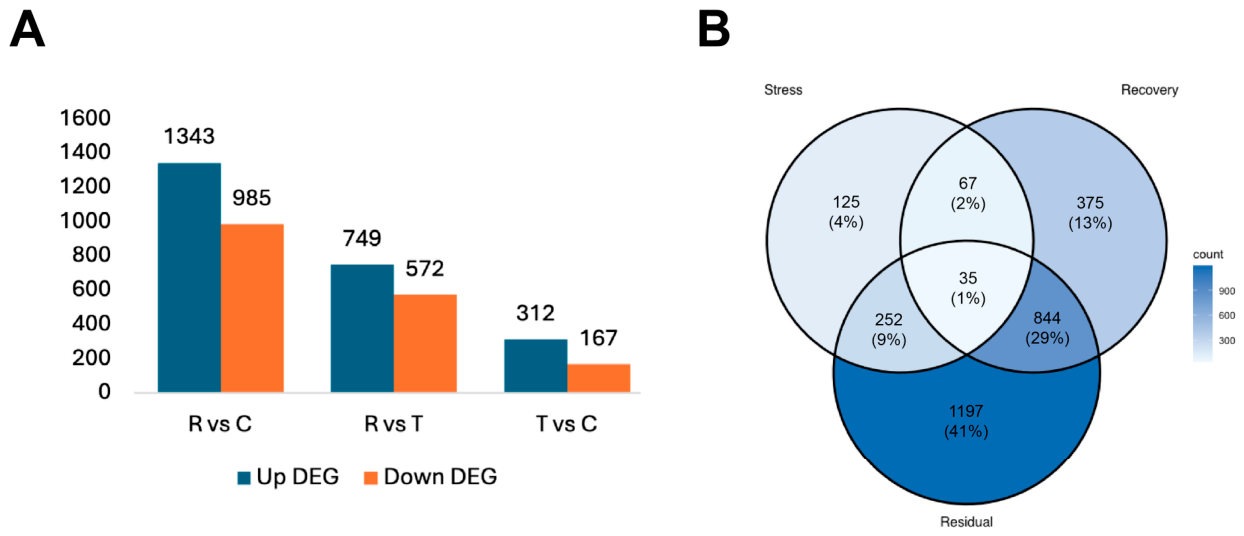
3.5.1. RNA-Seq Profiling of Control, Treated and Recovery Cephalopodium Tissue
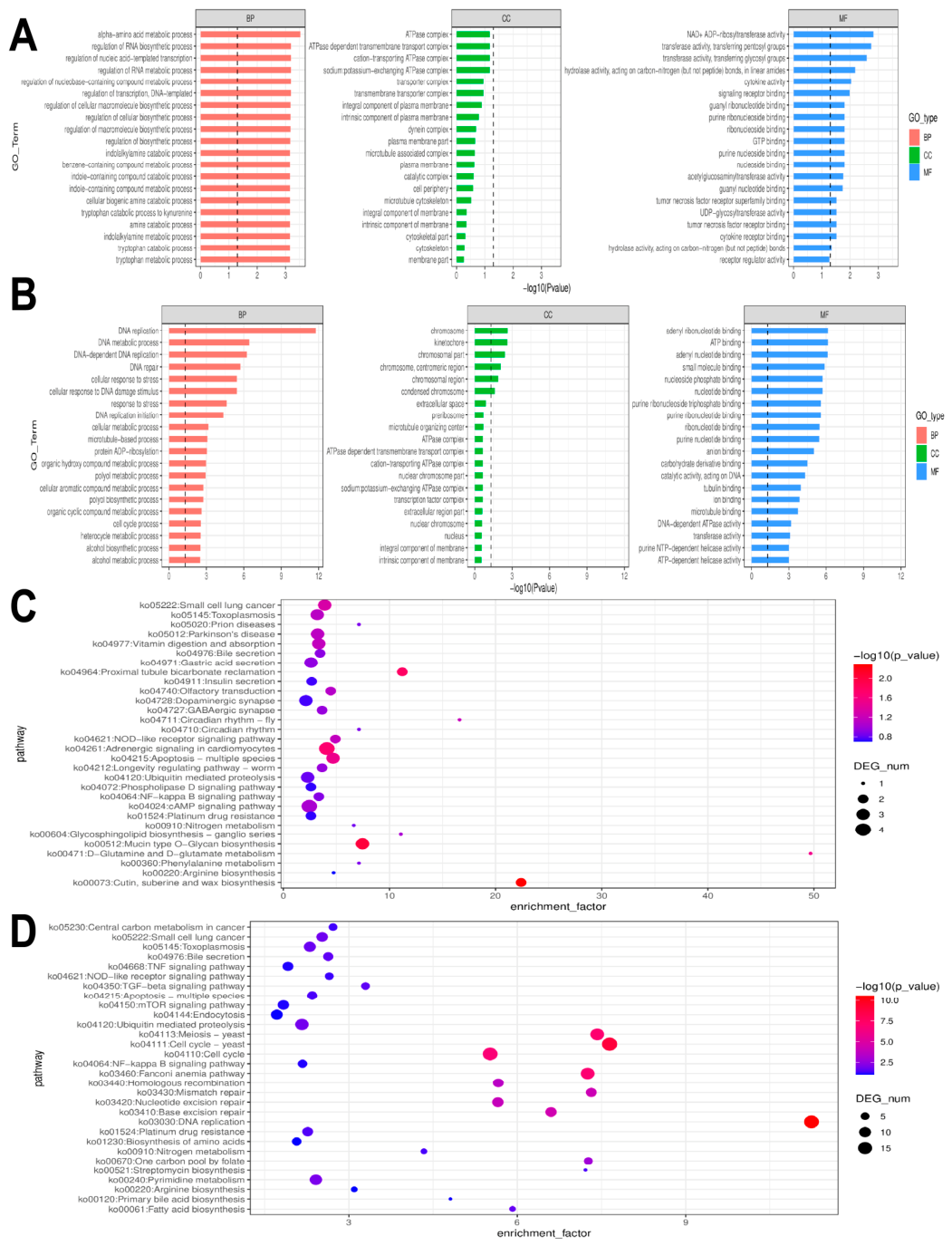
3.5.2. Differential Expression and Functional Enrichment Analysis
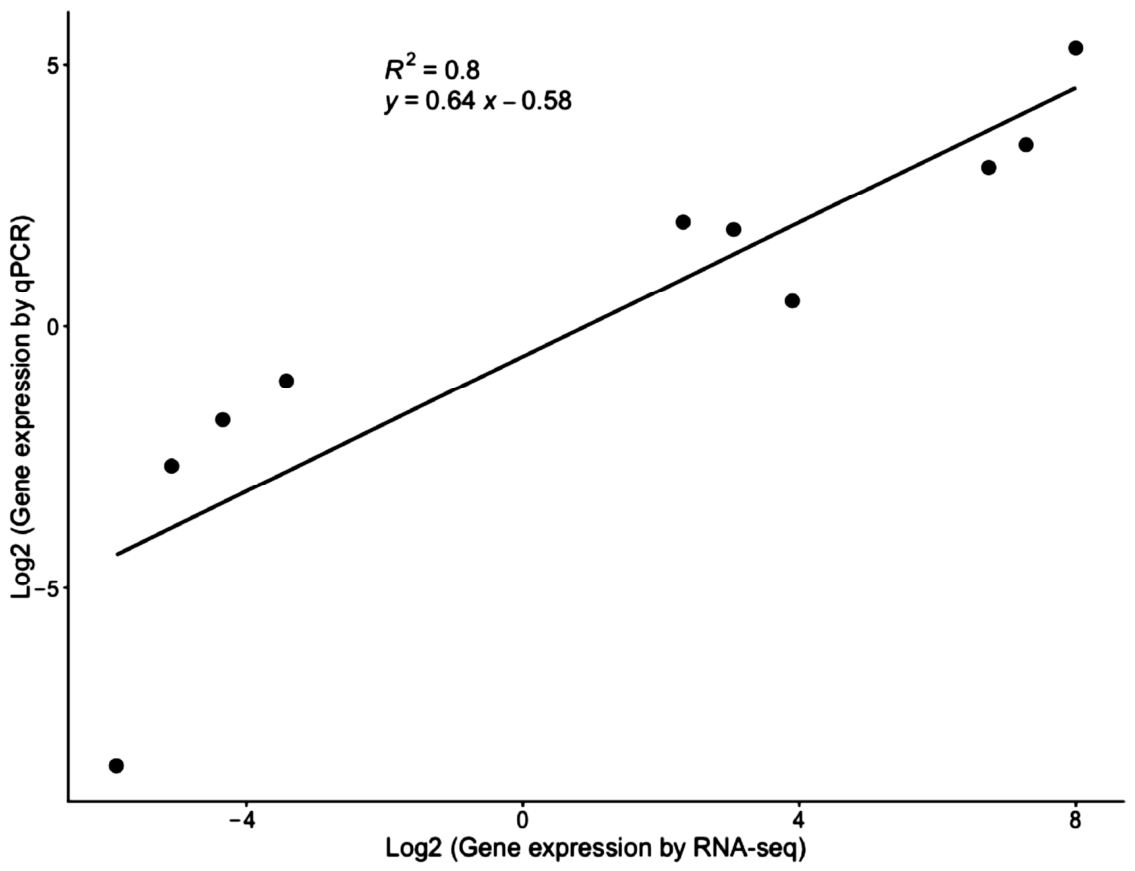
3.5.3. RT-qPCR Validation of Differentially Expressed Genes
4. Discussion
4.1. Behavioural, Physiological, and Molecular Mechanisms of Toxicity
4.2. Molecular Mechanisms of Genomic Stress and Delayed DNA Repair
5. Conclusions
Supplementary Materials
Author Contributions
Funding
Institutional Review Board Statement
Informed Consent Statement
Data Availability Statement
Acknowledgments
Conflicts of Interest
References
- Liu, Y.; Zhang, W.; Wang, Y. Economic Fauna of China (Freshwater Mollusca); Science Press: Beijing, China, 1979; pp. 18–19. (In Chinese) [Google Scholar]
- Jin, W.; Cao, X.J.; Ma, X.Y.; Lv, G.H.; Xu, G.C.; Xu, P.; Sun, B.; Xu, D.-P.; Wen, H.-B. Chromosome-level genome assembly of the freshwater snail Bellamya purificata (Caenogastropoda). Zool. Res. 2022, 43, 683. [Google Scholar]
- Wang, C.; Zhou, H. Development status and countermeasures of the Liuzhou Luosifen industry. China Food Ind. 2025, 17, 62–64. (In Chinese) [Google Scholar]
- Huang, Y.; Zhang, J.; Xu, D.; Ren, X.; Yang, W.; Lu, K.; Zhu, J. Metabolomics revealed that toxic cyanobacteria stress reduced the flavor quality of Bellamya aeruginosa. Front. Sustain. Food Syst. 2024, 8, 1379140. [Google Scholar] [CrossRef]
- Ma, T.; Zhou, K.; Zhu, C.; Liu, J.; Wang, Z.J. Biomarker responses of Bellamya aeruginosa to chronic stress of cadmium-contaminated sediments. Acta Sci. Circumstantiae 2009, 29, 1750–1756, (In Chinese with English Abstract). [Google Scholar]
- Ozawa, K.; Yokoyama, A.; Ishikawa, K.; Kumagai, M.; Watanabe, M.F.; Park, H.D. Accumulation and depuration of microcystin produced by the cyanobacterium Microcystis in a freshwater snail. Limnology 2003, 4, 131–138. [Google Scholar] [CrossRef]
- Zamora, L.N.; Burritt, D.J.; Ragg, N.L.; Casanovas, P.; Delorme, N.J. Gaping restriction as a mechanism to mitigate live transport and re-immersion physiological stress in mussels. Aquaculture 2025, 615, 743614. [Google Scholar] [CrossRef]
- Feng, J.; Chai, L.; Liu, B.; Chen, X. Preparation and quality analysis of total alkaloids extract from Desmodium pulchellum. Guangxi J. Tradit. Chin. Med. 2022, 45, 63–65. (In Chinese) [Google Scholar]
- Gao, S.; Yu, L.; Cao, K.; Ouyang, S. Protective effect of total alkaloids from Desmodium pulchellum against acute liver failure in rats by inhibiting NF-κB pathway. Drugs Clin. 2022, 37, 687–691. (In Chinese) [Google Scholar]
- Luo, F.; Wen, Y.; Wang, Z.; Yu, X.; Chen, K.; Liao, Z.; Qin, S. A Chinese Herbal Preparation for Stimulating The Shell-Out Activity of Freshwater Snails and Its Application. Chinese Patent No. CN116077550A, 9 May 2023. (In Chinese) [Google Scholar]
- Wang, L.; Song, X.; Song, L. The oyster immunity. Dev. Comp. Immunol. 2018, 80, 99–118. [Google Scholar] [CrossRef]
- Song, L.; Wang, L.; Zhang, H.; Wang, M. The immune system and its modulation mechanism in scallop. Fish Shellfish Immunol. 2015, 46, 65–78. [Google Scholar] [CrossRef]
- Liu, Z.; Li, M.; Yi, Q.; Wang, L.; Song, L. The neuroendocrine-immune regulation in response to environmental stress in marine bivalves. Front. Physiol. 2018, 9, 1456. [Google Scholar] [CrossRef]
- Huang, Q.; Li, Q.; Chen, H.; Lin, B.; Chen, D. Neuroendocrine immune-regulatory of a neuropeptide ChGnRH from the Hongkong oyster, Crassostrea Hongkongensis. Fish Shellfish Immunol. 2019, 93, 911–916. [Google Scholar] [CrossRef]
- Huang, W.; Xu, F.; Qu, T.; Zhang, R.; Li, L.; Que, H.; Zhang, G. Identification of thyroid hormones and functional characterization of thyroid hormone receptor in the pacific oyster Crassostrea gigas provide insight into evolution of the thyroid hormone system. PLoS ONE 2015, 10, e0144991. [Google Scholar] [CrossRef]
- Li, W.; Zhang, L.; Zhang, M.; Li, R.; Li, Y.; Guo, Z.; Bao, Z. Cloning and expression analysis of gonadotropin-releasing hormone gene in bay scallop. J. Ocean Univ. China (Nat. Sci. Ed.) 2020, 50, 68–74. (In Chinese) [Google Scholar]
- Smit, A.B.; Vreugdenhil, E.; Ebberink, R.H.M.; Geraerts, W.P.M.; Klootwijk, J.; Joosse, J. Growth-controlling molluscan neurons produce the precursor of an insulin-related peptide. Nature 1988, 331, 535–538. [Google Scholar] [CrossRef]
- Fan, Y.C.; Yue, S.J.; Guo, Z.L.; Xin, L.T.; Wang, C.Y.; Zhao, D.L.; Guan, H.-S.; Wang, C.-Y. Phytochemical composition, hepatoprotective, and antioxidant activities of Phyllodium pulchellum (L.) Desv. Molecules 2018, 23, 1361. [Google Scholar] [CrossRef]
- Chen, F.L.; Zhang, H.S.; Yang, J.; Chai, L.; Zhong, M.; Liu, B.; Yuan, J.; Jiang, Z.-H.; Zhu, G.-Y. Phytochemical and chemotaxonomic studies on Phyllodium pulchellum (Leguminosae). Biochem. Syst. Ecol. 2021, 95, 104243. [Google Scholar] [CrossRef]
- Tarazona, S.; García-Alcalde, F.; Dopazo, J.; Ferrer, A.; Conesa, A. Differential expression in RNA-seq: A matter of depth. Genome Res. 2011, 21, 2213–2223. [Google Scholar] [CrossRef]
- Marioni, J.C.; Mason, C.E.; Mane, S.M.; Stephens, M.; Gilad, Y. RNA-seq: An assessment of technical reproducibility and comparison with gene expression arrays. Genome Res. 2008, 18, 1509–1517. [Google Scholar] [CrossRef]
- Zhang, S.; Chen, Y.; Wang, Y.; Zhang, P.; Chen, G.; Zhou, Y. Insights into translatomics in the nervous system. Front. Genet. 2020, 11, 599548. [Google Scholar] [CrossRef]
- Rashad, M.; Sampò, S.; Cataldi, A.; Zara, S. From Nature to Nurture: The Science and Applications of Snail Slime in Health and Beauty. J. Cosmet. Dermatol. 2025, 24, e70002. [Google Scholar] [CrossRef]
- Sullivan, J.T.; Cheng, T.C. Heavy metal toxicity to Biomphalaria glabrata (Mollusca: Pulmonata). Ann. N. Y. Acad. Sci. 1975, 266, 437–444. [Google Scholar] [CrossRef]
- Yap, C.K.; Pang, B.H.; Cheng, W.H.; Kumar, K.; Avtar, R.; Okamura, H.; Horie, Y.; Sharifinia, M.; Keshavarzifard, M.; Ong, M.C.; et al. Heavy metal exposures on freshwater snail Pomacea insularum: Understanding its biomonitoring potentials. Appl. Sci. 2023, 13, 1042. [Google Scholar] [CrossRef]
- Gillis, P.L.; Chow-Fraser, P.; Ranville, J.F.; Ross, P.E.; Wood, C.M. Daphnia need to be gut-cleared too: The effect of exposure to and ingestion of metal-contaminated sediment on the gut-clearance patterns of D. magna. Aquat. Toxicol. 2005, 71, 143–154. [Google Scholar] [CrossRef]
- Xie, X.; Ding, D.; Bai, D.; Zhu, Y.; Sun, W.; Sun, Y.; Zhang, D. Melatonin biosynthesis pathways in nature and its production in engineered microorganisms. Synth. Syst. Biotechnol. 2022, 7, 544–553. [Google Scholar] [CrossRef]
- Wichansawakun, S.; Chupisanyarote, K.; Wongpipathpong, W.; Kaur, G.; Buttar, H.S. Antioxidant diets and functional foods attenuate dementia and cognition in elderly subjects. In Functional Foods and Nutraceuticals in Metabolic and Non-Communicable Diseases; Academic Press: Cambridge, MA, USA, 2022; pp. 533–549. [Google Scholar]
- McKenzie, J.D.; Caunce, M.; Hetherington, M.S.; Winlow, W. Serotonergic innervation of the foot of the pond snail Lymnaea stagnalis (L.). J. Neurocytol. 1998, 27, 459–470. [Google Scholar] [CrossRef]
- Fong, P.P.; Molnar, N. Antidepressants cause foot detachment from substrate in five species of marine snail. Mar. Environ. Res. 2013, 84, 24–30. [Google Scholar] [CrossRef]
- Tecott, L.H. Serotonin and the orchestration of energy balance. Cell Metab. 2007, 6, 352–361. [Google Scholar] [CrossRef]
- Lou, Y.; Jia, R.; Li, B.; Zhou, L.; Zhu, J.; Hou, Y. Effects of Different Stocking Densities on Snail Bellamya purificata Foot Muscle Nutritional Quality and Metabolic Function. Animals 2024, 14, 3618. [Google Scholar] [CrossRef]
- Moon, L.D.F. Chromatolysis: Do injured axons regenerate poorly when ribonucleases attack rough endoplasmic reticulum, ribosomes and RNA? Dev. Neurobiol. 2018, 78, 1011–1024. [Google Scholar] [CrossRef]
- Johnson, I.P.; Sears, T.A. Target-dependence of sensory neurons: An ultrastructural comparison of axotomised dorsal root ganglion neurons with allowed or denied reinnervation of peripheral targets. Neuroscience 2013, 228, 163–178. [Google Scholar] [CrossRef] [PubMed]
- Massieu, L.; Garcia, O. The role of excitotoxicity and metabolic failure in the pathogenesis of neurological disorders. Neurobiology 1998, 6, 99–108. [Google Scholar]
- Alonso, Á. Previous stress causes a contrasting response to cadmium toxicity in the aquatic snail Potamopyrgus antipodarum: Lethal and behavioural endpoints. Environ. Sci. Pollut. Res. 2023, 30, 41348–41358. [Google Scholar] [CrossRef]
- Papa, A.; Kushner, J.; Marx, S.O. Adrenergic regulation of calcium channels in the heart. Annu. Rev. Physiol. 2022, 84, 285–306. [Google Scholar] [CrossRef] [PubMed]
- Zhou, P.; Zhao, Y.T.; Guo, Y.B.; Xu, S.M.; Bai, S.H.; Lakatta, E.G.; Cheng, H.; Hao, X.-M.; Wang, S.-Q. β-Adrenergic signaling accelerates and synchronizes cardiac ryanodine receptor response to a single L-type Ca2+ channel. Proc. Natl. Acad. Sci. USA 2009, 106, 18028–18033. [Google Scholar] [CrossRef]
- Silke, J.; Meier, P. Inhibitor of apoptosis (IAP) proteins–modulators of cell death and inflammation. Cold Spring Harb. Perspect. Biol. 2013, 5, a008730. [Google Scholar] [CrossRef] [PubMed]
- Berthelet, J.; Dubrez, L. Regulation of apoptosis by inhibitors of apoptosis (IAPs). Cells 2013, 2, 163–187. [Google Scholar] [CrossRef]
- Kocab, A.J.; Duckett, C.S. Inhibitor of apoptosis proteins as intracellular signaling intermediates. FEBS J. 2016, 283, 221–231. [Google Scholar] [CrossRef]
- Chobot, V.; Hadacek, F. Exploration of pro-oxidant and antioxidant activities of the flavonoid myricetin. Redox Rep. 2011, 16, 242–247. [Google Scholar] [CrossRef]
- Procházková, D.; Boušová, I.; Wilhelmová, N. Antioxidant and prooxidant properties of flavonoids. Fitoterapia 2011, 82, 513–523. [Google Scholar] [CrossRef]
- Sui, C.; Liu, M.; Chuan, S.; Wang, B.; Zhang, T.; Zhang, W.; Huang, R.; Qiu, Z.; Wang, Y.; Zhao, W.; et al. Responses of survival, antioxidant system and intestinal microbiota of native snail Bellamya purificata to the invasive snail Pomacea canaliculata. Sci. Rep. 2024, 14, 21267. [Google Scholar] [CrossRef]
- Liebermann, D.A.; Hoffman, B. Gadd45 in stress signaling. J. Mol. Signal. 2008, 3, 15. [Google Scholar] [CrossRef]
- Tamura, R.E.; de Vasconcellos, J.F.; Sarkar, D.; Libermann, T.A.; Fisher, P.B.; Zerbini, L.F. GADD45 proteins: Central players in tumorigenesis. Curr. Mol. Med. 2012, 12, 634–651. [Google Scholar] [CrossRef]
- Moskalev, A.; Plyusnina, E.; Shaposhnikov, M.; Shilova, L.; Kazachenok, A.; Zhavoronkov, A. The role of D-GADD45 in oxidative, thermal and genotoxic stress resistance. Cell Cycle 2012, 11, 4222–4241. [Google Scholar] [CrossRef] [PubMed]
- Slobodskova, V.V.; Solodova, E.E.; Slinko, E.N.; Chelomin, V.P. Evaluation of the genotoxicity of cadmium in gill cells of the clam Corbicula japonica using the comet assay. Russ. J. Mar. Biol. 2010, 36, 311–315. [Google Scholar] [CrossRef]
- Slobodskova, V.V.; Zhukovskaya, A.F.; Chelomin, V.P. DNA damage in the gill cells of the marine scallop Mizuhopecten yessoensis during anoxic stress and aerobic recovery. Ocean Sci. J. 2012, 47, 95–100. [Google Scholar] [CrossRef]
- de Boissel, P.G.J.; Fournier, M.; Rodriguez-Lecompte, J.C.; McKenna, P.; Kibenge, F.; Siah, A. Functional and molecular responses of the blue mussel Mytilus edulis’ hemocytes exposed to cadmium—An in vitro model and transcriptomic approach. Fish Shellfish Immunol. 2017, 67, 575–585. [Google Scholar] [CrossRef] [PubMed]
- Srinivas, U.S.; Tan, B.W.; Vellayappan, B.A.; Jeyasekharan, A.D. ROS and the DNA damage response in cancer. Redox Biol. 2019, 25, 101084. [Google Scholar] [CrossRef]
- Liu, P.; Lin, C.; Liu, L.; Lu, Z.; Tu, Z.; Liu, H. RAD54B mutations enhance the sensitivity of ovarian cancer cells to poly (ADP-ribose) polymerase (PARP) inhibitors. J. Biol. Chem. 2022, 298, 102354. [Google Scholar] [CrossRef] [PubMed]
- Yasuhara, T.; Suzuki, T.; Katsura, M.; Miyagawa, K. Rad54B serves as a scaffold in the DNA damage response that limits checkpoint strength. Nat. Commun. 2014, 5, 5426. [Google Scholar] [CrossRef]
- Salerno, D.M.; Tront, J.S.; Hoffman, B.; Liebermann, D.A. Gadd45a and Gadd45b modulate innate immune functions of granulocytes and macrophages by differential regulation of p38 and JNK signaling. J. Cell. Physiol. 2012, 227, 3613–3620. [Google Scholar] [CrossRef] [PubMed]
- Maeda, T.; Hanna, A.N.; Sim, A.B.; Chua, P.P.; Chong, M.T.; Tron, V.A. GADD45 regulates G2/M arrest, DNA repair, and cell death in keratinocytes following ultraviolet exposure. J. Investig. Dermatol. 2002, 119, 22–26. [Google Scholar] [CrossRef] [PubMed]
- Forsburg, S.L. Eukaryotic MCM proteins: Beyond replication initiation. Microbiol. Mol. Biol. Rev. 2004, 68, 109–131. [Google Scholar] [CrossRef]
- You, Z.; Masai, H. Assembly, Activation, and Helicase Actions of MCM2-7: Transition from Inactive MCM2-7 Double Hexamers to Active Replication Forks. Biology 2024, 13, 629. [Google Scholar] [CrossRef]
- Sampathkumar, A.; Zhong, C.; Tang, Y.; Fujita, Y.; Ito, M.; Shinohara, A. Replication protein-A, RPA, plays a pivotal role in the maintenance of recombination checkpoint in yeast meiosis. Sci. Rep. 2024, 14, 9550. [Google Scholar] [CrossRef] [PubMed]



| Sample | Total Reads | Total Base | Q30 (%) | Pair Reads | Total Alignment Ratio |
|---|---|---|---|---|---|
| C1 | 53,360,024 | 8,004,003,600 | 96.14 | 26,680,012 | 72.19% |
| C2 | 45,961,158 | 6,894,173,700 | 96.91 | 22,980,579 | 60.88% |
| C3 | 49,045,206 | 7,356,780,900 | 97.00 | 24,522,603 | 62.23% |
| R1 | 46,605,078 | 6,990,761,700 | 96.77 | 23,302,539 | 67.95% |
| R2 | 48,428,386 | 7,264,257,900 | 96.55 | 24,214,193 | 64.37% |
| R3 | 46,293,162 | 6,943,974,300 | 96.66 | 23,146,581 | 67.00% |
| T1 | 45,589,184 | 6,838,377,600 | 96.93 | 22,794,592 | 67.55% |
| T2 | 53,212,058 | 7,981,808,700 | 97.05 | 26,606,029 | 67.11% |
| T3 | 45,897,766 | 6,884,664,900 | 96.60 | 22,948,883 | 64.93% |
| KEGG Pathway | Gene Name | Log2FC |
|---|---|---|
| Stress Response (T vs. C) | ||
| Adrenergic signalling in cardiomyocytes | 16 kDa calcium-binding protein-like (S100A16) | 3.05 |
| Cyclic AMP-responsive element-binding protein 1-like isoform X2 (CREB1) | 1.56 | |
| Adenylate cyclase type 3-like (AC3) | −2.54 | |
| Apoptosis | Baculoviral IAP repeat-containing protein 7-like (BIRC7) | −1.44 |
| Recovery Process (R vs. T) | ||
| Cell cycle | Cell division cycle protein 20 homolog (CDC20) | 2.00 |
| Growth arrest and DNA damage-inducible protein GADD45 alpha-like isoform X2 (GADD45A) | 1.28 | |
| Minichromosome maintenance complex subunits (MCM2-6) | −2.39 to −1.98 | |
| DNA replication | Minichromosome maintenance complex subunits (MCM2-6) | −2.08 to −1.98 |
| Replication protein A 32 kDa subunit-B-like isoform X2 (RPA2) | −1.63 | |
| Homologous recombination | DNA repair and recombination protein RAD54B-like (RAD54B) | 2.23 |
| DNA repair protein RAD51 homolog 1 (RAD51) | −1.06 | |
Disclaimer/Publisher’s Note: The statements, opinions and data contained in all publications are solely those of the individual author(s) and contributor(s) and not of MDPI and/or the editor(s). MDPI and/or the editor(s) disclaim responsibility for any injury to people or property resulting from any ideas, methods, instructions or products referred to in the content. |
© 2026 by the authors. Licensee MDPI, Basel, Switzerland. This article is an open access article distributed under the terms and conditions of the Creative Commons Attribution (CC BY) license.
Share and Cite
Wang, Z.; Chua, E.; Luo, F.; Zhou, X.; Huang, J.; Peng, J.; Pan, X.; Wen, Y. Transcriptomic and Ultrastructural Analyses Reveal the Mechanisms of Accelerated Depuration Induced by Phyllodium pulchellum Extract in the Freshwater Snail Bellamya purificata. Animals 2026, 16, 1490. https://doi.org/10.3390/ani16101490
Wang Z, Chua E, Luo F, Zhou X, Huang J, Peng J, Pan X, Wen Y. Transcriptomic and Ultrastructural Analyses Reveal the Mechanisms of Accelerated Depuration Induced by Phyllodium pulchellum Extract in the Freshwater Snail Bellamya purificata. Animals. 2026; 16(10):1490. https://doi.org/10.3390/ani16101490
Chicago/Turabian StyleWang, Zhiqiang, Enjie Chua, Fuguang Luo, Xiaoyun Zhou, Jie Huang, Jinxia Peng, Xianhui Pan, and Yanhong Wen. 2026. "Transcriptomic and Ultrastructural Analyses Reveal the Mechanisms of Accelerated Depuration Induced by Phyllodium pulchellum Extract in the Freshwater Snail Bellamya purificata" Animals 16, no. 10: 1490. https://doi.org/10.3390/ani16101490
APA StyleWang, Z., Chua, E., Luo, F., Zhou, X., Huang, J., Peng, J., Pan, X., & Wen, Y. (2026). Transcriptomic and Ultrastructural Analyses Reveal the Mechanisms of Accelerated Depuration Induced by Phyllodium pulchellum Extract in the Freshwater Snail Bellamya purificata. Animals, 16(10), 1490. https://doi.org/10.3390/ani16101490