Number of Primordial Follicles in Juvenile Ringed Seals (Pusa hispida) from the Gulf of Bothnia and West Greenland
by
 , , ,
, , ,
Britta Schmidt
1,* ,
,
Julia Hollenbach
2,
Christian Mühlfeld
3,
Christiane Pfarrer
2,
Sara Persson
4,
Tina Kesselring
1,5,
Christian Sonne
6,
Frank Rigét
7,
Rune Dietz
6 and
Ursula Siebert
1
1
Institute for Terrestrial and Aquatic Wildlife Research, University of Veterinary Medicine Hannover, Foundation, Werftstr. 6, D-25761 Büsum, Germany
2
Institute of Anatomy, University of Veterinary Medicine Hannover, Foundation, Bischofsholer Damm 15, D-30173 Hannover, Germany
3
Institute of Functional and Applied Anatomy, Hannover Medical School, Carl-Neuberg-Str. 1, D-30625 Hannover, Germany
4
Department of Environmental Research and Monitoring, Swedish Museum of Natural History, P.O. Box 50007, SE-104 05 Stockholm, Sweden
5
Unit for Reproductive Medicine, University of Veterinary Medicine Hannover, Foundation, Bünteweg 2, D-30559 Hannover, Germany
6
Department of Bioscience—Marine Mammal Research, University of Aarhus, Frederiksborgvej 399, P.O. Box 358, DK-4000 Roskilde, Denmark
7
Department of Ecoscience, University of Aarhus, Frederiksborgvej 399, P.O. Box 358, DK-4000 Roskilde, Denmark
*
Author to whom correspondence should be addressed.
Animals 2022, 12(5), 669; https://doi.org/10.3390/ani12050669
Submission received: 23 January 2022
/
Revised: 3 March 2022
/
Accepted: 4 March 2022
/
Published: 7 March 2022
(This article belongs to the Special Issue Advances in Wildlife Endocrinology and Reproduction)
Simple Summary
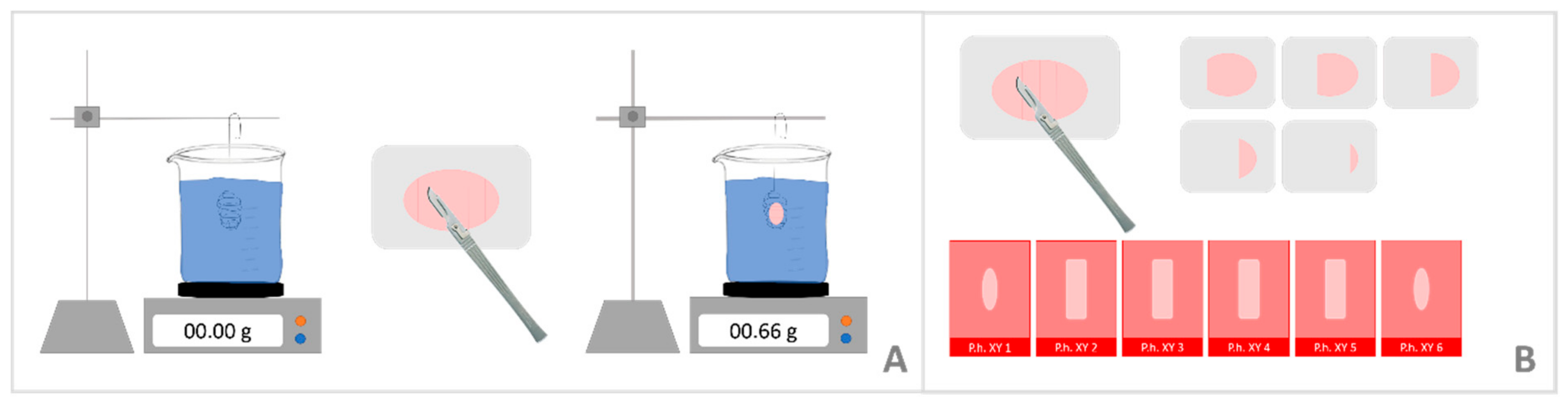
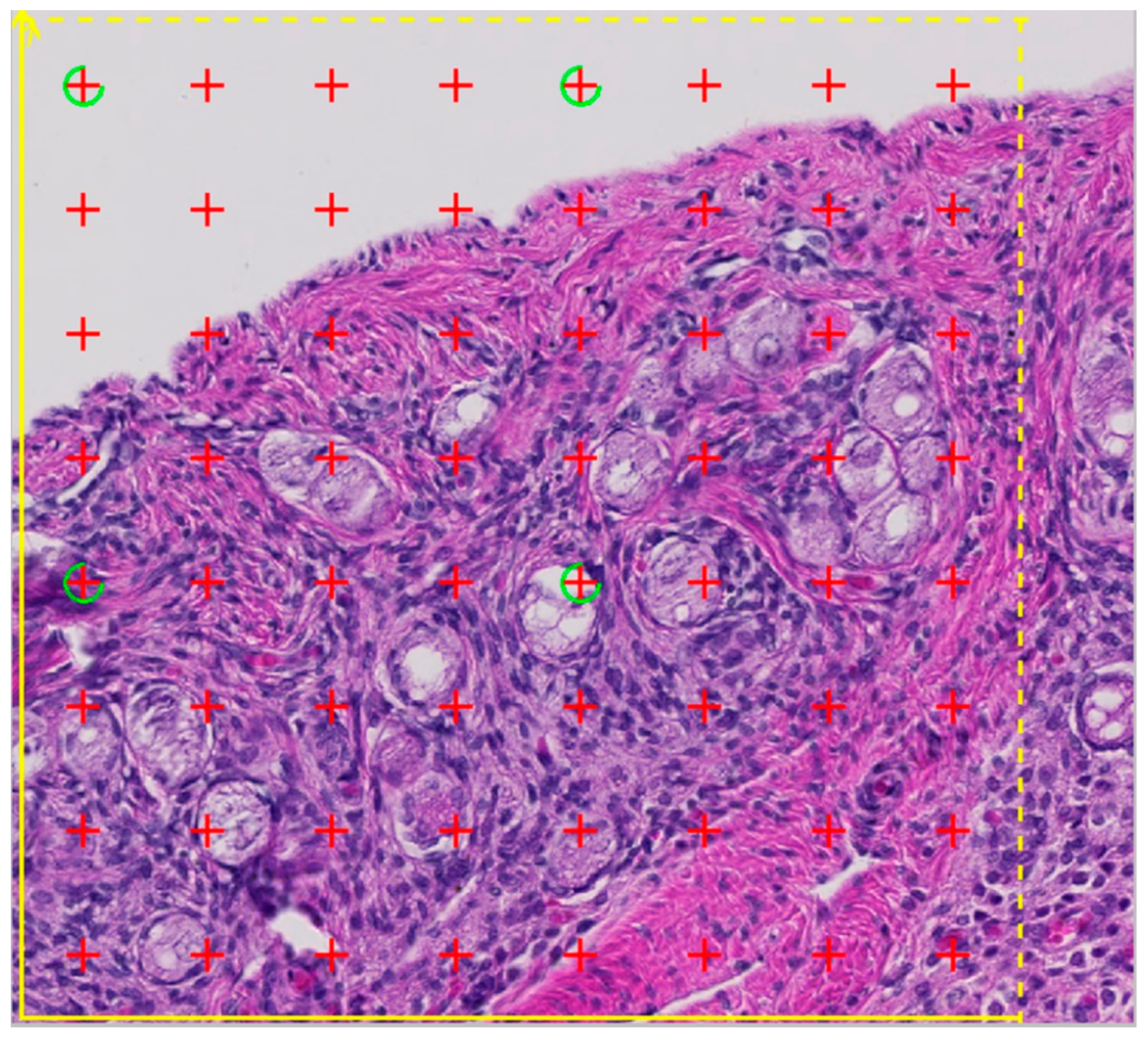
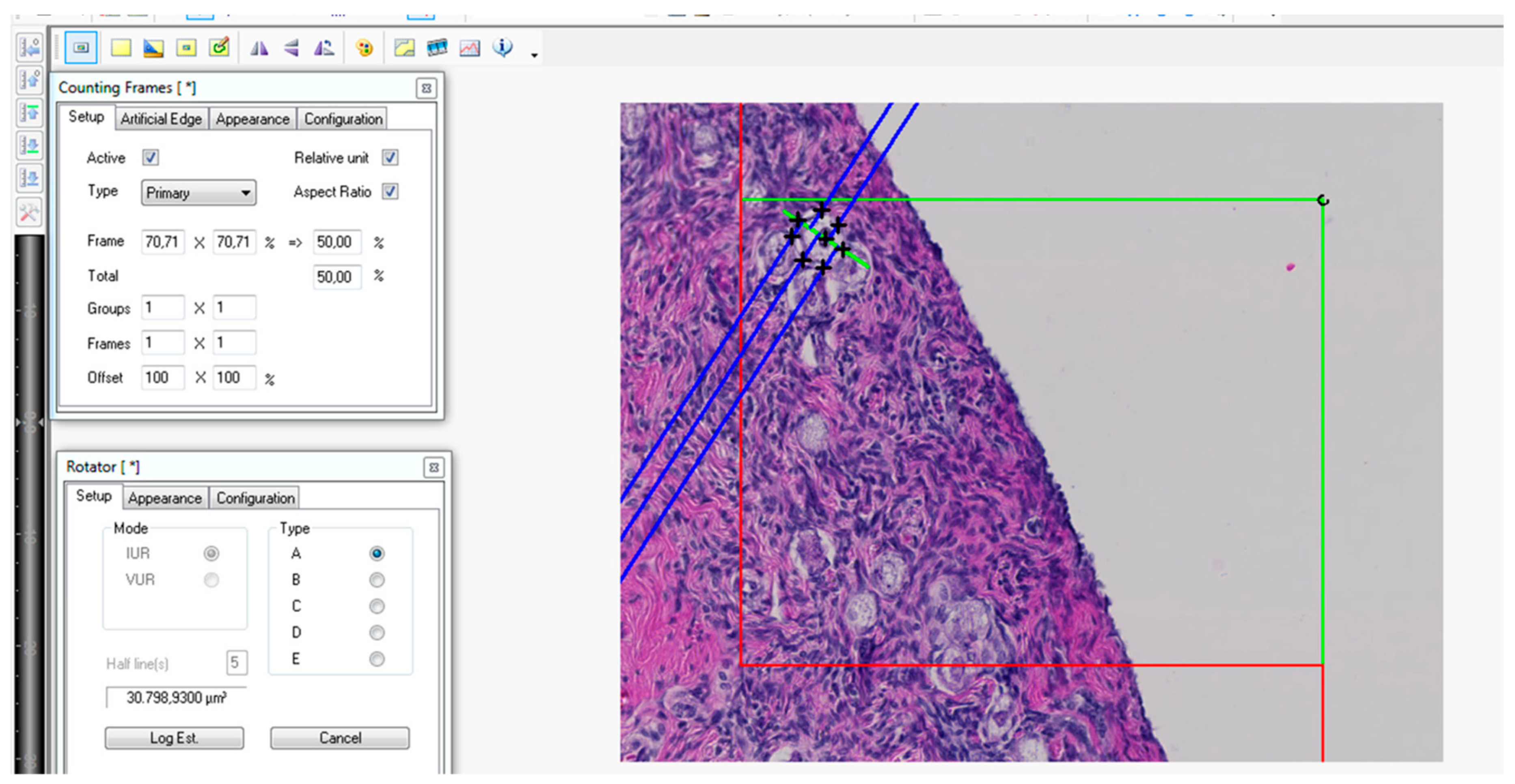
Primordial follicles are the first out of three stadiums of developing follicles in the female reproductive cycle. It is thought that primordial follicles represent the total number of oocytes. That is why we investigated 52 ovaries from ringed seals (Pusa hispida) to provide reference data of the total primordial follicle number of juvenile ringed seals. We compared 46 ovaries from the Gulf of Bothnia and six from West Greenland. All ovaries were cut into 2 mm thick slices, embedded in paraffin and stained. We calculated the estimated primordial follicle number by using stereology to estimate the different volumes of the ovary. The median of primordial follicles seemed to be higher in the Gulf of Bothnia ringed seals than in Greenland individuals. Our findings make it difficult to calculate one total range of primordial follicles in ringed seals, but it could be of importance for the identification of differences between populations and for the identification of possible influencing environmental factors.
Abstract
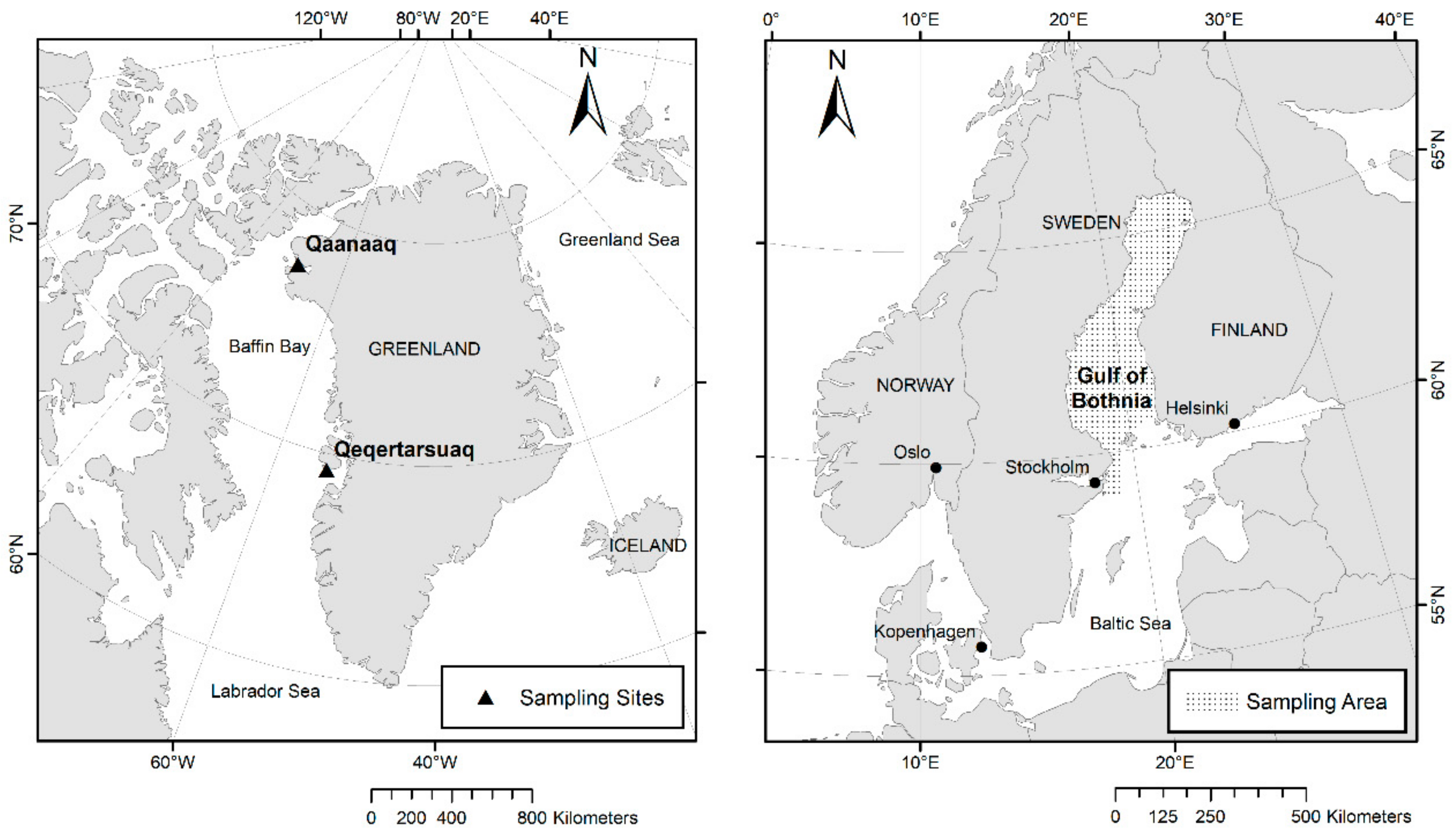
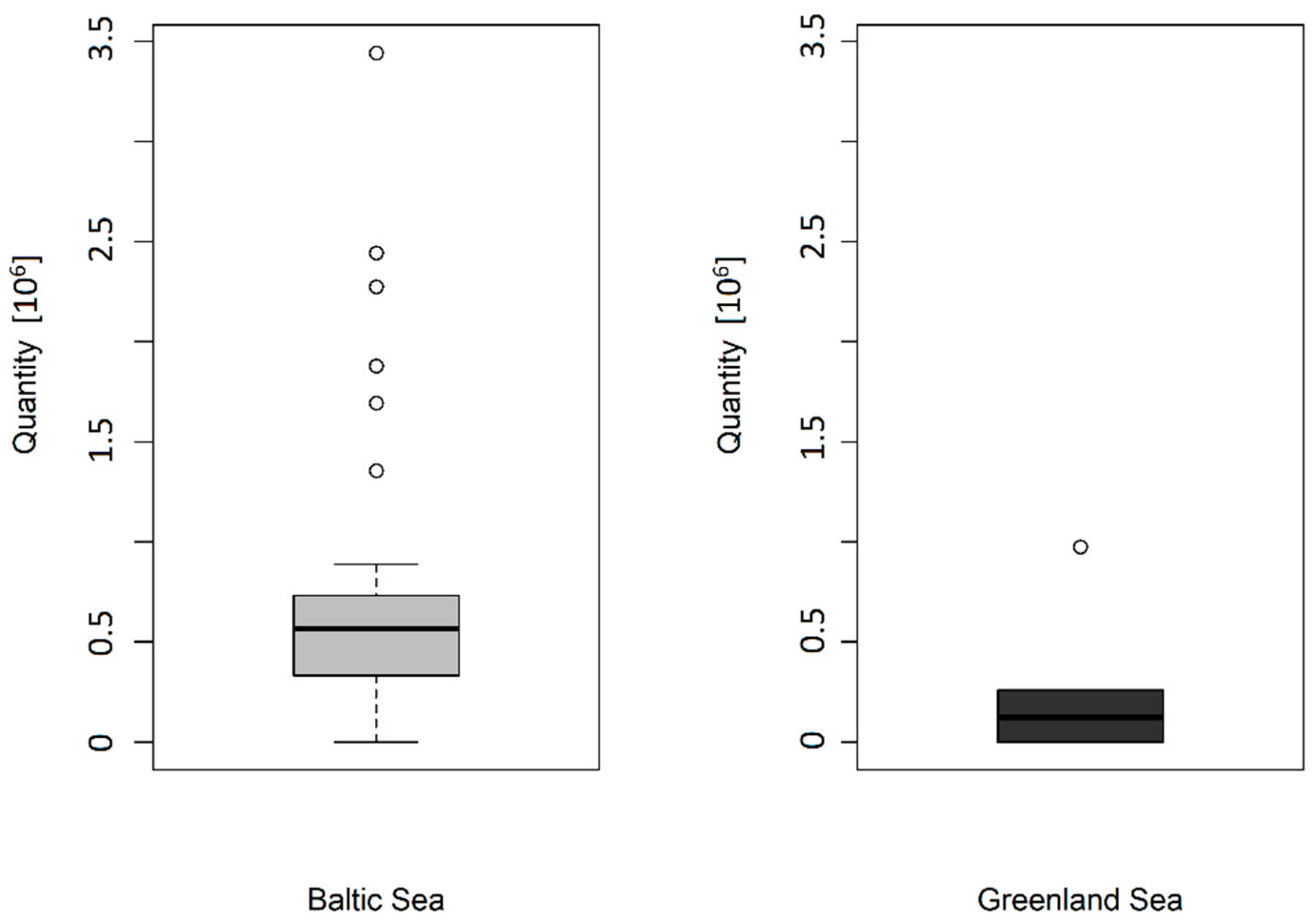
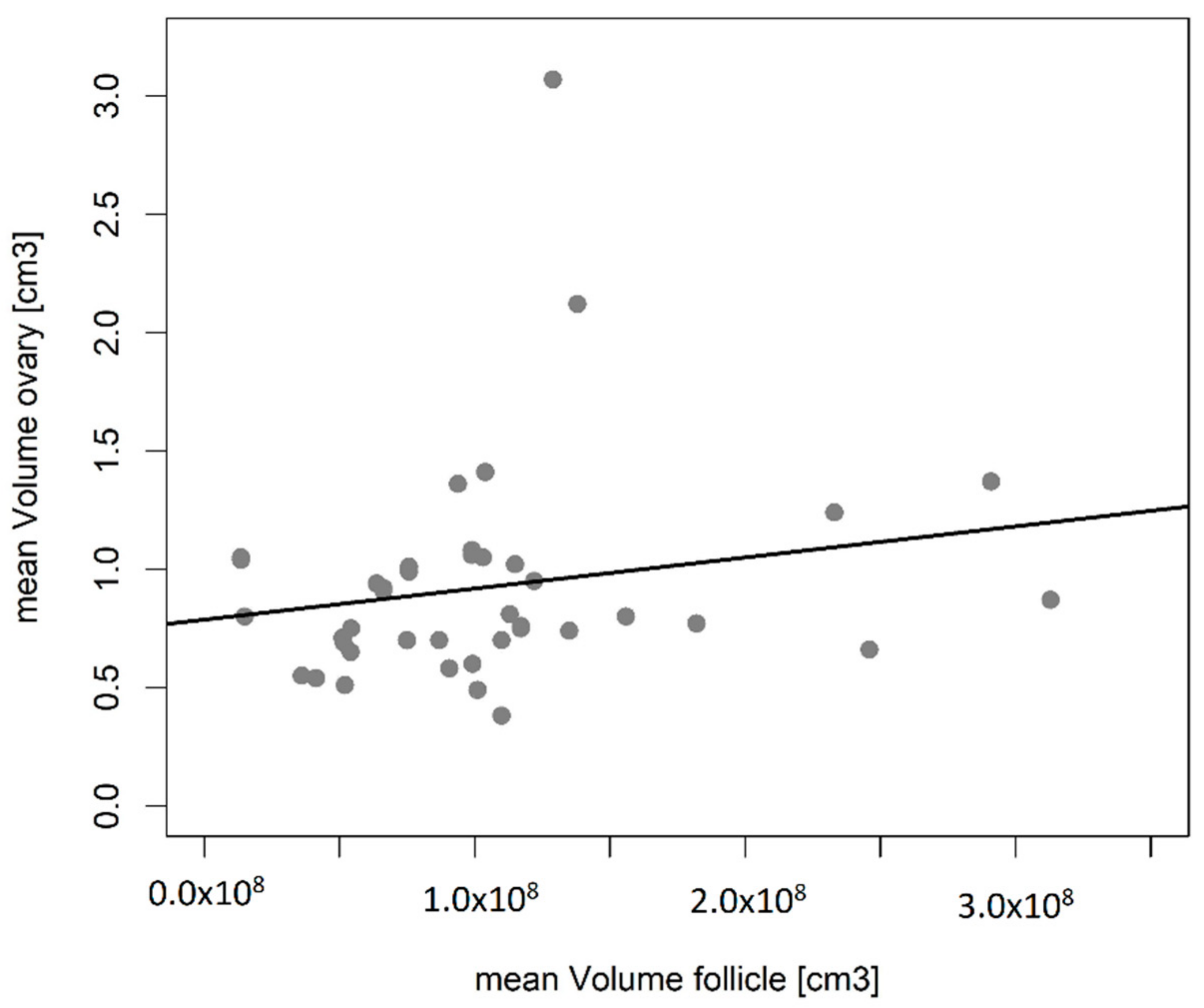
Primordial follicles are important for the reproduction cycle and, therefore, also for the survival of the whole population of a species. Mammals have a large pool of primordial follicles, and it is thought that this pool represents the total number of oocytes. The aim of the present study was to determine the total primordial follicle number of juvenile ringed seals (Pusa hispida) from the Gulf of Bothnia and Greenland. Overall, 52 ovaries from two ringed seal populations (West Greenland (N = 6), Gulf of Bothnia, region in the Baltic Sea (N = 46)) were examined. All ovaries were cut into 2 mm thick slices and every slice was embedded in paraffin. Out of each tissue block, a 5 µm thick section was cut and stained with haematoxylin-eosin. The mean volume of the follicles and the total volume of primordial follicles per ovary were estimated by stereology and used to calculate the total estimated number of primordial follicles. The median of the total estimated number of primordial follicles seemed to be higher in Baltic individuals than in Greenland individuals (Gulf of Bothnia = 565,657; Greenland Sea = 122,475). This widens the total range of primordial follicles in ringed seals overall and might bear some potential for discussions regarding the influence of endocrine disruptors and environmental influences depending on different regions/populations and their exposure to various factors. Thus, this study aims to provide basic reference data of the number and mean volume of ringed seal primordial follicles.
Keywords:
ringed seal; primordial follicles; stereology; Baltic Sea; Greenland