The Effect of Rider:Horse Bodyweight Ratio on the Superficial Body Temperature of Horse’s Thoracolumbar Region Evaluated by Advanced Thermal Image Processing
by
 , , , , , and
Małgorzata Domino
1 ,
,
Marta Borowska
2,
Anna Trojakowska
3,
Natalia Kozłowska
1,
Łukasz Zdrojkowski
1,*,
Tomasz Jasiński
1,
Graham Smyth
4 and
Małgorzata Maśko
5,* 1
Department of Large Animal Diseases and Clinic, Institute of Veterinary Medicine, Warsaw University of Life Sciences (WULS–SGGW), 02-787 Warsaw, Poland
2
Institute of Biomedical Engineering, Faculty of Mechanical Engineering, Białystok University of Technology, 15-351 Bialystok, Poland
3
The Scientific Society of Veterinary Medicine Students, Warsaw University of Life Sciences, 02-787 Warsaw, Poland
4
Menzies Health Institute Queensland, Griffith University School of Medicine, Southport, QLD 4222, Australia
5
Department of Animal Breeding, Institute of Animal Science, Warsaw University of Life Sciences (WULS–SGGW), 02-787 Warsaw, Poland
*
Authors to whom correspondence should be addressed.
Animals 2022, 12(2), 195; https://doi.org/10.3390/ani12020195
Submission received: 11 December 2021
/
Revised: 10 January 2022
/
Accepted: 12 January 2022
/
Published: 13 January 2022
(This article belongs to the Section Animal System and Management)
Simple Summary
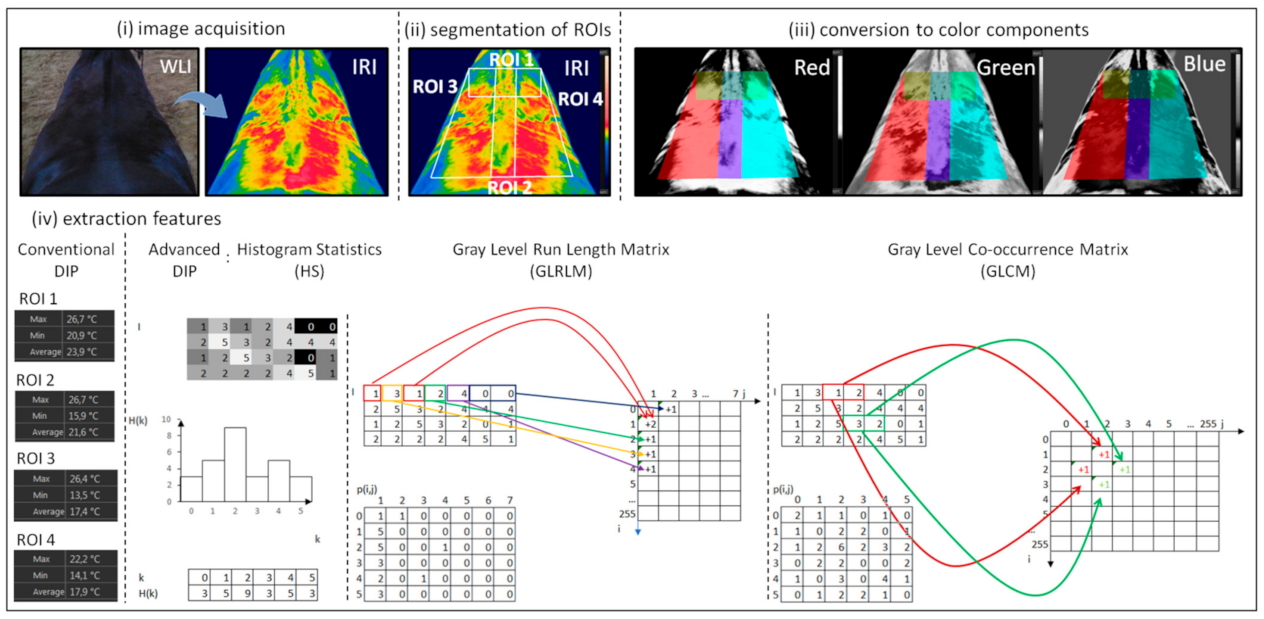
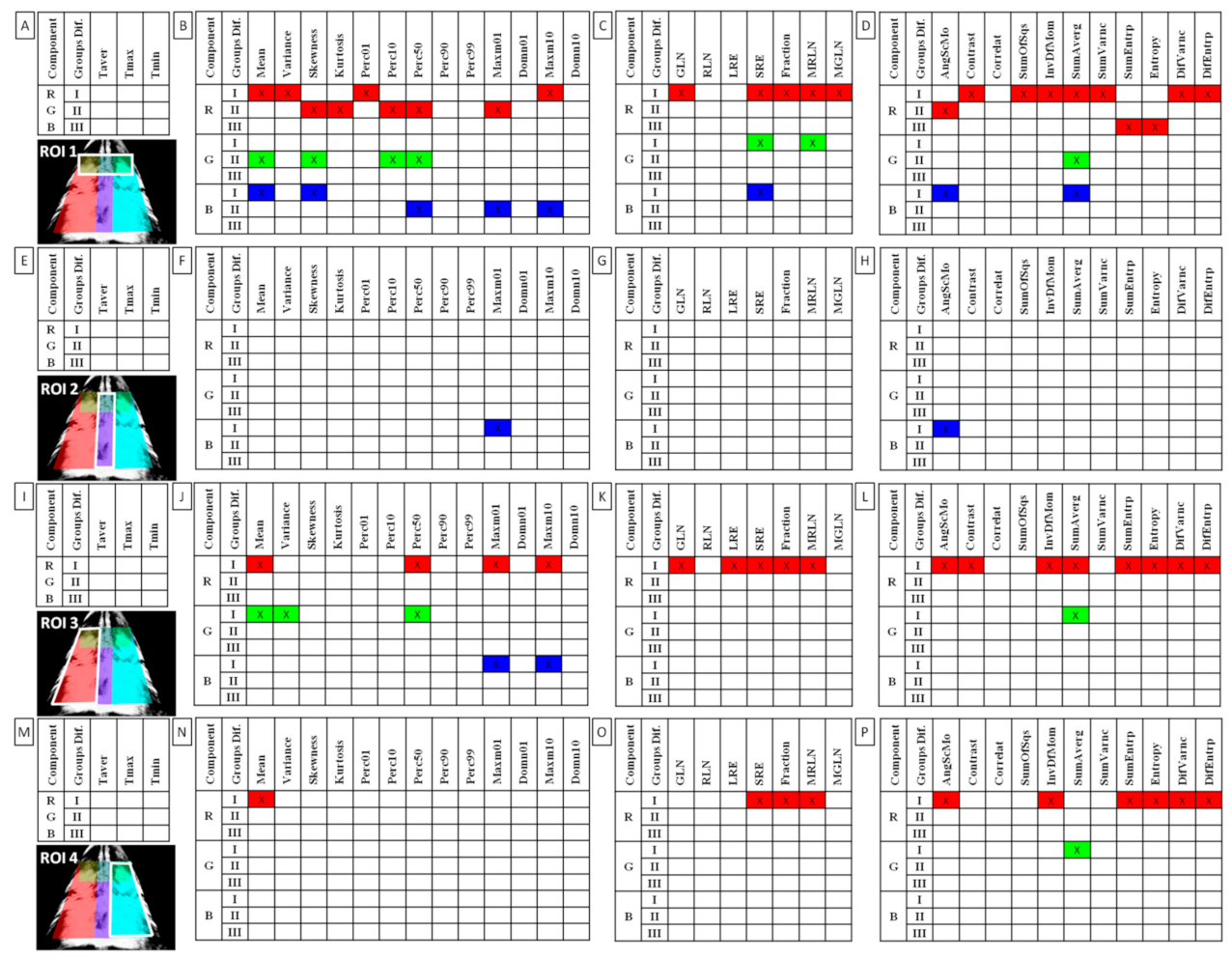
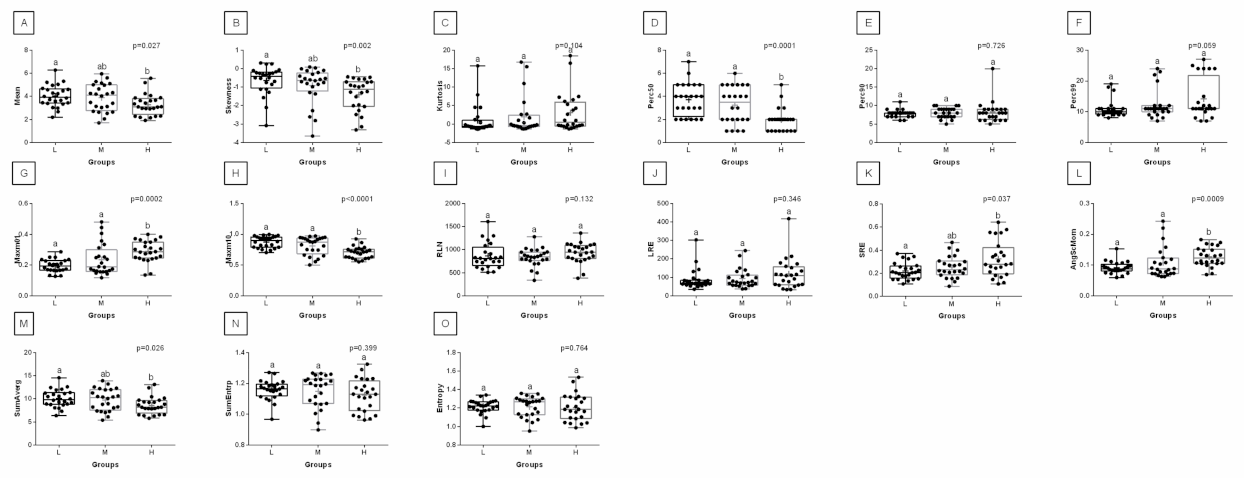
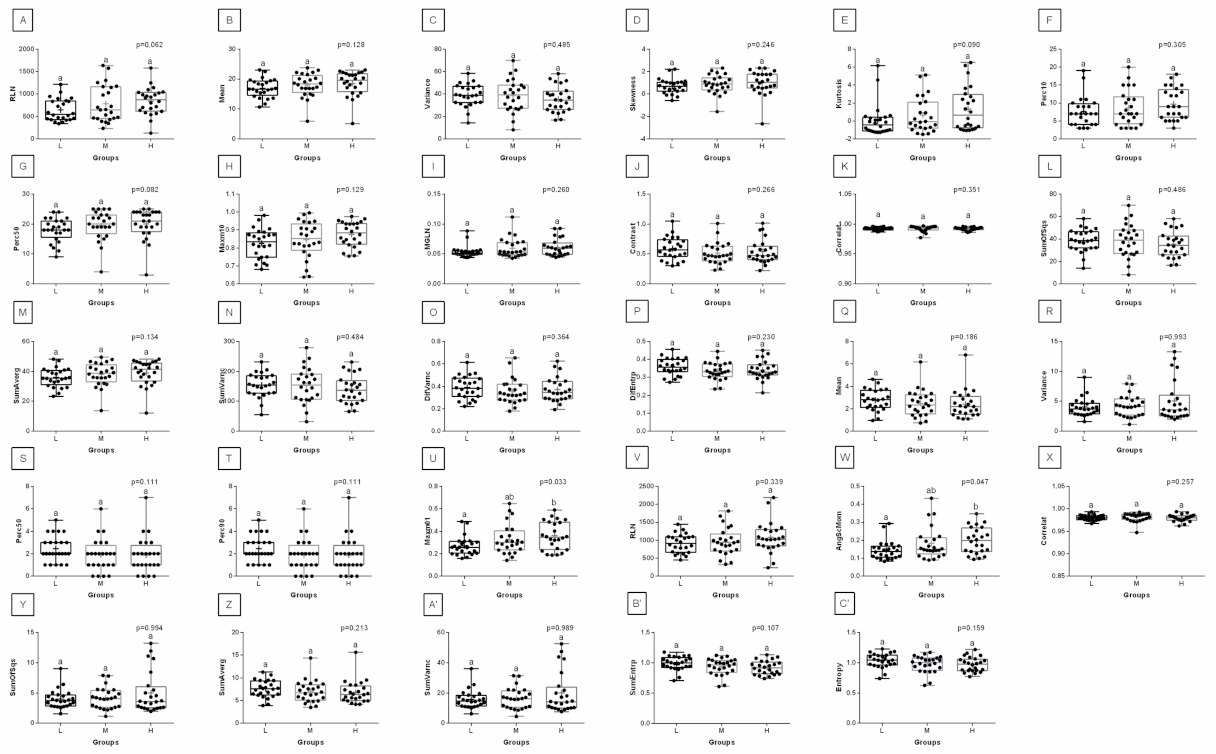
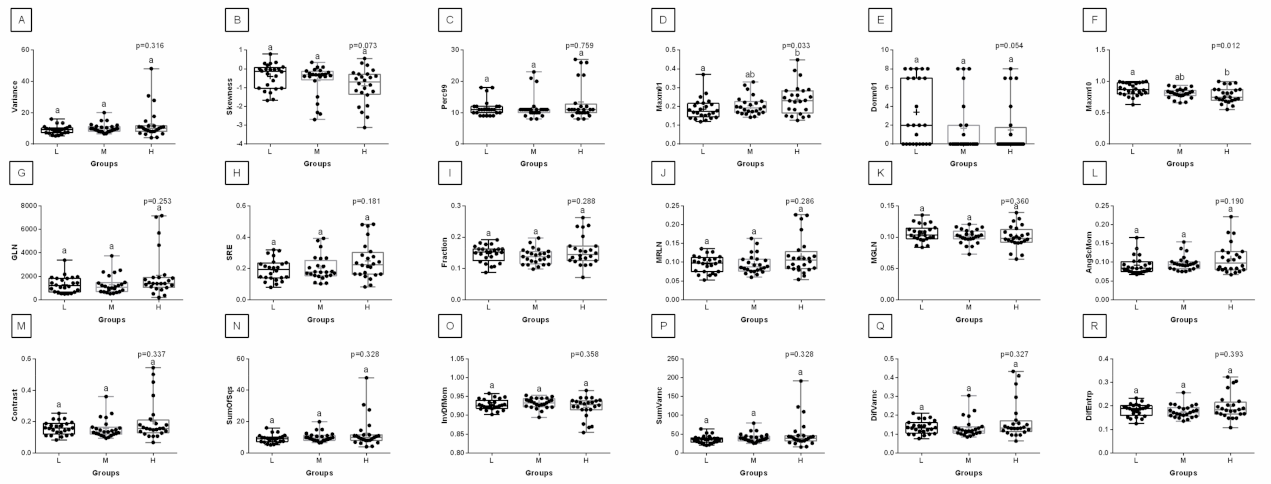
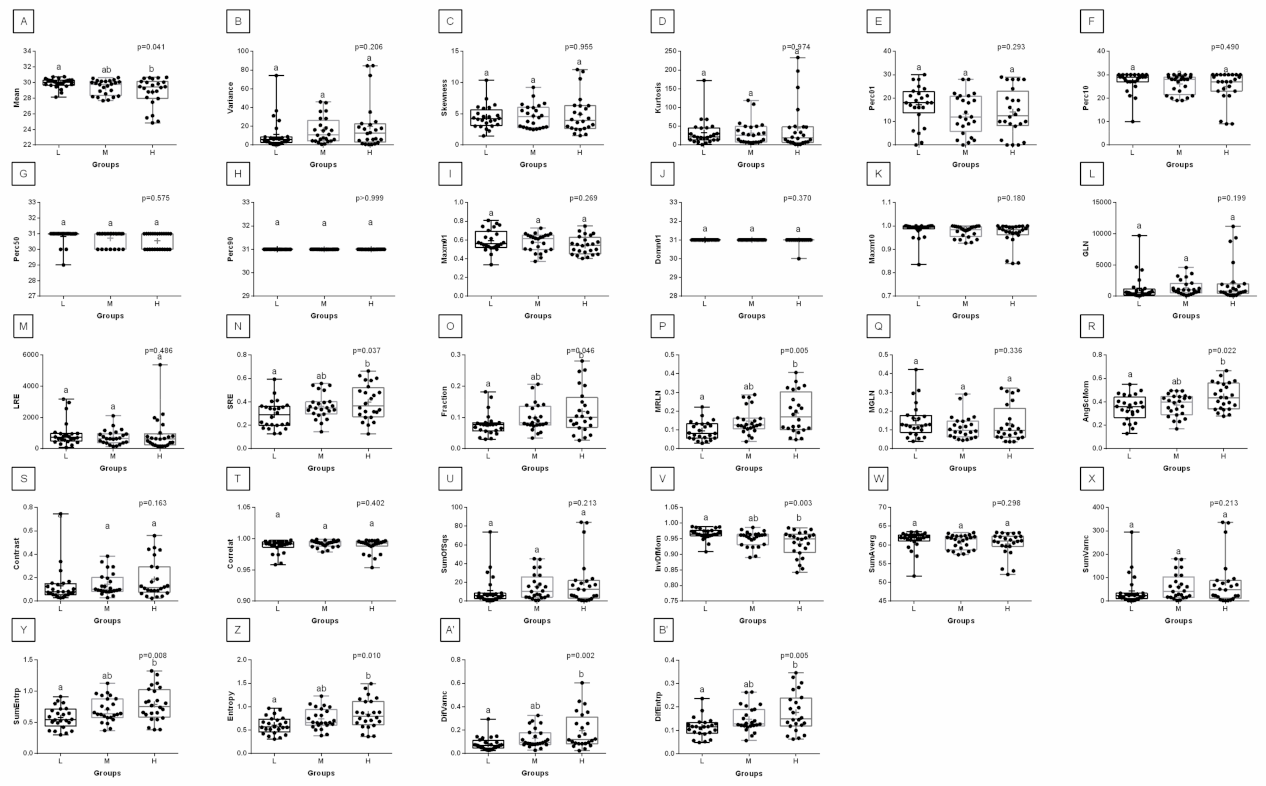
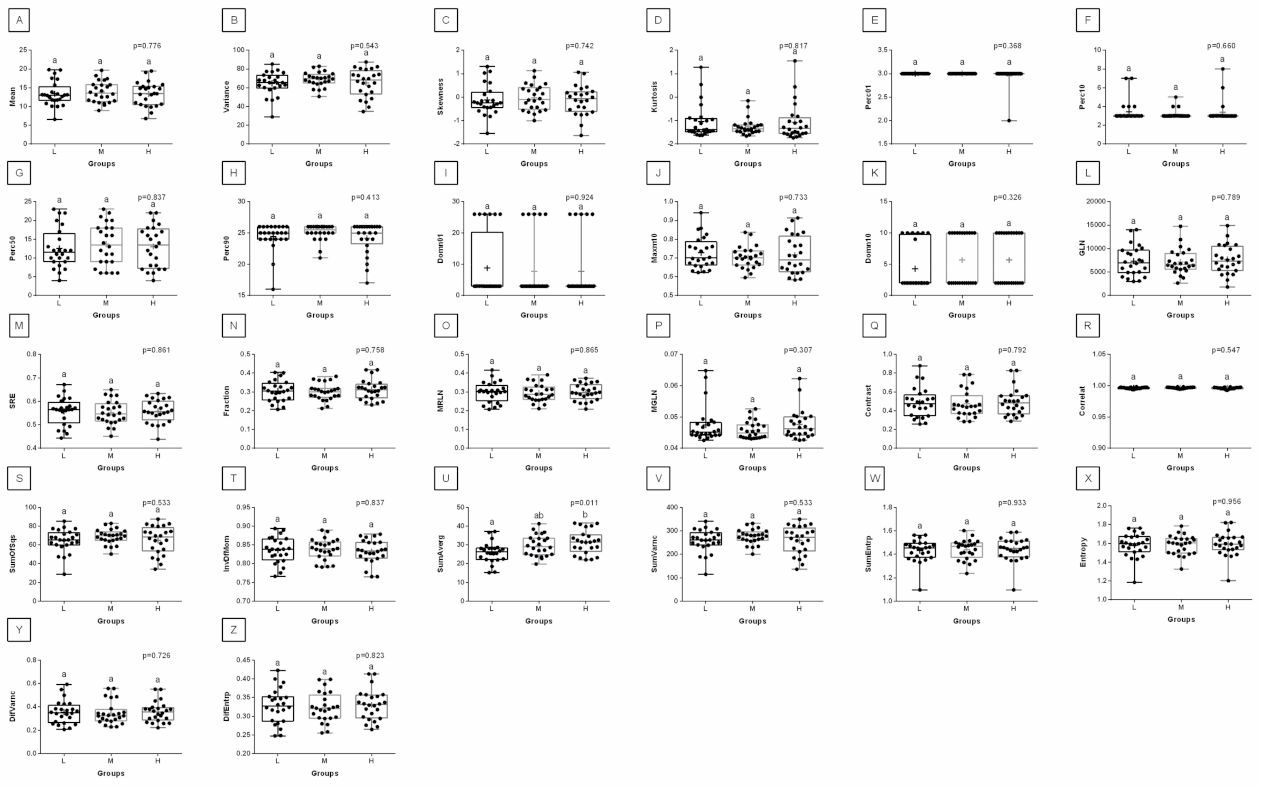
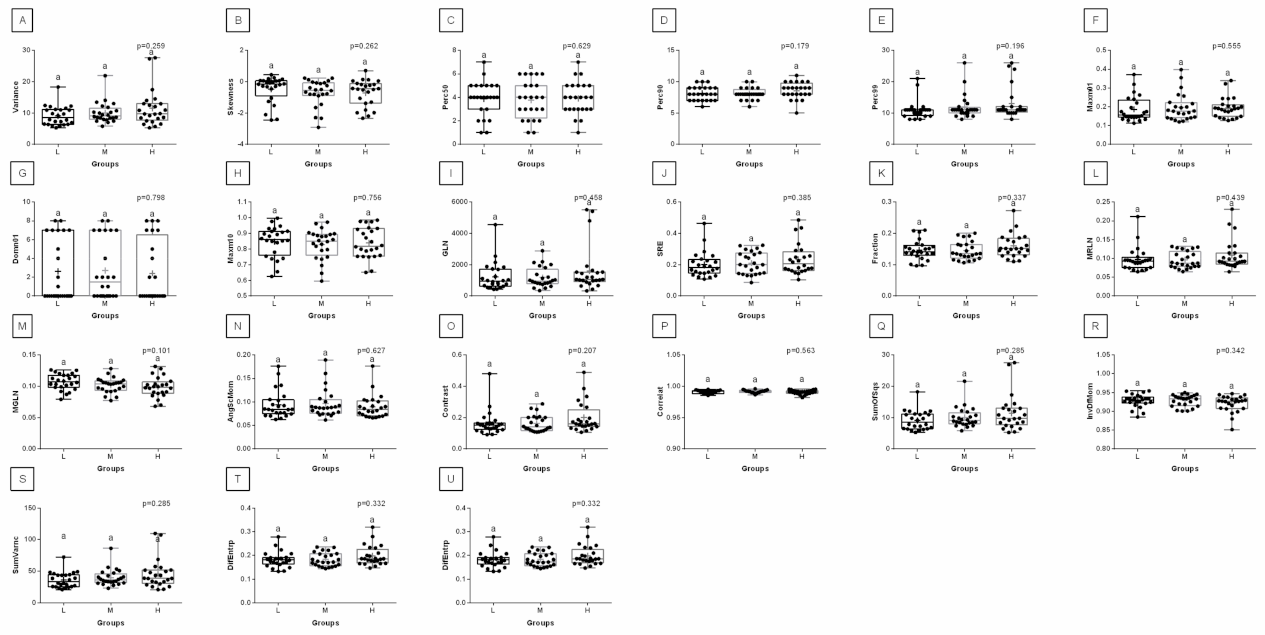
Overloading of the horse’s thoracolumbar region is a serious problem mainly affecting sport and school horses during their daily under-saddle work. As the human population becomes heavier, the effect of rider bodyweight on equine welfare and performance requires further investigation. This study used infrared thermography to assess the effect of rider:horse bodyweight ratio on the horse’s thoracolumbar region by introducing advanced digital image processing. Twelve horses during regular work were ridden by each of six riders assigned to light (L), moderate (M), and heavy (H) groups. Thermal images of the back region were taken before and after standard exercise and underwent conventional analysis and texture analysis where the thermal images were separated into red, green, and blue components. Four areas of the horse’s thoracolumbar region were annotated to represent the withers area, the thoracic spine area, and the left and right areas of back muscles. Among 372 returned features, 75 texture features differed between bodyweight ratio groups, whereas the conventional thermal features did not. Contrary to conventional thermal features, the consistent measurable differences in texture features were evidenced predominantly in the red component of thermal images when the texture heterogeneity measures, such as InvDefMom, SumEntrp, Entropy, DifVarnc, and DifEntrp, were considered.
Abstract
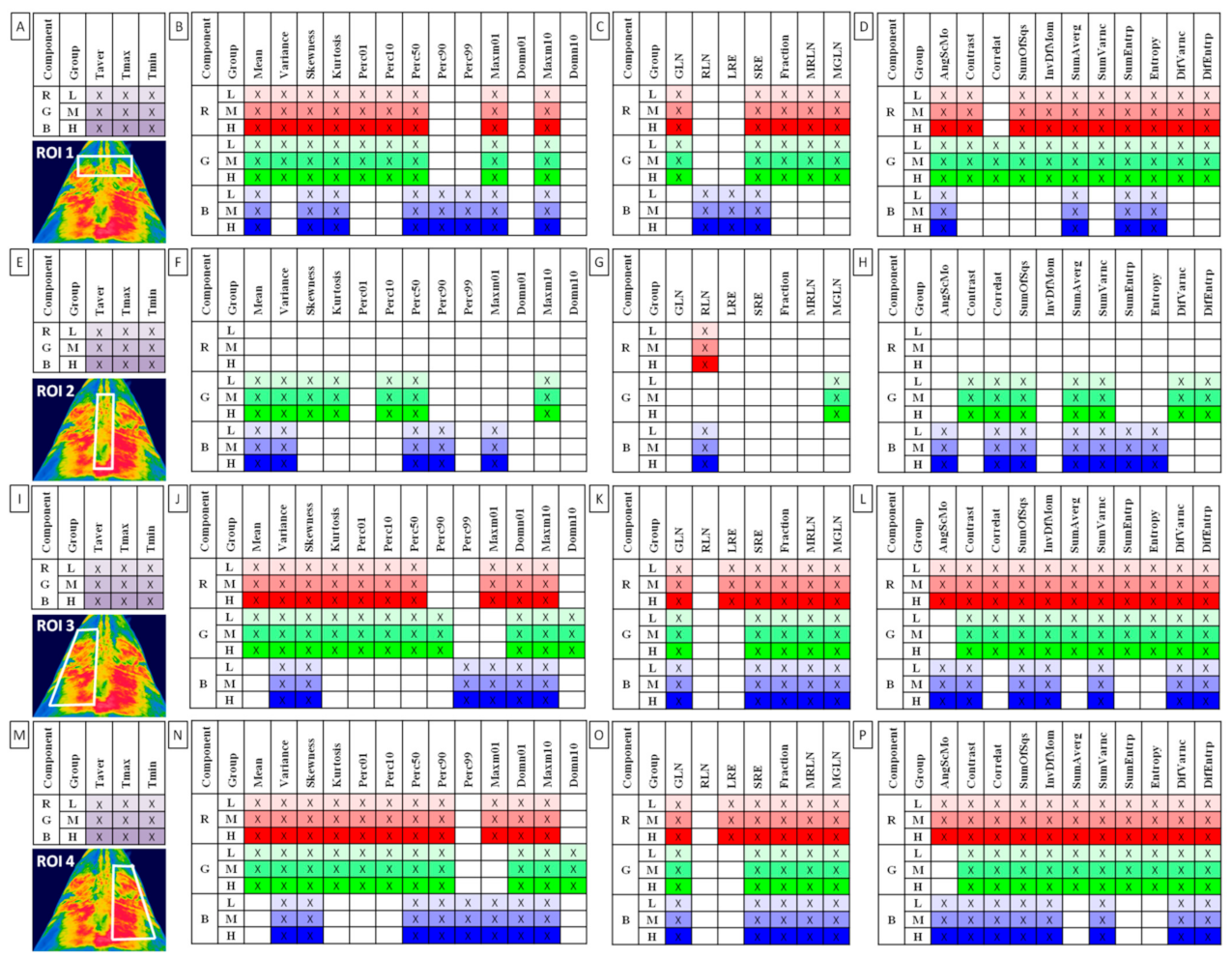
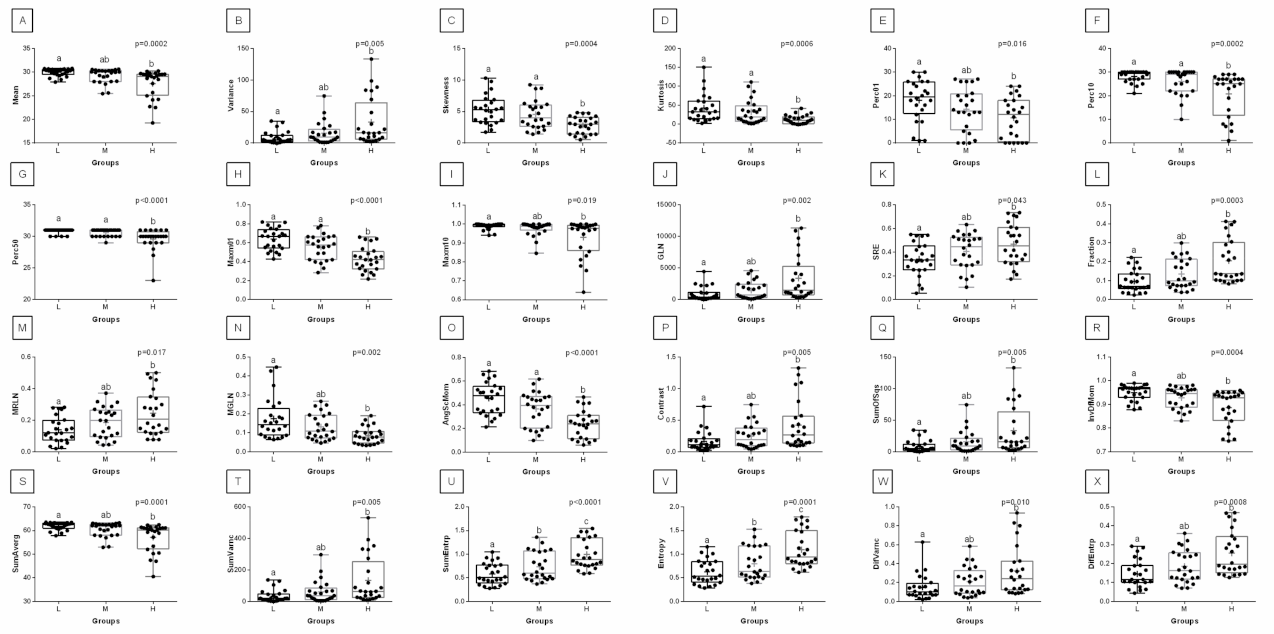
Appropriate matching of rider–horse sizes is becoming an increasingly important issue of riding horses’ care, as the human population becomes heavier. Recently, infrared thermography (IRT) was considered to be effective in differing the effect of 10.6% and 21.3% of the rider:horse bodyweight ratio, but not 10.1% and 15.3%. As IRT images contain many pixels reflecting the complexity of the body’s surface, the pixel relations were assessed by image texture analysis using histogram statistics (HS), gray-level run-length matrix (GLRLM), and gray level co-occurrence matrix (GLCM) approaches. The study aimed to determine differences in texture features of thermal images under the impact of 10–12%, >12 ≤15%, >15 <18% rider:horse bodyweight ratios, respectively. Twelve horses were ridden by each of six riders assigned to light (L), moderate (M), and heavy (H) groups. Thermal images were taken pre- and post-standard exercise and underwent conventional and texture analysis. Texture analysis required image decomposition into red, green, and blue components. Among 372 returned features, 95 HS features, 48 GLRLM features, and 96 GLCH features differed dependent on exercise; whereas 29 HS features, 16 GLRLM features, and 30 GLCH features differed dependent on bodyweight ratio. Contrary to conventional thermal features, the texture heterogeneity measures, InvDefMom, SumEntrp, Entropy, DifVarnc, and DifEntrp, expressed consistent measurable differences when the red component was considered.
Keywords:
body mass index; thermograph; texture analysis; color models