Effects of In Vitro Interactions of Oviduct Epithelial Cells with Frozen–Thawed Stallion Spermatozoa on Their Motility, Viability and Capacitation Status
by
 , ,
, ,
Brenda Florencia Gimeno
1,†, 
María Victoria Bariani
1,†,
Lucía Laiz-Quiroga
1,
Eduardo Martínez-León
2,
Micaela Von-Meyeren
1,
Osvaldo Rey
2,
Adrián Ángel Mutto
1,* and
Claudia Elena Osycka-Salut
1,* 1
Laboratorio de Biotecnologías Reproductivas y Mejoramiento Genético Animal, Instituto de Investigaciones Biotecnológicas, Universidad Nacional de San Martín (UNSAM), Campus Miguelete, Avenida 25 de Mayo y Francia, San Martín, Buenos Aires, CP 1650, Argentina
2
Signaling and Cancer Laboratory, Consejo Nacional de Investigaciones Científicas y Técnicas, Instituto de Inmunología, Genética y Metabolismo, Facultad de Farmacia y Bioquímica, Hospital de Clínicas “José de San Martín”, Universidad de Buenos Aires, Ciudad Autónoma de Buenos Aires (CABA), CP 1120, Argentina
*
Authors to whom correspondence should be addressed.
†
Contributed equally to this study.
Animals 2021, 11(1), 74; https://doi.org/10.3390/ani11010074
Submission received: 25 November 2020
/
Revised: 26 December 2020
/
Accepted: 28 December 2020
/
Published: 3 January 2021
(This article belongs to the Special Issue The Era of Assisted Reproductive Technologies Tailored to the Specific Necessities of Species, Industry and Case Reports)
Simple Summary
The use of assisted reproductive techniques, which involve the manipulation of sperm and oocytes in the laboratory, support owner production of valuable animals’ offspring. However, several limitations remain underlining the need to further optimize existing protocols as well as to develop new strategies. For example, the required conditions to make equine spermatozoa competent to fertilize an oocyte in vitro (IVF) have not been established. Therefore, our initial goal was to optimize different conditions associated with frozen equine sperm manipulations in order to improve their quality. We observed that simple factors such as sample concentration, incubation period and centrifugation time affect the sperm motility. Since in vivo fertilization involves the interaction between spermatozoa and epithelial cells in the mare’s oviductal tract, our next goal was to mimic this environment by establishing primary cultures of oviductal cells. Using this in vitro system, we were able to select a sperm population capable of fertilization. In short, this study provides a novel protocol that improves the yield of fertilization-capable sperm obtained from equine frozen spermatozoa.
Abstract
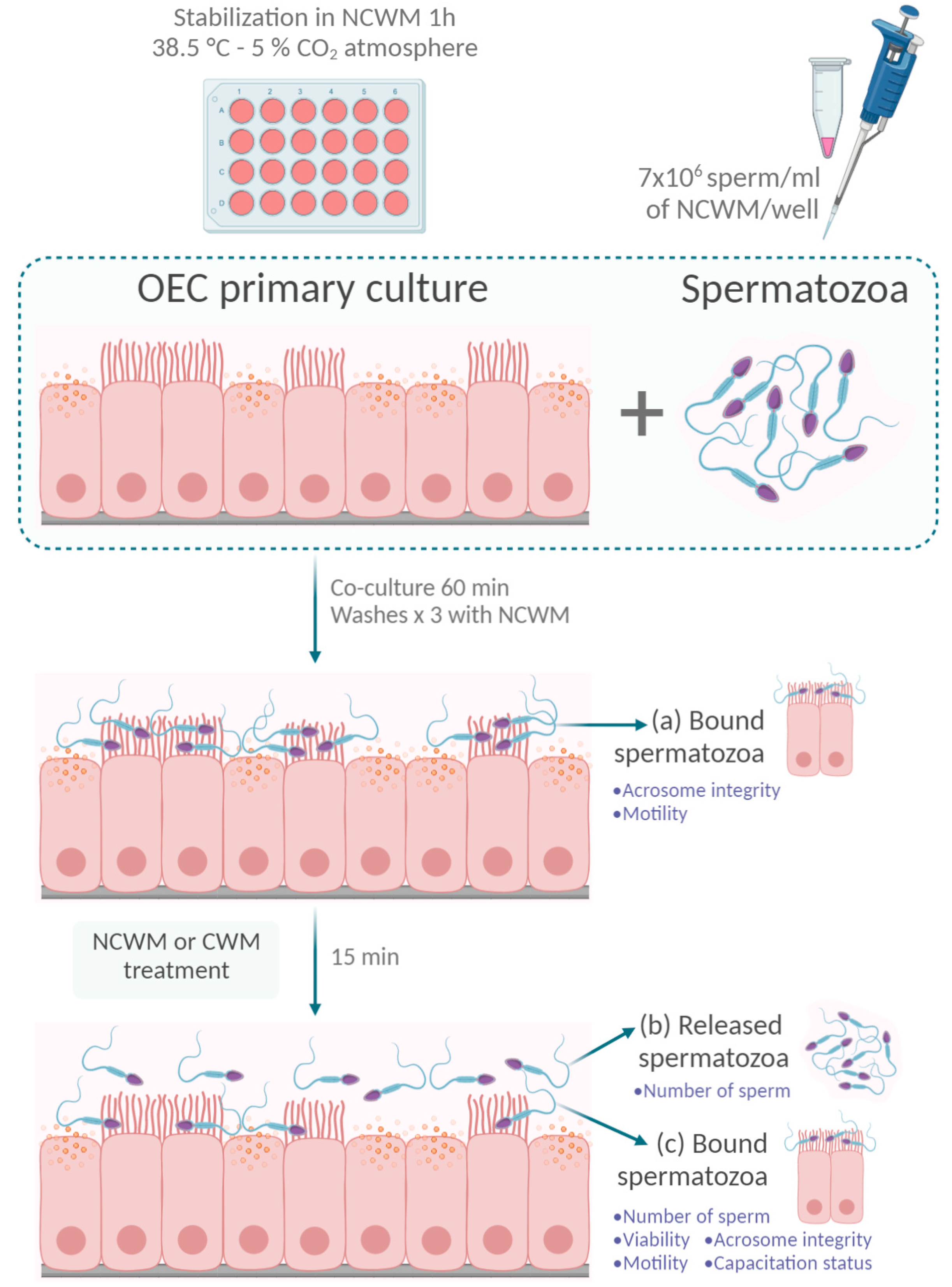
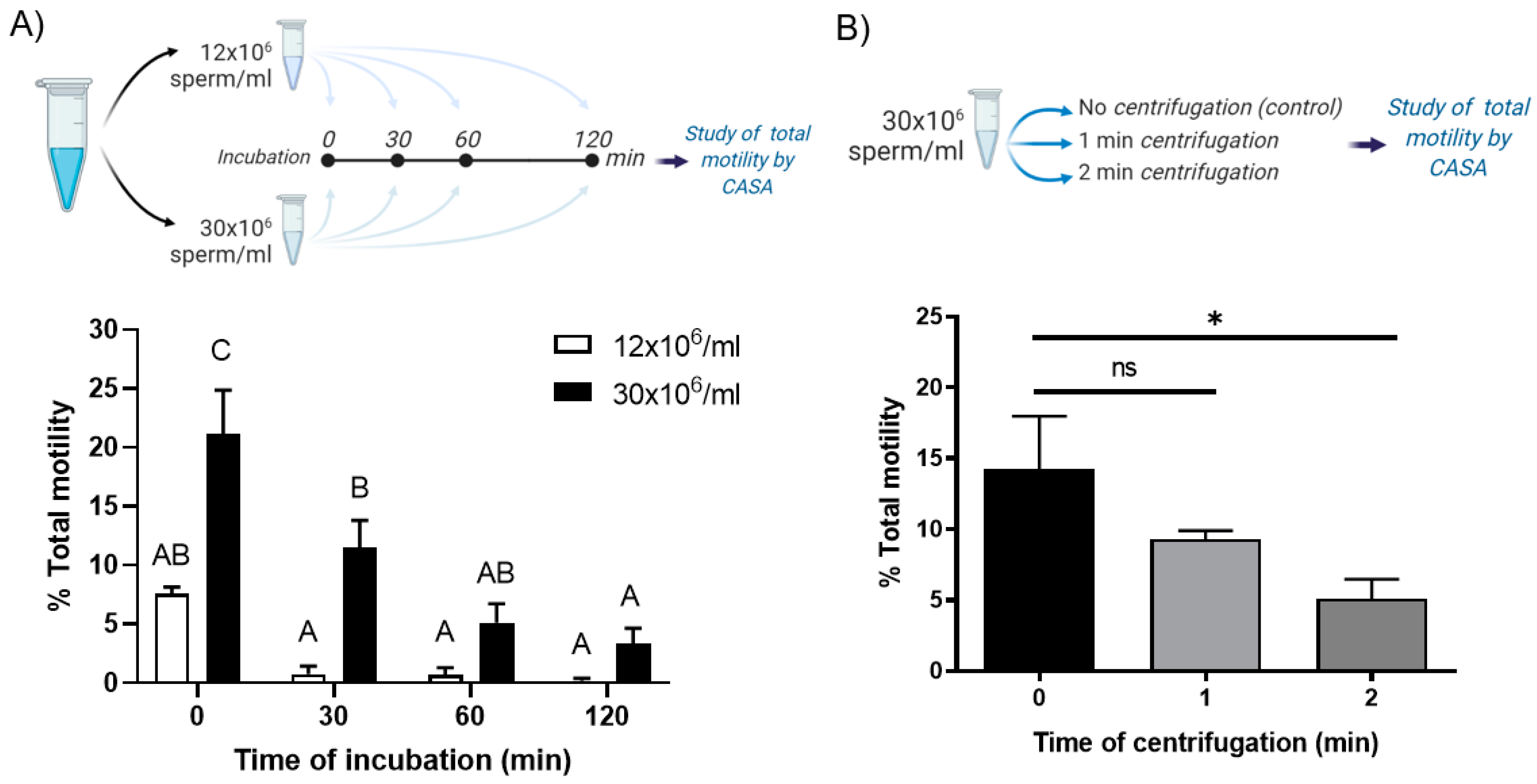
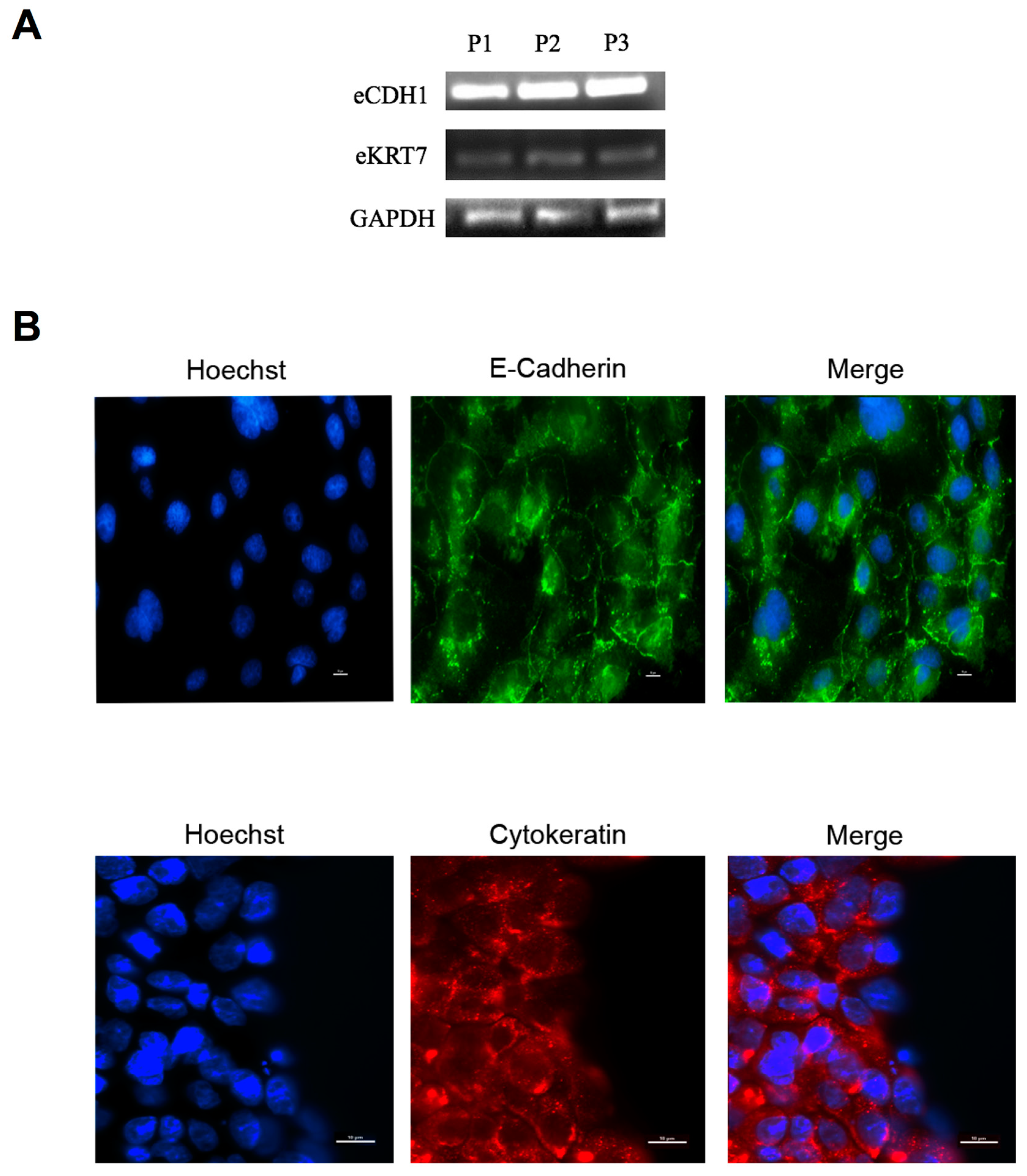
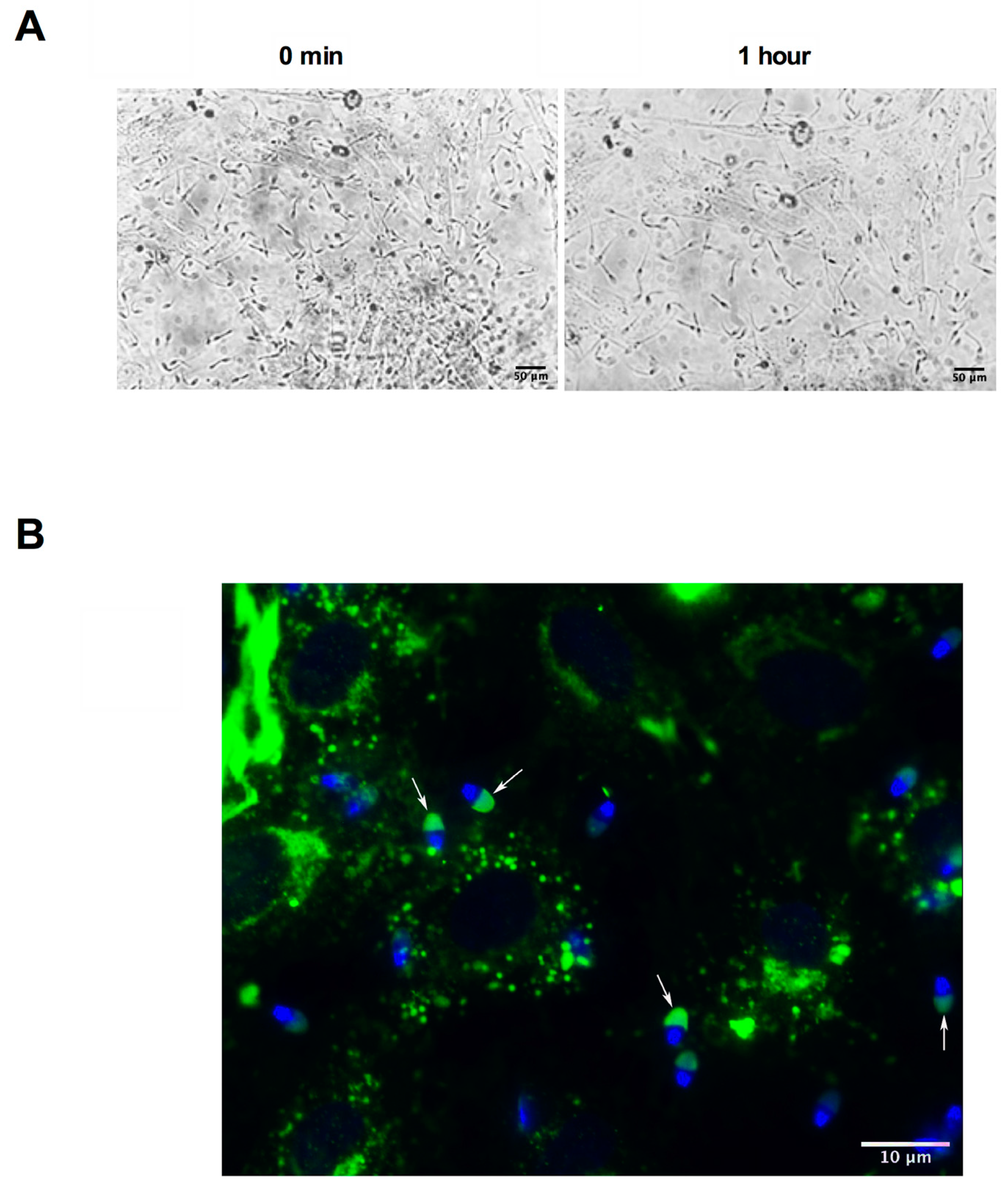
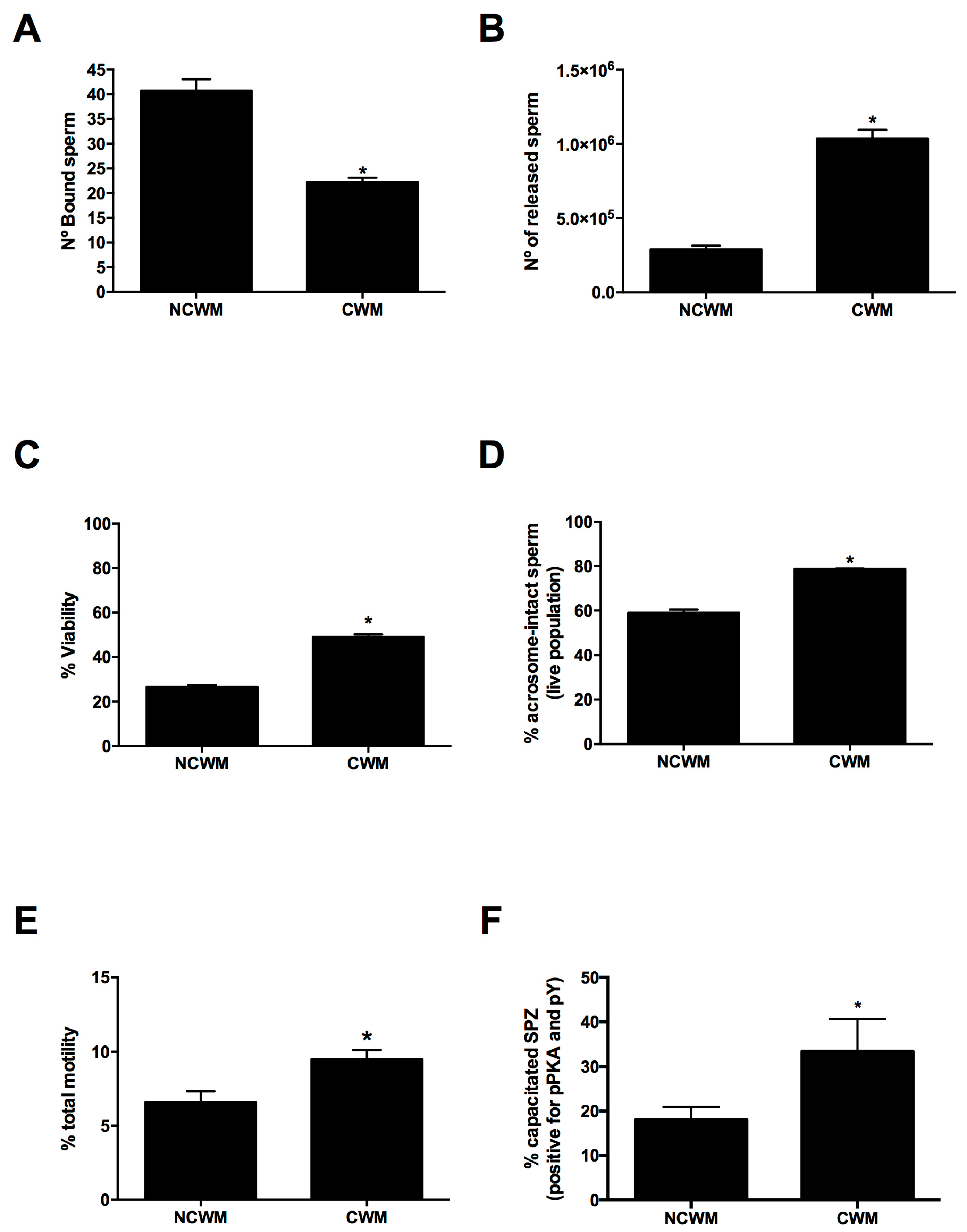
Cryopreservation by negatively affecting sperm quality decreases the efficiency of assisted reproduction techniques (ARTs). Thus, we first evaluated sperm motility at different conditions for the manipulation of equine cryopreserved spermatozoa. Higher motility was observed when spermatozoa were incubated for 30 min at 30 × 106/mL compared to lower concentrations (p < 0.05) and when a short centrifugation at 200× g was performed (p < 0.05). Moreover, because sperm suitable for oocyte fertilization is released from oviduct epithelial cells (OECs), in response to the capacitation process, we established an in vitro OEC culture model to select a sperm population with potential fertilizing capacity in this species. We demonstrated E-cadherin and cytokeratin expression in cultures of OECs obtained. When sperm–OEC cocultures were performed, the attached spermatozoa were motile and presented an intact acrosome, suggesting a selection by the oviductal model. When co-cultures were incubated in capacitating conditions a greater number of alive (p < 0.05), capacitated (p < 0.05), with progressive motility (p < 0.05) and with the intact acrosome sperm population was observed (p < 0.05) suggesting that the sperm population released from OECs in vitro presents potential fertilizing capacity. Improvements in handling and selection of cryopreserved sperm would improve efficiencies in ARTs allowing the use of a population of higher-quality sperm.
Keywords:
cryopreserved sperm; sperm–oviduct interaction; sperm selection; ARTs; equines