Article

Complete Genome Sequence and Function Gene Identify of Prometryne-Degrading Strain Pseudomonas sp. DY-1

1
College of Life Science, Northeast Agricultural University, Harbin 150038, China
2
State Key Laboratory for Biology of Plant Diseases and Insect Pests, Institute of Plant Protection, Chinese Academy of Agricultural Sciences, Beijing 100193, China
*
Authors to whom correspondence should be addressed.
These authors contributed equally to this work.
Microorganisms 2021, 9(6), 1261; https://doi.org/10.3390/microorganisms9061261

Submission received: 11 May 2021 / Revised: 30 May 2021 / Accepted: 8 June 2021 / Published: 10 June 2021
(This article belongs to the Section Plant Microbe Interactions)

Abstract

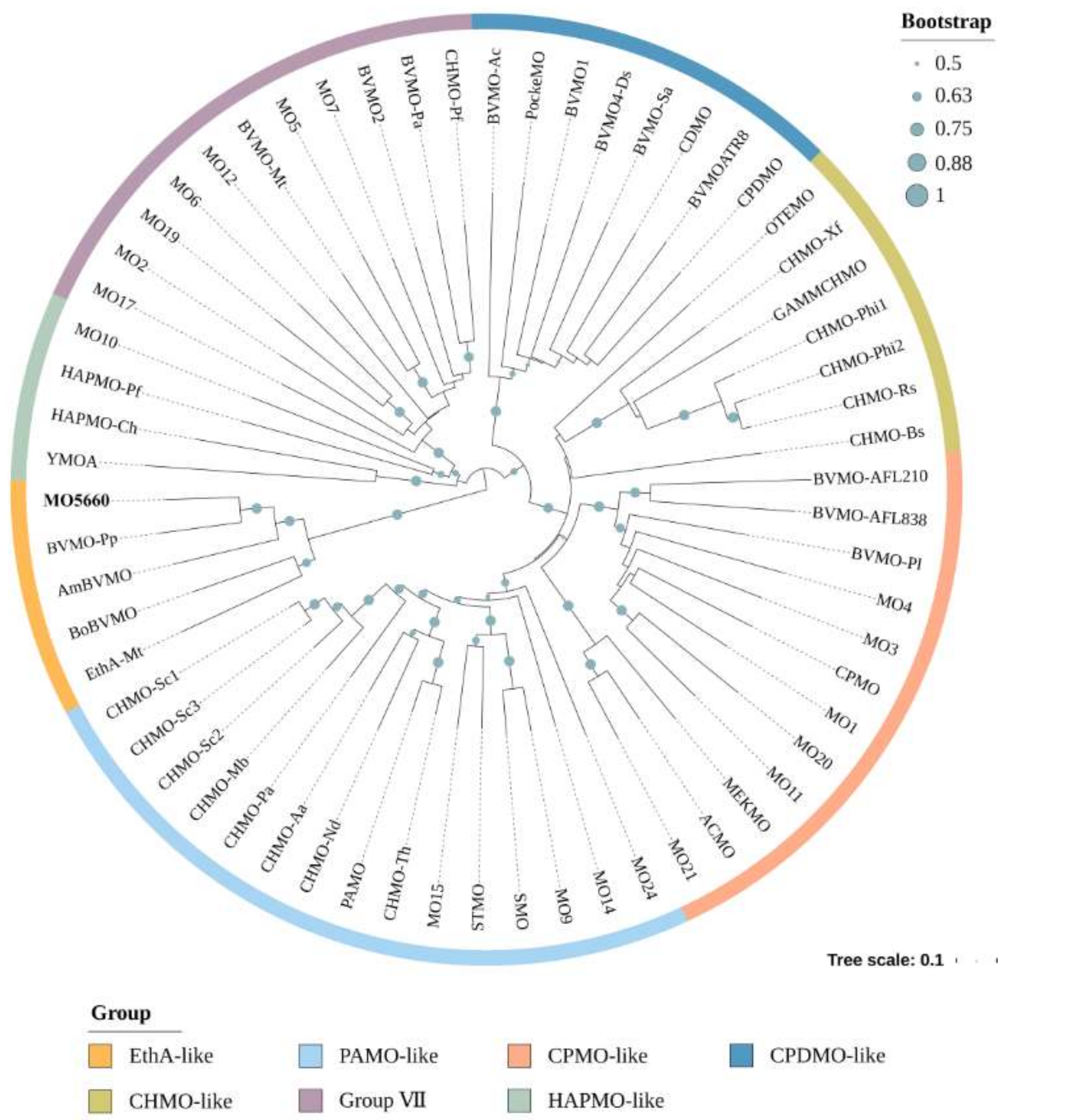
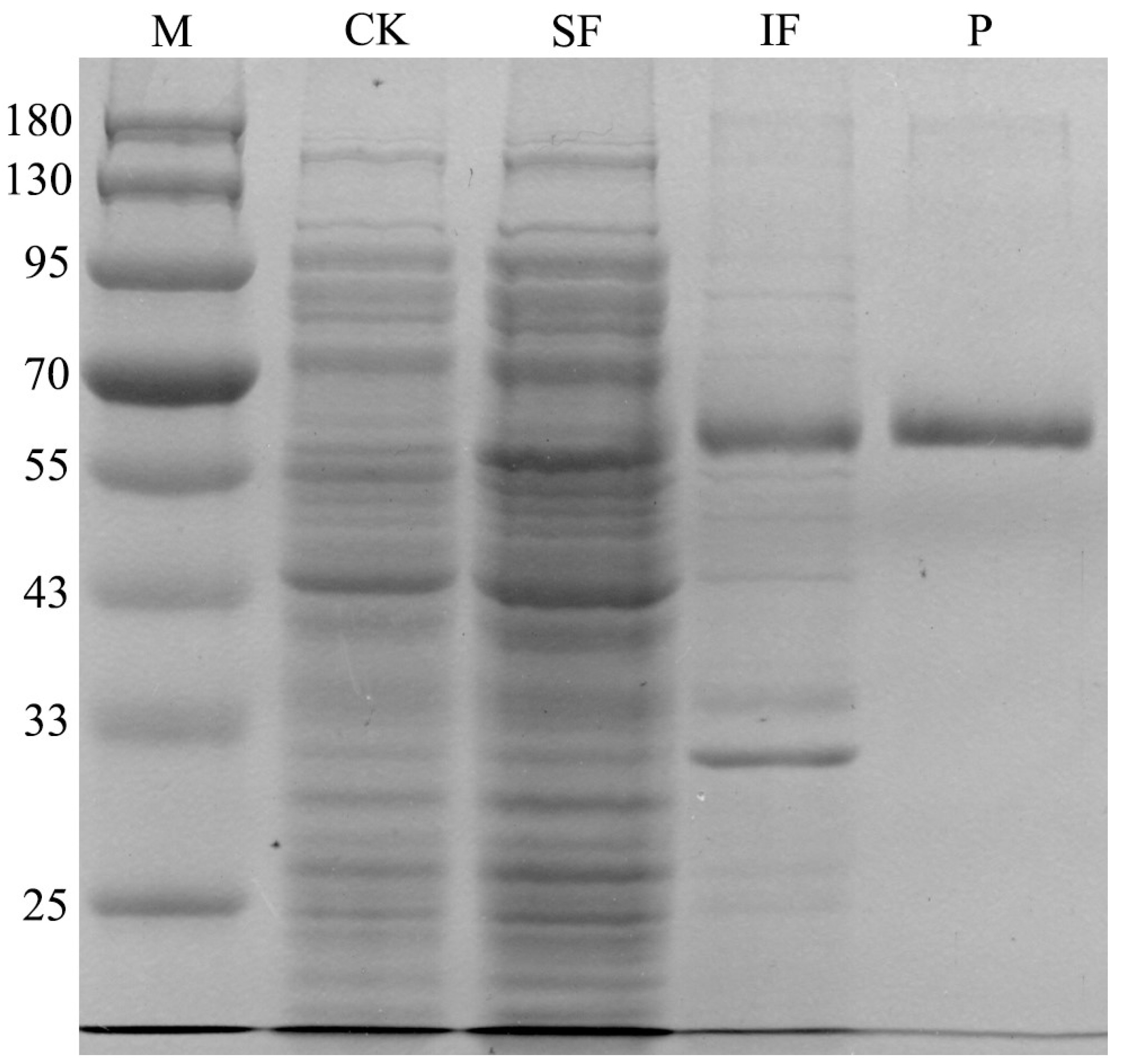
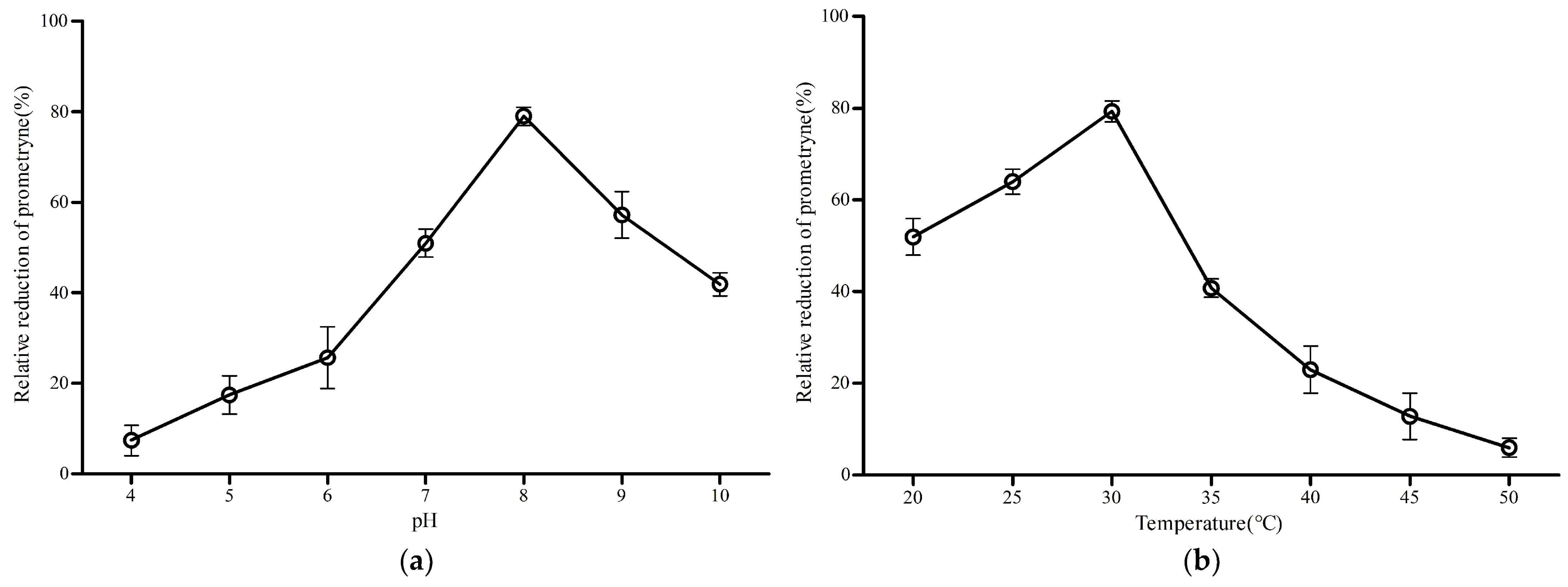
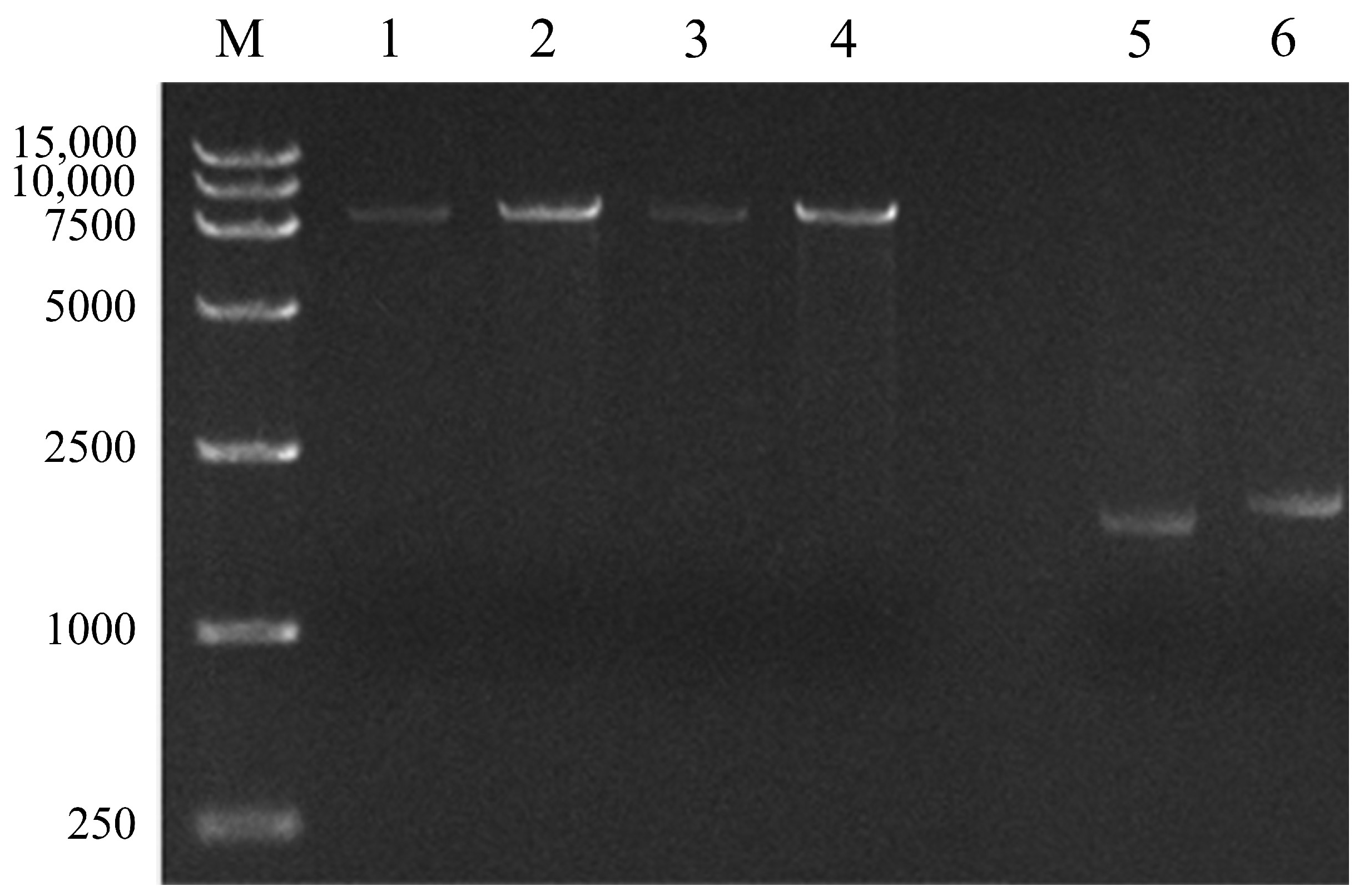
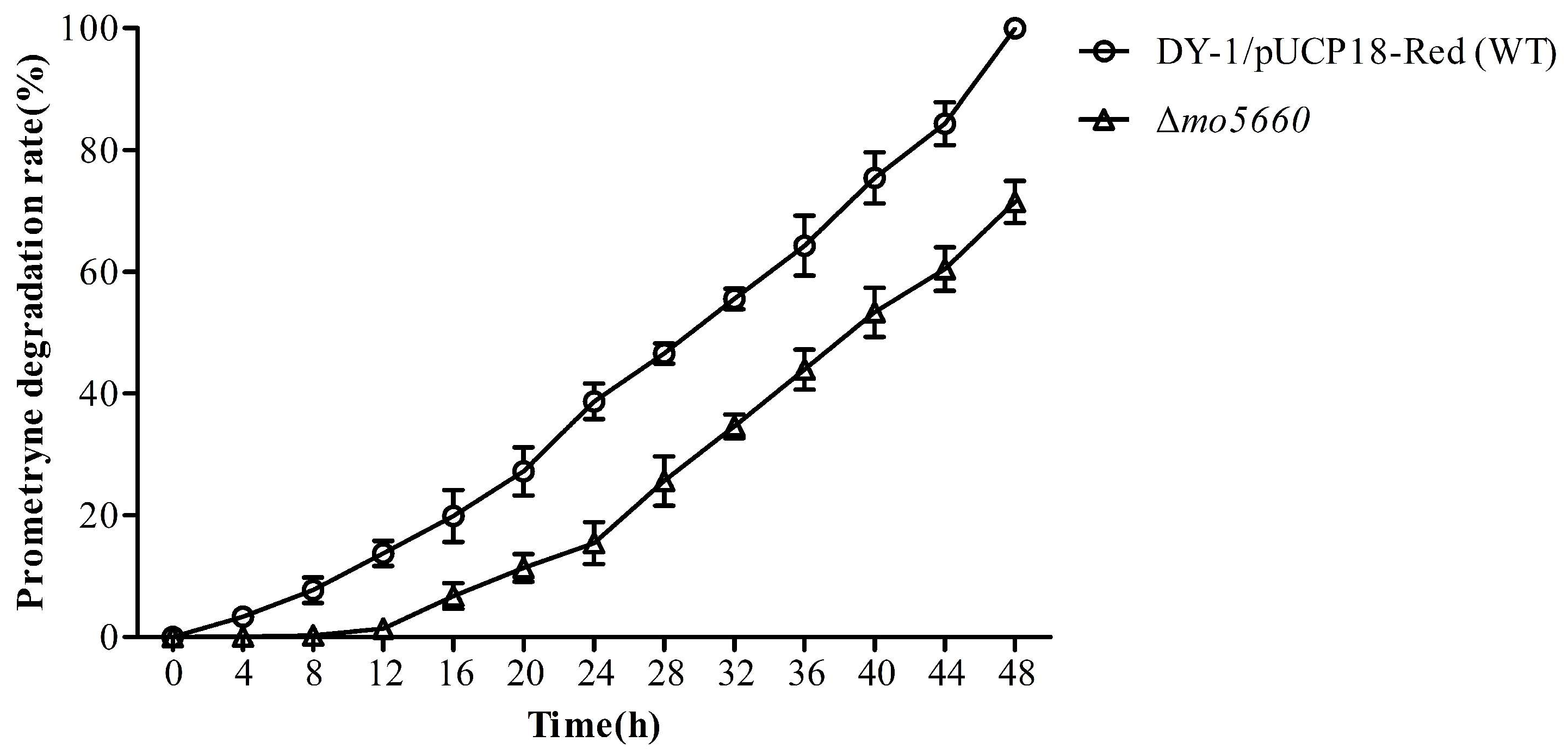
The genus Pseudomonas is widely recognized for its potential for environmental remediation and plant growth promotion. Pseudomonas sp. DY-1 was isolated from the agricultural soil contaminated five years by prometryne, it manifested an outstanding prometryne degradation efficiency and an untapped potential for plant resistance improvement. Thus, it is meaningful to comprehend the genetic background for strain DY-1. The whole genome sequence of this strain revealed a series of environment adaptive and plant beneficial genes which involved in environmental stress response, heavy metal or metalloid resistance, nitrate dissimilatory reduction, riboflavin synthesis, and iron acquisition. Detailed analyses presented the potential of strain DY-1 for degrading various organic compounds via a homogenized pathway or the protocatechuate and catechol branches of the β-ketoadipate pathway. In addition, heterologous expression, and high efficiency liquid chromatography (HPLC) confirmed that prometryne could be oxidized by a Baeyer-Villiger monooxygenase (BVMO) encoded by a gene in the chromosome of strain DY-1. The result of gene knock-out suggested that the sulfate starvation-induced (SSI) genes in this strain might also involve in the process of prometryne degradation. These results would provide the molecular basis for the application of strain DY-1 in various fields and would contribute to the study of prometryne biodegradation mechanism as well.
Keywords: Pseudomonas; genome; prometryne-oxidating gene; plant growth promotion Pseudomonas; genome; prometryne-oxidating gene; plant growth promotion