Article

Functional Heterogeneity of Fusobacterium nucleatum Subspecies in the Immune Microenvironment of Oral Squamous Cell Carcinoma

1
Department of Pathophysiology, Graduate School of Medicine, Osaka Metropolitan University, Osaka 545-8585, Japan
2
Department of Otolaryngology and Head & Neck Surgery, Graduate School of Medicine, Osaka Metropolitan University, Osaka 545-8585, Japan
3
Division of Molecular and Cellular Biology, Graduate School of Medicine, Kobe University, 7-5-1 Kusunoki-cho, Chuo-ku, Kobe 650-0017, Japan
*
Author to whom correspondence should be addressed.
These authors have contributed equally to this work.
Microorganisms 2026, 14(9), 2067; https://doi.org/10.3390/microorganisms14092067

Submission received: 7 August 2026 / Revised: 10 September 2026 / Accepted: 12 September 2026 / Published: 16 September 2026
(This article belongs to the Special Issue Oral Diseases and Microbiome)

Abstract

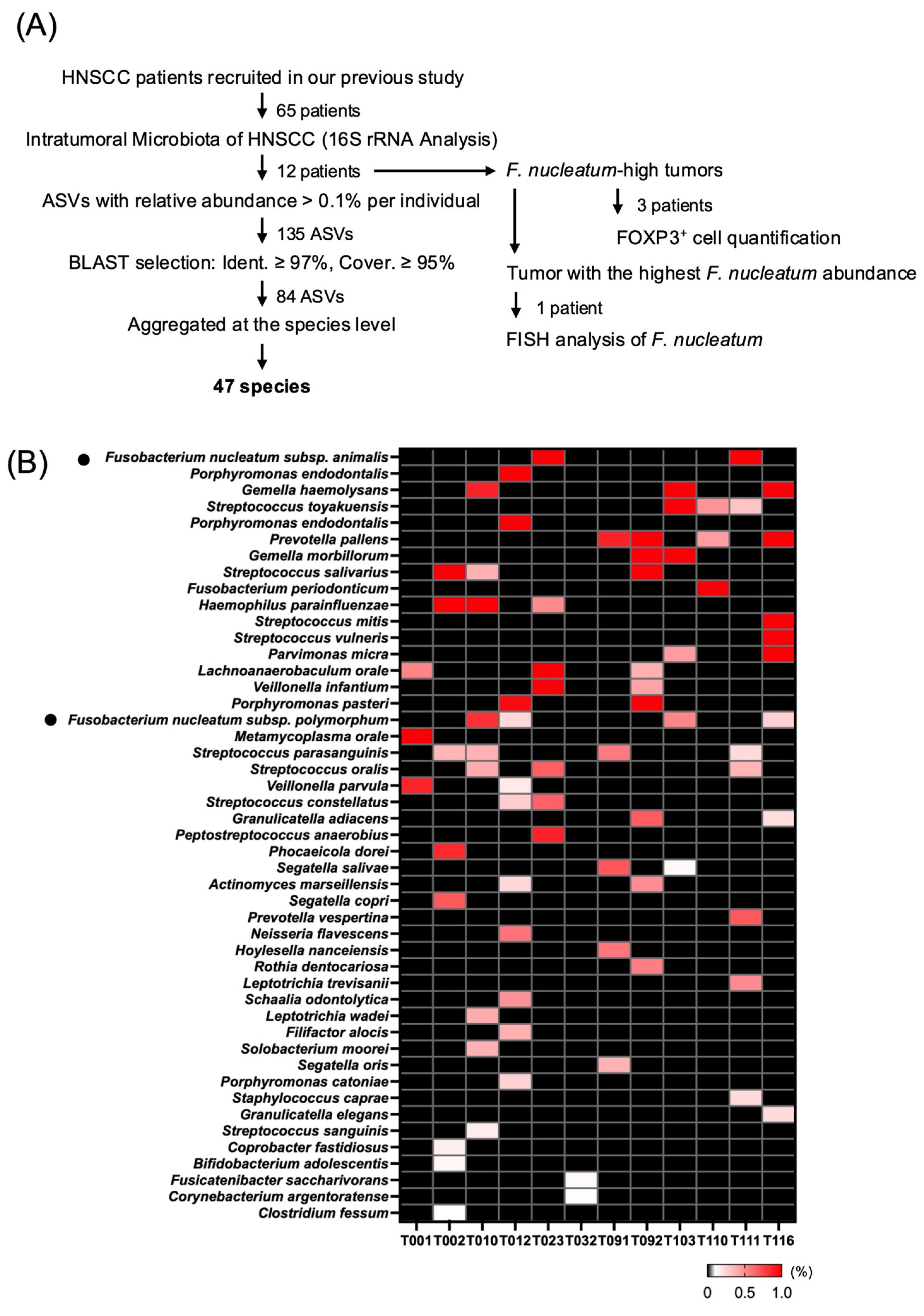
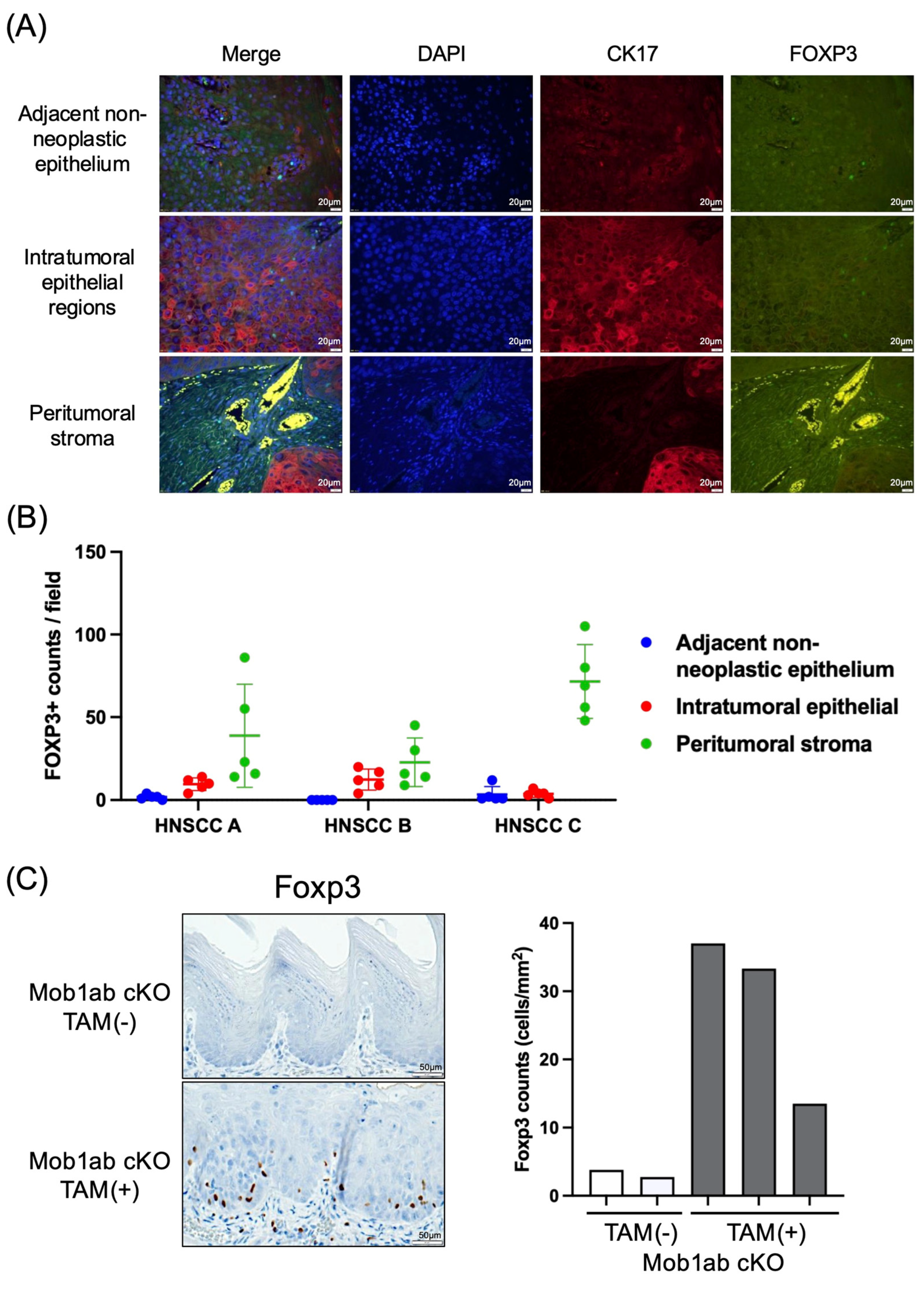
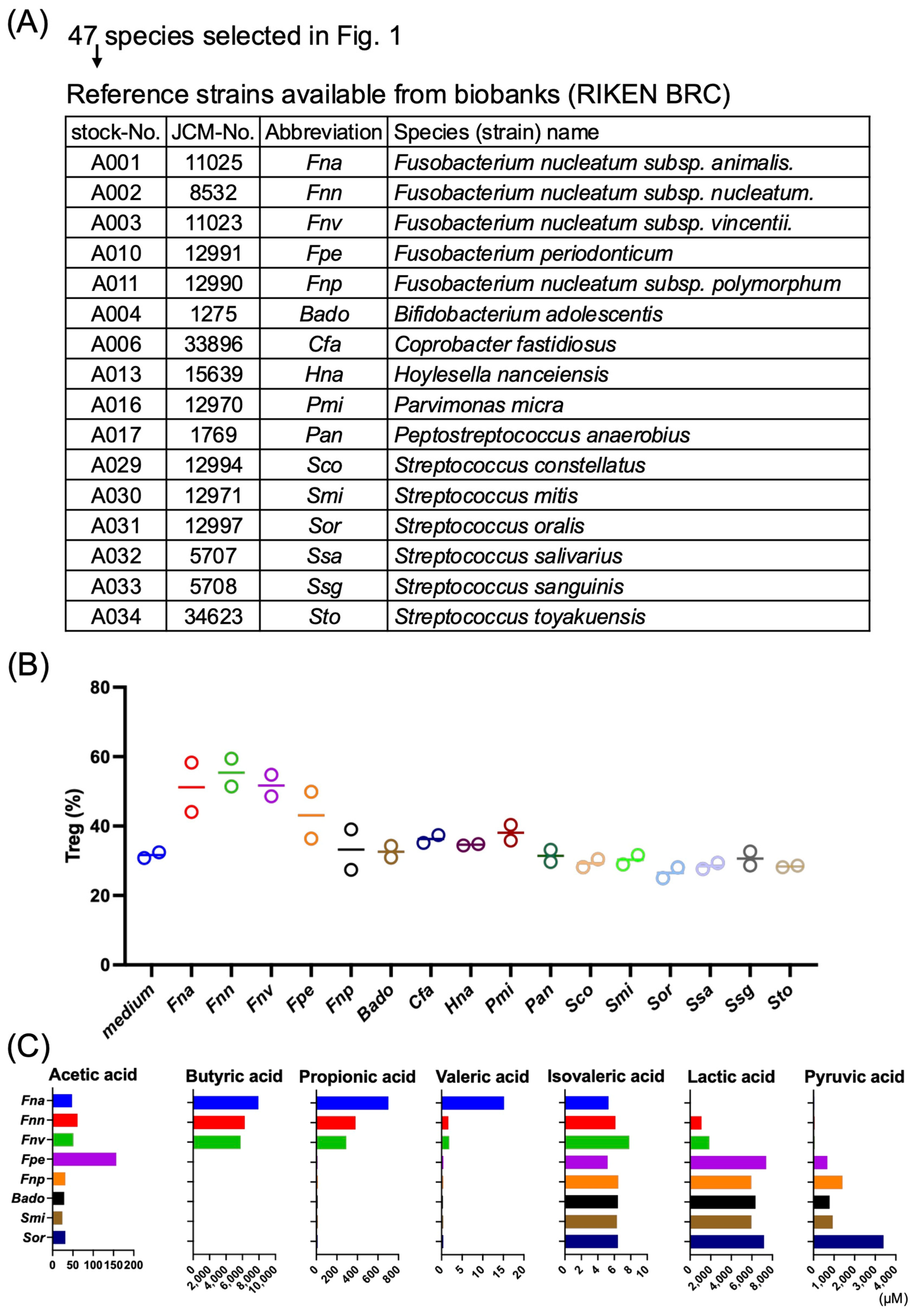
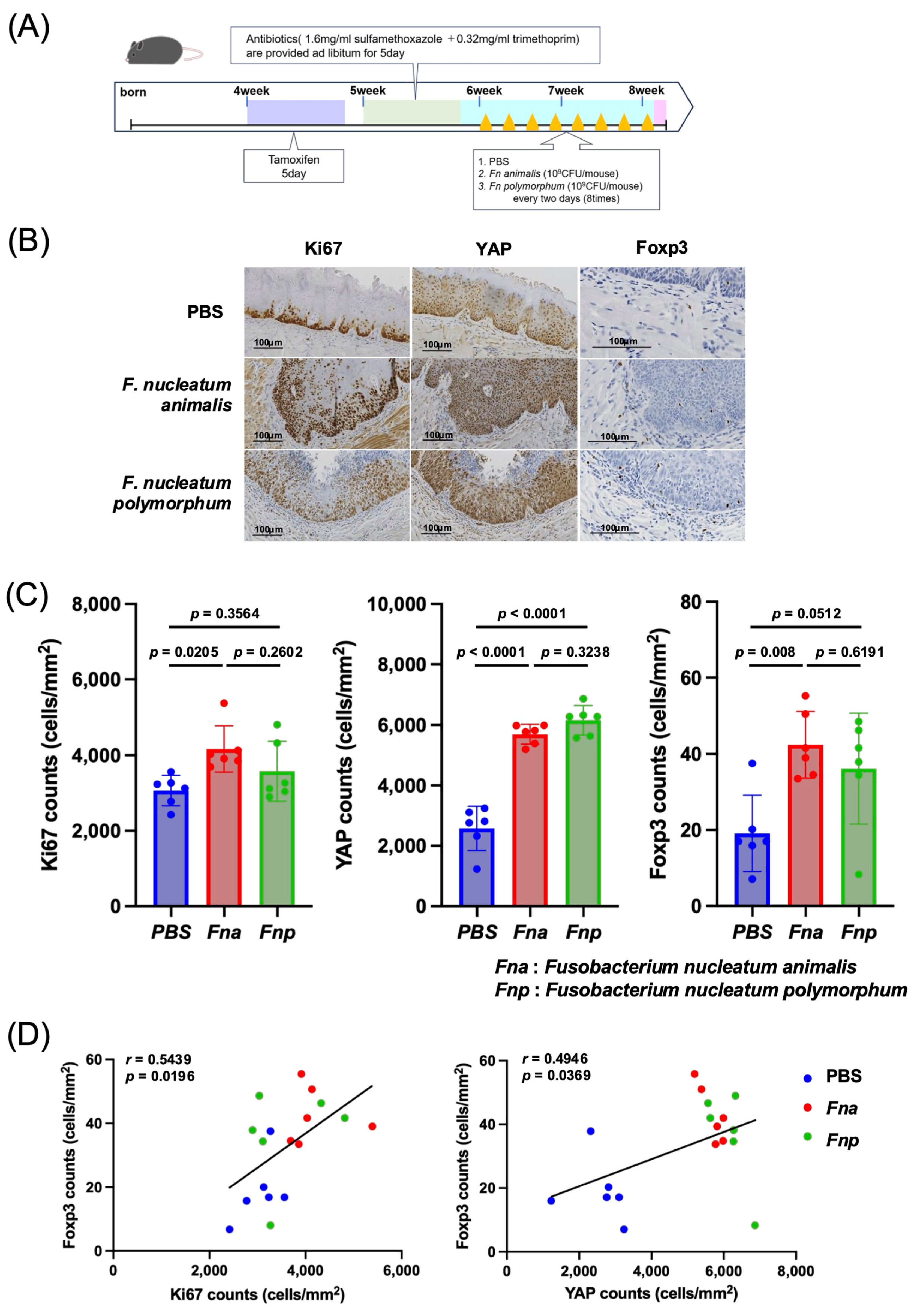
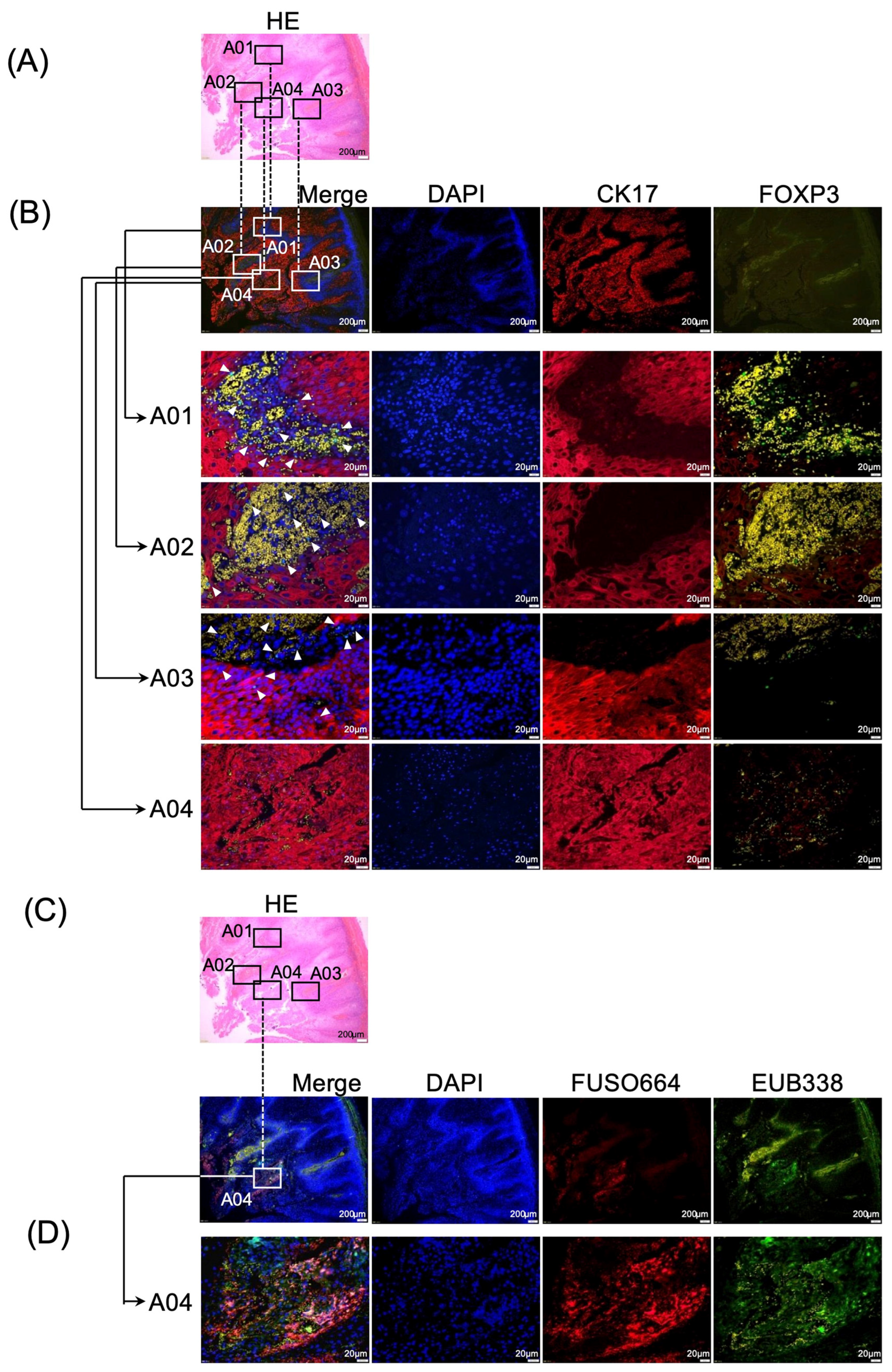
Oral squamous cell carcinoma (OSCC) develops through multiple pathogenic and environmental factors. Increasing evidence suggests that the oral microbiota, particularly intratumoral bacteria, is also associated with OSCC progression; however, the relationship between individual bacterial subspecies and the tumor immune microenvironment remains poorly understood. We previously demonstrated that Fusobacterium nucleatum is enriched in OSCC tissues. In this study, we investigated the biological and immunological properties of F. nucleatum subspecies, with a particular focus on regulatory T-cell (Treg) induction. We reanalyzed our 16S rRNA gene sequencing dataset from 12 oral and pharyngeal squamous cell carcinoma specimens at the amplicon sequence variant (ASV) level and examined archived human OSCC tissues by immunofluorescence and fluorescence in situ hybridization (FISH). Treg differentiation and bacterial metabolite production were examined in vitro, and selected F. nucleatum subspecies were evaluated in a mouse tongue carcinogenesis model (n = 6/group). ASVs most closely matching F. nucleatum subsp. animalis were the most abundant among the detected F. nucleatum-associated ASVs. In three human OSCC specimens with detectable F. nucleatum, FOXP3-positive cells preferentially accumulated in the peritumoral stroma. In vitro, culture supernatants from F. nucleatum subsp. animalis, but not subsp. polymorphum, promoted Treg differentiation in two independent experiments, and butyrate production may be associated with the Treg-promoting strains. In vivo, subsp. animalis significantly increased Ki67-positive, nuclear YAP1-positive, and Foxp3-positive cell numbers, whereas subsp. polymorphum significantly increased only nuclear YAP1-positive cell numbers. Furthermore, FISH demonstrated spatial proximity between F. nucleatum and FOXP3-positive cells in a human OSCC case. These findings indicate functional heterogeneity among F. nucleatum subspecies and suggest that their effects on epithelial and immune parameters differ among subspecies. Our findings support possible subspecies-specific immunomodulatory effects of F. nucleatum in OSCC and highlight the importance of subspecies- and strain-level analyses for understanding the biological significance of the intratumoral microbiota.
Keywords: butyrate; Fusobacterium nucleatum; intratumoral bacteria; OSCC; Treg cells butyrate; Fusobacterium nucleatum; intratumoral bacteria; OSCC; Treg cells