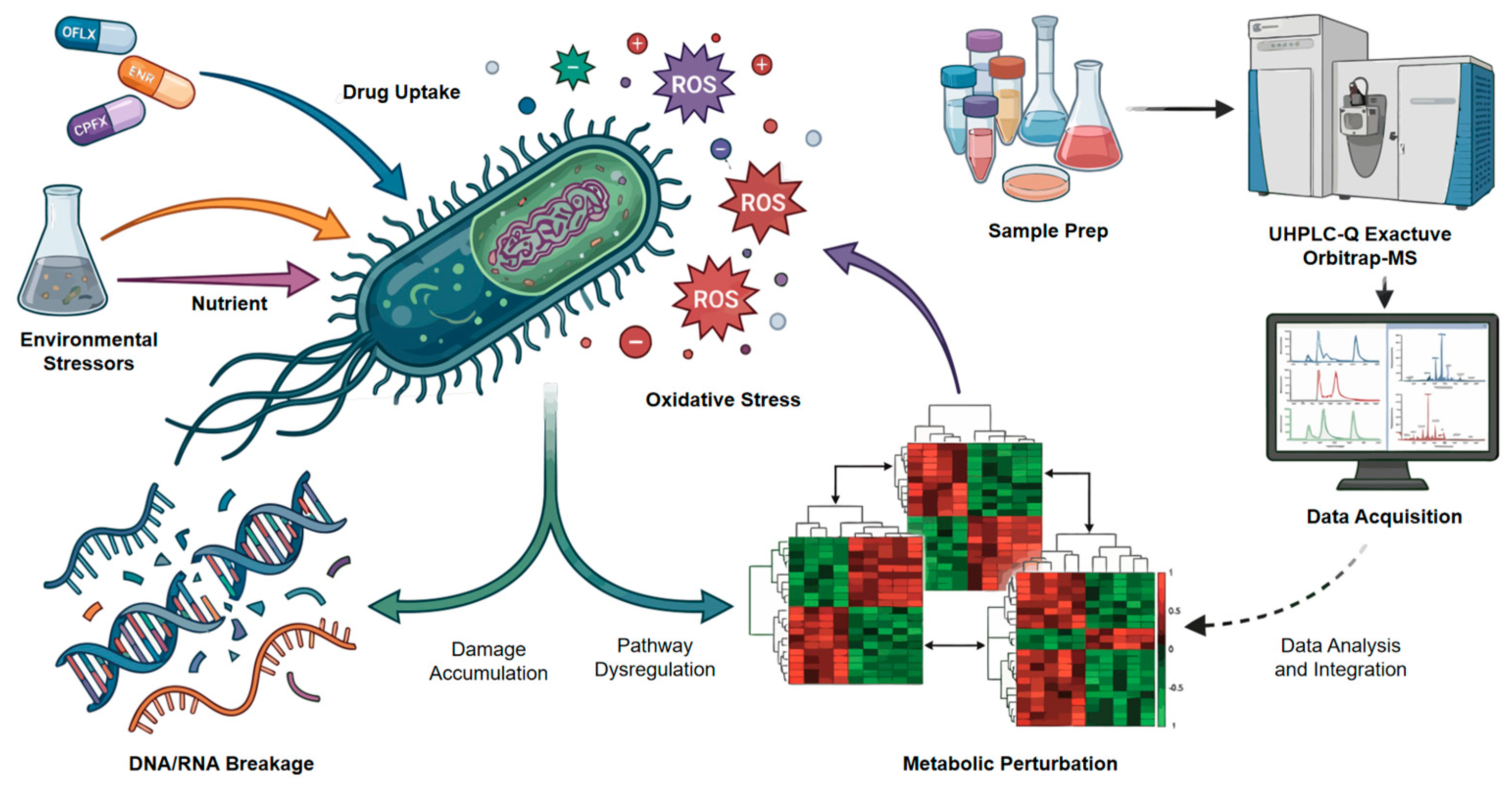
Fluoroquinolone-Induced Metabolic Dysregulation and Oxidative Stress Orchestrate Bacterial Demise
Abstract
1. Introduction
2. Materials and Methods
2.1. Bacterial Strains and Reagents
2.2. SEM Analysis
2.3. Untargeted Metabolomics Analysis
2.4. Determination of Intracellular ROS Accumulation
2.5. Inhibition of Intracellular ROS
2.6. ROS-Induced Nucleic Acid Damage
2.7. Statistical Analysis
3. Results
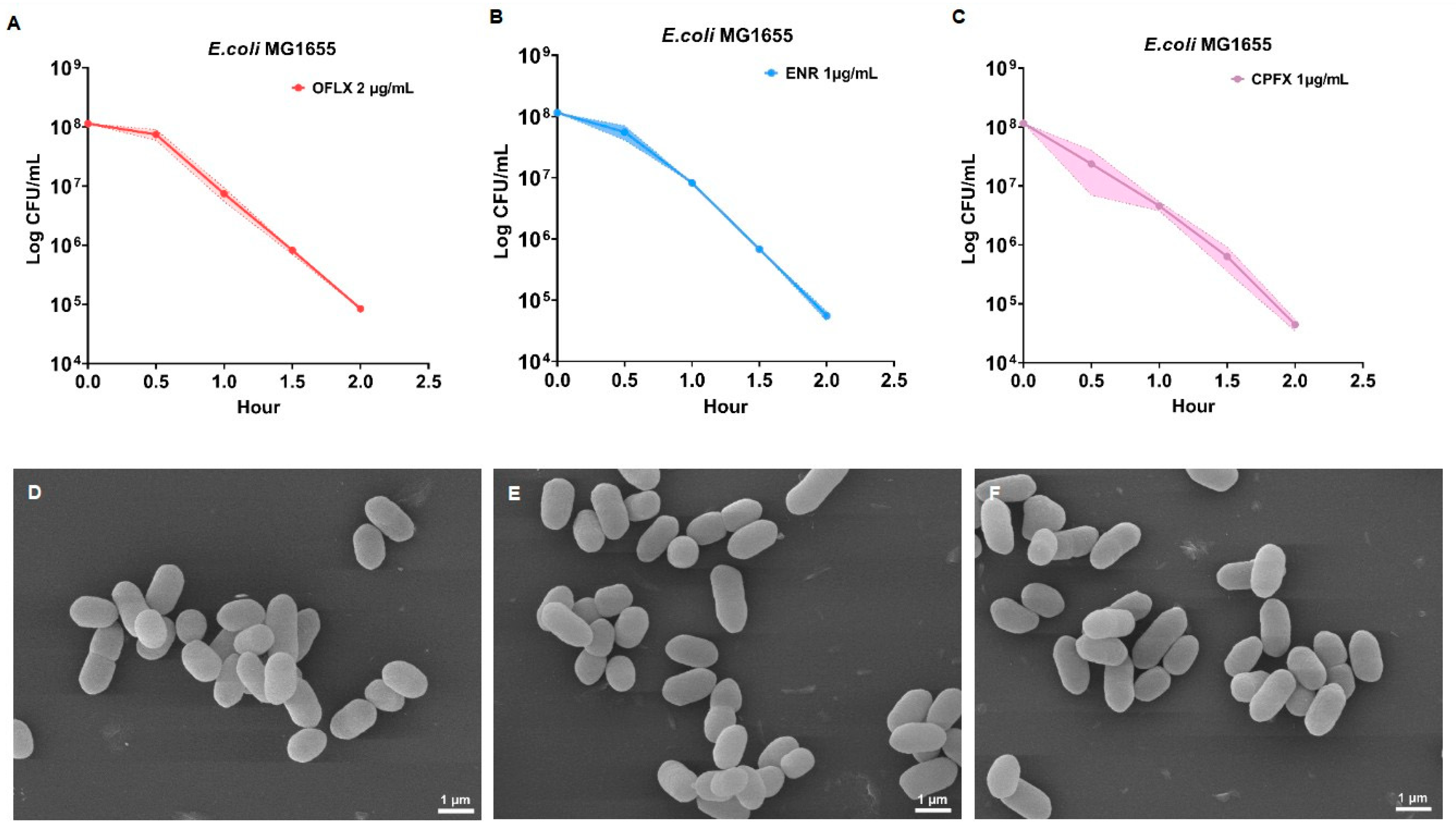
3.1. Defining Fluoroquinolone Concentrations That Induce Bacterial Metabolic Perturbation
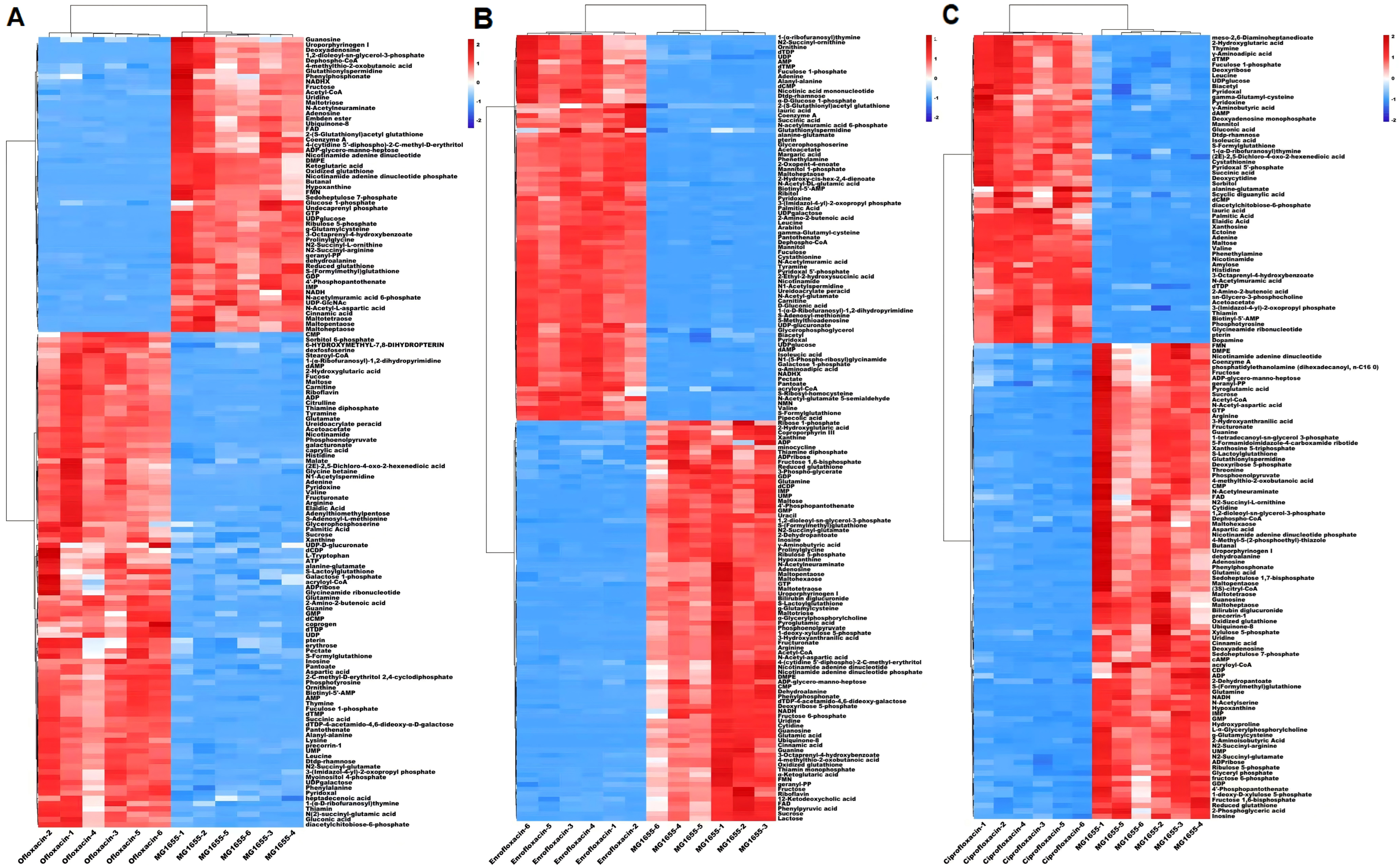
3.2. Fluoroquinolones Induce Distinct Metabolic Reconfigurations
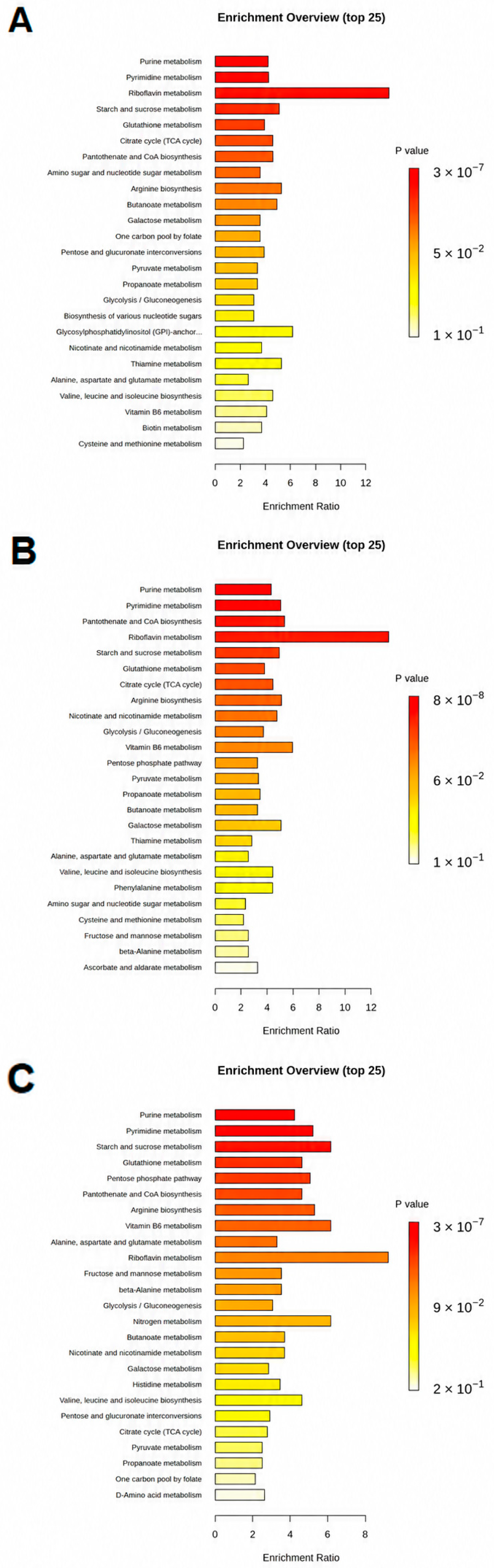
3.3. Divergent Metabolic Reprogramming Drives Fluoroquinolone Bactericidal Action
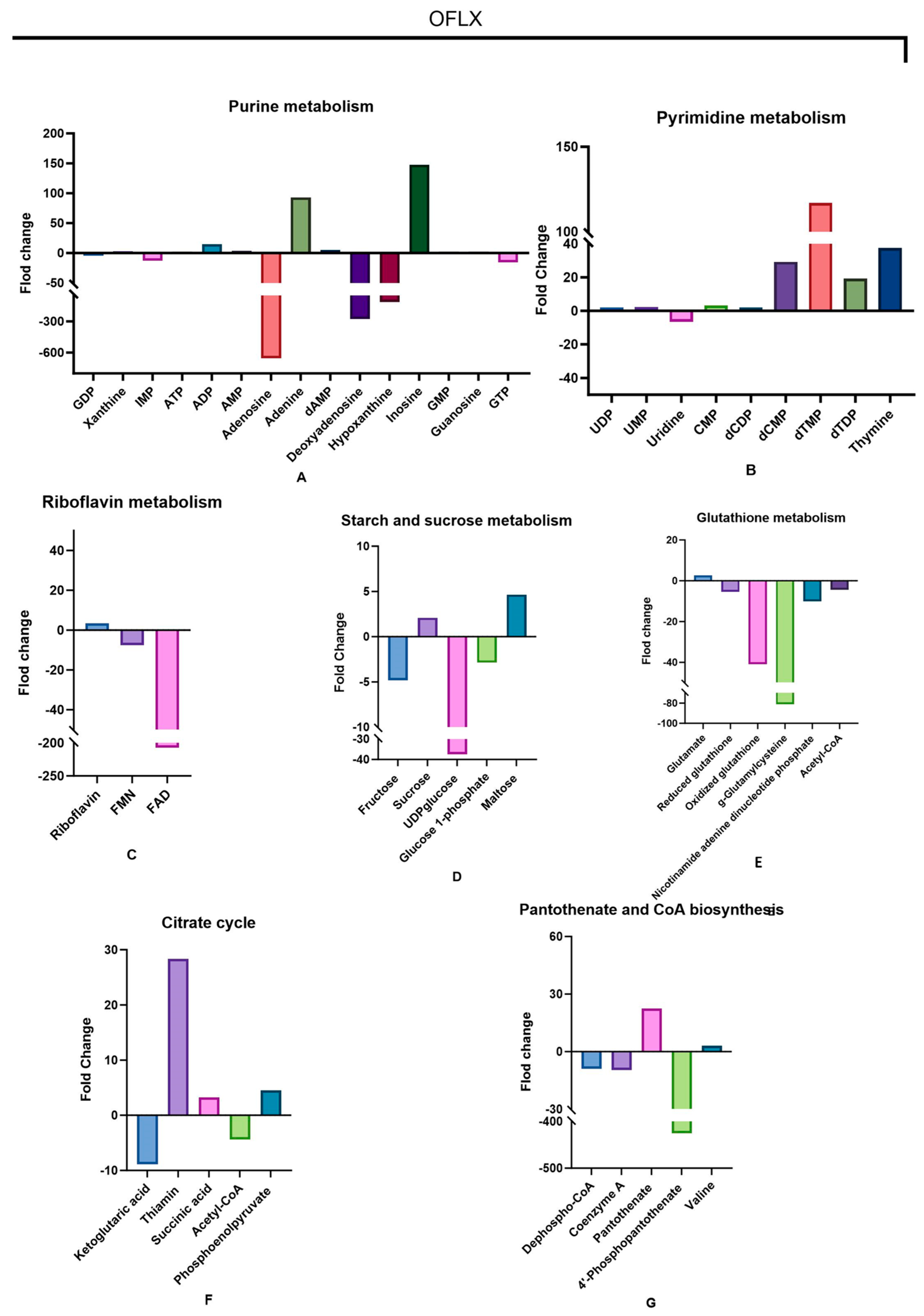
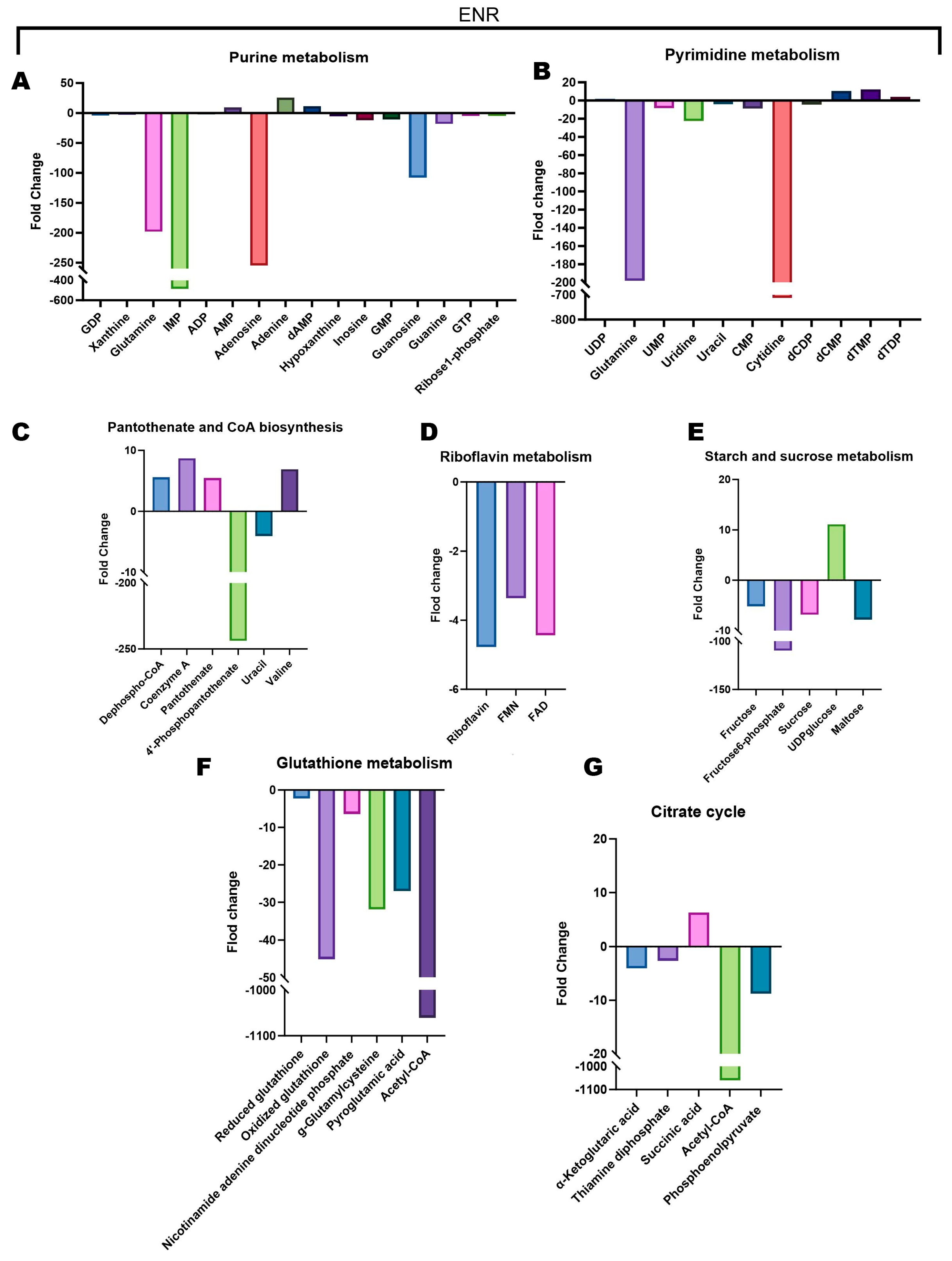
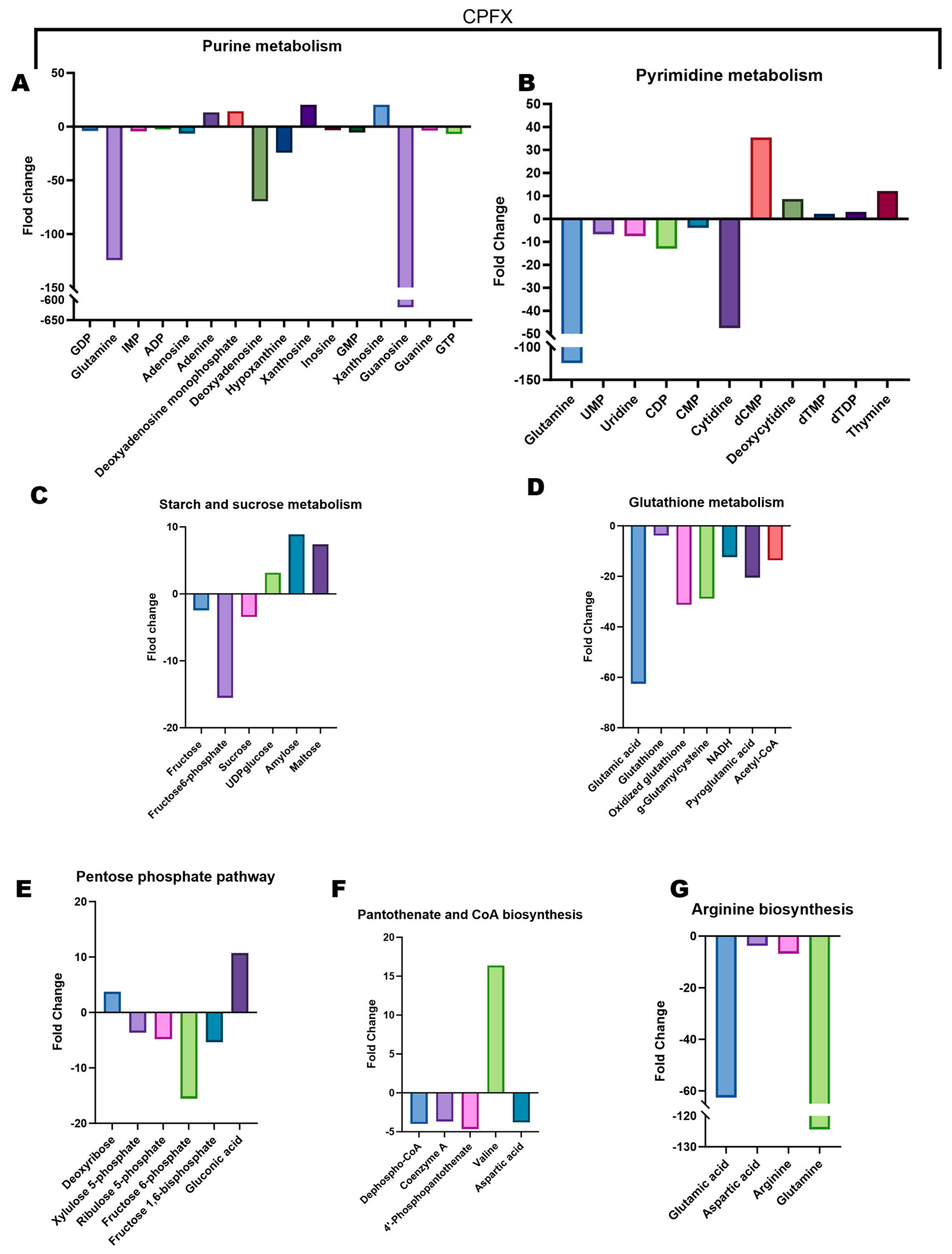
3.4. Differential Metabolic Perturbations in Central Bacterial Networks
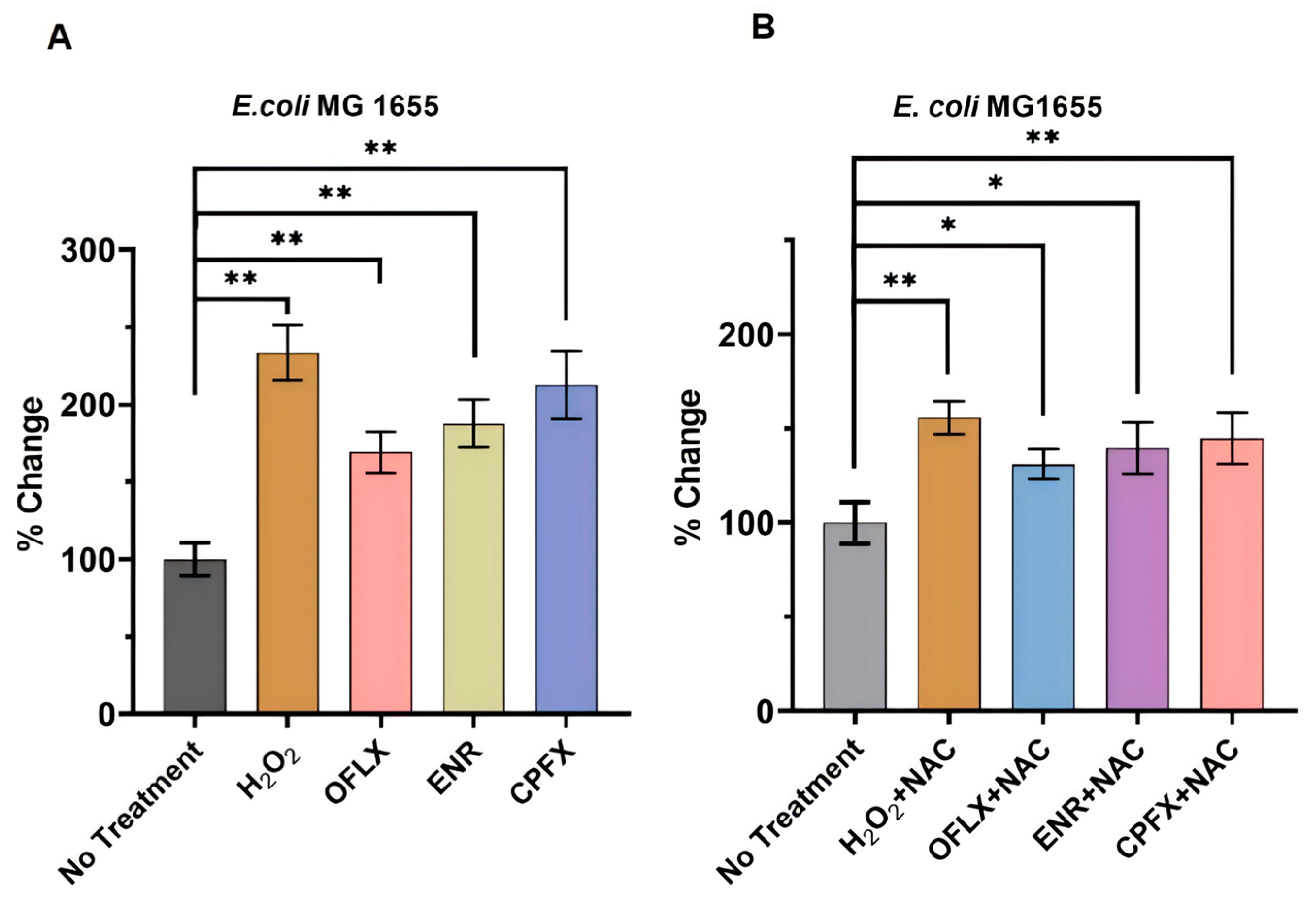
3.5. Fluoroquinolones Drive ROS Production and Redox Imbalance in Bacteria
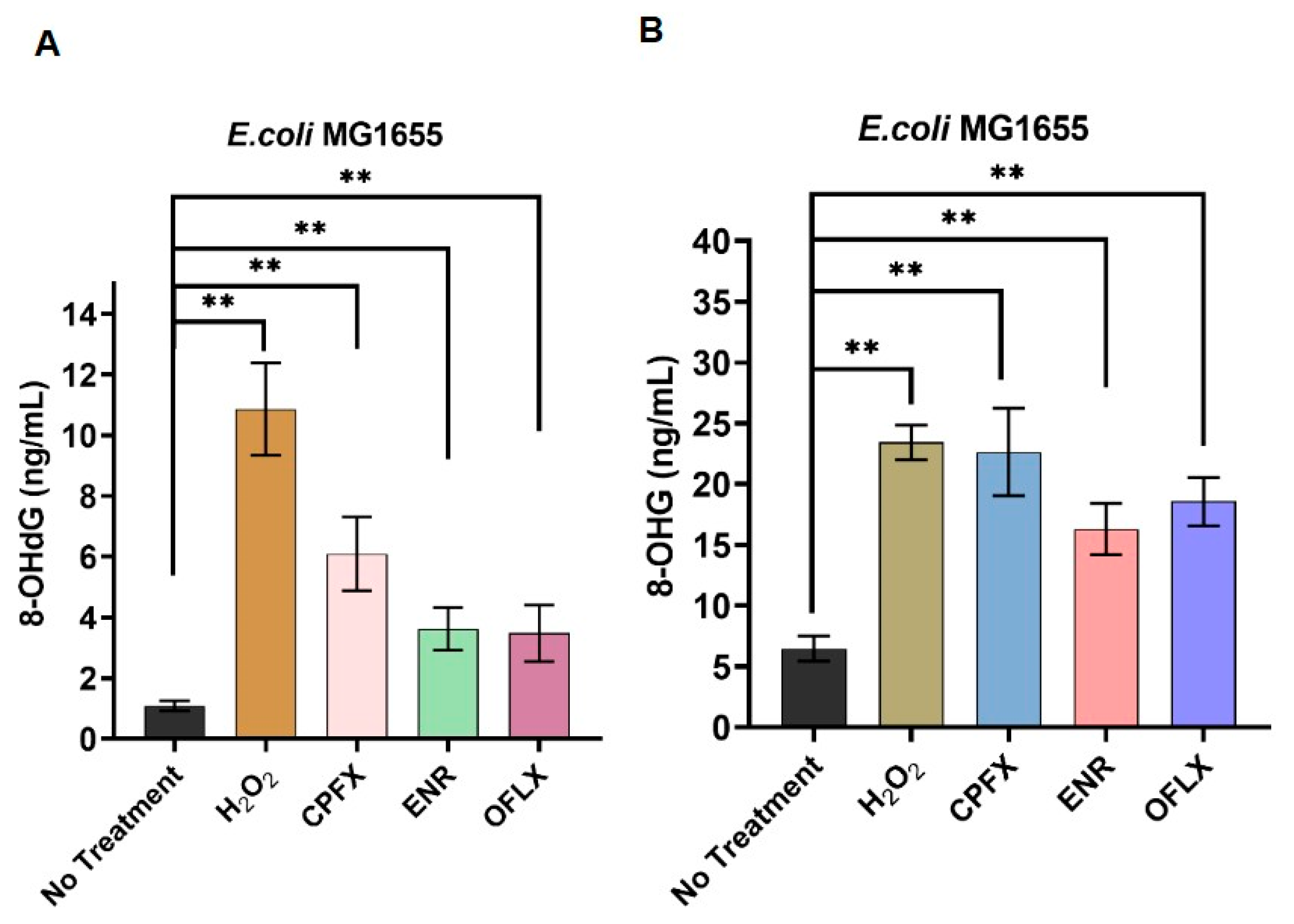
3.6. Fluoroquinolones Drive Oxidative Nucleic Acid Lesions
4. Discussion
5. Conclusions
Author Contributions
Funding
Institutional Review Board Statement
Informed Consent Statement
Data Availability Statement
Acknowledgments
Conflicts of Interest
Abbreviations
| FQs | Fluoroquinolones |
| OFLX | Ofloxacin |
| CPFX | Ciprofloxacin |
| UPLC–Orbitrap–MS | Ultra-performance liquid chromatography–Orbitrap mass spectrometry |
| HILIC | Hydrophilic interaction liquid chromatography |
| 8-OHdG | 8-hydroxydeoxyguanosine |
| ENR | Enrofloxacin |
References
- Samreen; Ahmad, I.; Malak, H.A.; Abulreesh, H.H. Environmental antimicrobial resistance and its drivers: A potential threat to public health. J. Glob. Antimicrob. Resist. 2021, 27, 101–111. [Google Scholar] [CrossRef] [Scilit]
- Nazir, A.; Nazir, A.; Zuhair, V.; Aman, S.; Sadiq, S.U.R.; Hasan, A.H.; Tariq, M.; Rehman, L.U.; Mustapha, M.J.; Bulimbe, D.B. The Global Challenge of Antimicrobial Resistance: Mechanisms, Case Studies, and Mitigation Approaches. Health Sci. Rep. 2025, 8, e71077. [Google Scholar] [CrossRef] [Scilit] [PubMed]
- Mallappa, A.; Suresh, K.P.; Patil, S.S.; Nayakvadi, S.; Gulati, B.R.; Amachawadi, R.G.; Venkatesh, S.P.; Sekar, Y.S.; Patil, A.V. Integrated computational analysis for Escherichia coli prevalence, genetic evolution, and antimicrobial resistance evolution: Implications for public health and environmental sustainability in Asia. J. Infect. Public Health 2026, 19, 103117. [Google Scholar] [CrossRef] [Scilit]
- Hooper, D.C.; Jacoby, G.A. Topoisomerase Inhibitors: Fluoroquinolone Mechanisms of Action and Resistance. Cold Spring Harb. Perspect. Med. 2016, 6, a025320. [Google Scholar] [CrossRef] [Scilit] [PubMed]
- Luzzaro, F. Fluoroquinolones and Gram-negative bacteria: Antimicrobial activity and mechanisms of resistance. Infez. Med. 2008, 16, 5–11. [Google Scholar]
- Kohanski, M.A.; Dwyer, D.J.; Collins, J.J. How antibiotics kill bacteria: From targets to networks. Nat. Rev. Microbiol. 2010, 8, 423–435. [Google Scholar] [CrossRef] [Scilit]
- Theuretzbacher, U.; Blasco, B.; Duffey, M.; Piddock, L.J.V. Unrealized targets in the discovery of antibiotics for Gram-negative bacterial infections. Nat. Rev. Drug Discov. 2023, 22, 957–975. [Google Scholar] [CrossRef] [Scilit]
- Kohanski, M.A.; Dwyer, D.J.; Hayete, B.; Lawrence, C.A.; Collins, J.J. A common mechanism of cellular death induced by bactericidal antibiotics. Cell 2007, 130, 797–810. [Google Scholar] [CrossRef] [Scilit]
- Dwyer, D.J.; Camacho, D.M.; Kohanski, M.A.; Callura, J.M.; Collins, J.J. Antibiotic-induced bacterial cell death exhibits physiological and biochemical hallmarks of apoptosis. Mol. Cell 2012, 46, 561–572. [Google Scholar] [CrossRef] [Scilit] [PubMed]
- Dwyer, D.J.; Collins, J.J.; Walker, G.C. Unraveling the physiological complexities of antibiotic lethality. Annu. Rev. Pharmacol. Toxicol. 2015, 55, 313–332. [Google Scholar] [CrossRef] [Scilit]
- Cui, L.; Lu, H.; Lee, Y.H. Challenges and emergent solutions for LC-MS/MS based untargeted metabolomics in diseases. Mass. Spectrom. Rev. 2018, 37, 772–792. [Google Scholar] [CrossRef] [Scilit]
- Chen, L.; Lu, W.; Wang, L.; Xing, X.; Chen, Z.; Teng, X.; Zeng, X.; Muscarella, A.D.; Shen, Y.; Cowan, A.; et al. Metabolite discovery through global annotation of untargeted metabolomics data. Nat. Methods 2021, 18, 1377–1385. [Google Scholar] [CrossRef] [Scilit]
- Zampieri, M.; Enke, T.; Chubukov, V.; Ricci, V.; Piddock, L.; Sauer, U. Metabolic constraints on the evolution of antibiotic resistance. Mol. Syst. Biol. 2017, 13, 917. [Google Scholar] [CrossRef] [Scilit]
- Fuhrer, T.; Zampieri, M.; Sévin, D.C.; Sauer, U.; Zamboni, N. Genomewide landscape of gene-metabolome associations in Escherichia coli. Mol. Syst. Biol. 2017, 13, 907. [Google Scholar] [CrossRef] [Scilit]
- Muthubharathi, B.C.; Gowripriya, T.; Balamurugan, K. Metabolomics: Small molecules that matter more. Mol. Omics 2021, 17, 210–229. [Google Scholar] [CrossRef] [Scilit] [PubMed]
- Goldansaz, S.A.; Guo, A.C.; Sajed, T.; Steele, M.A.; Plastow, G.S.; Wishart, D.S. Livestock metabolomics and the livestock metabolome: A systematic review. PLoS ONE 2017, 12, e0177675. [Google Scholar] [CrossRef] [Scilit] [PubMed]
- Brynildsen, M.P.; Winkler, J.A.; Spina, C.S.; MacDonald, I.C.; Collins, J.J. Potentiating antibacterial activity by predictably enhancing endogenous microbial ROS production. Nat. Biotechnol. 2013, 31, 160–165. [Google Scholar] [CrossRef] [Scilit]
- Ferreira, M.A.; Pereira, M.L.; Dos Santos, K.V. Drug-induced tolerance: The effects of antibiotic pre-exposure in Stenotrophomonas maltophilia. Future Microbiol. 2020, 15, 497–508. [Google Scholar] [CrossRef] [Scilit]
- Li, X.; Feng, D.; Zhou, J.; Wu, W.; He, C.; Gan, W.; Zheng, W.; Peng, B.; Zhang, T. Synergy of ATP and Meropenem in Stimulating the TCA Cycle to Enhance Killing of Carbapenem-Resistant Acinetobacter baumannii. Microb. Biotechnol. 2025, 18, e70199. [Google Scholar] [CrossRef] [Scilit]
- Lopatkin, A.J.; Stokes, J.M.; Zheng, E.J.; Yang, J.H.; Takahashi, M.K.; You, L.; Collins, J.J. Bacterial metabolic state more accurately predicts antibiotic lethality than growth rate. Nat. Microbiol. 2019, 4, 2109–2117. [Google Scholar] [CrossRef] [Scilit] [PubMed]
- Cabral, D.J.; Wurster, J.I.; Belenky, P. Antibiotic Persistence as a Metabolic Adaptation: Stress, Metabolism, the Host, and New Directions. Pharmaceuticals 2018, 11, 14. [Google Scholar] [CrossRef] [Scilit]
- Rowe, S.E.; Beam, J.E.; Conlon, B.P. Recalcitrant Staphylococcus aureus Infections: Obstacles and Solutions. Infect. Immun. 2021, 89, 10-1128. [Google Scholar] [CrossRef] [Scilit] [PubMed]
- Allison, K.R.; Brynildsen, M.P.; Collins, J.J. Metabolite-enabled eradication of bacterial persisters by aminoglycosides. Nature 2011, 473, 216–220. [Google Scholar] [CrossRef] [Scilit]
- Crabbé, A.; Ostyn, L.; Staelens, S.; Rigauts, C.; Risseeuw, M.; Dhaenens, M.; Daled, S.; Van Acker, H.; Deforce, D.; Van Calenbergh, S.; et al. Host metabolites stimulate the bacterial proton motive force to enhance the activity of aminoglycoside antibiotics. PLoS Pathog. 2019, 15, e1007697. [Google Scholar] [CrossRef] [Scilit]
- Chung, W.Y.; Zhu, Y.; Mahamad Maifiah, M.H.; Hawala Shivashekaregowda, N.K.; Wong, E.H.; Abdul Rahim, N. Exogenous metabolite feeding on altering antibiotic susceptibility in Gram-negative bacteria through metabolic modulation: A review. Metabolomics 2022, 18, 47. [Google Scholar] [CrossRef] [Scilit]
- Elanany, M.A.; Osman, E.E.A.; Gedawy, E.M.; Abou-Seri, S.M. Design and synthesis of novel cytotoxic fluoroquinolone analogs through topoisomerase inhibition, cell cycle arrest, and apoptosis. Sci. Rep. 2023, 13, 4144. [Google Scholar] [CrossRef] [Scilit]
- Ruppé, É.; Woerther, P.L.; Barbier, F. Mechanisms of antimicrobial resistance in Gram-negative bacilli. Ann. Intensive Care 2015, 5, 61. [Google Scholar] [CrossRef] [Scilit] [PubMed]
- Di Minno, A.; Gelzo, M.; Stornaiuolo, M.; Ruoppolo, M.; Castaldo, G. The evolving landscape of untargeted metabolomics. Nutr. Metab. Cardiovasc. Dis. 2021, 31, 1645–1652. [Google Scholar] [CrossRef] [Scilit] [PubMed]
- Brand, C.; Newton-Foot, M.; Grobbelaar, M.; Whitelaw, A. Antibiotic-induced stress responses in Gram-negative bacteria and their role in antibiotic resistance. J. Antimicrob. Chemother. 2025, 80, 1165–1184. [Google Scholar] [CrossRef] [Scilit]
- Louie, T.M.; Yang, H.; Karnchanaphanurach, P.; Xie, X.S.; Xun, L. FAD is a preferred substrate and an inhibitor of Escherichia coli general NAD(P)H:flavin oxidoreductase. J. Biol. Chem. 2002, 277, 39450–39455. [Google Scholar] [CrossRef] [Scilit]
- Teichmann, L.; Pasman, R.; Luitwieler, S.; Varriale, C.; Bengtsson-Palme, J.; Ter Kuile, B. Adaptation of Escherichia coli to ciprofloxacin and enrofloxacin: Differential proteomics of the SOS response and RecA-independent mechanisms. Int. J. Antimicrob. Agents 2025, 65, 107420. [Google Scholar] [CrossRef] [Scilit]
- Mukwevho, E.; Ferreira, Z.; Ayeleso, A. Potential role of sulfur-containing antioxidant systems in highly oxidative environments. Molecules 2014, 19, 19376–19389. [Google Scholar] [CrossRef] [Scilit] [PubMed]
- Lu, J.; Holmgren, A. The thioredoxin antioxidant system. Free Radic. Biol. Med. 2014, 66, 75–87. [Google Scholar] [CrossRef] [Scilit] [PubMed]
- Van Acker, H.; Coenye, T. The Role of Reactive Oxygen Species in Antibiotic-Mediated Killing of Bacteria. Trends Microbiol. 2017, 25, 456–466. [Google Scholar] [CrossRef] [Scilit]
- Bharati, B.K.; Gowder, M.; Zheng, F.; Alzoubi, K.; Svetlov, V.; Kamarthapu, V.; Weaver, J.W.; Epshtein, V.; Vasilyev, N.; Shen, L.; et al. Crucial role and mechanism of transcription-coupled DNA repair in bacteria. Nature 2022, 604, 152–159. [Google Scholar] [CrossRef] [Scilit] [PubMed]
- Wang, Y.; Liang, B.; Song, Z.; Chen, W.; Niu, H.; Xing, D.; Zhang, Y. High antipersister activity of a promising new quinolone drug candidate in eradicating uropathogenic Escherichia coli persisters and persistent infection in mice. J. Appl. Microbiol. 2023, 134, lxad193. [Google Scholar] [CrossRef] [Scilit]


Disclaimer/Publisher’s Note: The statements, opinions and data contained in all publications are solely those of the individual author(s) and contributor(s) and not of MDPI and/or the editor(s). MDPI and/or the editor(s) disclaim responsibility for any injury to people or property resulting from any ideas, methods, instructions or products referred to in the content. |
© 2026 by the authors. Licensee MDPI, Basel, Switzerland. This article is an open access article distributed under the terms and conditions of the Creative Commons Attribution (CC BY) license.
Share and Cite
Zhou, C.; Sun, J.; Luo, Y.; Wang, F.; Li, L.; Wu, T.; Xie, P.; Liu, C.; Hu, Y.; Sun, L.; et al. Fluoroquinolone-Induced Metabolic Dysregulation and Oxidative Stress Orchestrate Bacterial Demise. Microorganisms 2026, 14, 1108. https://doi.org/10.3390/microorganisms14051108
Zhou C, Sun J, Luo Y, Wang F, Li L, Wu T, Xie P, Liu C, Hu Y, Sun L, et al. Fluoroquinolone-Induced Metabolic Dysregulation and Oxidative Stress Orchestrate Bacterial Demise. Microorganisms. 2026; 14(5):1108. https://doi.org/10.3390/microorganisms14051108
Chicago/Turabian StyleZhou, Caiyuan, Jing Sun, Yihan Luo, Fang Wang, Luqi Li, Tong Wu, Peng Xie, Chenxi Liu, Yibin Hu, Leilei Sun, and et al. 2026. "Fluoroquinolone-Induced Metabolic Dysregulation and Oxidative Stress Orchestrate Bacterial Demise" Microorganisms 14, no. 5: 1108. https://doi.org/10.3390/microorganisms14051108
APA StyleZhou, C., Sun, J., Luo, Y., Wang, F., Li, L., Wu, T., Xie, P., Liu, C., Hu, Y., Sun, L., & Wang, C. (2026). Fluoroquinolone-Induced Metabolic Dysregulation and Oxidative Stress Orchestrate Bacterial Demise. Microorganisms, 14(5), 1108. https://doi.org/10.3390/microorganisms14051108