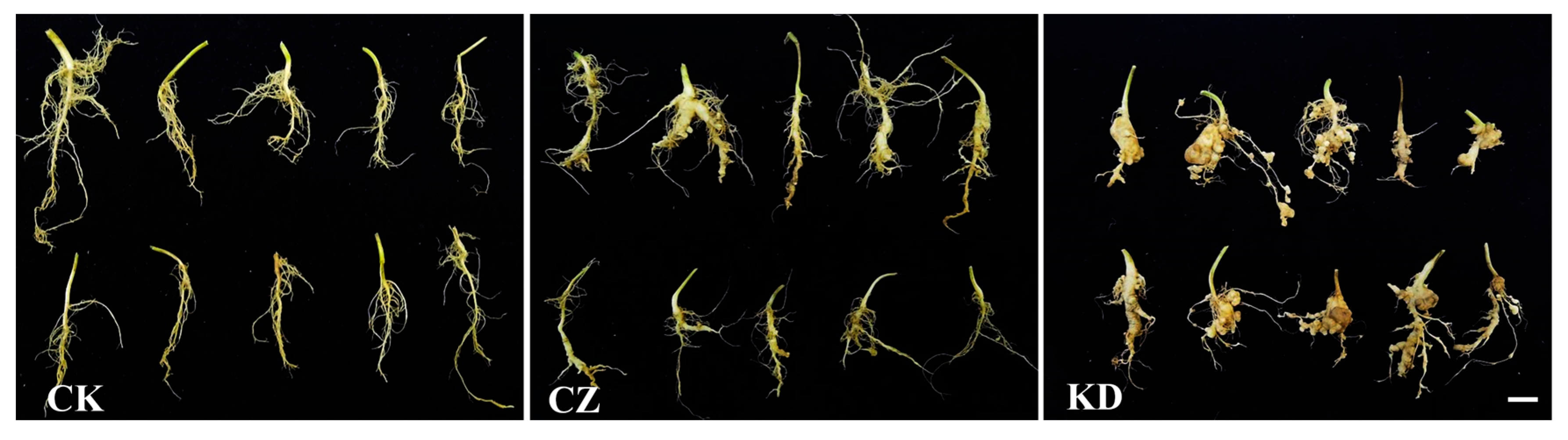
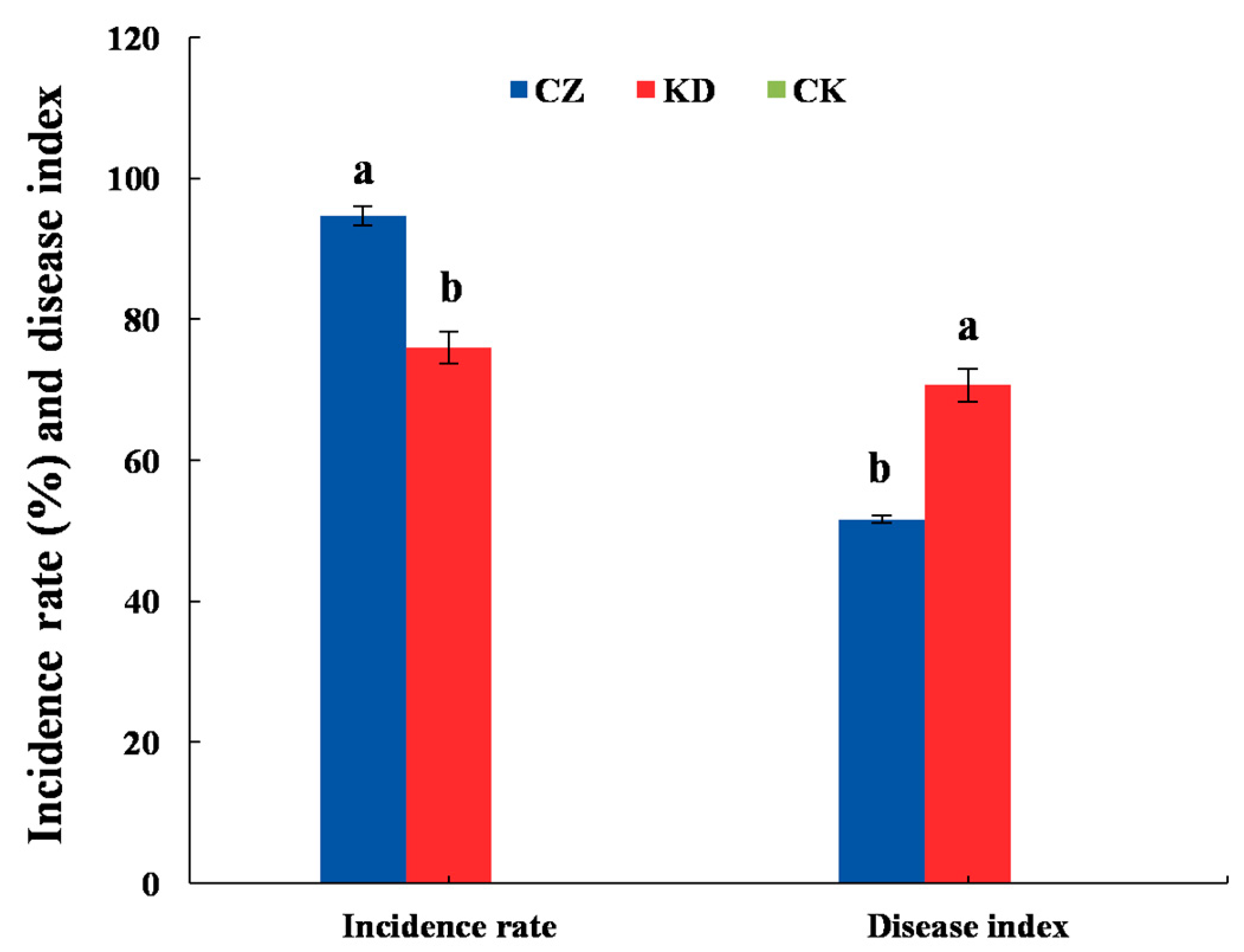
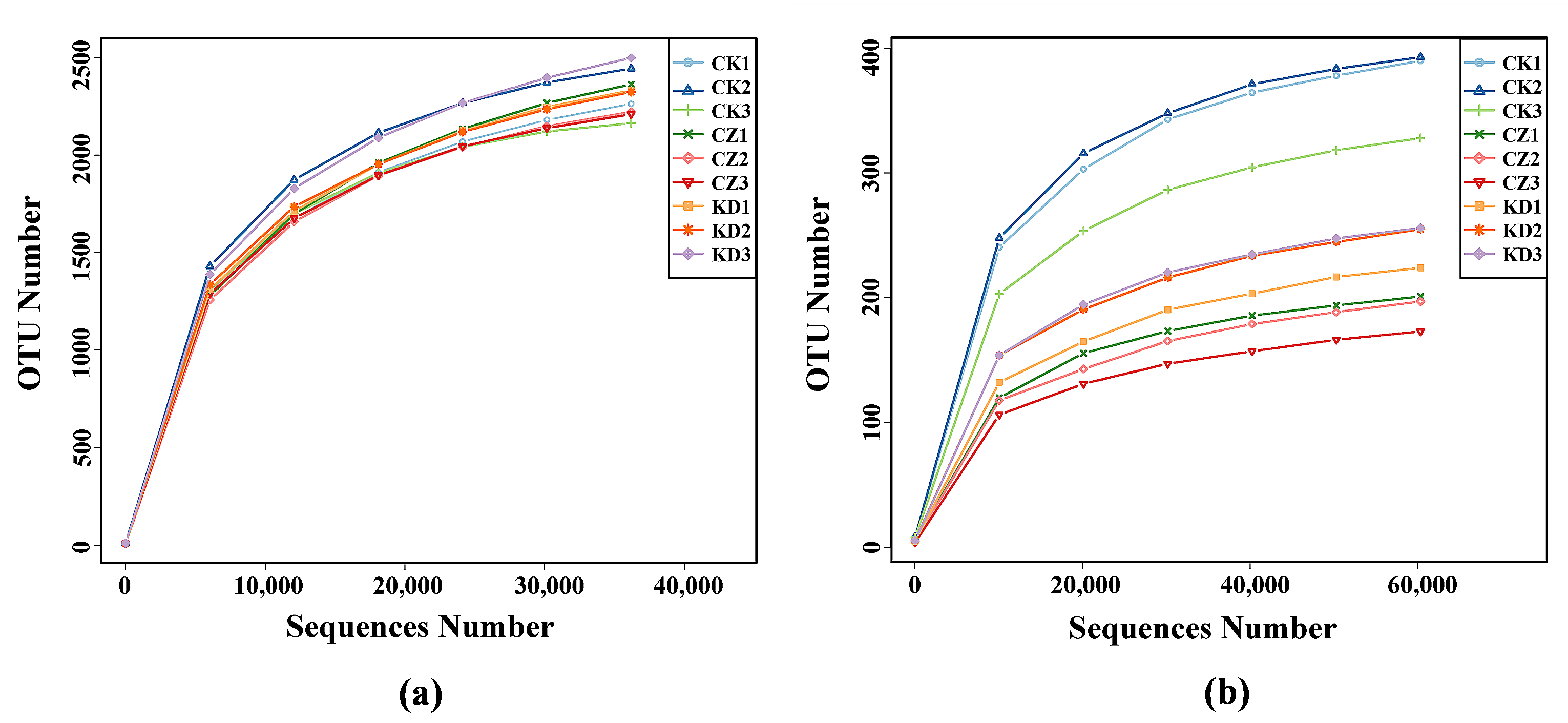
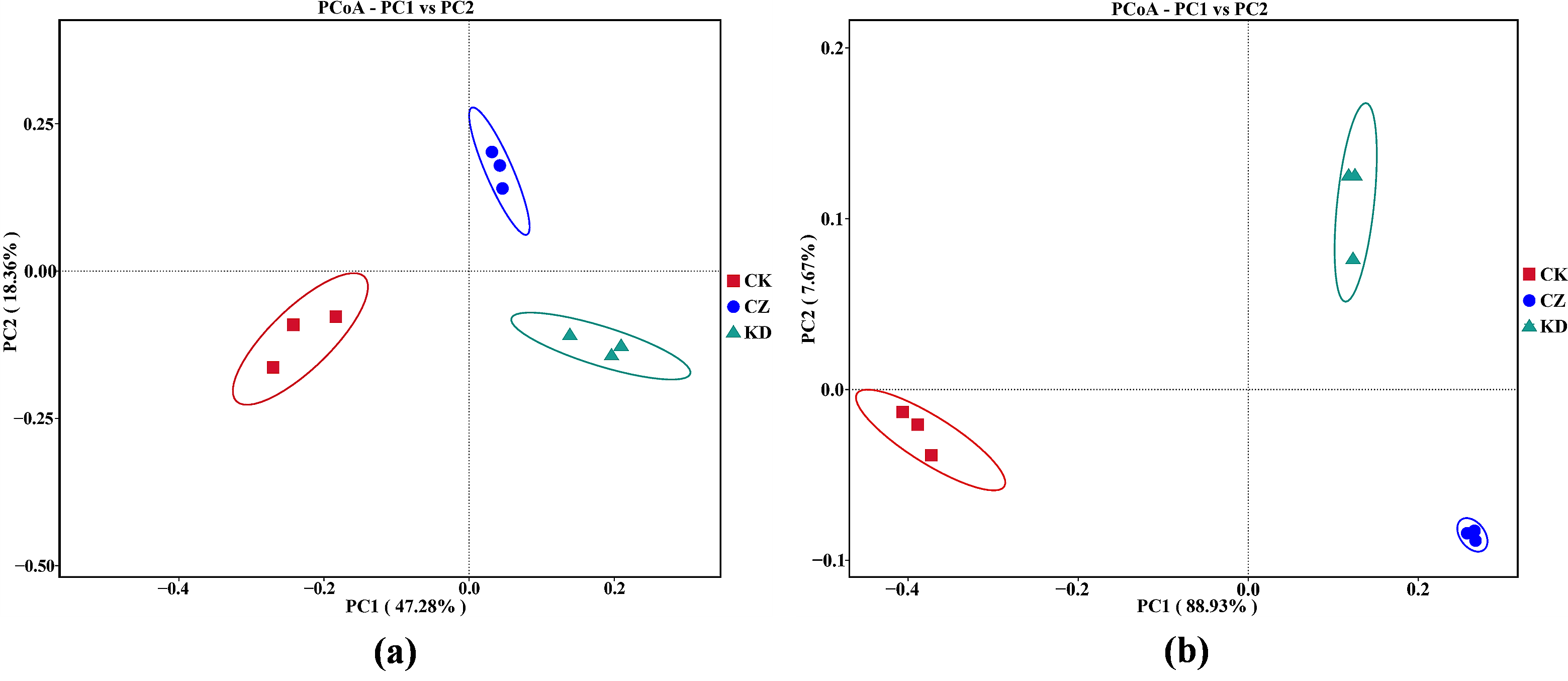
Effects of Differentiation Plasmodiophora brassicae Physiological Races on the Rhizosphere Microbial Community Structure of Oilseed Rape

 ,
, Abstract
Share and Cite
Hu, Z.; Zhang, Z.; Huang, X.; Yu, Y.; Deng, Y.; Song, P.; Liu, Y.; Zhang, L.; Yang, X. Effects of Differentiation Plasmodiophora brassicae Physiological Races on the Rhizosphere Microbial Community Structure of Oilseed Rape. Microorganisms 2026, 14, 742. https://doi.org/10.3390/microorganisms14040742
Hu Z, Zhang Z, Huang X, Yu Y, Deng Y, Song P, Liu Y, Zhang L, Yang X. Effects of Differentiation Plasmodiophora brassicae Physiological Races on the Rhizosphere Microbial Community Structure of Oilseed Rape. Microorganisms. 2026; 14(4):742. https://doi.org/10.3390/microorganisms14040742
Chicago/Turabian StyleHu, Zijin, Zhongmei Zhang, Xiaoqin Huang, Yaoying Yu, Yue Deng, Pei Song, Yong Liu, Lei Zhang, and Xiaoxiang Yang. 2026. "Effects of Differentiation Plasmodiophora brassicae Physiological Races on the Rhizosphere Microbial Community Structure of Oilseed Rape" Microorganisms 14, no. 4: 742. https://doi.org/10.3390/microorganisms14040742
APA StyleHu, Z., Zhang, Z., Huang, X., Yu, Y., Deng, Y., Song, P., Liu, Y., Zhang, L., & Yang, X. (2026). Effects of Differentiation Plasmodiophora brassicae Physiological Races on the Rhizosphere Microbial Community Structure of Oilseed Rape. Microorganisms, 14(4), 742. https://doi.org/10.3390/microorganisms14040742