Article

Genetic Characteristics Associated with Probiotic Functions in Four Indonesian Skin Microbiome-Derived Bacterial Strains


by
Ahmad Husein Alkaff
1,
Amarila Malik
2,*,
Patricia Arabela Situmeang
2 and
Nicholas C. K. Heng
3,*
1
Department of Chemistry, Faculty of Mathematics and Natural Sciences, Universitas Indonesia, Depok 16424, Indonesia
2
Division of Pharmaceutical Microbiology and Biotechnology, Faculty of Pharmacy, Universitas Indonesia, Depok 16424, Indonesia
3
Sir John Walsh Research Institute, Faculty of Dentistry, University of Otago, Dunedin 9054, New Zealand
*
Authors to whom correspondence should be addressed.
Microorganisms 2026, 14(1), 248; https://doi.org/10.3390/microorganisms14010248
Submission received: 16 December 2025 / Revised: 15 January 2026 / Accepted: 16 January 2026 / Published: 21 January 2026
(This article belongs to the Section Molecular Microbiology and Immunology)

Abstract

The human skin microbiome has gained considerable attention as a resource for the development of innovative probiotics for cosmetic purposes or promoting skin health. However, the evaluation of new probiotic strains to ensure their “generally recognized as safe” (GRAS) status remains challenging. Here, we have subjected the annotated draft genome sequences of four human skin-derived bacterial strains, namely Bacillus subtilis MBF10-19J, Micrococcus luteus MBF05-19J, Staphylococcus hominis MBF12-19J, and Staphylococcus warneri MBF02-19J, to bioinformatic analyses to detect the genes associated with important probiotic traits, as well as undesirable characteristics such as antibiotic resistance, virulence factors, and toxic metabolites. Each bacterium harbors at least one type of adhesin-encoding gene, while only S. hominis MBF12-19J and S. warneri MBF02-19J contain the putative genes encoding enzymes for metabolism improvement. In vitro assays, including antibiotic susceptibility and antimicrobial activity testing, revealed strain-specific safety characteristics that complement the genomic findings. With regard to antibiotic resistance determinants, S. hominis MBF12-19J showed the most favorable profile, S. warneri MBF02-19J and M. luteus MBF05-19J appeared suitable when used with appropriate caution, and B. subtilis MBF10-19J exhibited amoxicillin resistance, i.e., warrants careful evaluation. Further in vivo validation is needed to determine whether these strains do indeed comply with GRAS evaluation frameworks.

1. Introduction

The investigation of the diversity and functions of the human skin microbiome has gained considerable attention in dermatological research. This has led to a heightened awareness of the microorganisms residing in symbiosis with humans, occupying diverse skin niches. These microorganisms play a pivotal role in safeguarding our skin by actively countering pathogens, controlling inflammation, and modulating adaptive immune pathways [1]. Recent studies indicate that the topical application of skin probiotics not only alleviates conditions like acne and atopic dermatitis but also yields cosmetic benefits for healthy skin, including moisturization and mitigation of aging effects. Consequently, the utilization of skin-dwelling bacteria and their derived metabolites emerges as a promising avenue for developing innovative microbiome-based components for cosmetics or promoting skin health [2,3].
Previously, several beneficial commensal bacterial species were isolated from Indonesian young adults’ facial skin microbiomes, including Bacillus subtilis MBF10-19J, Micrococcus luteus MBF05-19J, Staphylococcus hominis MBF12-19J, and Staphylococcus warneri MBF02-19J [4]. Subsequent studies revealed that a bacterial cocktail containing these strains not only demonstrated potent activity in terms of inhibiting the growth of Cutibacterium (formerly Propionibacterium) acnes, along with mild-to-low antiradical-scavenging activity, but also caused no adverse reactions in a skin sensitivity test, demonstrating its safety for use on the skin [5]. Furthermore, the ability of these species to coexist in a bacterial cocktail has also been demonstrated [6].
Despite the promising potential of microbiome-derived probiotic strains for skin-care use, their safety evaluation remains challenging. While most organisms commonly used as probiotics (e.g., gut bacteria) have been granted “generally regarded as safe” (GRAS) status, the ongoing emergence of new strains, partly driven by environmental factors, necessitates the comprehensive assessment of each novel strain for their probiotic, and more importantly, safety characteristics. These assessments encompass taxonomic identification, safety analysis, pathogenicity assessment (including adverse effects), antibiotic resistance, and whole-genome sequencing [7,8,9]. Assigning GRAS status to new probiotic-candidate strains is inappropriate because it assumes that a new strain shares the same documented safety history as a pre-existing probiotic strain of the same species [10]. When addressing the challenging safety assessment process and rising concerns about the potential risks of probiotic products on human health, whole-genome sequencing (WGS) technology and genomic analysis have proven to be robust tools for predicting genetic stability, antibiotic resistance, virulence factors, and toxin production [11,12,13].
Here, we report on the bioinformatic analyses of the genome sequences of four potential skin microbiome-derived probiotic candidates, namely B. subtilis MBF10-19J, M. luteus MBF05-19J, S. hominis MBF12-19J, and S. warneri MBF02-19J. Among the genetic determinants we focused on were transferable antimicrobial resistance (AMR) genes, potential virulence factor (VF)-encoding genes, and genes possibly related to toxic metabolite production. In addition, we also checked for the presence of potential probiotic-related genes, bacteriophage-related (e.g., prophage and CRISPR/Cas) loci, and mobile genetic elements (insertion sequences) within the genome sequences of these isolated strains. Using in vitro assays, we also tested whether the putative AMR and bacteriocin-encoding genes were functional. Our findings provide supportive evidence for these four candidate strains as human skin probiotics.

2. Materials and Methods

2.1. Whole-Genome Sequencing of Microbiome-Derived Bacterial Strains

B. subtilis MBF10-19J, M. luteus MBF05-19J, S. hominis MBF12-19J, and S. warneri MBF02-19J all originated from facial skin microbiome samples collected from a young healthy Indonesian volunteer, as detailed previously [4]. These strains were maintained at 37 °C on either nutrient agar (B. subtilis), blood agar (M. luteus), or tryptic soy agar (S. hominis and S. warneri). Genomic DNA was extracted from 10 mL overnight (18–22 h) cultures of each bacterial strain using the Presto™ Mini gDNA Bacteria (Geneaid, New Taipei City, Taiwan) Kit, following the manufacturer’s protocol. One nanogram of each genomic DNA sample was subjected to whole-genome shotgun sequencing on an Oxford Nanopore GridION system (PT Genetika Science, Jakarta, Indonesia). De novo assembly of each genome was carried out using Flye v2.8.1 [14]. Each genome sequence was annotated using the NCBI Prokaryotic Genome Annotation Pipeline (PGAP) v4.6 [15] and the Rapid Annotations using Subsystems Technology (RAST) v2 server [16].

2.2. Genetic Assessment Procedures

2.2.1. Detection of Putative Beneficial Probiotic-Related Genes

The coding sequences associated with pivotal probiotic genes, including the production of lactic acid, adhesion to epithelial tissue, and enhancement of host metabolism, were elucidated through the functional annotation of coding genes.

2.2.2. Identification of Antibiotic Resistance and Bacteriocin Genes, and Virulence Determinants

Identification of antibiotic resistance genes was performed by utilizing the Comprehensive Antibiotic Resistance Database (CARD) (http://arpcard.mcmaster.ca/), limiting the hits to “perfect” and “strict” criteria only [17], and ResFinder 4.4.2 (https://genepi.food.dtu.dk/resfinder, accessed on 15 January 2026), covering 90% of %ID threshold and minimum length of 60% [18]. Bacteriocin-related genes were identified using BAGEL4 (http://bagel4.molgenrug.nl) utilizing only the Class I (known bacteriocins and/or ribosomally synthesized and post-translationally modified peptides [RiPPs]) and Class II (putative or novel bacteriocins and/or RiPPs) parameters [19]. Putative genes encoding virulence factors were identified using the Virulence Factor Database (VFDB) (http://www.mgc.ac.cn/VFs/, accessed on 15 January 2026) with the default blastn algorithm [20].

2.2.3. Prediction of Genes Related to Production of Toxic Metabolites

The prediction of genes potentially linked to toxic metabolites in the four bacterial genome sequences involved manual searching of each annotated genome sequence for open reading frames (ORFs) encoding enzymes directly related to the production of biogenic amines, e.g., tyrosine decarboxylase, histidine decarboxylase, ornithine decarboxylase, L-lysine decarboxylase, agmatine dehydrolase, and agmatine deiminase, as well as nitrogenous compounds (e.g., nitroreductase and nitrate reductase). In addition, manual searching for the presence of genes involved in toxin production, such as cytotoxin K and hemolysin, as well as those associated with lipopeptide synthesis, including fengycin, lychenysin, and surfactins, was also carried out for each genome [11].

2.2.4. Assessment of Genome Stability

To assess the genome stability of each whole-genome sequence, we also looked for the presence of Clustered Regularly Interspaced Short Palindromic Repeats (CRISPR) and CRISPR-associated gene (Cas) sequences, prophage sequences, and bacterial insertion sequences (IS). We also looked at the coding sequences for CRISPR-Cas using the CRISPRCasMeta tools (https://crisprcas.i2bc.paris-saclay.fr/CrisprCasMeta/Index, accessed on 15 January 2026) by employing default parameters for detecting sequences at “high homology” level [21]. Putative prophage sequences were identified using Phage Search Tool Enhanced Release (PHASTER) (https://phaster.ca/) utilizing default parameters to detect intact, questionable, and incomplete prophage regions [22]. IS elements were detected using ISfinder (www-is.biotoul.fr) using default parameters, with the IS family exhibiting E values of <1.00 × 10⁻¹⁰ being of further interest [23].

2.3. In Vitro Assays

2.3.1. Antibiotic Sensitivity Assays

Antibiotic sensitivities of each bacterial strain were examined using the disk diffusion method and minimum inhibitory concentration (MIC) microbroth dilution technique, according to standard Clinical and Laboratory Standards Institute (CLSI) protocols. Mueller–Hinton agar (MHA) (OxoidTM Thermo Fisher Scientific, Basingstoke, UK) was used as the test medium. For the disk diffusion method, overnight broth cultures of each strain were suspended to the 0.5 McFarland turbidity standard. The standard antibiotic disks that were used for these assays were vancomycin 30 μg, gentamycin 10 μg, chloramphenicol 30 μg, erythromycin 15 μg, amoxicillin 25 μg, and ciprofloxacin 5 μg (all supplied by OxoidTM Thermo Fisher Scientific, Basingstoke, UK). These disks were applied on inoculated agar plates. Plates were incubated at 37 °C for 24 h, and zones were measured and interpreted for susceptibility [24,25].
Minimum inhibitory concentrations were determined by broth microdilution using Mueller–Hinton broth (MHB) (HiMedia, Mumbai, India) as the test medium. This assay was conducted in 96-well microtiter plates (Biologix, Camarillo, CA, USA) (total volume 200 μL) for all four probiotic strains with regard to vancomycin resistance, and only B. subtilis for amoxicillin resistance. Vancomycin (Hospira Inc., Lake Forest, IL, USA) and amoxicillin (Sigma-Aldrich, St Louis, MO, USA) were prepared in appropriate diluents as recommended by the manufacturer; vancomycin was serially diluted from 32 μg/mL to 1 μg/mL, and amoxicillin from 100 μg/mL to 0.78 μg/mL. Probiotic suspensions containing 106 CFU/mL were prepared and we inoculated 100 μL into MHB to a final concentration of 105 CFU/mL. The same procedure was conducted for B. subtilis antibiotic resistance. Amoxicillin assays were incubated at 37 °C for 16–20 h, while vancomycin plates were incubated for 24 h. Well turbidity was measured using a microplate reader (GloMax® Discover Microplate Reader, Promega Corp., Madison, WI, USA) with 600 nm and interpreted for susceptibility [24,25]. Each test was carried out in triplicate.

2.3.2. Antimicrobial Assays

Antimicrobial potential was determined with a deferred antagonism cross-streak method. Mueller–Hinton agar (OxoidTM Thermo Fisher Scientific, Basingstoke, UK) was prepared, each probiotic strain was inoculated as a 1-cm streak in the center of each plate, and incubated at 37 °C for 48 h. Indicator bacteria included a selection of Gram-positive species (Streptococcus mutans, Staphylococcus aureus, and B. subtilis), and Gram-negative bacteria (Pseudomonas aeruginosa, Salmonella typhimurium, and Escherichia coli). Indicator bacteria were adjusted to 109 CFU/mL and streaked perpendicularly to the center line without touching the center streak and incubated at 37 °C for 24 h. Antimicrobial activity was considered positive if there was growth inhibition [26,27].

3. Results

3.1. Genome Sequence Characteristics of B. subtilis, M. luteus, S. hominis, and S. warneri

Genomic sequence quality was assessed after being subjected to whole-genome shotgun sequencing on an Oxford Nanopore GridION system (Supplementary Table S1). The assembled whole-genome sequences of B. subtilis MBF10-19J (4,124,541 bp long in two contigs), M. luteus MBF05-19J (2,588,352 bp in two contigs), S. hominis MBF12-19J (2,295,496 bp in two contigs), and S. warneri MBF02-19J (2,521,958 bp in twelve contigs) have been deposited in GenBank under accession numbers JAGMTL000000000, JAGMUB000000000, JAGMUC000000000, and JAGMUP000000000, respectively. All assembled genomes showed high sequencing coverage, ranging from 230.0- to 275.0-fold, and demonstrated good overall quality. Their completeness values ranged from 89.28 to 99.65 percent, while contamination levels remained low, between 0.06 and 5.12 percent. Collectively, these metrics indicated that all genomes were suitable for the downstream bioinformatic analyses conducted in this study (Table 1).

3.2. Probiotic Potential

3.2.1. L-Lactate Dehydrogenase and D-Lactate Dehydrogenase

The annotated whole-genome sequences from each strain were examined for the coding sequences associated with beneficial probiotic properties such as lactate dehydrogenase, which is responsible for lactic acid production (Table 2). B. subtilis MBF10-19J, M. luteus MBF05-19J, S. hominis MBF12-19J, and S. warneri MBF02-19J each have one coding sequence (CDS) for L-lactate dehydrogenase (EC 1.1.1.27). In addition, both S. hominis MBF12-19J and S. warneri MBF02-19J each have two CDSs encoding D-lactate dehydrogenase (EC 1.1.1.28) (Table 2).

3.2.2. Cell Signaling and Adhesion Encoding Genes

Several coding sequences identified in the Indonesian skin isolates could be involved in adhesion to the surrounding epithelial tissue (Table 3). CDS encoding tyrosine-protein kinase was found in B. subtilis MBF10-19J, M. luteus MBF05-19J, and S. hominis MBF12-19J. The presence of tyrosine-protein kinases is vital in cell signaling and cell adhesion [29]. In addition, CDSs encoding a class A sortase was found in S. hominis MBF12-19J and S. warneri MBF02-19J, while a class F sortase was only found in M. luteus MBF05-19J. Class A sortases are conserved transpeptidase enzymes that catalyze covalent bonds between many surface proteins to the cell wall peptidoglycan [30].
Among the four bacterial strains analyzed, only S. hominis MBF12-19J and S. warneri MBF02-19J contain CDS encoding enzymes in connection with metabolism improvement, such as poly(glycerol-phosphate) alpha-glucosyltransferase (Table 4). This enzyme is typically found in Gram-positive bacteria and is involved in the biosynthesis of polyglycerol phosphate teichoic acids, which play a vital function in the rigidity and porosity of bacterial cell walls and biofilm production [31].

3.3. Antimicrobial Resistance and Pathogenicity

Several Antibiotic-Resistant Organism (ARO) terms were identified within the four Indonesian skin microbiome-derived bacterial genomes by CARD and ResFinder (Table 5). B. subtilis MBF10-19J harbors sixteen putative antimicrobial resistance genes that could confer resistance to streptomycin and tetracycline, benzalkonium chloride, and vancomycin. Only one putative antibiotic resistance gene was found in M. luteus MBF05-19J, which relates to glycopeptide resistance. S. hominis MBF12-19J and S. warneri MBF02-19J contain six and four resistance genes, respectively, potentially conferring resistance to norfloxacin, acriflavine, and vancomycin. Only B. subtilis MBF10-19J and S. hominis MBF12-19J were predicted to contain putative beta-lactamase-encoding genes.
Using BAGEL4 [19], the four genome sequences were examined for bacteriocin-encoding loci. Bacteriocins are ribosomally synthesized proteinaceous antimicrobials that kill or inhibit the growth of species (usually) closely related to the producer organism [32]. Only two known bacteriocins, namely subtilosin [33], a class of post-translationally modified peptides consisting of thioether bonds, and warnericin RC [34], a lantibiotic known for its antimicrobial activity against Legionella pneumophila, were detected (Table 6). Subtilosin and warnericin RC were detected in B. subtilis MBF10-19J and S. warneri, MBF02-19J, respectively. No bacteriocin-related genes were detected by BAGEL4 in the genome sequences of M. luteus MBF05-19J or S. hominis MBF12-19J. Meanwhile, S. hominis MBF12-19J and S. warneri MBF02-19J each bear one autoinducing peptide, namely 314.1 Auto-Inducing Peptide (AIP) I and 315.1 Auto-Inducing PeptideAIP II, respectively. These peptides are signaling molecules involved in the quorum sensing of bacterial communities.
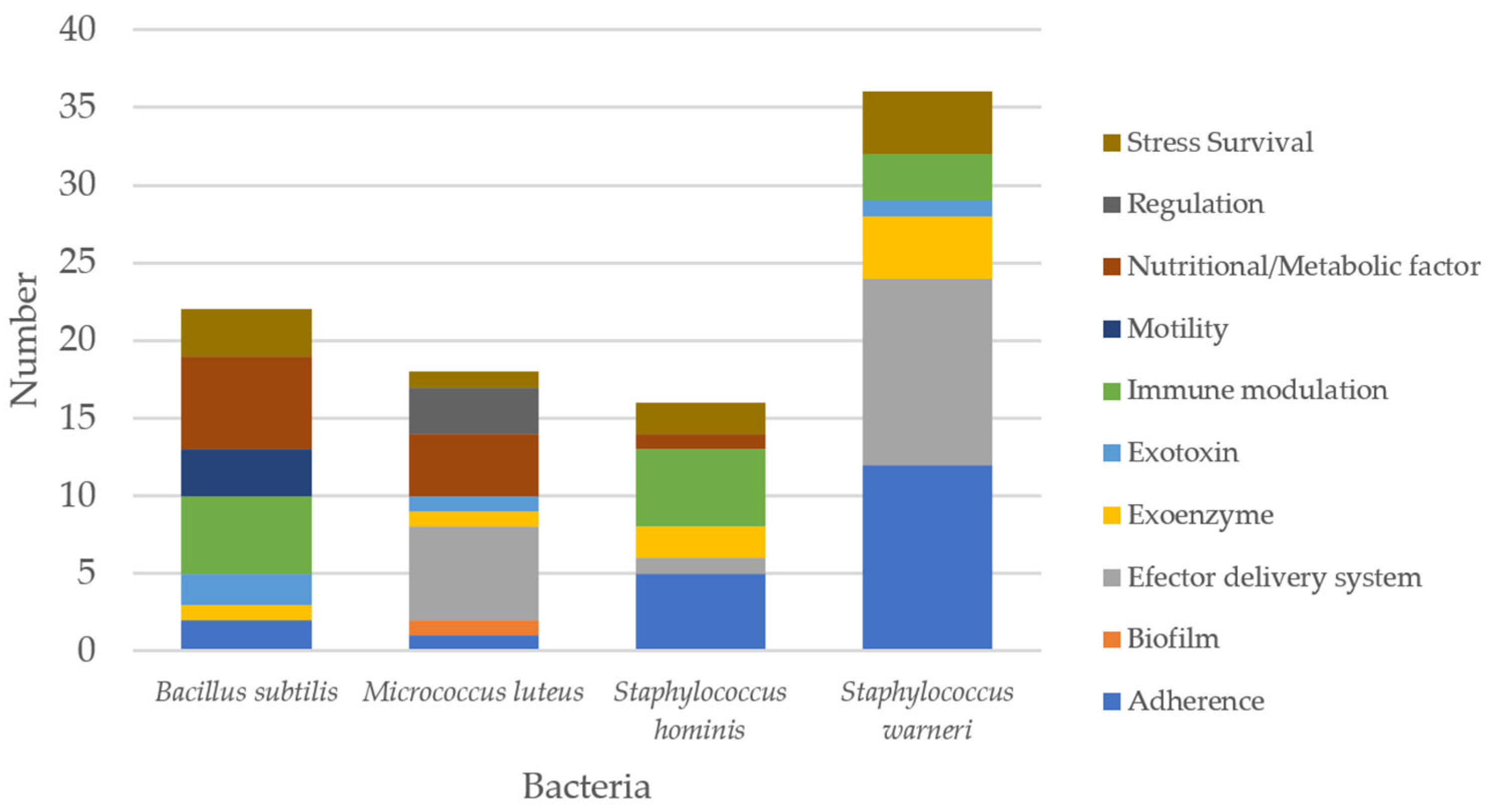
A number of virulence factors were identified from Indonesian skin microbiome bacteria (Figure 1). All bacteria contain virulence factors related to adherence, exoenzyme, and stress survival at various quantities. Meanwhile, genes related to motility were only identified in B. subtilis MBF10-19J, and genes related to biofilm formation and regulation were found only in M. luteus MBF05-19J. Virulence factors associated with nutritional and metabolic factors were found predominantly in B. subtilis MBF10-19J and M. luteus MBF05-19J. Meanwhile, virulence genes related to immune modulation were found in B. subtilis MBF10-19J, S. hominis MBF12-19J, and S. warneri MBF02-19J. Putative exotoxin and immune modulation-related genes were found in all strains except for S. hominis MBF12-19J and M. luteus MBF05-19J, respectively. A detailed list of putative virulence factors is presented in Supplementary Table S2. Although these virulence-associated genes were identified, their expression is not guaranteed under standard laboratory conditions and may depend on specific environmental triggers; therefore, their phenotypic activity needs to be confirmed through targeted in vitro and in vivo analyses.

3.4. Toxic Biochemicals

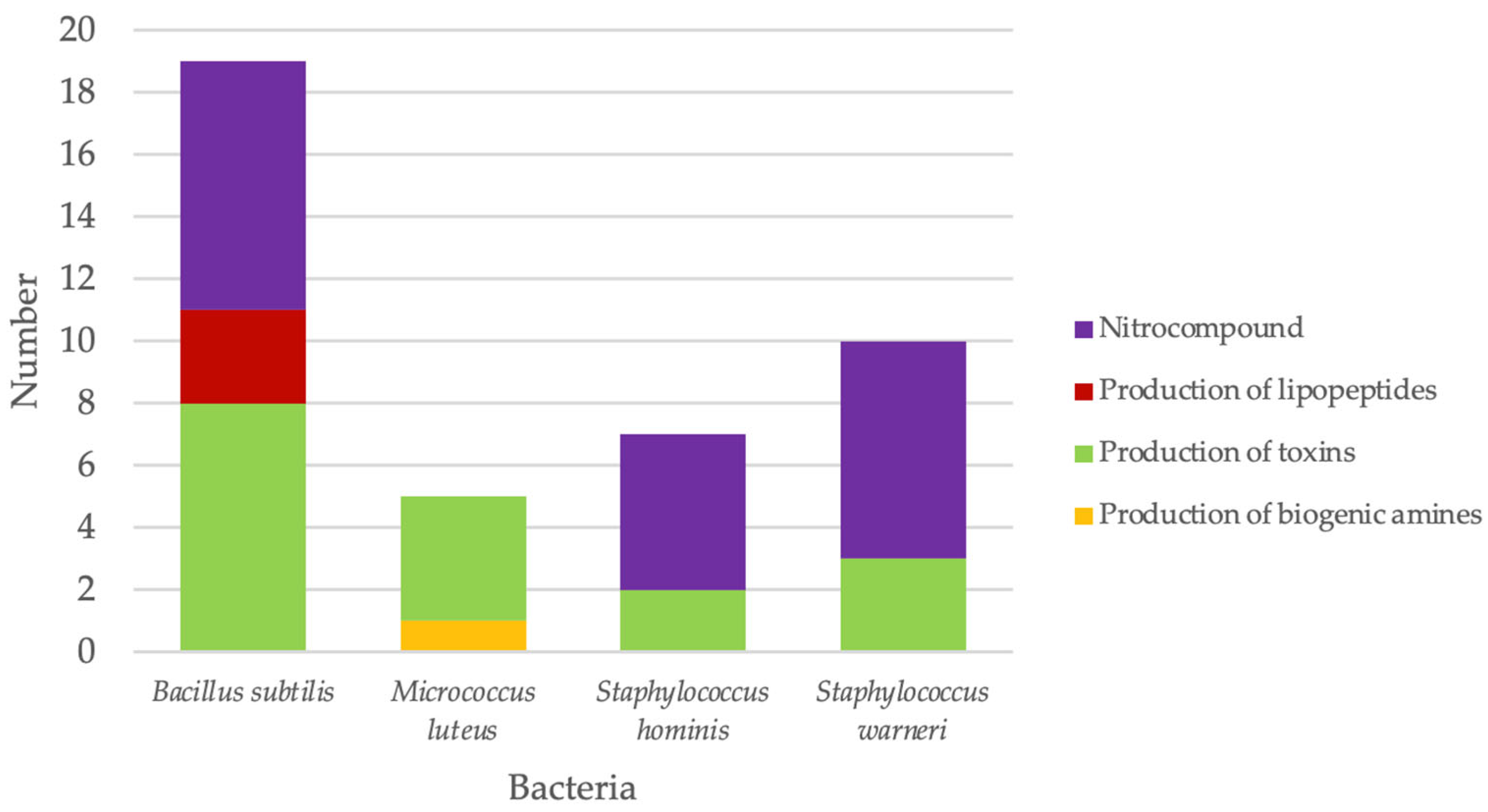
Genetic loci potentially encoding the production of various toxic biochemicals were identified from all four genome sequences investigated here, Figure 2, Supplementary Table S3), and these were dominated by the hemolysin family protein, which is involved in the host’s cell membrane disruption. B. subtilis MBF10-19J, S. hominis MBF12-19J, and S. warneri MBF02-19J contained genes encoding enzymes directly related to the production of nitrogenous compounds, which are dominated by the nitroreductase family of proteins. Lastly, B. subtilis MBF10-19J and M. luteus MBF05-19J contain genes associated with the production of lipopeptides and biogenic amines, respectively.

3.5. Bacterial Genome Stability

Putative CDSs for CRISPR-Cas sequences were identified in the genome sequences of B. subtilis MBF10-19J, M. luteus MBF05-19J, and S. warneri MBF02-19J. There are three CDSs for CRISPR in B. subtilis MBF10-19J and M. luteus MBF05-19J, and two CDSs for CRISPR in S. warneri MBF02-19J. Each CDS contains various numbers of single associated cas-gene, or repeat consensus, and spacers detected by CRISPRCasMeta (Table 7). No putative CRISPR-Cas sequences were detected in the S. hominis MBF12-19J genome sequence.
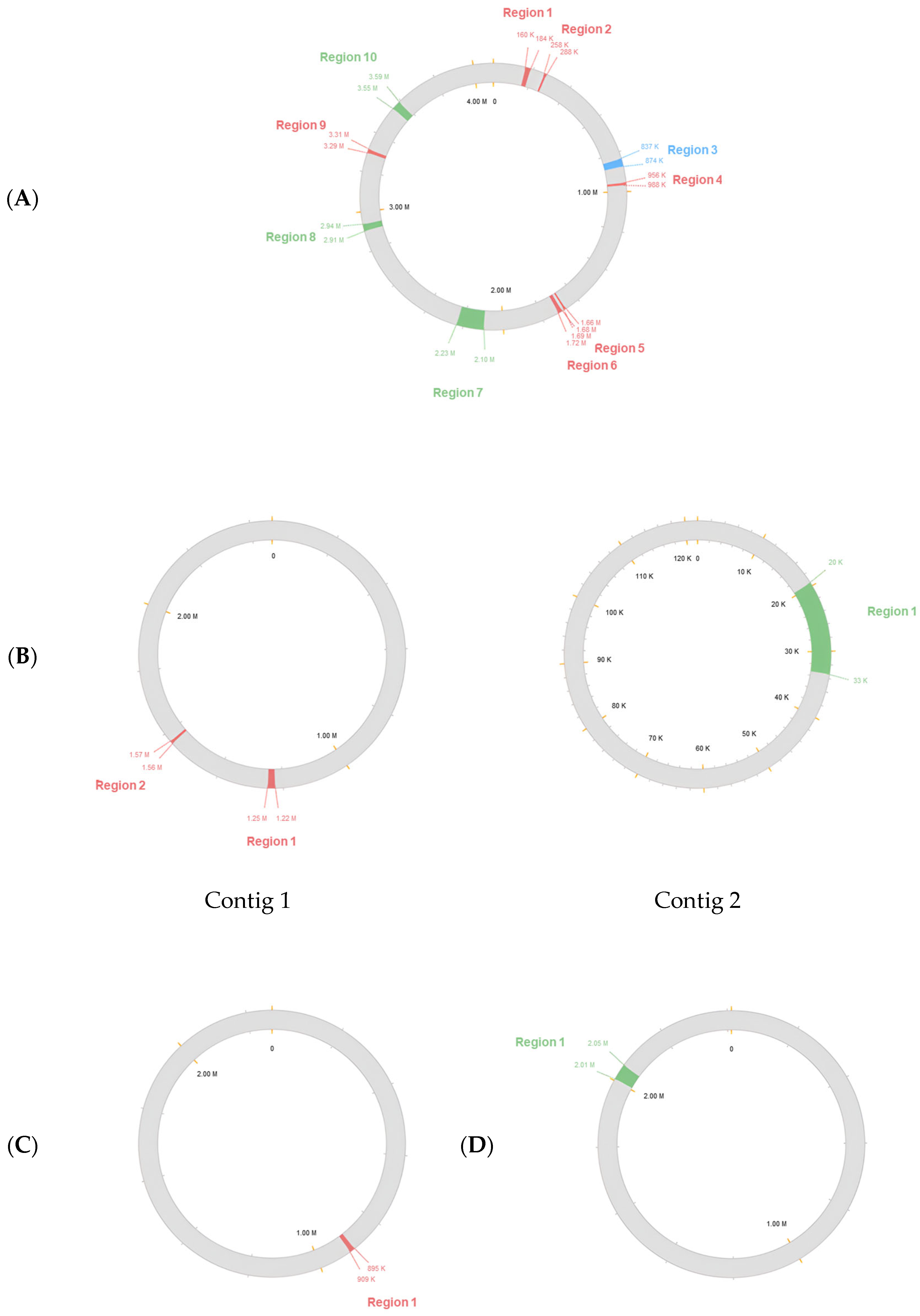
Ten predicted prophage regions were identified within the genome of B. subtilis MBF10-19J, of which three were classified as intact, six were designated as incomplete, and the remaining region deemed inconclusive. Three putative prophage regions (one intact and two incomplete) were detected in the M. luteus MBF05-19J genome. On the other hand, the genomes of S. hominis MBF12-19J and S. warneri MBF02-19J each contain one incomplete and one apparently intact prophage region, respectively (Figure 3).
A total of twelve insertion sequence (IS) elements were detected within the four genomes (Table 8). Notably, members of the IS1182, IS6, and IS3 insertion sequence families were detected, which are related to genomic instability, activation, and/or inactivation of genomic loci and genomic rearrangements, respectively [23].

3.6. In Vitro Antibiotic Sensitivity and Antimicrobial Activity Assays

In order to determine whether the ARO Terms (genotypes) identified by CARD and ResFinder correlated with actual antimicrobial resistance phenotypes, disk diffusion and MIC assays were performed according to CLSI guidelines with six clinically relevant antibiotics (vancomycin, gentamicin, erythromycin, chloramphenicol, ciprofloxacin, and amoxicillin). Inhibition zones were interpreted according to available CLSI breakpoints [24,35]. With the exception of B. subtilis MBF10-19J, which exhibited resistance to amoxicillin, all four strains were susceptible to all the antibiotics tested (Table 9).
According to CLSI guidelines, antibiotic susceptibility assessment for Staphylococcus spp. should be performed using the MIC microdilution method. Both the genomes of S. warneri MBF02-19J and S. hominis MBF12-19J harbored quinolone-associated genes (sdrM and gyrB) and vancomycin resistance-associated genes within the vanG cluster (vanT and/or vanY). Despite the presence of these genes, MIC testing showed susceptibility to ciprofloxacin in both strains. S. hominis MBF12-19J was susceptible to vancomycin, while S. warneri MBF02-19J exhibited intermediate susceptibility (Table 10). In addition, S. hominis MBF12-19J carried a blaZ (beta-lactamase) gene but remained susceptible to amoxicillin. Collectively, these results indicate that the detected determinants were non-functional.
For B. subtilis MBF10-19J and M. luteus MBF05-19J, for which limited CLSI breakpoints are available, both disk diffusion and MIC assays were performed to determine their antibiotic susceptibilities. B. subtilis MBF10-19J carried genes associated with multidrug resistance, including ykkC, ykkD, and mphK, yet remained susceptible to both chloramphenicol and erythromycin by disk diffusion and MIC testing. In contrast, B. subtilis MBF10-19J exhibited resistance to amoxicillin, consistent with the detection of β-lactamase-encoding genes (blaZ). Several vancomycin resistance-associated genes were identified in B. subtilis MBF10-19J (vanY in the vanM cluster, vanW in the vanI cluster, and vanT in the vanG cluster); however, MIC testing indicated susceptibility to vancomycin, indicating that these van clusters were either incomplete or non-functional.
In the case of M. luteus MBF05-19J, the only antibiotic resistance-associated gene detected in its genome was a putative vanY within the vanA cluster. Due to the absence of CLSI breakpoint guidelines for the genus Micrococcus, we decided to apply conservative susceptibility breakpoint values, i.e., specifically those that apply to the genus Staphylococcus, based on the fact that Micrococcus and Staphylococcus are Gram-positive genera with similar cell characteristics and habitat preferences (e.g., skin). As shown in Table 9 and Table 10, M. luteus MBF05-19J exhibits intermediate susceptibility to vancomycin by MIC and susceptibility by disk diffusion, and is susceptible to all other antibiotics tested by disk diffusion. A summary comparison between in silico predictions and in vitro phenotypic results is provided in Supplementary Table S4.
All of the skin microbiome isolates demonstrated various degrees of antimicrobial activity against Gram-positive and Gram-negative bacteria (Table 11). B. subtilis MBF10-19J exhibited strong activity, producing inhibition zones up to 2.37 mm, particularly against P. aeruginosa and E. coli. S. warneri, showed zones ranging from 2.00 to 2.30 mm across all test pathogens, while S. hominis MBF12-19J produced slightly larger inhibition zones between 2.17 and 2.37 mm. M. luteus MBF05-19J also inhibited all test bacteria, with inhibition zones ranging from 1.88 to 2.23 mm. Overall, the four skin microbiome isolates displayed comparable antimicrobial activity, with minor variations between Gram-positive and Gram-negative bacteria. The correlation between the in silico prediction and the in vitro observation is presented in Supplementary Table S4.

4. Discussion

The investigation of the diversity and functions of the human skin microbiome has gained considerable attention in dermatological research. The utilization of skin-dwelling bacteria and their derived metabolites for probiotic applications emerges as a promising avenue for developing innovative microbiome-based ingredients for cosmetics or promoting skin health. However, to be effective probiotics, candidate strains must display important beneficial probiotic-related genes and exhibit genomic stability. Moreover, to be granted “generally regarded as safe” (GRAS) status, probiotic candidates must not either (i) contain complete genetic determinants that confer antibiotic resistance to the host (or be transferable to other hosts) or (ii) encode known virulence factors. In our previous studies, we have reported the isolation of four bacterial strains, M. luteus MBF05-19J, B. subtilis MBF10-19J, S. warneri MBF02-19J, and S. hominis MBF12-19J, and their complementary behavior when incorporated into a bacterial cocktail [4,6]. Here, we present the bioinformatic analyses of the genome sequences of these probiotic candidates, focusing on potentially beneficial genes/genetic loci and assessing their features with criteria typically considered in GRAS evaluations, as summarized in Table 12.
The presence of potentially beneficial probiotic-related genes, including those responsible for lactic acid production, adhesion, and stress tolerance, was detected in the genomes of all four strains investigated here. Previous studies have shown that lactic acid can reduce melanin synthesis, resulting in a skin-whitening effect. This occurs through several mechanisms, such as inhibiting the expression of tyrosinase, the key enzyme in melanin biosynthesis, or interfering with tyrosinase glycosylation [36]. In addition, another study has shown that increased acidity of the environment occupied by lactic acid bacteria may inhibit the growth of neighboring pathogens and also inactivates the human immunodeficiency virus [37].
Effective skin probiotics must also persist on the skin surface. This allows the skin microbiome to deliver beneficial effects to target sites, reduces wash-off by skin cleansing products, and maintains their presence and activity at the intended skin surface site [38]. The potential rigidity and porosity of cell walls and biofilm production properties were also exhibited by all strains [39]. While excessive biofilm production may cause skin irritation and inflammation, the ability to construct biofilm may help the probiotic adhere more strongly to the skin surface and survive environmental stresses, such as washing and chemical exposure. Further research is necessary to confirm the activity and potential benefit of the genes identified in our four strains for use in skin-care products.
The genomic stability properties represented by the CRISPR-Cas sequence serve as a defense mechanism against any incoming foreign DNA, such as plasmids, insertion sequences, and bacteriophages. M. luteus MBF05-19J, B. subtilis MBF10-19J, and S. warneri MBF02-19J harbor CRISPR-Cas sequences, suggesting an enhanced capacity to restrict the acquisition of foreign DNA, including antimicrobial resistance genes [40]. On the other hand, these strains also contain prophages and IS elements, which are usually associated with genomic instability, genomic activation/inactivation, rearrangement, and internal plasticity [41]. The coexistence of CRISPR-Cas systems, prophages, and IS elements reflects a balance between genome defense and adaptive flexibility, potentially contributing to niche adaptation without necessarily increasing antimicrobial resistance gene acquisition. For the four strains investigated here, future studies can be carried out to assess genomic stability, e.g., the intra-chromosomal movement/excision of IS elements or prophages over time.
In addition, profiling the properties that are consistently found in those species/strains that have achieved GRAS status is essential; this covers the presence of (potentially) transferable AMR genes and potential virulence factor (VF)-encoding genes. M. luteus MBF05-19J was identified as the only bacterium that carried one AMR gene. Although antimicrobial resistance genes are harmful and must be monitored in probiotic screening, their presence does not necessarily prevent these bacteria from obtaining GRAS status [42]. Indeed, M. luteus MBF05-19J proved sensitive to the range of clinically relevant antibiotics tested here. The presence of intact prophage regions in B. subtilis MBF10-19J, M. luteus MBF05-19J, and S. warneri MBF02-19J may contribute to horizontal gene transfer and lysogenic conversion, such as a risk of the spread of antibiotic resistance and other virulence factors among bacteria. Several virulence factors were identified in the genomes of all four strains, i.e., factors related to adherence, exoenzyme, immune modulation, motility, biofilm formation, and stress survival. However, such so-called “virulence factors” function mainly in colonization and establishment within a particular habitat and are also typically found in common skin commensals, e.g., Staphylococcus epidermidis and Cutibacterium acnes. Therefore, these factors should not be considered as classical virulence determinants, i.e., major toxins, superantigens, or invasion-associated systems typically linked to bona fide pathogenic bacteria [43,44]. Further in vitro and in vivo investigations are required to assess their potential impact on human skin health and the risk of horizontal gene transfer of these resistance genes to other members of the skin microbiome.
The antibiotic resistance profiles inferred from the in silico genomic analyses were not corroborated by the in vitro susceptibility testing (phenotypic) data. In Staphylococcus spp., genes associated with quinolone and vancomycin resistance were detected; however, these determinants alone do not confer phenotypic resistance in the absence of key mutations or regulatory operons, such as gyrA/parC mutations for fluoroquinolones and the vanA operon for glycopeptide (vancomycin) resistance [45,46]. Indeed, both S. warneri MBF02-19J and S. hominis MBF12-19J were susceptible to ciprofloxacin and vancomycin. Similarly, the presence of blaZ in S. hominis MBF12-19J did not translate into amoxicillin resistance, consistent with previous reports linking specific blaZ polymorphisms to reduced β-lactamase activity [47].
B. subtilis MBF10-19J also demonstrated different results across in silico and in vitro analyses. Genes encoding putative multidrug efflux pumps and macrolide-modifying enzymes were detected, yet chloramphenicol and erythromycin susceptibility was maintained. This is in line with previous work demonstrating that mphK exhibits poor phosphorylation of erythromycin, resulting in a susceptible phenotype [48]. In contrast, the in vitro result for amoxicillin resistance was consistent with the detection of blaZ in the MBF10-19J genome [49]. Vancomycin resistance genes in B. subtilis MBF10-19J and M. luteus MBF05-19J were also identified by in silico analyses. However, none represented the key regulatory components required for high-level resistance, which was supported by phenotypic susceptibility testing [50]. As no validated CLSI breakpoints are available for B. subtilis and M. luteus, this study reports MIC and disk diffusion data, prioritizing MIC values for quantitative precision over qualitative zone interpretations [50,51,52].
The in vitro analyses were performed to validate phenotypic expression of the genotypes identified through in silico prediction. However, these assays alone are insufficient to determine GRAS acceptance or substantiate probiotic efficacy and long-term safety. Notably, these assays do not capture gene expression dynamics, host–microbe interactions, or the community-level effects that are critical for assessing probiotic efficacy and long-term safety on the skin. Therefore, comprehensive evaluation will require additional mechanistic, host-relevant, and longitudinal studies beyond standard antimicrobial susceptibility testing.
Although the majority of lactic acid bacteria are known to produce bacteriocins, no bona fide bacteriocin-related genes were identified in M. luteus MBF05-19J or S. hominis MBF12-19J. In contrast, biosynthetic genes encoding subtilosin in B. subtilis MBF10-19J and warnericin RC in S. warneri MBF02-19J were detected. These bacteriocins may be beneficial for their antimicrobial activity against closely related bacterial taxa. In the context of the skin microbiome, such activity may be beneficial by limiting opportunistic pathogens such as Staphylococcus epidermidis; however, it poses the risk of disturbing the skin microbiome ecosystem by suppressing other commensal species. As the ecological consequences of bacteriocin production on native skin microbial communities remain unknown, further functional and ecological studies are required to clarify the roles of these bacteriocins in microbiome stability.
In vitro antimicrobial screening of B. subtilis MBF10-19J and M. luteus MBF05-19J both demonstrated positive activity against Gram-positive and Gram-negative bacteria. Despite the absence of bacteriocin-related genes, M. luteus is known to produce carotenoid pigments that exhibit antimicrobial activity. This activity has been demonstrated in pigment extract preparations, while antimicrobial activity from intact cells has not been clearly documented [53]. In another study, subtilosin from B. subtilis had shown inhibition against Gram-positive bacteria, particularly Listeria spp. Although this study did not include Listeria spp., B. subtilis nonetheless showed inhibitory activity against other Gram-positive bacteria, indicating that its antimicrobial mechanism remained active under the tested conditions [54].
Potential quorum sensing of bacterial communities was assumed to be carried by strains S. hominis MBF12-19J and S. warneri MBF02-19J as the peptide signaling molecules were identified, i.e., 314.1 AIP I and 315.1 AIP II, respectively. AIP in Gram-positive bacteria ranging from 5 to 17 of linear or cyclized amino acids. It allows bacteria to share information and adjust gene expression in response to the environment or on a host. A previous study showed that the presence of a quorum sensing system in a bacterial community regulates the expression of genes encoding virulence factors in S. aureus found in human skin flora [37]. Therefore, the presence of genes related to quorum sensing in our four skin microbiome strains could prove a benefit for these strains to be used as components of a bacterial cocktail for promoting skin health. The in vitro antimicrobial assay supported the in silico prediction that both S. hominis MBF12-19J and S. warneri MBF02-19J exhibited inhibitory activity against Gram-positive and Gram-negative bacteria.
Genes involved in toxin production were identified from all strains, and these were dominated by the hemolysin family. B. subtilis MBF10-19J, S. hominis MBF12-19J, and S. warneri MBF02-19J harbored genes encoding enzymes directly related to the production of nitro compounds, which are dominated by the nitroreductase family. In addition, B. subtilis MBF10-19J and M. luteus MBF05-19J contain genes associated with the production of lipopeptides and biogenic amines, respectively. The presence of these gene categories indicates a genetic potential for producing metabolites that could be harmful under certain conditions.
Notably, previous skin sensitivity tests using a bacterial cocktail of these strains did not reveal any adverse reaction, suggesting an absence of any obvious short-term toxicity [5]. However, the detection of genes related to hemolysins, nitroreductases, and other potentially bioactive metabolites warrants cautious interpretation, as a genetic presence does not necessarily reflect expression levels or metabolite production in situ. Moreover, the regulation of these pathways may be influenced by host-specific factors, environmental cues, or prolonged exposure, which are not captured by the present in silico analysis. Therefore, while the available data support short-term skin compatibility, additional functional assays and long-term exposure studies are required to more comprehensively assess safety.
While a gap exists between genotype and phenotype, it is important to recognize that phenotype is a manifestation of an organism’s genotype under specific (i.e., in vivo) conditions. Therefore, assessing bacterial safety which aligns and complies with existing GRAS evaluation frameworks through whole-genome analysis provides an important foundation for understanding the potential risks and benefits of probiotic candidates. This approach can contribute to addressing the challenging safety assessment process and the rising concerns about the potential risks of probiotic products on human health.

5. Conclusions

Each skin microbiome bacterial strain investigated here harbors potential beneficial probiotic properties, such as lactic acid biosynthesis, cell adhesion, and metabolism improvement. On the other hand, whilst several undesirable genetic elements, such as those related to antimicrobial resistance, pathogenicity, and toxic biochemical, were also detected, functionality with respect to antibiotic resistance was not substantiated by in vitro testing. Additional information from this study supports the potential of the four skin microbiome-derived strains analyzed here as skin probiotic candidates. In vitro analyses indicate that S. hominis MBF12-19J is suitable as a probiotic. S. warneri MBF02-19J and M. luteus MBF05-19J appear safe for probiotic applications when used with appropriate caution, given the lack of validated AMR breakpoints for M. luteus. Whilst B. subtilis MBF10-19J displays amoxicillin resistance, it remains susceptible to other commonly used antibiotics such as erythromycin. Further in vivo work, including animal models and human trials, is warranted to comprehensively evaluate strain activities and safety under physiological conditions.

Supplementary Materials

The following supporting information can be downloaded at: https://www.mdpi.com/article/10.3390/microorganisms14010248/s1, Supplementary Table S1: Raw genome characteristics of the four sequenced bacterial genomes; Supplementary Table S2: Virulence factor-related genes; Supplementary Table S3: Toxic metabolite genes; and Supplementary Table S4: In vitro antibiotic resistance and antimicrobial activity profiles of the four sequenced bacterial genomes.

Author Contributions

Conceptualization, A.H.A. and A.M.; software, A.H.A. and N.C.K.H.; validation, A.M. and N.C.K.H.; formal analysis, A.H.A. and A.M.; investigation, A.H.A., A.M. and P.A.S.; writing—original draft preparation, A.M. and A.H.A.; writing—review and editing, A.H.A., A.M., P.A.S. and N.C.K.H.; and funding acquisition, A.M. All authors have read and agreed to the published version of the manuscript.

Funding

This research received no external funding.

Institutional Review Board Statement

Not applicable.

Informed Consent Statement

Not applicable.

Data Availability Statement

The whole-genome sequences of B. subtilis MBF10-19J, M. luteus MBF05-19J, S. hominis MBF12-19J, and S. warneri MBF02-19J have been deposited in GenBank under accession numbers JAGMTL000000000, JAGMUB000000000, JAGMUC000000000, and JAGMUP000000000, respectively.

Conflicts of Interest

The authors declare no conflicts of interest.

Abbreviations

The following abbreviations are used in this manuscript:
AAAmino acid
ABCATP-binding cassette
AIPAuto-inducing peptides
AMRAntimicrobial resistance
AROAntibiotic-resistant organism
bpBase pair
CARDComprehensive Antibiotic Resistance Database
CasCRISPR-associated genes
CDSCoding sequence
CLSIClinical and Laboratory Standards Institute
CRISPRClustered regularly interspaced short palindromic repeats
GRASGenerally recognized as safe
ISInsertion sequence
MFSMajor facilitator superfamily
MHAMueller–Hinton agar
MHBMueller–Hinton broth
MICMinimum inhibitory concentration
MPHMacrolide phosphotransferase
PGAPProkaryotic Genome Annotation Pipeline
PHASTERPhage Search Tool Enhanced Release
RASTRapid annotations using subsystems technology
RiPPsRibosomally synthesized and post-translationally modified peptides
SMRSmall multidrug resistance
VFVirulence factor
VFDBVirulence Factor Database
WGSWhole-genome sequencing

References

  1. Grice, E.A.; Segre, J.A. The skin microbiome. Nat. Rev. Microbiol. 2011, 9, 244–253. [Google Scholar] [CrossRef]
  2. Otsuka, A.; Moriguchi, C.; Shigematsu, Y.; Tanabe, K.; Haraguchi, N.; Iwashita, S.; Tokudome, Y.; Kitagaki, H. Fermented Cosmetics and Metabolites of Skin Microbiota—A New Approach to Skin Health. Fermentation 2022, 8, 703. [Google Scholar] [CrossRef]
  3. Gueniche, A.; Perin, O.; Bouslimani, A.; Landemaine, L.; Misra, N.; Cupferman, S.; Aguilar, L.; Clavaud, C.; Chopra, T.; Khodr, A. Advances in Microbiome-Derived Solutions and Methodologies Are Founding a New Era in Skin Health and Care. Pathogens 2022, 11, 121. [Google Scholar] [CrossRef]
  4. Khayyira, A.S.; Rosdina, A.E.; Irianti, M.I.; Malik, A. Simultaneous profiling and cultivation of the skin microbiome of healthy young adult skin for the development of therapeutic agents. Heliyon 2020, 6, e03700. [Google Scholar] [CrossRef]
  5. Fathan Luthfi, H.; Tesya, A.; Karina, H.; Ahmad, B.; Amarila, M.; Ayun Erwina, A.; Delly, R.; Conny Riana, T. Development of Bacterial Cocktail of Strains Staphylococcus hominis, Staphylococcus warneri, Bacillus subtilis, and Micrococcus luteus as active ingredients for Skin Care Formula. Indones. J. Pharm. 2023, 34, 236–244. [Google Scholar] [CrossRef]
  6. Baikuni, A.; Wanyodiharjo, M.R.; Ardiansyah, H.; Hawari, F.L.; Malik, A. Optimization of Cocktail Composition and Up-scale Fermentation Process Development of Four Skin Commensal Bacterial Strains. J. Ilmu Kefarmasian Indones. 2022, 20, 113–119. [Google Scholar] [CrossRef]
  7. Tenea, G.N.; Ortega, C. Genome Characterization of Lactiplantibacillus plantarum Strain UTNGt2 Originated from Theobroma grandiflorum (White Cacao) of Ecuadorian Amazon: Antimicrobial Peptides from Safety to Potential Applications. Antibiotics 2021, 10, 383. [Google Scholar] [CrossRef] [PubMed]
  8. FAO/WHO (World Health Organization). Probiotics in Food—Health and Nutritional Properties and Guidelines for Evaluation; World Health Organization: London, UK, 2022; pp. 413–426.
  9. Alayande, K.A.; Aiyegoro, O.A.; Nengwekhulu, T.M.; Katata-Seru, L.; Ateba, C.N. Integrated genome-based probiotic relevance and safety evaluation of Lactobacillus reuteri PNW1. PLoS ONE 2020, 15, e0235873. [Google Scholar] [CrossRef] [PubMed]
  10. U.S. Food and Drug Administration, Department of Health and Human Services. Substances Generally Recognized as Safe; Department of Health and Human Services: Silver Spring, MD, USA, 2016; pp. 54960–55055.
  11. Salvetti, E.; Orrù, L.; Capozzi, V.; Martina, A.; Lamontanara, A.; Keller, D.; Cash, H.; Felis, G.E.; Cattivelli, L.; Torriani, S.; et al. Integrate genome-based assessment of safety for probiotic strains: Bacillus coagulans GBI-30, 6086 as a case study. Appl. Microbiol. Biotechnol. 2016, 100, 4595–4605. [Google Scholar] [CrossRef] [PubMed]
  12. Wang, Y.; Liang, Q.; Lu, B.; Shen, H.; Liu, S.; Shi, Y.; Leptihn, S.; Li, H.; Wei, J.; Liu, C.; et al. Whole-genome analysis of probiotic product isolates reveals the presence of genes related to antimicrobial resistance, virulence factors, and toxic metabolites, posing potential health risks. BMC Genom. 2021, 22, 210. [Google Scholar] [CrossRef]
  13. Sylvere, N.; Mustopa, A.Z.; Budiarti, S.; Meilina, L.; Hertati, A.; Handayani, I. Whole-genome sequence analysis and probiotic characteristics of Lactococcus lactis Subsp. lactis strain Lac3 isolated from traditional fermented buffalo milk (Dadih). J. Genet. Eng. Biotechnol. 2023, 21, 49. [Google Scholar] [CrossRef]
  14. Kolmogorov, M.; Yuan, J.; Lin, Y.; Pevzner, P.A. Assembly of long, error-prone reads using repeat graphs. Nat. Biotechnol. 2019, 37, 540–546. [Google Scholar] [CrossRef]
  15. Tatusova, T.; DiCuccio, M.; Badretdin, A.; Chetvernin, V.; Nawrocki, E.P.; Zaslavsky, L.; Lomsadze, A.; Pruitt, K.D.; Borodovsky, M.; Ostell, J. NCBI prokaryotic genome annotation pipeline. Nucleic Acids Res. 2016, 44, 6614–6624. [Google Scholar] [CrossRef]
  16. Aziz, R.K.; Bartels, D.; Best, A.A.; DeJongh, M.; Disz, T.; Edwards, R.A.; Formsma, K.; Gerdes, S.; Glass, E.M.; Kubal, M.; et al. The RAST Server: Rapid Annotations using Subsystems Technology. BMC Genom. 2008, 9, 75. [Google Scholar] [CrossRef]
  17. Alcock, B.P.; Raphenya, A.R.; Lau, T.T.Y.; Tsang, K.K.; Bouchard, M.; Edalatmand, A.; Huynh, W.; Nguyen, A.-L.V.; Cheng, A.A.; Liu, S.; et al. CARD 2020: Antibiotic resistome surveillance with the comprehensive antibiotic resistance database. Nucleic Acids Res. 2019, 48, D517–D525. [Google Scholar] [CrossRef]
  18. Florensa, A.F.; Kaas, R.S.; Clausen, P.T.L.C.; Aytan-Aktug, D.; Aarestrup, F.M. ResFinder—An open online resource for identification of antimicrobial resistance genes in next-generation sequencing data and prediction of phenotypes from genotypes. Microb. Genom. 2022, 8, 748. [Google Scholar] [CrossRef]
  19. van Heel, A.J.; de Jong, A.; Song, C.; Viel, J.H.; Kok, J.; Kuipers, O.P. BAGEL4: A user-friendly web server to thoroughly mine RiPPs and bacteriocins. Nucleic Acids Res. 2018, 46, W278–W281. [Google Scholar] [CrossRef] [PubMed]
  20. Liu, B.; Zheng, D.; Jin, Q.; Chen, L.; Yang, J. VFDB 2019: A comparative pathogenomic platform with an interactive web interface. Nucleic Acids Res. 2018, 47, D687–D692. [Google Scholar] [CrossRef] [PubMed]
  21. Couvin, D.; Bernheim, A.; Toffano-Nioche, C.; Touchon, M.; Michalik, J.; Néron, B.; Rocha, E.P.C.; Vergnaud, G.; Gautheret, D.; Pourcel, C. CRISPRCasFinder, an update of CRISRFinder, includes a portable version, enhanced performance and integrates search for Cas proteins. Nucleic Acids Res. 2018, 46, W246–W251. [Google Scholar] [CrossRef] [PubMed]
  22. Arndt, D.; Grant, J.R.; Marcu, A.; Sajed, T.; Pon, A.; Liang, Y.; Wishart, D.S. PHASTER: A better, faster version of the PHAST phage search tool. Nucleic Acids Res. 2016, 44, W16–W21. [Google Scholar] [CrossRef]
  23. Siguier, P.; Perochon, J.; Lestrade, L.; Mahillon, J.; Chandler, M. ISfinder: The reference centre for bacterial insertion sequences. Nucleic Acids Res. 2006, 34, D32–D36. [Google Scholar] [CrossRef]
  24. Clinical and Laboratory Standards Institute. Performance Standards for Antimicrobial Susceptibility Testing, 33rd ed.; CLSI: Wayne, PA, USA, 2023. [Google Scholar]
  25. Hudzicki, J. Kirby-Bauer Disk Diffusion Susceptibility Test Protocol. Am. Soc. Microbiol. 2009, 15, 1–23. [Google Scholar]
  26. Hossain, T.J. Methods for screening and evaluation of antimicrobial activity: A review of protocols, advantages, and limitations. Eur. J. Microbiol. Immunol. 2024, 14, 97–115. [Google Scholar] [CrossRef]
  27. Powthong, P.; Suntornthiticharoen, P. Antimicrobial and Enzyme Activity Produced by Bacillus Spp. Isolated from Soil. Int. J. Pharm. Pharm. Sci. 2017, 9, 205–210. [Google Scholar] [CrossRef]
  28. Parks, D.H.; Imelfort, M.; Skennerton, C.T.; Hugenholtz, P.; Tyson, G.W. CheckM: Assessing the quality of microbial genomes recovered from isolates, single cells, and metagenomes. Genome Res. 2015, 25, 1043–1055. [Google Scholar] [CrossRef]
  29. Brunton, V.G.; MacPherson, I.R.J.; Frame, M.C. Cell adhesion receptors, tyrosine kinases and actin modulators: A complex three-way circuitry. Biochim. Biophys. Acta (BBA)-Mol. Cell Res. 2004, 1692, 121–144. [Google Scholar] [CrossRef]
  30. Susmitha, A.; Bajaj, H.; Madhavan Nampoothiri, K. The divergent roles of sortase in the biology of Gram-positive bacteria. Cell Surf. 2021, 7, 100055. [Google Scholar] [CrossRef] [PubMed]
  31. Ling, L.L.; Schneider, T.; Peoples, A.J.; Spoering, A.L.; Engels, I.; Conlon, B.P.; Mueller, A.; Schäberle, T.F.; Hughes, D.E.; Epstein, S.; et al. A new antibiotic kills pathogens without detectable resistance. Nature 2015, 517, 455–459. [Google Scholar] [CrossRef] [PubMed]
  32. Benítez-Chao, D.F.; León-Buitimea, A.; Lerma-Escalera, J.A.; Morones-Ramírez, J.R. Bacteriocins: An Overview of Antimicrobial, Toxicity, and Biosafety Assessment by in vivo Models. Front. Microbiol. 2021, 12, 630695. [Google Scholar] [CrossRef] [PubMed]
  33. Chen, Y.; Wang, J.; Li, G.; Yang, Y.; Ding, W. Current Advancements in Sactipeptide Natural Products. Front. Chem. 2021, 9, 595991. [Google Scholar] [CrossRef]
  34. Verdon, J.; Falge, M.; Maier, E.; Bruhn, H.; Steinert, M.; Faber, C.; Benz, R.; Héchard, Y. Detergent-Like Activity and α-Helical Structure of Warnericin RK, an Anti-Legionella Peptide. Biophys. J. 2009, 97, 1933–1940. [Google Scholar] [CrossRef]
  35. Sarker, M.M.R.; Islam, K.N.; Huri, H.Z.; Rahman, M.; Imam, H.; Hosen, M.B.; Mohammad, N.; Sarker, M.Z.I. Studies of the Impact of Occupational Exposure of Pharmaceutical Workers on the Development of Antimicrobial Drug Resistance. J. Occup. Health 2014, 56, 260–270. [Google Scholar] [CrossRef]
  36. Huang, H.C.; Lee, I.J.; Huang, C.; Chang, T.M. Lactic Acid Bacteria and Lactic Acid for Skin Health and Melanogenesis Inhibition. Curr. Pharm. Biotechnol. 2020, 21, 566–577. [Google Scholar] [CrossRef] [PubMed]
  37. Byakika, S.; Mukisa, I.M.; Byaruhanga, Y.B.; Muyanja, C. A Review of Criteria and Methods for Evaluating the Probiotic Potential of Microorganisms. Food Rev. Int. 2019, 35, 427–466. [Google Scholar] [CrossRef]
  38. Lopes, E.G.; Moreira, D.A.; Gullón, P.; Gullón, B.; Cardelle-Cobas, A.; Tavaria, F.K. Topical application of probiotics in skin: Adhesion, antimicrobial and antibiofilm in vitro assays. J. Appl. Microbiol. 2017, 122, 450–461. [Google Scholar] [CrossRef] [PubMed]
  39. van der Es, D.; Hogendorf, W.F.J.; Overkleeft, H.S.; van der Marel, G.A.; Codée, J.D.C. Teichoic acids: Synthesis and applications. Chem. Soc. Rev. 2017, 46, 1464–1482. [Google Scholar] [CrossRef]
  40. Palmer, K.L.; Gilmore, M.S. Multidrug-resistant enterococci lack CRISPR-cas. mBio 2010, 1, e00227-10. [Google Scholar] [CrossRef]
  41. Kirsch, J.M.; Hryckowian, A.J.; Duerkop, B.A. A metagenomics pipeline reveals insertion sequence-driven evolution of the microbiota. Cell Host Microbe 2024, 32, 739–754.e734. [Google Scholar] [CrossRef]
  42. Llor, C.; Bjerrum, L. Antimicrobial resistance: Risk associated with antibiotic overuse and initiatives to reduce the problem. Ther. Adv. Drug Saf. 2014, 5, 229–241. [Google Scholar] [CrossRef]
  43. Mayslich, C.; Grange, P.A.; Dupin, N. Cutibacterium acnes as an Opportunistic Pathogen: An Update of Its Virulence-Associated Factors. Microorganisms 2021, 9, 303. [Google Scholar] [CrossRef]
  44. Qi, X.; Han, Z.; Meng, J.; Zhao, H.; Zhou, M.; Wang, M.; Kang, S.; Shi, Q.; Li, H.; Lu, F.; et al. Integrated Metagenomic and Lipidomic Profiling Reveals Dysregulation of Facial Skin Microbiome in Moderate Acne Vulgaris. Microorganisms 2025, 13, 2674. [Google Scholar] [CrossRef]
  45. Afzal, M.; Vijay, A.K.; Stapleton, F.; Willcox, M. The Relationship between Ciprofloxacin Resistance and Genotypic Changes in S. aureus Ocular Isolates. Pathogens 2022, 11, 1354. [Google Scholar] [CrossRef]
  46. Stogios, P.J.; Savchenko, A. Molecular mechanisms of vancomycin resistance. Protein Sci. 2020, 29, 654–669. [Google Scholar] [CrossRef]
  47. Rocha, G.D.; Nogueira, J.F.; Gomes dos Santos, M.V.; Boaventura, J.A.; Nunes Soares, R.A.; José de Simoni Gouveia, J.; Matiuzzi da Costa, M.; Gouveia, G.V. Impact of polymorphisms in blaZ, blaR1 and blaI genes and their relationship with β-lactam resistance in S. aureus strains isolated from bovine mastitis. Microb. Pathog. 2022, 165, 105453. [Google Scholar] [CrossRef] [PubMed]
  48. Pawlowski, A.C.; Stogios, P.J.; Koteva, K.; Skarina, T.; Evdokimova, E.; Savchenko, A.; Wright, G.D. The evolution of substrate discrimination in macrolide antibiotic resistance enzymes. Nat. Commun. 2018, 9, 112. [Google Scholar] [CrossRef]
  49. Pimenta, L.K.L.; Rodrigues, C.A.; Filho, A.R.G.; Coelho, C.J.; Goes, V.; Estrela, M.; de Souza, P.; Avelino, M.A.G.; Vieira, J.D.G.; Carneiro, L. Staphylococcus spp. Causatives of Infections and Carrier of blaZ, femA, and mecA Genes Associated with Resistance. Antibiotics 2023, 12, 671. [Google Scholar] [CrossRef]
  50. Agersø, Y.; Stuer-Lauridsen, B.; Bjerre, K.; Jensen, M.G.; Johansen, E.; Bennedsen, M.; Brockmann, E.; Nielsen, B. Antimicrobial Susceptibility Testing and Tentative Epidemiological Cutoff Values for Five Bacillus Species Relevant for Use as Animal Feed Additives or for Plant Protection. Appl. Environ. Microbiol. 2018, 84, e01108–e01118. [Google Scholar] [CrossRef]
  51. Adimpong, D.B.; Sørensen, K.I.; Thorsen, L.; Stuer-Lauridsen, B.; Abdelgadir, W.S.; Nielsen, D.S.; Derkx, P.M.F.; Jespersen, L. Antimicrobial Susceptibility of Bacillus Strains Isolated from Primary Starters for African Traditional Bread Production and Characterization of the Bacitracin Operon and Bacitracin Biosynthesis. Appl. Environ. Microbiol. 2012, 78, 7903–7914. [Google Scholar] [CrossRef] [PubMed]
  52. European Committee on Antimicrobial Susceptibility Testing (EUCAST). Guidance on When There Are No Breakpoints in Breakpoint Tables? EUCAST: Växjö, Sweden, 2023. [Google Scholar]
  53. Hegazy, A.A.; Abu-Hussien, S.H.; Elsenosy, N.K.; El-Sayed, S.M.; Abo El-Naga, M.Y. Optimization, characterization and biosafety of carotenoids produced from whey using Micrococcus luteus. BMC Biotechnol. 2024, 24, 74. [Google Scholar] [CrossRef] [PubMed]
  54. Alajlani, M.M. Characterization of subtilosin gene in wild type Bacillus spp. and possible physiological role. Sci. Rep. 2022, 12, 10521. [Google Scholar] [CrossRef]
Figure 1. Virulence factors detected in the skin microbiome-derived bacterial strains.
Microorganisms 14 00248 g001
Figure 2. Number and type of genes potentially associated with the production of toxic metabolites.
Microorganisms 14 00248 g002
Figure 3. Regions and positions occupied by different types of prophages in circular genome mapping: (A) B. subtilis MBF10-19J in contig 1; (B) M. luteus MBF05-19J in contig 1 and 2; (C) S. hominis MBF12-19J in contig 1; and (D) S. warneri MBF02-19J in contig 1. Prophage identified as intact (green), incomplete (red), and inconclusive (blue).
Microorganisms 14 00248 g003
Table 1. Assembled genome characteristics.
Genome AssemblyB. subtilis
MBF10-19J
M. luteus
MBF05-19J
S. hominis
MBF12-19J
S. warneri
MBF02-19J
Genome size (bp)4,124,5412,588,3522,295,4962,521,958
Number of contigs22212
Contig N50 (bp)4,099,9042,466,5132,270,8622,412,201
GC percent (%)43.573.031.533.0
Genome coverage275.0×250.0×230.0×275.0×
Genes4390242422142466
Protein-coding3919215520372328
Completeness (%) 191.2589.9389.2899.65
Contamination (%) 10.920.465.120.06
1 Quality analysis was calculated using CheckM with corresponding bacterial marker set [28].
Table 2. Putative protein-encoding genes associated with lactic acid production.
BacteriaGene FunctionContig No.Nucleotide PositionProtein Length (aa)Orientation
BacteriaB. subtilis MBF10-19JL-lactate dehydrogenase13933240–3934205321
M. luteus MBF05-19JL-lactate dehydrogenase12366161–2367147328
S. hominis MBF12-19JL-lactate dehydrogenase1595506–596468320
D-lactate dehydrogenase1566226–567224332+
D-lactate dehydrogenase1612912–613904330
S. warneri MBF02-19JL-lactate dehydrogenase1676931–677887318+
D-lactate dehydrogenase1710609–711607332+
D-lactate dehydrogenase1752237–753229330
Table 3. Identified protein-encoding genes putative for adhesion.
BacteriaGene FunctionContig No.Nucleotide PositionProtein Length (aa)Orientation
B. subtilis MBF10-19JTyrosine-protein kinase PtkA1641786–642499237+
M. luteus MBF05-19JClass F sortase11154404–1155192262
Tyrosine-protein kinase family protein1651873–653456527+
S. hominis MBF12-19JClass A sortase SrtA1611182–611835217+
Tyrosine-protein kinase1484252–484959235+
S. warneri MBF02-19JClass A sortase SrtA1750585–751199204+
Table 4. Identified protein-encoding genes involved in active metabolism.
BacteriaGene FunctionContig No.Nucleotide PositionProtein Length (aa)Orientation
S. hominis MBF12-19Jpoly(glycerol-phosphate) alpha-glucosyltransferase12212230–2213852540
S. warneri MBF02-19Jpoly(glycerol-phosphate) alpha-glucosyltransferase1113739–115352537
Table 5. Putative antimicrobial resistance (AMR) genes detected.
BacteriaARO TermAMR Gene FamilyAntibioticContig No.Nucleotide PositionOrientation
B. subtilis MBF10-19JB. subtilis mprFDefensin resistant mprFDefensin13311549–3314119
bmrMajor facilitator superfamily (MFS) antibiotic efflux pumpAcriflavine; puromycin; chloramphenicol11868867–1870036
lmrBATP-binding cassette (ABC) antibiotic efflux pumpLincomycin; puromycin13977015–3978448+
ykkCSmall multidrug resistance (SMR) antibiotic efflux pumpStreptomycin; tetracycline; chloramphenicol12876690–2877028
ykkDSMR antibiotic efflux pumpStreptomycin; tetracycline; chloramphenicol12876373–2876690
vmlRMiscellaneous ABC-F subfamily ATP-binding cassette ribosomal protection proteinsLincomycin; virginiamycin M1; Tiamulin; virginiamycin S2; retapamulin; iboxamycin; hygromycin A; A201A13637619–3639262+
tmrBTunicamycin resistance proteinTunicamycin13900254–3900847+
mphKMacrolide phosphotransferase (MPH)Telithromycin; azithromycin; spiramycin13987522–3988436
FosBx1Fosfomycin thiol transferaseFosfomycin12395072–2395506
qacJSMR antibiotic efflux pumpBenzalkonium chloride12440760–2441080+
qacJSMR antibiotic efflux pumpBenzalkonium chloride12441094–2441447+
qacGSMR antibiotic efflux pumpBenzalkonium chloride1967469–967828+
vanW gene in vanI clusterVancomycin resistance gene cluster; vanWVancomycin; teicoplanin12286798–2287709+
vanY gene in vanM clusterVancomycin resistance gene cluster; vanYVancomycin; teicoplanin12222363–2223184+
vanT gene in vanG clusterVancomycin resistance gene cluster; vanTVancomycin13727051–3728220
PC1 beta-lactamase (blaZ)BlaZ beta-lactamaseAmoxicillin; ampicillin; piperacillin; penicillin68830–8958
M. luteus MBF05-19JvanY gene in vanA clusterVancomycin resistance gene cluster; vanYVancomycin; teicoplanin1418177–418926
S. hominis MBF12-19JfusCSteroid antibacterial; target protecting FusB-type protein conferring resistance to fusidic acidFusidic acid1210712–211350+
sdrMMFS antibiotic efflux pumpNorfloxacin1933792–935132+
sepASMR antibiotic efflux pumpAcriflavine1935207–935674+
vanT gene in vanG clusterVancomycin resistance gene cluster; vanTVancomycin11016536–1017681+
vanY gene in vanG clusterVancomycin resistance gene cluster; vanYVancomycin1288086–288757
PC1 blaZBlaZ beta-lactamaseAmoxicillin; ampicillin; piperacillin; penicillin218741–18869+
S. warneri MBF02-19JS. aureus gyrB conferring resistance to aminocoumarinAminocoumarin resistance gyrBNovobiocin; clorobiocin; couMermycin A11384334–386256+
sdrMMFS antibiotic efflux pumpNorfloxacin11100070–1101407+
sepASMR antibiotic efflux pumpAcriflavine11101527–1101994+
vanT gene in vanG clusterVancomycin resistance gene cluster; vanTVancomycin11189839–1190987+
Table 6. Identified bacteriocin genes within the four skin microbiome-derived bacterial genomes.
BacteriaAmino Acid SequenceClassSubclassContigNucleotide Position
B. subtilis MBF10-19JLKLPVQQVYSVYGGKDLPKGHSHS
TMPFLSKLQFLTKIYLLDIHTQPFFI
216.2; Subtilosin (SboX)Sactipeptide1536282–556896
S. hominis MBF12-19JMTFITQLFIKLFSLILETVGTLASYSP
CATYFDEPEVPEELTNLER
314.1; AIP IAuto Inducing Peptides11042904–1063039
S. warneri MBF02-19JMQFITDLIKKAVDFFKGLFGNK226.2; warnericin RC-11343093–1363156
MEFLVNLFFKFFTSIMEFVGFVAGYS
PCTNFFDEPEVPSE LTKIYE
315.1; AIP IIAuto Inducing Peptides11219862–1240957
Table 7. Putative CRISPR-Cas sequences detected in the skin microbiome bacterial genome sequences.
BacteriaRepeat Consensus/Cas-GenesContig No.Nucleotide PositionSpacer Count
B. subtilis MBF10-19JATCAATCATCCAAATCTGGTCGTTCGTCA
ATCAATCATCAAAATCATACAGCTCATCA
ATCAATCATCAAGATCATCAGGTTATTCA
1657275–6575463
AGAAGAGCTTGCTGTGCCGGAAAAGGAGGTTCGTGCTGAATCGG
11558676–15595569
TCTTGATAGAACTCTTTGTCATGATT
TCTTGATAGAATTCTTTGTCATGGTT
13752233–37523782
M. luteus MBF05-19JCCTGACCGCGGCCCAGCTCGAGG
CCCGACCCGCGCCGAGCGCGACG
CAAGGACCGCGGCGAGCGCGGCG
CAAGGACCGGGACGACCGCGGCT
CTCGGATCGGGGCGCCCGCCGCT
1359137–3594955
AGTTCTGACGCCCGATCCGCAGCG
12345977–23460711
CTGGCTCATCCCTGCGCGGGCGGAGCTTCC
TGGGCTCATCCCTGCGTGCGCGGGGCTTCC
215525–156762
S. warneri MBF02-19JAAGTACTTCCATTTTAATGGTTAG
AAGTACTTCCATTTTAATGGTTAG
1885832–8859181
TTAAAGGCATAGTTTTTTTGTTGTTATGCCT
132145–22571
Table 8. Identified bacterial insertion sequences found within the four skin microbiome-derived bacterial genomes.
BacteriaSequences Producing Significant AlignmentsIS FamilyOriginScoreE Value
B. subtilis MBF10-19JISBwe2IS6Bacillus weihenstephanensis3031.00 × 10−78
IS643IS21Bacillus halodurans2663.00 × 10−67
ISBwe3IS6Bacillus weihenstephanensis2424.00 × 10−60
IS240CIS6Bacillus cereus2149.00 × 10−52
ISBsp5IS1182Bacillus sp.1433.00 × 10−30
ISBth6IS6Bacillus thuringiensis1433.00 × 10−30
ISOih1IS1182Oceanobacillus iheyensis1233.00 × 10−24
ISBpu1IS1182Bacillus pumilus1194.00 × 10−23
IS240BIS6Bacillus thuringiensis1156.00 × 10−22
IS240AIS6Bacillus thuringiensis1156.00 × 10−22
ISBspe1IS1182Bacillus pseudofirmus89.74.00 × 10−14
M. luteus MBF05-19JISPfr10IS3Propionibacterium freudenreichii12790
ISPfr12IS3Propionibacterium freudenreichii12510
ISAar43IS3Arthrobacter arilaitensis12370
ISBli29ISNCYBrevibacterium linens4143.00 × 10−112
ISArsp9ISNCYArthrobacter sp.3152.00 × 10−82
ISBli17IS3Brevibacterium linens1861.00 × 10−43
ISTesp1IS3Terrabacter sp.1808.00 × 10−42
ISBli35IS3Brevibacterium linens1571.00 × 10−34
ISArsp6Tn3Arthrobacter sp.1471.00 × 10−31
ISArsp14ISNCYArthrobacter sp.1371.00 × 10−28
ISAcl2IS3Arthrobacter chlorophenolicus1371.00 × 10−28
ISMyma1IS3Mycobacterium marinum1354.00 × 10−28
ISMcte1IS5Micrococcus terreus1031.00 × 10−18
ISRhosp5IS3Rhodococcus sp.1016.00 × 10−18
ISTesp3IS3Terrabacter sp.99.62.00 × 10−17
IS999IS3Mycobacterium avium95.63.00 × 10−16
ISBli33IS3Brevibacterium linens81.85.00 × 10−12
ISRsp12Tn3Rhizhobium sp.81.85.00 × 10−12
ISPfr13IS3Propionibacterium freudenreichii81.85.00 × 10−12
ISShes11Tn3Shewanella sp.79.82.00 × 10−11
ISAcba1IS1595Actinobacteria bacterium77.88.00 × 10−11
S. hominis MBF12-19JISSep1IS1182Staphylococcus epidermidis30270
IS1272IS1182Staphylococcus haemolyticus25100
ISSau3IS1182S. aureus10650
ISSau4IS3S. aureus1492.00 × 10−32
ISCpe5IS1182Clostridium perfringens81.85.00 × 10−12
ISSmi2IS1182Streptococcus mitis75.83.00 × 10−10
S. warneri MBF02-19JIS257R1IS6S. aureus15500
IS431mecIS6S. aureus15180
IS257R2IS6S. aureus15110
IS431RIS6S. aureus15070
IS431LIS6S. aureus14730
IS257-3IS6S. aureus13440
IS257-1IS6S. aureus13220
IS257-2IS6S. aureus7670
ISSau6IS6S. aureus5936.00 × 10−166
ISSau3IS1182S. aureus4821.00 × 10−132
ISSep1IS1182Staphylococcus epidermidis3676.00 × 10−98
IS1272IS1182Staphylococcus haemolyticus3439.00 × 10−91
ISSep2IS110Staphylococcus epidermidis1393.00 × 10−29
ISSau4IS3S. aureus1316.00 × 10−27
Table 9. Antibiotic susceptibility disk diffusion assays.
StrainDisk Diffusion (in mm)
S. warneri MBF02-19JS. hominis MBF12-19JB. subtilis MBF10-19JM. luteus MBF05-19JInterpretation
Vancomycin28.7228.8723.9326.02Susceptible
Gentamicin34.5833.0533.1235.60Susceptible
Chloramphenicol35.6530.3034.3324.87Susceptible
Erythromycin24.0332.5230.4335.60Susceptible
Ciprofloxacin39.4844.0542.6534.75Susceptible
Amoxicillin48.1532.538.0243.60Susceptible, except B. subtilis MBF10-19J
Table 10. Minimum inhibitory concentration (MIC) values.
StrainVancomycin (µg/mL)Interpretation
S. warneri MBF02-19J8Intermediate
S. hominis MBF12-19J4Susceptible
B. subtilis MBF10-19J32Resistant
M. luteus MBF05-19J8Intermediate
StrainAmoxicillin (µg/mL)Interpretation
B. subtilis MBF10-19J50Resistant
Table 11. Antimicrobial activity exhibited by the four skin microbiome-derived bacterial strains.
S. warneri MBF02-19JS. hominis MBF12-19JB. subtilis MBF10-19JM. luteus MBF05-19J
S. aureus2.30|2.272.37|2.272.37|2.452.17|2.23
B. subtilis2.02|2.002.17|2.202.15|2.101.90|1.88
S. mutans2.25|2.122.22|2.252.37|2.252.07|2.05
S. typhimurium2.07|2.172.27|2.352.20|2.302.10|2.15
P. aeruginosa2.15|2.172.32|2.372.32|2.472.07|2.17
E. coli2.20|2.122.30|2.252.37|2.462.17|2.12
Units are in mm (left|right of the center producer streak).
Table 12. Key safety acceptability criteria.
Safety CriteriaAcceptability Description
Strain identificationGenus and species of the probiotic strain must be identified and show specific health effect. Recommended methods, i.e., sequencing the 16S rRNA gene amplified by polymerase chain reaction (PCR) and/or whole-genome sequencing (WGS).
Adhesion abilityThe genome must be screened for adhesion-related genes to confirm the strain’s ability for colonizing human epithelial cells and interacting with the host immune system as a key functional safety requirement for effective probiotics.
Biofilm formation and antimicrobial abilityThe genes related to biofilm formation and bacteriocin production must be identified. Biofilm formation should be characterized with in vitro and in vivo studies to prove non-pathogenicity, while antimicrobial gene presence supports the strain’s role in inhibiting the growth of potential pathogens.
Absence of gene transfer potentialThe strain must not contain transferable antibiotic resistance gene to prevent acquired antibiotic resistance (AMR). Ideally, in silico screening of the genome sequence of the strain of interest should be performed.
Disclaimer/Publisher’s Note: The statements, opinions and data contained in all publications are solely those of the individual author(s) and contributor(s) and not of MDPI and/or the editor(s). MDPI and/or the editor(s) disclaim responsibility for any injury to people or property resulting from any ideas, methods, instructions or products referred to in the content.