Article

Characterization of Phytoplankton Composition in Lake Maggiore: Integrated Chemotaxonomy for Enhanced Cyanobacteria Detection

by
Elisabetta Canuti
1,* and
Martina Austoni
2
1
European Commission, Joint Research Centre (JRC), 21027 Ispra, VA, Italy
2
National Research Council of Italy, Water Research Institute, CNR-IRSA, 28922 Verbania Pallanza, VB, Italy
*
Author to whom correspondence should be addressed.
Microorganisms 2024, 12(11), 2211; https://doi.org/10.3390/microorganisms12112211

Submission received: 3 October 2024 / Revised: 25 October 2024 / Accepted: 28 October 2024 / Published: 31 October 2024
(This article belongs to the Special Issue Phytoplankton and Environment Interactions)

Abstract

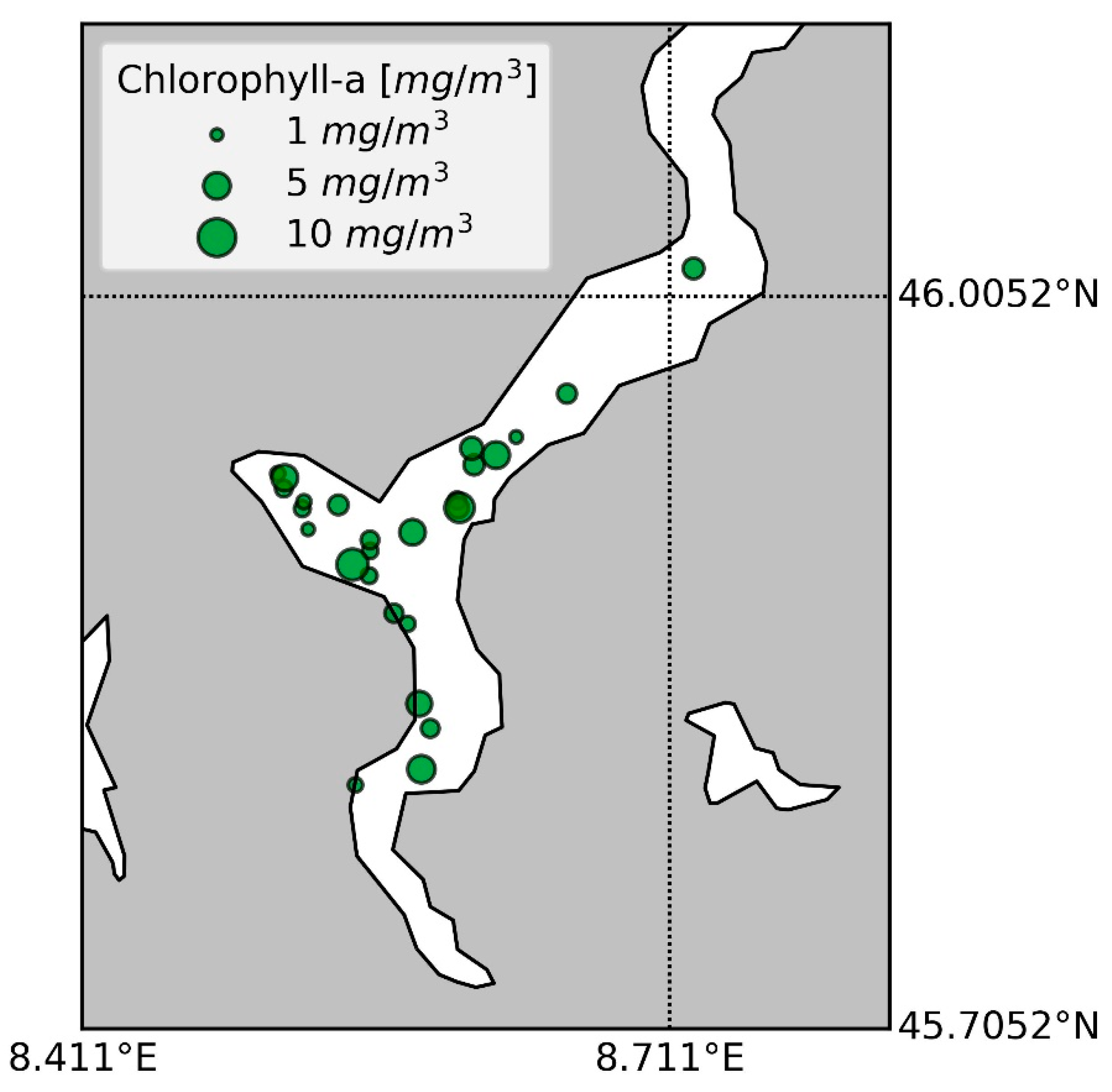
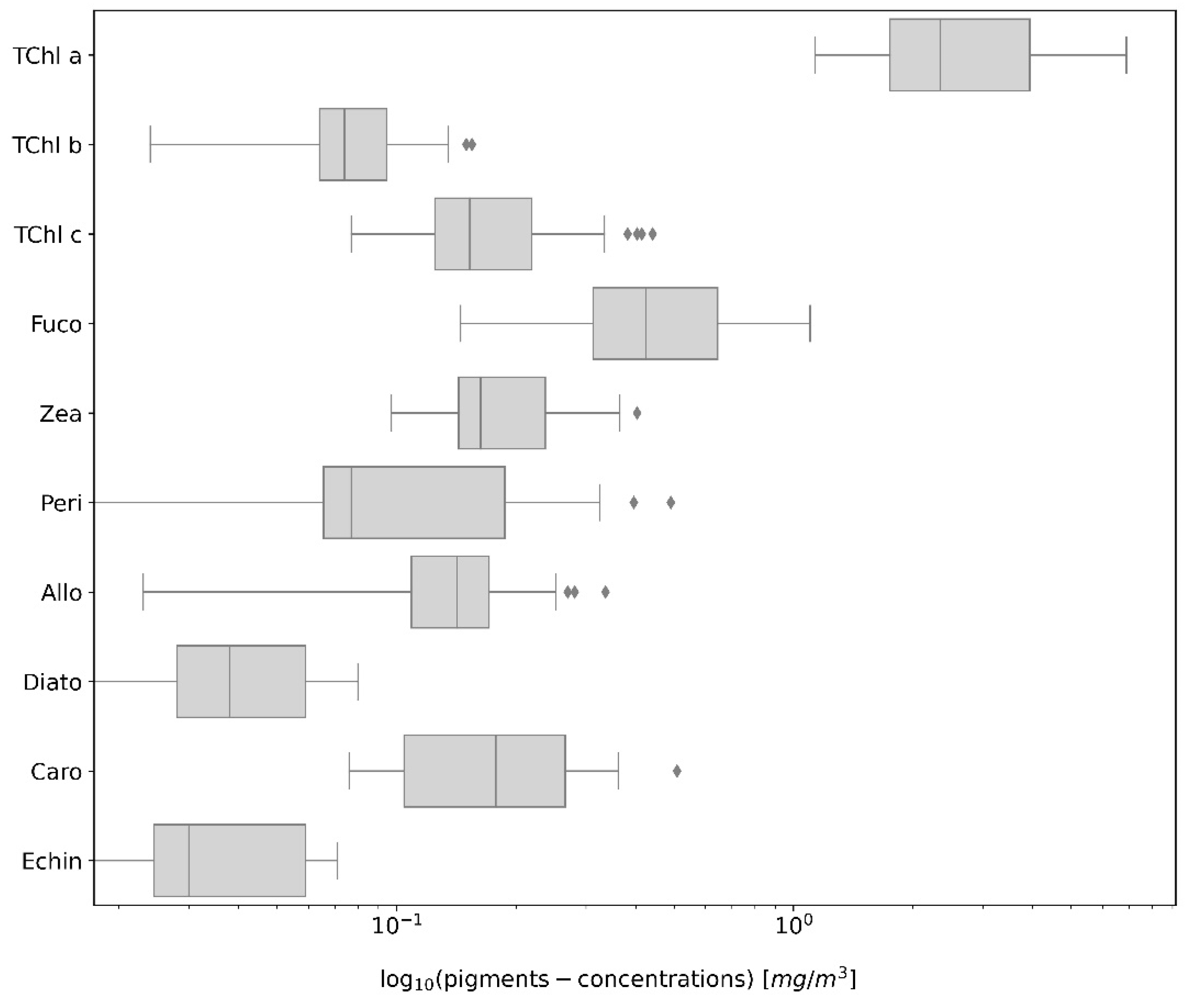
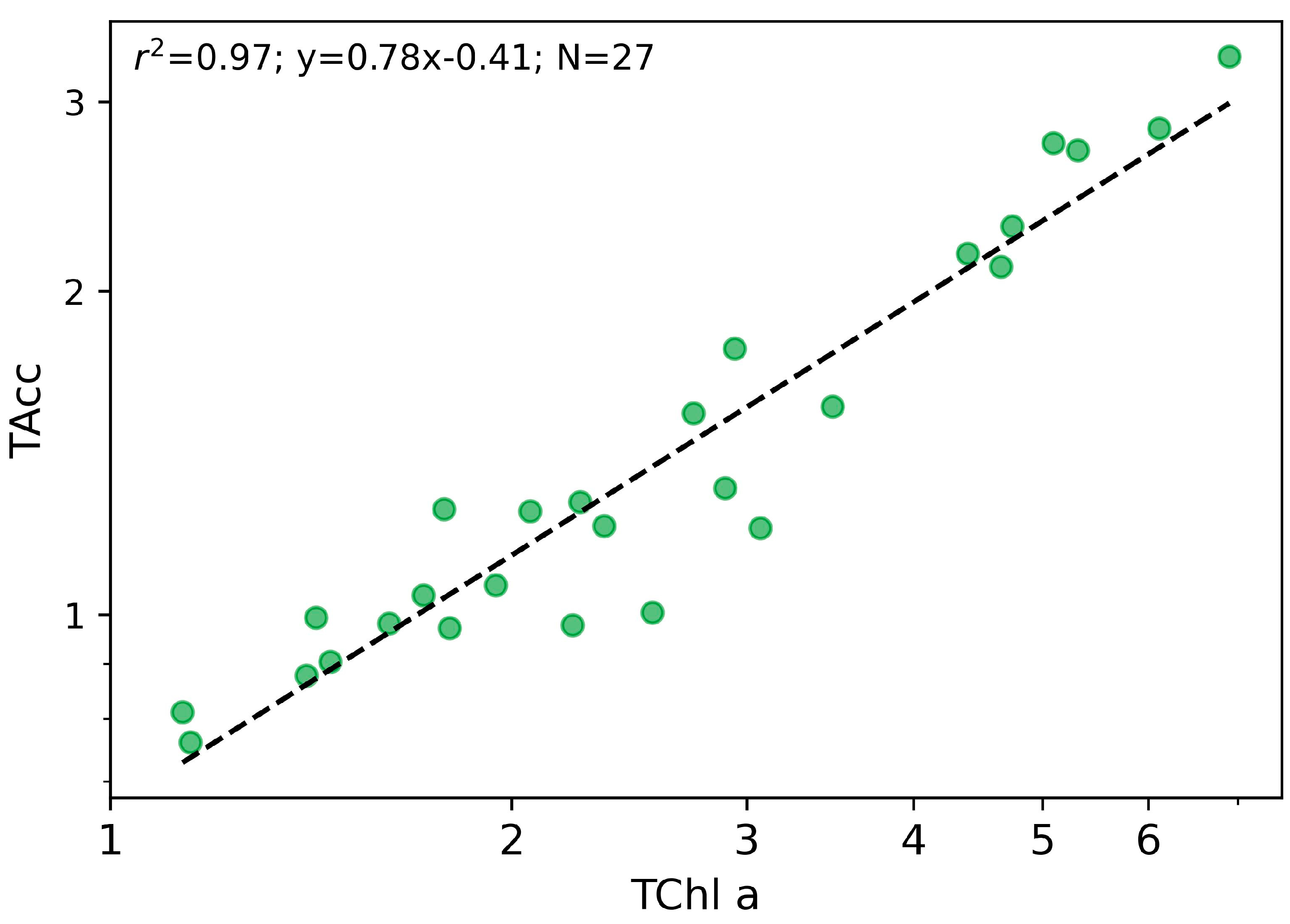
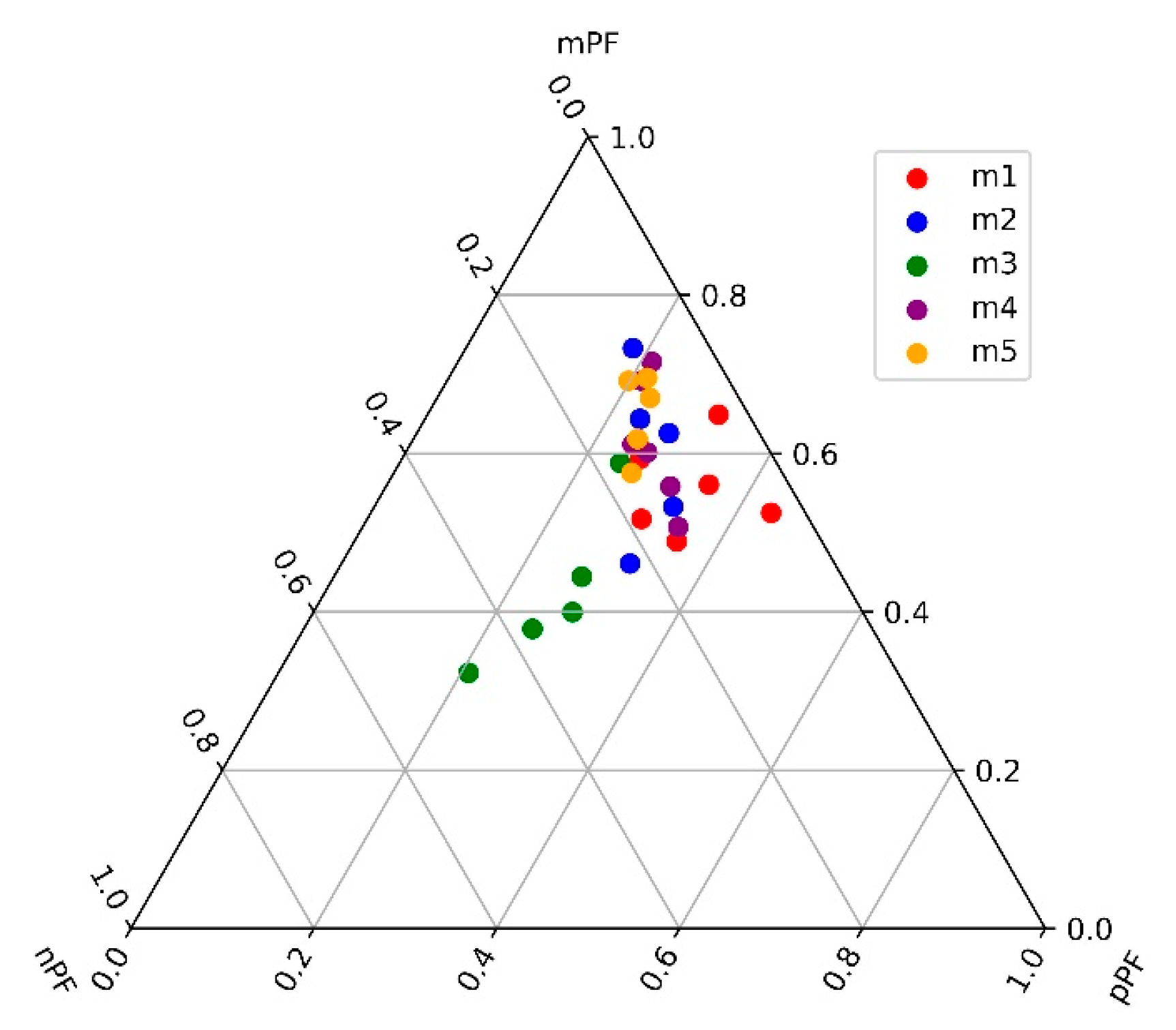
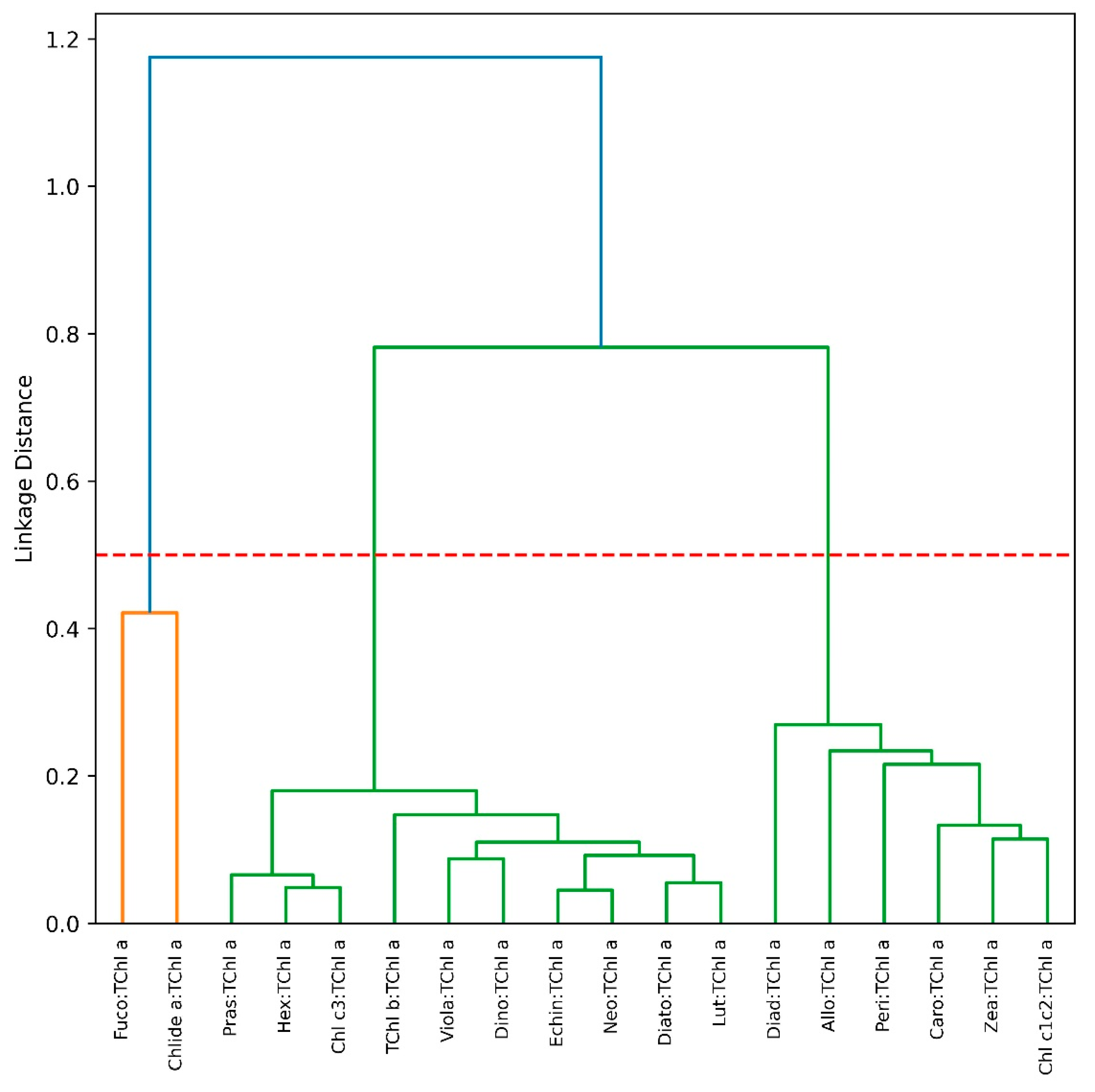
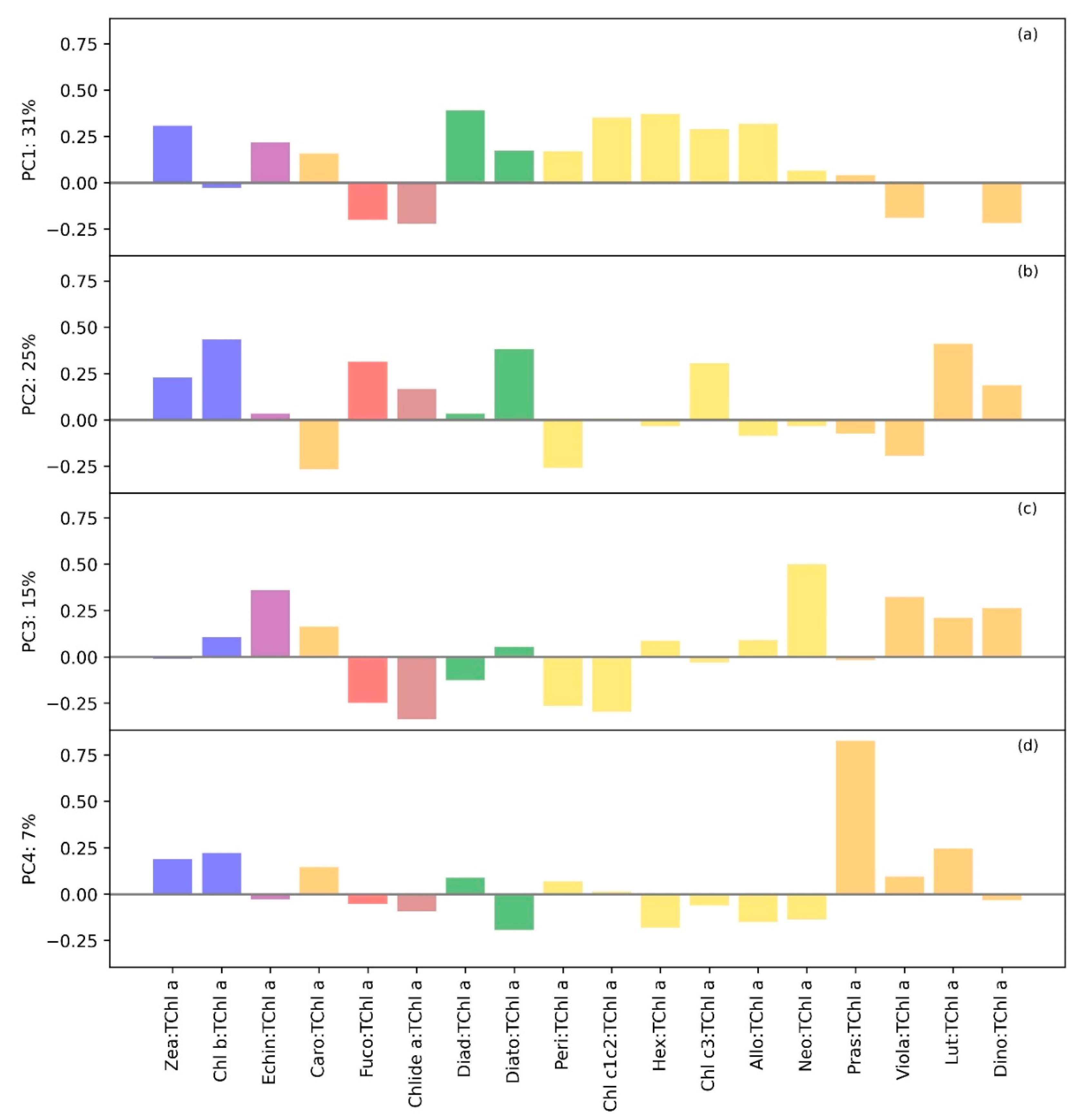
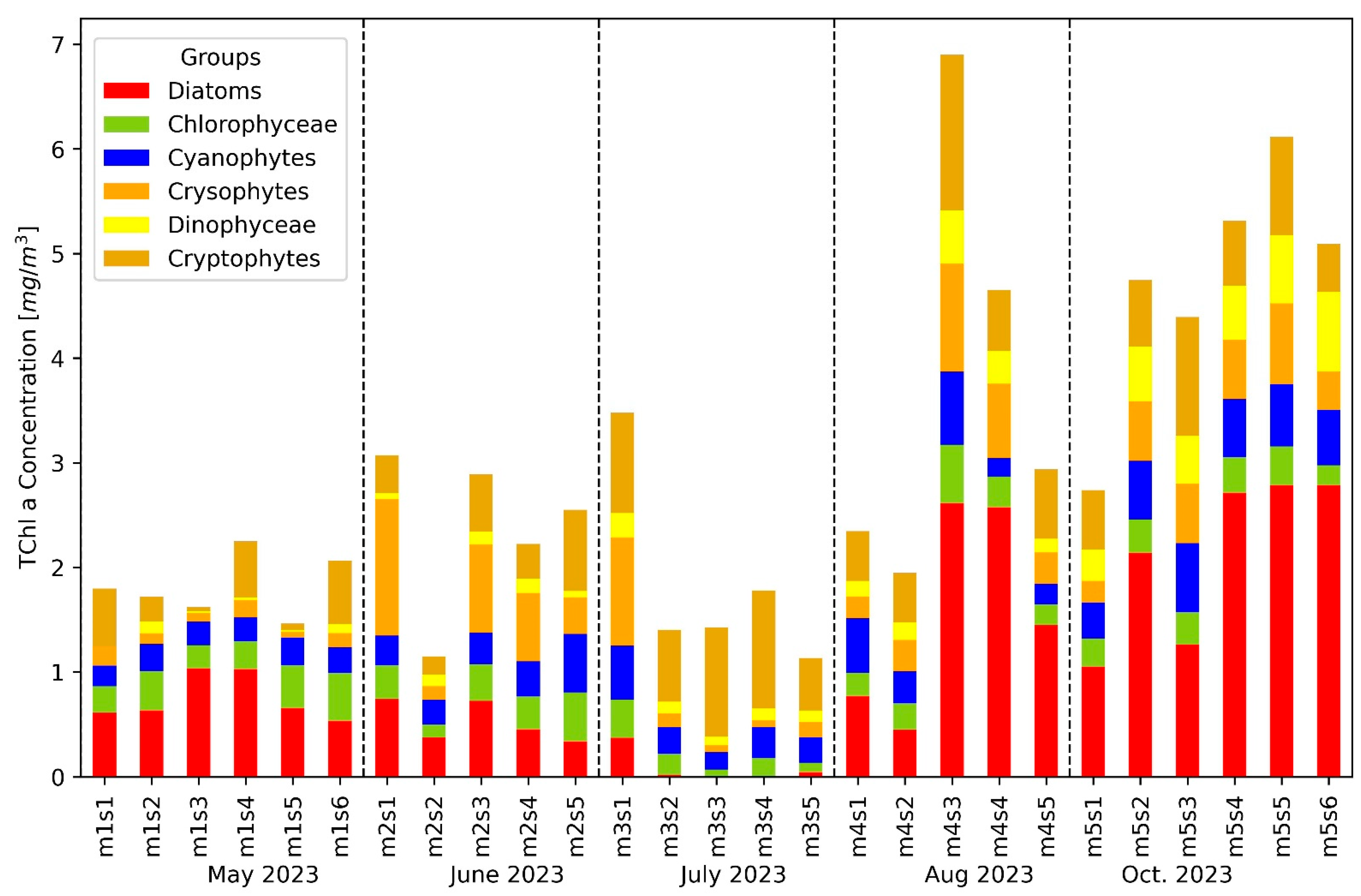
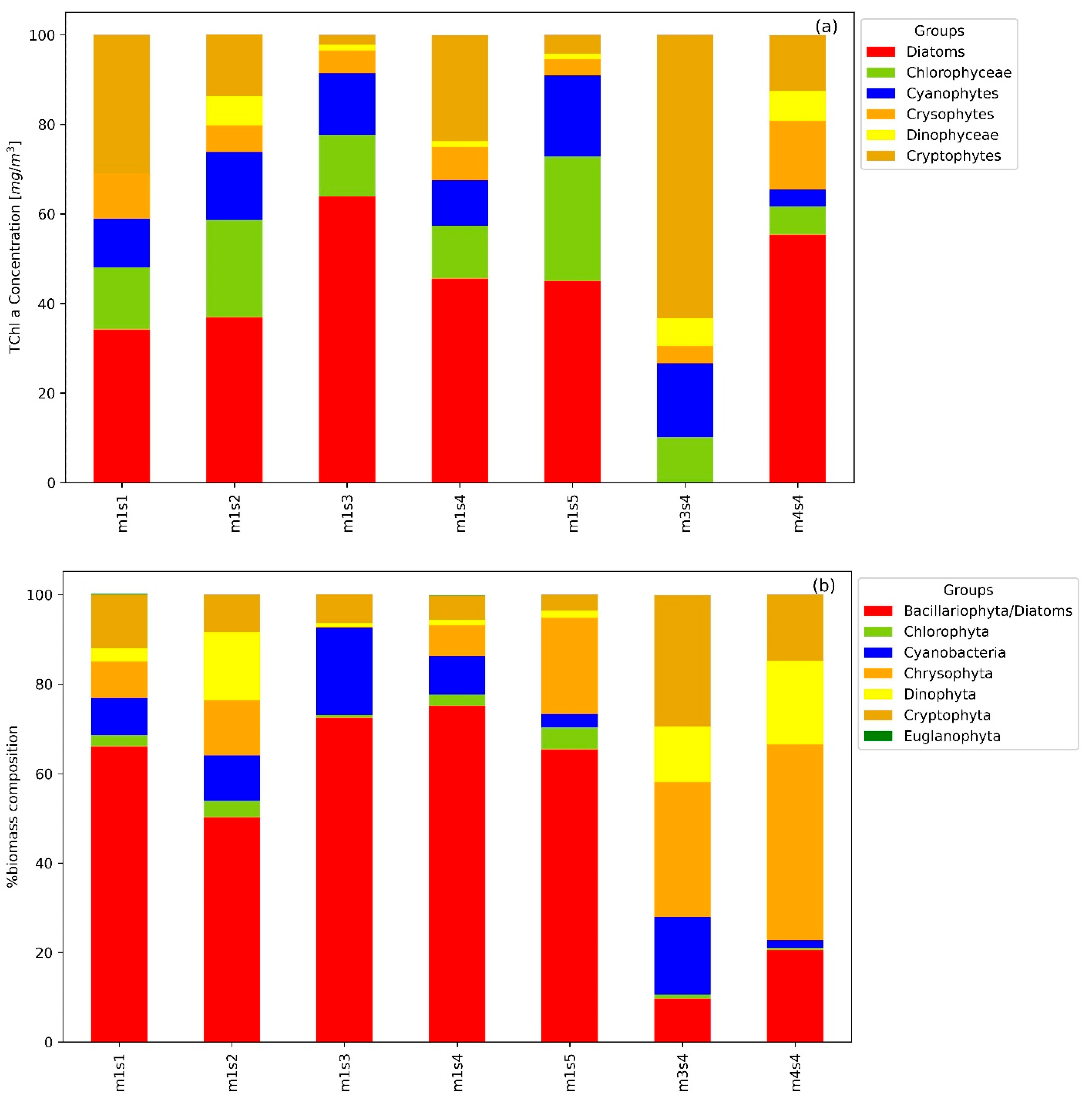
Cyanobacterial blooms in lakes have increased in frequency and intensity over the past two decades, negatively affecting ecological and biogeochemical processes. This study focuses on the phytoplankton composition of Lake Maggiore, with a special emphasis on cyanobacteria detection through pigment composition. While microscopy is the standard method for phytoplankton identification, pigment-based methods provide broader spatiotemporal coverage. Between May and September 2023, five measurement campaigns were conducted in Lake Maggiore, collecting bio-geochemical and bio-optical data at 27 stations. The total Chlorophyll-a (TChl a) was measured, with concentrations ranging from 1.13 to 6.9 mg/m3. Phytoplankton pigment composition was analyzed using High-Performance Liquid Chromatography (HPLC) and the CHEMTAX approach was applied for phytoplankton classification. The results were cross-validated using Principal Component Analysis (PCA), Hierarchical Cluster Analysis (HCA), and microscopic counts. Cyanobacteria were identified based on unique pigment markers, such as carotenoids. The HPLC-derived pigment classification results aligned well with both PCA and HCA and microscopic counts verified the accuracy of the pigment-based chemotaxonomy. The study demonstrates that pigment-based classification methods, when combined with statistical analyses, offer a reliable alternative for identifying cyanobacteria and other phytoplankton groups, with potential applications in support of remote sensing algorithm development.
Keywords: CHEMTAX; Lake Maggiore; HPLC pigments phytoplankton; cyanobacteria; bloom; chemotaxonomy CHEMTAX; Lake Maggiore; HPLC pigments phytoplankton; cyanobacteria; bloom; chemotaxonomy