Article

Phenol Degradation by Pseudarthrobacter phenanthrenivorans Sphe3

by
Stamatia Asimakoula
,
Orfeas Marinakos
,
Epameinondas Tsagogiannis
and
Anna-Irini Koukkou
*
Laboratory of Biochemistry, Sector of Organic Chemistry and Biochemistry, Department of Chemistry, University of Ioannina, 45110 Ioannina, Greece
*
Author to whom correspondence should be addressed.
Microorganisms 2023, 11(2), 524; https://doi.org/10.3390/microorganisms11020524
Submission received: 30 January 2023 / Revised: 13 February 2023 / Accepted: 17 February 2023 / Published: 18 February 2023
(This article belongs to the Special Issue Microbial Biodegradation and Biotransformation 2.0)

Abstract

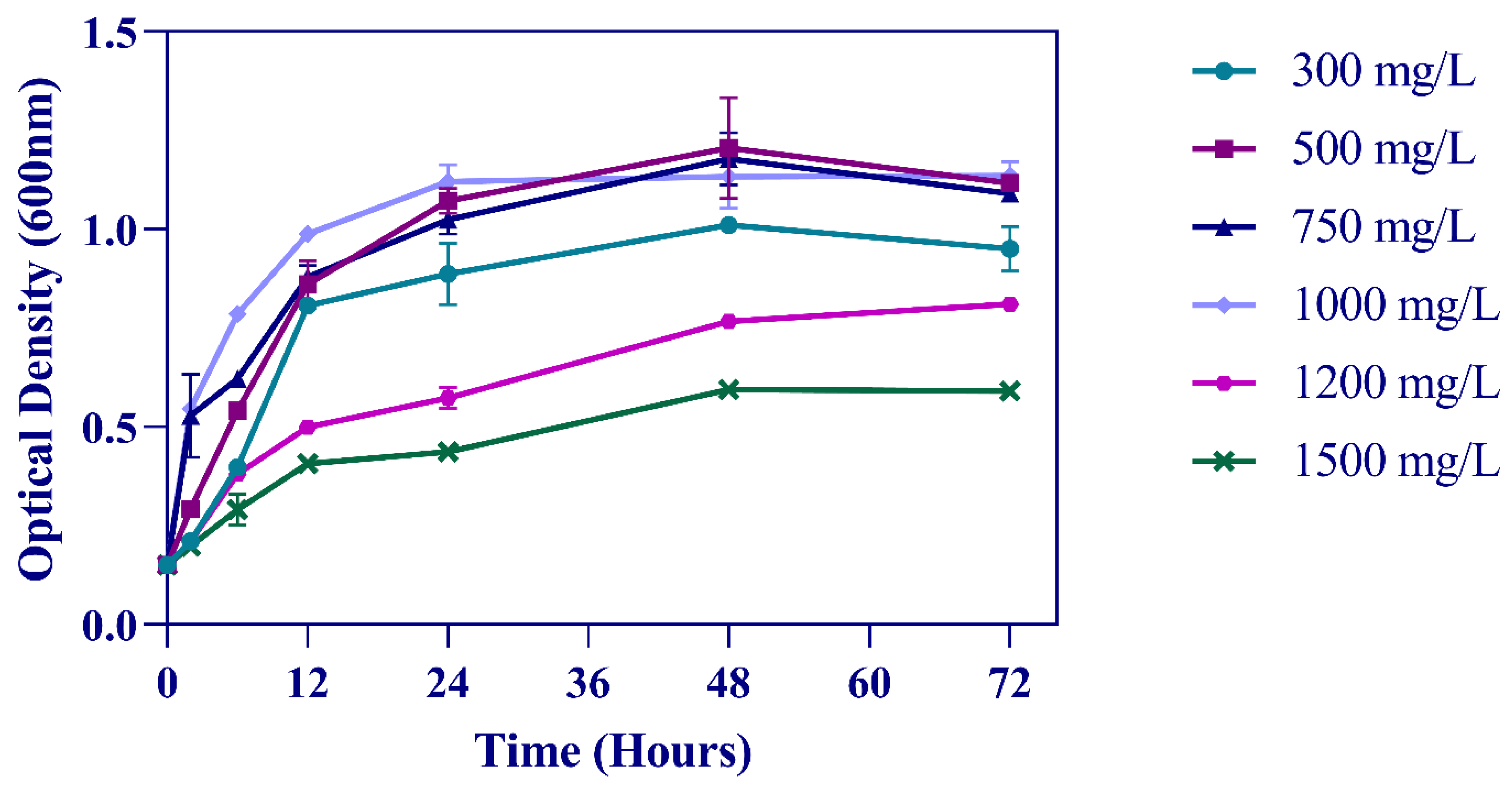
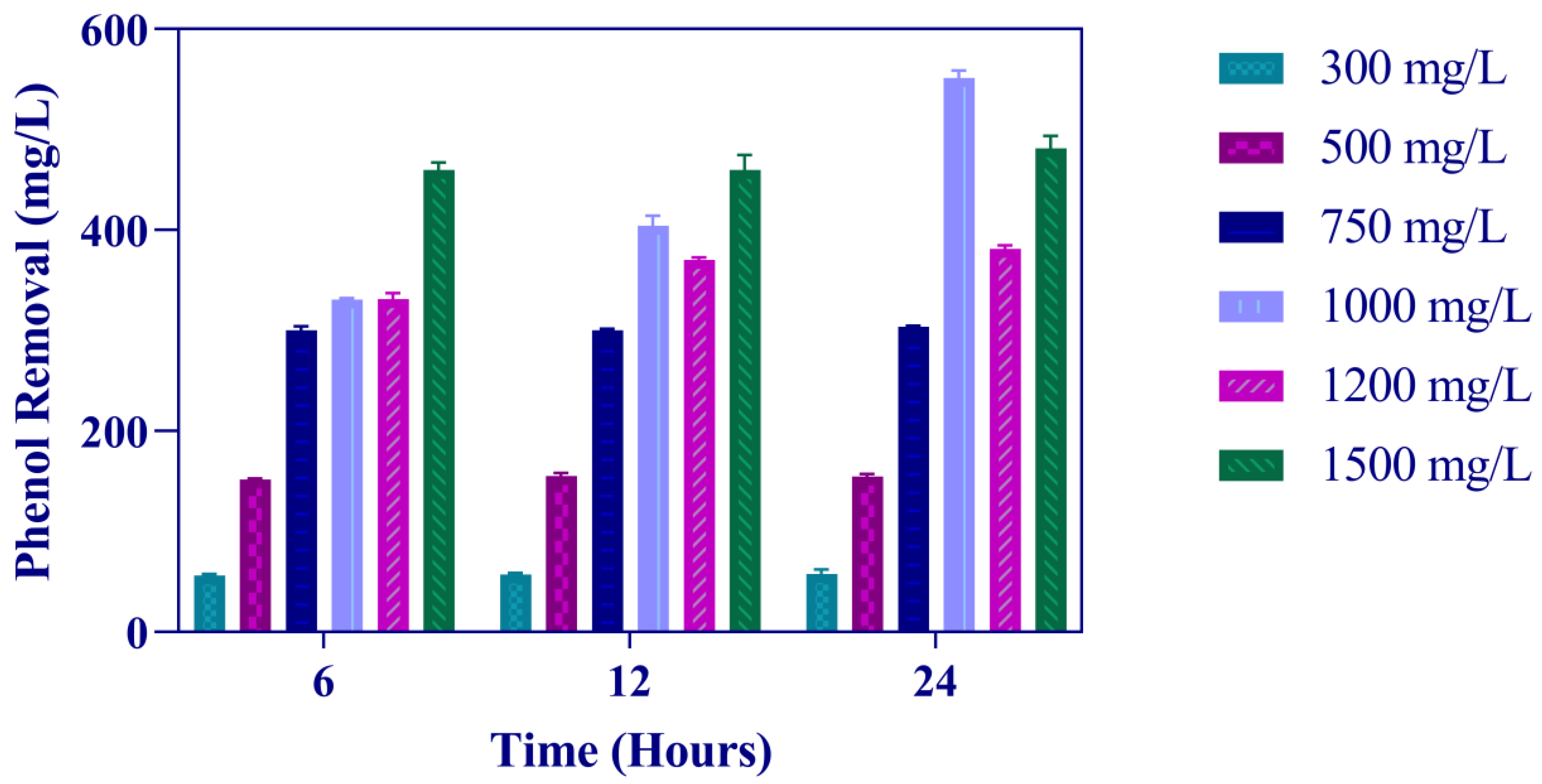
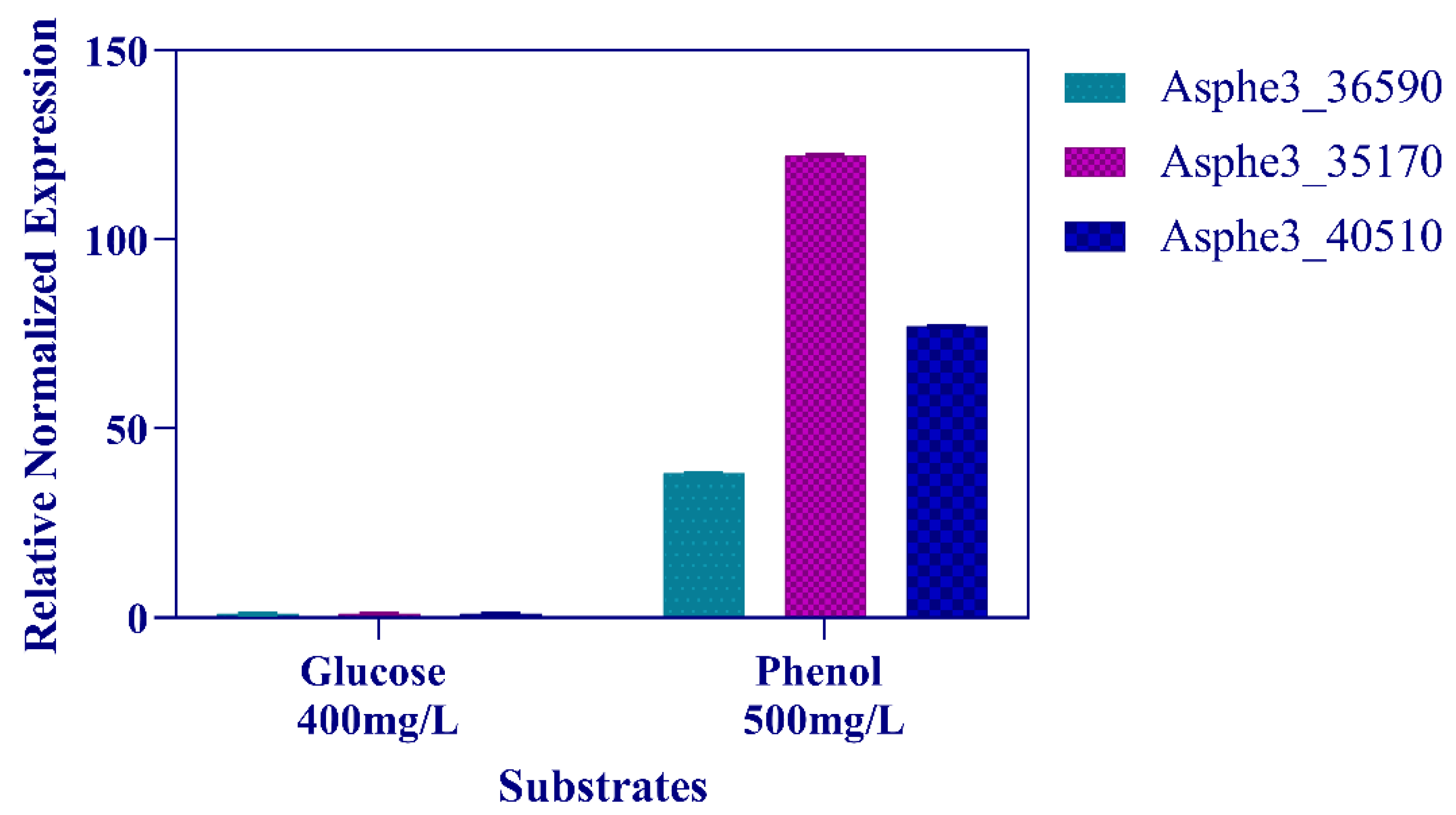
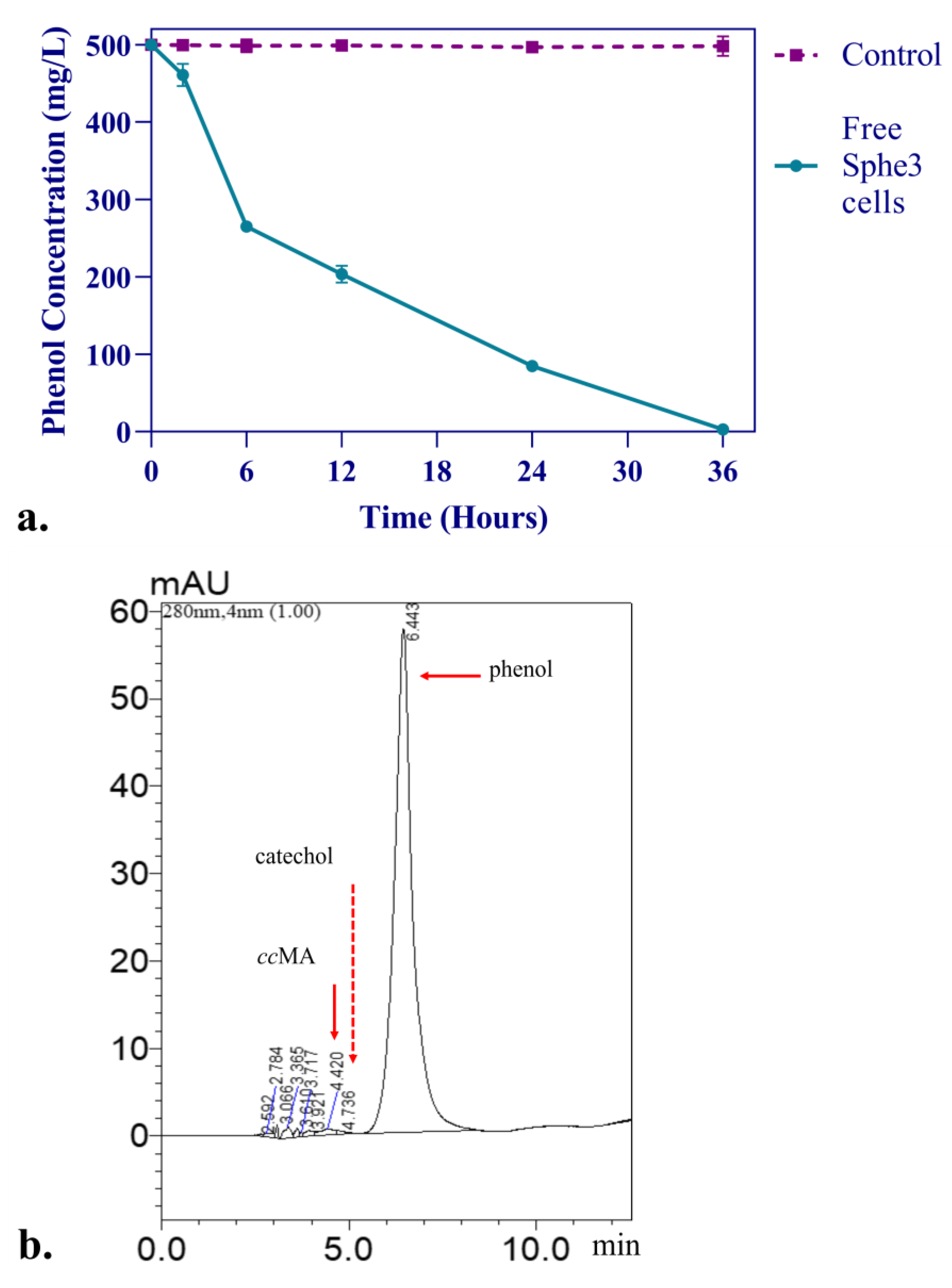
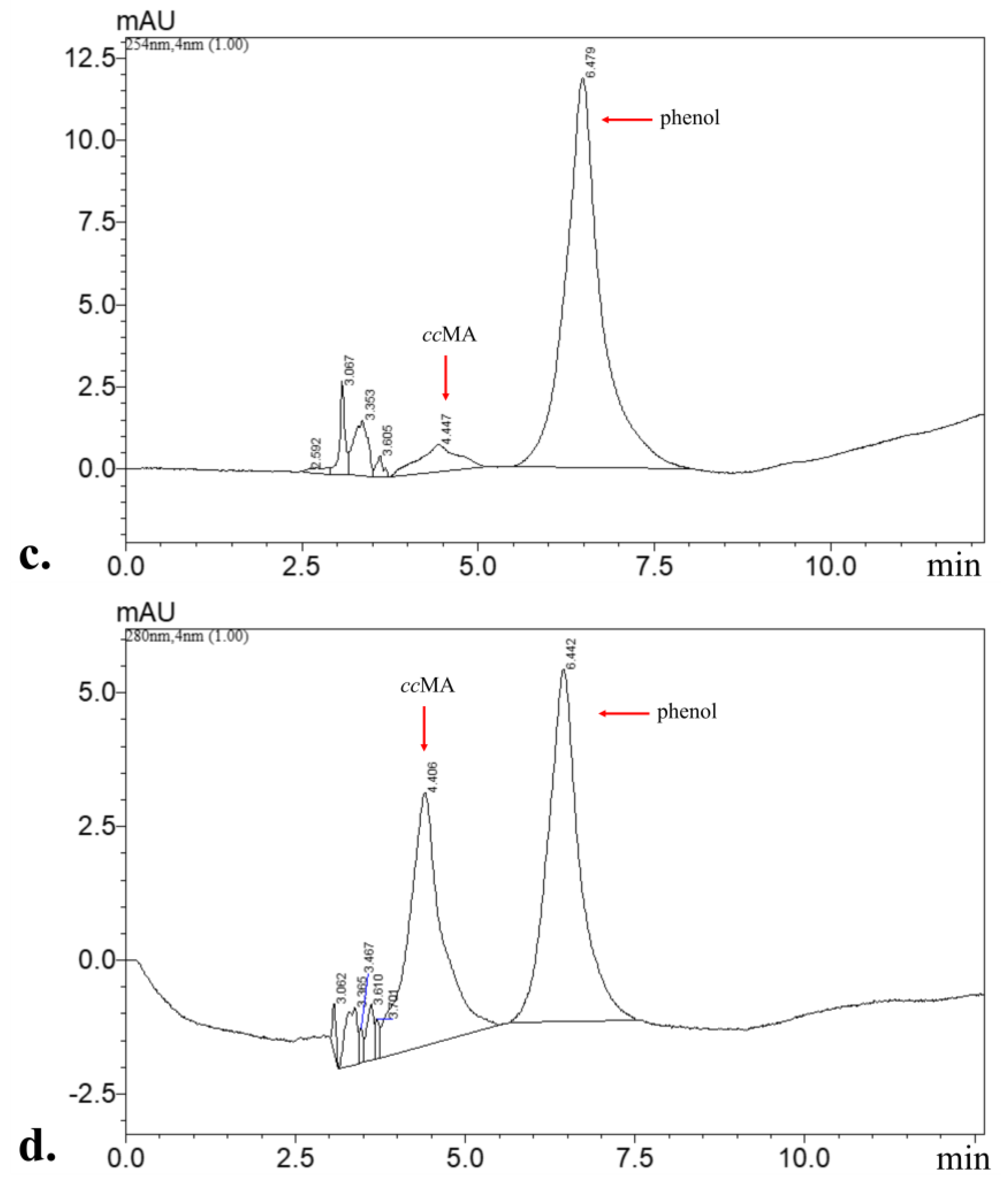
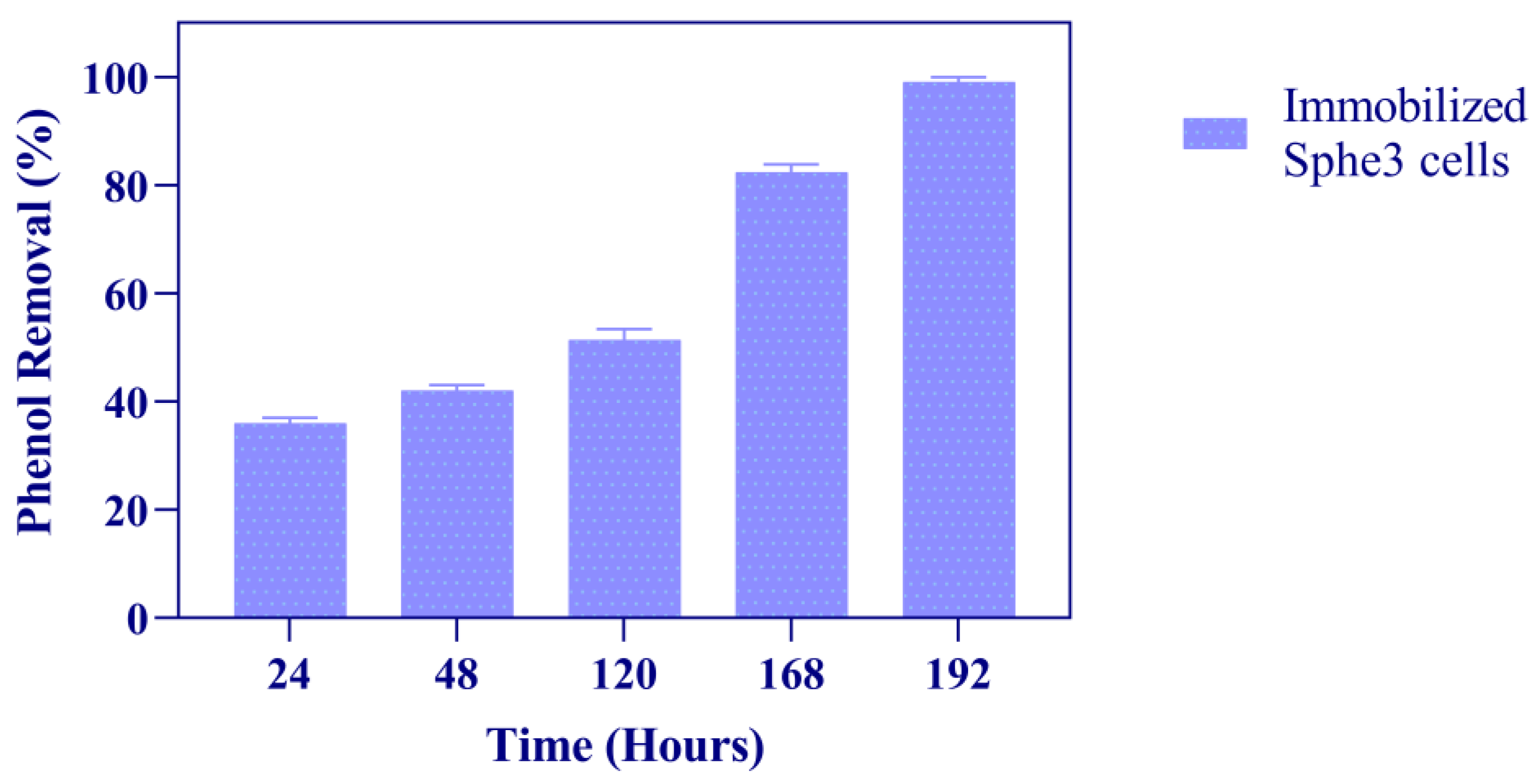
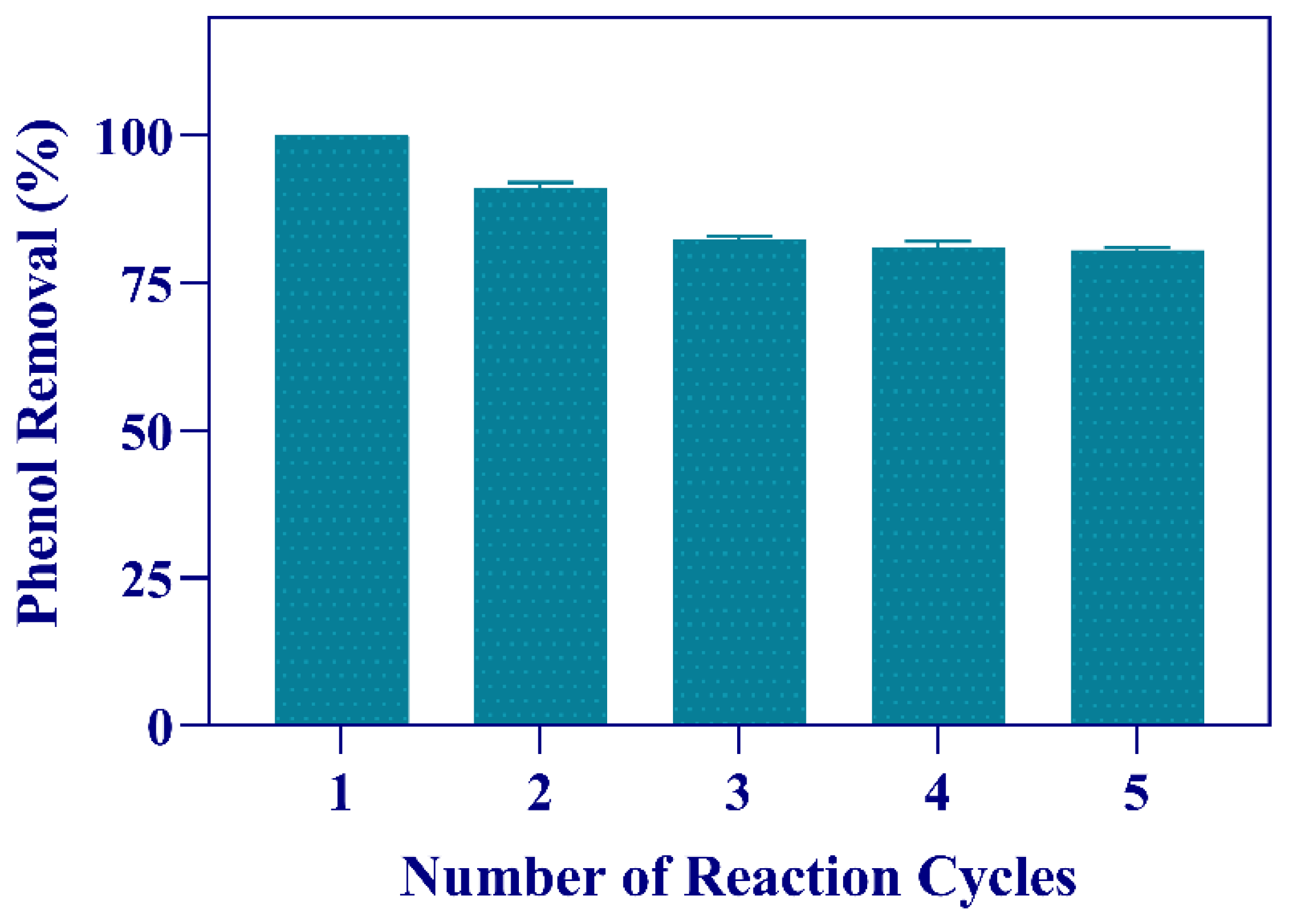
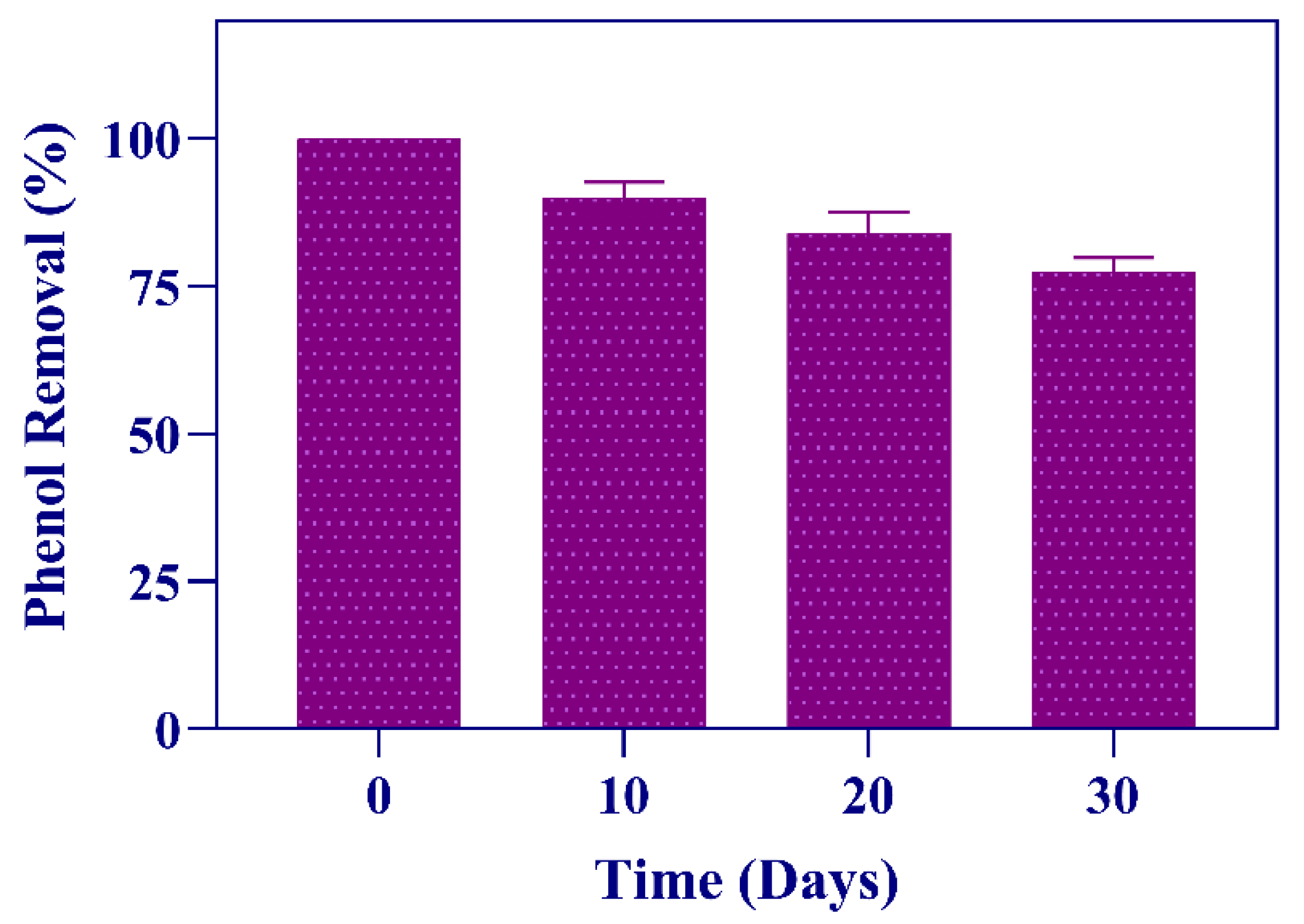
Phenol poses a threat as one of the most important industrial environmental pollutants that must be removed before disposal. Biodegradation is a cost-effective and environmentally friendly approach for phenol removal. This work aimed at studying phenol degradation by Pseudarthrobacter phenanthrenivorans Sphe3 cells and also, investigating the pathway used by the bacterium for phenol catabolism. Moreover, alginate-immobilized Sphe3 cells were studied in terms of phenol degradation efficiency compared to free cells. Sphe3 was found to be capable of growing in the presence of phenol as the sole source of carbon and energy, at concentrations up to 1500 mg/L. According to qPCR findings, both pathways of ortho- and meta-cleavage of catechol are active, however, enzymatic assays and intermediate products identification support the predominance of the ortho-metabolic pathway for phenol degradation. Alginate-entrapped Sphe3 cells completely degraded 1000 mg/L phenol after 192 h, even though phenol catabolism proceeds slower in the first 24 h compared to free cells. Immobilized Sphe3 cells retain phenol-degrading capacity even after 30 days of storage and also can be reused for at least five cycles retaining more than 75% of the original phenol-catabolizing capacity.

Keywords: phenol; biodegradation; Pseudarthrobacter phenanthrenivorans Sphe3; ortho-cleavage pathway; phenol hydroxylase; catechol dioxygenase; cis; cis-muconate; alginate immobilization phenol; biodegradation; Pseudarthrobacter phenanthrenivorans Sphe3; ortho-cleavage pathway; phenol hydroxylase; catechol dioxygenase; cis; cis-muconate; alginate immobilization