Article

Effects of Cold-Surge-Induced Nearshore Seawater Icing on the Eukaryotic Microalgal Community in Aoshan Bay, Qingdao


Institute of Marine Science and Technology, Shandong University, Qingdao 266237, China
*
Author to whom correspondence should be addressed.
Microorganisms 2023, 11(1), 108; https://doi.org/10.3390/microorganisms11010108

Submission received: 16 December 2022 / Revised: 26 December 2022 / Accepted: 27 December 2022 / Published: 31 December 2022
(This article belongs to the Special Issue Low Temperature Microbiology Meets the Global Challenges of Our Time)

Abstract

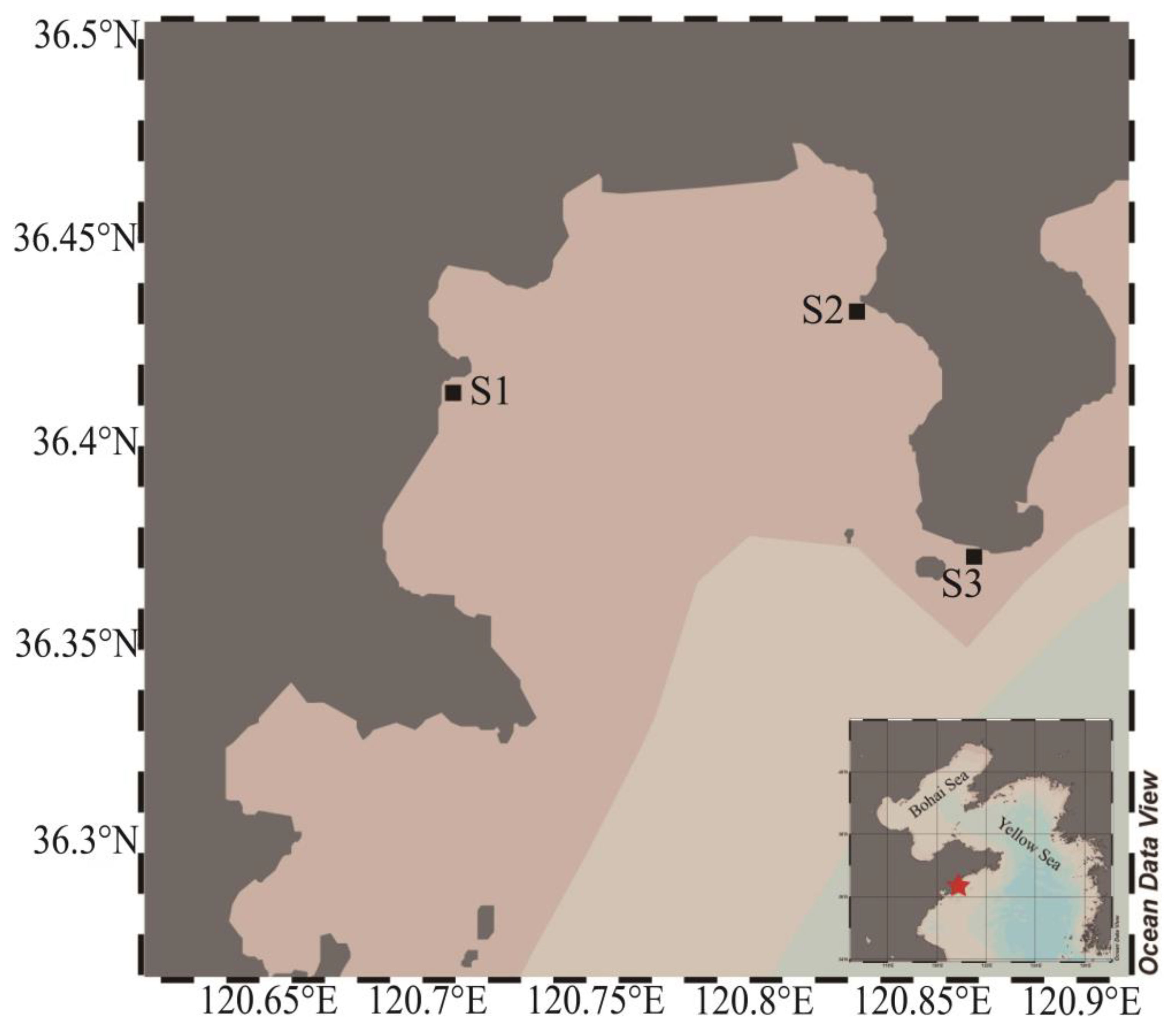
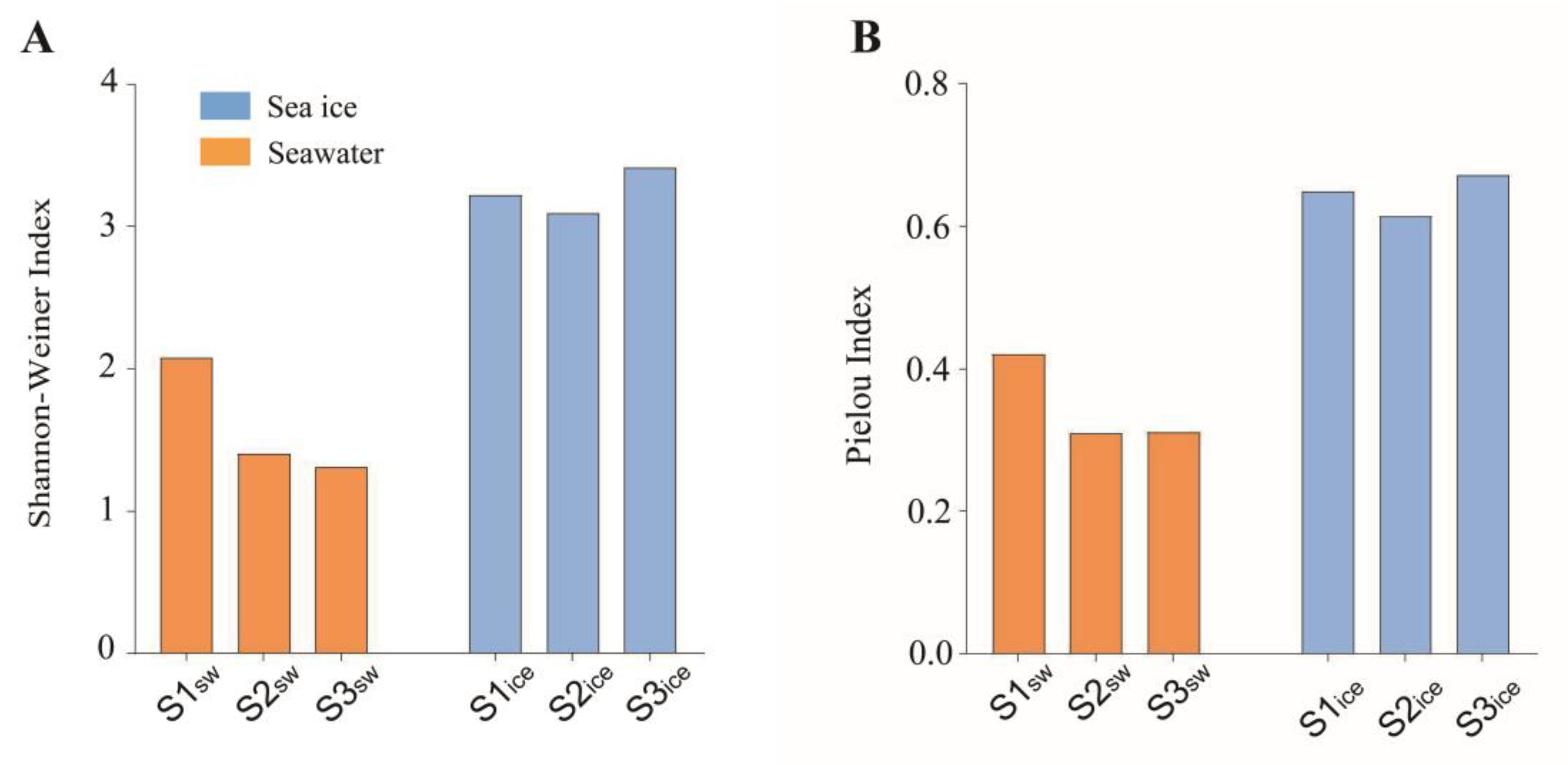
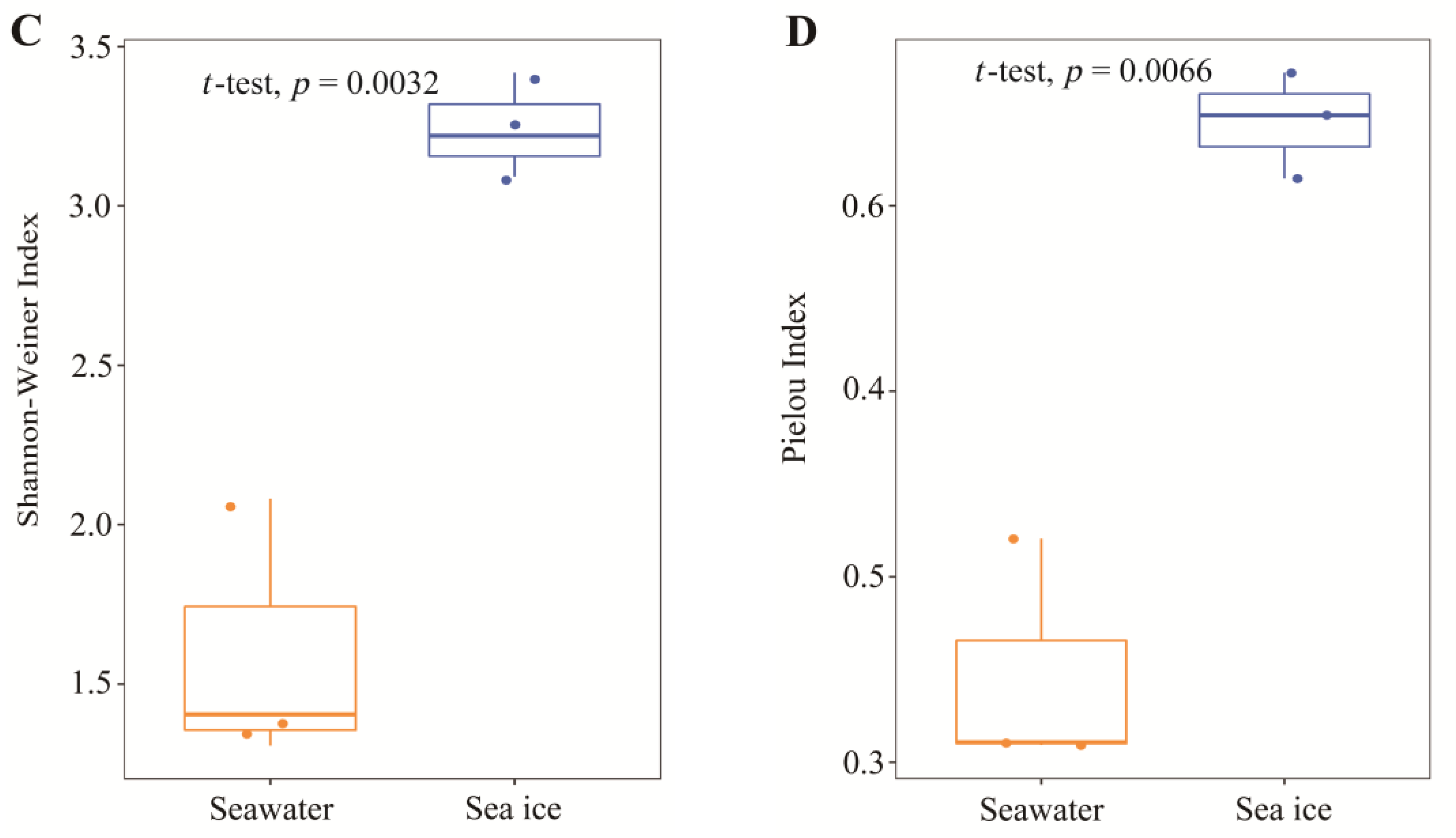
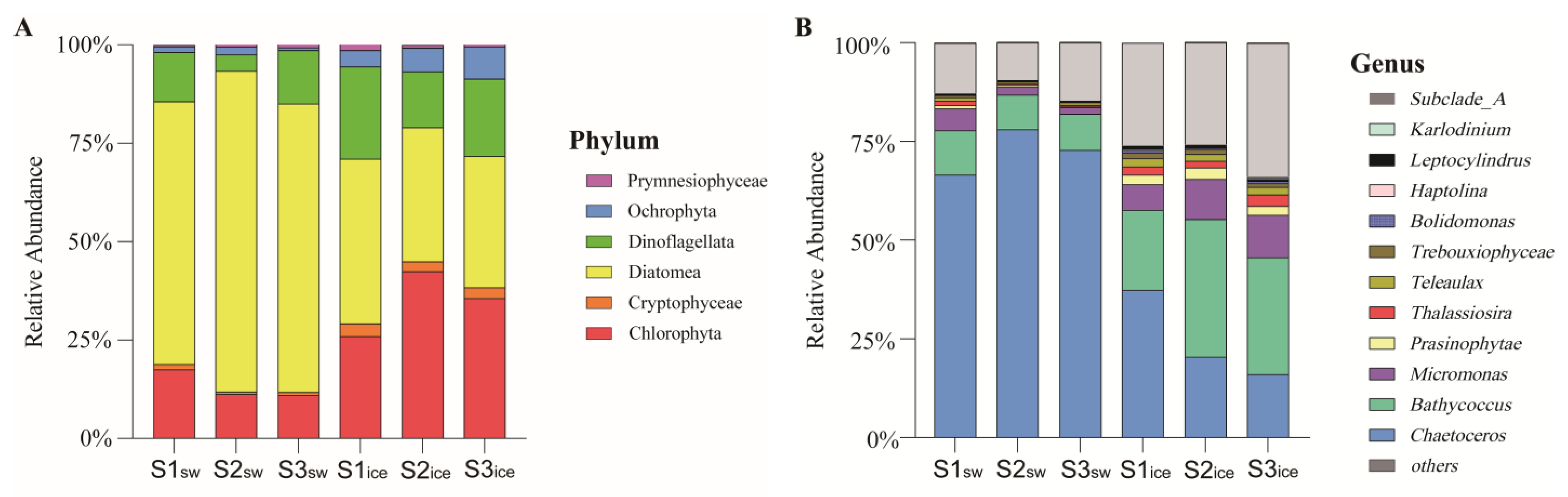
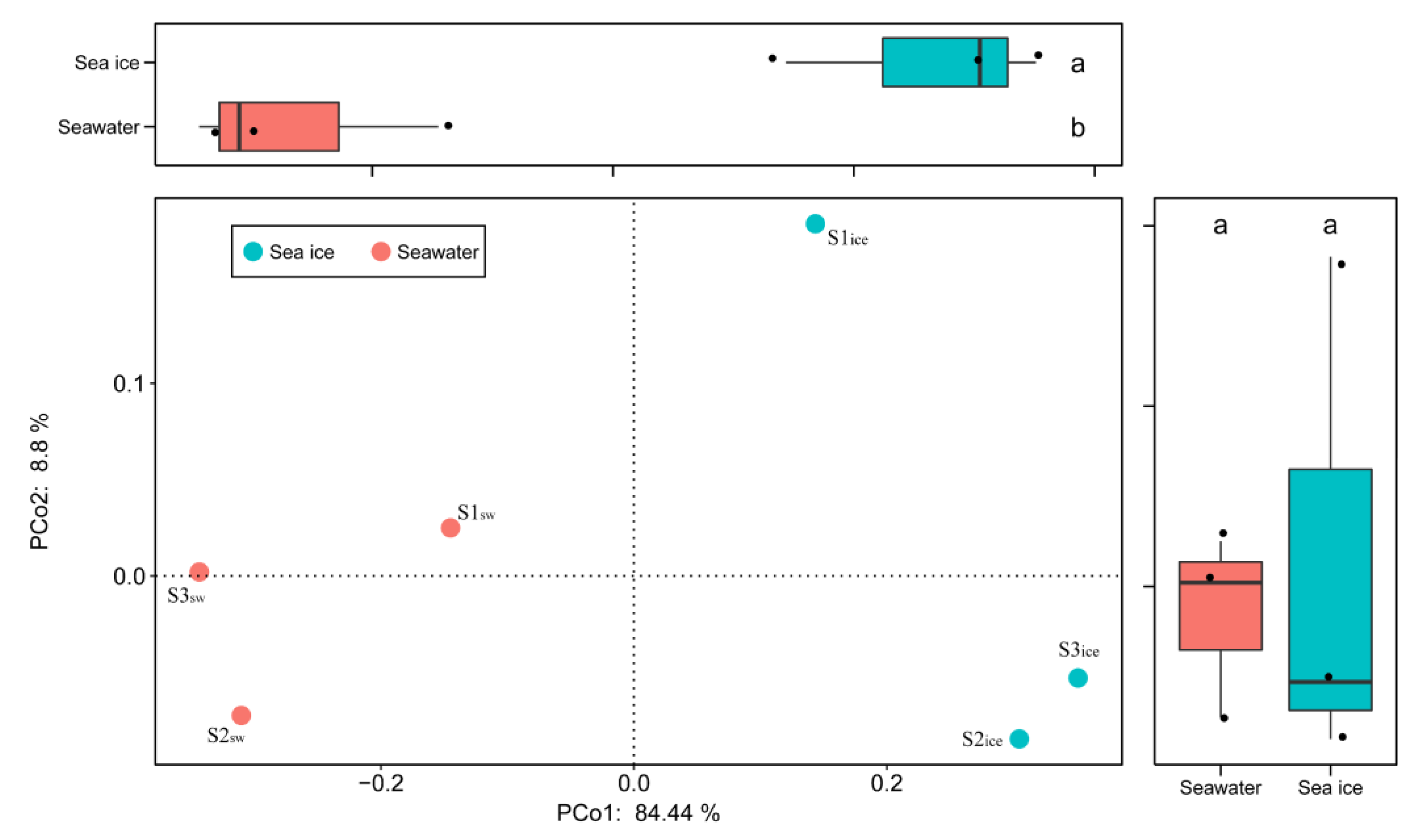
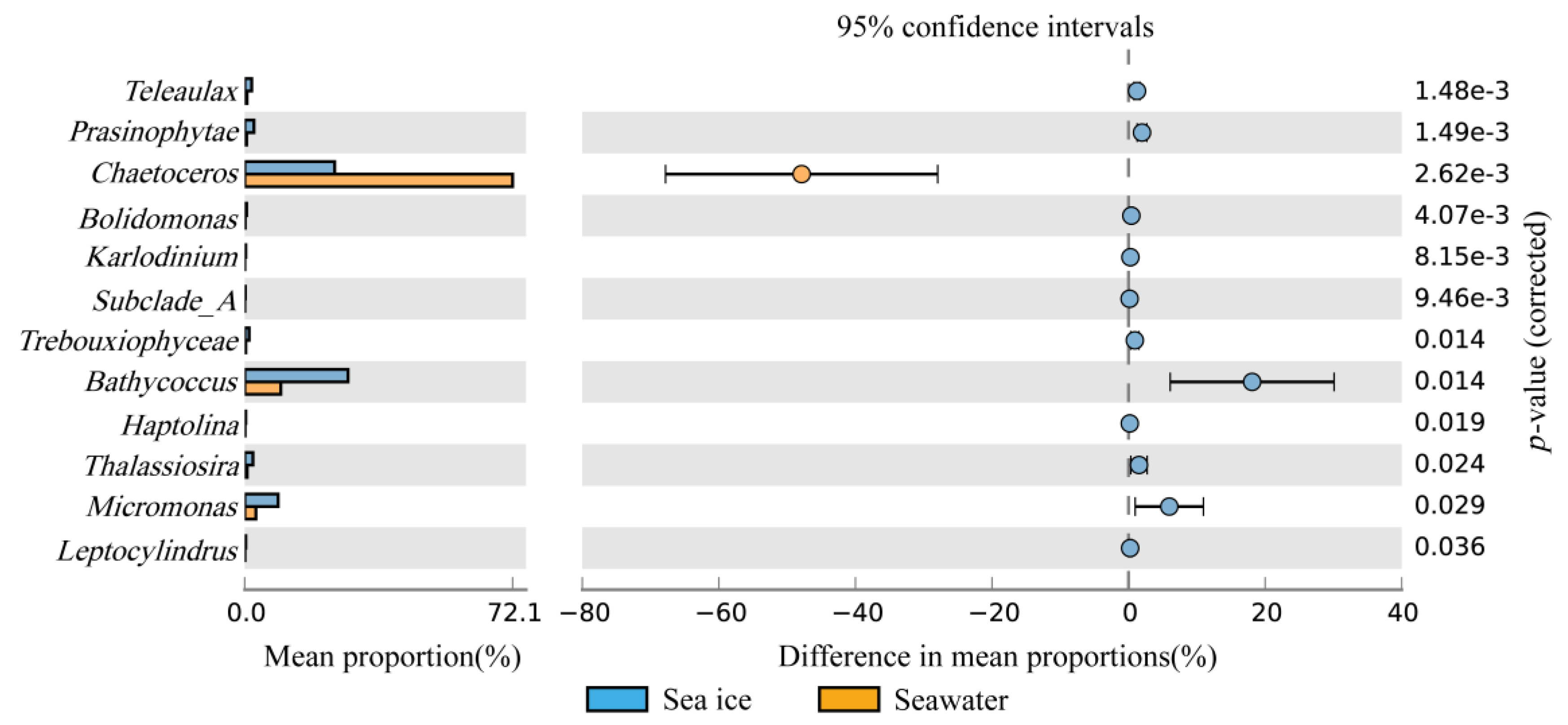
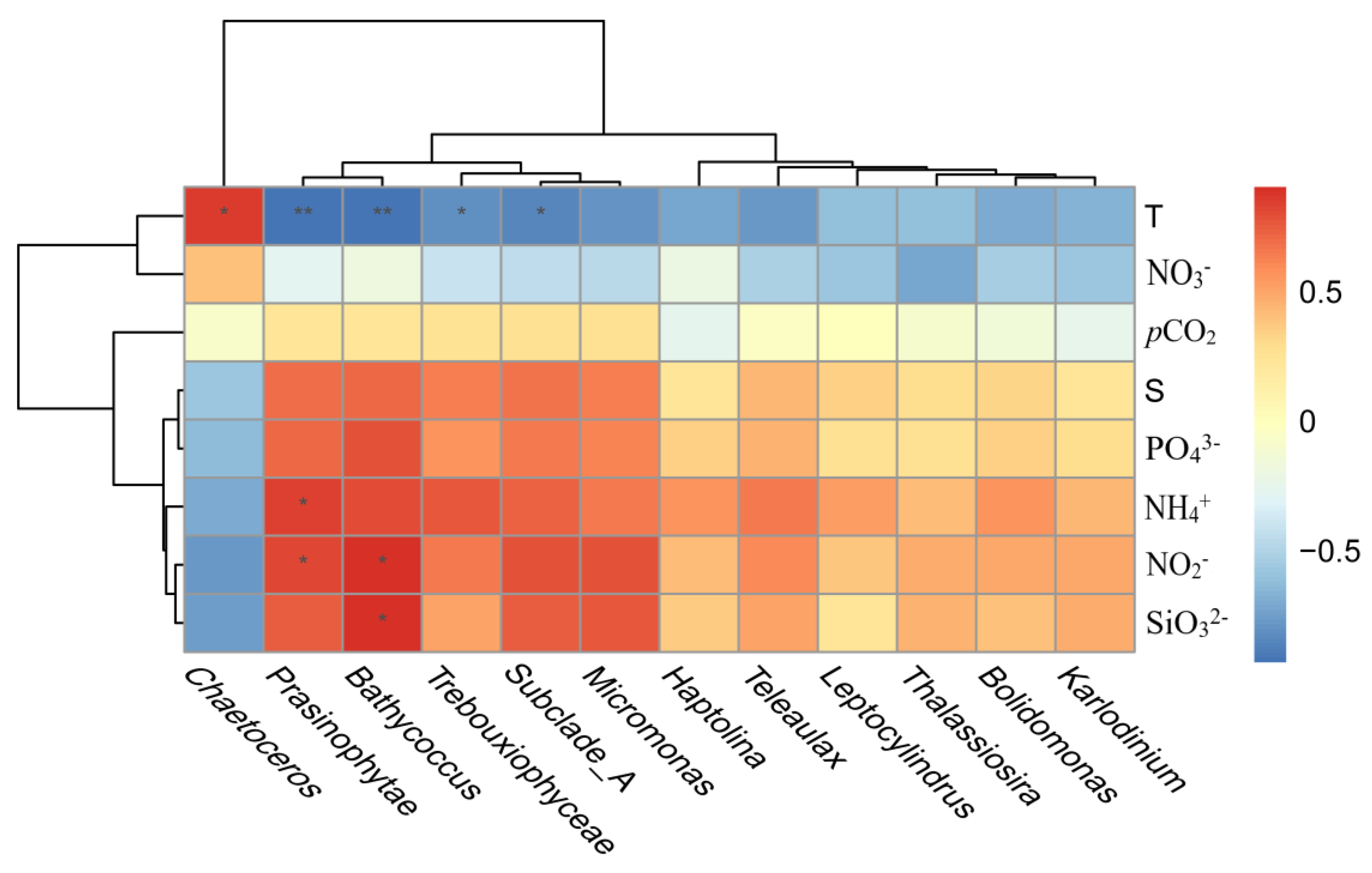
Climate change has led to frequent cold surges in mid-latitudes, resulting in sudden temperature drops and icing of nearshore seawater, which may be affecting the eukaryotic microalgal community. In this paper, we investigated the differences between a eukaryotic microalgal community in sea ice and in seawater during the seawater freezing, due to the cold surge in Aoshan Bay, Qingdao, China, in January 2021. The results showed that the eukaryotic microalgal community in the sea ice and in the seawater was similar in composition at the phylum and genus levels, but that its relative abundances differed. In the seawater, the eukaryotic microalgal genera were dominated by Chaetoceros, while its relative abundance was significantly lower in the sea ice, probably because the cold-surge-induced seawater icing existed only for a short period of time, and Chaetoceros had not yet adapted to the rapid environmental changes in the sea ice. The relative abundance of Bathycoccus in the sea ice was higher, and showed a significant positive correlation with nitrite and silicate, while the relative abundance of Micromonas in the sea ice was also significantly higher than in the seawater, which may be related to the elevated CO2 concentration in the sea ice. This study demonstrates that although the seawater icing due to the cold surge was short, it may have affected the seawater eukaryotic microalgal community, to a certain extent.
Keywords: sea ice; cold surge; low temperature; eukaryotic microalgae; microalgal community; mid-latitude; Aoshan Bay sea ice; cold surge; low temperature; eukaryotic microalgae; microalgal community; mid-latitude; Aoshan Bay