1. Introduction
With the growing public attention to environmental protection, renewable energy has garnered widespread attention, and microgrid systems based on renewable energy have experienced rapid development. Microgrid systems provide sufficient electrical energy for the normal operation of various actuators. However, the high intermittency and randomness of solar and wind energy lead to large power fluctuations on the DC bus, which will impact the operation of actuators and even damage them. Therefore, there is an urgent and demanding requirement for the steady-state characteristics and dynamic response performance of bidirectional DC-DC converters connected between energy storage elements and the DC bus, making it an important research topic in the field of actuators [
1,
2,
3,
4].
The dual active bridge (DAB) converter has gradually become a research hotspot for bidirectional DC-DC converters due to its advantages such as modular series-parallel connection and soft switching [
5]. The single-phase-shift (SPS) control strategy offers benefits, but it suffers from problems such as large current stress and excessive backflow power.
To address these issues, ref. [
6] proposed a backflow power optimization strategy based on dual-phase-shift (DPS) modulation. While optimizing backflow power, this strategy can reduce inductor current stress, but it does not achieve a global optimal solution. Ref. [
7], based on DPS modulation, realized the goal of low current stress through reasonable design of magnetizing inductance and analysis of the zero-voltage switching (ZVS) mechanism and power characteristics considering switch junction capacitors. On the basis of SPS, ref. [
8] introduced an inner phase-shift angle (PSA), namely extended-phase-shift (EPS) modulation, which unifies backflow power and transmission power into an integral function for multi-objective optimization, thereby gradually improving converter efficiency. Ref. [
9] proposed a PSA optimization scheme under EPS modulation, with the core objective of minimizing the reactive power borne by the equivalent leakage inductance of the high-frequency transformer; however, this scheme cannot guarantee optimal converter performance. Refs. [
10,
11] adopted triple-phase-shift (TPS) modulation and achieved favorable current stress optimization results. Nevertheless, due to the presence of three control degrees of freedom, modeling analysis and control implementation are relatively complex.
The aforementioned studies only focus on optimizing the steady-state characteristics of the converter and do not discuss its dynamic performance. Additionally, the output voltage is tracked solely through a single proportional-integral (PI) controller, resulting in poor dynamic performance.
To enhance the dynamic performance, ref. [
12] adopted load current feedforward control. This algorithm exhibits good dynamic performance when facing load fluctuations; however, the single load current feedforward control has limited effectiveness in addressing other disturbances such as changes in hardware parameters. Therefore, feedforward control generally needs to be combined with other control strategies. The above-mentioned control strategy adopts SPS modulation, making it difficult to balance the optimization of dynamic performance with steady-state performance. To equip DAB converters with high dynamic and steady-state performance, an output voltage model predictive control strategy was put forward in [
13] by building on the DPS control method, thereby efficiently boosting the converter’s robustness against abrupt variations in input voltage and load. Ref. [
14] combined dynamic performance optimization with current stress optimization based on EPS modulation and achieved good results, but its operating modes are limited.
In summary, in the research on DAB control strategies, steady-state characteristics and dynamic performance optimization are often treated as two independent parts. The results of current stress optimization are used to generate one or two PSAs for the next moment, and the changes in PSAs are regarded as disturbances input to the dynamic performance optimization module to achieve their combination. This approach gives rise to several problems: First, under TPS modulation, the multiple degrees of freedom brought by multiple PSAs make their combination extremely complex, and relevant research is scarce. Second, the input quantities of the two optimization models are inconsistent, which may lead to waste of sensors or algorithms. Third, a unified model has not been constructed for different modulation modes, resulting in cumbersome mode switching.
To address the above issues, the novelty and contributions of this work are twofold. First, this paper presents an active disturbance rejection control (ADRC) strategy incorporating current stress optimization under TPS modulation. Second, this approach realizes global current stress optimization for DAB converters, extends direct power control to the TPS modulation framework, enhances the system’s dynamic responsiveness and robustness, and develops a unified control model to enable flexible trade-off between control complexity and performance.
The overall structure of this paper is organized as follows. First, mathematical models for power transmission and current stress across various operating modes of TPS modulation are deduced. The current stress characteristics of different TPS operating modes are systematically compared and analyzed, leading to the attainment of the global optimal solution for the converter’s current stress. Second, an ADRC feedback control loop is constructed, with direct power control incorporated into the TPS modulation scheme. Power ripples induced by factors such as the current stress optimization strategy, abrupt input voltage variations, and load switching are treated as lumped disturbances. These disturbances are real-time estimated and compensated via an extended state observer (ESO), thereby optimizing the system’s dynamic performance. A unified control model is proposed to allow users to flexibly select control schemes according to the trade-off between control complexity and system performance. Finally, simulation results validate the feasibility and superiority of the presented control scheme.
3. ADRC-Based Control Strategy Integrated with Current Stress Optimization
DAB converters are required to achieve excellent dynamic response characteristics while minimizing current stress. Conventional schemes that combine current stress optimization with dynamic performance enhancement generally involve using a PI controller to compute a portion of the phase-shift angles, with the remaining angles derived through a dedicated current stress optimization algorithm.
Nevertheless, power transmission exhibits a strong correlation with all phase-shift angles; fluctuations in the angles calculated by the current stress optimization algorithm will inevitably induce variations in transmitted power, thereby imposing significant limitations on the performance of traditional PI control. Moreover, the system’s response speed is governed by the rate at which the PI controller outputs the reference power. The inherent trade-off between overshoot suppression and response rapidity in PI controllers also manifests in the system, which inevitably impairs the dynamic response efficiency. Meanwhile, energy transmission in the converter is inherently accompanied by power losses, and the system is frequently exposed to internal and external disturbances—conventional PI controllers are clearly inadequate to adapt to such high-disturbance operating environments.
To reduce the current stress while enhancing their dynamic performance, an ADRC is introduced, and a novel ADRC-based control strategy integrated with global current stress optimization is proposed. By leveraging an ESO, variations in PSAs are treated as internal system disturbances and categorized as part of the total disturbance. Real-time estimation and rapid compensation of these disturbances are implemented to improve the system’s dynamic response capabilities.
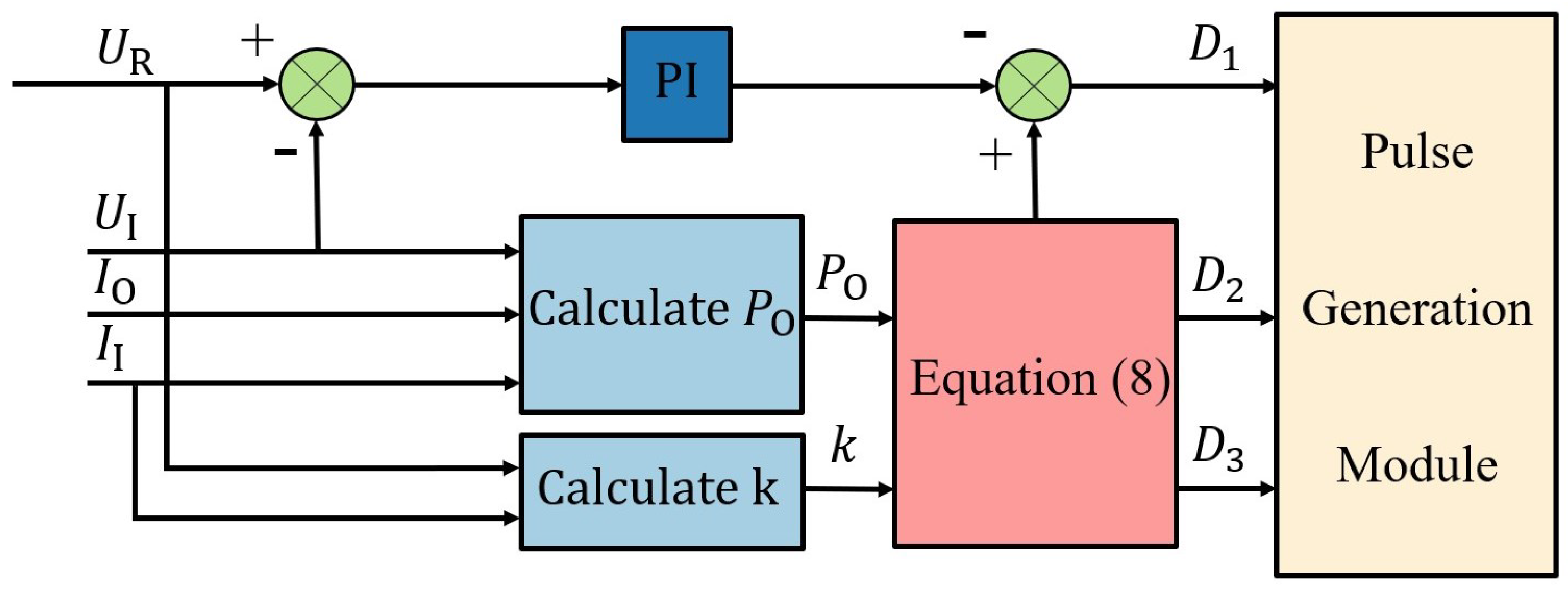
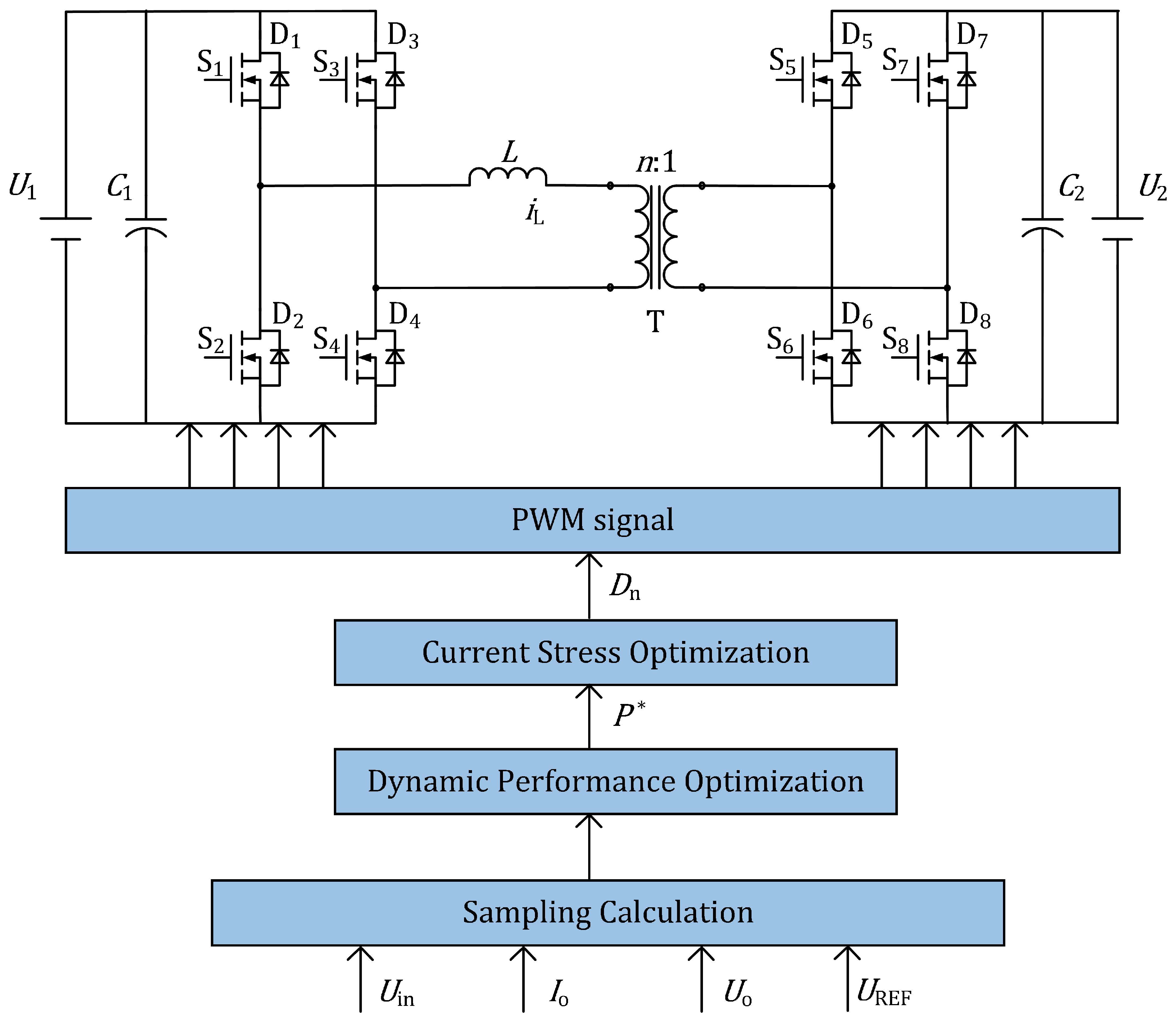
The conventional control scheme is depicted in
Figure 3. Regardless of the phase-shift modulation method adopted by the DAB converter, applying the current stress optimization algorithm necessitates computing the current per-unit transmitted power
and voltage conversion ratio
k. These parameters are employed to determine the converter’s appropriate phase-shift operating mode, after which the PSAs are updated using the derived current stress-optimal expressions.
Consequently, direct specification of the per-unit power
by the controller can substantially enhance the system’s dynamic performance. The improved control system is illustrated in
Figure 4.
For the scenario illustrated in
Figure 4 (resistive load condition), a support capacitor is essential to suppress voltage sag. From the input terminal of capacitor
, the average output current can be expressed as:
where
P represents the actual power transmitted, and
denotes the per-unit function of the transmission power.
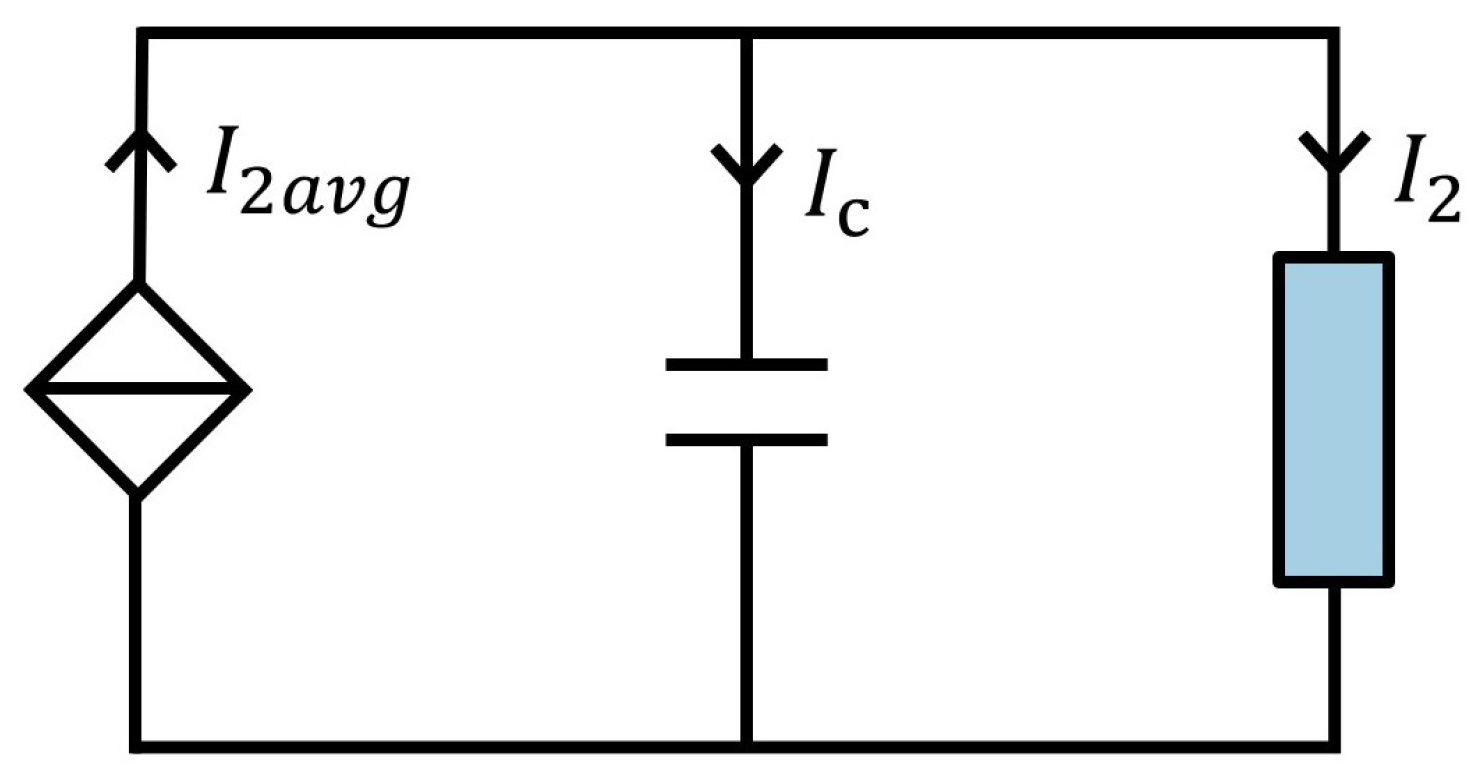
Equation (
9) reveals that the circuit preceding
can be equivalent to a controlled current source, which supplies energy to both the load and capacitor
. The equivalent circuit model is presented in
Figure 5.
Accordingly, the output voltage
can be formulated as:
Substituting Equation (
9) into Equation (
10) and performing Laplace transformation yields the frequency-domain expression of
:
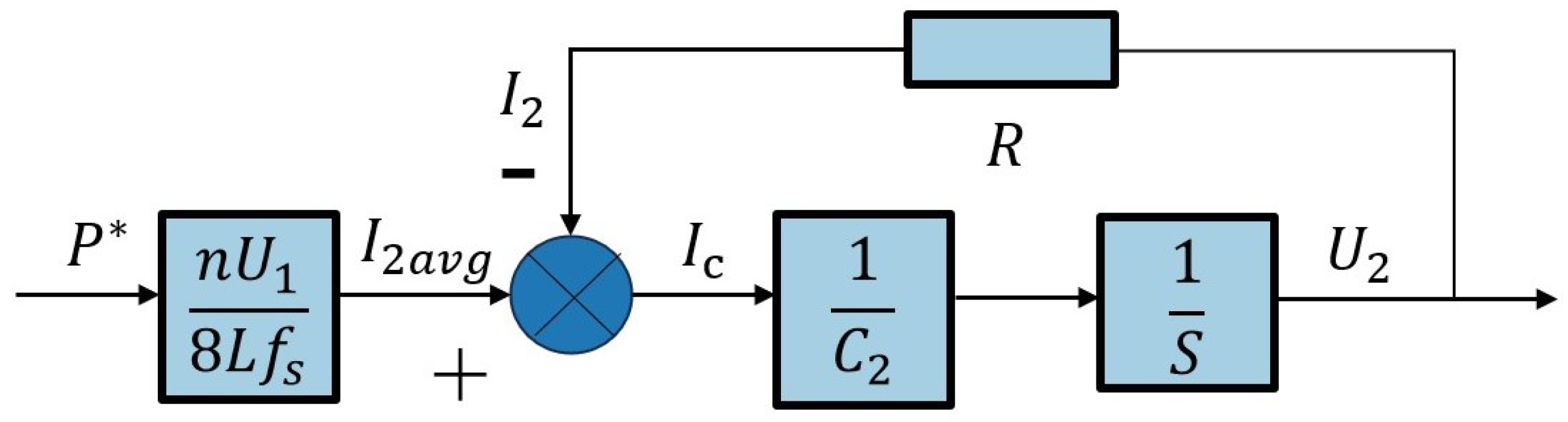
Based on Equation (
11), the power model under per-unit transmission power control is established, as shown in
Figure 6. It is noted that
is correlated not only with the switching frequency
and equivalent series inductor
L, but also with the load current
and input voltage
. Thus, sampling these key parameters and integrating them into the ADRC controller will improve dynamic performance.
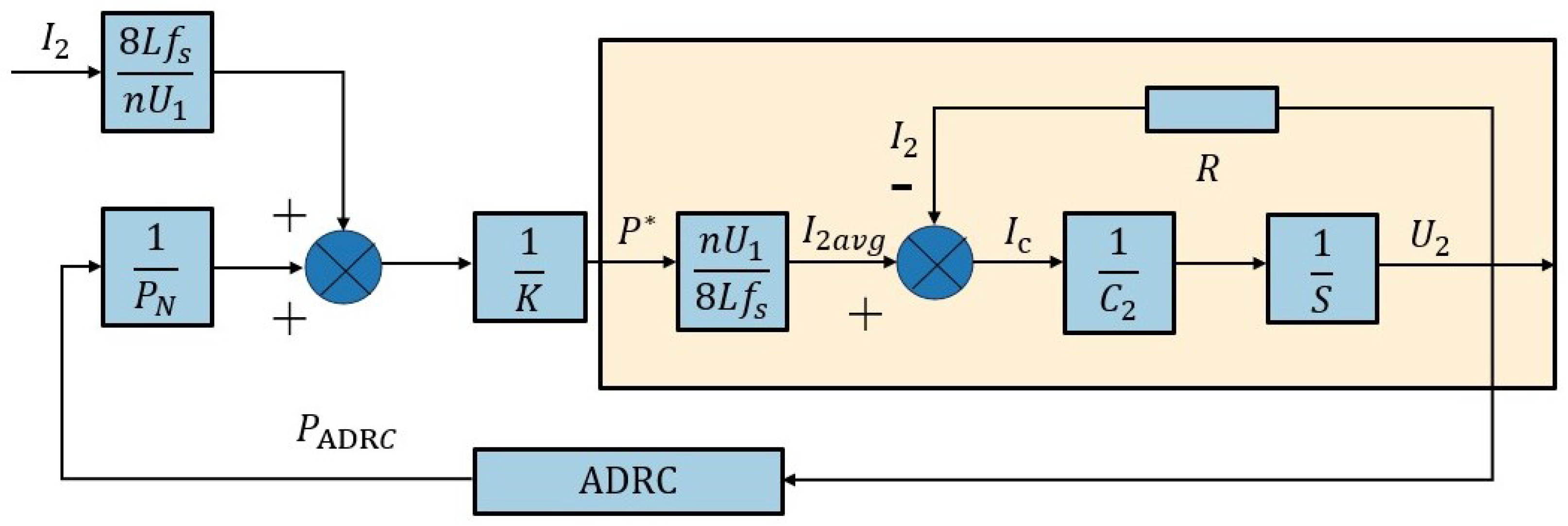
The proposed ADRC-based power control loop is illustrated in
Figure 7. With
serving as the control feedback signal, the output of the ADRC controller corresponds to a power command denoted as
. The desired per-unit power
is defined as the ratio of
to the base power
, mathematically expressed as:
To further accelerate the system’s dynamic response, it is noted (as shown in
Figure 5) that the average secondary-side output current equals the sum of the current through
and the load current. By incorporating load current feedforward control, the modified expression of
is derived as:
Define the output voltage deviation coefficient
K as the ratio of
to the reference voltage
:
In steady-state operation,
matches
, resulting in
. If voltage fluctuations occur due to external disturbances,
. To compensate for such deviations and accelerate dynamic response, the reciprocal of
K is introduced into Equation (
13), leading to the updated expression of
:
The control block diagram based on Equation (
15) is presented in
Figure 7.
In summary, the implementation steps of the ADRC-based direct power control strategy (with global current stress optimization) are as follows:
1. Acquire samples of and to compute the voltage conversion ratio k, and feed into the ADRC controller as the feedback signal.
2. The ADRC controller outputs the desired power , with load current feedforward control integrated into the system.
3. Compute the ratio of to the base power to obtain the desired per-unit power .
4. Introduce a multiplication of by (to enhance dynamic response) to generate the input parameters (, k) for the current stress optimization algorithm.
5. Determine the phase-shift operating mode using and k, then update all PSAs via the current stress-optimal PSA expressions to complete the control loop.
Notably, the novel control strategy proposed is independent of the modulation mode of the DAB converter, exhibiting excellent versatility.
4. Simulations and Analysis
To verify the effectiveness of the proposed strategy, a Simulink simulation model (MATLAB R2022b) was utilized for validation. The detailed parameters are listed in
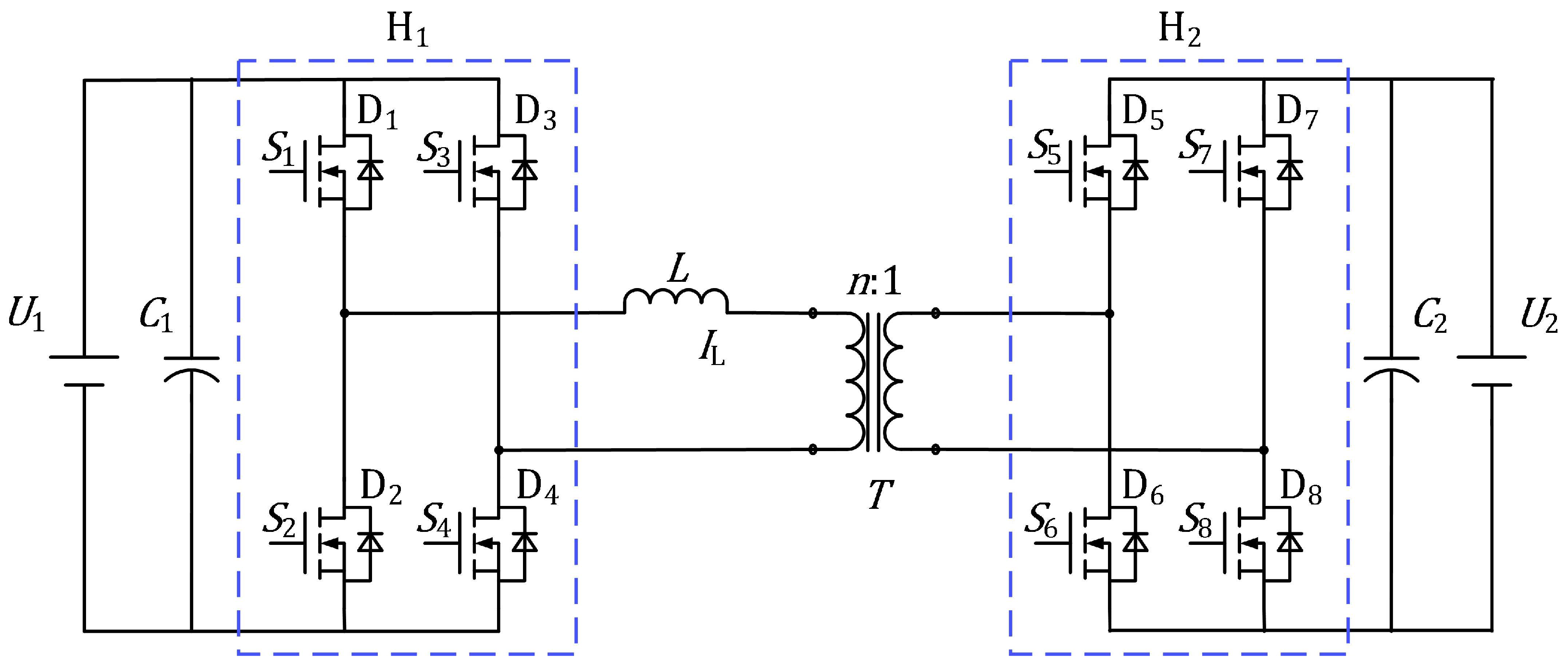
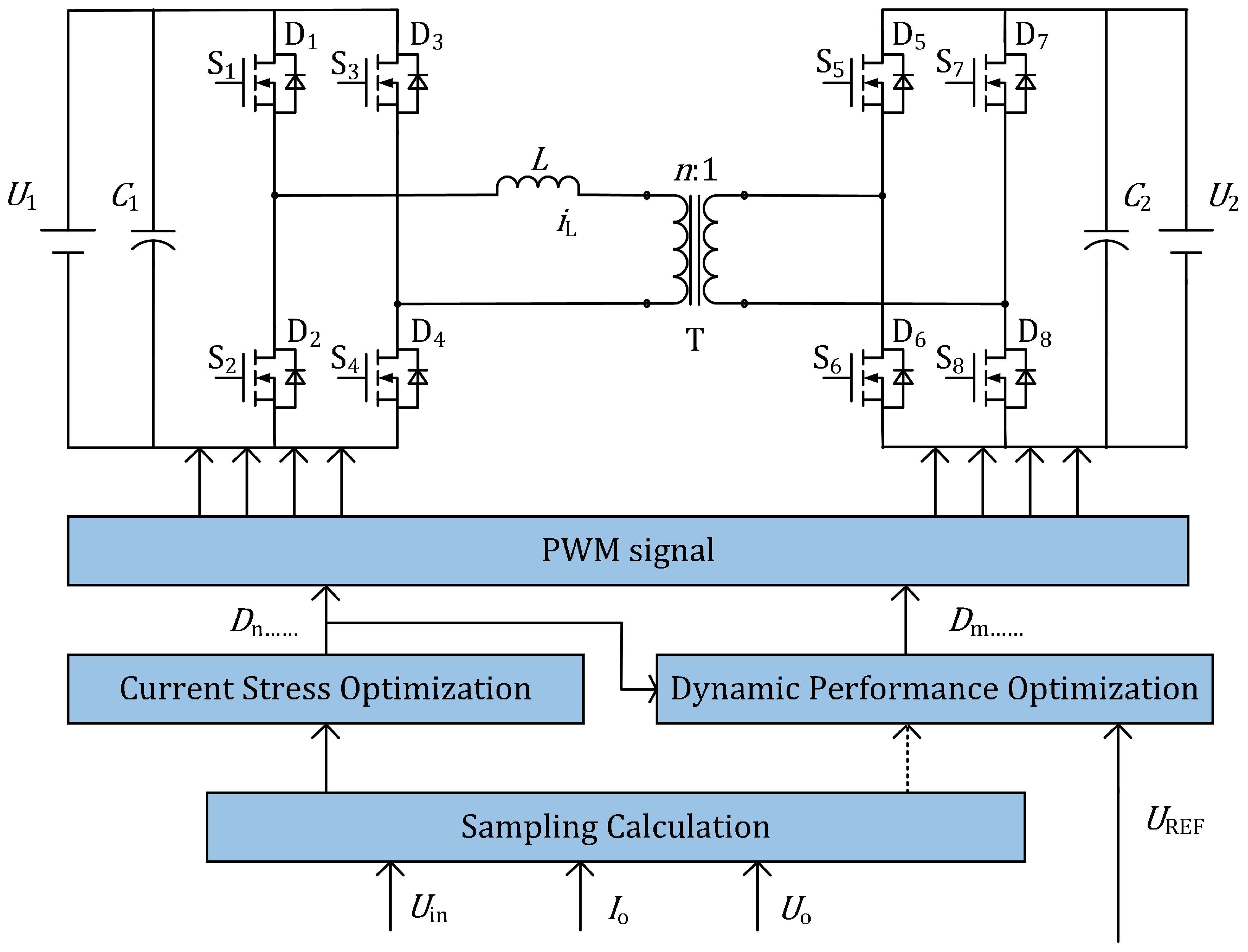
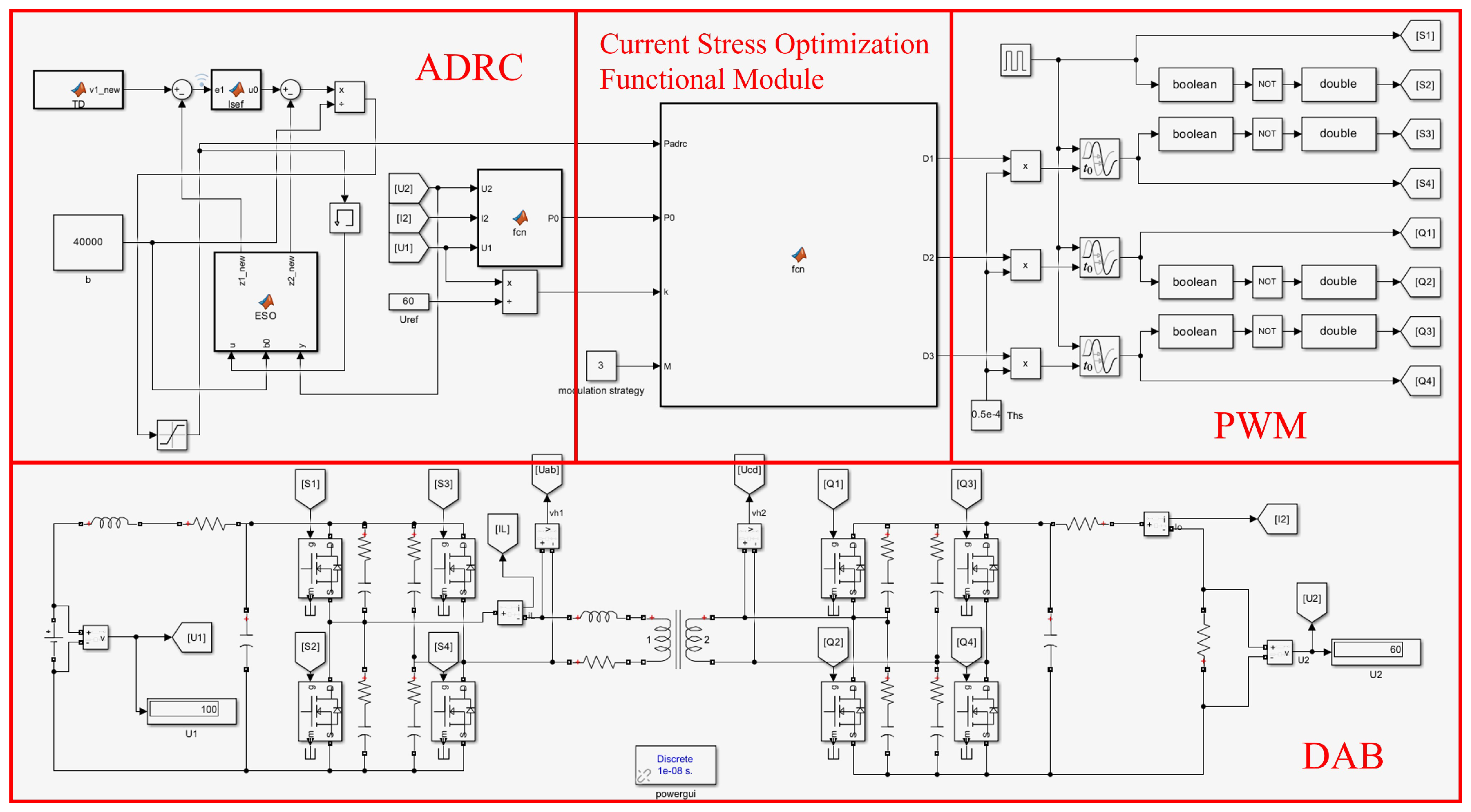
Table 4. The simulation model is shown in
Figure 8. In the simulation, the rated input voltage is set to 100 V, the output voltage to 60 V, and the transformer turns ratio is 1. Simulations with different values of k can be conducted under the buck mode to demonstrate the control performance of the proposed strategy. Meanwhile, suitable voltage and inductor values are selected for the simulation to guarantee efficient energy transfer. To ensure simulation accuracy, a simulation time step of 10 ns is adopted in this paper at a control frequency of 10 kHz, with 1000 calculations executed in each cycle. In addition, the ADRC (PI) control module, current stress optimization module, PWM generation module, and the DAB converter circuit are separately established. The current stress optimization module integrates the phase-shift angle calculations for both SPS and TPS, which facilitates the debugging process.
4.1. Current Stress Optimization Simulation
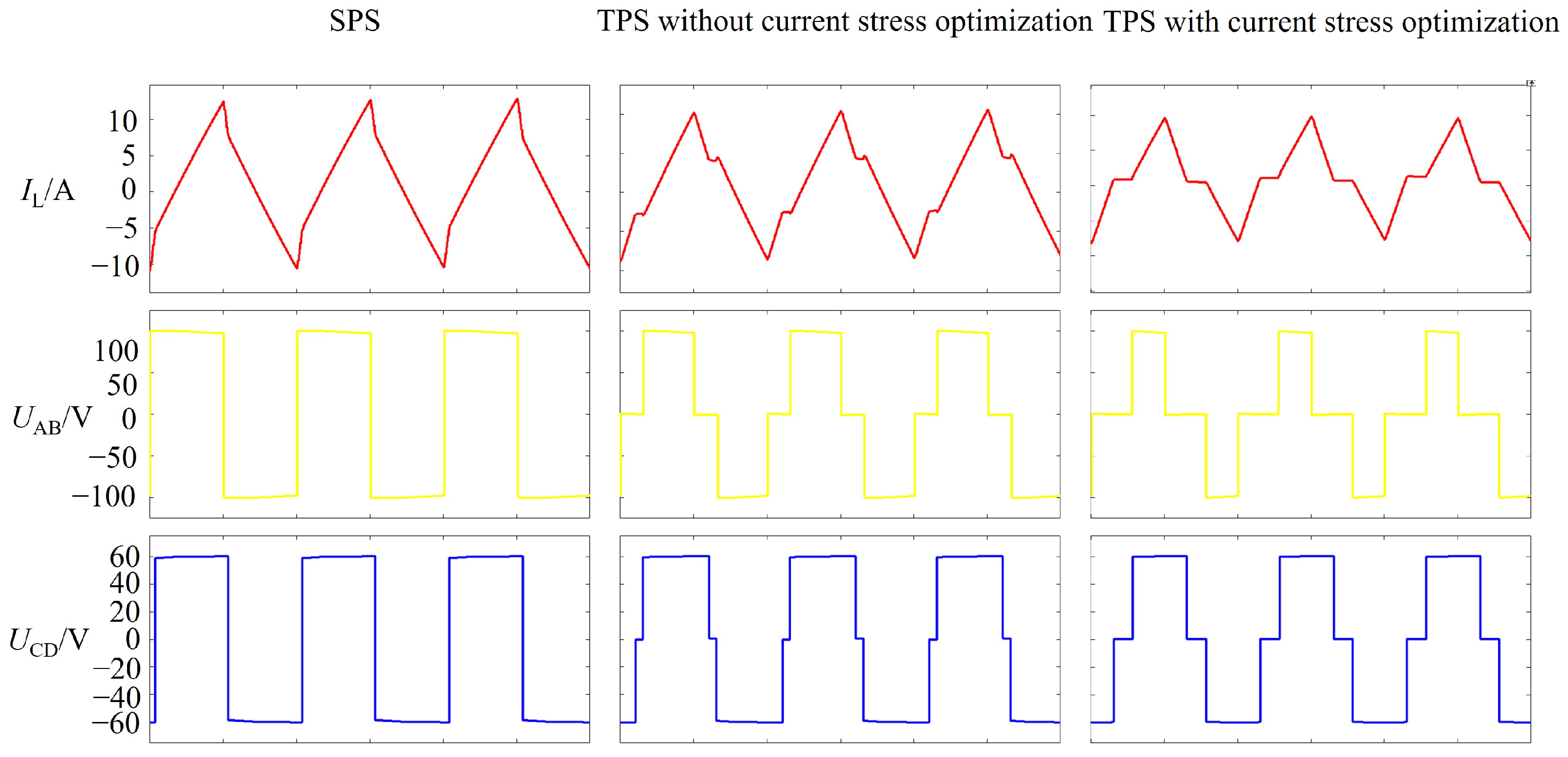
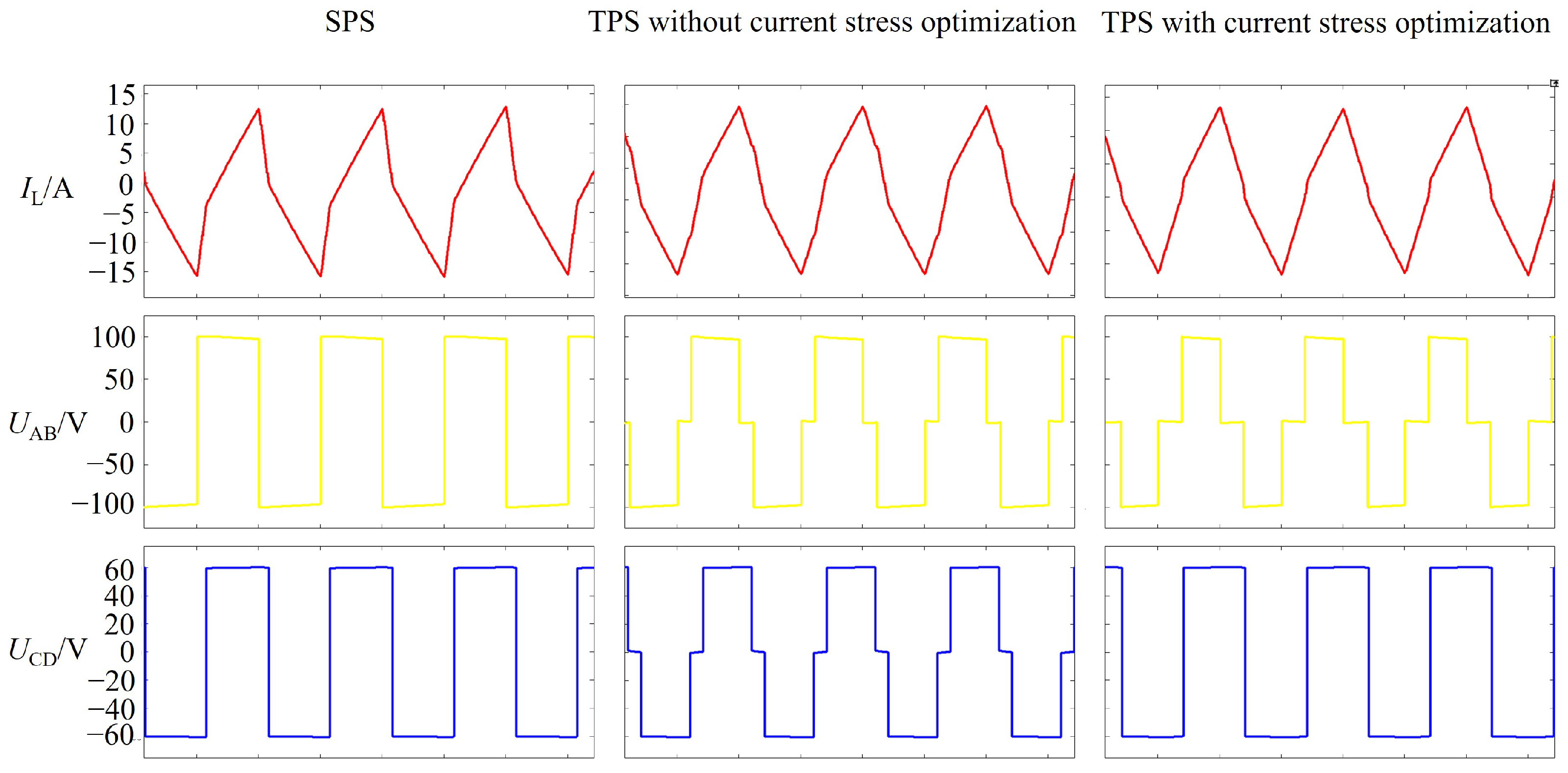
To verify the current stress optimization effect, a comparative analysis was conducted on SPS modulation, unoptimized TPS control, and current stress-optimized TPS control. As indicated by the aforementioned analysis, the threshold between low and high power is 0.48; thus, simulations were carried out at a low power of 200 W and a high power of 400 W.
The conventional unoptimized TPS control adopts a hybrid phase-shift angle configuration scheme, whose core characteristic is that the selection rules for phase-shift angle parameters
and
are completely consistent with those of the optimized TPS control strategy. Only the phase-shift angle
is chosen as another set of non-optimal solutions that can meet the requirements of the target output power. To intuitively compare the control effects, a typical low-power operating scenario is selected for illustration, where
is fixedly set to 0.2. To comprehensively verify the performance advantages of the proposed strategy, the system characteristics under two typical operating conditions (low power and high power) are tested separately. The dynamic variation law of inductor current stress is shown in
Figure 9 and
Figure 10, and the quantitative comparison data of efficiency among different control strategies are summarized in
Table 5.
By analyzing the test data in
Figure 9 and
Figure 10, and
Table 5, it is not difficult to find that under the low-power operating condition (transmitted power set to
, corresponding to a load resistance
), the inductor current stress shows an obvious stepwise decreasing trend—from
in the traditional SPS control, down to
in the unoptimized TPS control (a reduction of approximately
compared with SPS control), and finally further reduced to
under the optimized TPS control strategy proposed in this study (a significant reduction of
compared with SPS control and
compared with unoptimized TPS control). This quantitative data fully demonstrates that the proposed optimization strategy has an extremely significant inhibitory effect on current stress in the low-power operating range. It can effectively reduce the operating load of the inductor and minimize device heating and energy loss caused by excessive current stress.
Under the high-power operating condition (transmitted power increased to , corresponding to a load resistance ), the variation law of current stress is consistent with that in the low-power condition, also showing a stepwise decreasing characteristic: from in SPS control to in unoptimized TPS control (a reduction of approximately compared with SPS control), and then further reduced to through the proposed optimization strategy (a reduction of compared with SPS control and compared with unoptimized TPS control). This result verifies the robustness and adaptability of the proposed strategy. Even under high-power load conditions, it can still effectively reduce the inductor current stress through precise phase-shift angle configuration optimization, avoiding increased losses and service life attenuation of devices caused by overcurrent impact.
Furthermore, a comprehensive analysis of the efficiency comparison data in the full power range from
Table 5 reveals that, overall, the proposed optimized TPS control scheme not only maintains a consistently lower inductor current stress level but also synchronously improves the energy conversion efficiency of the system within the full power operating range of
to
. Among them, the reduction in current stress (up to
) and the improvement in efficiency are particularly prominent in the low-power range. This core feature holds important engineering practical value for practical application fields such as microgrids and distributed generation, which involve a large number of low-power operating scenarios. It can significantly reduce the energy consumption and operation and maintenance costs of the system throughout its entire life cycle.
4.2. Dynamic Performance Optimization Simulation
To comprehensively verify the dynamic performance and anti-disturbance capability of the proposed ADRC-modulated TPS control scheme, and simultaneously consider the influence of mode transitions within the control framework, four representative control strategies are systematically investigated for comparison, namely: PI-modulated SPS control, ADRC-modulated SPS control, PI-modulated TPS control, and the proposed ADRC-modulated TPS control. In addition, it should be emphasized that mode transitions inherent in different control patterns will introduce discrete jumps in control variables, which may further induce jitter or instability during transient load step changes. This factor directly affects the authenticity and reliability of simulation results, and thus the impact of mode transitions has been fully considered in all subsequent simulations to ensure that the simulation scenarios are highly consistent with practical engineering applications.
As indicated in the previous theoretical analysis, the critical per-unit power for mode transition is 0.48, corresponding to an actual transmitted power of 360 W, which serves as the key threshold for control mode switching. To fully cover the discrete jump effect caused by mode transition and comprehensively validate the adaptability of the proposed strategy under complicated dynamic conditions, the dynamic performance is specifically evaluated between 200 W (below the transition threshold) and 400 W (above the transition threshold). Such a power range ensures that the simulation can faithfully reproduce the combined conditions of mode transition and load step change in real operation, thereby enabling a more accurate evaluation of the overall performance of the proposed strategy.
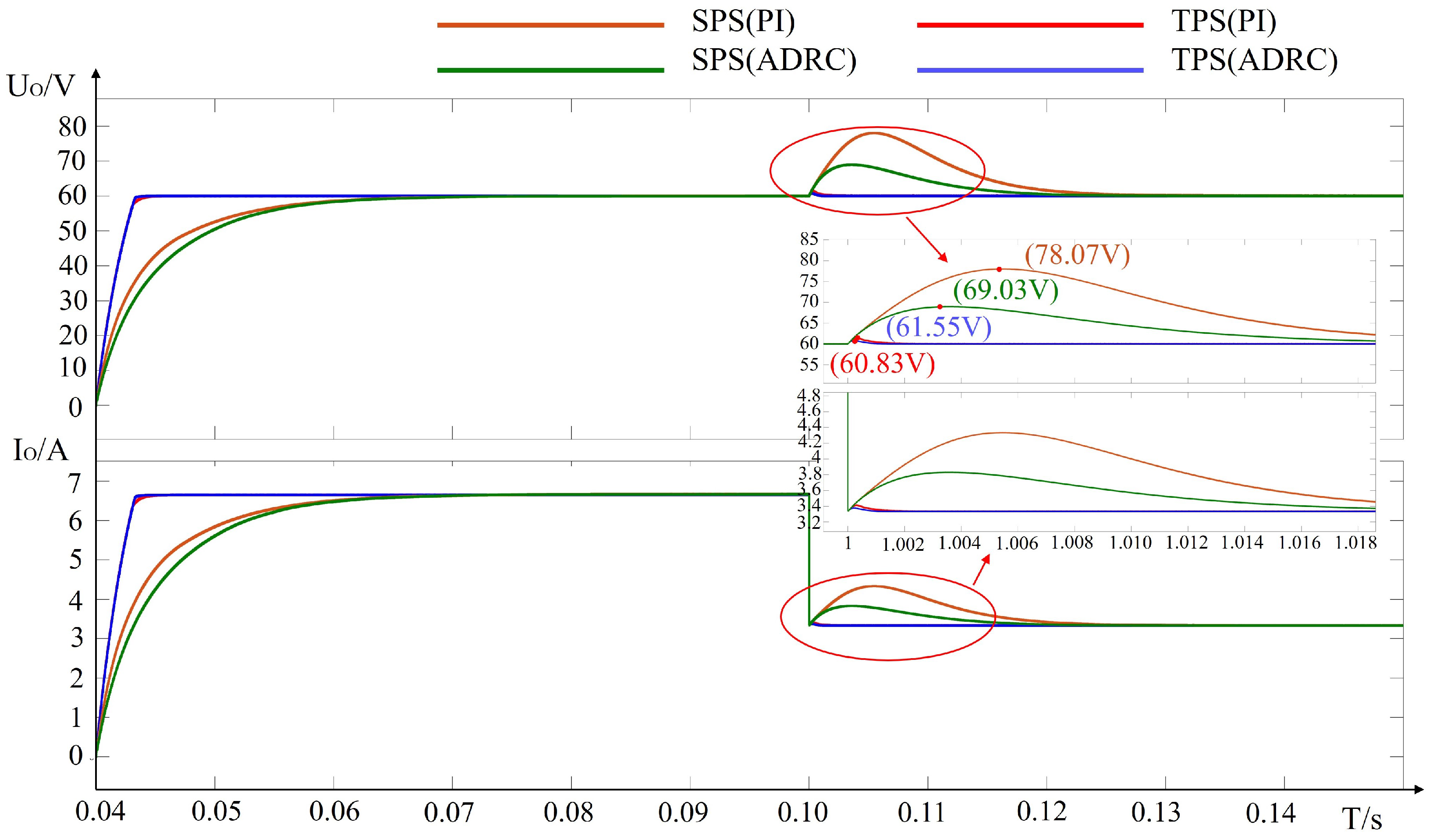
Specifically, in the load step-up experiment (mimicking the practical scenario of sudden load reduction), the simulation parameters are set as follows: the input voltage is fixed at
, the rated output voltage is
, and the initial load resistance is
(corresponding to 400 W). At
, the load resistance is stepped up to
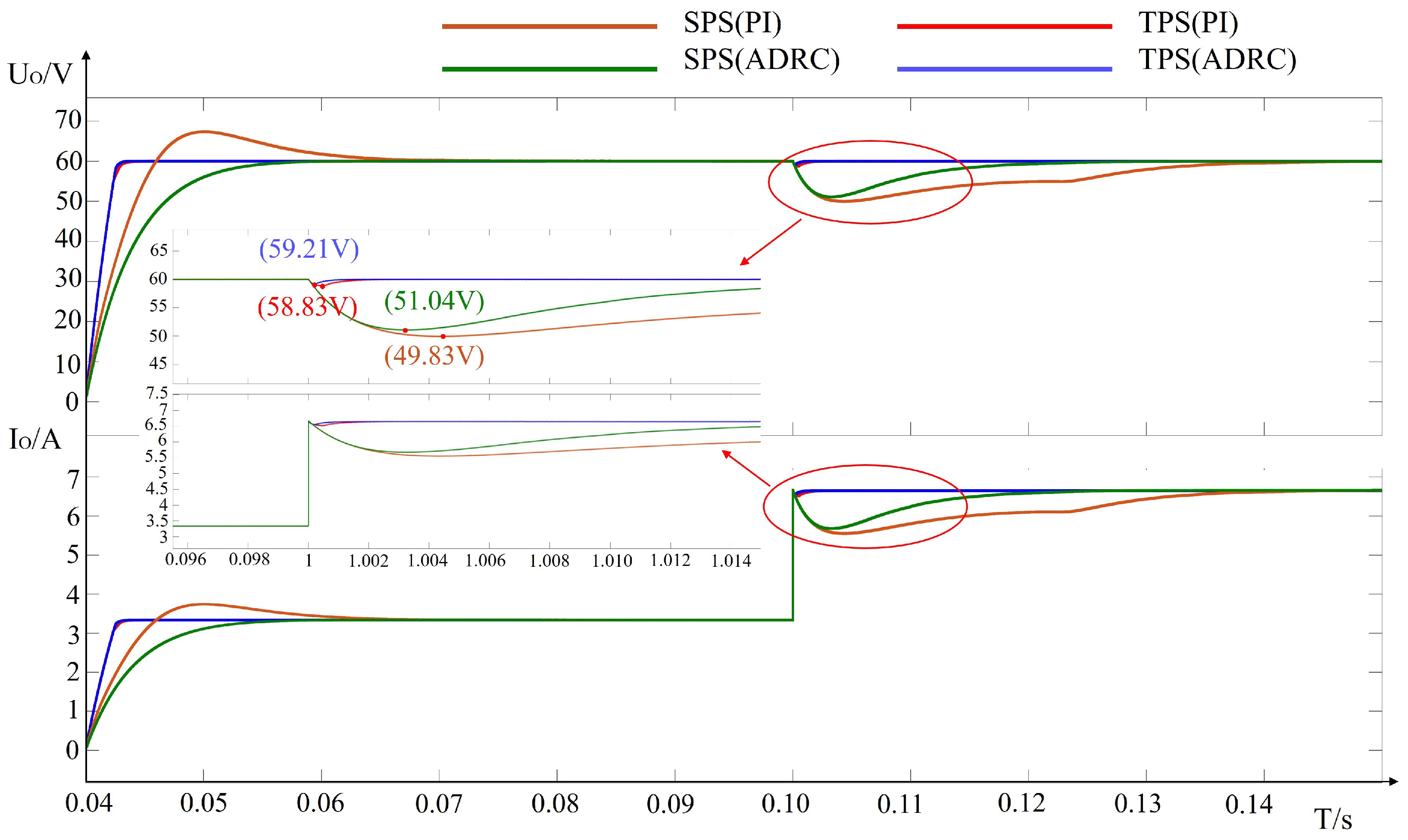
(corresponding to 200 W), where the system suffers from the dual disturbances of load step change and mode transition. The simulation results are illustrated in
Figure 11. During the start-up phase, the steady-state settling time of ADRC-based strategies is dramatically shortened from more than
(for PI-based strategies) to only
, representing a reduction of 88.2%. When the load step occurs, severe voltage overshoot is observed under PI-based controllers, reaching
for SPS (PI) and
for TPS (PI). In contrast, the voltage overshoot is effectively suppressed to
for SPS (ADRC) and
for TPS (ADRC), showing remarkably prominent optimization effects. In terms of recovery time, the maximum value of
achieved by PI-based schemes is reduced to only
.
In the load step-down experiment (representing the practical scenario of sudden load increase), the input voltage remains
and the rated output voltage is
, with an initial load resistance of
(200 W). At
, the load resistance is stepped down to
(400 W), and the results are presented in
Figure 12. Under the load step change, the voltage overshoot values are
for SPS (PI),
for SPS (ADRC),
for TPS (PI), and
for the proposed TPS (ADRC), respectively. The corresponding recovery times are
,
,
, and
.
These results from both step-up and step-down tests consistently demonstrate that the proposed control scheme achieves outstanding dynamic performance under abrupt load variations, even with the coexistence of mode transitions. It exhibits obvious superiority in voltage overshoot suppression, steady-state response speed, and transient recovery capability, which provides reliable simulation support and theoretical evidence for engineering applications.
5. Conclusions
This paper investigates an integrated optimization method for the static characteristics and dynamic performance of DAB converters, and proposes a novel general ADRC model incorporating current stress optimization. This model can provide stable, pure, and efficient power supply support for various actuators, effectively ensuring the reliable operation of actuators, and conforming to the stringent requirements for power supply quality in practical application scenarios.
Firstly, an analytical model of power transmission and current stress under TPS modulation is established, and the optimal current stress combinations corresponding to different operating modes are obtained through theoretical derivation, which provides a theoretical basis for the precise optimization of current stress. Meanwhile, real-time observation, accurate estimation, and active compensation of system disturbances are realized by means of an ESO, significantly enhancing the dynamic response capability of the system. On this basis, a unified control model is constructed, which can flexibly balance the relationship between control performance and control complexity, taking into account both control effects and engineering implementation difficulty, thus improving the practicality and universality of the model. In future work, we will conduct experimental verification on the proposed strategy for meeting the stable power supply requirements of multi-motor systems [
15].
Simulation results verify the effectiveness and superiority of the proposed strategy, with specific conclusions as follows:
- 1.
The proposed control strategy effectively simplifies the power transmission model under TPS modulation and achieves global optimization of current stress over the full power operation range. This strategy can ensure that all switching devices satisfy the ZVS characteristic, effectively reduce the conduction losses and switching losses of the converter, and thus significantly improve the energy conversion efficiency of the converter, providing a guarantee for the efficient operation of the system.
- 2.
When abrupt disturbances occur in the input voltage or load, the proposed control strategy can quickly and dynamically adjust the phase-shift angle parameters based on real-time collected voltage and current information, prompting the output voltage to rapidly recover to a stable value. It exhibits excellent dynamic anti-disturbance performance and steady-state maintenance capability, and can effectively cope with various disturbances under complex operating conditions.