Article

Experimental Investigation on the Combined Blowing Control of a Hybrid Wing Body Aircraft

State Key Laboratory of Aerodynamics, China Aerodynamics Research and Development Center, Mianyang 621000, China
*
Author to whom correspondence should be addressed.
Actuators 2023, 12(6), 237; https://doi.org/10.3390/act12060237
Submission received: 17 May 2023 / Revised: 4 June 2023 / Accepted: 5 June 2023 / Published: 8 June 2023

Abstract

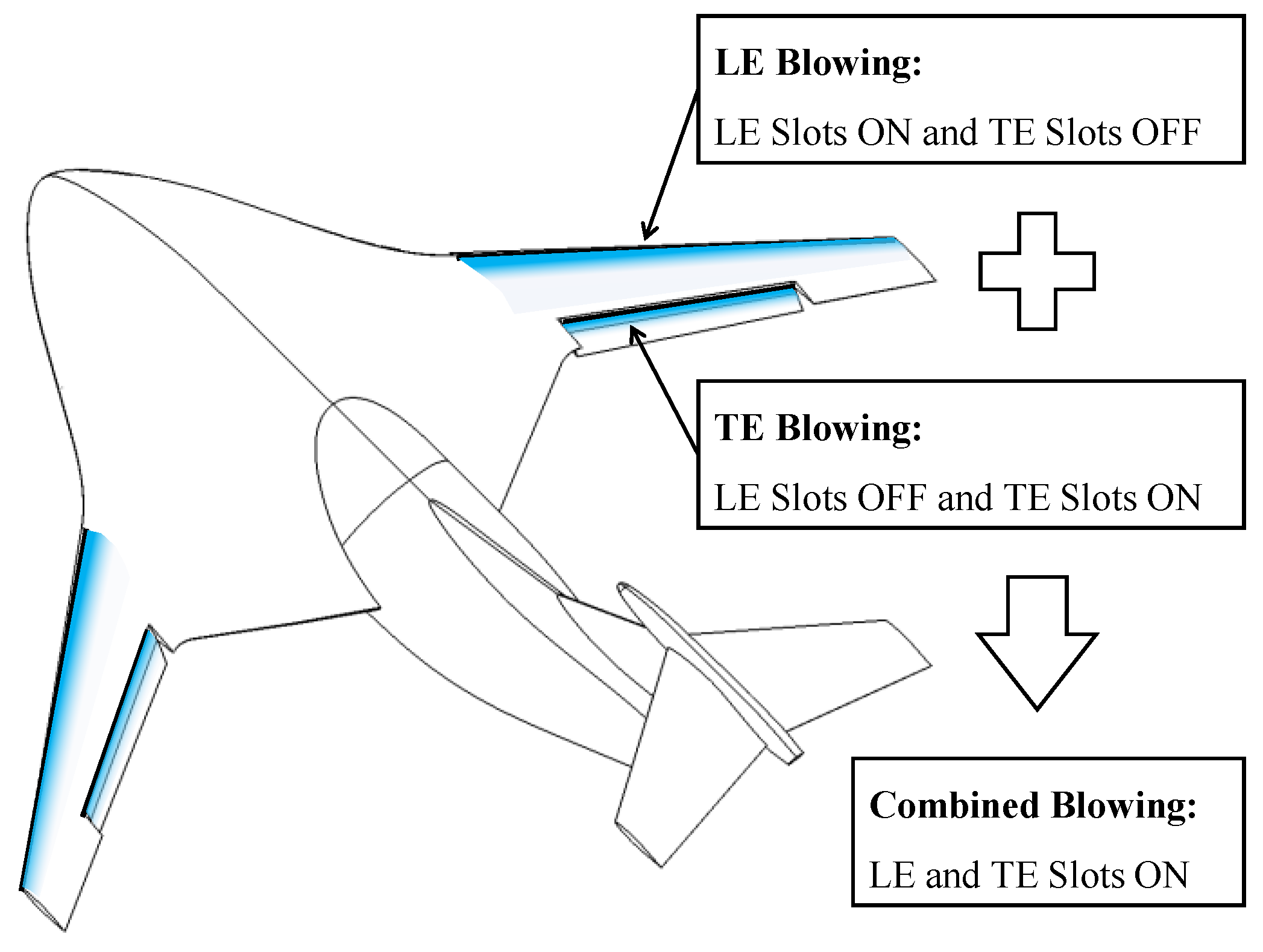
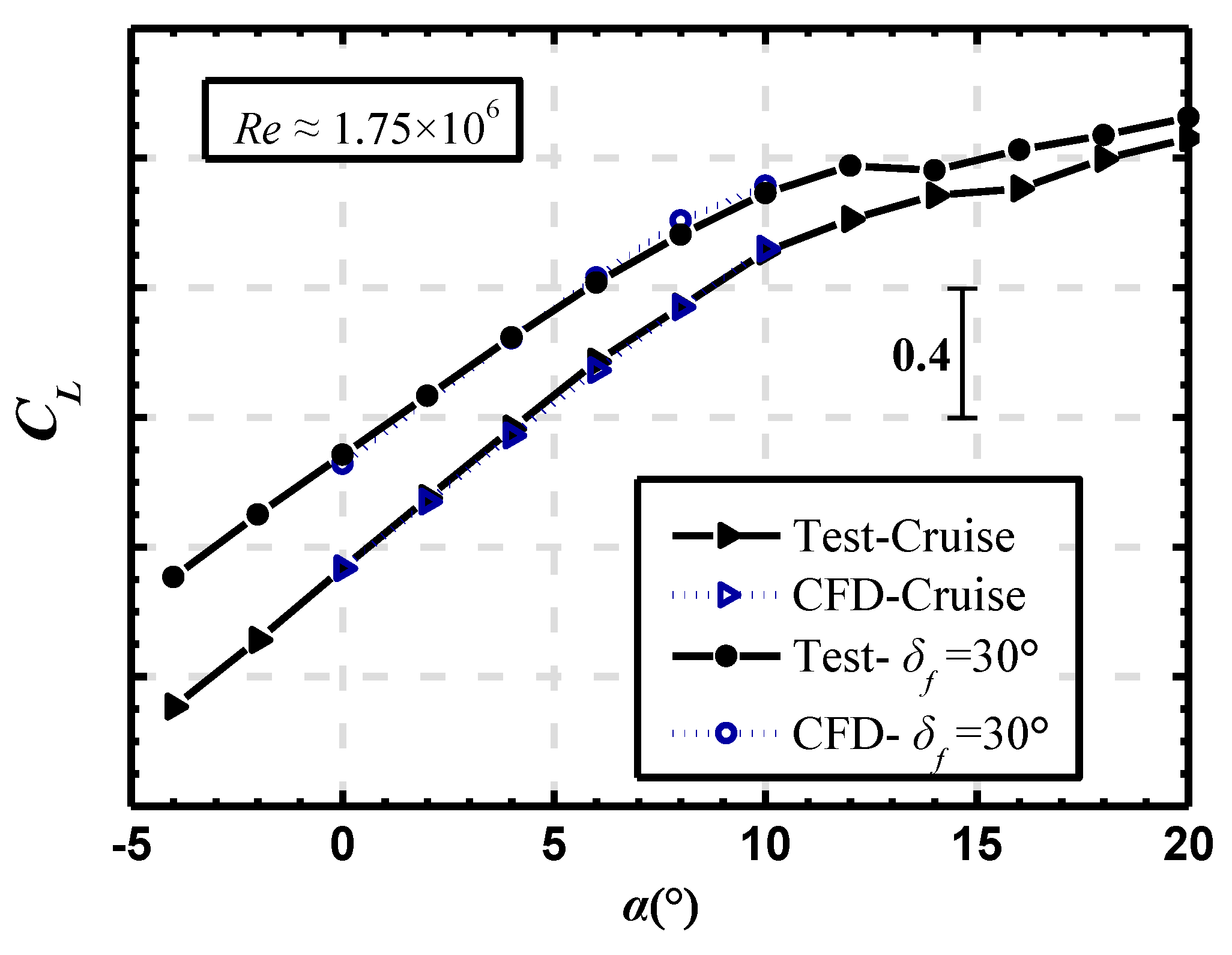
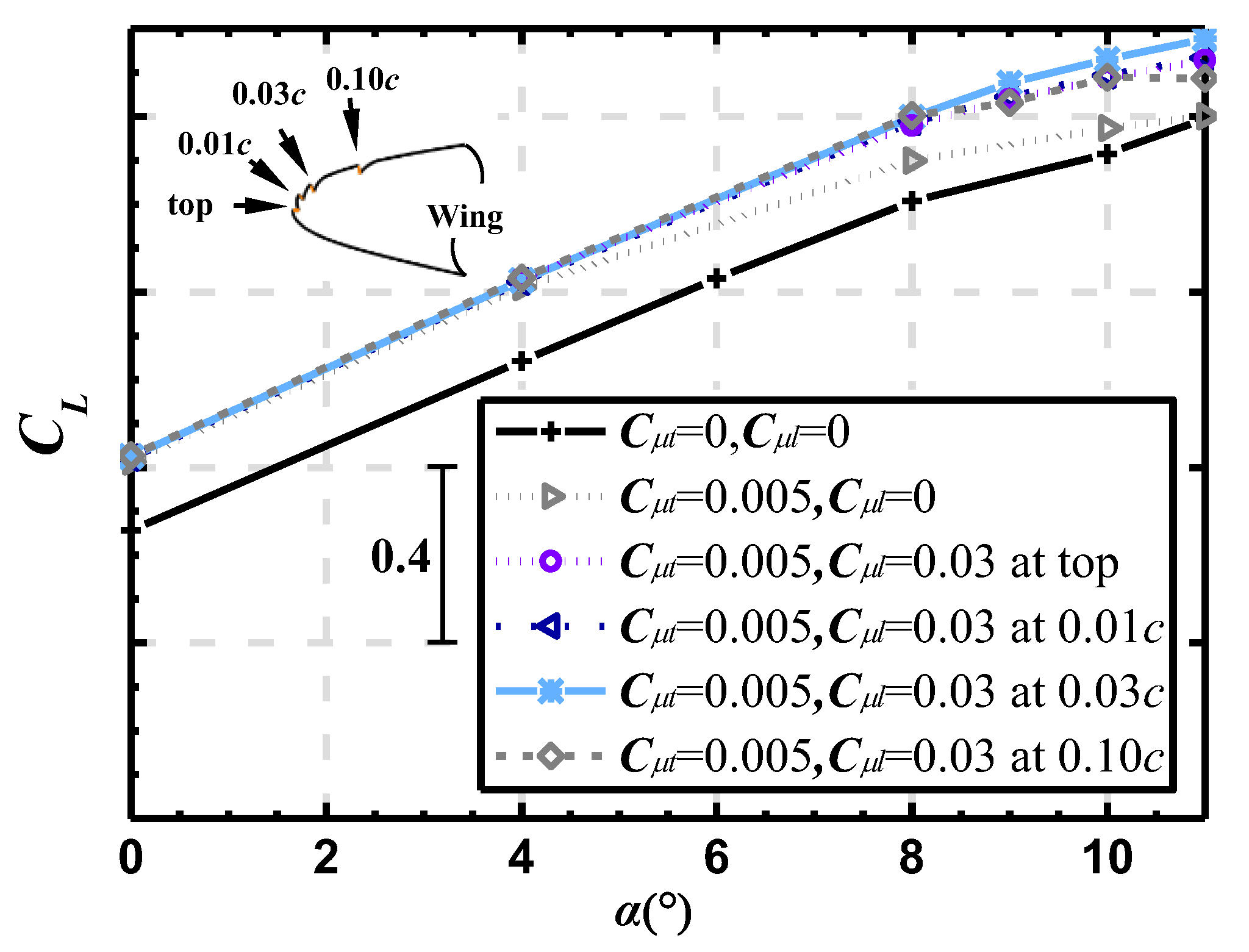
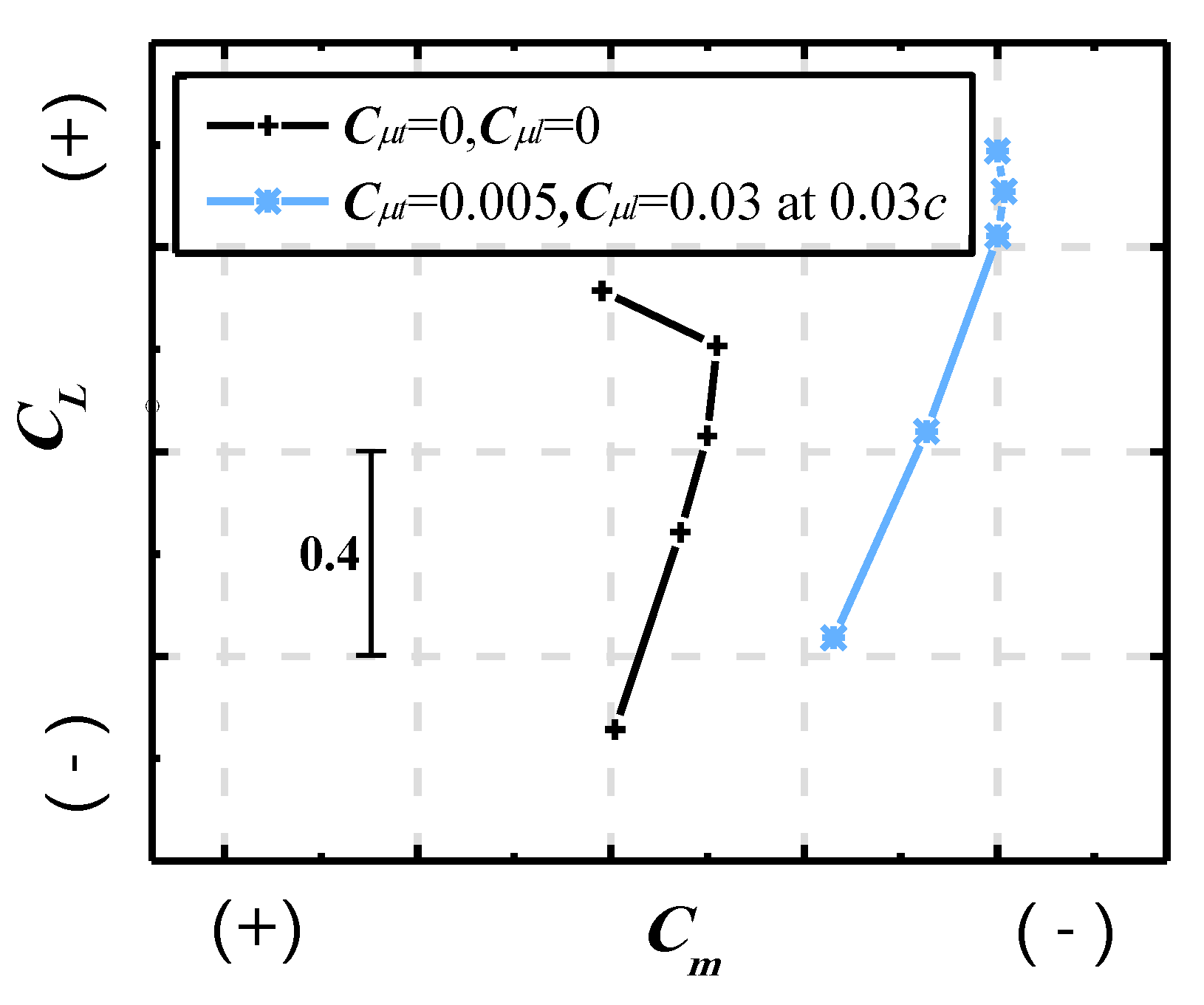
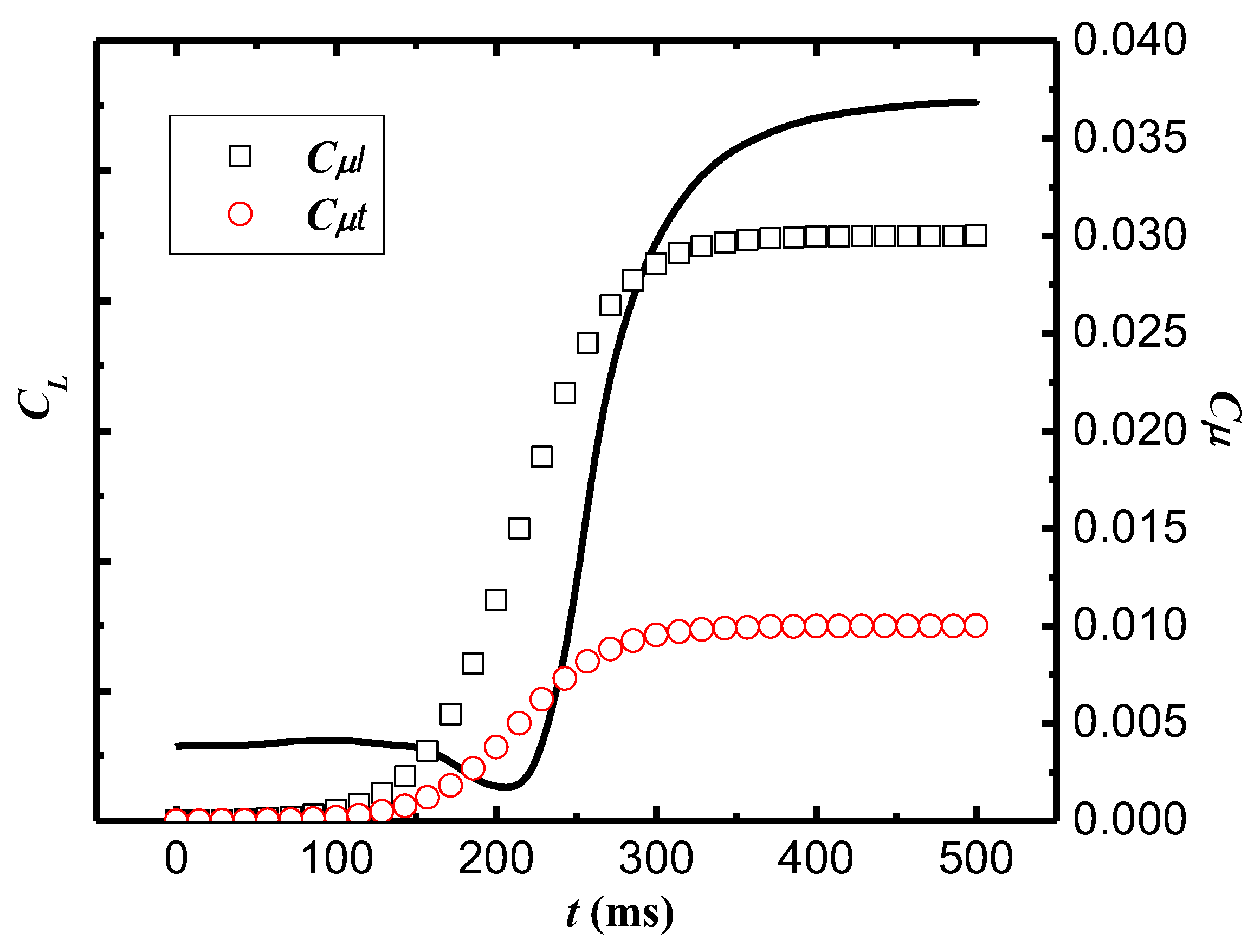
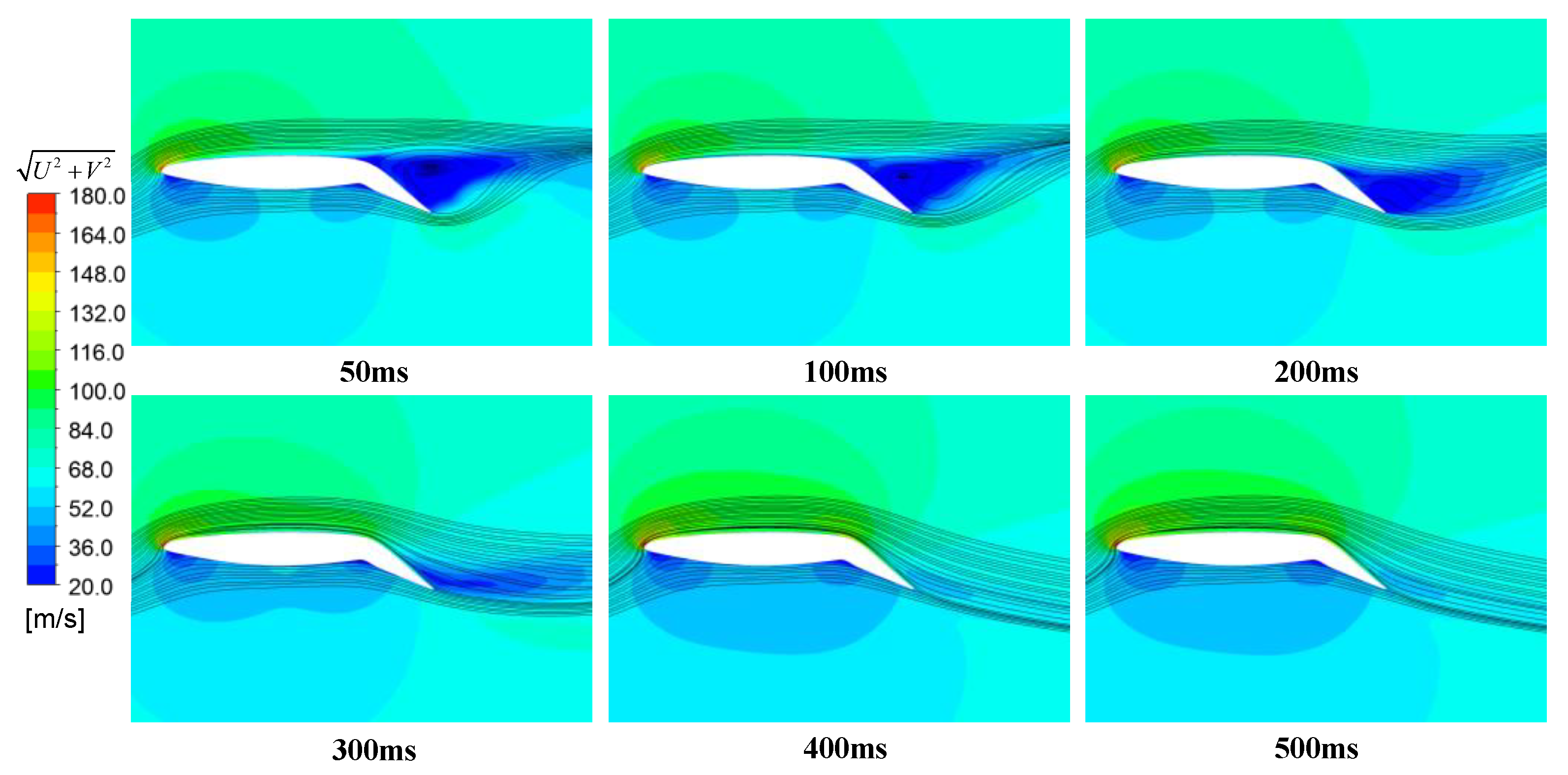
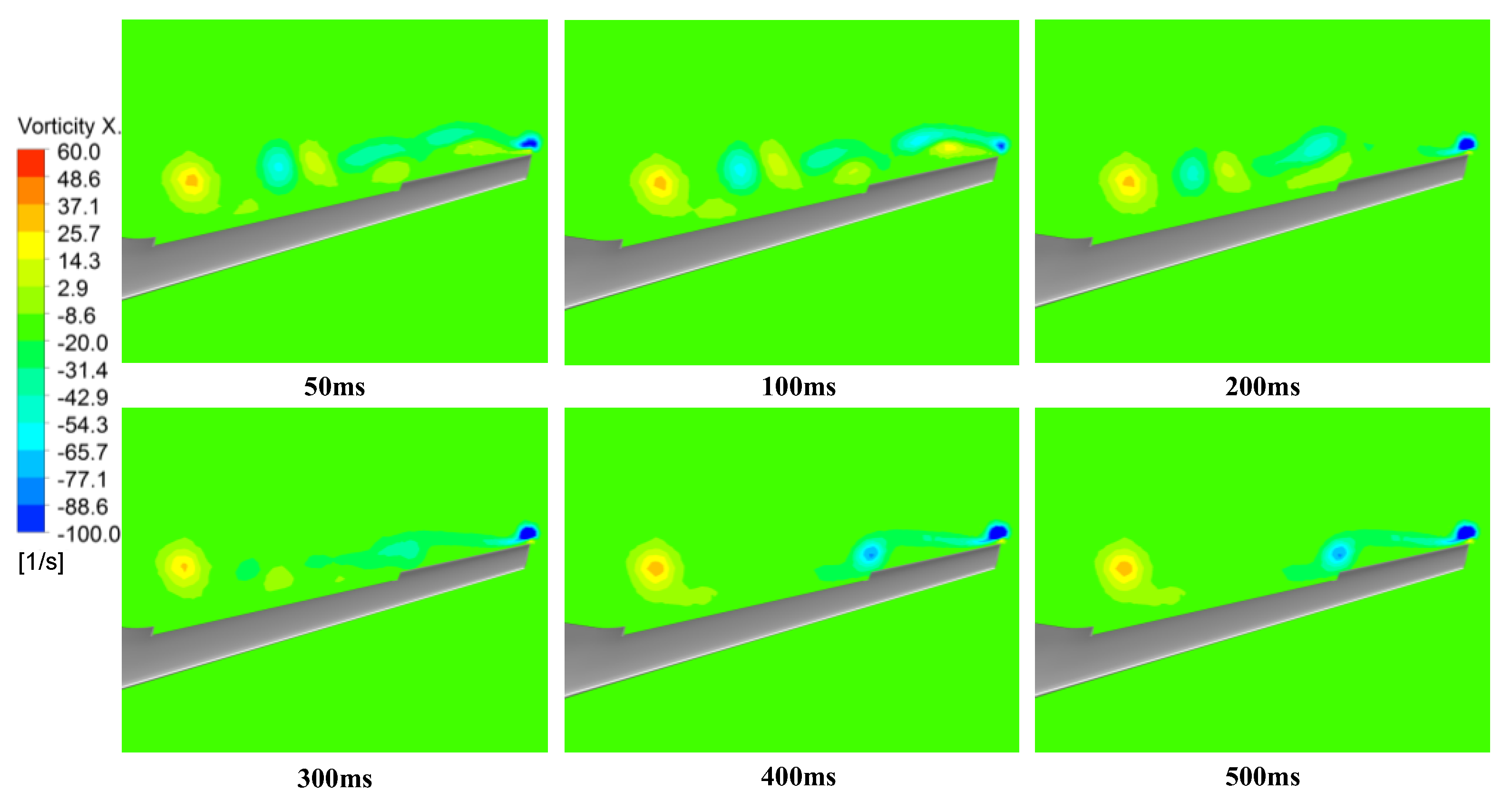
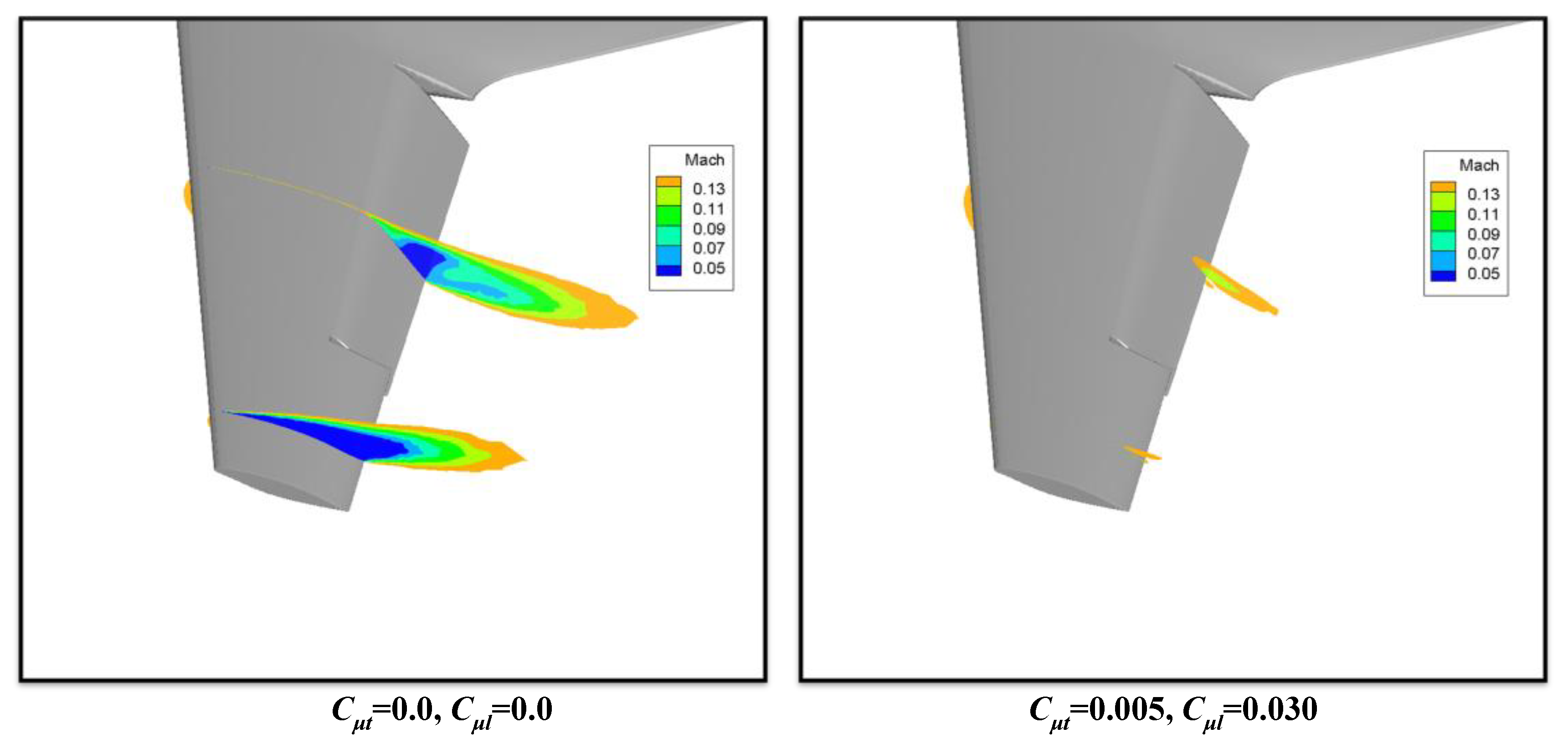
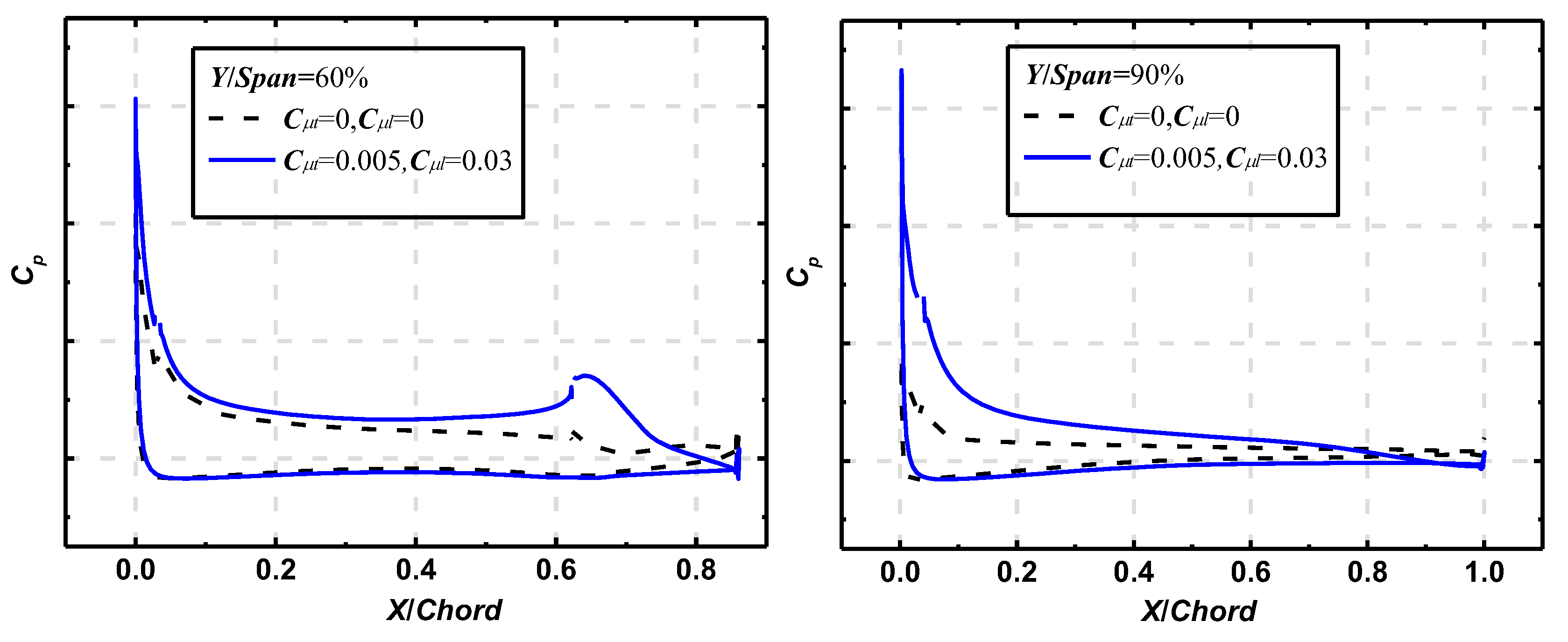
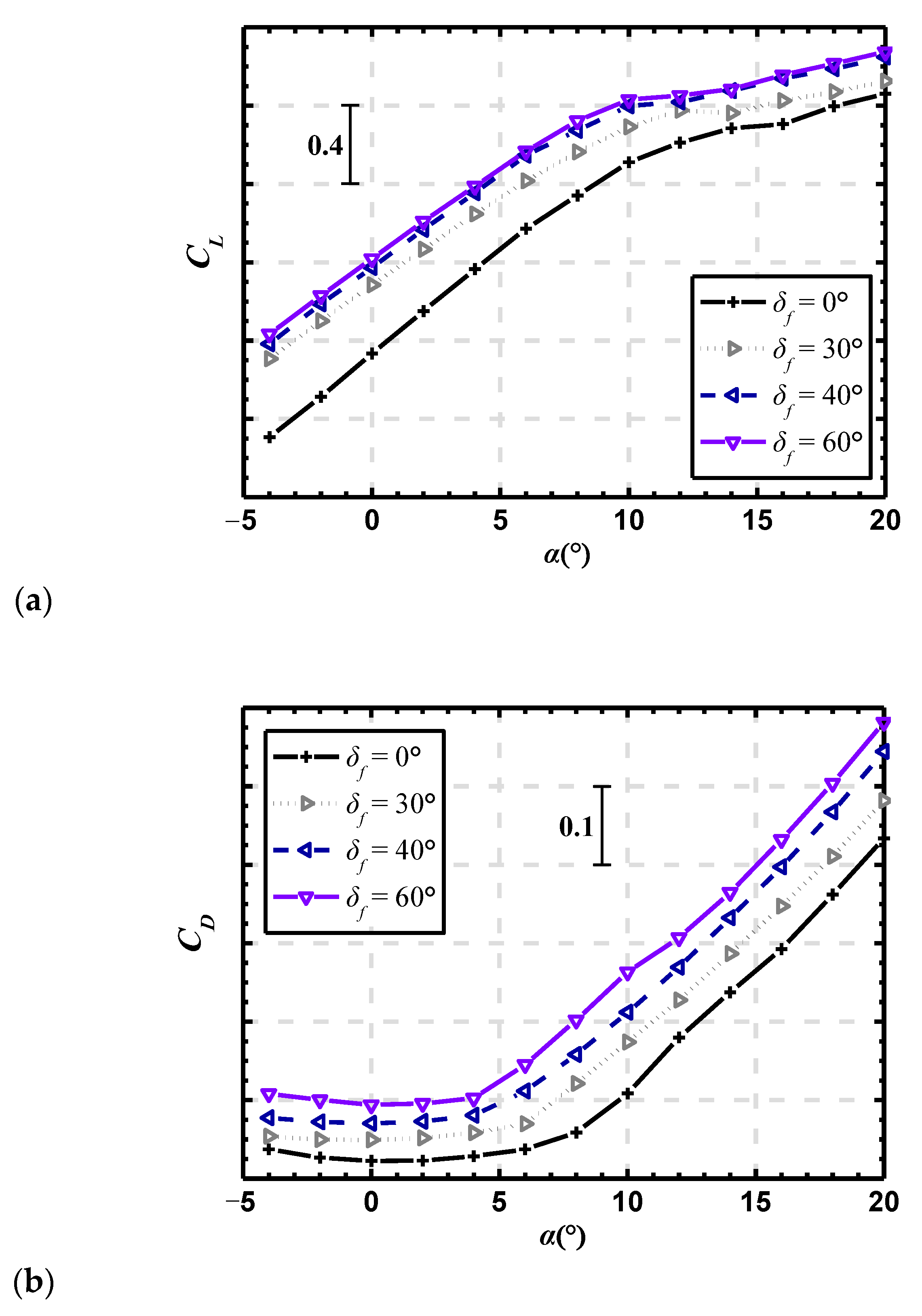
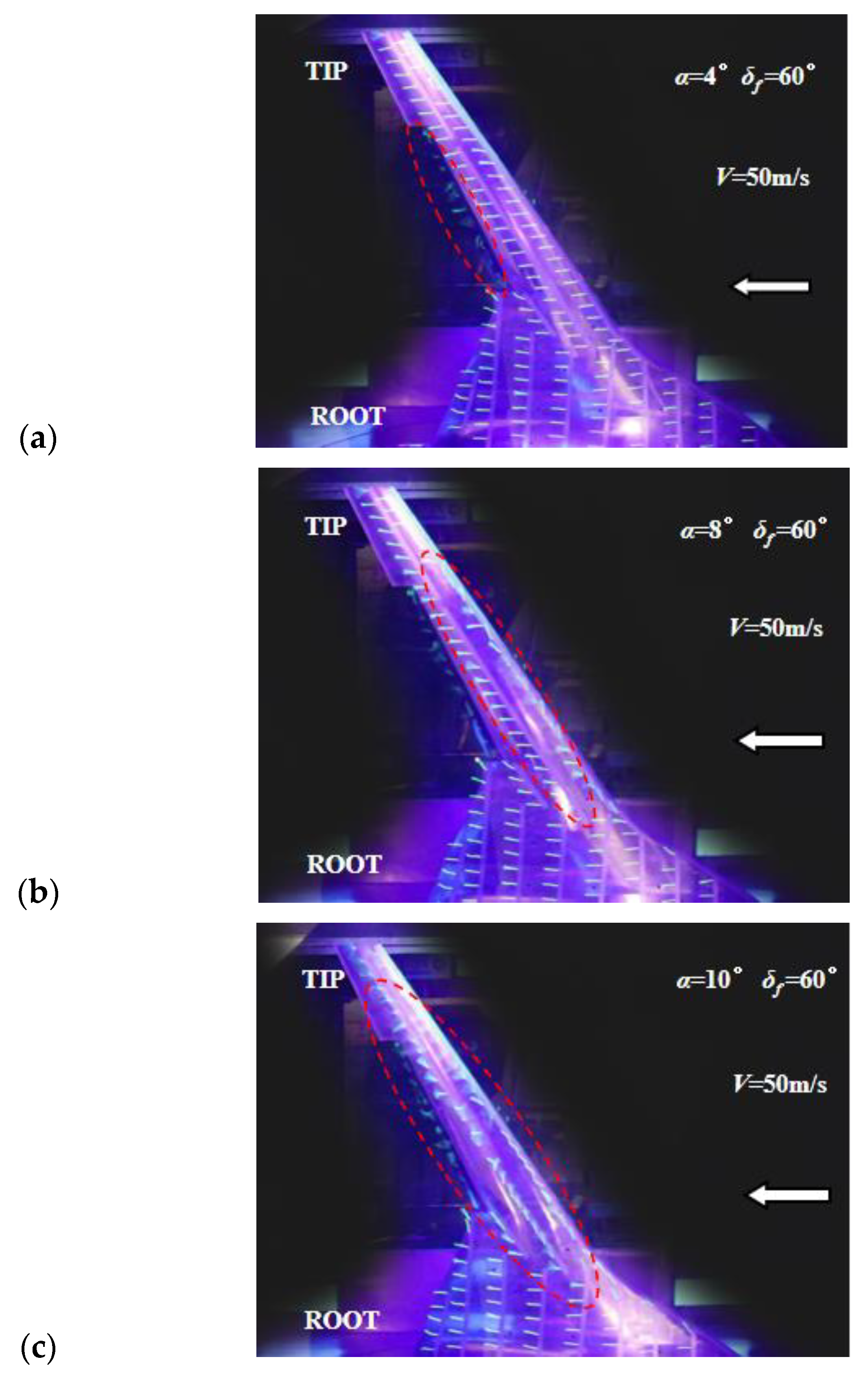
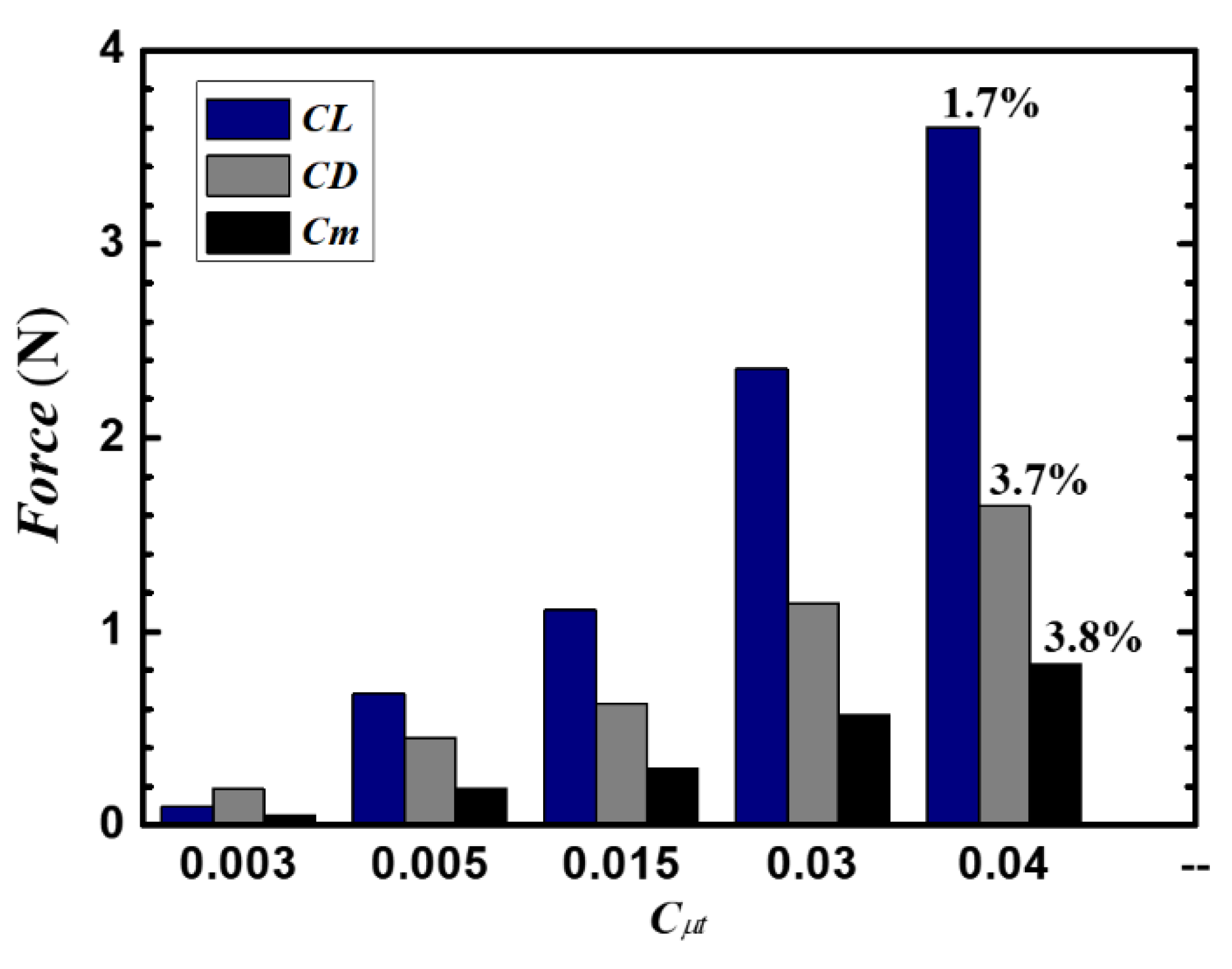
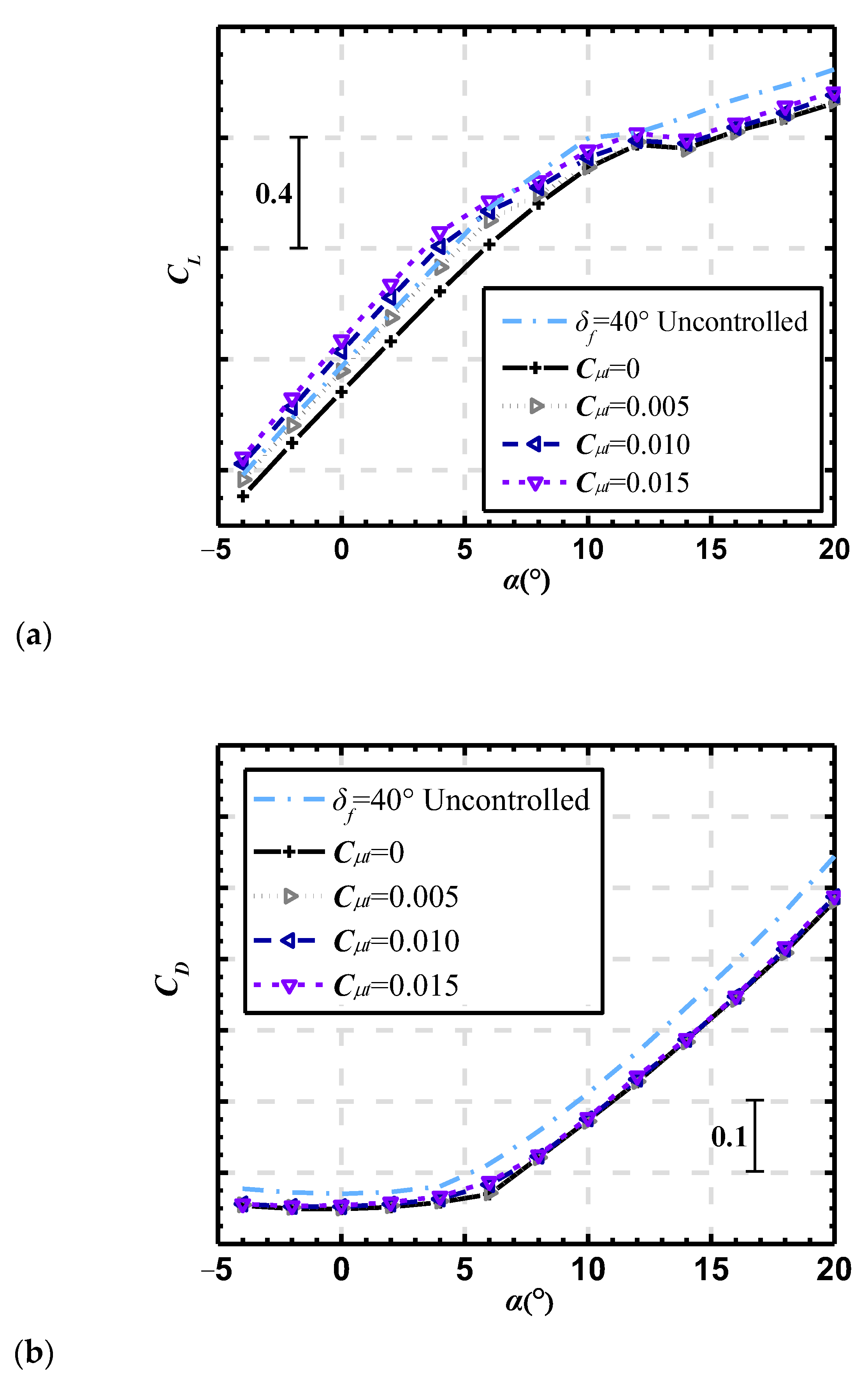
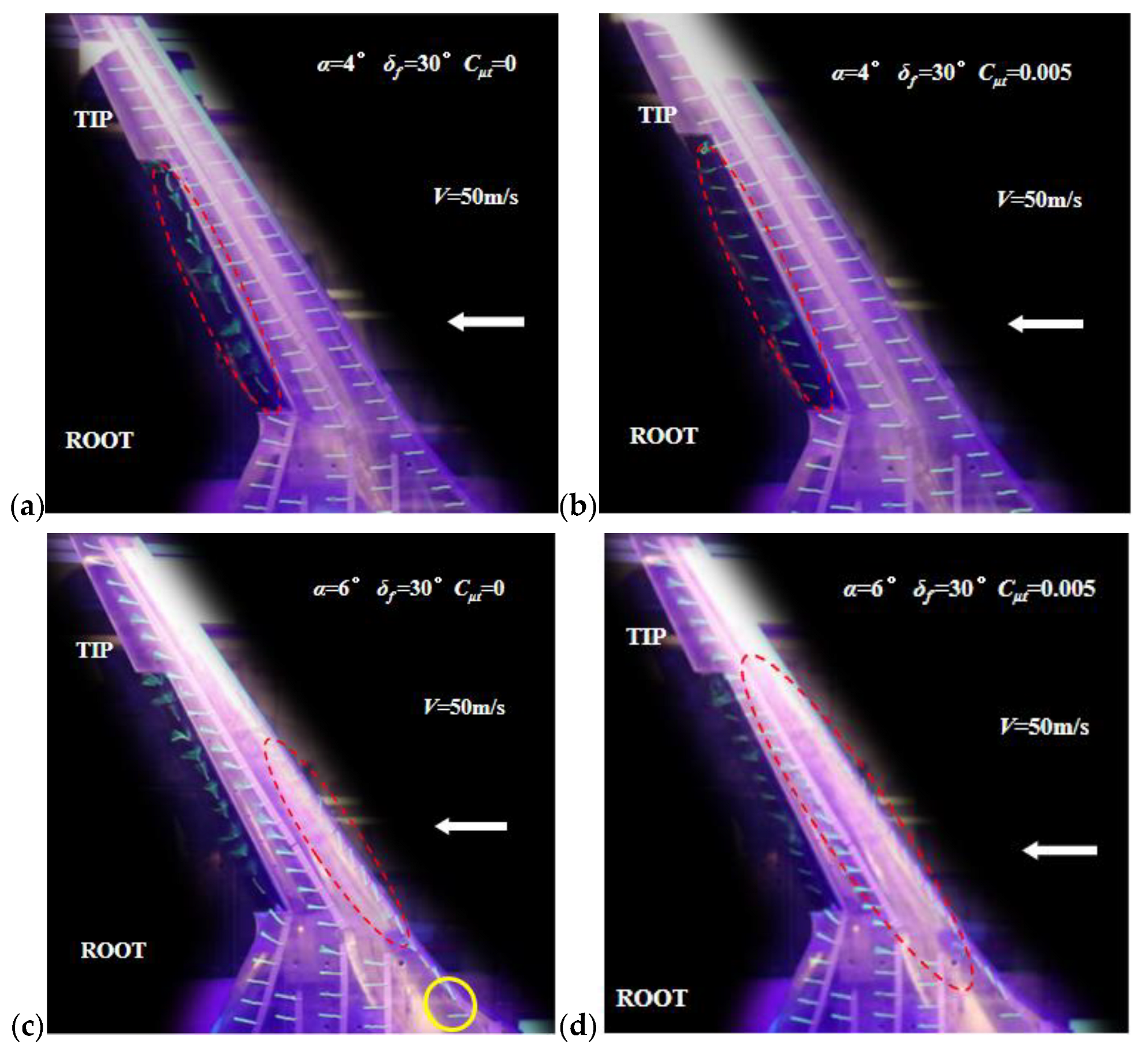
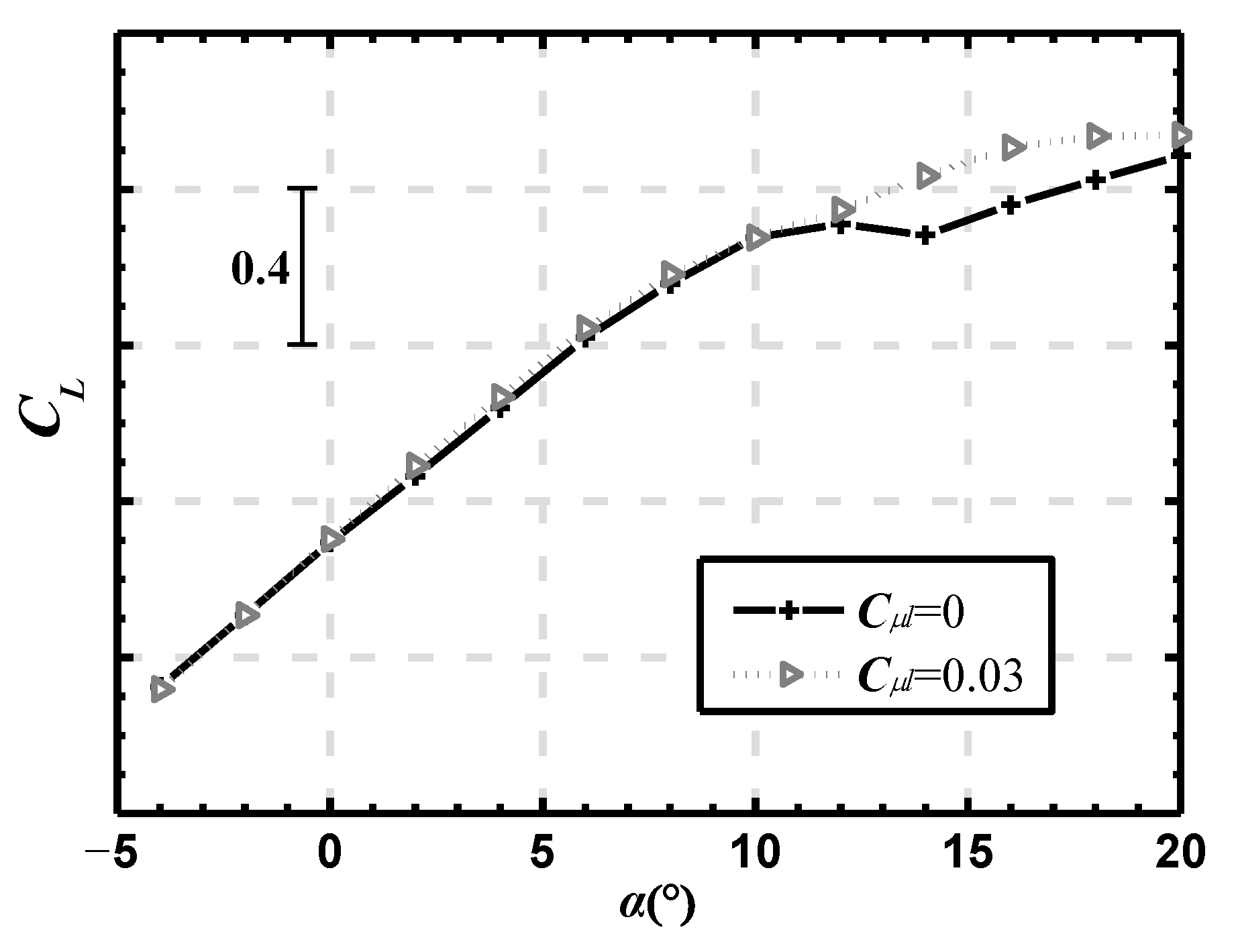
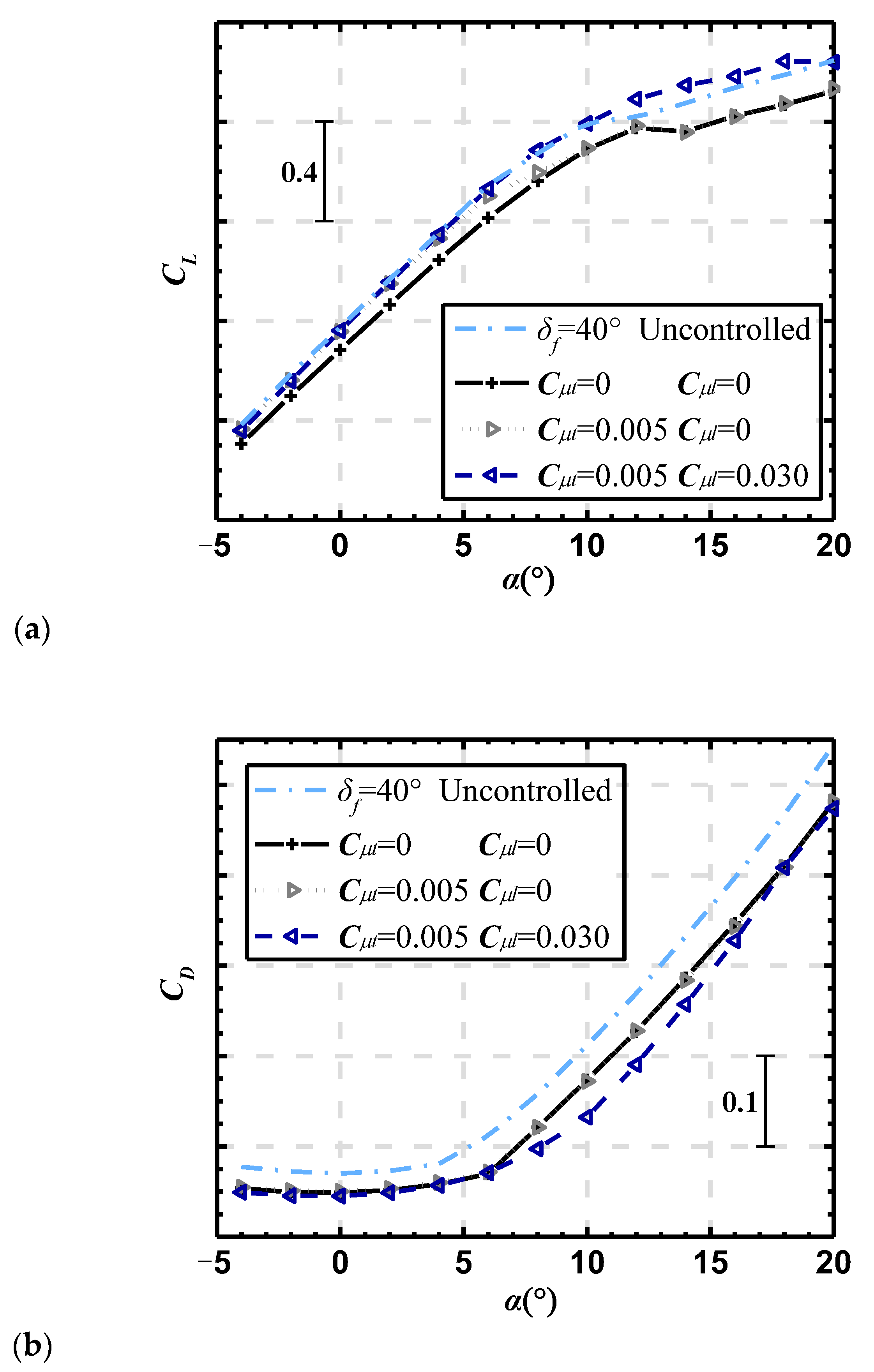
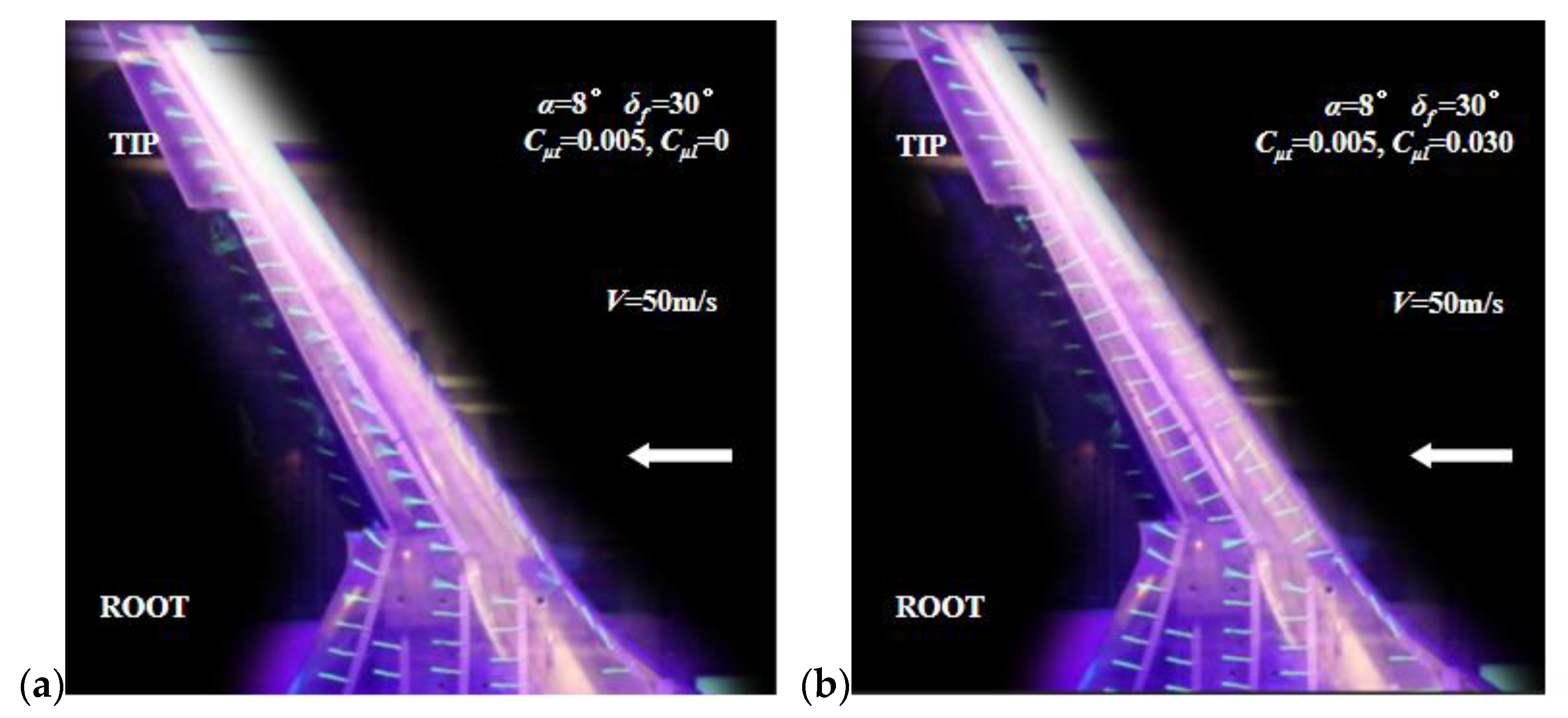
Combined blowing was performed on a Hybrid Wing Body (HWB) aircraft through wind tunnel testing at a Reynolds number of 1.75 × 10⁶. The full cycle of separation and reattachment under the control of combined blowing was implemented using Computational Fluid Dynamics (CFD), and the mechanism of combined blowing inhibiting separation was analyzed. The aerodynamic characteristics of the baseline and the independent effects of the blown deflected trailing edge (TE), blown leading edge (LE), and combined blowing on the TE and LE were investigated. The results clearly show that combined blowing can inhibit the development of cross-flow, reduce the accumulation of a boundary layer at the tip, and inhibit the flow separation effect. The effect of using seamless simple flaps alone to increase the lift is limited; blowing control is required to enhance the lift further. Applying the blown deflected TE can improve the lift linear segment, so that 30° flap achieves the lift gain of 40° flap without control, while the drag coefficient is approximately 0.02 smaller, but the stall gradually advances. Using the blown LE can significantly increase the stall angle from 12° to 18°. However, the lift linear segment remains unaffected. In particular, combined blowing can achieve the control effect of improving the lift linear segment, delaying stall, and decreasing drag. Moreover, the maximum lift coefficient is approximately 0.19, and the lift-to-drag ratio increment in the control state with a 30° flap deflection angle is above 2.2 in the angle of attack range of 4° to 12° compared to the uncontrolled state with a 40° flap deflection angle.
Keywords: Hybrid Wing Body; wind tunnel force test; lift enhancement; blowing flow control Hybrid Wing Body; wind tunnel force test; lift enhancement; blowing flow control