Article

Compact Gut Microbial Dysbiosis Signature Associated with Necrotizing Enterocolitis and Altered Early Microbiota Development


1
Department of Laboratory Medicine, Shanghai Children’s Medical Center, Shanghai Jiao Tong University School of Medicine, Shanghai 200127, China
2
Department of Clinical Nutrition, Shanghai Children’s Medical Center, Shanghai Jiao Tong University School of Medicine, Shanghai 200127, China
3
Department of General Surgery, Shanghai Children’s Medical Center, Shanghai Jiao Tong University School of Medicine, Shanghai 200127, China
4
Department of Neonatology, Shanghai Children’s Medical Center, Shanghai Jiao Tong University School of Medicine, Shanghai 200127, China
5
Department of Laboratory Diagnostics, KingMed Center for Clinical Laboratory, Shanghai 200120, China
*
Authors to whom correspondence should be addressed.
These authors contributed equally to this work.
Pathogens 2026, 15(8), 785; https://doi.org/10.3390/pathogens15080785

Submission received: 9 June 2026 / Revised: 15 July 2026 / Accepted: 21 July 2026 / Published: 24 July 2026

Abstract

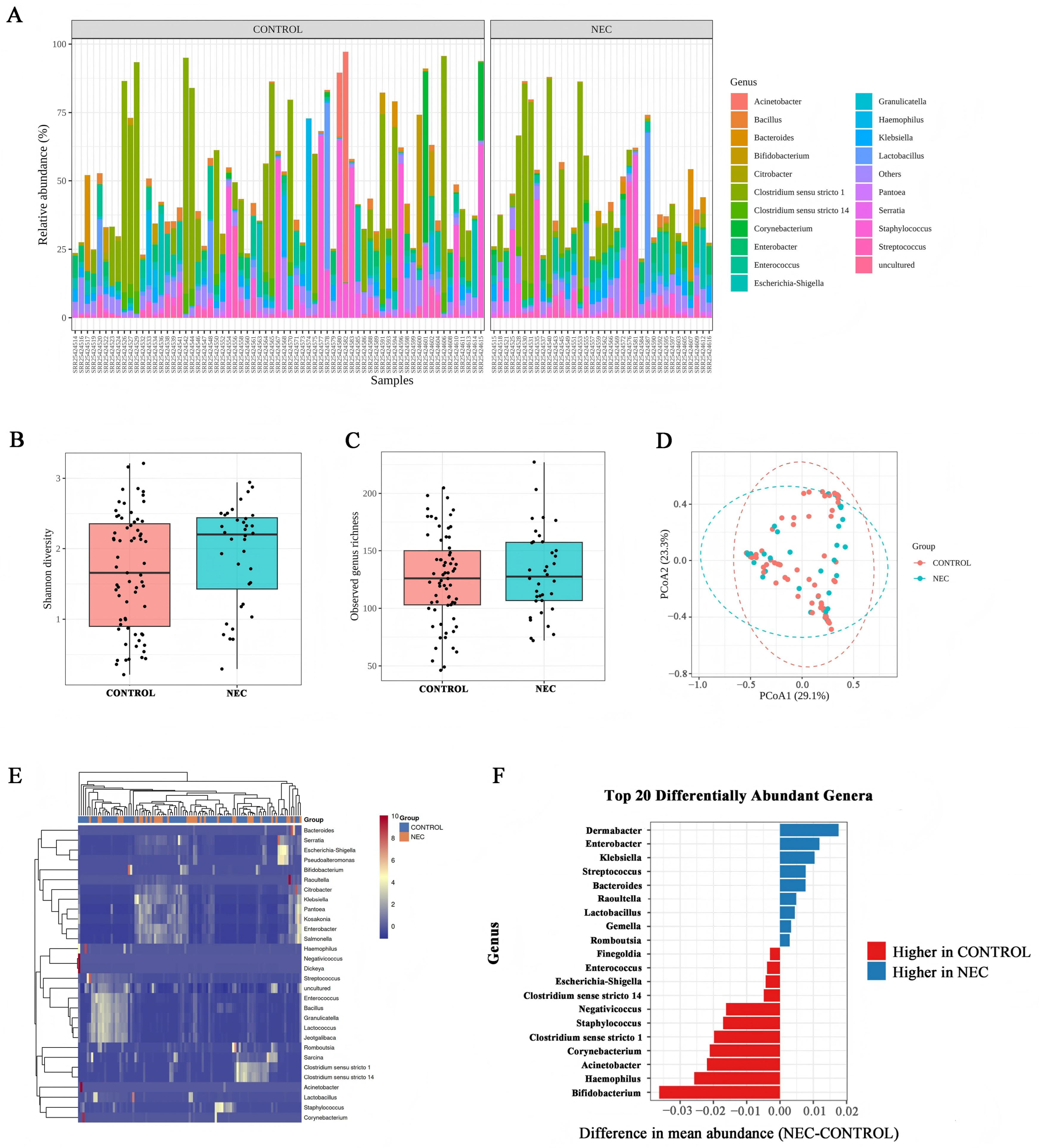
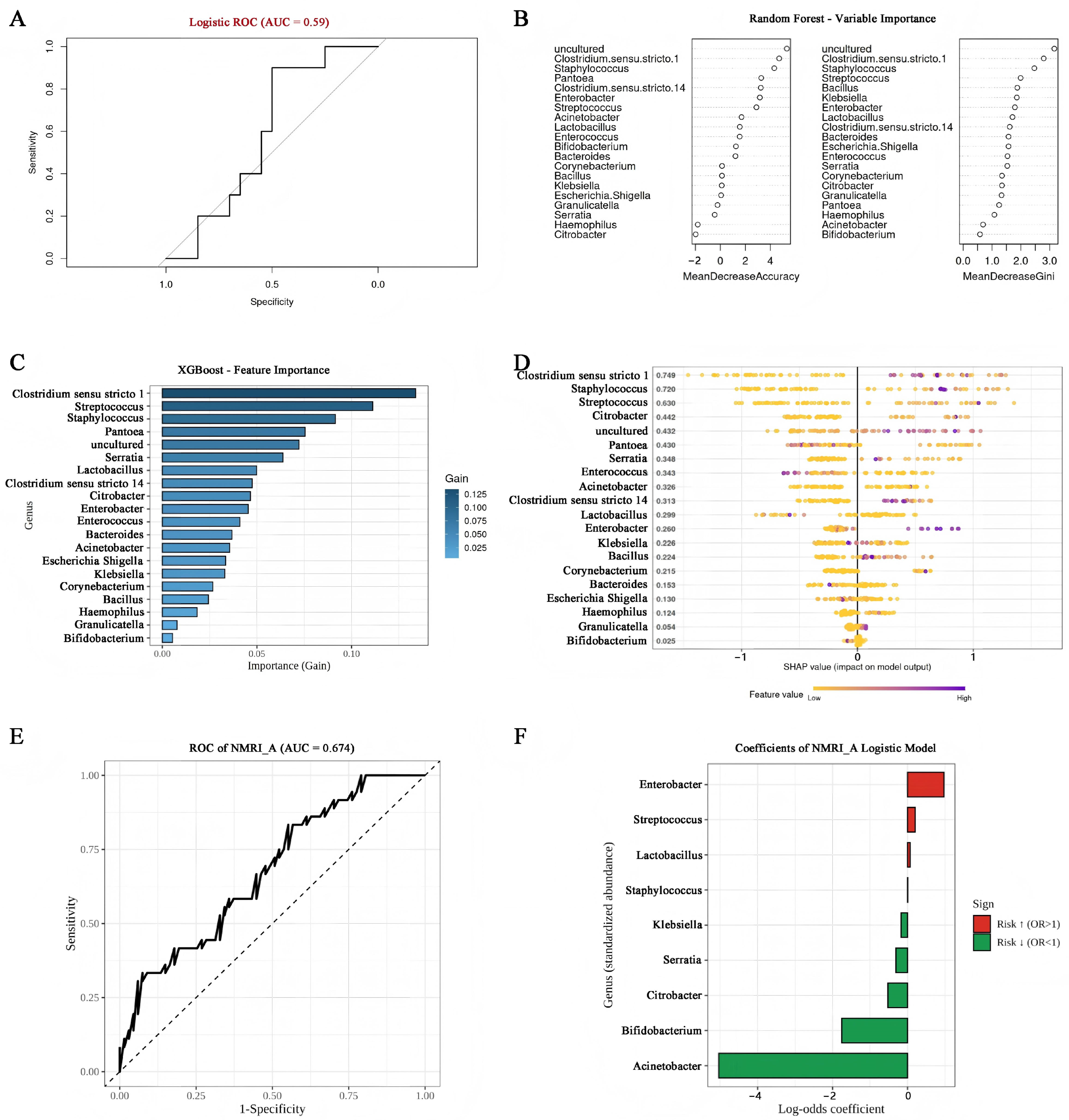
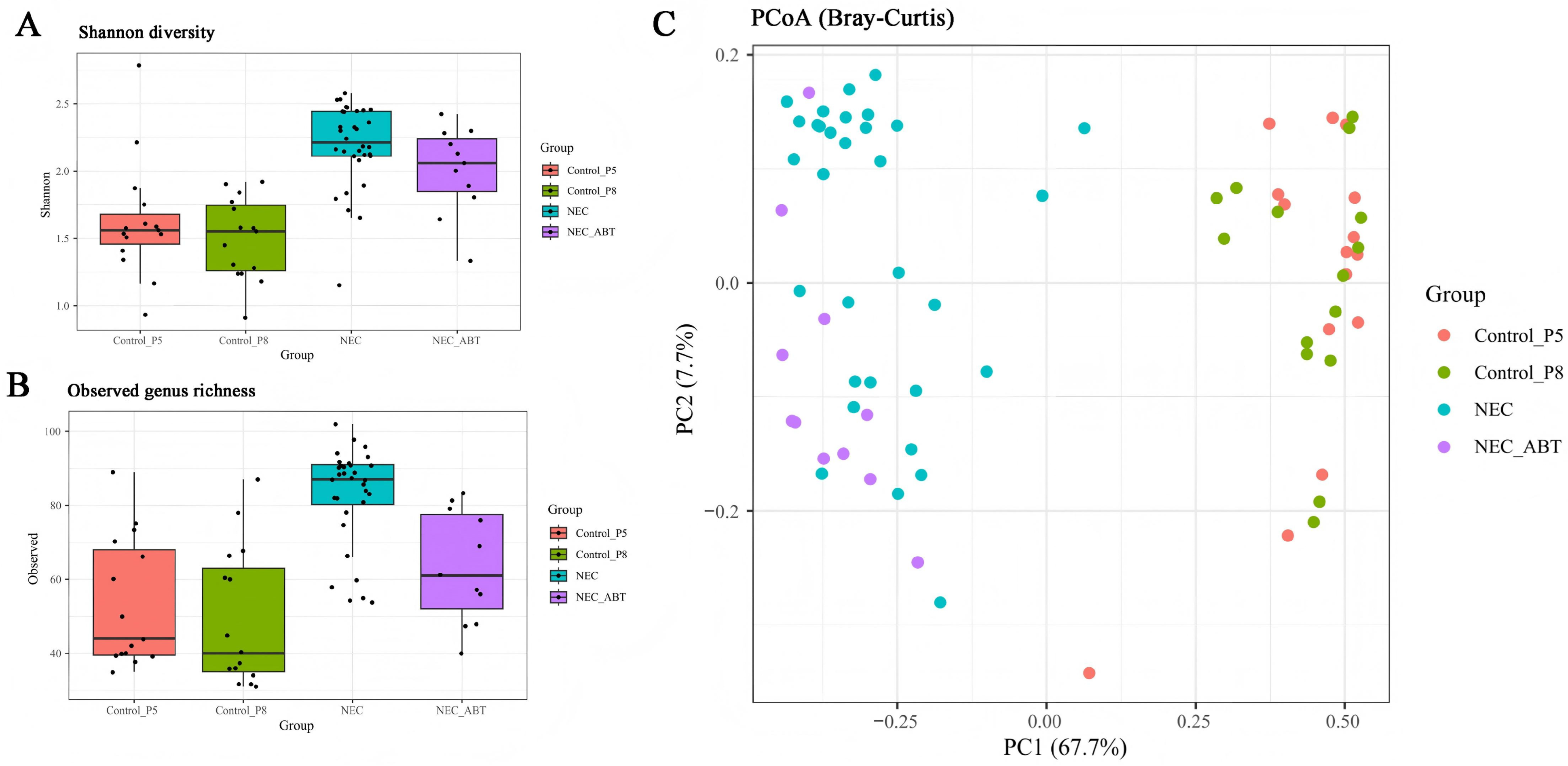
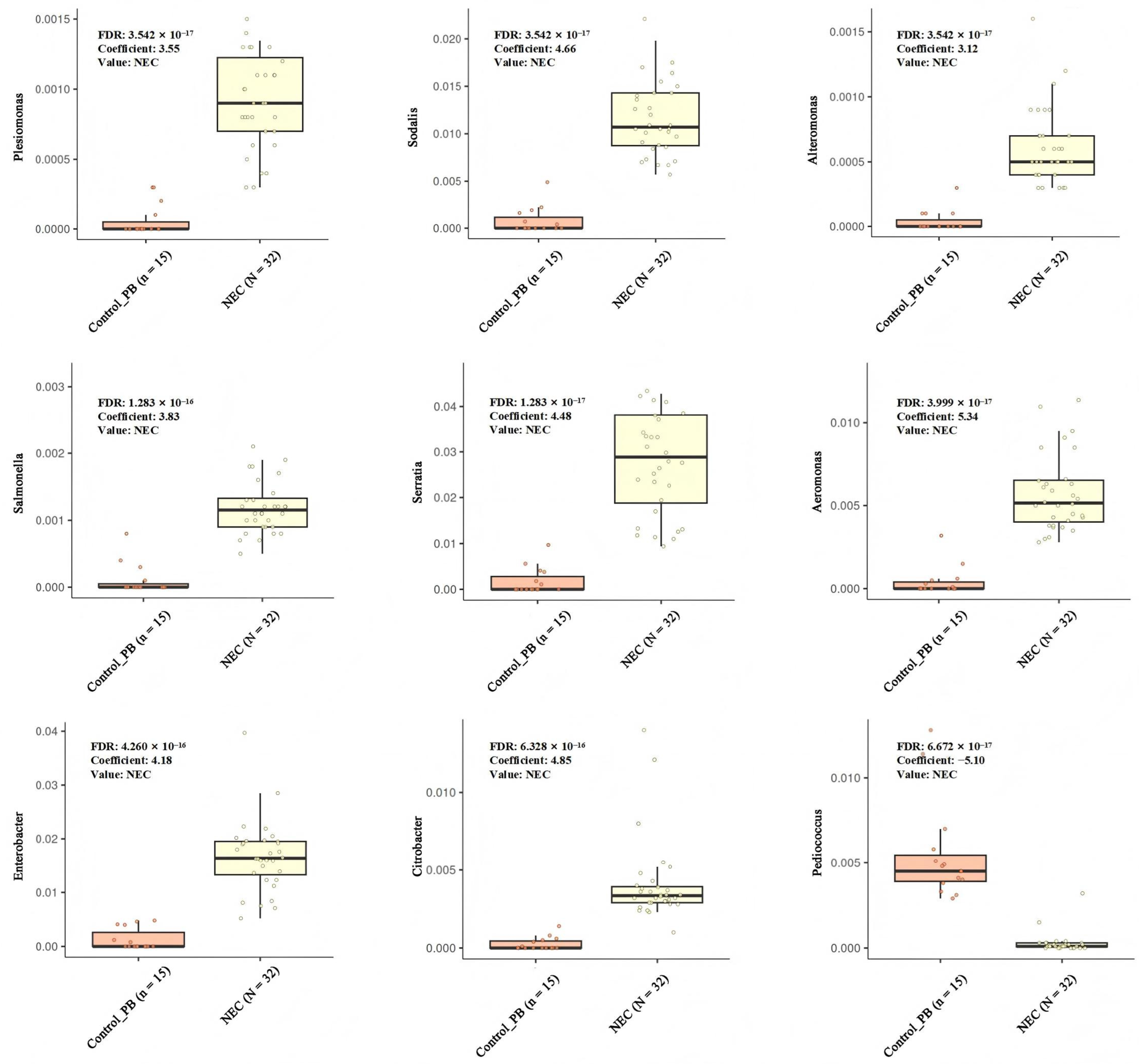
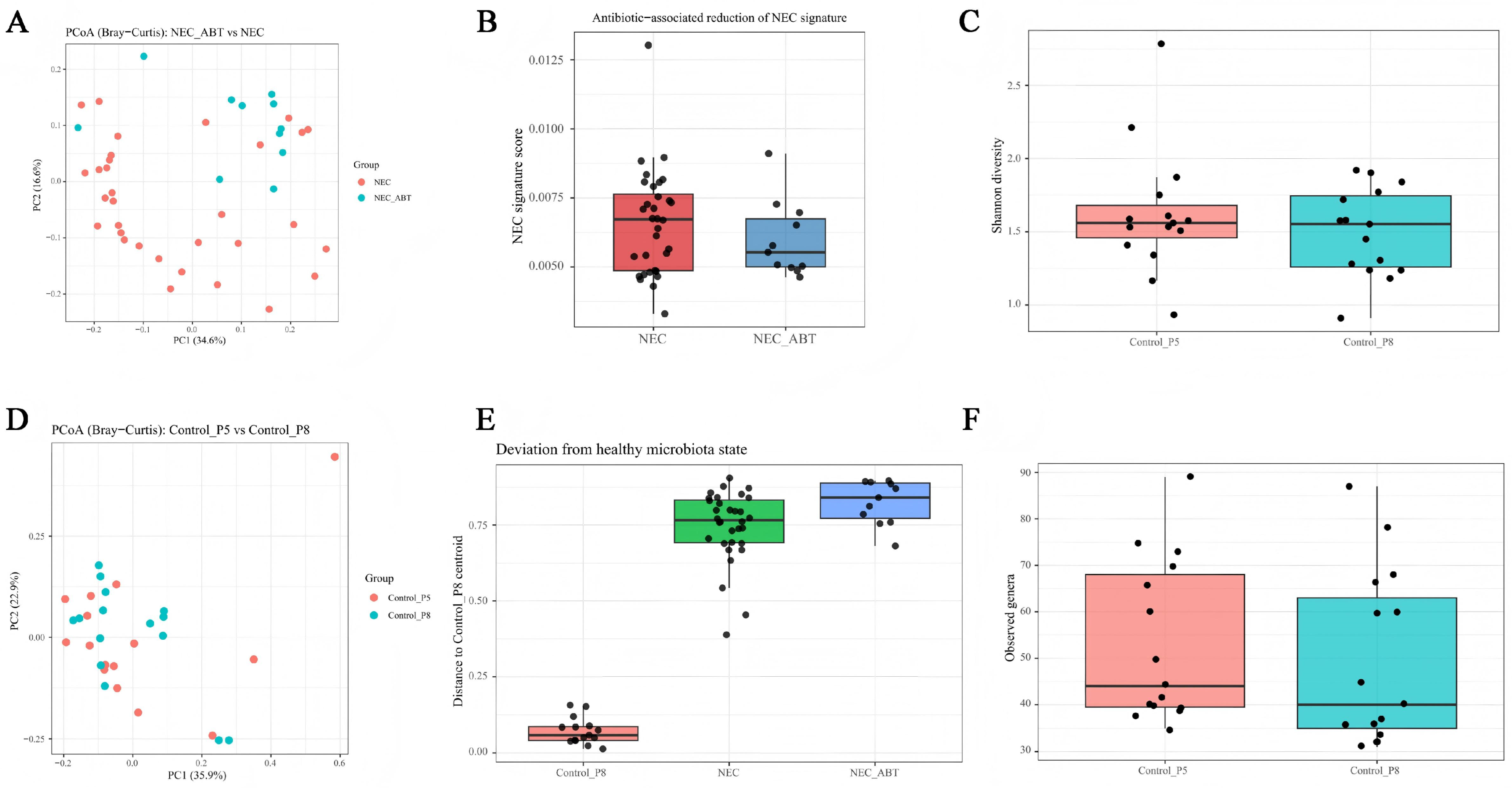
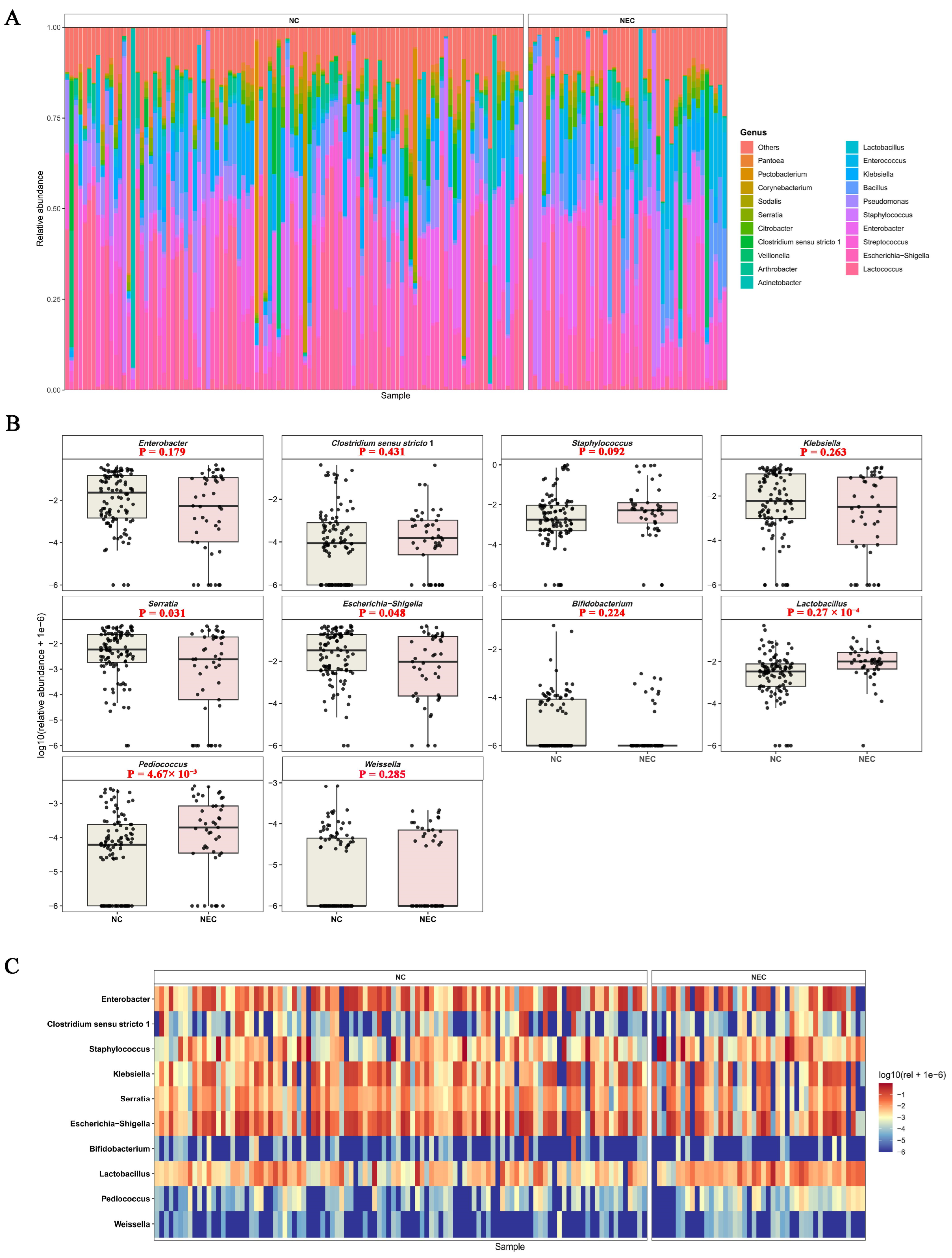
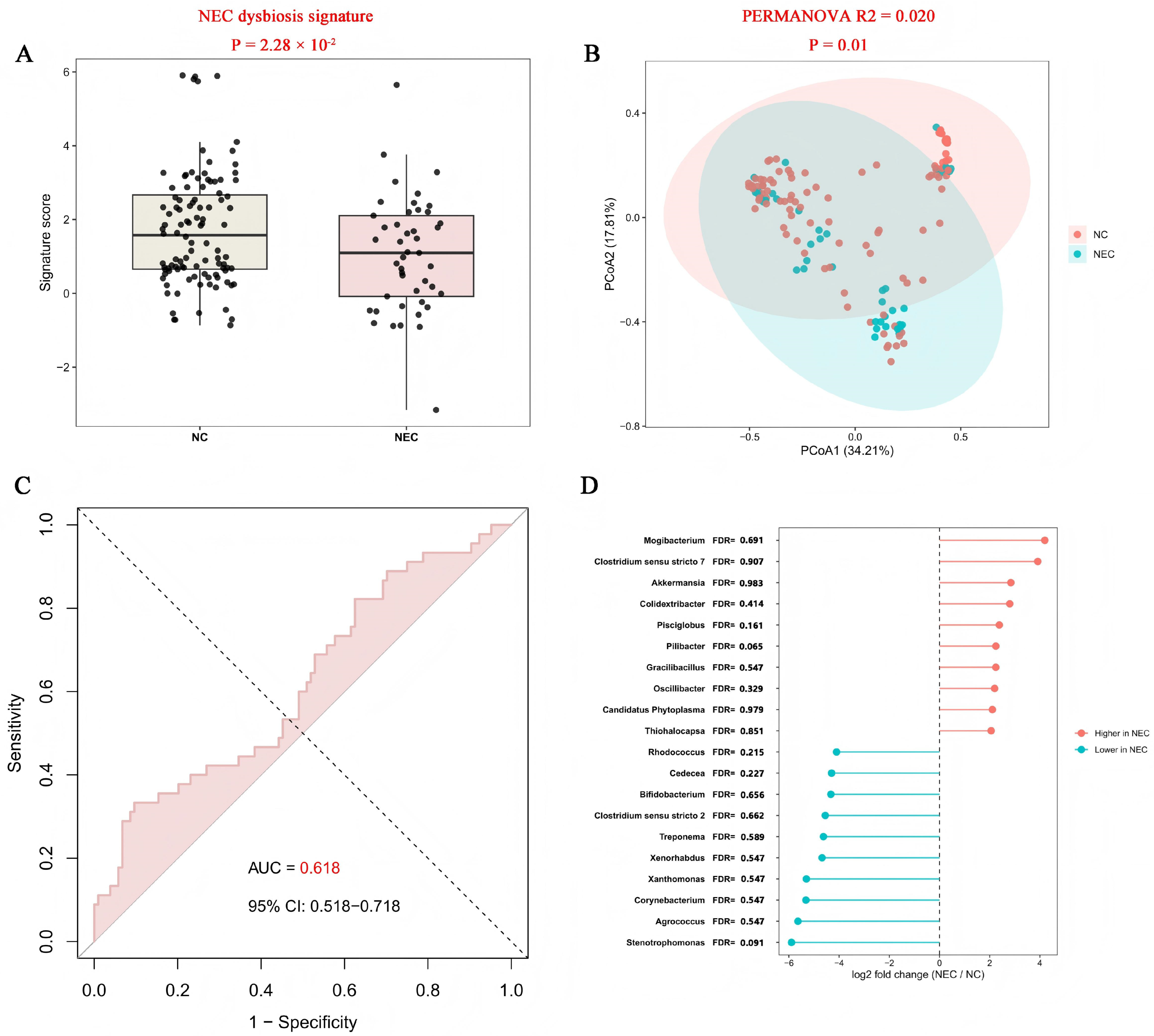
Background: Necrotizing enterocolitis (NEC) is a life-threatening intestinal disorder in preterm infants and is strongly associated with gut microbial dysbiosis. However, whether recurrent genus-level dysbiosis patterns can be observed across heterogeneous NEC cohorts and summarized as a compact, interpretable microbial signature remains unclear. Methods: We analyzed two public neonatal gut microbiome cohorts and an independent real-world cohort within a three-stage framework of discovery, contextual analysis, and external validation. Community composition, alpha diversity, beta diversity, and differential genera were evaluated using harmonized genus-level features within each cohort. Machine learning feature prioritization was used to derive a reduced NEC-associated microbial signature. A four-group cohort was then used to examine this signature in relation to disease status, antibiotic exposure, and early postnatal development. The reduced signature was finally examined in our collected samples. Results: NEC-related microbial alterations showed marked heterogeneity at the whole-community level across cohorts, whereas several genus-level directional patterns recurred across datasets. Across datasets, NEC was repeatedly associated with enrichment of several opportunistic genera, including Enterobacter, Klebsiella, Serratia, and Escherichia–Shigella, and depletion of commensal or probiotic-associated taxa such as Bifidobacterium, Lactobacillus, and Pediococcus. Feature prioritization yielded a compact microbial signature that improved discrimination over the unfiltered abundance profile in the discovery cohort (AUC 0.674 vs. 0.59). In the four-group cohort, the NEC_ABT group remained distinct from healthy controls, supporting partial modification rather than normalization of the NEC-associated pattern. In our collected samples, the signature retained directional consistency but showed only modest external discrimination (AUC 0.618). Conclusions: These findings identify recurrent genus-level dysbiosis features associated with NEC across clinically heterogeneous settings. The compact microbial signature may serve as an exploratory biomarker for longitudinal and mechanistic validation, but not as a standalone diagnostic tool.
Keywords: necrotizing enterocolitis; gastrointestinal microbiome; dysbiosis; machine learning; infants; premature; biomarkers necrotizing enterocolitis; gastrointestinal microbiome; dysbiosis; machine learning; infants; premature; biomarkers